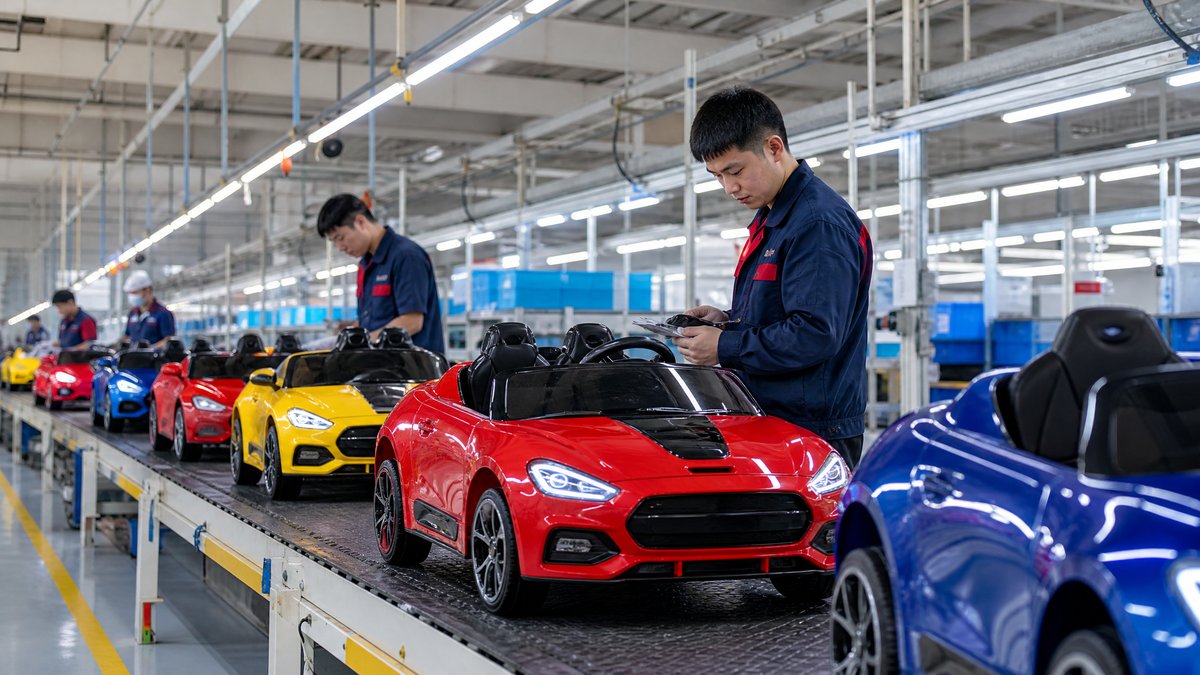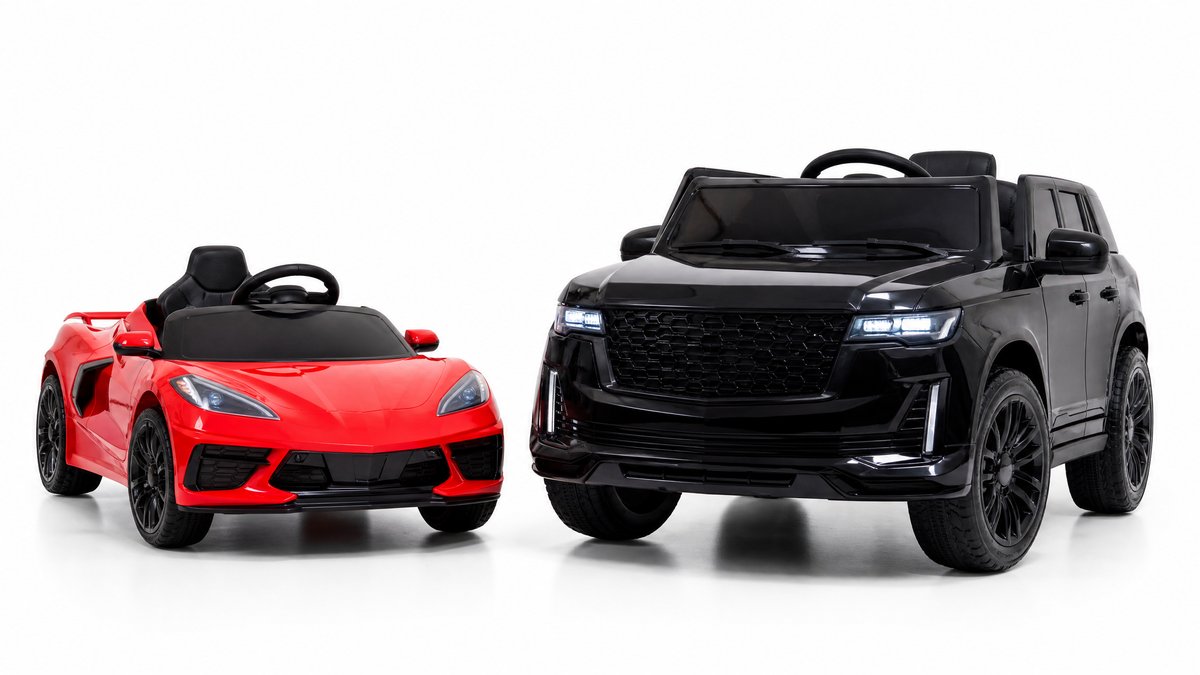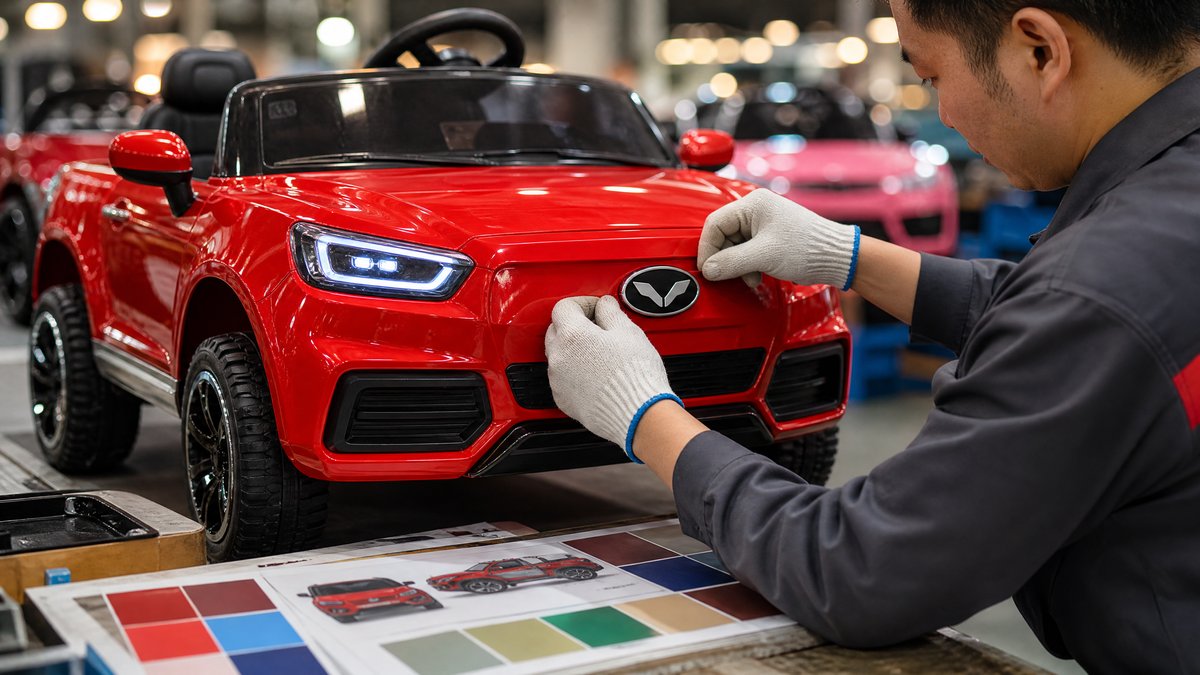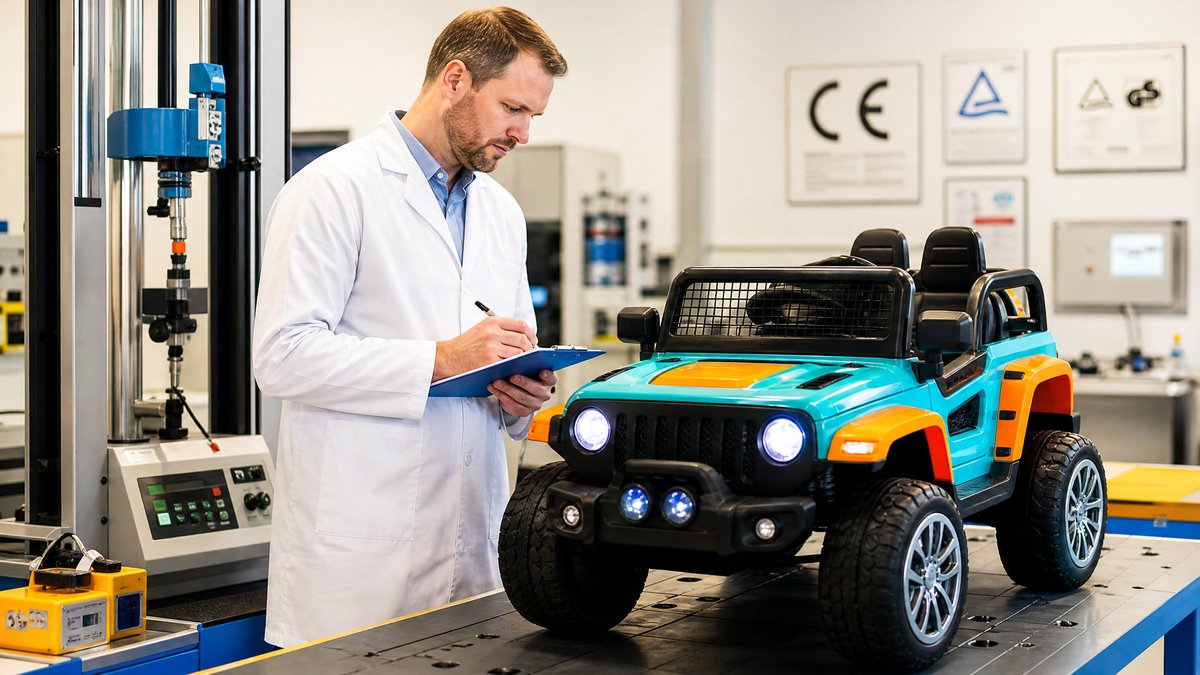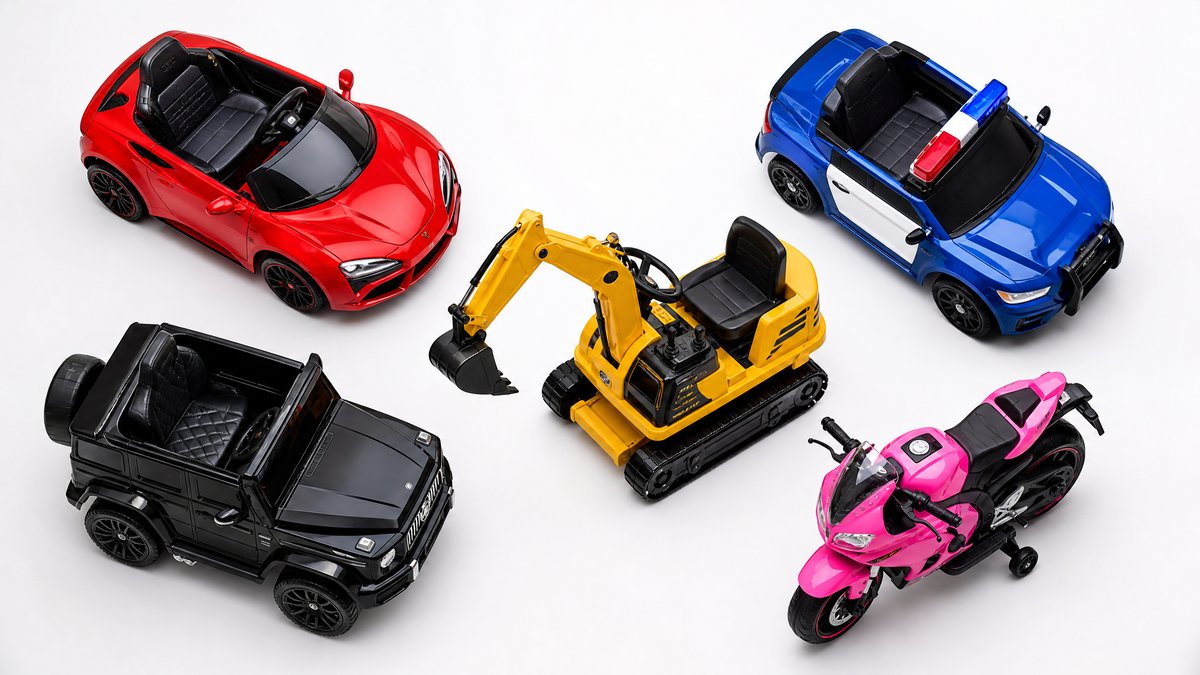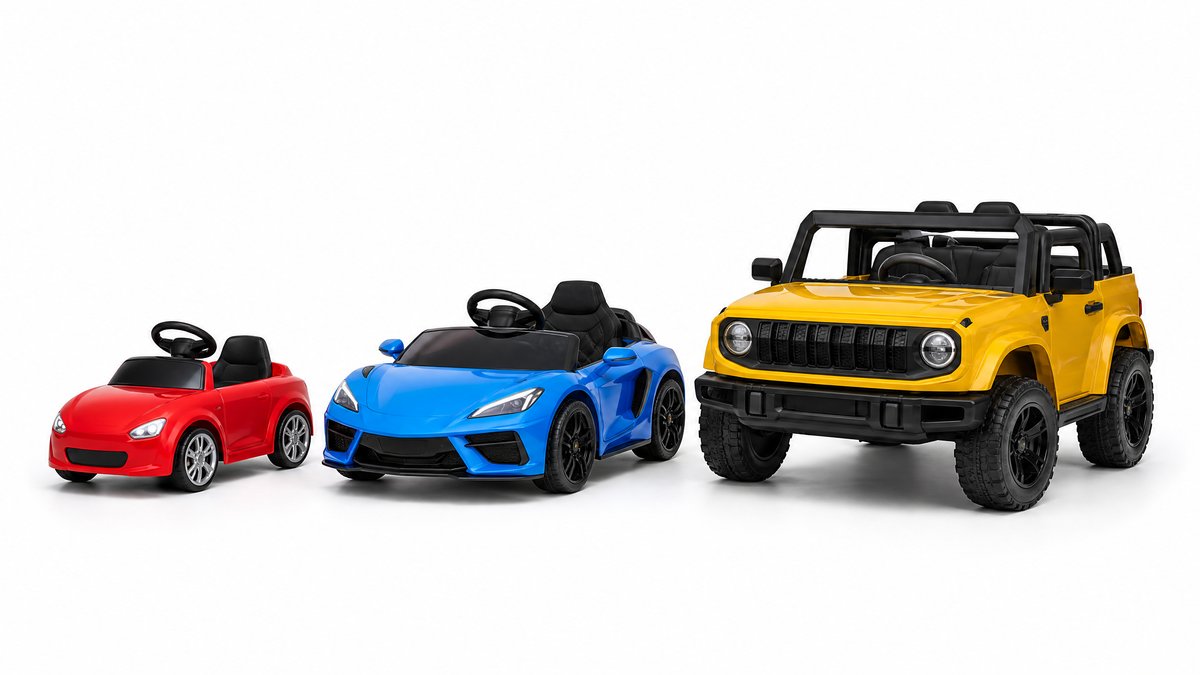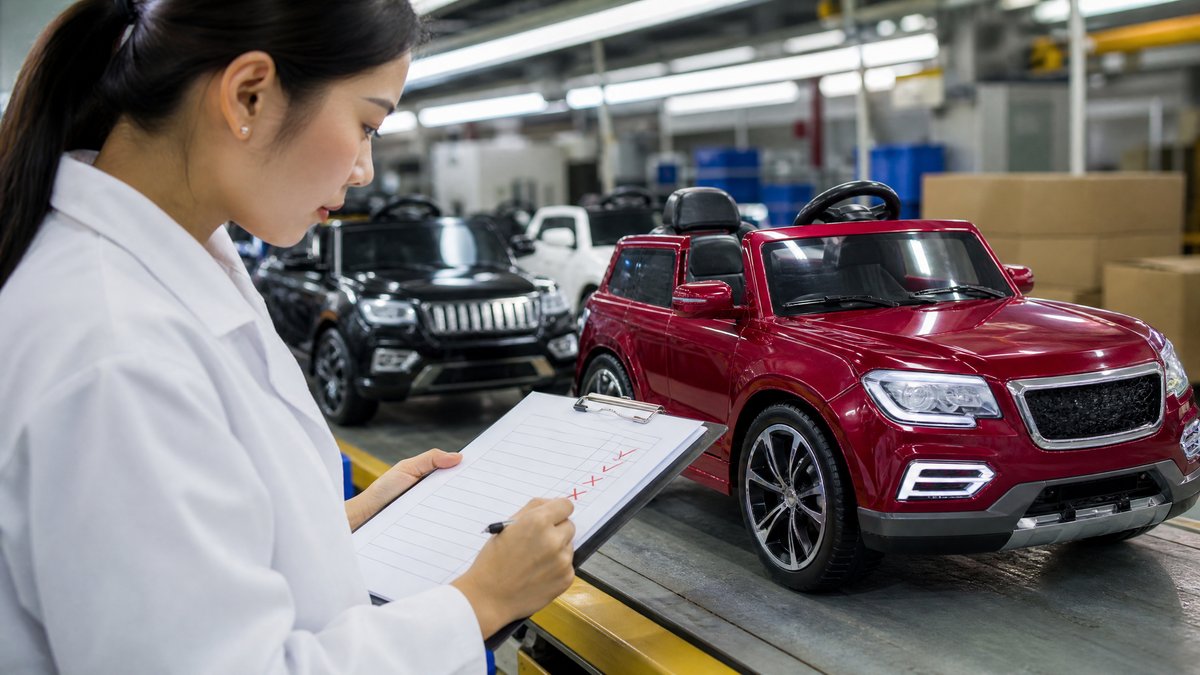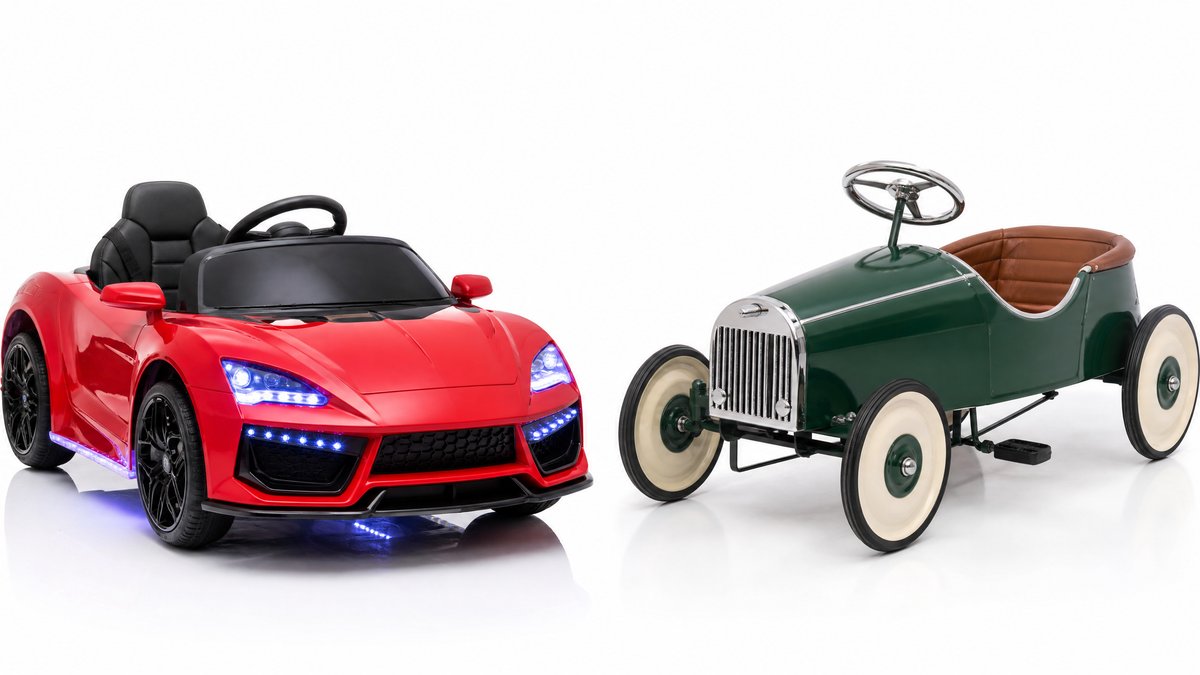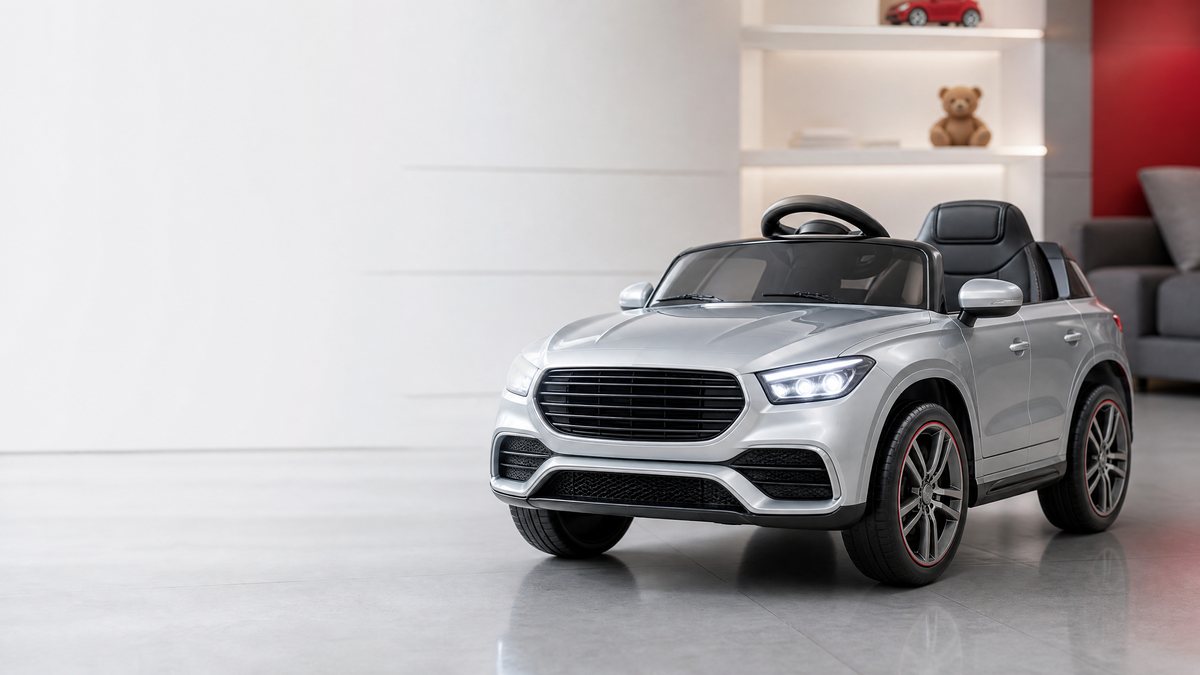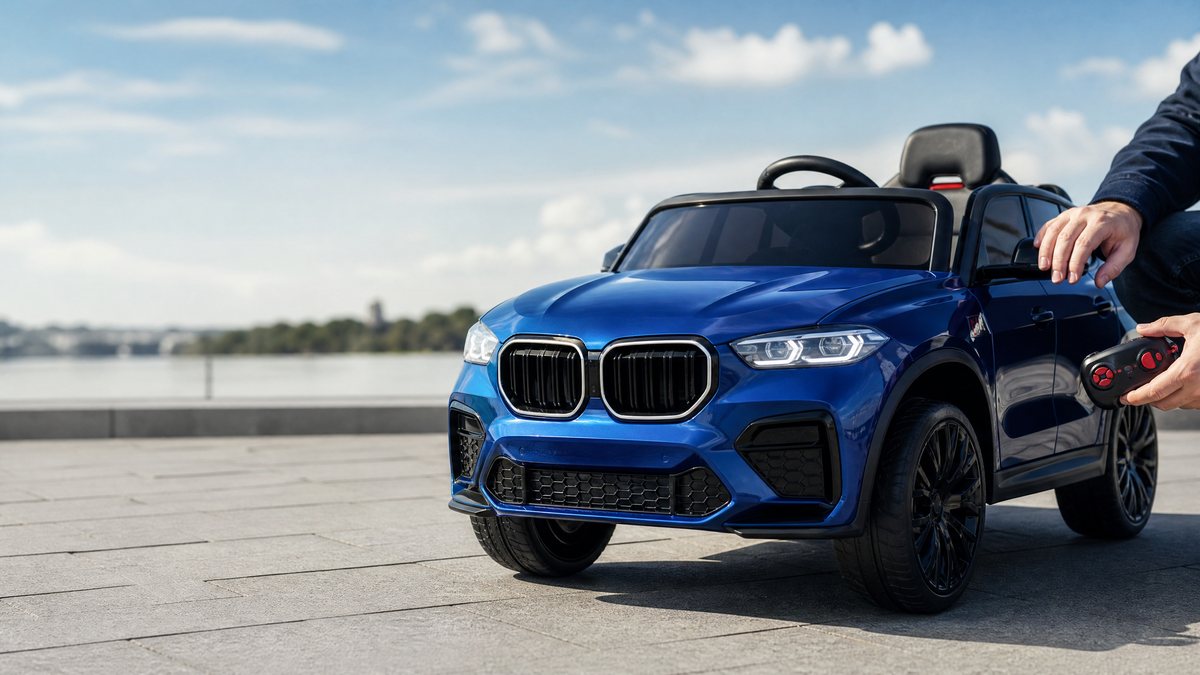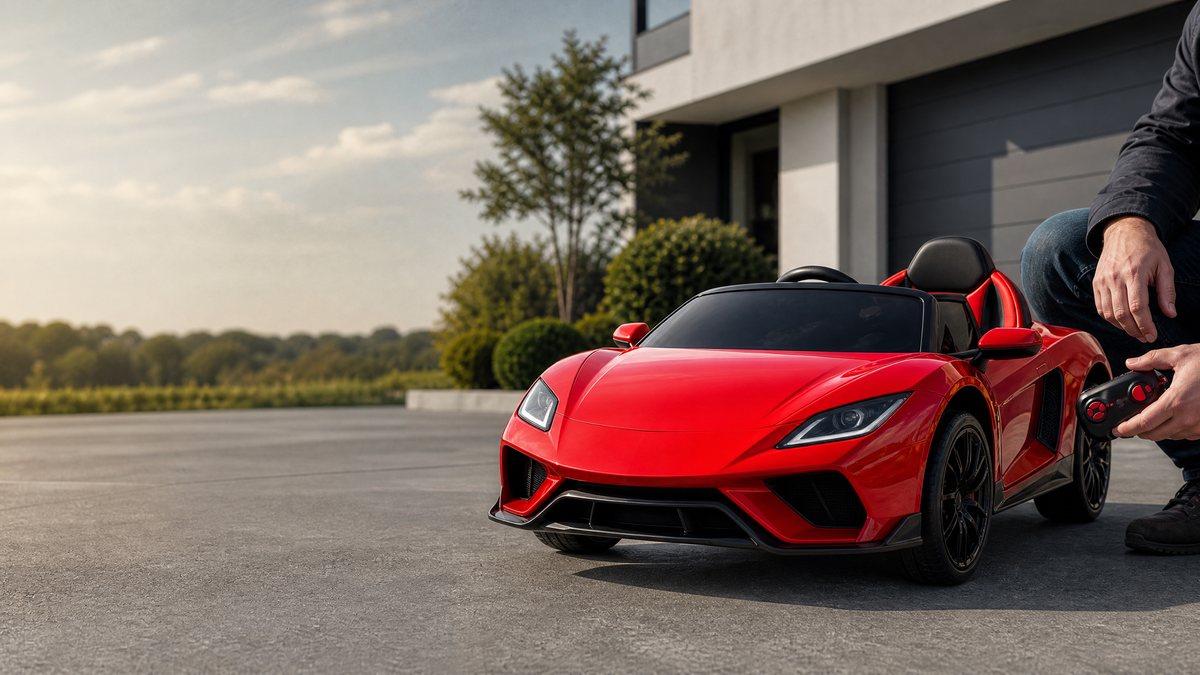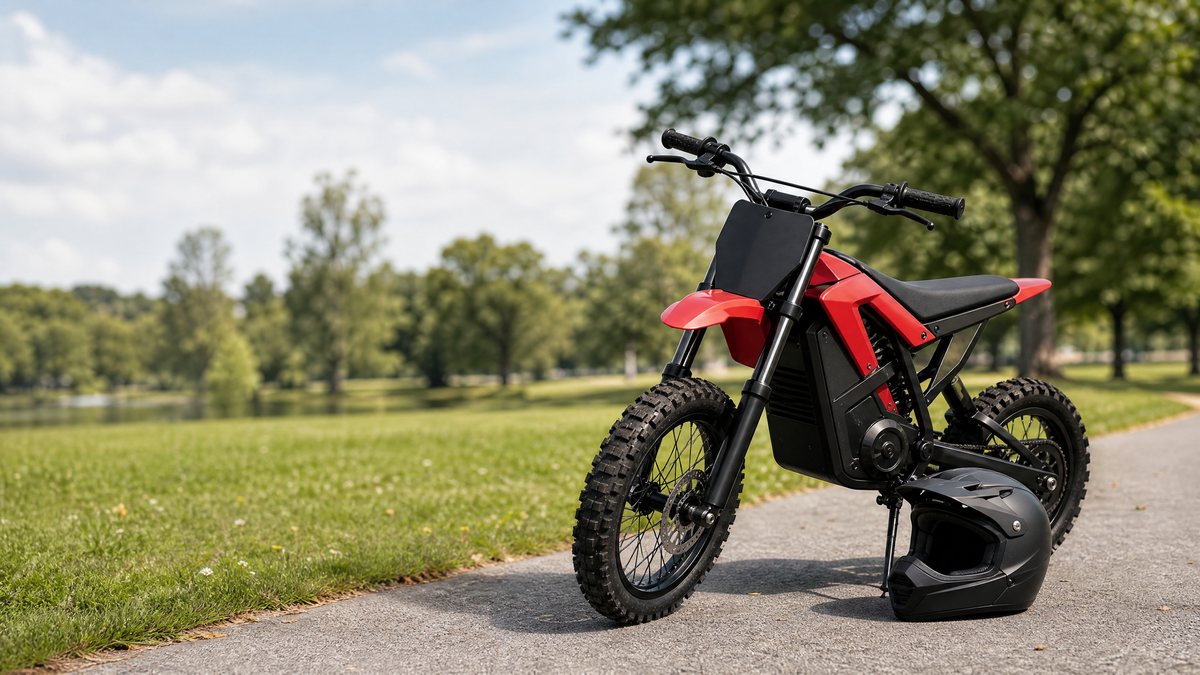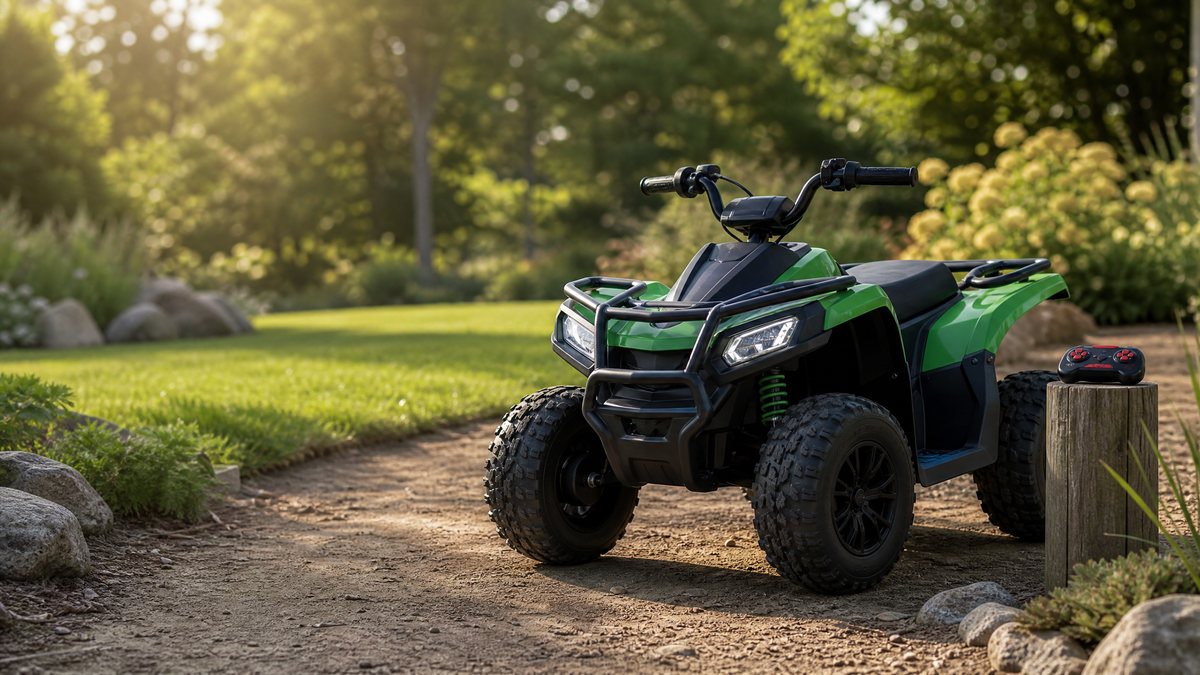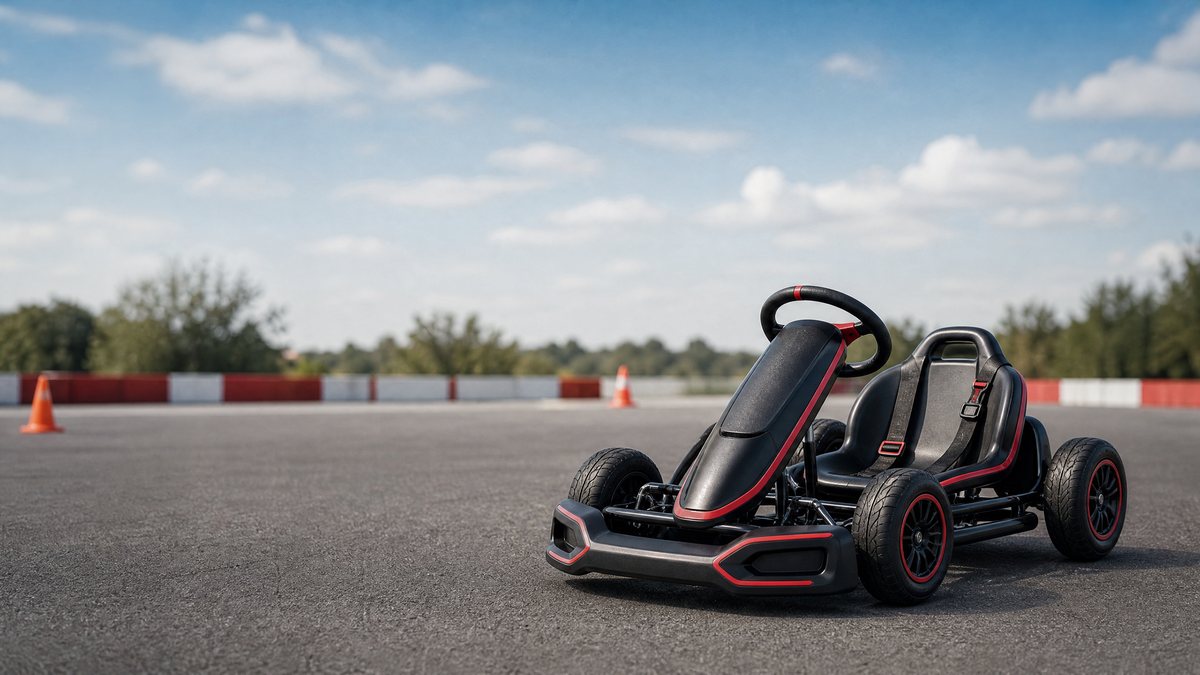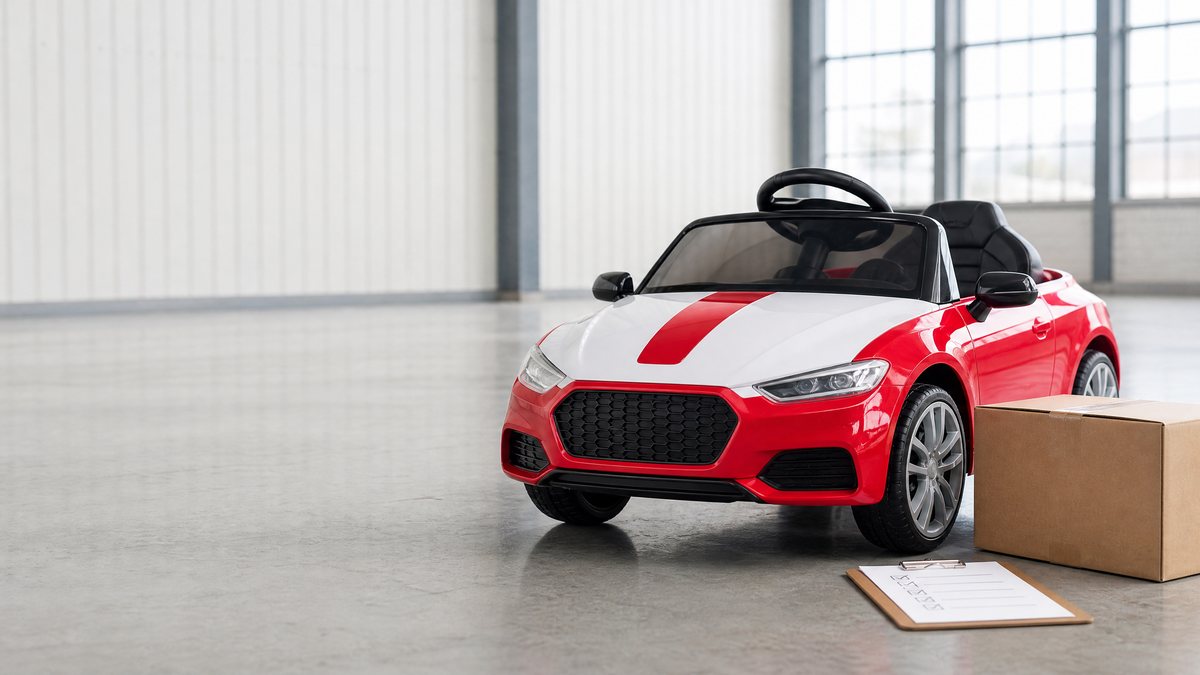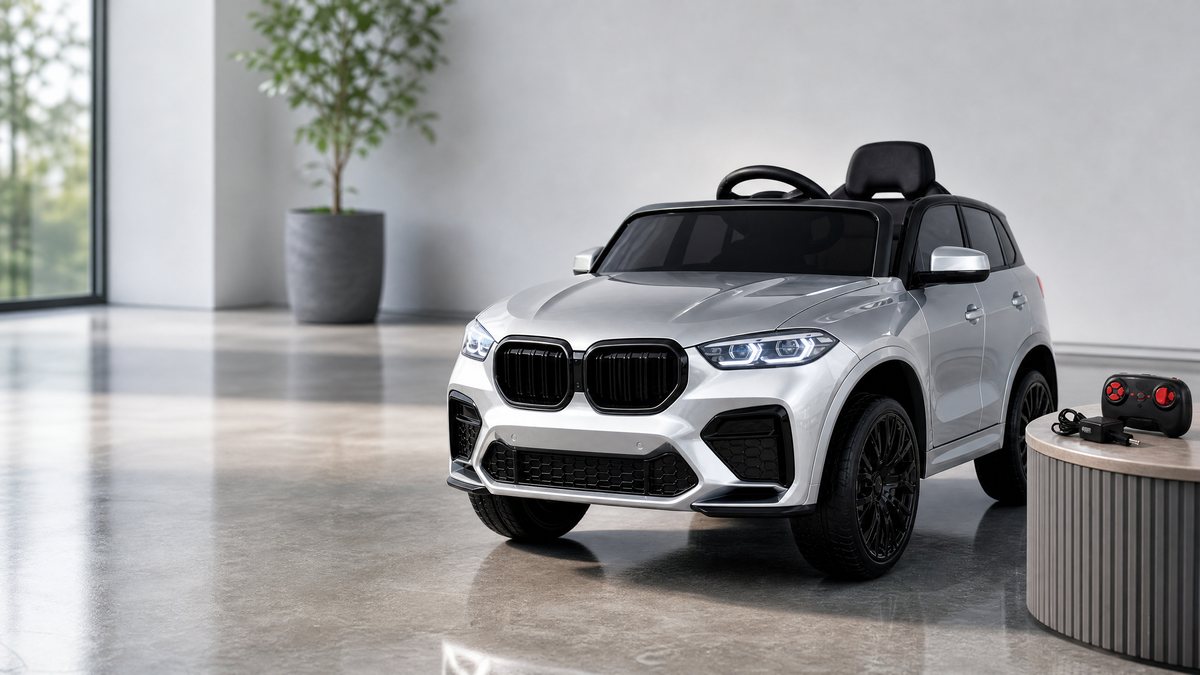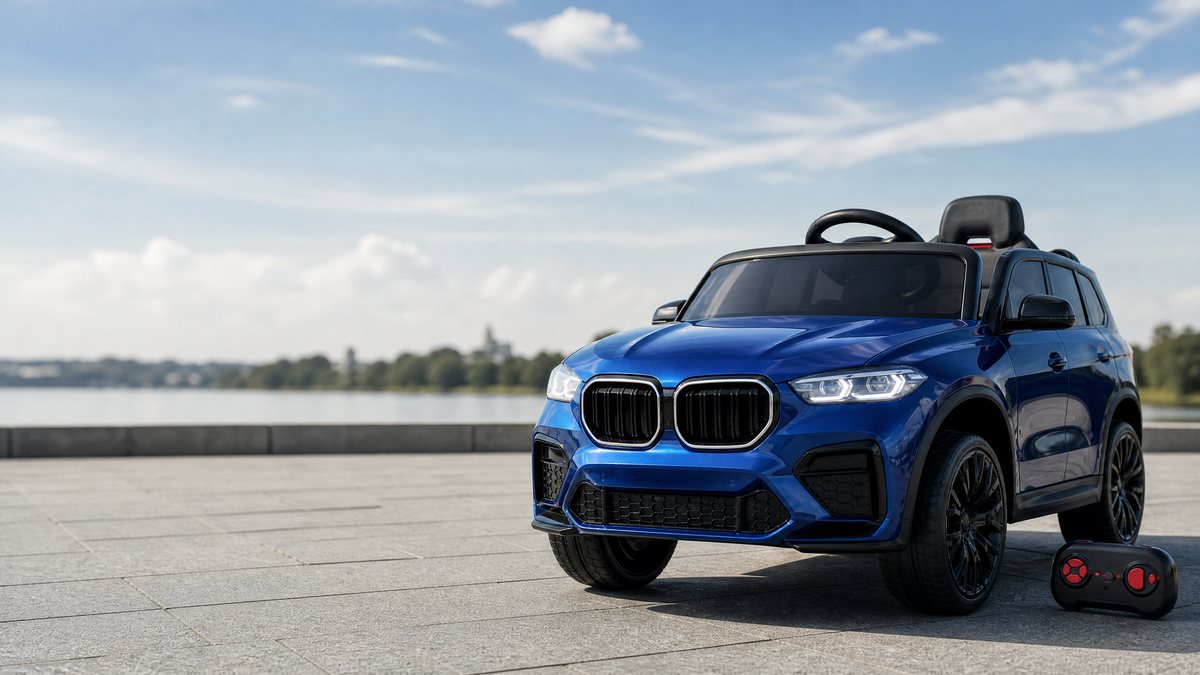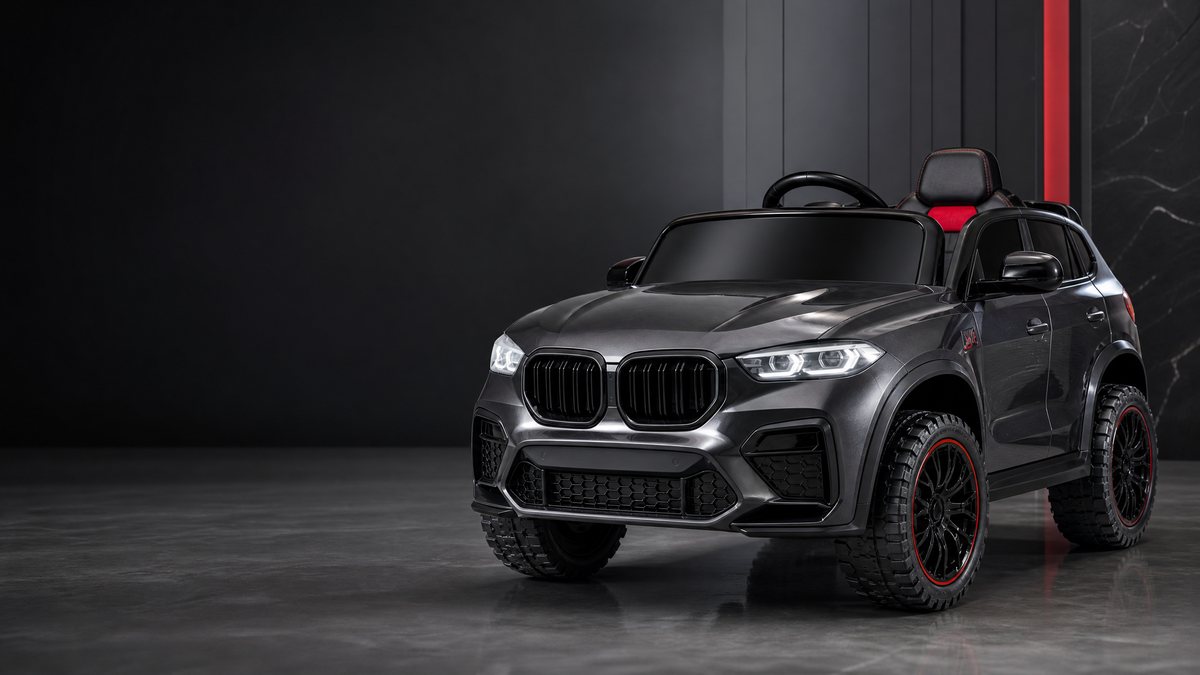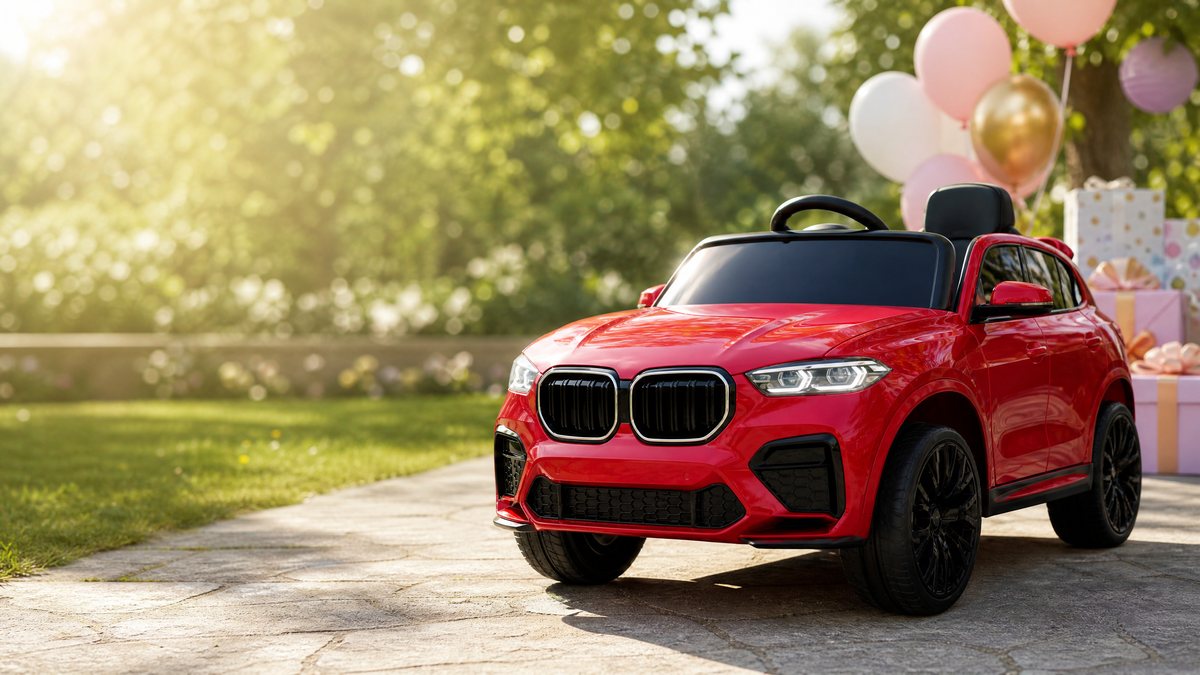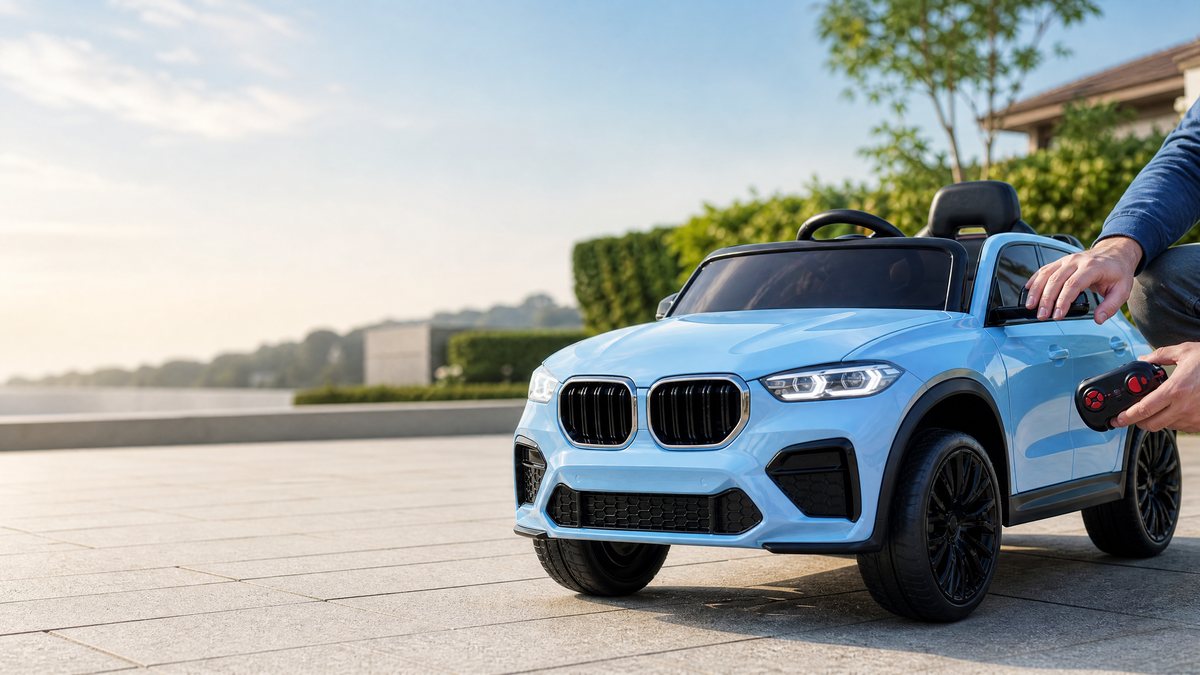
In the fast-paced landscape of modern e-commerce, digital marketing, and toy retail, visual presentation is paramount. High-quality imagery directly influences consumer trust, brand perception, and conversion rates. Among the diverse array of products featured in commercial catalogs, lifestyle advertisements, and social media campaigns, motorized and manual ride-on cars occupy a unique niche. Far beyond simple children's toys, premium ride-on vehicles are increasingly utilized as sophisticated lifestyle props, high-impact focal points in apparel marketing, and centerpiece products for seasonal retail campaigns. Understanding how commercial photographers, visual merchandisers, and B2B distributors incorporate ride-on cars into professional product photography requires an examination of studio lighting, scale composition, surface reflections, and strategic lifestyle styling.
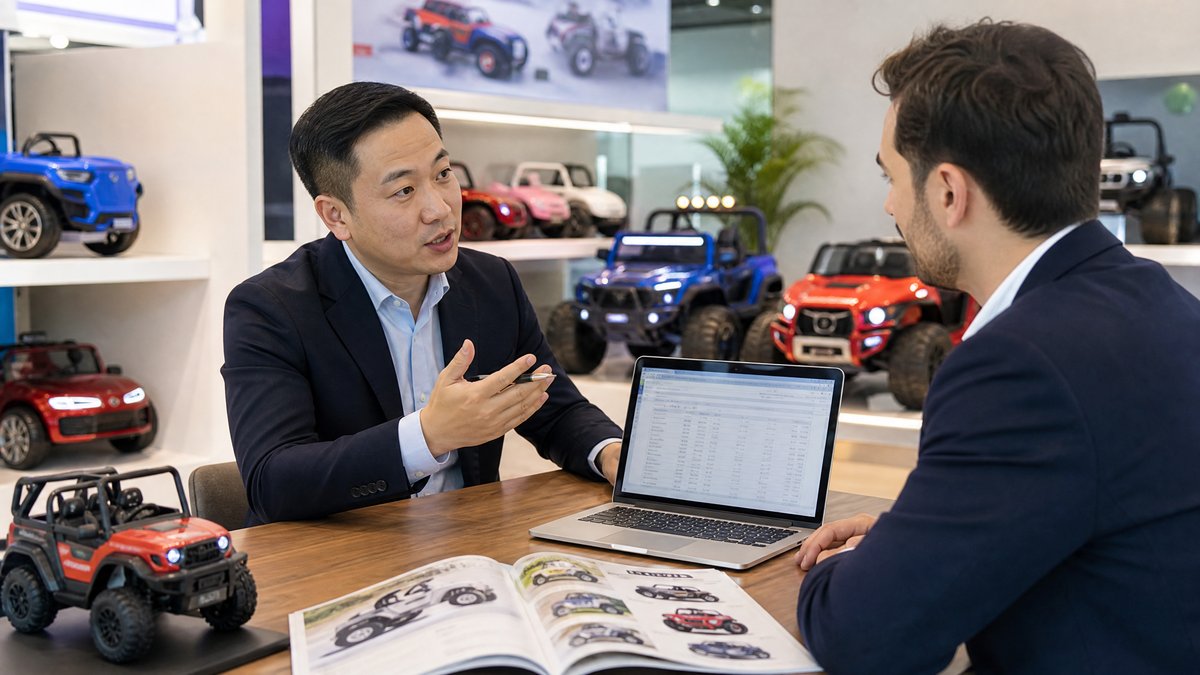
This comprehensive guide explores the multifaceted applications of ride-on cars within commercial photography. Whether showcasing luxury licensed replicas, utility-style tractors, or sleek sports cars, photographers and brand stylists must balance technical studio requirements with engaging storytelling. By adhering to rigorous safety standards, managing complex surface finishes, and aligning visual assets with wholesale distribution goals, businesses can maximize the marketing ROI of their photographic portfolios. For commercial buyers and distributors seeking tailored inventory guidance, you can Request a wholesale quote to discuss specific catalog requirements.
The Strategic Role of Ride-On Cars in Commercial Visuals
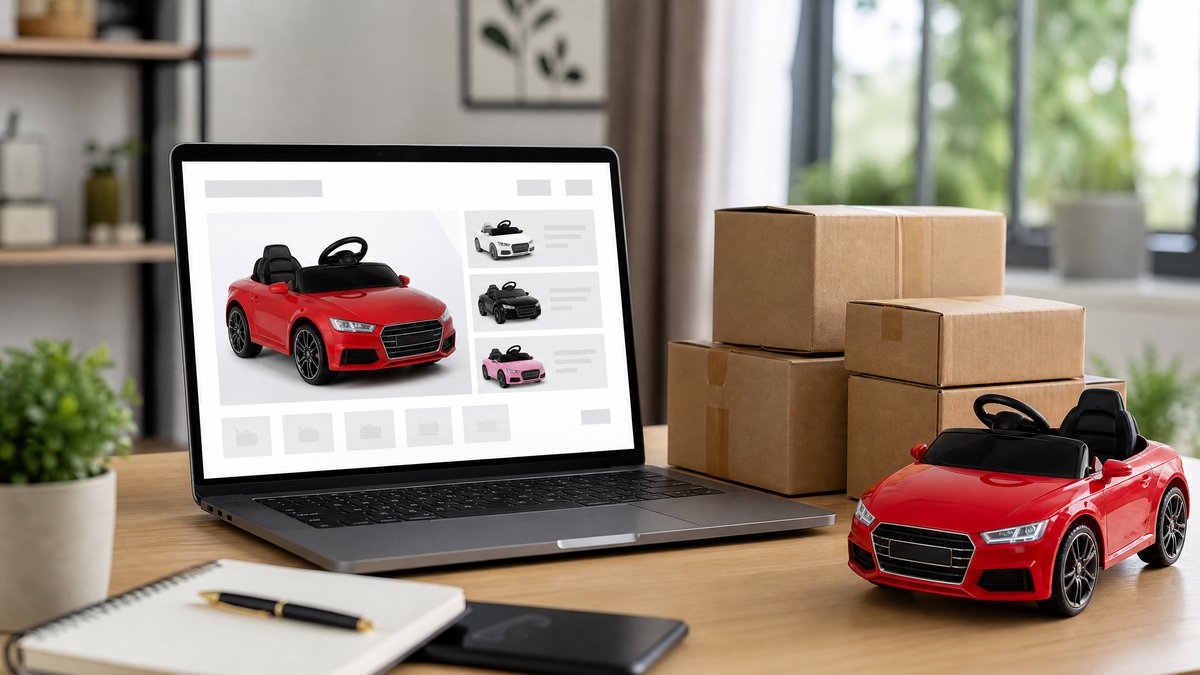
When planning a commercial photo shoot involving ride-on vehicles, creative directors must evaluate the primary objective of the imagery. Unlike flat-pack goods or boxed merchandise, ride-on cars are experiential products. They evoke emotion, aspirations of adventure, and a sense of miniature luxury. Consequently, static product shots against a plain white background are rarely sufficient for comprehensive marketing campaigns. Instead, brands employ a dual-track visual strategy combining clean e-commerce packshots with rich, aspirational lifestyle imagery that communicates value across digital storefronts.
Elevating Lifestyle Imagery for Retailers
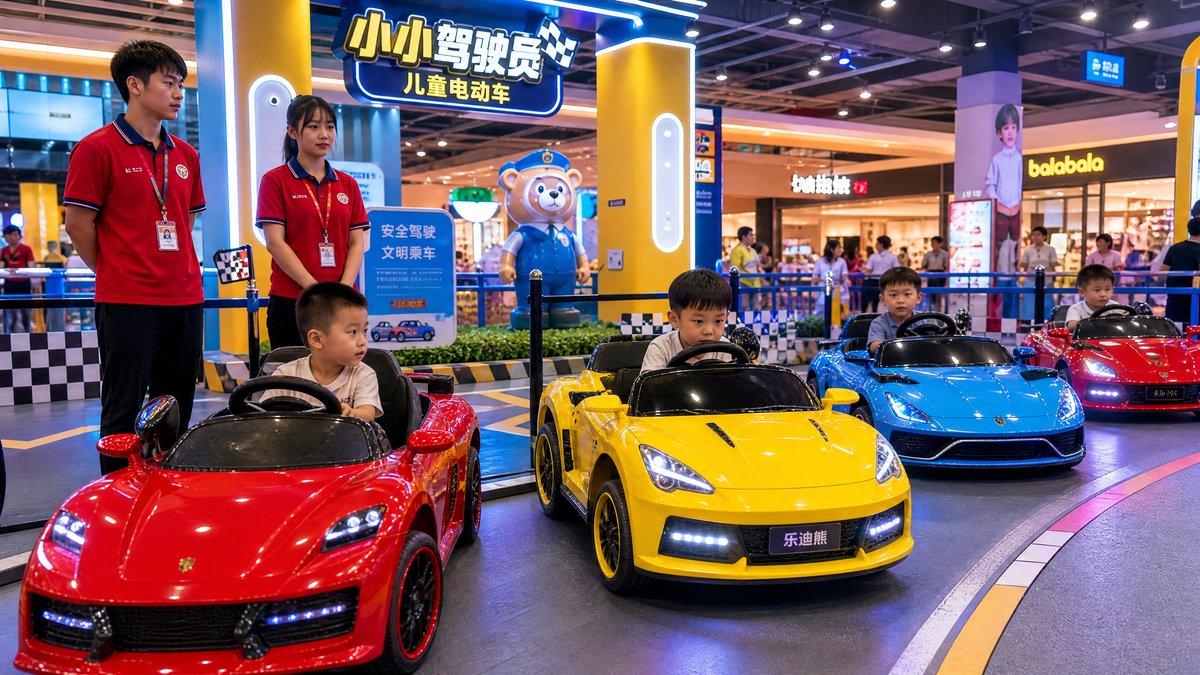
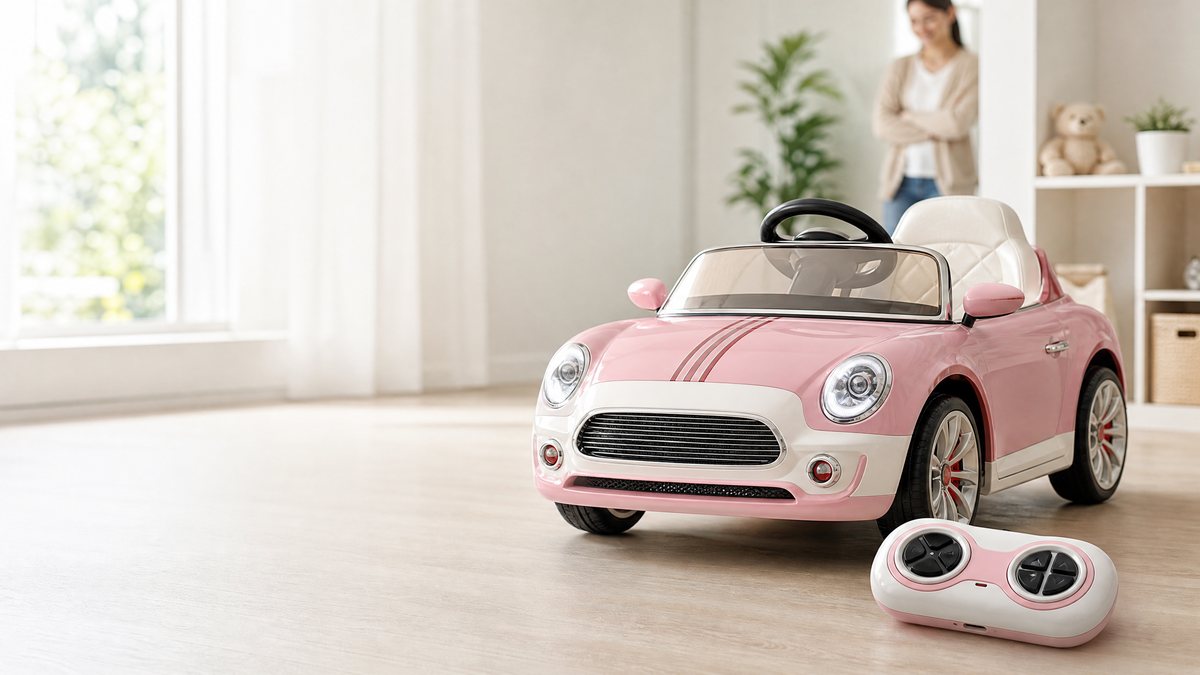
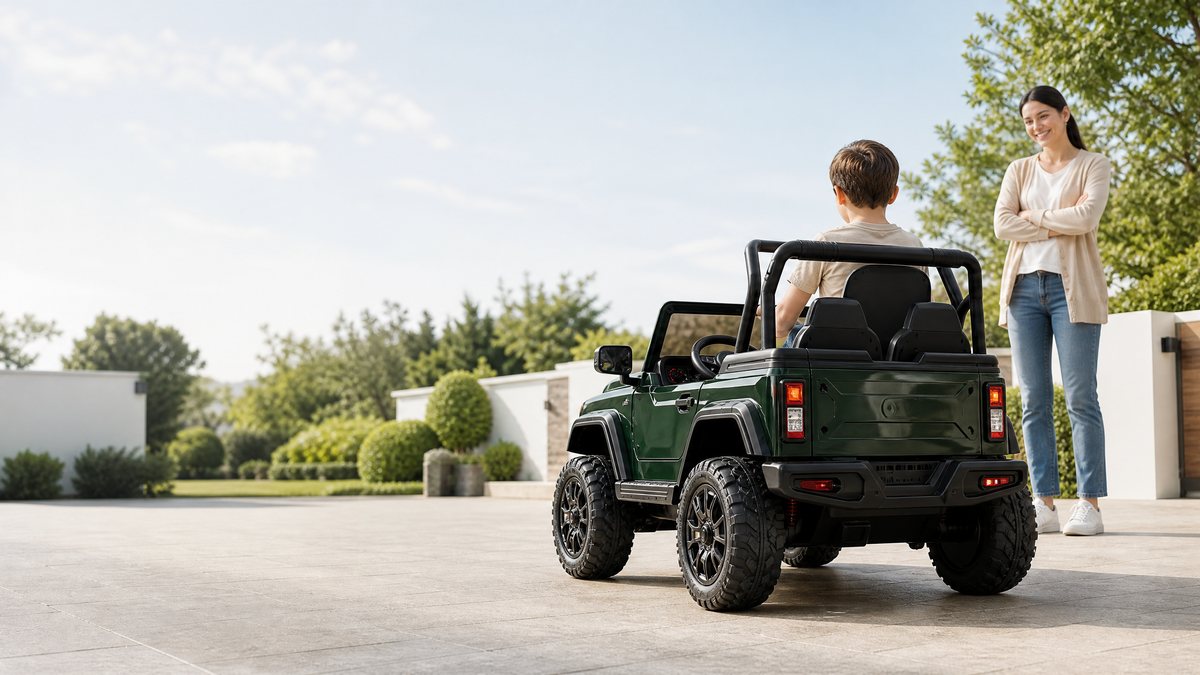
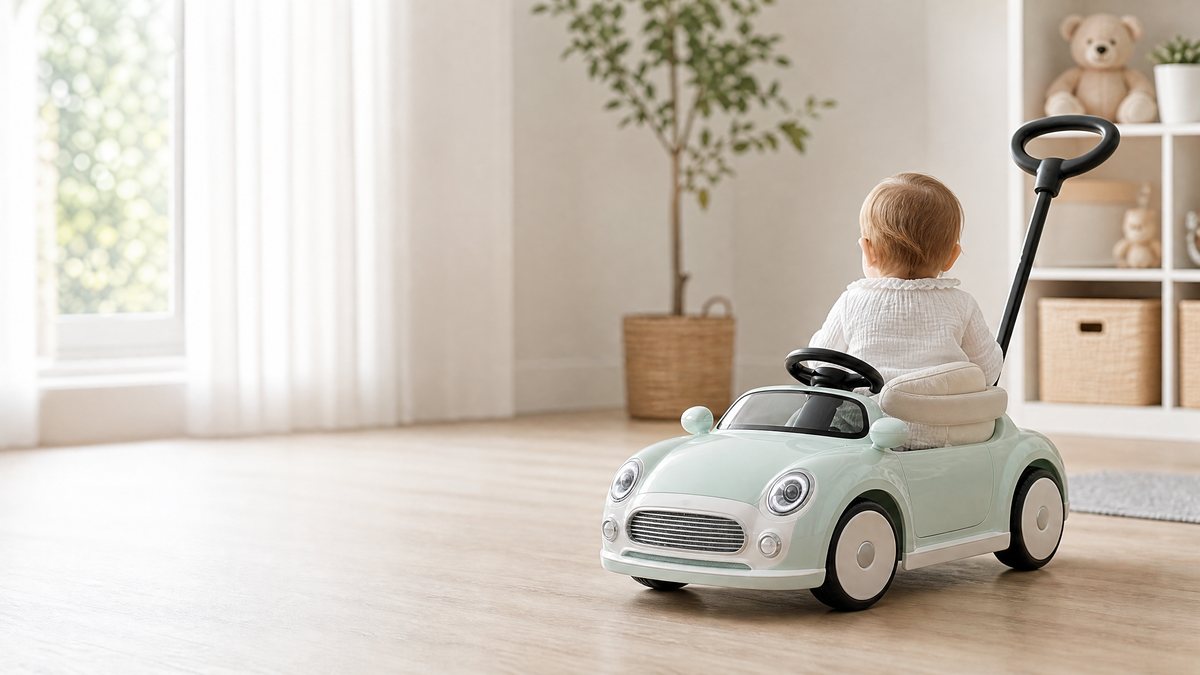
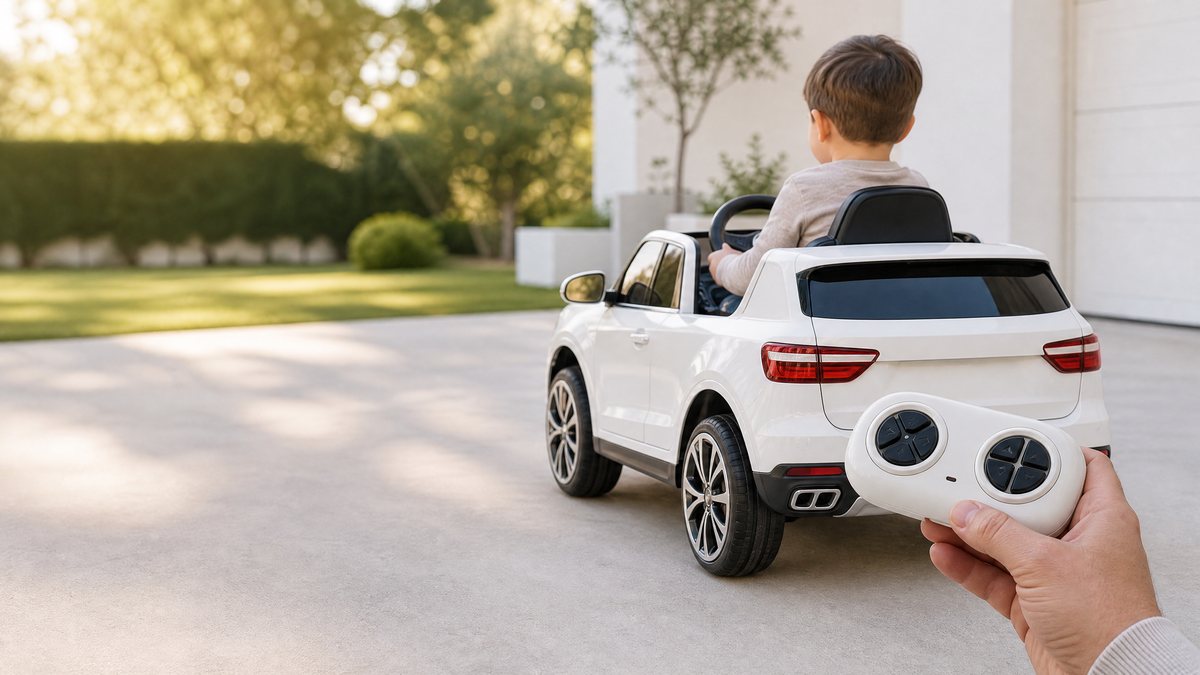
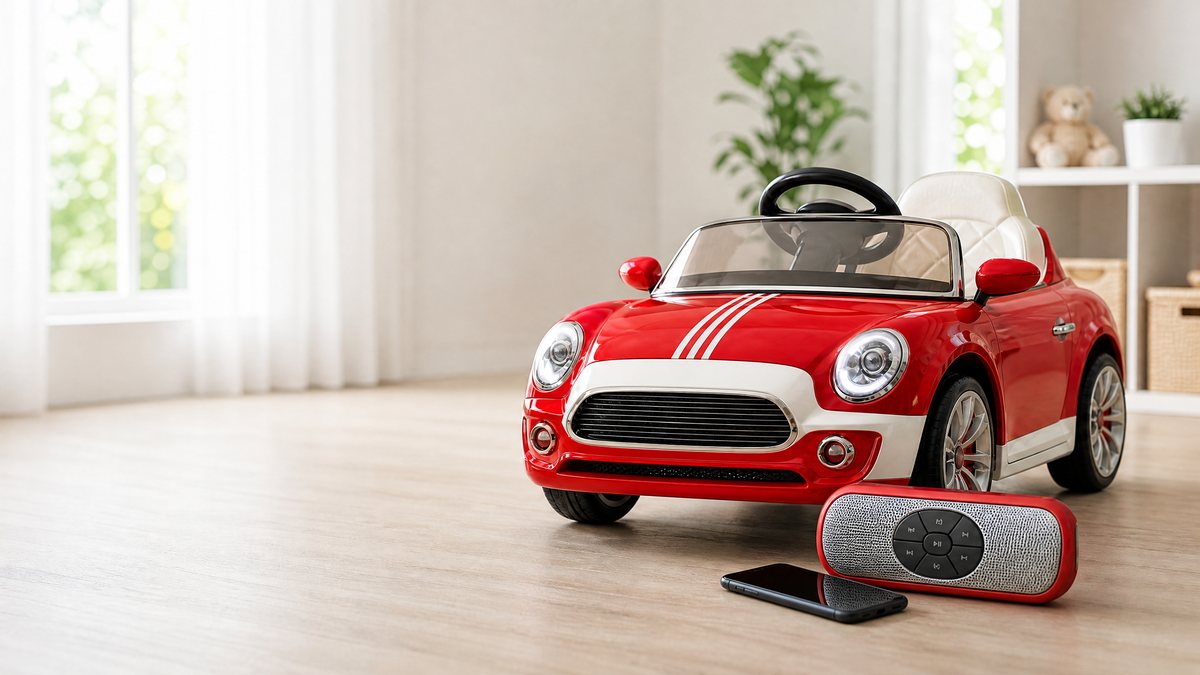
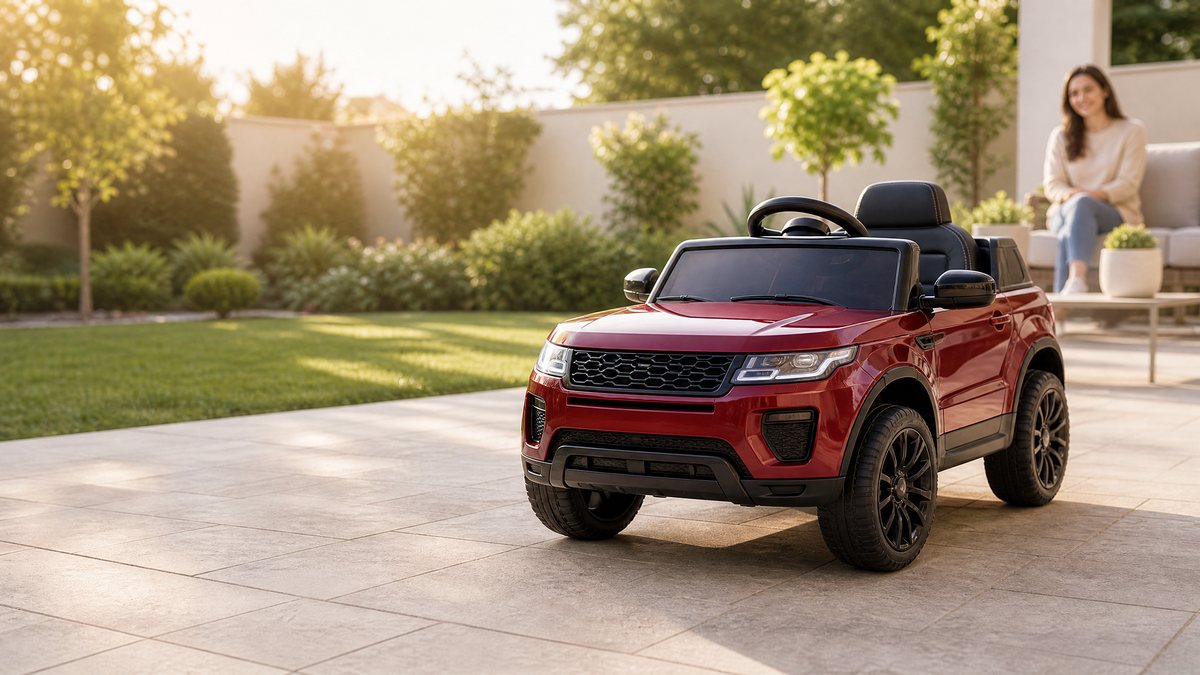
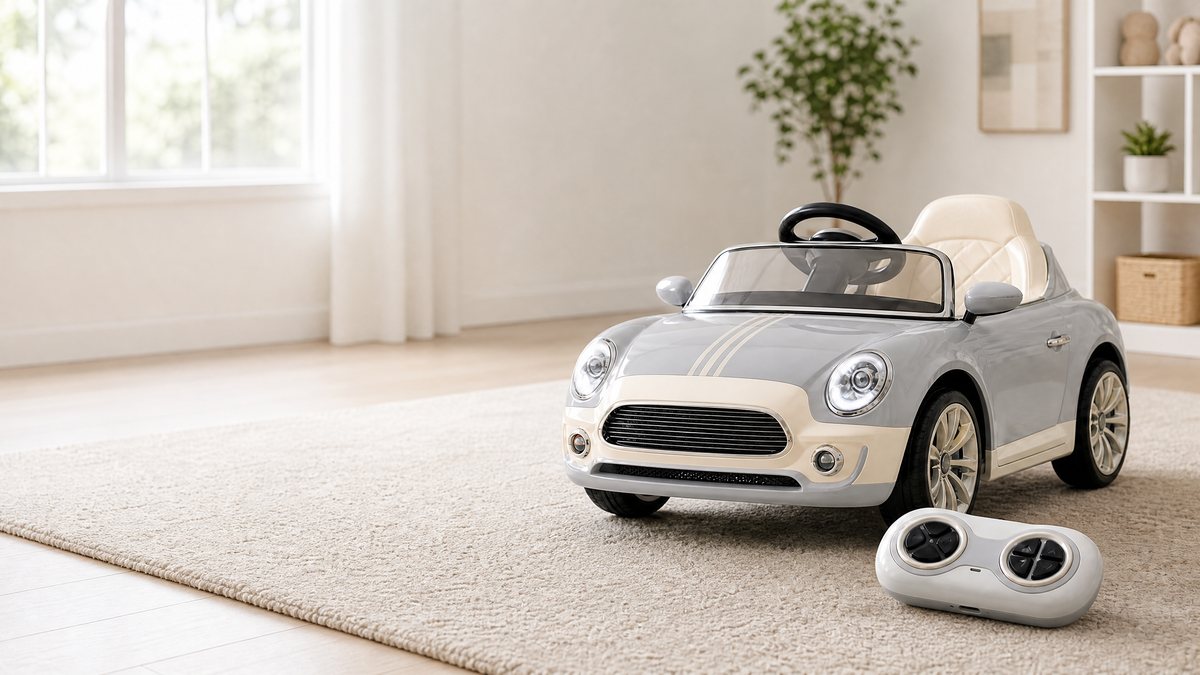
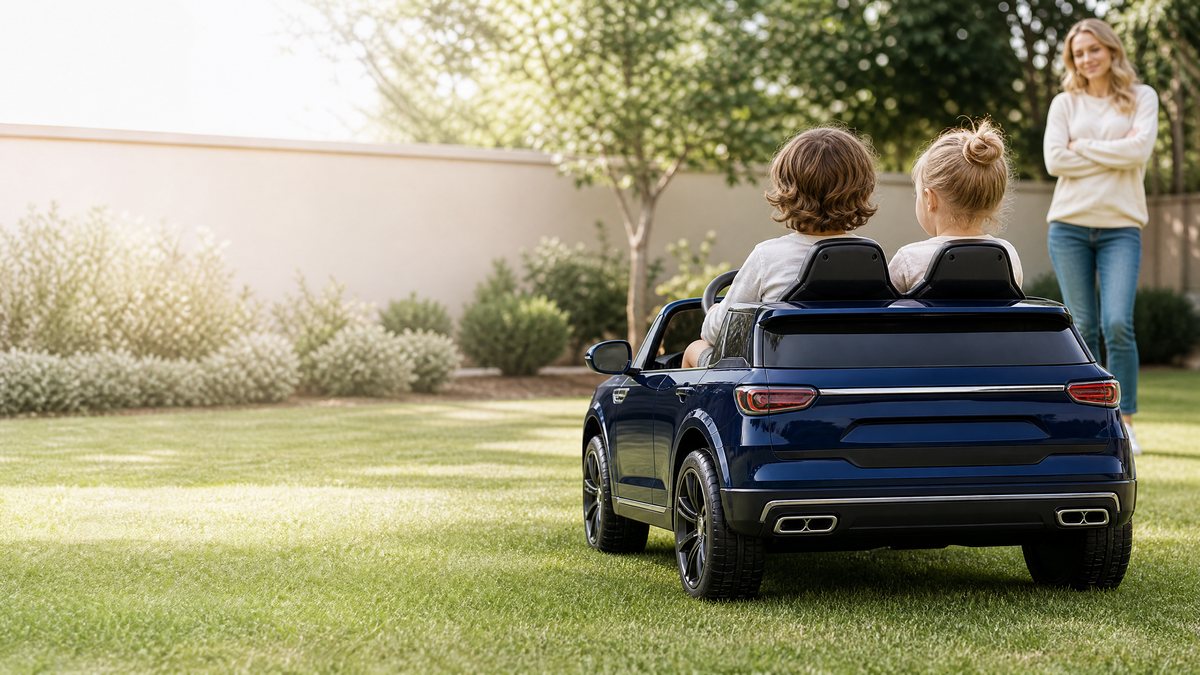
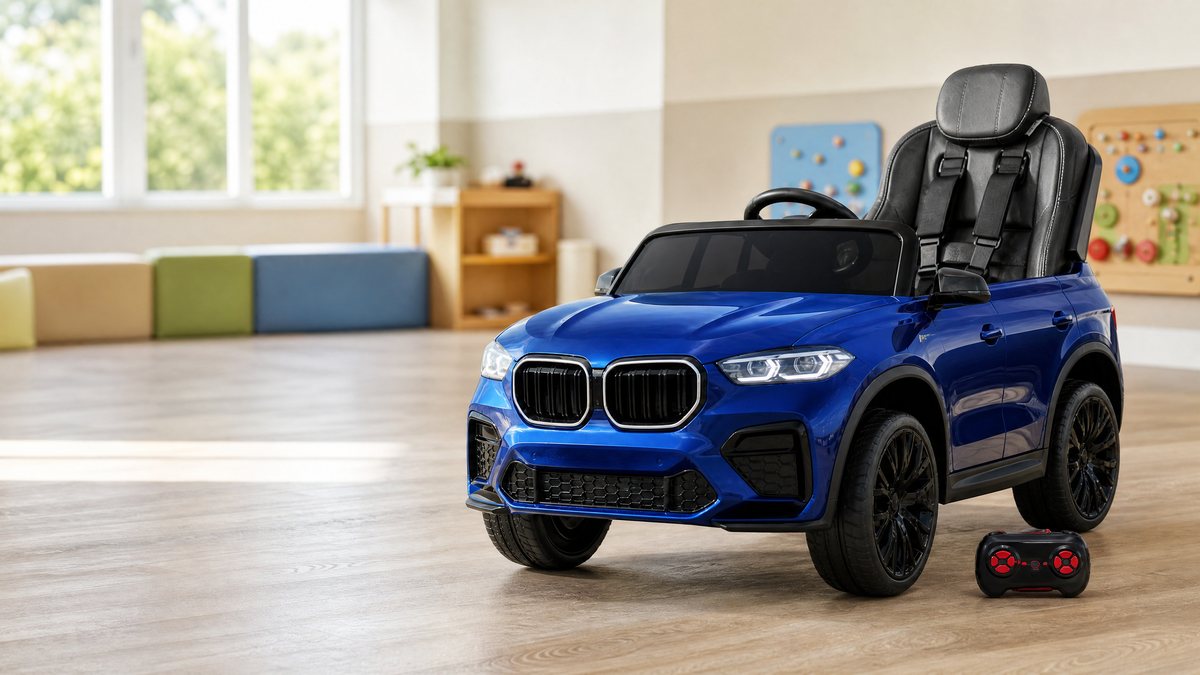
Lifestyle photography places the ride-on car in a simulated natural environment, such as a suburban driveway, a manicured park path, or a modern living room setting. In these contexts, the vehicle serves as a narrative anchor. It communicates premium quality, durable construction, and engaging play value to discerning parents and retail buyers. When prospective wholesale partners or retail consumers review digital catalogs, lifestyle images provide immediate context regarding the physical scale, color vibrancy, and ergonomic design of the vehicle.
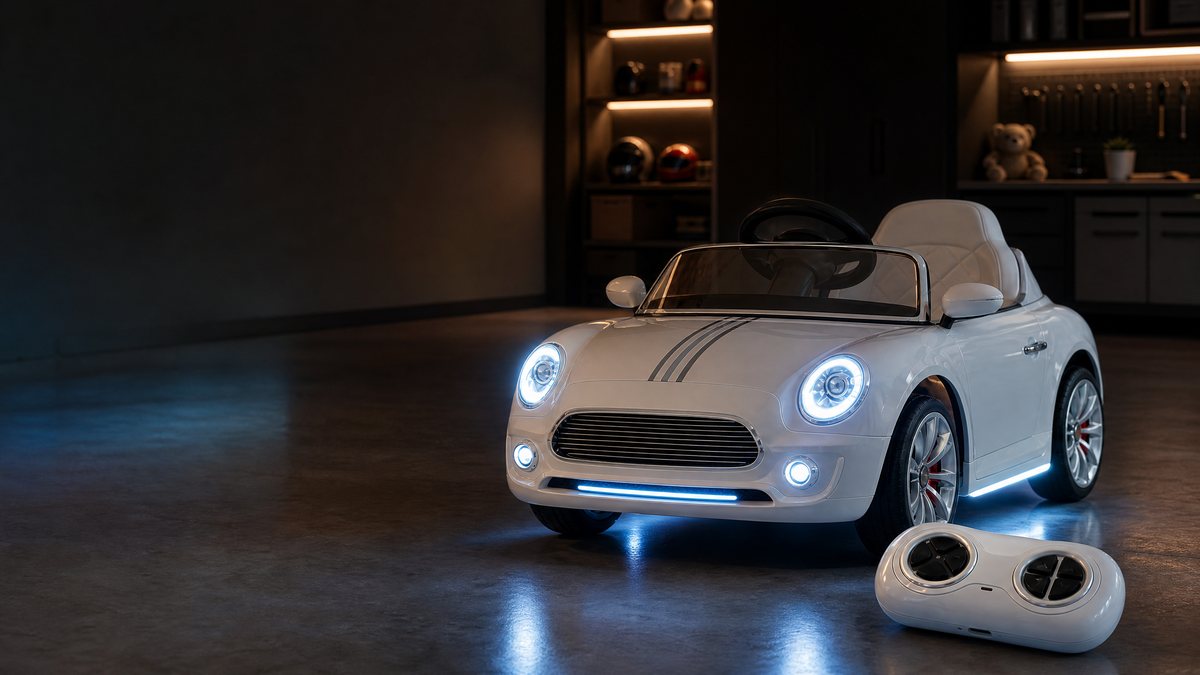
Furthermore, lifestyle framing allows brands to highlight specific operational features—such as functional LED headlights, realistic dashboard instrumentation, MP3/Bluetooth audio interfaces, and detailed badging—in a real-world setting. Photographers utilize shallow depth-of-field techniques to keep the vehicle sharp while softly blurring the background, drawing the viewer's eye directly to the product's finish and craftsmanship. This visual separation is essential for distinguishing premium ride-on models from standard plastic toys in competitive retail markets.
Serving as Dynamic Props for Apparel and Lifestyle Brands
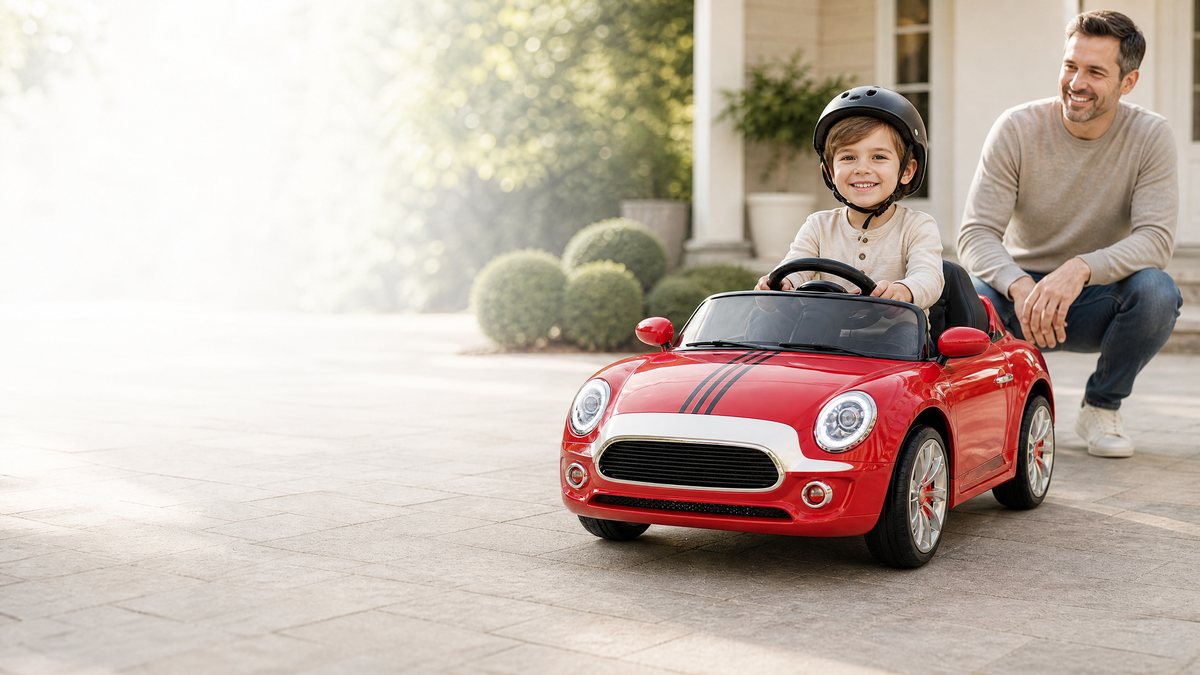
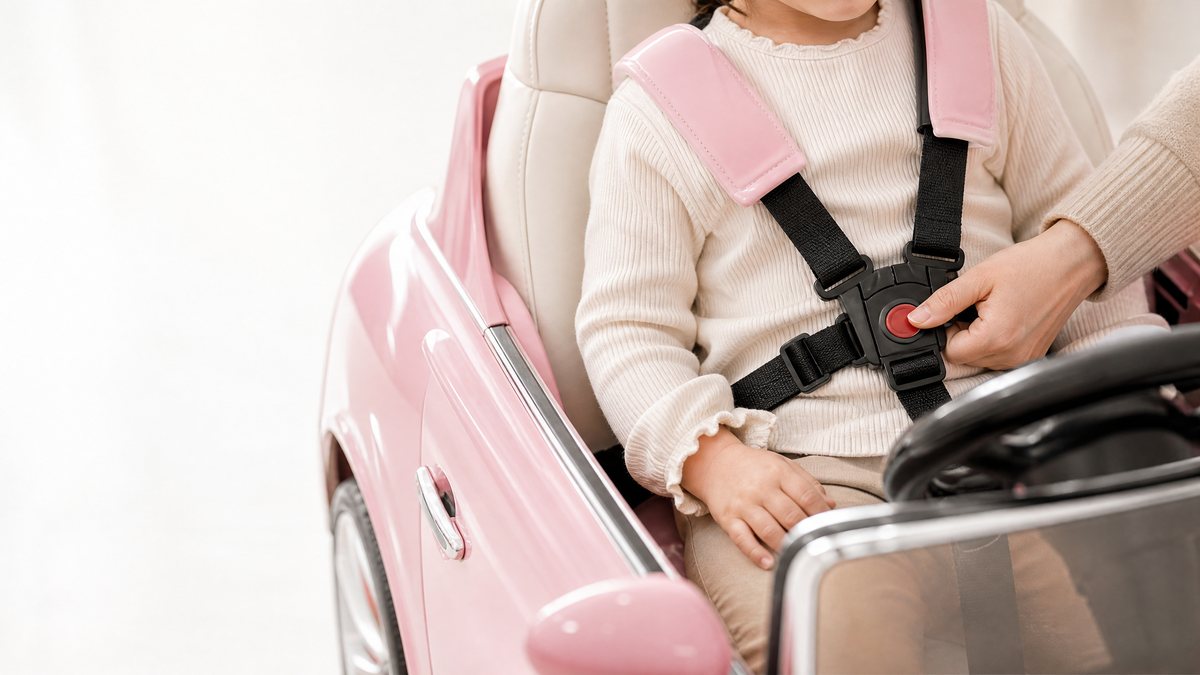
Beyond being the primary subject of a photograph, ride-on cars are frequently deployed as supporting props in fashion and lifestyle shoots. Children's apparel brands, footwear manufacturers, and lifestyle accessory companies routinely utilize miniature vehicles to add dynamic energy and narrative depth to their imagery. A child model dressed in seasonal outerwear or stylish casual wear seated inside a polished ride-on sports car immediately creates a relatable, high-end editorial aesthetic.
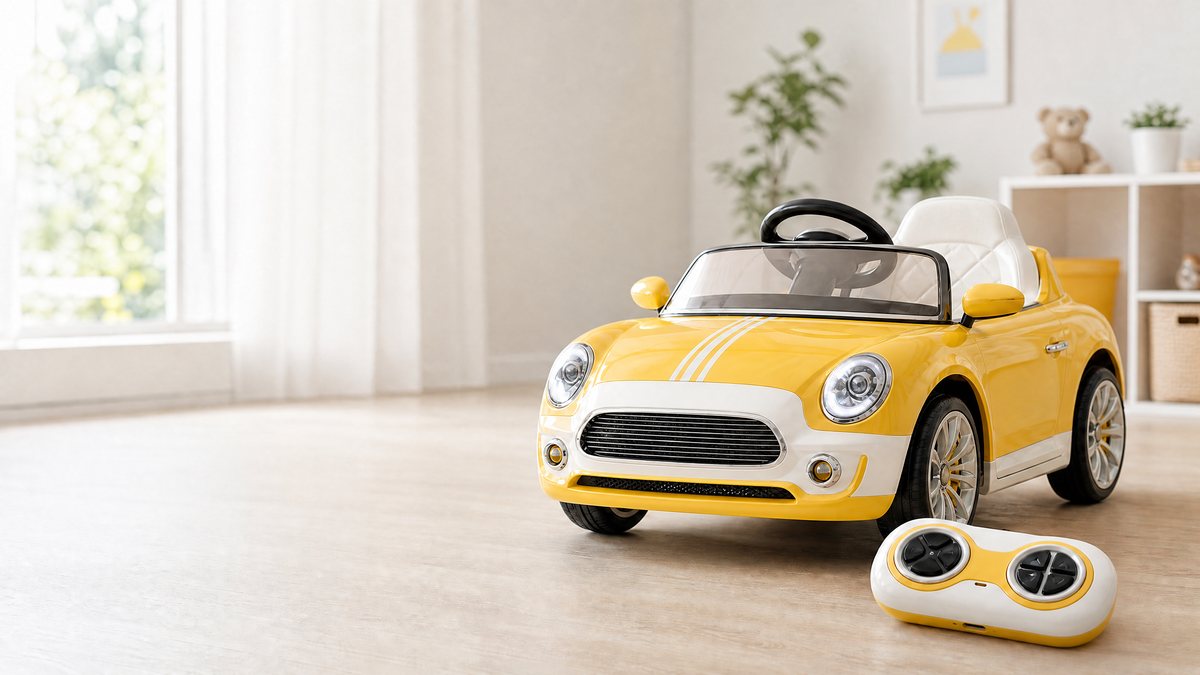
In these collaborative styling scenarios, the ride-on car acts as a compositional framing device. Its lines, color palette, and metallic accents complement the textures and tones of the clothing. For instance, a matte black utility tractor can ground an outdoor rugged-wear campaign, while a vibrant pastel sports car can enhance a spring resort-wear collection. Visual merchandisers must ensure that the scale of the vehicle harmonizes with the model, maintaining visual balance so that neither the clothing nor the prop overwhelms the frame.
Technical and Lighting Considerations on Set
Photographing ride-on cars presents unique technical challenges due to their varied materials, including high-gloss painted plastics, injection-molded chassis components, polished chrome trim, synthetic leather seats, and transparent acrylic windshields. Managing reflections and specular highlights requires precise lighting control and specialized studio equipment.
Managing Glossy Finishes and Reflections
The painted bodies and polished metallic surfaces of premium ride-on vehicles act as curved mirrors, reflecting studio softboxes, overhead lights, and the photographer's camera equipment. Uncontrolled reflections can distract the viewer and obscure critical body lines. To achieve professional results, photographers typically employ large diffusion panels, overhead silk scrims, and polarising filters to eliminate unwanted glare while retaining natural contour highlights.
Studio lighting setups often feature multi-point softbox configurations combined with negative fill cards positioned on either side of the vehicle. Negative fill absorbs stray light, creating deep, rich shadows that define the car's body contours and muscular stance. For chrome wheels, steering wheel accents, and grille assemblies, pinpoint specular highlights are carefully placed to accentuate metallic textures without blowing out the highlights into harsh white clipping.
Scale, Perspective, and Spatial Composition
Capturing the true proportions of a ride-on car requires careful attention to camera height and lens selection. Shooting from a standing adult height creates an unnatural downward angle that distorts the vehicle's perspective, making it look diminutive or toy-like. Professional automotive photographers address this by lowering the camera to the eye level of the intended user or child occupant, lending the miniature vehicle the gravitas and visual presence of a full-sized luxury automobile.
Wide-angle lenses can introduce barrel distortion, stretching the front fascia or rear spoiler disproportionately. Consequently, photographers frequently utilize mid-telephoto prime lenses (such as 50mm to 85mm equivalents) positioned at a moderate distance. This focal range compresses perspective naturally, maintaining accurate body proportions and clean geometric lines across the vehicle's profile.
Studio Setup vs. Location Shoots: Practical Operational Frameworks
Choosing between a controlled indoor studio environment and an outdoor location shoot involves weighing aesthetic goals against logistical realities, safety considerations, and weather dependencies.
Controlled Studio Environments
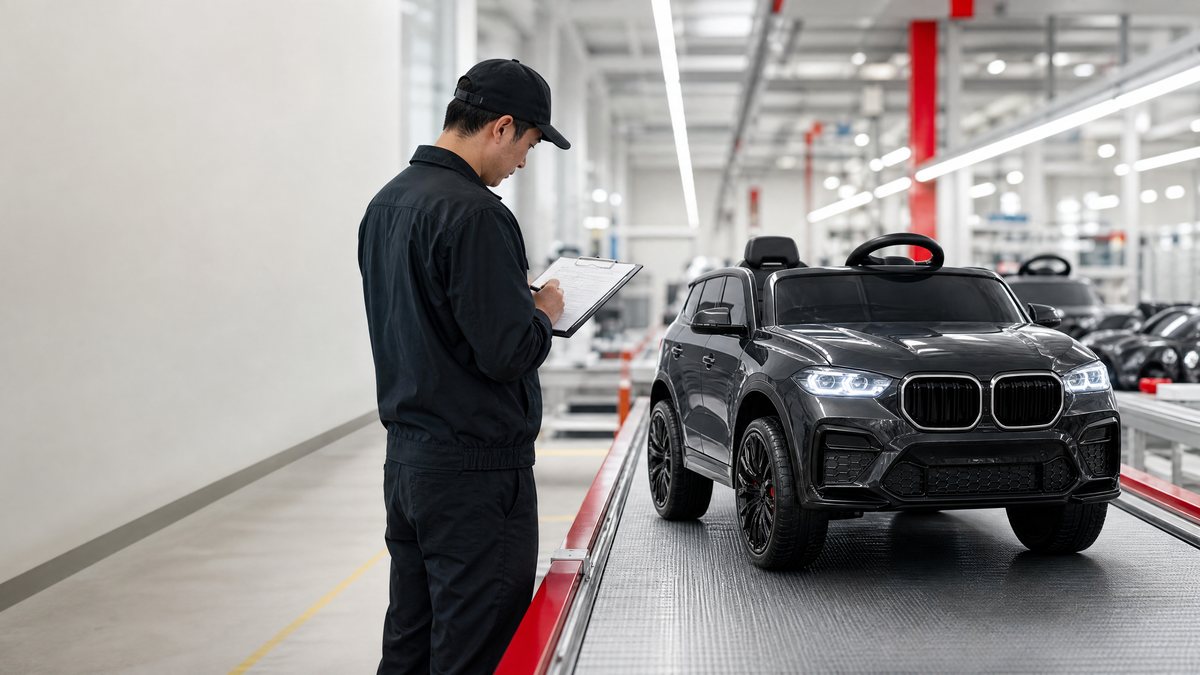
Studio shoots offer absolute control over lighting, background continuity, dust management, and environmental temperature. This is particularly advantageous when shooting large batches of inventory for e-commerce product listings where consistent white-background isolation or uniform gradient backdrops are required. In a studio setting, photographers can adjust power outputs instantaneously, swap colored seamless paper rolls, and maintain pristine vehicle finishes free from outdoor dust, pollen, or moisture.
However, studio environments require meticulous floor protection and staging management. Ride-on cars equipped with rubber-tread EVA foam tires or plastic wheels must be positioned securely on staging blocks or turntables to prevent unintended rolling during precise multi-angle capture sequences. Technicians must also ensure that all internal electronics—such as sound modules and lighting systems—are fully charged and tested prior to mounting the vehicle on a shooting platform.
Outdoor Location Shoots and Urban Settings
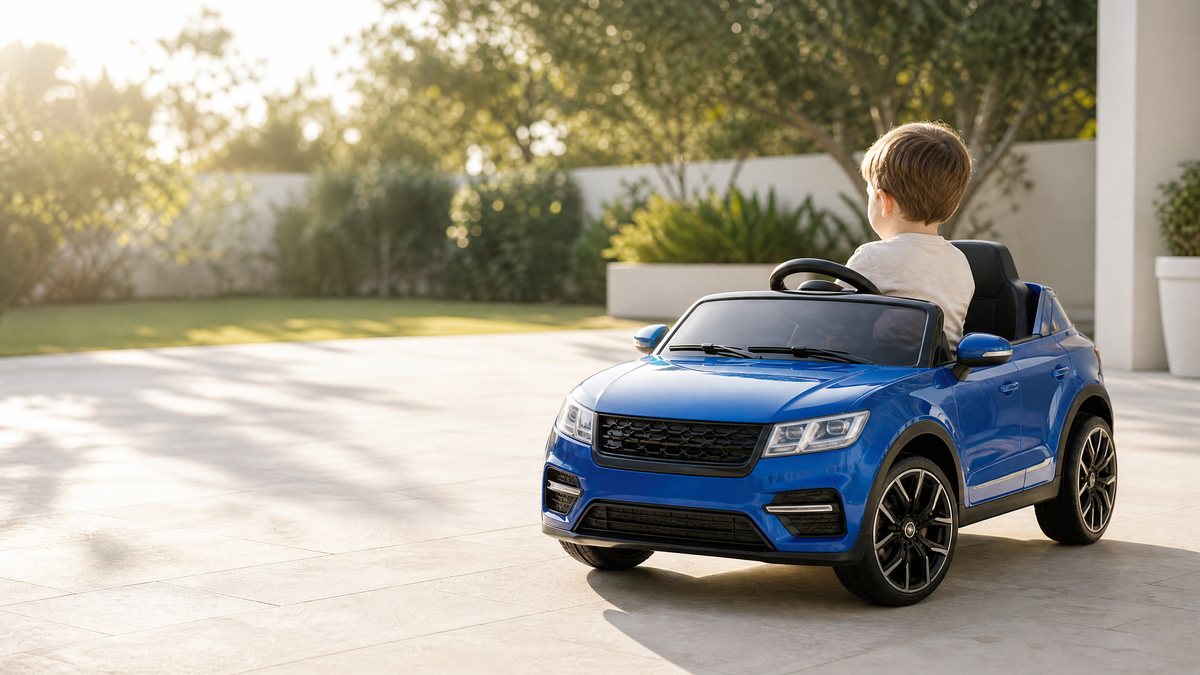
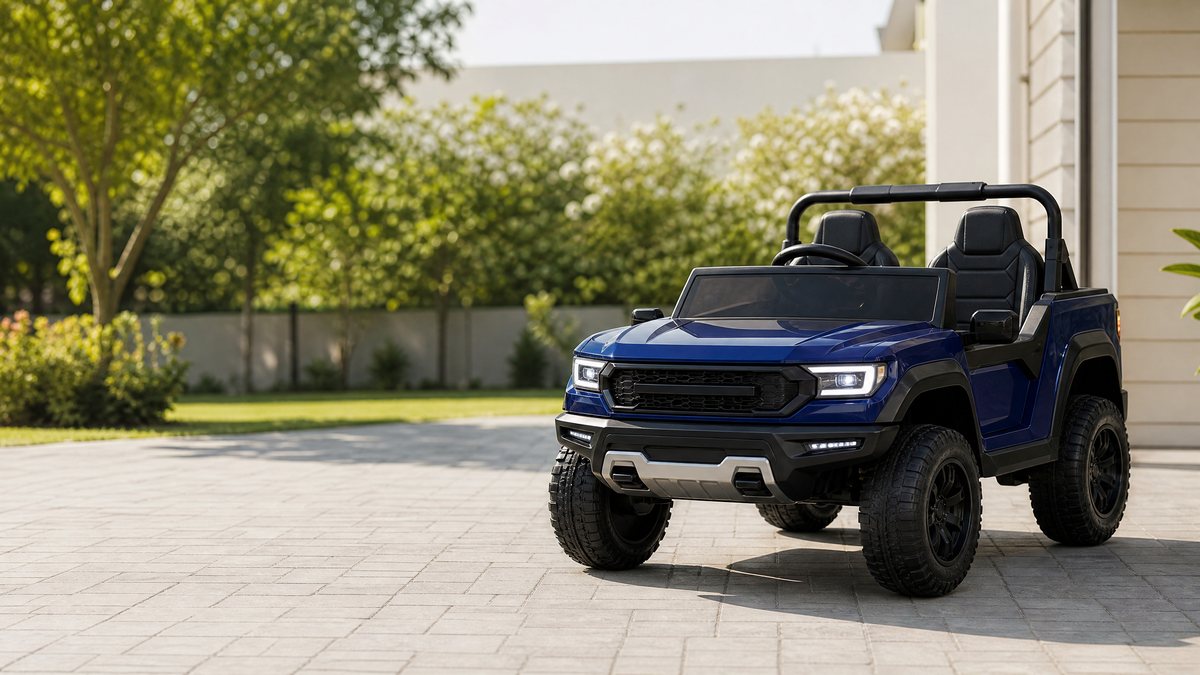
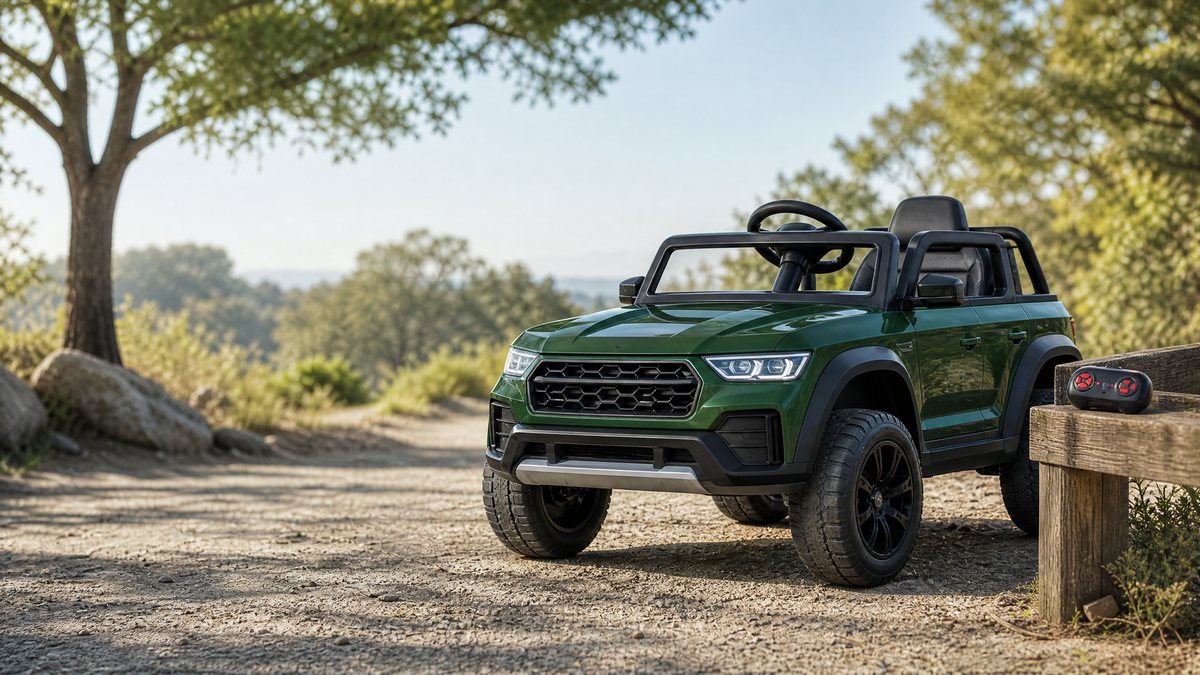
Outdoor location shoots introduce natural ambient lighting, dynamic backgrounds, and authentic environmental textures. Paved driveways, suburban parks, architectural courtyards, and urban plazas provide organic contexts that resonate strongly with family consumers. Natural golden hour lighting—occurring shortly after sunrise or before sunset—casts warm, directional light that enhances paint flake finishes and metallic trims organically.
Despite their aesthetic appeal, outdoor shoots demand rigorous contingency planning. Weather shifts, changing sunlight angles, and public foot traffic can disrupt production schedules. Furthermore, crew members must exercise heightened caution regarding terrain safety. Uneven ground, gravel, or damp grass can destabilize a vehicle during shooting. When positioning ride-on cars on slight inclines for dynamic angling, wheel chocks or discreet mechanical supports must be utilized to guarantee absolute stability, adhering strictly to manufacturer stability guidelines.
Comparative Analysis of Styling Approaches for Different Vehicle Categories
Different categories of ride-on vehicles require distinct staging, lighting, and narrative styling to communicate their unique value proposition to wholesale buyers and end consumers. The table below outlines these strategic styling distinctions.
| Vehicle Category | Primary Visual Appeal | Ideal Photography Setting | Key Styling & Lighting Considerations |
|---|---|---|---|
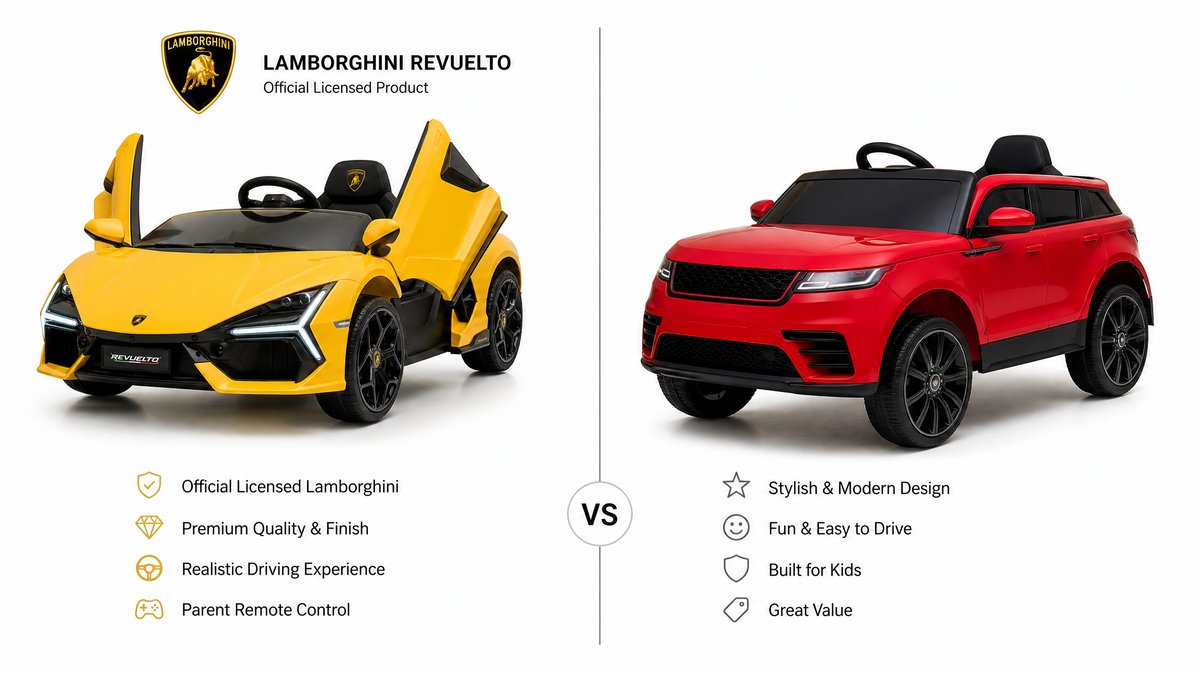
| Licensed Luxury Sports Cars | Sleek aerodynamics, high-gloss paint, badge authenticity | Modern architectural driveway, luxury garage | Emphasize specular body highlights; use cool overhead softboxes to showcase metallic flake paint and chrome accents. |
| Utility Tractors & Farm Vehicles | Rugged durability, functional attachments, payload capacity | Outdoor grassy terrain, simulated farmyard or garden | Use warm, directional sunlight; style with earthy props to highlight sturdy construction and utilitarian capability. |
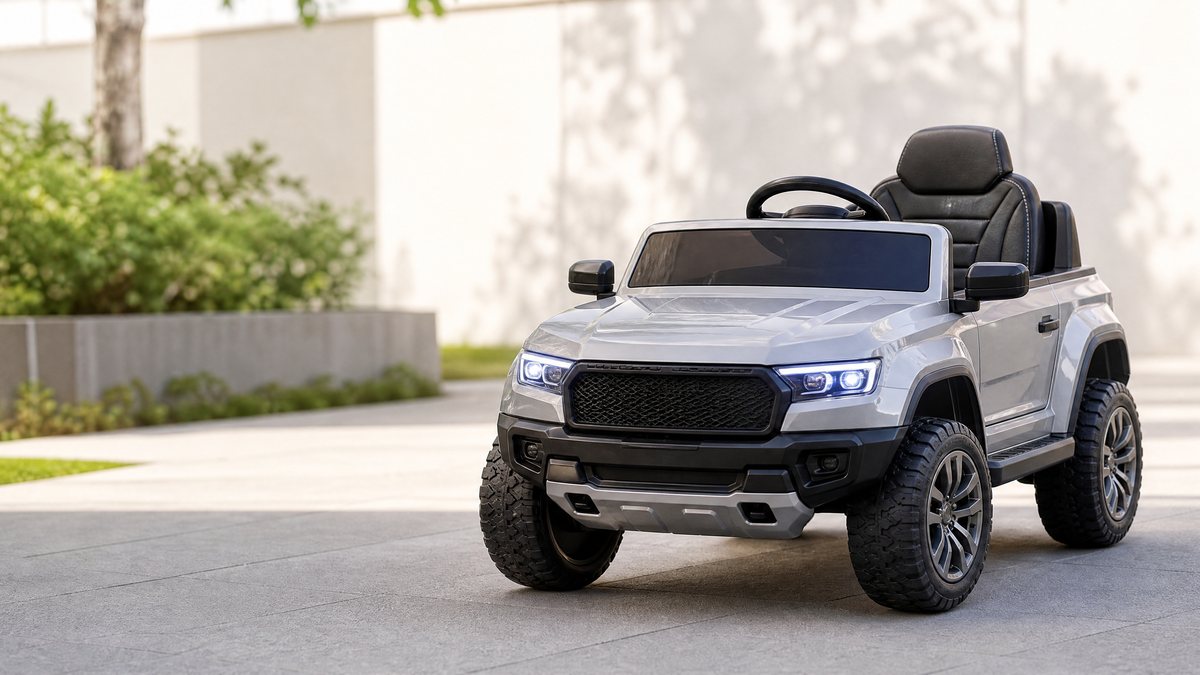
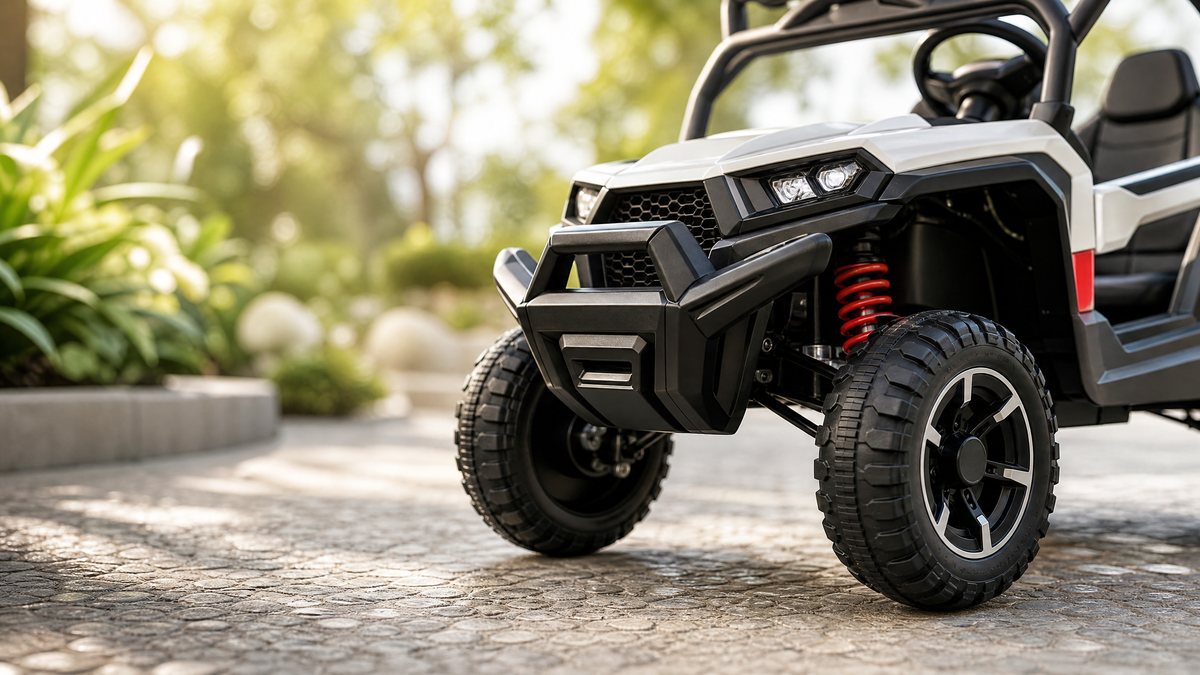
| Off-Road SUVs & All-Terrain 4WD | Elevated ground clearance, chunky tires, robust grille | Gravel path, rustic woodland edge, unpaved trail | Balance natural shadows; emphasize textured EVA foam tires and suspension architecture using low-angle perspective. |
| Vintage & Classic Replicas | Nostalgic charm, wire-wheel details, heritage color palettes | Historic brick courtyard, vintage-styled studio backdrop | Employ warm tungsten-balanced lighting; incorporate period-appropriate accessories to enhance storytelling. |
Operational Safety, Handling, and Studio Protocols
Maintaining a safe working environment on a photography set involving motorized ride-on vehicles is paramount for crew members, models, and equipment alike. Although ride-on cars are designed for recreational use by children under adult supervision, commercial photo and video productions often require continuous repositioning, battery management, and remote-control operation in confined studio spaces.
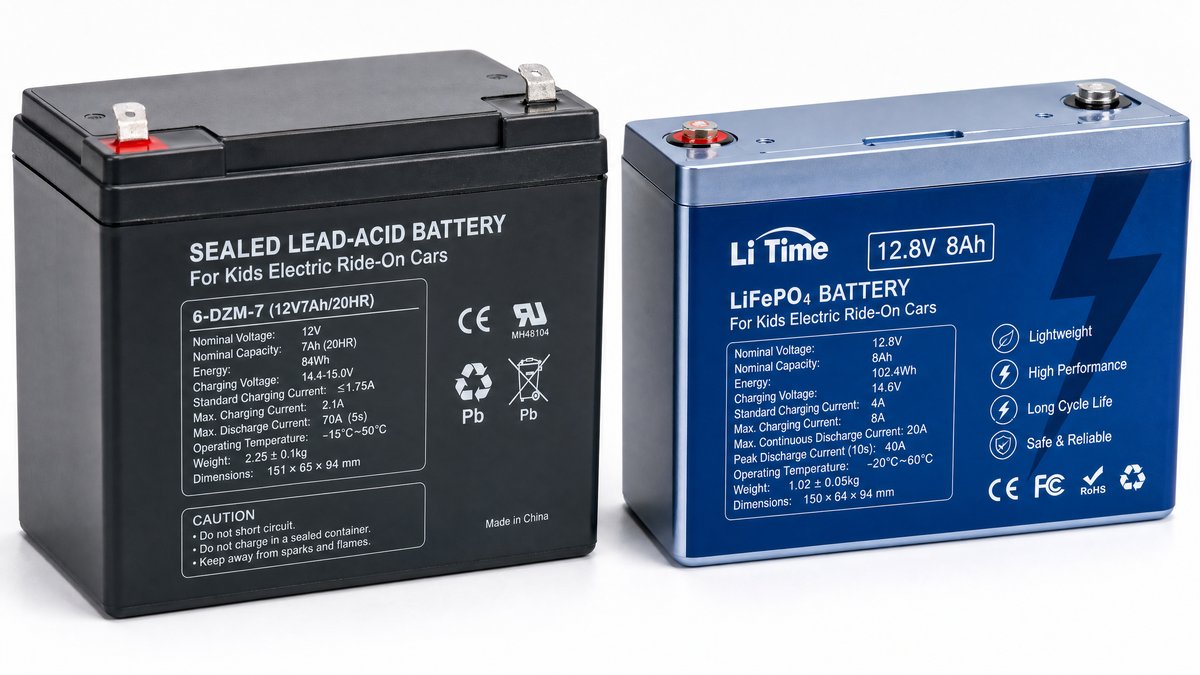
All production personnel must adhere strictly to the manufacturer's operating instructions and user manuals provided with each vehicle. Technicians must never attempt unauthorized modifications to internal wiring harnesses, motor controllers, or battery compartments to alter speed or performance metrics for a shoot. When handling rechargeable battery packs, crew members must inspect charging cables and connectors for signs of wear, fraying, or thermal stress.
In the event of any operational anomaly—such as unusual electrical odors, visible smoke, excessive heat generation, unexpected motor stuttering, or abnormal braking behavior—production must be paused immediately. The vehicle must be powered down, disconnected from any power source, and removed from the active shooting area. Qualified technical personnel or the manufacturer's support team should be consulted before resuming any operations. For commercial inquiries and safety-verified wholesale orders, you can Request a wholesale quote to connect with our logistics team.
Frequently Asked Questions
How should reflective surfaces on ride-on cars be managed during studio photography?
Managing reflections on glossy plastics, chrome trim, and acrylic windshields requires large diffusion panels, overhead silk scrims, and polarising filters. Photographers frequently utilize negative fill cards to absorb stray light and define body contours without creating harsh, unmanaged glare.
Why is camera height critical when shooting miniature ride-on vehicles?
Shooting from a standing adult height creates an unnatural downward angle that diminishes the vehicle's perceived scale and presence. Positioning the camera at the eye level of the intended child occupant or low to the ground preserves accurate perspective and lends the vehicle a professional, automotive-grade aesthetic.
What environmental factors should be considered during outdoor location shoots?
Outdoor shoots require careful assessment of terrain stability, weather conditions, and lighting shifts. Uneven ground or inclines require discreet wheel chocks to maintain absolute safety and stability, while natural sunlight must be managed using portable diffusion flags to prevent harsh contrast.
Are modifications permitted to enhance vehicle performance or lighting for a commercial shoot?
No. All vehicles must remain in their original, unmodified condition in accordance with the manufacturer's written specifications. Unauthorized alterations to electrical wiring, batteries, or motor systems are strictly prohibited to ensure operational safety on set.
Conclusion
The successful integration of ride-on cars into commercial product photography requires a harmonious blend of technical precision, creative storytelling, and rigorous safety adherence. By understanding the nuances of surface reflection management, scale composition, and category-specific styling, commercial photographers and B2B retailers can produce compelling visual assets that elevate brand equity and drive engagement. Whether capturing clean e-commerce packshots in a controlled studio or crafting immersive lifestyle narratives outdoors, professional presentation remains a cornerstone of successful toy retail marketing.
Official References
1. Consumer Product Safety Commission (CPSC): General Toy Safety Education and Regulatory Guidance. Note: Official federal educational guidelines do not replace or supersede specific manufacturer operating instructions, model-specific safety labels, or official product certifications.
2. Commercial Photography Standards Association (CPSA): Professional Studio Lighting and Prop Handling Best Practices for Consumer Goods.
3. Manufacturer Technical Specifications & User Manuals: Official documentation supplied with commercial ride-on vehicle inventory, governing safe operation, battery handling, and weight capacity limits.
Official references
Explore these external resources for current regulatory and trade guidance. Confirm requirements with the relevant authority before placing an order.
Ready to Start?
Factory-Direct · CE & ASTM Certified · MOQ from 50 Units
Our export team works with buyers in 60+ countries. Get a quote within 24 hours.
KR
Written by KidsRideCar
China's leading kids electric ride-on car manufacturer. 500,000+ units shipped annually to 60+ countries. CE, ASTM & EN71 certified.