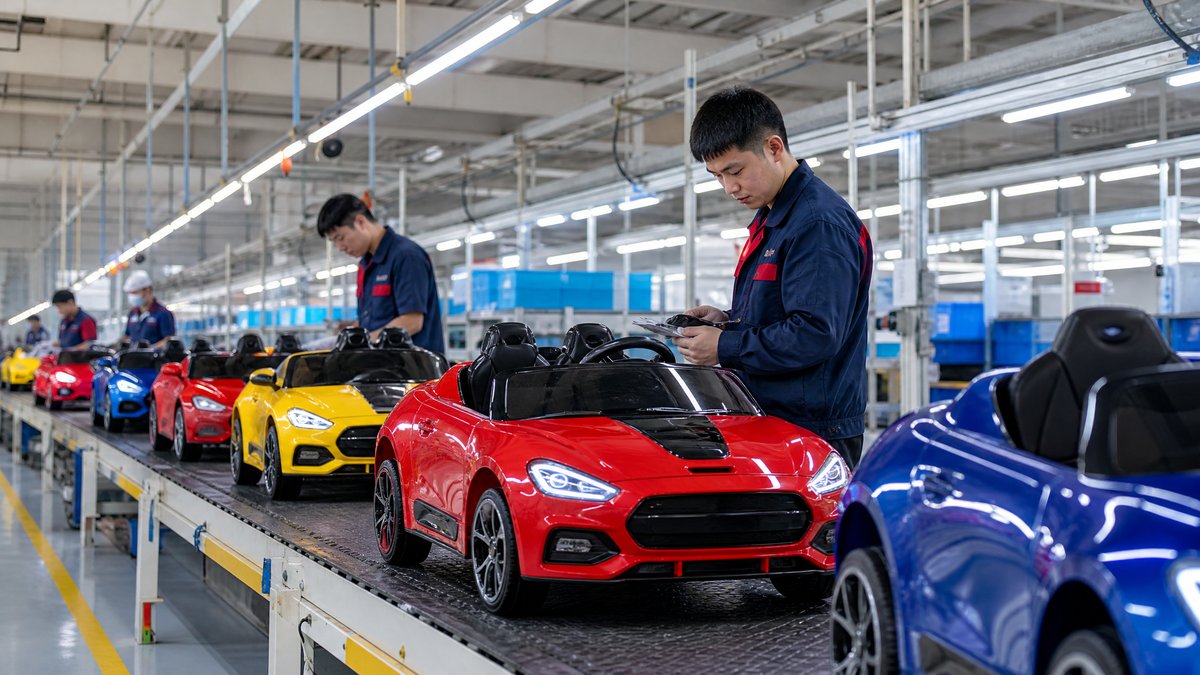
For global importers, professional distributors, and specialized retail organizations, the juvenile mobility sector represents a cornerstone of the modern toy market. As families seek increasingly sophisticated play experiences, the distinction between various categories of ride-on vehicles has become a primary focus for procurement teams. The task of comparing electric-powered models with their manual counterparts—such as pedal cars, push-along vehicles, and balance-focused units—requires a deep understanding of consumer behavior, logistical overhead, and the rigorous documentation needed for international trade. This guide provides a comprehensive framework for professional buyers to evaluate these options, ensuring that inventory selections align with both market demand and operational excellence.
The Strategic Importance of Product Categorization
Before a procurement team can effectively compare different vehicles, they must establish a clear taxonomy of the available options. The market is generally divided into several distinct tiers, each offering unique benefits and challenges for the Business-to-Business buyer.
First, the category of electric-powered vehicles serves as the premium segment. These models often replicate the aesthetics of full-sized automotive brands and include integrated entertainment systems and power-assisted movement. They appeal to consumers looking for high-impact gifts and technologically advanced toys. However, from a sourcing perspective, they require more intensive review of written model documentation and current supplier evidence to ensure they meet all applicable destination-market requirements.
Second, manual pedal vehicles represent a more traditional, active-play segment. These units rely entirely on the physical effort of the user, promoting gross motor skill development. They are prized for their mechanical simplicity and long-term durability. For a distributor, these products often carry lower maintenance overhead and simpler logistical requirements compared to their electronic counterparts.
Third, push-along and foot-to-floor vehicles are designed for the youngest demographic. These items often serve as a transitional tool between strollers and independent mobility toys. They are typically lightweight and designed for high-volume retail environments where price accessibility is a key driver of sales velocity.
Finally, specialized vehicles like balance bikes and motion-driven swing cars occupy a niche focused on developmental milestones. These products are often favored in urban markets where indoor play space is a priority, as they can be operated effectively on smooth surfaces without the need for complex power systems.
Professional Comparison Matrix for Procurement Teams
To assist in the decision-making process, the following matrix outlines the key commercial differences between these primary categories. This comparison focuses on qualitative metrics that impact the bottom line for importers and retailers.
| Feature Category | Electric Powered Vehicles | Manual Pedal Vehicles | Push and Foot-to-Floor |
|---|---|---|---|
| Market Position | Premium Luxury Segment | Mid-Range Active Play | Entry-Level Volume |
| Consumer Appeal | High-Tech Engagement | Physical Development | Early Childhood Milestones |
| Logistical Burden | Significant Handling Needs | Moderate Space Requirements | High-Density Shipping |
| Support Requirements | Professional Guidance Recommended | Minimal Mechanical Needs | Negligible Maintenance |
| Inventory Turnover | Seasonal High-Value Peaks | Steady Year-Round Demand | Consistent Impulse Sales |
| Documentation Level | Extensive Written Evidence | Standard Product Markings | Basic Safety Verifications |
The Sourcing and Use Framework: A Model-Neutral Approach
A successful procurement strategy relies on a structured evaluation process. Importers should adopt a model-neutral framework that prioritizes verification and risk management over superficial features.
#### Phase One: Market Alignment and Consumer Persona Analysis
The first step in any comparison is to define the target audience. A distributor supplying high-end boutiques will find more success with electric-powered models that feature intricate details and sophisticated finishes. These consumers are less sensitive to price and more focused on the prestige and visual impact of the toy. In contrast, a buyer for a mass-market chain should prioritize manual vehicles that offer robust construction at a price point that encourages quick purchasing decisions.
It is also essential to consider the cultural preferences of the destination market. In some regions, there is a strong emphasis on outdoor, active play, which favors the pedal car category. In other markets, the technological sophistication of an electric vehicle is the primary driver of consumer interest. Understanding these nuances allows a Business-to-Business organization to tailor its inventory to the specific needs of its clientele.
#### Phase Two: Logistical Assessment and Landed Cost Calculations
The physical characteristics of these vehicles have a direct impact on profitability. Electric models are generally heavier and more voluminous due to their internal mechanical assemblies and power sources. This increased weight translates to higher freight costs and requires more specialized warehousing solutions.
Furthermore, the presence of power systems introduces additional layers of complexity in the supply chain. Buyers must ensure that all shipments are accompanied by written supplier confirmation regarding the nature of the internal components. Manual vehicles, being lighter and often designed for more compact packaging, allow for greater container density, which can significantly improve the landed cost per unit. This is a critical consideration for importers operating in markets with high shipping rates.
#### Phase Three: Long-Term Support and Brand Reputation
For a professional buyer, the sale to the retailer is only the beginning. The total cost of ownership must include the potential for after-sales support. Electric vehicles, with their more complex internal systems, may require manufacturer-approved support if issues arise. A proactive importer will verify that the supplier provides comprehensive written model documentation to assist in resolving consumer inquiries.
Manual vehicles, due to their mechanical simplicity, have a much lower failure rate. This makes them an excellent choice for distributors who lack the infrastructure for extensive technical support. By balancing the high margins of electric models with the low-risk profile of manual ones, a buyer can create a resilient and profitable product portfolio that withstands market fluctuations.
Safety Verification and Regulatory Documentation
In the global toy trade, the ability to demonstrate product integrity is paramount. While the specific requirements vary by region, the principles of professional verification remain constant.
For all vehicles, buyers must demand appropriate product markings that indicate the manufacturer has met the necessary standards for the target market. This process involves a thorough review of current supplier evidence and non-destructive assessment of production-grade samples.
When sourcing electric-powered models, the focus shifts to the integrity of the power system. It is critical to verify that the energy storage units are housed securely and that the charging systems are accompanied by written documentation from recognized laboratories. Importers should never rely on verbal promises; only written supplier confirmation and official reports are acceptable for professional due diligence.
For manual vehicles, the primary concerns are structural integrity and stability. A non-destructive assessment should be performed to ensure that the vehicle remains stable during normal operation and that the materials used in construction are free from restricted substances. This requires the supplier to provide clear evidence of their material sourcing and quality control protocols.
Operational Boundaries and Maintenance Protocols
Maintaining the safety of ride-on vehicles requires a clear understanding of what can and cannot be performed by the user or the retailer. Professional buyers have a responsibility to communicate these boundaries clearly to their clients.
All setup and initial assembly must be manual-led, following the exact instructions provided in the written model documentation. Any task not explicitly described in the manual should be referred to qualified support or manufacturer-approved service centers.
There are strict prohibitions regarding the internal components of these vehicles. Users should never attempt to access or alter the internal power systems, mechanical assemblies, or control units. Any sign of unusual operation, such as unexpected sounds or changes in motion, should result in the immediate decision to stop use if there is a concern.
Professional distributors should ensure that all products they sell are accompanied by clear, easy-to-understand manuals that emphasize the importance of adult supervision and the necessity of regular external visual checks. These checks should focus on the integrity of the wheels, the security of the seating, and the overall condition of the vehicle's exterior.
Strategic Inventory Mix for Business-to-Business Success
To optimize market share, importers should consider a tiered inventory strategy that covers multiple price points and use cases.
For e-commerce partners, the visual appeal of electric vehicles is a powerful tool for driving traffic. However, the logistical risks associated with shipping these large items must be managed through robust packaging and clear communication regarding delivery expectations.
For physical retail environments, a mix of high-end electric models and accessible manual push cars creates a comprehensive shopping experience. The premium models serve as "hero products" that draw customers into the store, while the manual vehicles provide the volume needed for consistent revenue.
In the institutional sector, such as play centers and schools, the priority is durability. Manual pedal cars and reinforced vehicles are the preferred choice in these high-use environments, as they offer the best return on investment through reduced maintenance needs and a longer service life.
Sourcing Checklist for Professional Buyers
Before finalizing any procurement agreement, buyers should use the following checklist to ensure all professional standards are met:
* Obtain and verify the latest version of the written model documentation.
* Request current supplier evidence of regulatory alignment for the specific destination market.
* Perform an external visual check of production samples to assess build quality.
* Verify that all products carry the appropriate product markings.
* Confirm the availability of manufacturer-approved support for complex inquiries.
* Review the supplier's quality control protocols for both mechanical and power systems.
* Assess the packaging to ensure it is suitable for international transit and last-mile delivery.
* Secure written supplier confirmation regarding the materials used in the vehicle's construction.
* Evaluate the supplier's history of providing consistent documentation for previous shipments.
* Ensure that all safety warnings are presented in the primary languages of the target market.
Frequently Asked Questions
Q: How should a buyer evaluate the difference in energy systems between various models?
A: Buyers should focus on the written documentation provided by the supplier. This documentation should outline the nature of the power source and the expected duration of operation under normal conditions. It is essential to ensure that the energy system is accompanied by all necessary evidence of safety and reliability for the target market.
Q: What are the primary logistical differences when shipping manual versus electric vehicles?
A: The main differences lie in weight and handling requirements. Electric vehicles are typically heavier and may require more specialized documentation for international transport due to their internal power sources. Manual vehicles are generally lighter and more compact, allowing for more efficient use of container space and lower landed costs per unit.
Q: Can the performance characteristics of a vehicle be altered after purchase?
A: No. Any attempt to alter the internal mechanical or power systems of a ride-on vehicle is strictly prohibited. Such actions can compromise the structural integrity of the toy and create significant risks. All maintenance and setup must be manual-led and strictly follow the manufacturer's instructions. If a vehicle does not meet the requirements of a specific market, the buyer should source a different model that is designed and verified for those conditions.
For further information on professional sourcing and to explore our full range of juvenile mobility solutions, please contact our procurement team.
Request a wholesale quote
Official references
Explore these external resources for current regulatory and trade guidance. Confirm requirements with the relevant authority before placing an order.
Ready to Start?
Factory-Direct · CE & ASTM Certified · MOQ from 50 Units
Our export team works with buyers in 60+ countries. Get a quote within 24 hours.
KR
Written by KidsRideCar
China's leading kids electric ride-on car manufacturer. 500,000+ units shipped annually to 60+ countries. CE, ASTM & EN71 certified.