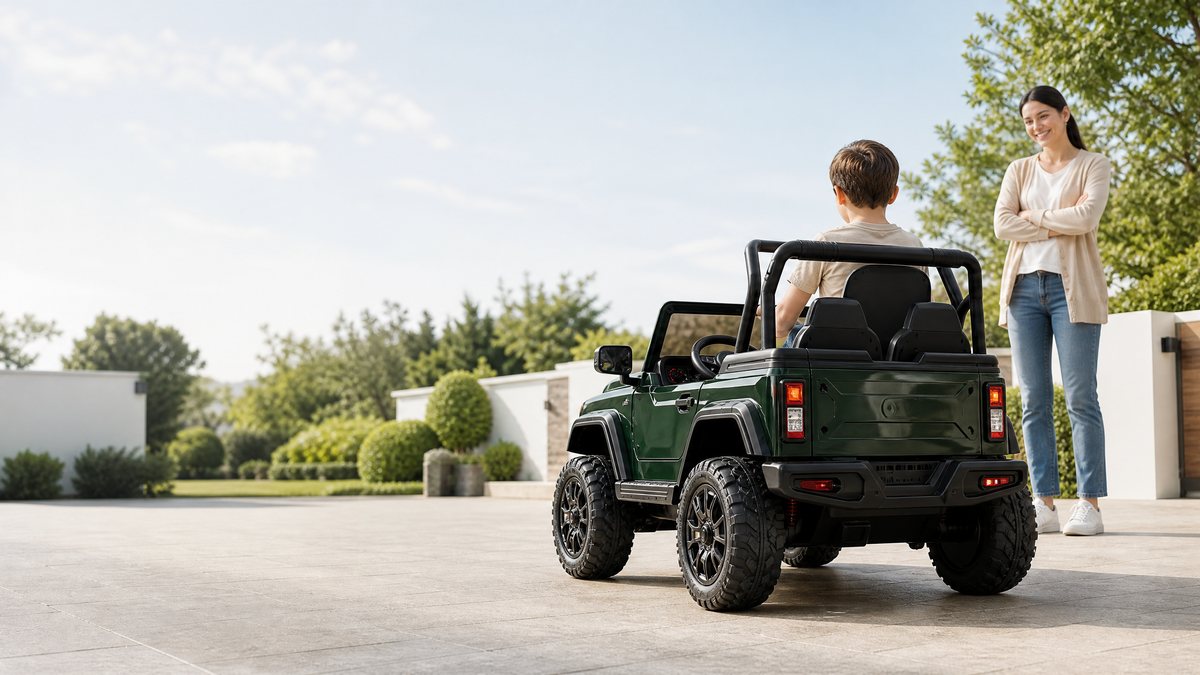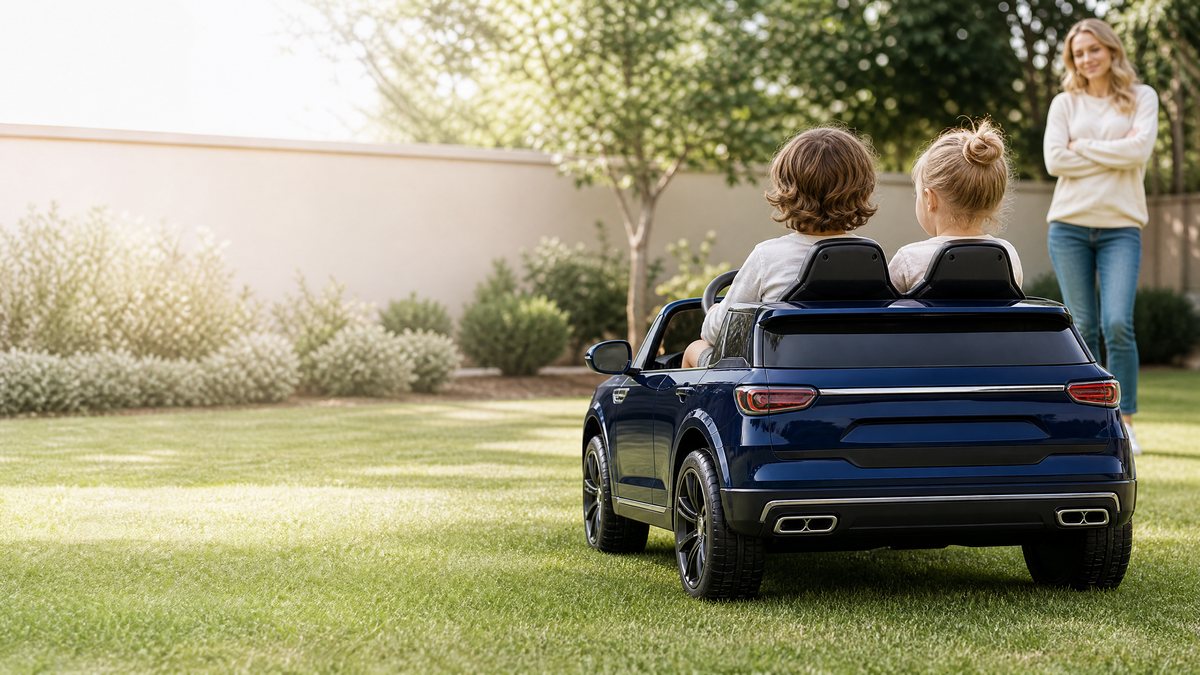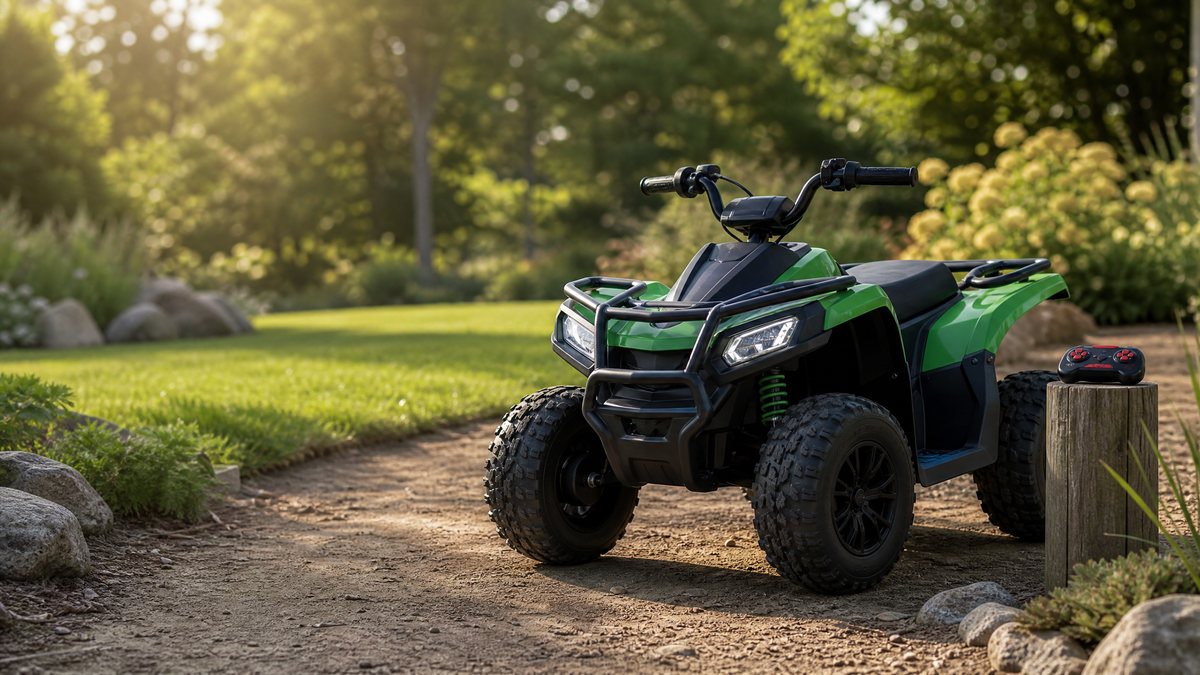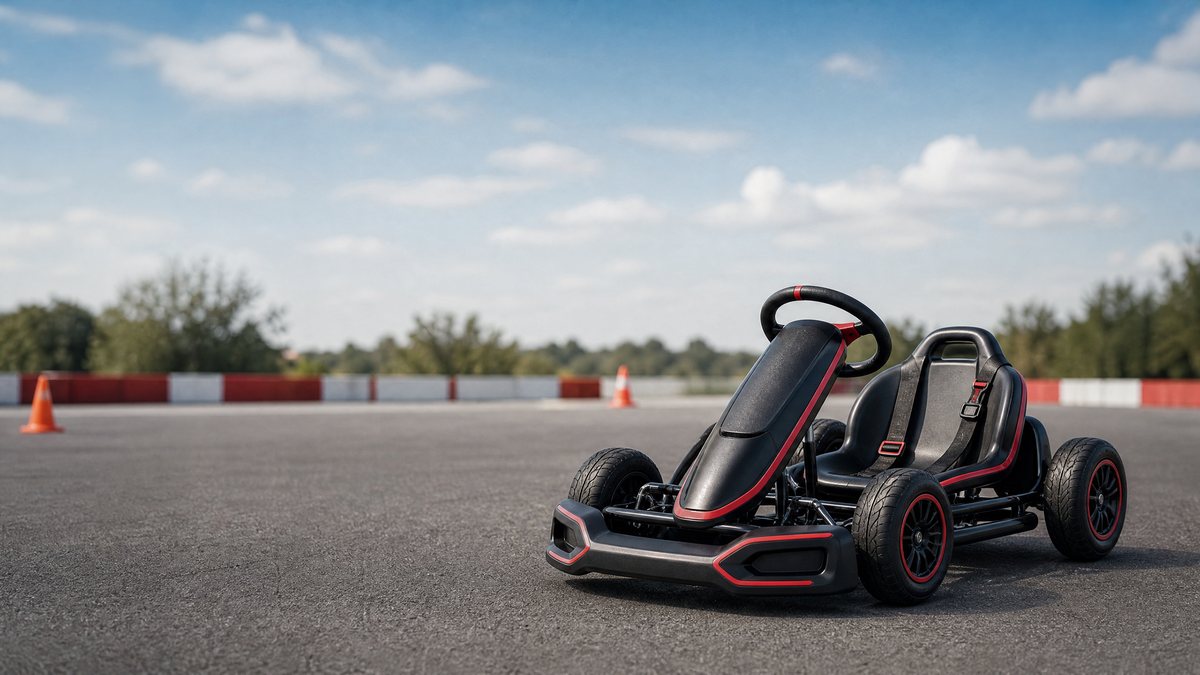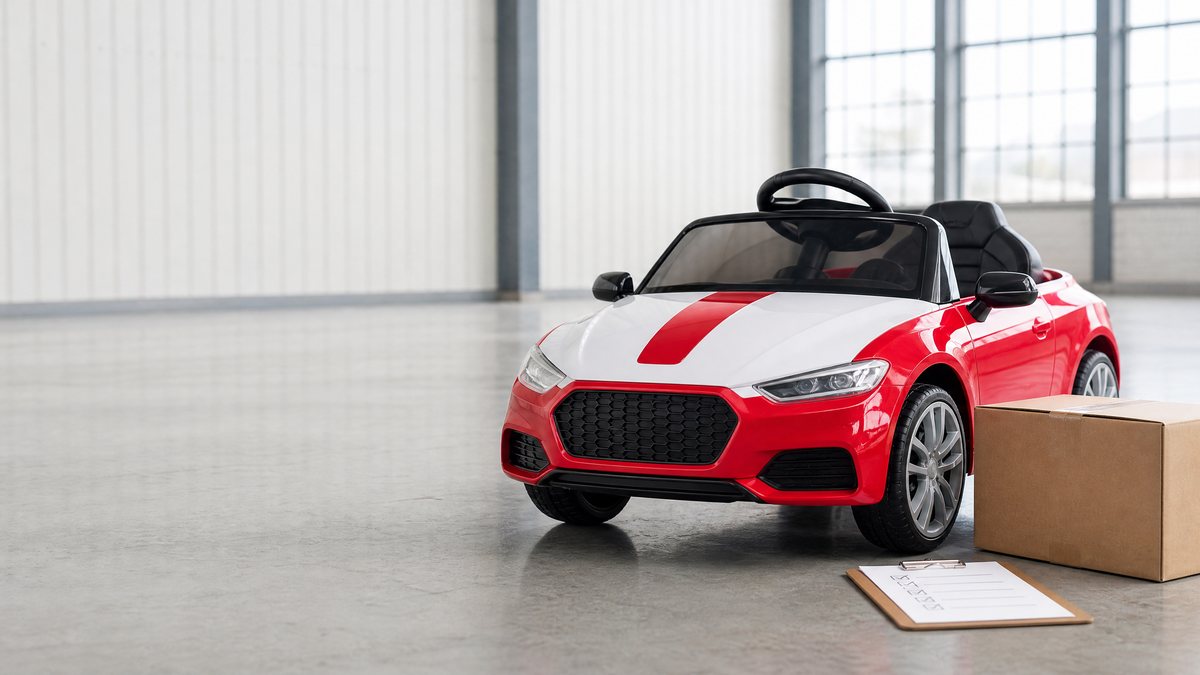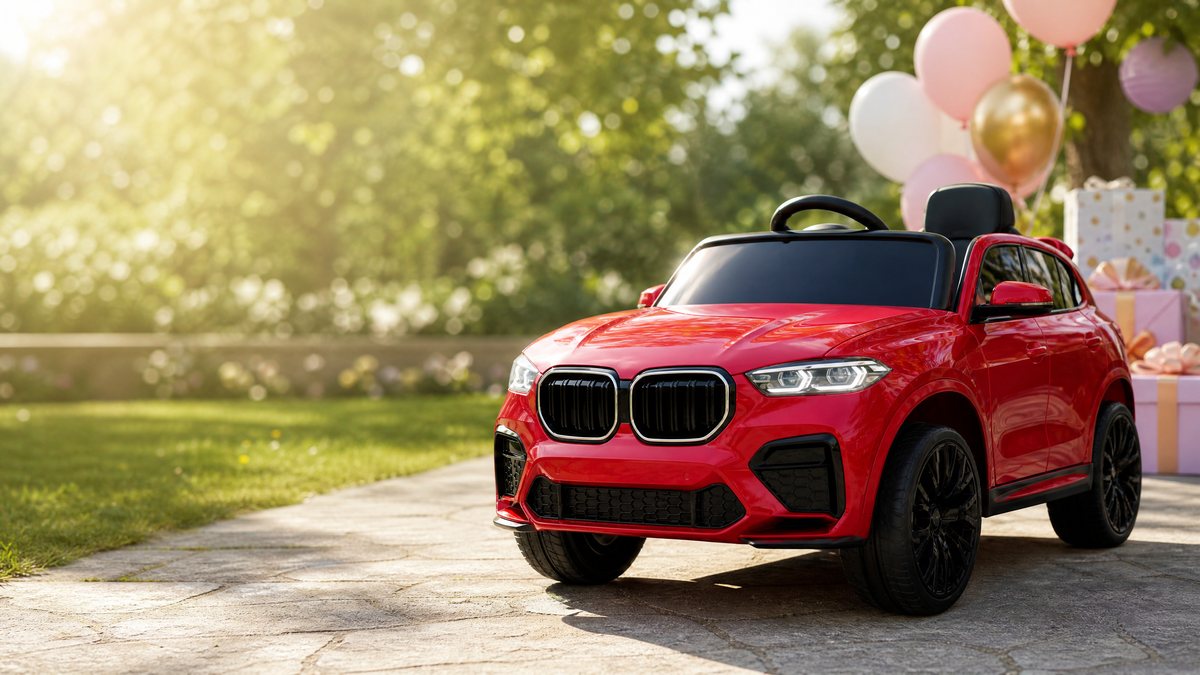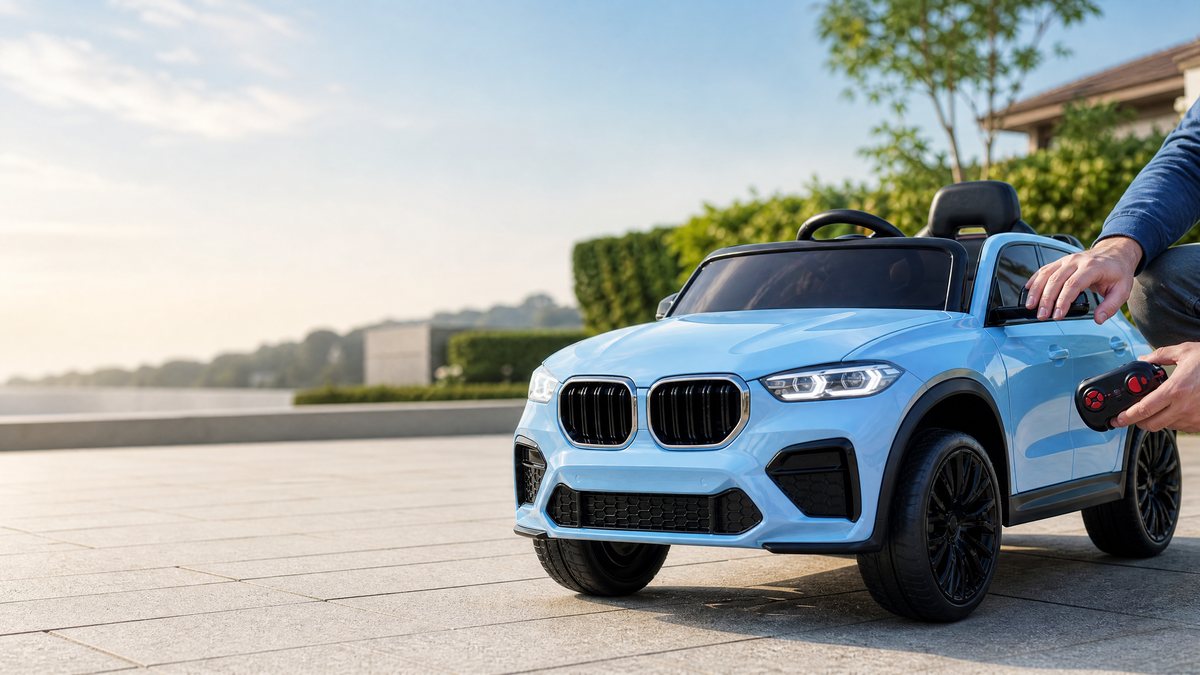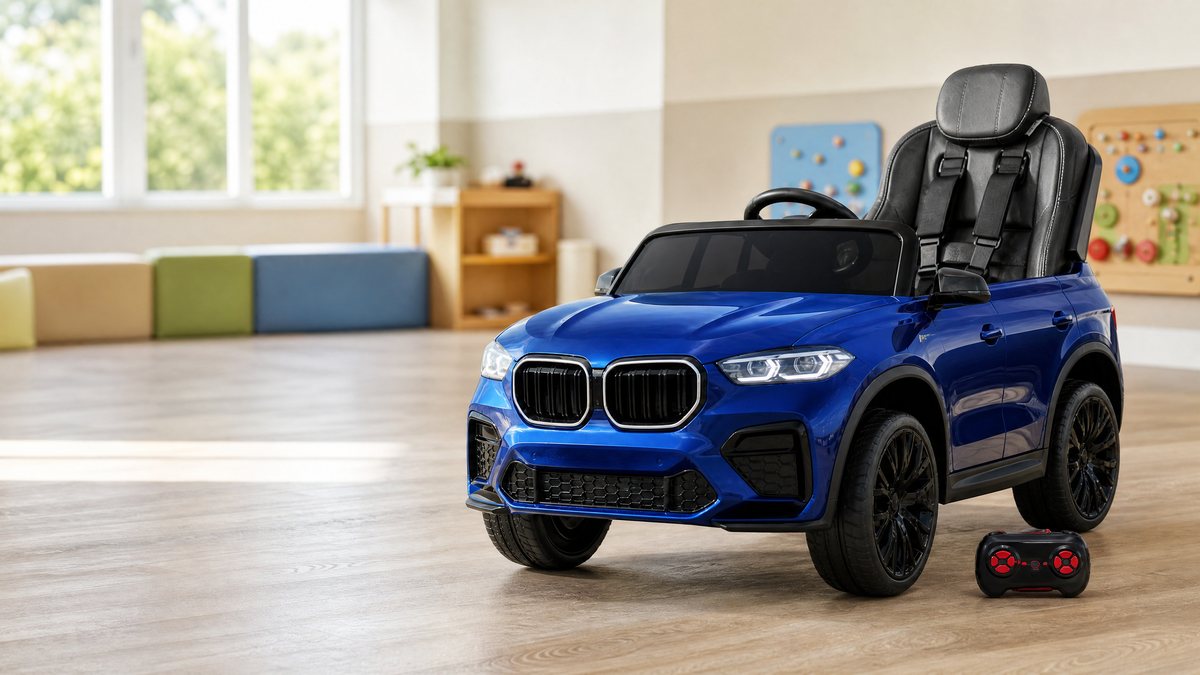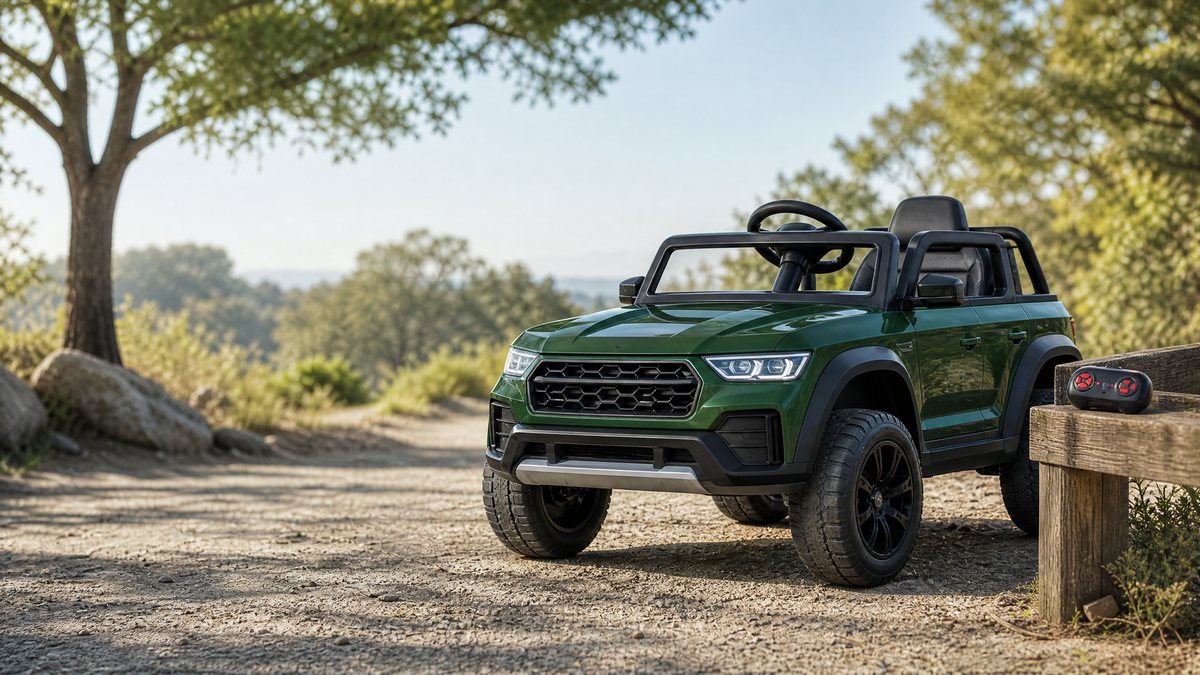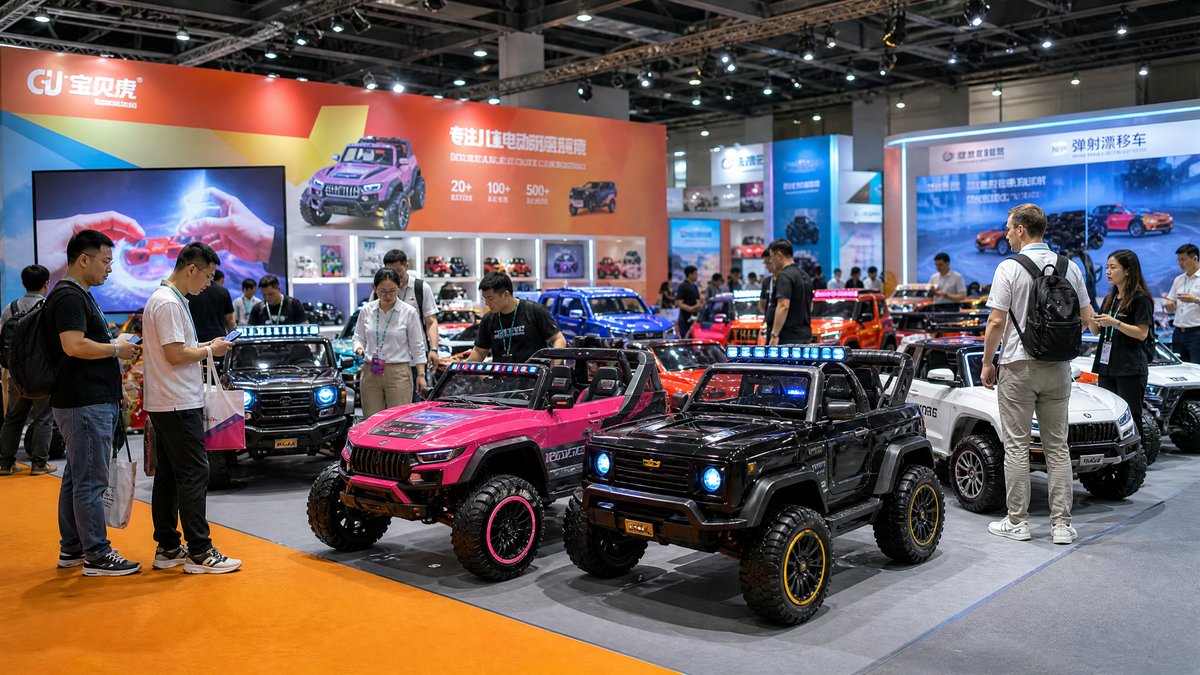
As daylight hours shift during changing seasons and busy modern schedules make daytime outdoor time scarce, families increasingly look for creative ways to extend recreational activities into the cool, tranquil hours of the evening. Transforming the backyard garden into an illuminated, magical play space provides children with an entirely new sensory and recreational dimension. Electric ride-on cars, when operated under rigorous adult supervision and comprehensive environmental safety checks, can offer delightful twilight adventures that foster imagination, spatial awareness, and family bonding [1]. However, transitioning motorized play from daylight to nighttime introduces unique challenges regarding environmental visibility, terrain hazards, equipment maintenance, battery management, weather conditions, spatial boundaries, active supervision, hazard prevention, equipment readiness, and operational safety. Retailers, wholesale distributors, and family buyers must carefully balance imaginative engagement with strict safety protocols at all times, ensuring that every play session remains secure, structured, thoroughly monitored, and fully supervised.
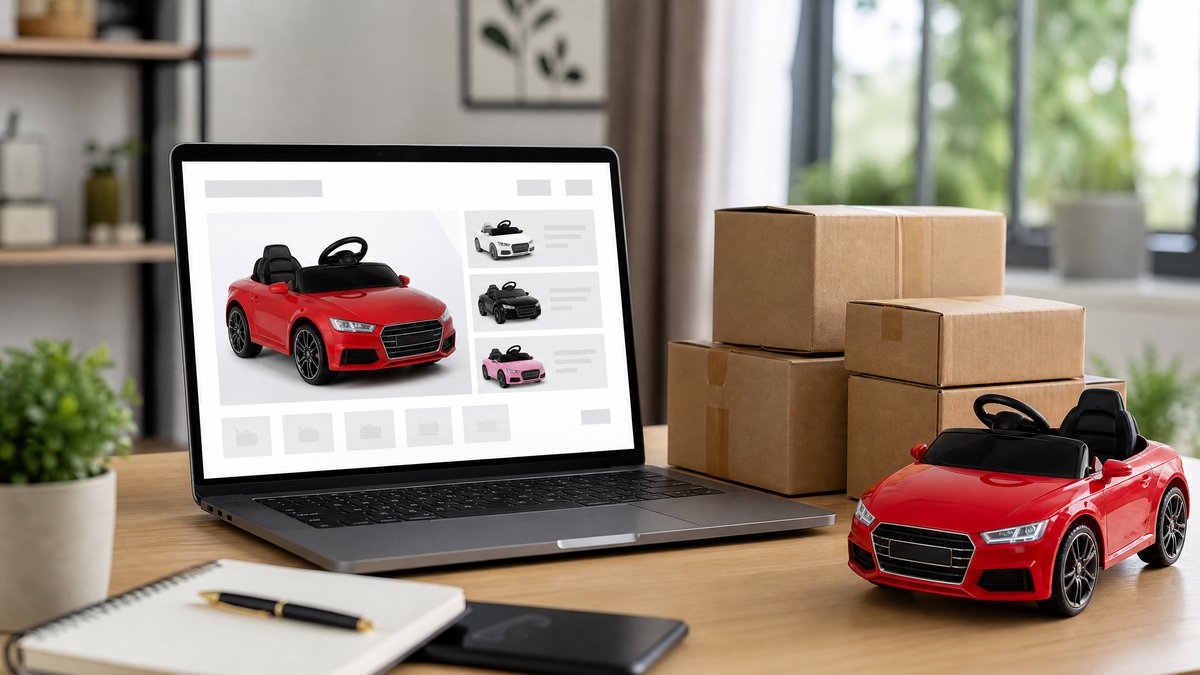
For B2B importers, distributors, and retail buyers sourcing electric ride-on vehicles for seasonal inventory and family-oriented product lines, understanding how consumers utilize these toys in diverse settings—such as evening garden pathways—helps shape product positioning, customer service inquiries, safety documentation, and marketing strategies. Providing clear guidance on night play accessories and safety checks adds immense value to retail offerings. For bulk commercial inquiries, business partners are encouraged to Request a wholesale quote to explore our complete catalog of certified children's electric vehicles and customizable wholesale packages designed for modern retail markets worldwide.
Preparing Your Garden for Safe Nighttime Driving
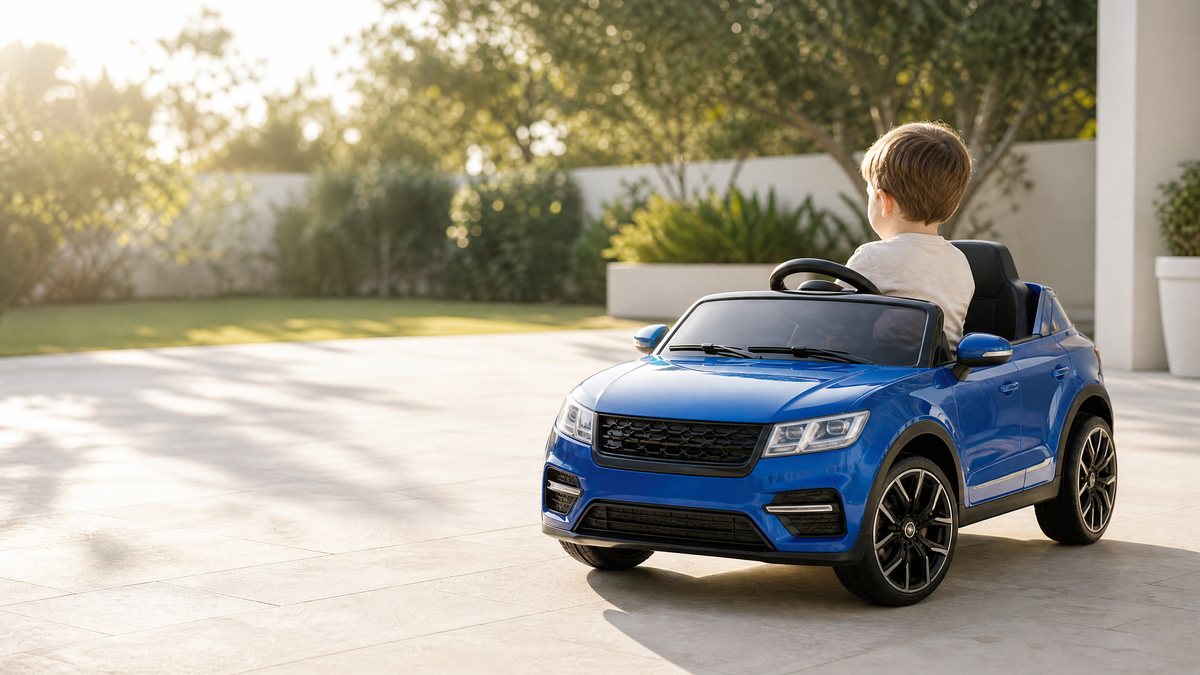
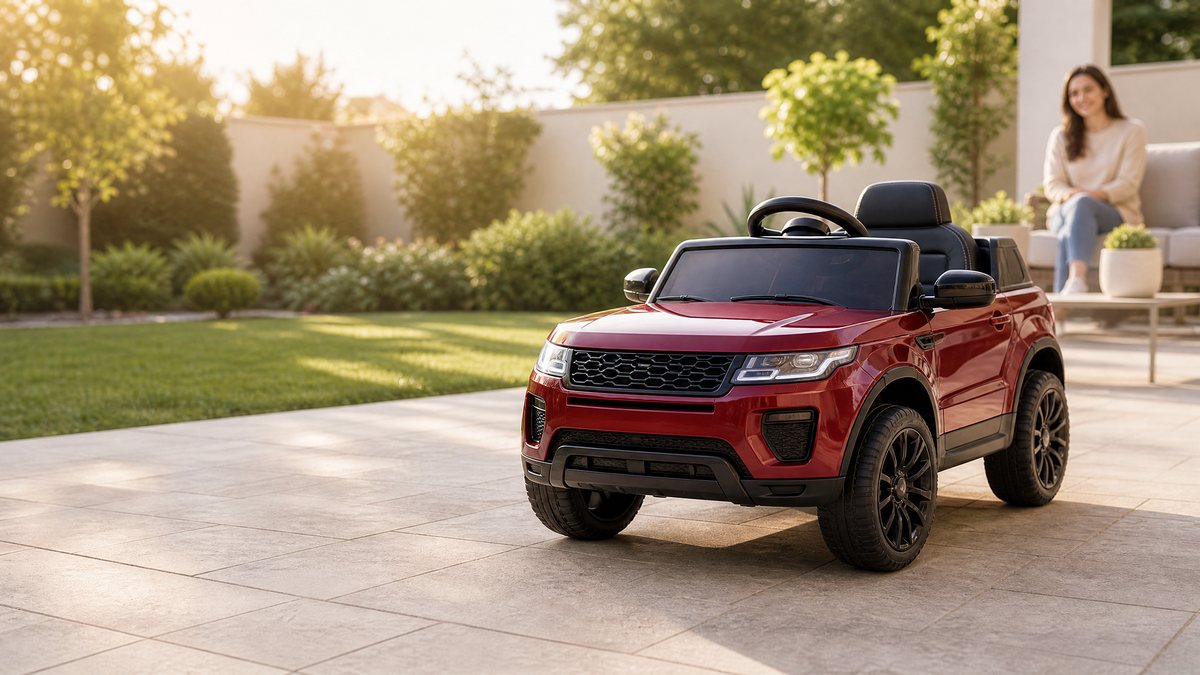
Before any child steps foot into an electric ride-on car after sunset, the physical play environment requires thorough and methodical preparation. Daylight often masks subtle landscape hazards that become invisible, deceptive, or treacherous under twilight shadows and uneven artificial lighting. Garden pathways, decorative stone borders, uneven turf, low-hanging tree branches, shrubbery edges, and automated sprinkler heads represent potential tripping, tipping, or collision hazards for motorized vehicles. Establishing a clear, well-defined, and obstruction-free driving boundary is the foundational prerequisite of safe nighttime garden play.
Parents and caregivers must inspect the entire driving perimeter before allowing children to operate their ride-on cars. Clearing away garden tools, stray hoses, scattered toys, and organic debris prevents unexpected obstacles that could destabilize the vehicle. Furthermore, marking the boundaries of pathways using soft, low-voltage landscape lighting, solar garden stakes, or reflective markers ensures that young drivers can clearly distinguish between safe driving lanes and delicate flower beds, ponds, or elevation drops. Maintaining a smooth, level driving surface minimizes the risk of vehicle rollover, ensuring that evening recreation remains both safe, controlled, and deeply enjoyable for the entire family. Taking time for a pre-play garden walkthrough builds a secure foundation for every twilight driving session.
Assessing Lighting, Visibility, and Environmental Factors
Visibility is the single most critical factor when transitioning ride-on car play from daytime to nighttime conditions. Standard ambient light from the moon, neighboring streetlights, or nearby residential windows is rarely sufficient for safe motor vehicle operation, even at the reduced speeds characteristic of children's electric cars. Additional illumination must be systematically integrated into the garden environment to ensure that both the young driver and supervising adults maintain clear visual contact with the vehicle and its surroundings at all times.
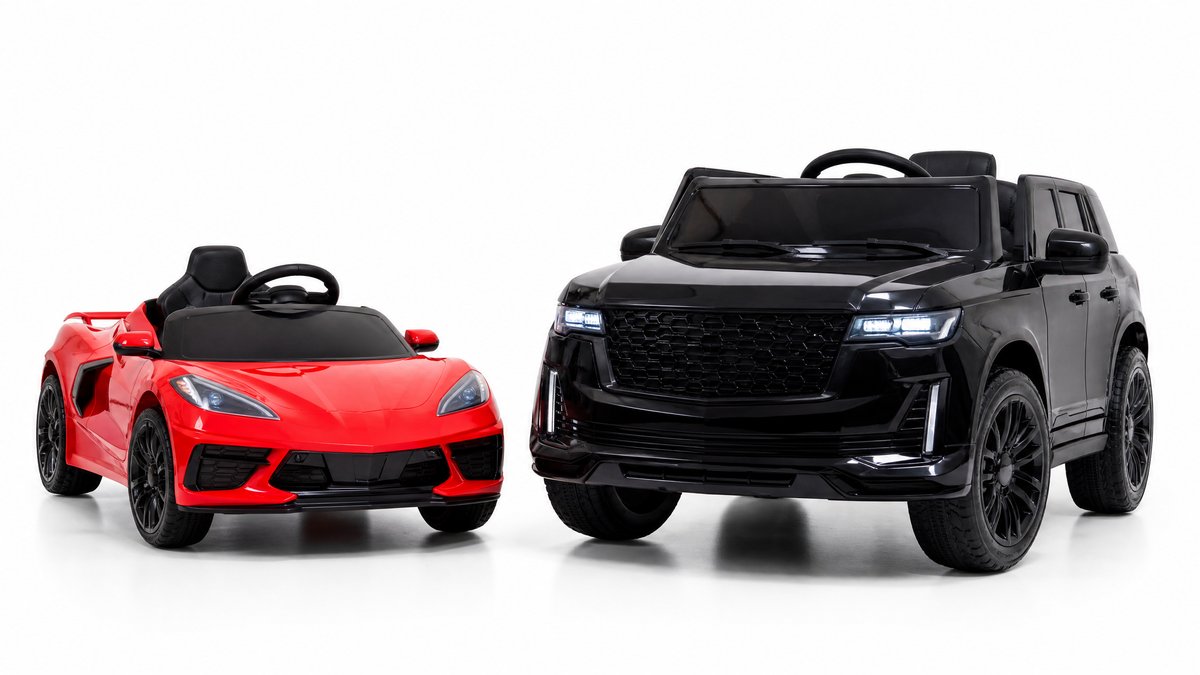
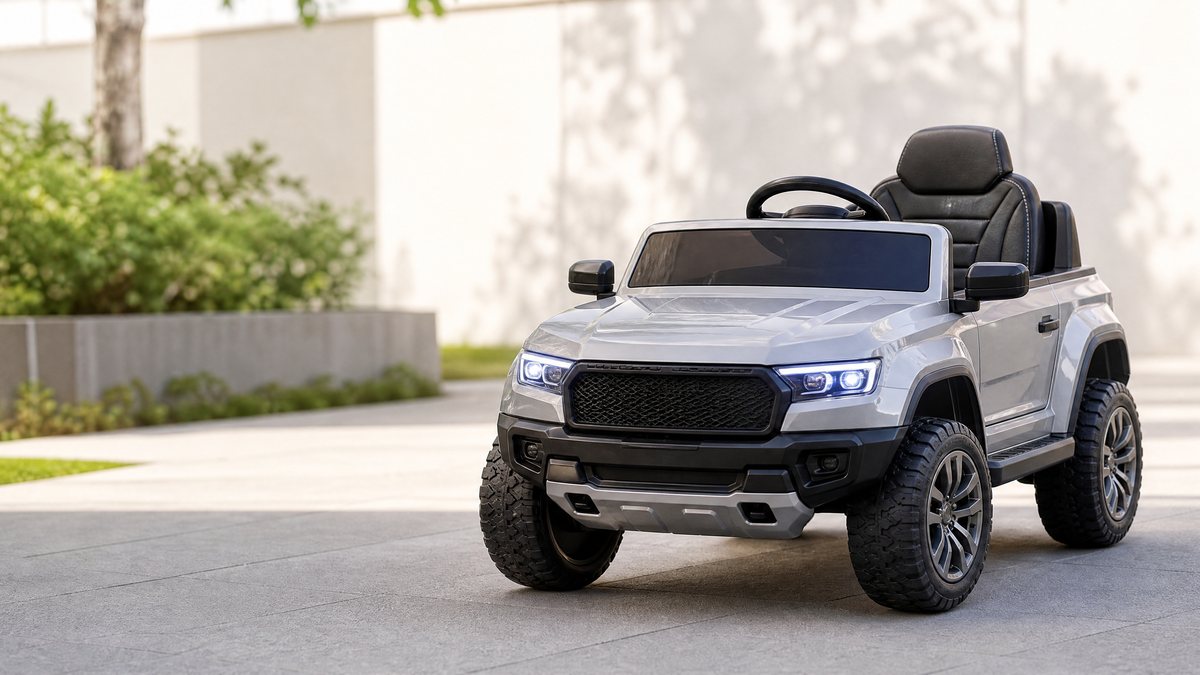
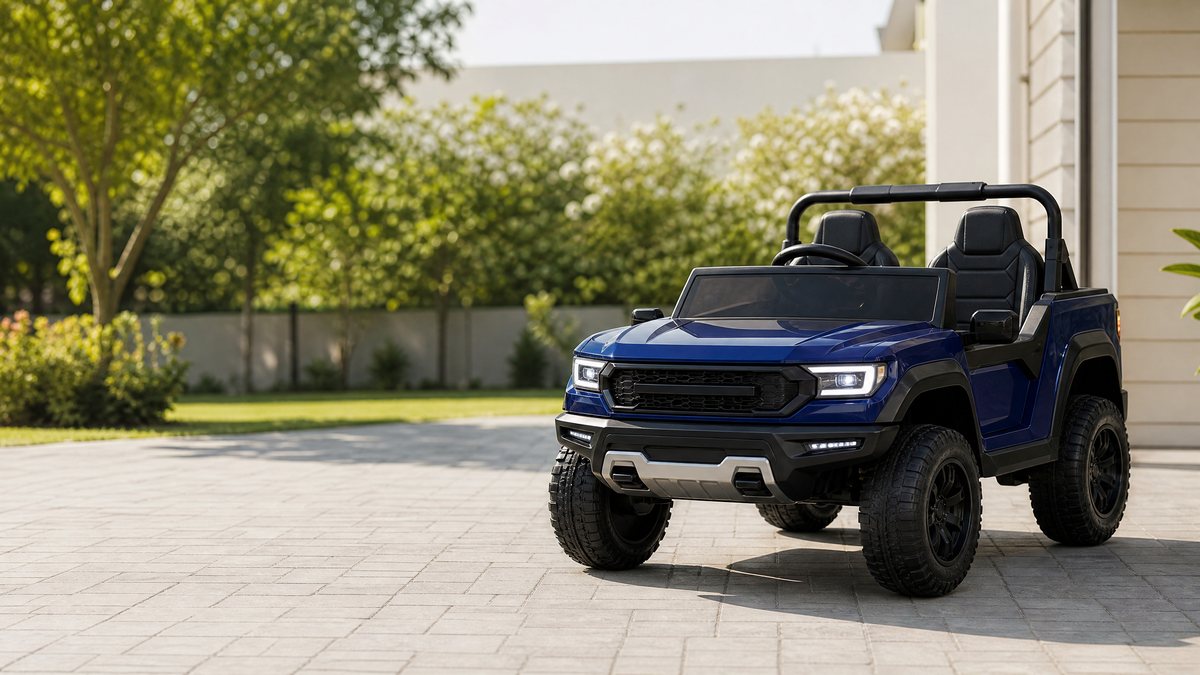
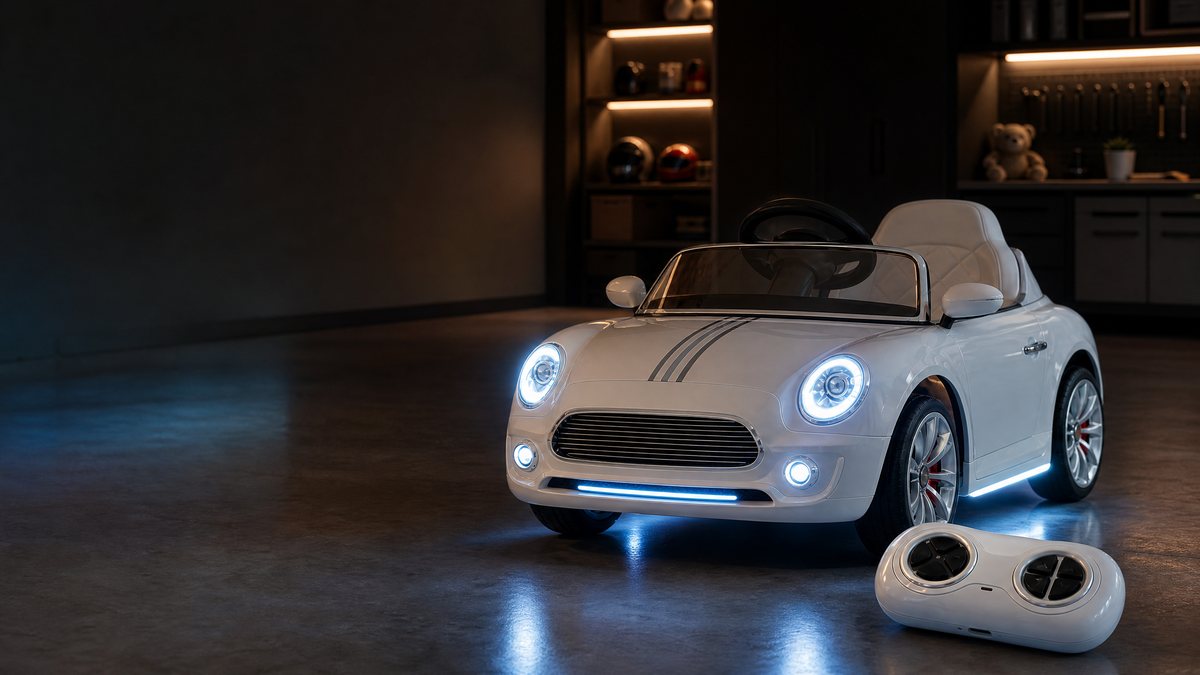
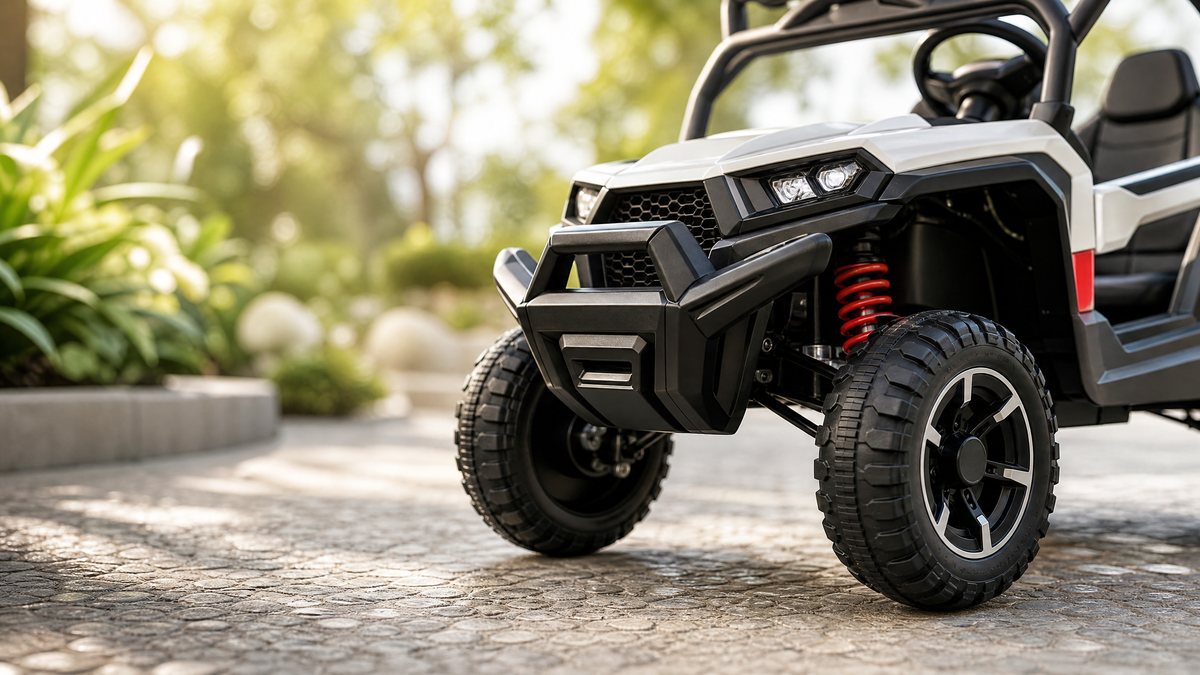
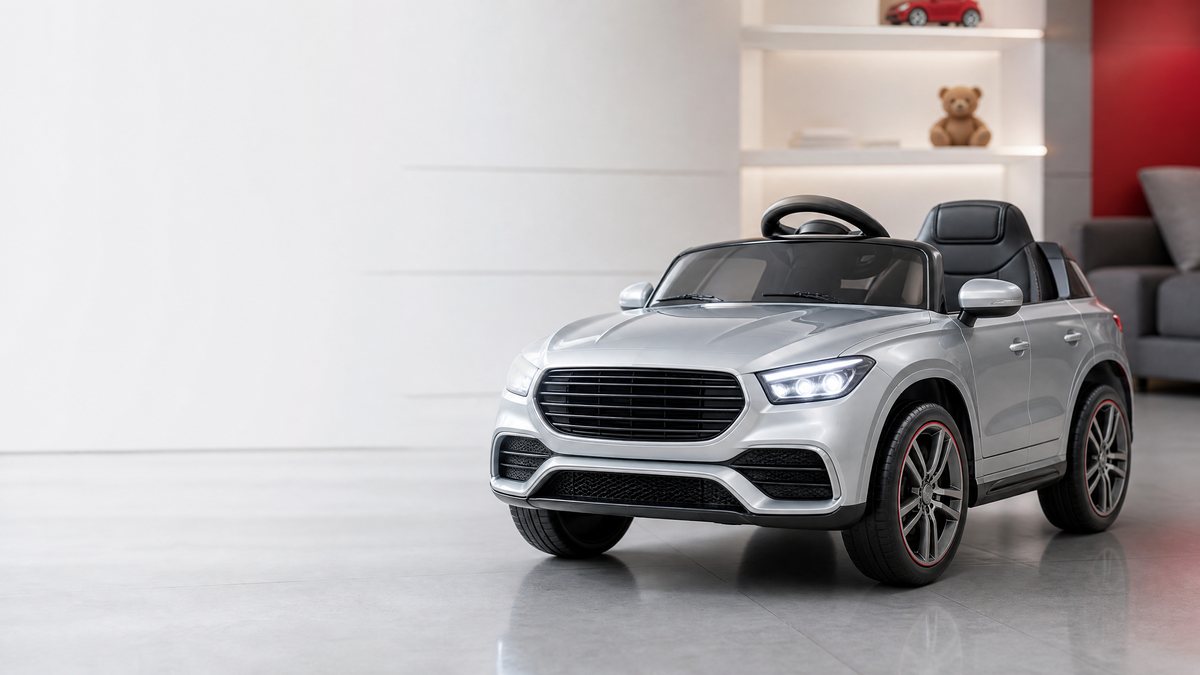
Effective garden lighting for ride-on car play involves a thoughtful combination of fixed landscape illumination and vehicle-mounted features. Floodlights, garden string lights, and illuminated path markers should illuminate the active driving zone evenly without creating harsh glares, blinding shadows, or optical blind spots. Regarding the vehicle itself, many modern electric ride-on cars feature functional LED headlights, taillights, and dashboard accent lighting. When evaluating or marketing specific vehicle models, wholesale buyers and retailers should examine whether the specific vehicle includes operational lighting systems, as these enhance both functional visibility and immersive realism [2].
Environmental conditions also dictate whether nighttime play should proceed. High atmospheric humidity, morning or evening dew, and damp grass can significantly reduce tire traction, leading to wheel slip, reduced steering responsiveness, or extended braking distances. If the garden surface is wet, slick, or heavily frosted, outdoor driving should be postponed until conditions improve and surfaces dry completely. Additionally, ambient temperature drops after sunset can impact battery chemistry and capacity, necessitating careful monitoring of operating durations and prompt recharging procedures.
Evaluating Ride-On Features for Evening Play (Lighting, Speed Control, and Remote Oversight)
When families select or retailers stock ride-on cars intended for versatile play scenarios, several technical features warrant close evaluation. While aesthetic elements like paint finish, chrome detailing, and body style attract initial consumer attention, functional safety and operational controls determine how successfully a vehicle performs during evening hours. All model-specific capabilities must be verified directly against the manufacturer's written documentation, technical specifications, and user manuals.
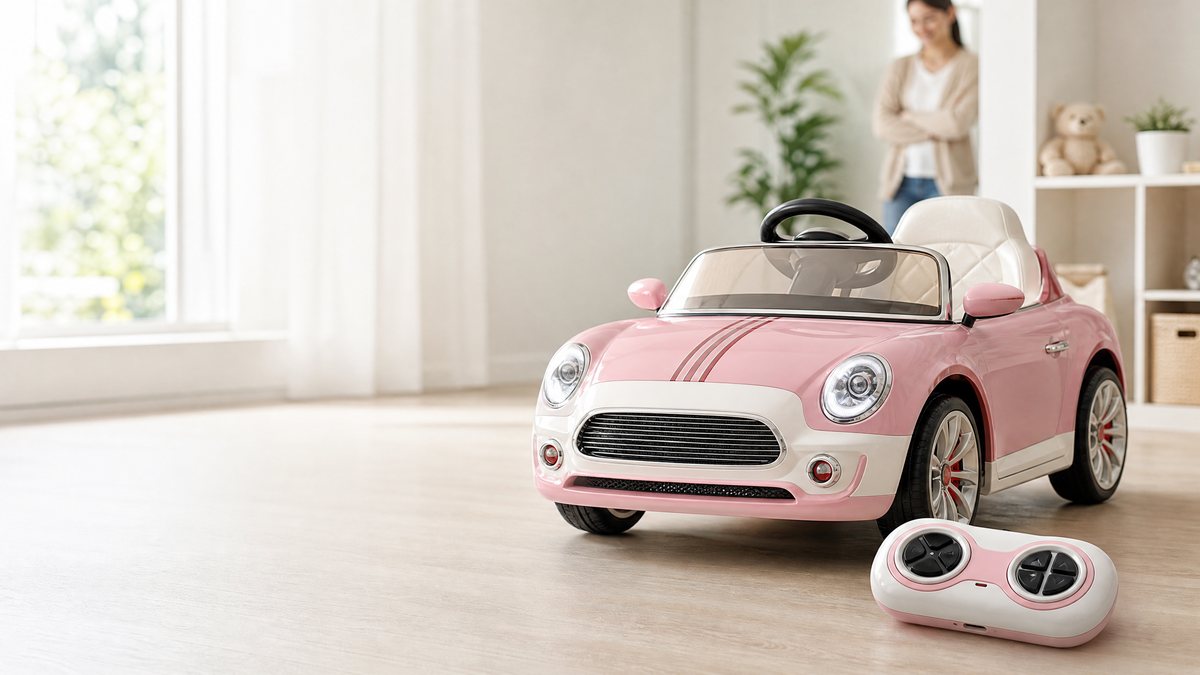
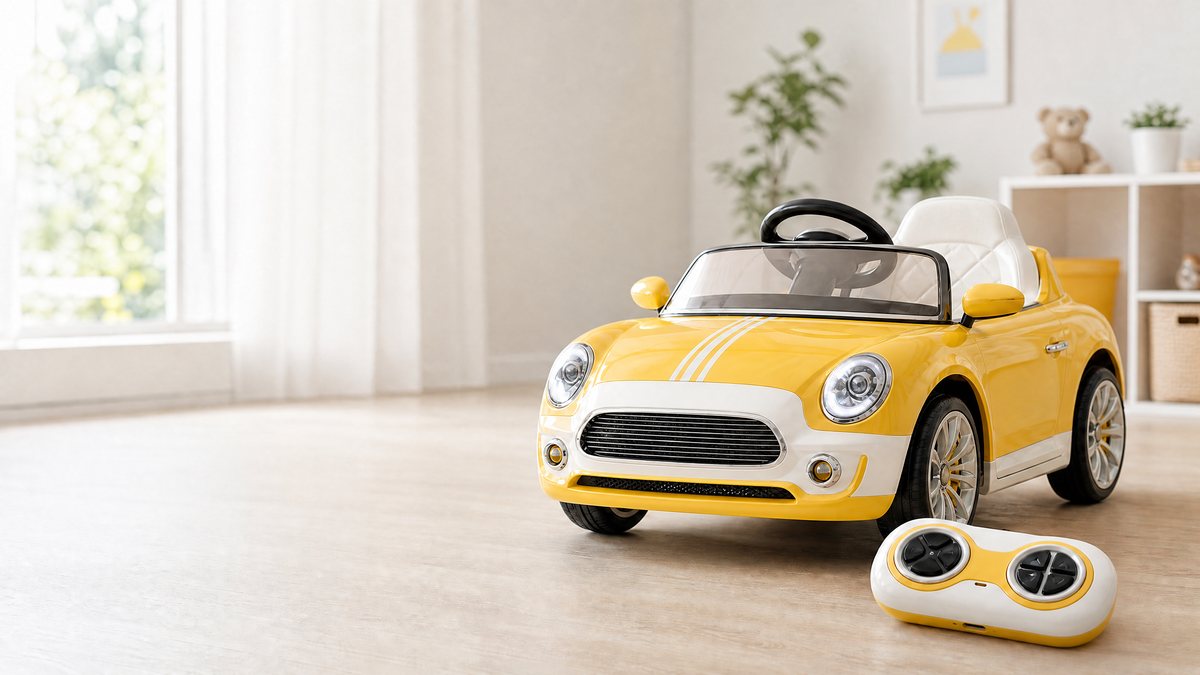
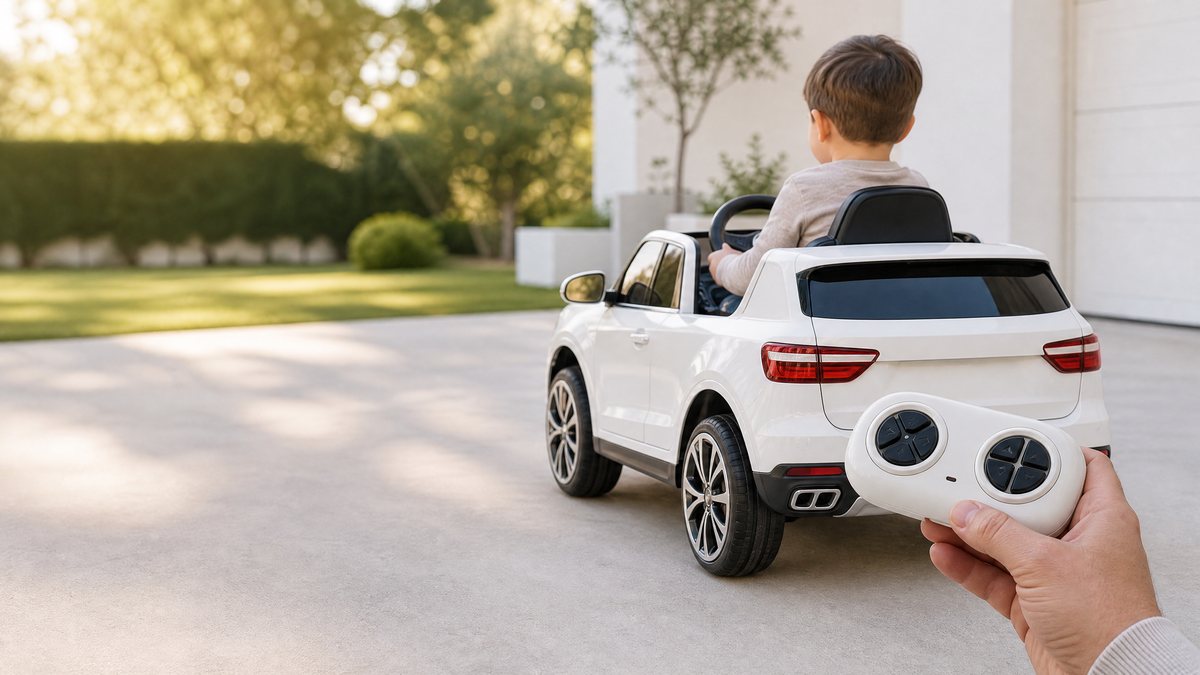
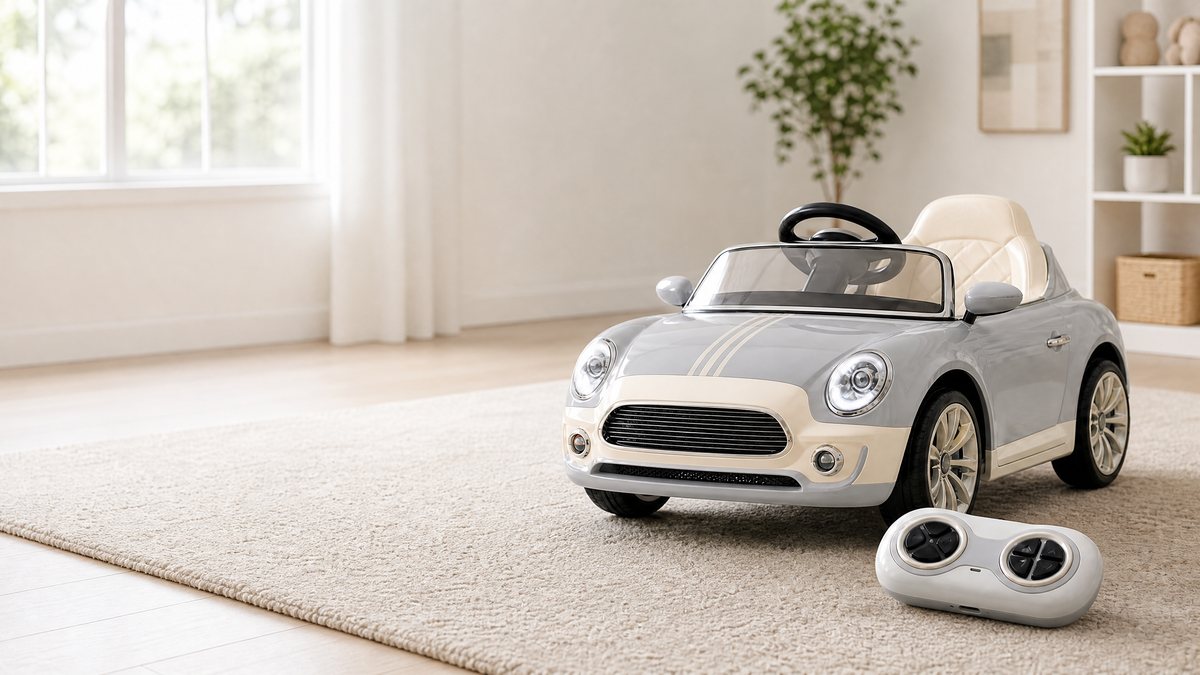
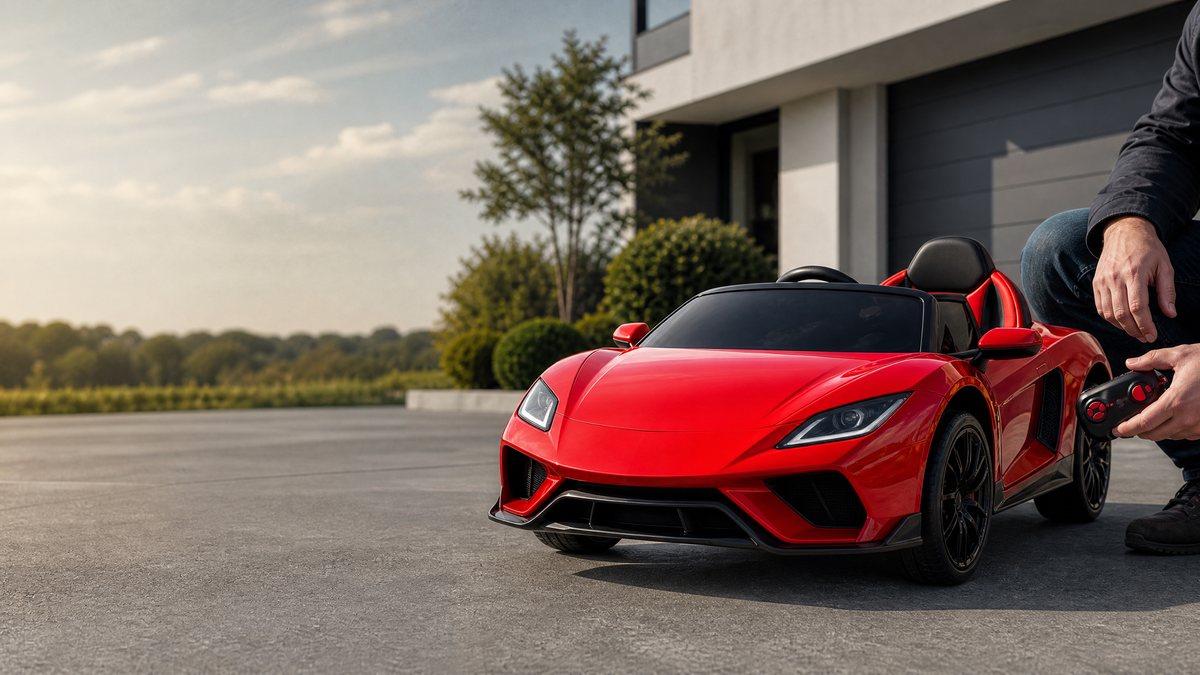
Parental remote control override is an indispensable feature for safe nighttime operation. Even with excellent garden lighting and careful preparation, unexpected distractions or sudden changes in visibility can occur. A 2.4G parental remote control allows an adult supervisor to instantly steer, slow, or stop the vehicle regardless of the child's input on the steering wheel or accelerator pedal. Additionally, features such as soft-start acceleration prevent abrupt jerks when moving off from a standstill, ensuring smooth, predictable handling on twilight turf.
To help retail partners and wholesale buyers assess vehicle suitability for various play environments, the following comparison outlines key evaluation parameters and operational considerations for evening use:
| Feature Category | Primary Evaluation Criteria | Nighttime Operational Benefit | Safety & Compliance Note |
|---|---|---|---|
| Lighting Systems | Functional LED headlights, taillights, and dash illumination | Enhances vehicle visibility for supervisors and adds immersive realism | Verify operational status against manufacturer manual; do not modify wiring |
| Parental Remote | 2.4G frequency hopping, immediate override braking | Empowers adult supervisors to intervene instantly during low light | Always maintain direct line of sight within remote signal range |
| Tire Construction | EVA foam or textured rubberized tread patterns | Provides balanced grip on semi-firm garden grass and paving | Avoid wet or steep terrain; adhere to maximum weight limits |
| Speed Regulation | Multi-speed selection switches (Low/High) | Allows supervisors to lock vehicle into low speed for evening play | Strictly follow manual instructions; do not attempt internal speed modifications |
Structuring Supervised Nighttime Play Activities
Nighttime garden play should be structured around calm, controlled, and highly supervised activities rather than high-speed racing or unstructured exploration. The unique atmosphere of an illuminated evening garden offers wonderful opportunities for imaginative play, such as navigating an imaginary starlit highway, following a glowing lantern trail, or participating in a gentle twilight patrol of boulevard-style backyard pathways.
Establishing clear time limits and behavioral expectations before the play session begins helps children understand the boundaries of evening driving. Supervision must be active and continuous; adults should position themselves at a vantage point where they can observe the entire driving circuit without obstruction. Pairing the ride-on car activity with other quiet garden experiences—such as stargazing breaks or listening to evening wildlife—helps balance the excitement of motorized play with a peaceful, relaxing nighttime routine.
Furthermore, encouraging social sharing and taking turns teaches patience and cooperation among siblings or visiting friends. When multiple children are present, having one child drive while others participate as ground crew or navigation spotters adds cooperative dimension to the activity while keeping congestion on the garden track to a minimum.
Safety Protocols, Battery Maintenance, and Emergency Response
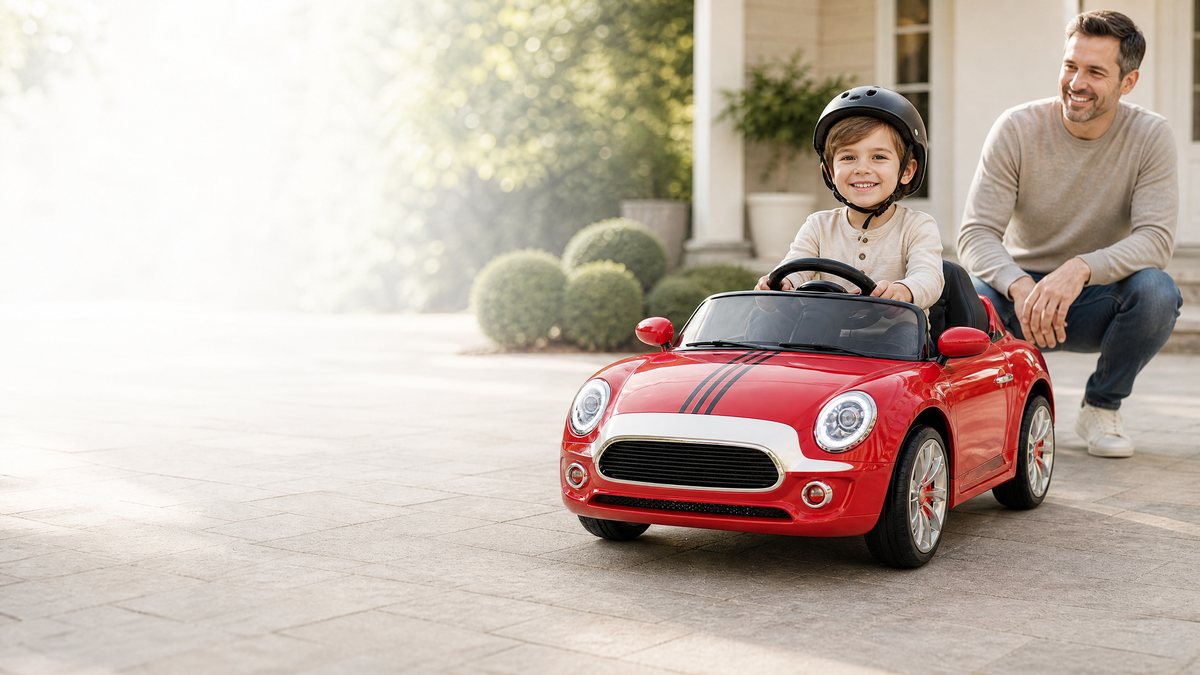
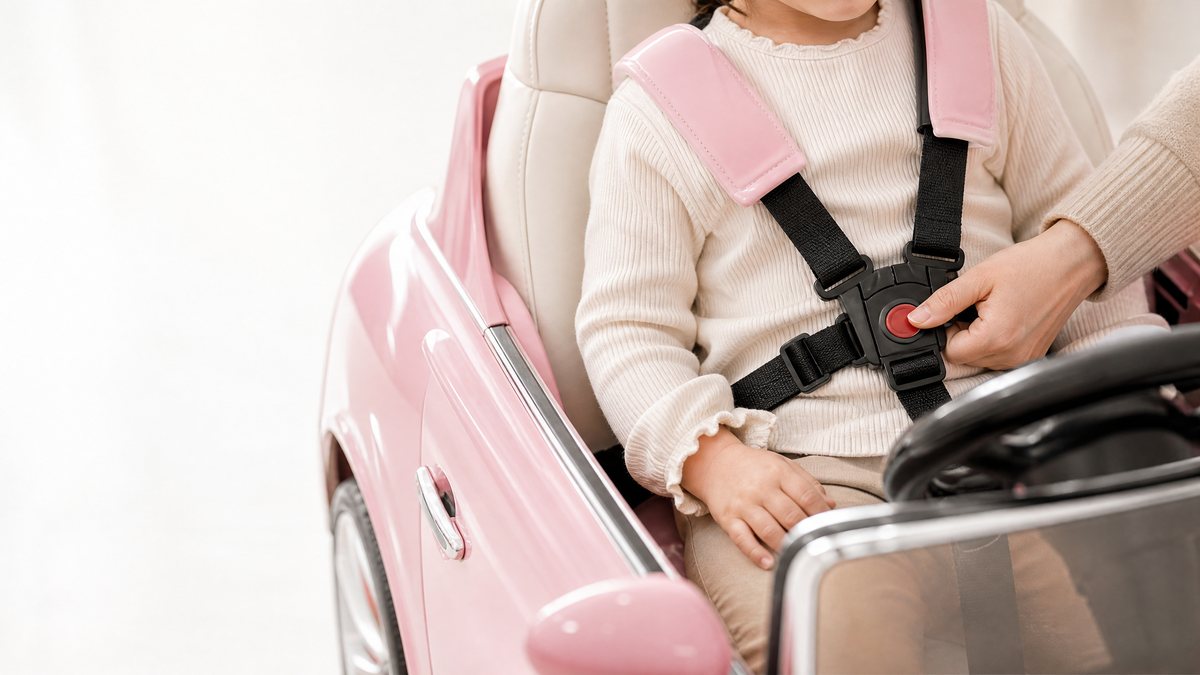
Safety is paramount in any discussion involving motorized children's products. Operating electric ride-on cars after dark requires strict adherence to established safety protocols. Adult supervision is non-negotiable; an adult must remain present, attentive, and unhindered by distractions throughout the entire duration of play. Children must be properly seated with seatbelts fastened securely according to the manufacturer's instructions before the vehicle is set in motion.
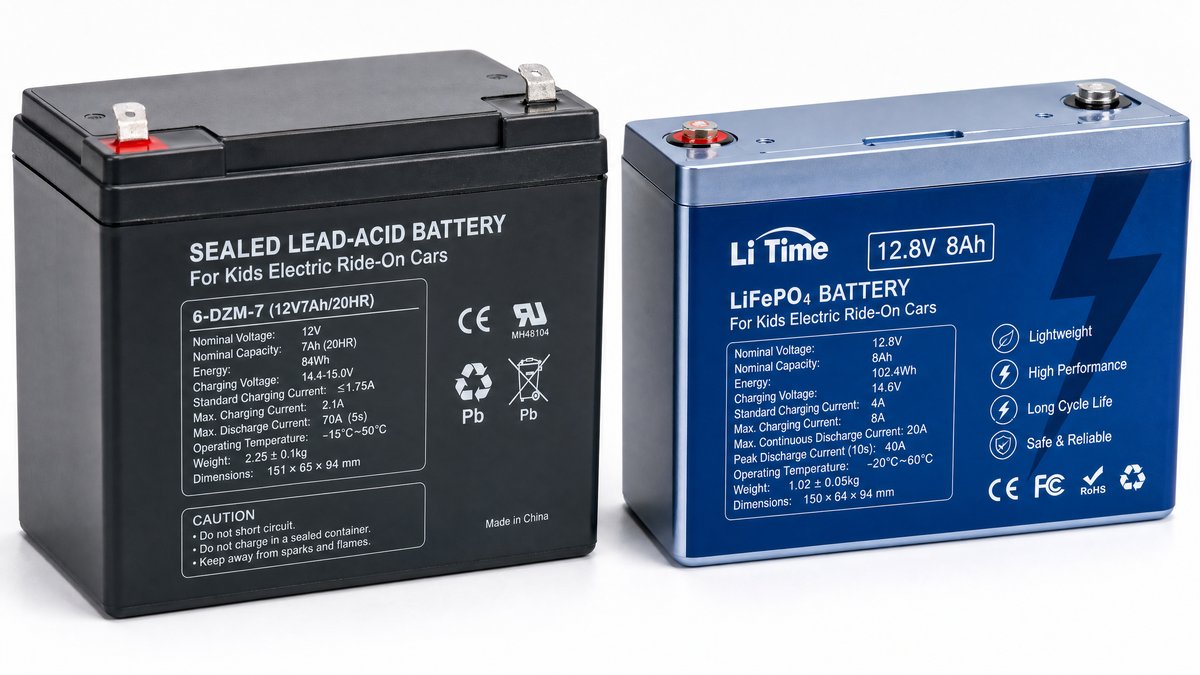
Battery management and charging procedures require careful attention, particularly when operating vehicles during cooler evening hours. Batteries should always be charged in a dry, well-ventilated indoor space using the official manufacturer-supplied charger. Never leave batteries charging unattended or overnight, and disconnect the charger once the charging cycle is complete. Users must strictly avoid attempting to modify internal wiring, alter voltage specifications, or bypass built-in protection circuits [3].
In the event of any operational irregularity—such as unusual odors, smoke, abnormal heating, liquid leakage, water ingress, exposed wiring, damaged charging plugs, erratic braking, or persistent mechanical failure—operation must be stopped immediately. The vehicle must be powered off, children kept at a safe distance, and the charger disconnected. Users should contact the manufacturer or qualified service personnel for professional inspection. Never attempt unauthorized repairs or teardowns of electrical enclosures.
Commercial and Retail Considerations for B2B Importers
For businesses engaged in the import, distribution, or retail of children's ride-on cars, promoting creative usage scenarios like nighttime garden play represents an effective marketing strategy. Consumers increasingly seek products that offer versatile, multi-environment utility. However, commercial communications must maintain rigorous accuracy and transparency regarding product capabilities, avoiding exaggerated performance claims or unverified safety guarantees.
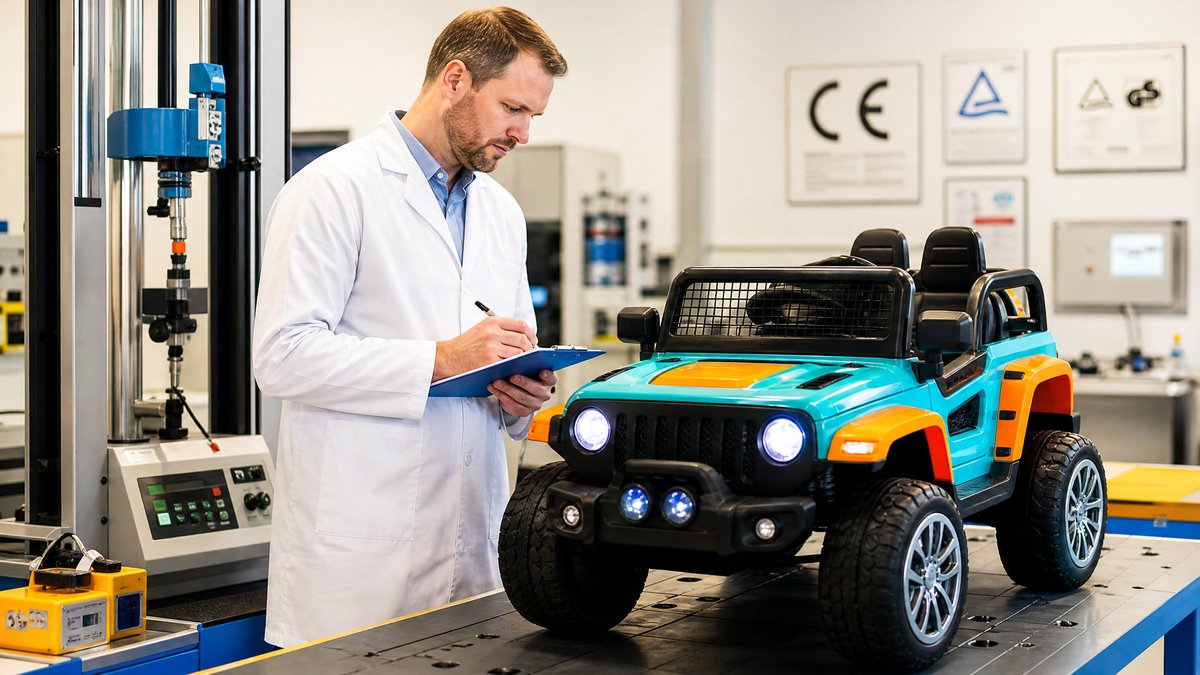
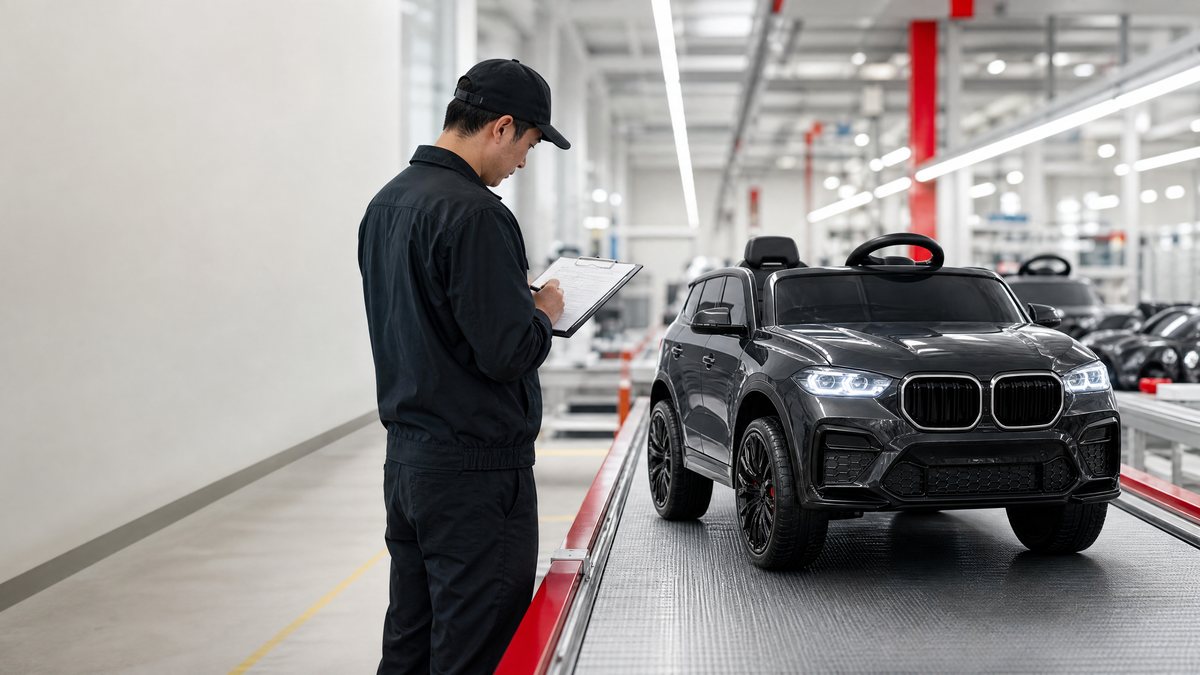
B2B buyers should ensure that all sourced inventory complies with international toy safety standards, such as ASTM F963 in North America or EN71 in Europe. Retail packaging and user manuals should clearly articulate operating guidelines, recommended environmental conditions, and the absolute necessity of parental supervision. By providing transparent, comprehensive guidance, retailers build long-term consumer trust and minimize liability risks [4].
For commercial inquiries, partnership proposals, or custom wholesale catalogs, business clients are invited to connect with our expert team. You may Request a wholesale quote to discuss volume pricing, shipping logistics, and compliance documentation tailored to your target market.
Frequently Asked Questions about Nighttime Ride-On Car Play
Q1: Is it safe for children to drive electric ride-on cars in the garden after dark?
A1: Nighttime driving can be safe provided that the garden area is thoroughly inspected, well-lit with auxiliary lighting, and continuously supervised by a responsible adult. All activities must strictly adhere to the manufacturer's operating manual and safety warnings.
Q2: Can vehicle headlights replace the need for garden lighting?
A2: Built-in vehicle LED headlights are designed primarily for decorative realism and close-range visibility. Juggling illumination is never a substitute for ambient garden lighting, which is required to illuminate surrounding hazards.
Q3: What should I do if the ride-on car gets damp from evening dew?
A3: If the vehicle is exposed to moisture or evening dew, cease operation immediately. Wipe the vehicle dry with a clean cloth and store it in a dry, covered indoor environment. Do not operate the vehicle until all electrical components are completely dry and inspected.
Q4: Can we modify the ride-on car battery or motor to increase speed for night racing?
A4: Absolutely not. Modifying batteries, motors, wiring, or internal controllers is extremely dangerous and strictly prohibited. Any unauthorized modification voids product warranties and creates severe safety hazards, including electrical shock or fire risks.
Conclusion
Using an electric ride-on car for nighttime garden fun can transform an ordinary evening into a magical, engaging experience for young children. By combining thorough garden preparation, robust environmental lighting, vigilant parental supervision, and strict adherence to manufacturer instructions, families can enjoy twilight play safely and responsibly. For retailers and wholesale distributors, supporting customers with clear safety education and high-quality inventory ensures lasting satisfaction, reduced liability, and commercial success in competitive retail markets worldwide.
To explore our premium range of certified electric ride-on cars and discuss partnership opportunities for your retail business, please Request a wholesale quote today.
Official References
1. Consumer Product Safety Commission (CPSC). General Toy Safety Education and Supervision Guidelines. Available from official CPSC educational publications. Note: General educational materials do not replace specific model manuals, official age grading, or certified product documentation.
2. International Toy Safety Standards. ASTM F963 / EN71 Compliance Framework for Electric Ride-On Toys and Motorized Play Equipment.
3. Manufacturer Operating Manuals and Technical Specifications for Electric Ride-On Vehicles. Guidelines on Battery Maintenance, Charging Safety, and Parental Remote Controls.
Official references
Explore these external resources for current regulatory and trade guidance. Confirm requirements with the relevant authority before placing an order.
Ready to Start?
Factory-Direct · CE & ASTM Certified · MOQ from 50 Units
Our export team works with buyers in 60+ countries. Get a quote within 24 hours.
KR
Written by KidsRideCar
China's leading kids electric ride-on car manufacturer. 500,000+ units shipped annually to 60+ countries. CE, ASTM & EN71 certified.