Navigating the global marketplace for children's battery-operated vehicles requires a structured, analytical approach. For B2B buyers, retail store operators, importers, and conscientious family purchasers alike, the quest for the most cost-effective sourcing channel often centers on the deceptively simple question: where can one buy a kids ride-on car cheapest? However, focusing solely on the initial sticker price can obscure critical variables such as freight overhead, fulfillment reliability, customs compliance, warranty fulfillment, and post-purchase support. This comprehensive platform comparison examines major digital marketplaces, direct wholesale channels, and specialized distribution networks, providing a transparent evaluation framework to help stakeholders optimize acquisition costs without compromising safety or operational integrity.
Modern e-commerce and international trade ecosystems offer diverse pathways for acquiring ride-on toys, ranging from global consumer marketplaces and liquidation outlets to direct manufacturer partnerships and specialized B2B sourcing platforms. Each channel operates under distinct pricing mechanisms, volume requirements, and risk profiles. Understanding these structural differences is essential for anyone seeking true value rather than superficial discounts that may lead to hidden expenses, inventory delays, or compliance discrepancies. By establishing a rigorous comparison framework and adhering to strict verification protocols, buyers can navigate these platforms effectively, ensuring that every purchasing decision aligns with regulatory standards, financial objectives, and long-term operational sustainability.
Understanding the Marketplace Landscape for Kids Ride-On Cars
The distribution ecosystem for kids ride-on cars spans multiple tiers, each catering to different buyer segments, order volumes, and logistical capabilities. Consumer-facing retail giants appeal to individual end-users and small-scale drop-shippers through aggressive promotional discounting and user-friendly interface designs. Conversely, business-to-business platforms and direct manufacturer networks target commercial buyers, importers, and regional distributors who require tiered pricing, scalable volume capabilities, and comprehensive documentation.
When evaluating where to find the lowest acquisition cost, stakeholders must differentiate between retail consumer pricing and wholesale commercial pricing. Consumer platforms frequently feature loss-leader promotions, seasonal clearance events, and bundled shipping offers that appear highly economical for single-unit purchases. Yet, these structures rarely accommodate commercial scaling, bulk replenishment, or customized branding requirements. On the other hand, wholesale channels demand minimum order quantities (MOQs) but offer substantial economies of scale, direct communication lines with production facilities, and customizable specification sheets. Consequently, the definition of "cheapest" shifts dramatically depending on whether the buyer is acquiring a single unit for personal use or procuring a container load for commercial retail distribution. Furthermore, regional availability, import tariffs, value-added taxes (VAT), and domestic last-mile freight fees frequently outweigh minor variances in base unit prices, underscoring the necessity of total-cost-of-ownership (TCO) calculations across all sourcing scenarios.
Moreover, the digital transformation of global supply chains has democratized access to manufacturers, allowing even mid-sized retail operators to explore direct sourcing channels that were previously restricted to multinational conglomerates. However, this accessibility introduces new complexities regarding quality control, intellectual property protection, and contractual accountability. Evaluating consumer retail websites versus dedicated B2B trade portals requires an appreciation of the underlying transactional mechanics. Retail platforms optimize for rapid, frictionless consumer checkouts, whereas B2B platforms emphasize long-term supply stability, stringent quality assurance audits, and standardized commercial terms such as FOB (Free on Board) or EXW (Ex Works).
Comparative Analysis of Major Sourcing Channels
To identify the most advantageous acquisition platform, buyers must evaluate various market segments across key operational parameters. The following matrix contrasts primary purchasing channels based on pricing structure, volume thresholds, support reliability, and verification complexity.
| Sourcing Channel | Typical Volume (MOQ) | Pricing Transparency | Warranty & Support | Logistics & Freight | Verification Overhead |
|---|---|---|---|---|---|
| Consumer E-Commerce Marketplaces | 1 Unit | Moderate (Frequent flash sales) | Variable (Dependent on individual seller policy) | Standard domestic parcel shipping | High (Varying third-party seller legitimacy) |
| Direct B2B Wholesale Platforms | Medium to High (50-500 Units) | High (Tiered volume discounting) | Manufacturer-backed terms per contract | Freight forwarder / FOB / EXW options | Moderate (Platform vetting + direct audits) |
| Specialized Toy Distributors | Low to Medium (5-50 Units) | Low to Moderate (Wholesale lists) | Localized regional support & parts supply | Domestic warehousing & expedited freight | Low (Established domestic business entities) |
| Liquidation & Closeout Outlets | Variable (Job lots / pallets) | High (Clearance pricing) | Minimal or none (As-is sales) | Buyer-managed freight / pallet pickup | Very High (High risk of obsolete stock) |
As illustrated in the comparative matrix, each platform presents distinct trade-offs. While consumer marketplaces offer immediate availability and low purchase thresholds, they lack the scalability and protective terms required for commercial operations. Conversely, direct B2B platforms provide superior unit economics for high-volume purchasers but necessitate sophisticated logistics management and rigorous compliance verification. Buyers must align their channel selection with their specific operational scale, technical expertise, risk tolerance, and inventory turnover objectives.
Evaluating Hidden Costs Beyond the Initial Sticker Price
The pursuit of the lowest advertised price often obscures a variety of hidden expenditures that can rapidly inflate the actual cost per unit. When calculating the financial viability of a purchase across different platforms, buyers must account for several critical cost components that extend far beyond the initial checkout figure.
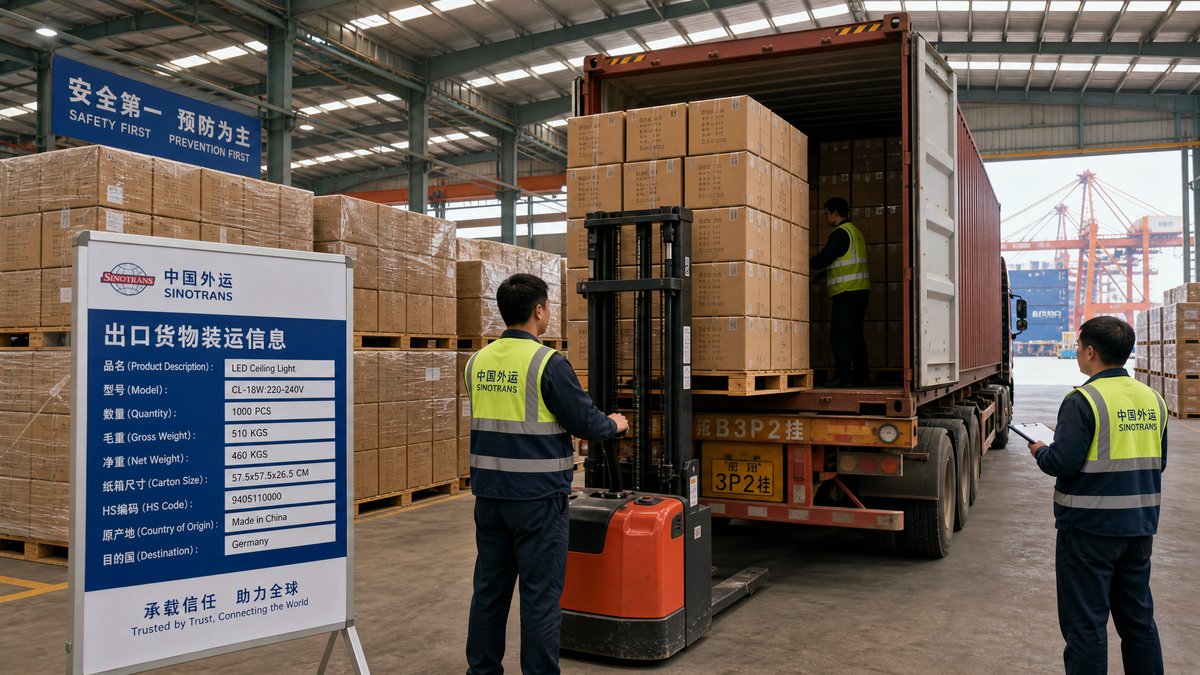
Shipping and freight charges represent the most significant variable expense in ride-on car procurement. Due to the volumetric weight and substantial physical dimensions of packaged ride-on vehicles, standard parcel carriers frequently apply oversize surcharges or freight class adjustments. A platform advertising a remarkably low unit price may compensate by levying exorbitant shipping fees, rendering the total delivered cost higher than alternative sources with higher base prices and subsidized freight terms. For container-load orders, fluctuations in ocean freight rates, port congestion surcharges, and container demurrage fees can dramatically alter financial projections.
Import duties, customs brokerage fees, and local taxes constitute another critical consideration for international transactions. Sourcing from overseas platforms without accounting for Harmonized System (HS) code classifications, destination country tariffs, and regulatory compliance testing fees can result in unexpected port detention costs and legal penalties. Additionally, payment processing fees, currency exchange spreads, and international wire transfer charges can erode profit margins for commercial buyers.
Post-purchase expenses, including return logistics, replacement part availability, and warranty claims, also impact long-term cost-efficiency. Purchasing from unverified third-party sellers offering the absolute lowest price often leaves buyers without access to essential replacement components—such as specific battery chargers, gearboxes, or remote control handsets. When a component fails, the inability to source affordable replacement parts transforms a seemingly inexpensive purchase into a costly disposal item. Therefore, true economic value is achieved only when initial acquisition costs are balanced against total ownership, regulatory compliance, and support expenses.
Request a wholesale quote
Buyer Verification Framework: How to Validate Sellers and Specifications
In digital marketplaces teeming with competing offers, verifying the authenticity of sellers and the technical compliance of products is paramount. The absence of a robust verification framework exposes buyers to counterfeit listings, substandard electrical components, misleading performance claims, and regulatory non-compliance. Establishing a systematic evaluation protocol mitigates these risks effectively.
The first step in verification involves scrutinizing seller credentials, operational history, and user feedback metrics. On open consumer platforms, buyers should analyze seller ratings, historical fulfillment rates, and specific customer reviews addressing product durability and post-sale communication. For B2B wholesale platforms, verification requires inspecting business licenses, manufacturing certifications (such as ISO quality management standards), and verifiable third-party inspection reports (e.g., SGS, TÜV Rheinland).
The second critical layer focuses on technical documentation and product compliance. Reliable suppliers readily provide comprehensive specification sheets, compliance test reports (such as EN71, ASTM F963, or CE directives), and clear user manuals. Buyers must never rely solely on marketing descriptions or promotional imagery; all functional claims—regarding safety systems, material composition, and electrical specifications—should be cross-referenced against official manufacturer documentation and rated nameplate data. Where specific features such as 4WD capability, EVA polymer tires, or parental remote overrides are advertised, buyers must confirm whether these features are standard equipment or optional upgrades for the specific model variant under consideration.
Furthermore, adherence to electrical safety standards is non-negotiable. Buyers must verify that chargers and internal circuitry comply with relevant regional safety certifications. Any attempt to modify electrical systems, bypass built-in protection circuits, or use uncertified power supplies introduces severe safety hazards. Adult supervision and strict adherence to manufacturer instructions are mandatory across all operational phases.
Seasonality, Inventory Cycles, and Strategic Timing
Sourcing ride-on cars cost-effectively also involves understanding broader retail cycles and seasonal supply fluctuations. Prices across digital platforms fluctuate in response to consumer demand surges, particularly during year-end holiday seasons, spring gifting periods, and mid-year inventory clearance windows. Commercial buyers who time their procurement cycles strategically can leverage off-season manufacturing lulls to negotiate favorable bulk rates and secure dedicated production slots.
However, attempting to time the market based solely on temporary promotional discounts can lead to inventory stockouts or compromised product specifications. Manufacturers managing high seasonal demand may introduce economy-tier configurations with reduced battery capacity or simplified control boards to meet aggressive price points. Importers and retailers must carefully evaluate whether these cost-saving modifications impact product durability or compliance standing. Maintaining transparent communication with verified manufacturing partners ensures that seasonal purchasing decisions align with established quality parameters and long-term brand reputation.
In addition, establishing long-term relationships with established manufacturers often grants buyers access to priority allocation during peak shipping seasons, protecting them against sudden freight rate spikes and supply chain bottlenecks. Evaluating supplier reliability through pilot orders and facility audits is a prudent risk-mitigation strategy that safeguards commercial investments over time.
Frequently Asked Questions (FAQ)
How can I determine if a low-priced ride-on car listing is genuine or misleading?
Buyers should cross-reference the listed specifications with official manufacturer documentation, verify seller credentials and ratings, and request formal compliance certificates. Extremely low prices often indicate stripped-down configurations, inferior battery cells, or obsolete stock lacking current safety updates.
Do platform-advertised prices include shipping and import duties for international orders?
Most consumer and wholesale platforms quote base product prices excluding destination-specific freight, local sales taxes, and import tariffs. Buyers must calculate delivered duty paid (DDP) or delivered at place (DAP) terms before finalizing transactions to avoid unexpected logistics surcharges.
What should I do if a purchased vehicle arrives with damaged or non-functional components?
Immediately document the condition of the packaging and the vehicle with photographs, cease operation, and contact the seller or manufacturer support channel referencing your order details and user manual guidelines. Do not attempt unauthorized electrical modifications or component disassembly.
How do minimum order quantities (MOQs) affect the overall cost per unit in wholesale sourcing?
MOQs allow manufacturers to achieve production efficiencies and optimize freight container utilization, passing significant cost savings to commercial buyers. While higher MOQs reduce the per-unit acquisition cost, buyers must balance volume discounts against warehousing expenses and inventory turnover rates.
Conclusion
Determining where to buy a kids ride-on car cheapest requires a sophisticated understanding of market dynamics, channel structures, and total-cost-of-ownership principles. While consumer marketplaces and liquidation outlets frequently advertise enticing headline discounts, they often entail hidden freight expenses, variable support quality, and verification challenges. Conversely, direct B2B sourcing and structured wholesale channels provide scalable pricing transparency and reliable compliance documentation for commercial buyers willing to meet volume thresholds. By implementing rigorous verification frameworks, scrutinizing total landed costs, and prioritizing safety compliance over temporary promotional pricing, stakeholders can secure optimal economic value while ensuring long-term product reliability. All purchasing decisions and operational integrations should strictly adhere to manufacturer guidelines, certified nameplate specifications, and applicable regulatory standards.
Request a wholesale quote
Official References
1. U.S. Consumer Product Safety Commission (CPSC): General Toy Safety Education and Compliance Guidelines. Note: General educational resources do not replace specific model instruction manuals, nameplate ratings, or certified third-party testing documentation.
2. International Organization for Standardization (ISO): Quality Management Systems and Manufacturing Standards for Toy Production and Electrical Safety.
3. European Committee for Standardization (CEN): EN 71 Safety of Toys - Part 1, 2, and 3 Compliance Frameworks.
Official references
Explore these external resources for current regulatory and trade guidance. Confirm requirements with the relevant authority before placing an order.
Ready to Start?
Factory-Direct · CE & ASTM Certified · MOQ from 50 Units
Our export team works with buyers in 60+ countries. Get a quote within 24 hours.
KR
Written by KidsRideCar
China's leading kids electric ride-on car manufacturer. 500,000+ units shipped annually to 60+ countries. CE, ASTM & EN71 certified.