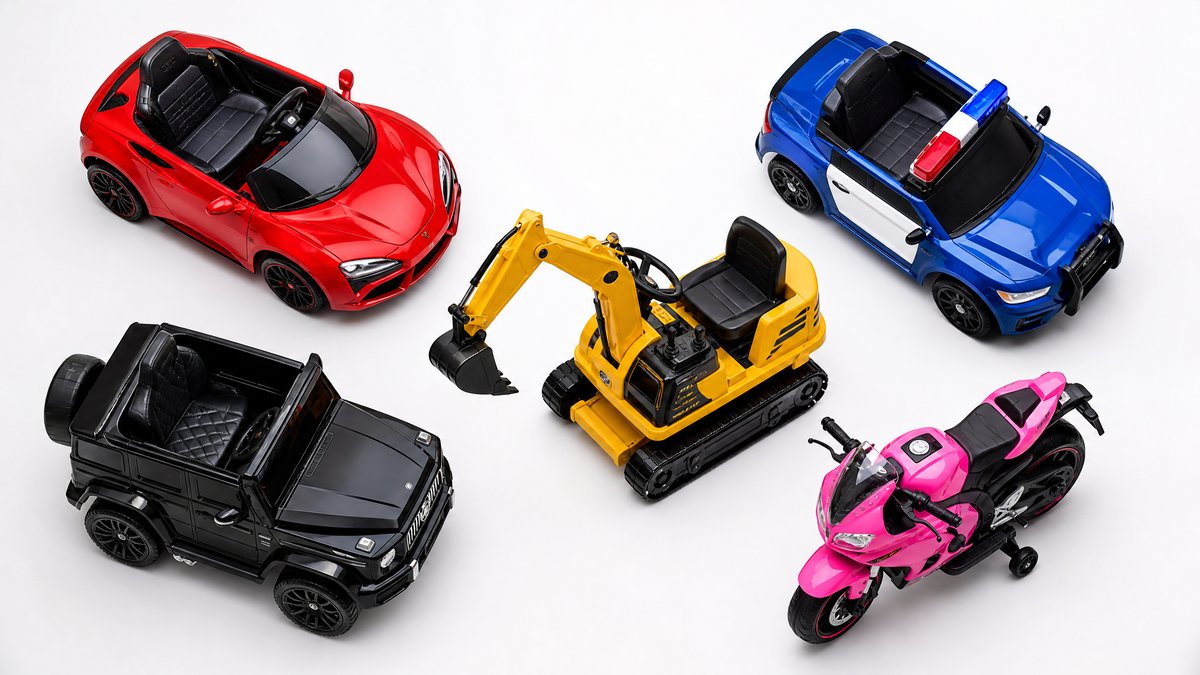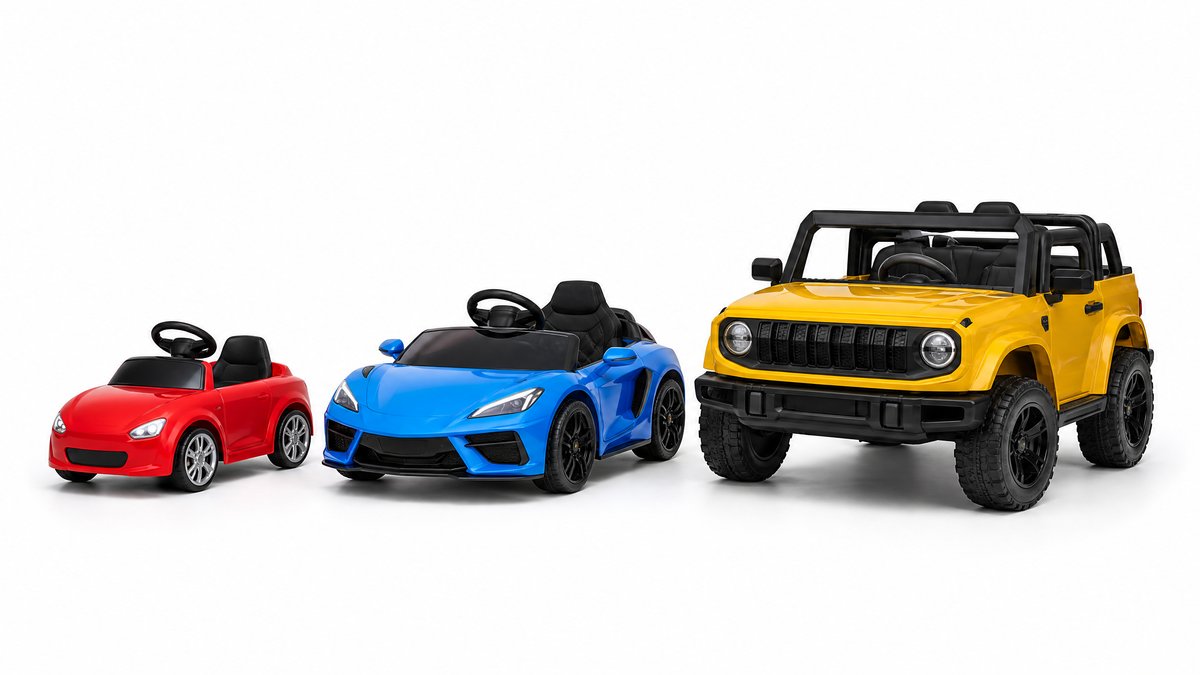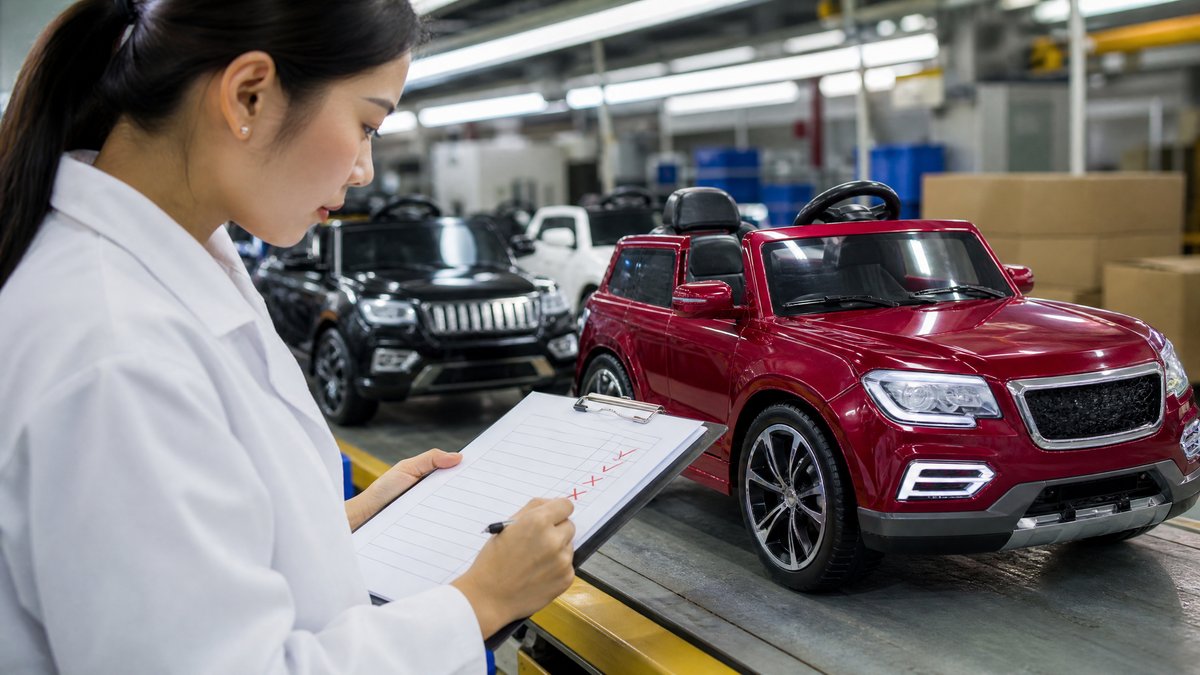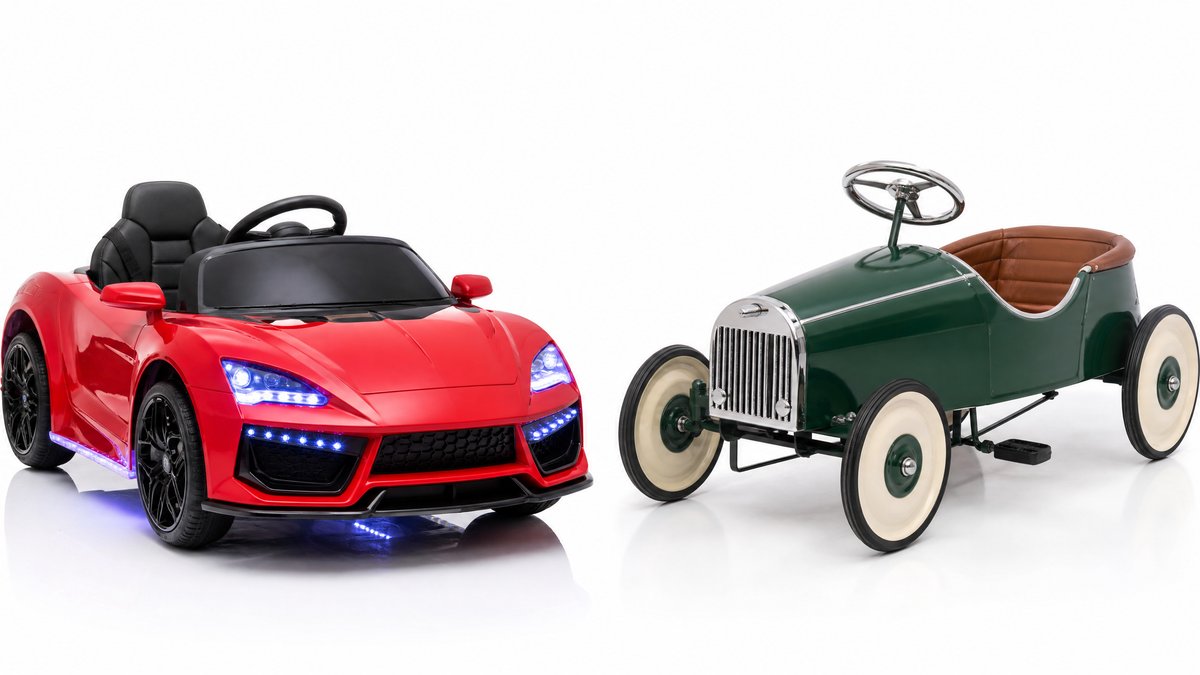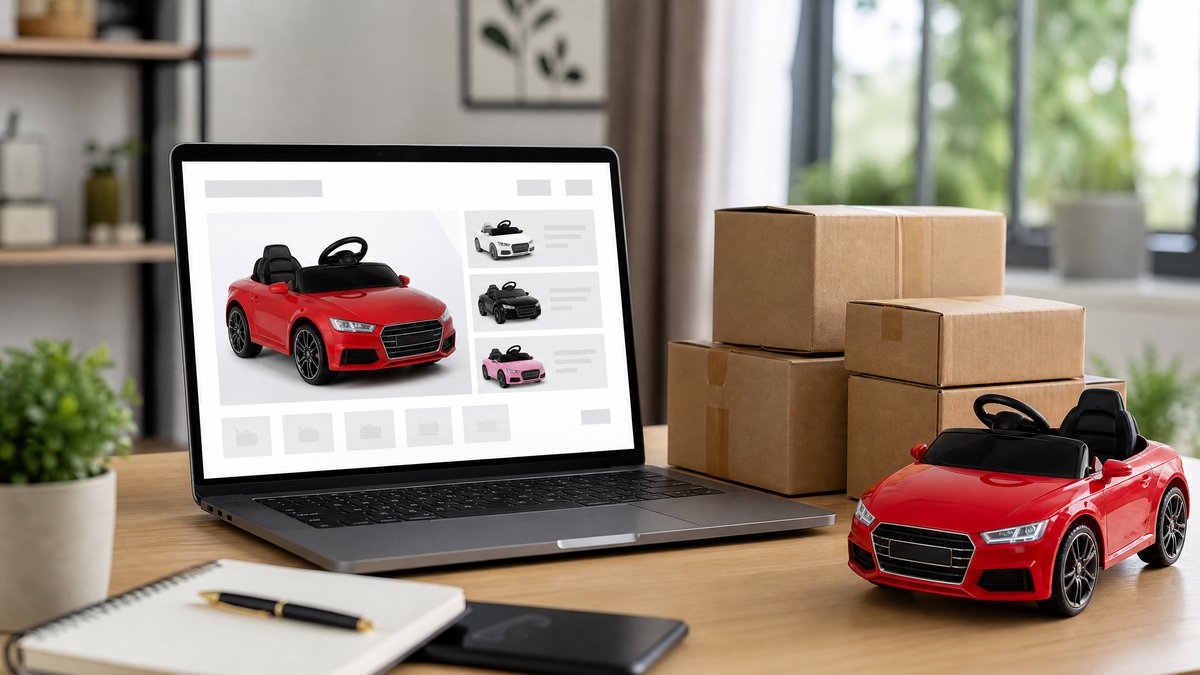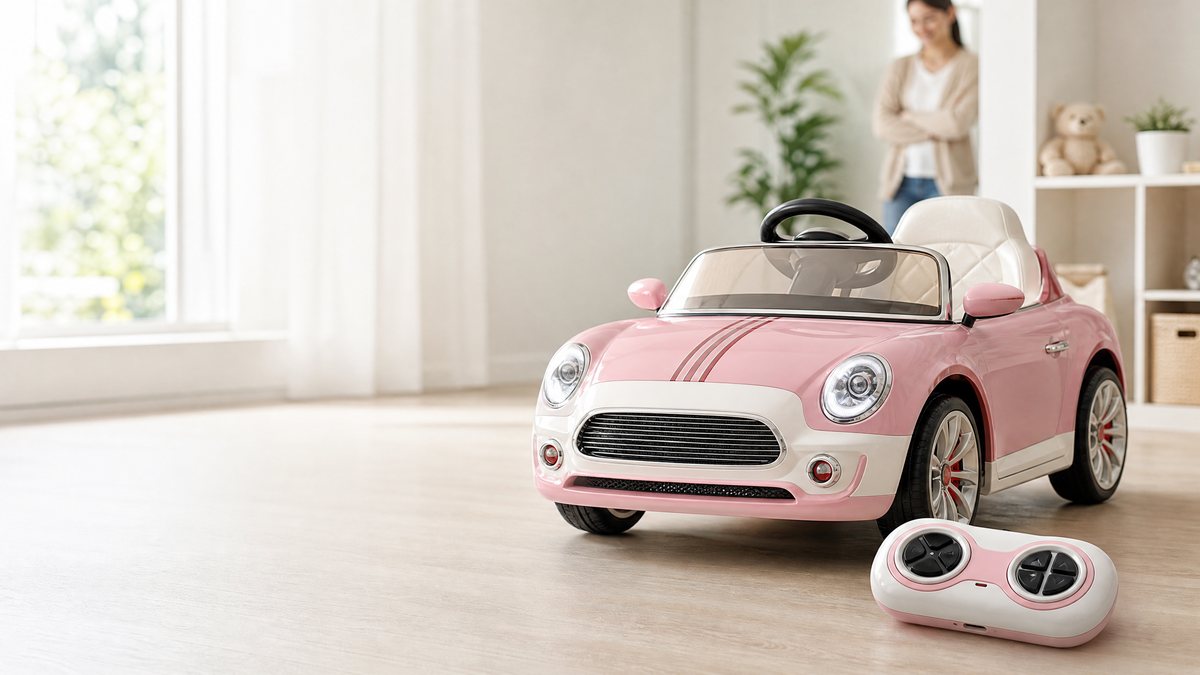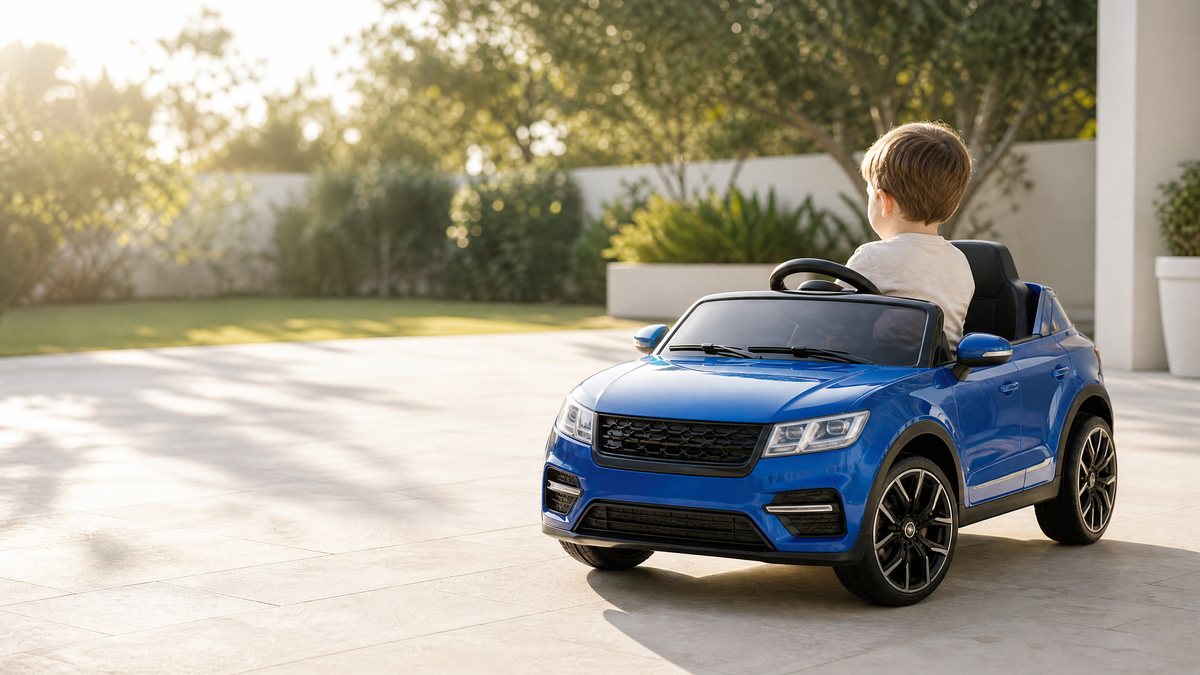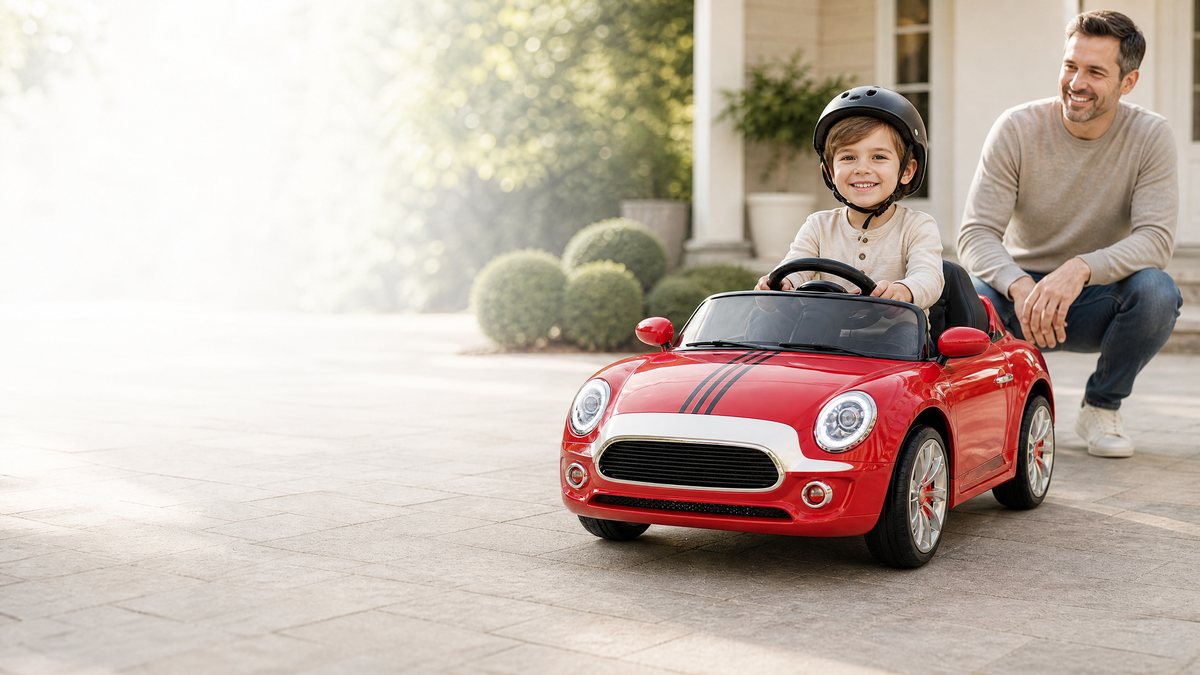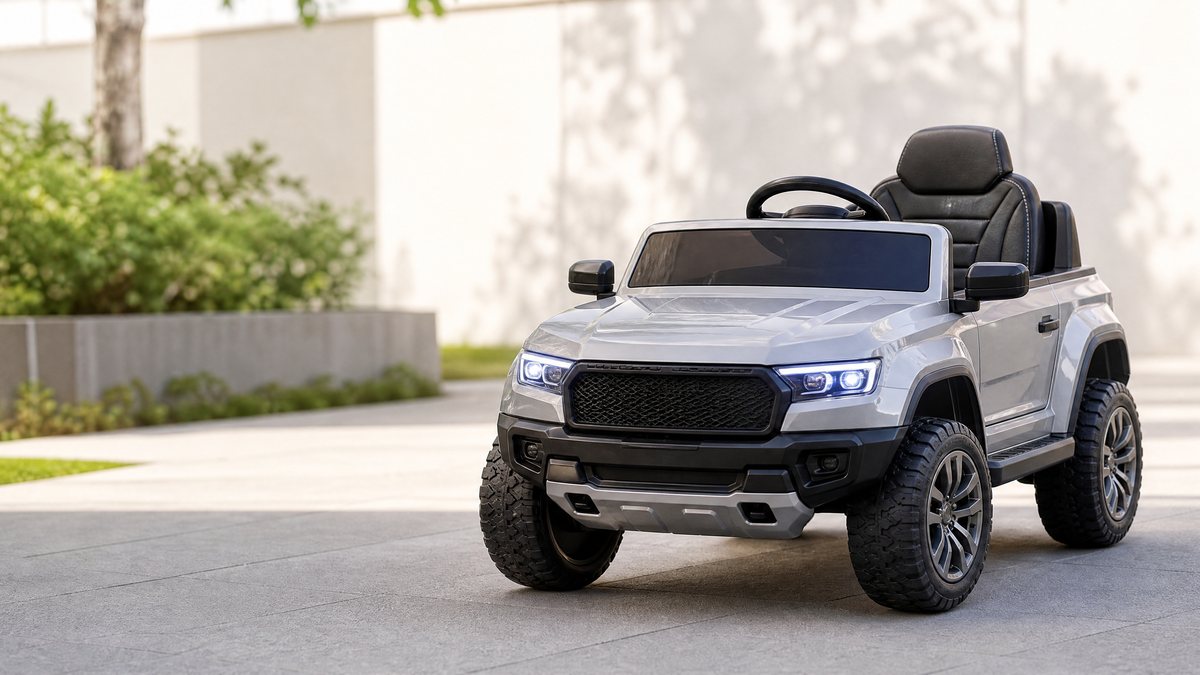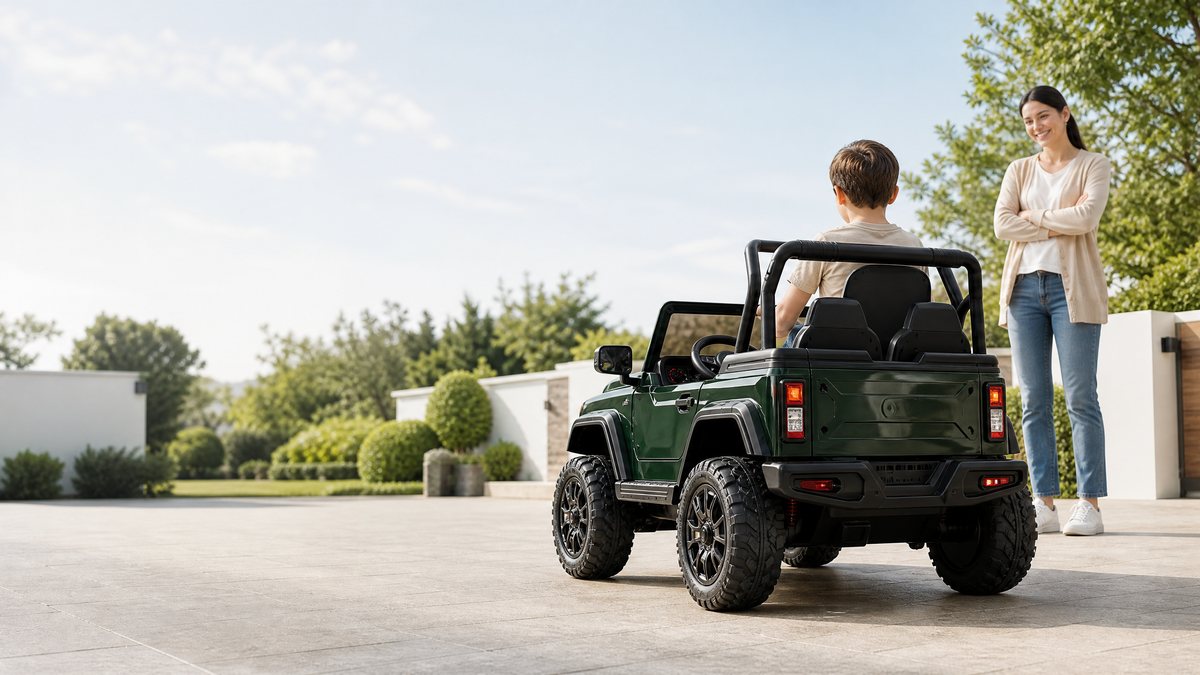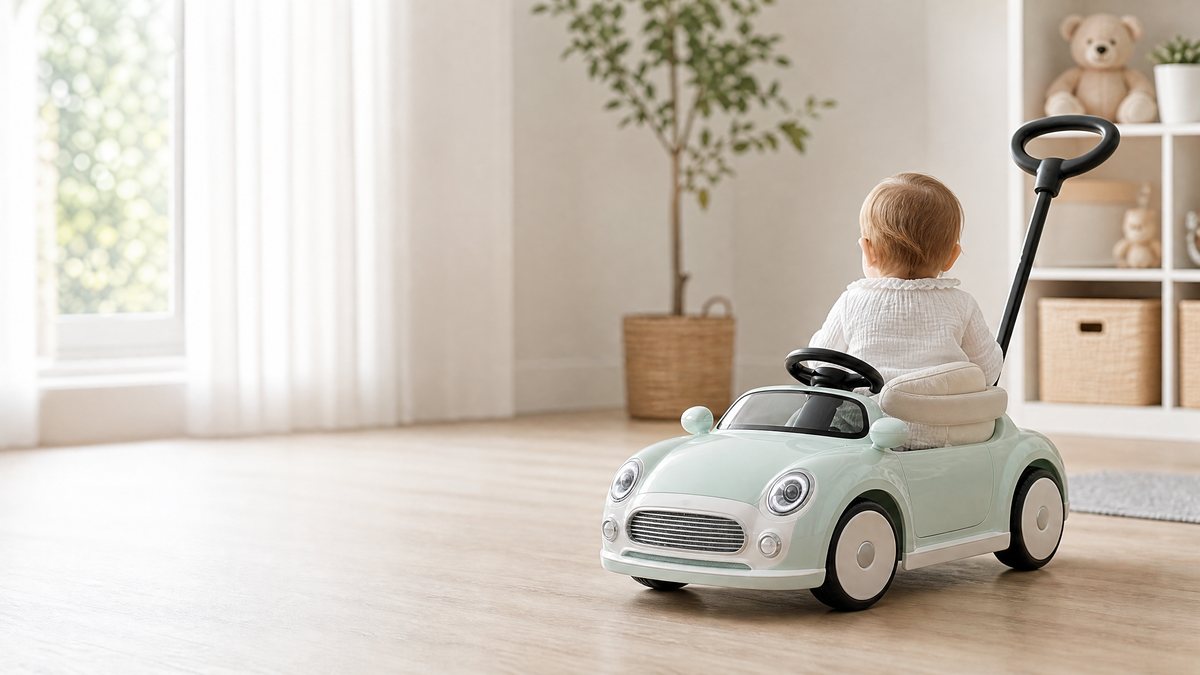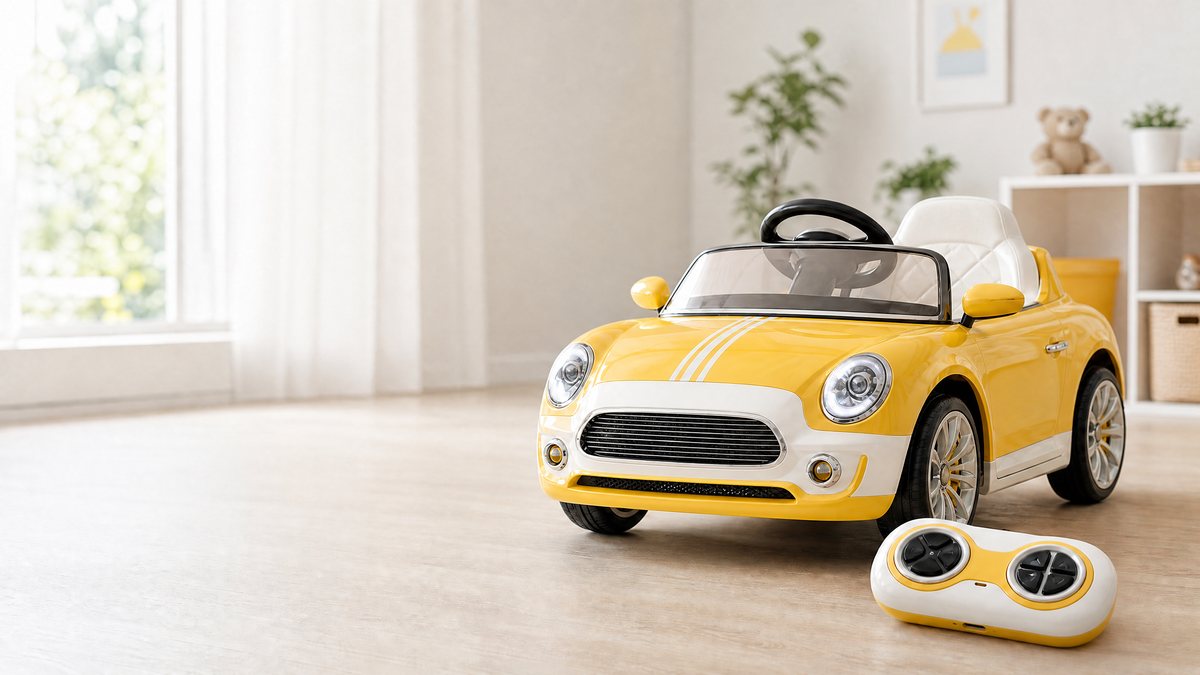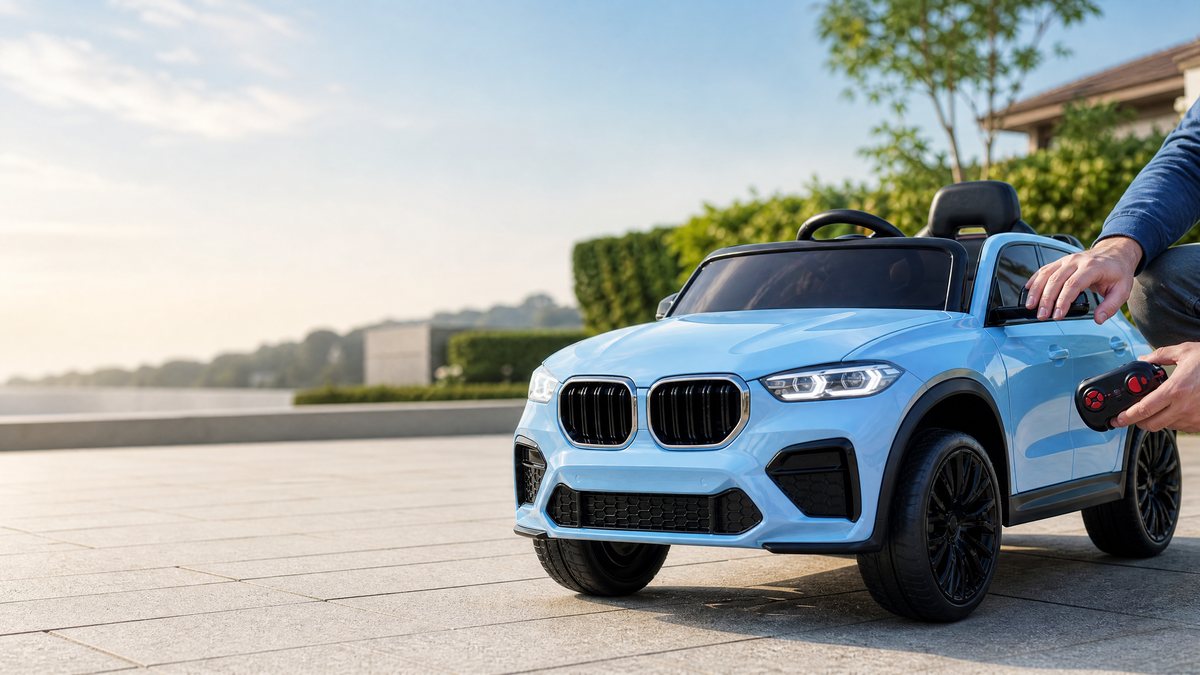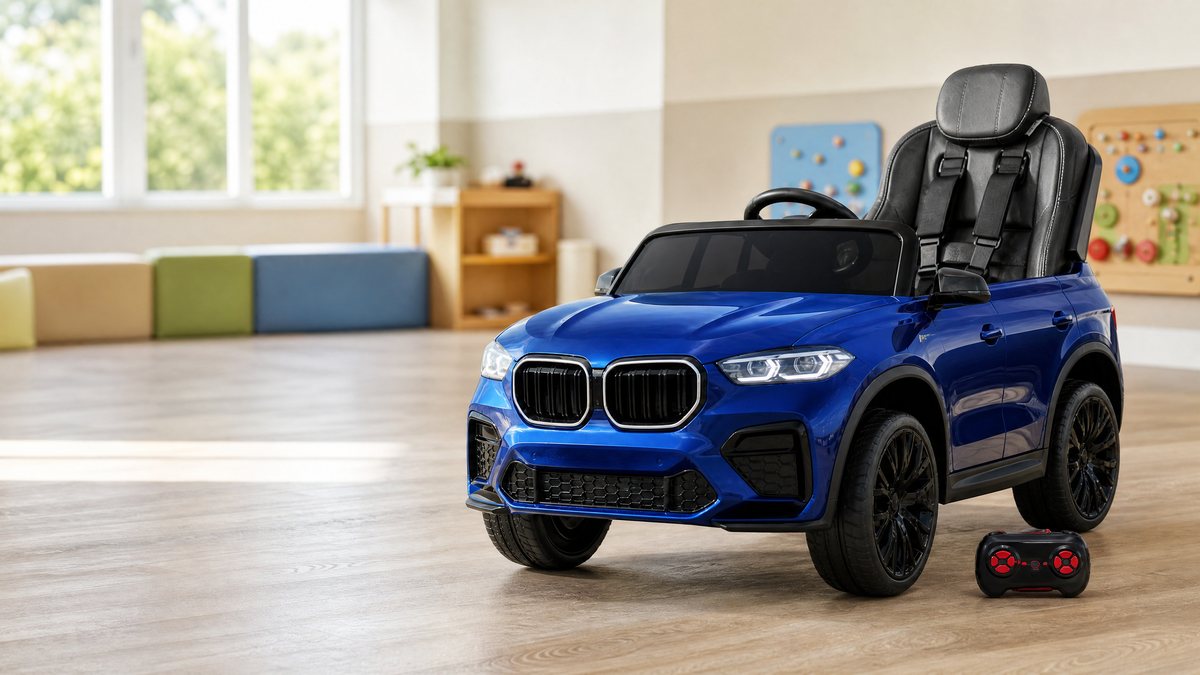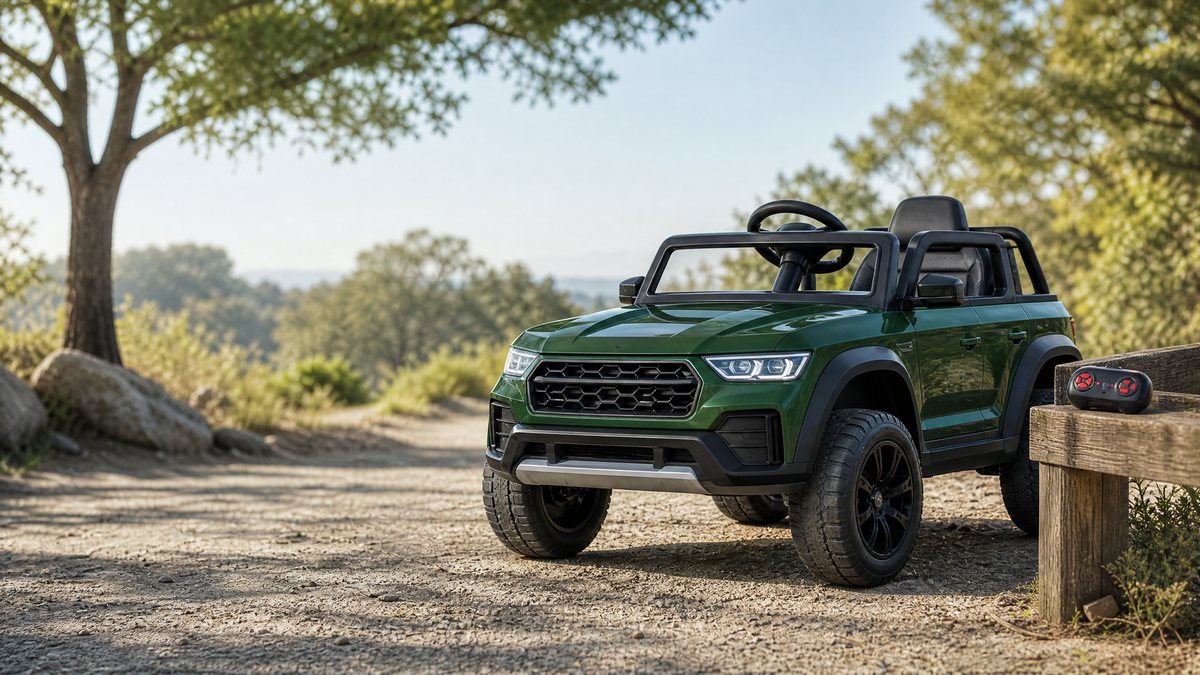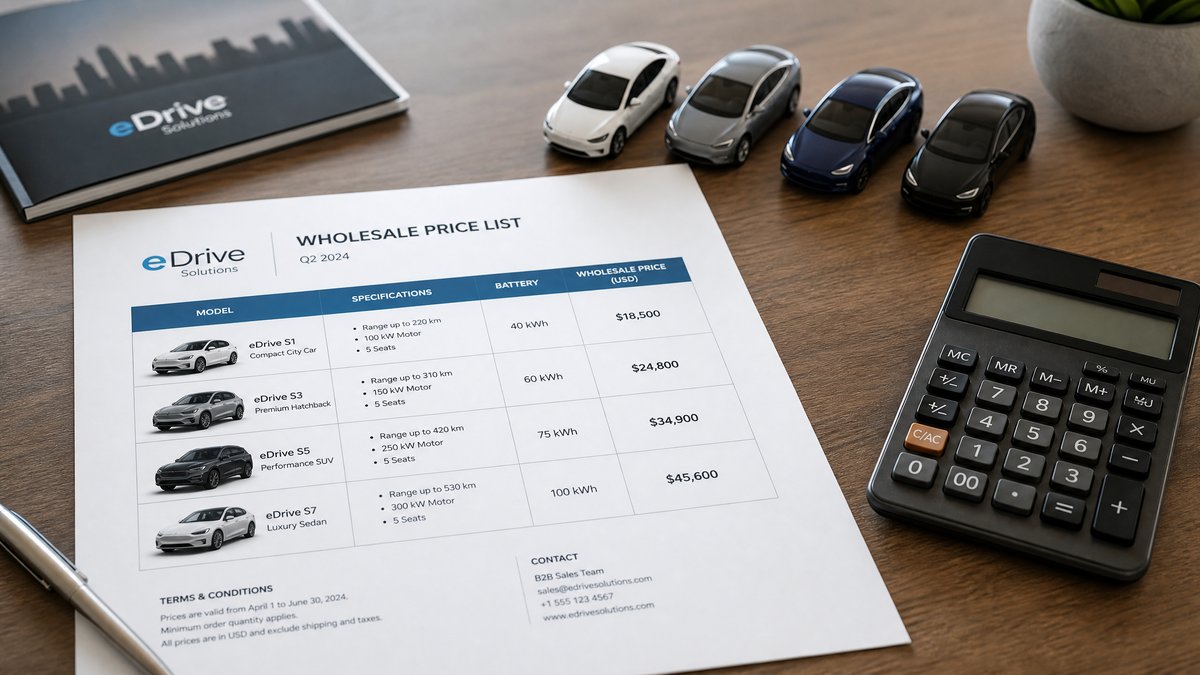
Answer first: Whether a 2-seater ride-on car is worth the extra financial and logistical investment depends on specific household dynamics, sibling or peer sharing requirements, spatial capacity, and power infrastructure specifications. While dual-passenger models offer expanded seating capacity, higher weight thresholds, and robust dual-motor or enhanced power systems, they also entail higher upfront procurement costs, larger freight footprints, and increased storage space requirements. Exact pricing, seating dimensions, weight limits, battery specifications, and cost differences vary by model, region, and seller; check the exact manual, listing, and written terms before making a purchasing or wholesale stocking decision.
Introduction: Evaluating Value in Premium Electric Ride-On Vehicles
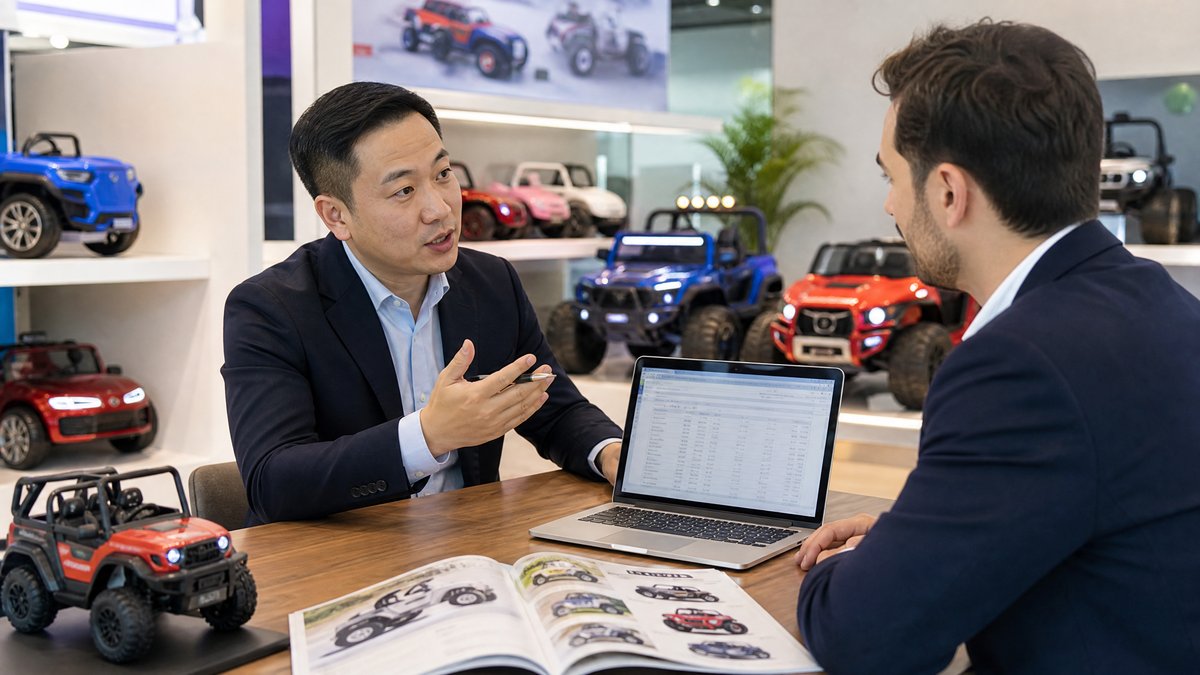
The children's electric ride-on vehicle market has experienced sustained growth across both global retail and wholesale distribution sectors. As consumer expectations evolve and modern parents demand higher durability, superior aesthetics, and enhanced functionality, commercial distributors and retail store operators must carefully evaluate product line extensions. Among the most frequent inquiries from both B2B procurement managers and retail parents is whether transitioning from a standard single-seat ride-on vehicle to a multi-passenger 2-seater model justifies the additional capital outlay.
The core dilemma centers on whether the incremental cost of a 2-seater model translates into proportional utility, longevity, and child satisfaction, or if a single-seat vehicle adequately fulfills standard recreational requirements. For B2B buyers, retail store owners, and fleet operators, stocking decisions hinge on margin potential, showroom display footprint, shipping volume measured in cubic meters (CBM), and shifting consumer demand patterns. For parents and gift-buyers, the evaluation involves balancing child age distribution, yard or indoor storage constraints, long-term durability, and the likelihood of shared play. Because specifications vary significantly across manufacturing standards and regional distribution channels, stakeholders must examine specific documentation rather than relying on generalized assumptions or surface-level marketing claims.
Seating Capacity, Ergonomics, and Cabin Dimensions
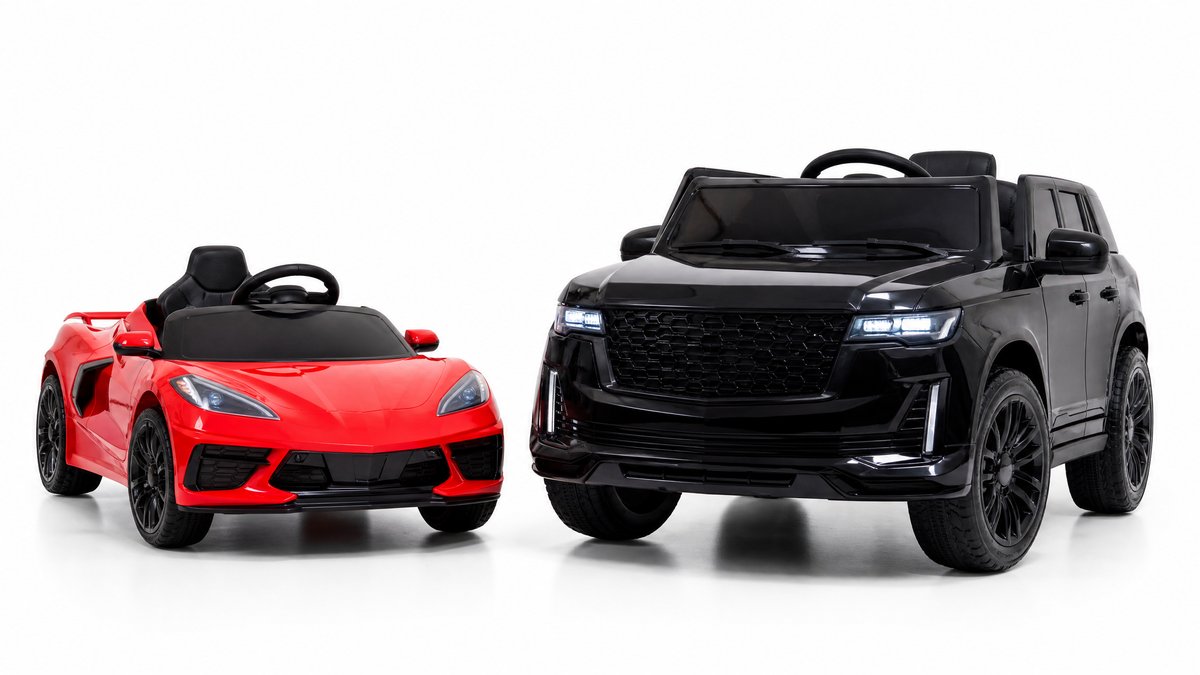
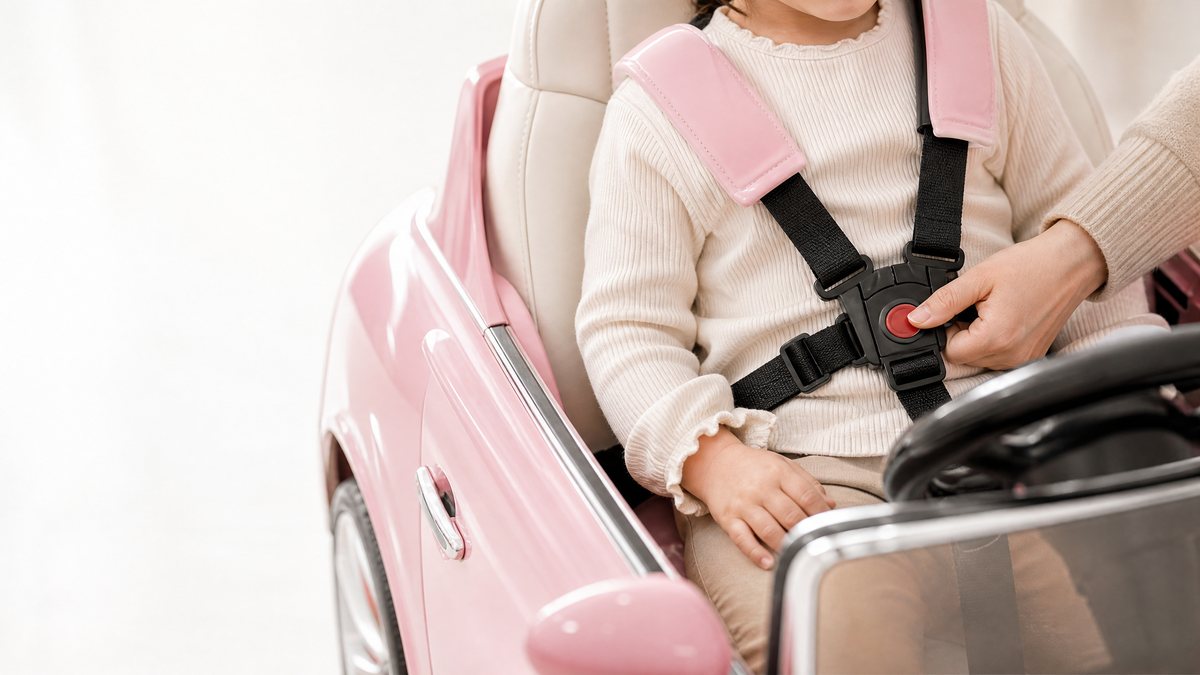
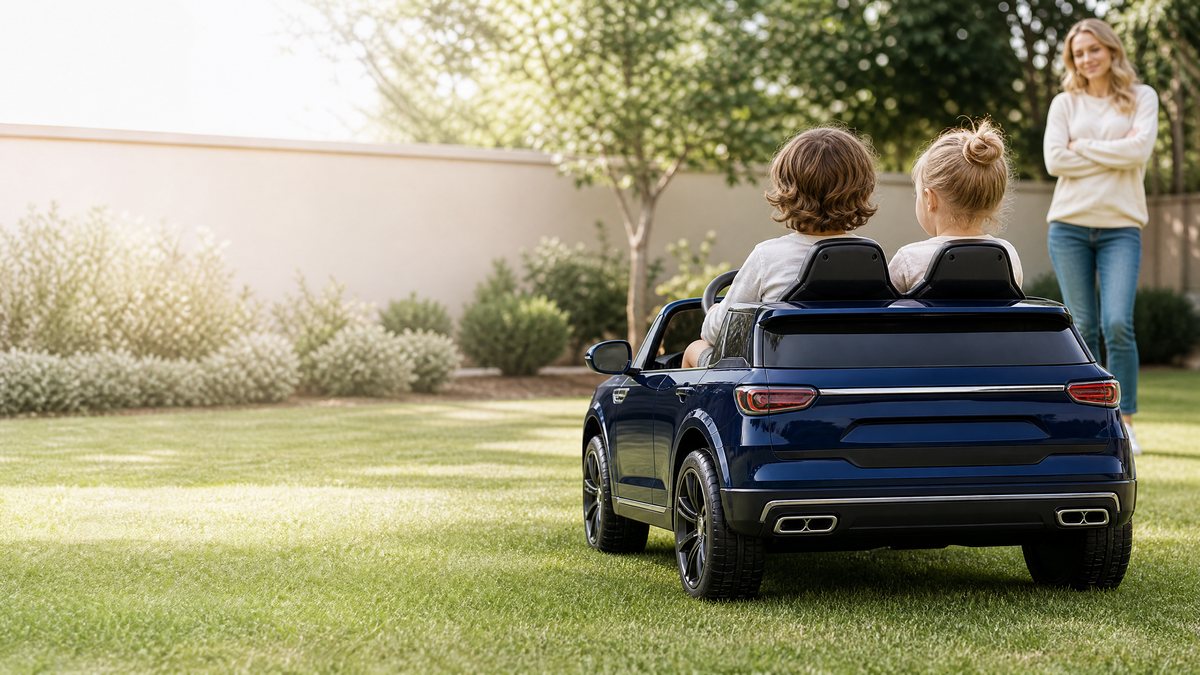
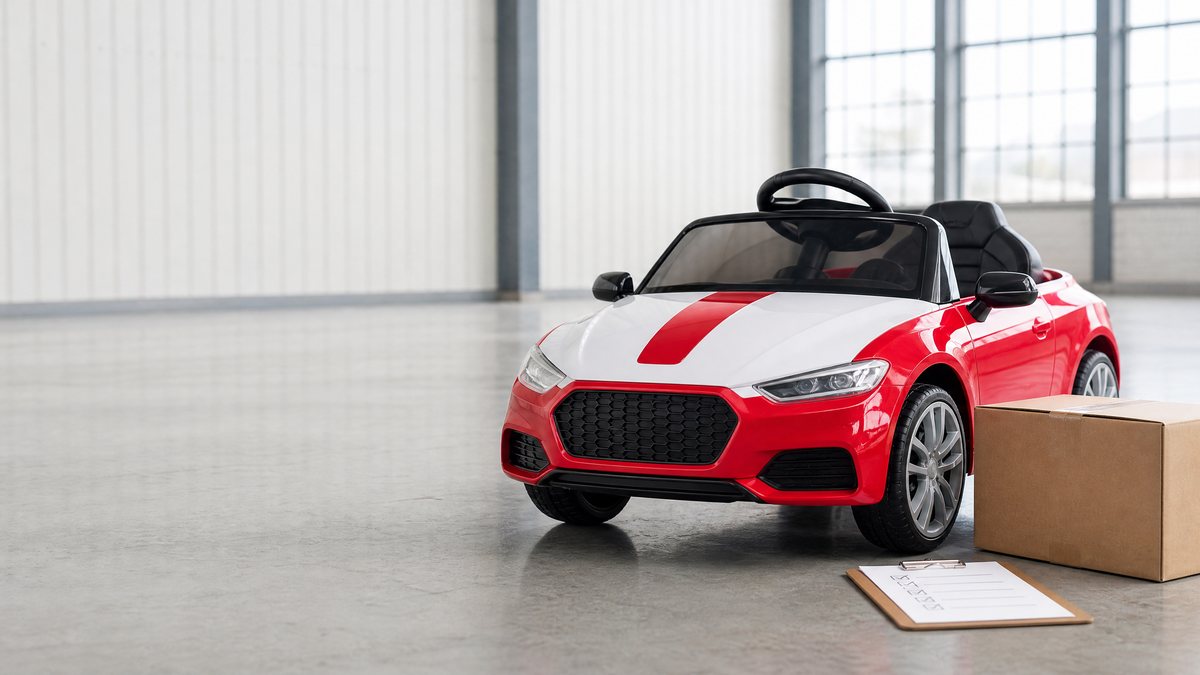
The primary differentiator between single-seat and multi-passenger ride-on cars is internal cabin architecture. Standard single-seater models are engineered around a centralized seating position optimized for one child within a specific height and weight bracket. In contrast, 2-seater configurations incorporate wider chassis platforms, dual seatbelts, and extended bench or bucket seating arrangements designed to accommodate two children simultaneously. This structural expansion directly influences how children interact with the vehicle during play.
However, cabin spaciousness and occupant comfort vary considerably across different manufacturing designs. Some models feature independent side-by-side bucket seats equipped with individual backrests and adjustable sliders, while others utilize a wider single bench seat intended for paired seating. Buyers and parents must note that nominal seating capacity does not automatically guarantee universal comfort for children of all ages and sizes. Shoulder width, legroom, cabin depth, and total weight distribution dictate whether two children can ride comfortably without physical restriction or interference with steering and pedal controls.
Furthermore, ergonomic adaptability, maximum occupant limits, and weight thresholds vary by model, region, and seller; check the exact manual, listing, and written terms. Overloading any ride-on vehicle beyond its specified weight capacity can compromise maneuverability, strain electrical and mechanical components, accelerate wear on tires and steering linkages, and diminish overall operational safety.
Powertrain, Electrical Architecture, and Performance Scaling
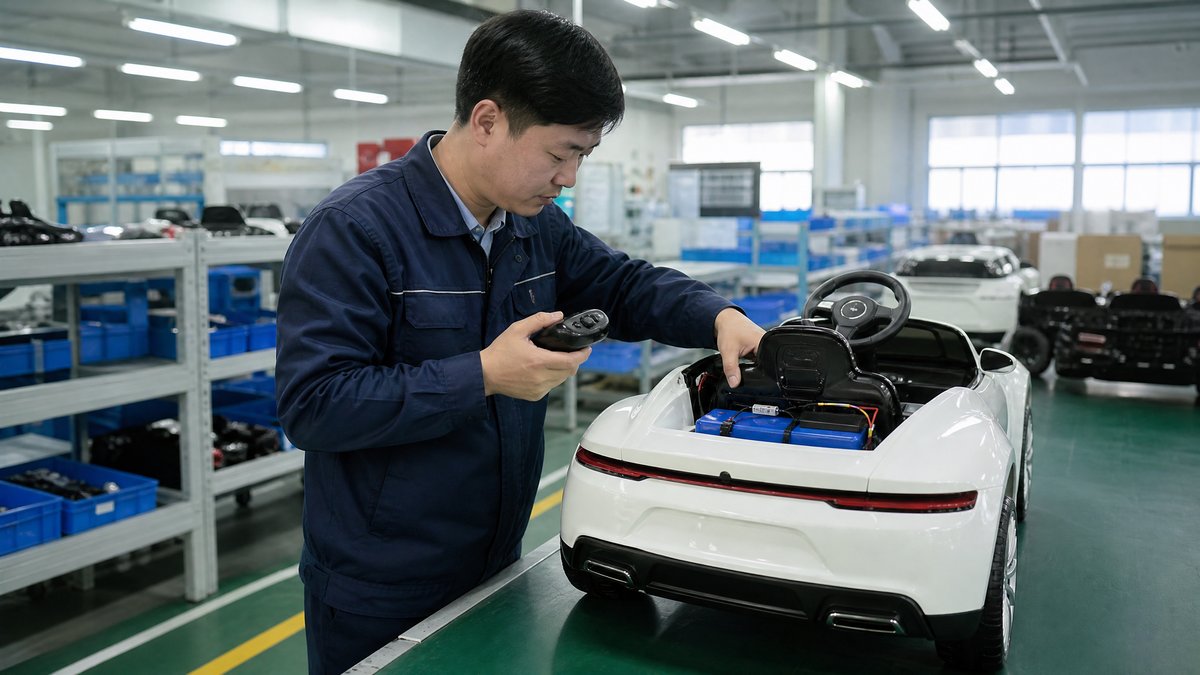
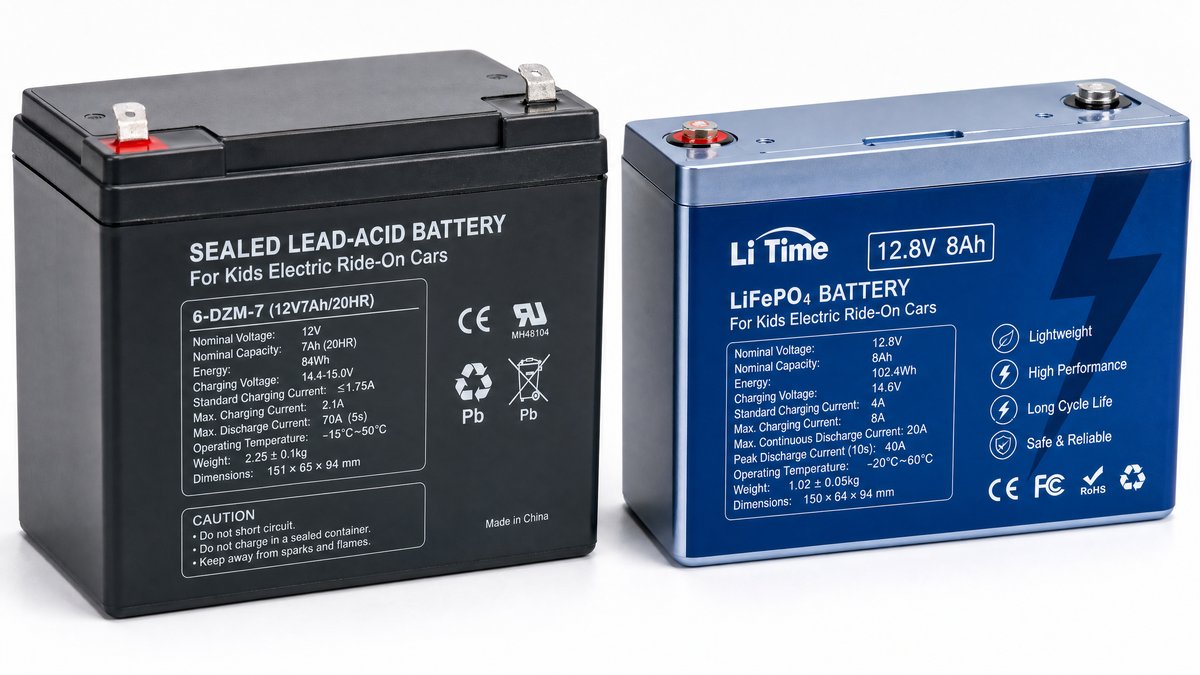
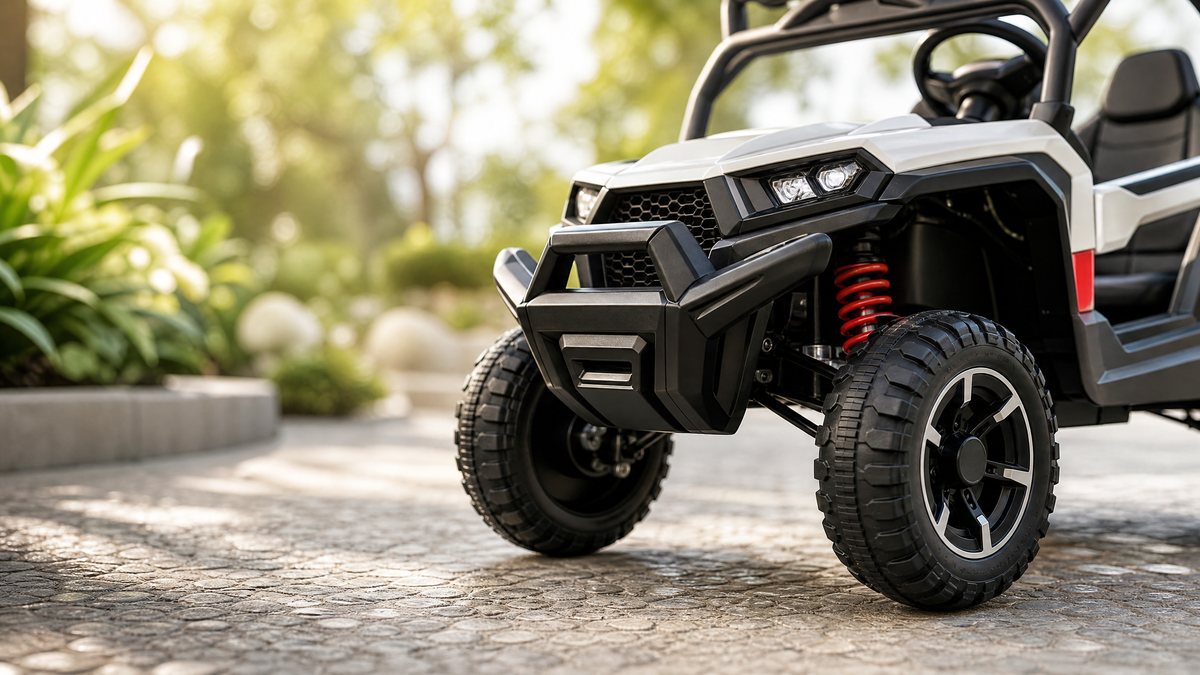
To transport increased payload weight and maintain responsive acceleration, 2-seater ride-on vehicles typically incorporate heavier-duty electrical and mechanical systems compared to their single-seat counterparts. While entry-level single-seaters frequently operate on 6V or basic 12V single-motor architectures, many multi-passenger variants utilize advanced 12V dual-motor or 24V multi-motor configurations designed to distribute torque across rear-wheel or four-wheel drive setups.
Enhanced motor counts and higher voltage ratings aim to maintain consistent operational speed, torque delivery, and hill-climbing capability when carrying two occupants. Nevertheless, performance outcomes depend entirely on individual vehicle engineering, battery chemistry, terrain conditions, and total load weight. Dual-motor systems generally provide better traction on uneven outdoor surfaces such as gravel, grass, or slight inclines compared to single-motor equivalents. However, increased electrical draw also impacts battery runtime, necessitating careful management of usage cycles and adherence to recommended charging protocols.
*Safety and Maintenance Boundary Notice:*
- Never attempt internal electrical repairs, terminal modifications, wire harness alterations, or control board manipulations.
- Avoid multimeter testing of internal circuits unless performed by qualified professionals.
- Do not undertake unauthorized modifications, aftermarket battery upgrades, or motor enhancements.
- In the event of unusual odors, overheating, visible smoke, water ingress, cable damage, or persistent mechanical/electrical faults, immediately stop use and charging, turn off the vehicle main power switch, keep children safely away, and contact the manufacturer or authorized service personnel.
Comparative Cost-Benefit Analysis for Retailers and Parents
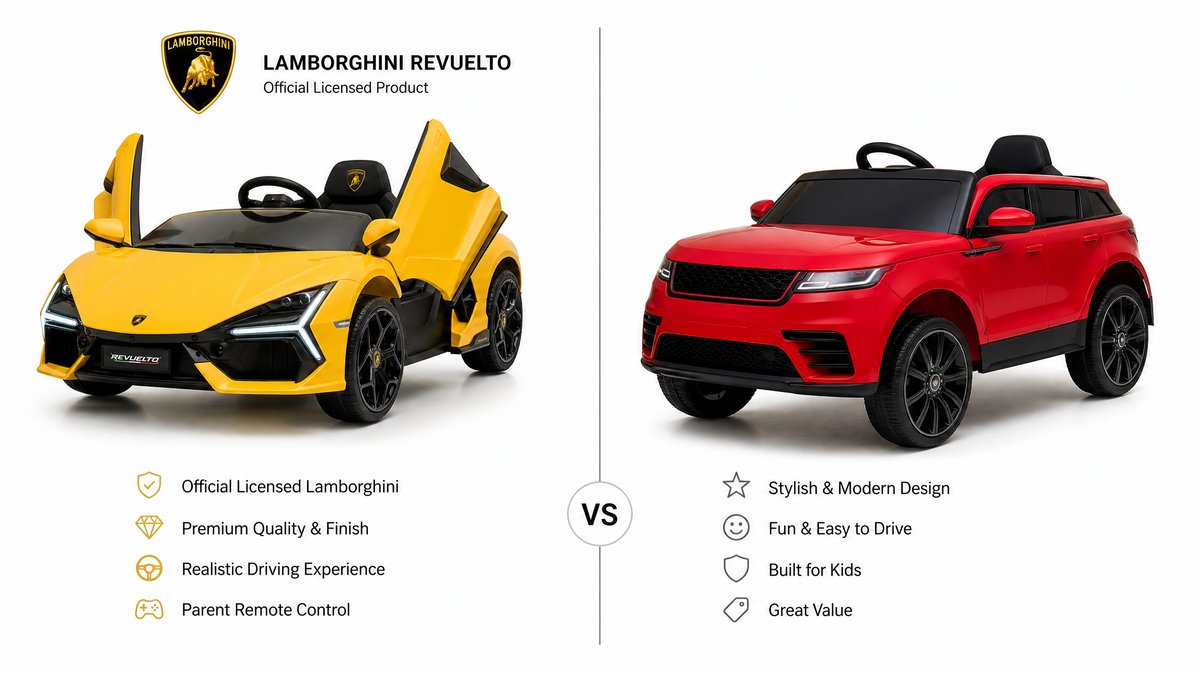
When determining whether a 2-seater ride-on car justifies its premium price tag, stakeholders must evaluate both quantitative and qualitative factors. The financial outlay involves not only the initial purchase price or wholesale unit cost but also downstream considerations such as freight volume, storage footprint, and potential resale or secondary gifting value.
The following comparative decision matrix outlines the structural differences between single-seat and 2-seater ride-on vehicles to guide procurement and purchasing choices.
| Evaluation Metric | Single-Seater Ride-On Car | 2-Seater Ride-On Car | Operational & Purchasing Implication |
|---|---|---|---|
| Typical Seating Capacity | Designed for 1 occupant | Designed for 2 occupants (side-by-side or wide bench) | 2-seater accommodates siblings or friends, reducing sharing conflicts. Varies by model/region/seller; check exact manual and terms. |
| Chassis & Footprint | Compact body, narrower wheelbase | Wider body, extended length, broader track | Requires more storage space in garages, retail floors, and transport containers. Varies by model/region/seller; check exact listing. |
| Power Architecture | Typically single or dual motor (12V) | Typically robust dual or quad motor (12V/24V options) | Higher power configurations support heavier loads, though actual performance varies by terrain and battery specification. |
| Upfront Procurement Cost | Lower initial investment per unit | Moderate to high premium pricing | Wholesale and retail margins vary; bulk purchasing terms and shipping fees must be factored into total landed cost. |
| Target User Demographic | Single child households or younger toddlers | Sibling pairs, older children, multi-child settings | Longevity and age-adaptability vary by model/region/seller; check exact manual, listing, and written terms. |
Logistics, Freight Footprint, and Wholesale Storage Considerations
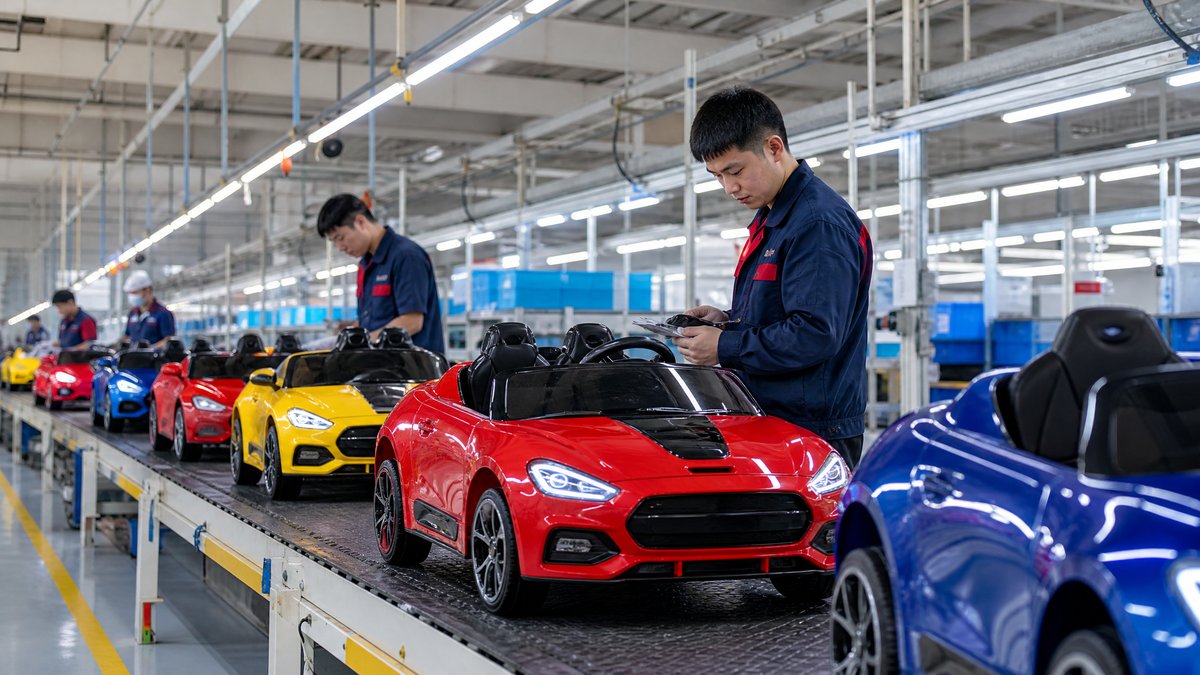
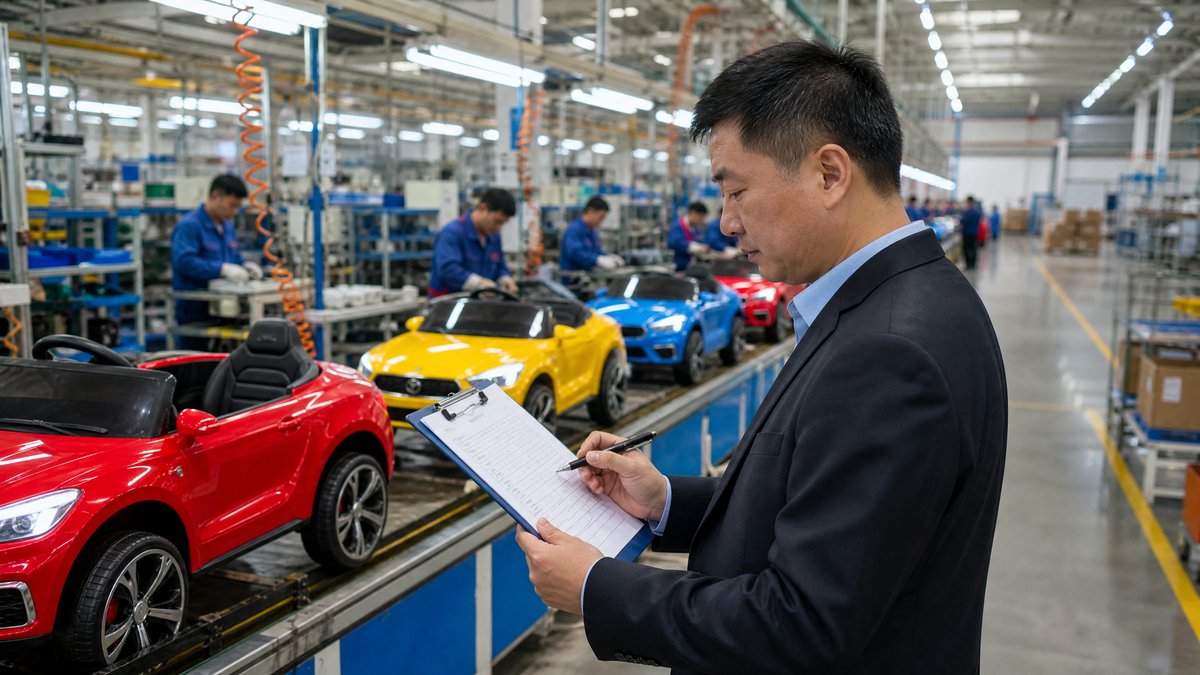
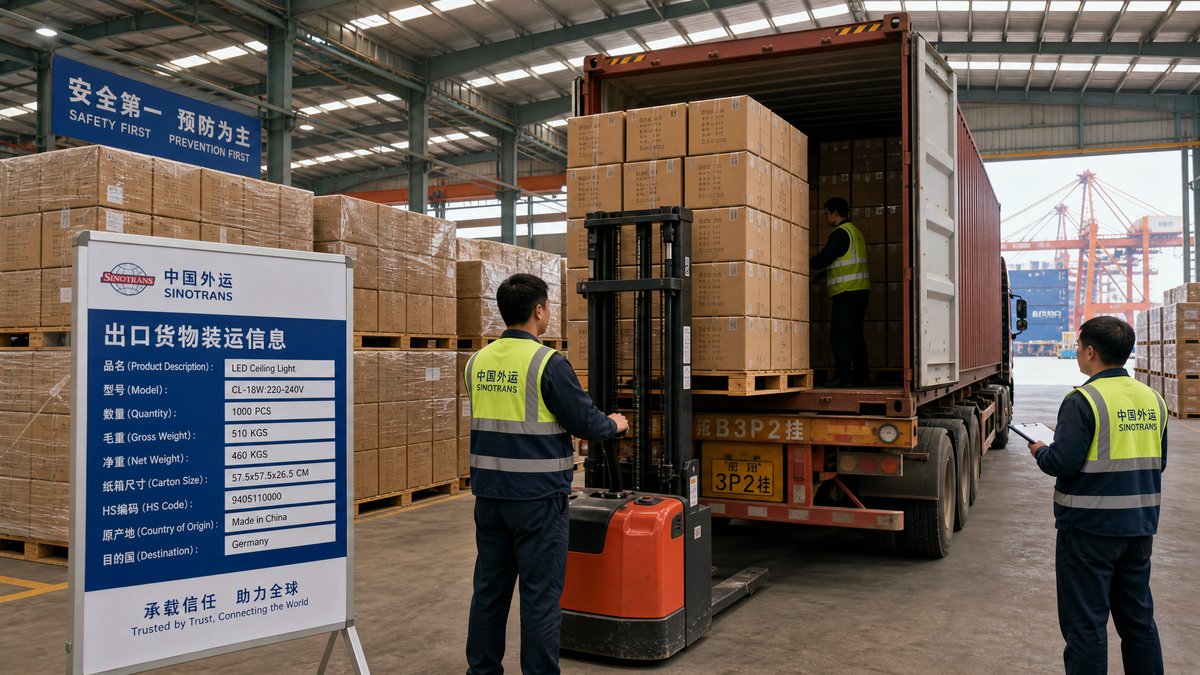
For B2B distributors, importers, and retail store operators, product dimensions and shipping volume represent critical cost variables. Multi-passenger ride-on cars possess larger master cartons and greater volumetric weight (CBM) than single-seat models. This increased physical footprint impacts container load optimization, warehousing storage density, and last-mile freight expenses. When calculating container capacity for international shipping, 2-seater units occupy significantly more pallet space, which can alter the overall landed cost per unit compared to compact single-seat alternatives.
Retailers evaluating inventory mix must assess whether customer demand for dual-passenger utility offsets the higher warehouse holding costs and lower units-per-pallet density. Furthermore, assembly requirements—ranging from partial pre-assembly to complete wheel, steering wheel, and windshield installation—vary across manufacturing batches. All shipping terms, warranty scopes, return policies, and stock availability vary by model, region, and seller; check the exact manual, listing, and written terms.
Deepening the Retail Perspective: Stocking Strategies for Commercial Buyers
For wholesale distributors and retail storefronts, stocking decisions regarding 2-seater ride-on cars require a nuanced understanding of consumer demographics and showroom merchandising dynamics. Retailers often find that while single-seat vehicles appeal to families with an only child or younger toddlers seeking straightforward operation, 2-seater models capture significant market share among households with multiple children or parents looking for extended product longevity as children grow.
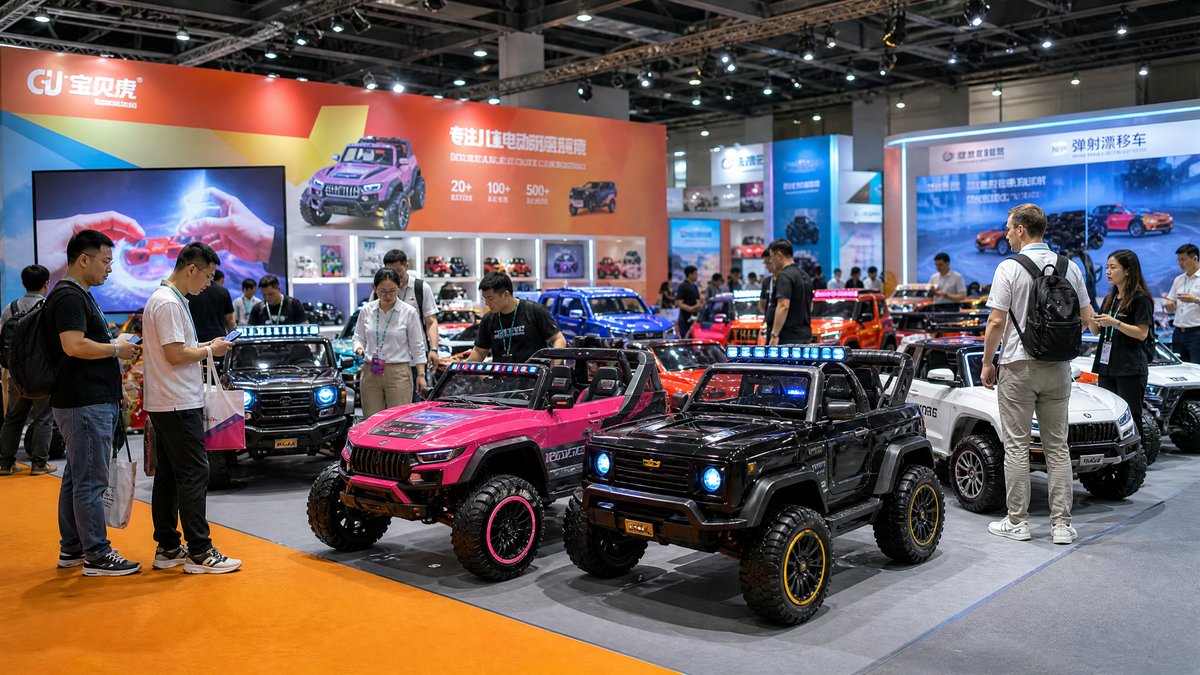
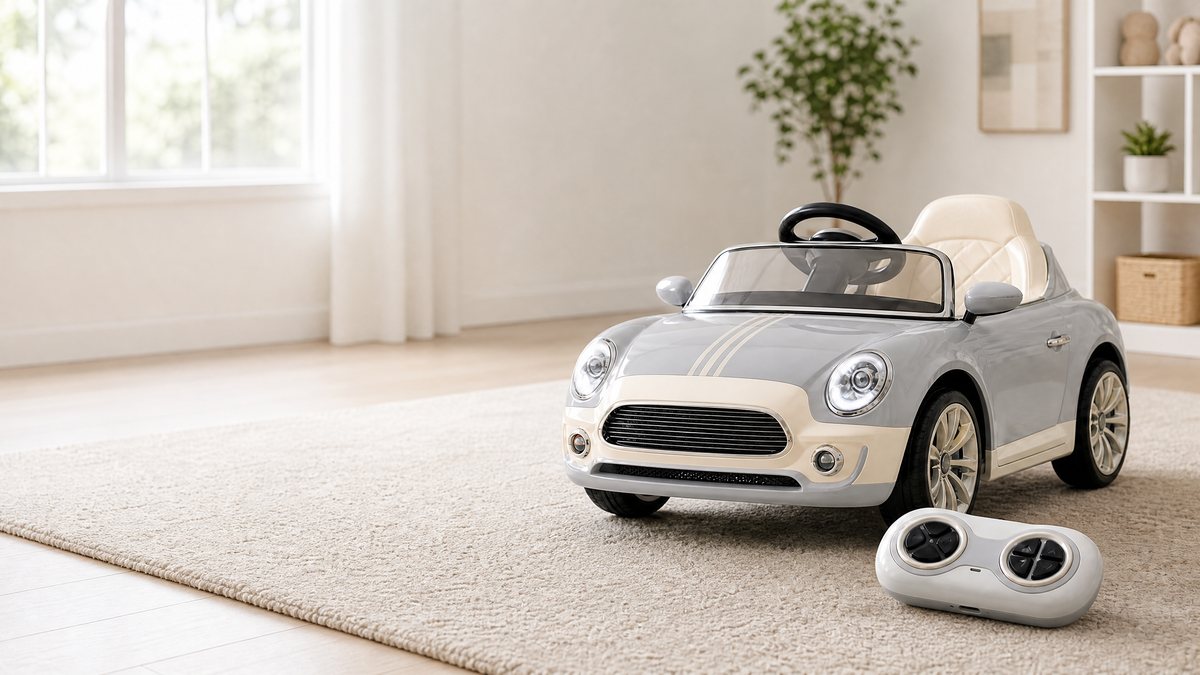
Showroom floor space is another vital factor in retail planning. Because 2-seater ride-on cars possess a substantially wider wheelbase and extended overall length, they occupy more display area per unit than compact single-seaters. Store managers must weigh the visual impact and customer engagement value of displaying a premium dual-passenger model against the space efficiency of stocking higher quantities of smaller vehicles. Furthermore, merchandising accessories—such as upgraded remote controls, protective dust covers, and custom license plates—can be bundled with 2-seater sales to enhance average order value and overall retail profitability. All inventory policies, cooperative advertising terms, and wholesale pricing structures vary by model, region, and seller; check the exact manual, listing, and written terms.
Navigating Sibling Dynamics and Playroom Ergonomics
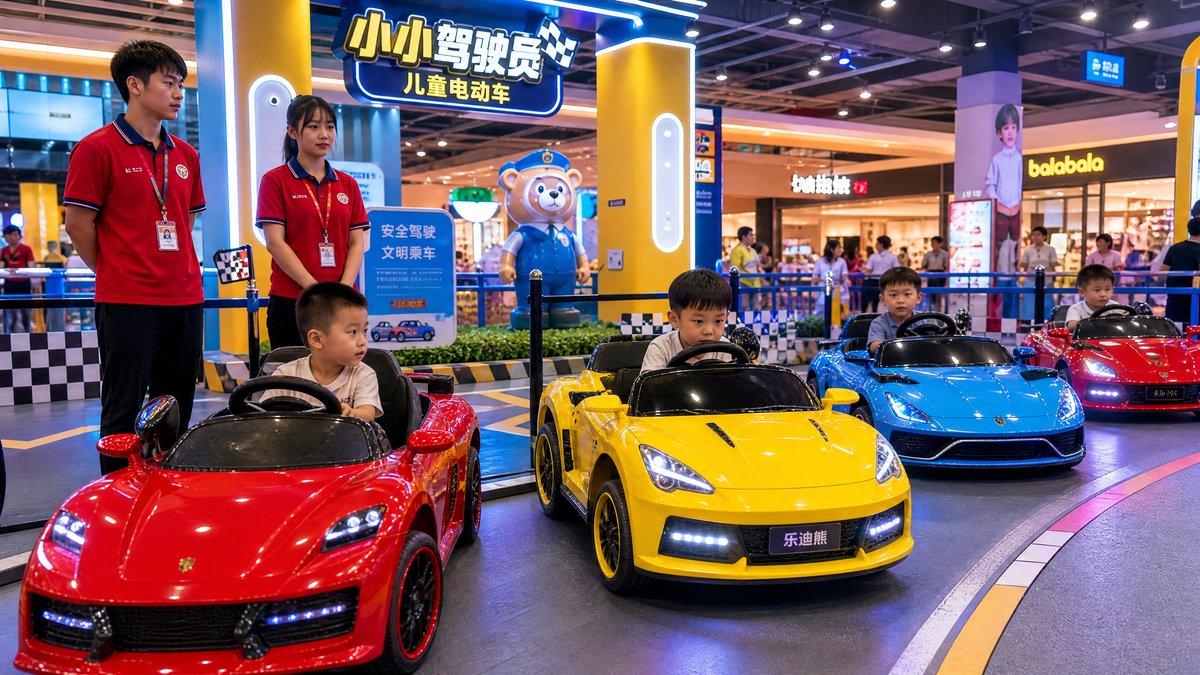
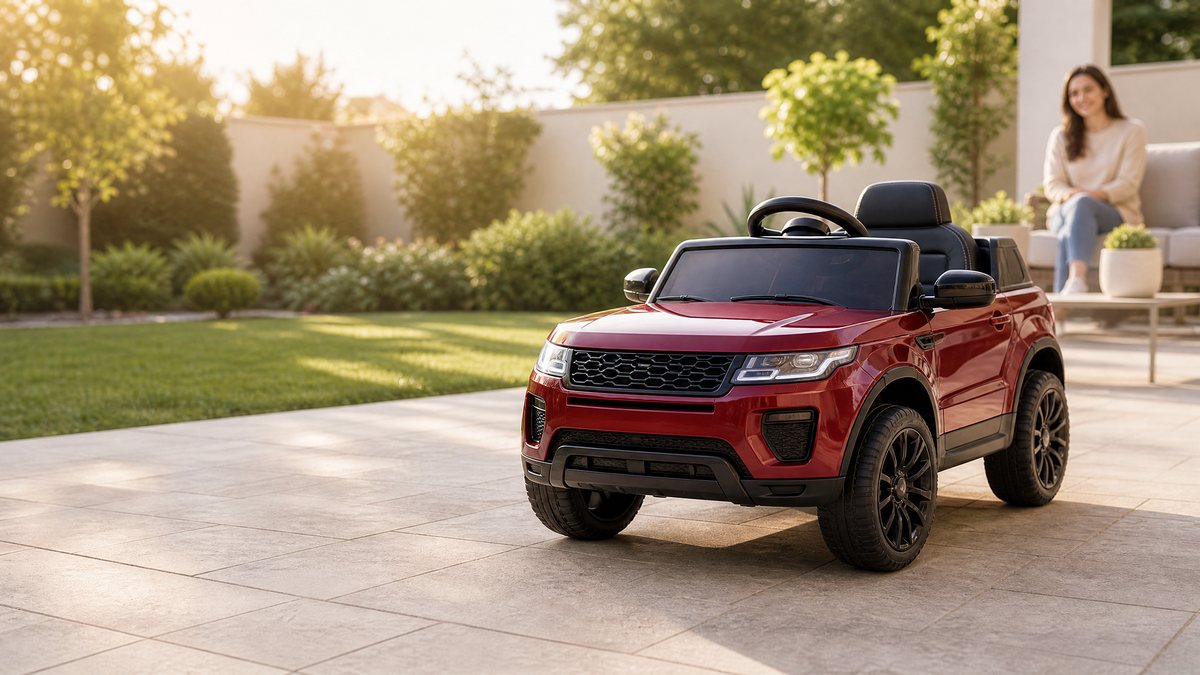
Beyond commercial logistics and retail margins, the everyday user experience for families often hinges on domestic dynamics. In households with siblings close in age, a single-seat ride-on car can frequently become a source of contention over turn-taking and driving privileges. A 2-seater model directly addresses this challenge by allowing two children to participate in the driving experience simultaneously—typically with one child operating the steering wheel and foot pedal while the passenger enjoys the ride, or with parental remote override managing overall vehicle movement.
However, parents must carefully evaluate whether the physical dimensions of the vehicle match their available domestic storage spaces, such as standard garage stalls, garden sheds, or indoor entryways. The broader track and heavier overall weight of a 2-seater car also mean that lifting, transporting, or loading the vehicle into a family SUV for park visits requires more physical effort than handling a lighter, single-seat alternative. These practical, day-to-day usability factors should be weighed alongside upfront financial costs when determining whether the investment in a multi-passenger vehicle is truly worthwhile.
Frequently Asked Questions
1. Are 2-seater ride-on cars suitable for children of all age groups?
Age suitability and weight limits vary by model, region, and seller; check the exact manual, listing, and written terms. While 2-seater models generally offer higher weight thresholds and broader cabin space than single-seaters, they are engineered for specific developmental stages and maximum weight capacities. Parents and buyers should always review manufacturer guidelines regarding recommended age brackets and weight limits.
2. Do 2-seater ride-on cars require more powerful batteries and chargers?
Many multi-passenger models utilize higher-capacity batteries (such as 12V dual-battery setups or 24V systems) to support dual motors and heavier payloads. However, charging specifications, battery lifespan, and replacement procedures vary by model/region/seller; check the exact manual, listing, and written terms. Never use unauthorized chargers, and strictly adhere to manufacturer charging durations.
3. Can a 2-seater ride-on car be operated by a single child safely?
Yes, many children use 2-seater vehicles independently, enjoying the extra cabin room or carrying toys. However, parental supervision and remote-control override functions (where equipped) remain essential. Operational features, remote range, and safety mechanisms vary by model/region/seller; check the exact manual, listing, and written terms.
4. How do wholesale buyers evaluate the freight and margin impact of 2-seater models?
Wholesale buyers must analyze cubic meter (CBM) measurements, container stuffing calculations, and regional shipping tariffs. Because 2-seater cartons occupy more warehouse and container space, landed costs are higher. Margins depend on retail pricing strategies, local demand, and supplier agreements, all of which vary by model/region/seller; check the exact manual, listing, and written terms.
Conclusion
Deciding whether a 2-seater ride-on car is worth the extra cost involves balancing immediate recreational benefits, sibling sharing dynamics, and spatial requirements against higher purchase prices, freight volumes, and storage needs. For households with multiple children, the multi-passenger capability often delivers superior long-term utility. For B2B buyers and retailers, stocking 2-seater models caters to a distinct segment of consumers seeking premium features and shared play experiences. All purchasing, warranty, pricing, and specification details vary by model, region, and seller; check the exact manual, listing, and written terms.
For commercial inquiries, bulk orders, and catalogue requests, please contact our wholesale team below:
Request a wholesale quote
Request a wholesale quote
*General Reference:* For comprehensive toy safety guidelines, consult the CPSC general toy safety education resources as a helpful reference; note that general educational resources do not replace specific product manuals, safety warnings, and operating instructions provided with individual models.
Official references
Explore these external resources for current regulatory and trade guidance. Confirm requirements with the relevant authority before placing an order.
Ready to Start?
Factory-Direct · CE & ASTM Certified · MOQ from 50 Units
Our export team works with buyers in 60+ countries. Get a quote within 24 hours.
KR
Written by KidsRideCar
China's leading kids electric ride-on car manufacturer. 500,000+ units shipped annually to 60+ countries. CE, ASTM & EN71 certified.