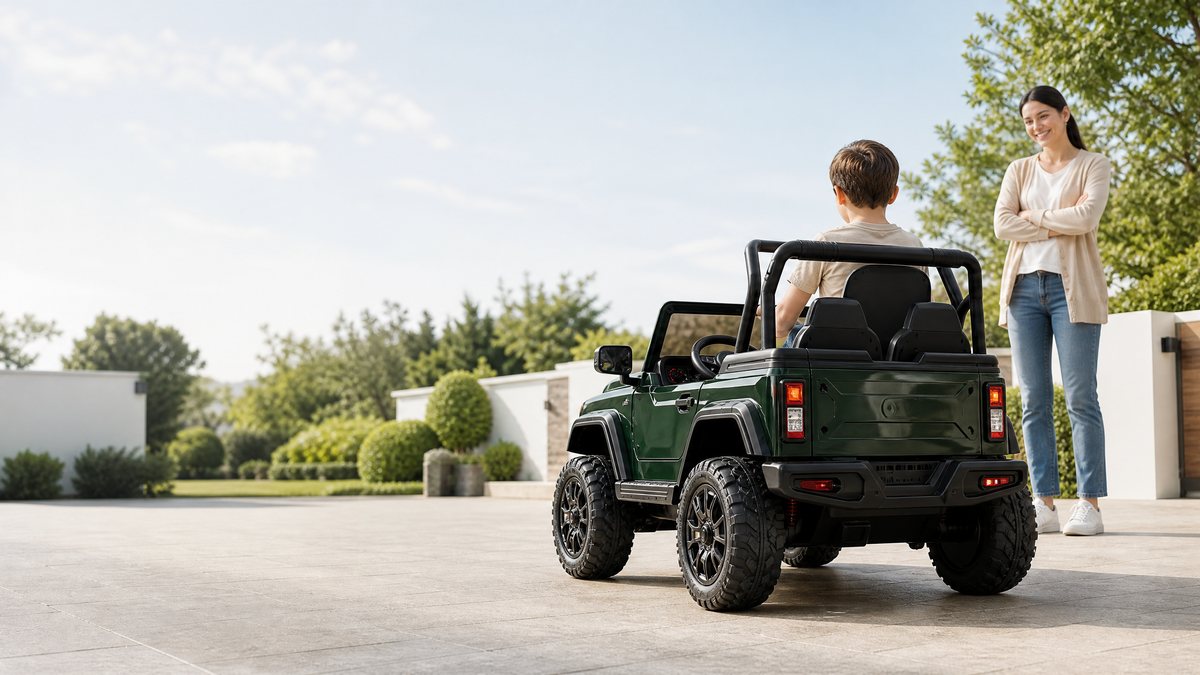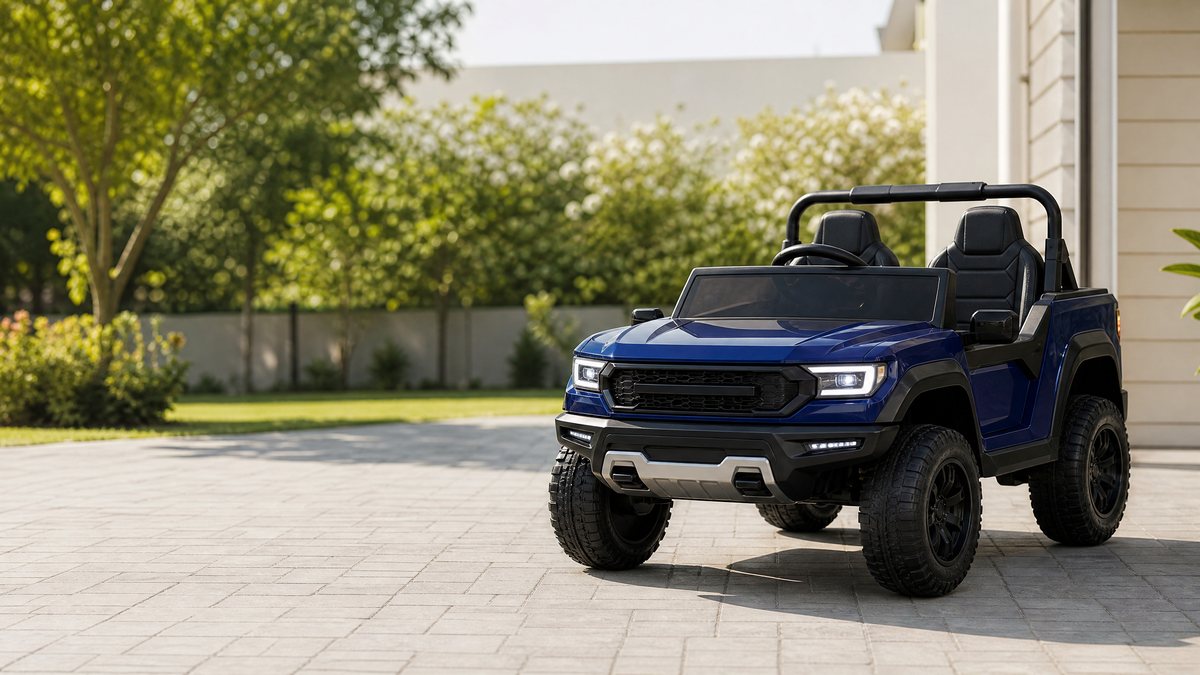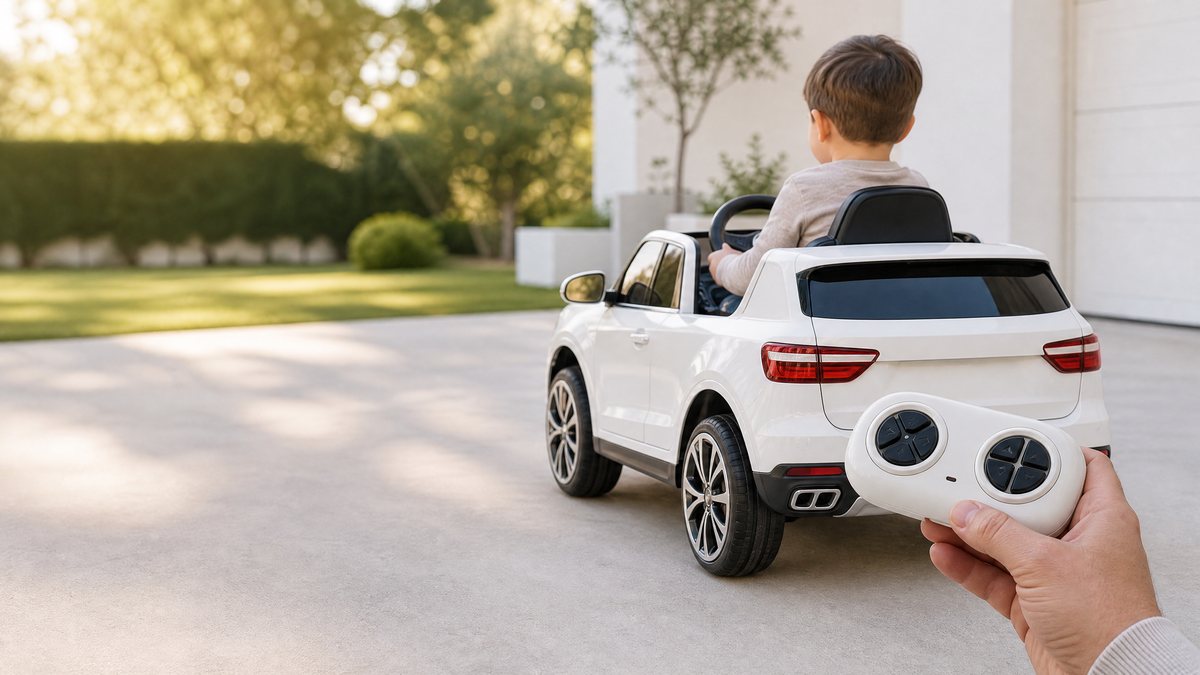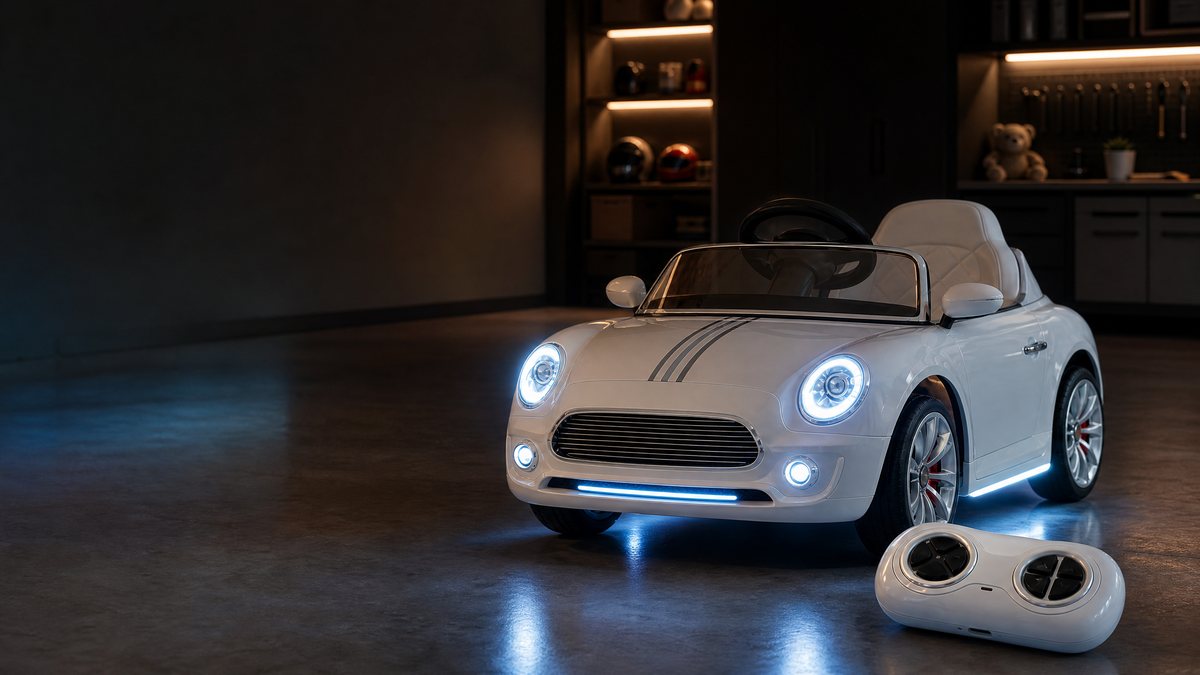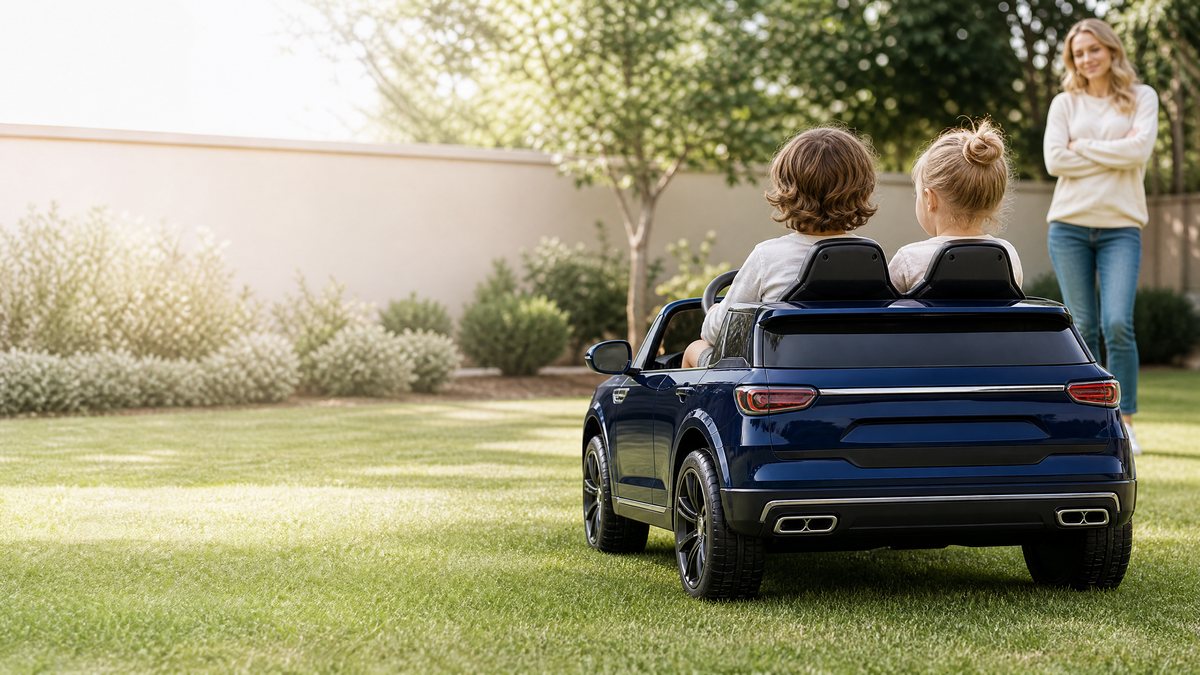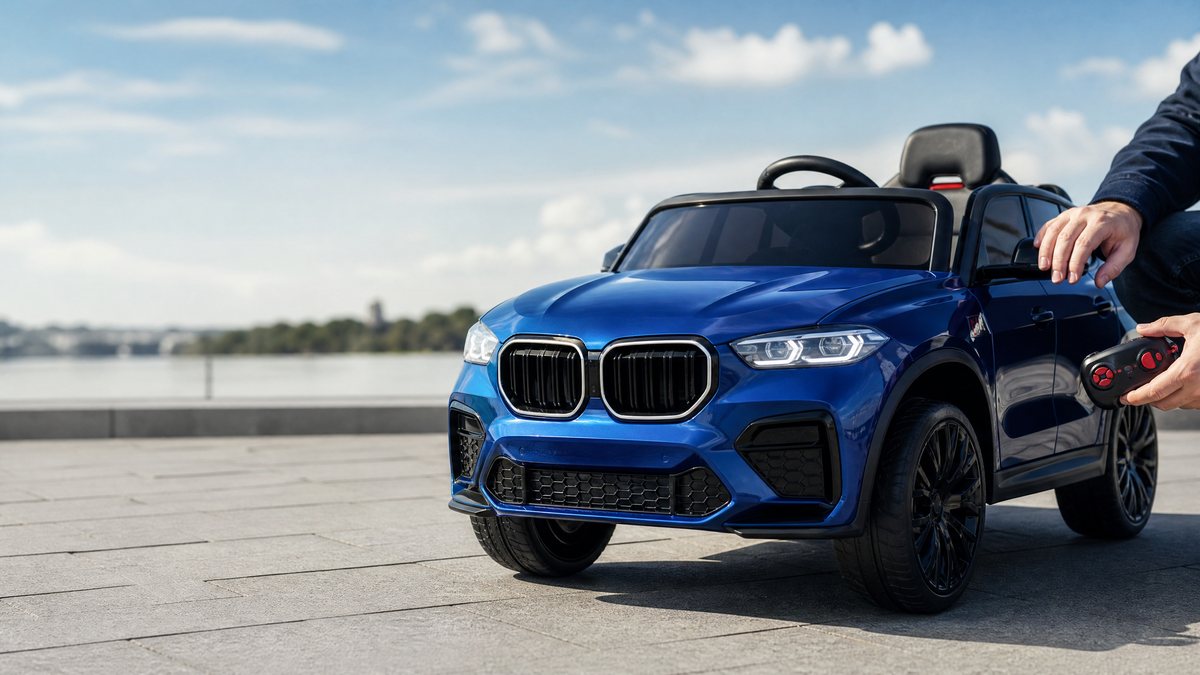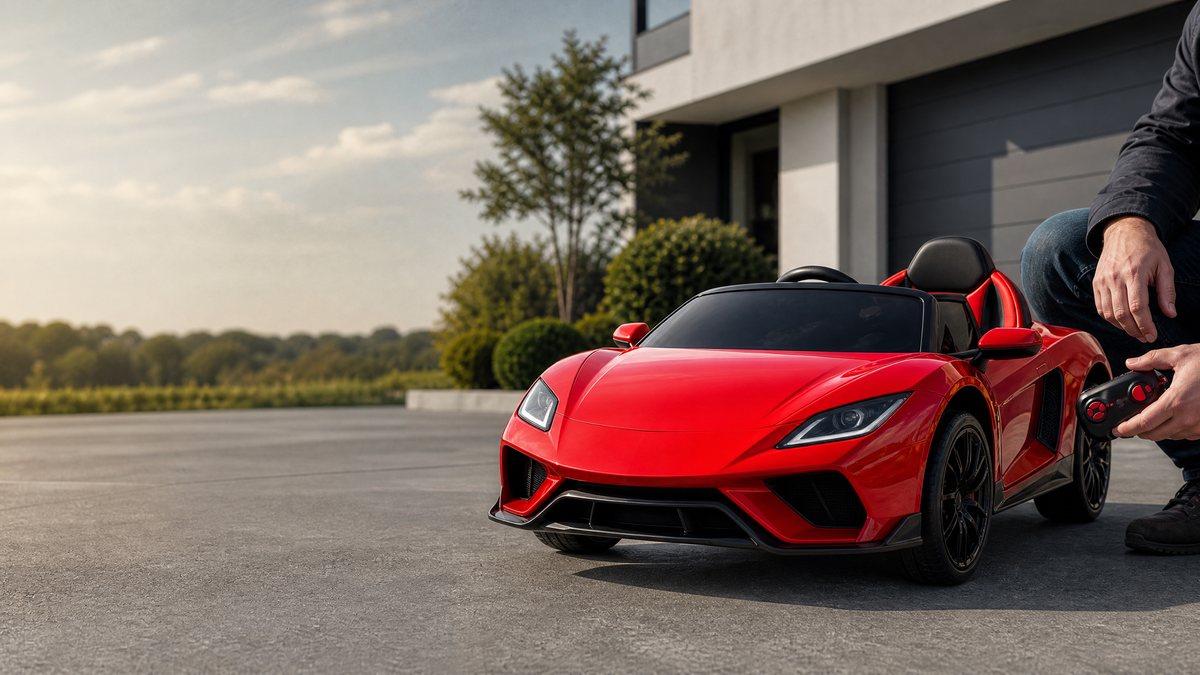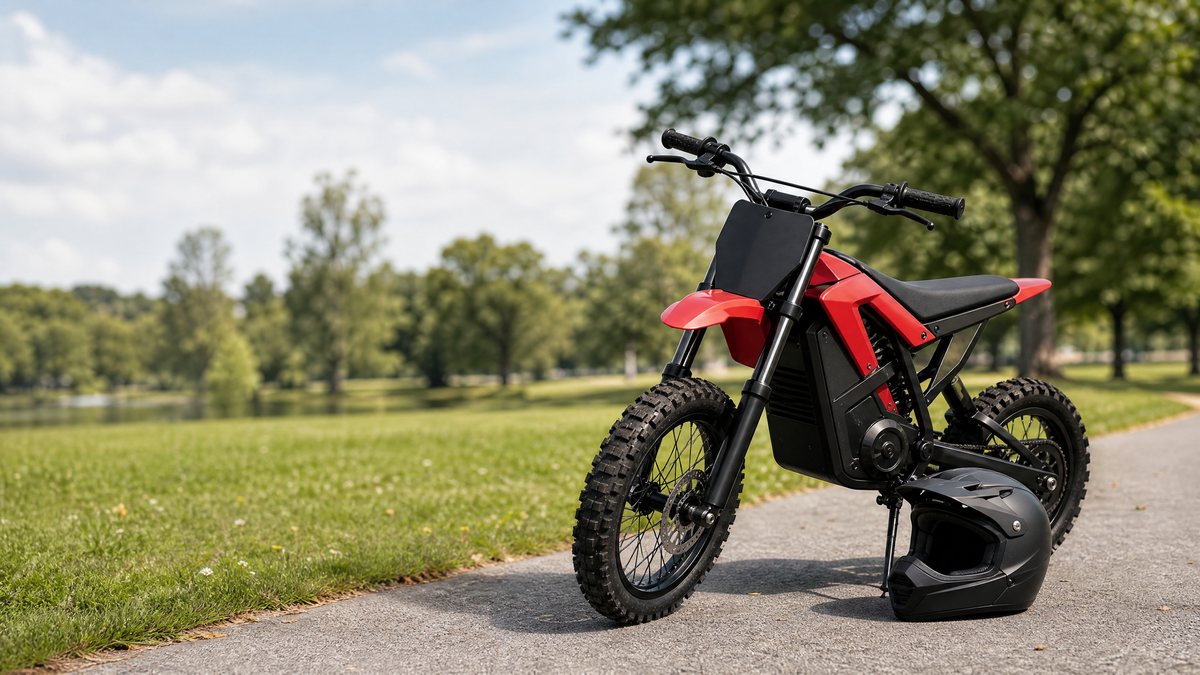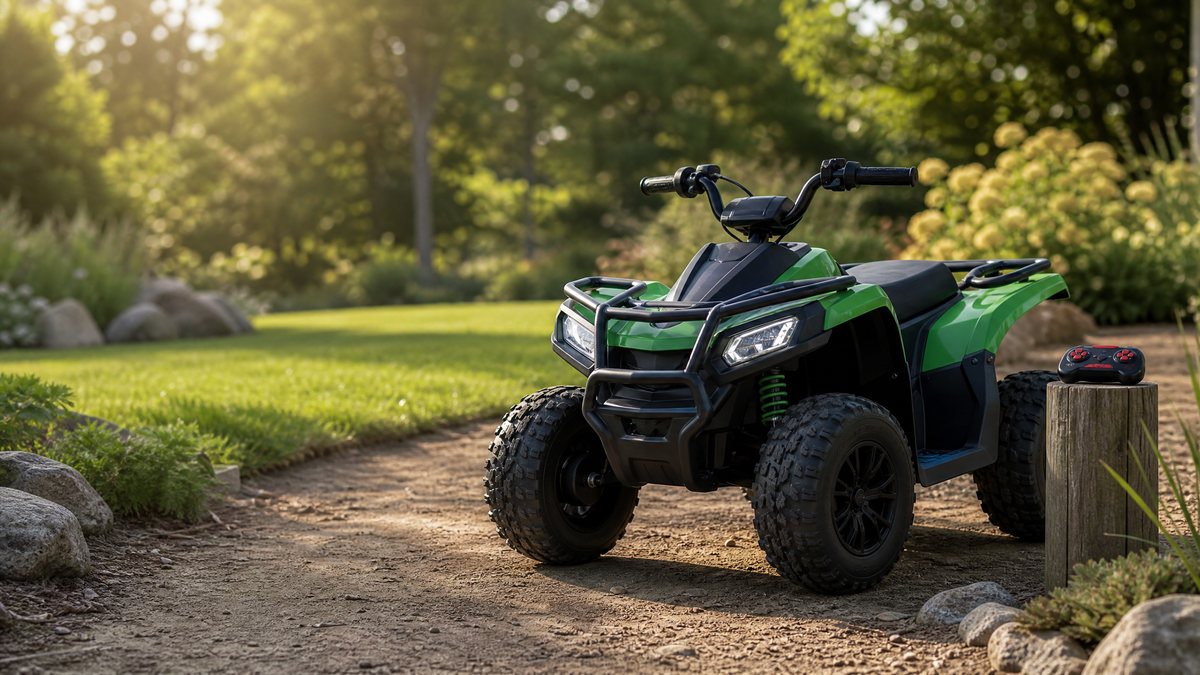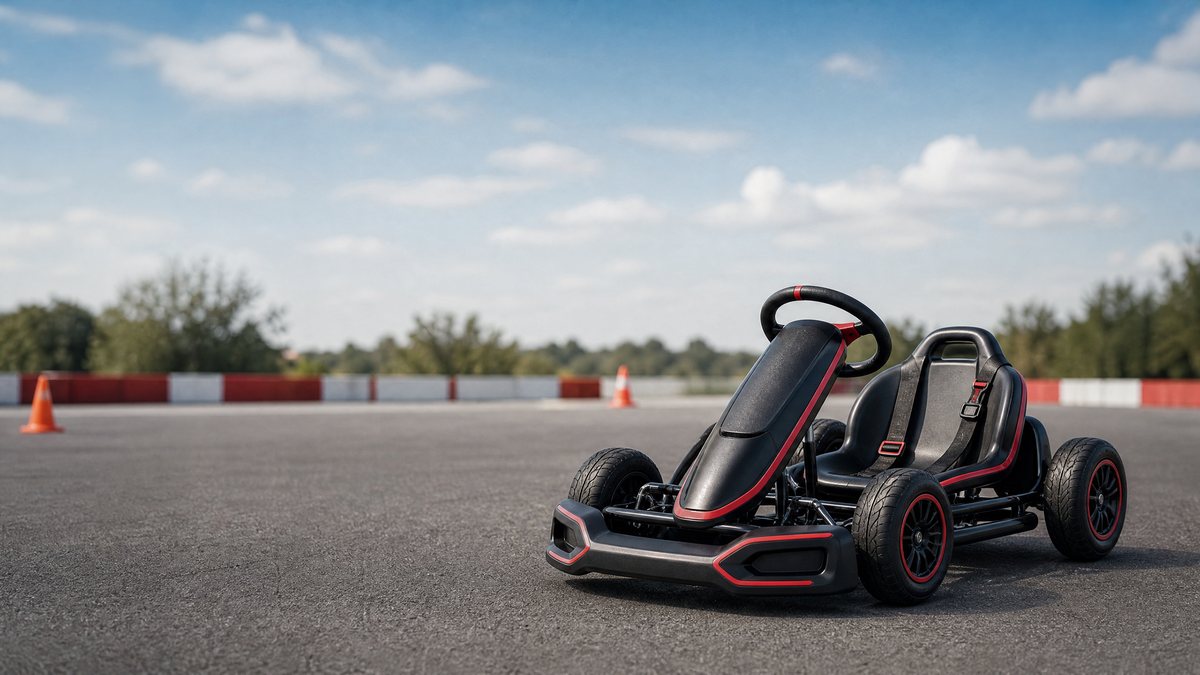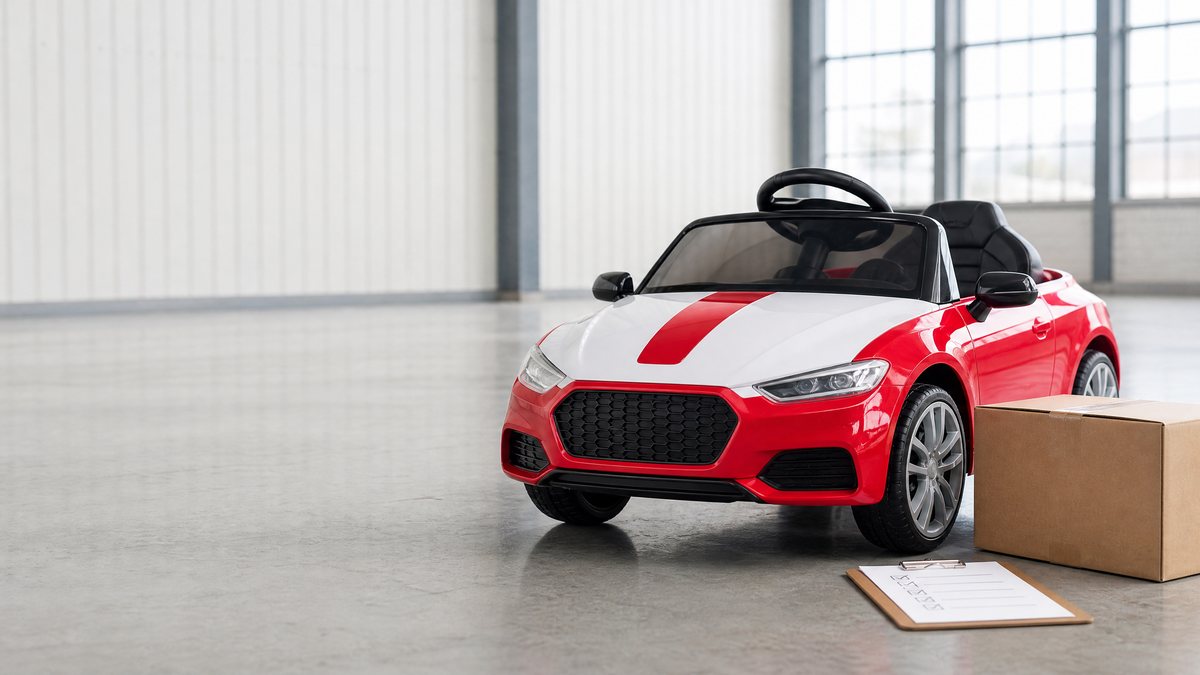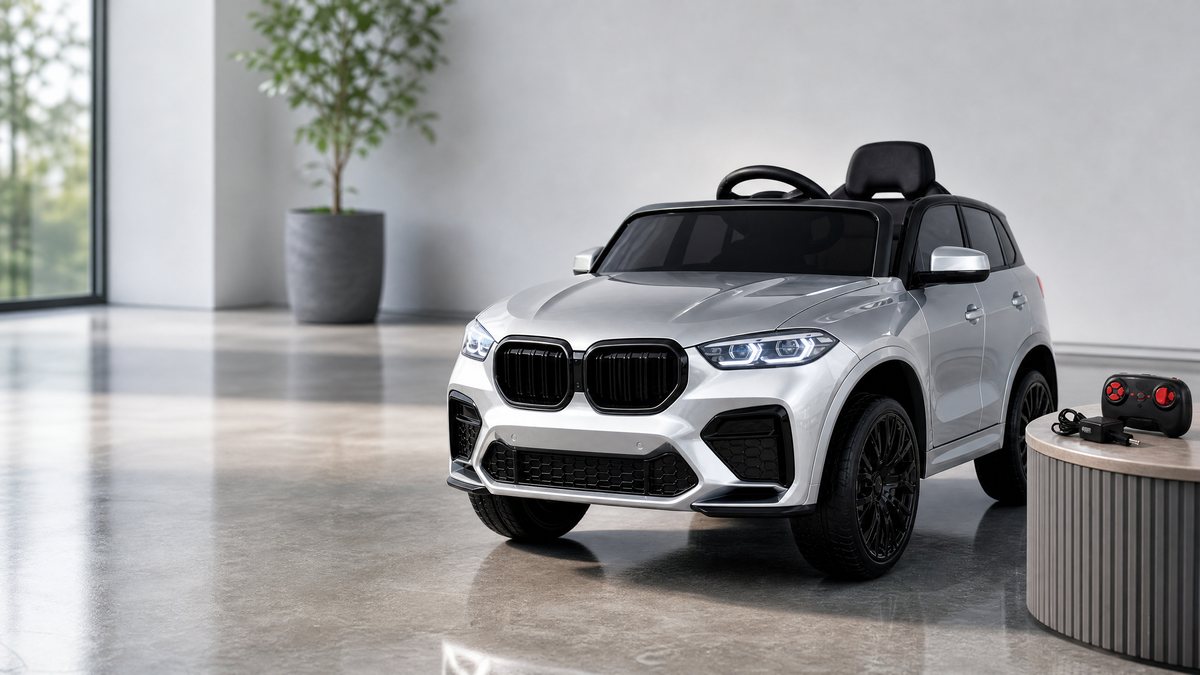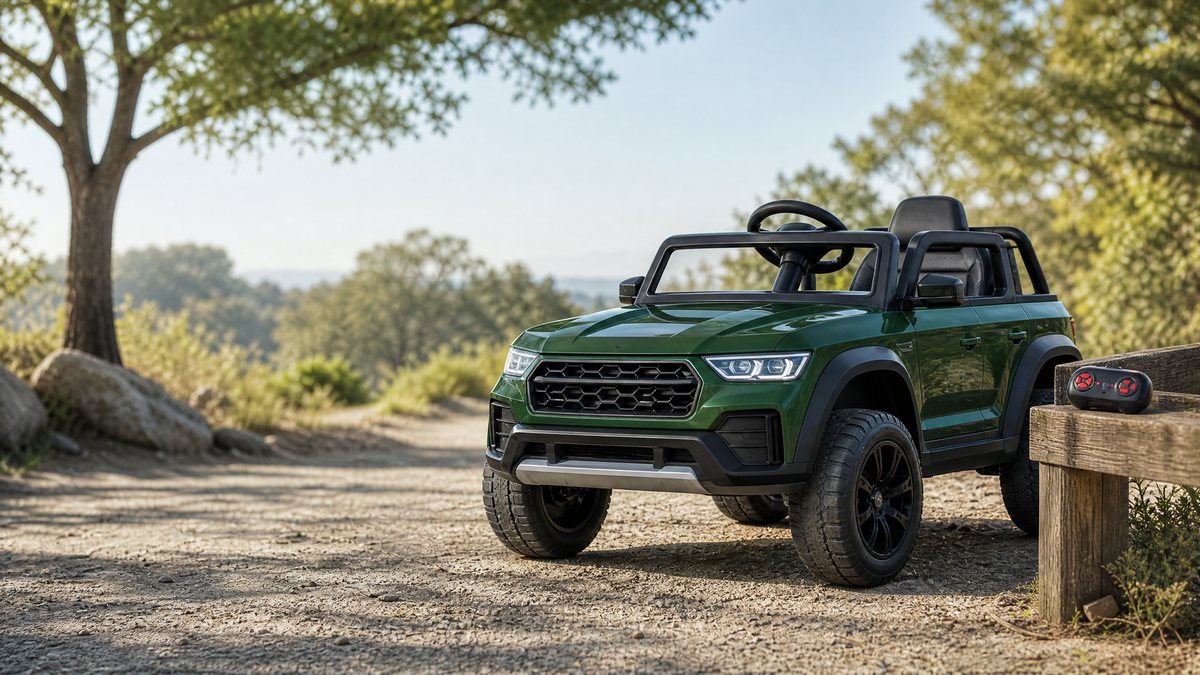
Family camping trips offer an extraordinary opportunity for children to connect with nature, explore rugged landscapes, and experience unstructured outdoor play. In recent years, retailers and wholesale buyers have noticed a rising trend among outdoor-loving families: bringing electric ride-on cars along on weekend getaways and RV excursions. While suburban driveways and neighborhood sidewalks remain the standard testing grounds for these battery-powered vehicles, campsites present a completely unique environment characterized by uneven dirt paths, gravel, grassy meadows, varying weather conditions, and diverse outdoor obstacles. For B2B distributors, toy store owners, and family gear retailers, understanding how to properly guide customers on operating ride-on cars in outdoor recreational settings is essential for ensuring product longevity, customer satisfaction, and above all, child safety.
This comprehensive guide examines the operational, logistical, and safety considerations required when using an electric ride-on car during a camping trip. From pre-trip vehicle inspections and terrain suitability evaluations to campsite power management, storage strategies, and adult supervision protocols, every aspect is designed to provide B2B partners and retail buyers with robust, professional insights. Furthermore, as outdoor recreation continues to evolve, providing accurate education empowers parents to maximize recreational value while respecting the operational boundaries defined by manufacturer specifications. Navigating these outdoor environments successfully requires careful preparation, clear communication between retailers and end consumers, and an unwavering commitment to safe play standards.
Evaluating Terrain and Environmental Suitability at Campsites
Unlike paved asphalt or smooth concrete residential walkways, campsites feature diverse and unpredictable terrain profiles. Before allowing a child to operate an electric ride-on car in a park, forest, or designated campground, adults must conduct a thorough physical assessment of the surroundings. Environmental variables such as loose gravel, steep inclines, damp grass, exposed tree roots, pine needles, and muddy patches can significantly impact vehicle traction, steering stability, and electrical load on the motors.
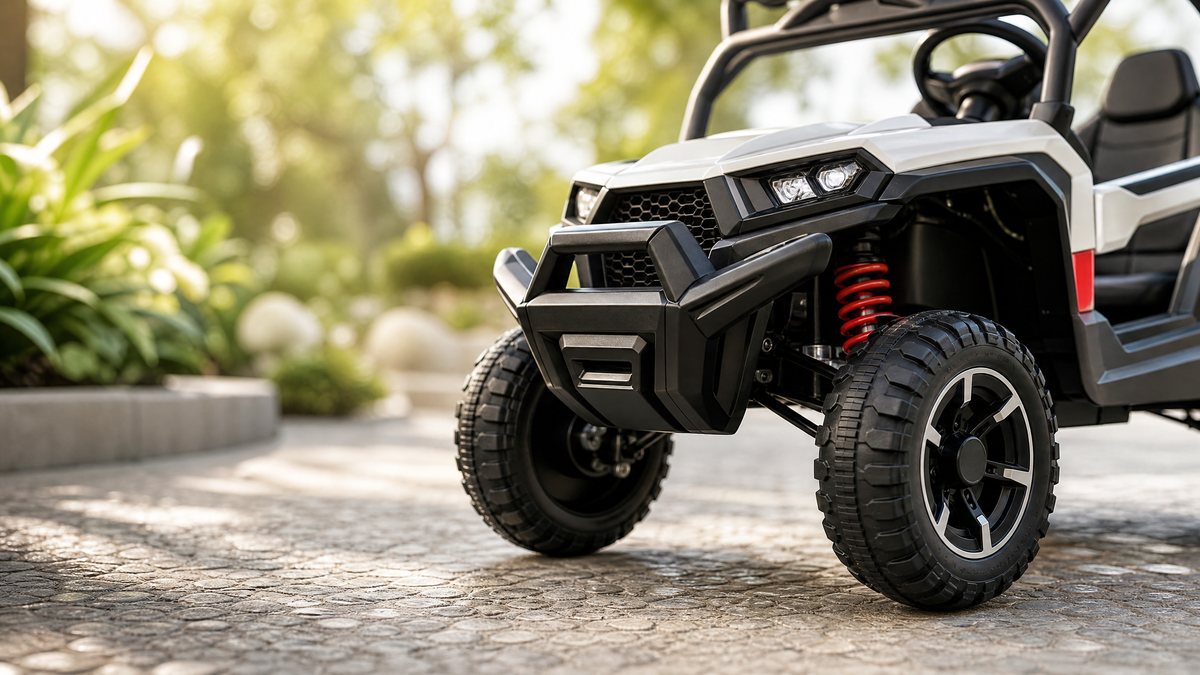
Retailers often receive inquiries regarding whether standard ride-on vehicles can handle off-road camping conditions. The answer depends heavily on the specific engineering characteristics of the model in question, such as tire construction, motor configuration, suspension damping, and ground clearance. Standard single-motor toys with hard plastic wheels are typically restricted to flat, dry, hard-packed surfaces and will struggle on soft dirt or inclines. Conversely, dual-motor or four-wheel-drive (4WD) models equipped with EVA foam or pneumatic tires and upgraded suspension systems are better suited for outdoor recreational environments, provided they are operated within manufacturer-specified limits. Adults must inspect the immediate riding area for hidden hazards, sharp stones, deep ruts, and standing water before every single riding session.
| Terrain Type | Vehicle Suitability | Operational Precautions |
|---|---|---|
| Hard-Packed Dirt / Gravel | Moderate to High (Depending on tires) | Check for loose stones that may wedge in wheel wells or cause sudden slips. |
| Grassy Meadows | Moderate | Ensure grass is dry; wet morning dew reduces traction and increases motor strain. |
| Sloped Hills / Inclines | Low to Moderate | Strictly adhere to manufacturer maximum slope ratings; avoid steep inclines entirely. |
| Mud / Sand / Wet Soil | Low | Prohibited for standard models; excessive resistance risks thermal overload on motors. |
The table above outlines key terrain classifications and their corresponding operational considerations. B2B buyers should emphasize to retail customers that pushing a toy vehicle beyond its engineered terrain limits not only risks premature mechanical wear but can also create unexpected safety hazards for young operators. Providing clear guidance on terrain matching helps reduce warranty claims and enhances overall user satisfaction.
Pre-Trip Inspection and Transport Logistics
Preparing an electric ride-on car for a camping trip involves much more than simply tossing the vehicle into the back of a truck or RV storage compartment. Transporting heavy battery-powered toys over bumpy rural highways subjects the chassis, steering linkages, and electrical connections to continuous vibration and mechanical stress. Therefore, a systematic pre-trip and post-transport inspection protocol is mandatory for every journey.
Before departure, adults should inspect the exterior body panels, wheel assemblies, and steering column for secure fastenings. All electronic accessories—such as working headlights, dashboard displays, and sound modules—should be tested while connected to a fully charged battery. During transit, the ride-on car must be securely anchored using ratchet straps or cushioned tie-downs to prevent shifting inside the transport vehicle. Direct exposure to extreme heat, such as unventilated truck beds under direct summer sunlight, can also affect battery integrity and plastic structural durability.
Upon arrival at the campsite, a second inspection must be performed prior to any riding activity. Transport vibrations can loosen wiring harnesses or wheel bolts. Checking all mechanical fasteners, ensuring remote control synchronization (if applicable), and verifying that the braking system operates smoothly are critical steps that establish a safe foundation for outdoor play. Retailers can support their commercial clients and end consumers by providing clear maintenance checklists embedded within product packaging or digital manuals, ensuring peace of mind during remote getaways.
Battery Management and Power Supply in Remote Locations
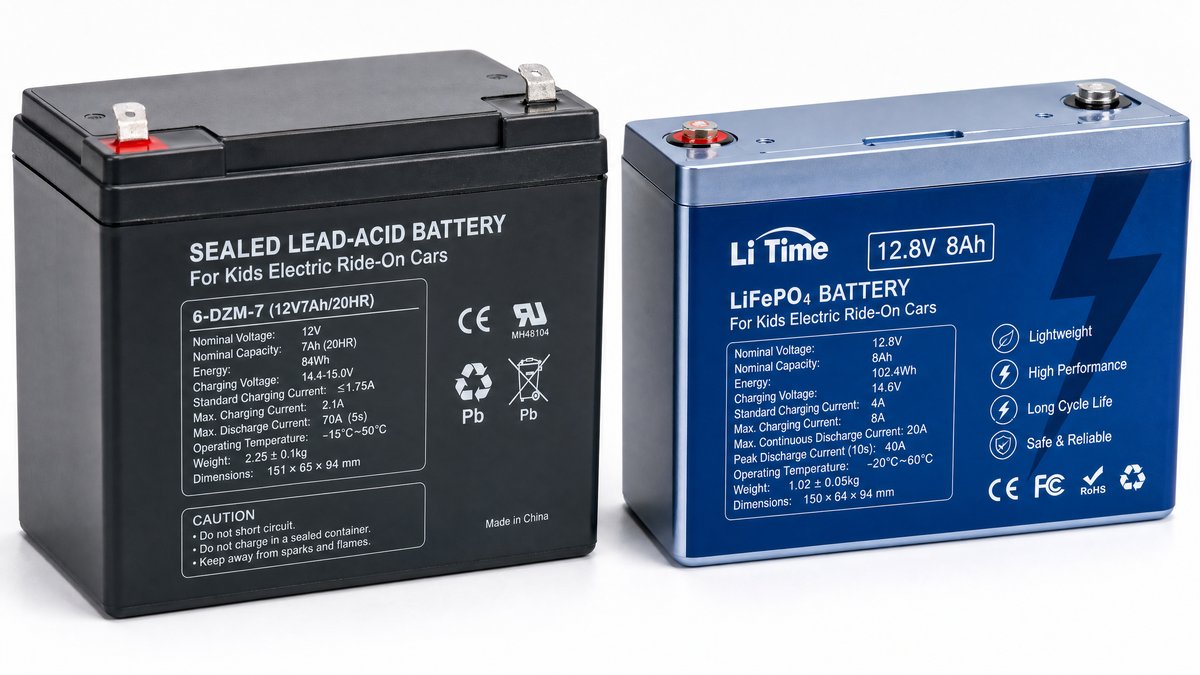
One of the most frequent challenges families encounter when taking electric ride-on cars on camping trips is managing power supply and recharging schedules in remote environments without standard electrical outlets. Most modern ride-on vehicles rely on sealed lead-acid (SLA) or lithium-ion battery packs operating at 12V, 24V, or higher voltages. Understanding how to maintain, monitor, and recharge these batteries away from home is vital for preventing battery degradation and ensuring uninterrupted recreational fun.
Camping environments often expose electronic equipment to temperature fluctuations, humidity, and dust. Cold night air can temporarily diminish battery capacity, while intense daytime heat can accelerate internal discharge. Adults must never attempt to modify electrical systems, bypass internal protection circuits, or connect unauthorized aftermarket chargers. Recharging should only take place using the official manufacturer-supplied charging unit plugged into a stable power source, such as an RV generator, campsite electrical pedestal, or certified portable power station with pure sine wave output.
Furthermore, families must monitor usage time closely. Operating a ride-on vehicle continuously on uneven camping terrain draws significantly more electrical current from the motors than cruising on a flat sidewalk. When the battery indicator drops or vehicle speed noticeably decreases, play must be concluded, and the vehicle should be powered down. Storing batteries in dry, temperate conditions inside tents or RVs overnight prevents moisture condensation from interfering with charging ports and electronic control units (ECUs). Proper maintenance routines established during camping trips extend battery lifespan significantly.
Adult Supervision and Operational Safety Protocols
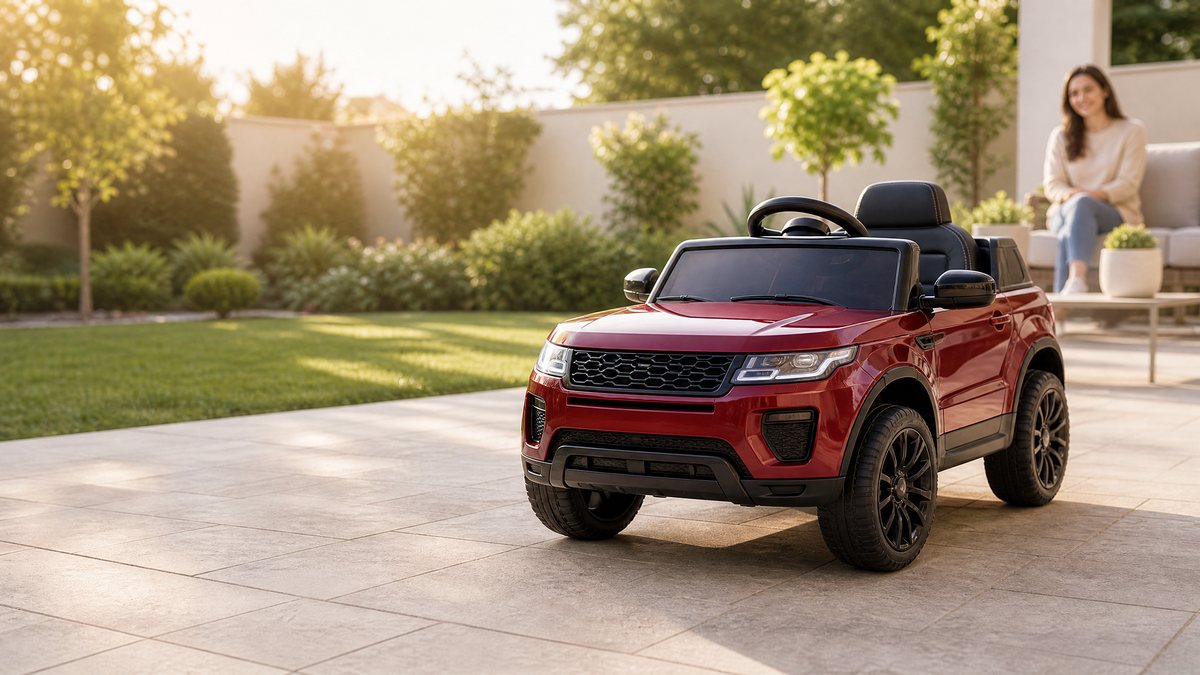
Safety in an uncontrolled outdoor environment like a campground relies fundamentally on active, attentive adult supervision. Unlike enclosed backyards or fenced playgrounds, campsites often feature shared spaces with moving vehicles, cyclists, wildlife, uneven fire pits, and bodies of water. Consequently, parents and guardians must establish strict geographical perimeters before a child begins operating an electric ride-on car.
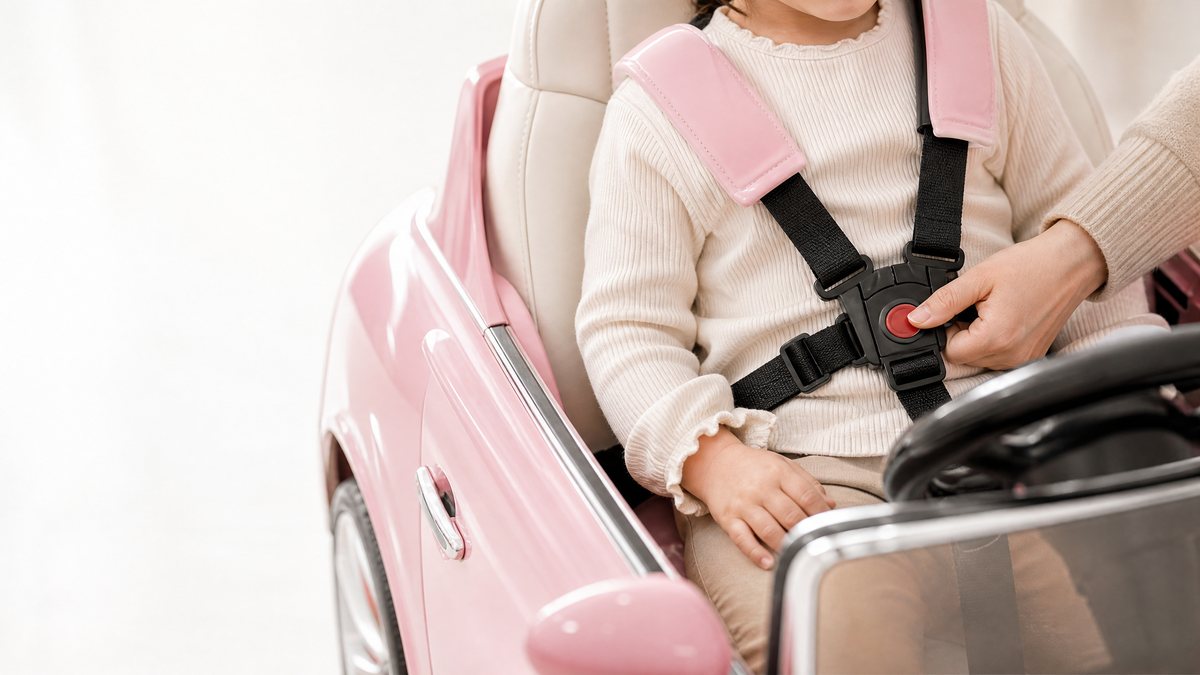
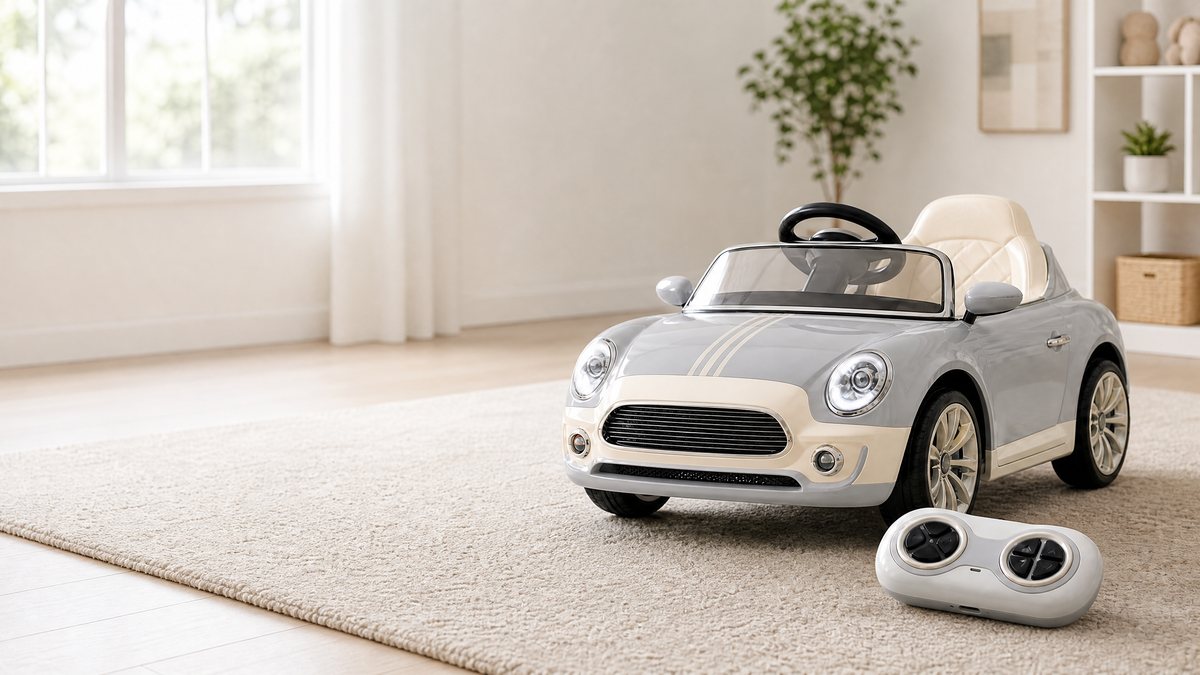
Supervision protocols must dictate clear boundaries beyond which the child is not permitted to drive. If the vehicle is equipped with a parental remote control override, the supervising adult should maintain the remote in hand during the child's initial rides, remaining within immediate stopping distance. Additionally, all operators must wear appropriate protective gear, including a certified bicycle helmet, closed-toe shoes, and comfortable clothing suitable for outdoor weather. Loose clothing, drawstrings, or long scarves must be secured to prevent entanglement in moving wheels or steering mechanisms.
Weather awareness is another vital dimension of outdoor safety. Sudden rain showers, thunderstorms, or rapidly dropping ambient temperatures require immediate cessation of riding activities. Electric ride-on cars are not waterproof devices; exposing electronic switches, motors, and battery compartments to heavy rain or deep puddles can cause electrical short circuits, permanent component failure, or hazardous sparking. If a vehicle gets wet, it must be powered off immediately, wiped down thoroughly, and allowed to dry completely in a well-ventilated area before any subsequent inspection or operation.
If you are a wholesale distributor, toy importer, or multi-channel retailer looking to stock high-durability outdoor ride-on vehicles designed for adventurous families, we invite you to connect with our commercial team. Request a wholesale quote to explore our complete catalog, compliance documentation, and competitive volume pricing structures.
FAQs on Using Ride-On Cars for Camping
Can electric ride-on cars be driven on sandy beaches or near lake shores during camping trips?
Standard electric ride-on cars are generally not designed for loose sand, wet mud, or shoreline operation. Fine sand particles can infiltrate gearboxes, jam wheel bearings, and cause severe motor overheating due to excessive rolling resistance. Families should restrict vehicle operation to firm, dry pathways, gravel tracks, and hard-packed campsite roads. Always consult the specific manufacturer manual for model-specific terrain limitations.
How should a ride-on car be recharged if the campsite lacks electricity?
If a primitive campsite has no electrical hookups, families can utilize a portable power station (solar generator) with adequate wattage capacity and a pure sine wave inverter, or charge the vehicle via an RV inverter outlet while the vehicle engine is running. Never attempt to use unverified third-party adapters or modified high-voltage connections. Always charge in a dry, shaded area under direct adult supervision.
Are children allowed to operate ride-on cars after dark at a campground?
Operating electric ride-on cars after sunset or in low-visibility conditions is strongly discouraged. Campgrounds often lack adequate overhead illumination, and unlit paths present hidden tripping and collision hazards. If a vehicle is equipped with working LED headlights as a specific feature, they are intended for decorative and dusk-transition visibility rather than night driving. Always conclude riding activities well before twilight.
What should parents do if the ride-on car encounters an electrical malfunction or stops working outdoors?
If a vehicle experiences sudden power loss, unusual motor noises, burning odors, or erratic steering while at a campsite, adults must immediately turn off the main power switch, remove the child from the vehicle, and keep all children at a safe distance. Do not attempt to open internal housings, touch battery terminals, or troubleshoot wiring in the field. Secure the vehicle and contact the manufacturer or qualified service personnel for guidance.
Conclusion and Business Opportunities for Outdoor Retailers
Integrating electric ride-on cars into family camping trips provides children with memorable outdoor adventures and encourages active, engaging play amidst natural surroundings. However, successful outdoor operation demands meticulous planning, rigorous terrain evaluation, strict adherence to battery management rules, and unwavering adult supervision. By respecting engineering limitations and prioritizing safety protocols, families can enjoy the full recreational benefits of ride-on vehicles without compromising safety or equipment integrity.
For B2B partners, distributors, and retail enterprises, offering robust, high-performance outdoor ride-on cars accompanied by clear consumer education represents a lucrative market opportunity. As consumer demand for versatile family travel toys continues to expand, aligning with a reliable manufacturing partner ensures access to compliant, premium-quality products. Request a wholesale quote today to discuss partnership terms, custom configurations, and bulk supply availability.
Official References
1. U.S. Consumer Product Safety Commission (CPSC) - Toy Safety Education and Outdoor Play Guidelines: General educational resources regarding playground and toy safety in outdoor recreational environments. Note: These general federal guidelines do not replace or supersede specific operating instructions, age gradings, or safety warnings provided in individual manufacturer user manuals.
2. ASTM International - Standard Consumer Safety Specification for Toy Safety (ASTM F963): Industry benchmarks for mechanical and electrical safety standards in children's recreational products.
3. National Recreation and Park Association (NRPA) - Outdoor Family Safety and Recreation Protocols: Best practices for managing recreational activities in public parks and campgrounds.
Official references
Explore these external resources for current regulatory and trade guidance. Confirm requirements with the relevant authority before placing an order.
Ready to Start?
Factory-Direct · CE & ASTM Certified · MOQ from 50 Units
Our export team works with buyers in 60+ countries. Get a quote within 24 hours.
KR
Written by KidsRideCar
China's leading kids electric ride-on car manufacturer. 500,000+ units shipped annually to 60+ countries. CE, ASTM & EN71 certified.