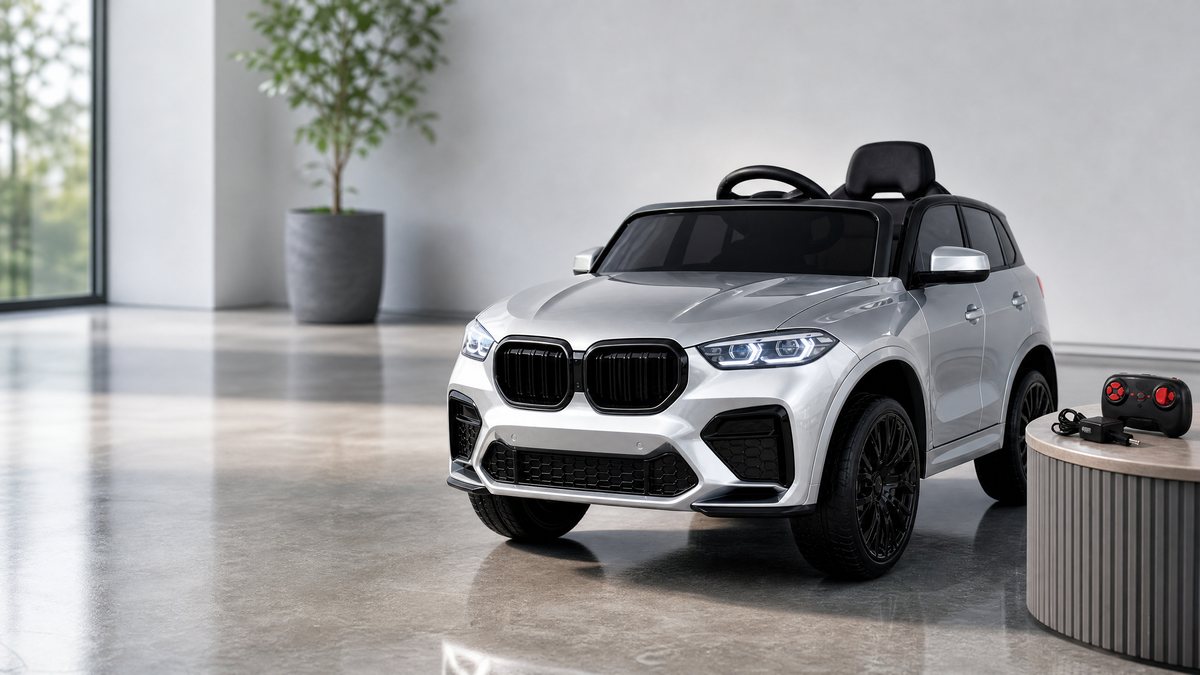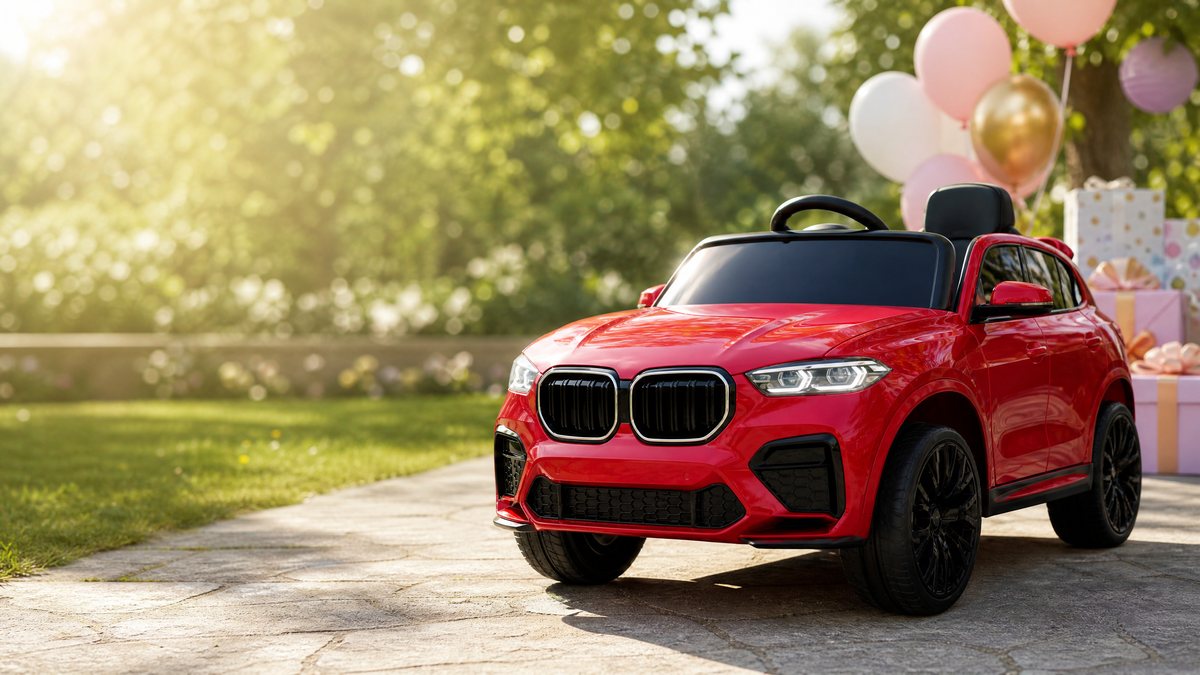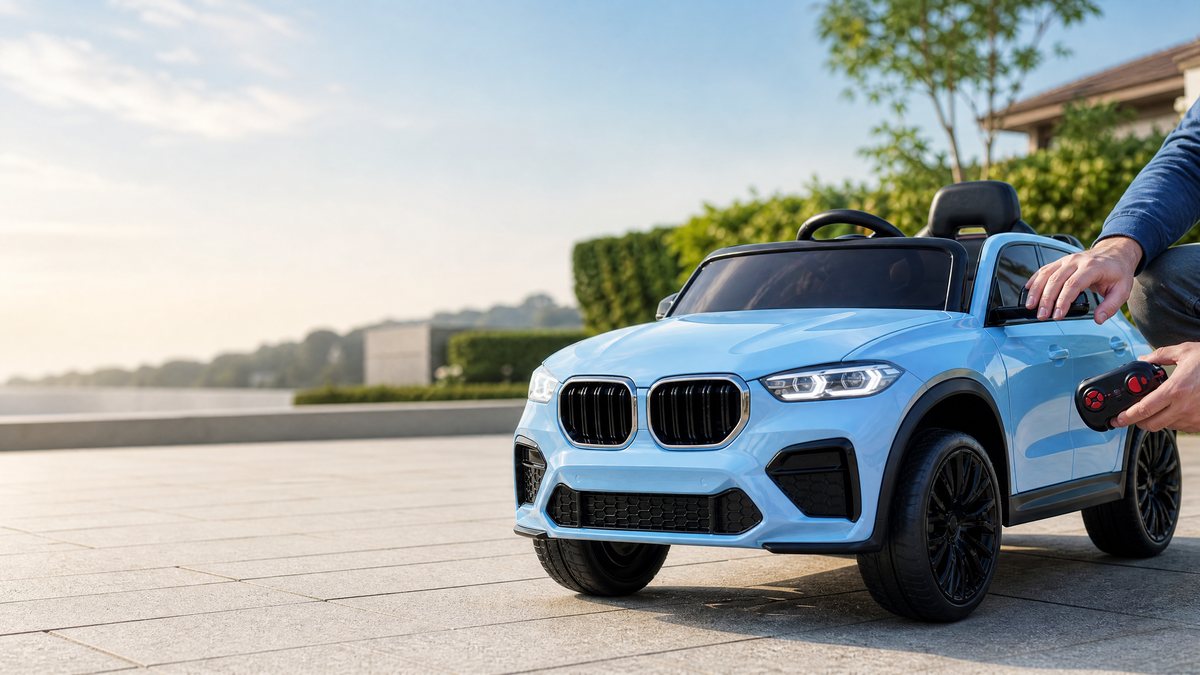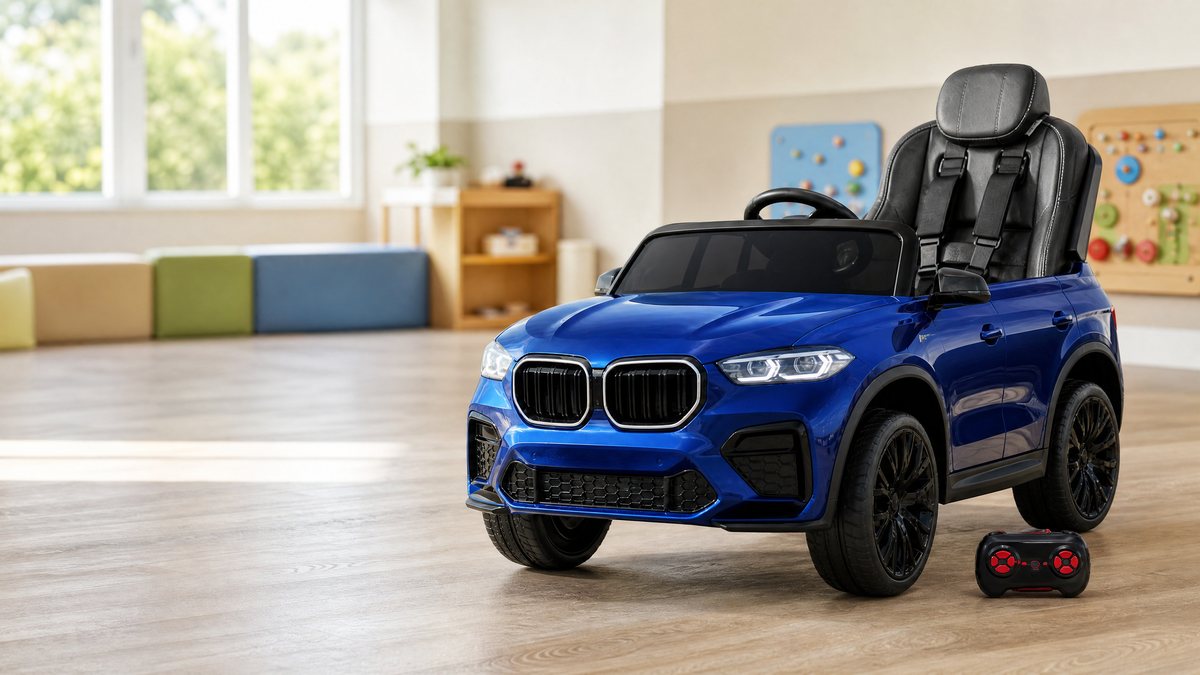
Introduction
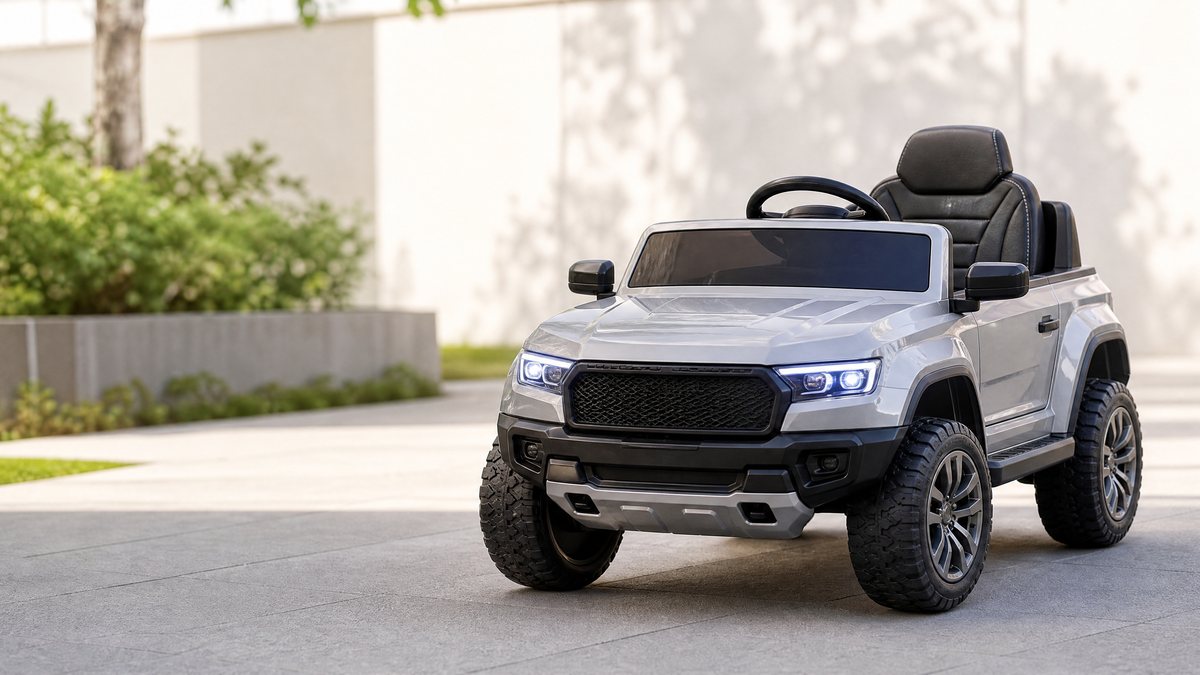
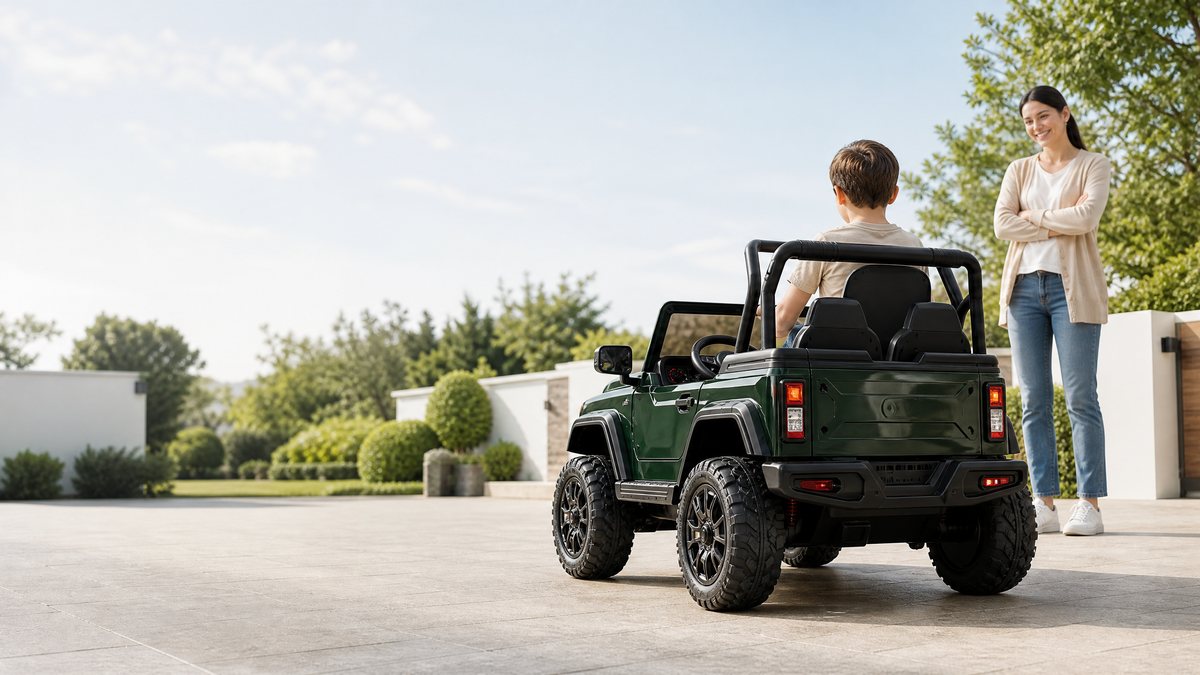
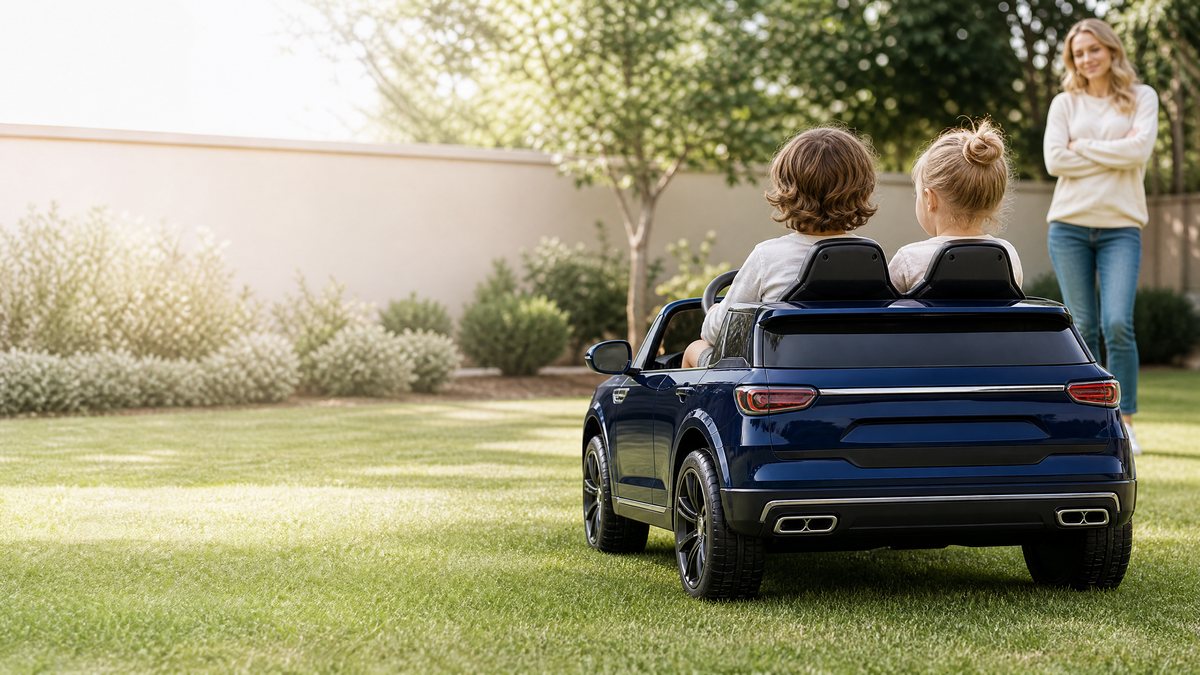
The developmental journey of childhood is filled with milestones where play intersects with cognitive and physical growth. Among the myriad toys available to young children, electric and manual ride-on cars hold a unique appeal. Beyond steering, pressing horns, and navigating driveways, these miniature vehicles offer a structured environment for introducing fundamental road safety concepts. When utilized within controlled settings and under attentive adult supervision, ride-on cars serve as an early educational bridge between recreational play and real-world pedestrian and vehicular awareness.
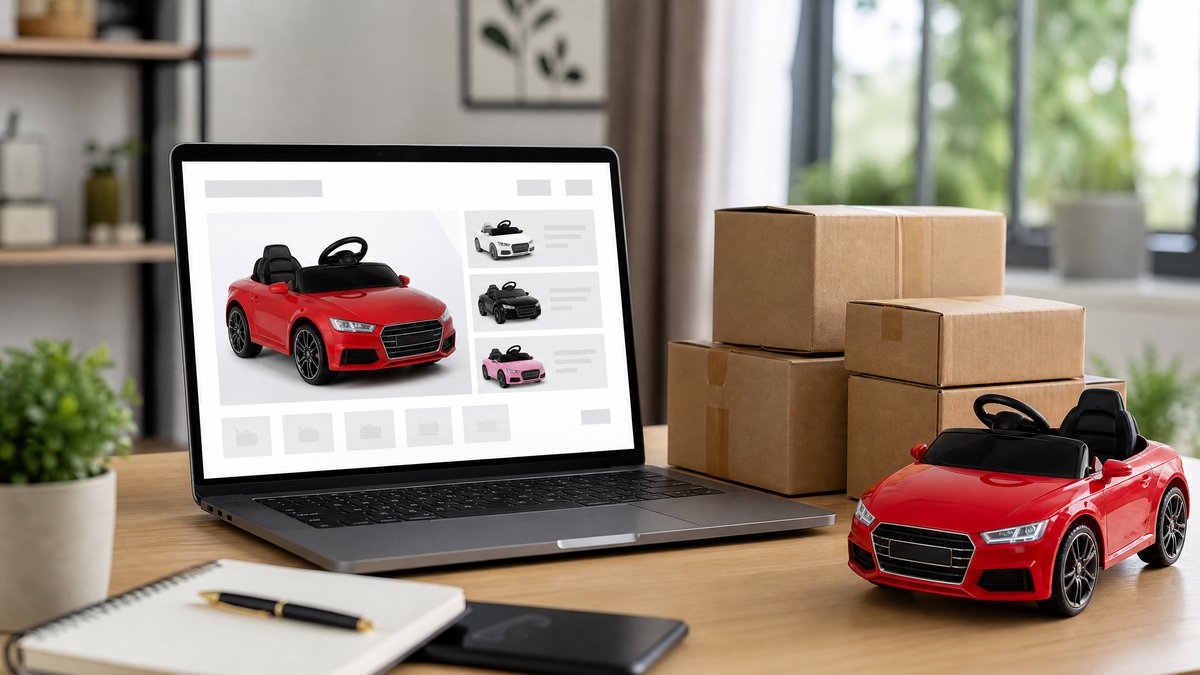
For B2B distributors, retail partners, and commercial operators such as family entertainment centers, kindergartens, and indoor play spaces, understanding the educational value of ride-on cars enhances product positioning and customer communication. Parents and educators increasingly look for toys that foster active learning, spatial intelligence, and situational awareness rather than passive entertainment. By examining how ride-on cars can be integrated into structured play frameworks, stakeholders can articulate the multifaceted benefits of these products while emphasizing safety, compliance, and adult oversight.
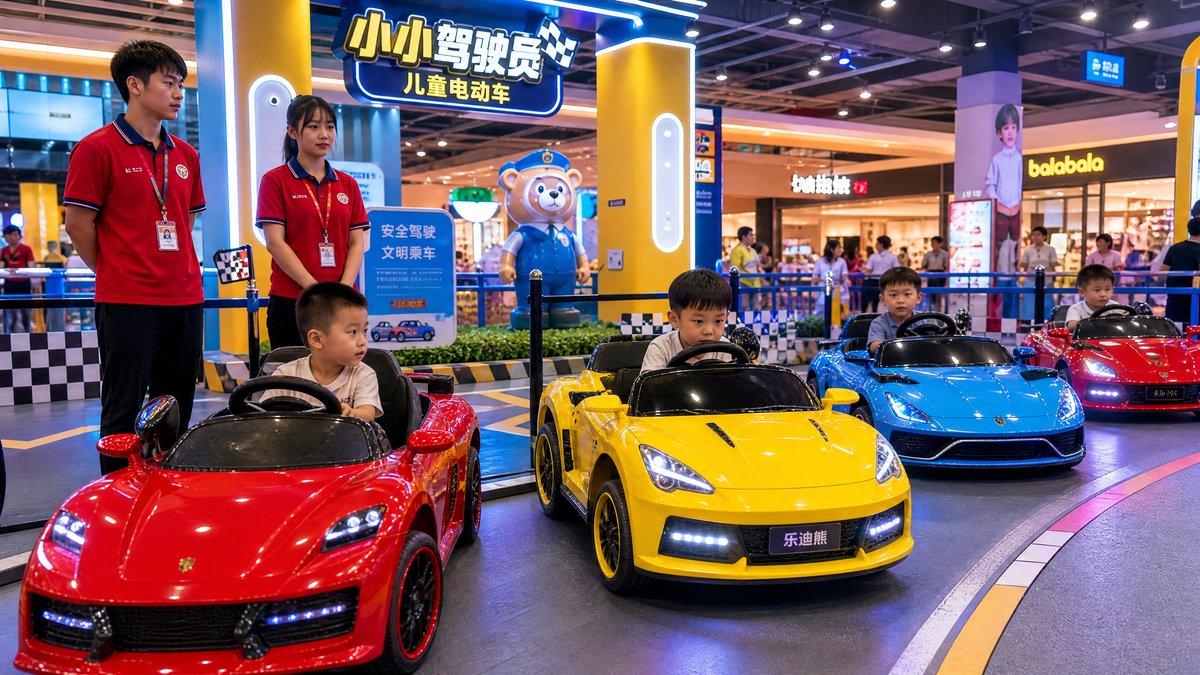
Whether deployed in a backyard or managed within a commercial rental fleet, ride-on cars provide a tangible medium through which children grasp basic directional cues, spatial boundaries, and the importance of stopping, yielding, and observing surroundings. However, because ride-on cars operate in dynamic physical environments, bridging play with safety education requires adherence to manufacturer instructions, age-appropriate guidelines, and unwavering adult supervision. This guide explores the pedagogical mechanisms behind ride-on car play, outlines structured approaches to teaching early road safety, evaluates key safety features, and provides essential considerations for wholesale buyers.
If you are a distributor, retailer, or commercial facility operator looking to source high-quality, compliance-verified ride-on cars equipped with robust safety features, Request a wholesale quote to connect with our expert team today.
The Developmental Value of Controlled Driving Play
Before children comprehend complex traffic laws or negotiate real-world intersections, they must develop foundational sensorimotor skills, hand-eye coordination, and spatial awareness. Ride-on cars engage multiple sensory and motor pathways simultaneously, creating a rich learning environment that supports early childhood development.
Motor Skills and Spatial Reasoning
Operating a ride-on vehicle requires children to synchronize visual inputs with physical actions. Turning a steering wheel to navigate around obstacles, pressing an accelerator pedal to move forward, and lifting the foot to brake all contribute to fine and gross motor refinement. Furthermore, spatial reasoning is enhanced as children judge distances, maneuver through narrow pathways, and estimate turning radii.
Unlike static toys, ride-on cars place the child in an active decision-making role. Every movement yields immediate feedback from the physical environment. If a child turns the steering wheel too late, they encounter a boundary, helping them intuitively understand inertia, momentum, and spatial limitations. These physical lessons form the cognitive foundation upon which later road safety understanding is built.
Independence and Decision-Making within Boundaries
Child development experts emphasize the importance of guided autonomy—allowing children to make choices while operating within clearly defined safety boundaries. Ride-on cars provide an ideal canvas for this type of learning. When children control the movement of a vehicle, they experience a sense of independence and agency that boosts confidence.
However, this independence must be balanced with external regulation. Parents and caregivers establish boundaries—such as staying within a fenced yard, avoiding slopes, or stopping at designated chalk lines on a driveway. This dynamic mirrors the real-world relationship between drivers and traffic regulations: freedom of movement governed by universal rules designed to protect all participants.
Introducing Core Traffic Concepts Through Structured Play
Transforming recreational ride-on car sessions into educational opportunities does not require formal classroom lectures. Instead, young children learn best through experiential play, role-playing, and consistent routines established by adults. By creating a mini-traffic environment in a controlled space, caregivers can introduce fundamental road safety principles naturally.
Stop, Go, and Yield: Establishing Foundational Cues
The most basic premise of road safety is the ability to stop on command. Caregivers can use ride-on cars to instill this habit by incorporating visual markers, such as portable stop signs or painted chalk lines on smooth asphalt.
1. Stop Signs and Lines: Instruct the child to bring the ride-on car to a complete halt whenever they reach a designated line or sign. This builds muscle memory for stopping and encourages observational scanning before resuming movement.
2. Pedestrian Awareness: Setting up imaginary crosswalks using cones or tape helps children recognize pedestrian rights-of-way. Caregivers can act as pedestrians crossing the path, teaching young drivers to yield and wait patiently.
3. Directional Flow: In group play settings, establishing a one-way driving circuit prevents collisions and teaches children to follow directional arrows, mirroring multi-lane roadway organization.
Managing Speed and Environmental Awareness
Even low-speed electric ride-on cars possess momentum that requires management. Children must learn that driving speed should be adjusted based on environmental conditions.
- Clear Paths vs. Obstacles: Encourage children to slow down when navigating around toys, pets, or outdoor furniture.
- Surface Transitions: Explain that grass, gravel, and smooth concrete alter how a vehicle behaves, requiring heightened attention and adjusted control inputs.
- Auditory Awareness: Remind young drivers to listen for surrounding sounds, such as a parent's voice or approaching household activity, reinforcing the principle that safe driving involves both sight and sound.
Essential Safety Equipment, Supervision, and Operational Boundaries
While educational play fosters valuable cognitive and motor skills, safety remains the overriding priority. Ride-on cars are recreational items, not certified transportation devices, and their safe operation depends entirely on proper preparation, protective gear, and continuous adult oversight.
The Imperative of Active Adult Supervision
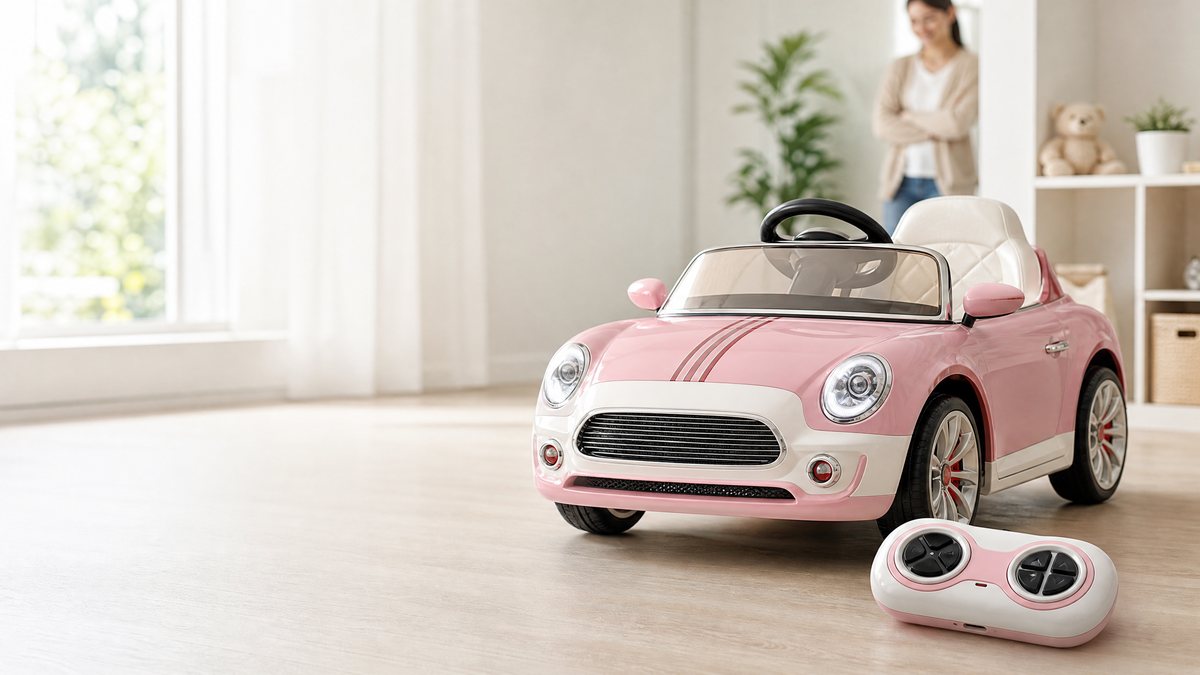
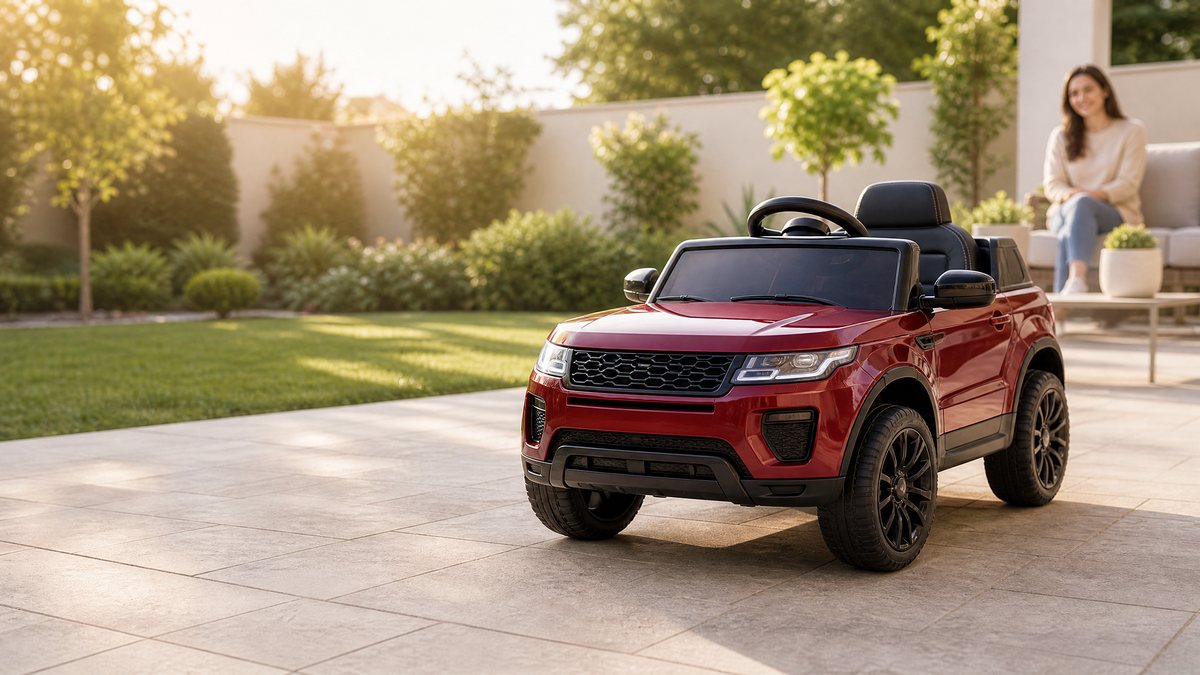
No technological feature—whether parental remote control, automatic braking, or speed limiting—can replace active, attentive adult supervision. Adults must remain in close proximity, maintaining visual and auditory contact with the operating child at all times.
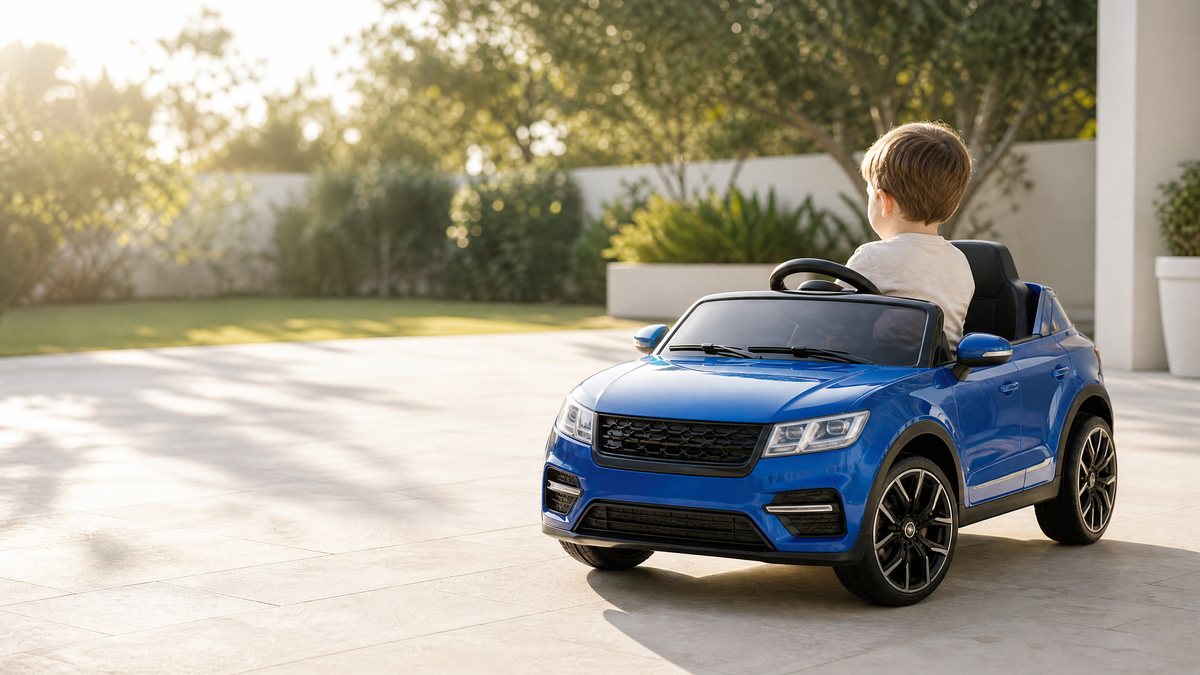
- Boundary Enforcement: Caregivers should strictly define the operational zone (e.g., a flat, enclosed backyard or a smooth, traffic-free driveway) and ensure the child never ventures beyond these limits.
- Prohibited Terrains: Ride-on cars must never be operated near swimming pools, bodies of water, steep inclines, uneven terrain, public roadways, or driveways with vehicular traffic.
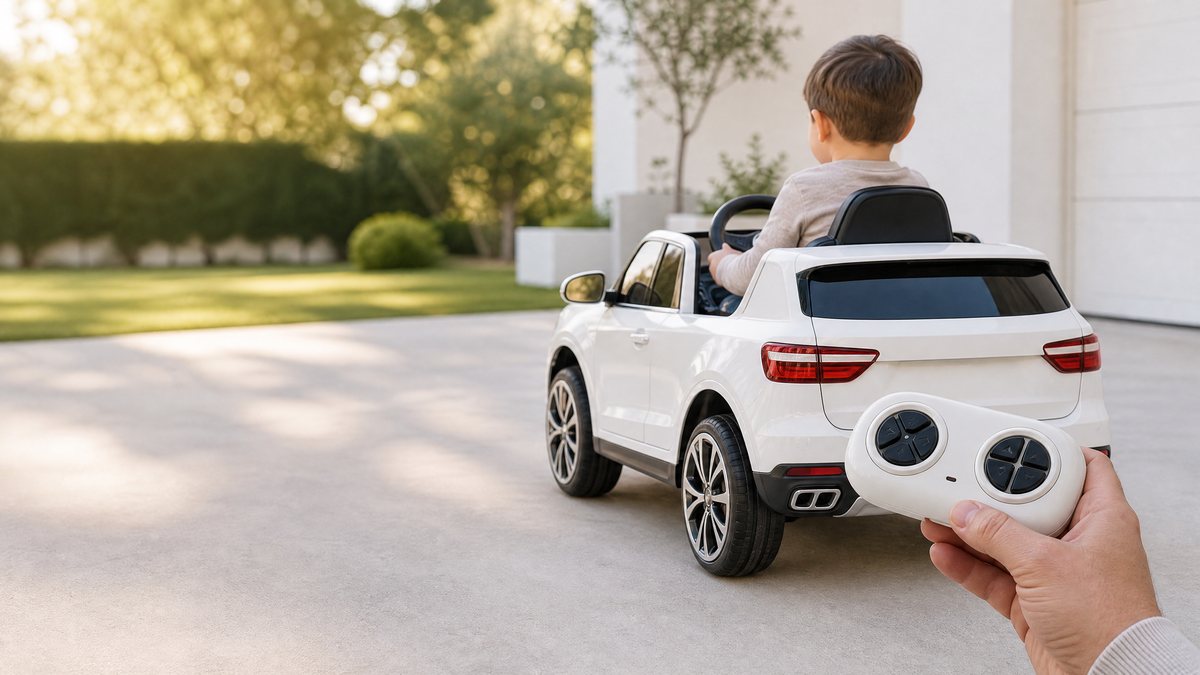
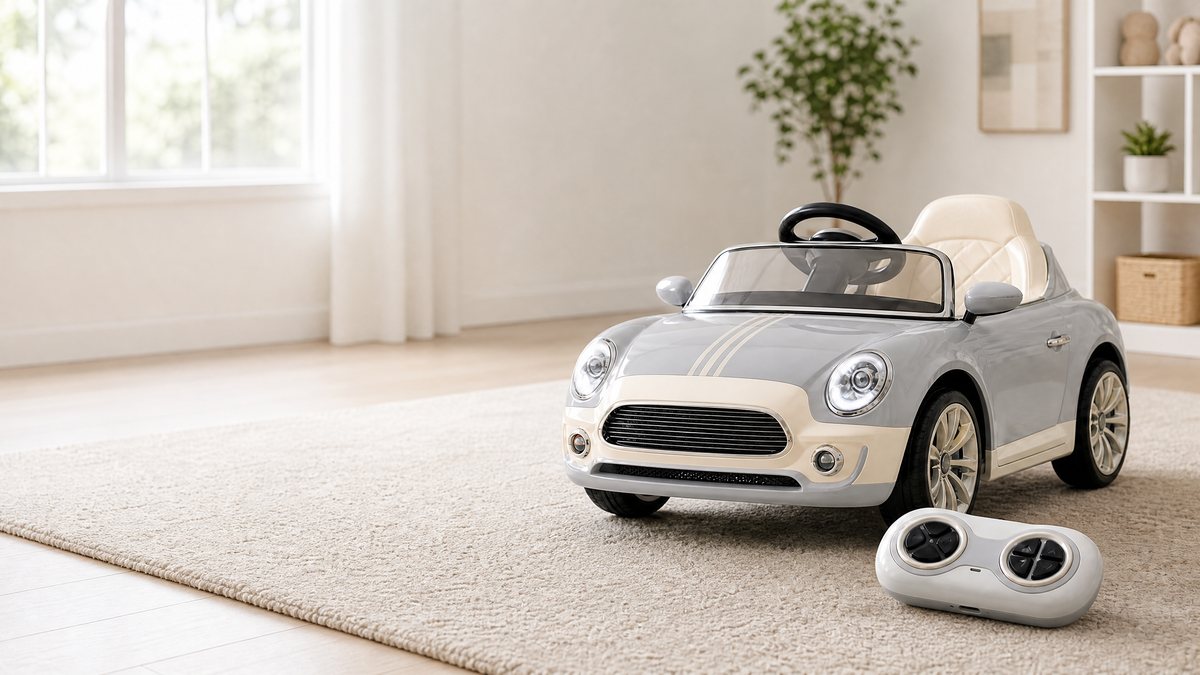
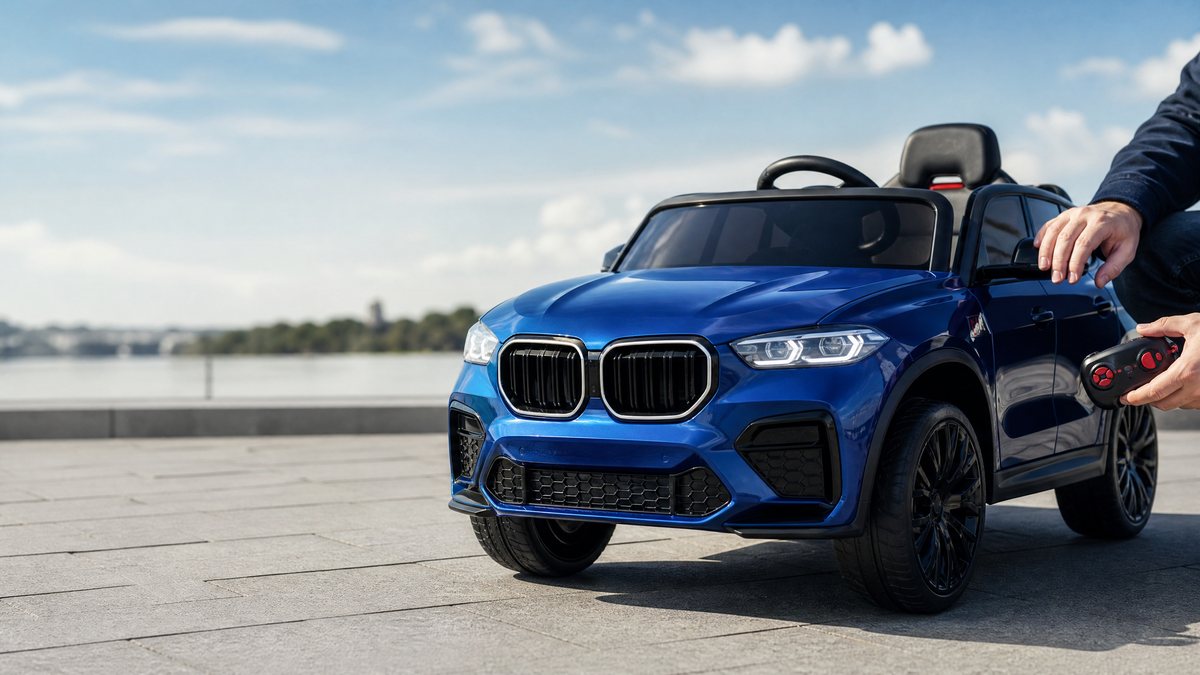
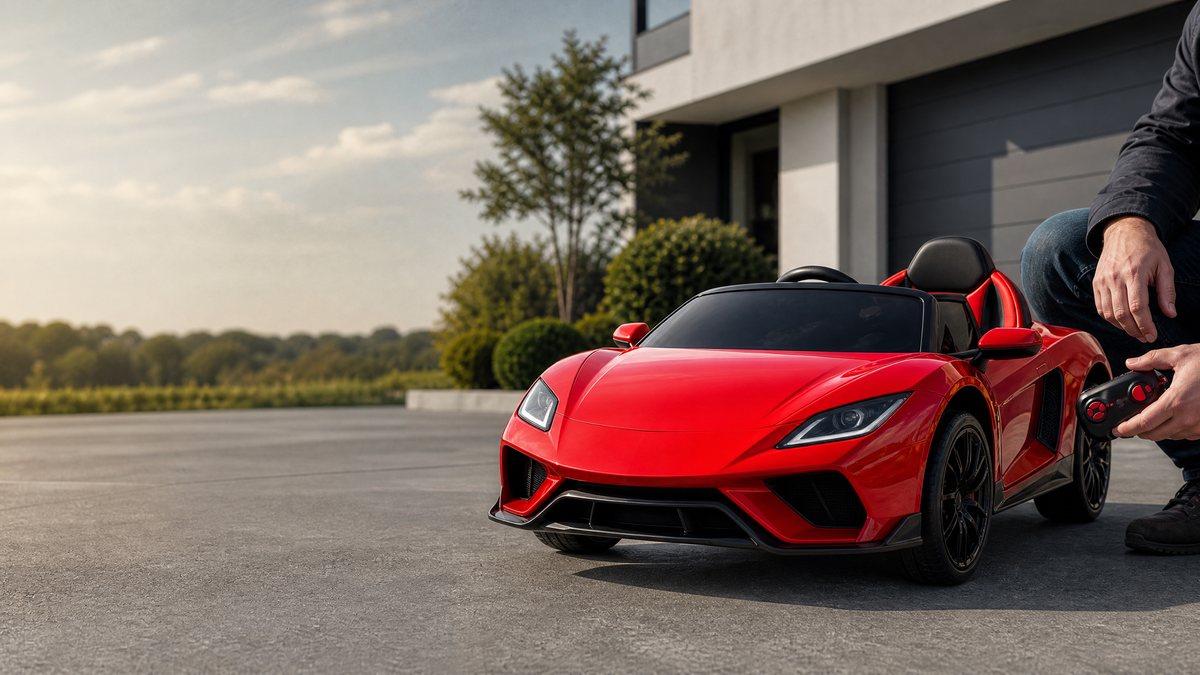
- Intervention Readiness: When utilizing models equipped with parental remote controls, supervising adults should keep the remote accessible and be prepared to override vehicle operation instantly if an obstacle or hazard appears.
Protective Gear and Vehicle Maintenance Guidelines
Proper preparation extends to physical equipment and routine maintenance checks.
| Safety Element | Best Practice / Requirement | Operational Note |
|---|---|---|
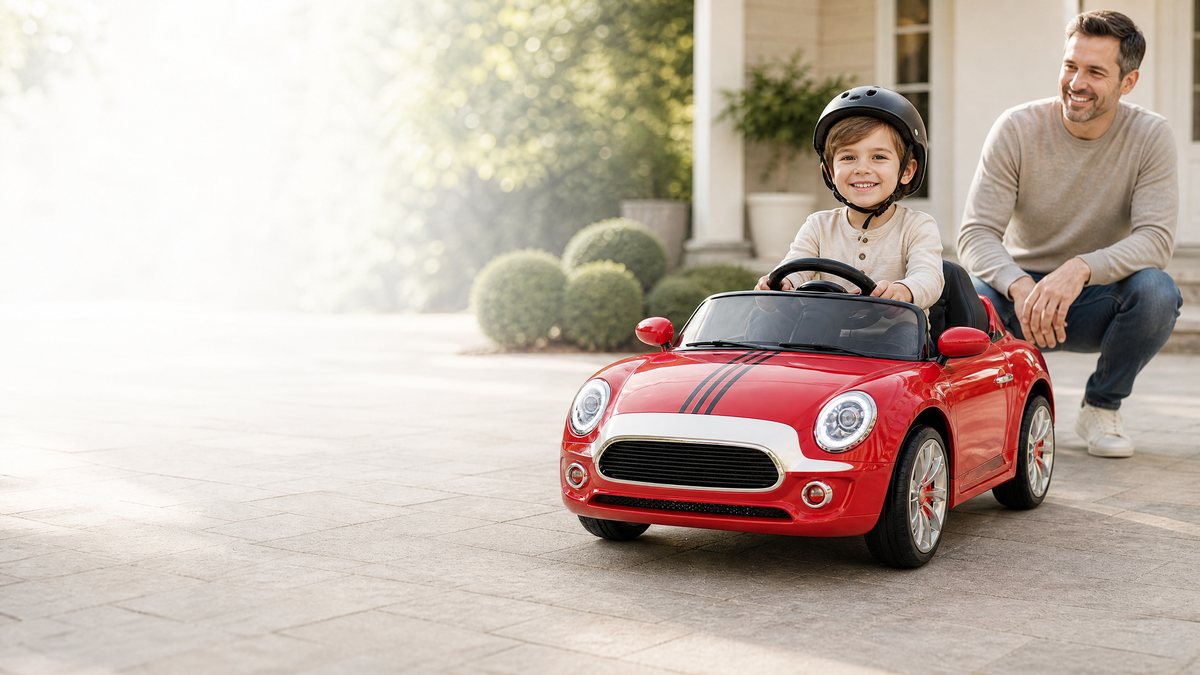
| Head Protection | Properly fitted bicycle helmet | Must be worn securely fastened during every ride-on session to mitigate head injury risks in case of a tip-over. |
| Footwear | Closed-toe shoes with slip-resistant soles | Prevents foot slippage from pedals and protects feet during mounting, dismounting, or foot-to-floor propulsion. |
| Pre-Ride Inspection | Visual and mechanical check by an adult | Verify steering integrity, wheel attachment, battery cover security, and general structural soundness before use. |
| Environmental Check | Weather and surface verification | Avoid operating on wet surfaces, in heavy rain, or during low-light conditions to maintain traction and visibility. |
In the event of any operational anomaly—such as unusual odors, smoke, abnormal heating, fluid leaks, water ingress, exposed wiring, damaged charging plugs, erratic braking, or persistent electrical faults—users must immediately cease operation, power off the vehicle, keep children away, and contact the manufacturer or a qualified service professional. Never attempt internal repairs or modifications.
Comparative Evaluation: Selecting Ride-On Cars for Safety and Learning
When sourcing or purchasing ride-on cars for educational play, retail inventory, or commercial fleet deployment, buyers must evaluate vehicles based on safety integration, control mechanisms, and build quality. The following comparison highlights how different ride-on categories serve various developmental stages and operational requirements.
| Ride-On Category | Primary Control Mechanism | Safety & Educational Integration | Target Suitability & Sourcing Considerations |
|---|---|---|---|
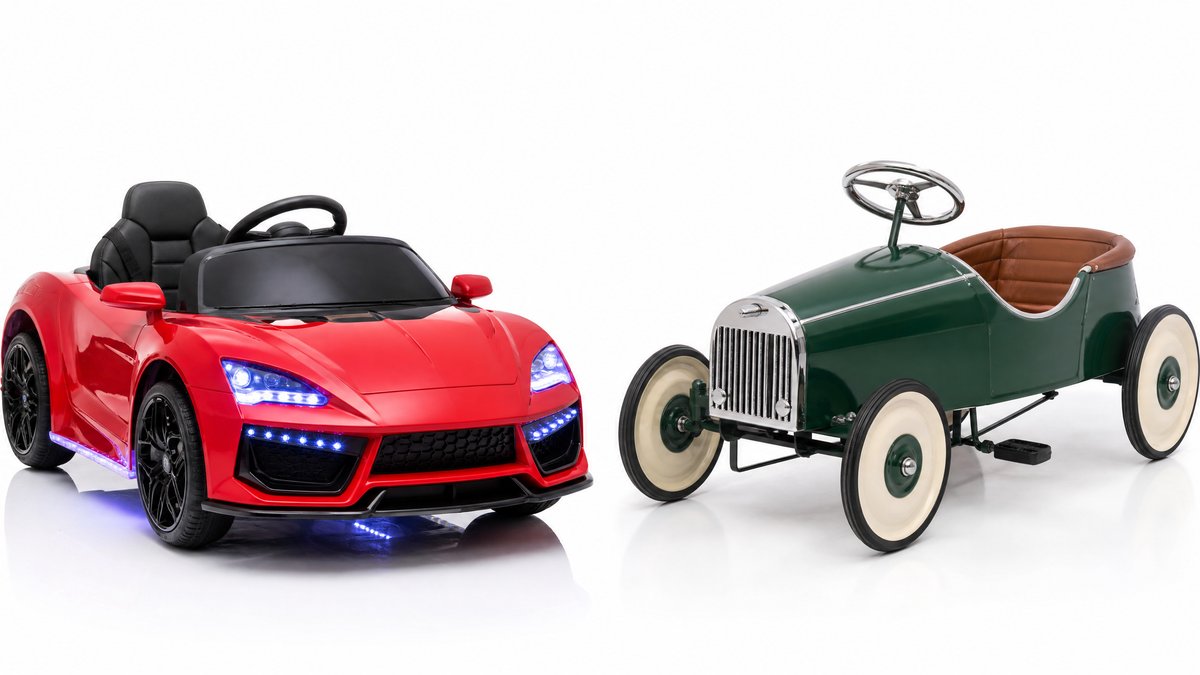
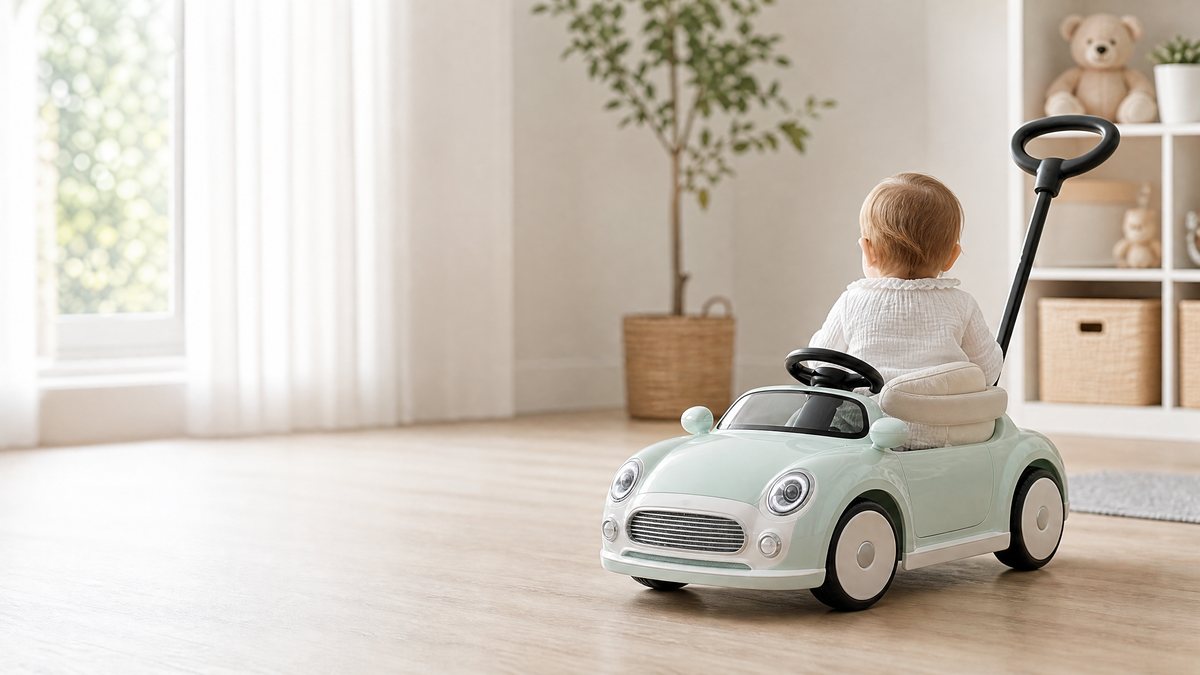
| Foot-to-Floor Push Cars | Child-propelled via feet | Excellent for core muscle development and natural speed control; highly predictable. | Ideal for younger toddlers; simple mechanics require minimal maintenance for commercial play areas. |
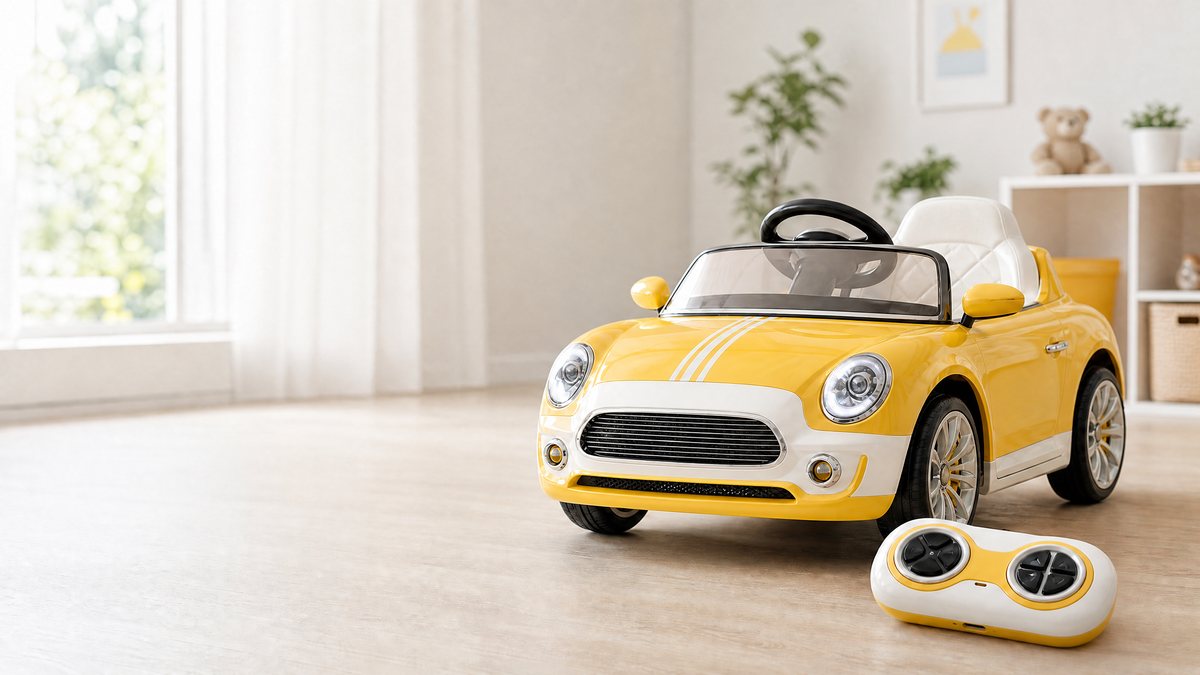
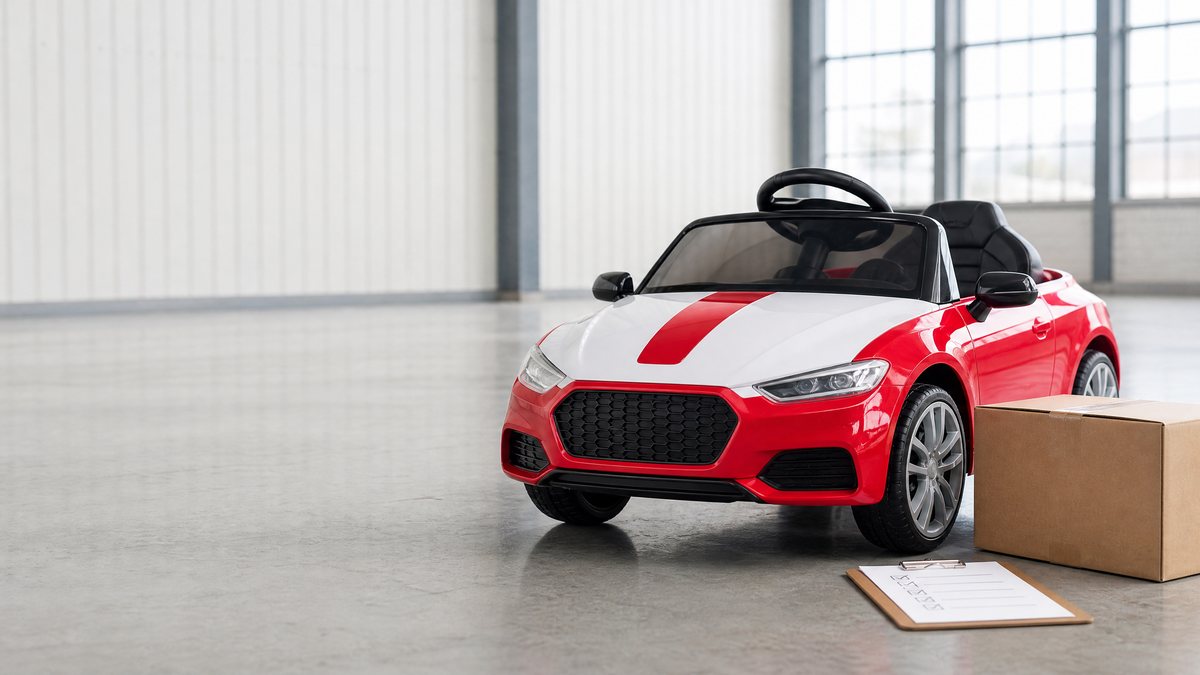
| Electric Ride-Ons with Remote Override | Child pedal/steering + 2.4G parental remote | High safety control; allows adults to steer or stop remotely while teaching the child. | Highly popular for retail and rental fleets; provides graduated learning from remote-assisted to independent driving. |
| Low-Speed Multi-Motor Electric Cars | Direct child operation (fixed low speed) | Moderate-to-high; features like soft-start acceleration prevent sudden jolts. | Suitable for older children within controlled environments; requires robust structural integrity and clear rating plates. |
Regardless of the category chosen, all purchasing and operational decisions must strictly adhere to the manufacturer's rated nameplate specifications, user manuals, and written documentation.
B2B Sourcing and Commercial Deployment Considerations
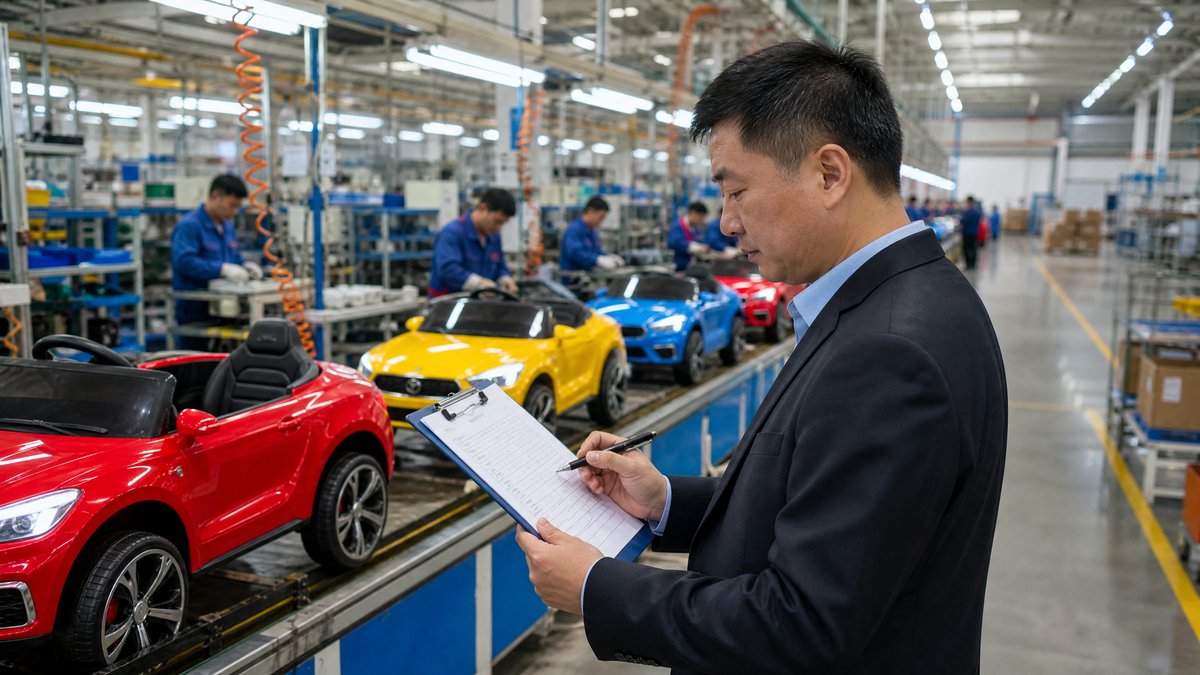
For wholesale buyers, toy distributors, kindergartens, and family entertainment center operators, incorporating educational ride-on cars into commercial inventories or facility programs represents a strategic opportunity. Modern B2B clients demand products that combine high play value, robust durability, and uncompromising safety compliance.
Evaluating Manufacturer Compliance and Build Quality
When building a wholesale catalog or procuring a commercial fleet, buyers should prioritize manufacturers that provide transparent documentation and adhere to recognized international toy safety standards (such as ASTM F963, EN71, or equivalent regional frameworks). Key physical attributes to verify include:
- Impact-Resistant Body Materials: High-grade ABS plastics that resist cracking and withstand intensive commercial use.
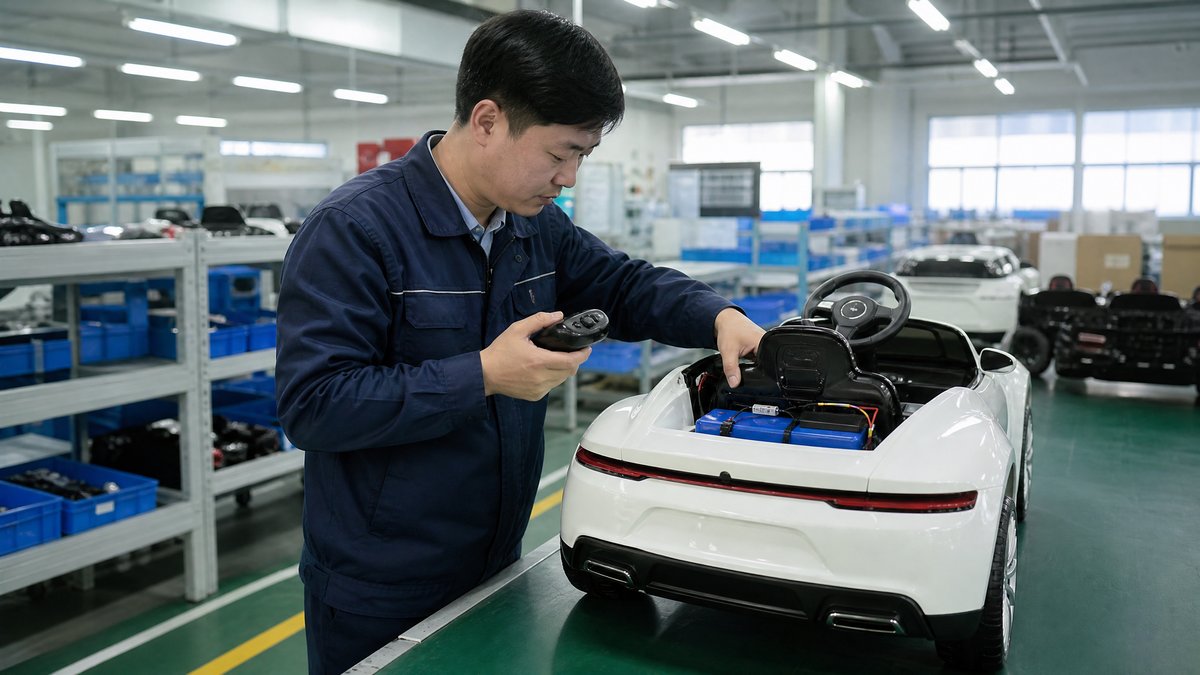
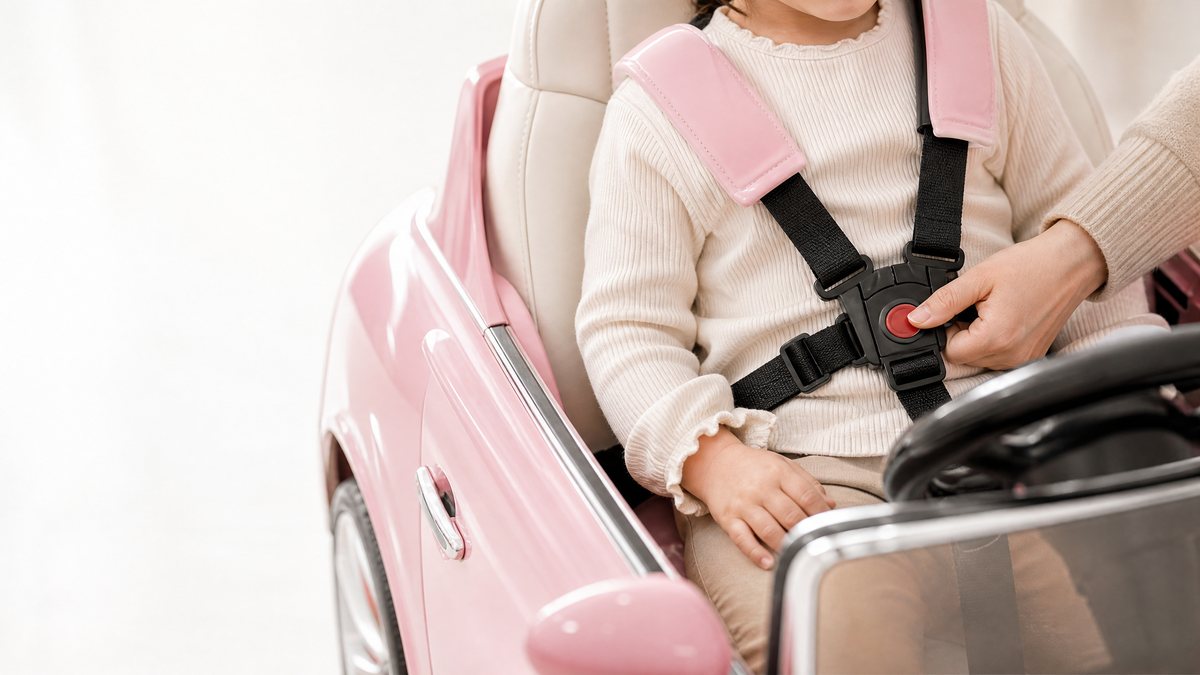
- Secure Electrical Architecture: Enclosed wiring harnesses, protected battery compartments, and accessible thermal fuses that prevent unauthorized access to internal electronics.
- Smooth Acceleration Systems: Soft-start technology that prevents abrupt jerking when the accelerator is engaged, protecting young riders from sudden whiplash.
- Reliable Braking Systems: Automatic motor braking or spring-loaded brake engagement upon pedal release, ensuring predictable stopping behavior.
By partnering with experienced manufacturers who prioritize structural safety and clear user documentation, commercial buyers can deliver superior value to end-users while mitigating liability risks.
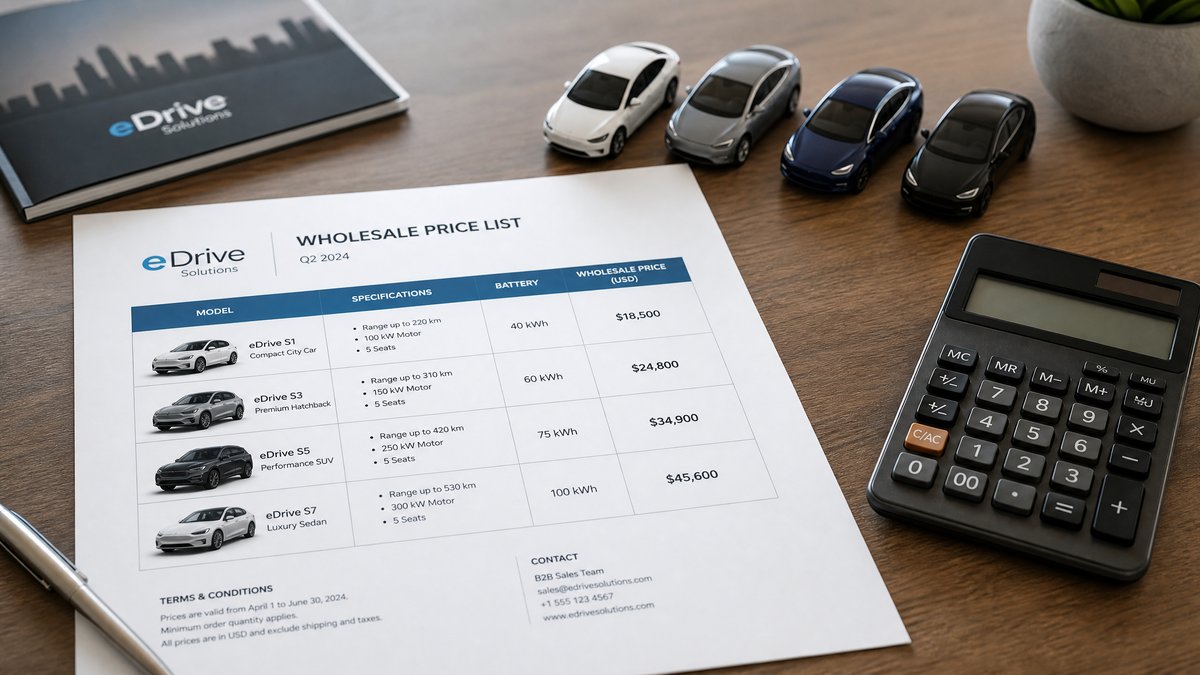
To discuss wholesale catalog options, volume pricing, and custom specifications for your business, Request a wholesale quote today.
Frequently Asked Questions (FAQ)
Supervision and Operational Boundaries
Q: Can children operate ride-on cars unsupervised in a fenced backyard?
A: No. Continuous adult supervision is required regardless of fencing. Fences provide physical boundaries, but attentive oversight is essential to monitor weather, surface hazards, and safe handling.
Q: What should I do if a ride-on car exhibits unusual behavior or smoke?
A: Immediately turn off the vehicle, remove the child from the area, disconnect power if safe, and cease use. Contact the manufacturer or qualified service professional. Never attempt internal disassembly.
Safety Features and Technical Specifications
Q: Do all electric ride-on cars include parental remote override?
A: No. Remote control features vary by model. Review individual product manuals and nameplate specifications to confirm unit capabilities.
Q: Are ride-on cars considered certified transportation devices?
A: No. Ride-on cars are recreational toys and are never to be operated on public roads or near traffic. CPSC educational materials emphasize that general toy safety guidelines do not replace specific vehicle manuals.
Developmental and Educational Usage
Q: How do ride-on cars contribute to spatial awareness?
A: Operating a ride-on vehicle requires children to judge distances, navigate obstacles, and understand turning radiuses through direct physical feedback, supporting sensorimotor development.
Q: Can ride-on cars be used as therapeutic tools for special needs?
A: Ride-on cars may support supervised play and motor skill engagement, but are not medical treatments. Consult healthcare professionals regarding individual circumstances; never make unapproved modifications.
Wholesale and Commercial Procurement
Q: What documentation should B2B buyers request for ride-on fleets?
A: Request complete product specifications, user manuals, compliance documentation (such as toy safety test reports), and warranty terms directly from the manufacturer.
Q: How should commercial operators handle maintenance?
A: Establish routine maintenance covering daily visual inspections, wheel and steering integrity, charger inspections, and adherence to charging protocols. Never modify internal circuitry.
Conclusion
Ride-on cars offer far more than simple entertainment; when integrated into structured play environments with attentive adult supervision, they serve as powerful practical tools for introducing young children to spatial awareness, basic directional rules, and early road safety concepts. By combining active physical engagement with clear operational boundaries, caregivers and educators help children build foundational motor skills and situational awareness safely.
For B2B distributors, retailers, and commercial facility operators, offering well-constructed, compliance-verified ride-on cars meets the growing demand for toys that blend developmental value with robust safety engineering. Stakeholders must always rely on manufacturer documentation, adhere to rigorous safety protocols, and prioritize active oversight.
To explore our complete range of wholesale ride-on cars and partnership opportunities, Request a wholesale quote to get started today.
Official References
1. U.S. Consumer Product Safety Commission (CPSC): General Toy Safety Education and Consumer Guidance. (Note: General safety education materials serve as supplementary guidance and do not replace specific manufacturer instructions, rated nameplate specifications, or model-certified user manuals).
2. International Toy Safety Standards (ASTM F963 / EN71): Mechanical and electrical safety requirements for children's toys and motorized ride-on products.
3. Child Development and Play Research: Academic and developmental insights regarding sensorimotor skill acquisition, guided autonomy, and spatial reasoning through structured active play.
Official references
Explore these external resources for current regulatory and trade guidance. Confirm requirements with the relevant authority before placing an order.
Ready to Start?
Factory-Direct · CE & ASTM Certified · MOQ from 50 Units
Our export team works with buyers in 60+ countries. Get a quote within 24 hours.
KR
Written by KidsRideCar
China's leading kids electric ride-on car manufacturer. 500,000+ units shipped annually to 60+ countries. CE, ASTM & EN71 certified.