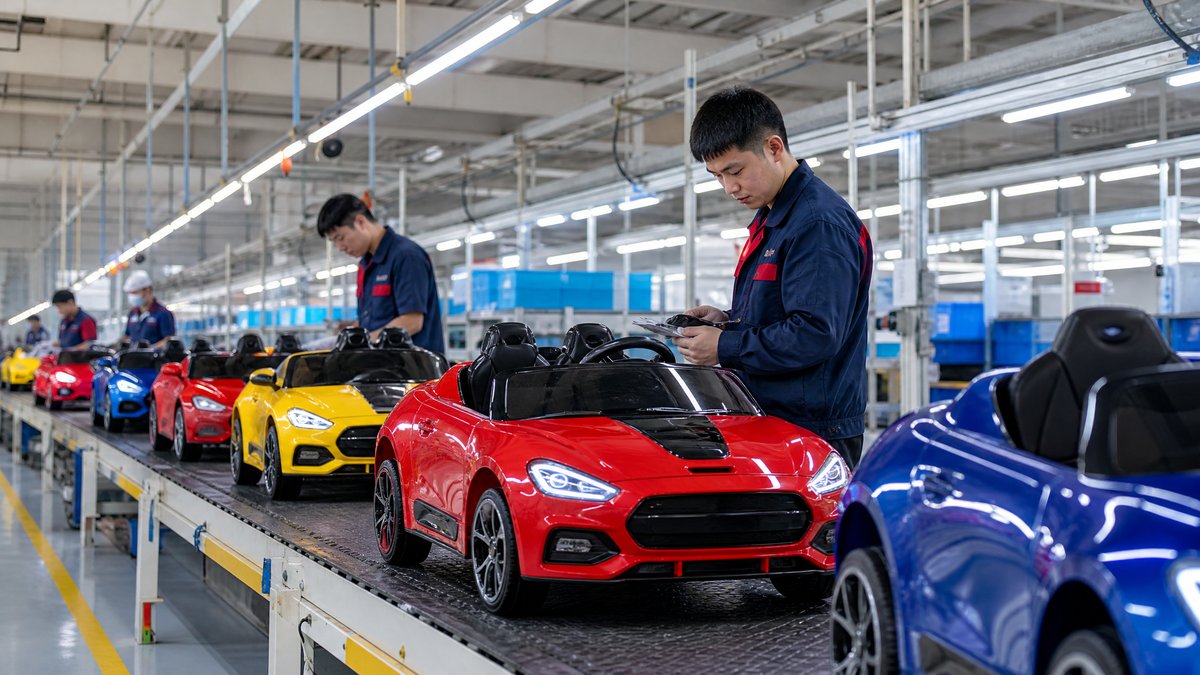
In the global B2B marketplace, sourcing children's electric ride-on cars presents a unique set of challenges for importers and wholesalers. These products are not simple toys; they are complex electromechanical systems that integrate power management, structural engineering, and sophisticated electronics. Consequently, the success of a sourcing operation is rarely determined by the initial price quote alone. Instead, the most reliable predictor of long-term success and brand protection is the quality of a manufacturer's communication. Professional communication serves as the essential bridge between a buyer's specific requirements and the final product's performance in a competitive market.
Effective communication is multi-faceted, reflecting a factory's technical depth, organizational maturity, and commitment to transparency. For an overseas buyer, the ability to audit these communication traits before placing a significant order is a critical component of risk mitigation. Misunderstandings regarding technical specifications, safety standards, or logistical timelines can lead to severe consequences, including customs delays, inventory shortages, or regulatory challenges. Therefore, establishing a robust framework for evaluating factory communication is an essential prerequisite for any professional sourcing strategy.
This comprehensive guide is designed to help B2B buyers navigate the complexities of factory evaluation by focusing on technical literacy, regulatory transparency, and proactive problem-solving. By identifying manufacturing partners who are not only capable of producing high-quality goods but are also equipped to support the dynamic needs of a global supply chain, importers can build a more resilient and profitable business. In the following sections, we will explore the specific indicators of professional communication and provide actionable strategies for auditing potential suppliers before a formal partnership is established.
## The Strategic Value of Communication in B2B Sourcing
In high-volume B2B transactions, communication is a strategic asset influencing the product lifecycle. Clarity and accuracy from a manufacturer impact a buyer's ability to manage inventory and meet expectations. A factory prioritizing clear communication demonstrates a professional culture reflected in their manufacturing and quality control.
Professional communication reduces operational uncertainty. In the ride-on car sector, where products involve complex assembly, minor documentation discrepancies can lead to disruptions. If a manufacturer fails to communicate component changes or schedule shifts, the buyer faces local market challenges. By partnering with transparent suppliers, importers build resilient supply chains capable of adapting to unforeseen issues.
Communication quality indicates a factory's digital maturity and administrative efficiency. Manufacturers using structured protocols, such as integrated project management or professional documentation standards, are better equipped for large-scale orders and complex logistics. This results in fewer errors, accurate shipment tracking, and streamlined regulatory compliance. Evaluating a factory's communication is an investment in the long-term stability of the sourcing operation.
## Auditing Technical Fluency in Power Systems and Safety
Evaluating a ride-on car manufacturer requires assessing their ability to communicate technical information. Ride-on cars are defined by power systems, including motors, batteries, and electronic controllers. A professional manufacturer explains these nuances without vague generalizations. Buyers should look for a deep understanding of how components interact for safety and performance.
When discussing battery technology, a reliable manufacturer provides information on storage capacity, discharge characteristics, and safety features. They should explain the management system's role in protecting the battery from overcharging. If a representative struggles with technical specifications, it may indicate a lack of engineering oversight. Buyers should request written documentation and data sheets to verify claims.
Safety features are critical areas for technical fluency. Importers should ask manufacturers to describe the logic behind safety systems, such as remote control overrides or braking functions. Articulating engineering principles demonstrates a commitment to integrity. Technical maintenance or repair must be handled with caution. Always consult official documentation and seek guidance from qualified service professionals for internal adjustments. If a product shows signs of failure, stop using it and contact the manufacturer or authorized service support.
Request a wholesale quote
## Regulatory Literacy and Documentation Integrity
Navigating international safety standards is a significant challenge for ride-on car importers. A factory's communication regarding compliance reflects their expertise and integrity. Professional manufacturers stay informed about evolving requirements and ensure products meet or exceed standards. When evaluating a supplier, buyers should assess their familiarity with safety protocols and their ability to provide verifiable documentation.
Documentation integrity is the cornerstone of regulatory compliance. A reliable partner provides clear, high-resolution copies of test reports and certifications issued by recognized third-party laboratories. These documents should be recent and relevant to the models being sourced. A professional team will have an organized system for managing certifications and can explain which specific standards products have been tested against. Evasiveness or outdated documents should be viewed as a risk factor.
Experienced manufacturers also understand market-specific requirements related to chemical composition and electronic emissions. They should discuss the general processes for meeting these requirements and provide guidance for market entry. However, regulatory landscapes change. Importers should always verify claims with qualified local consultants, logistics providers, or target market authorities. Relying solely on verbal assurances is insufficient; all compliance information must be confirmed through official written documentation.
## Production Transparency and Timeline Management
In the ride-on car industry, where seasonal demand dictates sales pace, a manufacturer's ability to manage timelines and communicate updates is crucial. A transparent approach helps buyers plan inventory levels and marketing with confidence. When evaluating a partner, importers should look for realistic lead times and a detailed breakdown of the production process.
During inquiry, buyers should ask for a production schedule including milestones like material procurement, assembly, and final inspections. A professional manufacturer will be honest about capacity and factors influencing the timeline, such as peak season demand. If a supplier promises an unusually short lead time without justification, it may be a sign of overpromising, leading to delays later.
Communication quality during production indicates a factory's reliability. A good partner provides regular updates and proactively communicates challenges. This transparency allows buyers to make informed decisions and adjust plans. Importers should also inquire about quality control protocols and how results of internal inspections are communicated. A manufacturer willing to share QC processes and reports demonstrates accountability and a commitment to consistency.
## Conflict Resolution and Problem-Solving Frameworks
The true test of a partnership occurs when challenges arise. Evaluating problem-solving capabilities before signing an agreement saves buyers from stress and loss. Professional manufacturers view challenges as opportunities for collaboration and have protocols for addressing quality issues, logistical delays, or technical discrepancies.
Scenario-based questioning is effective for auditing a supplier's approach. Buyers can ask how they would handle a hypothetical defect discovered during inspection or a change in shipping regulations. A reliable partner provides a structured response outlining procedures for corrective actions. They should demonstrate a willingness to take responsibility for manufacturing errors and a commitment to fair resolution.
A manufacturer that is defensive or shifts blame is a high-risk partner. In B2B, clear communication during a crisis is essential for trust and supply chain continuity. Buyers should seek partners who are proactive in suggesting solutions, such as optimizing packaging to mitigate shipping costs or implementing additional quality checks. The goal is to find a manufacturer that values the long-term relationship and uses communication for mutual success.
## Digital Maturity and Modern Workflow Integration
As manufacturing becomes digitized, a factory's ability to integrate modern communication tools is a competitive advantage. For B2B buyers, digital maturity translates into efficiency, data accuracy, and a seamless experience. When evaluating a supplier, importers should consider the tools the factory uses to manage operations and communicate.
Professional manufacturers often utilize integrated systems like ERP or CRM platforms to track orders and manage documentation. These systems reduce manual errors and provide a centralized repository for information. Buyers should ask if the manufacturer can provide structured updates through these platforms or if they use other professional tools for project tracking and file sharing.
Modern digital tools for remote auditing and inspection also indicate a factory's capabilities. Manufacturers hosting professional virtual tours or providing high-definition video updates demonstrate investment in client relations. These capabilities are vital for overseas buyers who cannot visit in person. Leveraging technology provides transparency and engagement, strengthening the bond between buyer and supplier.
## Cultural Alignment and Communication Nuance in Global Sourcing
In international B2B sourcing, understanding the nuances of communication across different cultures is a vital component of factory evaluation. A manufacturer's ability to bridge cultural gaps and provide clear, context-rich information is a significant indicator of their experience in the global market. When auditing a potential supplier, buyers should observe how the factory handles linguistic challenges and whether they proactively clarify technical terms to ensure mutual understanding.
Professional manufacturers often employ dedicated international sales and technical support teams who are proficient in the buyer's language and familiar with the business etiquette of the target market. This alignment reduces the risk of misinterpretation and ensures that complex requirements are accurately conveyed to the production team. Buyers should look for partners who go beyond literal translation and demonstrate an understanding of the underlying intent of their inquiries.
The tone and structure of a factory's communication reveal much about their internal culture. A factory providing organized, milestone-based updates and using professional terminology likely has a disciplined approach to manufacturing. Prioritizing cultural alignment helps importers build stronger, collaborative relationships with their partners.
## Developing a Strategic Partnership Through Communication
Ultimately, evaluating factory communication aims to move beyond simple transactions toward long-term strategic partnerships. Partnerships built on clear, honest, and technical communication withstand market pressures and trade uncertainties. When parties align on communication standards, they collaborate more effectively to innovate and optimize costs.
A strategic partner meets baseline requirements while contributing to the buyer's success through proactive insights and collaborative problem-solving. This involves sharing market trends, suggesting product improvements, or providing technical support. For a B2B buyer, finding such a partner requires a diligent evaluation process prioritizing communication alongside production capability.
Initial interactions with a factory preview the relationship to come. Pay attention to details, ask difficult questions, and verify every piece of information. By setting high standards for communication, you build an efficient, reliable supply chain capable of supporting business growth for years to come.
## Conclusion: Prioritizing Communication for Sourcing Success
In B2B ride-on car procurement, the quality of a manufacturer's communication is a non-negotiable factor. By auditing technical fluency, regulatory literacy, production transparency, and problem-solving, importers can make informed decisions that protect their brand. Communication is the lifeblood of a global supply chain, and a partner who values clarity is an invaluable asset.
As you evaluate potential suppliers, use the frameworks outlined in this guide to conduct a thorough audit of their communication practices. Always prioritize written documentation, verify claims with independent experts, and seek partners who demonstrate a commitment to transparency. With the right manufacturing partner, you can navigate the challenges of the ride-on car industry with confidence and build a thriving B2B business.
Ask for product documentation
| Evaluation Metric | Professional Standard (Low Risk) | High-Risk Indicator |
| :--- | :--- | :--- |
| Technical Depth | Provides detailed specifications and technical data sheets. | Offers vague assurances or "standard" quality claims. |
| Regulatory Transparency | Provides verifiable, recent reports from recognized labs. | Evasive about compliance or provides outdated documents. |
| Timeline Management | Offers realistic, milestone-based production schedules. | Promises unrealistically short lead times without detail. |
| Problem Solving | Has documented procedures for addressing quality issues. | Dismissive of concerns or shifts blame to others. |
| Workflow Integration | Uses professional systems (ERP/CRM) for order tracking. | Relies on disorganized emails or personal chat only. |
| Documentation Quality | Delivers clear, professional, and accurate written records. | Provides incomplete, blurred, or inconsistent documents. |
## Frequently Asked Questions
### How can I verify the authenticity of a manufacturer's technical claims?
To verify technical claims, always request official written documentation, such as technical data sheets, motor test reports, and battery safety specifications. It is also advisable to cross-reference this information with the product's user manual and any available third-party certifications. For critical safety or performance data, consider consulting with a qualified technical professional or a specialized inspection service to conduct an independent review.
### What are the signs of a high-risk communication style during negotiations?
High-risk indicators include vague or evasive answers to technical questions, a lack of transparency regarding the supply chain or production schedule, and a defensive reaction to inquiries about quality control or regulatory compliance. Additionally, if a manufacturer consistently overpromises on lead times or provides inconsistent information across different communication channels, it may suggest a lack of internal coordination and a higher risk of operational issues.
### How should I handle communication regarding regulatory changes in my target market?
When regulatory changes occur, proactively discuss them with your manufacturer to assess their awareness and readiness to adapt. Request written confirmation of how they plan to meet the new requirements and ask for updated documentation as it becomes available. However, because regulations can be complex and market-specific, you should always seek independent advice from local legal consultants or regulatory authorities to ensure full compliance with the latest standards.
### What is the best way to maintain clear communication throughout a long-term partnership?
Maintaining clear communication requires a structured approach. Establish regular check-ins, use professional project management tools to track orders and documentation, and ensure that all agreements and specifications are documented in writing. Encouraging a culture of transparency and mutual accountability will help prevent misunderstandings and allow both parties to address challenges proactively as they arise.
Effective communication is multi-faceted, reflecting a factory's technical depth, organizational maturity, and commitment to transparency. For an overseas buyer, the ability to audit these communication traits before placing a significant order is a critical component of risk mitigation. Misunderstandings regarding technical specifications, safety standards, or logistical timelines can lead to severe consequences, including customs delays, inventory shortages, or regulatory challenges. Therefore, establishing a robust framework for evaluating factory communication is an essential prerequisite for any professional sourcing strategy.
This comprehensive guide is designed to help B2B buyers navigate the complexities of factory evaluation by focusing on technical literacy, regulatory transparency, and proactive problem-solving. By identifying manufacturing partners who are not only capable of producing high-quality goods but are also equipped to support the dynamic needs of a global supply chain, importers can build a more resilient and profitable business. In the following sections, we will explore the specific indicators of professional communication and provide actionable strategies for auditing potential suppliers before a formal partnership is established.
## The Strategic Value of Communication in B2B Sourcing
In high-volume B2B transactions, communication is a strategic asset influencing the product lifecycle. Clarity and accuracy from a manufacturer impact a buyer's ability to manage inventory and meet expectations. A factory prioritizing clear communication demonstrates a professional culture reflected in their manufacturing and quality control.
Professional communication reduces operational uncertainty. In the ride-on car sector, where products involve complex assembly, minor documentation discrepancies can lead to disruptions. If a manufacturer fails to communicate component changes or schedule shifts, the buyer faces local market challenges. By partnering with transparent suppliers, importers build resilient supply chains capable of adapting to unforeseen issues.
Communication quality indicates a factory's digital maturity and administrative efficiency. Manufacturers using structured protocols, such as integrated project management or professional documentation standards, are better equipped for large-scale orders and complex logistics. This results in fewer errors, accurate shipment tracking, and streamlined regulatory compliance. Evaluating a factory's communication is an investment in the long-term stability of the sourcing operation.
## Auditing Technical Fluency in Power Systems and Safety
Evaluating a ride-on car manufacturer requires assessing their ability to communicate technical information. Ride-on cars are defined by power systems, including motors, batteries, and electronic controllers. A professional manufacturer explains these nuances without vague generalizations. Buyers should look for a deep understanding of how components interact for safety and performance.
When discussing battery technology, a reliable manufacturer provides information on storage capacity, discharge characteristics, and safety features. They should explain the management system's role in protecting the battery from overcharging. If a representative struggles with technical specifications, it may indicate a lack of engineering oversight. Buyers should request written documentation and data sheets to verify claims.
Safety features are critical areas for technical fluency. Importers should ask manufacturers to describe the logic behind safety systems, such as remote control overrides or braking functions. Articulating engineering principles demonstrates a commitment to integrity. Technical maintenance or repair must be handled with caution. Always consult official documentation and seek guidance from qualified service professionals for internal adjustments. If a product shows signs of failure, stop using it and contact the manufacturer or authorized service support.
Request a wholesale quote
## Regulatory Literacy and Documentation Integrity
Navigating international safety standards is a significant challenge for ride-on car importers. A factory's communication regarding compliance reflects their expertise and integrity. Professional manufacturers stay informed about evolving requirements and ensure products meet or exceed standards. When evaluating a supplier, buyers should assess their familiarity with safety protocols and their ability to provide verifiable documentation.
Documentation integrity is the cornerstone of regulatory compliance. A reliable partner provides clear, high-resolution copies of test reports and certifications issued by recognized third-party laboratories. These documents should be recent and relevant to the models being sourced. A professional team will have an organized system for managing certifications and can explain which specific standards products have been tested against. Evasiveness or outdated documents should be viewed as a risk factor.
Experienced manufacturers also understand market-specific requirements related to chemical composition and electronic emissions. They should discuss the general processes for meeting these requirements and provide guidance for market entry. However, regulatory landscapes change. Importers should always verify claims with qualified local consultants, logistics providers, or target market authorities. Relying solely on verbal assurances is insufficient; all compliance information must be confirmed through official written documentation.
## Production Transparency and Timeline Management
In the ride-on car industry, where seasonal demand dictates sales pace, a manufacturer's ability to manage timelines and communicate updates is crucial. A transparent approach helps buyers plan inventory levels and marketing with confidence. When evaluating a partner, importers should look for realistic lead times and a detailed breakdown of the production process.
During inquiry, buyers should ask for a production schedule including milestones like material procurement, assembly, and final inspections. A professional manufacturer will be honest about capacity and factors influencing the timeline, such as peak season demand. If a supplier promises an unusually short lead time without justification, it may be a sign of overpromising, leading to delays later.
Communication quality during production indicates a factory's reliability. A good partner provides regular updates and proactively communicates challenges. This transparency allows buyers to make informed decisions and adjust plans. Importers should also inquire about quality control protocols and how results of internal inspections are communicated. A manufacturer willing to share QC processes and reports demonstrates accountability and a commitment to consistency.
## Conflict Resolution and Problem-Solving Frameworks
The true test of a partnership occurs when challenges arise. Evaluating problem-solving capabilities before signing an agreement saves buyers from stress and loss. Professional manufacturers view challenges as opportunities for collaboration and have protocols for addressing quality issues, logistical delays, or technical discrepancies.
Scenario-based questioning is effective for auditing a supplier's approach. Buyers can ask how they would handle a hypothetical defect discovered during inspection or a change in shipping regulations. A reliable partner provides a structured response outlining procedures for corrective actions. They should demonstrate a willingness to take responsibility for manufacturing errors and a commitment to fair resolution.
A manufacturer that is defensive or shifts blame is a high-risk partner. In B2B, clear communication during a crisis is essential for trust and supply chain continuity. Buyers should seek partners who are proactive in suggesting solutions, such as optimizing packaging to mitigate shipping costs or implementing additional quality checks. The goal is to find a manufacturer that values the long-term relationship and uses communication for mutual success.
## Digital Maturity and Modern Workflow Integration
As manufacturing becomes digitized, a factory's ability to integrate modern communication tools is a competitive advantage. For B2B buyers, digital maturity translates into efficiency, data accuracy, and a seamless experience. When evaluating a supplier, importers should consider the tools the factory uses to manage operations and communicate.
Professional manufacturers often utilize integrated systems like ERP or CRM platforms to track orders and manage documentation. These systems reduce manual errors and provide a centralized repository for information. Buyers should ask if the manufacturer can provide structured updates through these platforms or if they use other professional tools for project tracking and file sharing.
Modern digital tools for remote auditing and inspection also indicate a factory's capabilities. Manufacturers hosting professional virtual tours or providing high-definition video updates demonstrate investment in client relations. These capabilities are vital for overseas buyers who cannot visit in person. Leveraging technology provides transparency and engagement, strengthening the bond between buyer and supplier.
## Cultural Alignment and Communication Nuance in Global Sourcing
In international B2B sourcing, understanding the nuances of communication across different cultures is a vital component of factory evaluation. A manufacturer's ability to bridge cultural gaps and provide clear, context-rich information is a significant indicator of their experience in the global market. When auditing a potential supplier, buyers should observe how the factory handles linguistic challenges and whether they proactively clarify technical terms to ensure mutual understanding.
Professional manufacturers often employ dedicated international sales and technical support teams who are proficient in the buyer's language and familiar with the business etiquette of the target market. This alignment reduces the risk of misinterpretation and ensures that complex requirements are accurately conveyed to the production team. Buyers should look for partners who go beyond literal translation and demonstrate an understanding of the underlying intent of their inquiries.
The tone and structure of a factory's communication reveal much about their internal culture. A factory providing organized, milestone-based updates and using professional terminology likely has a disciplined approach to manufacturing. Prioritizing cultural alignment helps importers build stronger, collaborative relationships with their partners.
## Developing a Strategic Partnership Through Communication
Ultimately, evaluating factory communication aims to move beyond simple transactions toward long-term strategic partnerships. Partnerships built on clear, honest, and technical communication withstand market pressures and trade uncertainties. When parties align on communication standards, they collaborate more effectively to innovate and optimize costs.
A strategic partner meets baseline requirements while contributing to the buyer's success through proactive insights and collaborative problem-solving. This involves sharing market trends, suggesting product improvements, or providing technical support. For a B2B buyer, finding such a partner requires a diligent evaluation process prioritizing communication alongside production capability.
Initial interactions with a factory preview the relationship to come. Pay attention to details, ask difficult questions, and verify every piece of information. By setting high standards for communication, you build an efficient, reliable supply chain capable of supporting business growth for years to come.
## Conclusion: Prioritizing Communication for Sourcing Success
In B2B ride-on car procurement, the quality of a manufacturer's communication is a non-negotiable factor. By auditing technical fluency, regulatory literacy, production transparency, and problem-solving, importers can make informed decisions that protect their brand. Communication is the lifeblood of a global supply chain, and a partner who values clarity is an invaluable asset.
As you evaluate potential suppliers, use the frameworks outlined in this guide to conduct a thorough audit of their communication practices. Always prioritize written documentation, verify claims with independent experts, and seek partners who demonstrate a commitment to transparency. With the right manufacturing partner, you can navigate the challenges of the ride-on car industry with confidence and build a thriving B2B business.
Ask for product documentation
| Evaluation Metric | Professional Standard (Low Risk) | High-Risk Indicator |
| :--- | :--- | :--- |
| Technical Depth | Provides detailed specifications and technical data sheets. | Offers vague assurances or "standard" quality claims. |
| Regulatory Transparency | Provides verifiable, recent reports from recognized labs. | Evasive about compliance or provides outdated documents. |
| Timeline Management | Offers realistic, milestone-based production schedules. | Promises unrealistically short lead times without detail. |
| Problem Solving | Has documented procedures for addressing quality issues. | Dismissive of concerns or shifts blame to others. |
| Workflow Integration | Uses professional systems (ERP/CRM) for order tracking. | Relies on disorganized emails or personal chat only. |
| Documentation Quality | Delivers clear, professional, and accurate written records. | Provides incomplete, blurred, or inconsistent documents. |
## Frequently Asked Questions
### How can I verify the authenticity of a manufacturer's technical claims?
To verify technical claims, always request official written documentation, such as technical data sheets, motor test reports, and battery safety specifications. It is also advisable to cross-reference this information with the product's user manual and any available third-party certifications. For critical safety or performance data, consider consulting with a qualified technical professional or a specialized inspection service to conduct an independent review.
### What are the signs of a high-risk communication style during negotiations?
High-risk indicators include vague or evasive answers to technical questions, a lack of transparency regarding the supply chain or production schedule, and a defensive reaction to inquiries about quality control or regulatory compliance. Additionally, if a manufacturer consistently overpromises on lead times or provides inconsistent information across different communication channels, it may suggest a lack of internal coordination and a higher risk of operational issues.
### How should I handle communication regarding regulatory changes in my target market?
When regulatory changes occur, proactively discuss them with your manufacturer to assess their awareness and readiness to adapt. Request written confirmation of how they plan to meet the new requirements and ask for updated documentation as it becomes available. However, because regulations can be complex and market-specific, you should always seek independent advice from local legal consultants or regulatory authorities to ensure full compliance with the latest standards.
### What is the best way to maintain clear communication throughout a long-term partnership?
Maintaining clear communication requires a structured approach. Establish regular check-ins, use professional project management tools to track orders and documentation, and ensure that all agreements and specifications are documented in writing. Encouraging a culture of transparency and mutual accountability will help prevent misunderstandings and allow both parties to address challenges proactively as they arise.
Official references
Explore these external resources for current regulatory and trade guidance. Confirm requirements with the relevant authority before placing an order.
Ready to Start?
Factory-Direct · CE & ASTM Certified · MOQ from 50 Units
Our export team works with buyers in 60+ countries. Get a quote within 24 hours.
KR
Written by KidsRideCar
China's leading kids electric ride-on car manufacturer. 500,000+ units shipped annually to 60+ countries. CE, ASTM & EN71 certified.