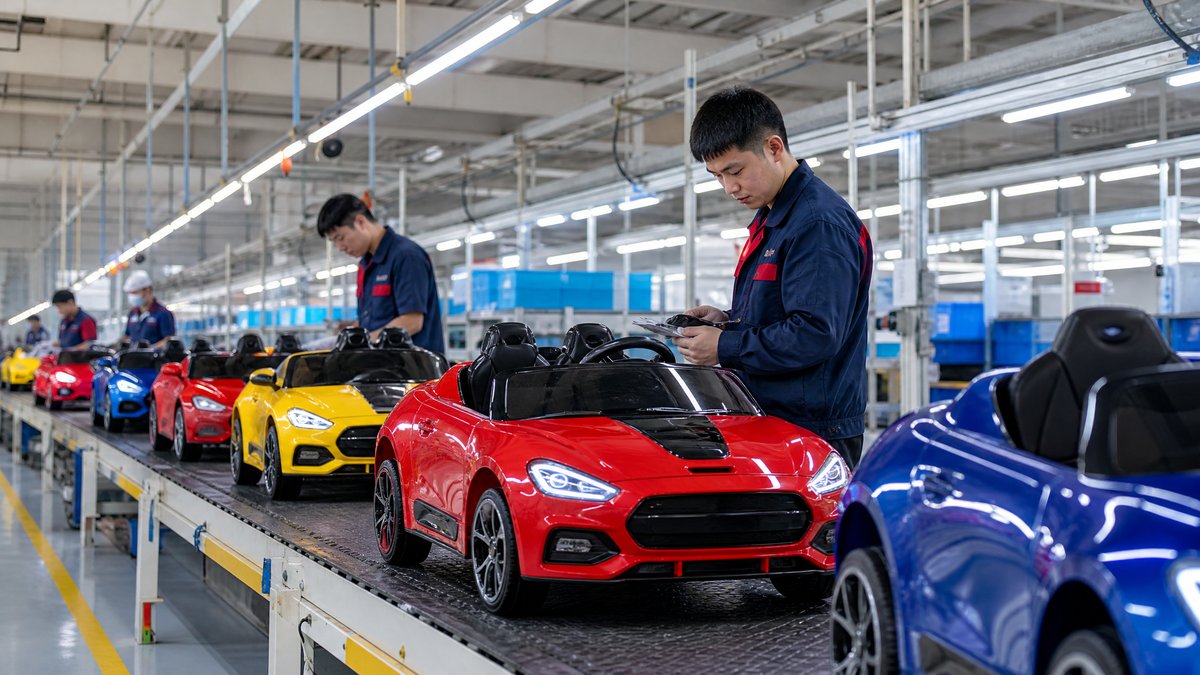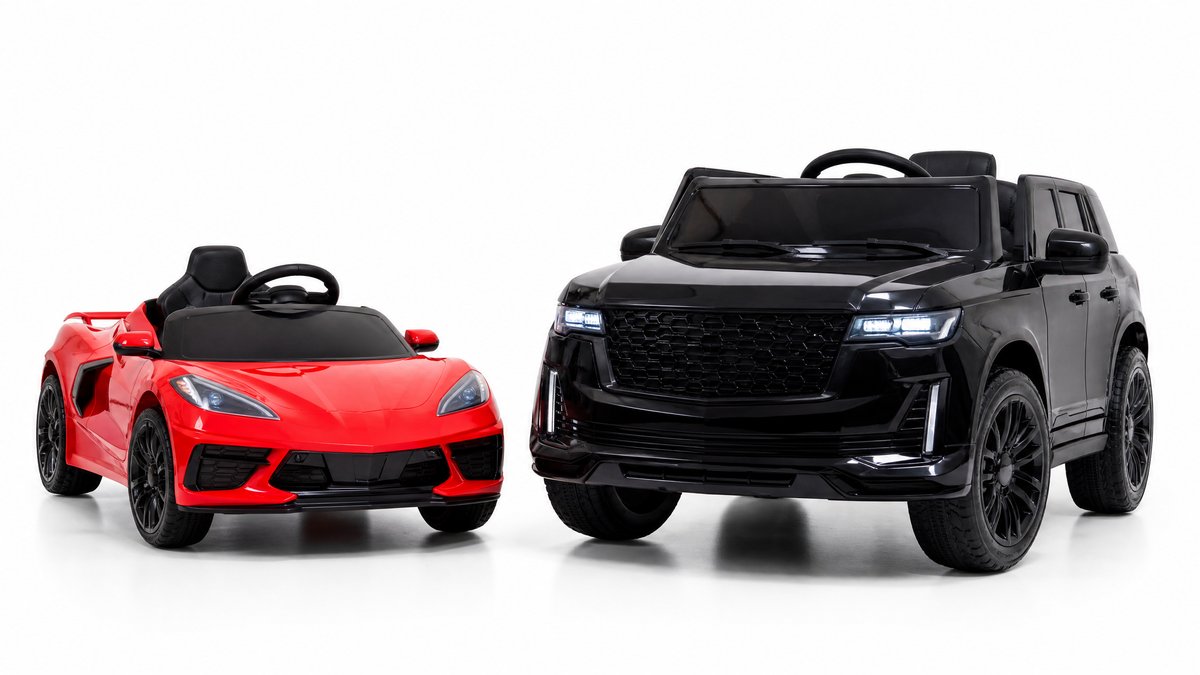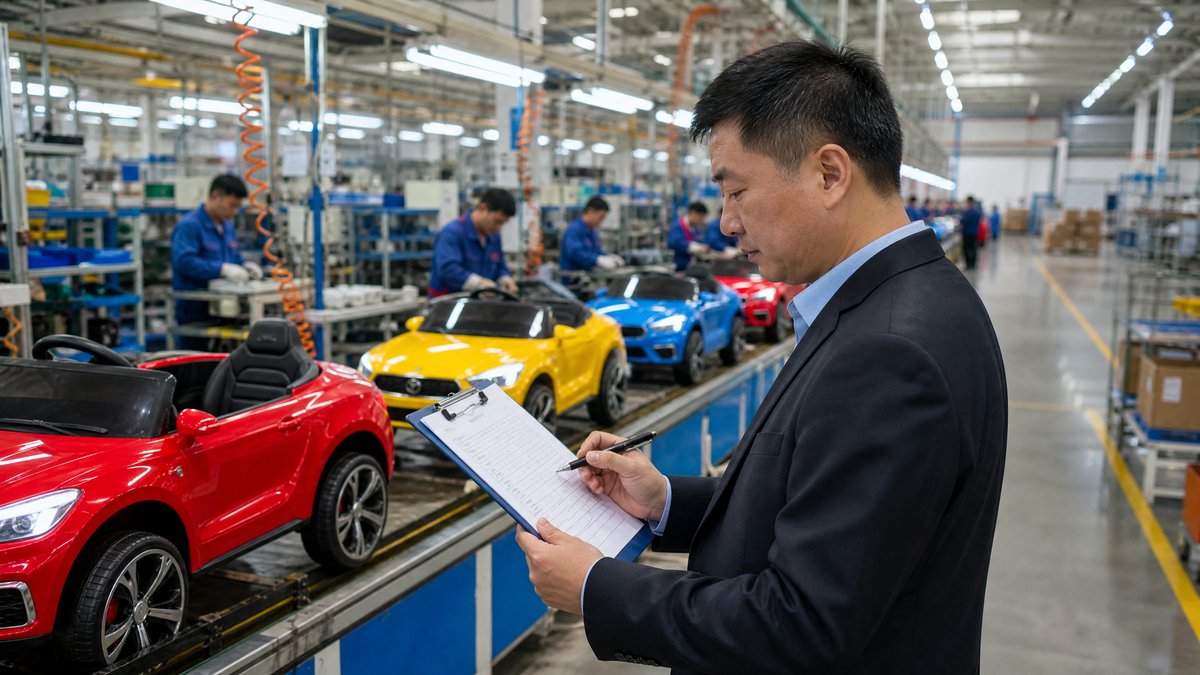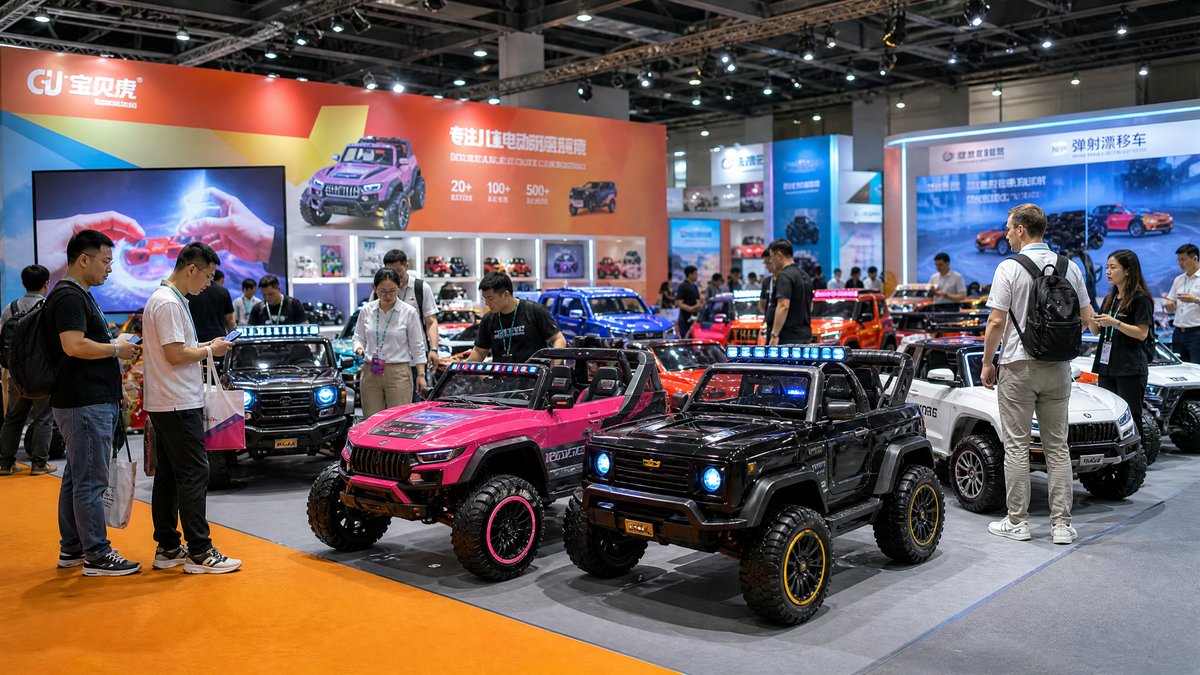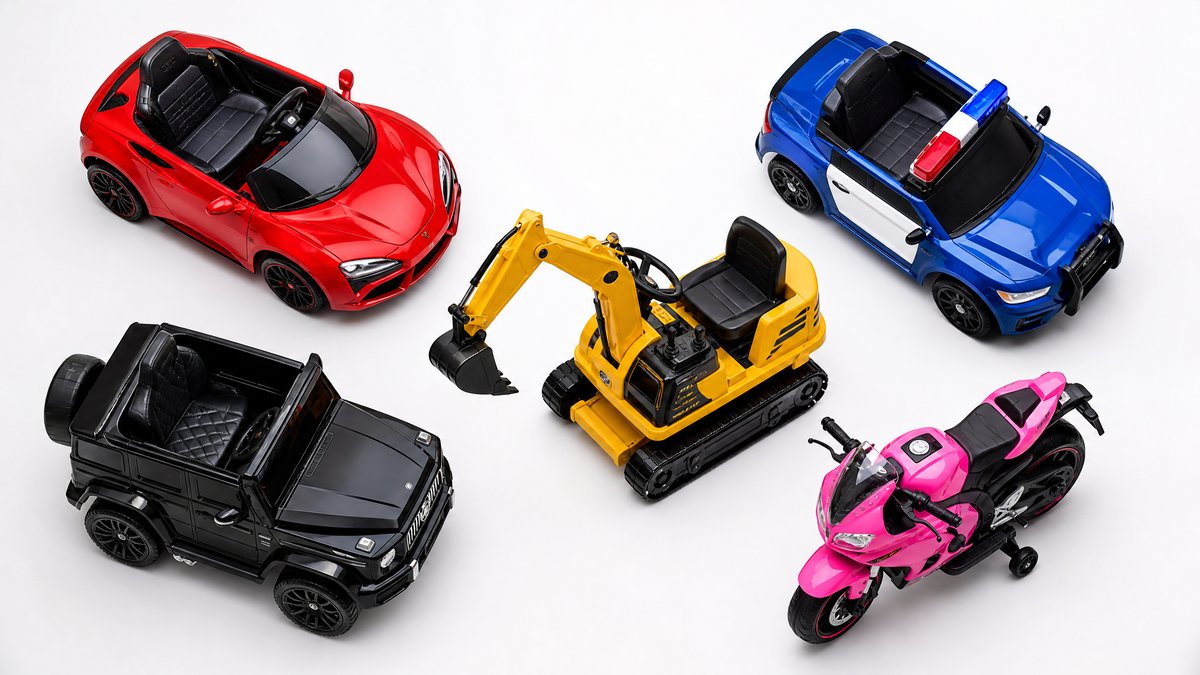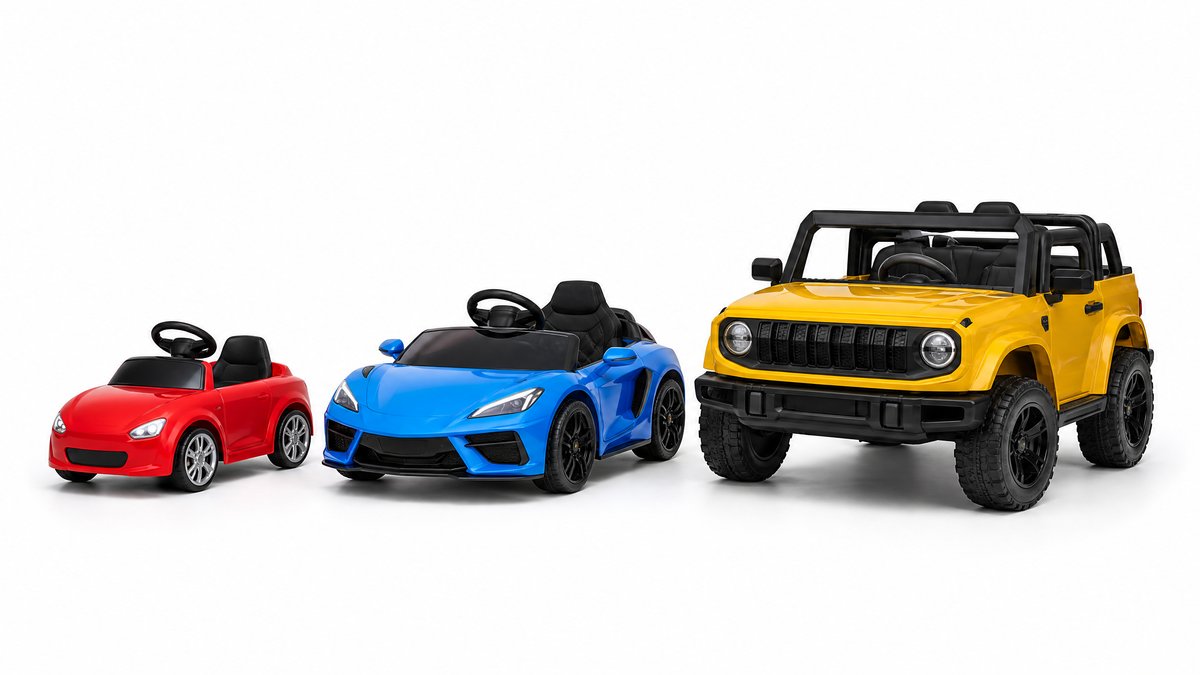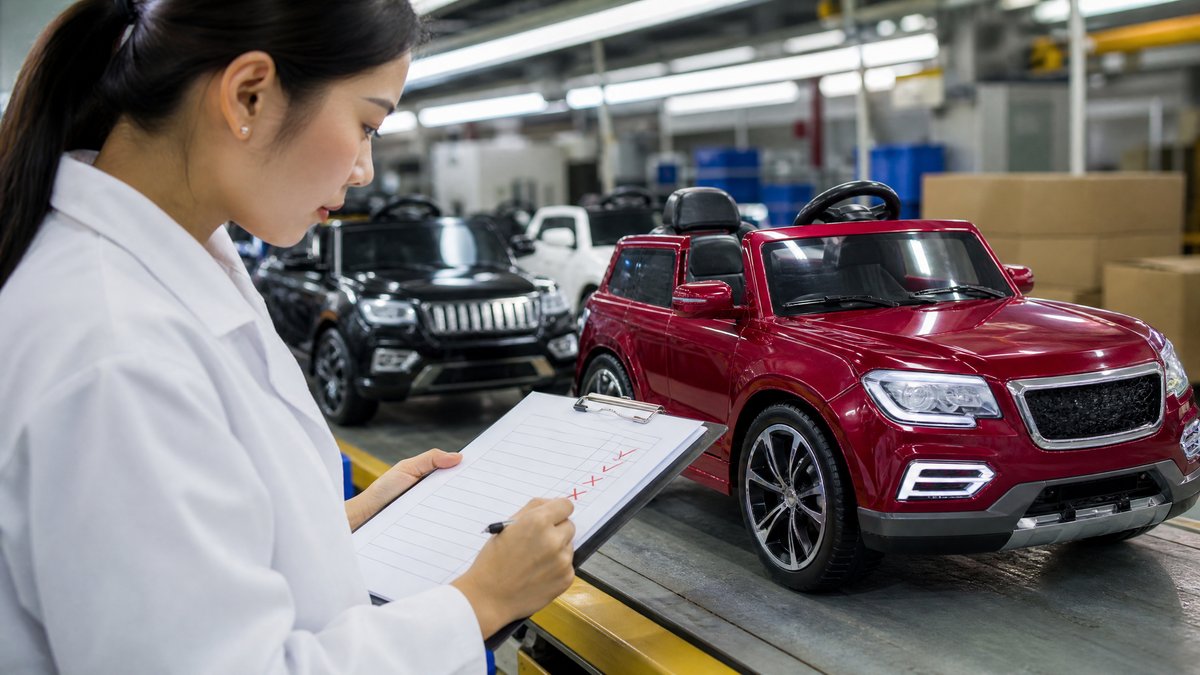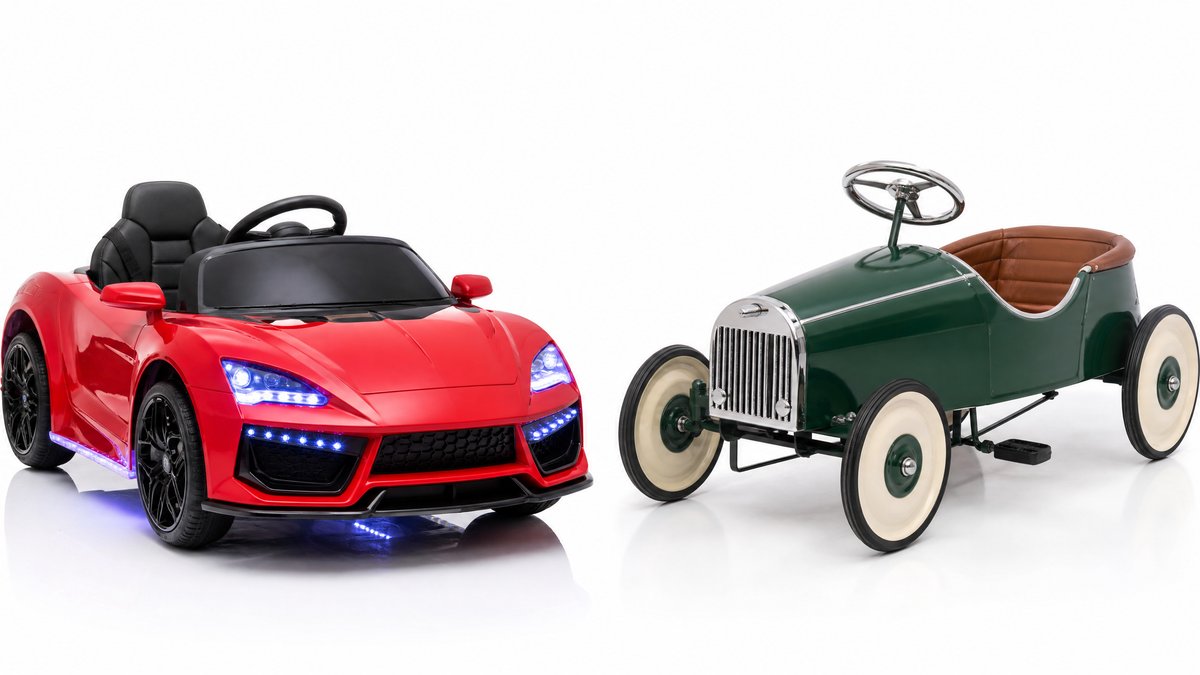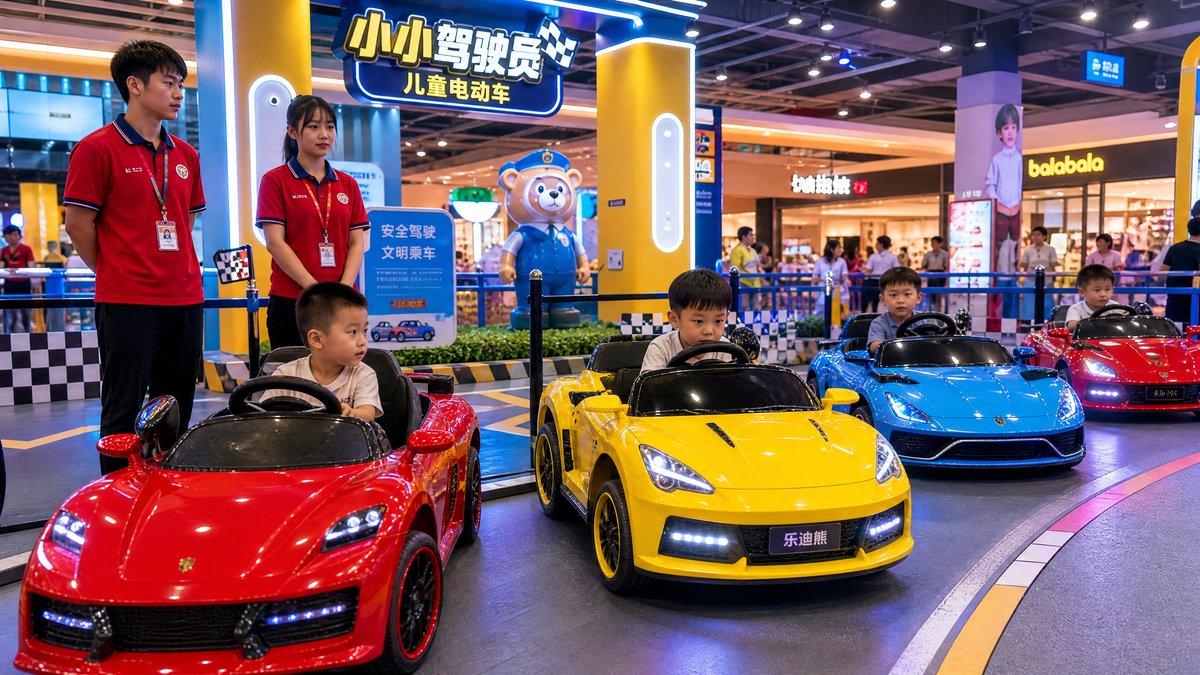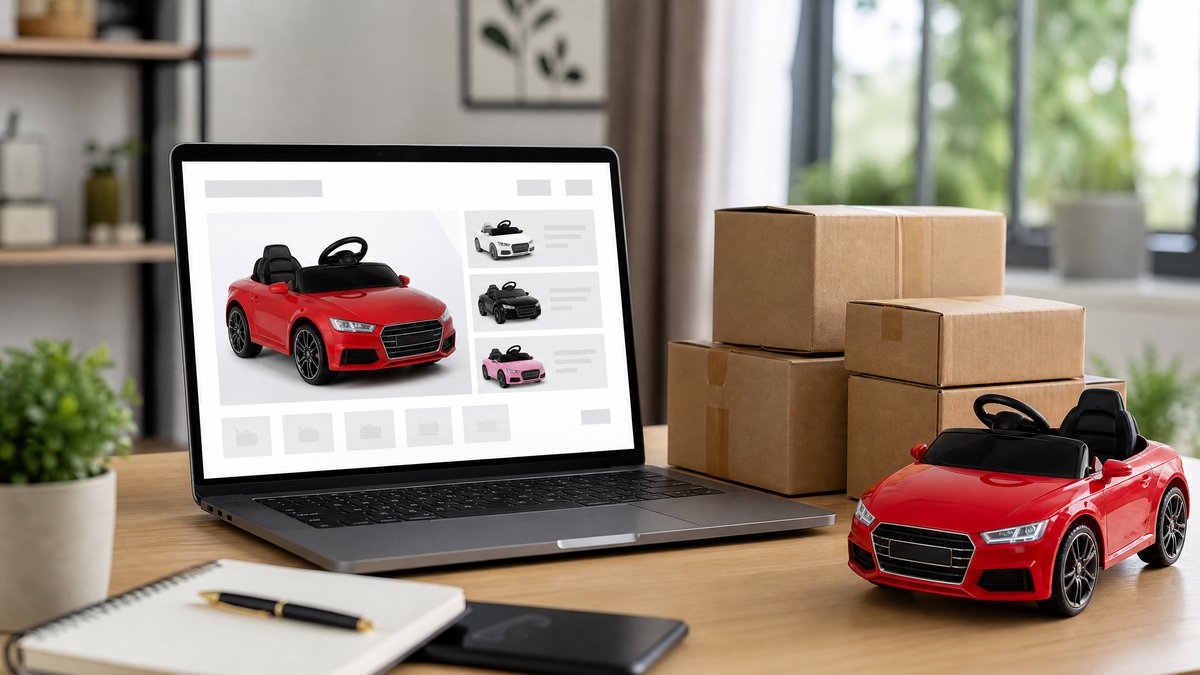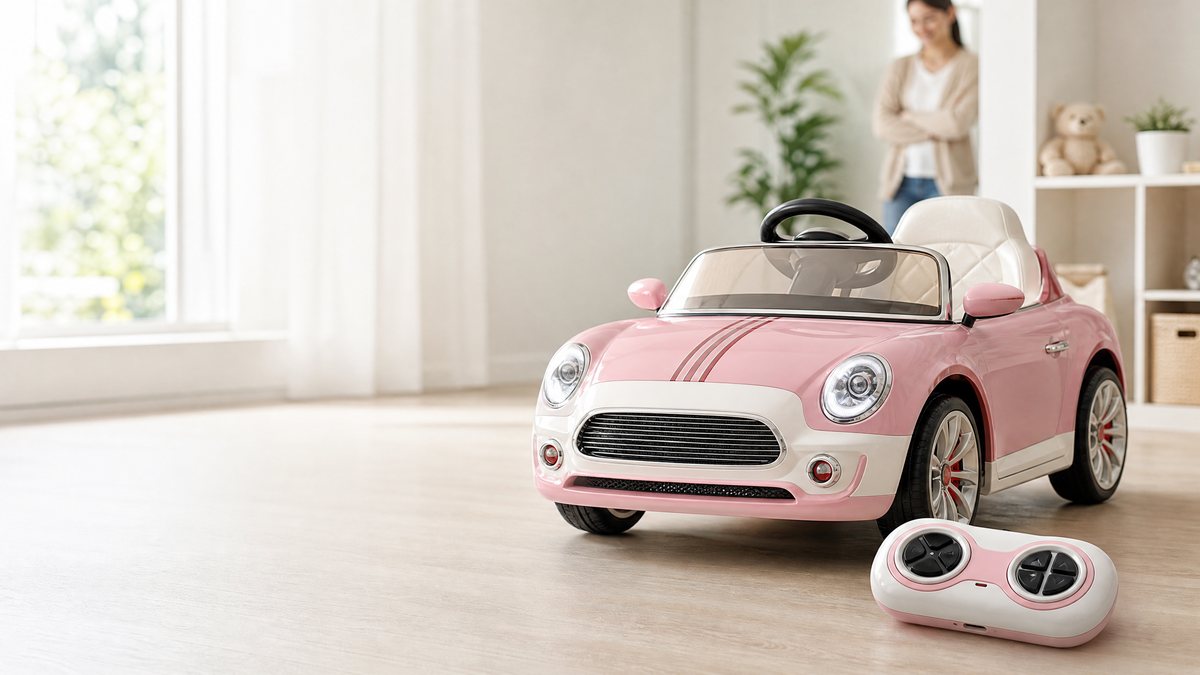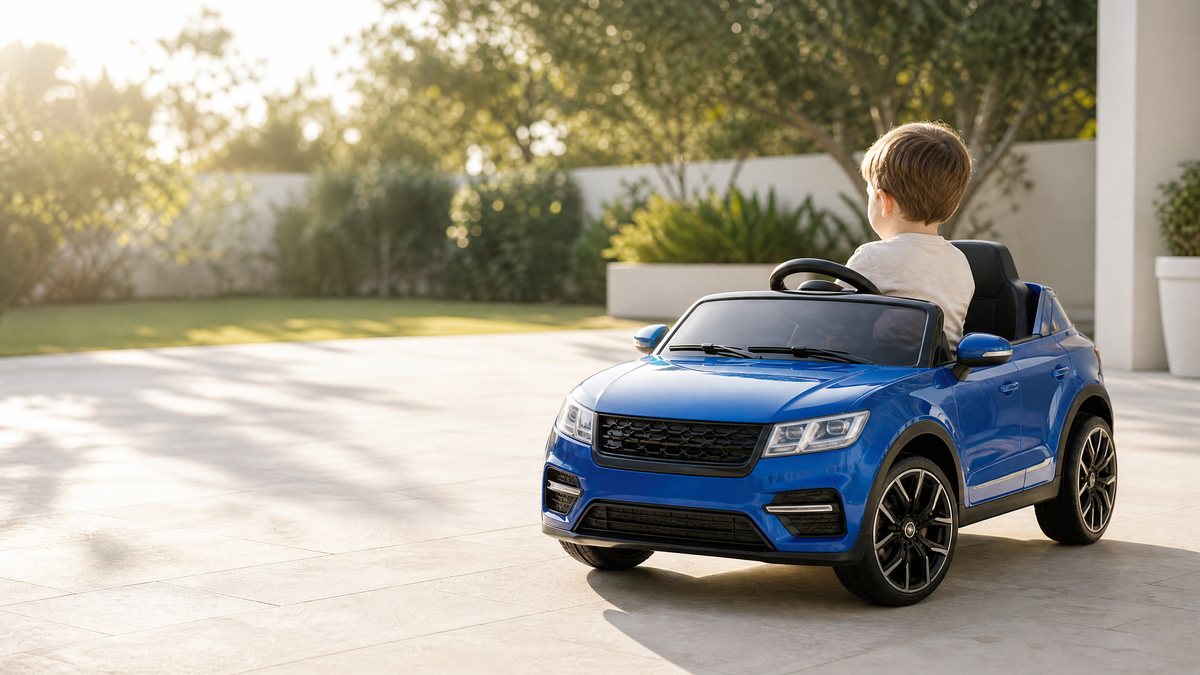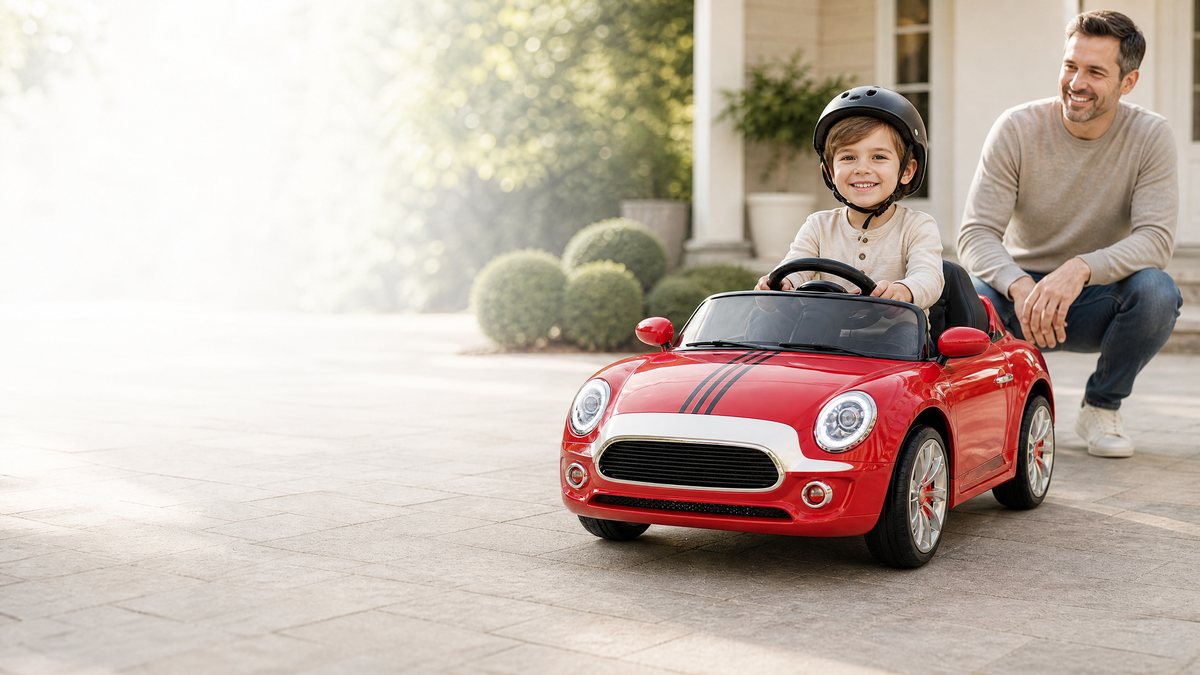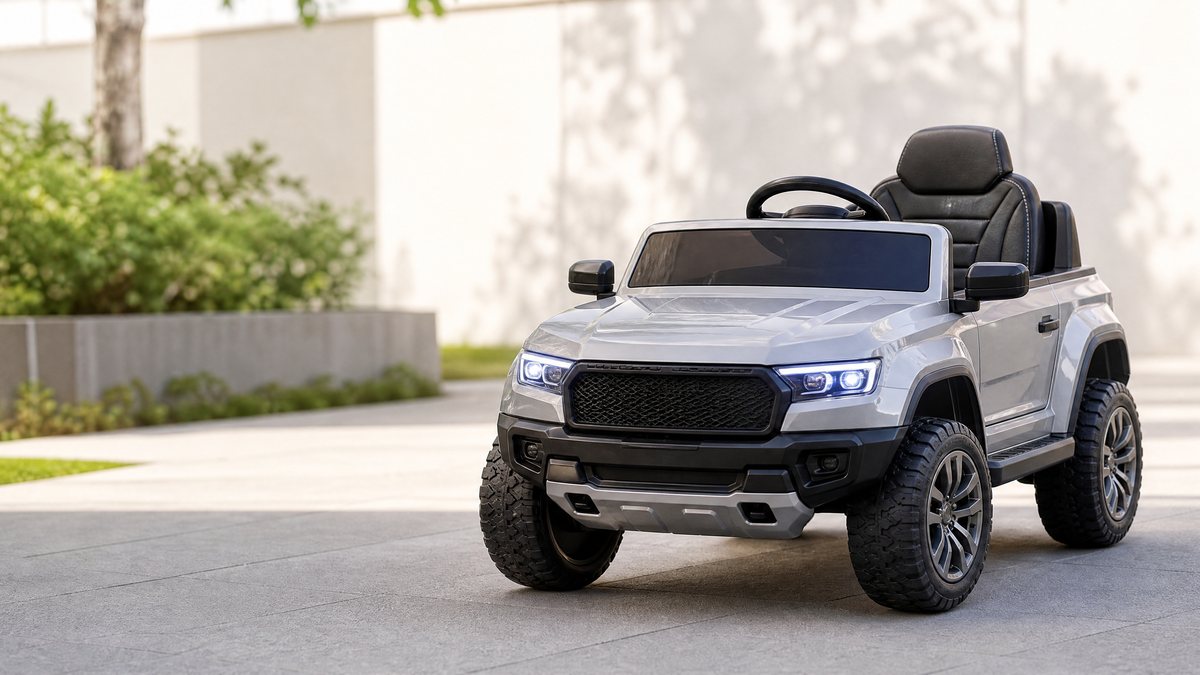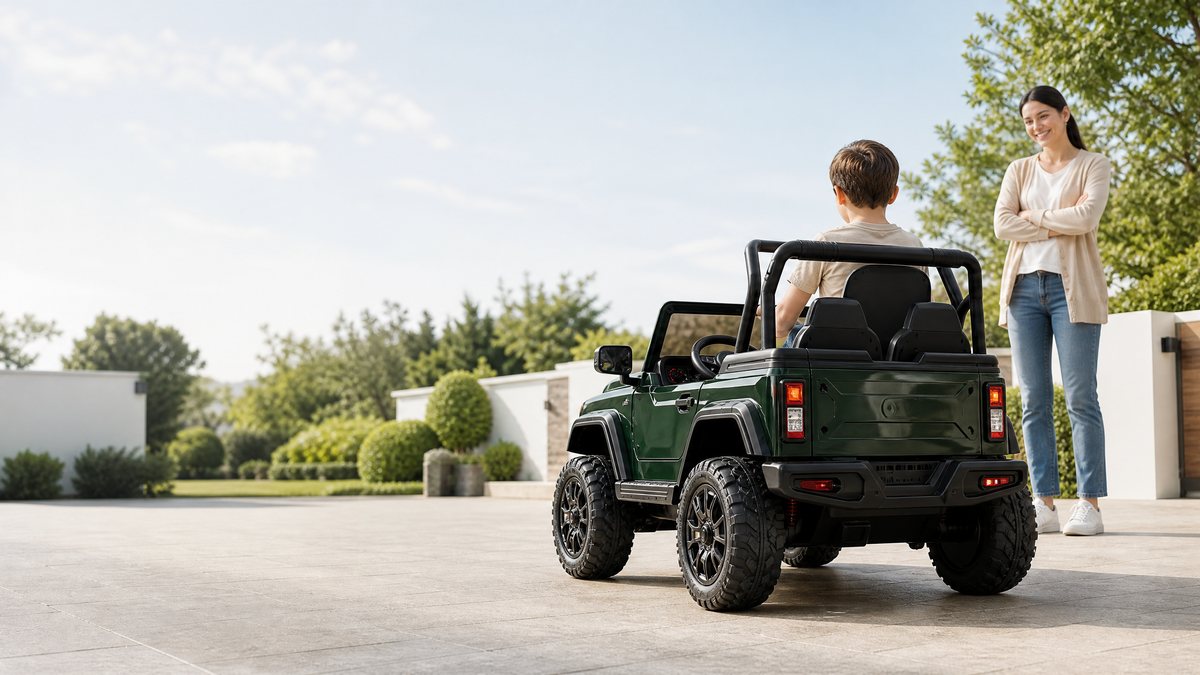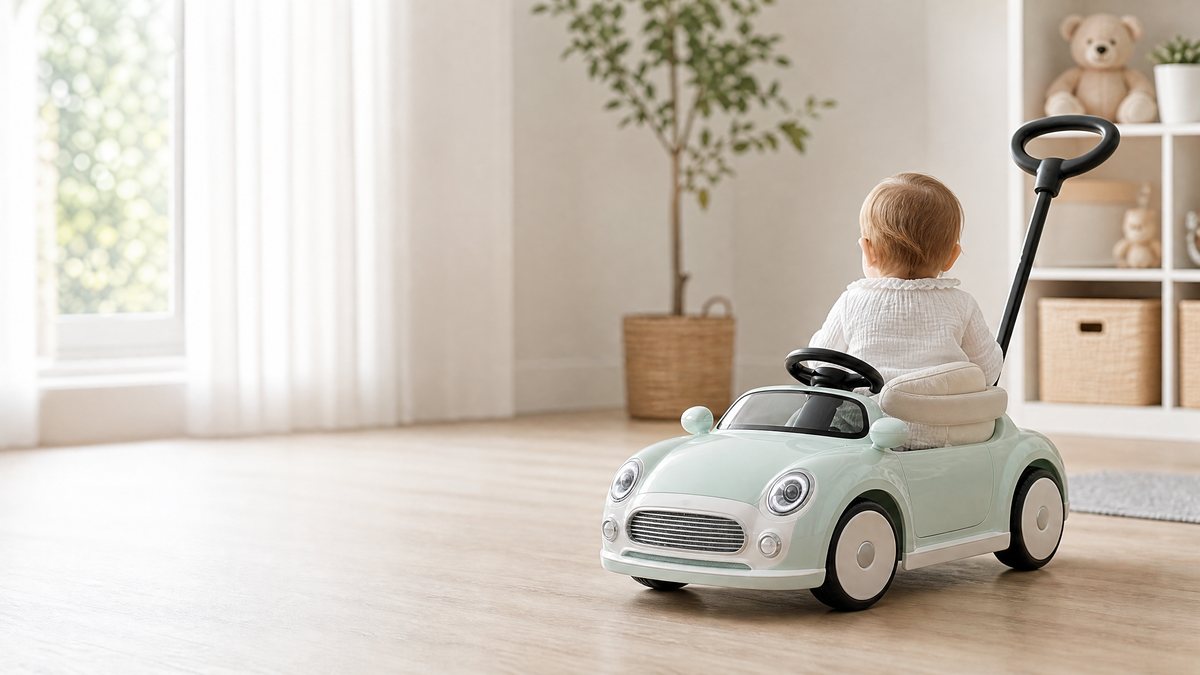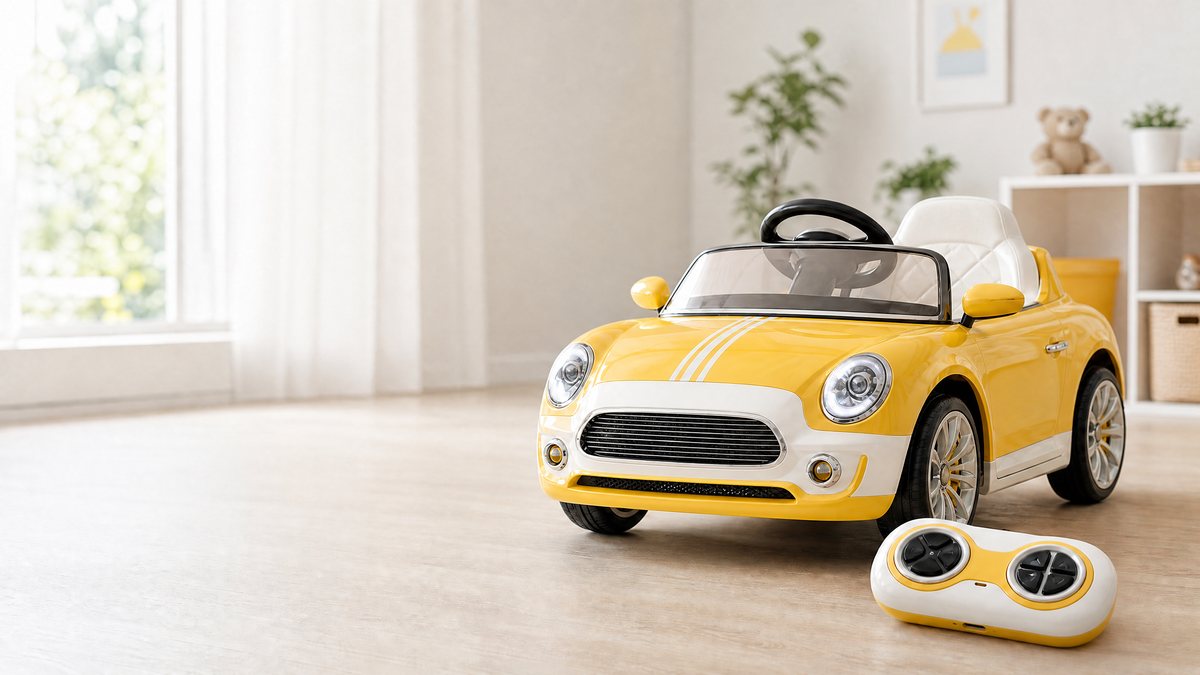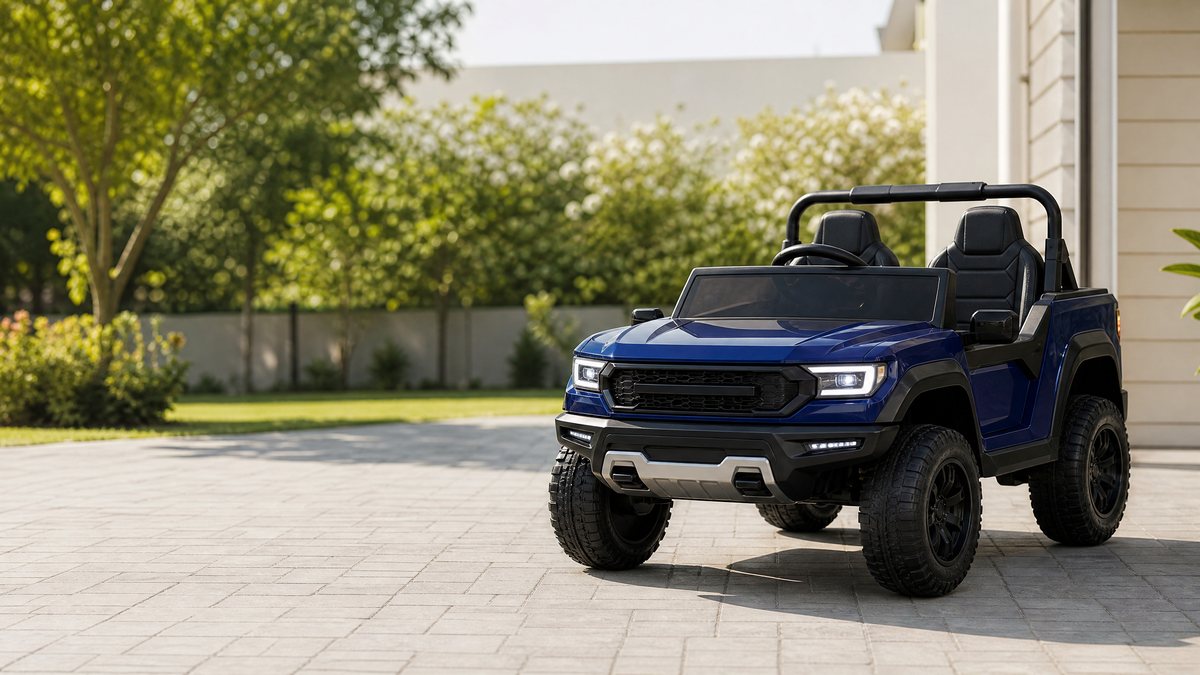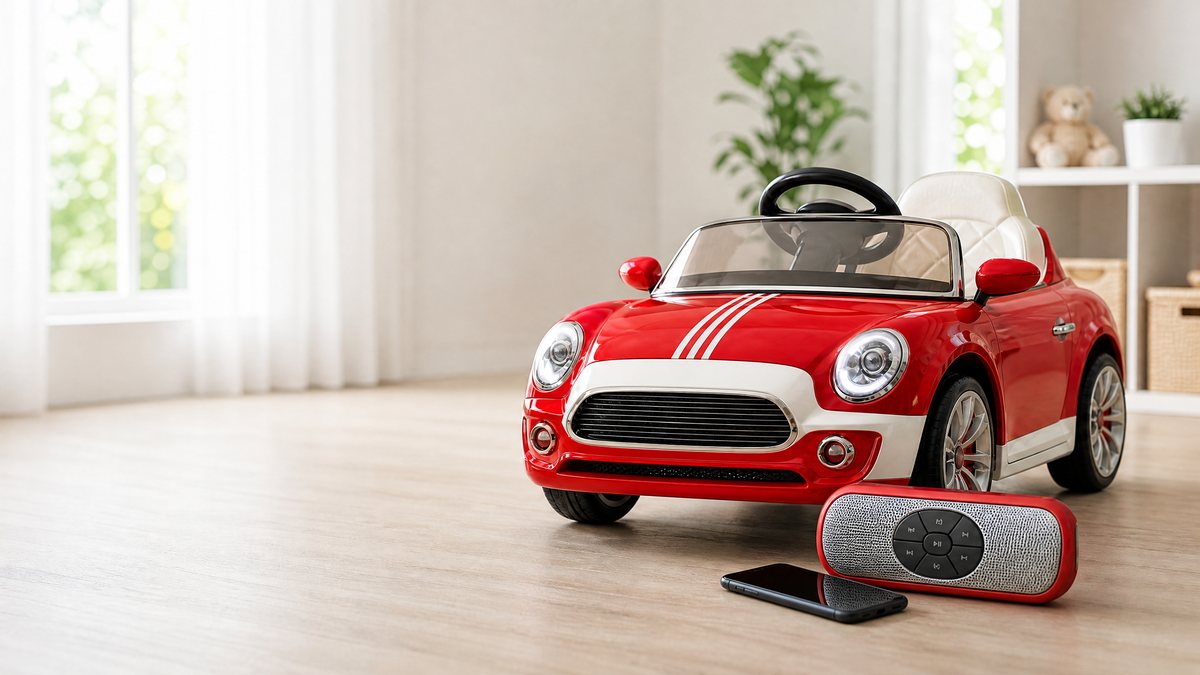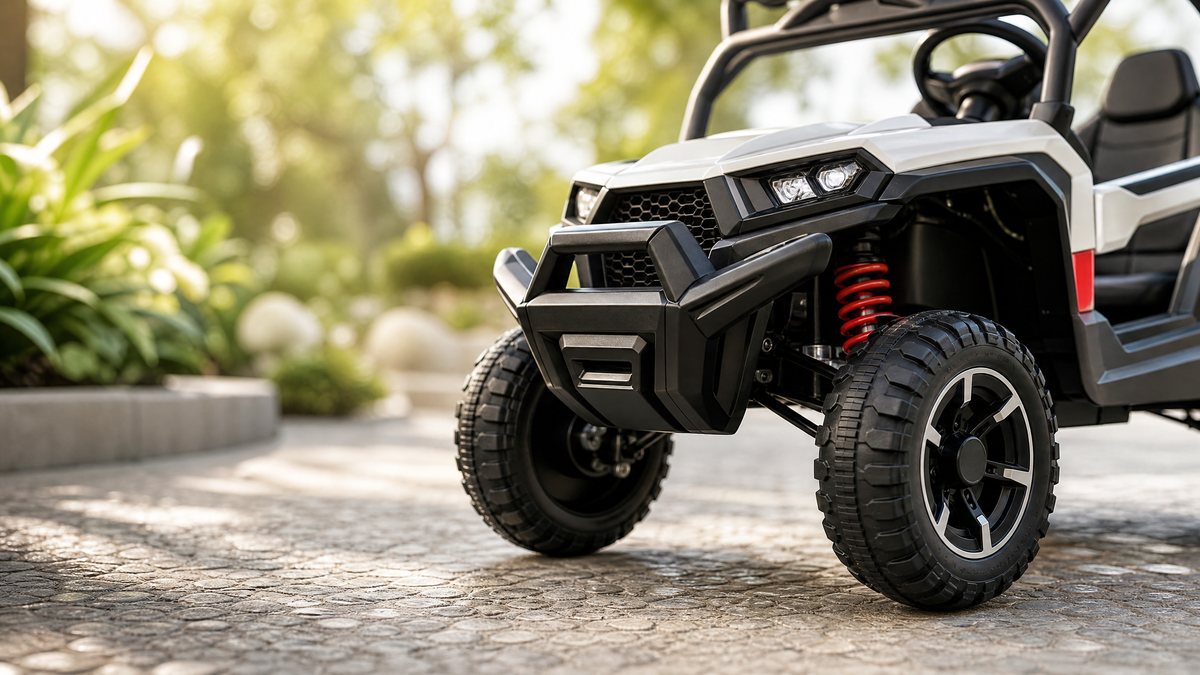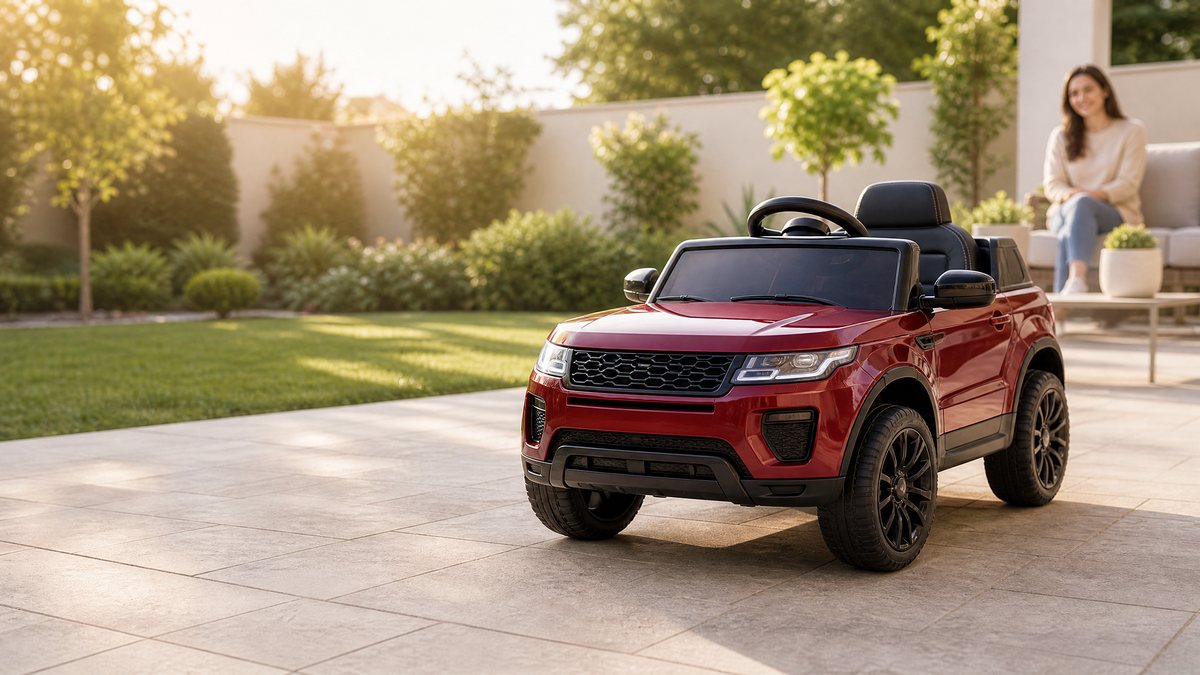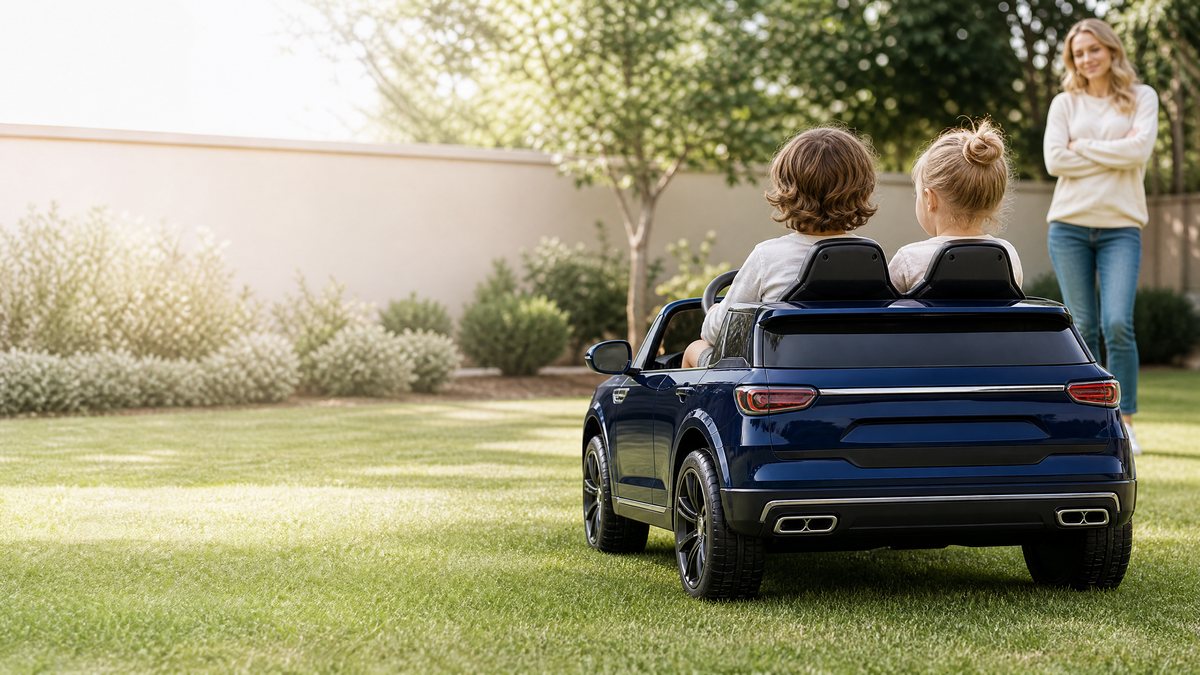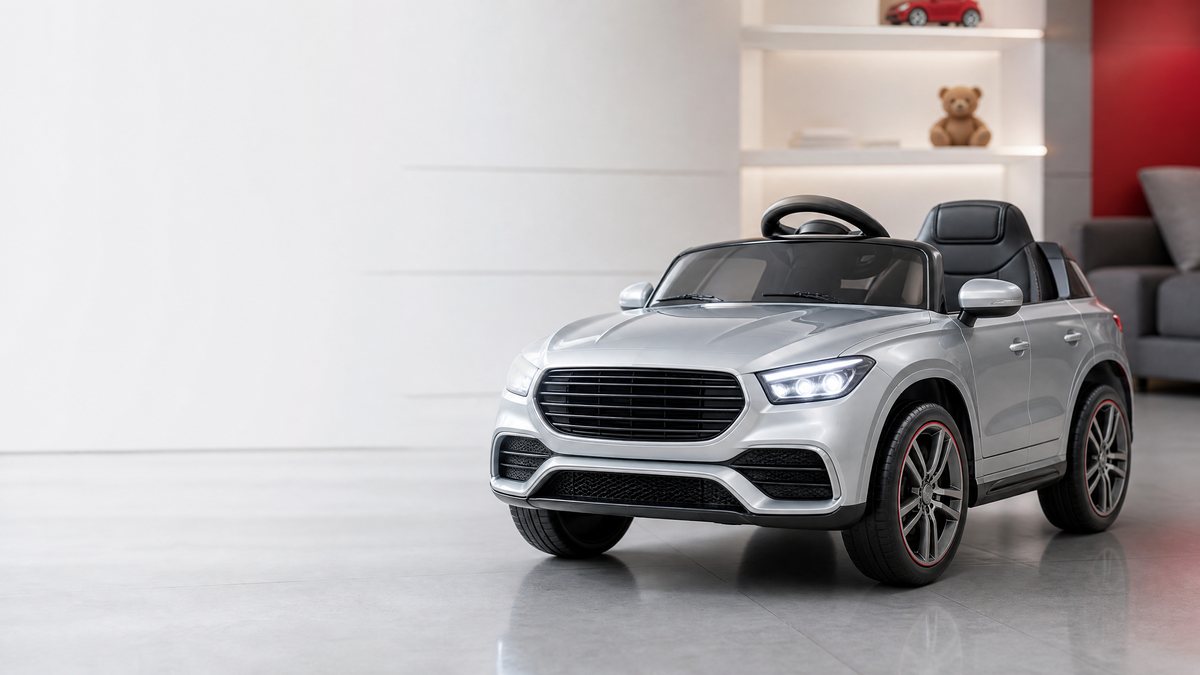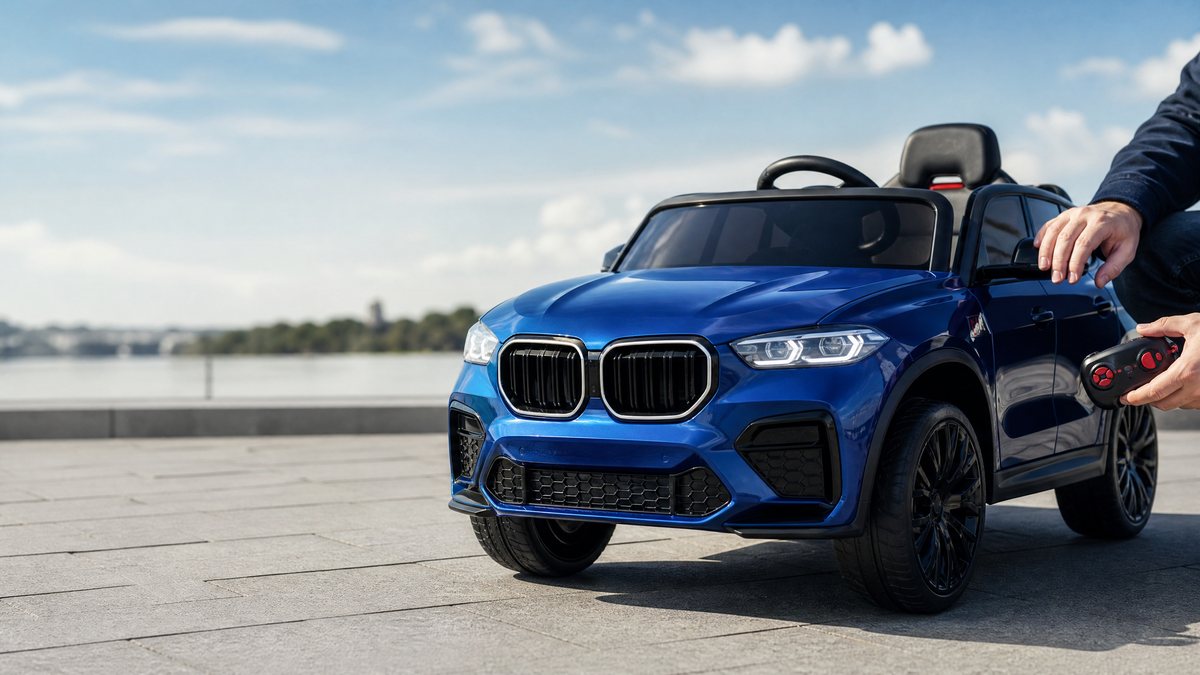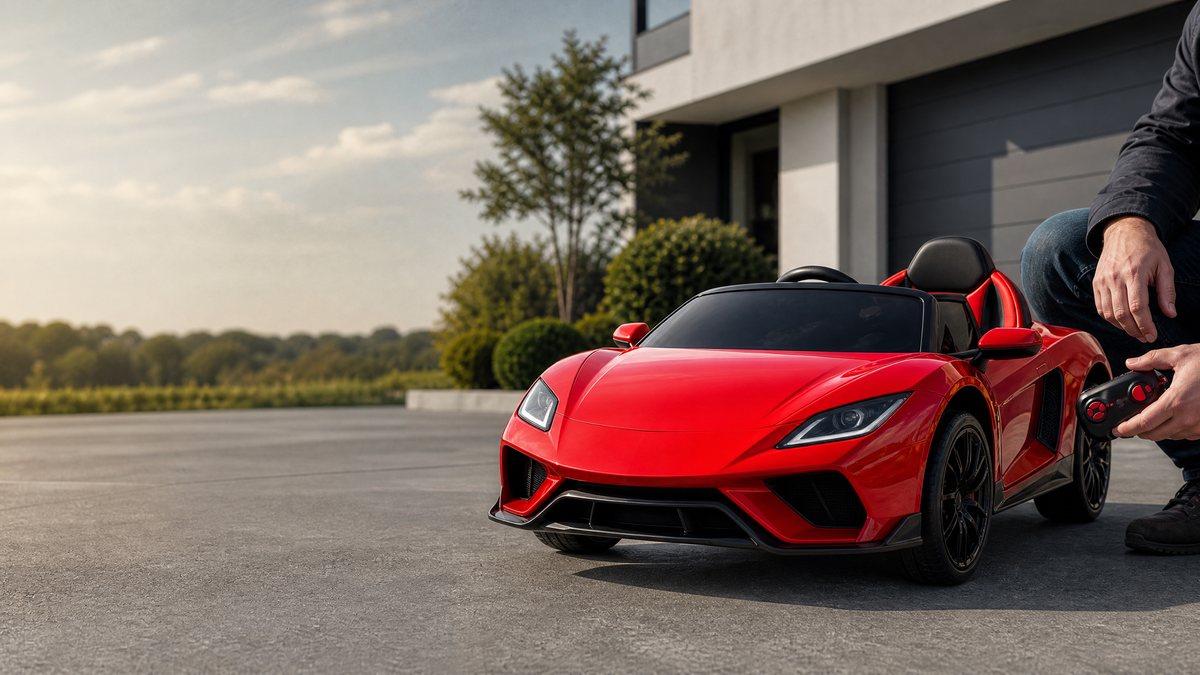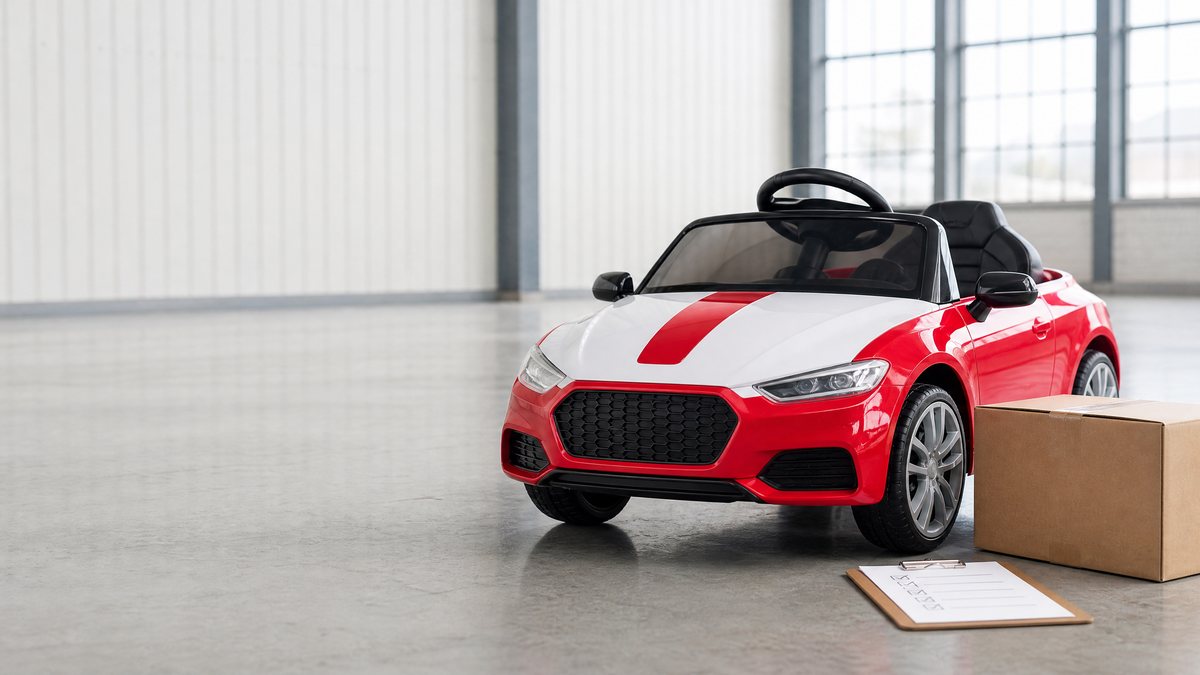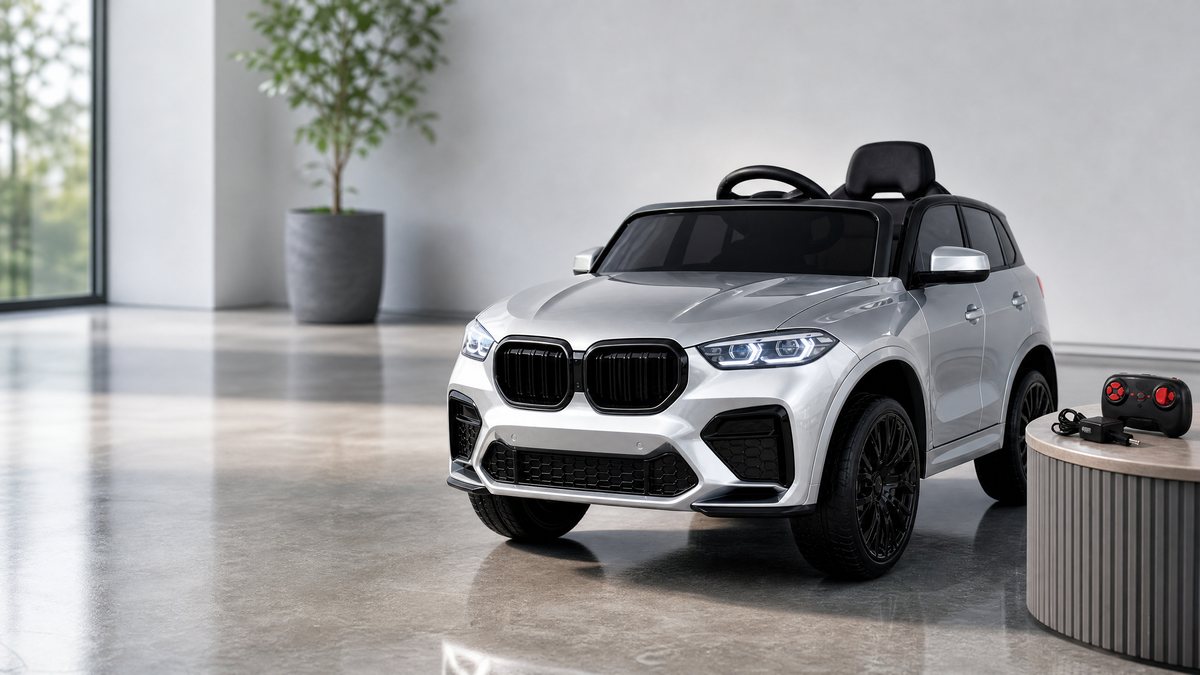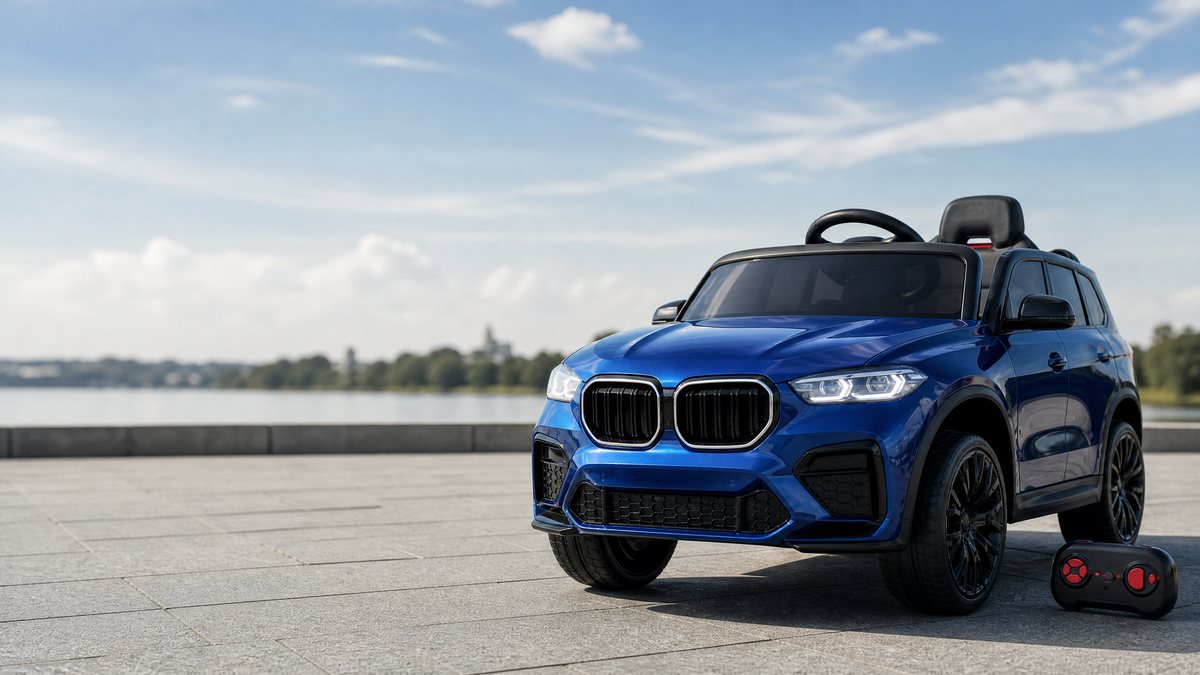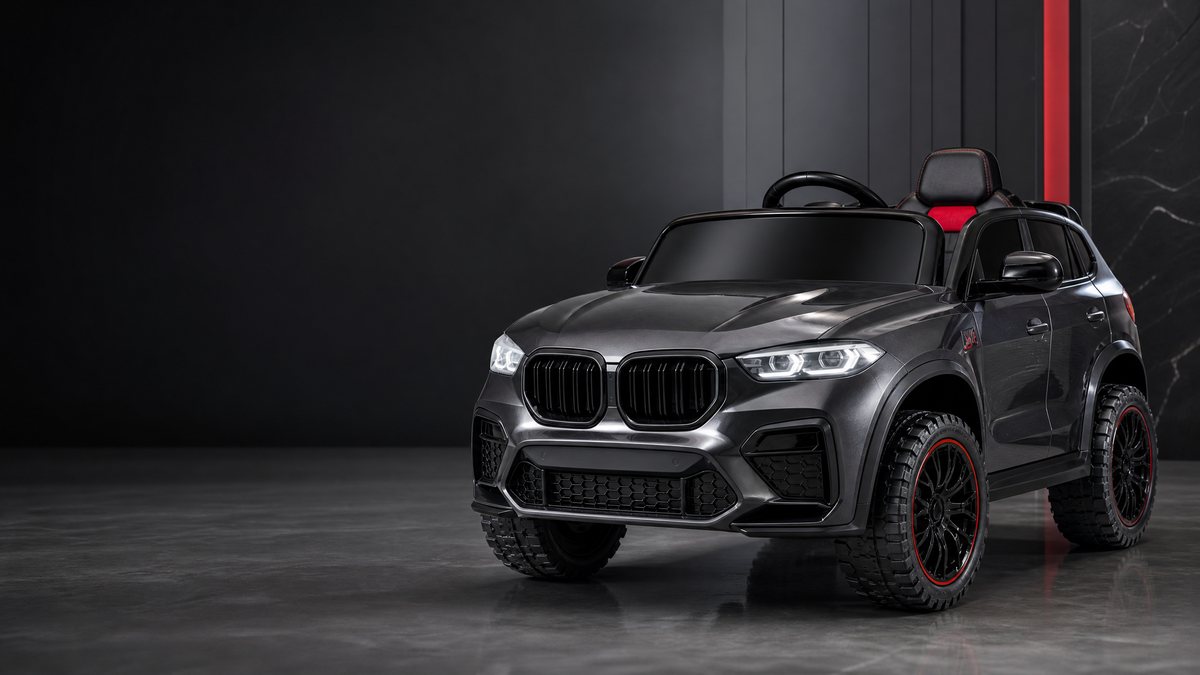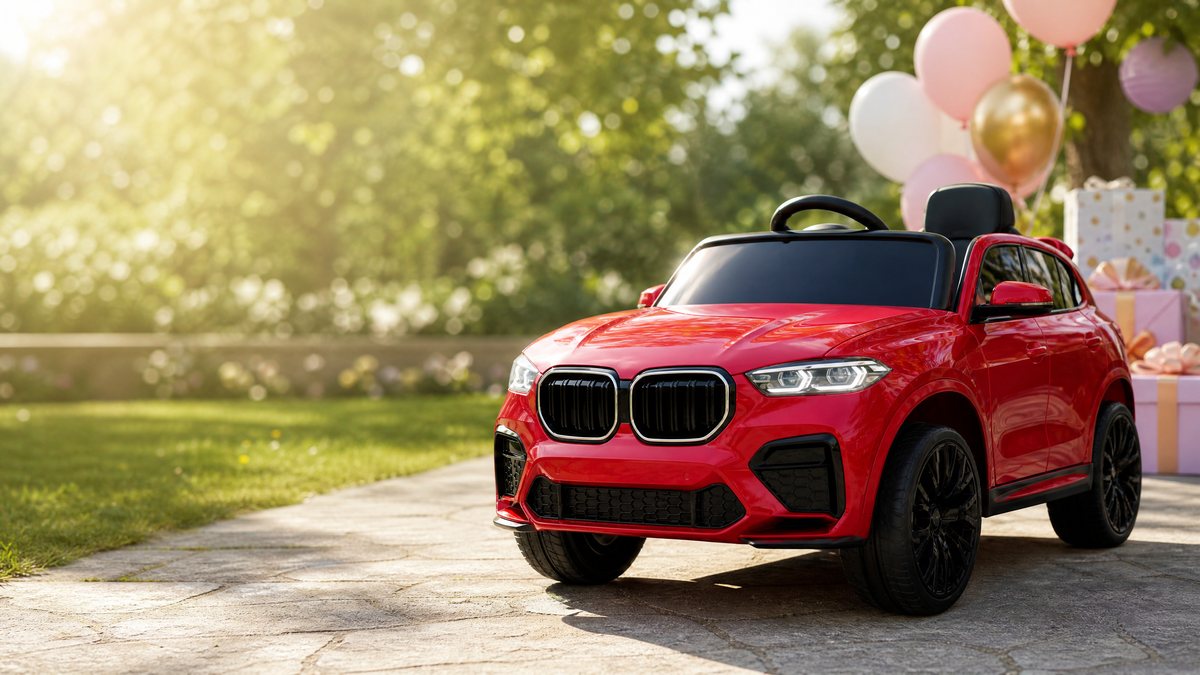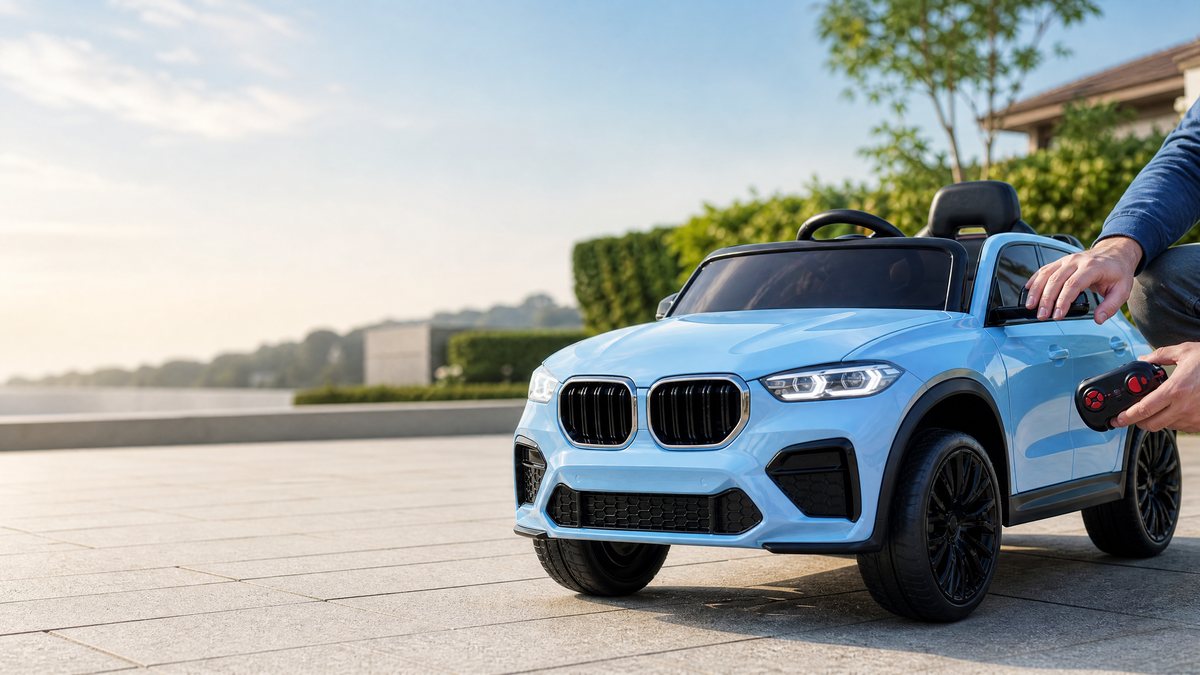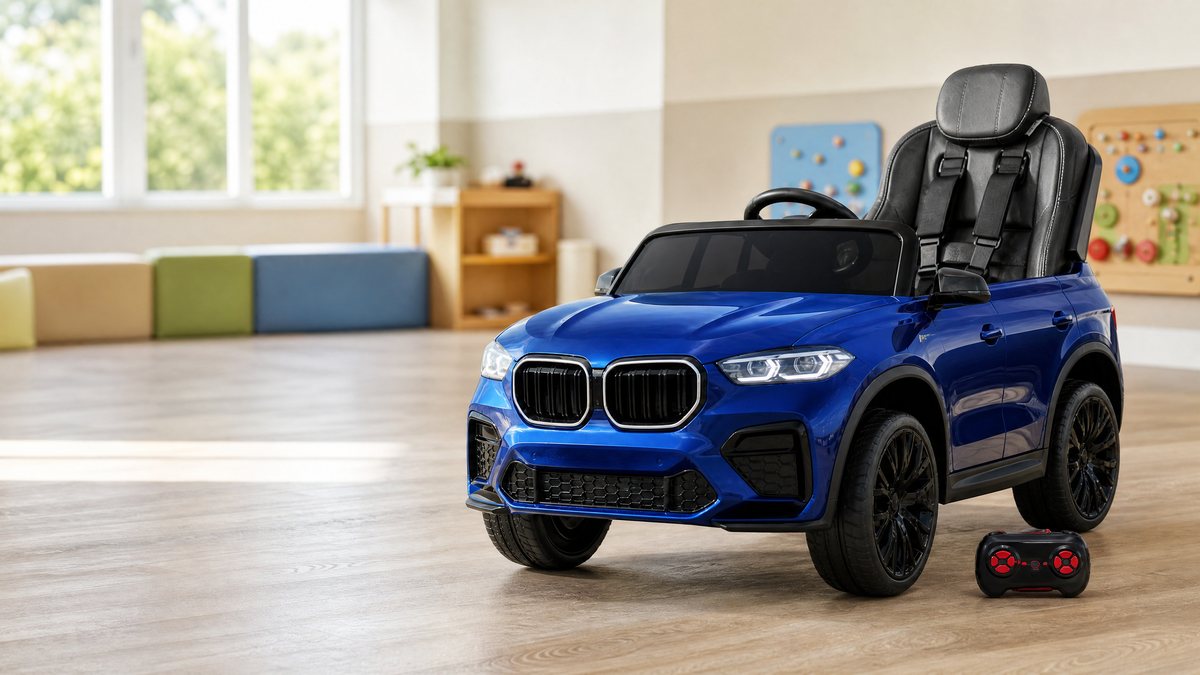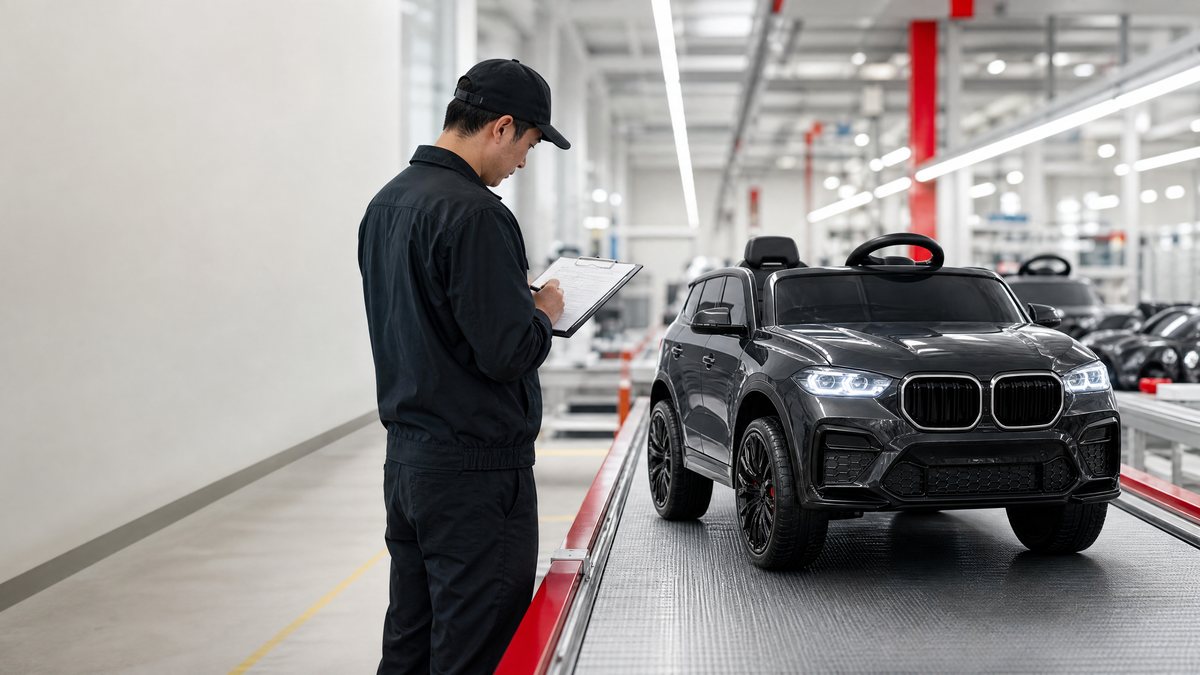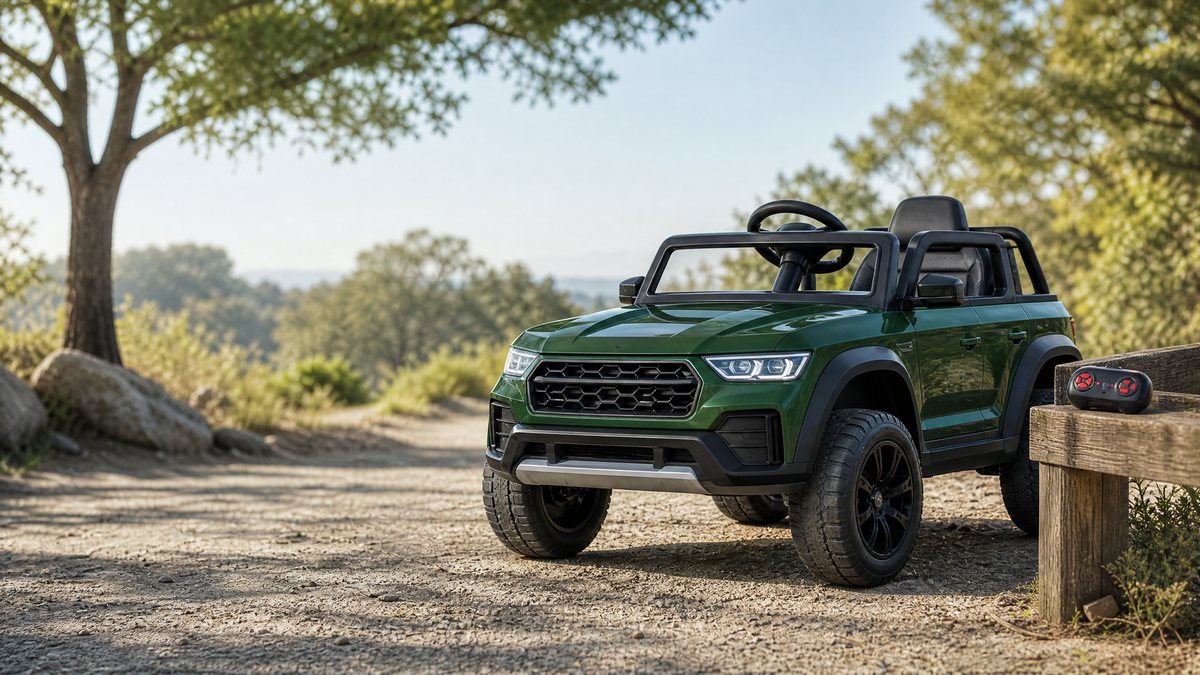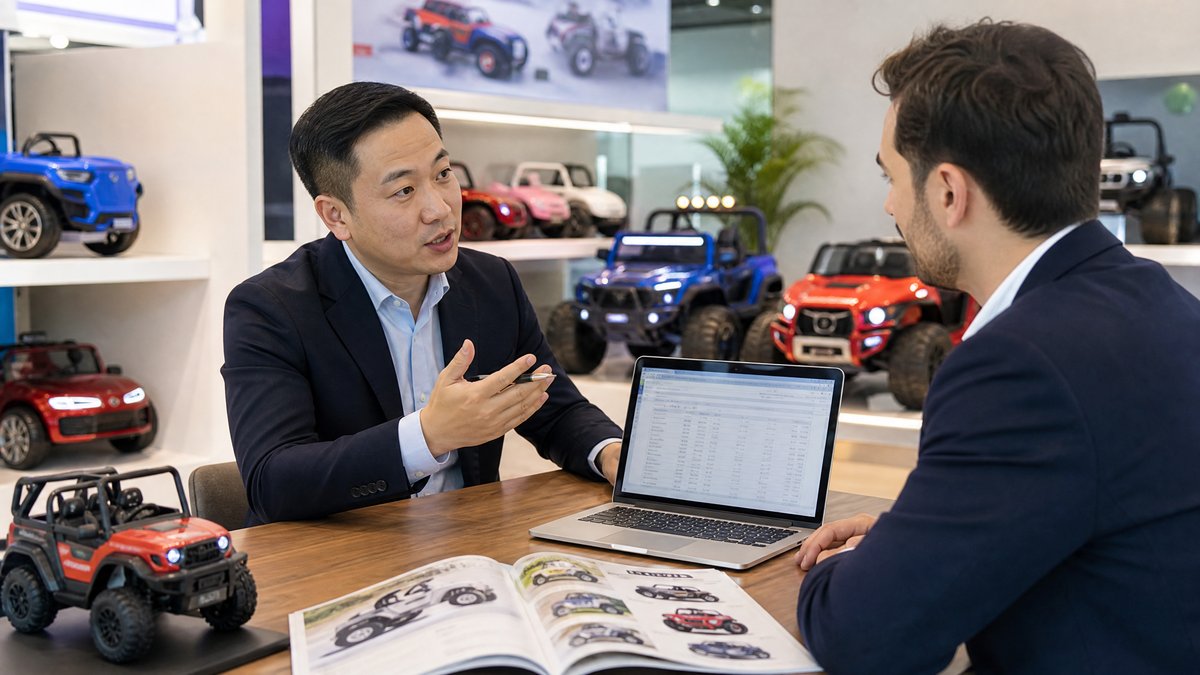
The family entertainment and amusement sector has experienced a massive shift toward interactive, battery-operated attractions. For theme parks, family entertainment centers (FECs), indoor playgrounds, and resort operators, incorporating kids electric ride-on cars into your fleet represents a high-yield, low-maintenance revenue stream. Unlike traditional coin-operated static rides or complex roller coasters, modern commercial-grade ride-on cars offer high throughput, exceptional durability, and incredible child appeal.
However, sourcing ride-on cars for commercial amusement environments differs significantly from buying retail-grade toys for home use. Commercial environments demand heavy-duty construction, robust safety features, easy battery management, and compliance with stringent international safety certifications.
This comprehensive bulk buying guide explores the essential factors B2B buyers must evaluate when procuring electric ride-on cars for theme parks and entertainment centers, complete with a comparison matrix to help you select the optimal vehicle specifications for your venue.
Why Electric Ride-On Cars Are a Must-Have for Modern Entertainment Venues
Family entertainment centers are constantly searching for attractions that maximize floor space utilization while delivering fast return on investment (ROI). Commercial kids electric ride-on cars provide several distinct advantages over traditional amusement park attractions:
1. High Turnover and Strong Revenue Potential: Children aged 3 to 8 are the primary demographic for interactive driving experiences. Parents are willing to pay per session (e.g., $5 to $10 for a 10-minute track ride), allowing operators to recover equipment costs within a few months of operation.
2. Low Maintenance and Operating Overhead: Compared to bumper cars that require specialized overhead electrified grids or heavy flooring infrastructure, battery-powered ride-on cars operate on standard flat indoor surfaces, asphalt, or specialized modular tracks.
3. Scalable Fleet Management: Operators can easily scale their fleet up or down based on seasonal foot traffic. Adding five new vehicles to an existing track requires minimal logistical planning.
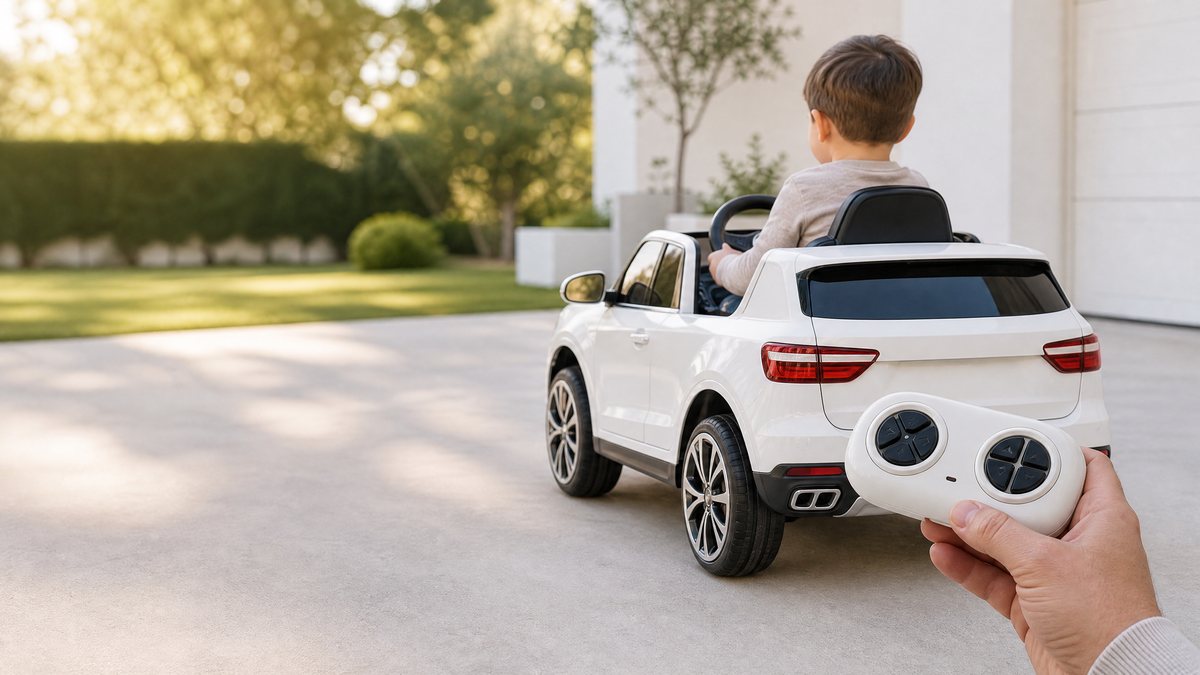
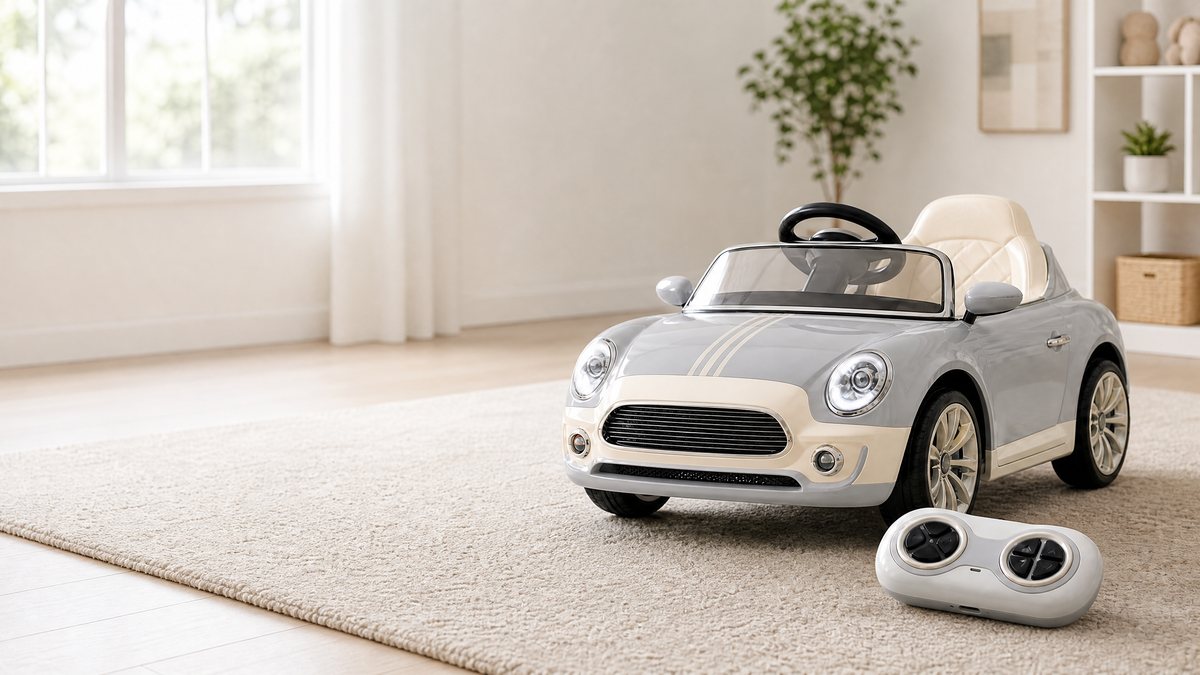
4. Enhanced Parental Engagement: Many commercial models feature advanced 2.4G parental remote controls, coin-op or card-swipe integration, and Bluetooth speed control, ensuring that operators can maintain absolute safety while parents enjoy watching their children navigate the circuit.
Key Specifications for Commercial-Grade Ride-On Cars
When sourcing vehicles for high-traffic public venues, standard consumer toys will fail within weeks due to motor burnout or structural fatigue. B2B wholesale buyers must demand specific commercial-grade engineering standards from their manufacturing partners.
1. Powertrain and Battery Systems
Commercial environments require continuous daily operation. Look for vehicles equipped with:
* Upgraded 24V Dual or Quad Drive Motors: 24V systems deliver superior torque, better hill-climbing capability on banked tracks, and consistent performance under maximum weight loads.
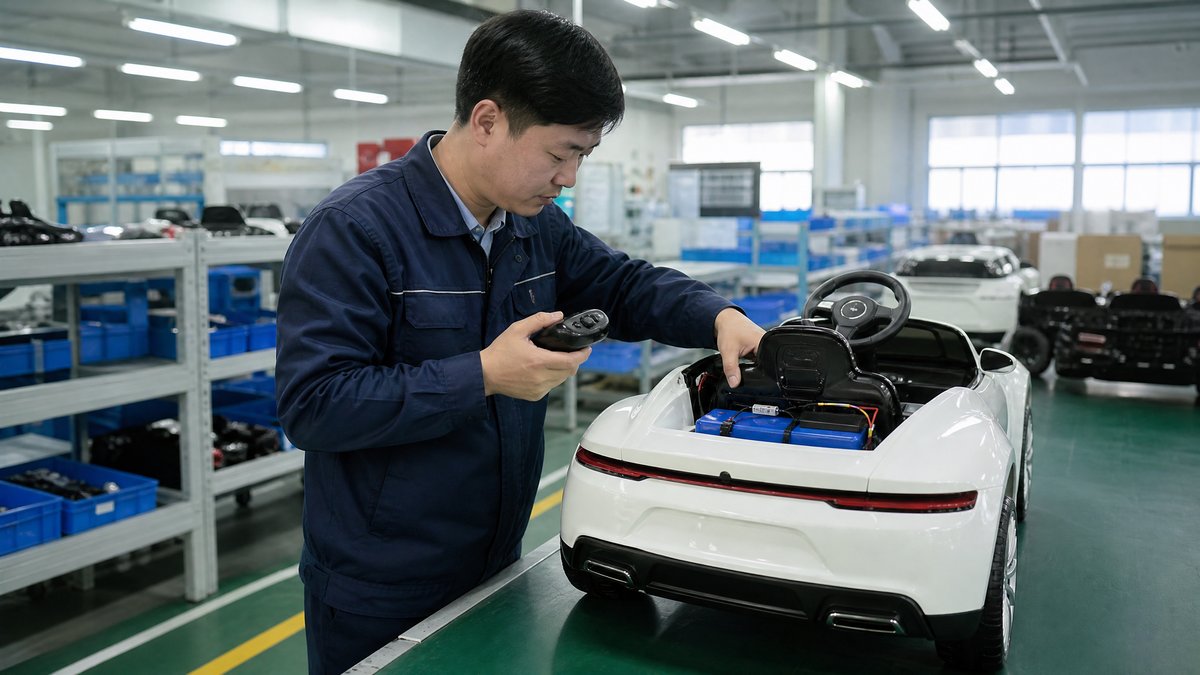
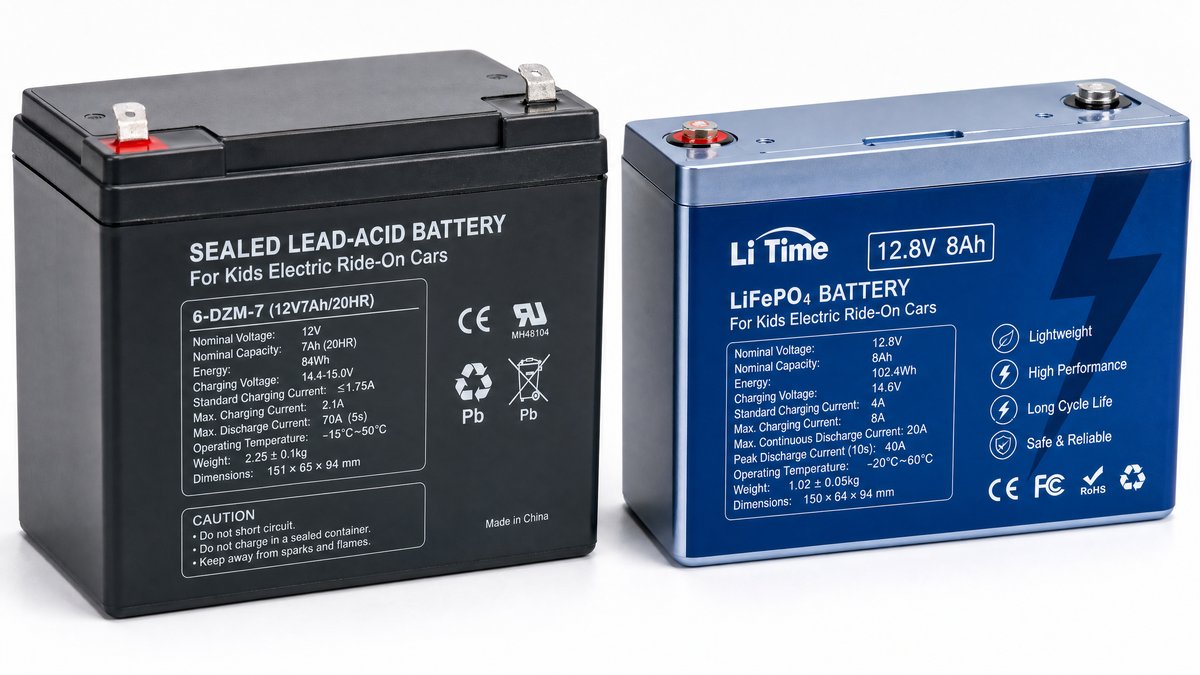
* Detachable or Quick-Swap Battery Packs: To prevent downtime, venues should invest in spare battery cartridges that can be swapped out and recharged externally in under two hours.
* Overload Protection Circuitry: Essential for preventing motor burnout when children hold the accelerator while blocked against a barrier.
2. Chassis Reinforcement and Body Materials
* Virgin PP (Polypropylene) with UV Inhibitors: Ensures the vehicle bodies do not crack in cold weather or fade under intense outdoor theme park sunlight.
* Steel-Reinforced Chassis Frames: Unlike plastic-molded retail frames, commercial frames must withstand frequent lateral impacts and rough handling by multiple operators daily.
3. Safety and Control Mechanisms
* Automatic Electromagnetic Braking: The vehicle should halt instantly the moment the child releases the foot pedal, preventing rear-end collisions on tracks.
* Emergency Remote Override: Venue staff must possess a master 2.4G remote control capable of overriding any vehicle instantly in emergency situations.
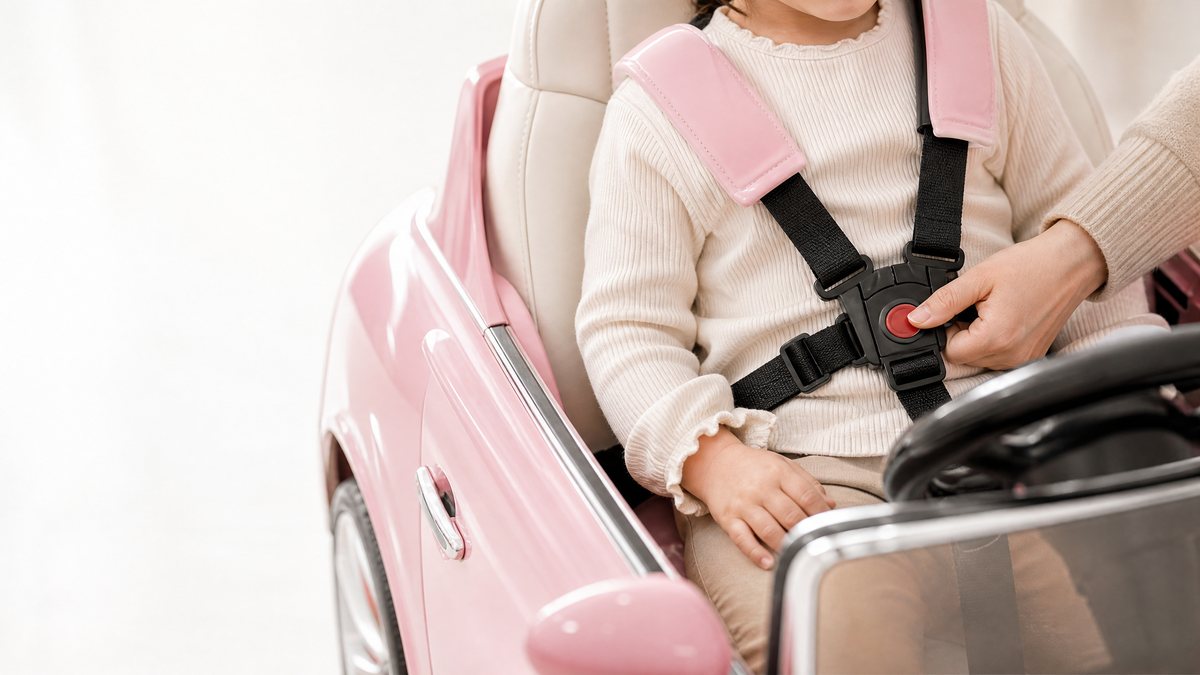
* Secure Harness Systems: Adjustable 3-point or 5-point seat belts are mandatory for high-speed or inclined track configurations.
Comparison: Retail-Grade vs. Commercial-Grade Ride-On Cars
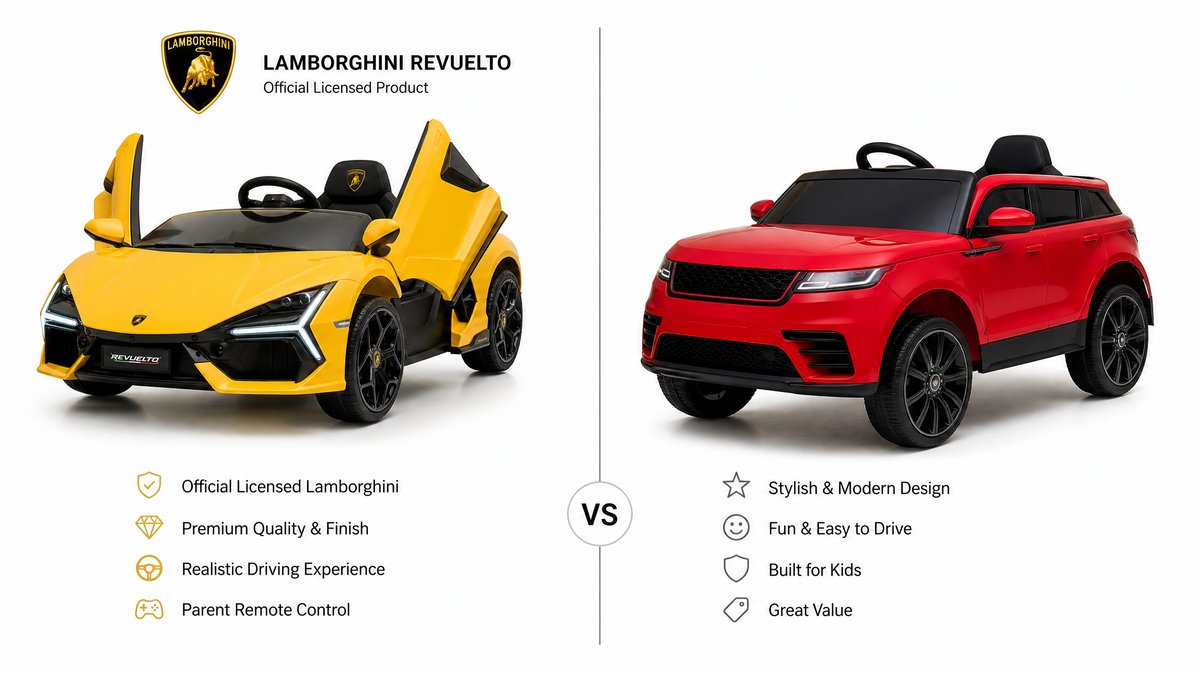
To make informed procurement decisions, wholesale buyers must understand the critical operational differences between standard retail products and commercial amusement vehicles.
| Feature / Specification | Retail / Consumer Grade | Commercial / Amusement Grade |
|---|---|---|
| Primary Use Case | Backyard, driveway, home use | Theme parks, FECs, indoor malls, rental fleets |
| Chassis & Frame | Standard molded plastic | Steel-reinforced frame with heavy-duty connectors |
| Motor & Voltage | 12V single/dual small motors | 24V heavy-duty dual/quad high-torque gearboxes |
| Battery Life & Swap | Fixed internal battery (8-12 hr charge) | Quick-swap modular battery packs (fast charge) |
| Operation Control | Foot pedal + basic remote | Key switch, coin-op/card reader, master override |
| Expected Lifespan | 6 to 12 months (light use) | 3 to 5 years (heavy commercial use) |
| Safety Certifications | CE, ASTM F963 (basic) | CE, EN71, ASTM F963, ISO9001, RoHS |
Sourcing and Customization Strategies for B2B Buyers
Procuring wholesale amusement assets requires close collaboration with experienced OEM/ODM manufacturers like KidsRideCar. Here are key strategies to optimize your bulk order:
Fleet Customization and Branding
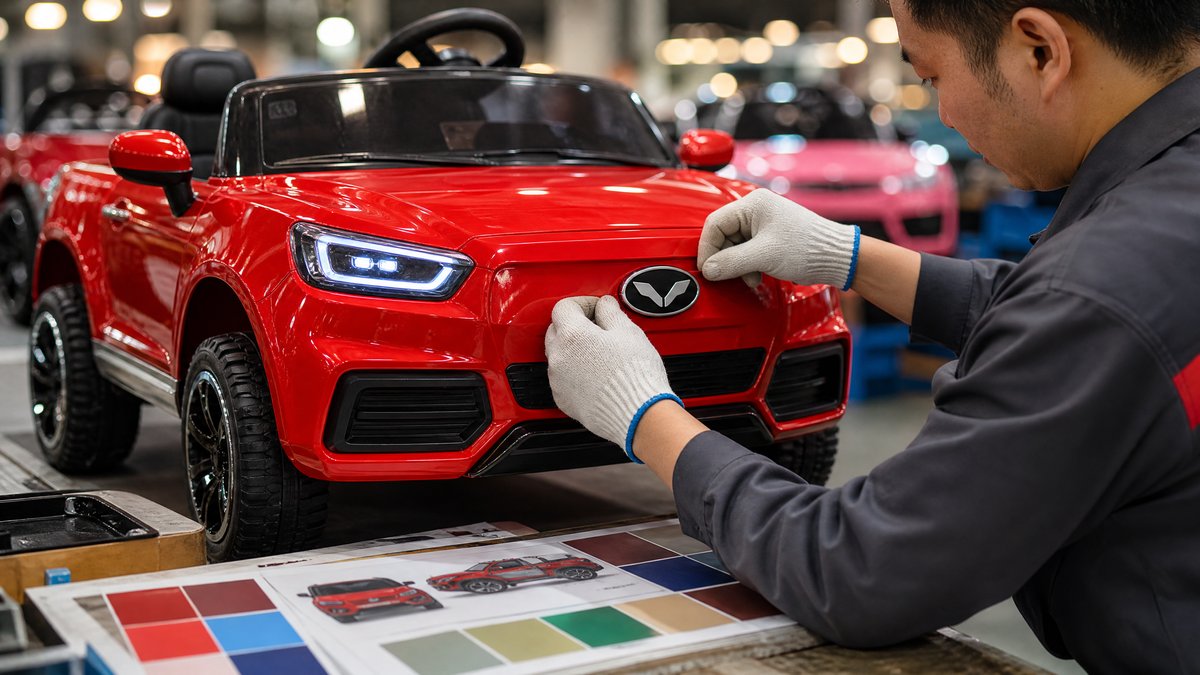
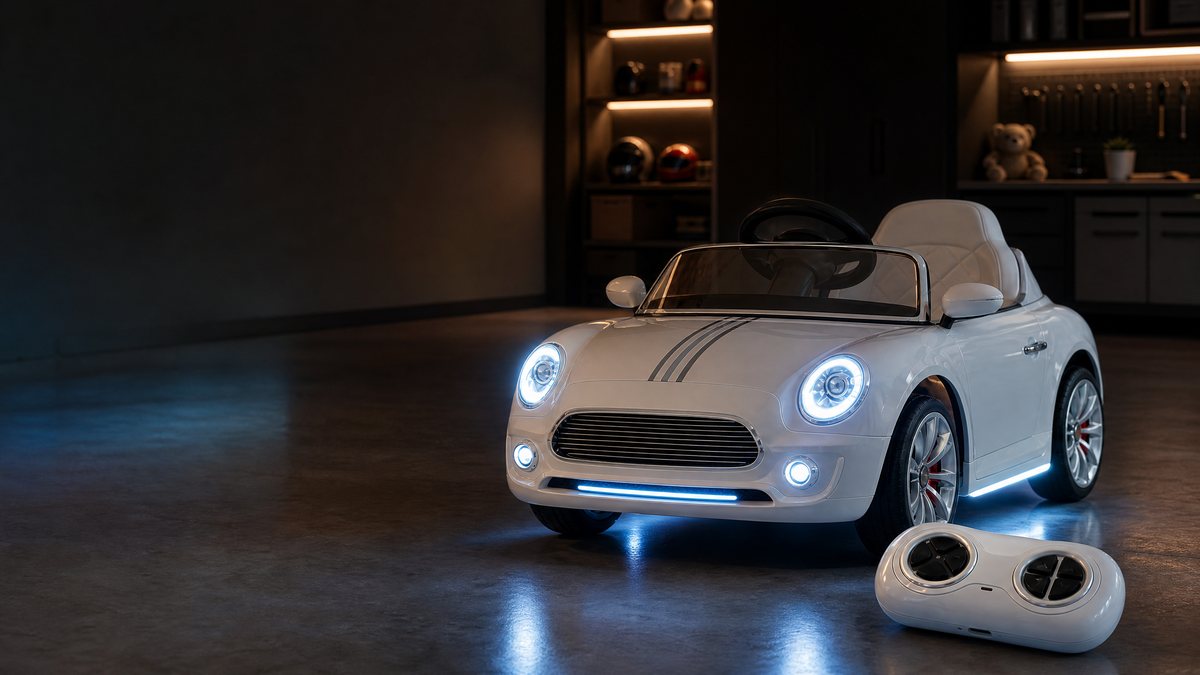
Theme parks and entertainment chains benefit greatly from cohesive visual branding. Manufacturers can customize vehicle body colors, apply high-durability waterproof vinyl wraps matching your park's branding, and install custom LED light packages that enhance nighttime visibility in outdoor amusement plazas.
Spare Parts Inventory Planning
When purchasing a fleet of 20 to 50 vehicles, always negotiate a comprehensive spare parts package (comprising 10% to 15% of your total order value). Essential spare parts should include spare gearboxes, replacement tires, extra battery packs, control motherboards, and throttle switches. Maintaining local spare parts stock minimizes venue downtime.
Regulatory Compliance and Import Documentation
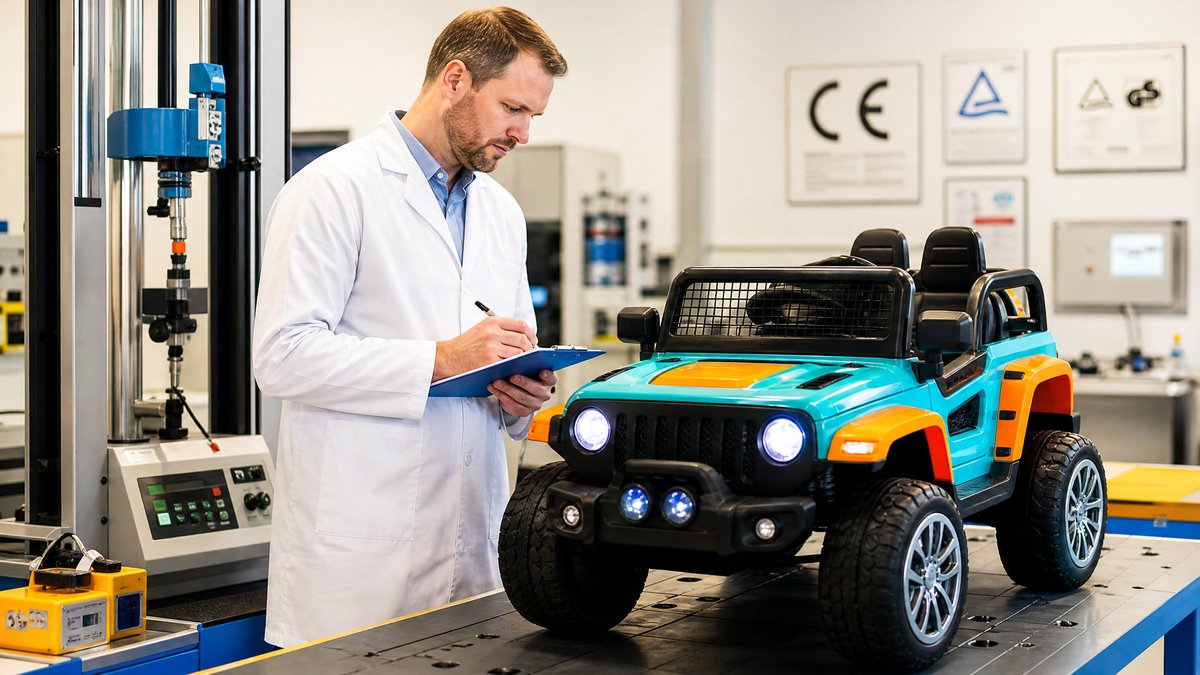
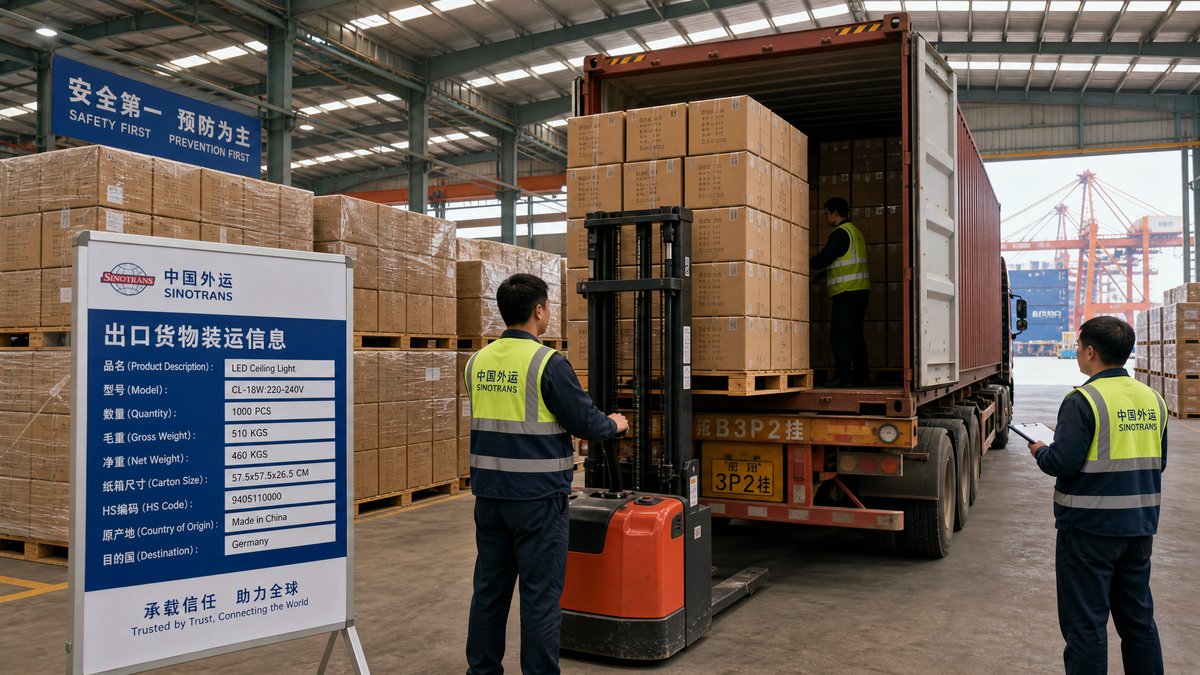
Ensure your manufacturing partner provides full documentation required by local customs and trade authorities, including verifiable CE, EN71, and ASTM test reports. Working with established manufacturers guarantees that electrical components meet international fire safety and battery transport regulations (such as UN38.3 for lithium or sealed lead-acid battery shipping).
Frequently Asked Questions (FAQ)
1. What is the average lifespan of a commercial-grade electric ride-on car in an FEC?
With proper daily maintenance, routine battery rotation, and indoor or sheltered track operations, commercial-grade ride-on cars typically last between 3 to 5 years, handling thousands of operational cycles before requiring major mechanical overhauls.
2. Can these ride-on cars be integrated with coin-operated or card-swipe systems?
Yes. Commercial models supplied by professional B2B manufacturers can be pre-configured with coin-validator modules, RFID card readers, or timer-controlled relays that automatically activate the vehicle for a set duration (e.g., 5, 10, or 15 minutes) upon payment.
3. What maintenance schedule should theme park operators follow?
Operators should implement a tiered maintenance routine: Daily checks on tire tread, brake responsiveness, and battery voltage; weekly checks on electrical wiring connections and gearbox lubrication; and monthly checks on chassis structural bolts and remote control synchronization.
4. What is the standard minimum order quantity (MOQ) for custom-branded commercial fleets?
MOQs vary depending on the level of customization. Standard off-the-shelf commercial models often have an MOQ starting at 5 to 10 units, while fully custom body colors, branded decals, and specialized coin-op integrations typically require an MOQ of 20 to 30 units.
Secure Your Commercial Fleet Today
Upgrading your theme park or family entertainment center with high-performance electric ride-on cars is a proven method to boost visitor engagement and ancillary revenue. Partner with an industry leader that understands the rigorous demands of commercial amusement operations.
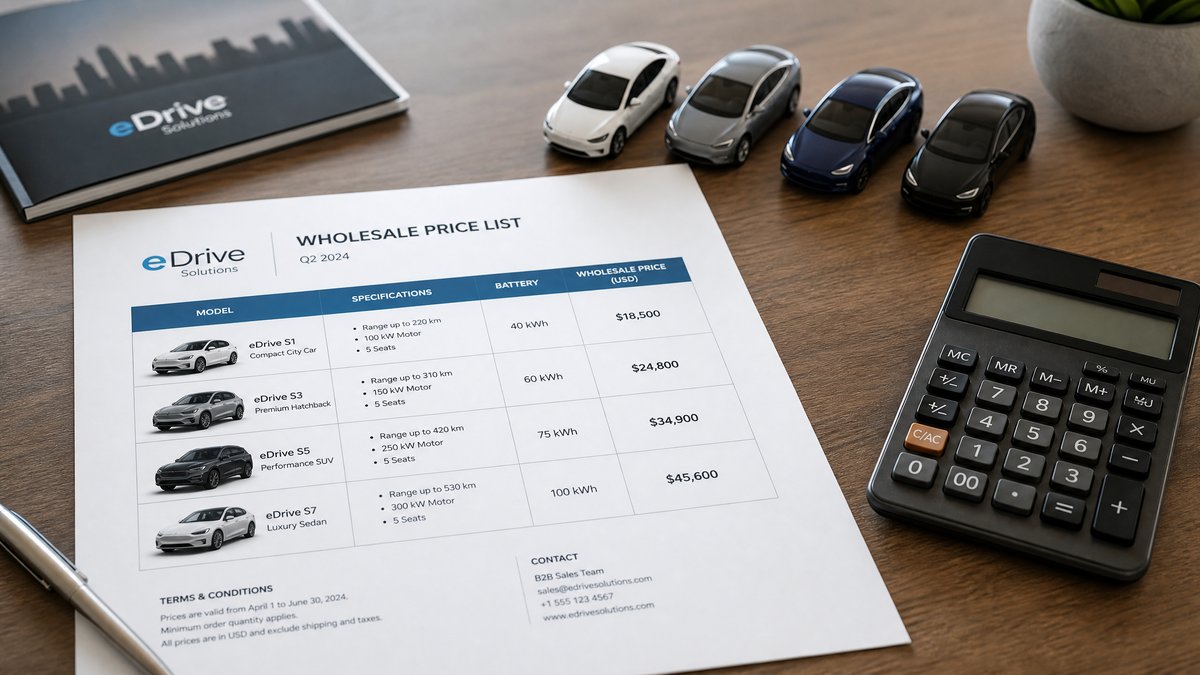
To request a detailed B2B wholesale catalog, volume pricing tiers, or custom OEM consultations for your upcoming entertainment project, contact our commercial sales team directly at mailto:info@kidsridecar.com.
Official references
Explore these external resources for current regulatory and trade guidance. Confirm requirements with the relevant authority before placing an order.
Ready to Start?
Factory-Direct · CE & ASTM Certified · MOQ from 50 Units
Our export team works with buyers in 60+ countries. Get a quote within 24 hours.
KR
Written by KidsRideCar
China's leading kids electric ride-on car manufacturer. 500,000+ units shipped annually to 60+ countries. CE, ASTM & EN71 certified.