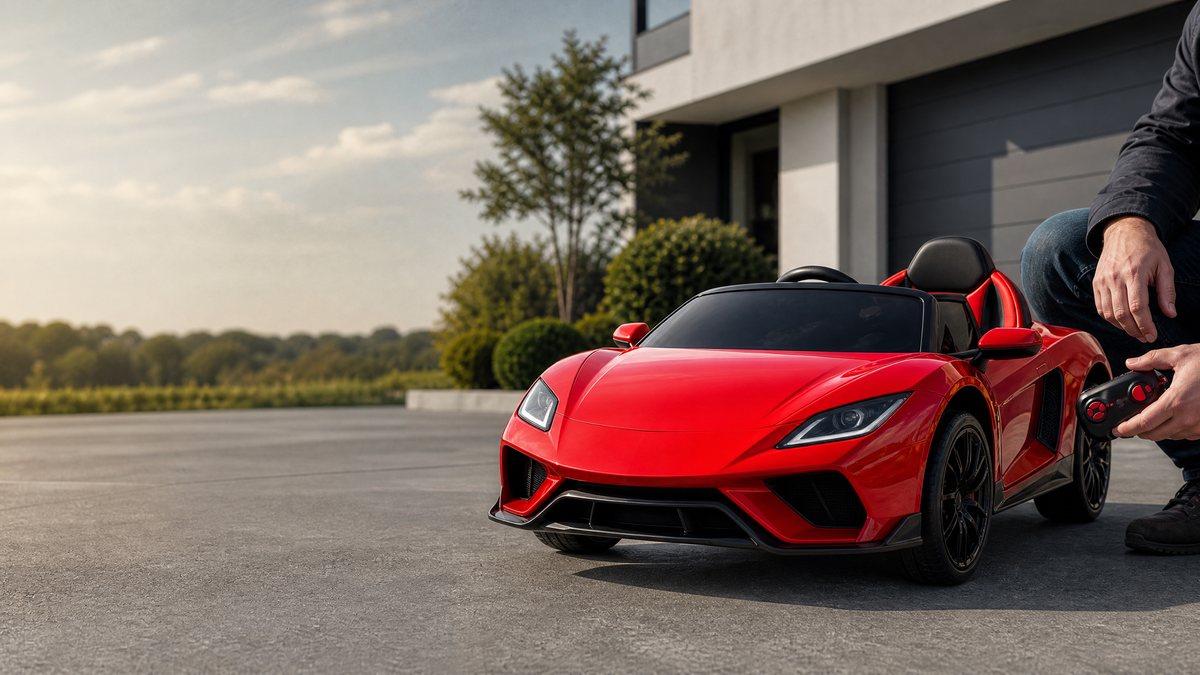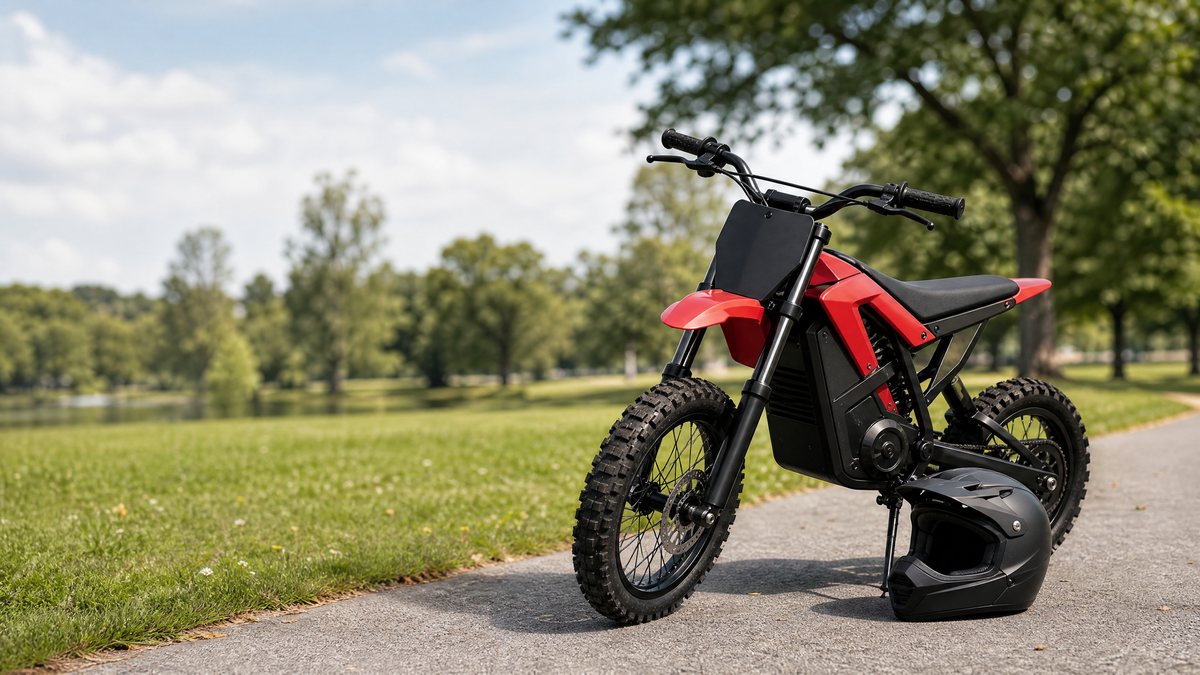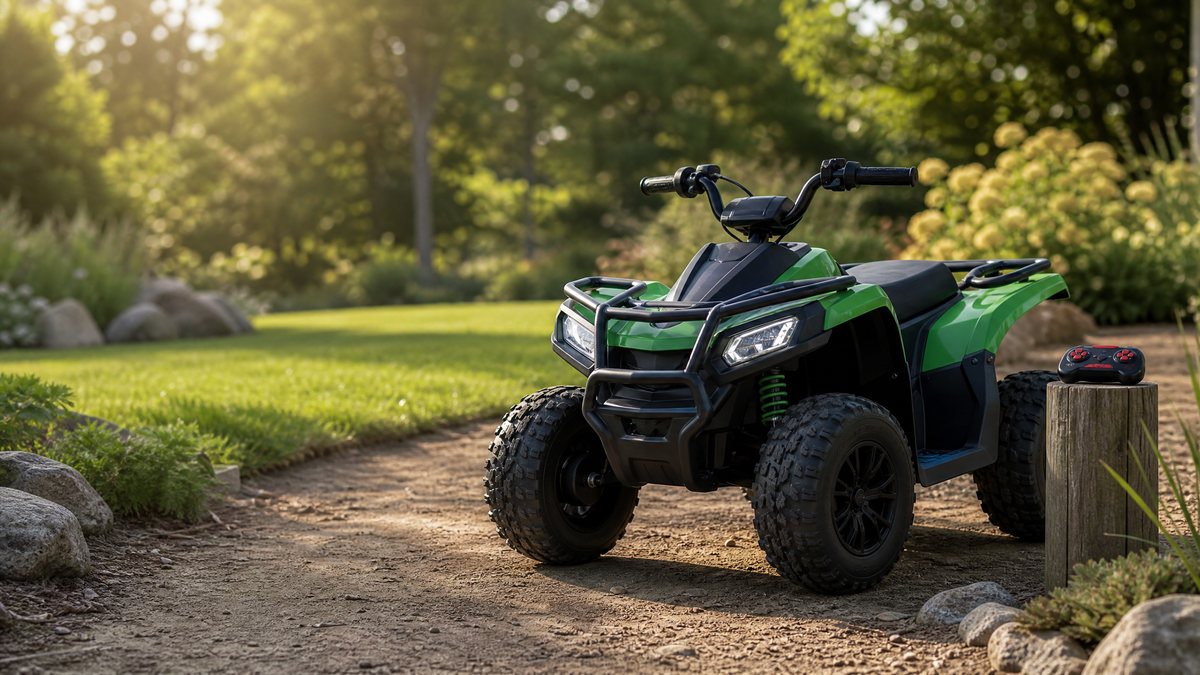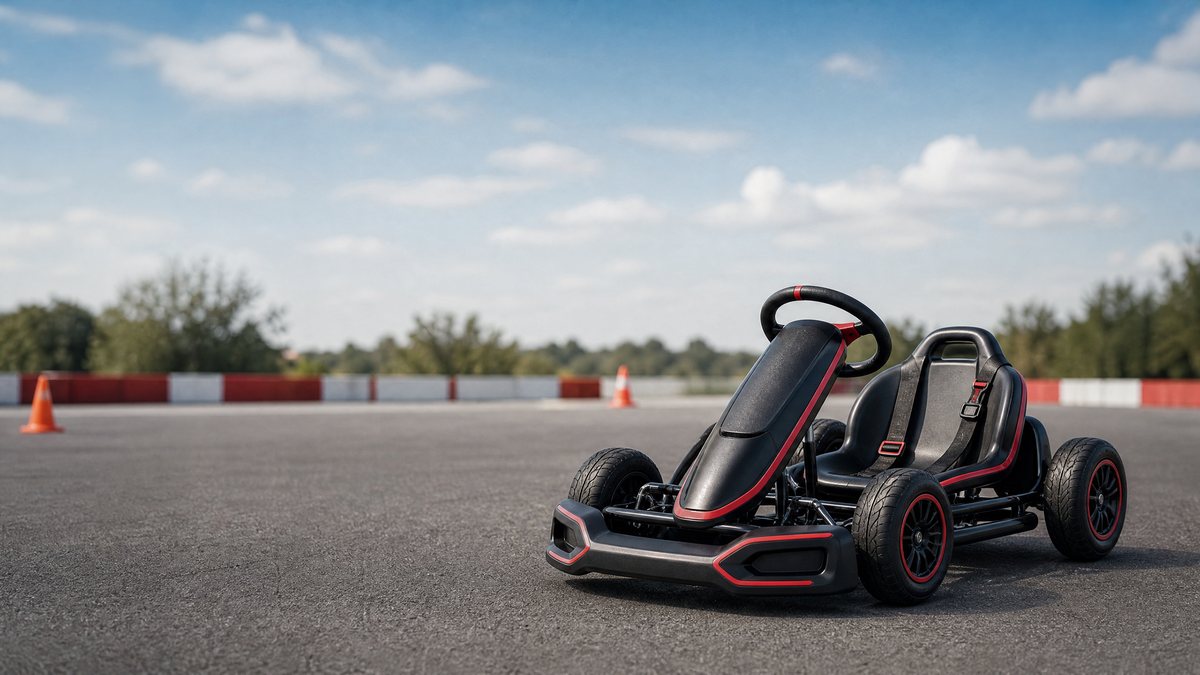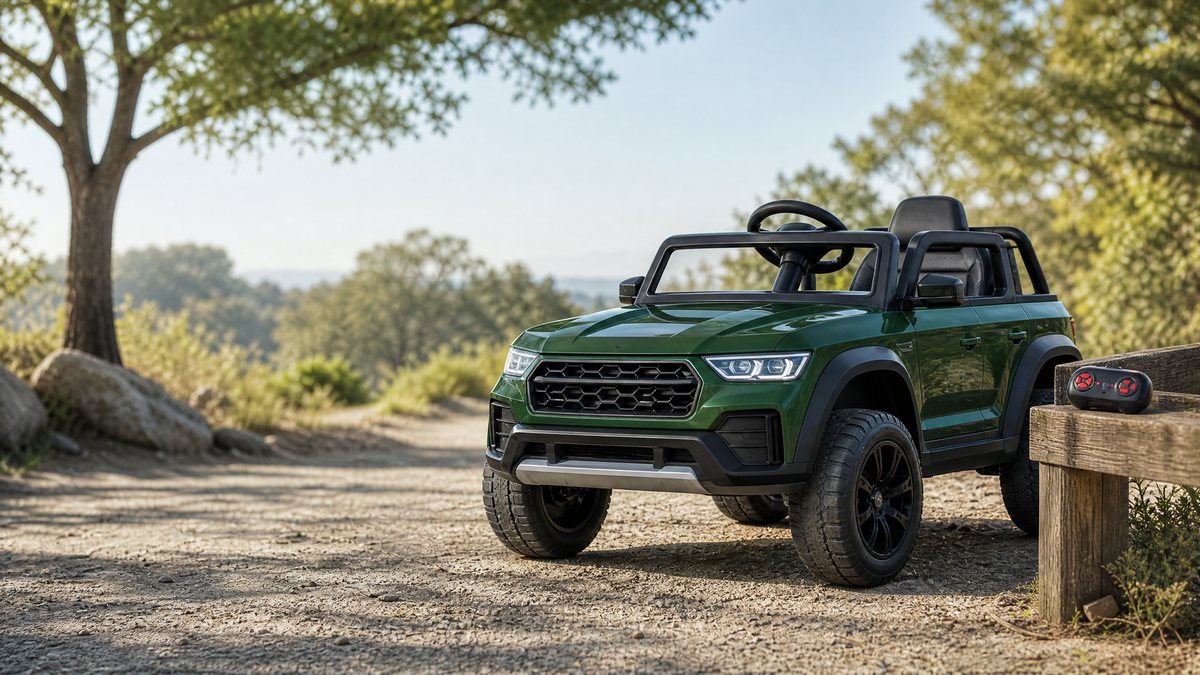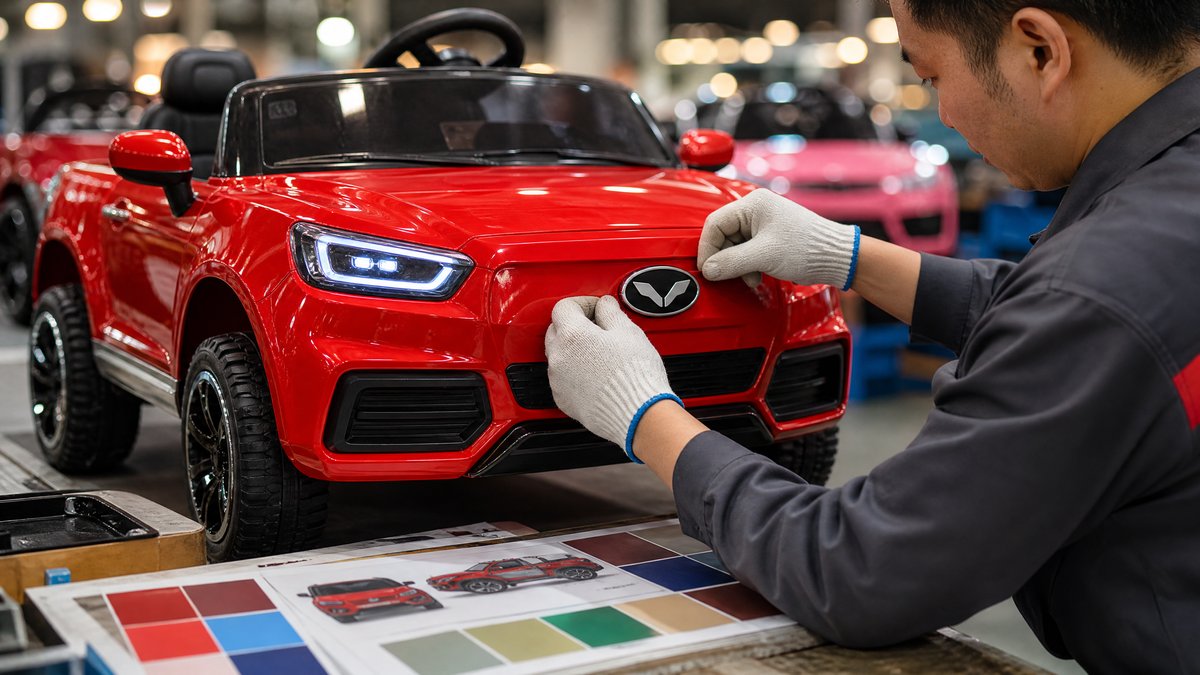
For international toy brands, importers, and regional distributors, sourcing ride-on cars from China is a cornerstone of business profitability. However, entering into an Original Equipment Manufacturer (OEM) or Original Design Manufacturer (ODM) partnership can feel like stepping into a black box. How does an initial concept or custom branding requirement transform into thousands of high-quality, certified electric cars rolling off a container ship?
Understanding the factory production workflow is essential for global B2B buyers. When you know what happens behind the scenes, you can communicate more effectively with factory engineering teams, mitigate supply chain risks, set realistic lead times, and ultimately deliver superior products to your retail market.
In this comprehensive guide, we take you inside a typical top-tier Chinese kids' electric car manufacturing facility to examine every stage of the OEM order lifecycle.
1. Initial Consultation, Feasibility, and Design Alignment
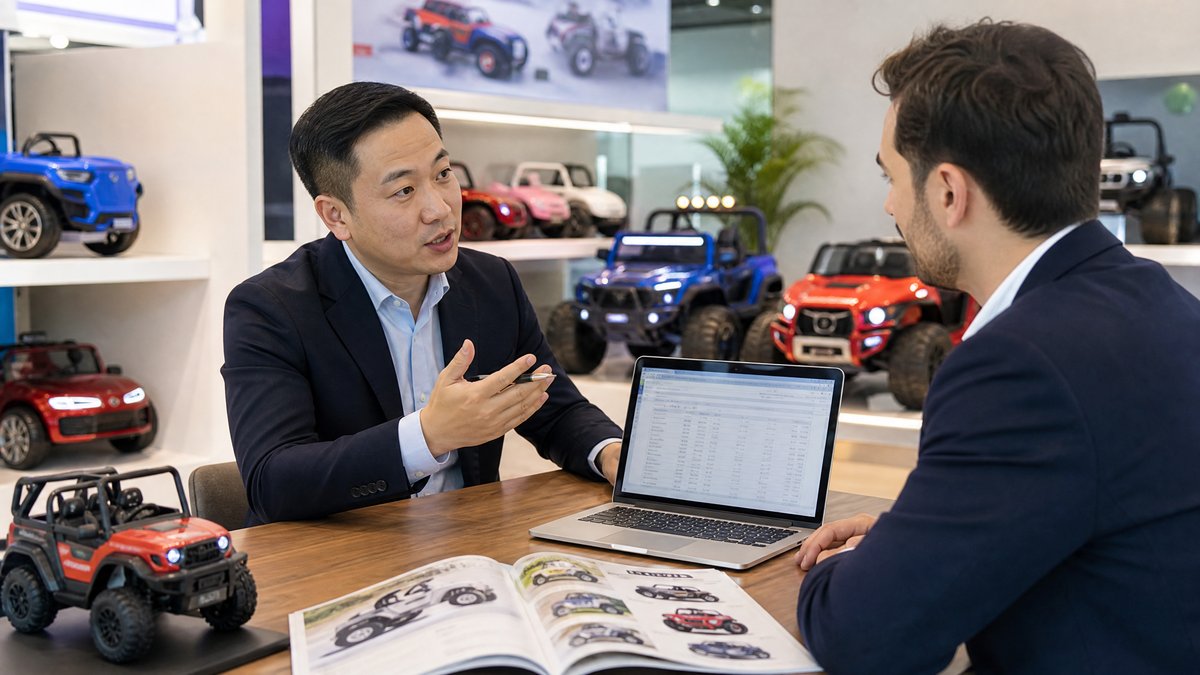
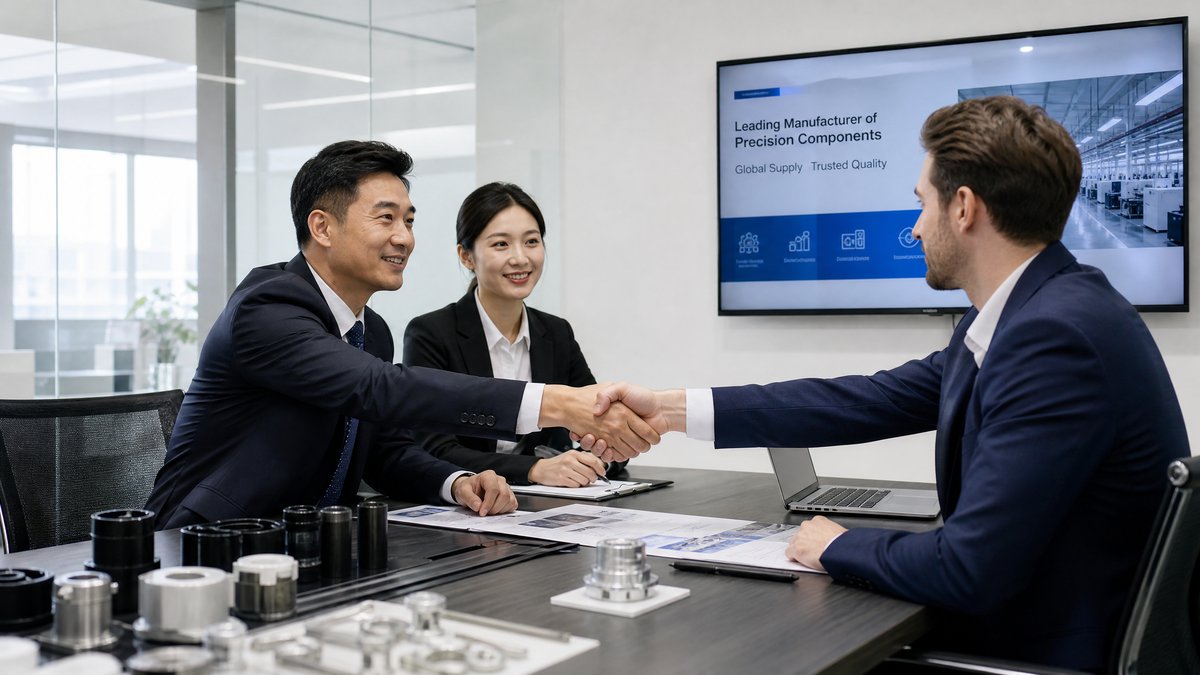
Every successful OEM project begins long before the first piece of plastic is injected into a mold. It starts in the conference room and engineering office, where the factory's technical team evaluates the buyer's product specifications.
Defining Product Specifications
Whether the buyer is requesting custom colors, upgraded 24V brushless motors, unique EVA foam tire tread patterns, or proprietary dashboard decals, the factory's R&D department reviews the technical feasibility. Key considerations during this phase include:
* Structural Integrity: Ensuring that custom body modifications do not compromise the vehicle's load-bearing capacity or structural safety.
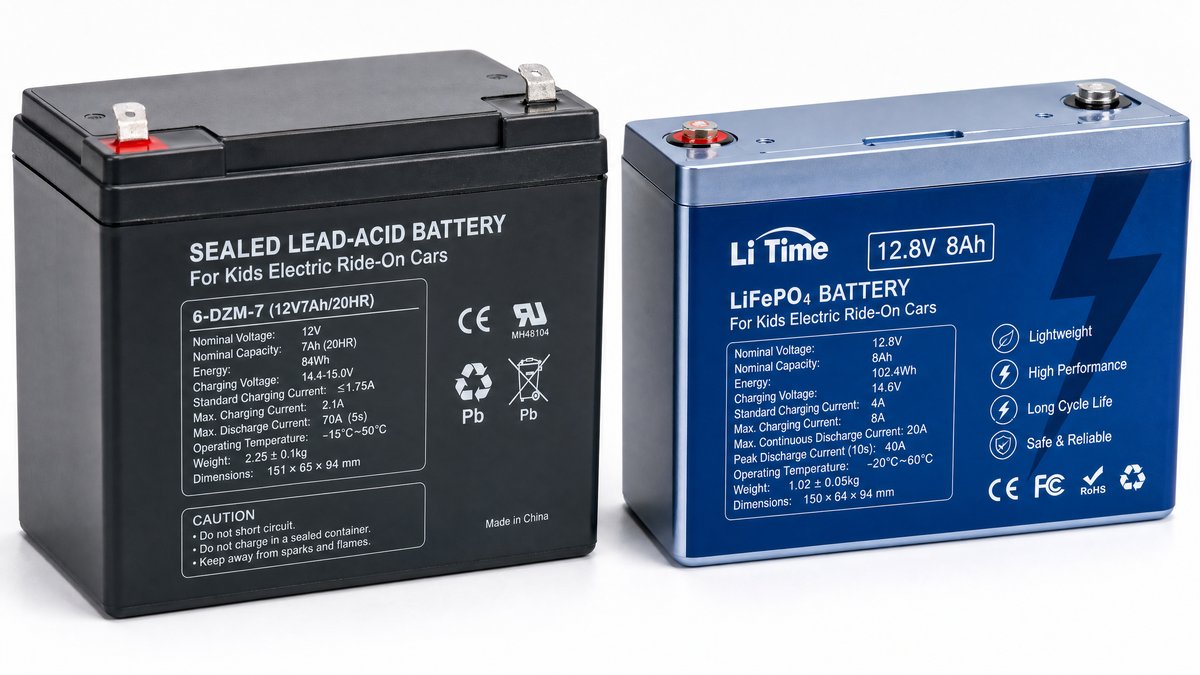
* Electrical Architecture: Verifying that upgraded battery systems (e.g., transitioning from 12V 7AH to 24V 10AH dual-drive systems) match the wiring harness and controller specifications.
* Regulatory Compliance: Confirming that custom components still align with major international toy safety standards such as EN71, EN62115, ASTM F963, and CPSIA.
3D Modeling and Prototyping
Once specifications are locked in, the factory's industrial designers generate CAD drawings and 3D renderings. For deep ODM customization involving new body molds, rapid prototyping or CNC machining is used to create a physical mockup. This allows importers to inspect proportions, door openings, steering wheel placement, and seating ergonomics before investing in expensive steel tooling.
2. Tooling and Mold Development (For Custom Designs)
For buyers requiring a completely proprietary body design, mold creation is the most capital-intensive and time-consuming phase of the OEM process.
* Steel Tooling Fabrication: High-precision CNC milling machines carve out heavy steel injection molds. The quality of the mold directly dictates the surface finish, part consistency, and longevity of the production run.
* Sampling and T0/T1 Trials: The factory produces initial test samples (known as T0 and T1 runs). Importers or their third-party quality inspectors review these samples for shrinkage, warping, or surface imperfections. Once adjustments are made, the mold is approved for mass production.
3. The Core Manufacturing Workflow
Once samples and tooling are signed off, the order enters active production on the factory floor. A modern kids' electric car factory integrates several specialized workshops:
A. Plastic Injection Molding
The vehicle body, dashboard, seats, wheels, and steering components begin as raw polymer pellets (typically high-grade ABS or PP). These pellets are fed into large-scale injection molding machines, melted under high pressure, and injected into steel molds. Skilled technicians monitor cooling times and temperature gradients to prevent warping and ensure uniform wall thickness.
B. Electronic Sub-Assembly and SMT
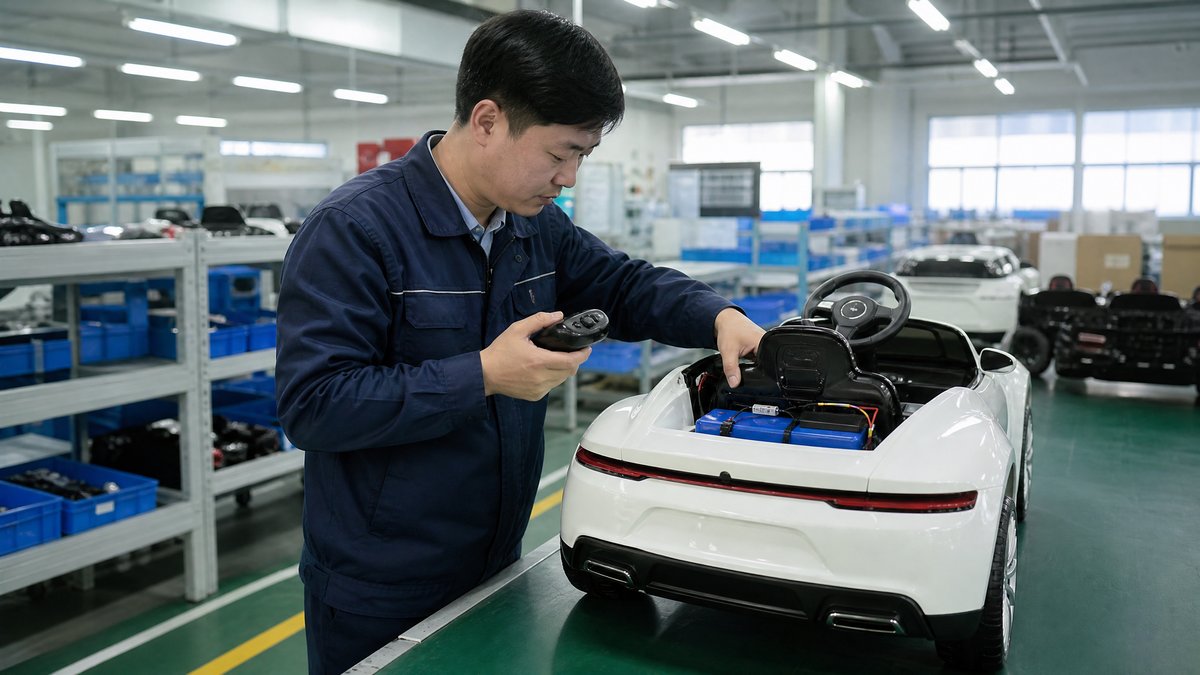
Kids' ride-on cars are increasingly sophisticated, featuring Bluetooth remote controls, MP3/USB sound systems, LED lighting arrays, and digital voltmeters.
* Circuit Board Production: Printed Circuit Board Assemblies (PCBAs) are produced via Surface Mount Technology (SMT) lines.
* Wiring Harness Pre-Assembly: Wiring looms are cut, stripped, and fitted with waterproof connectors to withstand rigorous outdoor play.
C. Motor and Gearbox Integration
The drivetrain is the powerhouse of any electric ride-on. Factories assemble electric motors (ranging from standard 390/550 brushed motors to high-torque 775 or brushless motors) into enclosed gearboxes, lubricating the gears with high-grade industrial grease to ensure quiet operation and extended lifespan.
D. Final Assembly Lines and Inline QC
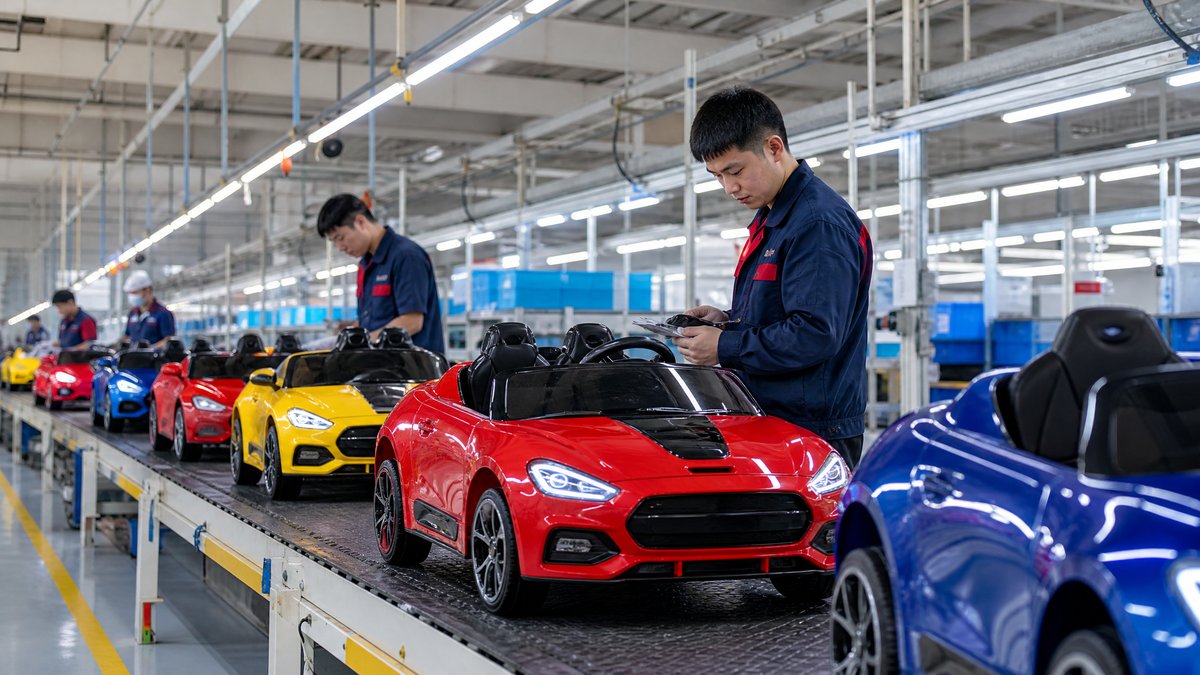
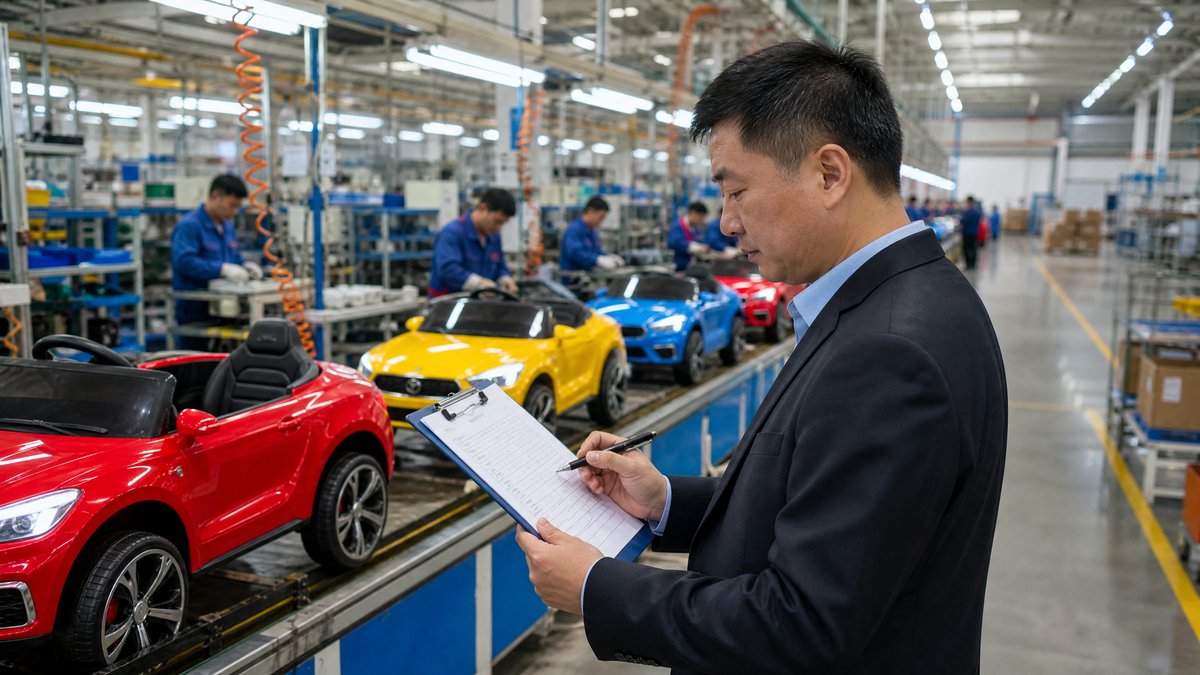
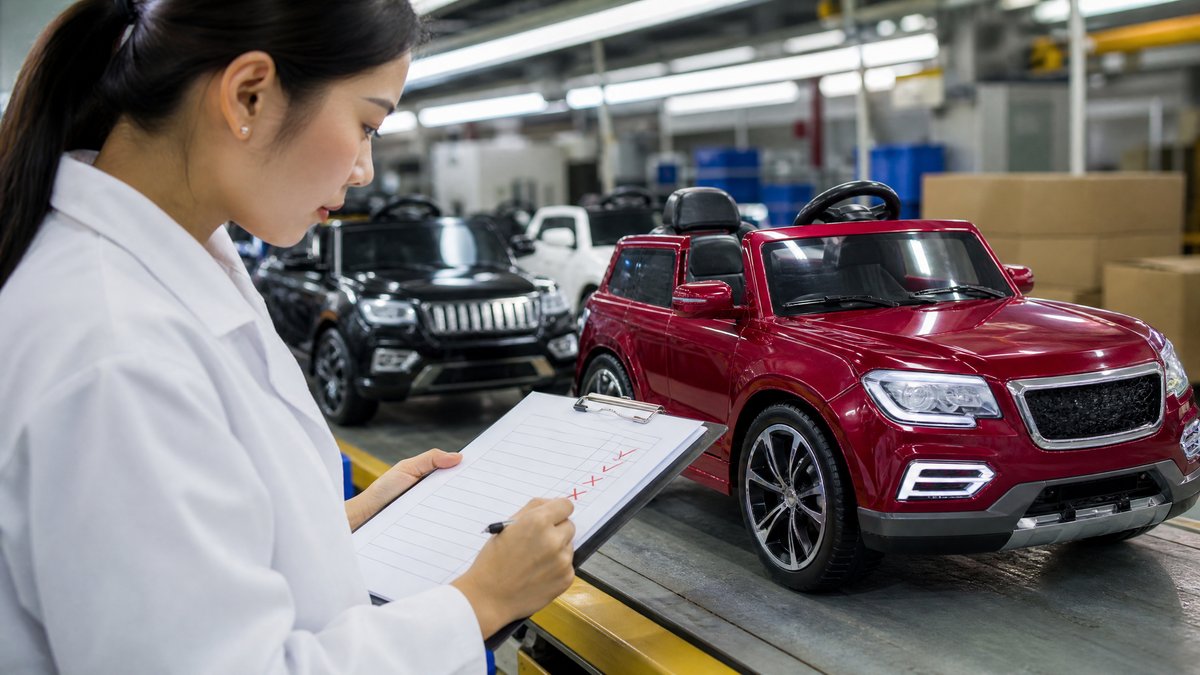
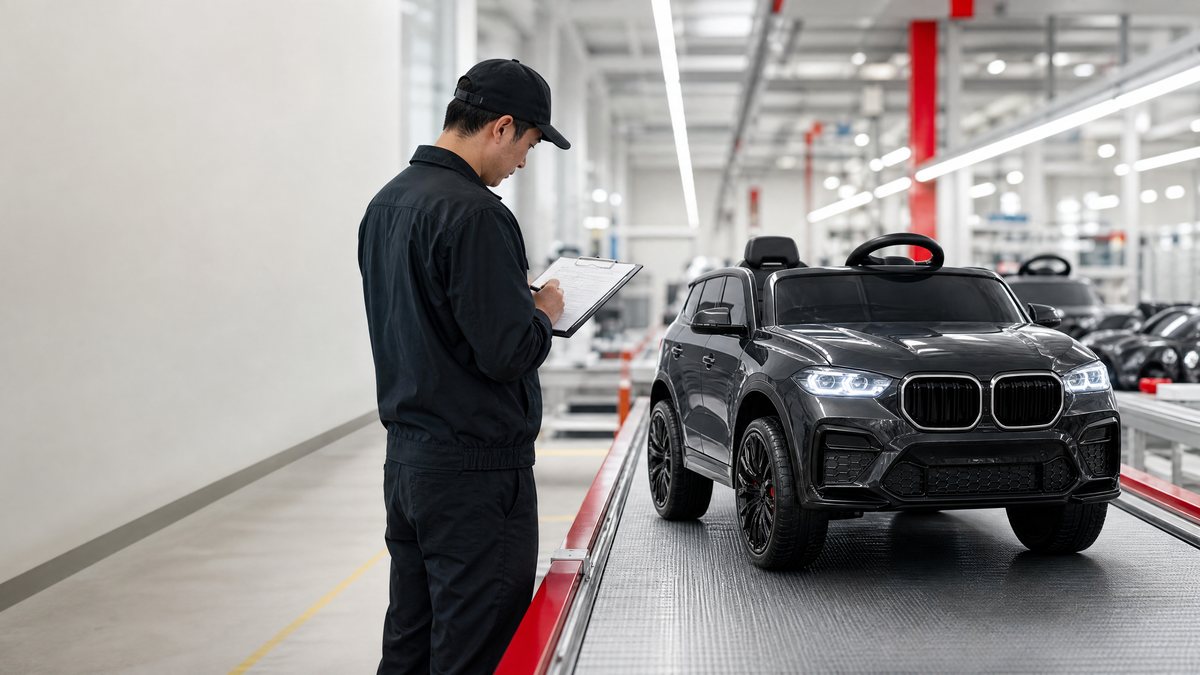
Vehicles move along conveyor assembly lines where workers systematically install chassis components, steering columns, suspension springs, motors, wheels, wiring, seats, and body shells.
4. Quality Control (QC) and Safety Testing Protocols
To protect your brand reputation and prevent costly international returns, professional Chinese manufacturers enforce multi-stage quality control protocols.
| QC Stage | Inspection Focus | Methodology & Standards |
|---|---|---|
| IQC (Incoming QC) | Raw materials & electronic components | Testing battery voltage, plastic granule purity, motor RPM, and gearbox durability. |
| IPQC (In-Process QC) | Assembly line checkpoints | Spot-checking torque settings on fasteners, wiring continuity, and structural alignment. |
| FQC (Final QC) | Finished vehicle performance | 100% functional testing: remote control range, sound system, accelerator pedal response, and LED lights. |
| OQC (Outgoing QC) | Packaging & container loading | Verifying carton drop tests, barcode accuracy, manual/charger inclusion, and pallet security. |
Traditional OEM vs. Modern ODM Manufacturing Approach
| Feature | Traditional OEM (Buyer-Provided Specs) | Advanced ODM (Factory-Collaborative) |
|---|---|---|
| Design Origin | Buyer provides complete blueprints and CAD files. | Factory offers modular platforms with customizable styling. |
| Time to Market | Longer (requires custom tooling verification). | Faster (utilizes existing certified chassis platforms). |
| Initial Investment | High mold development and tooling costs. | Lower setup costs; focused on cosmetic customization. |
| Compliance Risk | Shared; buyer assumes design liability. | Minimized; factory provides pre-certified platforms. |
5. Packaging, Logistics, and Global Shipping
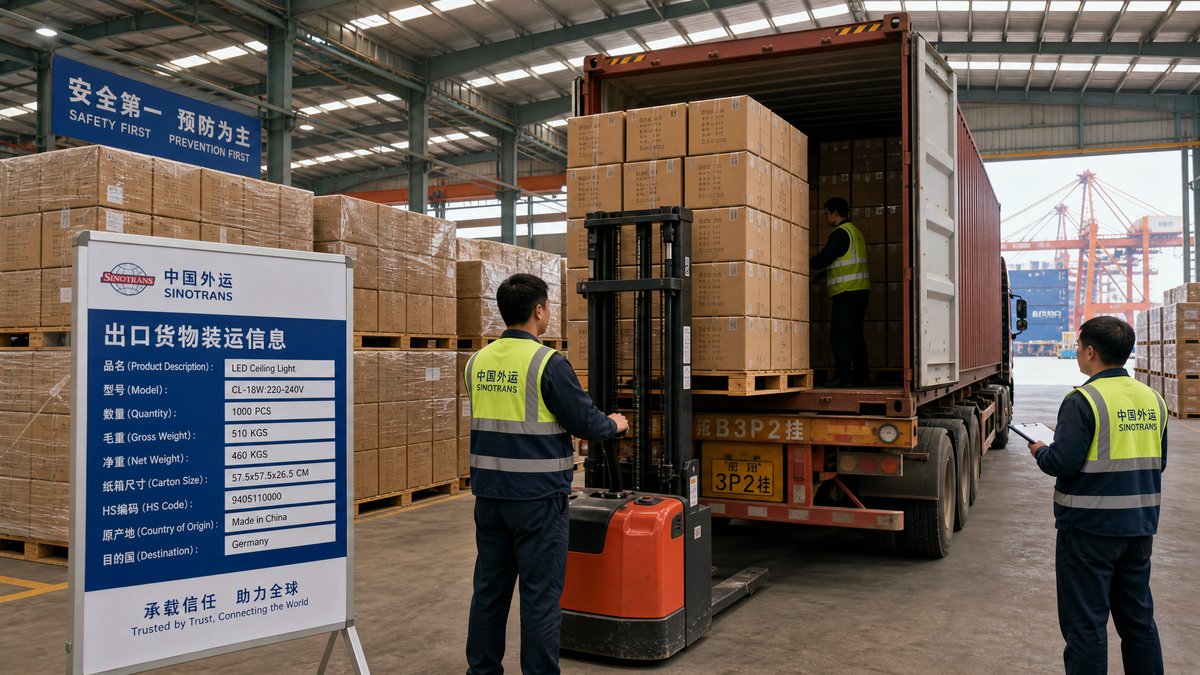
The final step in the OEM workflow is ensuring that fragile plastic bodies and heavy electronic components survive the turbulent journey across global oceans.
* Drop-Test Certified Packaging: Ride-on cars are packed in heavy-duty 5-layer or 7-layer corrugated export cartons, reinforced with molded EPS foam or custom cardboard inserts to protect protruding mirrors, steering wheels, and windshields.
* Documentation & Export Clearance: The factory prepares all necessary shipping documentation, including Commercial Invoices, Packing Lists, Certificates of Origin, and compliance test reports (CE, RoHS, ASTM), ensuring seamless customs clearance at the destination port.
Frequently Asked Questions (FAQ)
Q1: What is the typical Minimum Order Quantity (MOQ) for an OEM kids' electric car order?
A: For standard models with custom branding (logo printing, custom box design, and specific body colors), MOQs typically start at 100 to 300 units per model. For completely bespoke ODM development requiring brand-new body molds, MOQs generally start at 1,000 to 2,000 units to amortize tooling costs.
Q2: How long does the OEM production cycle take from contract signing to shipment?
A: For existing models with custom color and packaging, production takes approximately 30 to 45 days after deposit confirmation. If your OEM order requires new custom tooling or complex electronic modifications, expect an additional 45 to 60 days for mold development and sampling.
Q3: How do Chinese factories ensure compliance with international safety standards?
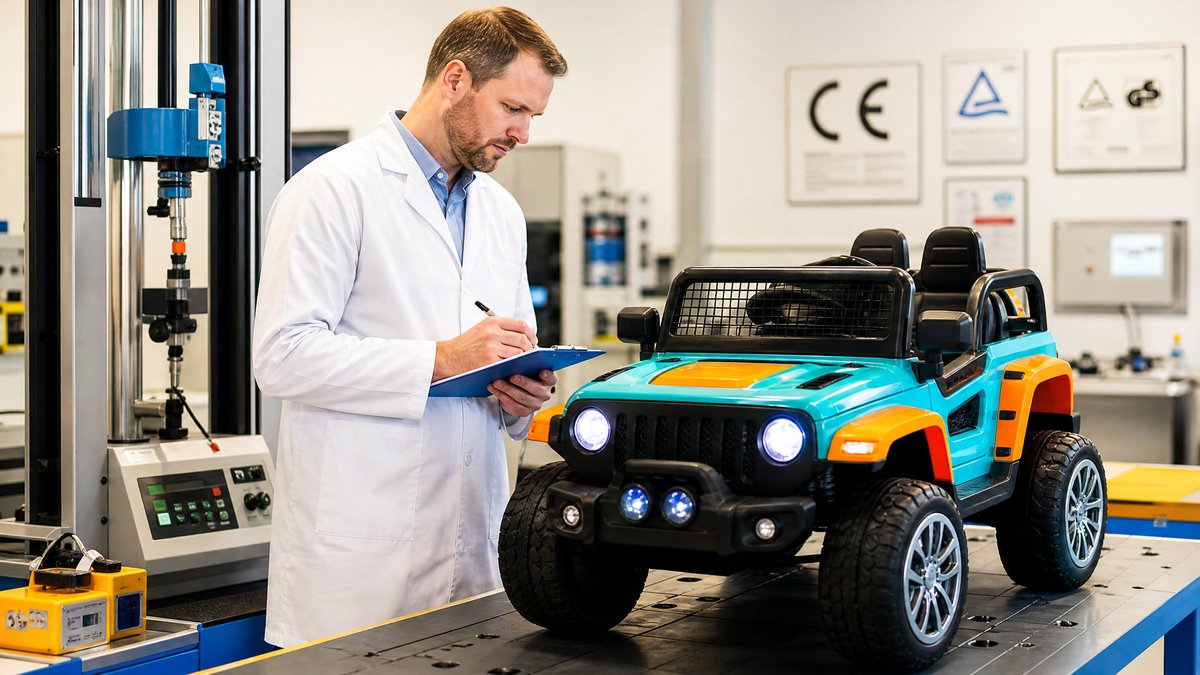
A: Reputable manufacturers source raw materials from certified suppliers and maintain in-house testing laboratories. They conduct preliminary drop tests, chemical composition analyses (phthalates, heavy metals), and electrical load testing. Final compliance certificates are issued by accredited third-party labs such as SGS, TÜV, or Intertek.
Partner with KidsRideCar for Your Next OEM Project
Navigating the complexities of Chinese manufacturing requires a trusted partner with proven factory relationships, stringent quality control, and deep engineering expertise. At KidsRideCar, we specialize in delivering high-performance, certified kids' electric ride-on cars tailored to your exact brand specifications.
Whether you are looking to scale your existing catalog or develop a proprietary line of luxury ride-ons, our engineering team is ready to support your business growth.
* Email: info@kidsridecar.com
* Website: https://www.kidsridecar.com
Contact us today to discuss your OEM requirements and request our latest wholesale catalog.
Official references
Explore these external resources for current regulatory and trade guidance. Confirm requirements with the relevant authority before placing an order.
Ready to Start?
Factory-Direct · CE & ASTM Certified · MOQ from 50 Units
Our export team works with buyers in 60+ countries. Get a quote within 24 hours.
KR
Written by KidsRideCar
China's leading kids electric ride-on car manufacturer. 500,000+ units shipped annually to 60+ countries. CE, ASTM & EN71 certified.