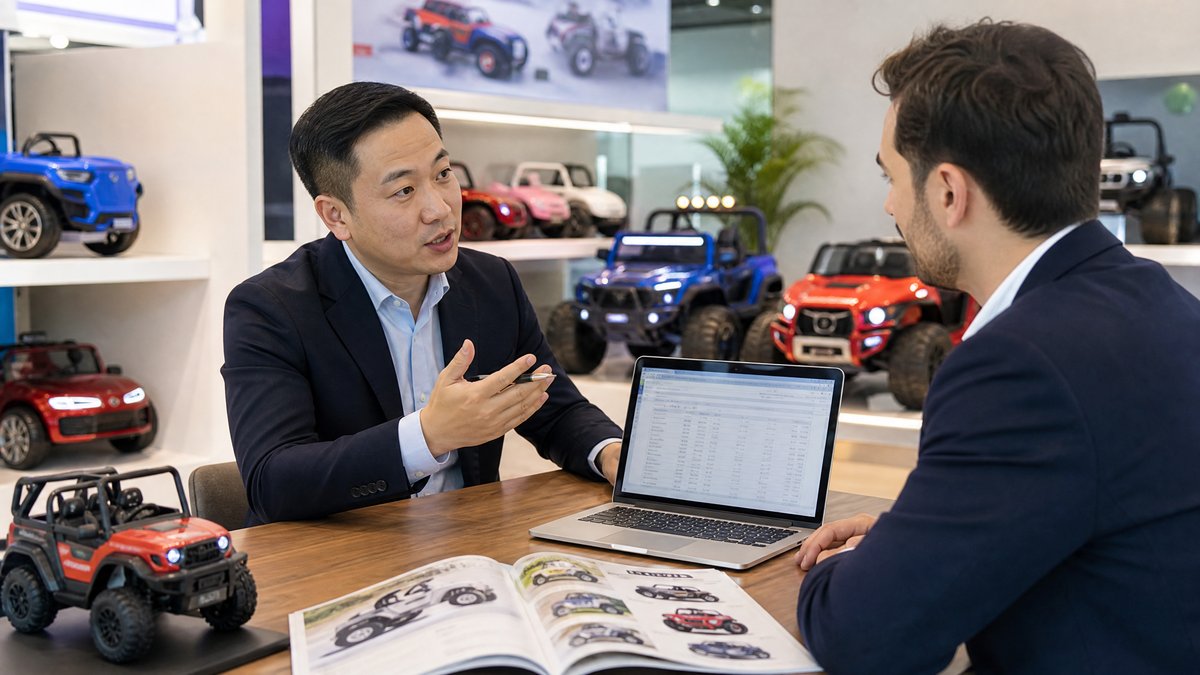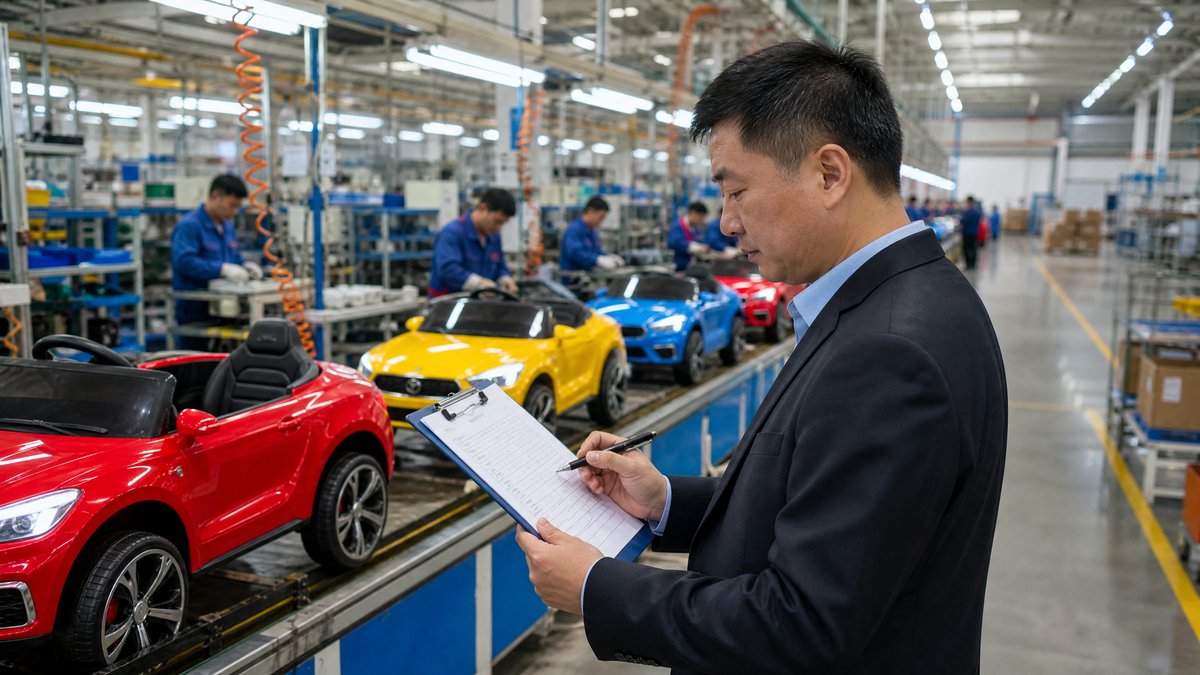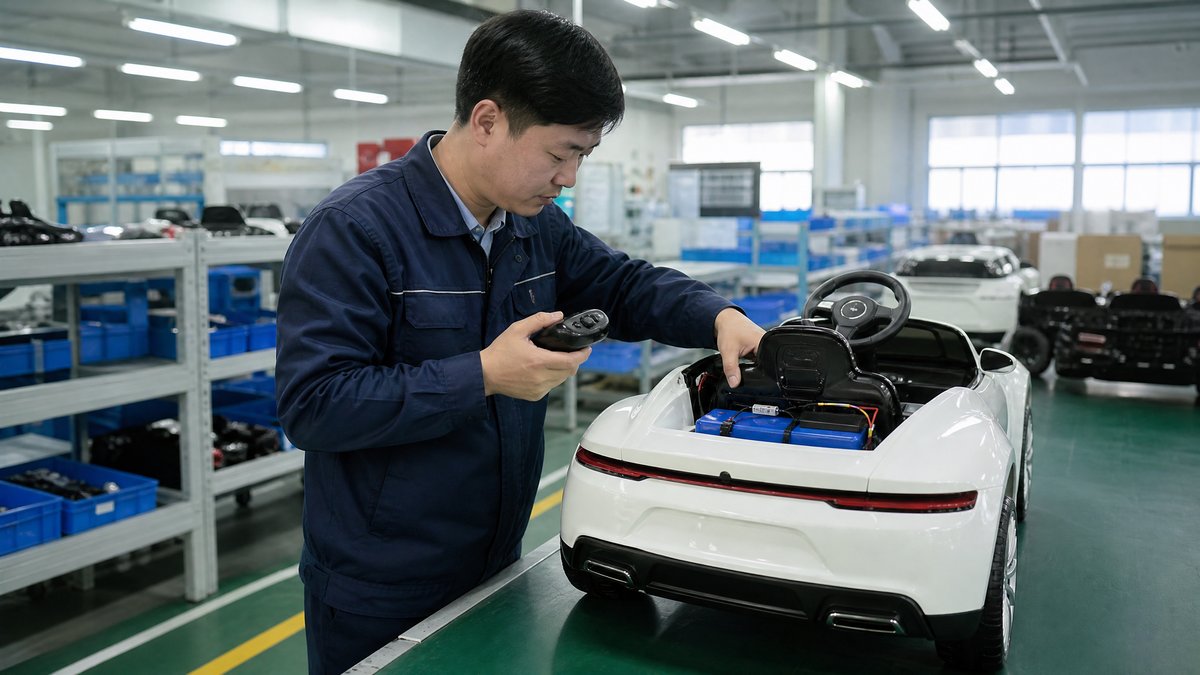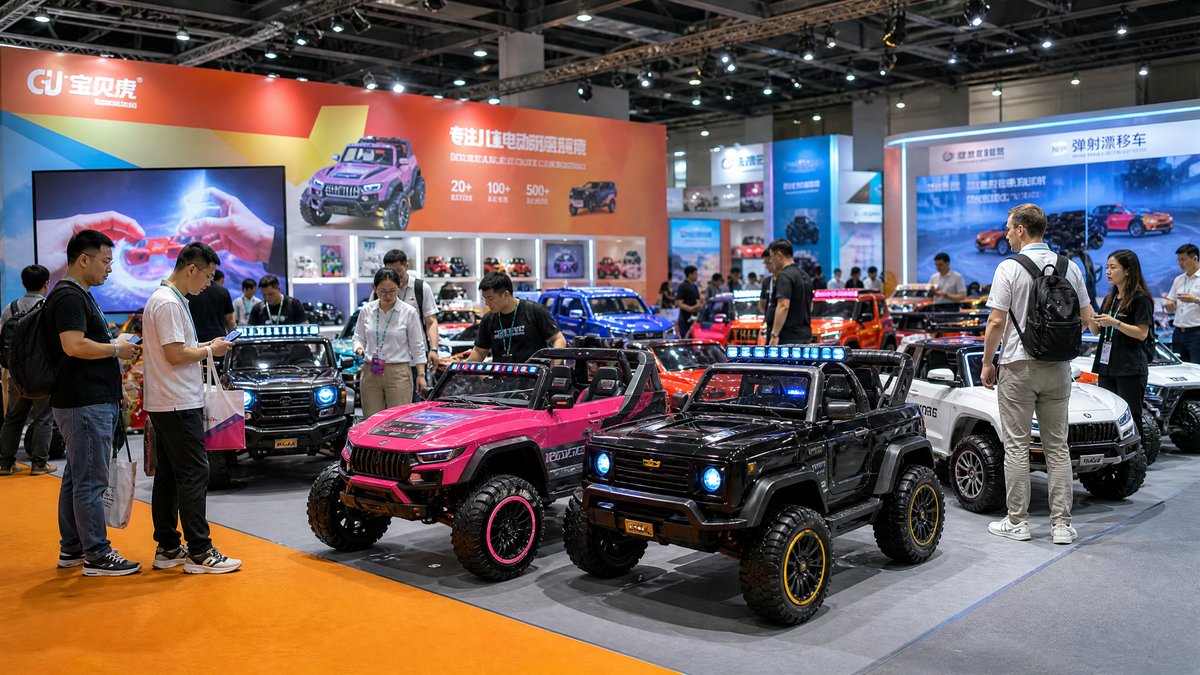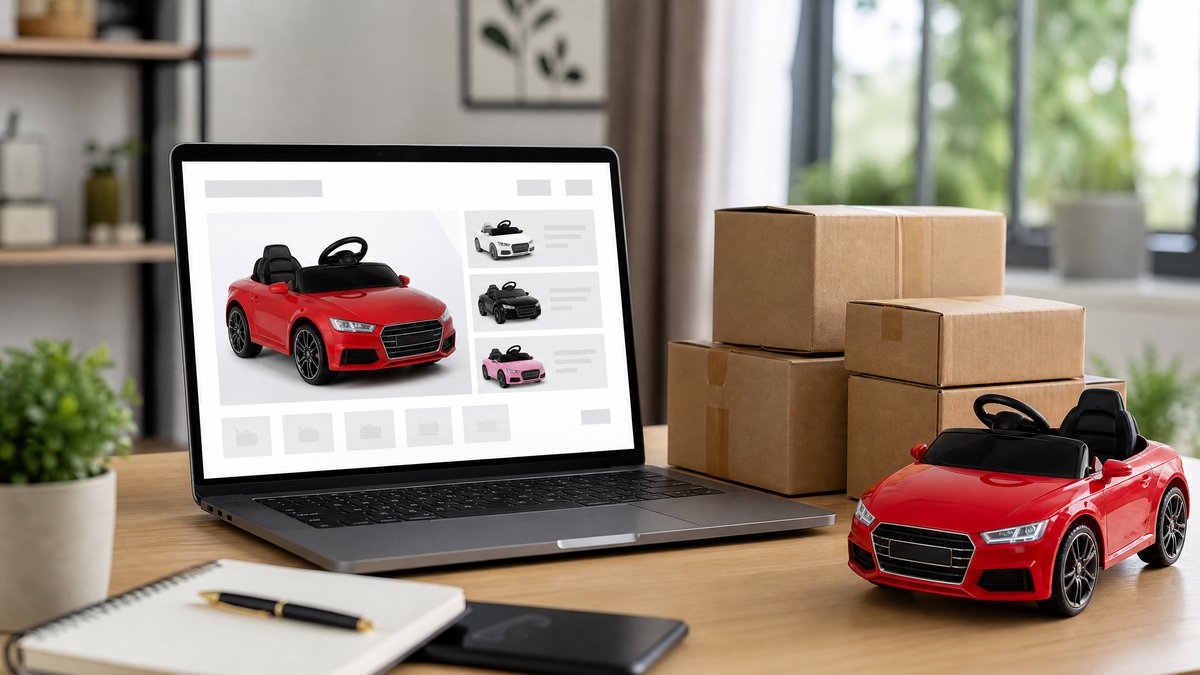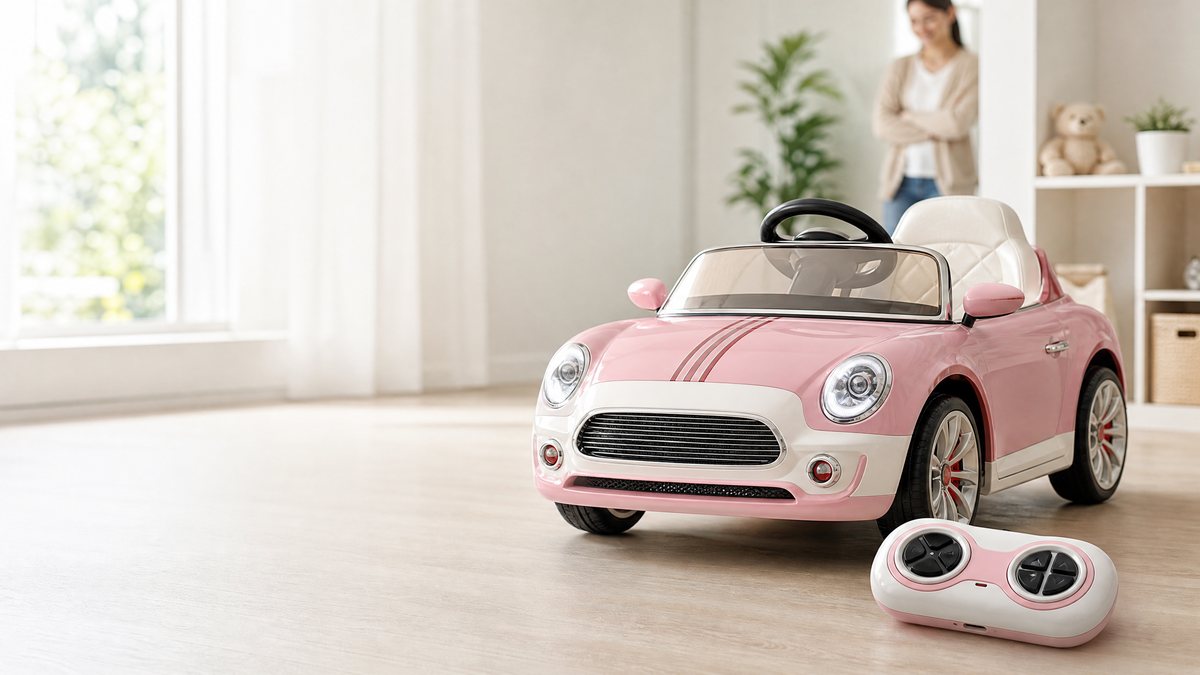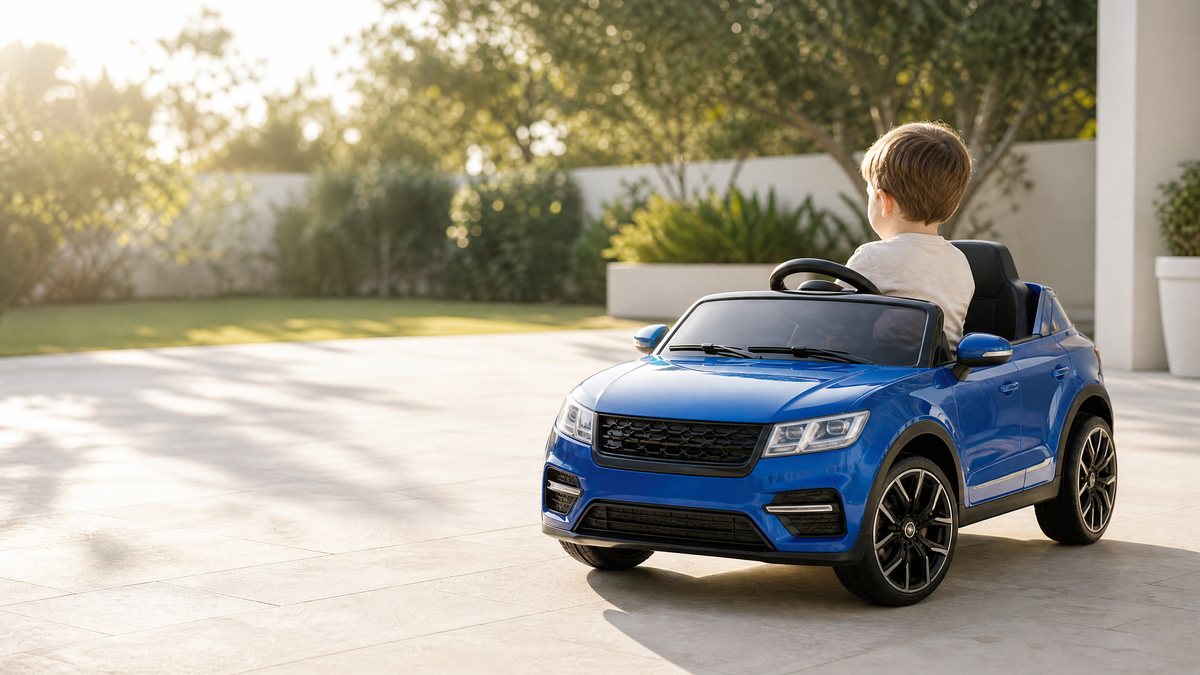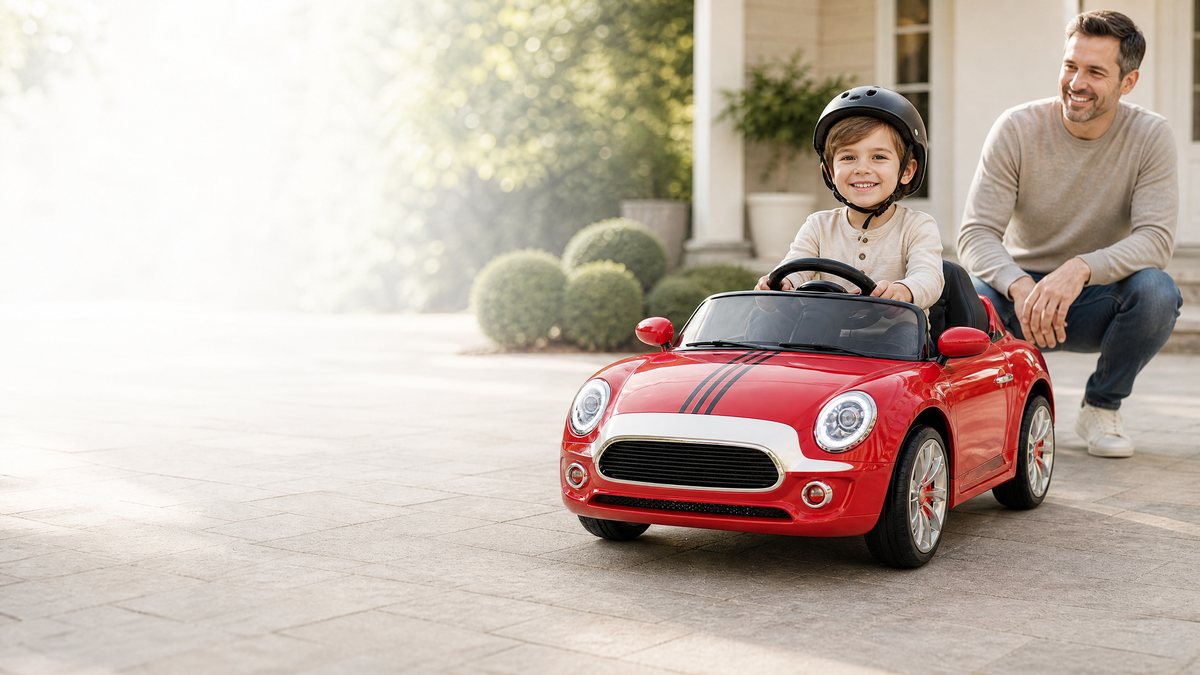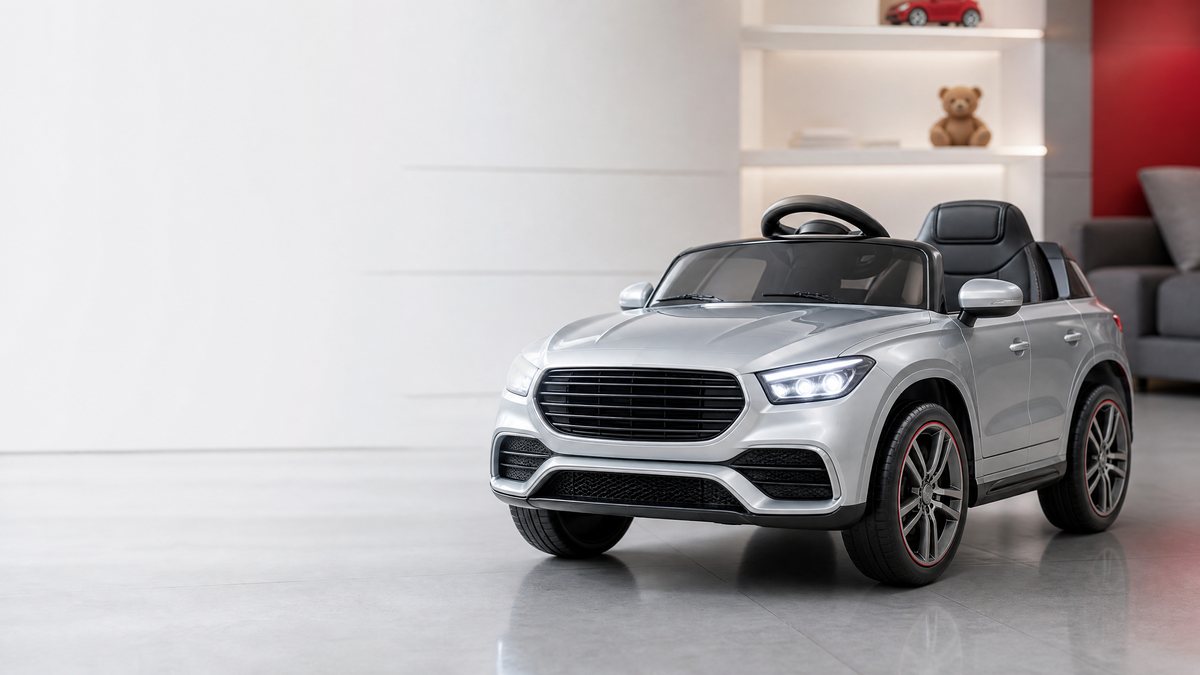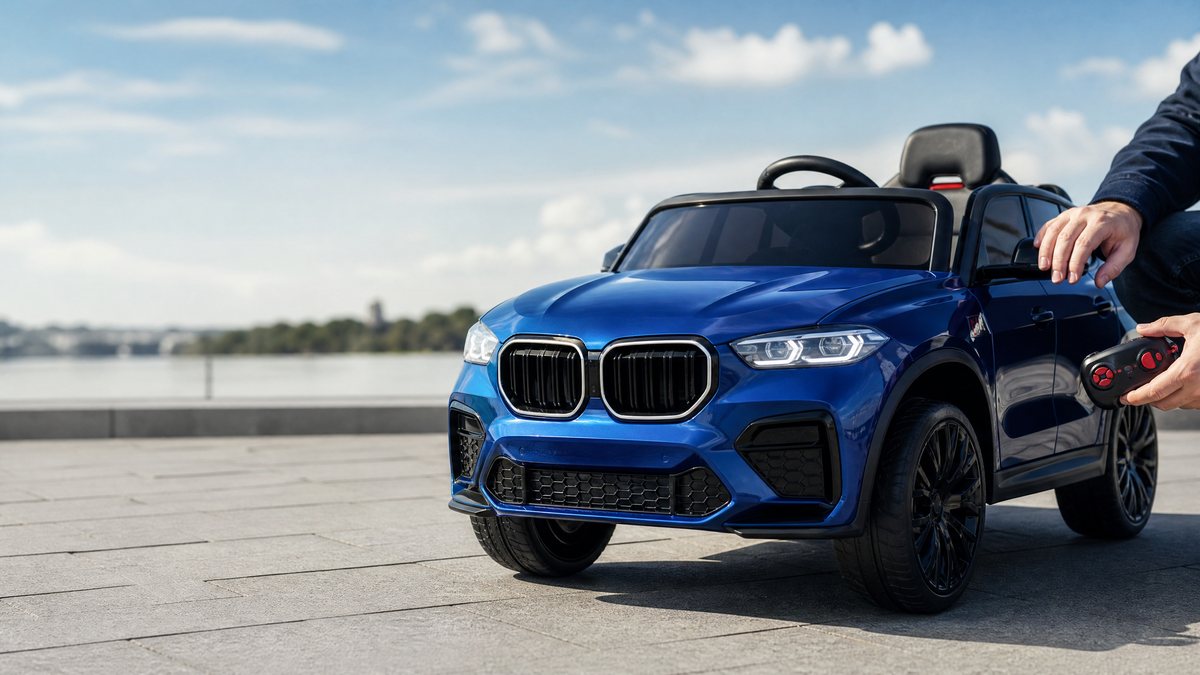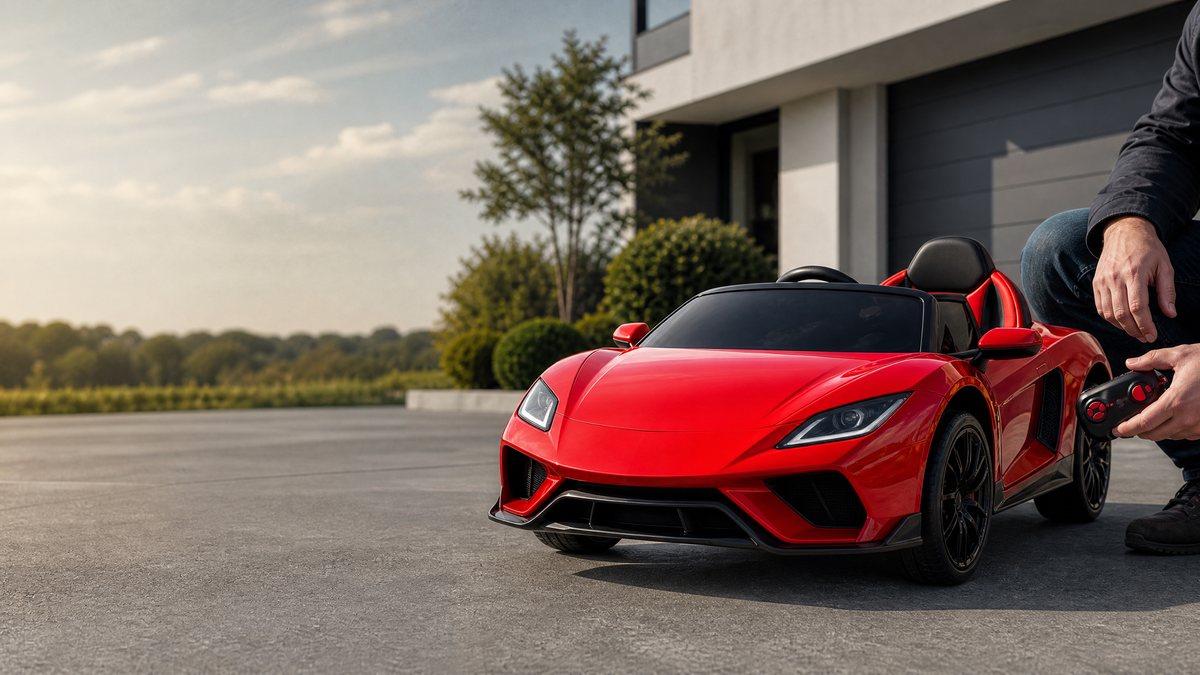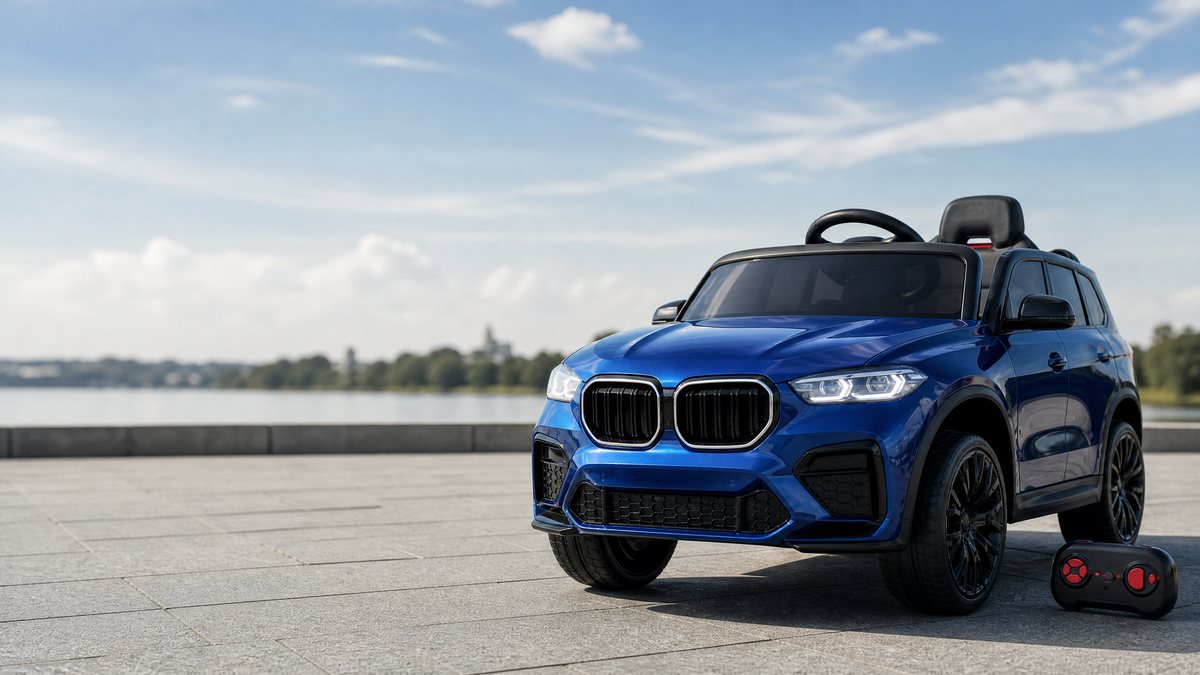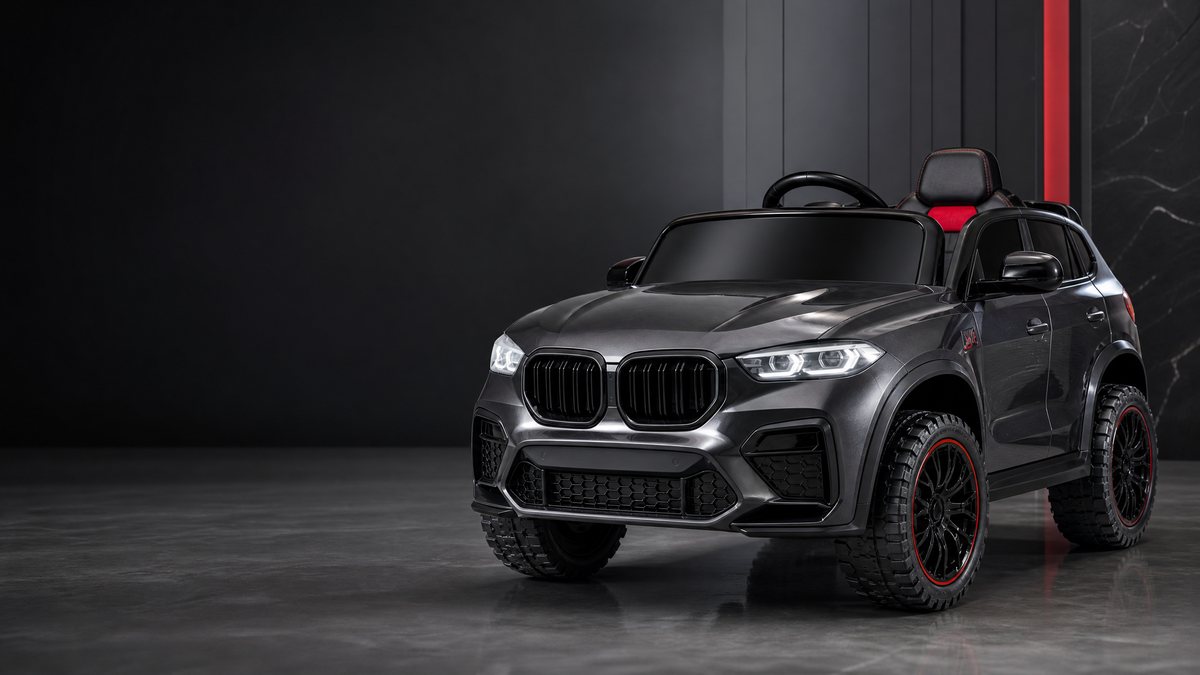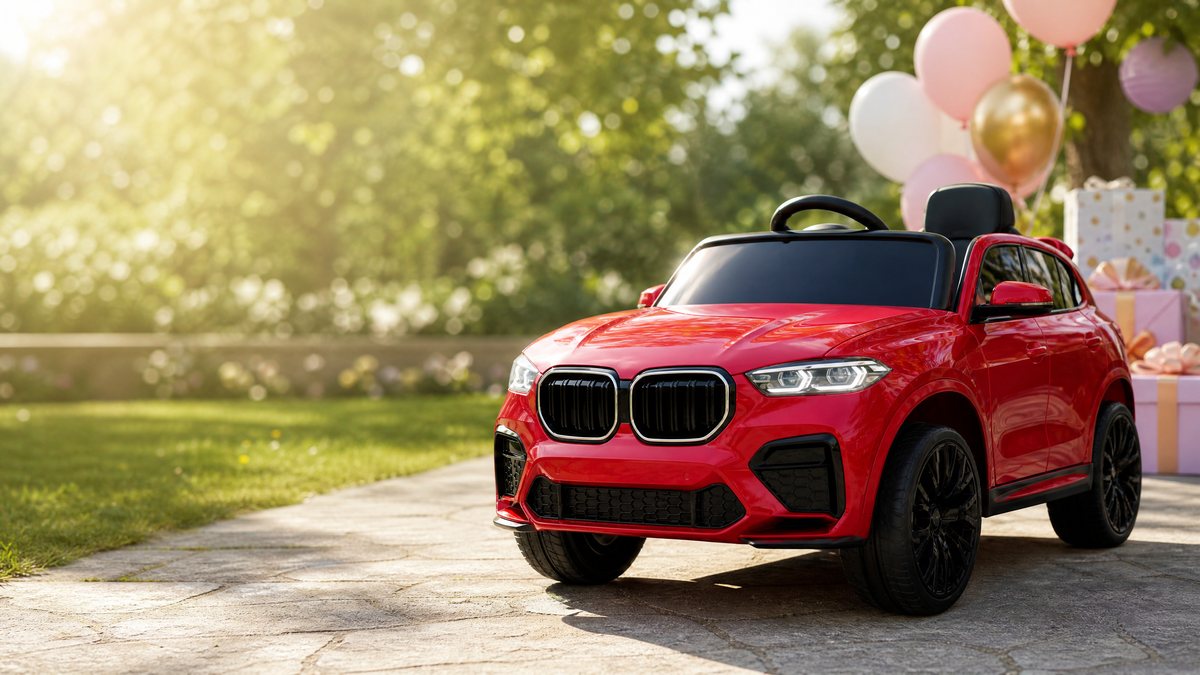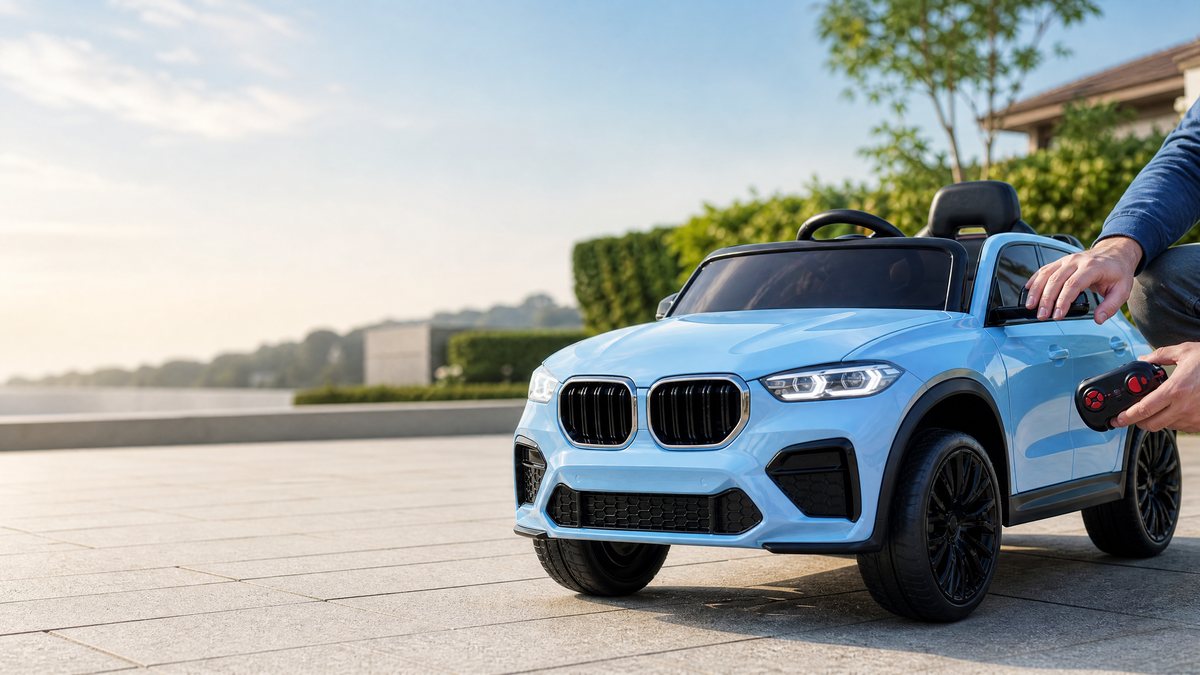
Evaluating the pre-owned market for children's electric ride-on cars requires a careful, highly methodical balance between upfront financial savings and long-term operational reliability. For parents seeking budget-friendly gifting options, family holiday surprises, or backyard entertainment, as well as B2B retailers and secondary market liquidators analyzing commercial trends, understanding the true value proposition of a used electric vehicle is essential. While pre-owned units can present attractive initial discounts on luxury brands and multi-motor platforms, they also introduce distinct, often hidden considerations regarding mechanical wear, battery lifespan, safety compliance, and warranty availability. Because specifications, previous usage history, storage conditions, and seller reliability vary significantly across the secondary market, buyers must approach pre-owned acquisitions with a structured evaluation framework. This comprehensive guide explores the financial trade-offs, critical safety inspection checkpoints, comparative metrics against brand-new units, and commercial considerations for pre-owned ride-on cars across diverse domestic and international markets.
The Financial Equation: Initial Savings vs. Long-Term Maintenance Costs
The primary driver for purchasing a used ride-on car is undoubtedly cost reduction. New electric ride-on vehicles, particularly licensed luxury models, multi-motor 12V or 24V platforms, and dual-seat utility SUVs, represent a substantial household investment. On the secondary market, families and liquidators often list these vehicles at a fraction of their original retail price, making premium features seemingly accessible to budget-conscious households. However, calculating the true financial value requires looking far beyond the initial sticker price.
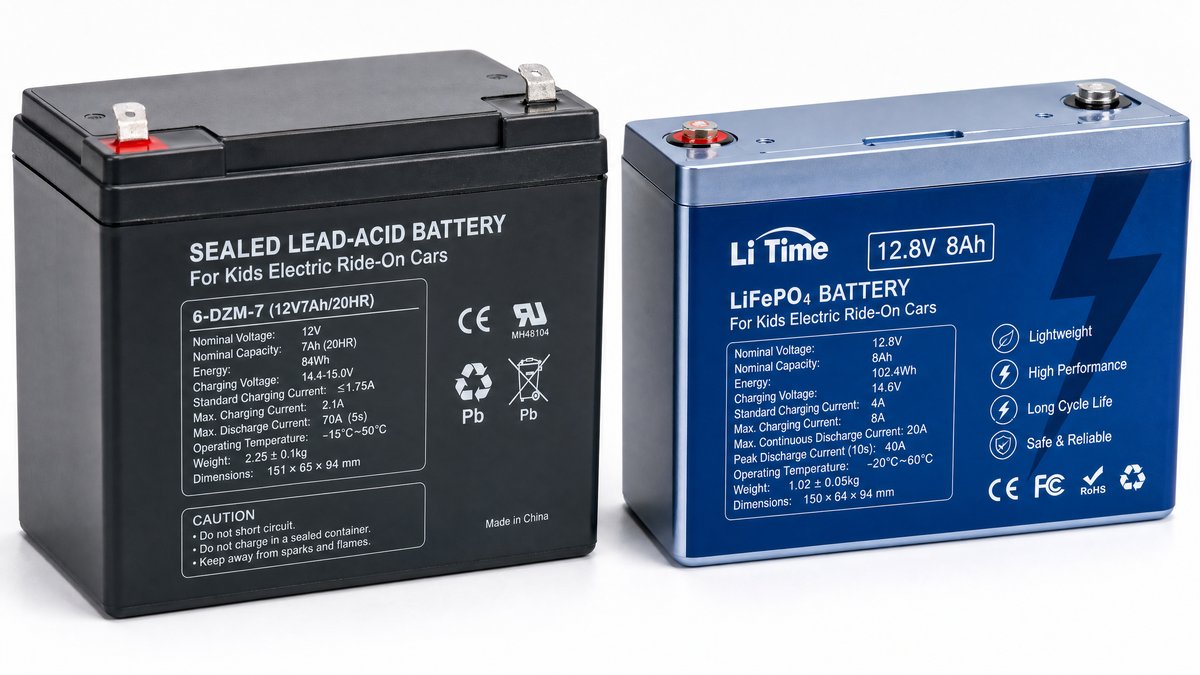
Pre-owned ride-on cars frequently require immediate or near-future component replacements. The most common consumable item in any electric ride-on vehicle is the rechargeable battery system. Sealed lead-acid (SLA) or lithium-ion batteries degrade progressively over time, especially if they have experienced deep discharge cycles, prolonged storage in unconditioned garages or sheds, or improper charging routines. If a used ride-on vehicle requires a replacement battery, an upgraded charger, new drive gears, or replacement wheels shortly after purchase, the combined expenditure can approach or even exceed the cost of a brand-new, entry-level unit backed by a written manufacturer warranty if one is offered for that exact purchase.
Furthermore, buyers must account for the complete absence of manufacturer backing. Warranty transferability depends on the exact written terms, meaning any mechanical or electrical failure occurring post-purchase falls entirely on the new owner. Whether evaluating a single unit for domestic use or assessing secondary market dynamics for retail resale, stakeholders must recognize that overall financial value varies by model/region/seller; check the exact manual, listing and written terms.
Key Safety and Inspection Checkpoints for Pre-Owned Ride-On Cars
Before finalizing the acquisition of any pre-owned electric ride-on vehicle, a rigorous physical and functional inspection is paramount. Unlike conventional non-motorized children's toys, motorized ride-on cars involve complex electrical systems, steering linkages, drive gearboxes, and load-bearing plastic or metal chassis components that undergo significant physical stress during everyday operation.
A thorough physical inspection begins with the external chassis and structural framework. Hairline cracks in the molded plastic body, compromised joint connections, or weakened steering columns can impair structural integrity and child safety. Parents and buyers should meticulously check the steering rack, wheel alignment, and axle mountings to ensure that previous use has not resulted in excessive play or metal fatigue. Wheel tread wear should also be evaluated, as heavily worn wheels can reduce traction on smooth outdoor surfaces or incline planes.
The electrical system demands equal scrutiny. Buyers should inspect all visible wiring harnesses, switches, accelerator pedals, and charging ports for signs of physical damage, corrosion, or pinching.
Critical Electrical Safety Protocols
When inspecting or operating pre-owned electrical toys, strict safety boundaries must be maintained across all operational phases:
- Immediate Discontinuation: For strange odors, overheating, smoke, water ingress, cable damage, or persistent malfunctions, explicitly stop use and charging, turn off the vehicle, keep children away, and contact the manufacturer or a qualified repair professional.
- No DIY Internal Repairs: Do not provide internal electrical repair, terminal/wire harness/control board operations, multimeter testing, modifications, or battery/motor upgrades.
- Documentation Reliance: Unless a specific model has written documentation, do not claim a feature exists.
New Units vs. Used Units: A Comparative Decision Matrix
To assist buyers, parents, and commercial partners in determining the most appropriate acquisition strategy, the decision matrix below contrasts pre-owned ride-on vehicles with brand-new retail units across key operational and financial dimensions.
| Evaluation Metric | Brand-New Ride-On Cars | Pre-Owned / Used Ride-On Cars |
|---|---|---|
| Initial Acquisition Cost | Higher upfront investment reflecting full retail value | Lower upfront cost with potential immediate savings |
| Manufacturer Warranty | Included per original terms (varies by model/region/seller; check the exact manual, listing and written terms) | Verify whether any written warranty transfers; support and post-purchase responsibility vary by seller and written terms |
| Battery Health & Lifespan | Maximum factory cycle life with zero prior depletion | Varies by prior usage, storage, and maintenance history |
| Component Integrity | Factory-fresh mechanical gears, switches, and tires | Pre-worn components requiring careful physical inspection |
| Documentation & Manuals | Complete factory manuals, safety guides, and original accessories | Often missing manuals, chargers, or remote controllers |
| Regulatory Compliance | Certified to current manufacturing and safety standards | May reflect older production standards or lack verification |
As highlighted in the matrix, while used units offer immediate cost relief, new units provide predictable performance, guaranteed baseline condition, and full documentation support. All warranty, return, and support terms varies by model/region/seller; check the exact manual, listing and written terms.
Sourcing and Licensing Considerations for B2B Buyers and Retailers
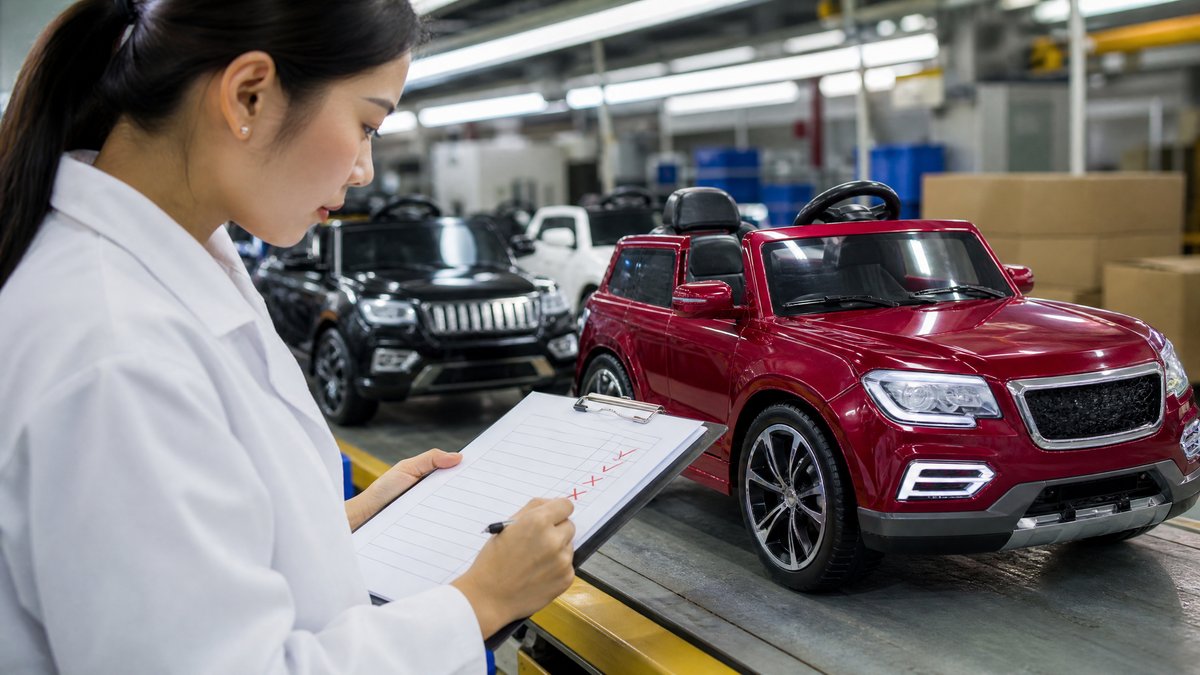
For B2B buyers, liquidators, and specialty toy retailers, the secondary market for ride-on cars presents both opportunities and operational challenges. While some retail partners explore refurbishment programs or trade-in incentives, dealing in pre-owned motorized toys requires stringent quality assurance protocols to maintain brand reputation and liability protection.
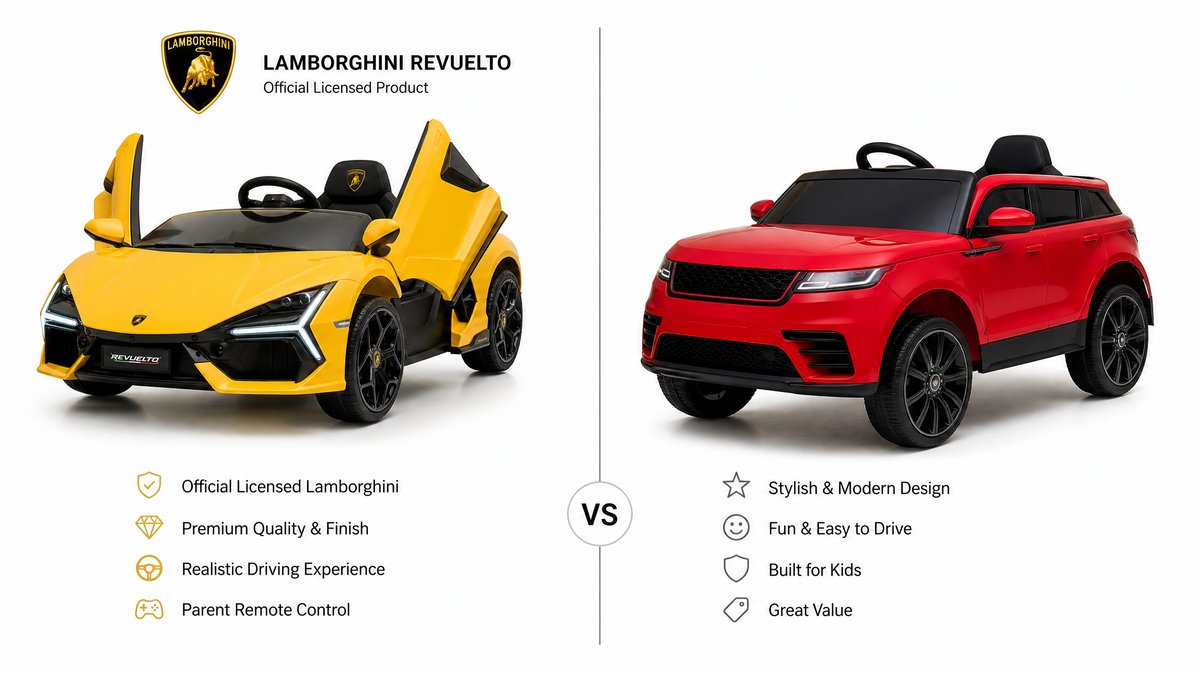
Licensed ride-on cars—replicas officially endorsed by major automotive brands such as Mercedes-Benz, BMW, Audi, Ford, and Lamborghini—retain higher secondary market interest due to their authentic detailing and branding. However, pre-owned licensed units still require verification of authentic component integration. Retailers and commercial buyers must ensure that secondary inventory does not infringe upon safety certifications or intellectual property guidelines through unauthorized aftermarket modifications.
Furthermore, shipping, logistics, and storage overhead for bulk pre-owned goods often outweigh their profit margins compared to factory-sealed wholesale shipments. Retail strategies involving pre-owned goods must account for testing labor, cleaning, replacement part sourcing, and customer service liabilities. Whether acquiring inventory or advising commercial clients, stakeholders should remember that all commercial policies, wholesale terms, and return guidelines varies by model/region/seller; check the exact manual, listing and written terms.
Navigating Second-Hand Marketplaces and Seller Reliability
When searching for pre-owned electric ride-on cars through online marketplaces, local classifieds, or community garage sales, vetting the seller and understanding the transaction context is just as important as evaluating the vehicle itself. Unlike retail purchases from established merchants, peer-to-peer transactions rarely offer return windows or dispute resolution mechanisms if the vehicle fails shortly after exchange.
Buyers should request demonstration videos showing the vehicle operating under load, turning smoothly in both forward and reverse gears, and responding accurately to parental remote control handsets where applicable. Additionally, verifying whether the original matching charger is included is critical; using an incompatible aftermarket charger with a mismatched voltage or amperage rating can severely damage the battery or create thermal hazards. All marketplace terms, seller representations, and fulfillment conditions varies by model/region/seller; check the exact manual, listing and written terms.
Additional Secondary Market Dynamics
As the global market for children's electric vehicles expands, consumer interest in sustainability and circular economy principles has led many families to explore pre-owned platforms. Reusing durable toys reduces landfill waste and extends product lifecycles. However, unlike adult bicycles or consumer electronics, electric ride-on cars feature intricate plastic injection-molded chassis structures, gear-reduction motors, and sensitive electronic control units (ECUs) or remote-receiver modules. These elements degrade differently depending on ambient temperature, humidity, storage practices, and frequency of use by young drivers. Consequently, prospective secondary market buyers must exercise heightened diligence beyond simple cosmetic appraisals. All environmental durability metrics, material wear tolerances, and second-hand market valuations varies by model/region/seller; check the exact manual, listing and written terms.
Frequently Asked Questions
Are replacement parts readily available for older or used ride-on cars?
Replacement part availability depends heavily on the specific manufacturer, production year, and model distribution. While common consumables like standard 6V or 12V batteries and universal chargers can often be sourced, specific body panels, custom control boards, or proprietary gearboxes for older models may be discontinued. Availability and compatibility varies by model/region/seller; check the exact manual, listing and written terms. Please note that users must never attempt internal electrical repairs or unauthorized component modifications.
How can I test the battery health of a pre-owned ride-on vehicle before purchasing?
Evaluating a used battery requires observing its charging behavior and operational runtime under load. A healthy battery should accept a full charge within the manufacturer-recommended duration and maintain voltage under normal operating weight. However, visual inspection alone cannot determine internal cell degradation. Performance, charging capacity, and lifespan varies by model/region/seller; check the exact manual, listing and written terms.
Do used ride-on cars retain any manufacturer warranty?
In the vast majority of cases, original manufacturer warranties are non-transferable and apply exclusively to the original retail purchaser with proof of purchase. Second-hand buyers rarely inherit warranty coverage, meaning any mechanical or electrical failure must be repaired at the owner's expense. Specific warranty terms and post-purchase support varies by model/region/seller; check the exact manual, listing and written terms.
Is it safe to modify a used ride-on car with upgraded batteries or motors?
No. Modifying a ride-on vehicle with higher-voltage batteries, unverified aftermarket motors, or custom wiring harnesses introduces severe safety hazards, including thermal overload, electrical shorts, component failure, and fire risks. Users must adhere strictly to original factory specifications and avoid any unauthorized electrical modifications.
What should I do if a pre-owned ride-on car exhibits strange odors or smoke during charging?
For strange odors, overheating, smoke, water ingress, cable damage, or persistent malfunctions, explicitly stop use and charging, turn off the vehicle, keep children away, and contact the manufacturer or a qualified repair professional. Never attempt internal troubleshooting or component disassembly.
Conclusion
Deciding whether to buy a used ride-on car involves balancing the immediate attraction of cost savings against the long-term realities of maintenance, battery degradation, and lack of warranty coverage. While pre-owned vehicles can offer economical entertainment for children when thoroughly inspected and properly maintained, buyers must remain vigilant about mechanical wear, structural integrity, and electrical safety. For those seeking guaranteed reliability, warranty protection, and factory-fresh performance, new units remain the optimal choice. All purchasing decisions, product specifications, and operational outcomes varies by model/region/seller; check the exact manual, listing and written terms.
Request a wholesale quote
Request a wholesale quote
Regulatory & Safety Resource Note: The U.S. Consumer Product Safety Commission (CPSC) provides general toy safety education resources (accessible via official CPSC safety publications), which serve as general educational guidelines and do not replace specific model manuals, manufacturer instructions, or professional safety inspections.
Official references
Explore these external resources for current regulatory and trade guidance. Confirm requirements with the relevant authority before placing an order.
Ready to Start?
Factory-Direct · CE & ASTM Certified · MOQ from 50 Units
Our export team works with buyers in 60+ countries. Get a quote within 24 hours.
KR
Written by KidsRideCar
China's leading kids electric ride-on car manufacturer. 500,000+ units shipped annually to 60+ countries. CE, ASTM & EN71 certified.