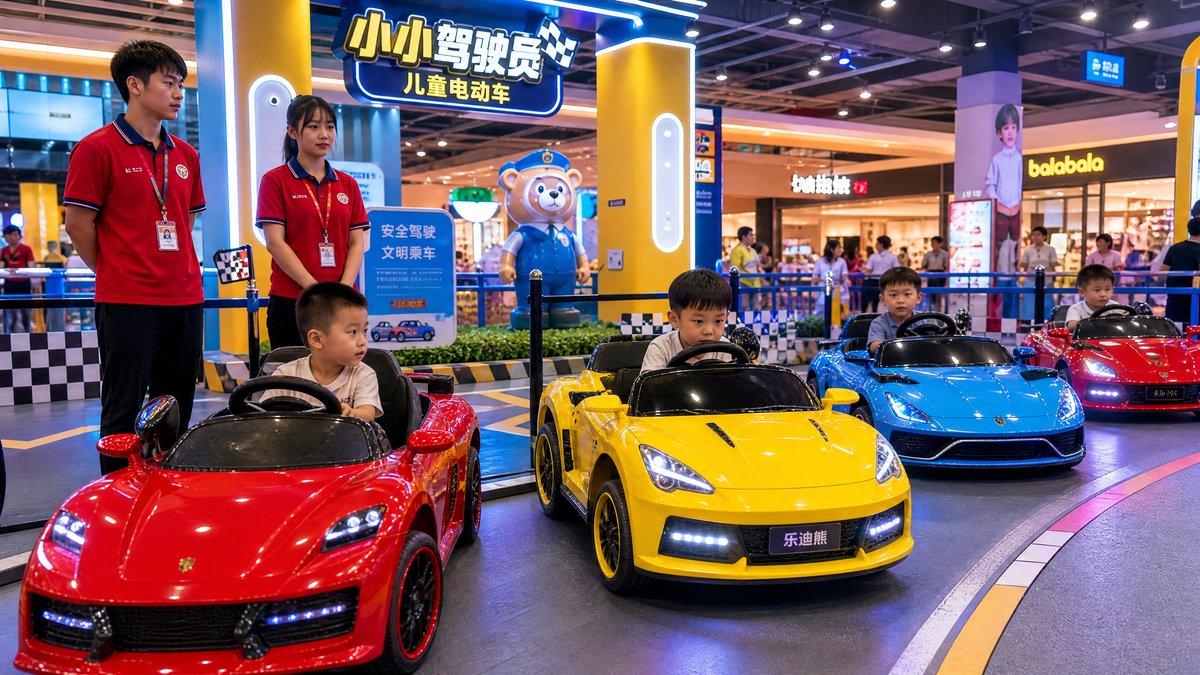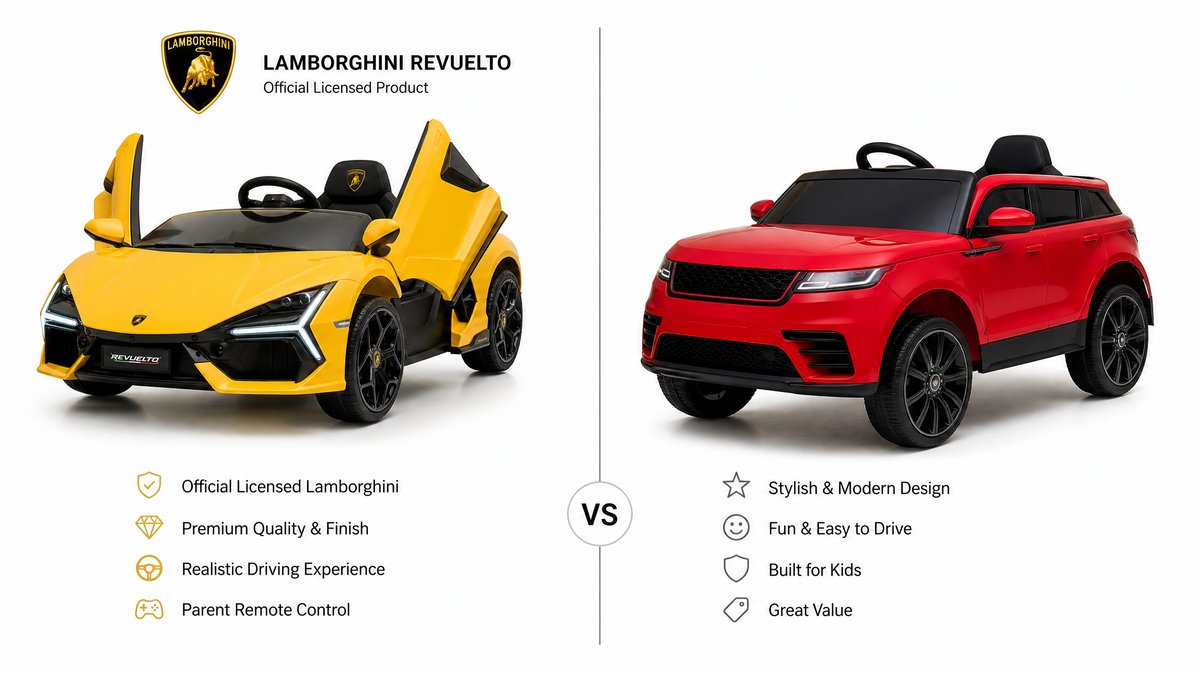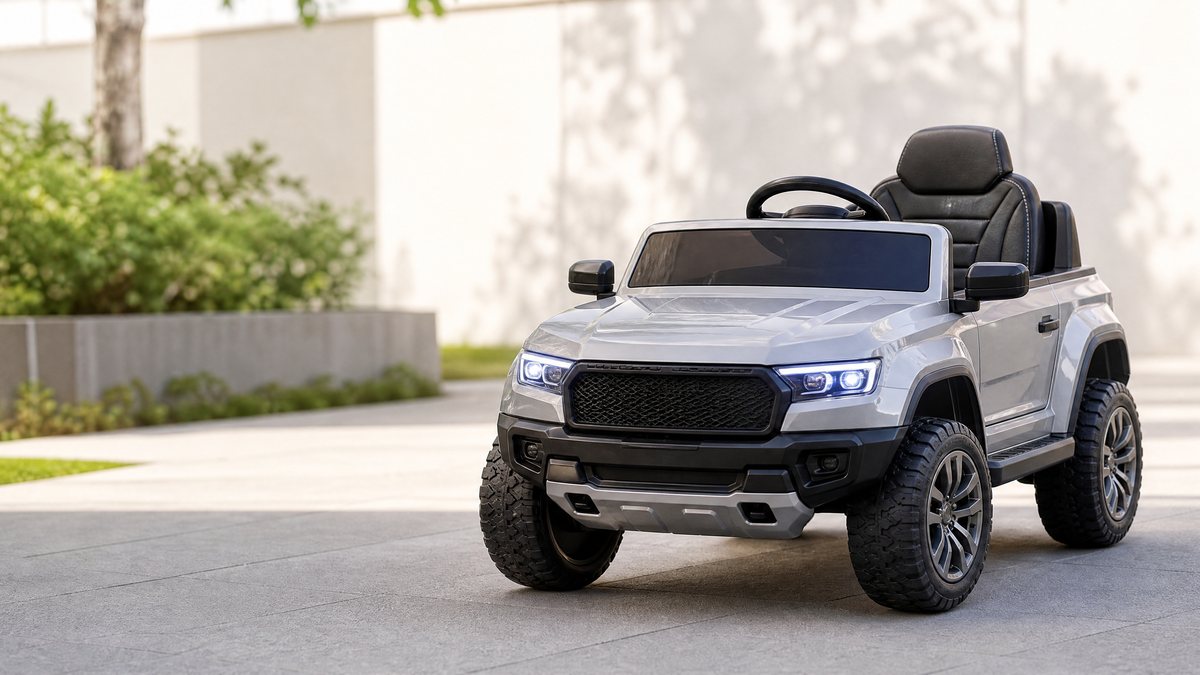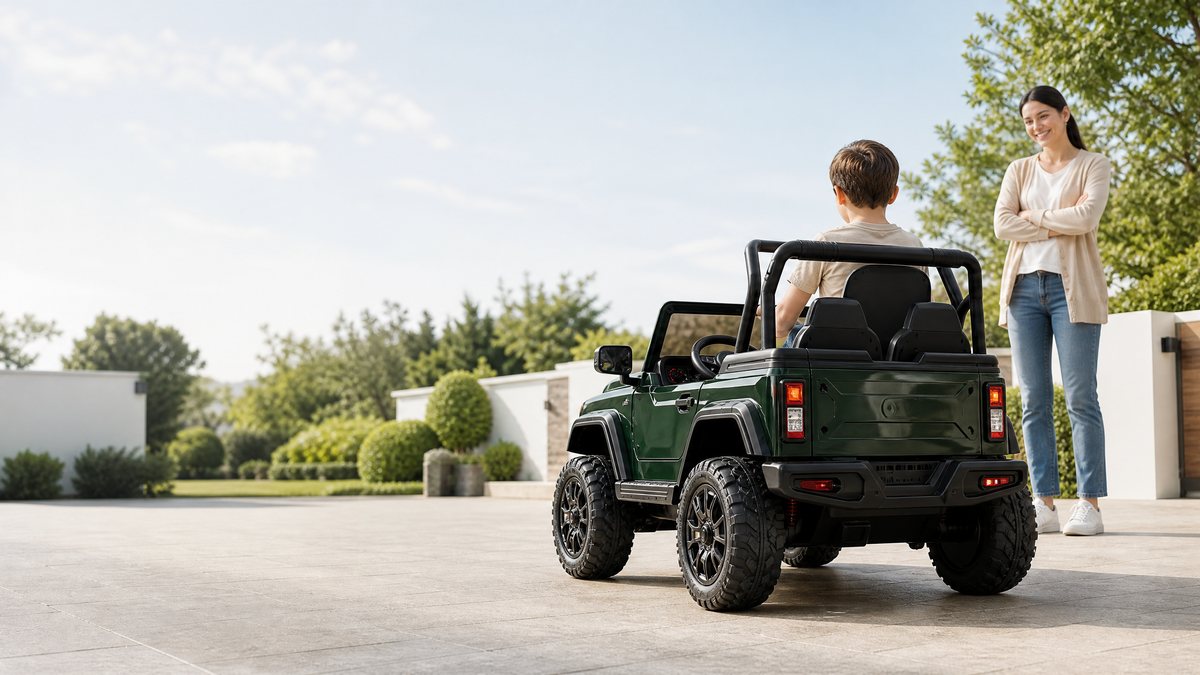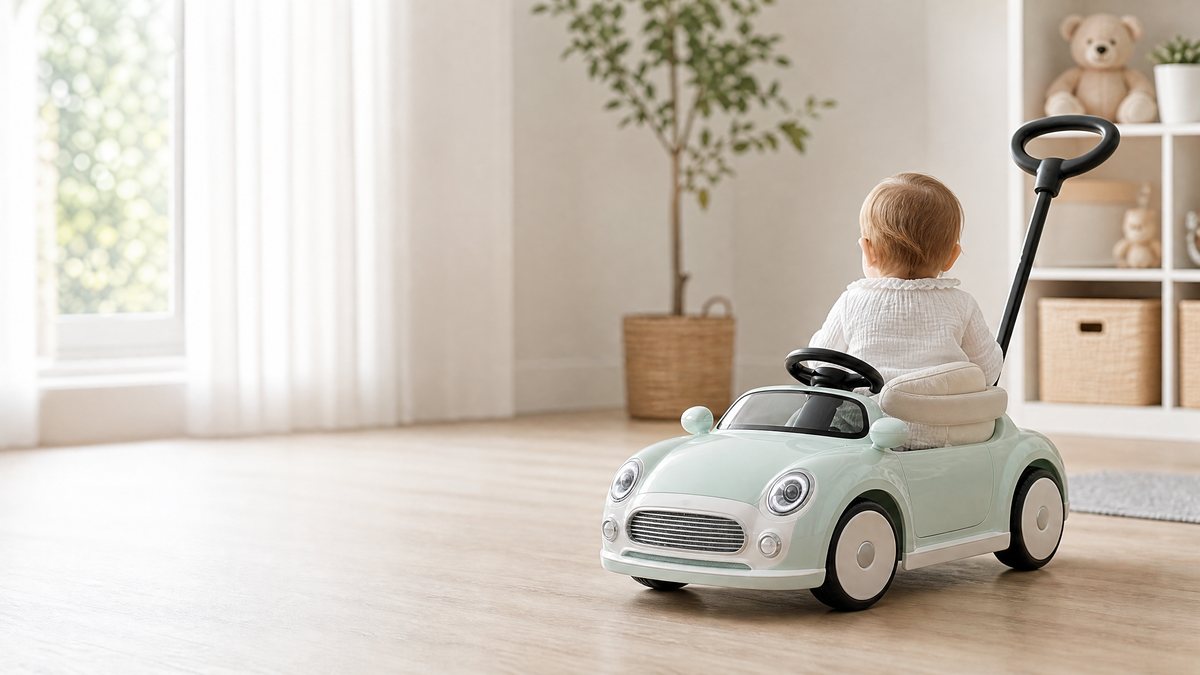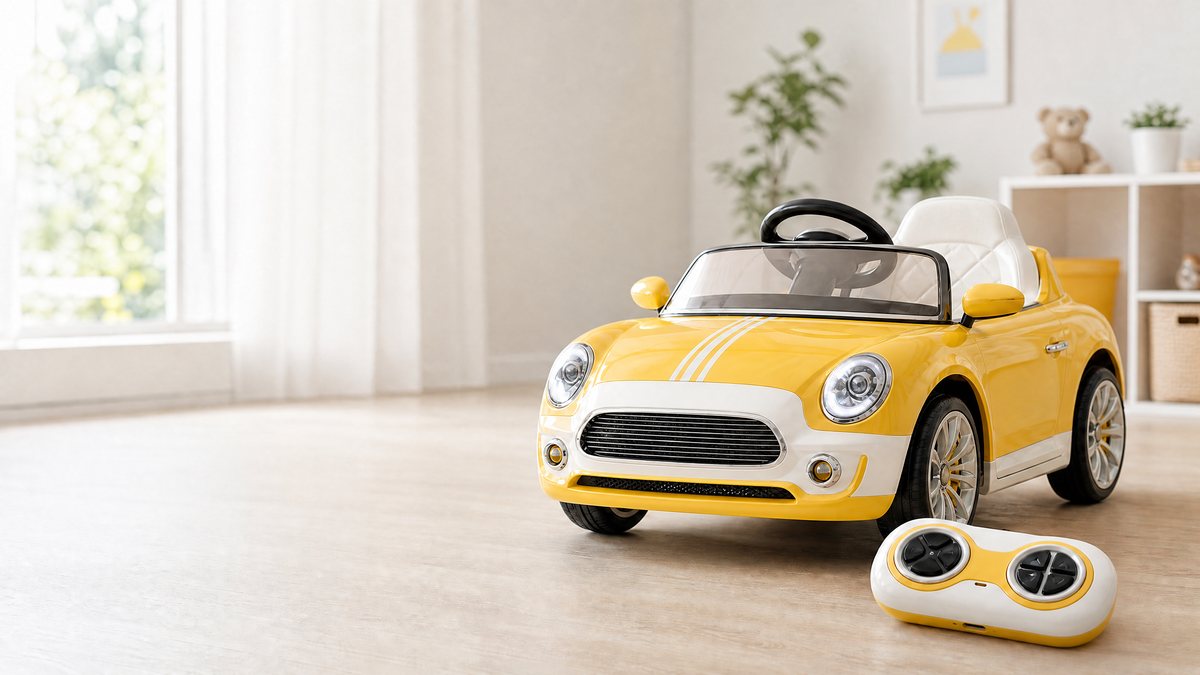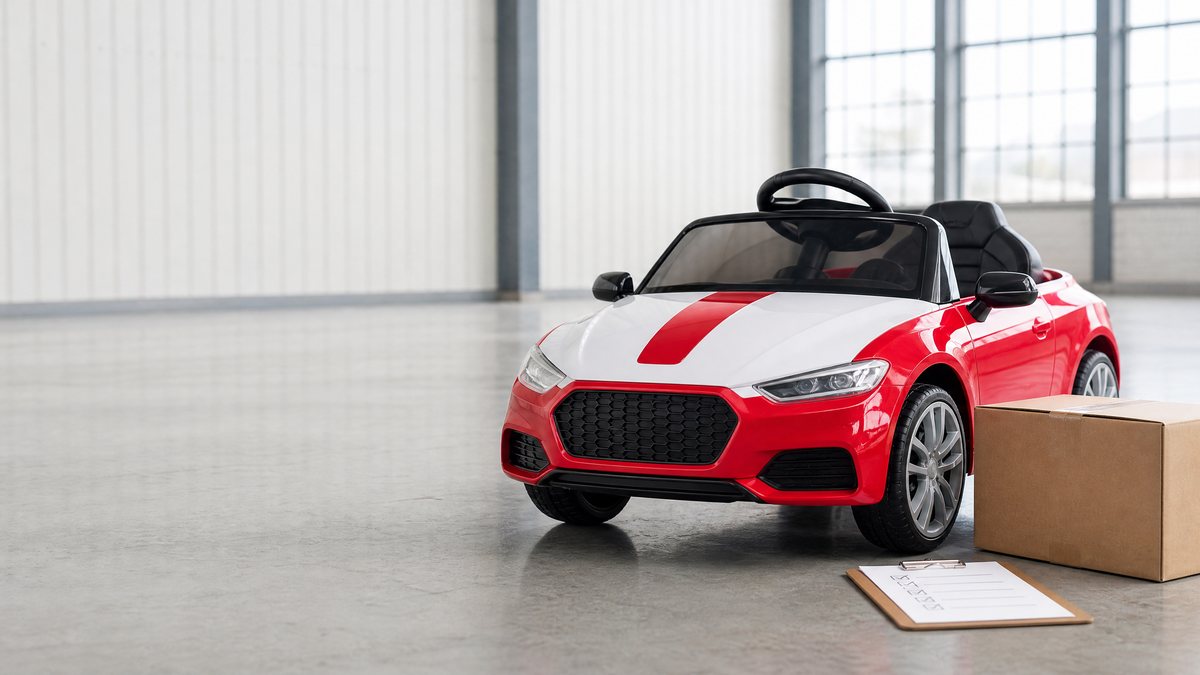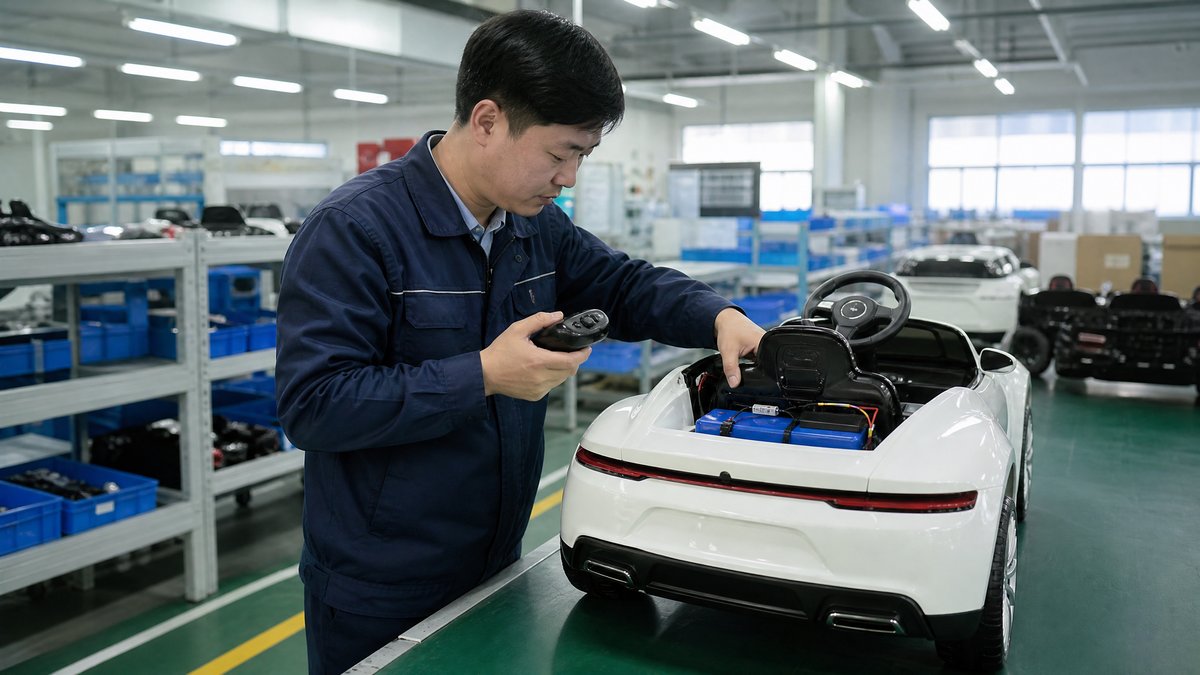
When importing and distributing kids' electric ride-on cars at scale, dealing with warranty claims and defective units is an inevitable aspect of daily operations. Whether you are supplying independent toy boutiques, regional retail chains, or managing e-commerce fulfillment across multiple online marketplaces, how you handle product defects directly impacts your profit margins, brand reputation, and manufacturer relationship.
In the B2B toy sector, customer satisfaction is closely tied to product reliability. When a parent purchases a 12V or 24V ride-on vehicle for their child, expectations are high. If a unit arrives DOA (Dead on Arrival) or fails prematurely, the friction flows upstream from the end consumer to the retailer, and ultimately to you—the wholesale distributor or importer. Establishing a streamlined, standardized warranty and defect-resolution framework is essential for maintaining a healthy supply chain and protecting your bottom line.
Understanding the Root Causes of Ride-On Car Defects
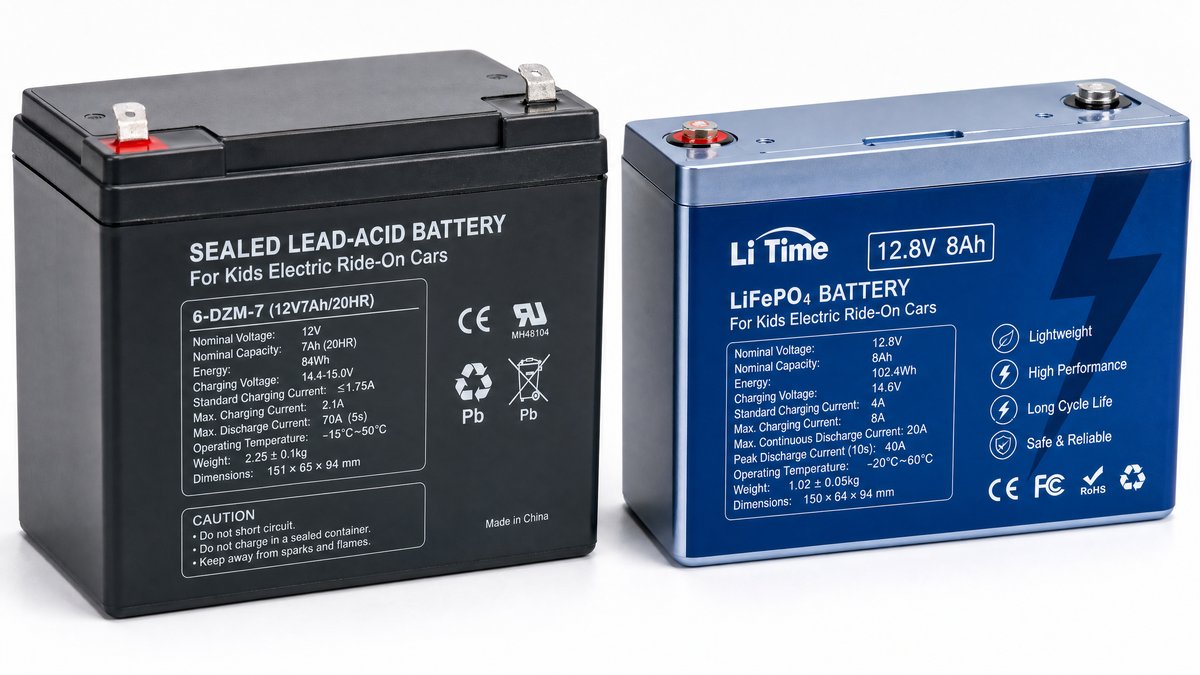
Before establishing a claims workflow, it is vital to understand why ride-on cars experience failure. Unlike traditional plastic toys, electric ride-on vehicles are complex electromechanical products combining high-torque DC motors, heavy-duty gearboxes, rechargeable batteries (lead-acid or lithium-ion), and sophisticated motherboards supporting 2.4G parental remote controls and Bluetooth audio.
Our factory data at KidsRideCar indicates that the vast majority of reported "defective" units fall into three primary categories:
1. Battery and Charging Issues (approx. 45% of claims): Often caused by end-users failing to charge the battery upon unboxing, storing uncharged batteries over winter, or using incompatible high-voltage chargers.
2. Wiring and Connector Dislodgement (approx. 25% of claims): Caused by rough handling during international transit or incorrect assembly by the end consumer (e.g., failing to plug in the main motor harness under the seat).
3. Gearbox and Motor Stalling (approx. 20% of claims): Occurs when children overload the vehicle beyond its weight capacity (e.g., a 40kg child riding a 30kg-rated standard model) or drive continuously on steep inclines without thermal protection cooling.
4. Controller and Remote Pairing (approx. 10% of claims): Typically minor electronic glitches that can be resolved via simple pairing sequences or transmitter battery replacements.
Building a Standardized B2B Warranty Framework
To prevent administrative chaos and financial drain, your B2B distribution business must implement a tiered warranty policy. A clear policy sets expectations with your retail partners and prevents unnecessary reverse logistics costs.
1. Clear Defect Classification
Define what constitutes a manufacturing defect versus user error or normal wear and tear.
* Manufacturing Defects: Faulty motherboards, non-functioning motors out of the box, cracked structural plastic resulting from poor molding.
* User Error / Exclusions: Water damage from leaving the vehicle in the rain, stripped gears from overloading, cracked bodies from collisions.
2. The Spare Parts Replacement Model vs. Full Unit Swaps
Shipping bulky ride-on cars back and forth for minor faults is economically unviable. International freight costs for heavy cartons often exceed the value of the components themselves.
Instead, adopt a modular spare parts replacement strategy. Maintain a local inventory buffer of high-demand replacement parts—such as control boards, gearboxes, chargers, and steering switches—in your regional warehouse. When a retailer reports an issue, dispatch the specific replacement part rather than replacing the entire vehicle.
| Defect Type | Recommended Resolution | Cost Impact | Customer Satisfaction |
|---|---|---|---|
| Dead Battery / Charger | Ship replacement charger or battery | Low | High (Fast resolution) |
| Faulty Gearbox / Motor | Ship replacement modular gearbox | Low-Medium | High (Easy DIY fix) |
| Damaged Control Board | Ship plug-and-play 2.4G receiver | Low | High (Quick swap) |
| Severe Chassis Fracture | Full unit replacement / Credit memo | High | Moderate (Requires return logistics) |
Step-by-Step Workflow for Processing Warranty Claims
Streamlining your internal RMA (Return Merchandise Authorization) process ensures fast turnaround times and reduces operational overhead.
Step 1: Evidence Collection and Triage
Require your retail partners to submit standardized digital evidence before approving a claim. Photos and short video clips are critical for diagnosing ride-on car issues. Mandate:
* A 10-second video demonstrating the exact malfunction (e.g., wheels not turning when accelerator pedal is pressed).
* Photos of the product batch sticker (usually located under the seat or near the battery compartment) to track manufacturing lot numbers.
* Proof of purchase or B2B invoice reference.
Step 2: Remote Diagnostics Support
Provide your retail staff and end customers with troubleshooting flowcharts. Many perceived defects are simply unlinked wiring harnesses or uncalibrated parental remotes. Offering quick video guides or live support significantly reduces physical returns.
Step 3: Fast-Track Dispatch of Components
Once the claim is verified, dispatch the necessary replacement part via local express couriers within 24–48 hours. Include clear, multilingual installation guides or video links to assist the end user or retailer technician.
Step 4: Factory Credit and Quality Feedback Loop
Consolidate defective parts and warranty claim data monthly. Feed this data back to your manufacturing partner (such as KidsRideCar) to claim component credits under your B2B supplier agreement and drive continuous product improvements on the production line.
Protecting Your Business Margins: Supplier Agreements
Your ability to handle warranty claims profitably depends heavily on the strength of your initial contract with your ride-on car manufacturer. When negotiating wholesale supply contracts, ensure the following clauses are explicitly addressed:
* Defective Allowance Rate: Negotiate an agreed-upon spare parts allowance (e.g., 1% to 2% of the total order value shipped free of charge as spare parts) to cover standard warranty servicing without separate invoicing.
* Component Warranty Duration: Standardize component warranties (typically 6 months for electrical components like motors and motherboards, and 12 months for structural frames).
* Clear RMA Credit Terms: Define how credits are issued for chronic manufacturing defects that affect entire production batches.
Frequently Asked Questions (FAQ)
1. Who bears the shipping cost for replacement parts under warranty?
In standard B2B wholesale distribution, the wholesaler or manufacturer supplies the replacement parts free of charge under warranty, while shipping costs within the domestic destination market are typically shared or absorbed based on the agreed B2B contract terms. For bulk orders, suppliers often provide a free-of-charge spare parts quota (1-2%) inside the container.
2. How should we handle returned ride-on cars that cannot be repaired?
For units with unrepairable structural damage, retailers should be instructed to render the chassis unsaleable (destroying the plastic body to prevent unsafe usage) and submit photographic proof for credit issuance or replacement unit dispatch, avoiding expensive reverse freight charges.
3. Can battery lifespan issues be claimed under manufacturer warranty?
Lead-acid and lithium-ion batteries are consumable items subject to proper maintenance. Most manufacturers offer a 3-to-6-month limited warranty on batteries, provided the end user adhered to proper charging guidelines (e.g., recharging at least once every 30 days when not in use).
4. How can we minimize shipping damages that trigger false warranty claims?
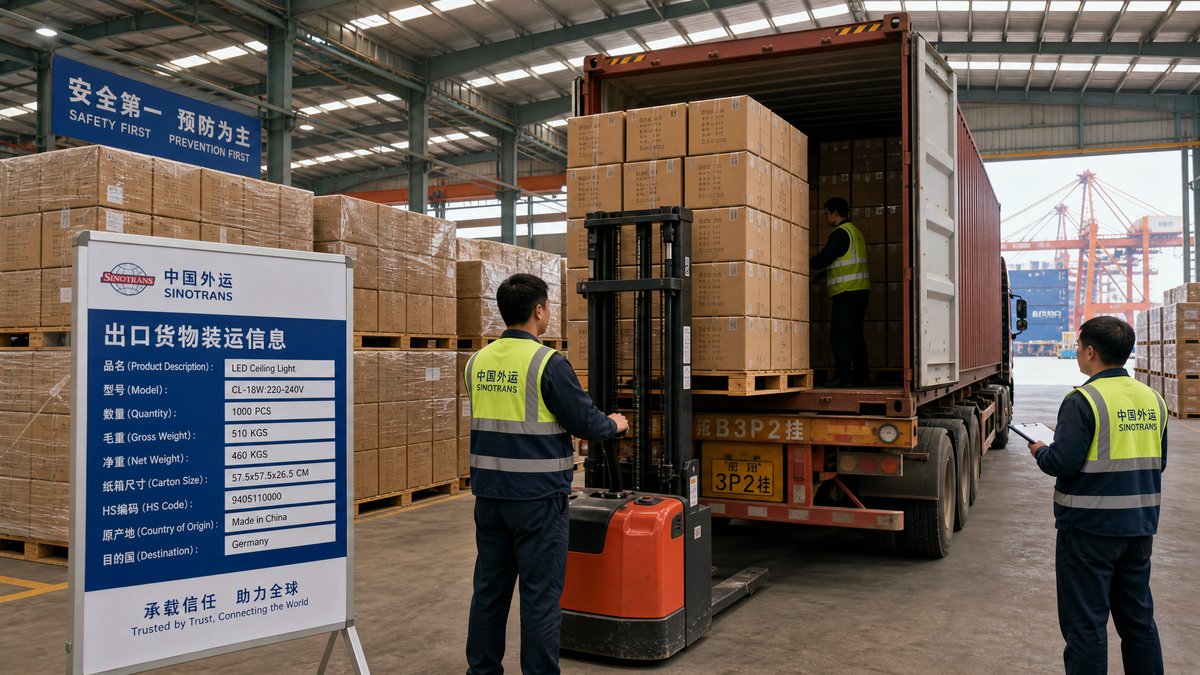
Ensure your manufacturing partner uses 5-layer export-grade corrugated cartons with reinforced corner protectors and internal styrofoam bracing. Drop-testing cartons prior to bulk shipment dramatically reduces transit-related electrical disconnections.
Partner with KidsRideCar for Reliable B2B Supply
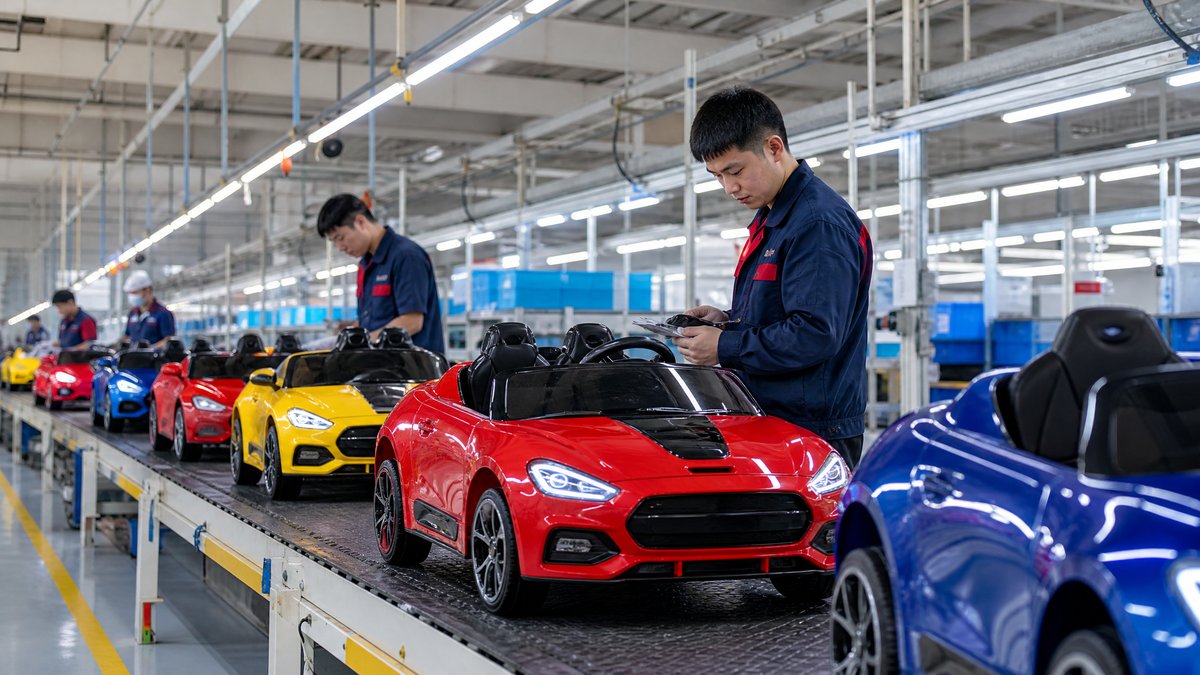
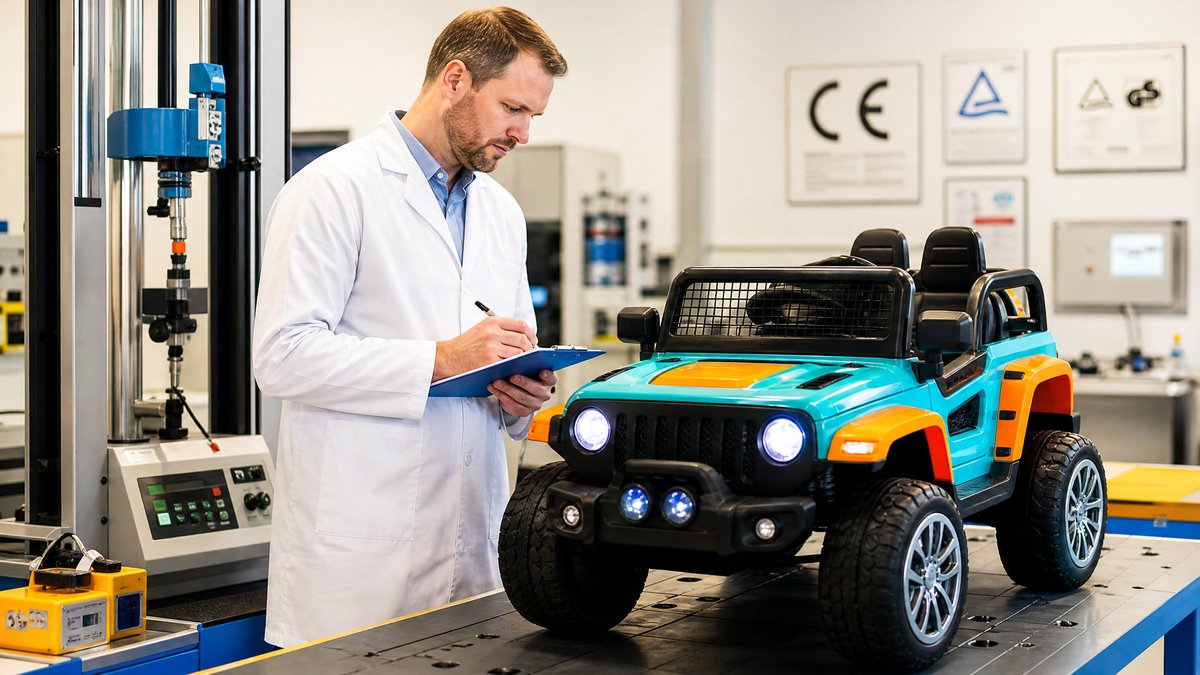
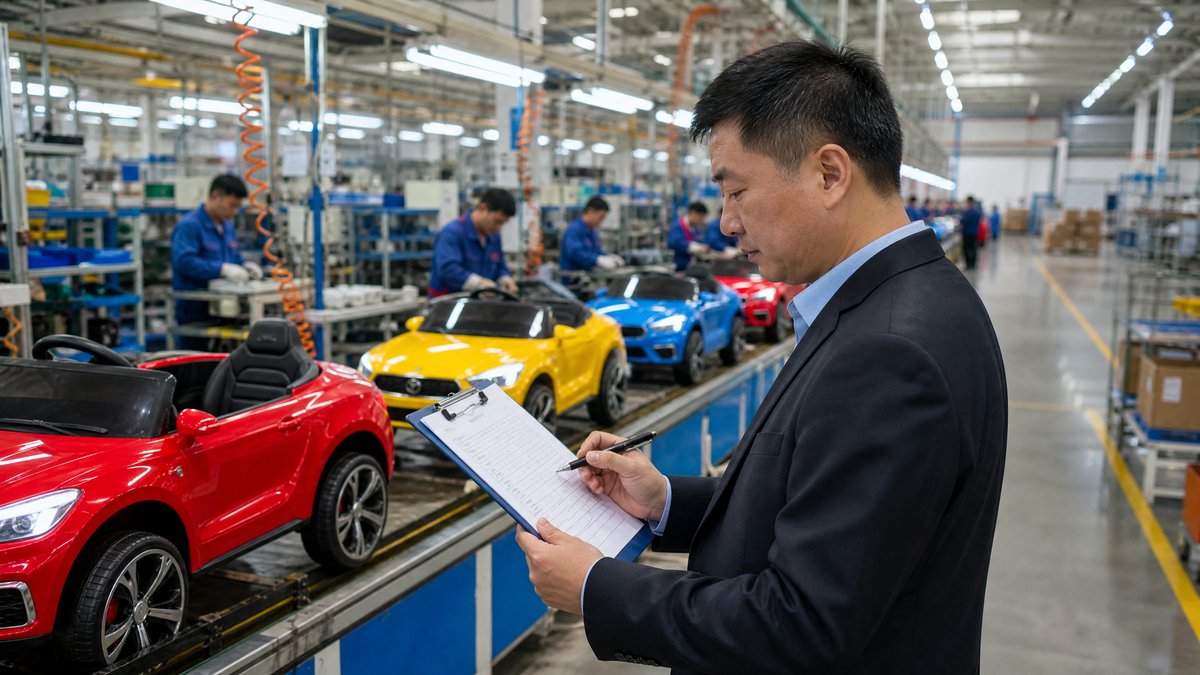
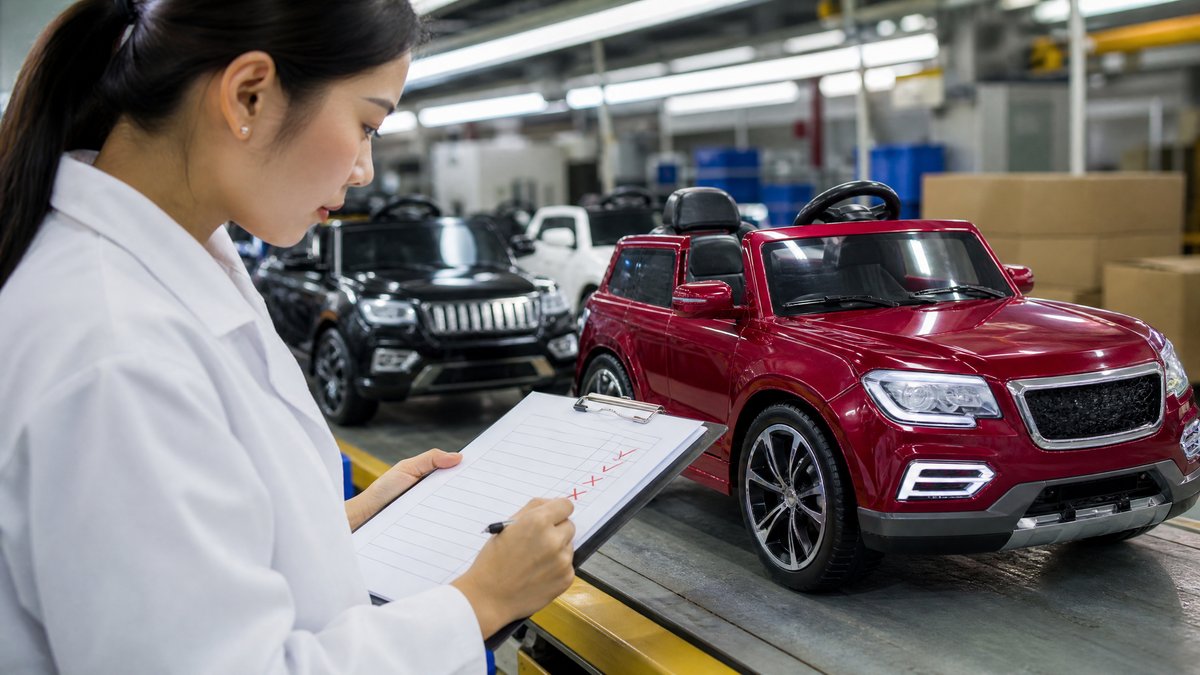
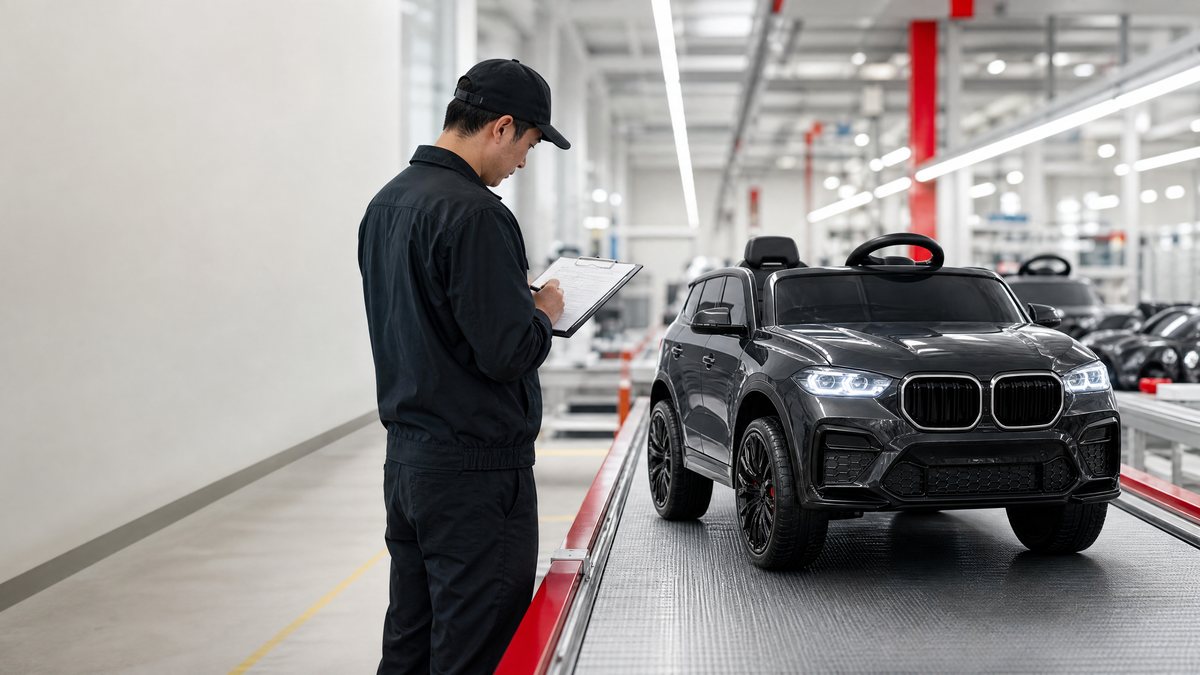
At KidsRideCar, we understand that robust after-sales support is the backbone of a successful toy distribution business. Every ride-on car we manufacture undergoes rigorous multi-point quality inspections—including motor burn-in tests, drop tests, and electrical load checks—before leaving our assembly lines.
We back our wholesale partners with comprehensive spare parts support, transparent warranty terms, and dedicated technical assistance. Ready to elevate your inventory quality and scale your ride-on car business?
Contact our commercial team today at mailto:info@kidsridecar.com to request our latest wholesale catalog and partnership terms.
Official references
Explore these external resources for current regulatory and trade guidance. Confirm requirements with the relevant authority before placing an order.
Ready to Start?
Factory-Direct · CE & ASTM Certified · MOQ from 50 Units
Our export team works with buyers in 60+ countries. Get a quote within 24 hours.
KR
Written by KidsRideCar
China's leading kids electric ride-on car manufacturer. 500,000+ units shipped annually to 60+ countries. CE, ASTM & EN71 certified.