Introduction to Ride-On Car Speed Management and Buyer Considerations
When evaluating motorized children's vehicles for wholesale procurement, understanding how speed is regulated and managed is paramount. Commercial buyers and parents frequently inquire about methods to control vehicle velocity to match a child's riding environment and comfort level. Modern electric ride-on cars integrate features designed to assist in velocity management if equipped, such as multi-speed gear selectors and advanced 2.4G parental remote override systems. However, managing vehicle velocity requires a safety-first approach that prioritizes adherence to manufacturer specifications, proper adult supervision, and comprehensive pre-purchase evaluation.
In the wholesale and B2B retail marketplace, commercial buyers must provide clear guidance regarding how vehicle speed controls operate. Because electric ride-on cars vary across manufacturers, motor configurations, and voltage platforms (such as 12V, 24V, and multi-motor setups), specifications and performance metrics may vary by model, and buyers must confirm details in the official user manual. There is no universal mechanical adjustment or modification that applies to all models. Attempting unauthorized modifications—such as altering internal wiring, bypassing electronic control units (ECUs), or modifying motor assemblies—poses severe safety hazards, including thermal runaway, electrical failure, and loss of braking control. Instead, commercial buyers, retailers, and end-users must rely exclusively on built-in governance mechanisms if equipped, parental remote overrides, gear switches, and documented operating procedures outlined in the official user manual.
Designed for B2B importers, distributors, and safety-conscious retail buyers, this article explores speed selection, parental remote priority, and safe operating parameters over time. When reviewing purchasing terms, return periods, shipping costs, or business arrangements across various platforms (such as Amazon, Walmart, Target, or others), buyers must check current product pages, seller terms, and platform policies directly. By establishing rigorous verification protocols and transparent consumer guidelines, businesses ensure compliance with international toy safety standards while delivering reliable products to families worldwide.
Understanding Factory Speed Regulation and Design Specifications
Electric ride-on cars supplied by reputable manufacturers are engineered with specific velocity thresholds intended to balance recreational enjoyment with child safety. During the manufacturing process, vehicle top speeds—which may vary by model and should be confirmed in the manual—are determined by a combination of battery voltage, motor winding specifications, gearbox reduction ratios, and controller programming. Importers and wholesale buyers must understand that these parameters are fixed at the factory to comply with relevant regional toy safety standards, such as ASTM F963 in North America or EN 71 in Europe.
When assessing ride-on car inventory, procurement professionals should examine how different models handle speed delivery. Many modern electric vehicles utilize soft-start controllers and electronic speed limiters if equipped, rather than abrupt, instantaneous power delivery. A soft-start mechanism gradually ramps up voltage to the drive motors, preventing sudden acceleration jolts that can startle younger children or cause traction loss on smooth surfaces. Furthermore, multi-speed switches—typically located on the dashboard or managed via a parent-facing interface if equipped—allow supervisors to select between low, medium, and high velocity settings depending on the rider's experience.
It is essential for commercial buyers to verify that vehicle documentation clearly outlines these factory specifications. Retailers should avoid sourcing unverified products that lack clear documentation regarding speed ratings, motor output, and electrical protection systems. By working exclusively with certified manufacturing partners who provide complete technical data sheets, wholesale buyers protect their businesses from liability and ensure that end-users receive vehicles equipped with dependable, factory-tested speed management features if equipped.
| Feature / Mechanism | Operational Purpose | Buyer Evaluation Consideration | Recommended Action for Retailers |
|---|---|---|---|
| Parental Remote Override | Provides immediate wireless control to stop or steer the vehicle independently of the onboard driver, if equipped. | Verify 2.4G frequency pairing stability, emergency stop (P) button responsiveness, and range per manual. | Ensure all distributed models feature prioritized remote override as a standard specification if equipped. |
| Multi-Speed Gear Selector | Allows selection between low, medium, and high speed profiles via dashboard switch or remote if equipped. | Check whether low-speed lockout functions are physically secured or digitally restricted from child access. | Document gear limitations in product manuals and marketing collateral for consumer clarity. |
| Soft-Start Technology | Gradually accelerates the vehicle to prevent sudden jolts and wheel slip during initial throttle engagement if equipped. | Evaluate controller response time and smoothness during start-up testing. | Highlight soft-start capability as a core safety and comfort feature for younger children. |
| Electronic Braking Systems | Automatically engages motor resistance or stopping power when the accelerator pedal is released if equipped. | Test deceleration distance on various flat surfaces under rated load conditions per manual instructions. | Verify that brake engagement is intuitive and requires no complex manual foot coordination. |
The Role of Parental Remote Control and Emergency Stop Systems
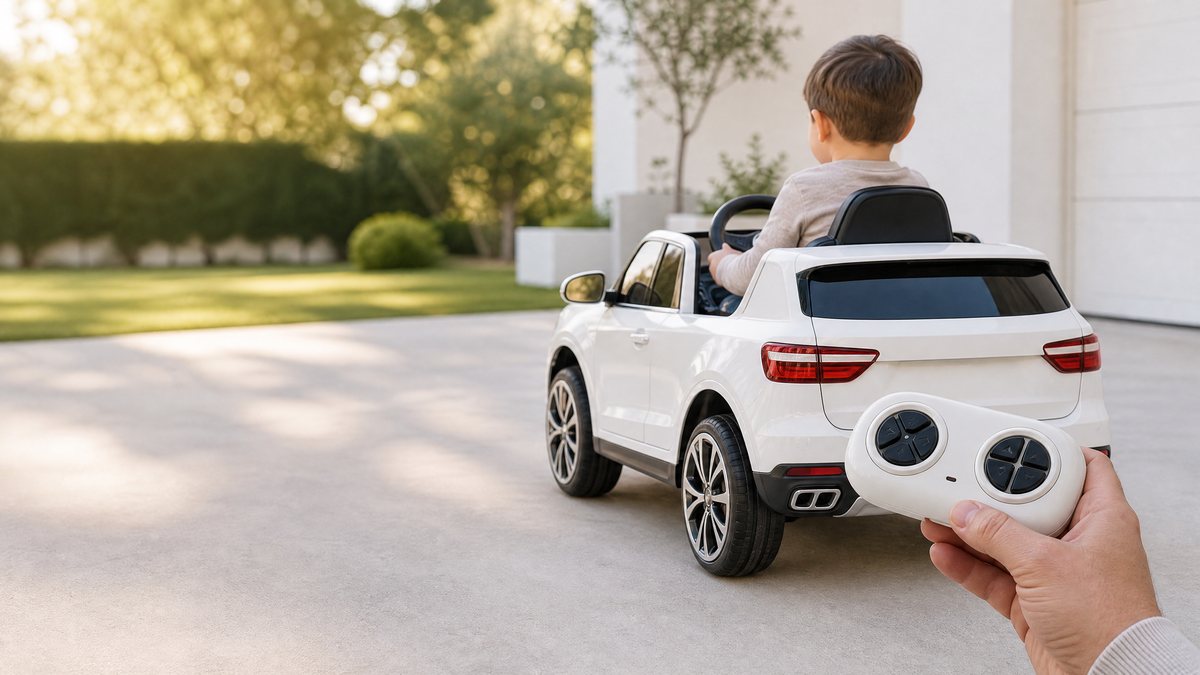
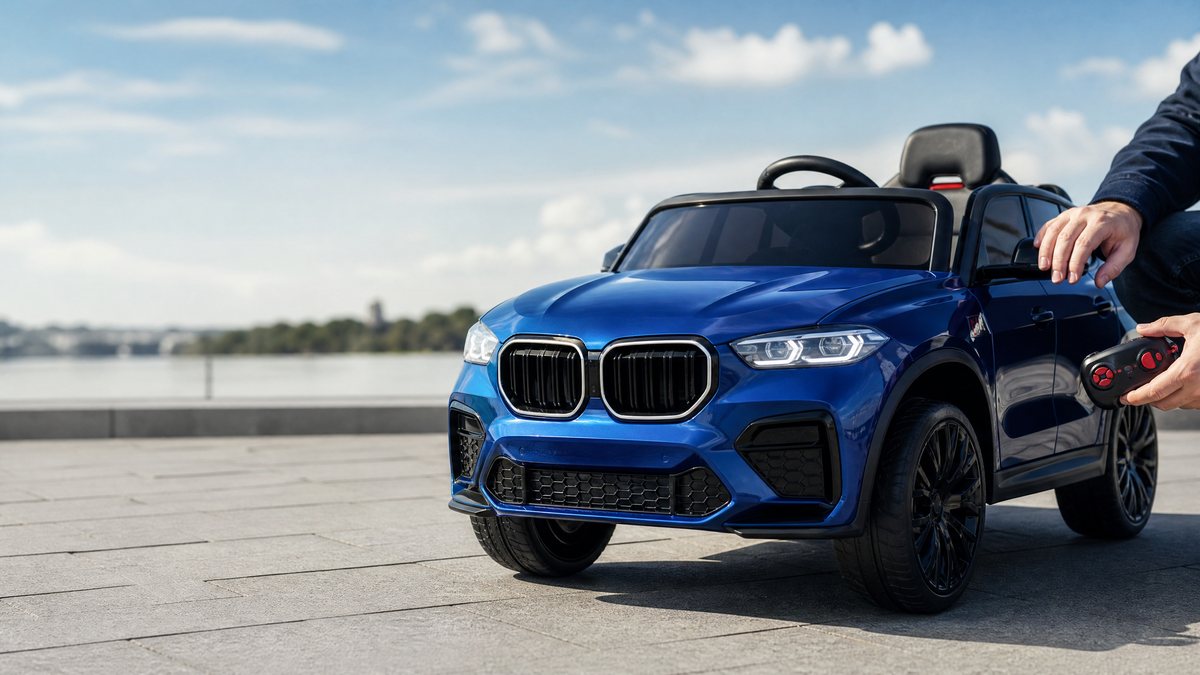
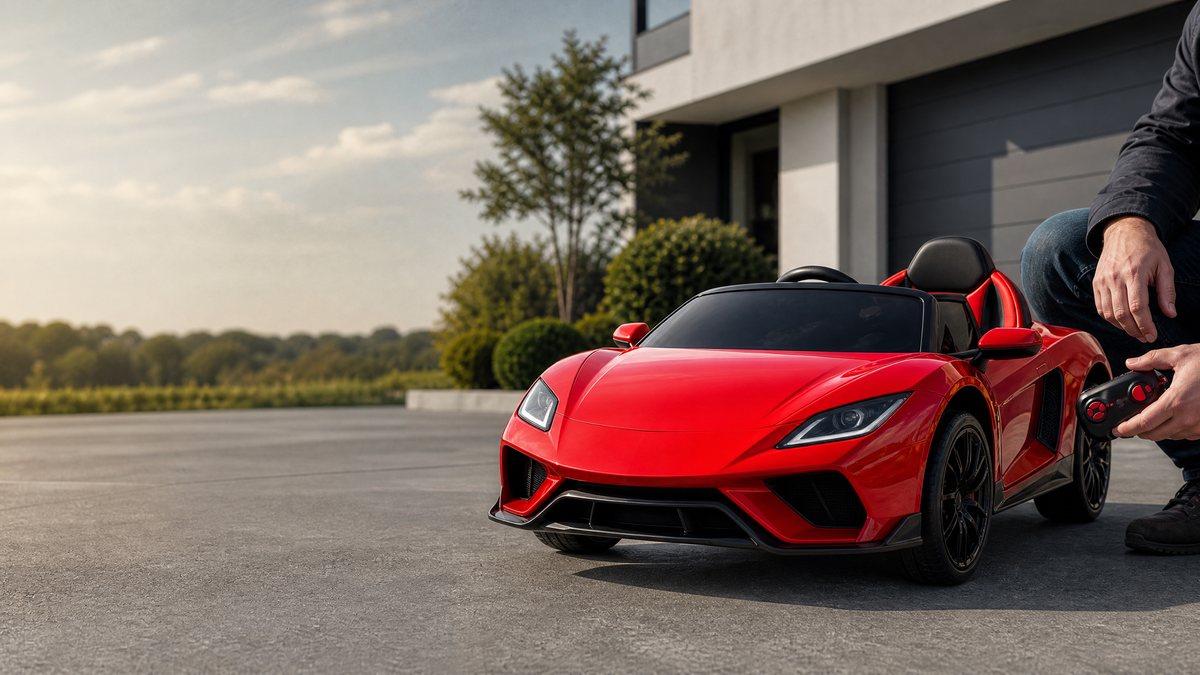
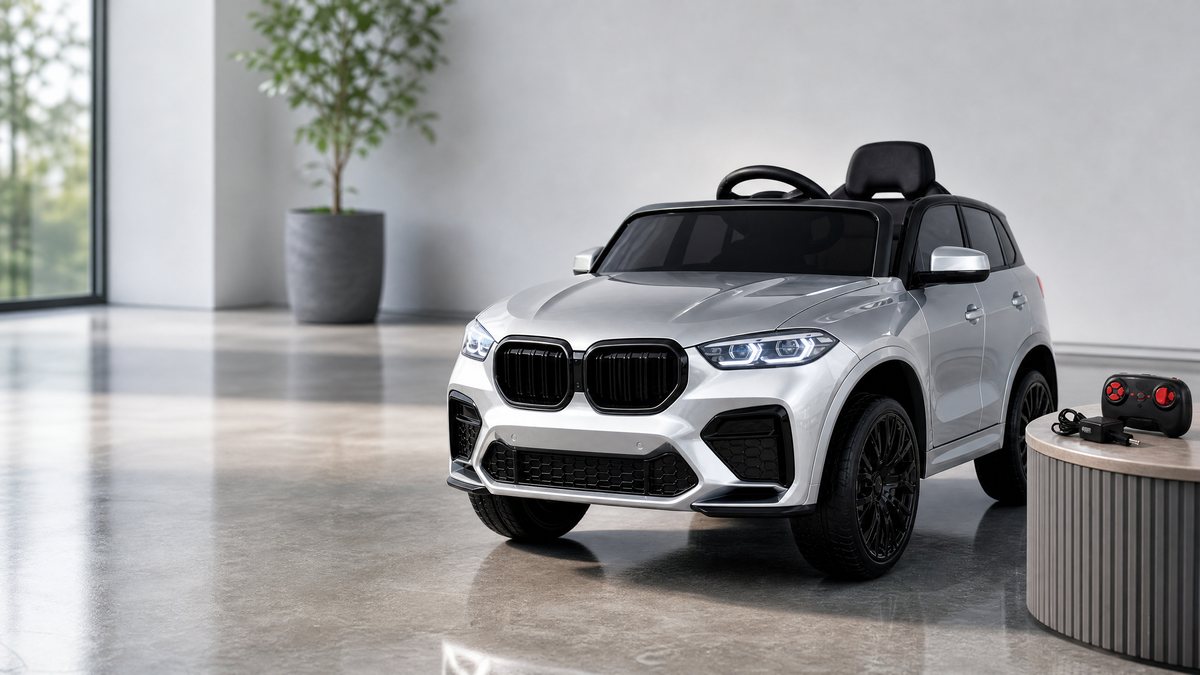
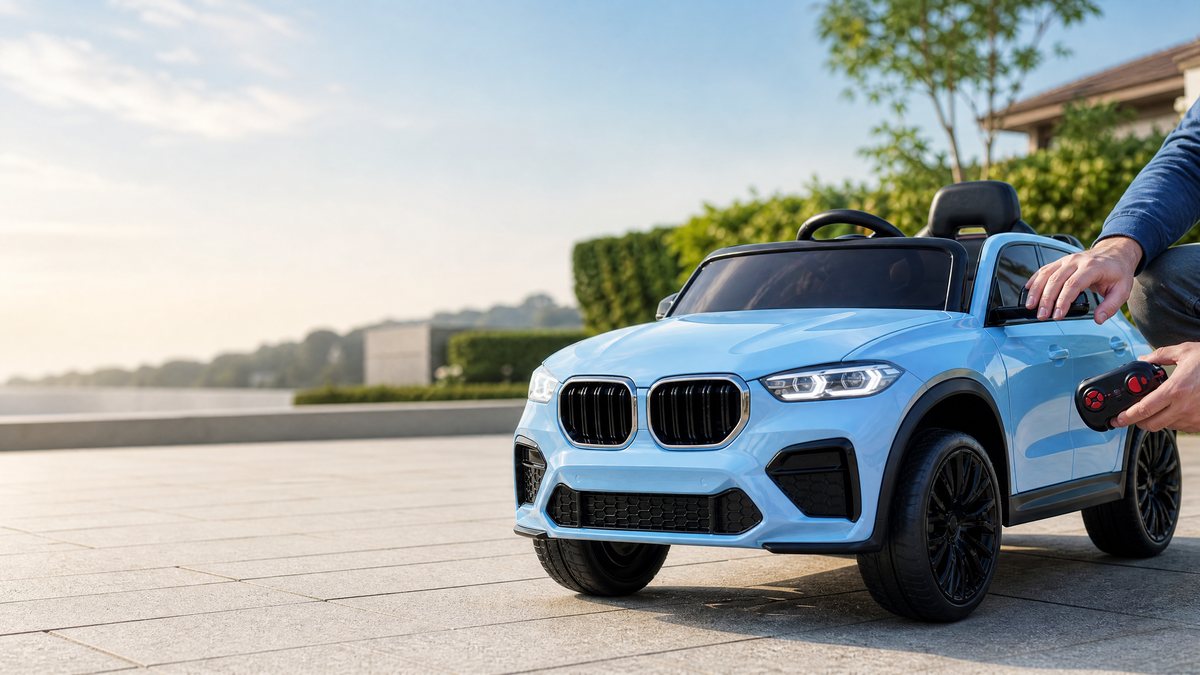
One of the most effective methods for managing ride-on car speed and movement is the 2.4G wireless parental remote control system, if equipped. In professional wholesale evaluations, the presence and performance of a dedicated parental remote are primary indicators of a well-engineered vehicle. Unlike older analog radio-frequency controls, modern 2.4G digital remote systems offer dedicated frequency hopping that prevents interference from other electronic devices, ensuring reliable communication between the transmitter and the vehicle's electronic control unit (ECU).
The parental remote typically features an overriding priority function if equipped. When the supervising adult operates the remote steering or speed selection buttons, or presses the dedicated emergency stop (often labeled as "P" or "Stop"), the vehicle's onboard manual controls are immediately subjugated or suspended. This allows parents to intervene instantly if a child navigates toward an incline, an obstacle, or an unauthorized riding area. Wholesale buyers must ensure that the remote control's emergency stop feature is instantaneous and halts both drive motors without causing abrupt mechanical locking that could destabilize the rider. Operators must always use vehicles on flat, dry permitted surfaces under strict adult supervision and follow all local rules and site permits. Operation on public roads, commercial driveways, or unauthorized public spaces is strictly prohibited.
| Remote Control Parameter | Technical Standard / Expectation | Verification Method |
|---|---|---|
| Signal Frequency | 2.4G Digital FHSS (Frequency Hopping Spread Spectrum) if equipped | Check pairing stability and resistance to external interference in retail environments per manual. |
| Override Priority | Absolute parental command over onboard steering and accelerator pedals if equipped | Test remote responsiveness while the child engages the floor accelerator. |
| Emergency Stop (P Button) | Immediate cessation of motor power and application of electronic holding brake if equipped | Measure stopping latency from full speed upon pressing the remote stop button per manual. |
| Speed Selection via Remote | Multi-level velocity adjustment (Low/Medium/High) controllable exclusively by adult if equipped | Verify that speed settings cannot be altered by the child from the dashboard switch. |
Request a wholesale quote
Pre-Purchase Inspection and Verification Framework for Wholesale Buyers
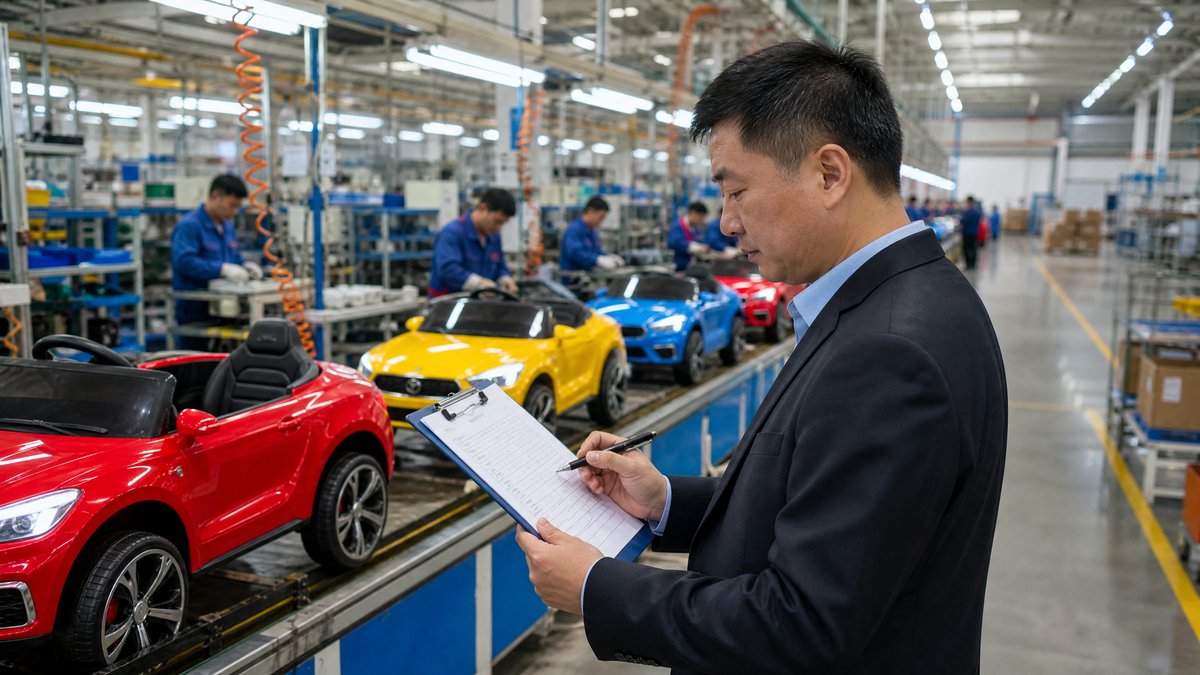
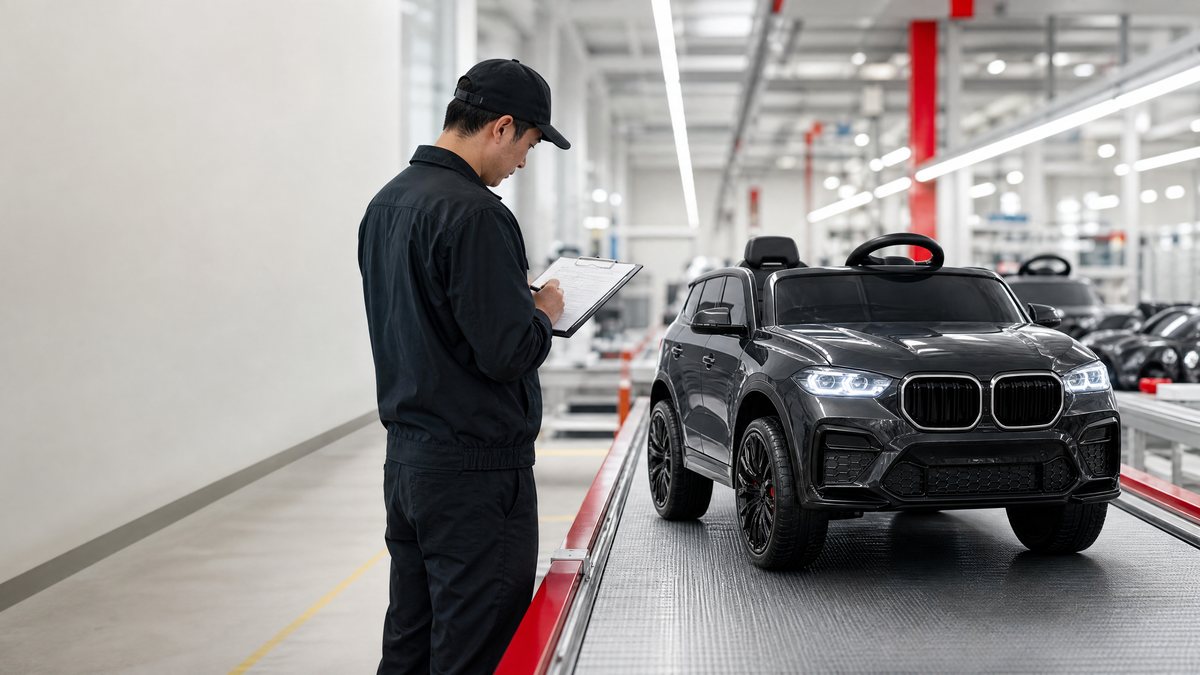
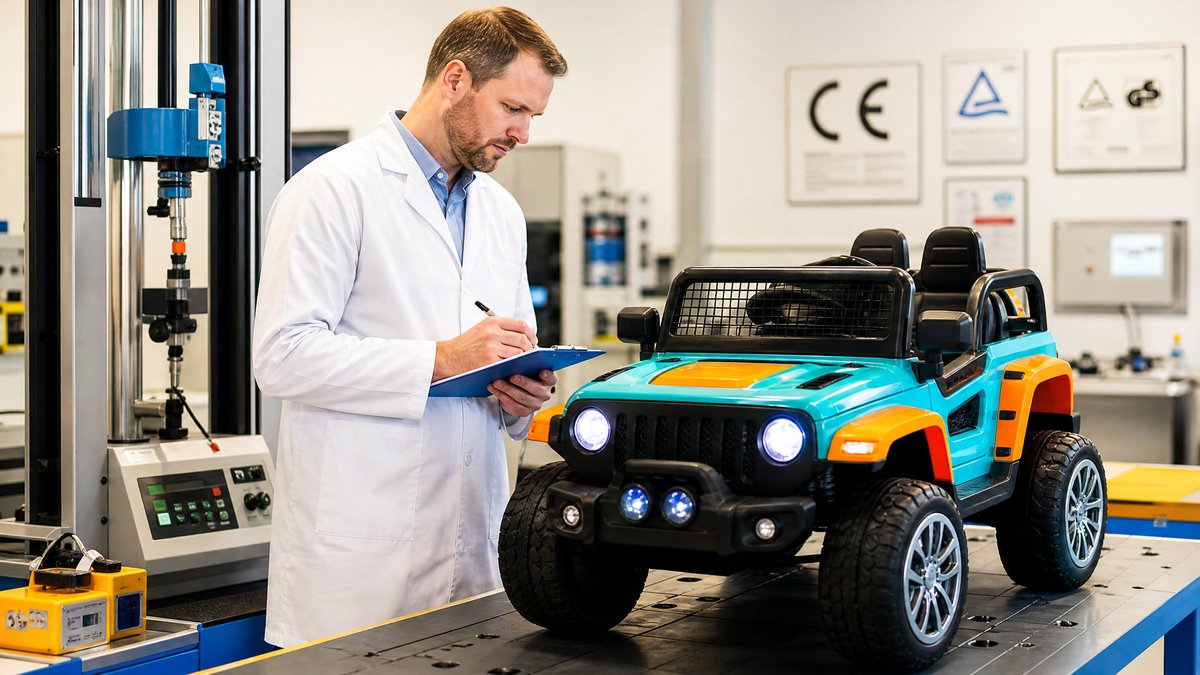
For B2B importers, distributors, and large-scale retailers, verifying vehicle speed characteristics before placing bulk purchase orders is a critical risk-management step. Sourcing substandard or improperly rated electric ride-on vehicles can result in high return rates, safety liabilities, and regulatory non-compliance. Therefore, commercial buyers should implement a structured pre-purchase inspection and verification framework that examines documentation, electrical systems, and mechanical build quality, confirming all specifications in the official manual.
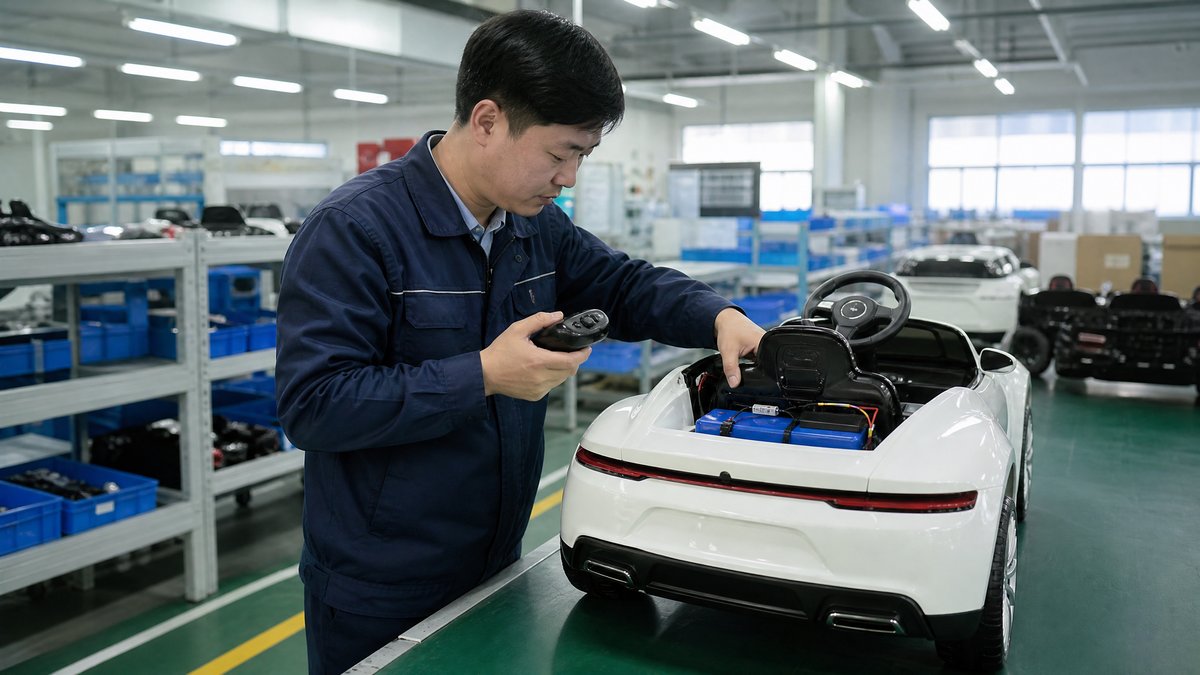
The verification process begins with a thorough review of the manufacturer's technical dossier, including conformity certificates, user manuals, and electrical circuit schematics. Buyers should confirm that the vehicle's operating voltage—whether 12V single/dual drive or 24V multi-motor configuration, which may vary by model—aligns with the intended target demographic and regional safety standards. Furthermore, commercial buyers must inspect sample units to ensure that all speed-limiting switches are tamper-resistant and that warning labels regarding adult supervision and maximum weight capacities are permanently affixed to the vehicle body.
Assessing Drive Configurations and Power Output
The mechanical layout of a ride-on car directly influences its performance profile, with configurations that may vary by model and should be confirmed in the manual. Vehicles equipped with single-motor rear-wheel drive behave differently than dual-motor or four-wheel-drive (4WD) configurations. While multi-motor setups provide enhanced traction on grass or uneven terrain where permitted, they also deliver higher torque output. Wholesale buyers must ensure that vehicles with increased motor power are equipped with correspondingly sophisticated electronic controllers that regulate power delivery, preventing excessive acceleration from startling inexperienced riders.
Evaluating Operational Documentation and Manuals
Clear, comprehensive documentation is a hallmark of professional manufacturing. Every ride-on car batch procured for retail sale must include a professionally translated, easy-to-understand user manual that explicitly details speed settings, remote control pairing instructions, charging protocols, and safety warnings. Importers should partner with suppliers who maintain rigorous quality control standards and provide transparent, verifiable product specifications.
Safety Guidelines, Operational Boundaries, and Troubleshooting Protocols
Operating electric ride-on vehicles safely requires strict adherence to environmental boundaries, adult supervision protocols, and manufacturer maintenance guidelines. Safety is not solely a function of vehicle design; it relies heavily on proper operational management by parents and caregivers. Commercial buyers and retailers play an essential role in educating consumers on these best practices through clear point-of-sale materials and detailed user manuals.
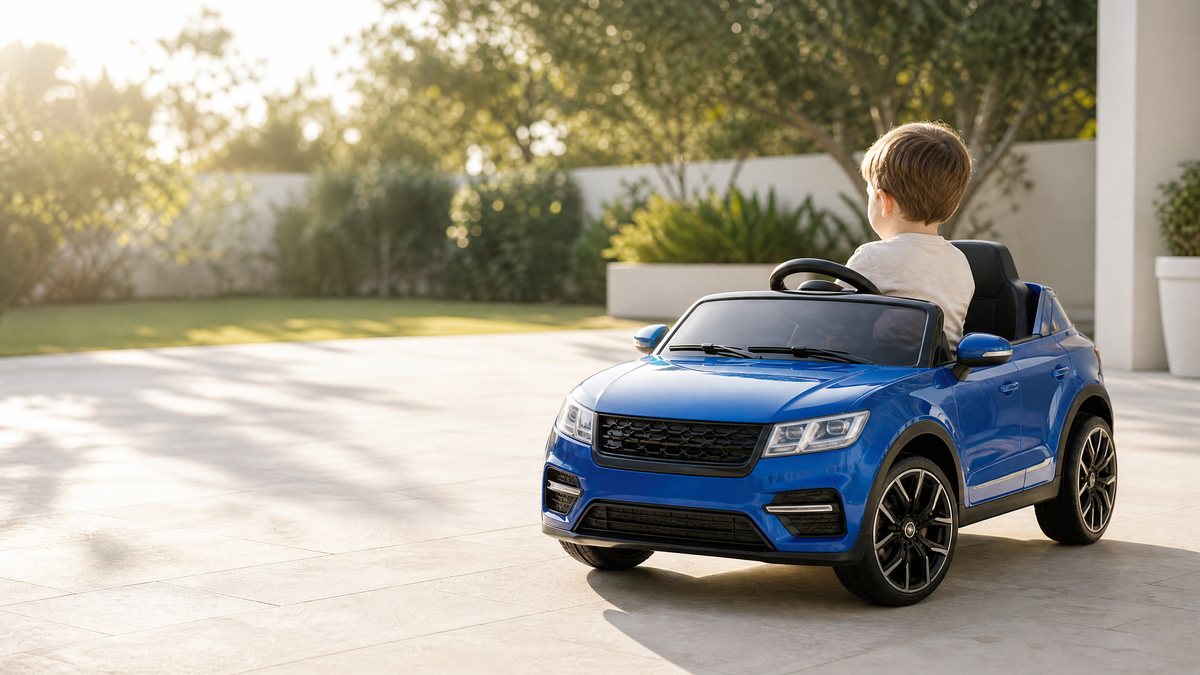
Adult supervision is mandatory at all times during ride-on car operation. Caregivers must establish clear operational boundaries, restricting vehicle use to flat, paved, controlled environments such as private driveways, residential sidewalks, or designated play areas where permitted. Electric ride-on cars must never be operated near public roadways, swimming pools, steep inclines, uneven terrain, or bodies of water. Furthermore, operating vehicles in wet weather, heavy rain, or during nighttime hours is strictly discouraged due to reduced traction, compromised visibility, and potential electrical exposure.
Strict Prohibition of Unauthorized Modifications
A frequent issue encountered in consumer markets is the temptation by end-users to modify ride-on cars to increase speed or battery capacity—such as installing higher-voltage batteries, aftermarket motors, or bypassing stock controllers. Wholesale buyers and retailers must explicitly warn consumers against any unauthorized modifications. Such alterations violate manufacturer warranties, compromise structural and electrical integrity, and introduce severe safety risks, including electrical fires, battery rupture, and catastrophic mechanical failure. All maintenance and replacement parts must be sourced directly from the manufacturer or authorized service providers. No internal electrical testing, touching of battery terminals, wiring harnesses, fuses, or circuit boards should be attempted by untrained users.
Troubleshooting Abnormal Behavior and Emergency Response
If a ride-on car exhibits abnormal behavior—such as unusual odors, smoke, overheating, fluid leaks, water ingress, exposed cables, damaged plugs, abnormal braking, sudden acceleration surges, failure to respond to remote commands, or continuous faults—immediate action must be taken. Stop use and charging immediately, turn off the vehicle, keep children away, and contact the manufacturer or qualified repair personnel. Under no circumstances should untrained individuals attempt to disassemble internal electrical housings, measure live voltage terminals, or tamper with protected circuitry.
Frequently Asked Questions (FAQ) on Ride-On Car Speed Management
Can I manually adjust the gears or motors to slow down a ride-on car?
No. Users must never attempt to modify internal motors, gearboxes, or wiring to alter vehicle speed. All speed management must be conducted using the vehicle's built-in factory features if equipped, such as the dashboard speed selector switch or parental remote control settings, in strict accordance with the user manual.
Why does my child's ride-on car accelerate abruptly when pressing the pedal?
Older or unverified models without electronic soft-start technology may experience sudden power delivery upon pedal engagement. When sourcing inventory for retail, buyers should prioritize modern vehicles equipped with soft-start controllers if equipped, which gradually ramp up motor voltage for smooth, controlled acceleration as confirmed in the manual.
How does the parental remote control help manage vehicle speed?
A 2.4G parental remote control, if equipped, provides supervising adults with absolute override authority. Many high-quality remotes feature dedicated speed selection buttons (low, medium, high) and an instantaneous emergency stop function that halts the vehicle immediately, regardless of the child's input on the floor accelerator, per manual instructions.
What should I do if the ride-on car fails to slow down or stop when releasing the pedal?
Immediately use the parental remote control's emergency stop button to halt the vehicle if equipped. Turn off the main power switch, remove the vehicle from service, keep children away, and contact the manufacturer or qualified repair personnel. Never attempt independent internal electrical or braking repairs.
Conclusion and Wholesale Procurement Summary
Managing ride-on car speed is a critical aspect of child safety, product evaluation, and retail compliance. Controlling vehicle velocity is achieved through rigorous pre-purchase procurement, adherence to factory specifications, utilization of multi-speed selectors if equipped, and active deployment of 2.4G parental remote override systems if equipped. For B2B importers, distributors, and specialty retailers, sourcing high-compliance, certified electric vehicles ensures customer satisfaction while mitigating regulatory and liability risks. When evaluating business terms, shipping, or platform policies across vendors (such as Amazon, Walmart, or Target), always check current product pages, seller terms, and platform policies directly.
KidsRideCar remains committed to supporting global wholesale partners with rigorously tested, professionally designed electric ride-on vehicles that prioritize safety, reliability, and superior performance.
Request a wholesale quote
Official References
1. U.S. Consumer Product Safety Commission (CPSC): General toy safety education materials and motorized ride-on toy safety guidance. Note: CPSC general educational resources serve as general toy safety education materials, not product certification or specific model descriptions, and cannot replace specific manufacturer vehicle user manuals, safety certifications, or compliance documentation.
2. ASTM International: ASTM F963 Standard Consumer Safety Specification for Toy Safety, covering electrical safety, mechanical strength, and velocity limitations for motorized children's products (specifications may vary by model; confirm in the manual).
3. European Committee for Standardization (CEN): EN 71 Safety of Toys standards, outlining requirements and test methods for electrical toys, mechanical hazards, and supervisory controls (specifications may vary by model; confirm in the manual).
Official references
Explore these external resources for current regulatory and trade guidance. Confirm requirements with the relevant authority before placing an order.
Ready to Start?
Factory-Direct · CE & ASTM Certified · MOQ from 50 Units
Our export team works with buyers in 60+ countries. Get a quote within 24 hours.
KR
Written by KidsRideCar
China's leading kids electric ride-on car manufacturer. 500,000+ units shipped annually to 60+ countries. CE, ASTM & EN71 certified.