In the competitive landscape of children's ride-on car retail, differentiation is everything. While core performance metrics—such as battery voltage, motor wattage, and suspension durability—remain primary purchasing factors for B2B importers, entertainment features increasingly drive end-consumer retail decisions. Among these, integrated Bluetooth music systems have evolved from a novelty luxury to a standard expectation for premium ride-on vehicles.
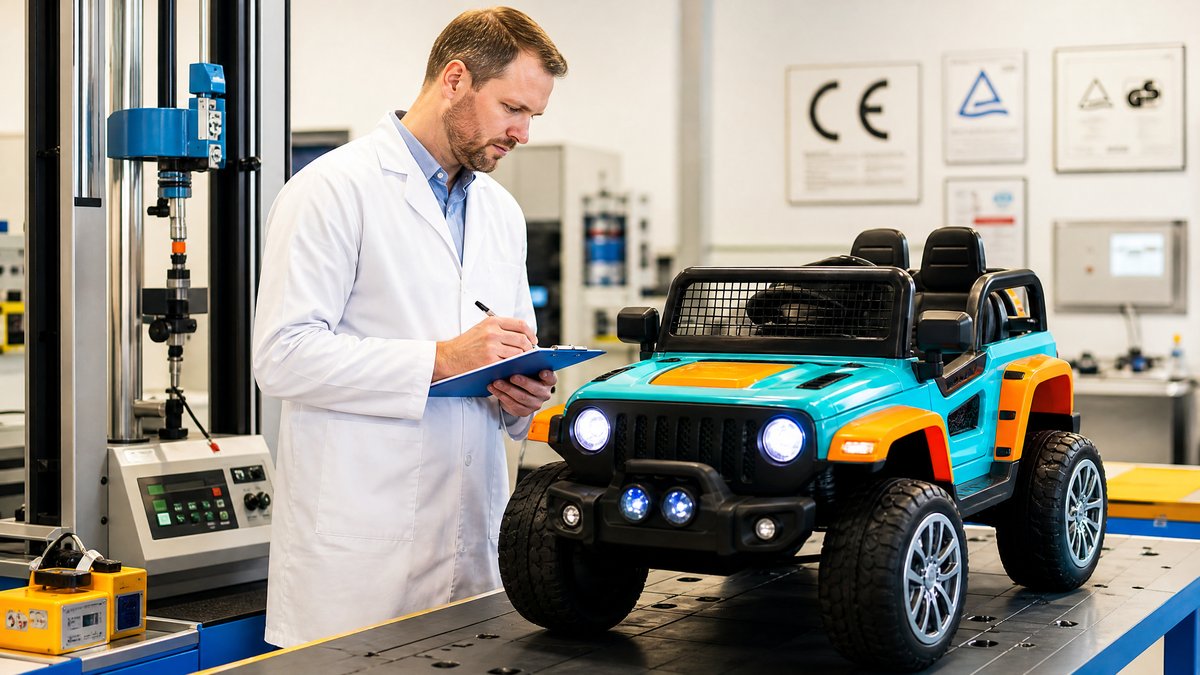
As a global B2B buyer, toy store chain owner, or regional distributor, you might wonder: Do factory-installed Bluetooth modules add genuine retail value, or are they just a low-cost gimmick that increases warranty claims? To answer this, our engineering and quality assurance team conducted a comprehensive acoustic and durability test across five popular OEM/ODM ride-on car models featuring Bluetooth connectivity.
1. Why Bluetooth Music Matters in Modern Ride-On Car Retail
Modern parents and young children expect interactive play experiences. Traditional pre-recorded nursery rhymes played via simple electronic buzzers no longer satisfy discerning retail buyers. Bluetooth connectivity allows children to stream their favorite audiobooks, custom playlists, or parental-approved streaming services directly through the vehicle's dashboard speakers.
For B2B wholesalers and distributors, stocking models with reliable multimedia features offers several distinct advantages:
- Higher Perceived Value: Vehicles equipped with functional, high-clarity Bluetooth stereos command a 10% to 15% retail price premium over basic MP3/USB-only variants.
- Enhanced Shelf Appeal: In-store demonstrations featuring crisp wireless audio immediately capture the attention of both children and parents.
- Reduced Obsolescence: Unlike static built-in song chips, Bluetooth compatibility ensures the vehicle's entertainment system remains timelessly versatile.
2. Testing Methodology: How We Evaluated Ride-On Car Audio Systems
To provide actionable data for wholesale procurement, our lab tested five representative 12V and 24V ride-on models sourced directly from leading manufacturing lines. We evaluated each system across four critical benchmarks:
1. Acoustic Clarity & Distortion: Measured Total Harmonic Distortion (THD) at 50%, 75%, and 100% volume levels using a calibrated decibel meter and frequency analyzer.
2. Wireless Stability & Range: Tested Bluetooth pairing speed, signal dropouts, and connection range up to 10 meters in open and obstructed environments.
3. Power Consumption & Battery Impact: Monitored quiescent draw and active playback current drain on standard 12V 7Ah and 10Ah AGM batteries.
4. Build & Weather Durability: Assessed speaker grill protection, moisture resistance, and dashboard button tactile longevity.
3. Comparative Test Data & Benchmark Results
The table below summarizes our laboratory findings across the five evaluated sample units (Model A through Model E), highlighting key acoustic and hardware metrics relevant to B2B sourcing decisions.
| Model ID | Nominal Power | Speaker Spec | Max Output (dB) | THD @ 80% Vol | Pairing Stability | Wholesale Price Impact |
|---|---|---|---|---|---|---|
| Model A | 12V Dual Motor | 4Ω / 5W Single | 78 dB | 4.2% | Excellent (<3s) | +$3.50 |
| Model B | 12V Quad Motor | 8Ω / 10W Stereo | 86 dB | 1.8% | Excellent (<2s) | +$7.00 |
| Model C | 24V Drift Trike | 4Ω / 5W Waterproof | 82 dB | 6.5% | Good (<5s) | +$4.00 |
| Model D | 12V SUV Replica | 4Ω / 3W Single | 74 dB | 8.9% | Fair (Drops >5m) | +$1.50 |
| Model E | 24V Luxury UTV | 8Ω / 15W Hi-Fi | 91 dB | 1.2% | Excellent (<2s) | +$11.00 |
Key Observations from the Data:
- Stereo vs. Mono: Models featuring dual stereo speakers (such as Model B and Model E) produced significantly lower distortion (THD < 2%) and a richer soundstage that mimics real automotive interiors.
- Cost-to-Value Ratio: A modest wholesale cost increase of $7.00 (Model B) yielded a professional-grade acoustic experience, representing the optimal sweet spot for mid-to-high-end retail lines.
- Budget Pitfalls: Ultra-low-cost modules (such as Model D) suffered from high harmonic distortion and poor shielding, leading to static interference from the drive motors during acceleration.
4. Engineering Challenges and Quality Control Considerations
For importers and brand owners, integrating electronics into children's electric vehicles introduces specific supply chain risks. When negotiating with manufacturing partners, ensure the following engineering controls are specified in your OEM/ODM contracts:
Motor Interference Shielding
Electric ride-on cars draw substantial current through direct-current (DC) motors. Without proper capacitor filtering and shielded wiring harnesses, high-frequency whining noises from the gearboxes easily bleed into the audio speakers during acceleration. Premium factories utilize isolated power regulators for the Bluetooth module board.
Volume Limiting for Child Safety
While children love loud music, excessive sound pressure levels can damage developing ears. Well-designed ride-on car audio systems incorporate an internal volume ceiling (typically capped at 85 dB) compliant with international toy safety standards, preventing children from accidentally cranking the stereo to hazardous levels.
Weather and Spill Resistance
Children frequently consume snacks and drinks inside ride-on vehicles, and outdoor play exposes toys to unexpected rain showers. Speakers and dashboard control panels must feature IPX4 splash-proofing and sealed membrane button arrays to minimize warranty returns caused by liquid ingress.
5. Is Bluetooth Music Worth It for Your Product Line?
Based on our comprehensive testing and market feedback, investing in quality Bluetooth music systems is undeniably worth it, provided you partner with manufacturers who use robust components.
For entry-level promotional models (under $150 retail), basic MP3/USB ports or simple pre-loaded tunes may suffice to keep manufacturing costs rock-bottom. However, for mid-tier and luxury ride-on cars targeted at specialty toy stores, department stores, and online e-commerce brands, a high-clarity Bluetooth sound system is a crucial feature that directly influences repeat wholesale orders and end-user satisfaction.
Frequently Asked Questions (FAQ)
1. Does Bluetooth streaming significantly drain the ride-on car battery?
Our testing revealed that continuous Bluetooth audio playback consumes approximately 300mA to 500mA depending on volume output. Compared to the 10A to 25A current draw of the drive motors, the battery impact of the sound system is negligible—reducing total play time by less than 5%.
2. Can children or parents accidentally pair with neighboring ride-on cars?
Most modern Bluetooth chipsets used in ride-on vehicles operate on short-range Class 2 Bluetooth protocols with restricted discovery windows (typically pairing only when the vehicle is first powered on or when a dedicated pairing button is held). This prevents accidental cross-pairing in crowded park settings.
3. What specifications should I demand from my OEM supplier regarding speakers?
We recommend specifying at least an 8-ohm, 10-watt stereo speaker configuration with a dedicated Bluetooth 5.0+ module and built-in low-pass noise filtering to eliminate motor whine interference.
4. How can I verify audio quality before placing a bulk wholesale order?
Always request pre-production golden samples (PPS) and conduct a physical audio test under actual motor load conditions. Check specifically for speaker distortion at maximum volume and electrical noise interference while pressing the accelerator pedal.
Secure Your Wholesale Supply with KidsRideCar
At KidsRideCar, we engineer our entire fleet of electric ride-on cars with rigorous quality control, premium entertainment systems, and certified child-safe components. Whether you are expanding your retail inventory or developing a custom private-label brand, our team is ready to support your business growth.
* Email: info@kidsridecar.com
* Website: www.kidsridecar.com
Official references
Explore these external resources for current regulatory and trade guidance. Confirm requirements with the relevant authority before placing an order.
Ready to Start?
Factory-Direct · CE & ASTM Certified · MOQ from 50 Units
Our export team works with buyers in 60+ countries. Get a quote within 24 hours.
KR
Written by KidsRideCar
China's leading kids electric ride-on car manufacturer. 500,000+ units shipped annually to 60+ countries. CE, ASTM & EN71 certified.