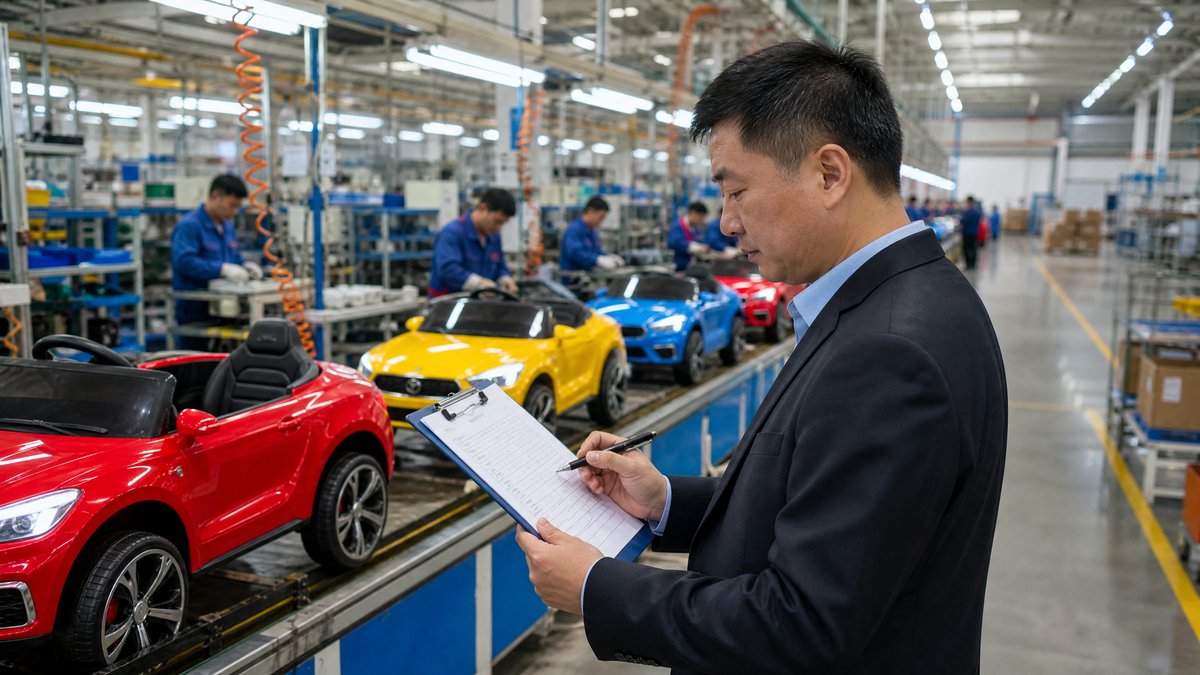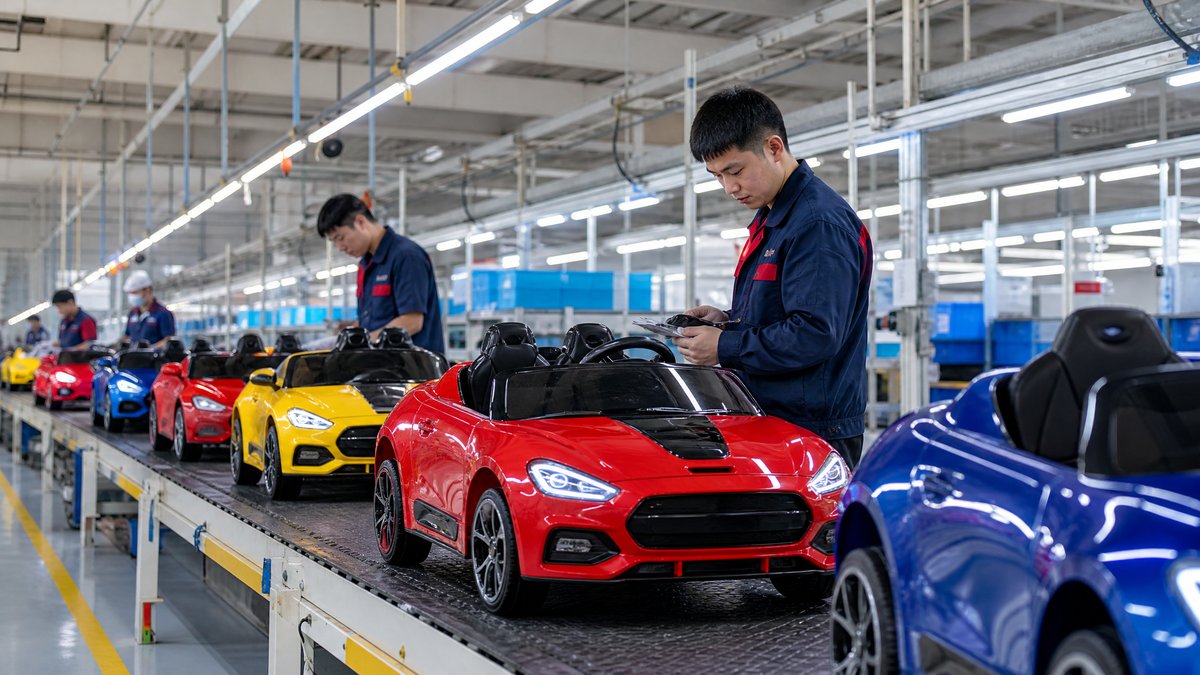
In the intricate landscape of global trade involving children’s electric ride-on vehicles, the caliber of the physical product frequently serves as a direct reflection of the communication quality that preceded its manufacturing. For international importers, regional distributors, and large-scale retail entities, sourcing represents far more than a simple commercial transaction; it is a complex orchestration of logistical, technical, and safety-related coordination. A failure in communication—whether it involves power specifications, safety compliance standards, or production timelines—can result in significant delays, inventory that does not meet requirements, and lasting damage to brand reputations.
While many procurement teams focus predominantly on unit pricing and initial sample aesthetics, experienced professionals understand that a manufacturer’s communication infrastructure is a primary indicator of long-term reliability. Assessing a supplier’s capacity to document technical specifications, manage complex engineering inquiries, and provide transparent escalation paths is highly recommended before committing to a high-volume procurement contract. This comprehensive guide establishes a professional framework for auditing ride-on car factory communication to ensure your supply chain remains transparent, accountable, and resilient against unforeseen disruptions.
Why a Written Supplier Communication Log Matters
A frequent misunderstanding in international procurement is the tendency to equate language fluency with professional competence. While ease of verbal interaction is certainly beneficial for relationship building, business-to-business buyers should prioritize technical precision over grammatical perfection. In the specialized field of ride-on car manufacturing, a clear communicator is defined not by their ability to write polished prose, but by their capacity to provide unambiguous, data-driven information that translates directly into production reality.
Clarity benchmarks should be established by measuring the factory’s ability to convert complex buyer requirements into actionable engineering data. When auditing a potential manufacturing partner, procurement teams should look for several indicators of professional clarity. Firstly, consider the nature of their technical responses. Does the sales or engineering department provide specific performance ratings regarding motor efficiency or battery longevity as confirmed in writing, or do they offer vague assurances of quality? Secondly, professional manufacturers often supplement their written correspondence with visual aids such as annotated photographs, exploded-view diagrams, or screenshots from design software to clarify technical nuances. Thirdly, the consistent use of standardized industry terminology regarding safety standards and electronic components indicates a profound understanding of the global marketplace.
By focusing on these clarity benchmarks, buyers can distinguish between a sales contact with proficient language skills and a manufacturer with robust technical communication protocols. Furthermore, professional clarity extends to the standard operating procedures that a factory utilizes for all external correspondence. The use of standardized templates for project updates, quality assurance reports, and technical revisions demonstrates organizational maturity. This level of standardization is particularly important for large-scale importers who must integrate factory data into their own internal management systems for inventory and quality tracking.
Recording Pre-Purchase Questions and Replies
The initial inquiry phase provides a critical window for evaluating a factory’s communication resilience. Instead of posing generic questions regarding pricing and lead periods, professional procurement managers should design specific technical queries that necessitate cross-departmental coordination within the factory. This approach serves as a stress test for the manufacturer's internal information flow.
Evaluating Engineering Depth
When a buyer inquires about the load-bearing capacity of a high-performance ride-on vehicle, a superficial response might simply reiterate information from a marketing brochure. In contrast, a technically competent factory will explain the underlying relationship between motor specifications, gear ratios, and the structural integrity of the reinforced chassis. For instance, in high-performance electric vehicles for children, communication should address the logic of motor control technology, which governs acceleration curves and protects sensitive internal components from electrical stress. A manufacturer that can articulate the reasoning behind their controller configurations or the heat-resistance ratings of their wiring harnesses is providing the level of technical depth necessary for high-value business-to-business partnerships. It is important to note that any technical modifications, internal inspections, or wiring adjustments should be performed exclusively by the manufacturer's qualified engineering team or a certified technician.
| Evaluation Benchmark | Superficial Communication | Professional Factory Communication |
|---|---|---|
| Component Specifications | General mentions of high-quality motors. | Detailed performance ratings and component origins. |
| Safety Compliance | Broad claims of meeting all standards. | Provision of verifiable references for testing reports. |
| Customization Feasibility | Simple affirmations of capability. | Detailed analysis of mold impact and production logic. |
| Logistics Coordination | Vague mentions of standard shipping. | Coordination of requirements with carriers or suppliers. |
Documentation Standards and Accountability
Documentation forms the bedrock of business-to-business accountability. Every technical clarification or agreement made during the pre-purchase phase must be recorded in a formal manner. Buyers should observe whether the factory representative summarizes verbal or informal discussions into a formal record, such as an updated technical specification sheet. If a manufacturer relies solely on informal messaging platforms without formalizing agreements in a proforma invoice or a technical data sheet, it often indicates a deficiency in internal documentation standards.
The bill of materials is a fundamental anchor for communication documentation. This document lists every component utilized in the vehicle, from the material grades of the plastic body to the specific ratings of the electronic modules. A factory that demonstrates transparency regarding the bill of materials during the pre-purchase phase shows the internal organization required to track their own supply chain effectively. Professional buyers utilize this document as a communication anchor, ensuring that the final product delivered aligns perfectly with the specifications agreed upon in writing.
Defining Escalation Contacts and Response Ownership
One of the most significant risks in international sourcing is the communication silo. This phenomenon occurs when a buyer’s primary point of contact is a single representative who may lack the authority or the technical expertise to resolve complex production or quality issues. Before finalizing any substantial order, it is recommended to map the factory’s internal hierarchy and escalation paths to ensure long-term stability.
Identifying Key Stakeholders
Professional ride-on car manufacturers typically operate within a structured organizational hierarchy. Buyers should seek to understand the roles of various departments and how information is shared between them. The production management department is responsible for scheduling and assembly, while the quality control team focuses on ensuring that the final product meets the agreed-upon technical specifications. The engineering and research department handles technical design and safety standards, and the after-sales support team manages the provision of spare parts and technical documentation.
Verification of Escalation Protocols
To evaluate the effectiveness of a factory’s escalation path, procurement teams should consider asking several targeted questions. For example, inquire about who the final decision-maker is for corrective actions if a quality discrepancy is identified during production. Ask which department is responsible for providing updates in the event of a material shortage that might affect the delivery schedule. Furthermore, request a secondary contact within the quality control department for the technical verification of specifications. A factory that is transparent about its organizational structure and provides multiple contact points for different functional areas is significantly better positioned to handle unforeseen challenges in a professional manner.
Proactive Communication During Production
The period between the confirmation of an order and the final shipment is often a time when communication can become infrequent. Professional manufacturers mitigate this risk by establishing scheduled production milestones. Rather than waiting for the buyer to request an update, the factory proactively shares reports at key stages, such as the arrival of raw materials, the completion of chassis assembly, the successful conclusion of electrical testing, and the final packaging phase. Assessing whether a factory has a systematic approach for these proactive updates is a vital part of the pre-order evaluation, as it demonstrates that communication is deeply integrated into their production management system.
Capturing Sample Feedback and Decision History
The sampling process is not merely an evaluation of a physical prototype; it serves as a trial run for the factory’s internal feedback loop. How a manufacturer handles requested modifications to a sample provides a clear preview of how they will manage the complexities of a full production run. When a buyer receives a sample and identifies a component that requires adjustment, the factory’s response should follow a documented and systematic process. This begins with a formal acknowledgment of the feedback, supported by evidence of understanding. Subsequently, the factory should conduct a root cause analysis to explain the reason for the variance, such as manufacturing tolerances or material differences. This is followed by a detailed corrective action plan outlining how the adjustment will be implemented in the mass production units. Finally, the factory should provide verification evidence, demonstrating that the requested change has been successfully integrated into the production setup.
Documenting Logistics and Market-Requirement Discussions
In the global trade of ride-on vehicles, safety standards and logistical requirements are subject to frequent updates. Evaluating how a factory manages the communication of these changes is critical for maintaining compliance and avoiding costly delays. When discussing safety certifications and regional regulations, communication must be precise and grounded in current requirements. A professional factory will discuss these matters in terms of specific standards rather than offering general assurances. They should be able to explain how their internal testing protocols align with these requirements, providing the buyer with confidence that the resulting documentation will meet the necessary criteria for entry and retail audits. However, it is strongly recommended that buyers consult with their own legal counsel or local regulatory experts to confirm current requirements.
The coordination of shipping involves multiple parties and complex documentation requirements. A reliable manufacturer will demonstrate a clear process for communicating with carriers and freight forwarders. Rather than asserting specific shipping rates or container capacities, a professional partner will suggest that the buyer consult with their local customs broker or preferred carrier to determine the most current requirements for transport documentation and port policies. This approach ensures that the information used for planning is accurate and up-to-date.
Maintaining Version Control for Supplier Communications
In the ride-on car industry, technical specifications may evolve over time due to component availability or design improvements. Professional buyers should look for manufacturers that utilize a single source of truth for all specifications, typically in the form of a master technical data sheet. When a modification is made, the factory should issue a revised document with a clear version number, ensuring that all departments and the buyer are working from the most recent information. Buyers should be cautious of factories that communicate changes through fragmented messages without updating the master agreement, as this is a primary cause of specification drift.
Frequently Asked Questions
Q: How can a buyer distinguish between a direct manufacturer and a trading entity through their communication?
A: Direct manufacturers typically provide more granular technical data and can often offer immediate visual evidence from the production floor or material warehouse. Trading entities may rely more heavily on marketing materials and might require additional time to confirm specific engineering details with their supply partners.
Q: Should there be concern if a factory utilizes translation software for their correspondence?
A: Not necessarily. As long as the technical data—such as performance ratings, dimensions, and material grades—is accurate and consistent, the use of translation tools is a common practice. The primary risk lies in the ambiguity of the data provided, rather than the grammatical structure of the message itself.
Q: What is the most important document to establish before the commencement of production?
A: The master technical specification sheet is essential. This document should be formally acknowledged by both parties and include comprehensive details regarding the vehicle, from power ratings and motor specifications to packaging requirements as confirmed in writing. It serves as the primary reference for all quality control inspections.
Q: How should a buyer respond to conflicting information from different factory departments?
A: Conflicting information is a significant indicator of potential gaps in the manufacturer's internal communication. If different departments provide varying estimates for production timelines or technical specifications, the buyer should insist on a formal, written clarification from the factory’s senior management. This is where a clearly mapped escalation path becomes invaluable.
Q: Is it possible to request access to a factory's internal quality records?
A: While internal correspondence is typically private, buyers can request access to quality management system records related to their specific production run. This may include internal inspection logs and results from component testing. A transparent manufacturer will be willing to share these records as part of their commitment to quality assurance.
Conclusion
Effective communication in the ride-on car industry is not merely about the ability to speak or write clearly; it is about the systematic ability to listen, document, and execute complex technical requirements. Before committing to your next procurement cycle, ensure that your manufacturing partner’s communication standards are as rigorous as your own product standards. By auditing their technical precision, documentation practices, and organizational transparency, you can build a more resilient and successful international supply chain.
Request a wholesale quote
Official references
Explore these external resources for current regulatory and trade guidance. Confirm requirements with the relevant authority before placing an order.
Ready to Start?
Factory-Direct · CE & ASTM Certified · MOQ from 50 Units
Our export team works with buyers in 60+ countries. Get a quote within 24 hours.
KR
Written by KidsRideCar
China's leading kids electric ride-on car manufacturer. 500,000+ units shipped annually to 60+ countries. CE, ASTM & EN71 certified.