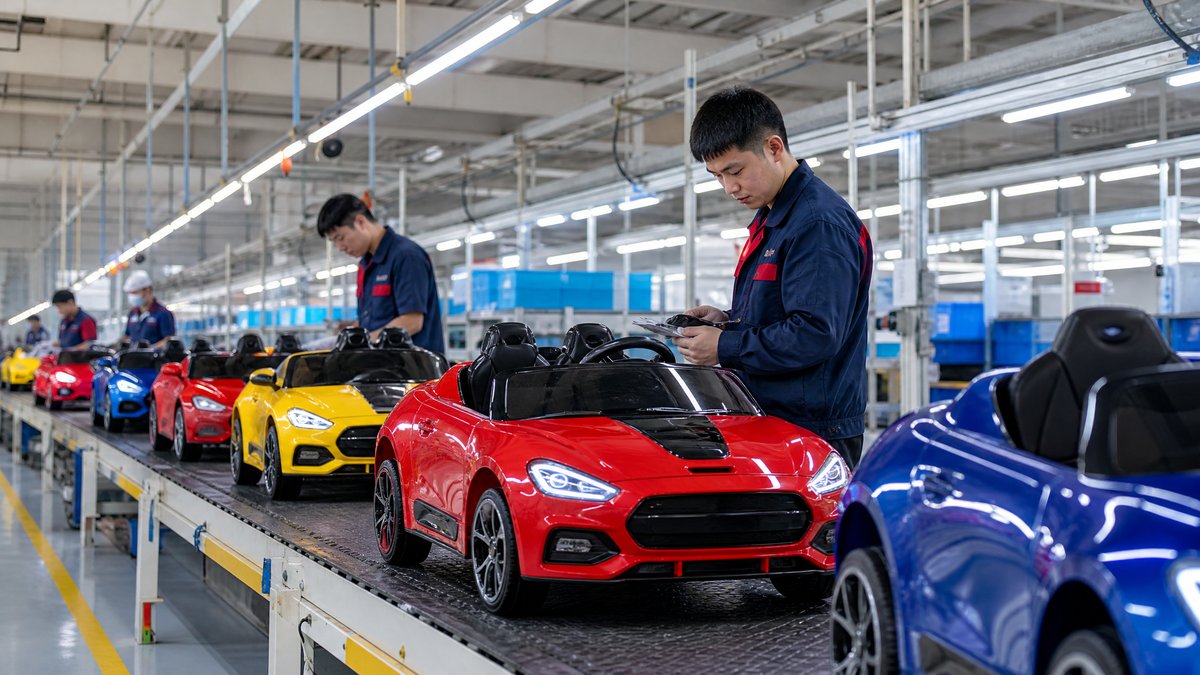
The Strategic Importance of Packaging in B2B Ride-On Car Sourcing
In the contemporary landscape of global trade, the transition from traditional retail to direct-to-consumer e-commerce fulfillment has fundamentally altered the requirements for product packaging. For professional importers and distributors of children's ride-on cars, packaging is a primary driver of profitability and brand reputation. The journey of a high-value, bulky item through the global supply chain involves numerous touchpoints and rigorous handling protocols that necessitate a sophisticated approach to structural integrity.
Ride-on cars, characterized by significant physical dimensions and the integration of sensitive electronic and mechanical components, present unique challenges for e-commerce logistics. Unlike palletized shipments, e-commerce units are handled as individual parcels, subjected to automated sorting systems and unpredictable last-mile delivery. A single failure in packaging can lead to product damage, high return rates, and the erosion of customer trust. Therefore, establishing a robust framework for packaging evaluation is essential for any importer looking to scale their operations.
This guide explores the technical, regulatory, and economic dimensions of ride-on car packaging from a B2B perspective. It emphasizes the need for objective verification, contractual clarity, and alignment with international standards to ensure that products arrive in pristine condition. By adopting a data-driven approach to packaging specifications, importers can significantly mitigate risks and optimize their total landed cost.
Analyzing the E-Commerce Logistics Environment
The shift toward e-commerce has introduced complexities that traditional packaging designs were not originally intended to withstand. Understanding these stressors is the first step in developing a superior strategy. In a typical e-commerce cycle, a package may be subjected to multiple instances of loading, unloading, and sorting. Each interaction represents a potential point of failure if the packaging is not specifically engineered for individual parcel transit.
Mechanical Stress and Impact Dynamics
The primary threat to ride-on cars during transit is mechanical stress, manifesting as drops, impacts, and compression. Because these products are relatively heavy, they possess high kinetic energy when in motion. A drop from a sorting belt or a delivery vehicle can result in significant force being transmitted through the outer carton to the product's chassis. Without adequate internal cushioning, this energy can cause cracks in the plastic body, misalignment of the steering mechanism, or damage to internal components.
Furthermore, the stacking of packages in delivery vans and containers introduces vertical compression forces. E-commerce packaging must be capable of supporting the weight of other parcels without collapsing. A crushed box not only compromises the product's safety but also signals a lack of quality to the consumer. Professional importers must ensure that their packaging specifications include high-performance corrugated materials that offer superior resistance, as specified in the specific model documentation and verified against the latest industry standards.
Addressing these challenges requires a multi-layered approach to packaging design. This includes the use of moisture-resistant coatings for outer cartons and the strategic application of protective films and non-abrasive internal materials. Importers should work closely with manufacturers to verify that materials are suitable for the specific environmental conditions of their target shipping routes, ensuring that protection remains effective from the factory floor to the final destination.
Technical Standards and Verification Protocols
For B2B buyers, relying on anecdotal evidence of packaging performance is insufficient. A professional sourcing strategy must be grounded in recognized international standards that provide a standardized framework for testing and verification. These protocols simulate the various stressors of the logistics chain, allowing importers to assess the risk of damage before a single unit is shipped.
The Role of International Testing Standards
Standards such as those developed by the International Safe Transit Association (ISTA) provide a rigorous methodology for evaluating packaging performance. These tests typically involve procedures including atmospheric conditioning, vibration testing, and drop tests from various orientations. For products intended for e-commerce fulfillment, specialized protocols like ISTA 3A or ISTA 6-Amazon (SIOC) are often employed to ensure that the package can withstand the rigors of individual parcel delivery without the need for additional over-boxing.
The applicability of a specific standard depends on the product's weight, dimensions, and the target market's logistics infrastructure. Importers should always request comprehensive test reports from their manufacturers, ensuring that testing was conducted by a qualified laboratory and that results are applicable to the specific product models being sourced. All compliance and testing documentation must be verified according to the target market’s latest official requirements and the specific terms of the B2B contract.
Establishing a Quality Control Framework
In addition to formal certifications, importers should integrate packaging evaluation into their broader quality control (QC) processes. This includes performing pre-shipment inspections (PSI) that specifically focus on the integrity of the packaging materials and the effectiveness of internal securement. A well-defined QC checklist for packaging should include material verification, structural integrity checks, internal securement audits, and simulated handling tests at the factory to identify potential vulnerabilities.
By establishing these protocols, importers can hold their suppliers accountable and identify packaging defects before the goods leave the factory, avoiding significant costs associated with international returns.
For packaging and e-commerce planning
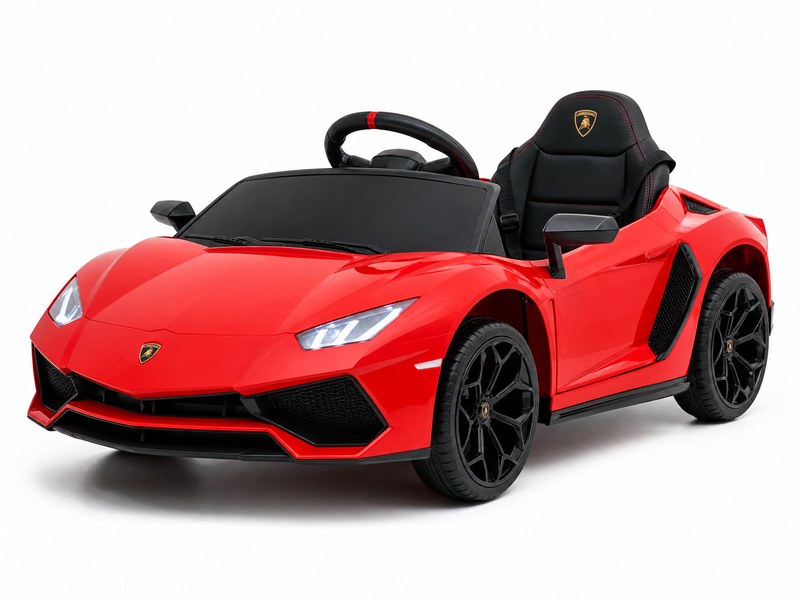
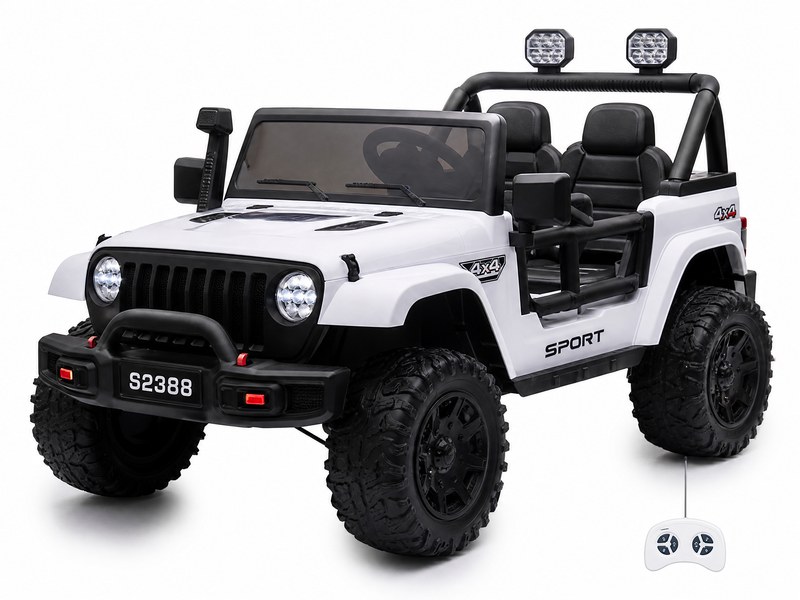
Compare two catalogue-ready ride-on formats
Use the current product sheet and carton specification for each model when comparing marketplace listings, warehouse handling and retailer requirements.
Ask for product and packaging details →
Material Selection and Structural Design
The effectiveness of ride-on car packaging is largely determined by the choice of materials and the engineering of the internal structure. A high-performance packaging solution must balance protection, cost-efficiency, and environmental impact.
High-Performance Corrugated Materials
The outer carton serves as the first line of defense. For heavy and bulky items like ride-on cars, double-wall or even triple-wall corrugated cardboard is typically required. The performance of these materials is measured by their bursting strength and edge crush test ratings, which indicate their ability to resist punctures and support vertical loads. Importers should specify the use of virgin-fiber liners for the outer layers of the carton, as these offer superior strength and moisture resistance. The internal fluting should also be selected based on the specific weight and dimensions of the product, ensuring that the box maintains its shape even under adverse conditions.
Advanced Internal Cushioning Solutions
The internal packaging is responsible for absorbing shocks and preventing the product from moving within the box. Common materials include Expanded Polyethylene (EPE) foam, which offers high resilience and excellent shock absorption, making it ideal for premium models with sensitive electronics. Expanded Polystyrene (EPS) foam is a cost-effective alternative for structural reinforcement, while honeycomb cardboard provides exceptional vertical strength for protecting heavy components like motors.
By "floating" the car within the box using strategically placed foam blocks and cardboard inserts, manufacturers can ensure that no part of the product's body comes into direct contact with the outer carton, significantly reducing the risk of cosmetic damage. The exact choice of materials should be verified according to the specific model requirements and target market standards.
Economic Considerations and Cost Optimization
While investing in high-quality packaging incurs an upfront cost, it is essential to view this expenditure through the lens of total landed cost and risk management. For B2B importers, the goal is to find the "sweet spot" where the cost of packaging is balanced against the cost of potential damage and the requirements of the logistics chain.
The Total Landed Cost of Quality (TLCQ)
The true cost of packaging includes more than just the price of materials. It also encompasses the impact on shipping costs, warehouse handling, and the financial burden of returns. In the e-commerce sector, many carriers use Dimensional Weight (DIM) pricing, which calculates shipping rates based on the volume of the package rather than its actual weight. Over-packaging that results in excessively large boxes can lead to significantly higher freight charges.
Conversely, under-packaging that leads to a high damage rate can be even more costly. A damaged unit represents not only the loss of the product's value but also the cost of shipping the item twice, the labor required to process the return, and the potential loss of future sales. By conducting a thorough cost-benefit analysis, importers can determine the most efficient packaging strategy for their specific business model.
Optimizing Package Dimensions
"Right-sizing" the packaging is a critical component of cost optimization. This involves designing the internal layout of the box to be as compact as possible without compromising the product's safety. For ride-on cars, this often means shipping the product in a partially disassembled state, with wheels, steering columns, and seats detached and securely packed. Importers should work with their manufacturing partners to explore different assembly configurations that minimize the package's volume while ensuring that the final dimensions and assembly requirements are clearly documented in the product specifications.
Regulatory Compliance and Safety Standards
Packaging for children's toys is subject to a complex web of regulations and safety standards that vary by target market. Failure to comply with these requirements can result in customs delays, fines, and legal liabilities. Professional importers must take a proactive approach to regulatory verification, ensuring that all packaging and labeling meet the latest official requirements.
Market-Specific Labeling and Warnings
Different jurisdictions have specific requirements for warning labels on toy packaging. For example, in the United States, the Consumer Product Safety Commission (CPSC) mandates specific warnings for small parts, suffocation hazards from plastic bags, and age-appropriateness. Similar requirements exist in the European Union under the Toy Safety Directive, and in other markets such as the United Kingdom, Australia, and the Gulf countries.
Importers must verify the specific labeling requirements for their target market, including age grading, safety warnings in local languages, and importer information. All labeling and certification claims must be verified according to the specific product, target market, and the latest official requirements. Importers should never assume that a generic label is sufficient for all markets.
Handling Hazardous Materials
Most ride-on cars are powered by lead-acid or lithium-ion batteries, which are classified as hazardous materials (HazMat) for the purposes of international shipping. This necessitates compliance with specific packaging and labeling regulations, such as those set forth by the International Air Transport Association (IATA) and the International Maritime Organization (IMO). Proper HazMat labeling, including UN numbers and battery handling marks, is essential for ensuring that products are handled safely during transit and that the importer remains in compliance with shipping laws.
Safety Boundaries and Operational Guidelines
As part of a responsible B2B supply chain, importers must ensure that safety information is clearly communicated to all stakeholders. The integrity of the product's safety features depends not only on its design but also on how it is handled, assembled, and maintained.
General Safety Principles
The following safety guidelines should be integrated into the product documentation and communicated through the packaging where appropriate:
1. Adult Supervision Required: All ride-on cars must be used under the direct and constant supervision of an adult to ensure the safety of the child.
2. Adherence to Documentation: Users must strictly follow the manufacturer's instruction manual for assembly, operation, and maintenance. The manual is the primary source of safety information and should never be ignored.
3. Age and Weight Limits: The product should only be used by children within the age and weight ranges specified in the manufacturer's documentation.
4. Authorized Support: Any technical issues, assembly questions, or maintenance needs should be addressed through the importer's authorized support channels. Users should not attempt to perform unauthorized repairs or modifications.
Operational Boundaries
To protect users and keep support guidance consistent, importers should publish a simple operational boundary: end users should follow the supplied manual and should not attempt work beyond the user-accessible steps described there. For electrical or mechanical concerns, the customer should contact the retailer or the manufacturer’s documented support route for model-specific guidance.
This keeps customer communication focused on safe, documented actions rather than improvised technical instructions.
Frequently Asked Questions
**Q: How can I verify if a manufacturer's packaging is truly e-commerce ready?**
A: The most reliable method is to request a comprehensive test report from an independent, third-party laboratory that has conducted testing according to recognized standards like ISTA 3A or ISTA 6-Amazon. Additionally, importers should perform their own pre-shipment inspections and simulated handling tests to verify that the packaging meets the agreed-upon specifications and is suitable for their specific logistics chain.
**Q: What are the risks of using standard retail packaging for individual parcel shipping?**
A: Standard retail packaging is typically designed for palletized transit, where the boxes are protected from individual drops and side-impacts. When these units are shipped as individual parcels, they are much more likely to suffer structural damage, cosmetic scratches, and internal component failure. This can lead to high return rates, increased logistics costs, and damage to the brand's reputation on e-commerce platforms.
**Q: How does packaging affect the total landed cost of a ride-on car?**
A: Packaging impacts the total landed cost in several ways, including the direct cost of materials, the influence of package volume on Dimensional Weight shipping rates, and the indirect costs associated with product damage and returns. Investing in higher-quality, "right-sized" packaging can often lead to lower overall costs by reducing shipping expenses and minimizing the financial burden of damaged goods.
**Q: What documentation should I require from my supplier regarding packaging compliance?**
A: Importers should require a detailed packaging specification sheet, valid test reports from qualified laboratories, and documentation confirming compliance with market-specific labeling and safety requirements. All such documentation should be reviewed and verified according to the target market's latest official standards and the specific terms of the B2B agreement.
Request a wholesale quote
References
1. International Safe Transit Association (ISTA) - Testing Protocols
2. Amazon Packaging Support and Supplier Network (APASS)
3. U.S. Consumer Product Safety Commission (CPSC) - Toy Safety Business Guidance
4. European Commission - Toy Safety in the EU
5. IATA - Lithium Battery Shipping Guidelines
Official references
Explore these external resources for current regulatory and trade guidance. Confirm requirements with the relevant authority before placing an order.
Ready to Start?
Factory-Direct · CE & ASTM Certified · MOQ from 50 Units
Our export team works with buyers in 60+ countries. Get a quote within 24 hours.
KR
Written by KidsRideCar
China's leading kids electric ride-on car manufacturer. 500,000+ units shipped annually to 60+ countries. CE, ASTM & EN71 certified.