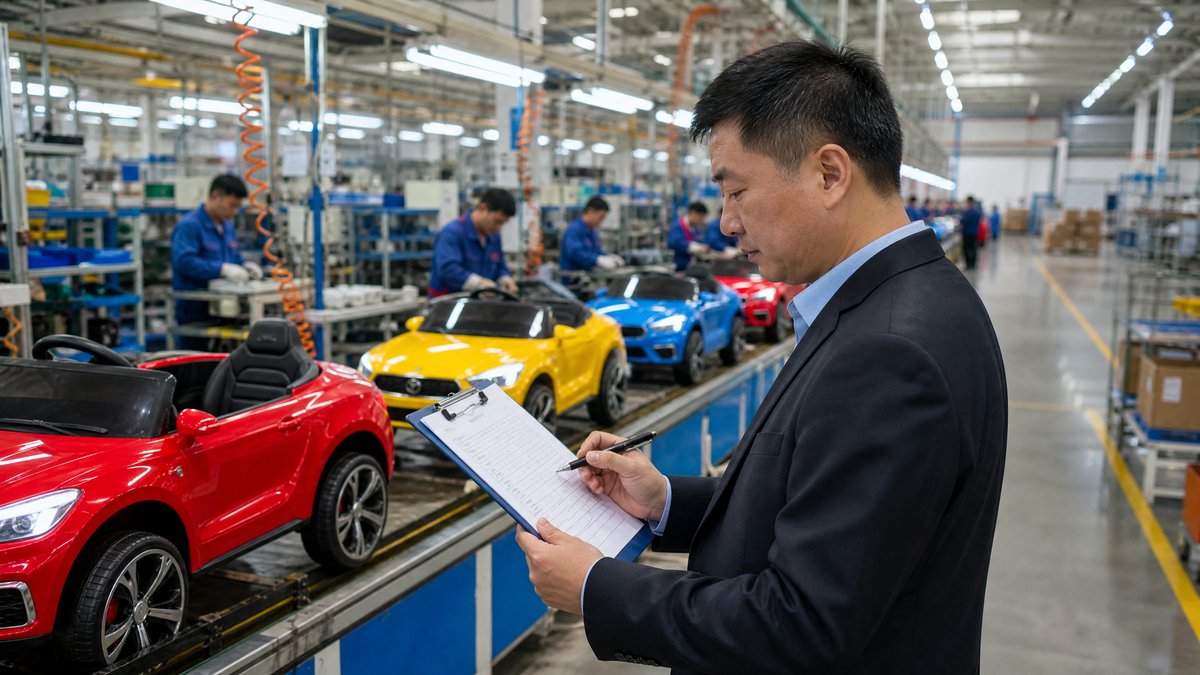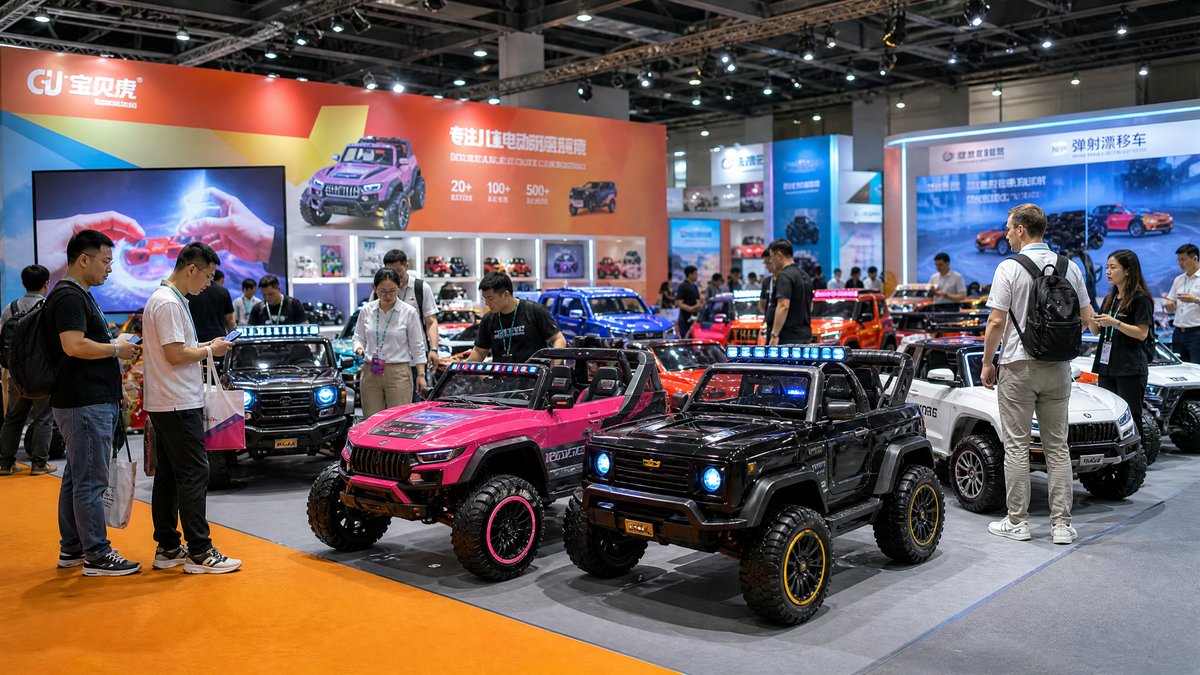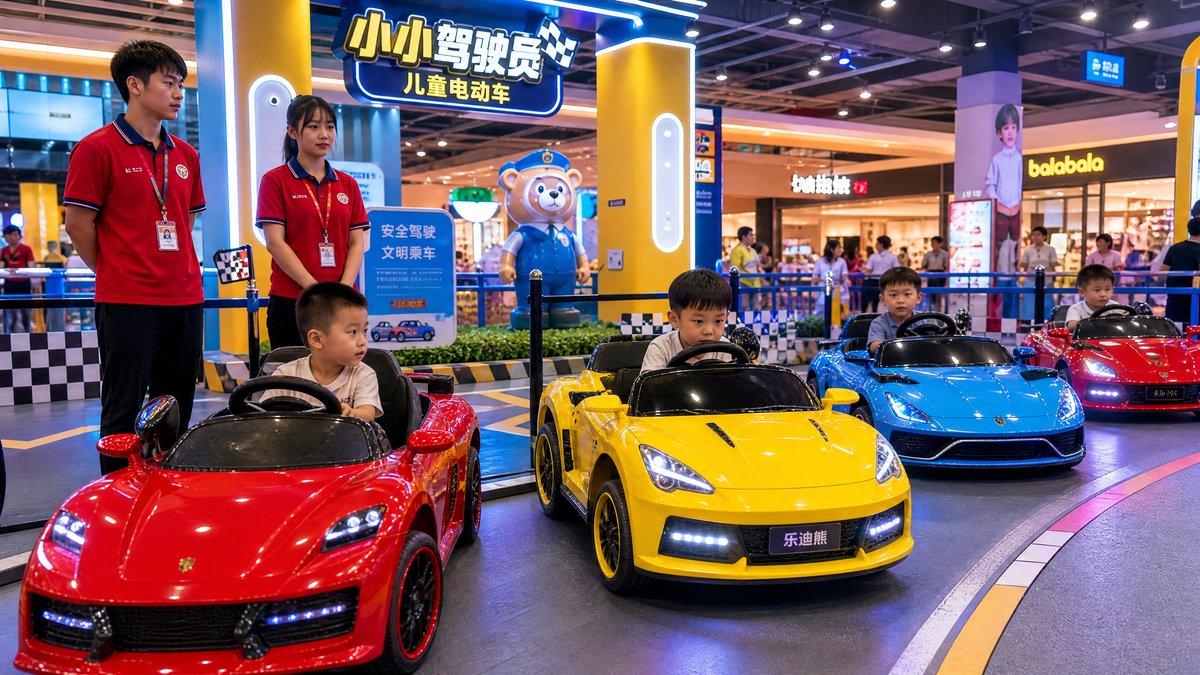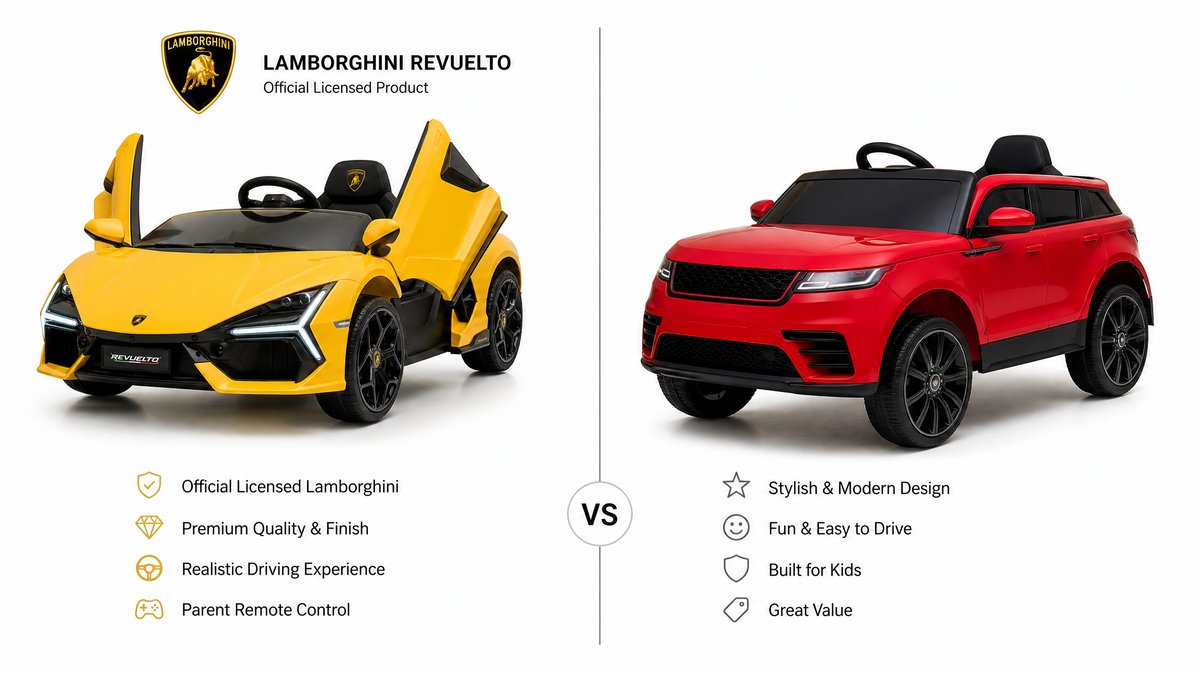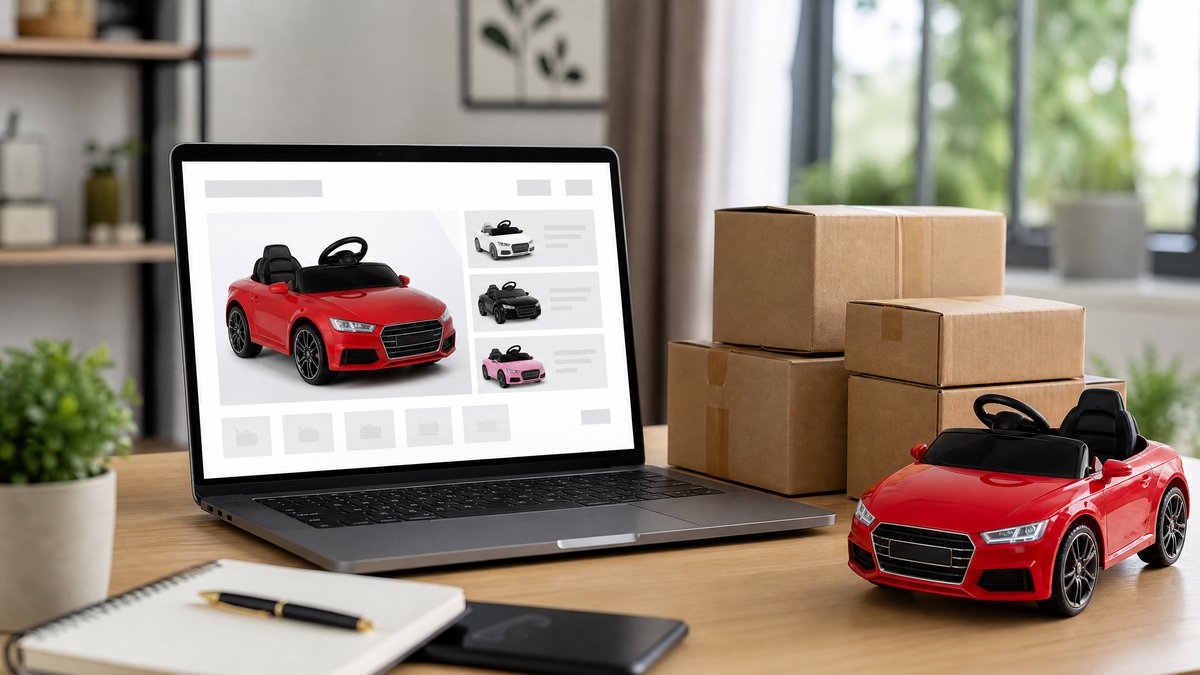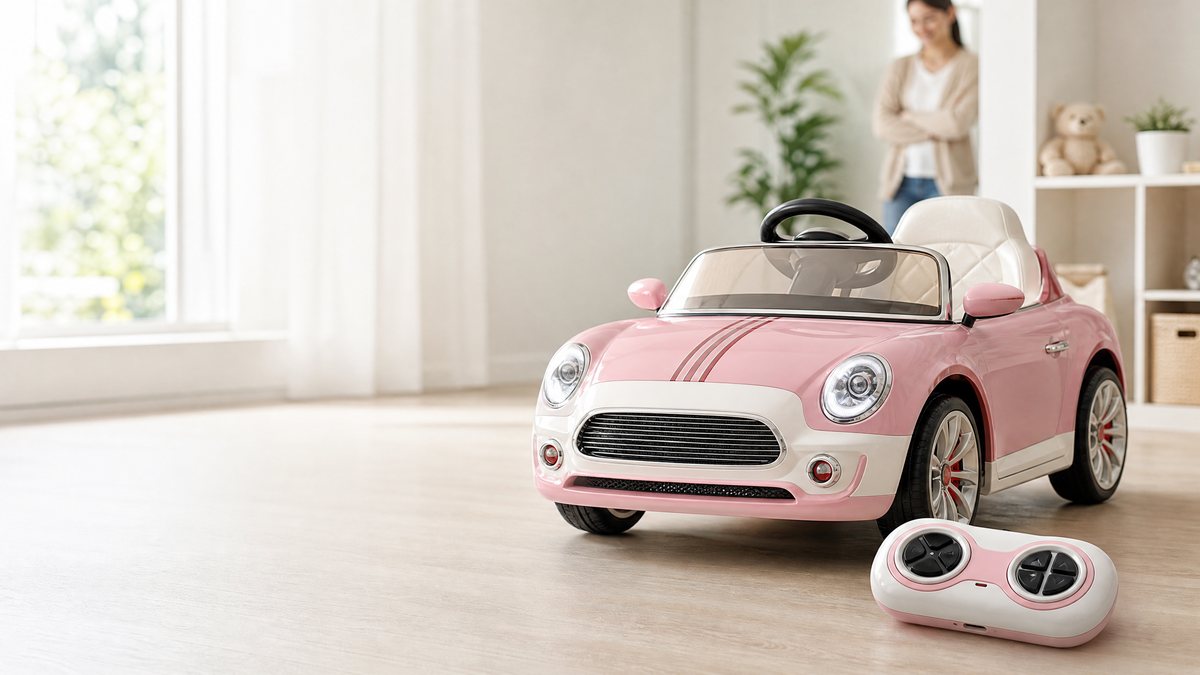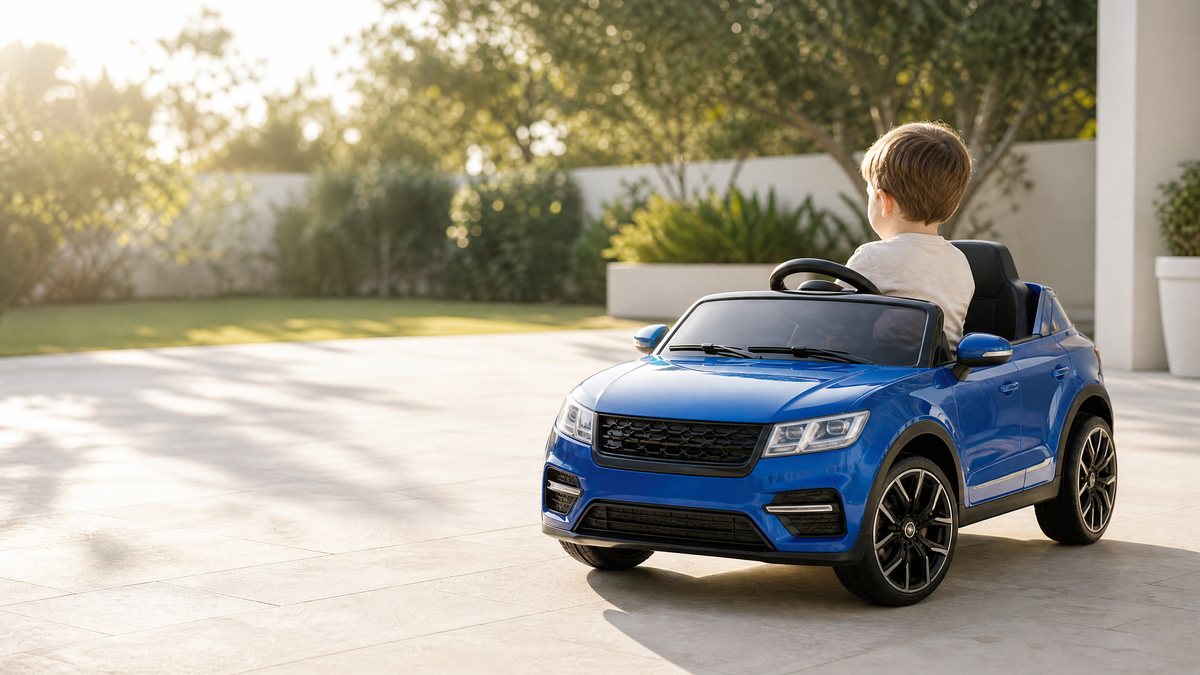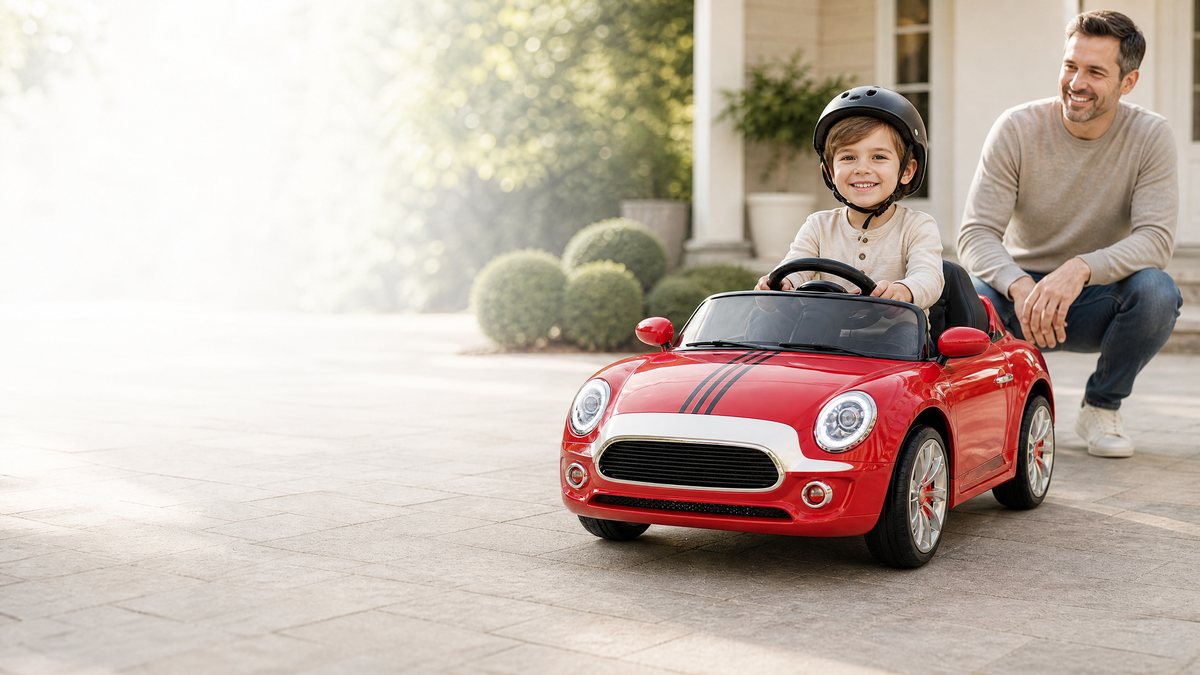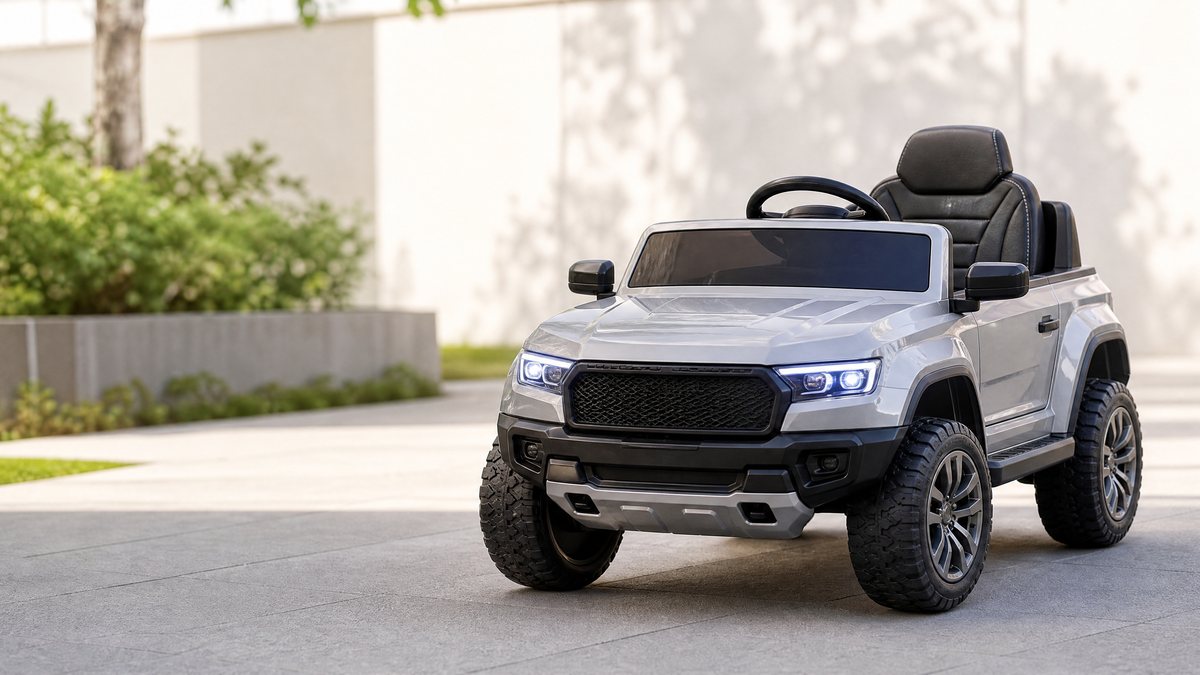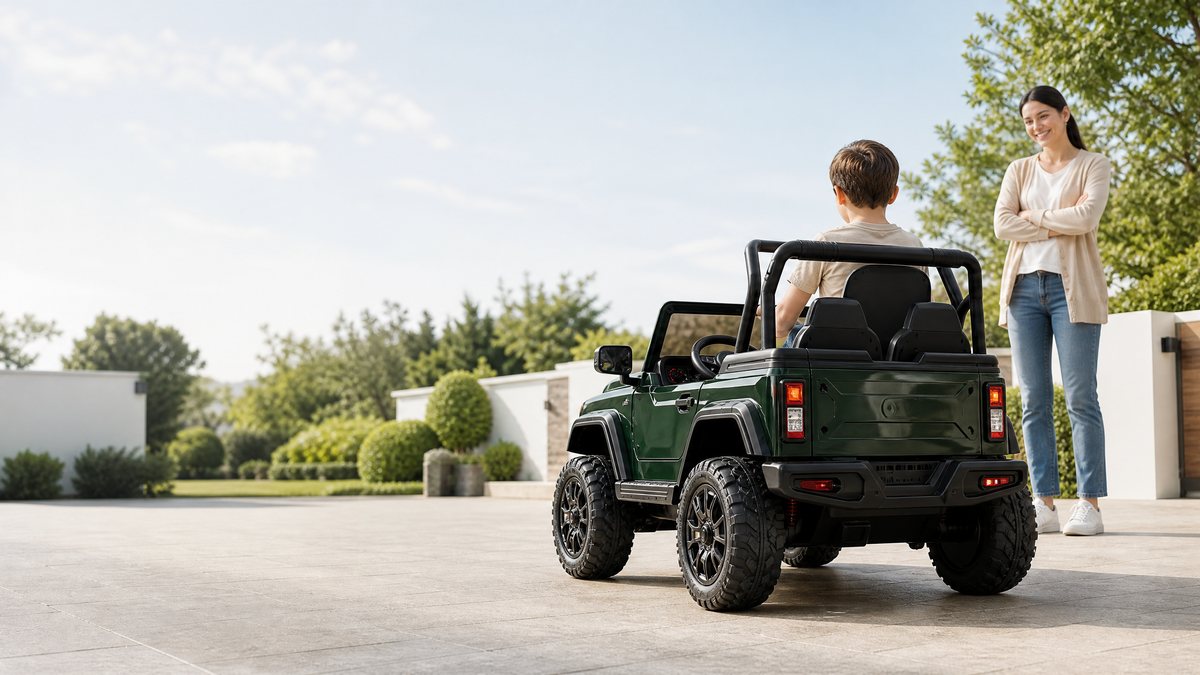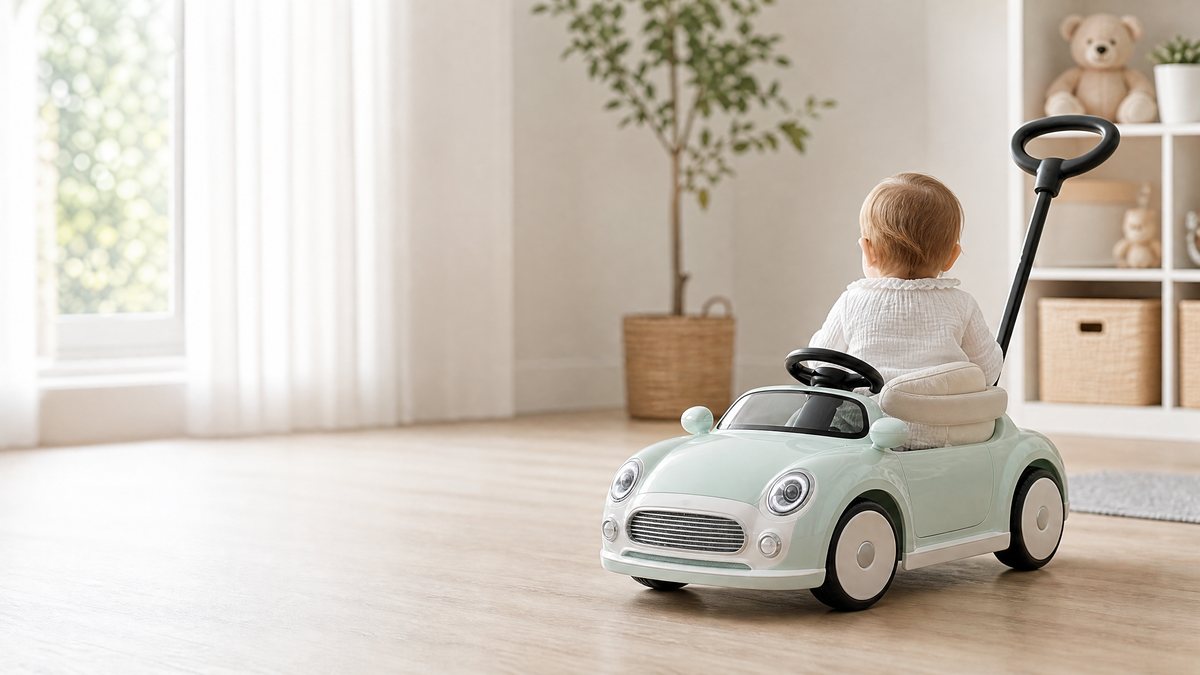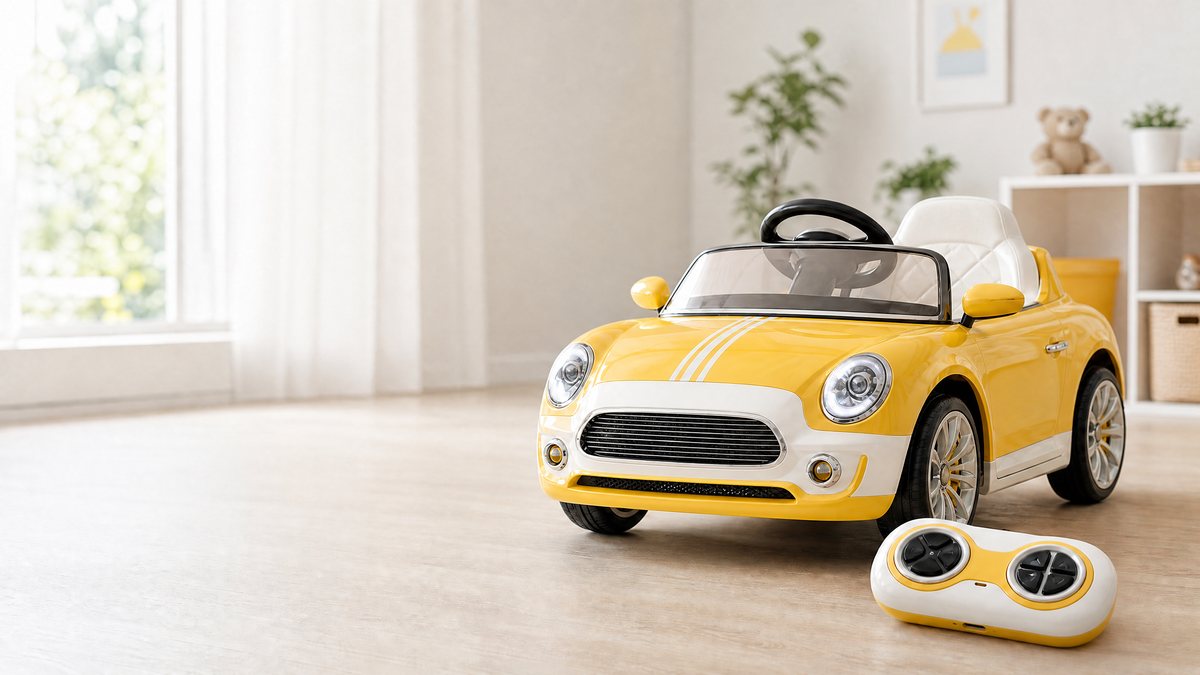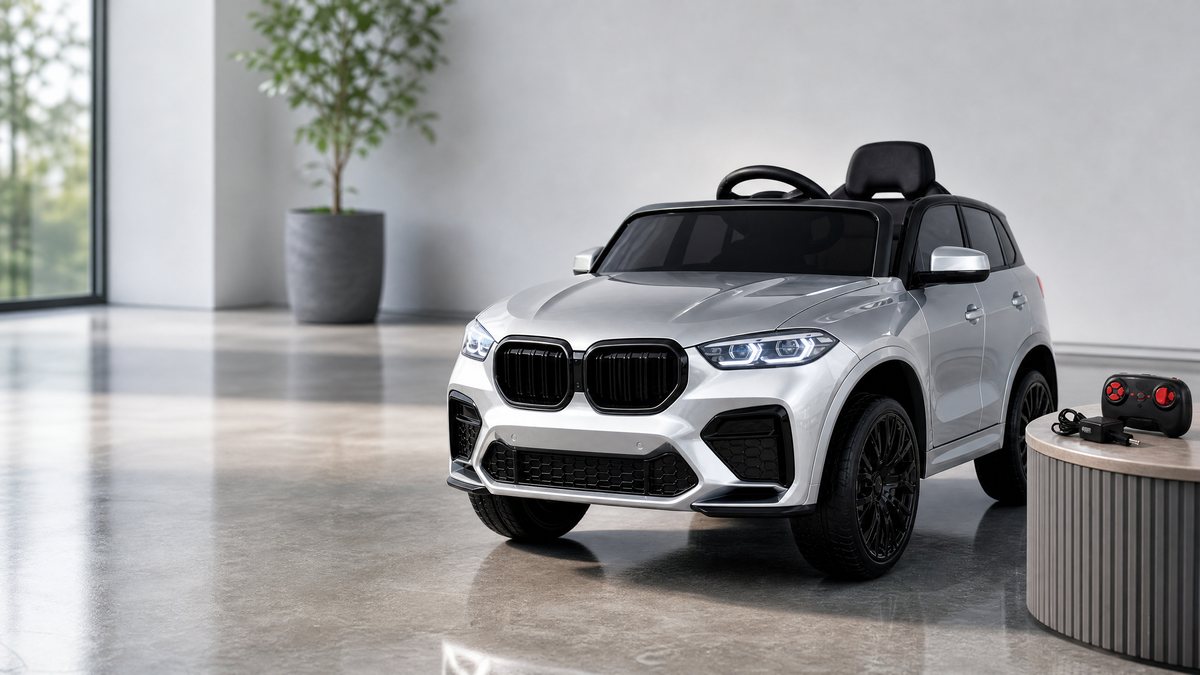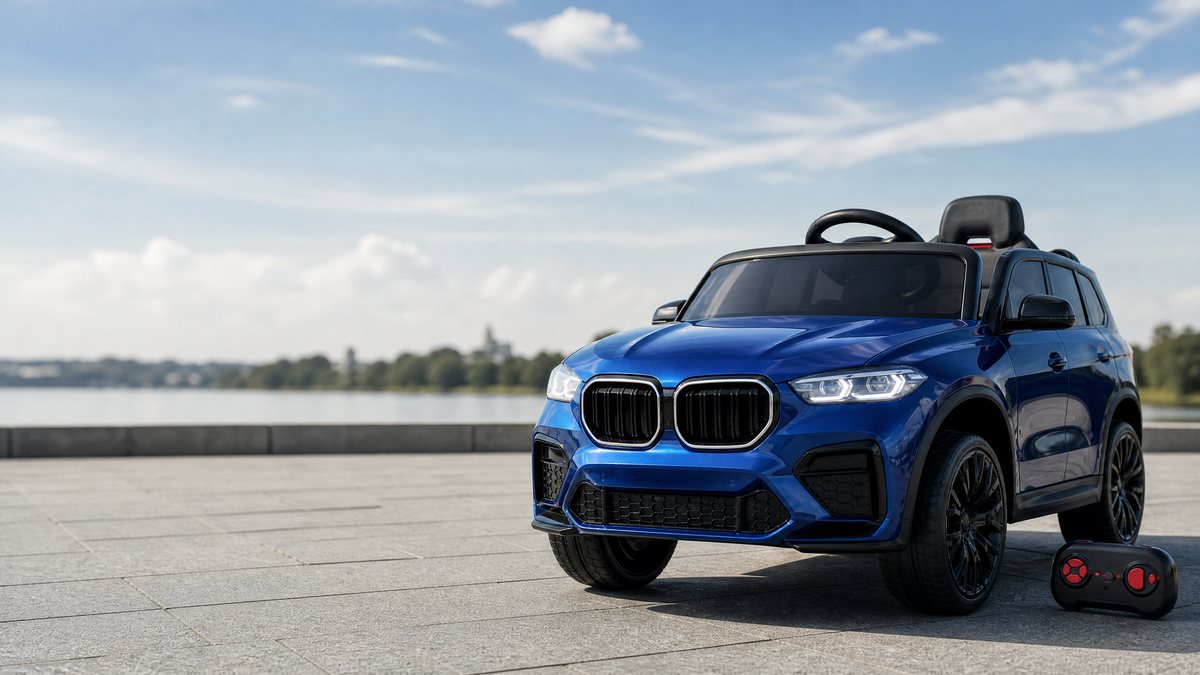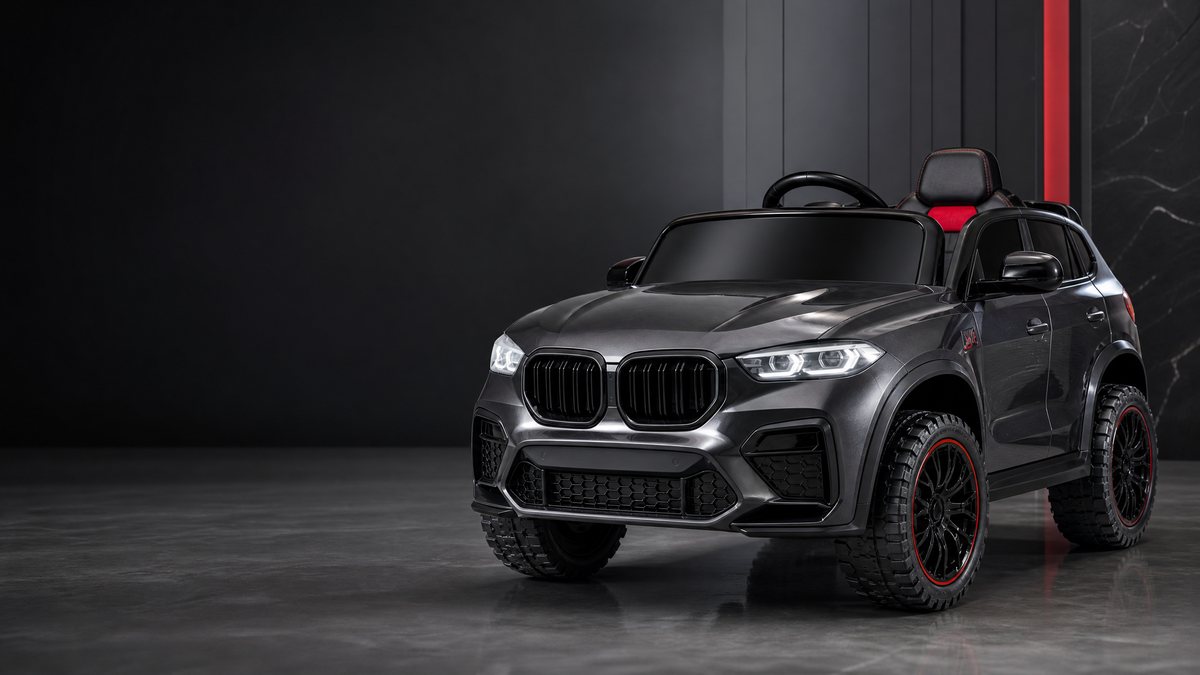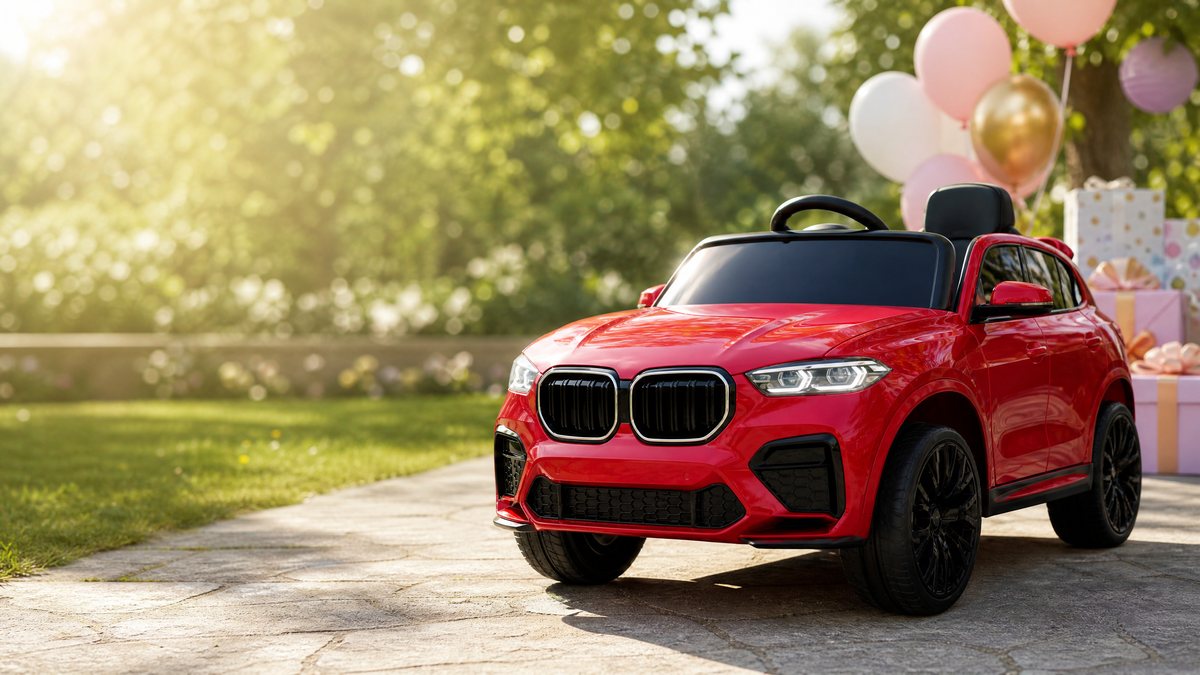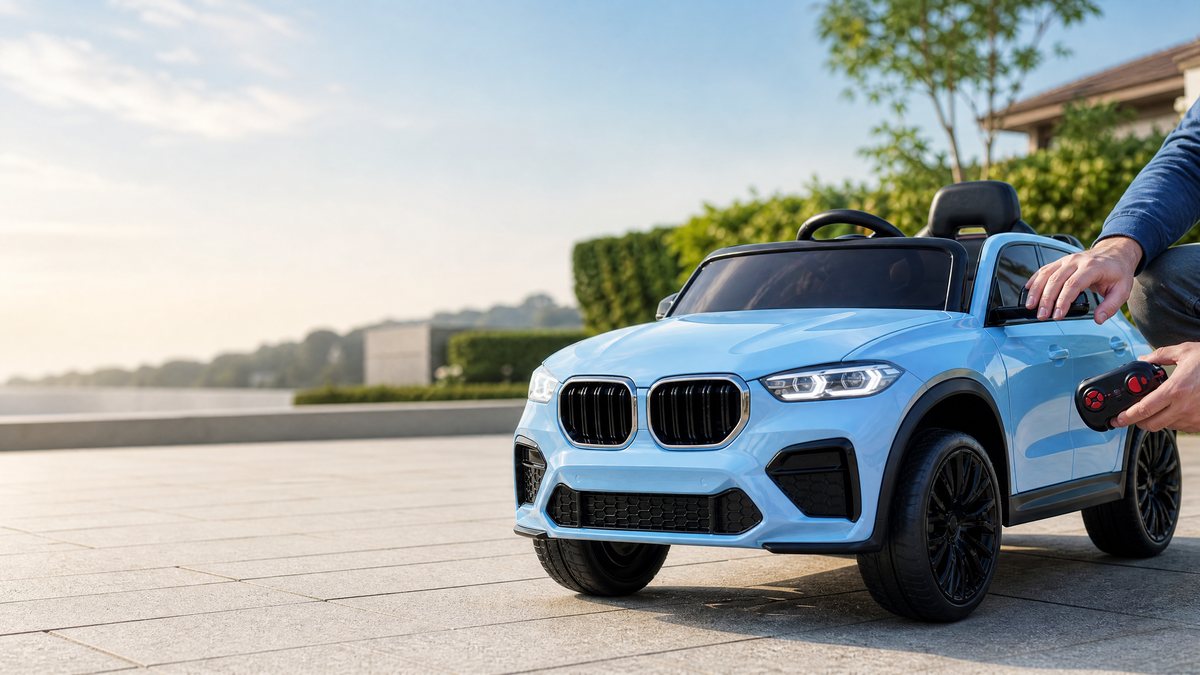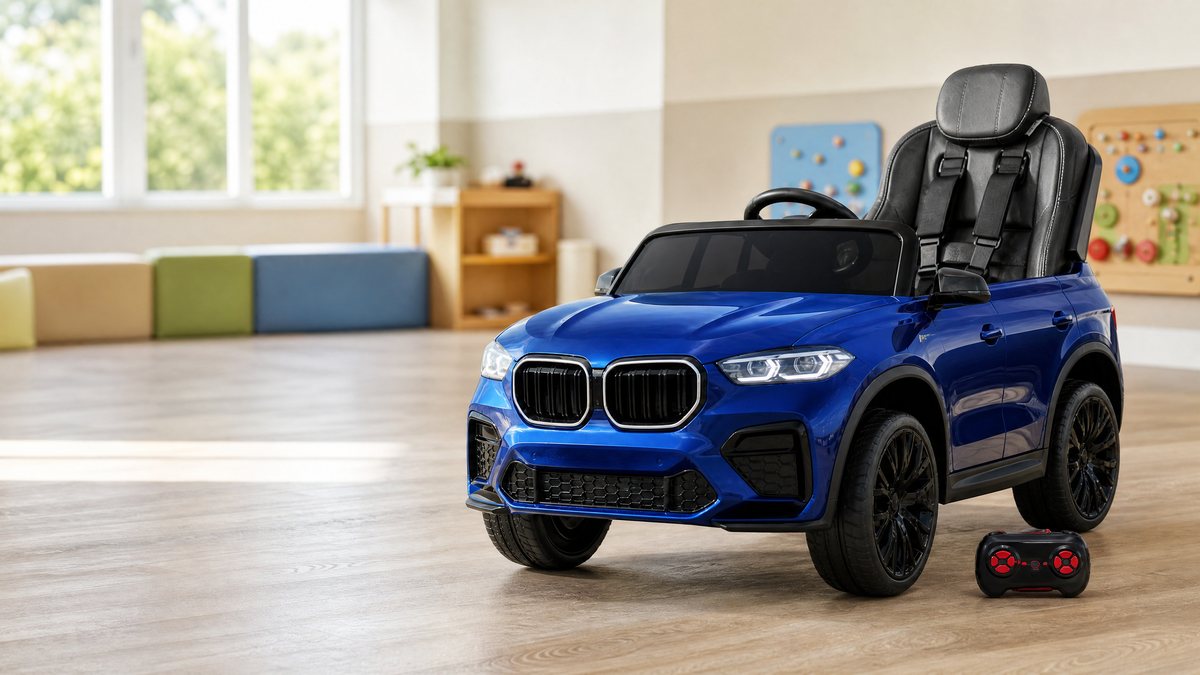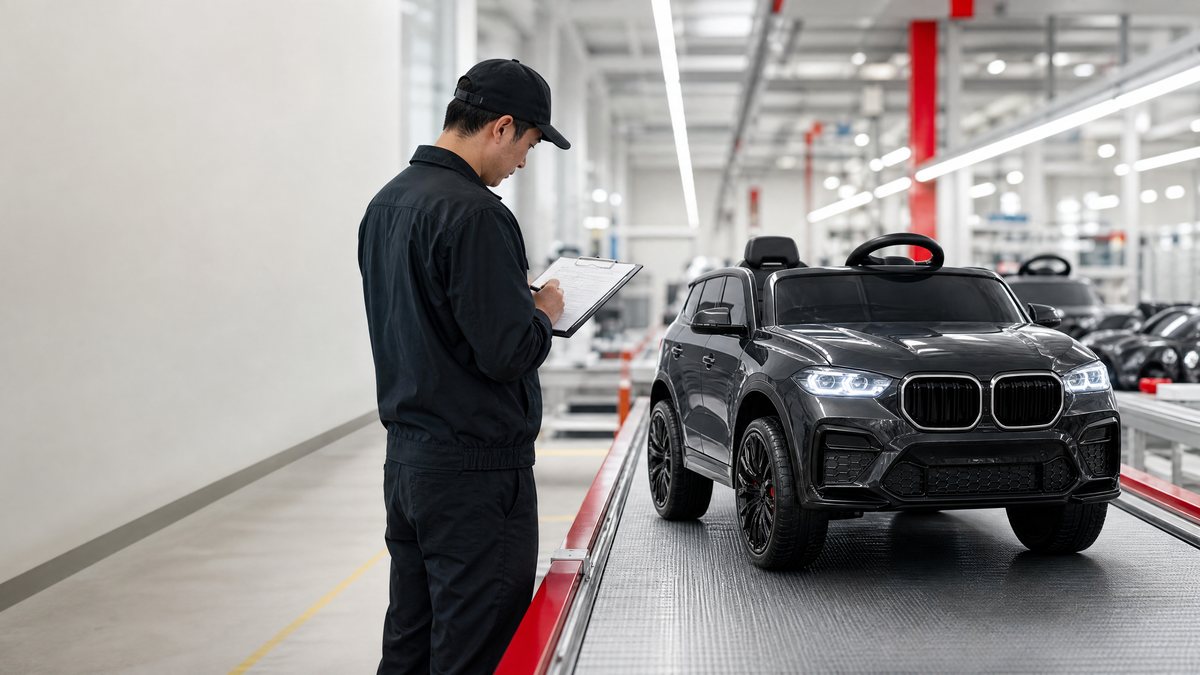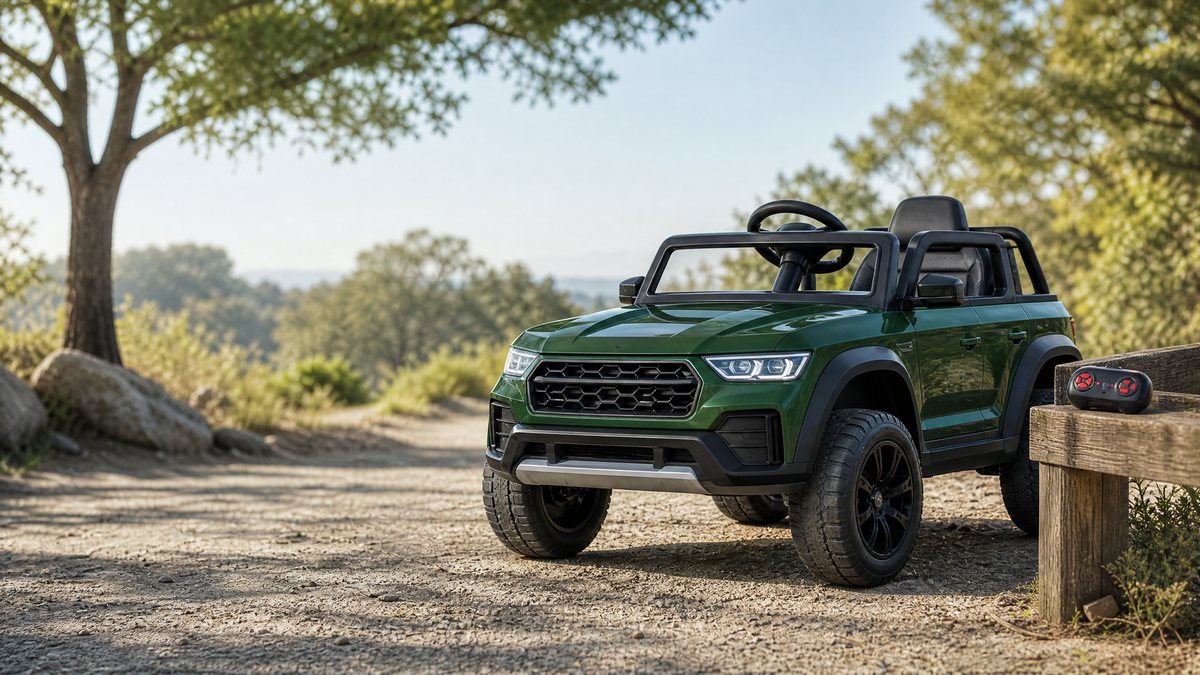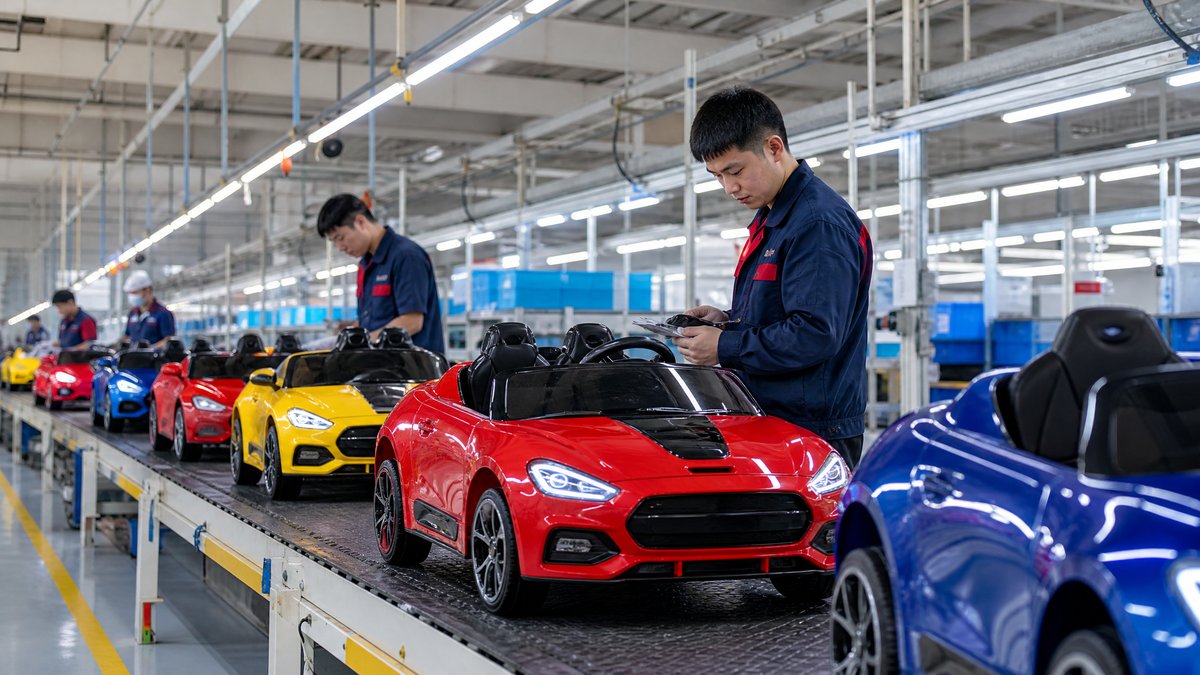
For B2B toy distributors, importers, and retail chains operating in the children's electric vehicle market, selling ride-on cars is only half the battle. Long-term profitability and brand reputation heavily rely on after-sales support and spare parts availability. When a young customer's favorite 12V ride-on SUV suffers a blown fuse, a worn-out gearbox, or a dead battery, parents expect a quick fix rather than a complete replacement.
Stocking the right replacement components not only reduces costly warranty claims and returns but also opens up a lucrative secondary revenue stream for your wholesale or retail business. In this comprehensive guide, we will explore the essential spare parts every B2B buyer should inventory, how to manage component lifecycles, and best practices for sourcing reliable parts directly from professional Chinese manufacturing partners like KidsRideCar.
Why After-Sales Spare Parts Inventory is Crucial for B2B Importers
In the competitive toy industry, customer retention and B2B partner trust are built on reliability. When regional retailers purchase electric ride-on cars in bulk, they look for suppliers who provide comprehensive warranty backing and readily available replacement parts.
1. Minimizing Return Rates: Retailers often face high return rates if minor electrical or mechanical issues render a toy unusable within weeks of purchase. Providing quick-ship replacement parts keeps end-users happy and prevents costly product returns.
2. Building Brand Loyalty: B2B buyers who can source vehicles and their corresponding replacement parts from a single supplier enjoy streamlined supply chains and lower administrative overhead.
3. Enhancing Profit Margins: Spare parts typically carry higher profit margins than bulk vehicle shipments, making them an excellent value-add for aftermarket distributors.
Essential Spare Parts to Stock: The Core Component Breakdown
To maintain an efficient inventory without tying up excessive working capital, you must prioritize components based on failure rates and customer demand. Based on industry data from ride-on vehicle manufacturing, parts can be categorized into high-wear mechanical parts, electrical components, and aesthetic accessories.
1. Electrical Components (Highest Demand)
Electrical issues are among the most common troubleshooting requirements for ride-on cars. Stocking these items is essential for quick repairs:
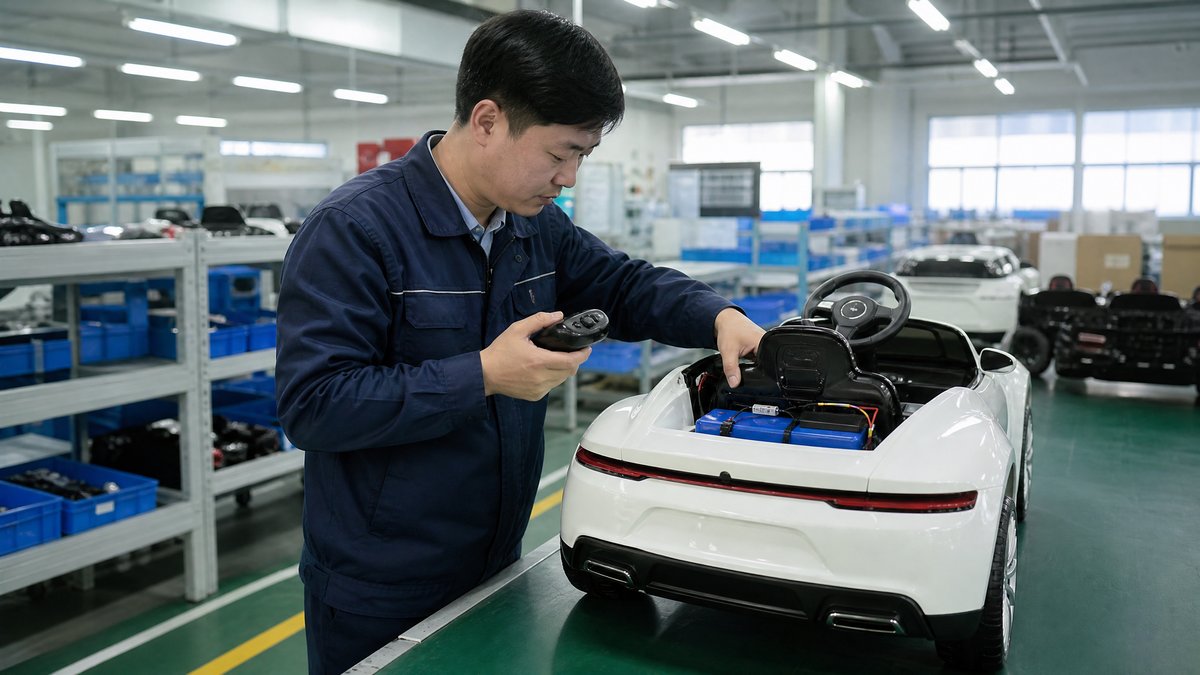
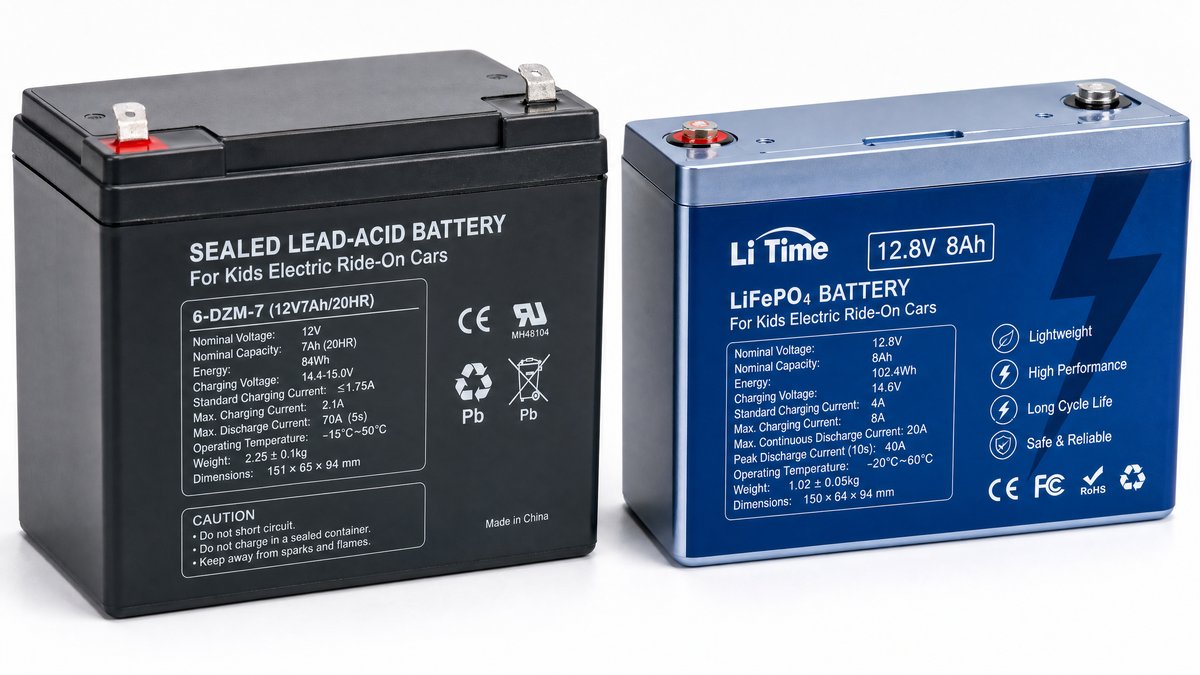
* Batteries (6V, 12V, 24V Lead-Acid & Lithium-ion): Batteries naturally degrade over time, especially if left uncharged during off-seasons. Having fresh replacement batteries on hand is a must.
* Control Boards (Receivers / Motherboards): Different voltage systems (12V single/dual drive vs. 24V heavy-duty drift cars) require specific motherboard configurations. Match control boards precisely with the remote control frequency (usually 2.4G Bluetooth).
* Wire Harnesses & Power Switches: Simple push-button start switches, forward/reverse toggle switches, and accelerator pedal sensors frequently experience mechanical wear.
* Chargers: Standard wall chargers (12V 1000mA / 24V standard plugs) are frequently lost or damaged by end-users.
2. Mechanical & Drive Train Components
Children's ride-on cars endure rigorous outdoor play, putting stress on motors, gears, and wheels:
* Drive Motors & Gearboxes (RS550 / RS390 motors): Gearbox stripping is common when children transition rapidly between forward and reverse or overload the weight capacity. Stocking complete motor-gearbox assemblies saves repair time.
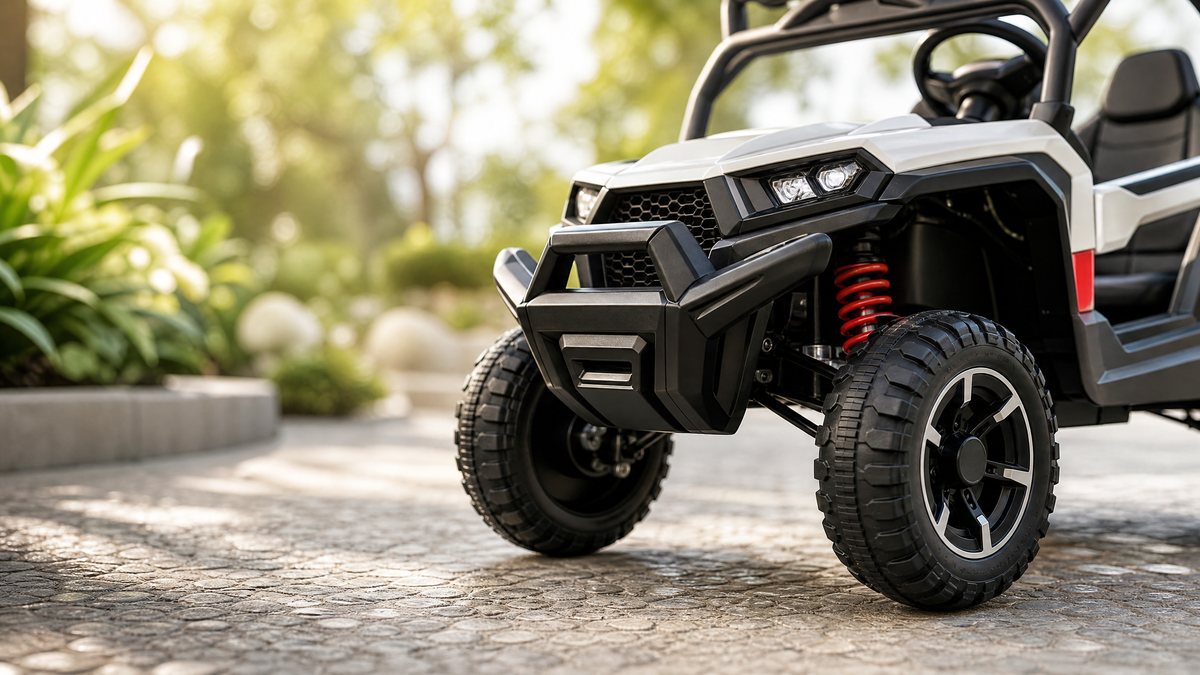
* Wheels (EVA Foam & Plastic Tires): EVA rubber tires offer superior traction and quiet operation but wear down on rough asphalt. Plastic wheels are prone to cracking under heavy impact.
* Steering Linkages & Gear Racks: Steering columns and front axle assemblies take heavy impacts during accidental collisions.
3. Aesthetic & Safety Accessories
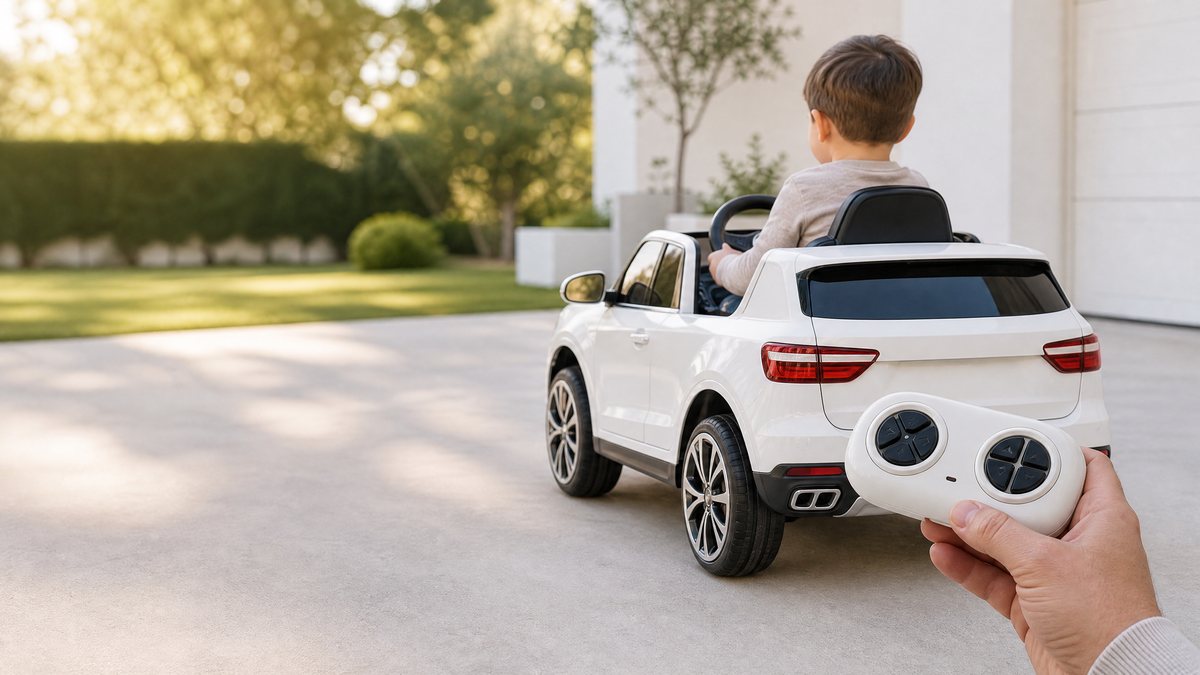
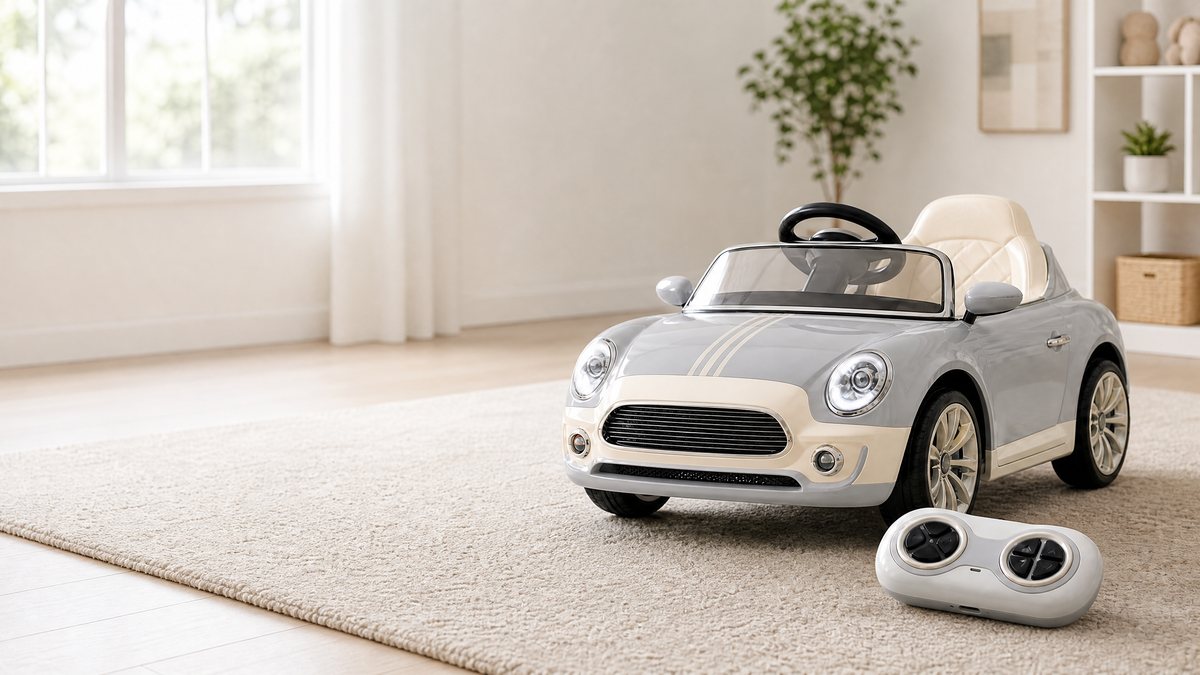
* Remote Controls: Universal or model-specific 2.4G parental remote controls are frequently misplaced.
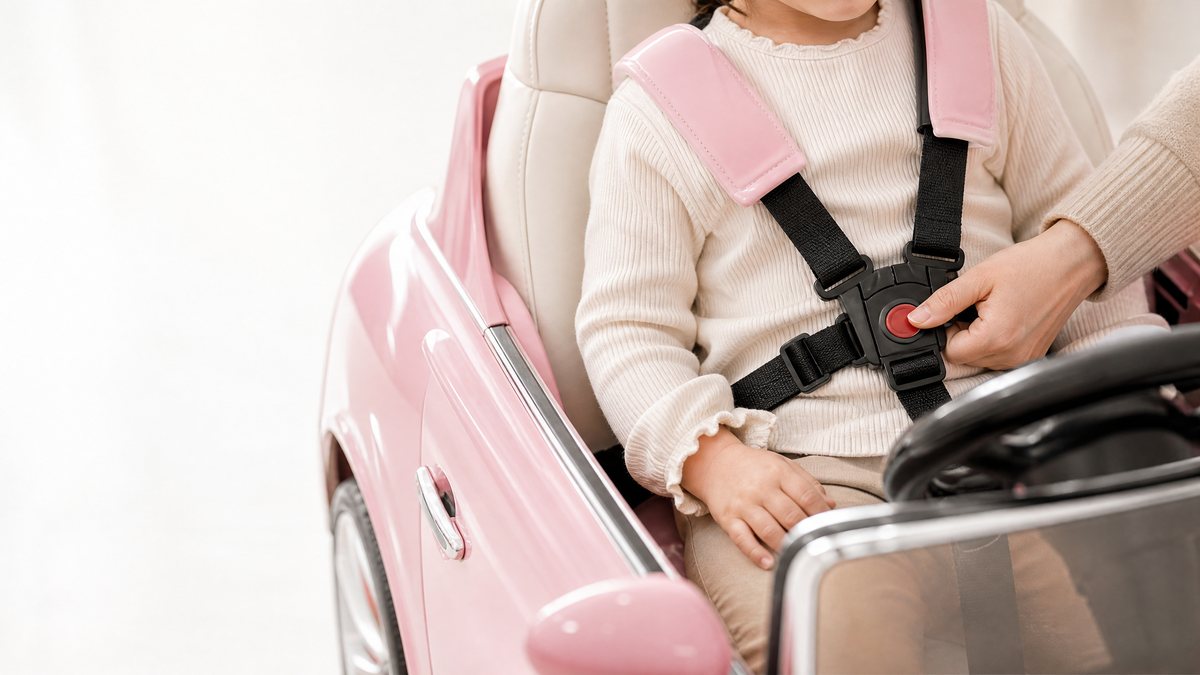
* Seats & Seatbelts: Upgraded leather seats and adjustable safety harnesses wear out or get stained over time.
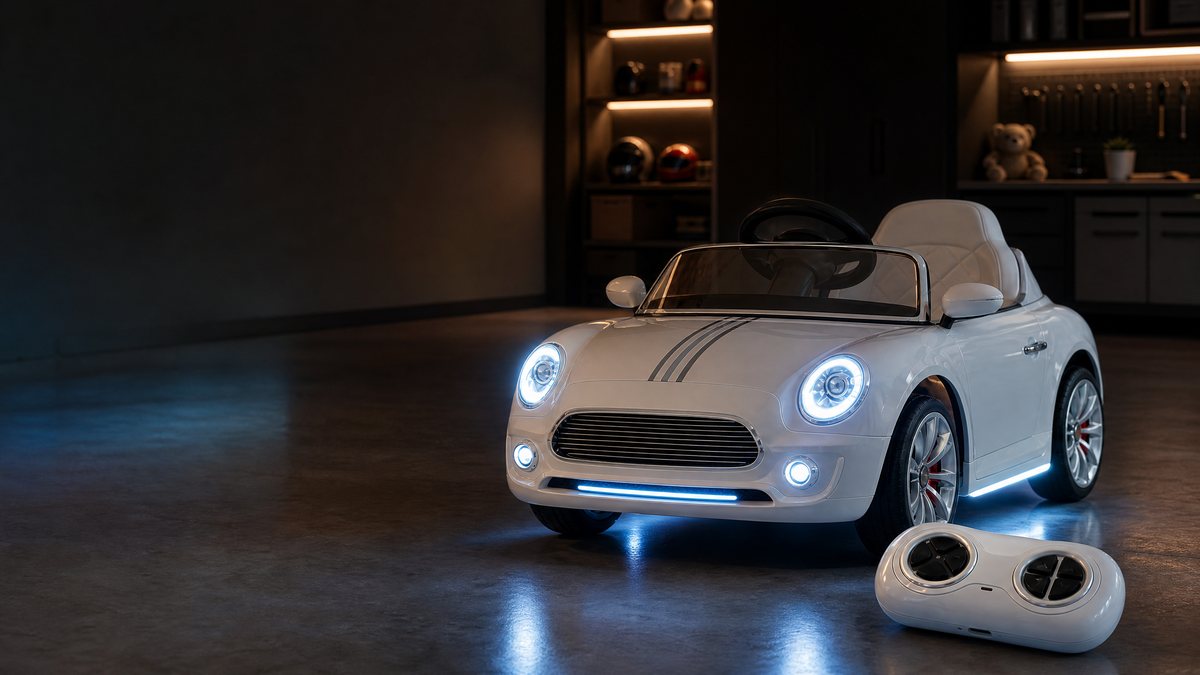
* Body Trim & LED Light Assemblies: Replacement windshields, mirrors, and functional LED headlight/taillight bars.
Spare Parts Comparison: High-Wear vs. Structural Components
To optimize your inventory allocation, review the following comparison of typical replacement parts, their failure frequency, and recommended stocking ratios per 1,000 vehicle units sold.
| Component Category | Specific Part | Typical Failure Frequency | Recommended Stocking Ratio (per 1,000 units) | Primary Sourcing Consideration |
|---|---|---|---|---|
| Electrical | 12V 7AH/10AH Batteries | Moderate (12-18 months) | 150 - 200 units | Fresh manufacturing date, UL/CE certification |
| Electrical | 2.4G Control Boards | Low-Moderate | 80 - 100 units | Exact voltage & pin configuration matching |
| Mechanical | 12V Drive Gearboxes (RS550) | High (Heavy usage) | 250 - 300 units | Metal gear upgrade options for durability |
| Mechanical | EVA Foam Wheels | Low | 50 - 80 units | High-density foam material, easy snap-on fit |
| Accessories | 2.4G Parental Remote Controls | Moderate (Loss/Damage) | 100 - 150 units | Frequency pairing compatibility |
Where and How to Source Reliable Ride-On Car Spare Parts
Sourcing spare parts requires a different strategy than bulk vehicle procurement. While finished vehicles are valued for aesthetic appeal and packaging volume, spare parts require absolute precision in technical specifications and material quality.
Sourcing Directly from Original Vehicle Manufacturers (OMVs)
The most reliable way to source spare parts is directly from the factory that manufactured your ride-on cars. Sourcing from partners like KidsRideCar ensures 100% component compatibility, eliminating the sizing discrepancies common with generic aftermarket parts.
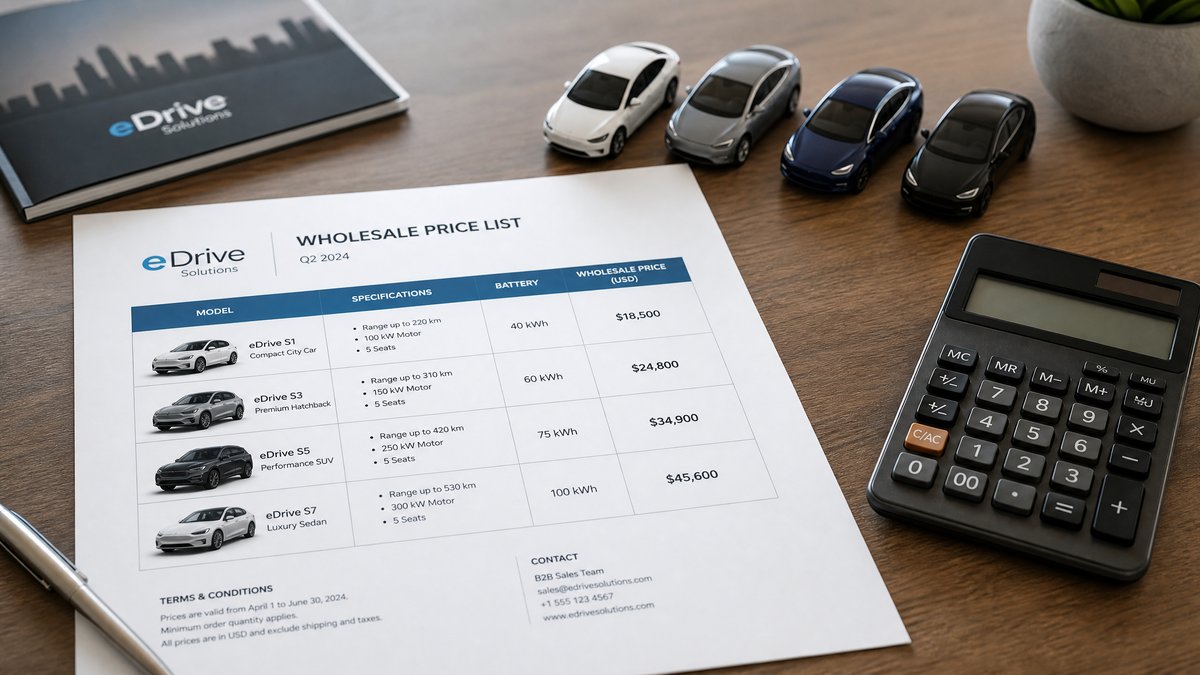
1. Request a Complete Spare Parts Catalog (BOM): When negotiating vehicle purchase orders, always request a comprehensive Bill of Materials (BOM) and spare parts price list.
2. Negotiate Spare Parts Quotas: A common industry best practice is to order 3% to 5% extra spare parts bundled into your main container shipment free of charge or at deeply discounted wholesale rates. This significantly reduces shipping costs compared to air-freighting individual replacement parts later.
3. Verify Electrical Standards: Ensure all electronic components (chargers, control boxes, batteries) comply with destination market regulations (CE, RoHS, EN71, FCC, UL).
Best Practices for Managing B2B Spare Parts Inventory
Implementing an efficient aftermarket support system protects your brand reputation and optimizes supply chain costs. Follow these golden rules for spare parts management:
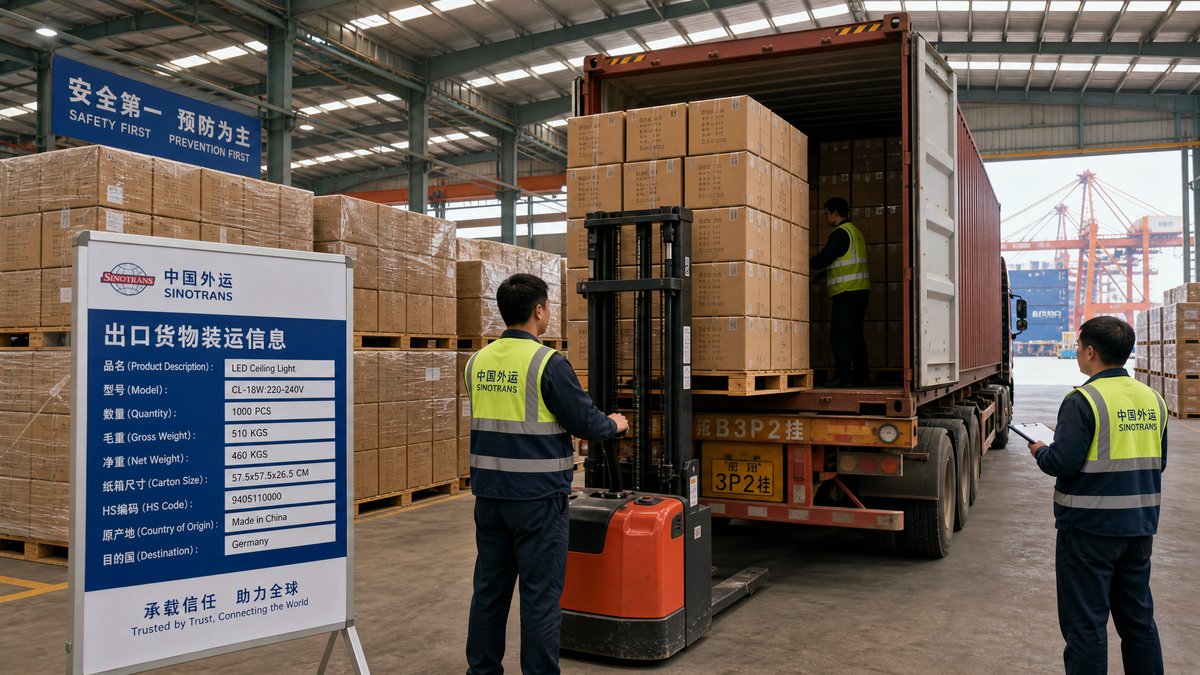
* Bundle Smartly with Initial Shipments: Consolidate spare parts shipments inside your main container load of ride-on cars. Ocean freight for small component parcels is economically inefficient.
* Maintain Clear SKU Documentation: Create detailed digital catalogs with high-resolution photos and technical specifications so your B2B retail clients can easily identify and order the correct replacement part.
* Offer Tiered Technical Training: Provide basic troubleshooting guides and instructional videos to your wholesale buyers, enabling local technicians to diagnose issues and replace gearboxes or control boards quickly.
Frequently Asked Questions (FAQ)
1. Can we source universal spare parts, or do we need model-specific components?
While certain components like standard 12V chargers and universal 6-hole gearboxes are interchangeable across many entry-level models, critical electronic components—such as 2.4G motherboards, wire harnesses, and steering assemblies—are strictly model-specific. Always source matching parts directly from the vehicle manufacturer to ensure seamless compatibility.
2. What is the most cost-effective way to ship spare parts internationally?
Air-freighting individual replacement parts is prohibitively expensive due to battery shipping regulations (UN3481 / lithium battery restrictions) and dimensional weight costs. The most cost-effective approach is to include a calculated reserve of high-wear parts (gearboxes, switches, chargers) directly inside your bulk vehicle container shipments.
3. How long should manufacturers supply spare parts for a discontinued ride-on car model?
Professional manufacturers typically maintain tooling and component availability for at least 3 to 5 years after a model is introduced. When establishing supply contracts with suppliers like KidsRideCar, clarify long-term component availability terms to protect your warranty obligations to downstream retailers.
4. Are upgraded metal-gear gearboxes worth stocking over standard plastic gears?
Yes. Upgraded gearboxes featuring metal first-gear or full-metal gear trains have significantly lower failure rates, especially for ride-on cars operated on rough outdoor terrains. Stocking metal-gear upgrades as premium replacement options is an excellent way to upsell customers looking for enhanced durability.
Secure Your Supply Chain with KidsRideCar
Navigating the complexities of ride-on vehicle manufacturing and after-sales support requires a trusted industry partner. At KidsRideCar, we provide premium electric ride-on cars, UTVs, and drift karts backed by comprehensive spare parts support and rigorous quality control.
Contact our B2B wholesale team today to request our latest vehicle catalog, spare parts price list, or customized OEM/ODM partnership proposals:
* Email: info@kidsridecar.com
* Website: https://kidsridecar.com
Official references
Explore these external resources for current regulatory and trade guidance. Confirm requirements with the relevant authority before placing an order.
Ready to Start?
Factory-Direct · CE & ASTM Certified · MOQ from 50 Units
Our export team works with buyers in 60+ countries. Get a quote within 24 hours.
KR
Written by KidsRideCar
China's leading kids electric ride-on car manufacturer. 500,000+ units shipped annually to 60+ countries. CE, ASTM & EN71 certified.