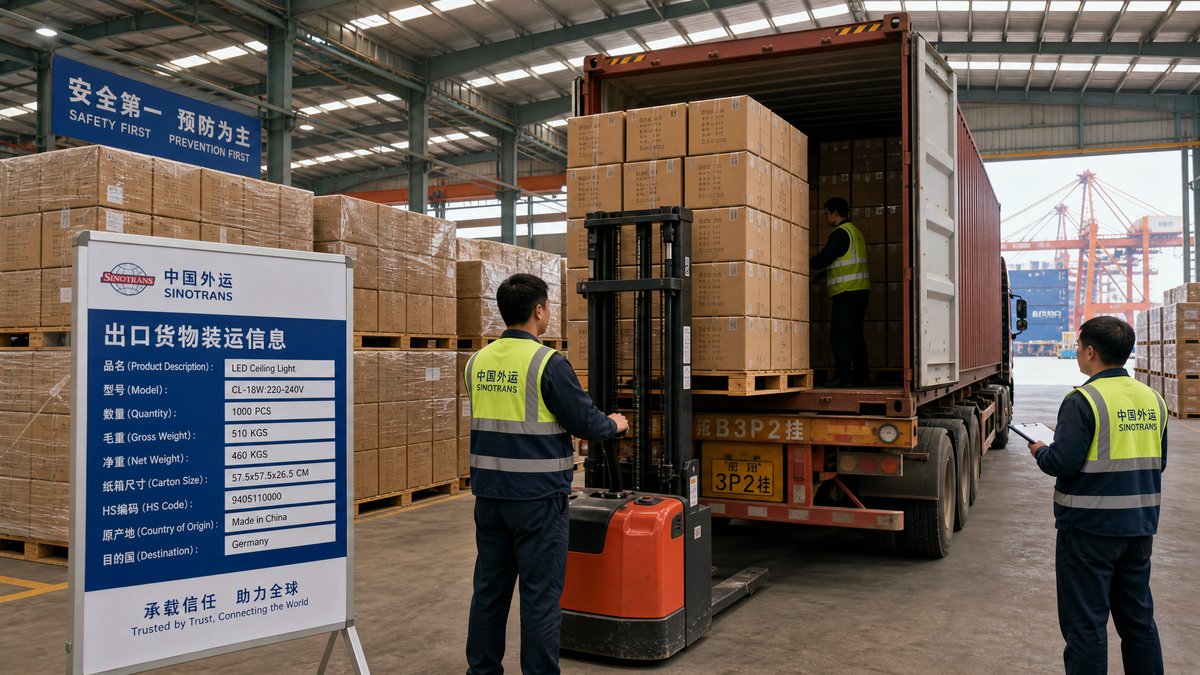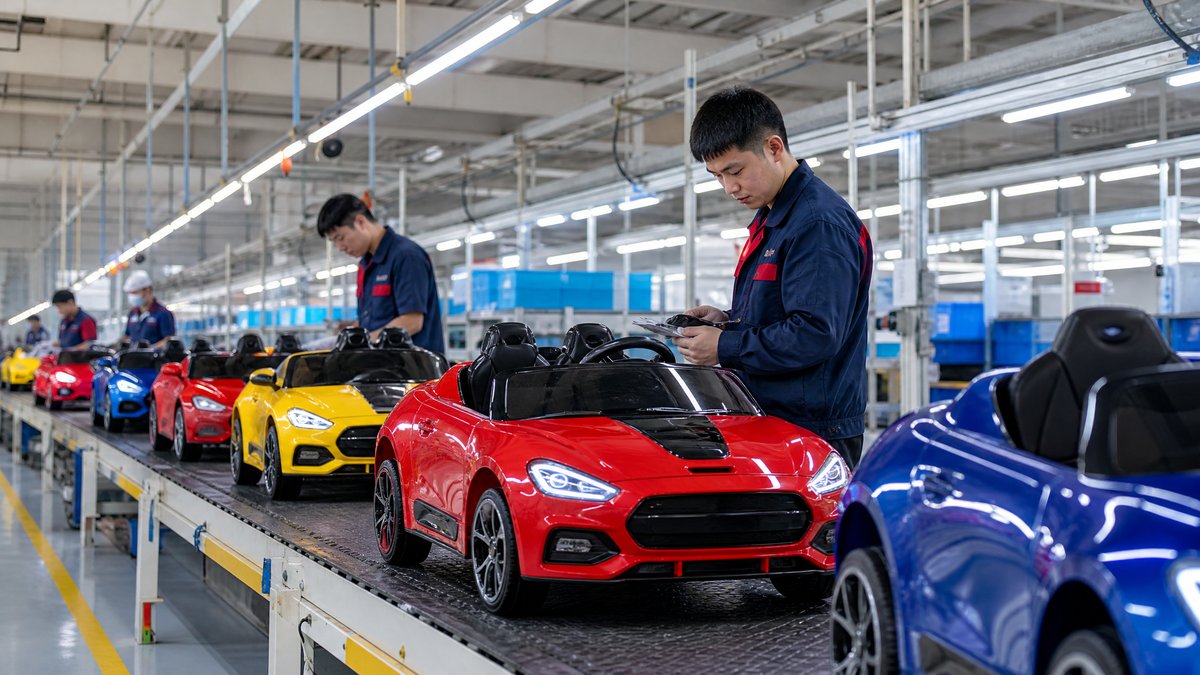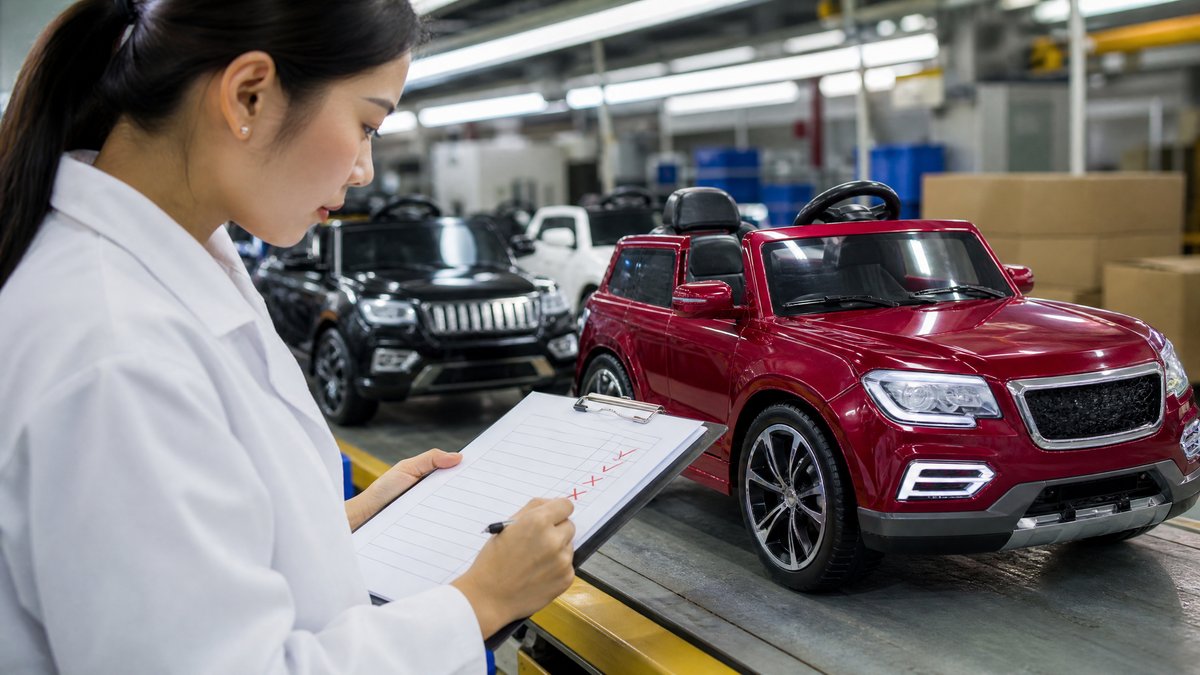
For overseas importers, wholesalers, and distributors, the procurement of ride-on cars from Chinese manufacturers like KidsRideCar is only half the battle. The logistical challenge of moving these high-volume, battery-operated products across oceans often represents a significant portion of the total landed cost. Comparing freight quotes is not merely a matter of selecting the lowest number; it is a complex exercise in risk management, scope verification, and total cost analysis. To make an informed decision, importers must utilize a structured comparison framework that accounts for Incoterms, volumetric weight evidence, transit reliability, and the granular breakdown of surcharges.
Establishing the Baseline: Why CBM Evidence Matters for Bulky Cargo
Ride-on cars are categorized as "bulky cargo" in the logistics industry. Unlike dense items like steel hardware or consumer electronics, ride-on cars occupy significant space relative to their weight. This means that freight costs are almost always calculated based on volumetric weight or Cubic Meters (CBM) rather than actual weight in kilograms. A minor discrepancy in carton dimensions can lead to a substantial increase in shipping costs once the goods are measured at the warehouse or port.
When requesting quotes, professional importers must first secure "CBM evidence" from the manufacturer. This includes the precise dimensions of the export cartons (Length x Width x Height) and the total number of cartons per shipment. For example, a standard 12V ride-on SUV might have a carton size of 110 x 60 x 40 cm. Any quote that does not explicitly reference these dimensions or the resulting total CBM is prone to "price creep" later in the shipping process.
Importers should request a packing list or a proforma invoice that details the CBM per unit and the total CBM for the intended order quantity. By providing this exact data to multiple freight forwarders, you ensure that every quote is based on the same physical footprint. If one forwarder provides a significantly lower quote but bases it on a lower CBM estimate than the manufacturer’s data, that quote is inherently flawed and will likely result in additional charges upon pickup.
Furthermore, consider the "stackability" of the cartons. Some ride-on cars are packed in reinforced double-wall corrugated boxes that allow for multi-level stacking, while others may require palletization or top-loading only. Clarifying these physical characteristics with KidsRideCar ensures that forwarders can optimize container space, potentially moving from a Less than Container Load (LCL) to a Full Container Load (FCL) strategy, which often yields a lower cost per unit.
Decoding Incoterms: Ensuring a Like-for-Like Comparison
The most common mistake in freight quote comparison is failing to align Incoterms (International Commercial Terms). A quote for EXW (Ex Works) will always look cheaper than a quote for FOB (Free on Board) or DDP (Delivered Duty Paid), but it may actually be the most expensive option once all logistics segments are accounted for.
Under EXW terms, the importer is responsible for everything from the moment the goods leave the factory gates in China. This includes inland trucking to the port, export customs clearance, and terminal handling charges at the origin. Conversely, under FOB terms, the manufacturer (e.g., KidsRideCar) handles the costs and risks of getting the goods onto the vessel. When comparing quotes, importers must verify which party is covering the "origin charges."
If you receive an EXW quote from a forwarder and an FOB price from the manufacturer, you cannot compare them directly. You must ask the forwarder to provide a breakdown of the "Origin Logistics Fees" for the EXW shipment. These typically include:
- Inland haulage from the factory to the port of departure.
- Export declaration and customs documentation fees.
- Terminal Handling Charges (THC) at the origin port.
- Documentation and booking fees.
Only by adding these origin costs to the EXW freight rate can you compare it to an FOB-based freight quote. In many B2B scenarios, manufacturers have negotiated better local trucking rates and have established relationships with local customs brokers, making FOB a more predictable and often more cost-effective baseline for the importer.
The Scope of Service: Identifying Hidden Surcharges and Exclusions
A "clean" freight quote should cover the entire journey from the agreed-upon starting point to the final destination. However, many forwarders provide "teaser rates" that exclude essential surcharges. To avoid unpleasant surprises on the final invoice, importers must scrutinize the "Scope of Service" section of every quote.
Common surcharges that are frequently excluded or buried in the fine print include:
- Bunker Adjustment Factor (BAF): A fluctuating fuel surcharge that reflects changes in global oil prices.
- Currency Adjustment Factor (CAF): A fee to offset losses due to exchange rate fluctuations between the USD and other currencies.
- Peak Season Surcharge (PSS): An additional fee applied during high-demand periods, such as the months leading up to Christmas or the Lunar New Year.
- Low Sulfur Surcharge (LSS): A fee related to environmental regulations for cleaner shipping fuels.
Beyond these carrier-level surcharges, importers must check for destination-side exclusions. Does the quote include customs clearance at the destination port? Does it include the payment of import duties and taxes (VAT/GST)? If the quote is for "Port-to-Door," does it include the "Final Mile" delivery and any potential "Tailgate" or "Residential Delivery" fees if the warehouse does not have a loading dock?
Professional importers use a "Total Landed Cost" mindset. A quote that is $500 cheaper on the ocean freight but excludes $800 in destination terminal fees is not a bargain. Always ask for a "guaranteed all-in rate" or a comprehensive list of all potential exclusions.
Transit Times and Validity Dates: Managing Inventory Risks
In the B2B world of ride-on cars, timing is often as critical as cost. A low-cost shipping quote that involves multiple transshipments and a 60-day transit time might be less valuable than a direct service that takes 35 days, especially if you are stocking up for a seasonal promotion.
When comparing quotes, always look for the "Estimated Time of Arrival" (ETA) and the "Estimated Time of Departure" (ETD). Be wary of quotes that do not specify the carrier or the route. "Slow steaming" or transshipment through congested ports like Singapore or Busan can add weeks to your lead time. For high-value inventory like electric ride-on cars, the cost of capital tied up in transit for an extra 20 days can outweigh the savings of a cheaper freight rate.
Additionally, pay close attention to the "Validity Date" of the quote. Ocean freight rates are highly volatile and typically change every two weeks or monthly. A quote received on the 15th of the month may expire by the 30th. If your production lead time with KidsRideCar is 30 days, a quote obtained today may not be valid when the goods are actually ready for shipment. Professional importers request quotes that align with their production schedule and ask forwarders for "rate trends" to anticipate potential price hikes.
Documentation and Compliance: The Impact on Total Landed Cost
Shipping ride-on cars involves specific compliance requirements that can impact both the cost and the speed of delivery. Because these products contain rechargeable batteries (typically lead-acid or lithium-ion) and electric motors, they are subject to strict international shipping regulations.
Importers must ensure that their freight forwarder is experienced in handling "Dangerous Goods" (DG) if applicable, or at least understands the documentation required for battery-operated toys. Essential documents include:
- MSDS (Material Safety Data Sheet): Detailing the battery chemistry and safety protocols.
- UN38.3 Test Report: For lithium battery safety during transport.
- HS Code Classification: Ensuring the goods are classified correctly (e.g., under 9503.00 for wheeled toys) to avoid overpaying duties or facing customs penalties.
A quote from a forwarder who is unfamiliar with these requirements may lead to delays at the port or even the rejection of the cargo by the carrier. Ask potential forwarders if they have handled similar battery-operated products before. Furthermore, check if the quote includes the cost of filing the Importer Security Filing (ISF) for US-bound shipments or similar advance manifest filings for other regions. Failure to file these correctly can result in fines that far exceed any freight savings. Furthermore, due to the electrical nature of these products, importers should always refer to the manufacturer's technical manual for handling and storage; never attempt to modify battery systems or bypass safety circuits during the logistics process, as these issues should be addressed by authorized service personnel or the manufacturer directly.
A Step-by-Step Framework for Evaluating Freight Quotes
To streamline the decision-making process, importers should use a standardized comparison table. This allows you to visualize the differences between providers and identify outliers.
| Cost Component | Provider A (FOB) | Provider B (EXW) | Provider C (DDP) |
|---|---|---|---|
| Origin Logistics | Included (by Factory) | $450 (Trucking + Export) | Included |
| Ocean Freight | $2,200 | $2,100 | Included |
| Surcharges (BAF/PSS) | $300 | $350 | Included |
| Dest. Port Fees | $600 | $600 | Included |
| Customs Clearance | $150 | $150 | Included |
| Duties & Taxes | Excluded | Excluded | $1,800 (Estimate) |
| Final Delivery | $400 | $400 | Included |
| Total Estimated Cost | $3,650 + Duties | $4,050 + Duties | $4,900 |
| Transit Time | 38 Days (Direct) | 45 Days (1 Stop) | 40 Days |
When using this framework, treat blank cells as "unanswered" rather than "zero." If a provider does not list a cost for destination port fees, do not assume they are included. Ask for explicit confirmation.
Additionally, perform a "Sensitivity Analysis" on your CBM. If your order quantity changes slightly, how does it affect the FCL vs. LCL decision? A good freight partner will advise you on the "break-even point" where it becomes more economical to book a full 20ft container even if you only have 15 CBM of cargo.
Conclusion
Comparing ride-on car shipping quotes is a rigorous process that demands attention to detail and a deep understanding of international logistics. By establishing a clear baseline with CBM evidence, aligning Incoterms, and identifying hidden surcharges, importers can move beyond the "cheapest price" trap and focus on the total landed cost. Partnering with a transparent manufacturer like KidsRideCar and experienced freight forwarders ensures that your inventory arrives safely, on time, and within budget. Always prioritize clarity over speed during the quoting phase to protect your margins and maintain a reliable supply chain.
Request a wholesale quote
Frequently Asked Questions
Q: How do I calculate the CBM of a ride-on car shipment?
A: To calculate the Cubic Meters (CBM), multiply the Length, Width, and Height of one carton in meters, then multiply by the total number of cartons. For example, if a carton is 1.1m x 0.6m x 0.4m, the CBM per unit is 0.264. If you are ordering 100 units, the total CBM is 26.4. Always verify these dimensions with the manufacturer's official packing list before requesting a freight quote.
Q: Should I use my own forwarder or the manufacturer's suggested shipping partner?
A: There is no one-size-fits-all answer. Using your own forwarder gives you more control over the logistics chain and direct communication with the carrier. However, manufacturers like KidsRideCar often have high-volume contracts with local forwarders, which can result in lower rates for specific routes. We recommend obtaining quotes from both and comparing them using the framework provided in this guide.
Q: What are the most common hidden fees in ocean freight for ride-on cars?
A: The most common hidden fees include Destination Terminal Handling Charges (DTHC), documentation fees, and "Final Mile" delivery surcharges such as liftgate fees or residential delivery penalties. Additionally, for battery-operated products, there may be small compliance or hazardous materials handling fees that are not always included in a standard freight rate.
Q: How long are freight quotes typically valid, and how can I lock in a rate?
A: Most ocean freight quotes are valid for 15 to 30 days. To "lock in" a rate, you typically need to make a booking and have the cargo ready for pickup within the validity period. During peak seasons, rates can change weekly. It is advisable to maintain close communication with your forwarder as your production completion date approaches to ensure you have the most current pricing.
Official references
Explore these external resources for current regulatory and trade guidance. Confirm requirements with the relevant authority before placing an order.
Ready to Start?
Factory-Direct · CE & ASTM Certified · MOQ from 50 Units
Our export team works with buyers in 60+ countries. Get a quote within 24 hours.
KR
Written by KidsRideCar
China's leading kids electric ride-on car manufacturer. 500,000+ units shipped annually to 60+ countries. CE, ASTM & EN71 certified.