Introduction to Kids Electric Go-Karts in B2B Sourcing
The children's ride-on vehicle market has expanded significantly, moving beyond traditional battery-powered cars into higher-performance categories such as electric go-karts. For wholesale buyers, importers, and B2B distributors, selecting the right electric go-kart inventory requires moving past marketing superlatives. Because global buyers cannot designate any single model as universally "the best," commercial success relies on adopting a rigorous, specification-driven evaluation framework.
When commercial clients ask about sourcing top-tier electric go-karts, the conversation must center on mechanical integrity, power systems, adjustable ergonomics, and regulatory compliance. This guide outlines the core parameters B2B purchasers should examine when building a resilient, high-demand inventory portfolio.
Core Performance & Mechanical Specifications
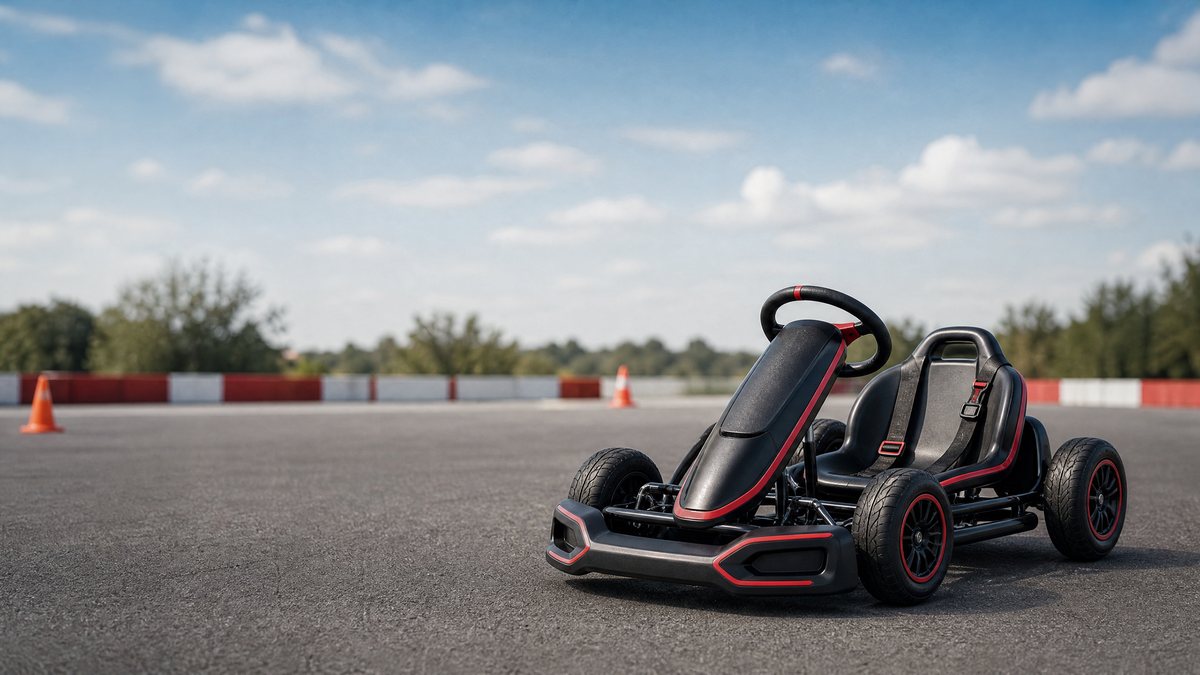
Unlike standard ride-on cars designed for toddlers, electric go-karts are engineered for older children and youth, typically spanning ages 6 to 14. Consequently, evaluating mechanical specifications demands strict attention to structural load capacity and powertrain architecture.
Motor Power and Voltage Systems
Electric go-karts generally utilize 24V, 36V, or higher brushless and brushed motor configurations. Wholesale buyers must verify whether the manufacturer provides transparent technical datasheets detailing continuous and peak wattage outputs.
* Entry-Level Youth Karts (24V): Suitable for younger children (ages 6–8), providing moderate torque and controlled top speeds.
* Advanced Youth Karts (36V+): Designed for older youth, offering higher torque, better hill-climbing capabilities, and sustained performance across diverse outdoor tracks.
Braking and Stopping Distance
Safety is paramount in go-kart manufacturing. B2B buyers must inspect the braking mechanism specified by the factory. Disc brakes offer superior heat dissipation and immediate stopping response compared to basic mechanical band brakes or regenerative-only systems. Verifying pad replacement accessibility and cable tension adjustment is essential for commercial durability.
Ergonomics and Adjustable Safety Features
Children experience rapid growth phases, making adjustable design a critical selling point for B2B retail distribution. Sourcing teams should look for go-karts featuring adjustable seat positions, steering column heights, and robust harness systems.
Frame Construction and Roll Protection
Steel tubular framing provides the necessary rigidity and impact resistance for outdoor track usage. Importers should request factory drop-test reports, material composition certificates (such as Q195 or Q235 carbon steel grades), and weld inspection logs to verify structural integrity. Where applicable, roll bars and side impact absorbers enhance consumer confidence.
Speed Governors and Parental Control Integration
Commercial operators and retail consumers alike prioritize speed management. Electric go-karts equipped with multi-stage parental speed locks (e.g., low, medium, high speed settings via physical keys or digital dashboards) allow retailers to target a broader demographic while ensuring safety compliance across different age brackets.
Technical Comparison Matrix
To assist B2B procurement teams in evaluating factory specifications, the following matrix outlines key technical categories, typical industry ranges, and verification requirements.
| Evaluation Metric | Entry-Level Go-Karts (24V) | Performance Youth Karts (36V+) | B2B Verification Focus |
|---|---|---|---|
| Nominal Voltage | 24V DC | 36V DC or higher | Inspect battery management system (BMS) specs |
| Target Age Range | 6–9 years | 10–14 years | Verify maximum weight load capacity limits |
| Braking System | Mechanical band or rear disc | Hydraulic or heavy-duty mechanical disc | Check stopping distance and rotor thickness reports |
| Frame Material | Reinforced steel tubing | Heavy-gauge alloy steel framing | Review material mill test certificates |
| Compliance Documentation | CE, EN71, ASTM F963 | CE, EN71, ASTM F963, FCC | Validate independent lab test report authenticity |
B2B Buyer’s Checklist for Electric Go-Karts
When reviewing factory quotations and sample units, procurement managers should systematically verify the following operational checkpoints:
1. Documentation Audit: Confirm that all third-party test reports (such as EN71, ASTM F963, and RoHS) match the exact factory batch and component specifications.
2. Battery Certification: Ensure lithium-ion or lead-acid batteries carry UN38.3 transport certification and comprehensive MSDS documentation.
3. Spare Parts Availability: Verify that suppliers offer robust after-sales support, including readily available replacement motors, controllers, brake pads, and tires.
4. Packaging and Drop Testing: Review ISTA-standard packaging drop-test data to minimize transit damage rates for international container shipments.
Frequently Asked Questions (FAQ)
What is the typical lead time for bulk orders of electric go-karts?
Production lead times generally range between 30 to 45 days following deposit confirmation and packaging artwork approval. Exact timelines depend on factory production schedules, component availability, and seasonal demand peaks.
How do electric go-karts differ from standard ride-on cars in shipping requirements?
Due to larger physical dimensions and higher-capacity battery packs, electric go-karts often require specialized carton packaging or palletization. Importers should consult their logistics partners regarding hazardous materials regulations for battery transport.
Can manufacturers customize branding and color schemes for wholesale orders?
Yes, most original equipment manufacturers (OEMs) support custom colorways, branded decals, and customized carton printing subject to minimum order quantity (MOQ) thresholds established by the factory.
Conclusion
Sourcing electric go-karts requires a disciplined approach rooted in engineering verification, safety compliance, and supply chain transparency. By focusing on verifiable technical metrics—such as frame integrity, braking performance, and certified electrical systems—B2B buyers can build high-value, reliable product portfolios. Importers are encouraged to thoroughly audit factory documentation and request physical sample testing prior to committing to large-scale wholesale orders.
For wholesale inquiries, catalog requests, or detailed technical specifications, please contact our commercial team at sales@kidsridecar.com.
Official references
Explore these external resources for current regulatory and trade guidance. Confirm requirements with the relevant authority before placing an order.
Ready to Start?
Factory-Direct · CE & ASTM Certified · MOQ from 50 Units
Our export team works with buyers in 60+ countries. Get a quote within 24 hours.
KR
Written by KidsRideCar
China's leading kids electric ride-on car manufacturer. 500,000+ units shipped annually to 60+ countries. CE, ASTM & EN71 certified.