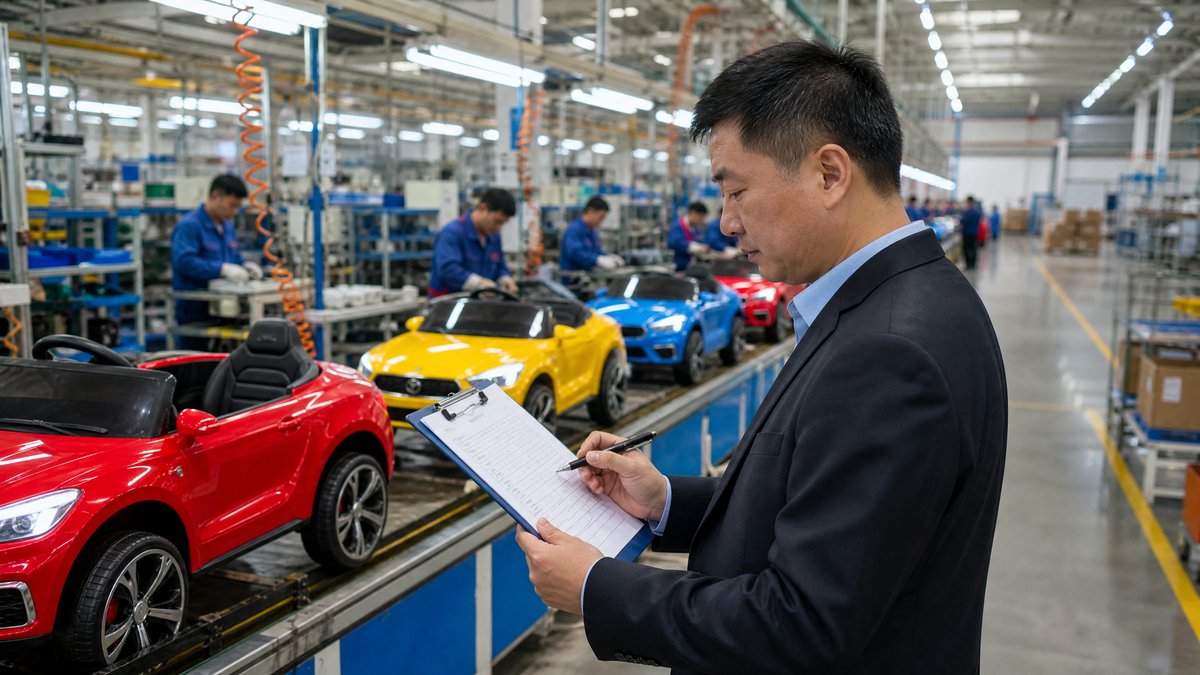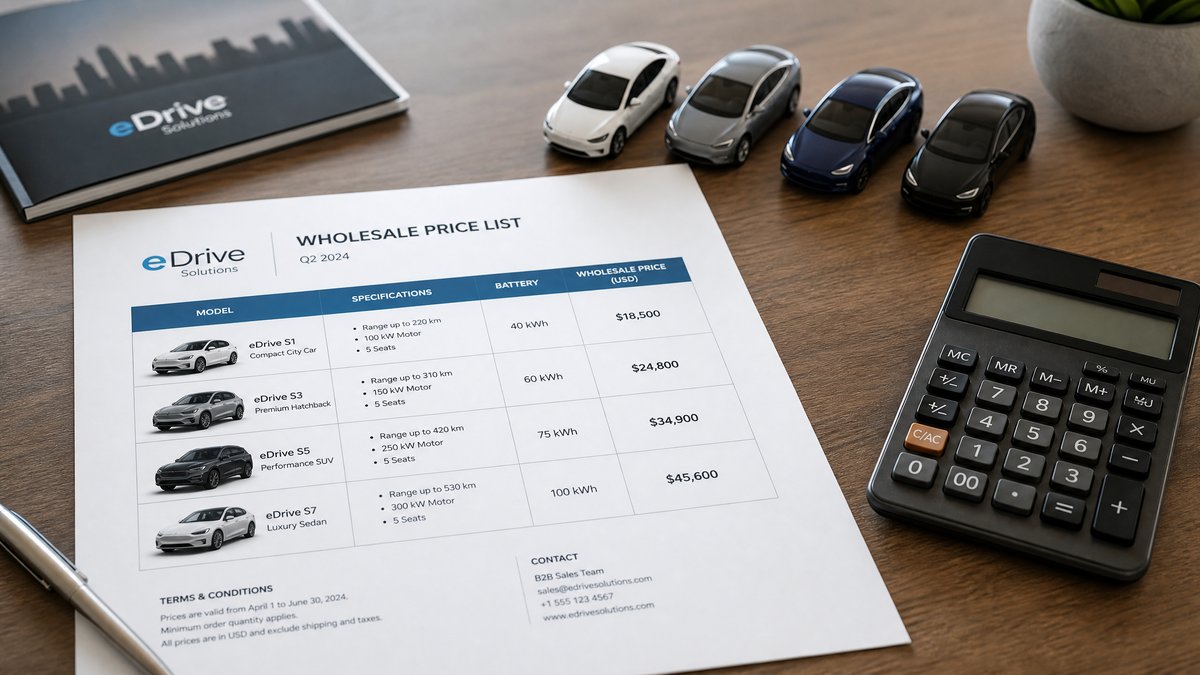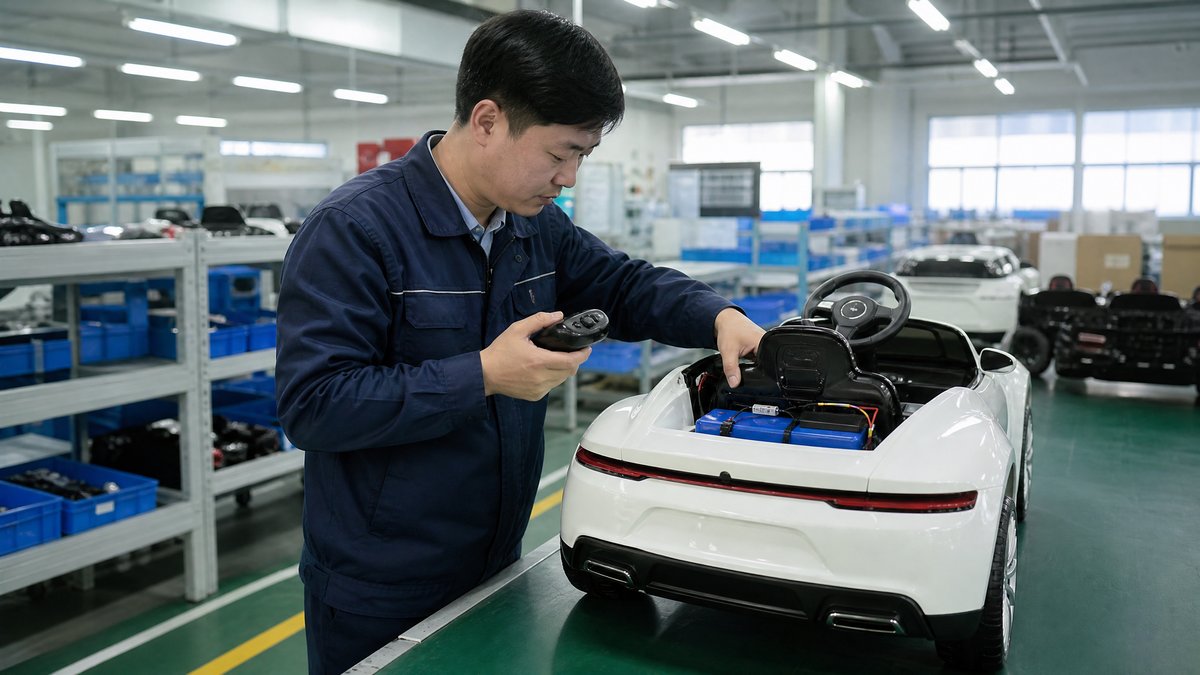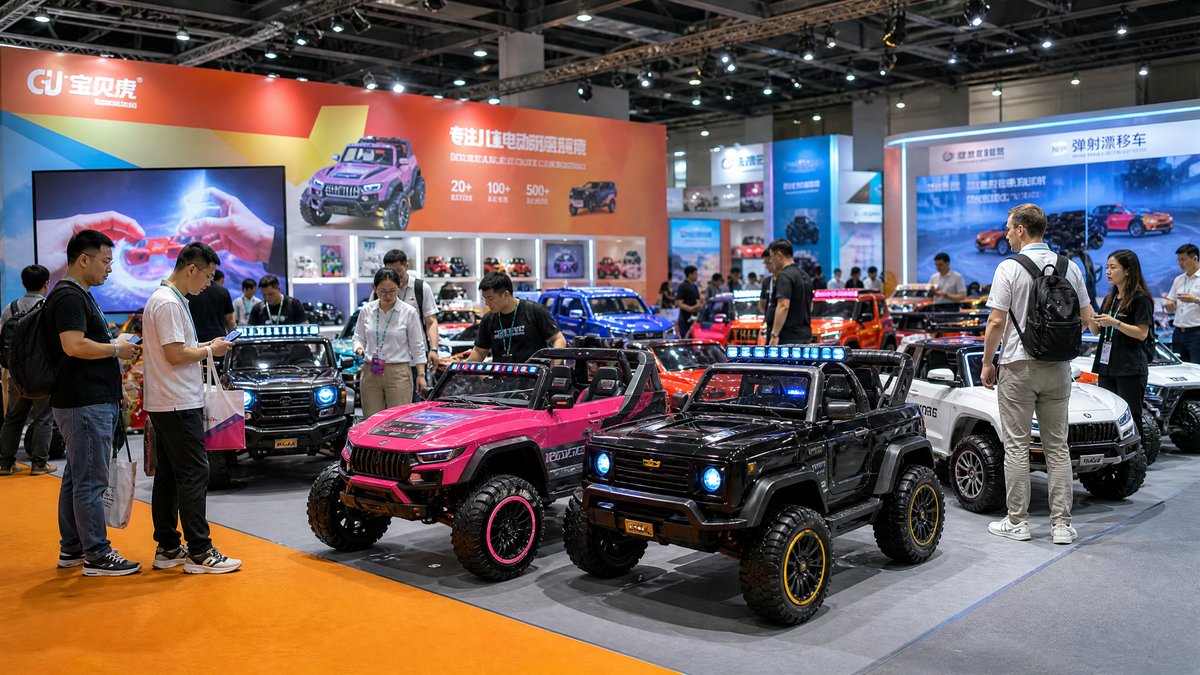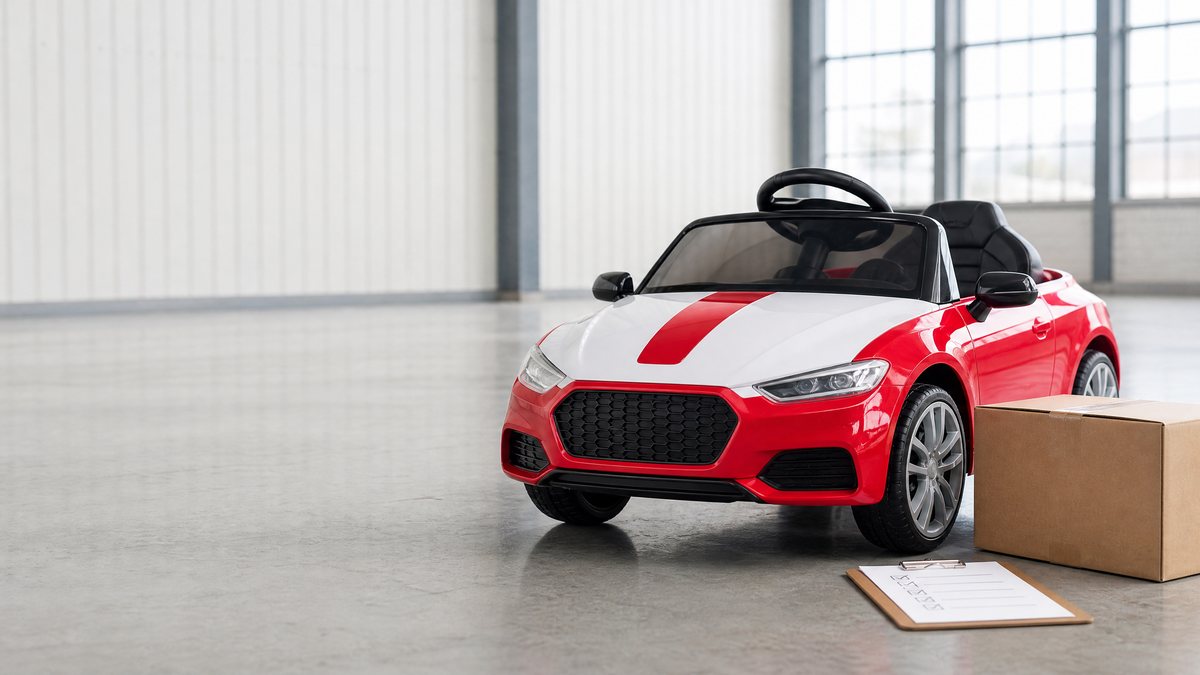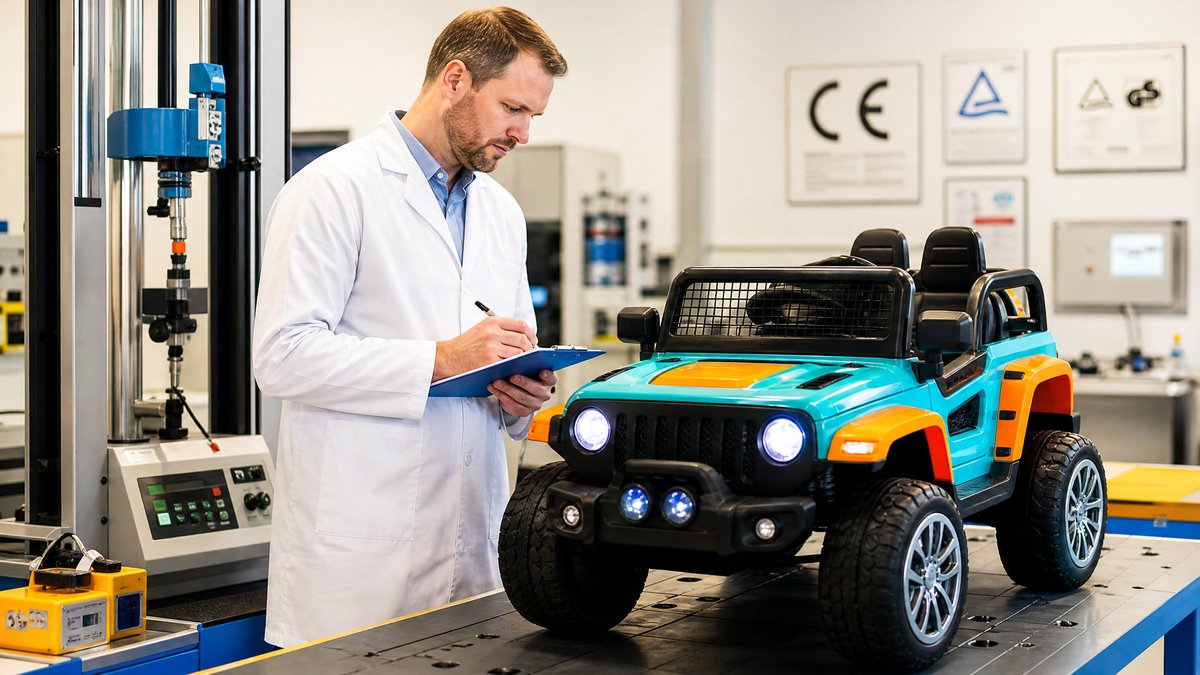
When sourcing kids electric ride-on cars for wholesale, retail, or distribution, safety is not merely a feature—it is the foundational pillar of your business reputation and legal compliance. In international toy markets, particularly across North America and Europe, regulatory bodies enforce rigorous standards to protect young consumers. For B2B importers, distributors, and large-scale retailers, failing to verify critical safety specifications can lead to costly product recalls, border seizures, and severe liability issues.
This comprehensive safety checklist is designed for wholesale buyers, purchasing managers, and brand owners. It outlines the essential electronic, mechanical, and regulatory compliance features you must verify with your manufacturing partner before placing bulk orders.
1. Regulatory Compliance & International Certifications
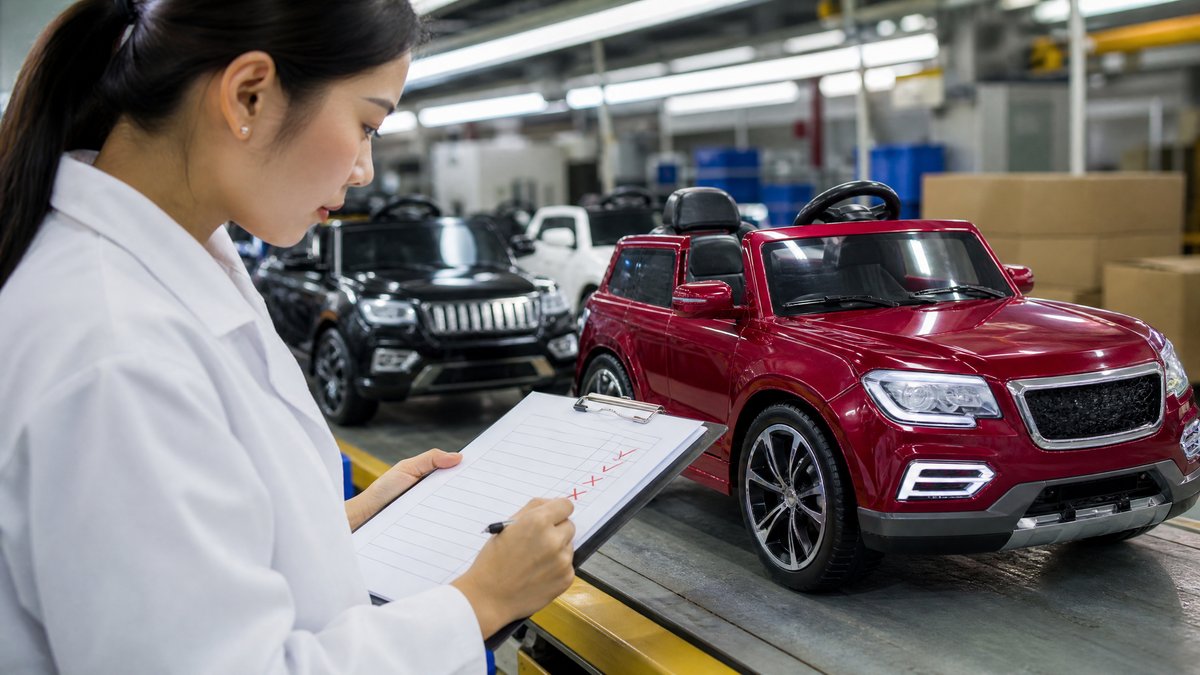
Before examining physical components, wholesale buyers must verify that the ride-on cars hold authentic, up-to-date compliance certificates issued by accredited third-party laboratories (such as SGS, TÜV, or Intertek).
Major Standards to Verify:
* ASTM F963 (United States): The standard consumer safety specification for toy safety, covering mechanical hazards, flammability, and heavy metal limits.
* EN71 & EN62115 (European Union): EN71 governs general toy safety and chemical migration, while EN62115 specifically addresses the safety of electric toys, covering electrical insulation, temperature limits, and battery compartment design.
* CPSIA (United States): Consumer Product Safety Improvement Act mandates strict limits on lead and phthalates in children's products.
* CE & RoHS (Europe / Global): Certifies that the product meets EU health, safety, and environmental protection legislation.
> Pro Tip for Wholesalers: Never accept photocopies of test reports. Always request the complete test report (not just the certificate) and cross-check the report number with the issuing laboratory's online database.
2. Electronic Safety & Battery Management Systems
Electric ride-on cars rely on high-capacity battery packs (typically 12V or 24V). Electrical failures can result in thermal runaway, short circuits, or battery overheating. Ensuring robust electronic safeguards is vital.
Key Electronic Checkpoints:
* Overcurrent Protection & Thermal Fuses: The vehicle must be equipped with automatic resetting or replaceable thermal fuses to cut power instantly in the event of a motor stall or short circuit.
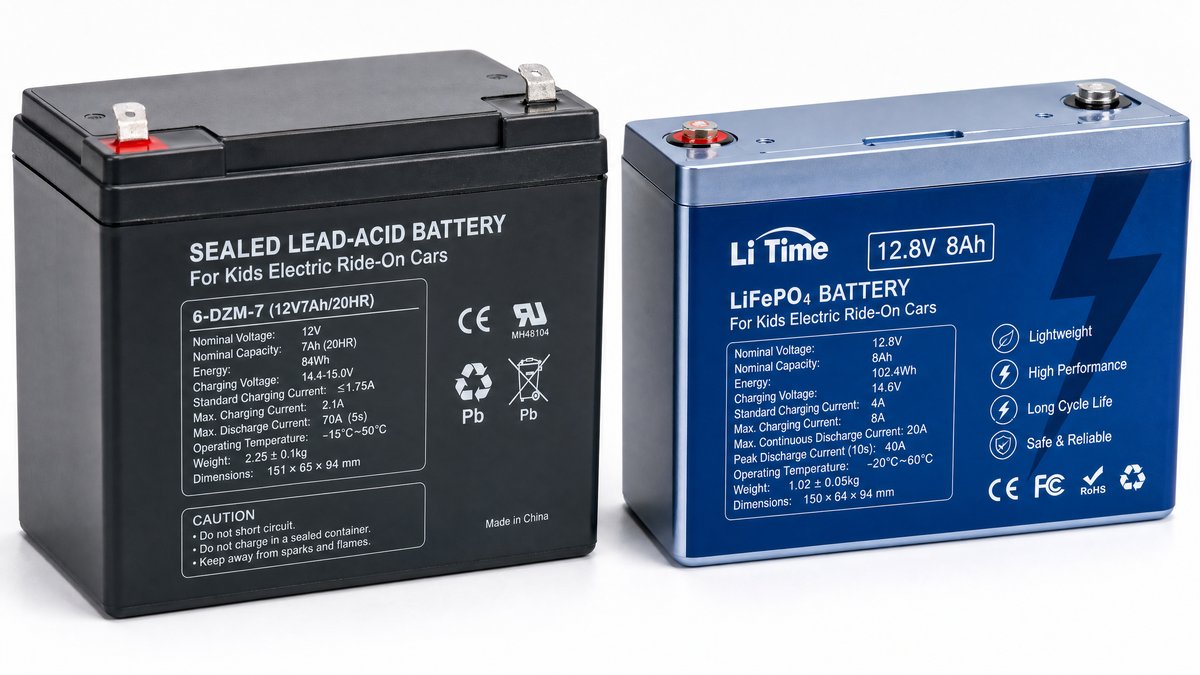
* Sealed Lead-Acid (SLA) vs. Lithium-Ion Safety: If sourcing lithium-ion batteries, verify that they include an advanced Battery Management System (BMS) with over-charge, over-discharge, and short-circuit protection. For SLA batteries, ensure proper terminal insulation caps.
* Charger Certification: Battery chargers must be UL, CE, or ETL certified. Uncertified cheap chargers are a primary cause of electrical fires during charging.
* Low-Voltage Wiring Insulation: Wires must be securely routed away from moving parts, enclosed in protective loom tubing, and fitted with secure terminal connectors to prevent fraying or accidental disconnection.
3. Remote Control & Speed Governance
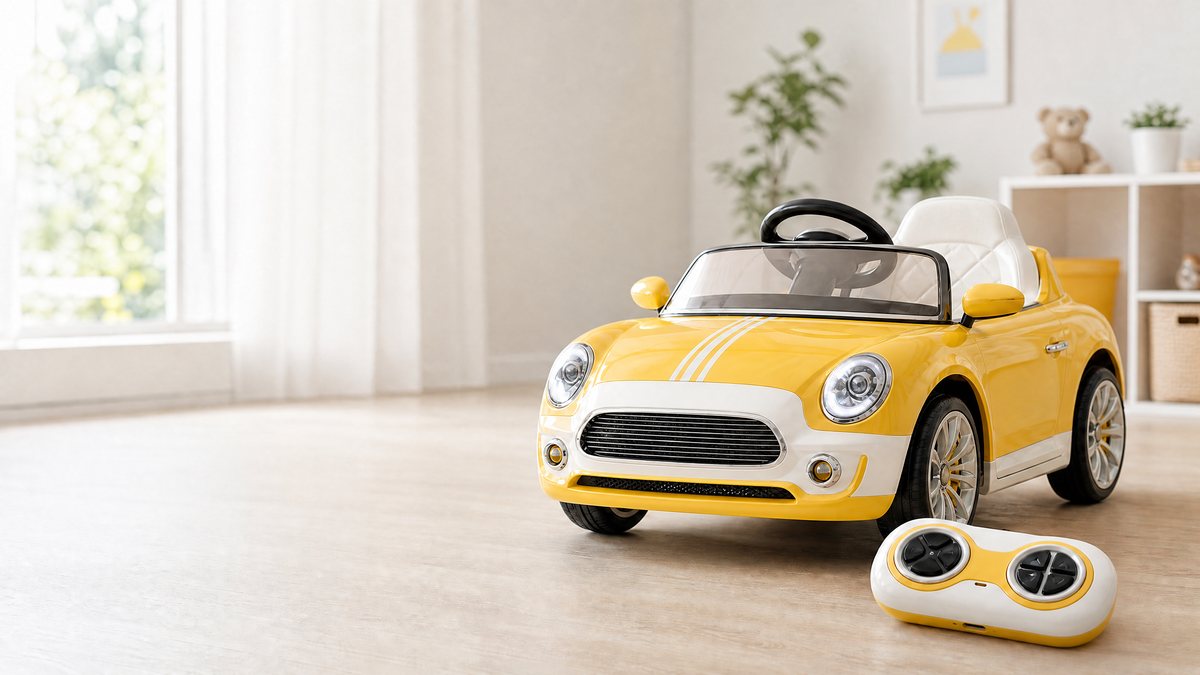
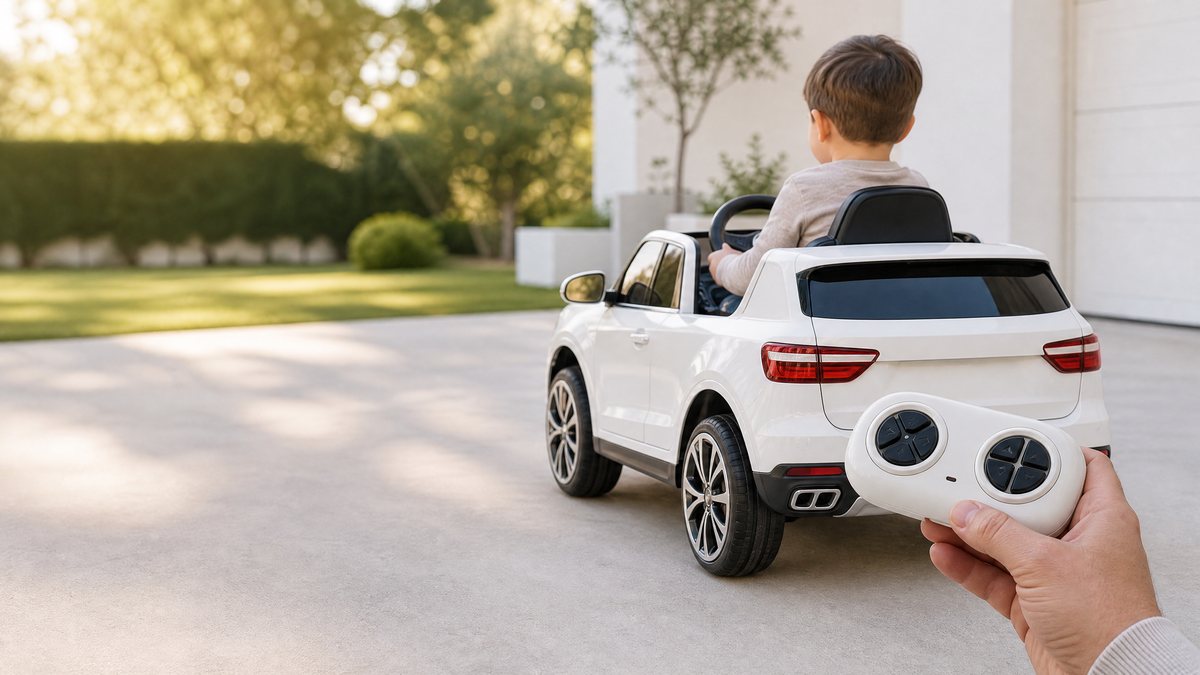
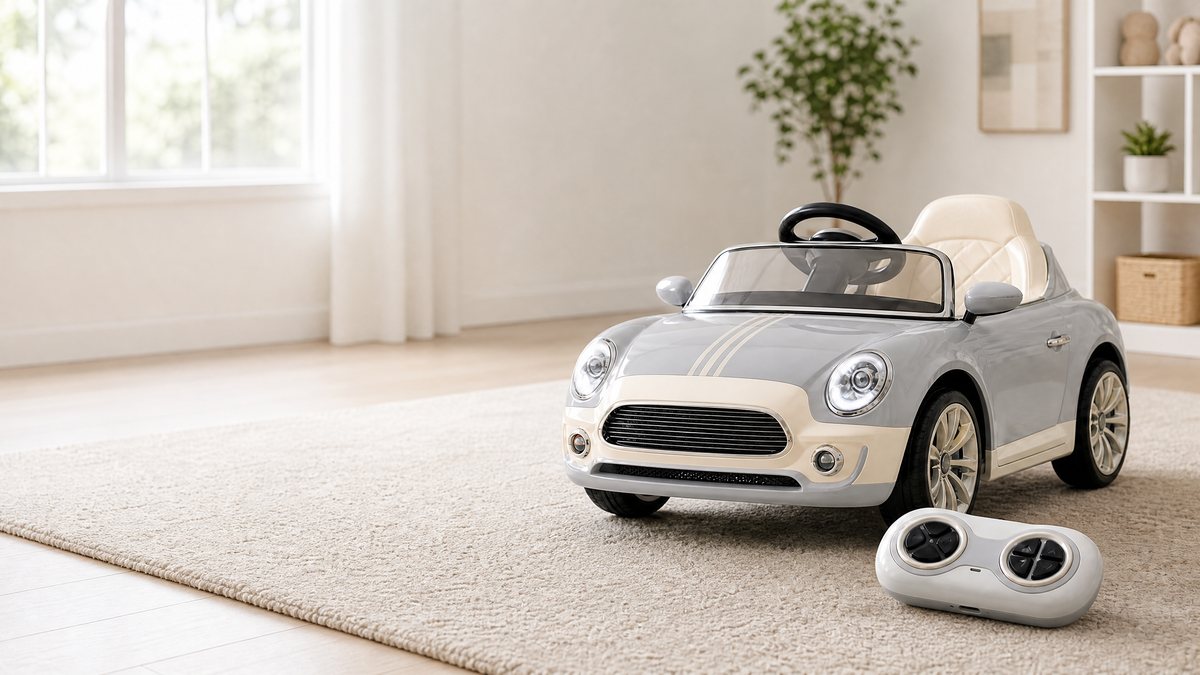
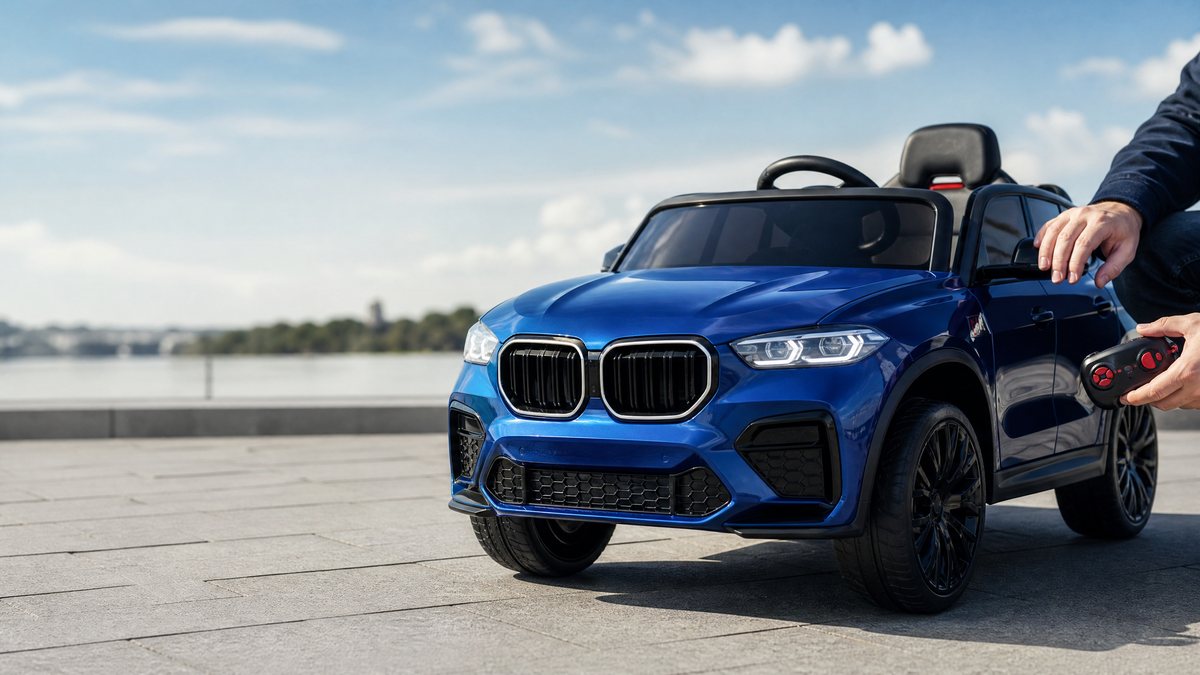
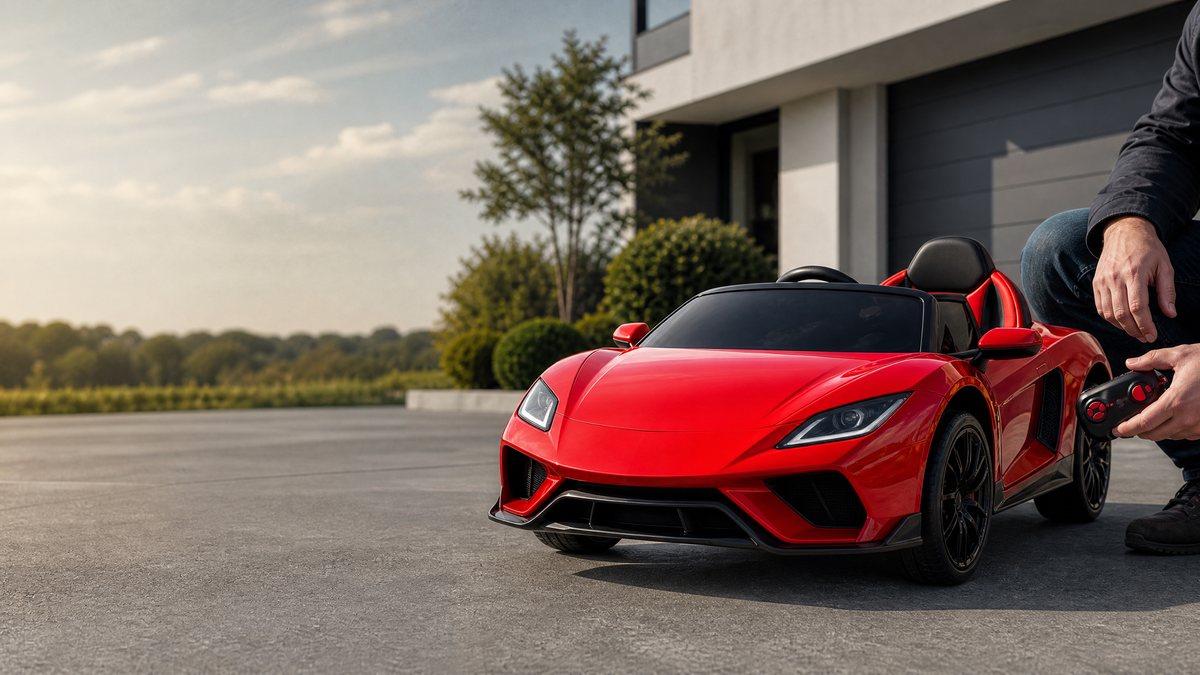
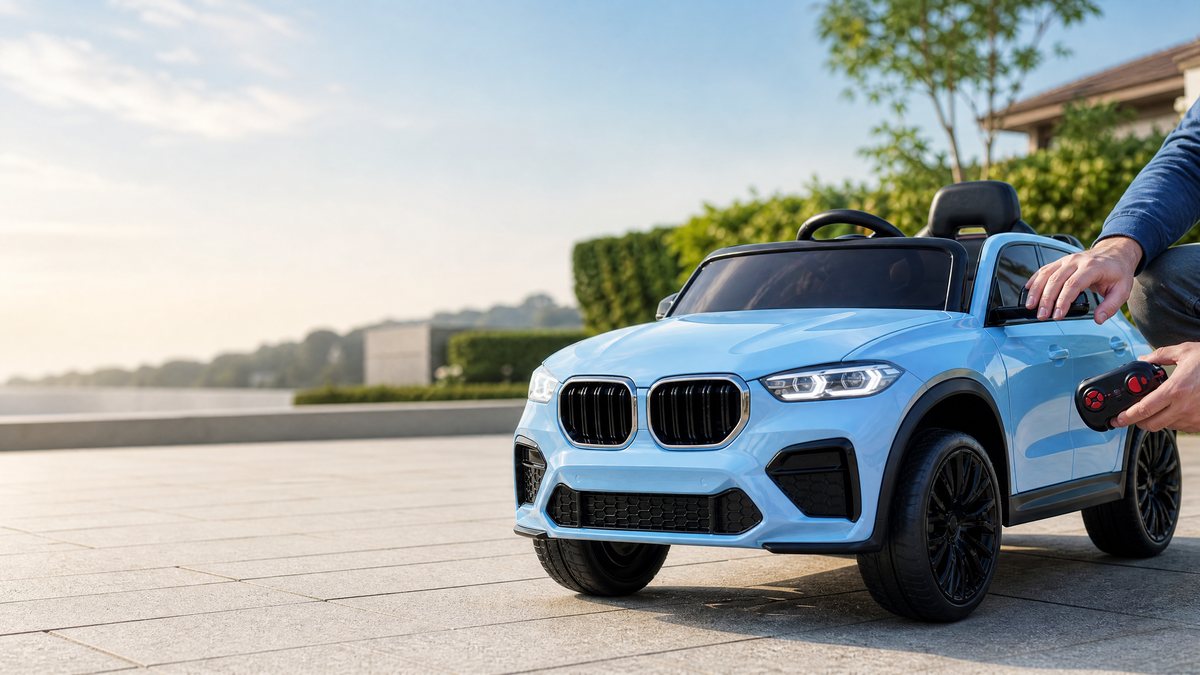
For younger toddlers, parental control is an indispensable safety feature. A reliable 2.4G Bluetooth parental remote control allows adults to override manual driving inputs instantly.
Remote Control & Speed Features:
* 2.4G Frequency Hopping: Ensures zero interference when multiple ride-on cars are operated in close proximity (e.g., parks or retail showrooms).
* Emergency Stop (Pボタン / One-Button Brake): The remote must feature an immediate override brake button that halts the vehicle instantly, regardless of the child pressing the accelerator pedal.
* Multi-Speed Selection: Look for models offering gradual acceleration (soft-start technology) and adjustable speed tiers (low, medium, high) manageable exclusively via the parental remote.
4. Mechanical Integrity & Structural Safety
A sturdy chassis and stable wheelbase prevent vehicle tipping during sharp turns or uneven outdoor terrain traversal.
Mechanical Safety Standards:
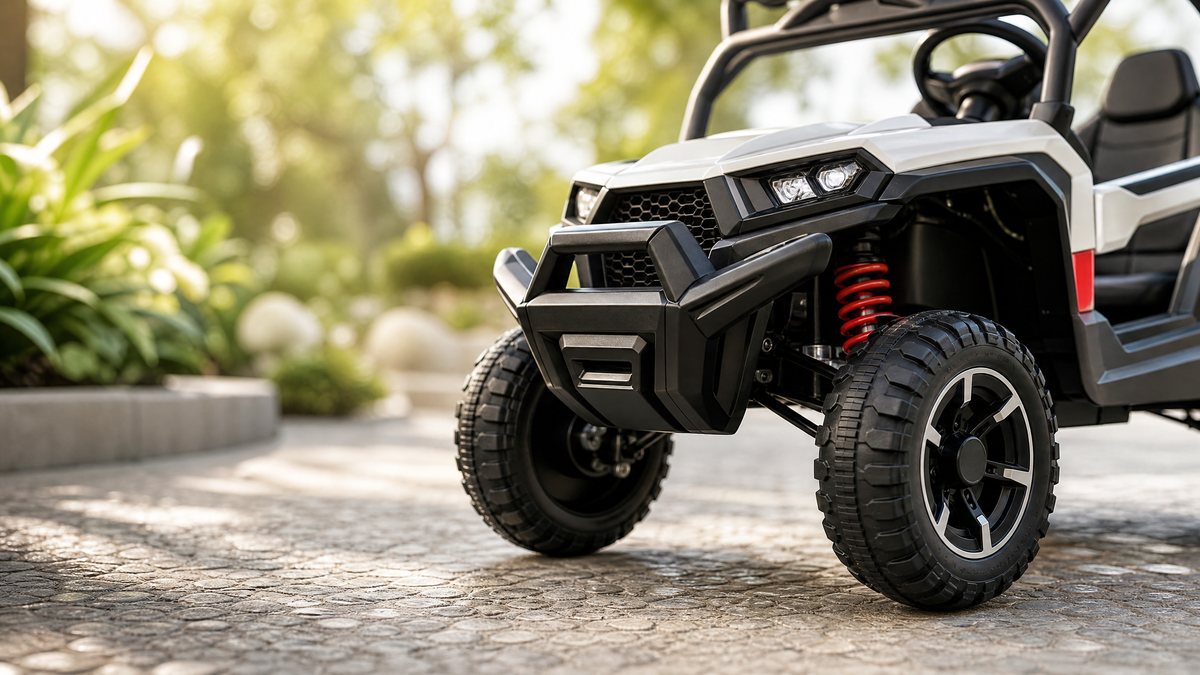
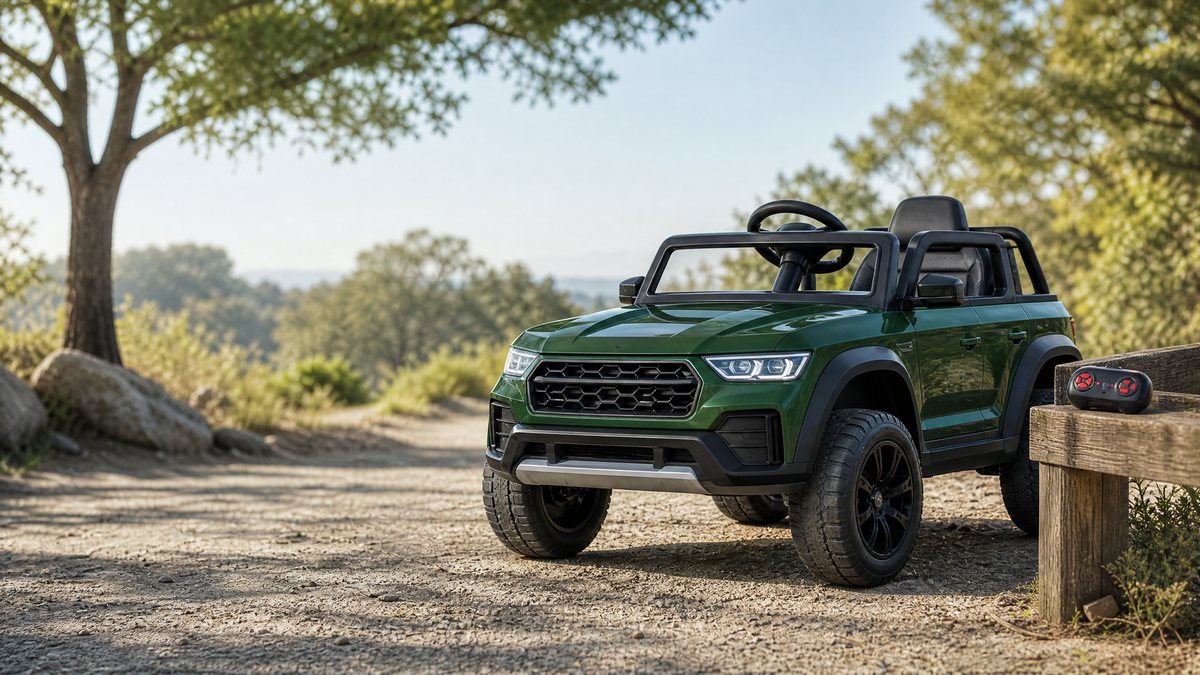
* Four-Wheel Spring Suspension: Absorbs shocks on rough terrain, maintaining stable tire contact and preventing violent jolts to the child's spine.
* Wide Wheelbase & Anti-Rollover Design: Low center of gravity and properly spaced wide wheels minimize lateral tipping risks.
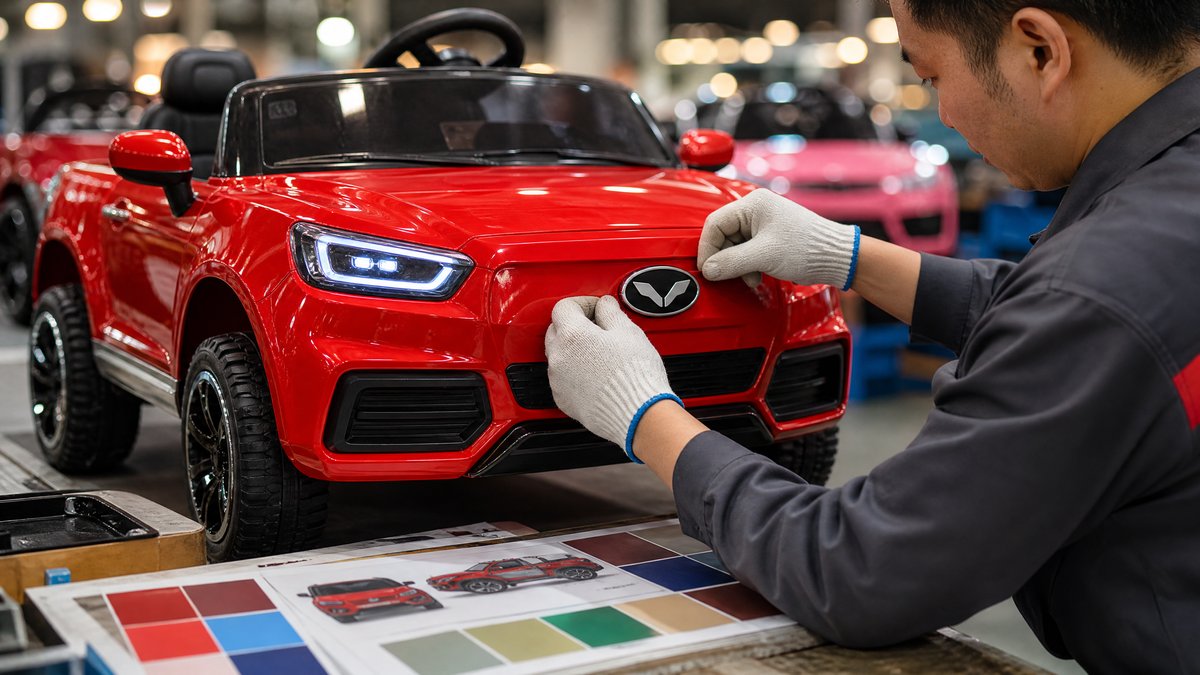
* Smooth, Rounded Edges: All injection-molded plastic body parts must undergo thorough deburring and edge rounding to eliminate sharp flash lines that could scratch delicate skin.
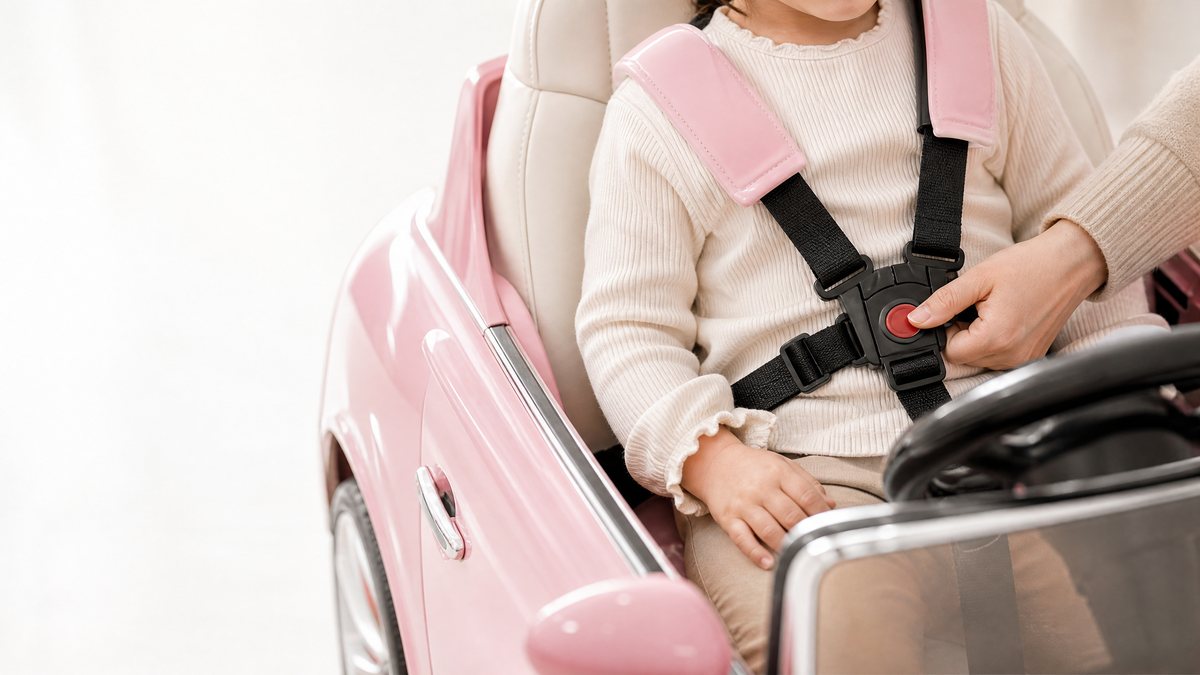
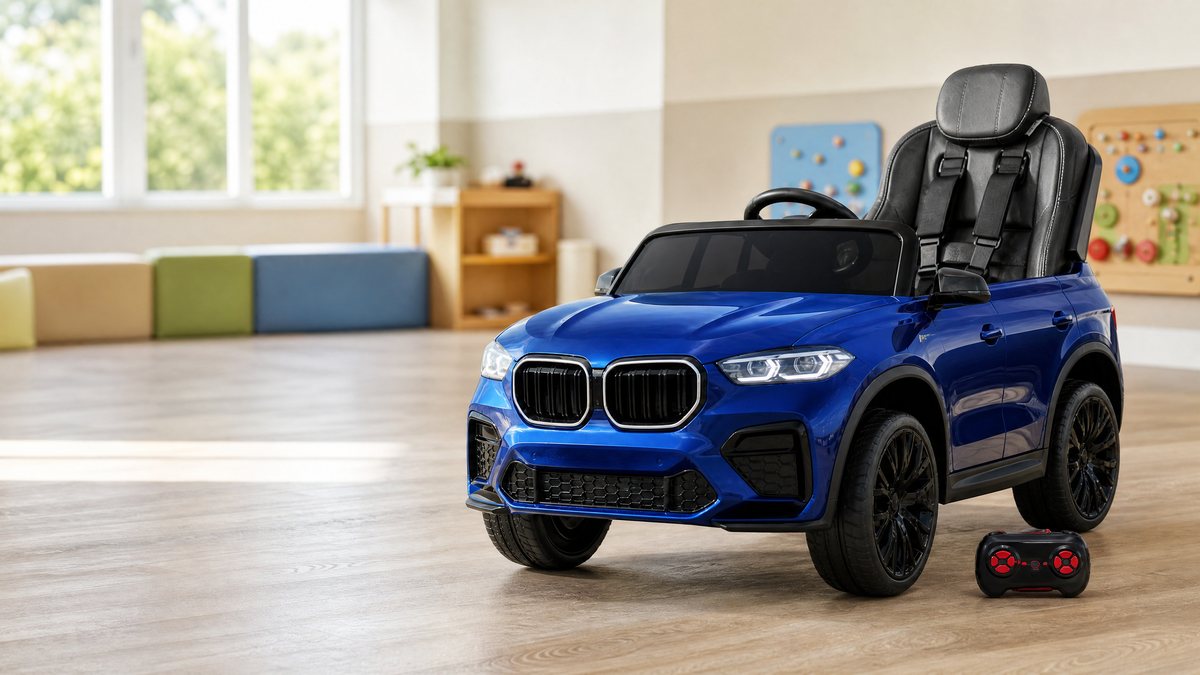
* Secure Seatbelts: Multi-point adjustable safety harnesses (lap belts or 3-point harnesses) must be securely anchored directly to the vehicle's steel frame, not merely screwed into plastic seat shells.
Safety Features Comparison: Standard vs. Premium Wholesale Specs
To help purchasing managers evaluate manufacturing tiers, the following matrix compares baseline commercial specifications with premium wholesale standards.
| Evaluation Category | Standard Commercial Spec | Premium Wholesale Spec (Recommended) | Regulatory / Safety Impact |
|---|---|---|---|
| Certifications | Basic CE / RoHs self-declaration | Full third-party lab tested ASTM F963 & EN71/EN62115 | Legal compliance for import customs clearance |
| Parental Remote | Standard 2.4G remote with 3 speeds | 2.4G Bluetooth remote with Emergency Stop & Soft-Start | Prevents sudden acceleration shock and runaway incidents |
| Battery Protection | Standard inline fuse | PTC resettable thermal fuse + smart charger with auto-cut-off | Eliminates overheating and electrical fire risks |
| Seatbelt System | Simple adjustable lap belt | Reinforced 3-point harness anchored to steel chassis | Prevents ejection during sudden stops or minor collisions |
| Tire Construction | Hard injection-molded plastic wheels | EVA foam anti-slip tires with rubber tread strips | Enhances traction and eliminates loud road noise |
5. Non-Toxic Materials & Chemical Safety
Children frequently touch, lean against, and occasionally mouth toy components. Sourcing partners must guarantee that all materials comply with strict chemical restrictions.
* Phthalate-Free Plastics: Soft PVC components (such as steering wheel grips and seat cushions) must be certified free of restricted phthalates (DEHP, DBP, BBP, DINP).
* Non-Toxic Surface Coatings: Paints, decals, and chrome-plated plastic trims must pass heavy metal migration tests (Lead, Cadmium, Barium, Mercury) specified under EN71-3.
* Flame Retardants: Foam padding and internal electronic housings must comply with relevant flammability safety standards without releasing toxic halogenated compounds.
Frequently Asked Questions (FAQ) for Importers
Q1: How can I verify if my supplier's ASTM or EN71 certificates are authentic?
A: Always request the complete, unedited test report alongside the certificate. Check the issuing laboratory's accreditation number and contact their customer verification portal or local office to authenticate the report number and product description matching your exact SKU.
Q2: What is 'Soft-Start' technology, and why is it critical for wholesale buyers?
A: Soft-start technology controls the initial electrical current delivered to the motors, allowing the vehicle to accelerate gradually rather than lunging forward abruptly. This prevents neck strain in toddlers, reduces mechanical gearbox wear, and significantly improves overall driving safety.
Q3: Are Lithium-ion batteries better than standard Lead-Acid batteries for ride-on cars?
A: Lithium-ion batteries offer lighter weight, longer lifespan, and faster charging, but they require sophisticated Battery Management Systems (BMS) to ensure safety against thermal runaway. Sealed Lead-Acid (SLA) batteries are heavier but more cost-effective and chemically stable. Wholesalers should choose based on target retail price points and regional shipping regulations regarding lithium transport.
Q4: What documentation should be included in the product packaging for retail compliance?
A: Every unit must include a clear, multi-language user manual containing assembly instructions, charging guidelines, safety warnings, and maximum weight capacity limits. Additionally, traceability labels (batch numbers, manufacturing dates, and factory identification) must be permanently affixed to the vehicle chassis.
Conclusion & Wholesale Partnership
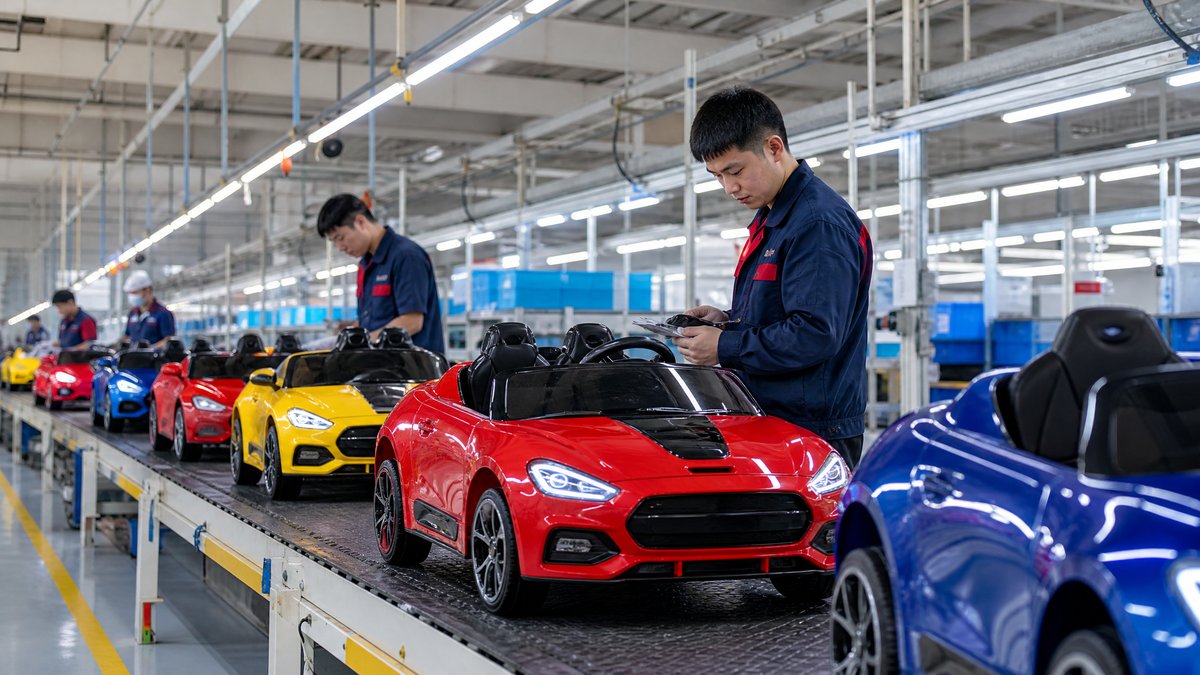
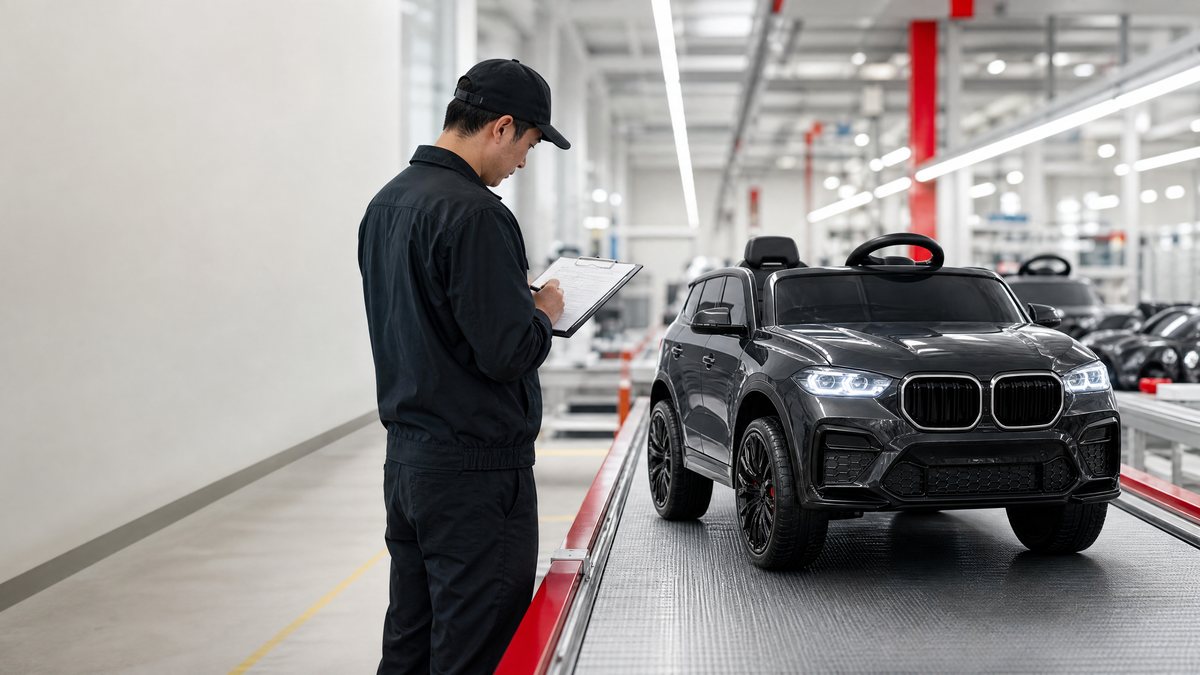
Verifying safety features during the sourcing stage protects your brand equity, ensures seamless customs clearance, and guarantees end-consumer satisfaction. At KidsRideCar, all our wholesale electric ride-on cars undergo rigorous multi-stage quality control and carry verified international safety certifications.
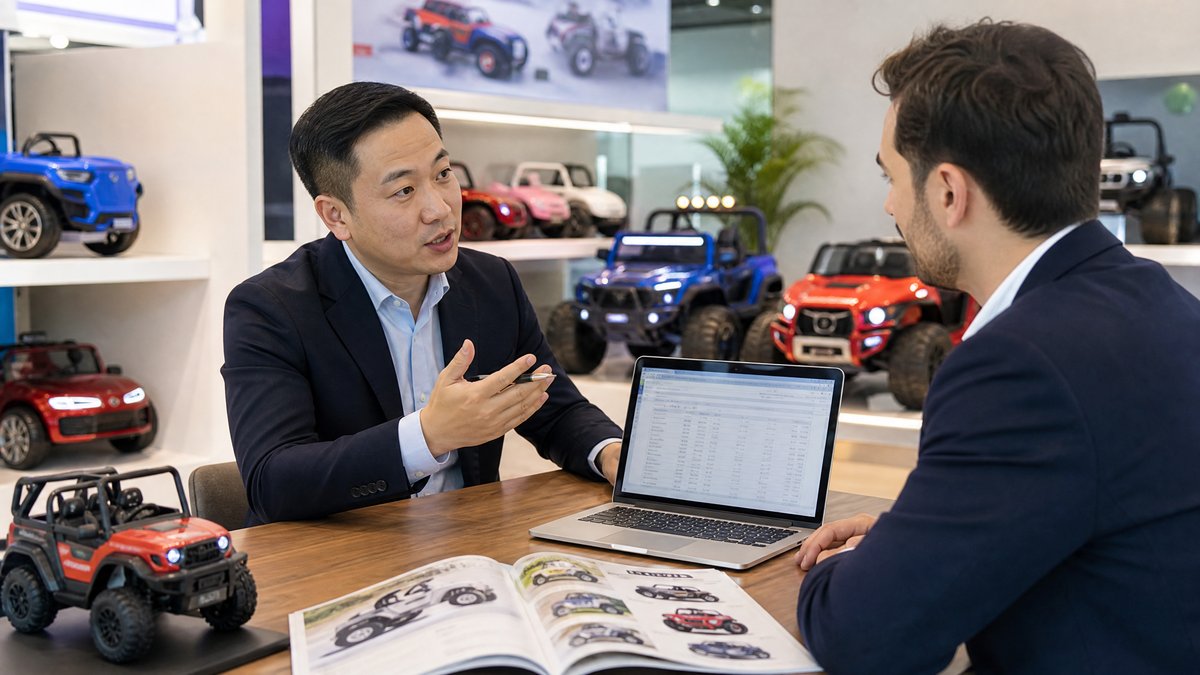
Ready to expand your catalog with certified, high-margin kids electric ride-on cars? Contact our wholesale team today at mailto:info@kidsridecar.com to request our latest safety compliance documentation, product catalogs, and sample evaluation kits.
Official references
Explore these external resources for current regulatory and trade guidance. Confirm requirements with the relevant authority before placing an order.
Ready to Start?
Factory-Direct · CE & ASTM Certified · MOQ from 50 Units
Our export team works with buyers in 60+ countries. Get a quote within 24 hours.
KR
Written by KidsRideCar
China's leading kids electric ride-on car manufacturer. 500,000+ units shipped annually to 60+ countries. CE, ASTM & EN71 certified.