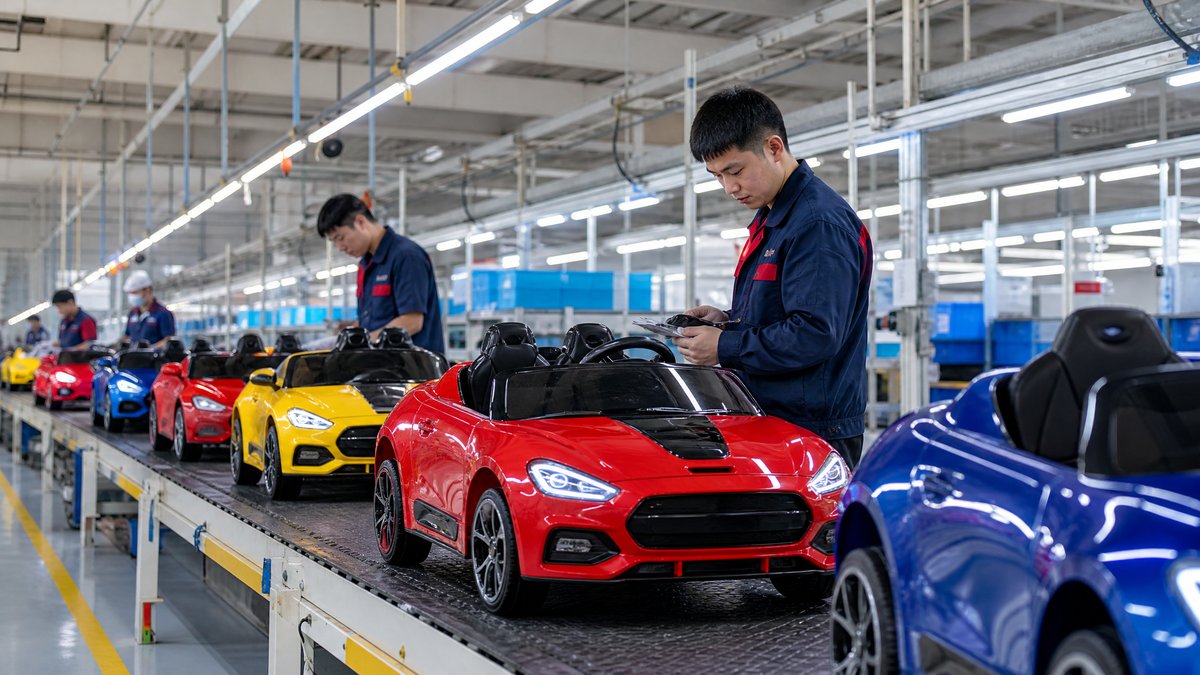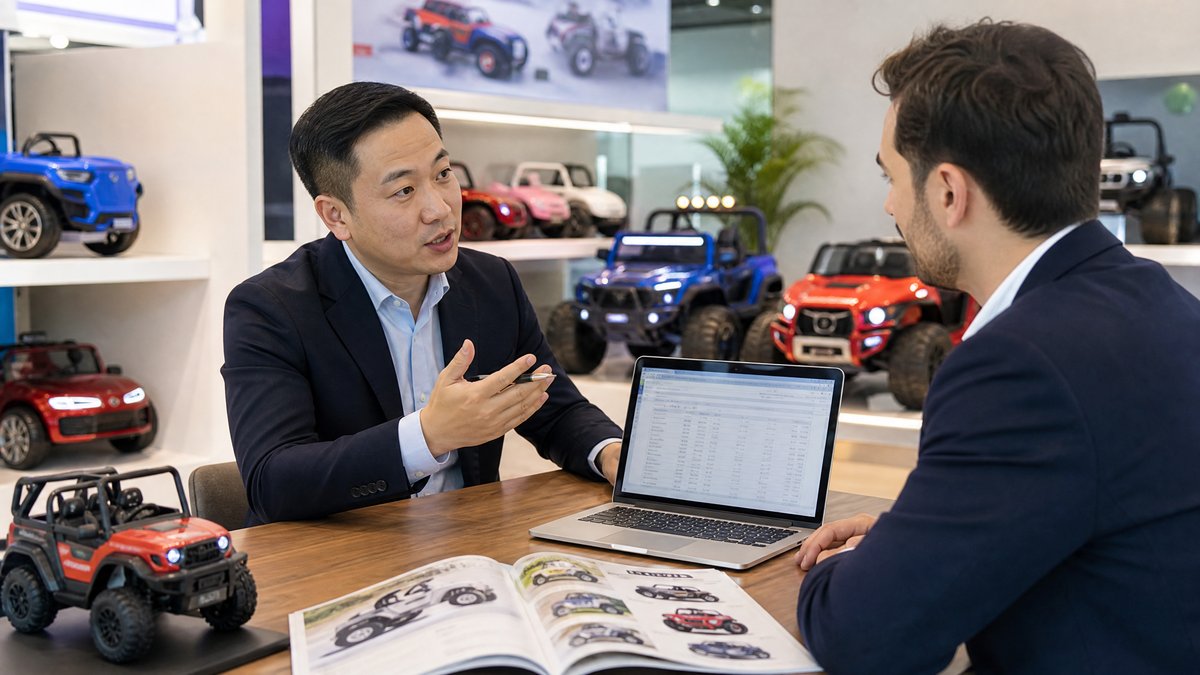
In the sophisticated realm of global toy distribution, the proficiency of a sales team acts as the primary differentiator between market leaders and secondary players. For distributors handling electric ride-on vehicles, product training is far more than a simple orientation. It represents a comprehensive strategic initiative designed to ensure technical accuracy, safety compliance, and long-term commercial stability. When a sales representative possesses a deep understanding of the product line, they become a trusted advisor to retail partners, facilitating smoother transactions and reducing the likelihood of post-purchase complications. This commitment to excellence ensures that all parties involved in the transaction are well-informed and prepared for the challenges of the market.
This extensive guide explores the essential components of a robust training program for ride-on car sales teams. We will examine the necessity of technical literacy, the importance of safety-first demonstrations, and the protocols for professional communication with both retailers and manufacturers. By establishing a rigorous framework for internal education, distributors can empower their teams to navigate the complexities of the international market with confidence and professionalism.
A successful sales strategy begins with a thorough technical foundation. Sales representatives should be equipped to discuss the mechanical and electrical aspects of ride-on vehicles without resorting to unverified hyperbole. This requires a commitment to studying the official documentation provided by the manufacturer and understanding the underlying principles of vehicle operation.
Distributors should provide their teams with detailed technical briefings that cover the various categories of motor configurations and power systems. Instead of using numeric shorthand, trainers should encourage the use of descriptive terminology that reflects the intended use of each model. For instance, instead of focusing on specific voltage levels, the team should learn to categorize vehicles by their power tiers, such as entry-level systems for toddlers or high-capacity systems for older children.
Technical literacy also extends to the materials used in construction. Representatives should be familiar with the properties of the plastics, metals, and electronic components that comprise the vehicle. Understanding the benefits of specific manufacturing techniques, such as injection molding or reinforced chassis design, allows the sales team to provide concrete reasons for product durability and safety. This knowledge is invaluable when addressing the concerns of procurement officers who prioritize quality and longevity in their inventory selections.
Energy storage systems are the heart of any electric ride-on vehicle, and they are also the source of many technical inquiries. A well-trained sales team should be proficient in explaining the characteristics of different battery technologies, such as lead-acid and lithium-ion variants, without making absolute claims about performance or lifespan.
Training should focus on the proper stewardship of these energy systems. Sales representatives should be instructed to advise clients on the importance of following the manufacturer-specified charging cycles. They should be able to explain how environmental factors, such as extreme temperatures or high humidity, can impact the storage and operation of the vehicles. By providing this information upfront, the sales team helps retailers manage their stock more effectively and reduces the risk of battery-related issues at the consumer level.
It is crucial to emphasize that sales teams should avoid providing any instructions for technical adjustments. If a technical issue is suspected, the standard protocol should be to advise the client to stop using the vehicle and consult the official manual. The sales team should act as a conduit for professional support rather than attempting to provide technical guidance themselves.
In the international trade of children's products, regulatory compliance is of paramount importance. A professional sales team should be trained to navigate the complex landscape of safety standards and certifications with precision and caution. They should understand that their role is to facilitate the verification of compliance rather than to offer definitive legal conclusions.
Distributors should teach their teams how to identify and present the relevant documentation for each market. This includes test reports, declarations of conformity, and material safety data sheets. Sales representatives should be proficient in guiding buyers through these documents, highlighting the manufacturer's commitment to meeting international safety requirements.
However, the training should also include clear boundaries. Sales staff should be instructed to advise buyers to consult with their own legal counsel or customs experts to ensure that all local requirements are met. By maintaining this professional distance, the distributor protects itself from potential liability while still providing the necessary support for a successful transaction. This approach fosters a relationship of trust and transparency with the retail partner, which is essential for long-term business growth.
The showroom is the stage where the sales team brings the product to life. A professional demonstration is a powerful sales tool, but it should be conducted with the highest regard for safety at all times. Training for the sales team should include a standardized protocol for all live demonstrations to ensure a safe environment for both staff and visitors.
Demonstrations should be confined to designated areas that are clear of obstacles and other people. The sales representative should be trained to use the wireless override system at all times during the demonstration, ensuring they can stop the vehicle instantly if a potential hazard arises. This practice not only ensures safety but also serves as a practical demonstration of the vehicle's built-in safety features, which is a key selling point for retailers.
Furthermore, the display units themselves should be subject to a regular maintenance schedule. The sales team should be responsible for checking the integrity of the wheels, the functionality of the steering system, and the state of the energy storage units. A clean, well-maintained demonstration unit reflects the quality of the brand and the professionalism of the distributor.
Misalignment between a child's developmental stage and the vehicle's capabilities is a significant source of risk. The sales team plays a vital role in mitigating this risk by providing accurate guidance on the intended use of each model. Training should emphasize the importance of adhering to the manufacturer's age and weight recommendations.
Sales representatives should be taught to recognize the physical and cognitive requirements for operating different types of ride-on cars. For example, a model with a complex control interface and high power output is not suitable for a toddler who lacks the necessary coordination. By guiding retailers toward the most appropriate models for their target demographic, the sales team helps ensure a safer experience for the end-user and reduces the likelihood of product returns.
It is important for sales staff to refrain from suggesting any changes that would alter the vehicle's performance or affect its safety features. Any request for such changes should be met with a professional refusal, citing the importance of maintaining the manufacturer's safety standards and warranty terms.
Effective lead qualification is essential for managing the sales pipeline and ensuring that the distributor's resources are focused on the most promising opportunities. The sales team should be trained to identify the unique needs and capabilities of different types of wholesale clients, from small specialty boutiques to large-scale retail chains.
During the qualification process, representatives should seek to understand the client's business model, their target market, and their experience with ride-on vehicles. This information allows the sales team to tailor their presentation and provide the most relevant product recommendations. It also helps identify potential partners who share the distributor's commitment to quality and safety.
If a prospect expresses an interest in practices that compromise safety or ethical standards, the sales team should be prepared to end the conversation professionally. Maintaining the integrity of the distribution network is more important than securing a single sale, and a well-trained team understands this long-term perspective.
A professional sales representative in the business-to-business sector should have a solid grasp of the logistical aspects of the business. While they are not logistics experts, they should be able to communicate effectively about shipping volumes, container capacities, and typical transit times.
Training should include an overview of common shipping terms and documentation requirements for international trade. Sales staff should be taught to use the manufacturer's packing lists and dimension sheets to help clients estimate their shipping costs and plan their inventory levels. They should be encouraged to work closely with the distributor's logistics department to provide accurate and timely information to their clients.
Representatives should avoid making definitive promises about delivery dates or shipping rates, as these factors are often beyond the distributor's direct control. Instead, they should provide ranges and advise clients to obtain written quotes from their preferred freight forwarders. This approach manages client expectations and reduces the risk of disputes later in the process.
The relationship with the client does not end when the sale is finalized. A professional sales team should be trained to facilitate the post-purchase support process, ensuring that any issues are handled efficiently and in accordance with the manufacturer's policies.
Sales representatives should be familiar with the formal path for reporting technical concerns or requesting replacement parts. They should be able to guide clients through the necessary documentation and provide clear timelines for resolution. It is important to emphasize that the sales team's role is to act as a bridge between the client and the technical support department, not to provide technical advice themselves.
For any technical inquiries, the team should consistently recommend that the client consult the official product manual or contact the manufacturer's authorized support center. They should advise the client to seek professional guidance for all technical matters. This policy protects the safety of the user and ensures that the manufacturer's warranty remains valid.
Frequently Asked Questions
Q: How should our sales team address questions regarding the maximum speed of a vehicle?
A: Representatives should refer to the information provided in the official product documentation. They should explain that speed can be influenced by several factors, including the weight of the rider and the type of surface being navigated. It is important to avoid making absolute claims and instead focus on the intended use and safety features of the model.
Q: What is the recommended approach when a client asks for a specific certification that is not currently held for a model?
A: The sales representative should provide the certifications that are currently available and explain the manufacturer's commitment to safety. They should then advise the client to consult with their local regulatory experts to determine if the existing certifications meet their specific market requirements. The team should refrain from making definitive statements about the legality of the product in a particular jurisdiction.
Q: How can we ensure that our sales team provides consistent information across all client interactions?
A: Consistency is achieved through regular training sessions and the use of standardized communication materials. Distributors should provide their teams with a centralized repository of manufacturer-approved information, including technical sheets, safety guides, and frequently asked questions. By relying on these verified resources, the sales team can provide accurate and consistent information to all clients.
Q: What should a sales representative do if a client reports a technical issue with a recently purchased vehicle?
A: The representative should first advise the client to stop using the vehicle immediately. They should then guide the client to the official support path, which typically involves reviewing the manual and contacting the manufacturer's technical department. The representative should assist in gathering the necessary information for the support request but should not attempt to provide technical solutions themselves.
Q: How can sales staff help retailers choose the right models for their specific customer base?
A: Sales representatives should conduct a thorough needs assessment with the retailer, discussing their target demographic and market trends. By leveraging their knowledge of the product line's developmental grading and technical features, the team can recommend the models that are most likely to succeed in the retailer's specific environment. This consultative approach builds a stronger partnership and leads to better commercial outcomes.
In conclusion, the preparation of a ride-on car sales team is a multifaceted endeavor that requires a deep commitment to professionalism, safety, and technical accuracy. By focusing on these core principles, distributors can build a team that not only drives sales but also enhances the reputation of the brand and the manufacturer.
A well-trained sales team is a vital asset in the complex and competitive world of international distribution. They serve as the primary point of contact for retail partners, providing the guidance and support necessary for a successful business relationship. Through continuous education and a strict adherence to professional standards, distributors can ensure that their sales teams are prepared to meet the challenges of the market and contribute to the long-term success of the organization.
Request a wholesale quote
Official references
Explore these external resources for current regulatory and trade guidance. Confirm requirements with the relevant authority before placing an order.
Ready to Start?
Factory-Direct · CE & ASTM Certified · MOQ from 50 Units
Our export team works with buyers in 60+ countries. Get a quote within 24 hours.
KR
Written by KidsRideCar
China's leading kids electric ride-on car manufacturer. 500,000+ units shipped annually to 60+ countries. CE, ASTM & EN71 certified.