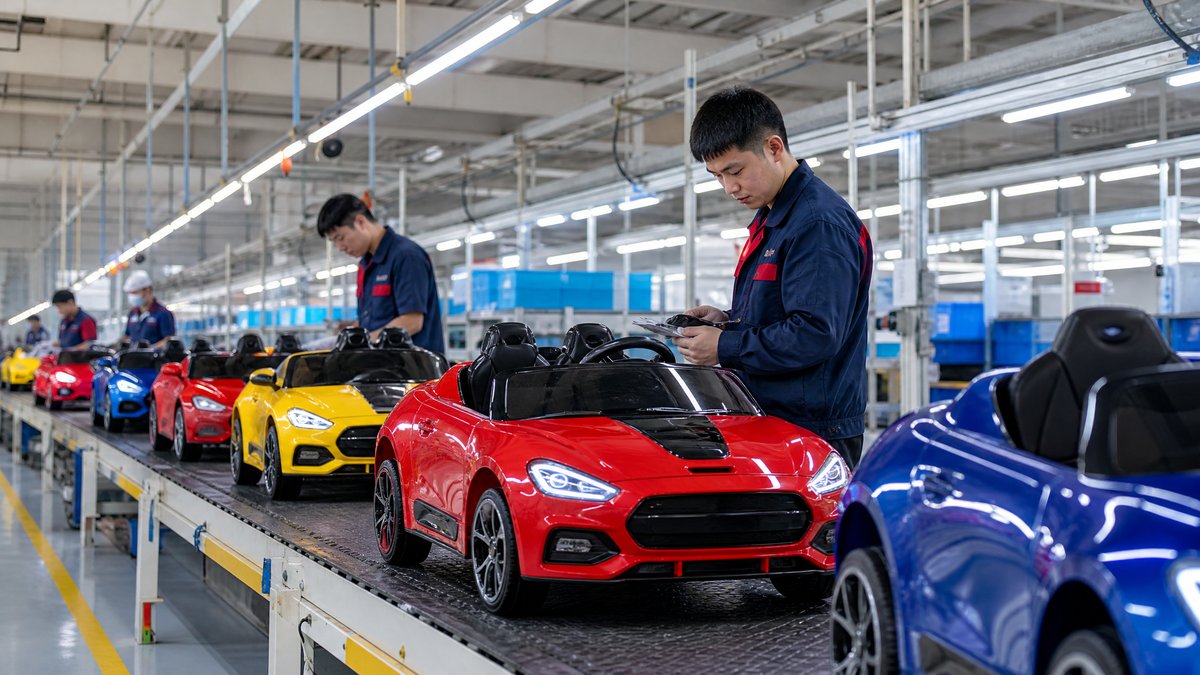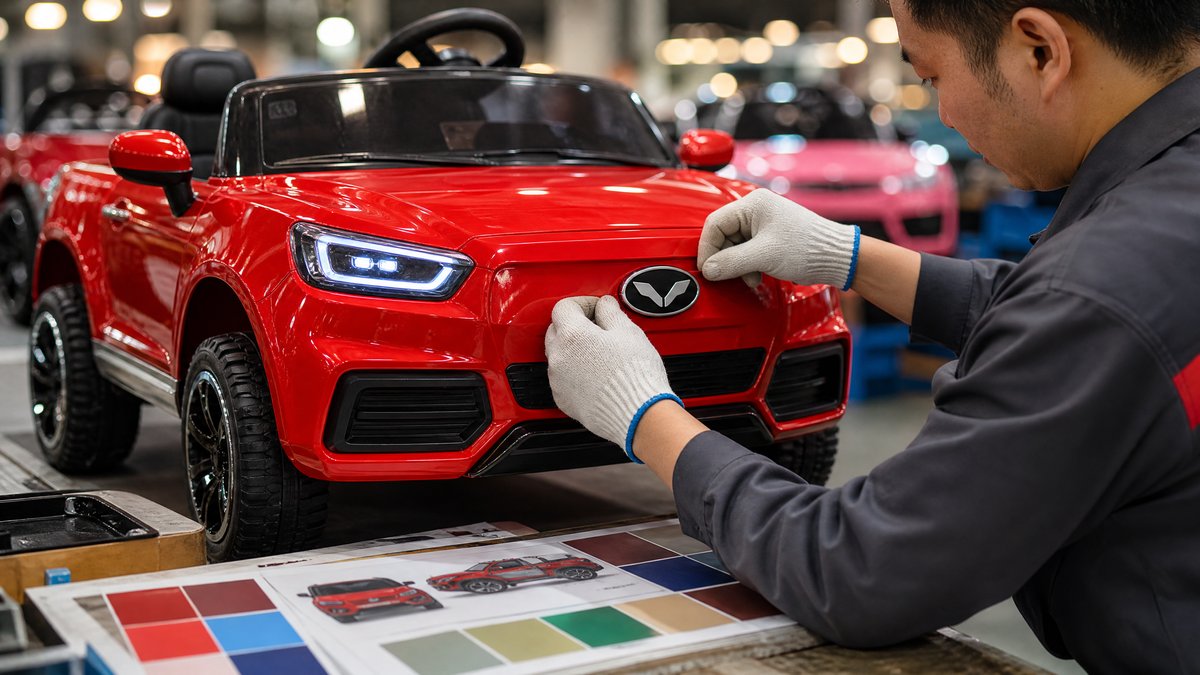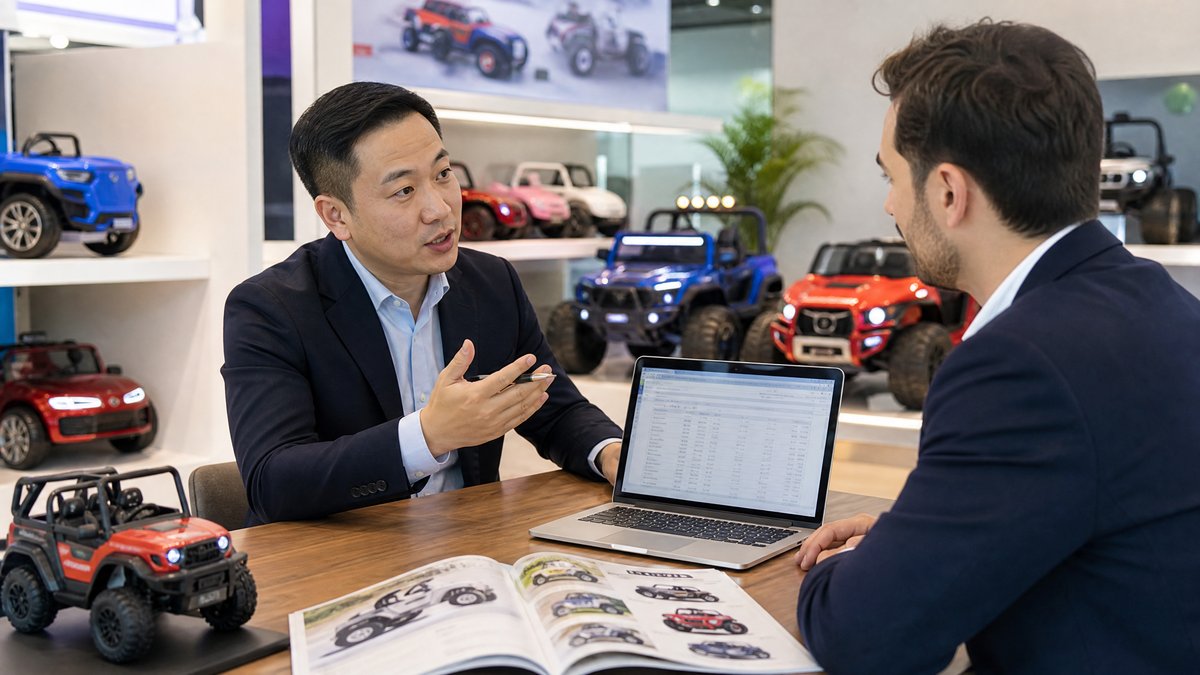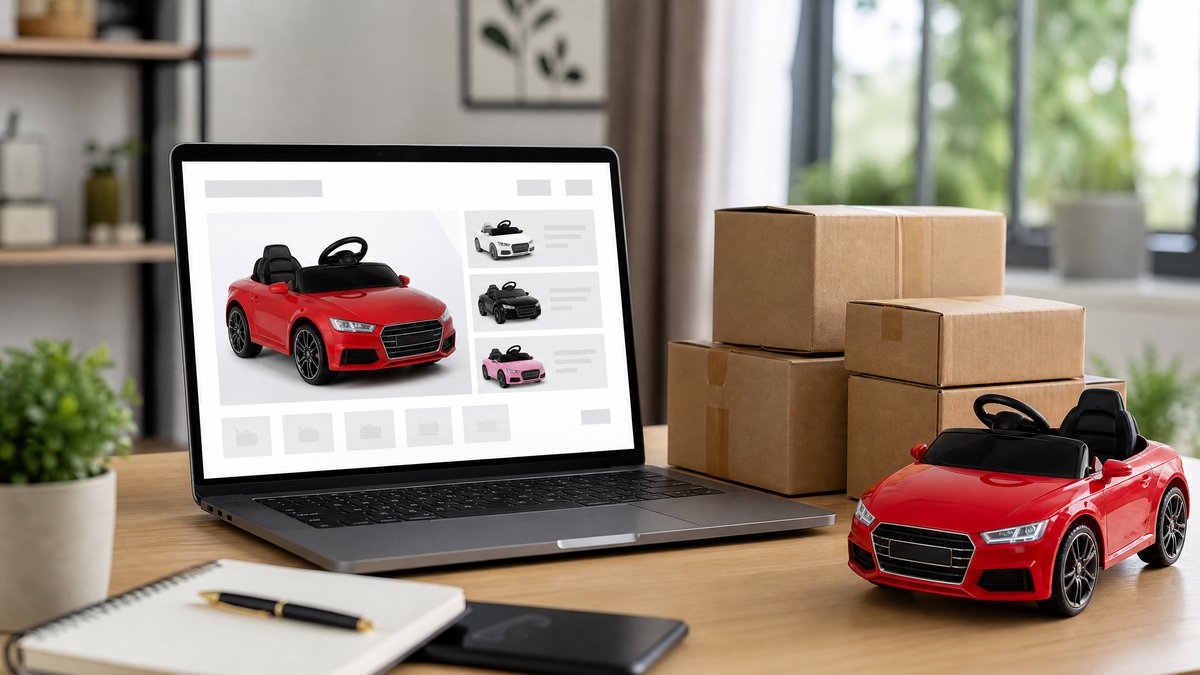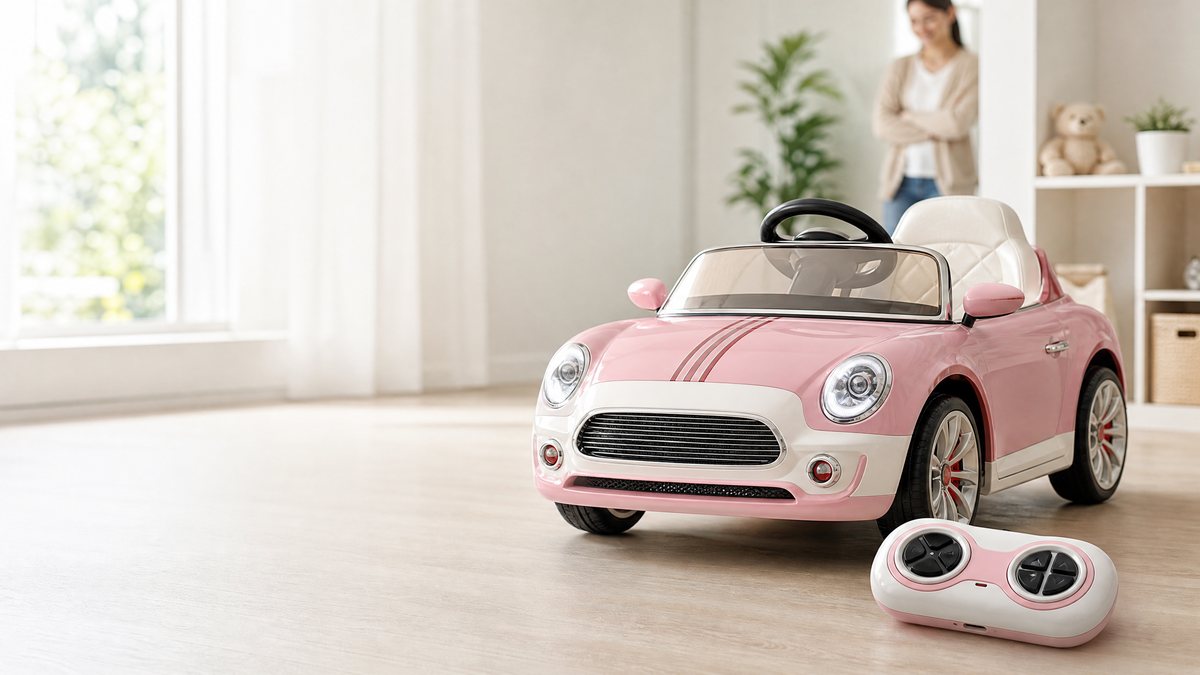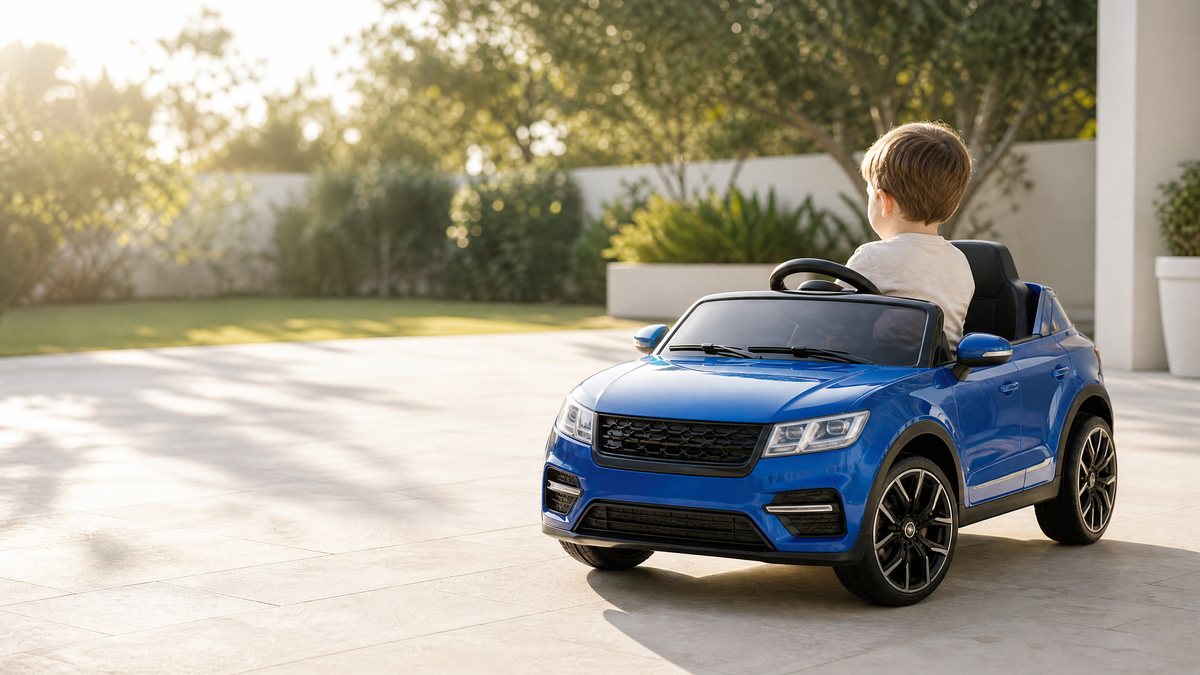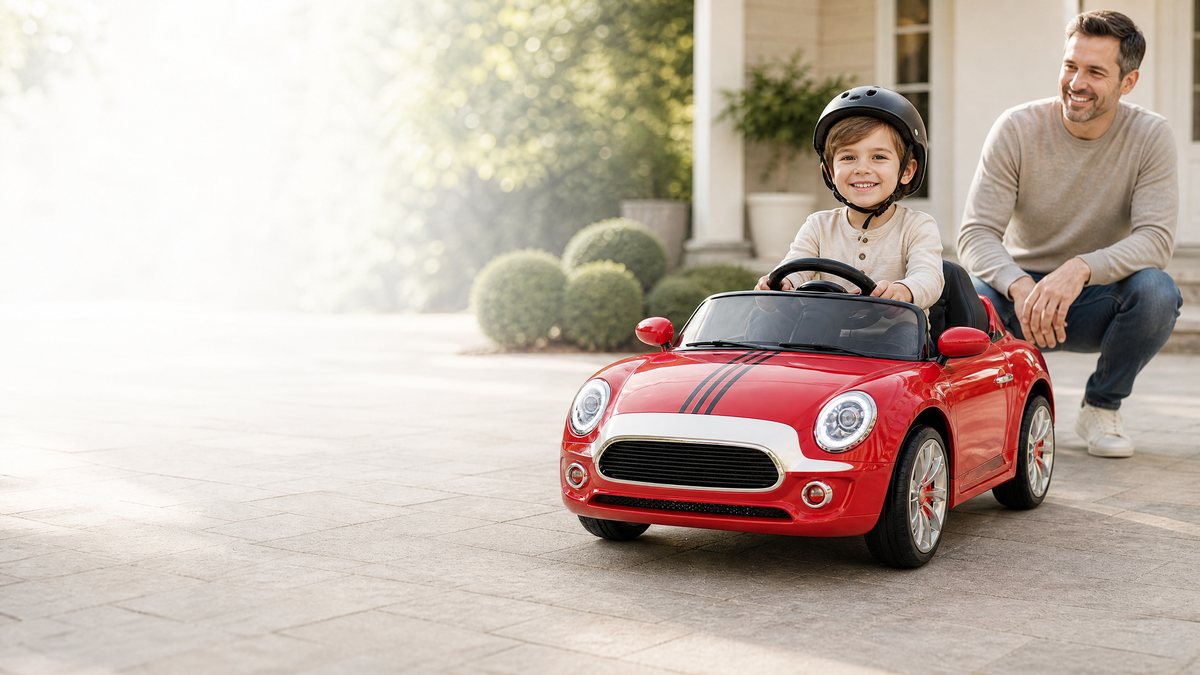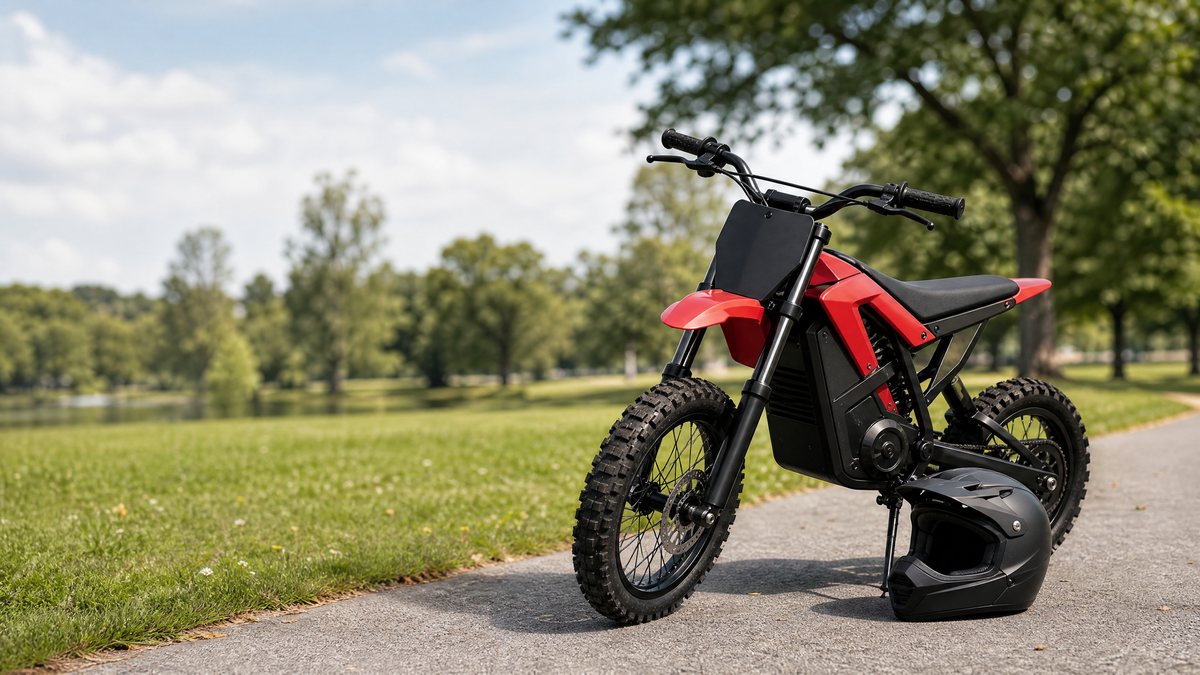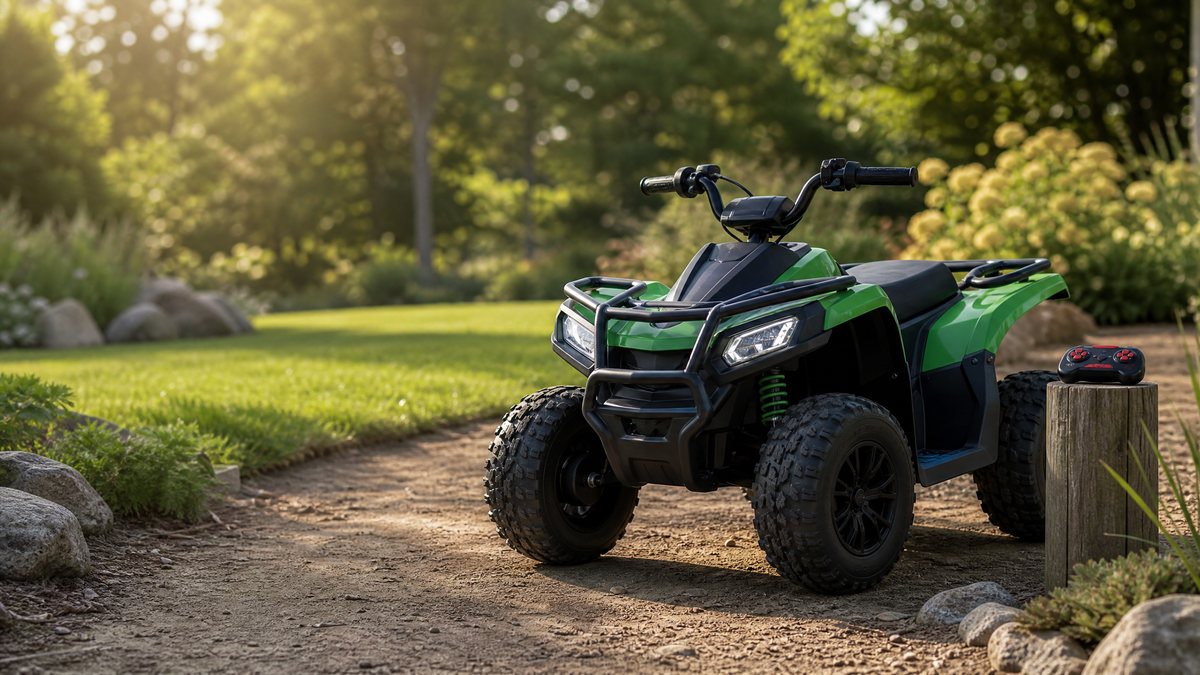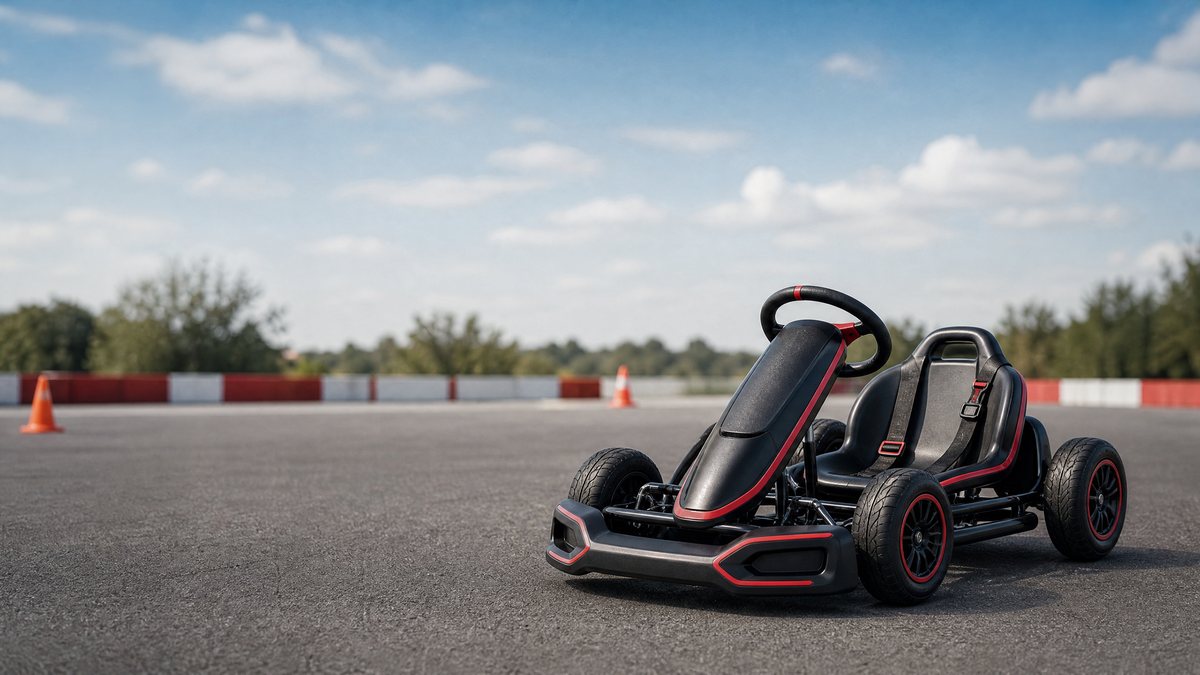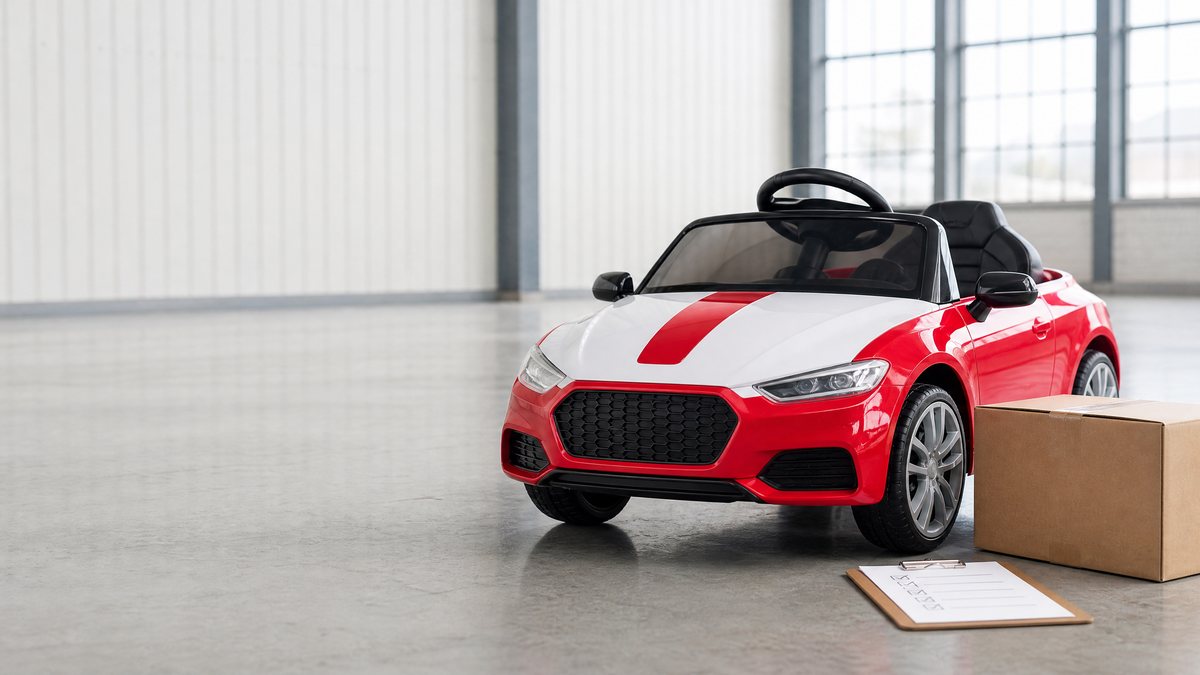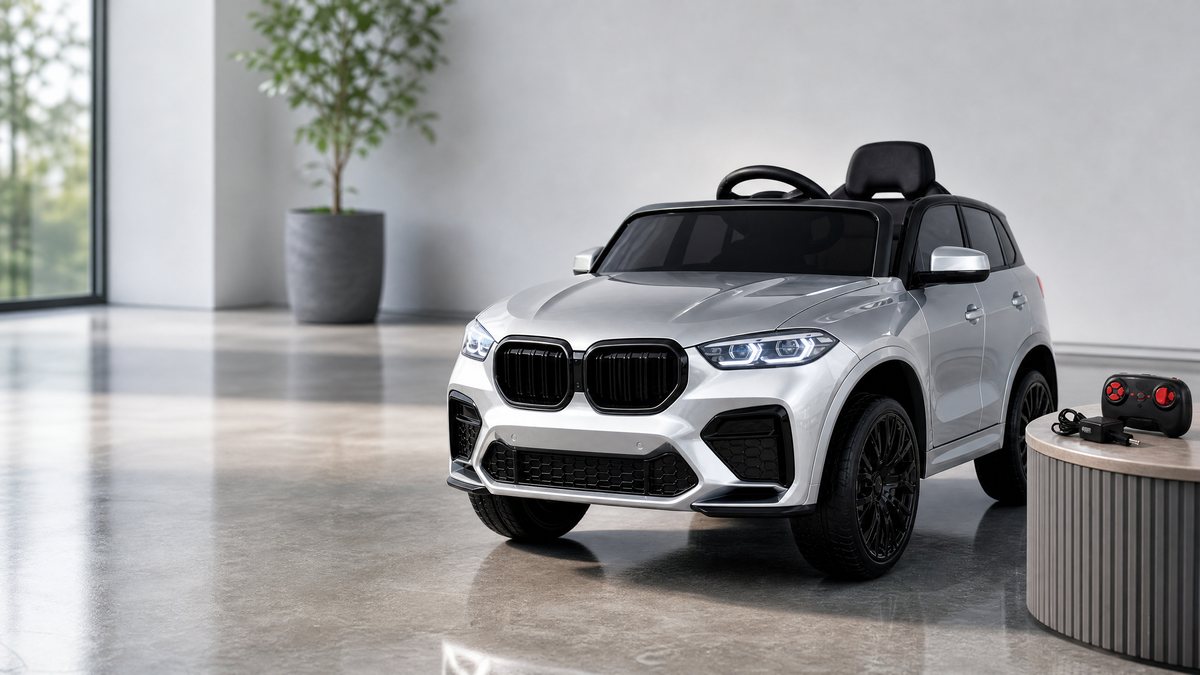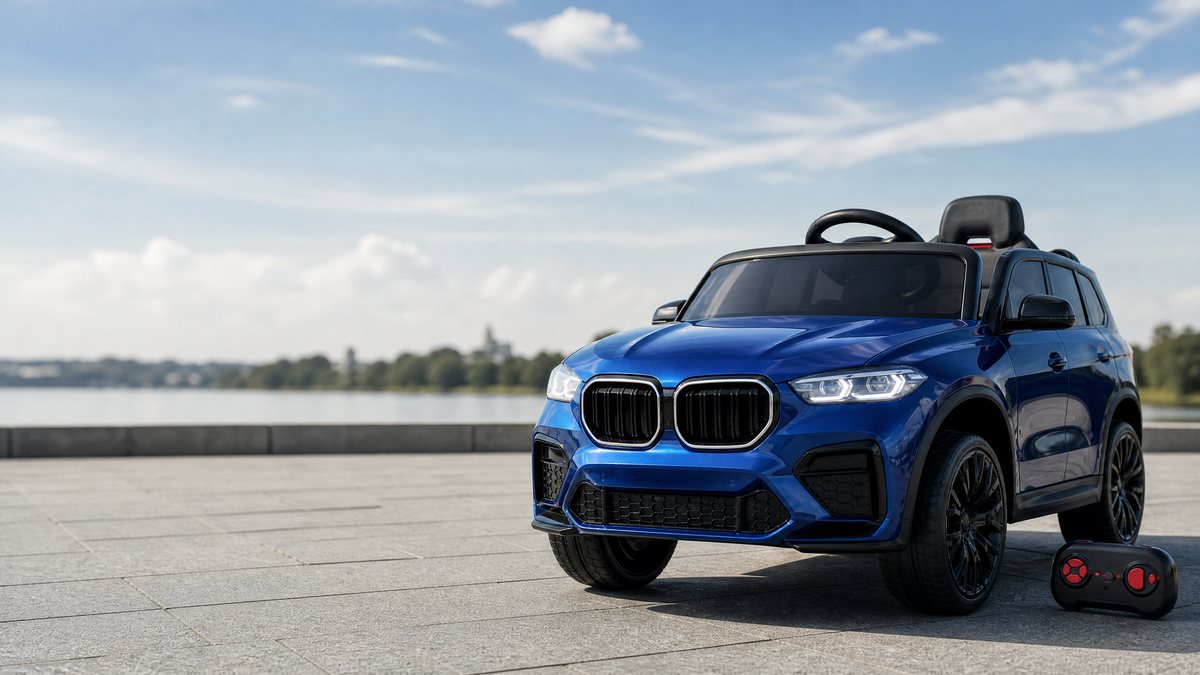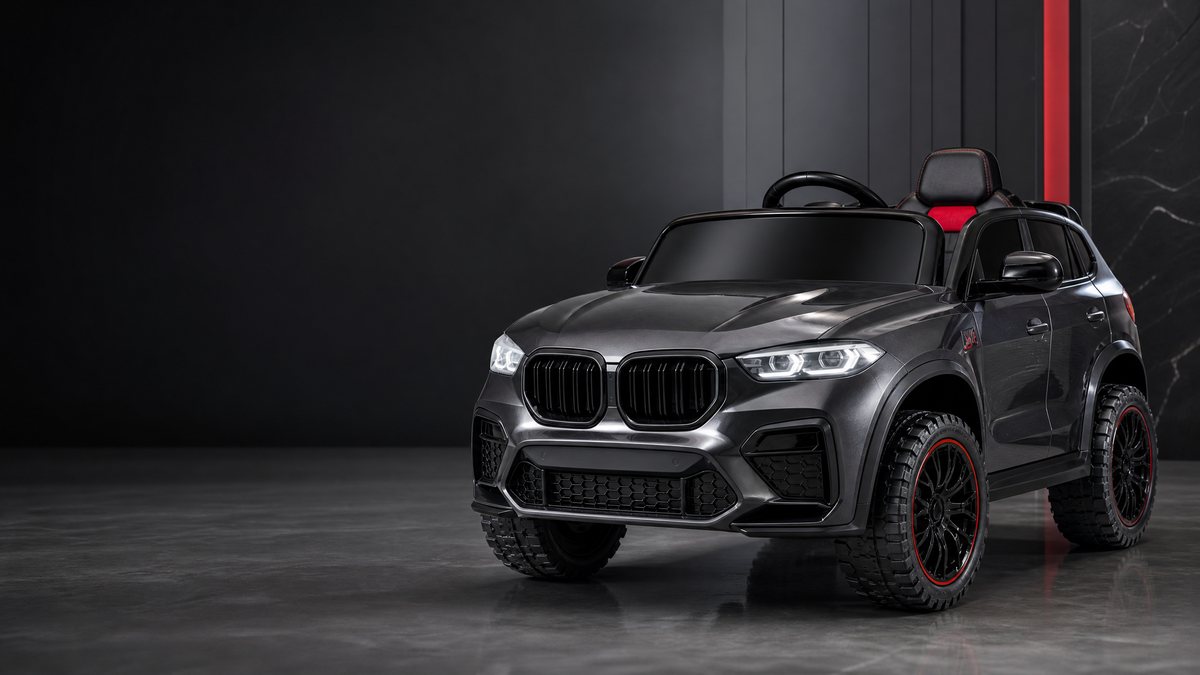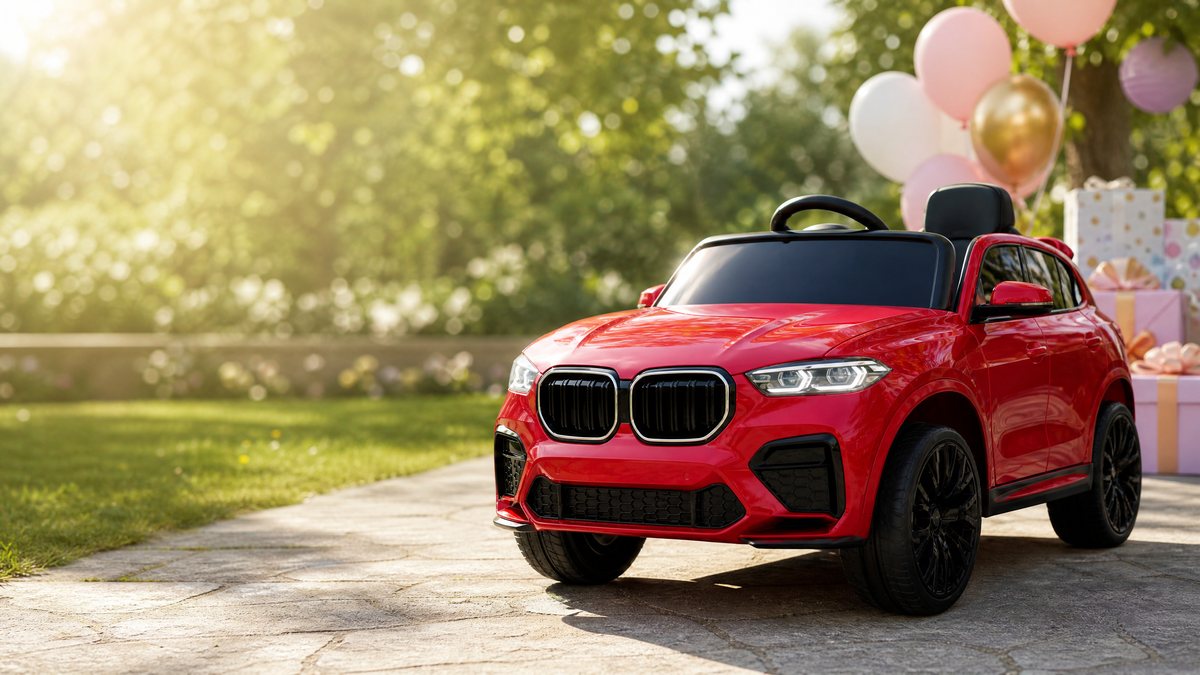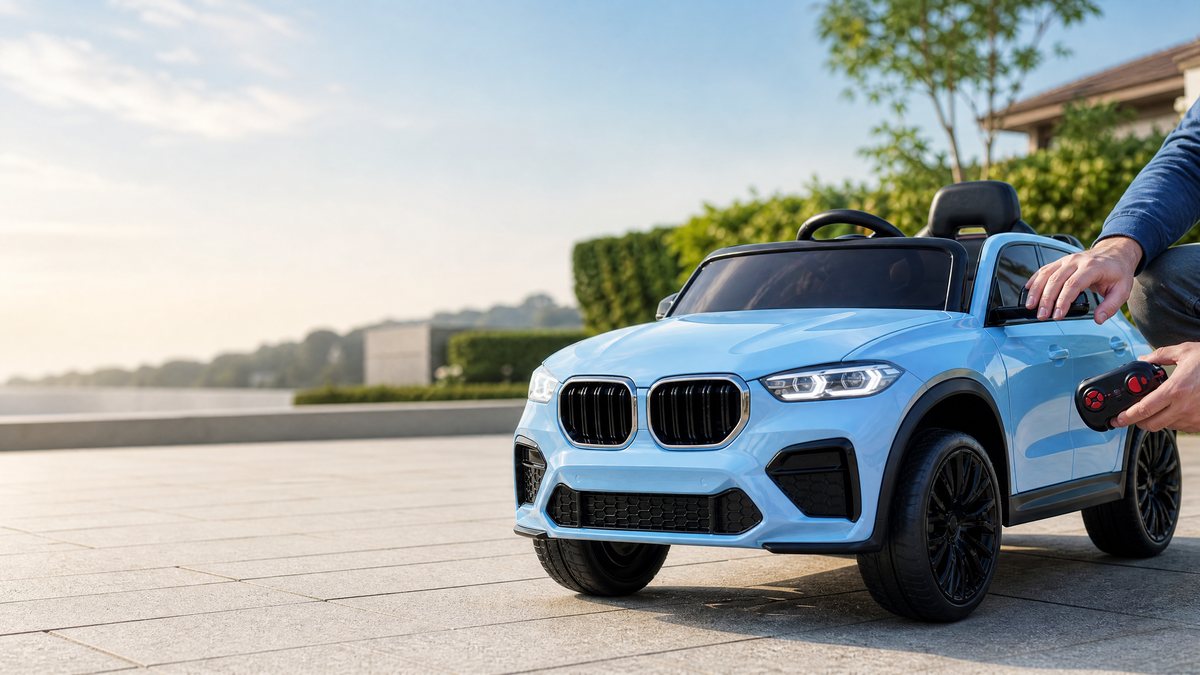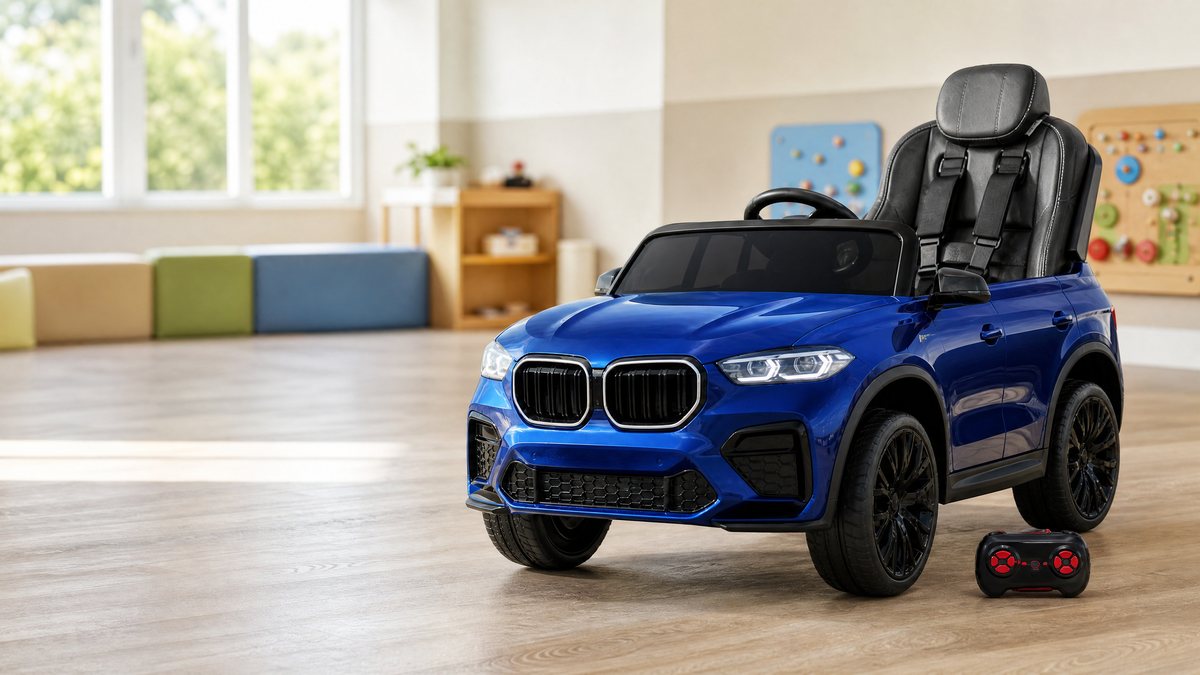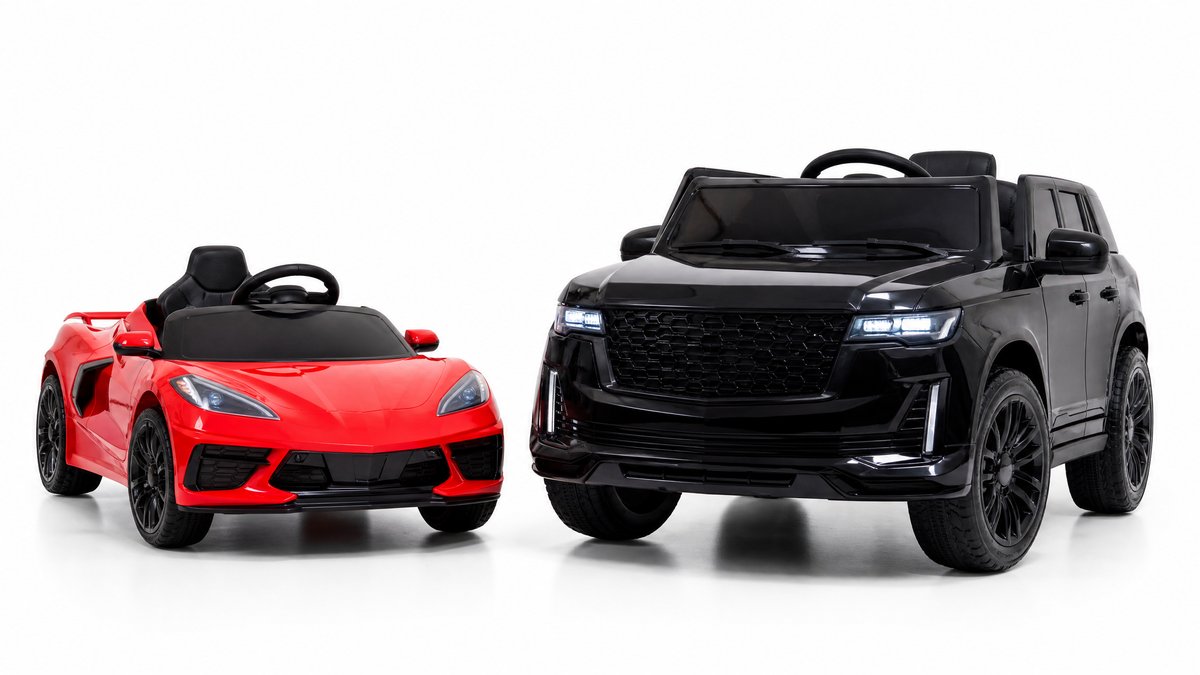
As toy retailers, distributors, and e-commerce brand owners plan their inventory for the upcoming 2026 retail cycles, selecting the right mix of wheeled toys is crucial for maximizing profit margins, optimizing warehouse space, and meeting shifting consumer demands. The children's outdoor toy market has evolved significantly, with parents increasingly investing in active play, developmental toys, and premium electric vehicles.
Among the most dominant categories in the wheeled toy sector are kids' electric ride-on cars, balance bikes, and scooters. Each product category targets different developmental stages, price points, and retail channels. For B2B wholesale buyers, stocking a balanced assortment requires understanding the distinct advantages, shipping profiles, and profit potentials of each option.
In this comprehensive guide, we analyze electric ride-on cars, balance bikes, and scooters from a retail perspective, helping you decide how to allocate your 2026 inventory budget for maximum ROI.
1. Market Overview & Consumer Demand in 2026
The global children's ride-on toy market continues to experience steady growth, driven by rising disposable incomes, urban and suburban outdoor activities, and the integration of smart, interactive features in toys. However, consumer preferences vary widely based on age, lifestyle, and price sensitivity.
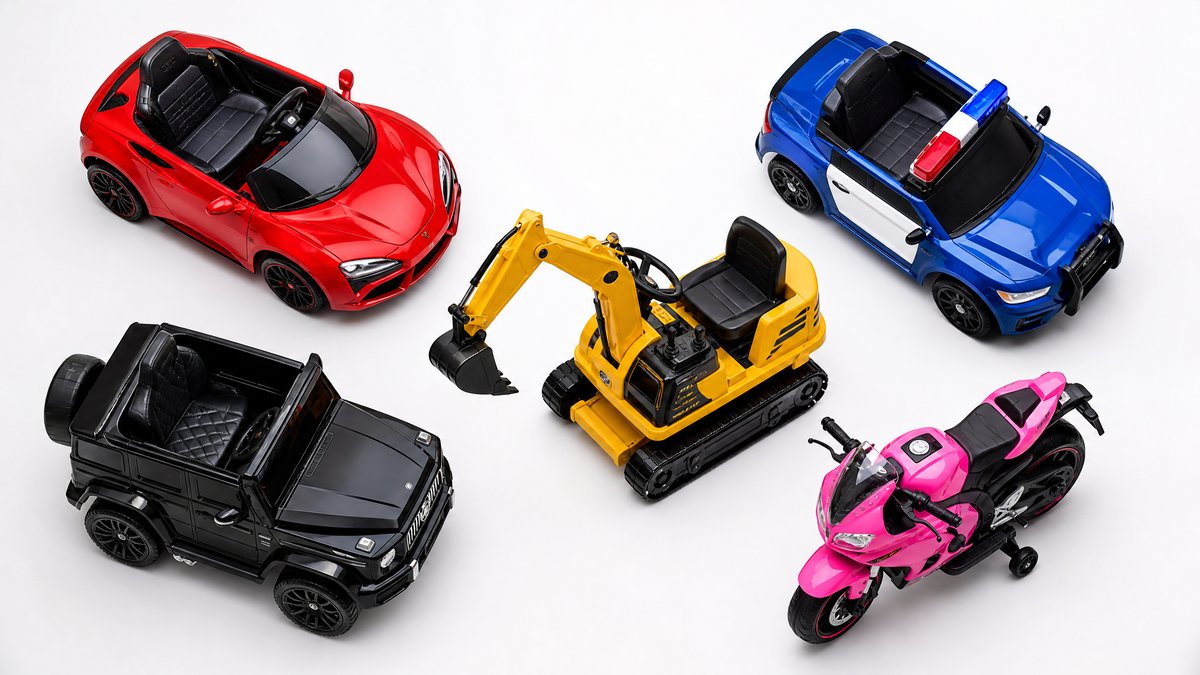
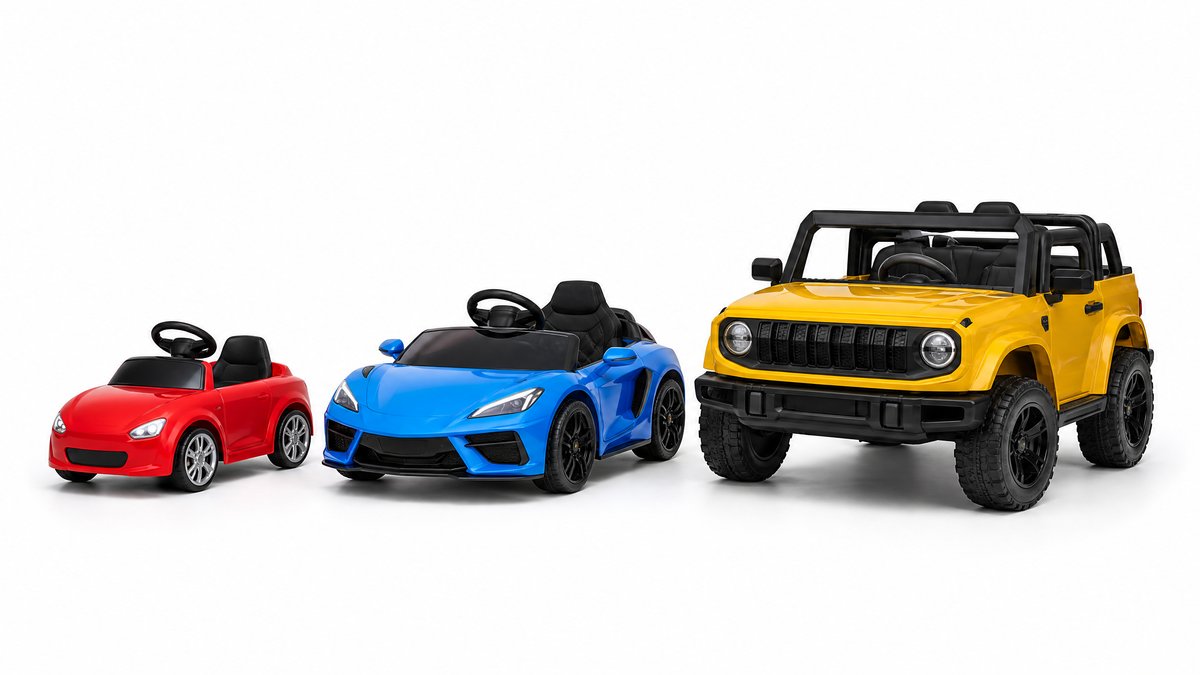
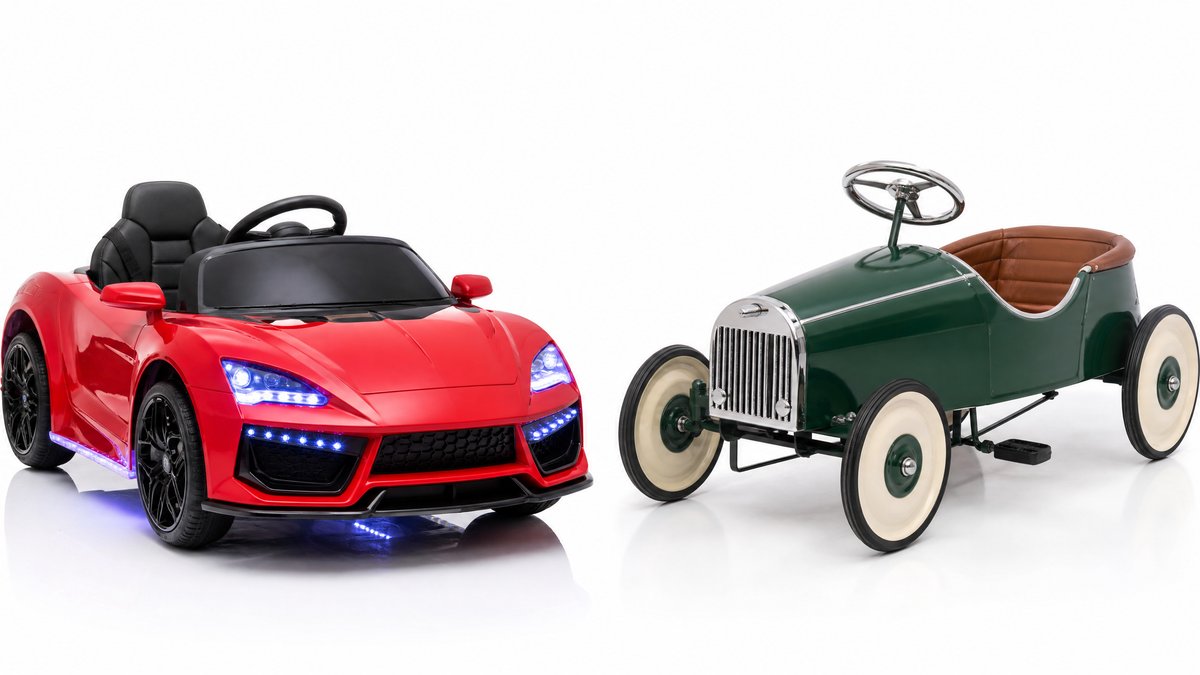
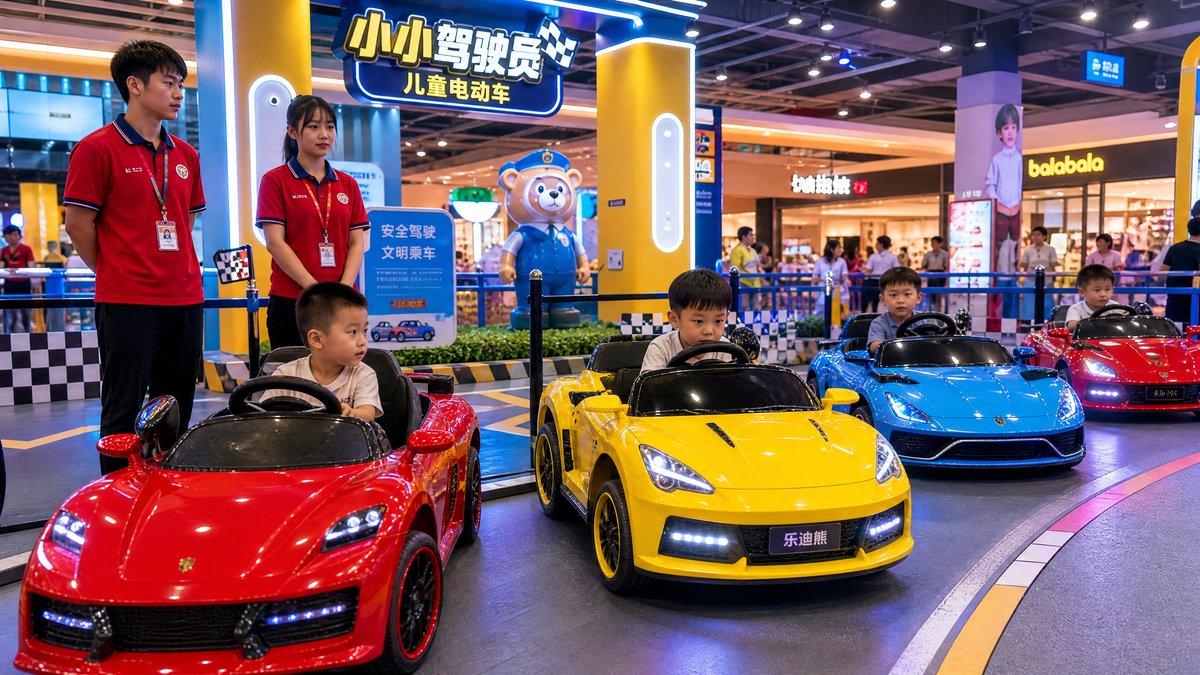
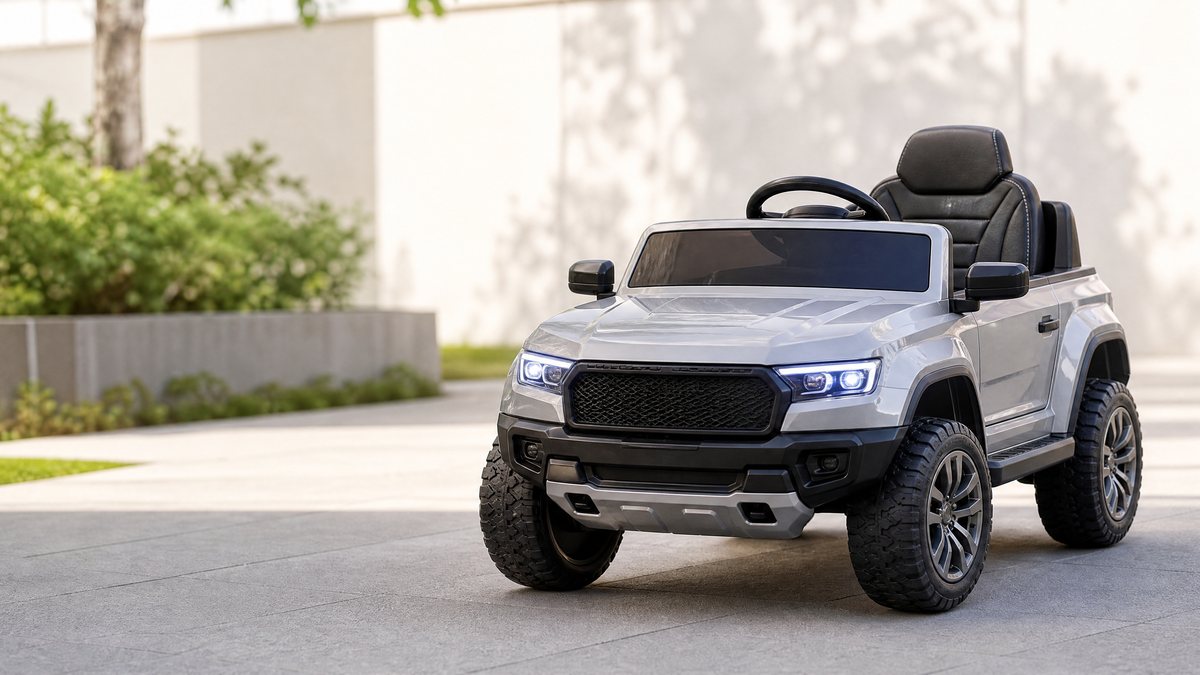
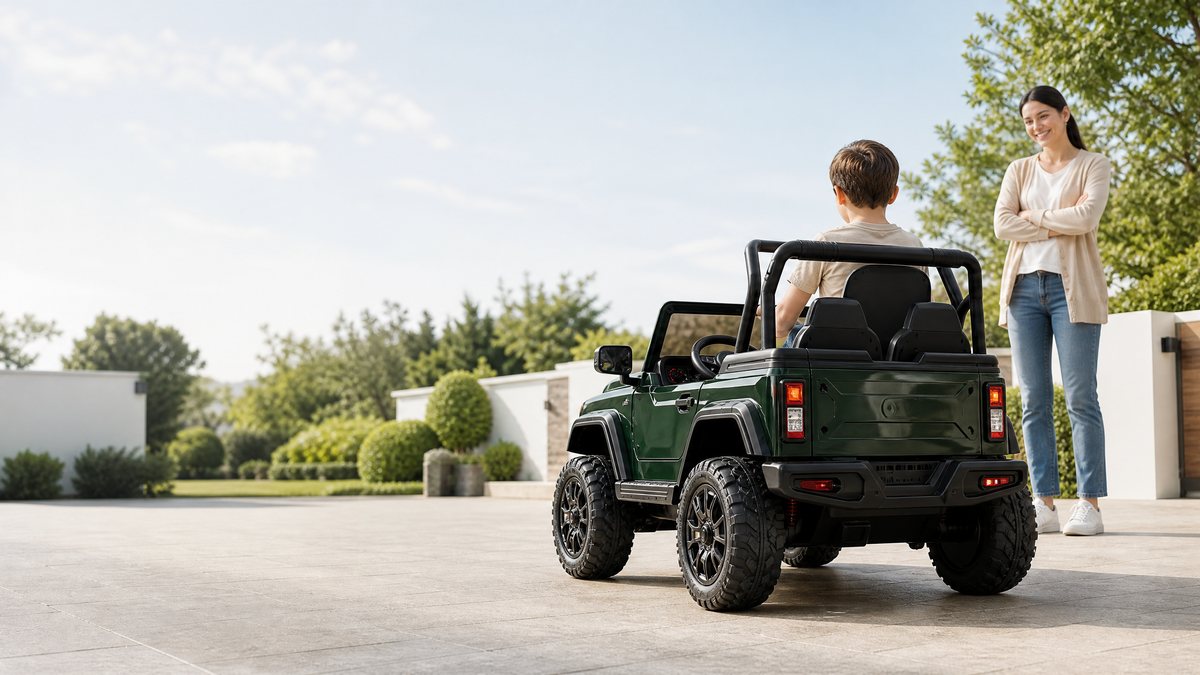
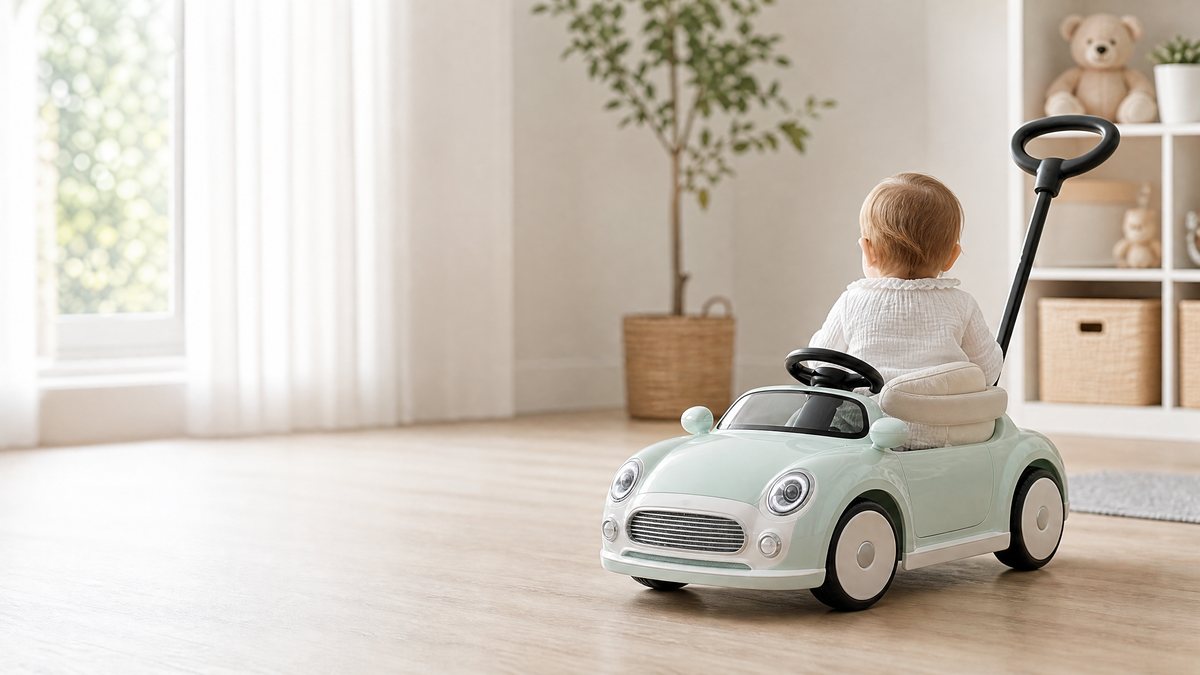
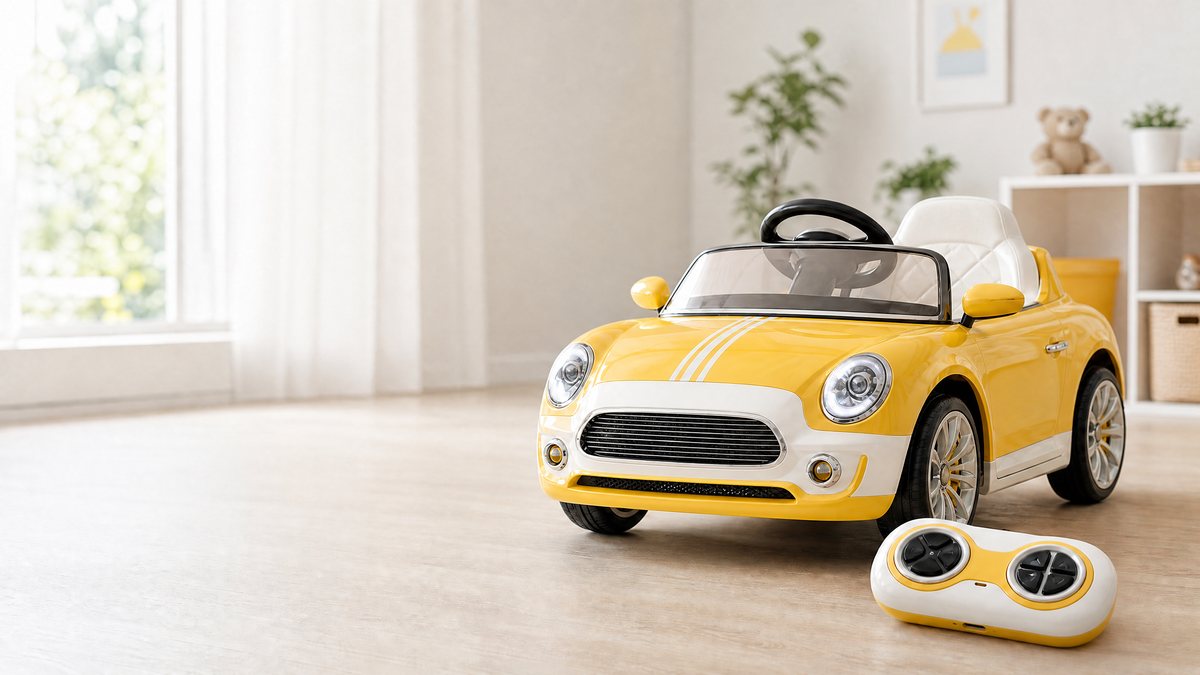
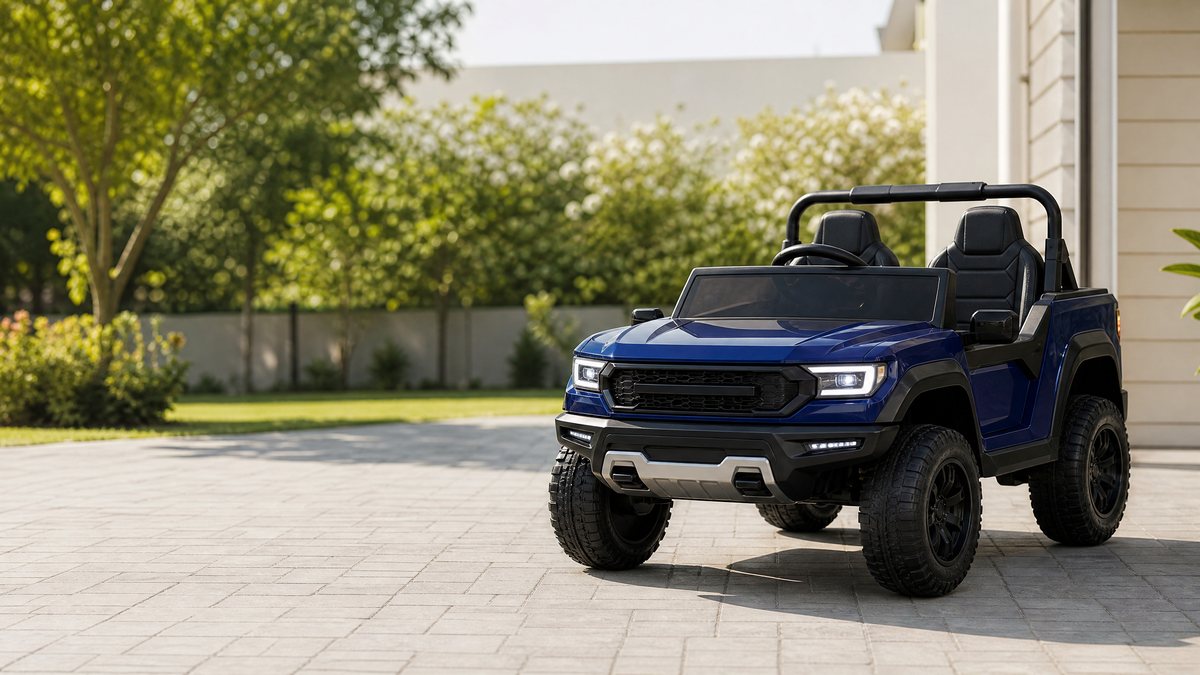
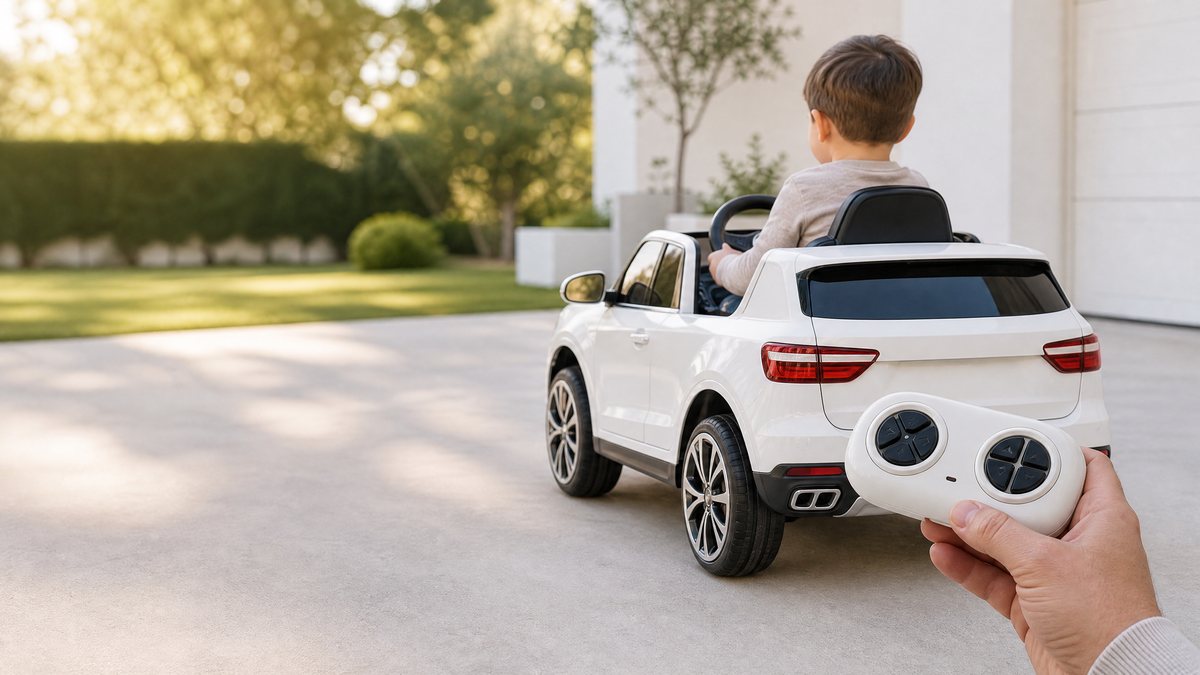
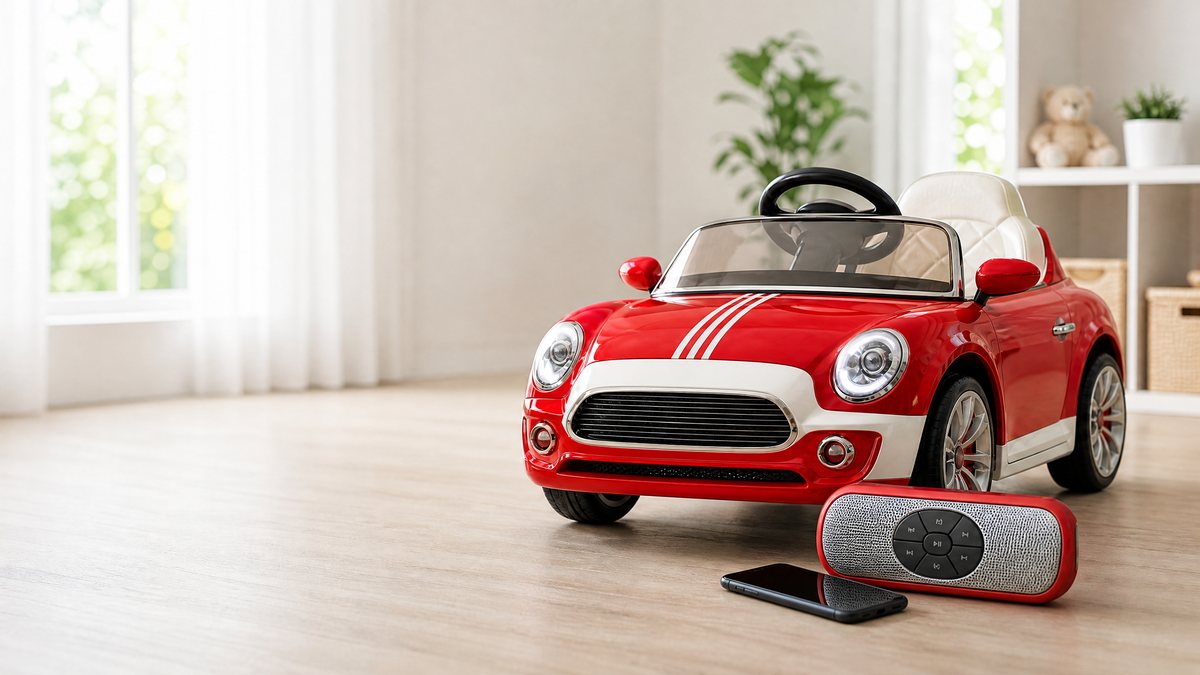
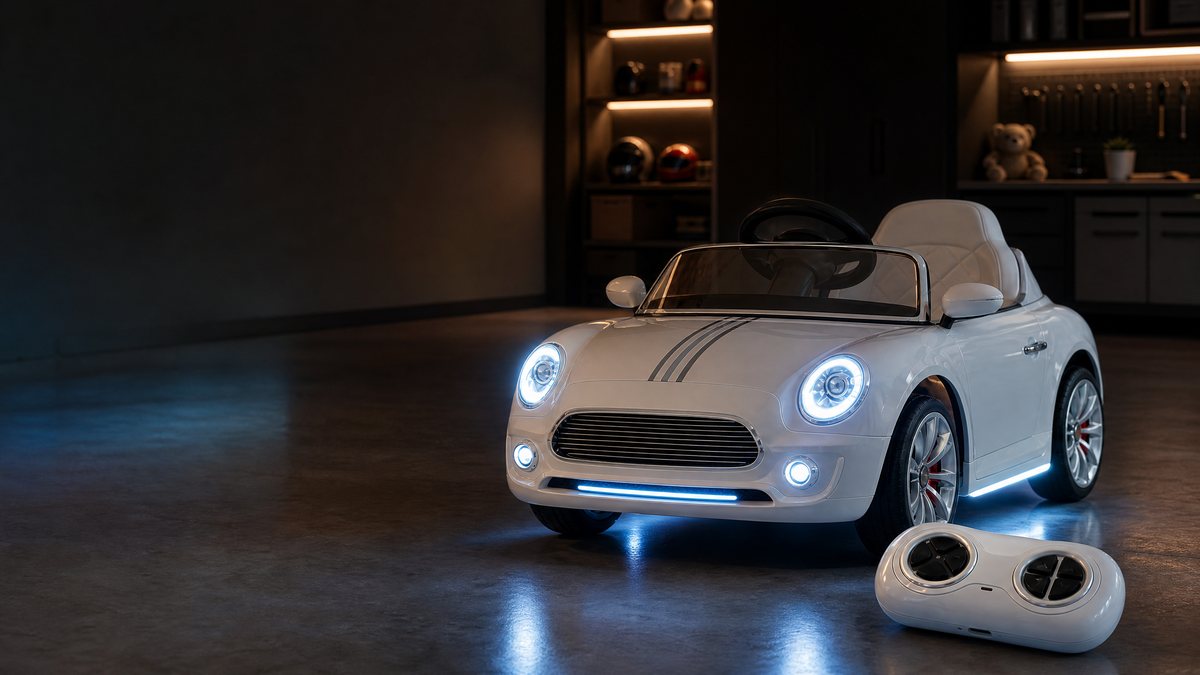
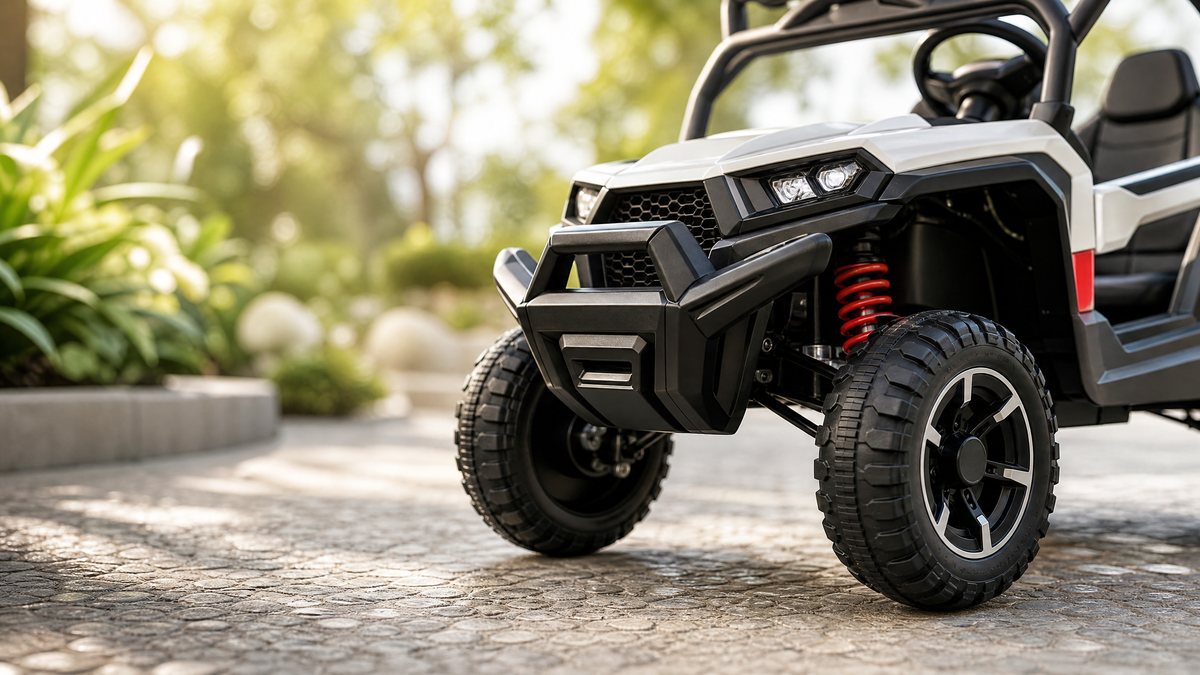
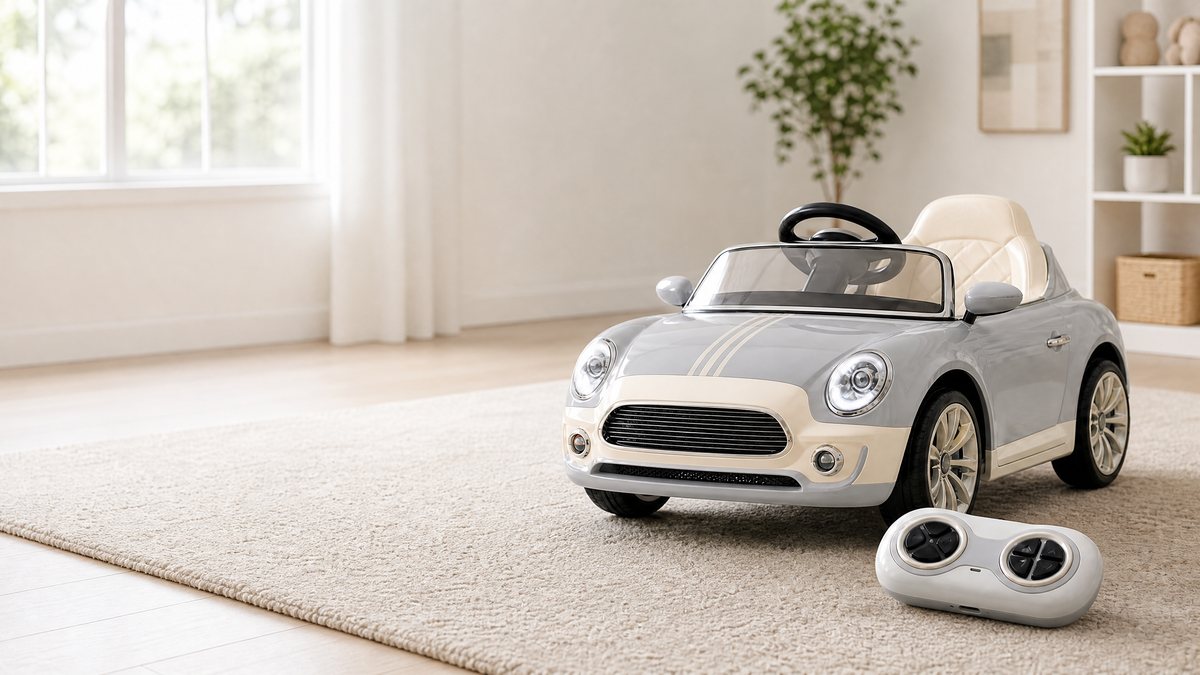
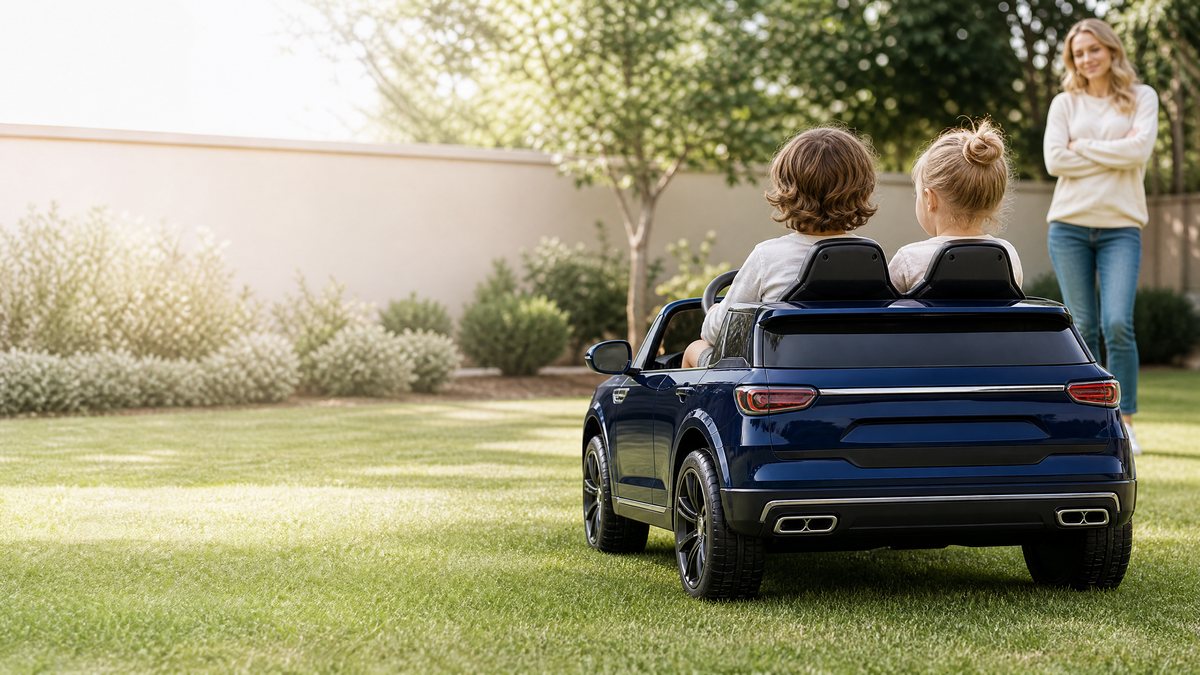
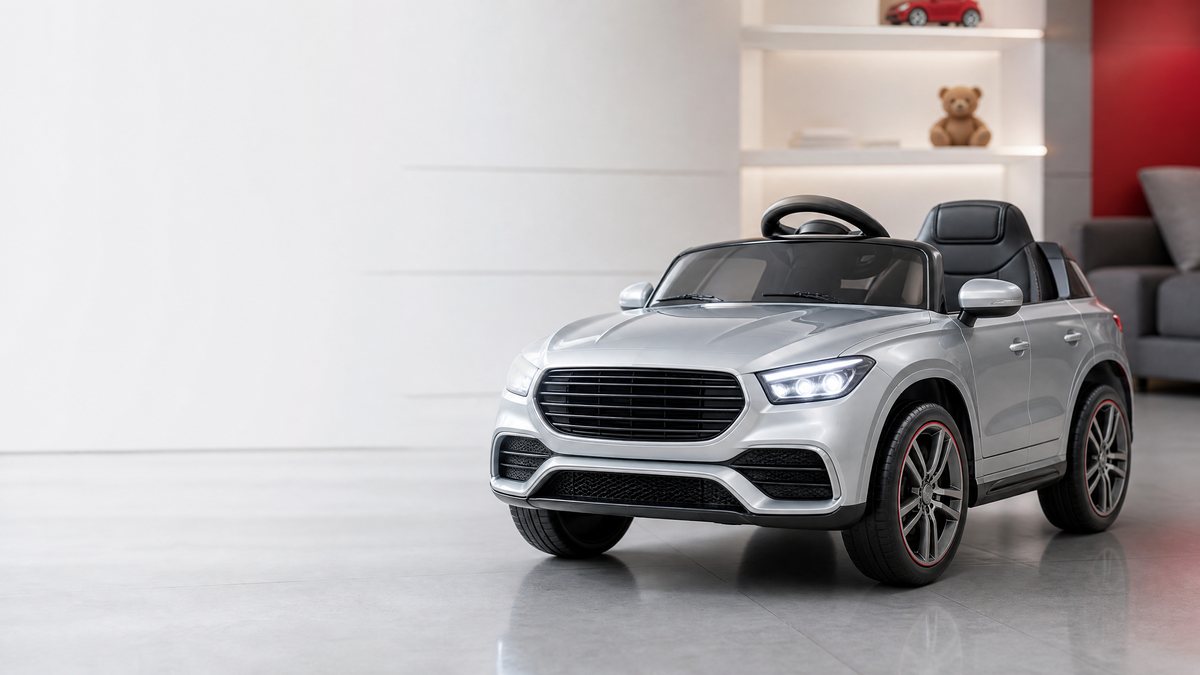
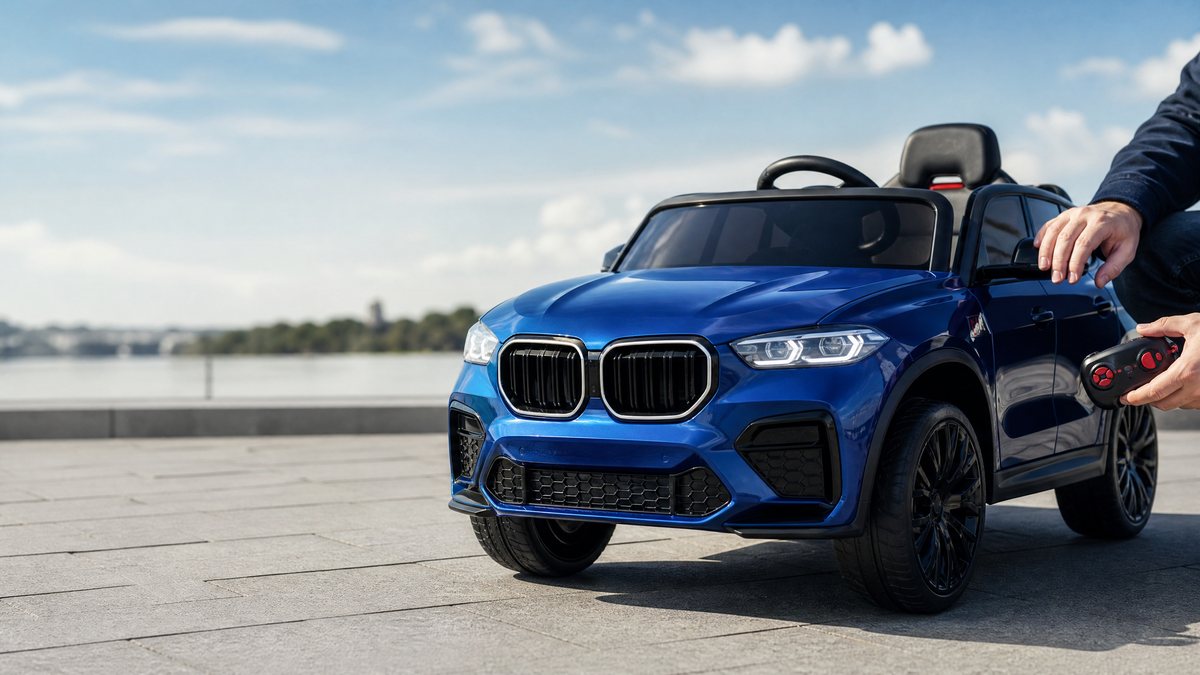
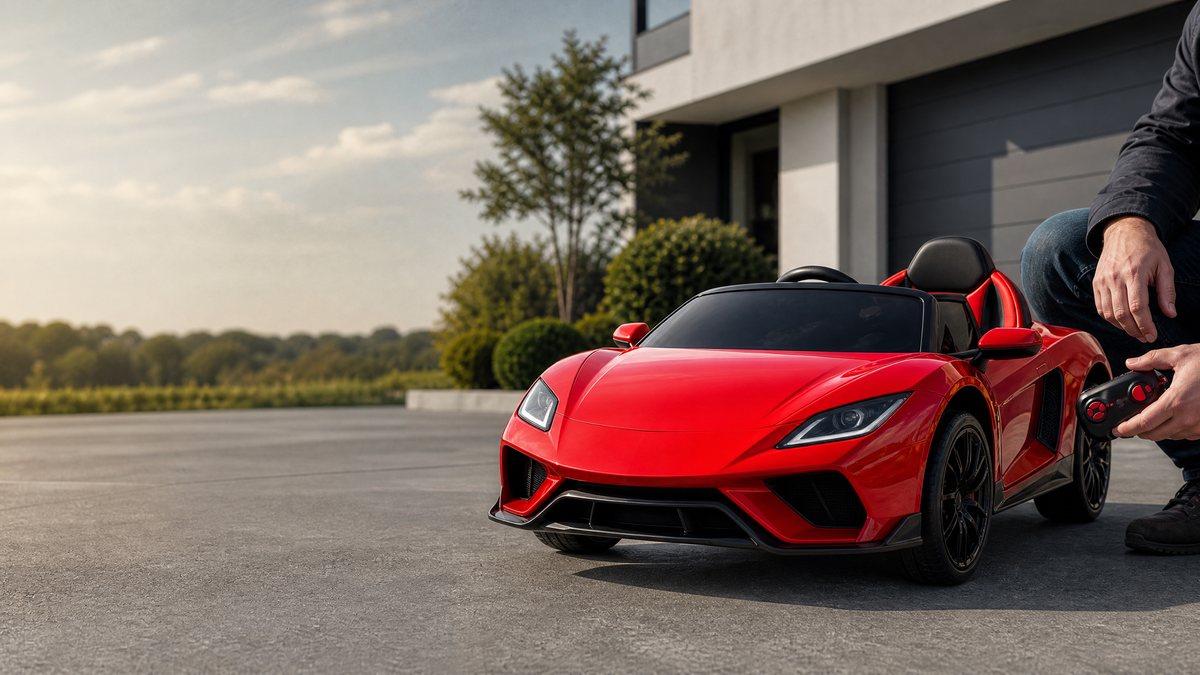
* Electric Ride-On Cars: Representing the premium segment of outdoor toys, electric cars appeal to parents looking for high-perceived-value gifts (birthdays, holidays). Modern ride-on cars feature advanced specifications such as 24V dual-drive motors, parental remote controls, EVA foam tires, and Bluetooth sound systems, making them luxury items that command higher retail prices.
* Balance Bikes: Positioned firmly in the developmental and educational toy category, balance bikes have become the gold standard for teaching toddlers motor skills and coordination before transitioning to pedal bikes. They are lightweight, affordable, and favored by parents seeking screen-free, active outdoor play.
* Scooters: Spanning from three-wheeled toddler scooters to two-wheeled stunt scooters for older kids, this category offers high volume turnover. Scooters are impulse-buy items, highly portable, and popular across broad demographic groups, making them a staple for year-round retail sales.
2. Product Comparison: Key Metrics for Retailers
To make informed purchasing decisions, wholesale buyers must evaluate products beyond consumer appeal. Logistics, margin structures, and after-sales support directly impact your bottom line.
| Feature / Metric | Kids' Electric Ride-On Cars | Balance Bikes | Scooters |
|---|---|---|---|
| Target Age Group | 3 to 8 years old | 1.5 to 5 years old | 3 to 12+ years old |
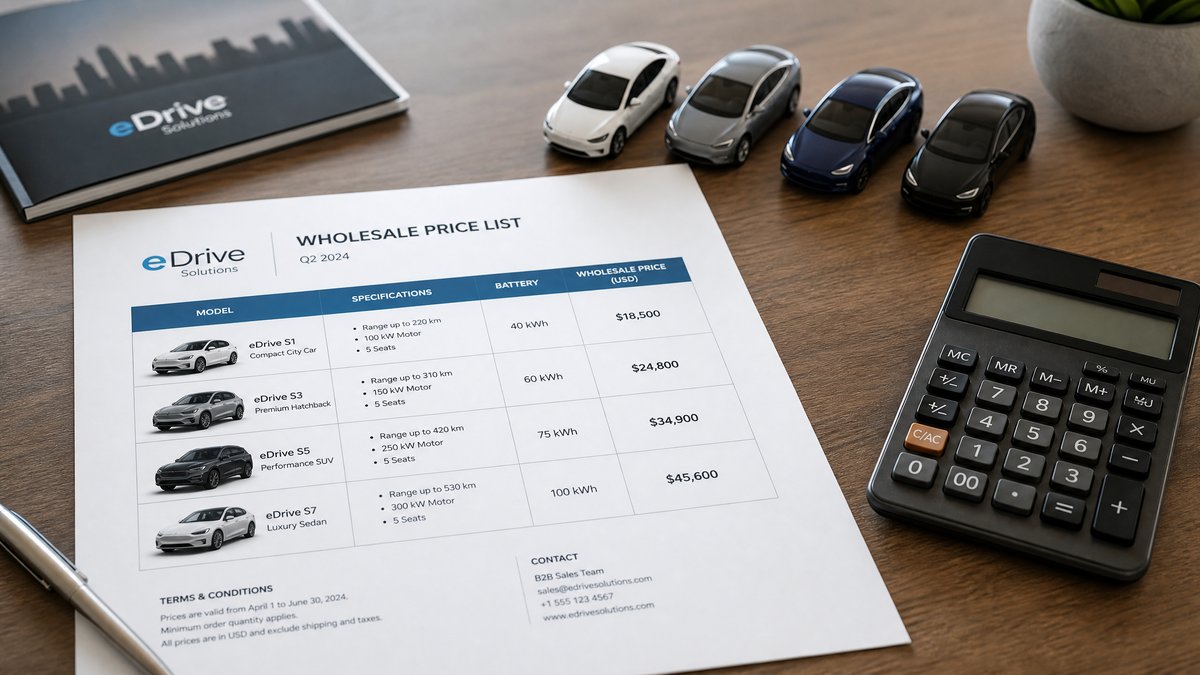
| Average Wholesale Price (FOB) | $80 - $220+ | $15 - $35 | $10 - $45 |
| Retail Price Range | $200 - $500+ | $45 - $90 | $30 - $120 |
| Gross Profit Margin | High ($$) | Medium ($) | Medium to High ($$) |
| Shipping & Logistics Footprint | Large (Bulky CBM, high freight cost) | Compact (Flat-packed, efficient CBM) | Compact (Lightweight, efficient CBM) |
| Assembly Complexity | Moderate (Requires wheel & steering setup) | Low (Minimal assembly) | Low to None (Mostly fold-and-go) |
| After-Sales & Warranty Risk | Moderate (Battery & electronics care) | Low (Mechanical simplicity) | Low (Hardware durability) |
3. Deep Dive: Kids' Electric Ride-On Cars
Why Retailers Should Stock Them
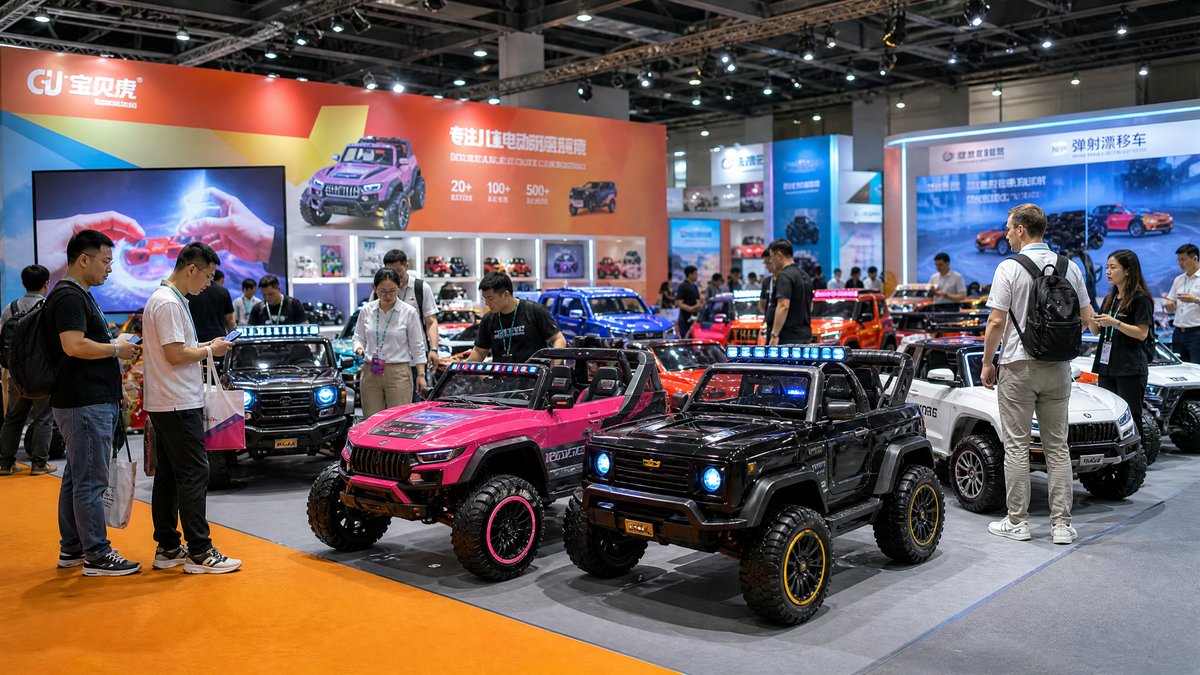
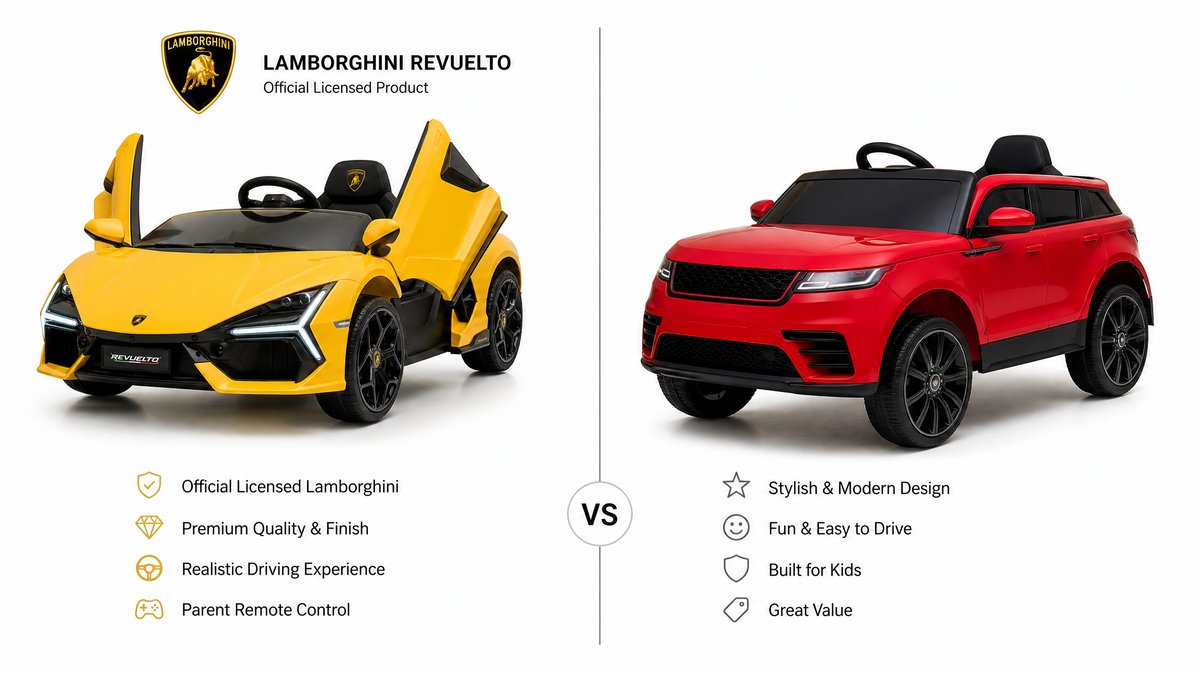
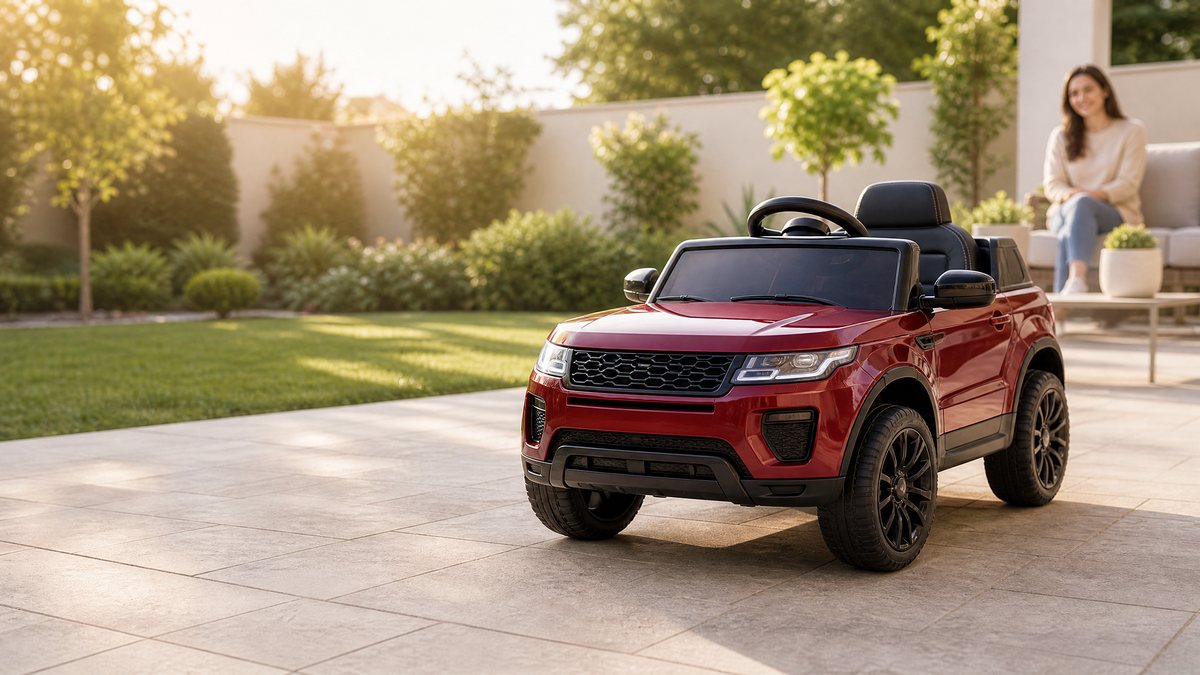
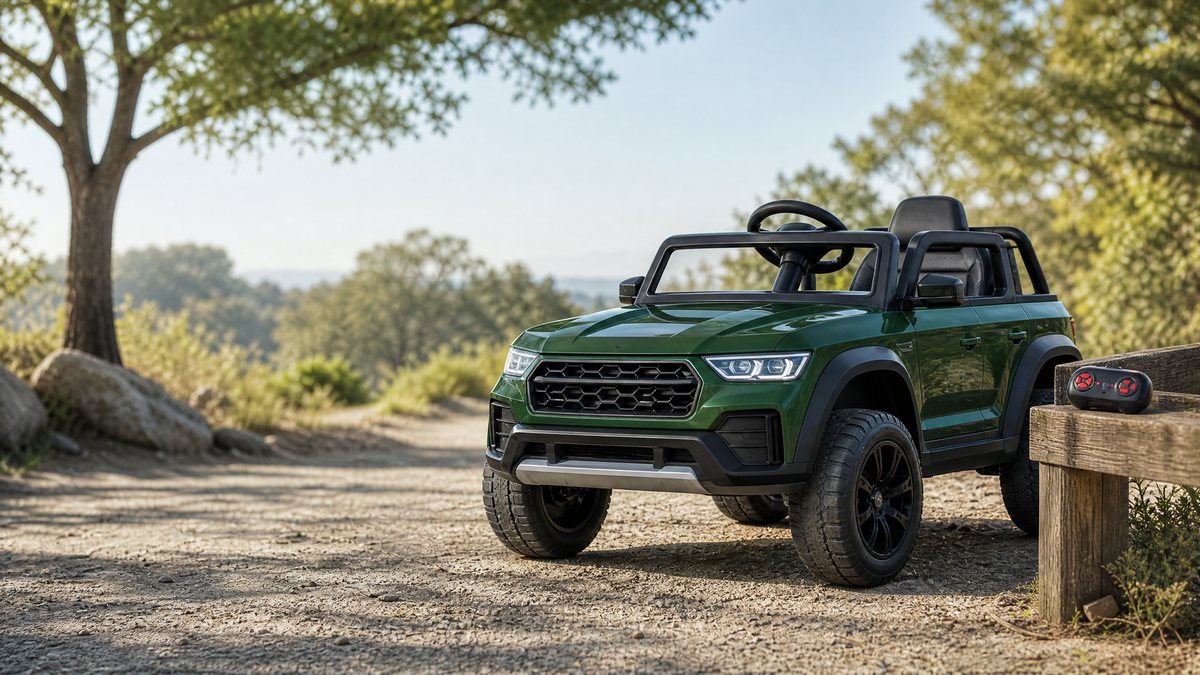
Electric ride-on cars are the crown jewels of holiday and birthday seasons. Offering licensed models (such as Mercedes-Benz, BMW, and Jeep) or rugged UTVs significantly boosts conversion rates. Because of their high retail price points ($200–$500+), they deliver substantial absolute dollar profits per transaction.
Sourcing & Logistics Considerations
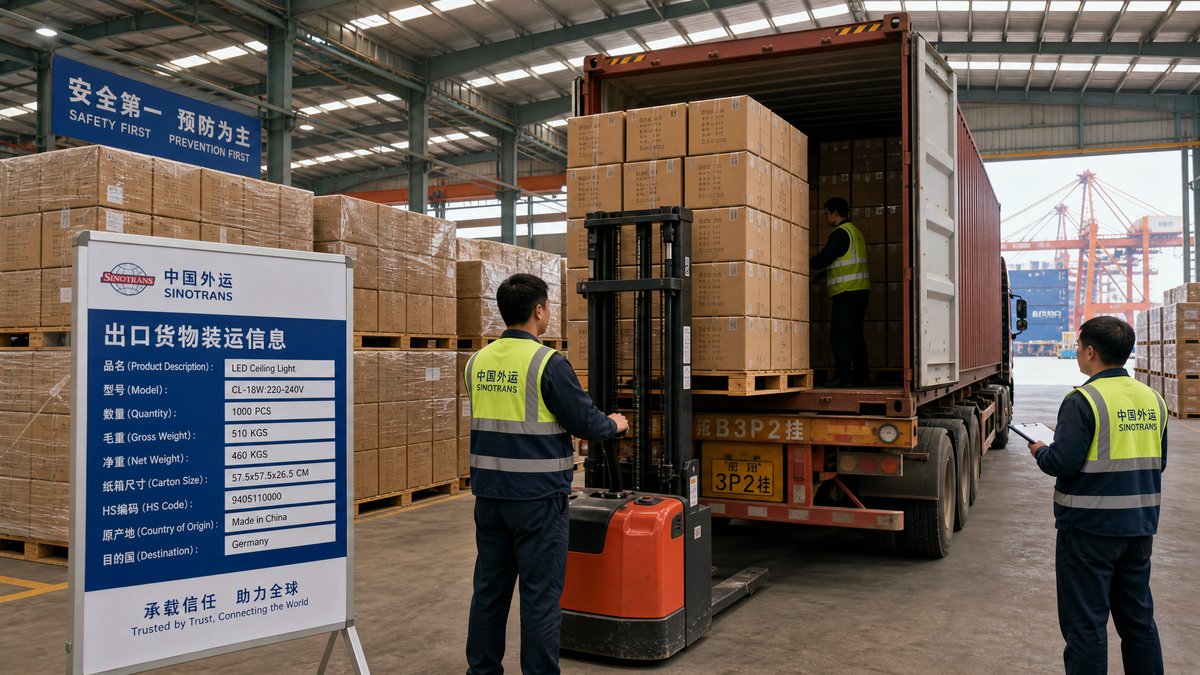
* CBM & Freight: Ride-on cars are bulky and typically shipped in large cartons. B2B buyers must optimize container loading (mix-loading with smaller accessories or spare parts) to reduce per-unit shipping costs.
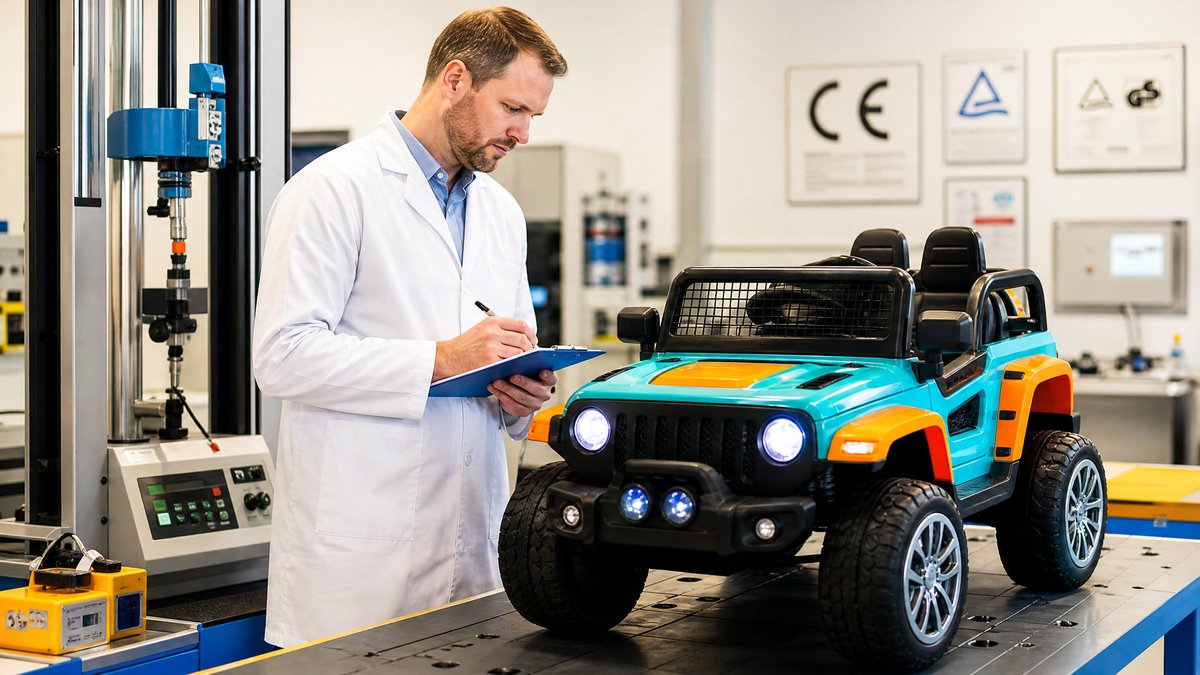
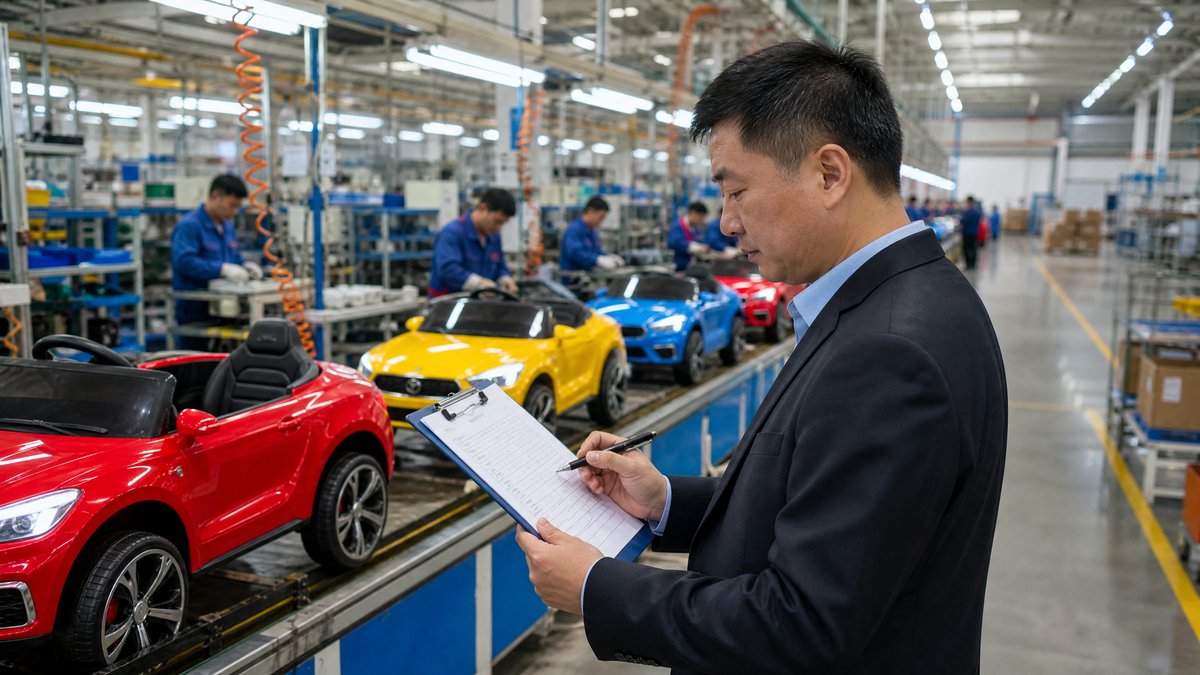
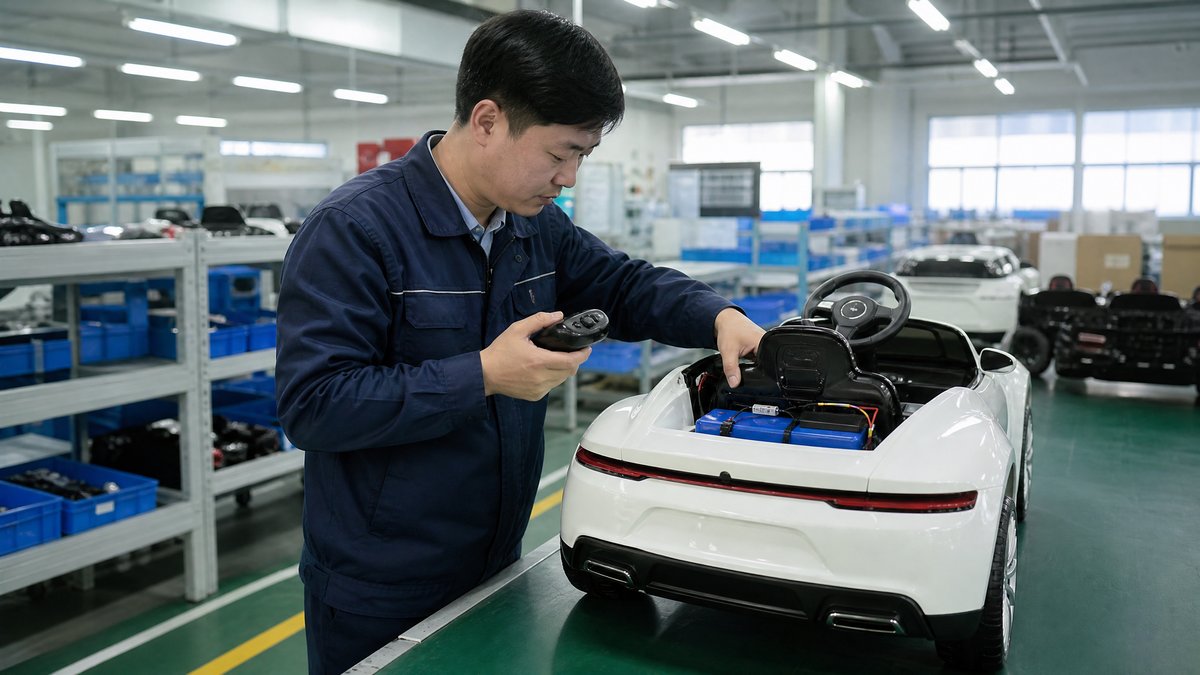
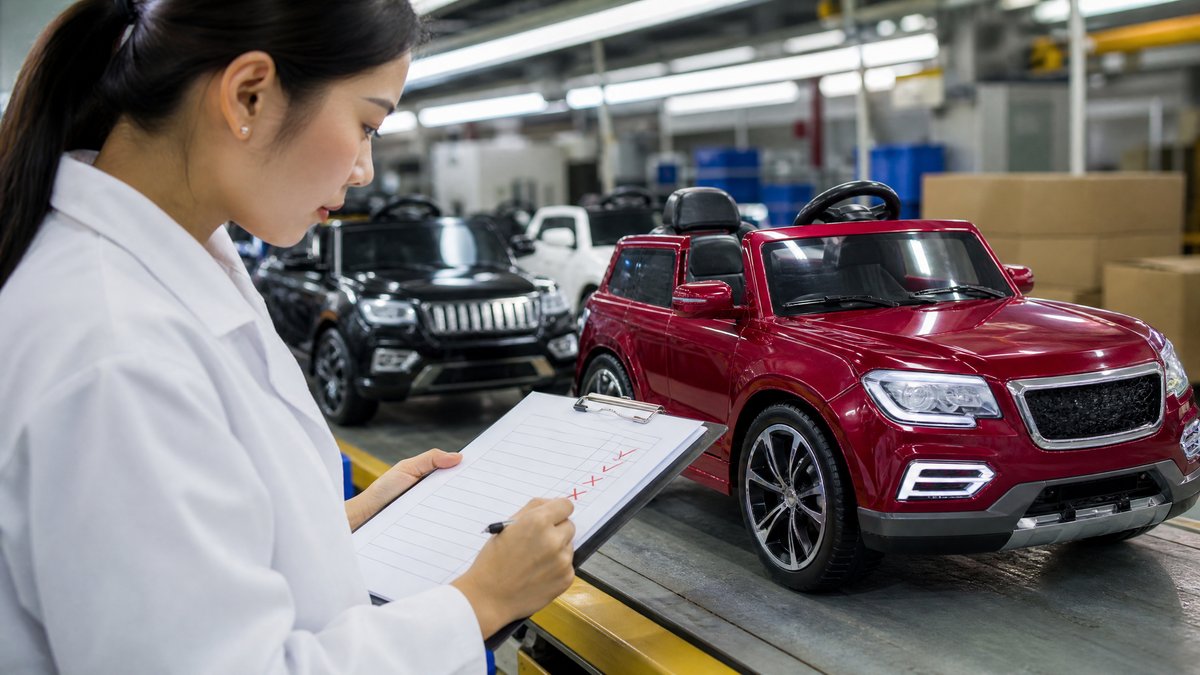
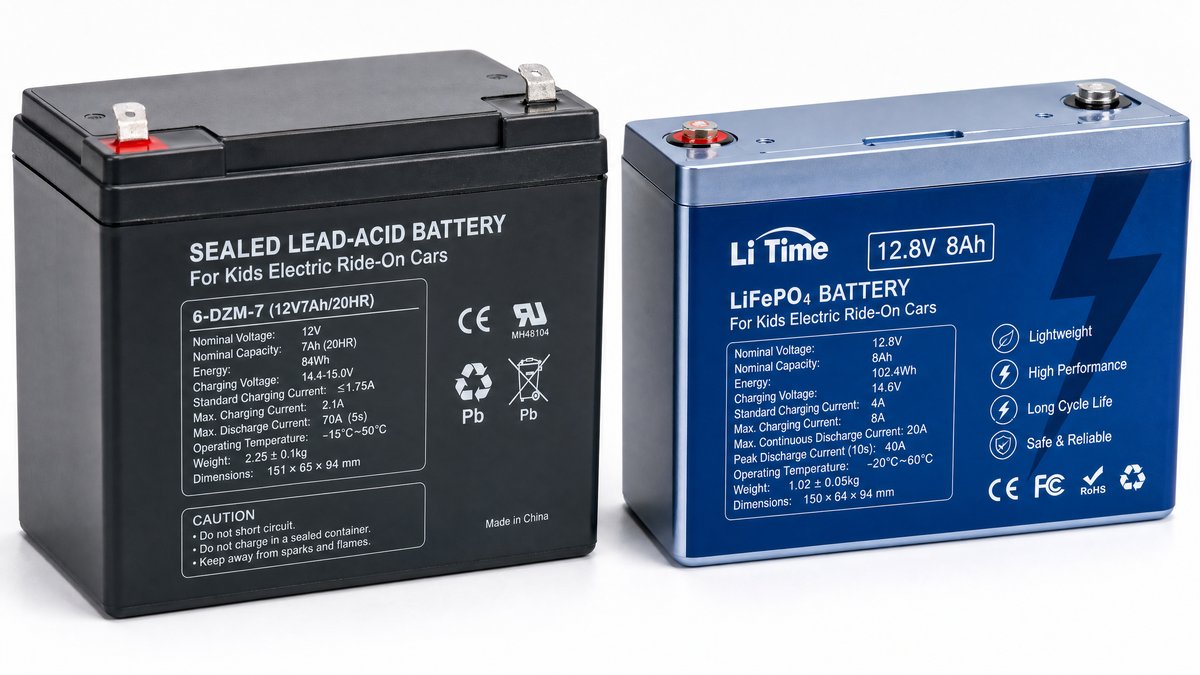
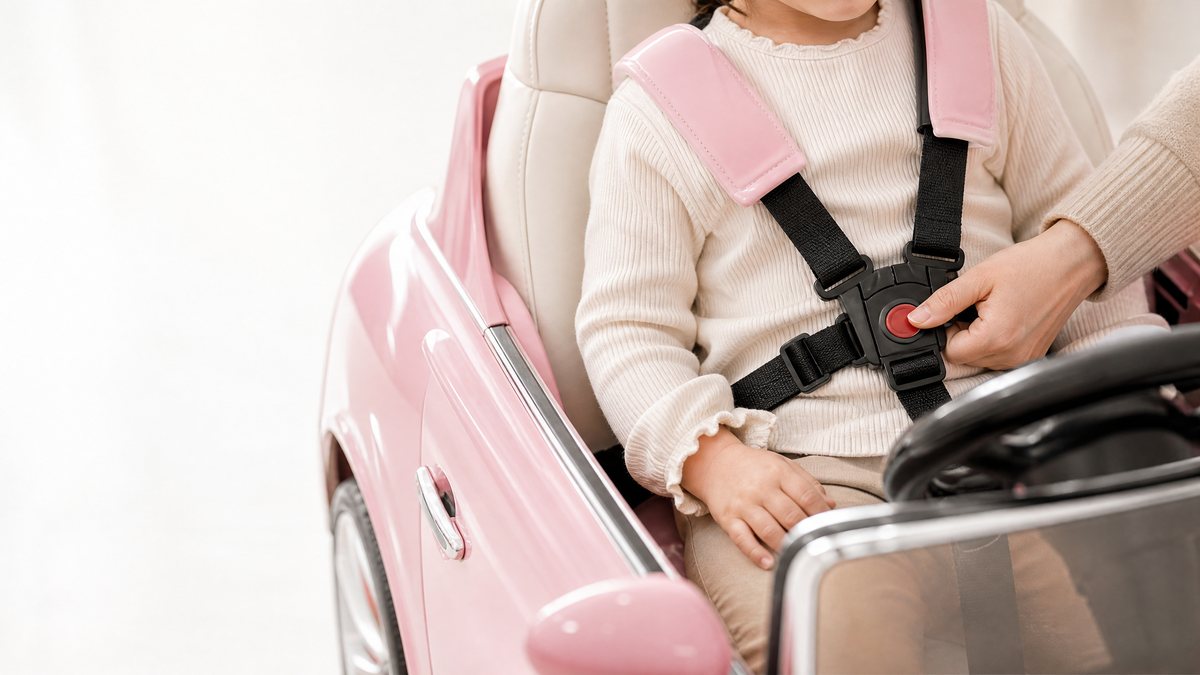
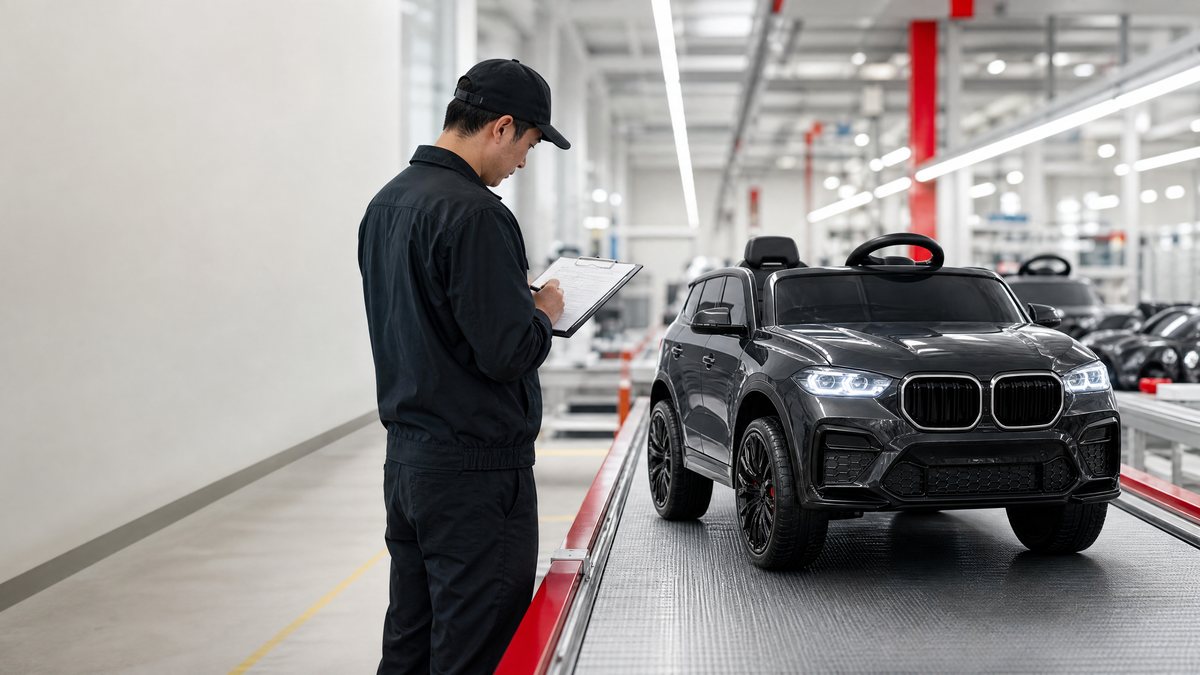
* Electronics & Certifications: Ensure your manufacturing partner provides essential compliance documentation such as CE, EN71, ASTM F963, and UL certifications, especially regarding battery safety and charger standards.
* Spare Parts Support: Stocking replacement parts—such as 12V/24V gearboxes, motherboards, and remote controllers—is essential for handling minor warranty claims smoothly and maintaining customer satisfaction.
4. Deep Dive: Balance Bikes
Why Retailers Should Stock Them
Balance bikes have completely disrupted the traditional tricycle market. Parents love them because they eliminate the need for training wheels, transitioning children seamlessly to standard bicycles by age 4 or 5. Their minimalist design and lightweight frames (wood, aluminum, or carbon steel) make them highly attractive for eco-conscious and active families.
Sourcing & Logistics Considerations
* Packaging & Warehousing: Balance bikes ship in remarkably compact flat boxes, allowing high container density and lower warehousing storage costs compared to motorized vehicles.
* Quality Control: Pay close attention to frame welds, headset bearings, and pneumatic versus EVA foam tires. Sourcing from experienced factories ensures long-term durability and prevents structural failures.
* Seasonality: Balance bikes sell strongly from early spring through late autumn, making them reliable seasonal turnover products.
5. Deep Dive: Scooters
Why Retailers Should Stock Them
Scooters are perennial bestsellers with exceptional inventory turnover rates. Three-wheeled lean-to-steer models cater to toddlers, while adjustable aluminum two-wheelers with LED flashing wheels capture the elementary school demographic.
Sourcing & Logistics Considerations
* Material & Safety Standards: Deck strength, brake responsiveness, and handlebar locking mechanisms are critical quality control points. Look for reinforced nylon decks and high-rebound PU wheels.
* Display & Packaging: Attractive retail color boxes are vital for scooters, as they frequently sell through brick-and-mortar storefronts where packaging design drives impulse purchases.
6. Strategic Recommendations for 2026 Retail Assortment
Rather than choosing just one category, successful B2B retailers and distributors should curate a balanced product matrix tailored to their primary sales channels:
1. For E-Commerce & Online Marketplaces: Focus heavily on Electric Ride-On Cars (leveraging drop-shipping or regional fulfillment centers) alongside lightweight Scooters. Ride-on cars capture high-intent gift shoppers, while scooters generate steady, year-round e-commerce volume.
2. For Specialty Toy Boutiques & Brick-and-Mortar Stores: Prioritize Balance Bikes and premium Scooters for floor displays due to their compact packaging and high visual appeal. Supplement physical floor space with catalog ordering for larger ride-on cars to avoid tying up valuable retail square footage.
3. For Wholesalers & Regional Distributors: Build tiered container loads. A balanced 40HQ container combining 30% electric ride-on cars, 40% balance bikes, and 30% scooters allows you to supply diverse retail clients ranging from boutique shops to major regional department stores.
7. Frequently Asked Questions (FAQ)
Q1: Which of these three categories offers the highest profit margin for B2B buyers?
A: Electric ride-on cars generally yield the highest absolute dollar profit per unit due to their premium retail pricing ($200–$500+). However, balance bikes and scooters offer exceptional percentage margins with much lower shipping and warehousing overhead costs, resulting in faster capital turnover.
Q2: What are the key safety certifications required for importing these toys into Western markets?
A: For the US market, toys must comply with ASTM F963 and CPSIA standards (including lead and phthalate limits). For the European Union, compliance with EN71, CE directives, and RoHS/WEEE standards for electronic components in ride-on cars is mandatory.
Q3: How can retailers minimize shipping costs when importing bulky electric ride-on cars?
A: Retailers should work directly with experienced manufacturers to optimize carton dimensions, utilize SKD (Semi-Knocked-Down) packaging to maximize container load capacity, and consider mixed-container shipments that combine ride-on cars with smaller items like balance bikes and scooters.
Q4: Are replacement parts readily available when sourcing electric ride-on cars in bulk?
A: Yes. Reputable B2B manufacturers provide spare parts packages—including motors, circuit boards, batteries, and switches—with bulk orders, allowing retailers to offer reliable after-sales support without expensive international logistics overhead.
Partner with KidsRideCar for Your 2026 Inventory
As a leading manufacturer and B2B supplier of children's electric vehicles and outdoor wheeled toys, KidsRideCar delivers premium quality, rigorous safety compliance, and competitive factory-direct wholesale pricing. Whether you are expanding your electric ride-on car lineup or curating a complete catalog of active outdoor toys, our dedicated export team is ready to support your business growth.
Contact us today to request our 2026 product catalog, wholesale price lists, and sample requests:
* Email: info@kidsridecar.com
* Website: https://www.kidsridecar.com
Official references
Explore these external resources for current regulatory and trade guidance. Confirm requirements with the relevant authority before placing an order.
Ready to Start?
Factory-Direct · CE & ASTM Certified · MOQ from 50 Units
Our export team works with buyers in 60+ countries. Get a quote within 24 hours.
KR
Written by KidsRideCar
China's leading kids electric ride-on car manufacturer. 500,000+ units shipped annually to 60+ countries. CE, ASTM & EN71 certified.