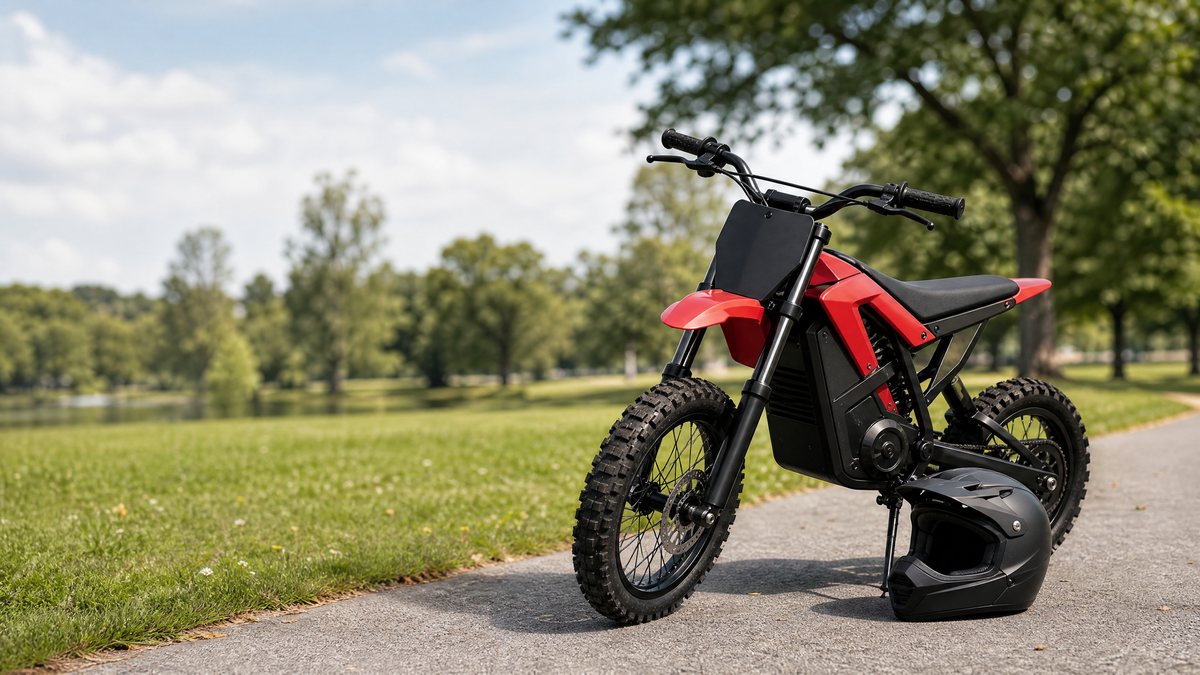
When commercial buyers, toy distributors, and retail store owners search for the "best" kids electric motorcycle, they are rarely looking for a single consumer model recommendation. In the B2B landscape, the true definition of a top-performing product lies in its engineering safety, structural stability, regulatory compliance, and consistent appeal across various target demographics. Kids electric motorcycles—ranging from stable three-wheel training-wheel models for toddlers to high-torque mini dirt bikes for older children—represent one of the fastest-growing segments in the ride-on vehicle industry.
However, sourcing these vehicles requires a rigorous evaluation framework. Importers must look past marketing hyperbole and assess the core mechanical specifications, electrical safety certifications, and age-appropriate design features. This guide provides B2B buyers with an objective evaluation framework for sourcing kids electric motorcycles that satisfy both safety authorities and end consumers.
Understanding the Market Segments of Kids Electric Motorcycles
To build a balanced retail or wholesale catalog, buyers must recognize that electric motorcycles are not a one-size-fits-all category. Different age groups and skill levels demand distinct design architectures.
1. Toddler Trikes and Training-Wheel Motorcycles (Ages 2–5)
Designed primarily for stability and confidence-building, these entry-level models feature a wide three-wheel stance (or two large rear wheels with a front drive wheel). They operate at low speeds (typically 2 to 3 mph / 3 to 5 km/h) powered by 6V or basic 12V single-motor systems. The emphasis here is on low center of gravity, easy foot-pedal acceleration, and automatic braking when the pedal is released.
2. Junior Choppers and Cruisers (Ages 4–8)
Stylized after classic American cruisers or futuristic superbikes, these motorcycles appeal to children seeking aesthetic flair. They often incorporate 12V dual motors, working headlights, auxiliary music interfaces, and comfortable backrests. While still supported by removable training wheels in many configurations, they offer slightly higher top speeds (3 to 5 mph / 5 to 8 km/h) and more robust chassis construction.
3. Off-Road Electric Dirt Bikes (Ages 6–12)
Built for older children and pre-teens, electric dirt bikes discard traditional training wheels in favor of two-wheel balance dynamics, reinforced steel frames, twist-grip throttles, and hand-operated rear brakes (drum or disc). Powered by 24V or higher brushless/brushed motor configurations, these units deliver greater torque for grass, gravel, and uneven terrain. They require advanced riding skills and active parental supervision.
Key Technical Specifications to Evaluate
When reviewing supplier spec sheets, wholesale buyers should systematically audit the following parameters to ensure product reliability and minimize return rates.
Motor Power and Voltage Systems
* 6V Systems: Suited exclusively for lightweight toddler toys. Limited torque; struggles on slopes or thick carpeting.
* 12V Systems: The commercial sweet spot for general retail. Provides adequate power for 1 to 2 children up to 66 lbs (30 kg) across flat hard surfaces and short grass. Available in single or dual-motor setups.
* 24V and Higher Systems: Designed for older-child dirt bikes and go-karts. Delivers substantial torque and higher sustained speeds (up to 10–12 mph in specialized models). Requires heavy-duty battery management systems (BMS).
Tire Construction and Grip
Tire quality dictates both ride comfort and traction safety.
* Standard Plastic Wheels with Rubber Traction Strips: Cost-effective for indoor use and smooth pavement, but prone to slipping on wet surfaces and generating excessive noise.
* EVA Foam Wheels: Lightweight, puncture-proof, and offer superior shock absorption and quiet operation compared to solid plastic.
* Pneumatic Rubber Tires: Essential for high-performance electric dirt bikes. Air-filled tires provide maximum traction on rough outdoor terrain, gravel, and dirt tracks, though they require routine pressure maintenance.
Braking Mechanisms
Reliable stopping power is non-negotiable in two-wheeled and motorized ride-ons.
* Spring-Loaded / Accelerator Cut-Off Braking: Standard on toddler models where lifting the foot instantly cuts power and engages a magnetic or mechanical resistance stop.
* Hand-Operated Drum or Disc Brakes: Crucial for 24V dirt bikes and faster motorcycles where foot braking is insufficient or unsafe. Importers must verify that brake levers are ergonomically sized for children's hands.
Comparison Table: Kids Electric Motorcycle Categories
| Category | Target Age Group | Voltage / Power | Primary Terrain | Key Safety Feature |
|---|---|---|---|---|
| Toddler Training Trike | 2–5 Years | 6V / 12V (Single Motor) | Indoor / Smooth Pavement | Wide 3-wheel base, auto-brake |
| Cruiser / Chopper | 4–8 Years | 12V (Dual Motor) | Pavement / Short Grass | Removable training wheels, backrest |
| Junior Electric Dirt Bike | 6–12 Years | 24V+ (High Torque) | Dirt, Gravel, Rough Terrain | Hand disc brakes, reinforced steel frame |
Regulatory Compliance and Safety Standards
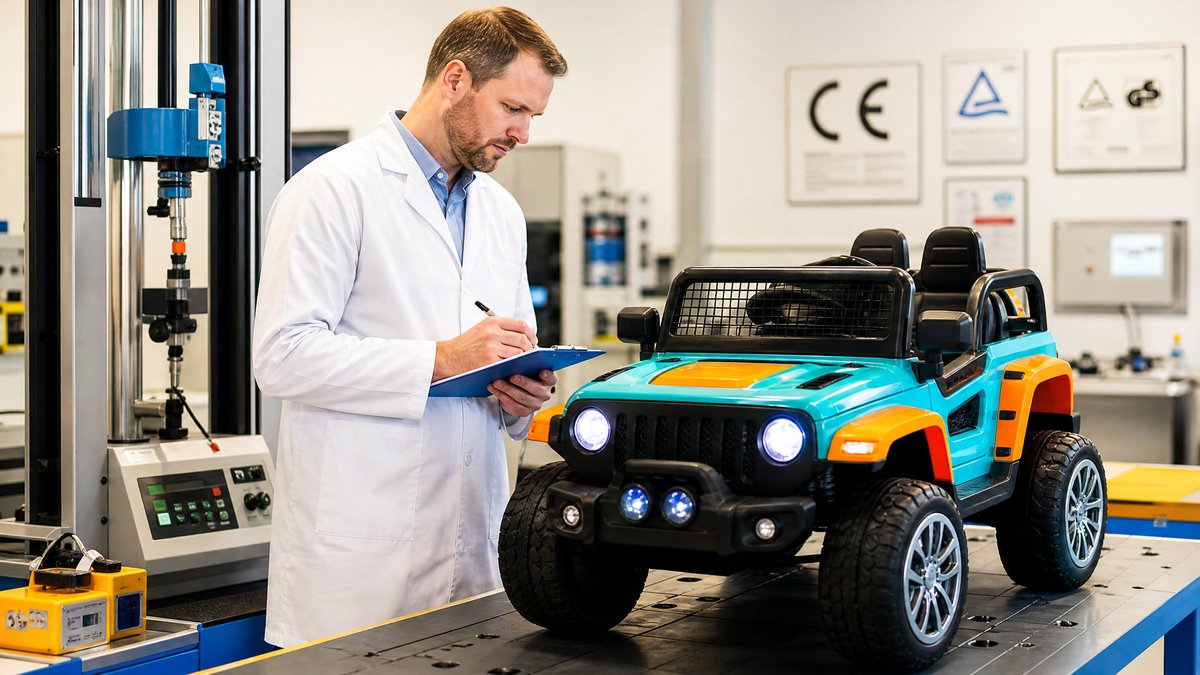
Compliance documentation is the backbone of safe importing. Wholesalers and retailers must request and verify up-to-date third-party laboratory test reports before committing to volume orders.
* ASTM F963 (United States): Covers mechanical hazards, flammability, heavy metal limits, and electrical safety for toys.
* EN71 and EN62115 (European Union): EN71 evaluates physical, mechanical, and chemical properties, while EN62115 specifically governs the safety of electric toys.
* FCC / CE Declarations: Essential for verifying electromagnetic compatibility and preventing radio frequency interference from onboard music modules or remote controls.
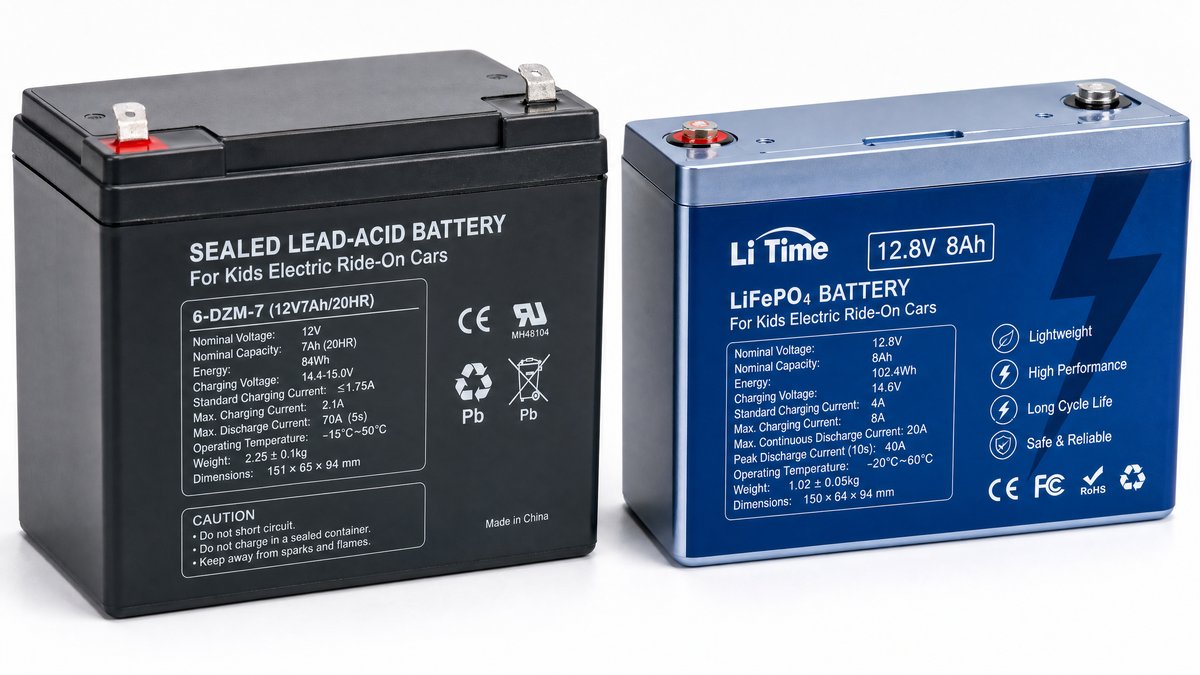
* Battery Certifications (UN38.3 / MSDS): Mandatory for verifying safe lithium-ion or sealed lead-acid (SLA) battery transport and thermal stability.
B2B Buyer Sourcing Checklist
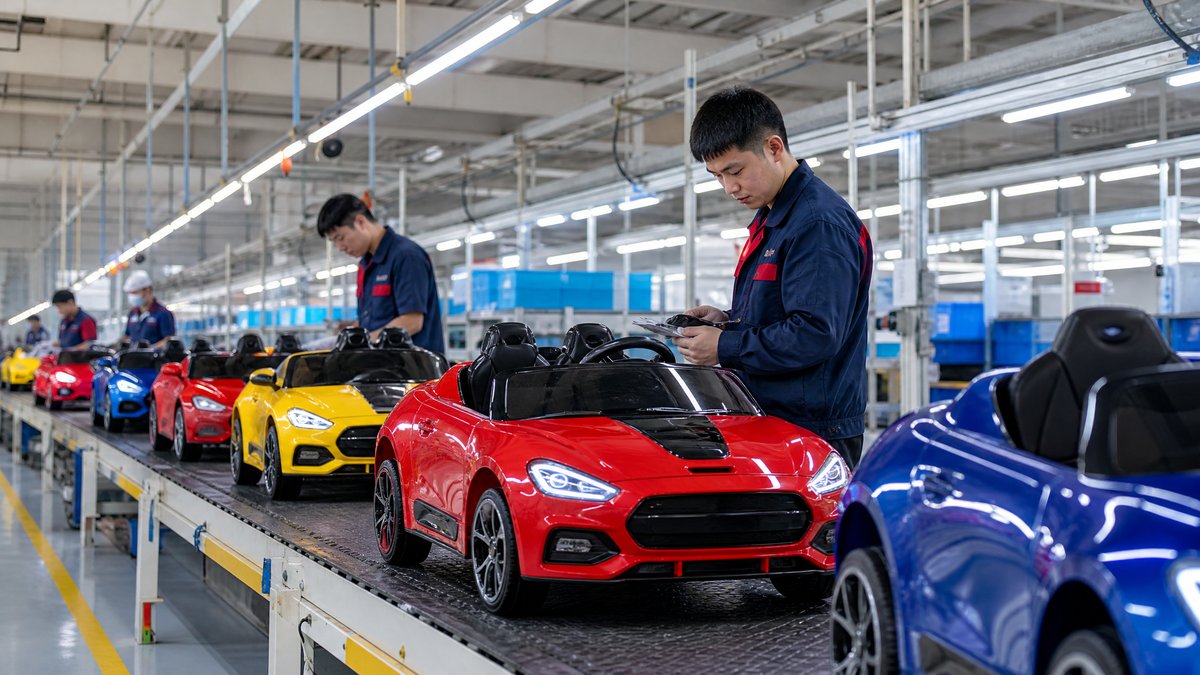
1. Verify Factory Audits: Ensure manufacturing partners maintain ISO 9001 quality management certifications and routine social compliance audits.
2. Inspect Sample Units: Always request physical pre-production samples to test throttle response, brake latency, chassis rigidity, and plastic molding quality.
3. Review Spare Parts Availability: Confirm that suppliers offer replacement parts (batteries, chargers, throttles, training wheels, control boards) to support after-sales customer service.
4. Examine Packaging Integrity: Verify that drop-test certifications (ISTA standards) are met to prevent transit damage for bulky ride-on inventory.
5. Confirm Documentation: Ensure that user manuals, compliance certificates, and multilingual warning labels are included in every master carton.
Frequently Asked Questions (FAQ)
What is the typical battery lifespan for a kids electric motorcycle?
Most standard sealed lead-acid (SLA) batteries last between 1 to 2 years depending on charge cycles and maintenance, whereas lithium-ion batteries used in high-end dirt bikes can last 2 to 3 years. Proper off-season storage (keeping batteries charged above 50% in cool environments) is critical for maximizing longevity.
Are training wheels necessary for all kids electric motorcycles?
Training wheels are essential for younger children (ages 2 to 6) operating trikes and cruiser-style motorcycles to ensure lateral stability. However, for true off-road electric dirt bikes targeted at older children (ages 6+), training wheels are omitted because riders are expected to possess baseline bicycle balancing skills.
How can wholesale buyers verify compliance documents?
Buyers should never rely solely on digital PDF copies provided by suppliers. Always cross-reference test report numbers directly with accredited testing laboratories (such as SGS, TÜV Rheinland, or Intertek) to ensure authenticity and validity.
What is the advantage of brushless motors over brushed motors in electric motorcycles?
Brushless motors offer higher efficiency, greater torque output, longer operating life, and require virtually zero maintenance because they eliminate physical commutator brushes. They are increasingly standard in premium 24V dirt bikes.
Conclusion and Wholesale Inquiries
Sourcing the right kids electric motorcycles requires balancing exciting aesthetic designs with uncompromising structural safety and rigorous regulatory compliance. By focusing on appropriate motor specs, robust braking systems, and certified electrical components, B2B importers and retailers can build high-retention product lines that satisfy both commercial standards and end-user expectations.
For wholesale pricing, technical datasheets, customization options, or OEM/ODM inquiries regarding our certified line of kids electric motorcycles and ride-on vehicles, please contact our commercial team directly at sales@kidsridecar.com.
Official references
Explore these external resources for current regulatory and trade guidance. Confirm requirements with the relevant authority before placing an order.
Ready to Start?
Factory-Direct · CE & ASTM Certified · MOQ from 50 Units
Our export team works with buyers in 60+ countries. Get a quote within 24 hours.
KR
Written by KidsRideCar
China's leading kids electric ride-on car manufacturer. 500,000+ units shipped annually to 60+ countries. CE, ASTM & EN71 certified.