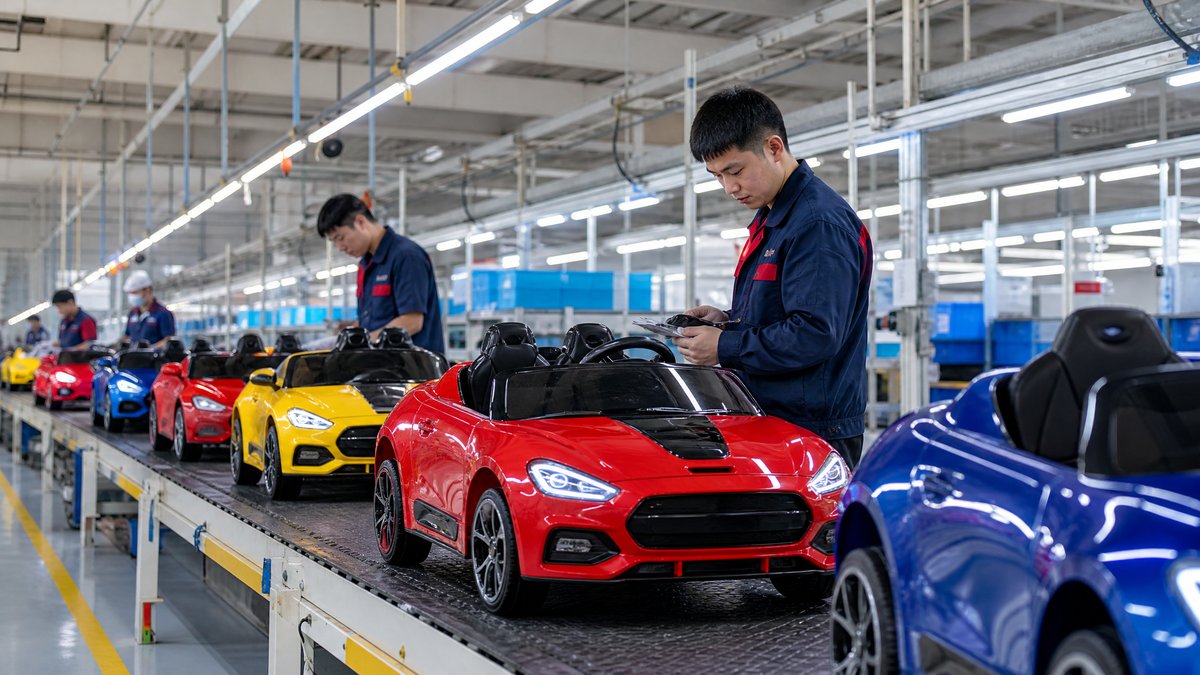
In the professional landscape of juvenile mobility products, the management of energy systems stands as a cornerstone of operational excellence. For enterprises engaged in the importation, distribution, and large-scale retail of these vehicles, understanding the intricacies of power cell health is not merely a technical concern but a vital component of brand integrity and customer satisfaction. The longevity and reliability of these products depend heavily on how they are handled from the factory floor to the end consumer. This comprehensive guide outlines the strategic practices necessary for maintaining the integrity of power systems, focusing on professional storage, careful handling, and the implementation of manual-led protocols. By adhering to these conservative guidelines, business-to-business stakeholders can ensure that their inventory remains in peak condition, thereby reducing the need for after-sales support and enhancing the overall value proposition of their product lines.
The Strategic Importance of Power Source Management
The energy cell is the heart of any electric vehicle, and its health is a direct reflection of the quality of the entire unit. In the business-to-business sector, where large volumes of inventory are managed, even minor lapses in handling can lead to significant losses. Importers must view the power source as a sensitive chemical component that requires specific environmental conditions and handling procedures. The goal is to maintain the chemical stability of the energy cell throughout its lifecycle. This begins with the selection of reputable manufacturers who provide current supplier evidence of their quality control processes. By prioritizing suppliers who offer detailed written model documentation, importers can establish a baseline for expected performance and safety without relying on generic assertions.
Professional buyers should recognize that the power source is subject to natural degradation over time, especially when left dormant. This process is accelerated by improper storage temperatures and a lack of regular maintenance. Therefore, a proactive approach to inventory management is essential. This includes the implementation of a rigorous first-in, first-out system to ensure that older stock is moved through the supply chain efficiently. Furthermore, distributors must be prepared to provide qualified support to their retail partners, ensuring that the end-users receive accurate information regarding the initial setup and ongoing care of their vehicles.
Pre-Shipment Protocols and Supplier Verification
Before a single container is loaded, the foundation for product reliability is laid through rigorous supplier verification. Professional importers must move beyond simple verbal assurances and demand comprehensive written supplier confirmation regarding the specifications and testing of the energy systems. This documentation should include details on the chemical composition of the power cells, the expected shelf life under various conditions, and the specific charging protocols recommended by the manufacturer. It is also essential to verify that all products carry appropriate product markings that align with the applicable destination-market requirements. These markings serve as a visual indicator of the manufacturer's commitment to international safety norms, providing a layer of assurance for both the importer and the end consumer.
A key aspect of pre-shipment quality assurance is the non-destructive assessment of sample units. This involves a thorough external visual check to ensure that the housing of the energy cell is intact and free from any signs of leakage or physical damage. Importers should also verify that the charging units provided are compatible with the local electrical infrastructure of the target market. By ensuring that all components are correctly matched and documented, businesses can avoid the pitfalls of mismatched equipment, which can lead to operational failures and safety concerns. This level of diligence is particularly important when sourcing from new suppliers or when introducing new models to a competitive market.
Logistics and Maritime Transit Considerations
The journey from the manufacturing facility to the distribution center is a critical period for the health of the energy systems. During maritime transit, products are often exposed to extreme temperatures and varying levels of humidity, both of which can impact the chemical stability of the power cells. Professional logistics management involves selecting shipping routes and methods that minimize these risks. For instance, ensuring that containers are placed in areas of the ship that are less susceptible to extreme heat can help preserve the integrity of the inventory. Additionally, importers should coordinate with their logistics partners to ensure that the transit time is kept within reasonable limits, as prolonged dormancy can lead to deep discharge and permanent damage to the energy cells.
Upon arrival at the port of entry, a swift transition to a climate-controlled warehouse is essential. Any delays in customs or transportation can expose the products to unfavorable environmental conditions. Importers should have a clear plan for the immediate inspection of the cargo, focusing on the condition of the packaging and any visible signs of distress. By maintaining a high level of vigilance during the logistics phase, business-to-business stakeholders can protect their investment and ensure that the products arrive at their destination in a state that is ready for immediate distribution or retail.
Professional Warehouse and Inventory Practices
Once the inventory is secured in the warehouse, the focus shifts to long-term preservation. The ideal environment for storing electric vehicles is one that is dry, well-ventilated, and maintained at a consistent temperature. Excessive heat is the primary enemy of energy cell longevity, as it accelerates the internal chemical reactions that lead to self-discharge. Conversely, extreme cold can also impact the performance of the power cells, although the effects are often less permanent than those caused by heat. Therefore, a climate-controlled facility is a significant asset for any large-scale distributor.
In addition to environmental controls, the physical arrangement of the inventory plays a role in its preservation. Products should be stored in a way that allows for easy access and regular inspection. A professional warehouse protocol includes periodic external visual checks of the stock, looking for any signs of swelling or leakage in the power cell areas. If any concerns are identified, the standard procedure is to stop use if there is a concern and consult with manufacturer-approved support. This conservative approach ensures that any potential issues are addressed before the product reaches the consumer, thereby maintaining the reputation of the brand and the distributor.
The business-to-business Framework for Retailer Support
Distributors play a vital role in educating their retail partners on the proper handling and sale of electric ride-on cars. This education should be centered on the importance of the manual-led setup and the necessity of adult supervision during the initial use of the vehicle. Retailers should be encouraged to provide their customers with clear, written instructions that mirror the manufacturer's documentation. This includes information on the initial saturation charge, which is often required to ensure that the energy cell reaches its full potential. By providing this information at the point of sale, retailers can help prevent common issues related to improper initial use.
Furthermore, distributors should establish a clear channel for qualified support, allowing retailers to quickly resolve any technical questions or concerns. This support should be based on the latest written model documentation and should never involve unauthorized alterations to the internal systems of the vehicle. By fostering a culture of safety and adherence to manufacturer guidelines, business-to-business stakeholders can build a loyal network of retail partners who trust the quality and reliability of the products they sell. This, in turn, leads to higher customer satisfaction and a more robust bottom line for all parties involved.
Sourcing and Use Framework for Professional Buyers
To ensure the highest standards of quality and safety, professional buyers should implement a structured framework for the sourcing and use of electric ride-on vehicles. This framework serves as a guide for decision-making and operational procedures, ensuring that all actions are aligned with the goal of long-term product integrity.
| Phase of Operation | Key Action Item | Desired Outcome |
|---|---|---|
| Supplier Selection | Obtain current supplier evidence and written documentation | Baseline for quality and safety assurance |
| Pre-Shipment | Conduct non-destructive assessment and external visual check | Verification of product integrity before transit |
| Logistics | Monitor environmental conditions during maritime transit | Minimization of chemical degradation in power cells |
| Warehousing | Implement climate-controlled storage and FIFO rotation | Preservation of inventory health and longevity |
| Retailer Support | Provide manual-led setup guides and qualified support | Enhanced customer experience and reduced returns |
| After-Sales | Direct all technical concerns to manufacturer-approved support | Adherence to safety protocols and warranty terms |
Quality Assurance Checklist for Importers
A rigorous quality assurance process is essential for maintaining the standards of a professional business-to-business operation. The following checklist outlines the key steps that should be taken at various stages of the supply chain.
- Verify that all products carry appropriate product markings for the target market.
- Ensure that the manufacturer provides detailed written supplier confirmation for all energy systems.
- Confirm that the charging units are compatible with local electrical requirements.
- Maintain a climate-controlled warehouse environment to preserve energy cell health.
- Implement a strict first-in, first-out inventory management system.
- Conduct regular external visual checks of the inventory for any signs of damage.
- Provide retail partners with comprehensive manual-led setup instructions.
- Establish a clear protocol for directing technical inquiries to qualified support.
- Ensure that all marketing materials emphasize the need for adult supervision.
- Regularly review and update the sourcing framework based on new supplier evidence.
Frequently Asked Questions
Q: What is the most important factor in maintaining the health of a ride-on car power source during storage?
A: The most critical factor is the environmental condition of the storage facility. Maintaining a consistent, moderate temperature in a dry and well-ventilated area is essential for preventing the rapid self-discharge and chemical degradation of the energy cells. Additionally, implementing a first-in, first-out inventory system ensures that the products are not left dormant for excessive periods, which further protects their long-term functionality.
Q: How should a distributor handle a situation where a product appears to have an issue with its energy system upon arrival?
A: If any external visual check reveals signs of concern, such as leakage or physical distress, the immediate protocol is to stop use if there is a concern. The distributor should not attempt any internal inspection or remediation. Instead, they should contact the manufacturer-approved support team and provide them with the relevant written model documentation and evidence of the issue. This ensures that all technical concerns are handled by qualified professionals in accordance with the manufacturer's safety guidelines.
Q: Why is the initial saturation charge so important for new electric vehicles?
A: The initial saturation charge is a vital step in the manual-led setup of a new vehicle. It ensures that the chemical components within the energy cell are fully activated and balanced, allowing the system to achieve its intended performance level. Skipping this step or failing to follow the manufacturer's written instructions can lead to reduced efficiency and a shorter overall lifespan for the power source. Retailers should emphasize this requirement to all customers to ensure the best possible experience with the product.
Conclusion
The professional management of energy systems in kids' electric ride-on cars is a multi-faceted challenge that requires diligence, strategic planning, and a commitment to safety. By focusing on professional storage, rigorous supplier verification, and the implementation of manual-led protocols, business-to-business importers and distributors can ensure the long-term success of their product lines. Remember that the health of the power source is a direct reflection of the quality of the entire vehicle, and protecting this component is essential for maintaining brand reputation and customer trust. Always prioritize the use of current supplier evidence and written documentation, and ensure that all technical concerns are directed to manufacturer-approved support. Through these conservative and professional practices, businesses can achieve operational excellence and provide high-quality, reliable products to the global market.
Request a wholesale quote
Official references
Explore these external resources for current regulatory and trade guidance. Confirm requirements with the relevant authority before placing an order.
Ready to Start?
Factory-Direct · CE & ASTM Certified · MOQ from 50 Units
Our export team works with buyers in 60+ countries. Get a quote within 24 hours.
KR
Written by KidsRideCar
China's leading kids electric ride-on car manufacturer. 500,000+ units shipped annually to 60+ countries. CE, ASTM & EN71 certified.