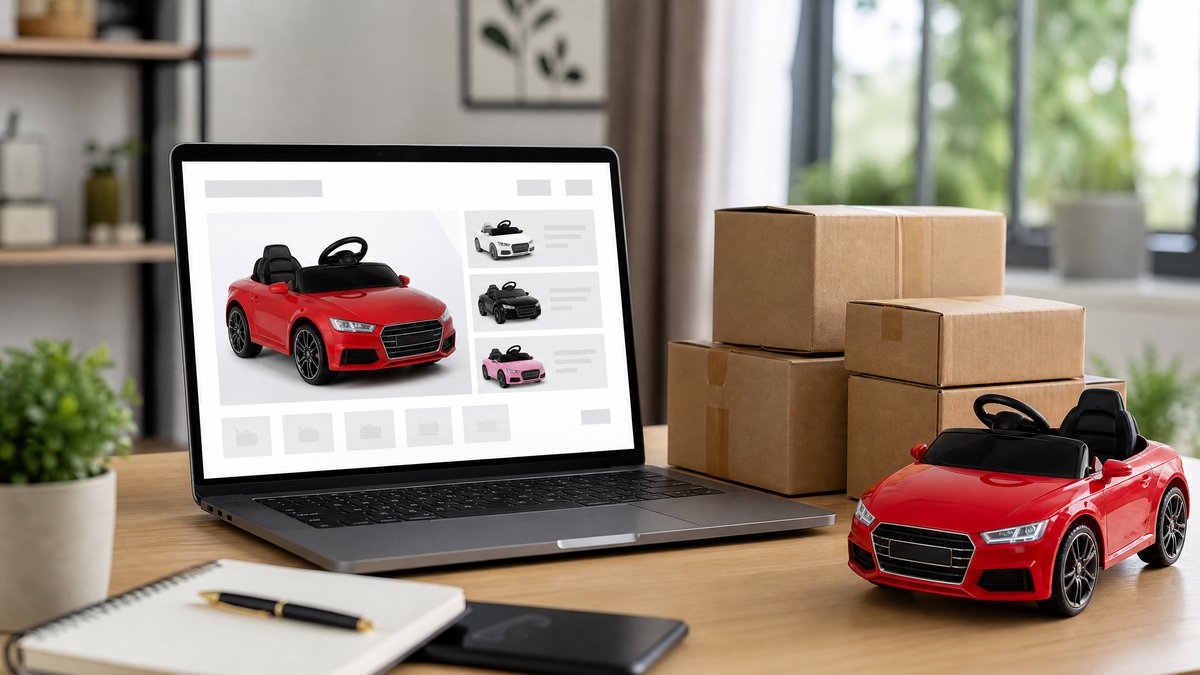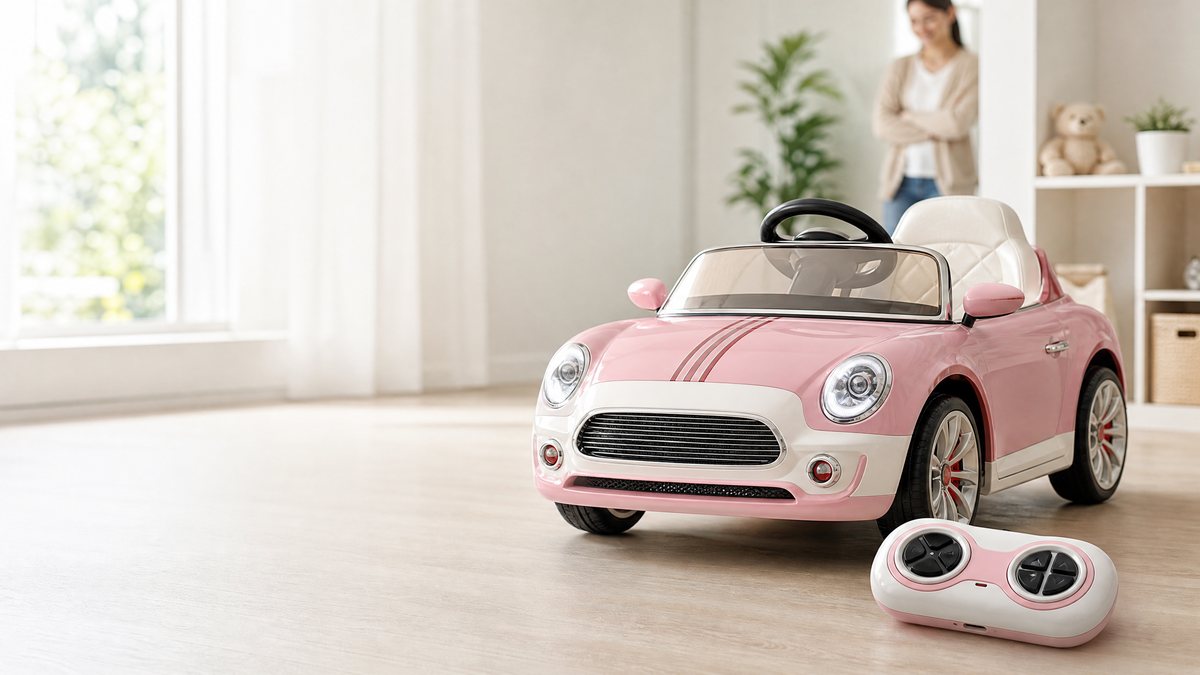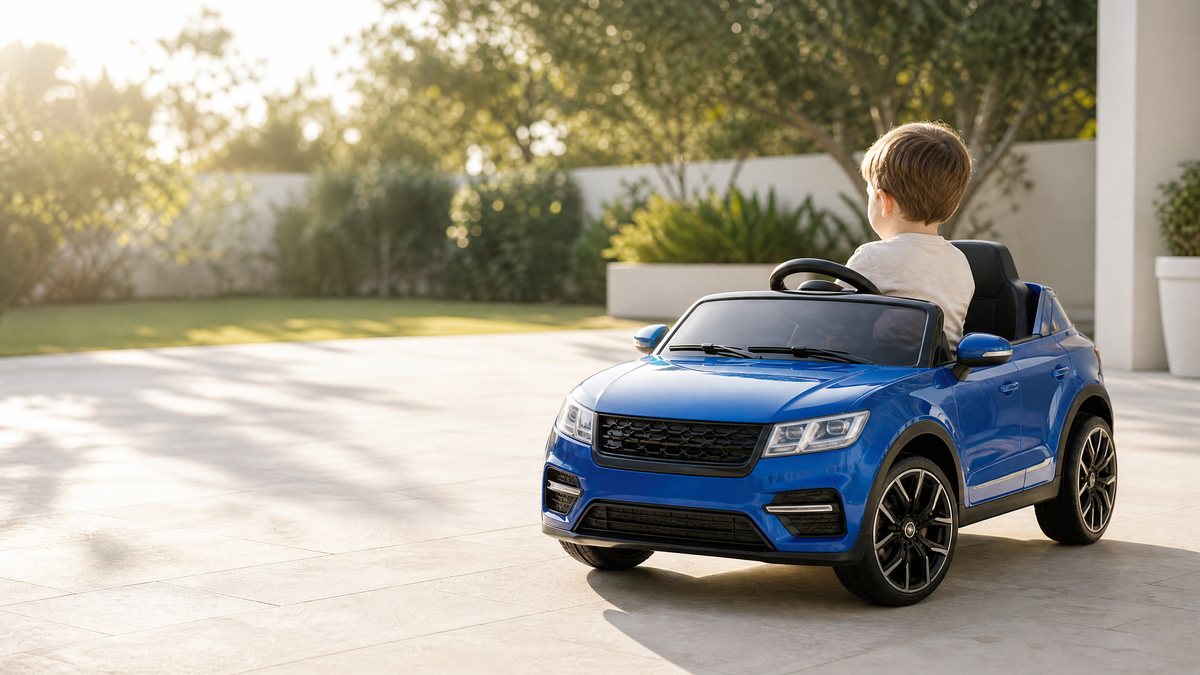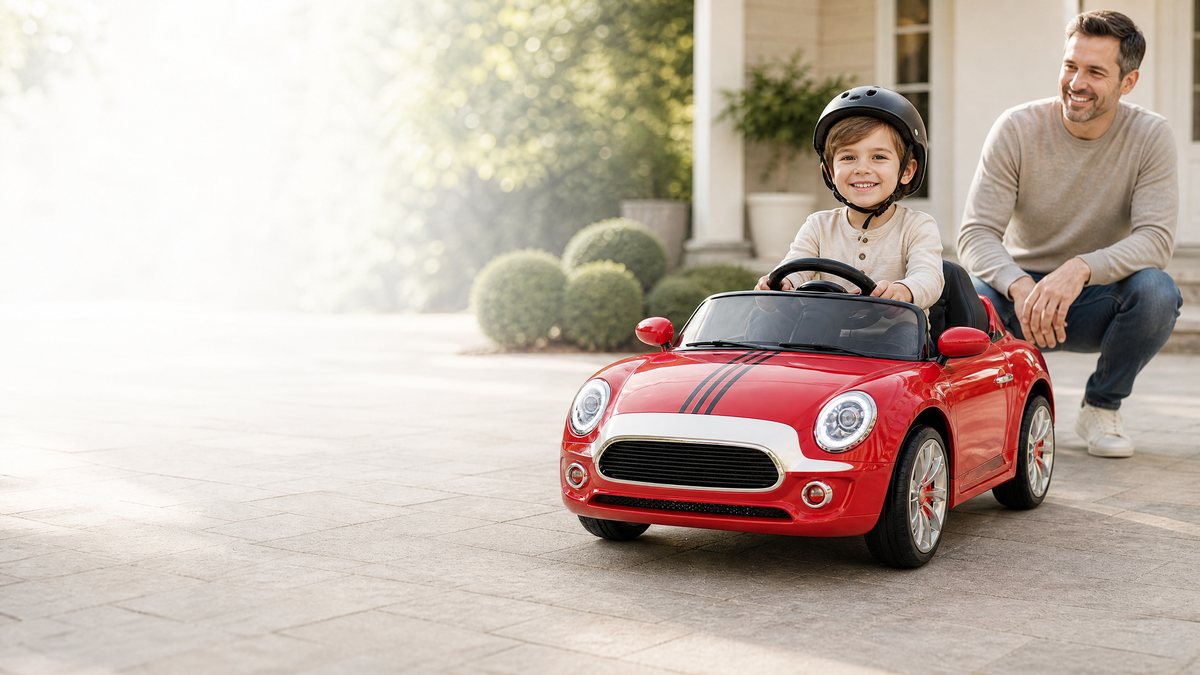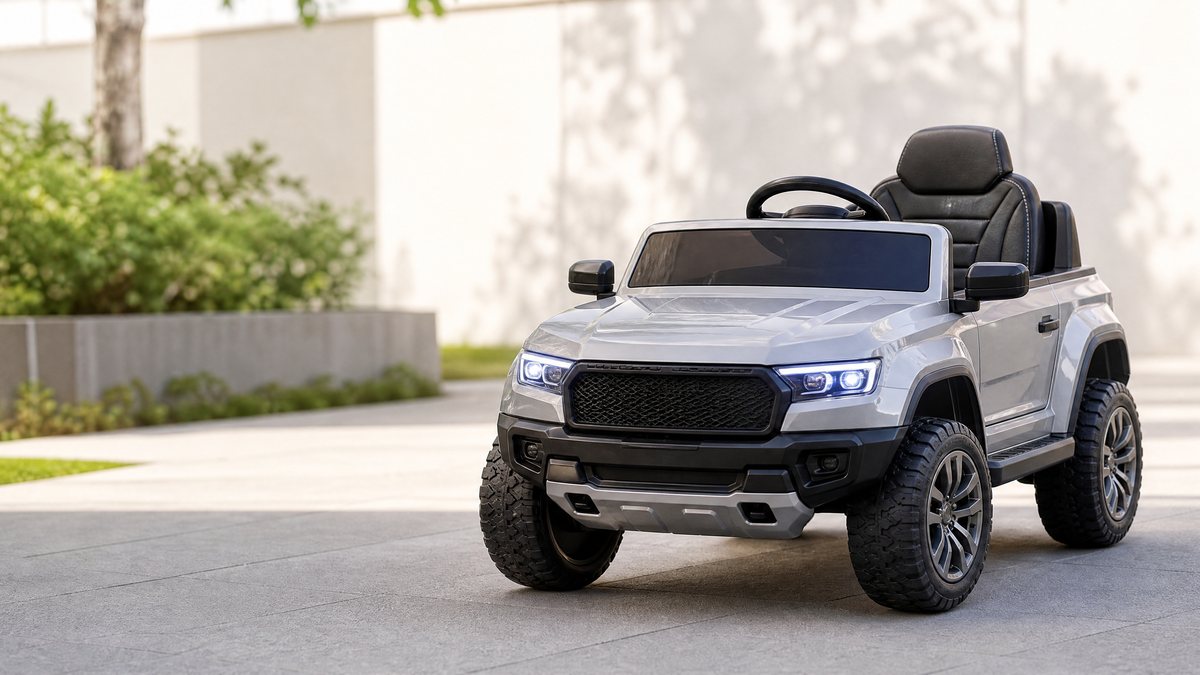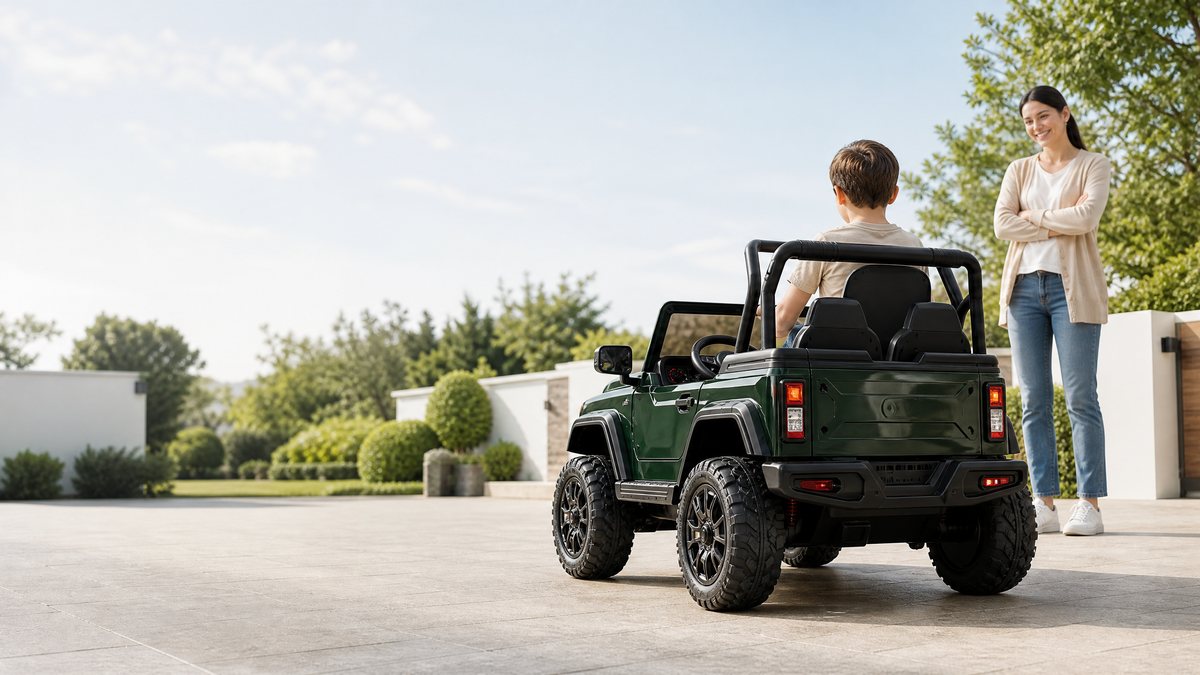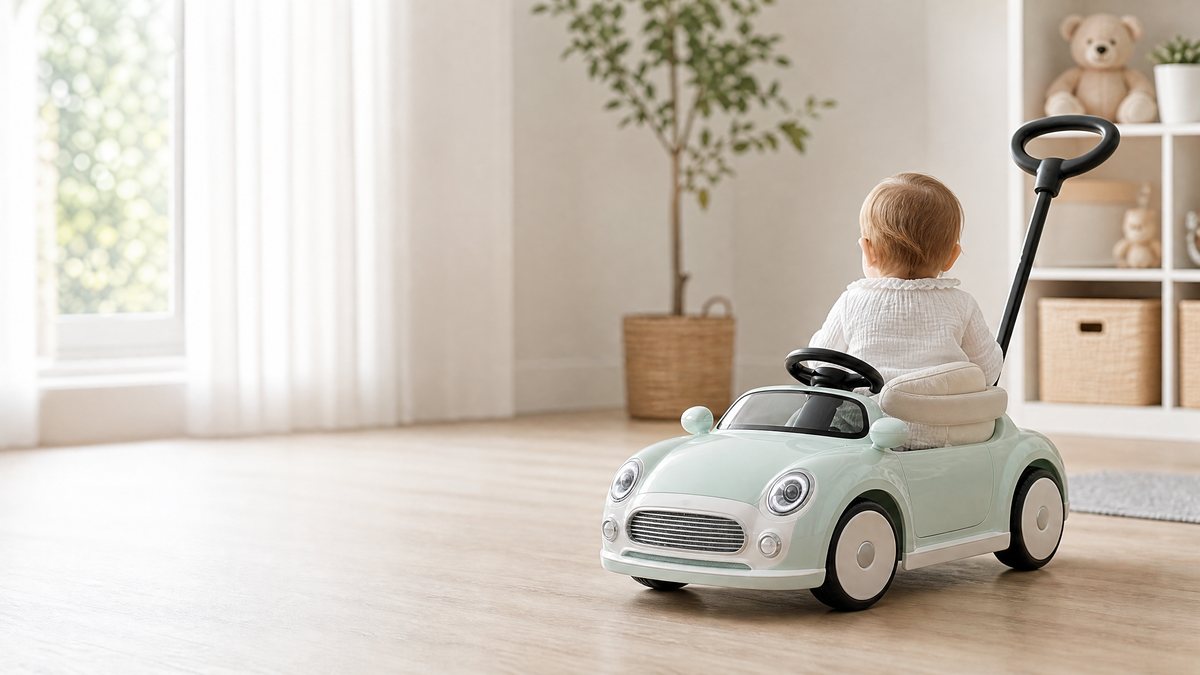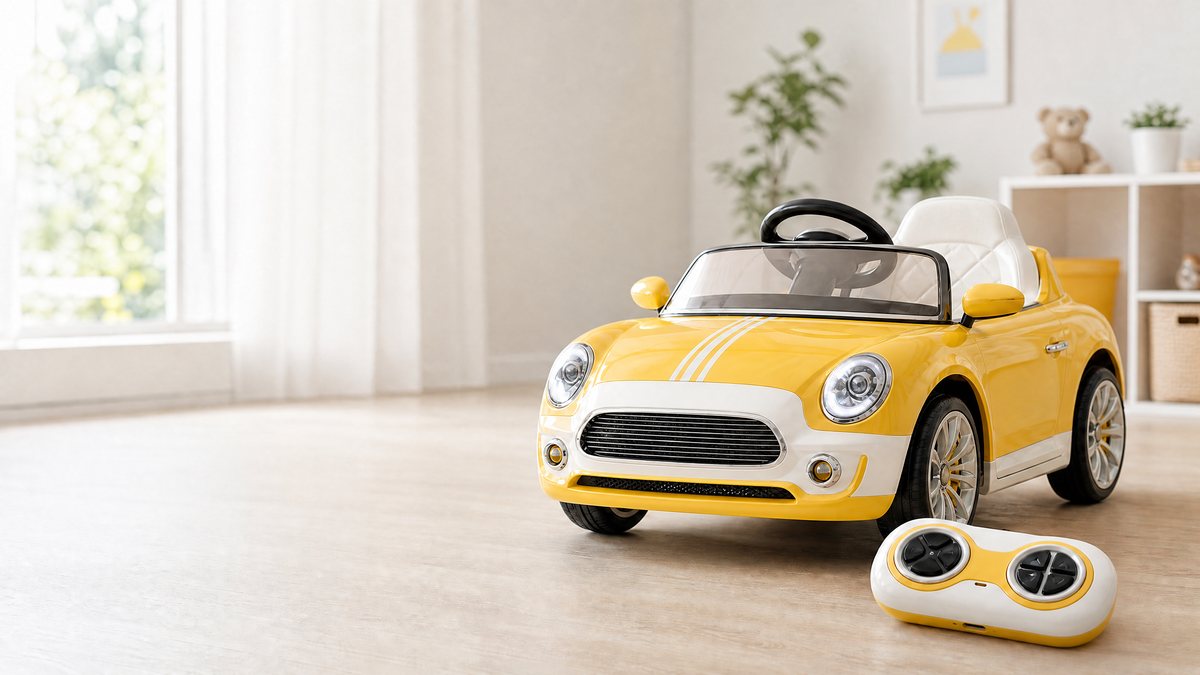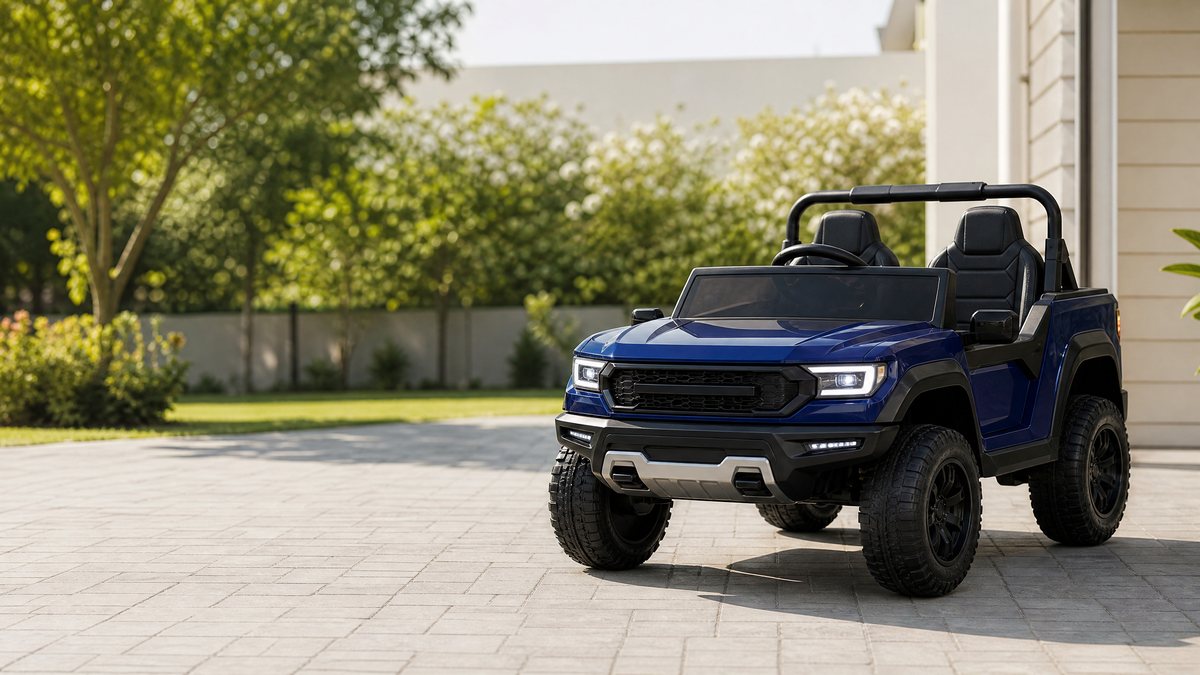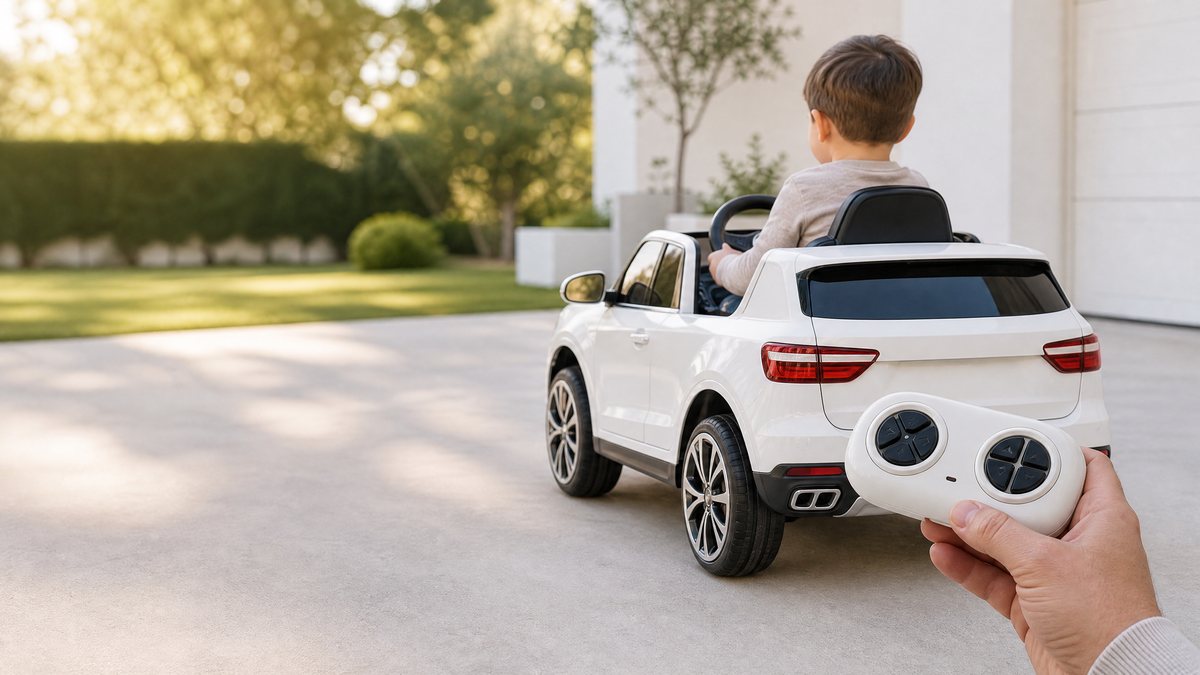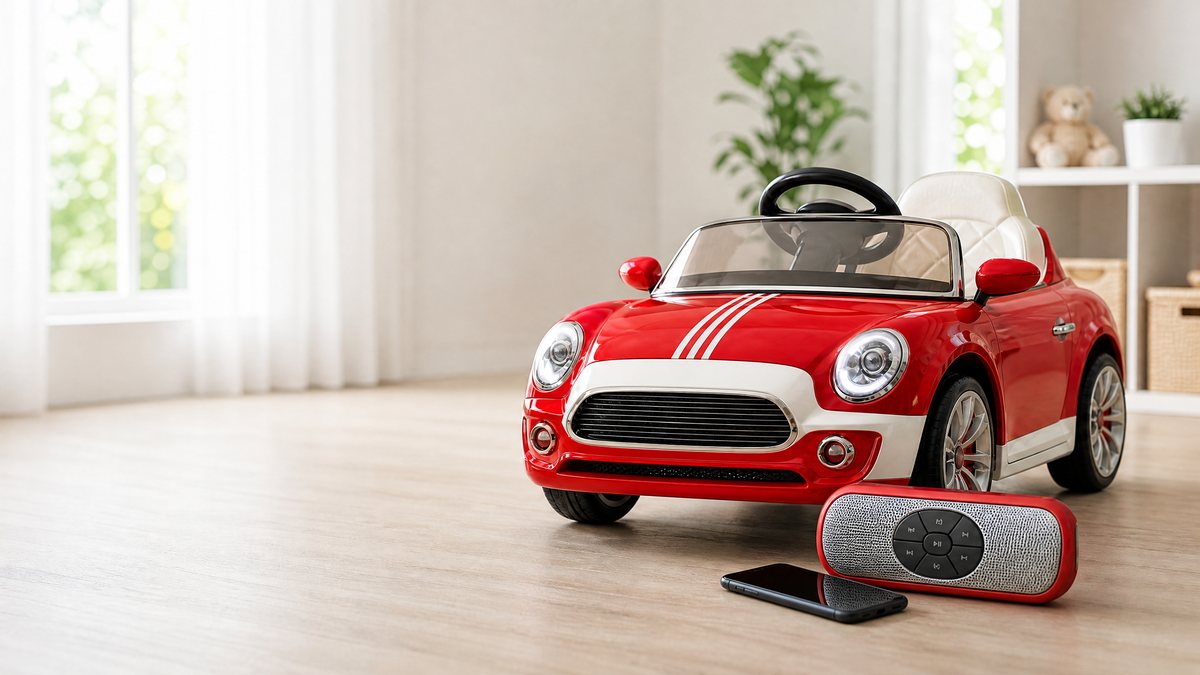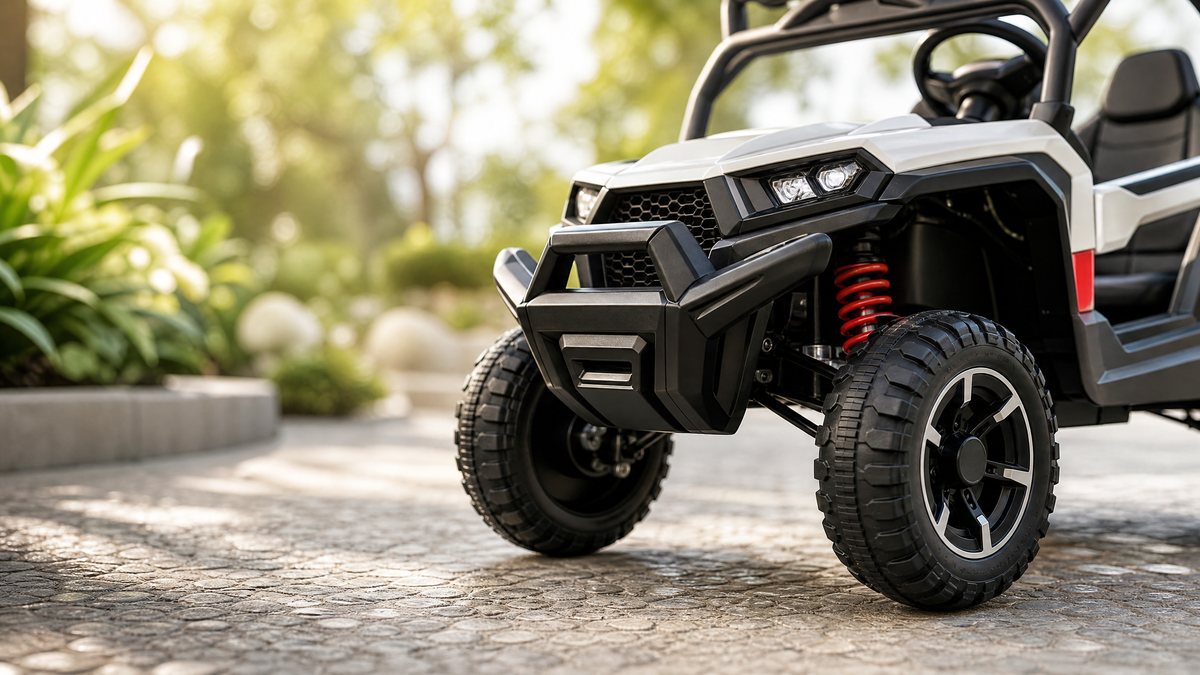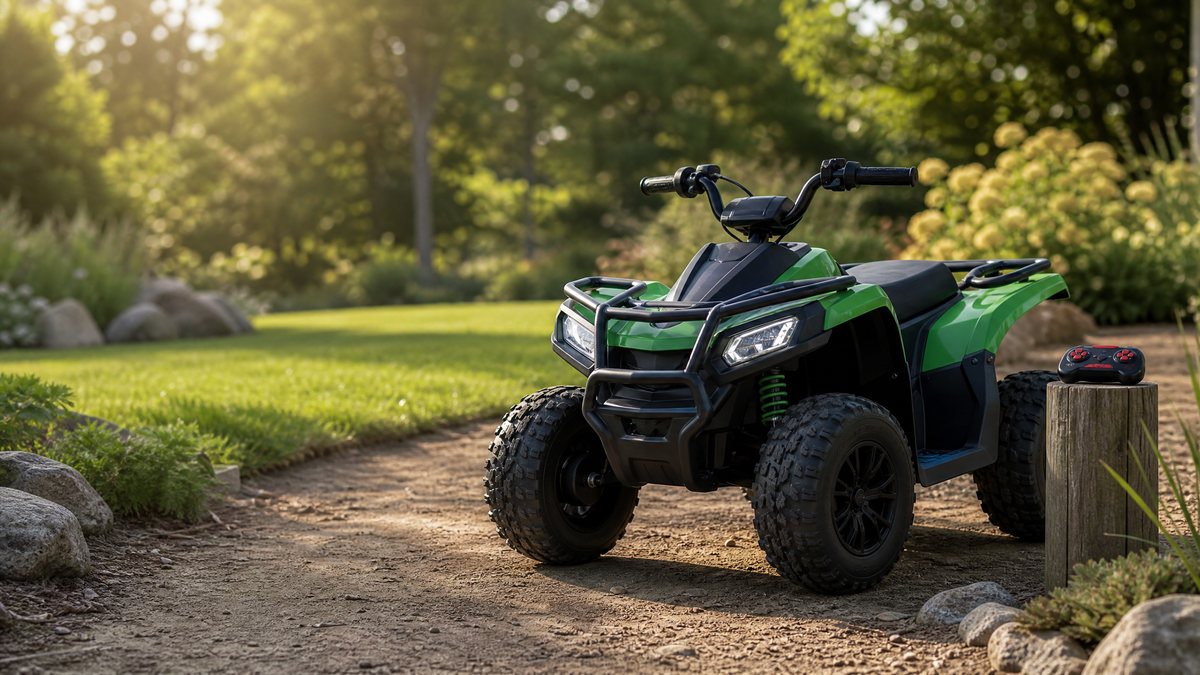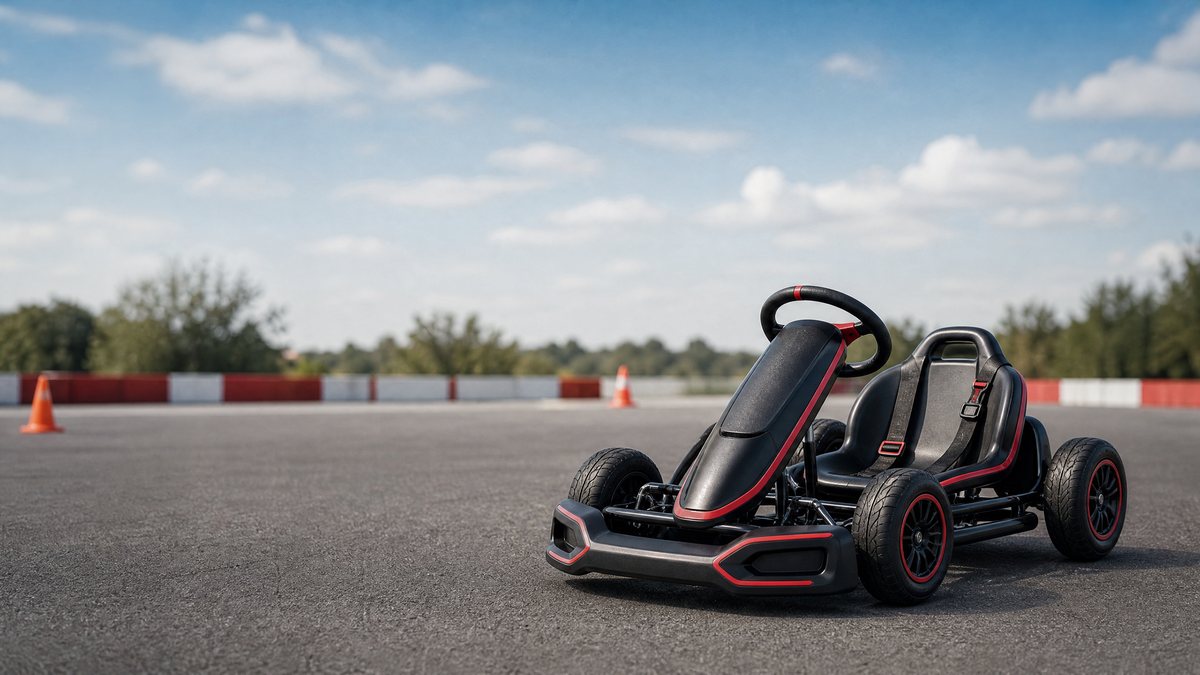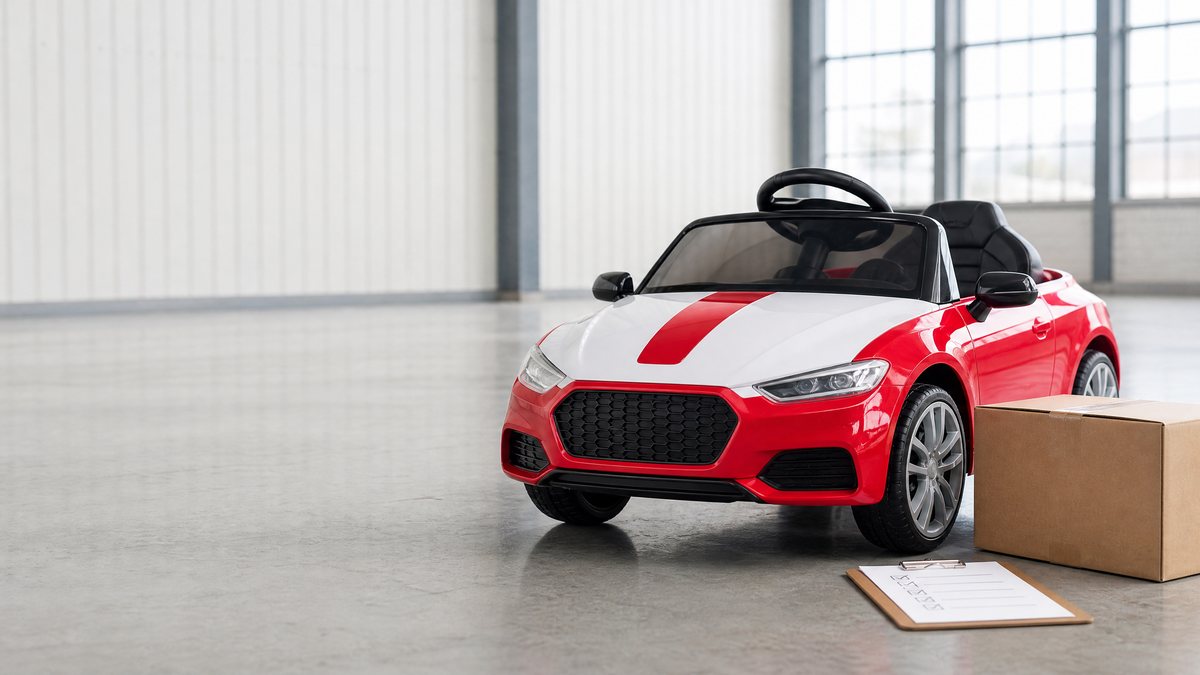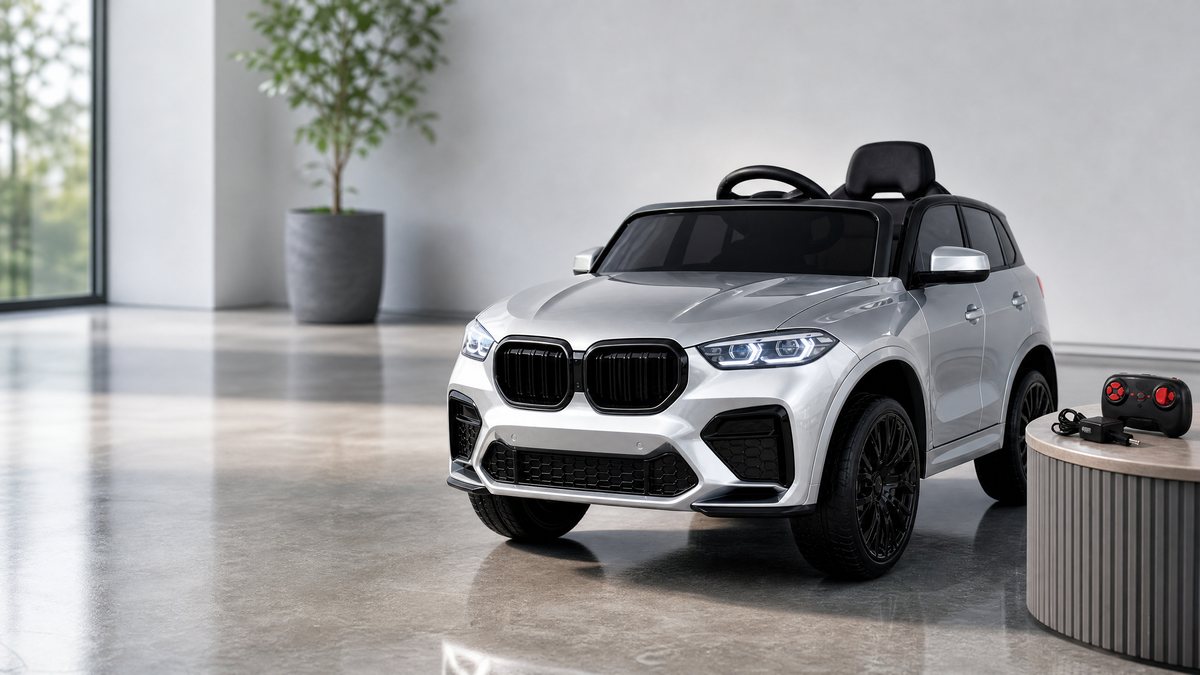
Operating motorized ride-on vehicles outdoors provides children with engaging recreational experiences, spatial awareness development, and active outdoor play. However, the longevity of the vehicle, battery efficiency, tire wear, and rider safety are profoundly influenced by the physical characteristics of the ground surface on which these toys are operated. Retailers, wholesale buyers, fleet operators, and parents frequently inquire about the optimal operating environments for 12V, 24V, and ride-on cars across diverse residential and commercial settings. This comprehensive guide examines surface dynamics, comparative terrain performance, tire compatibility, seasonal maintenance factors, commercial site planning, and safety verification frameworks, ensuring informed decision-making for B2B buyers and end consumers alike.
Understanding Surface Dynamics and Vehicle Mechanics
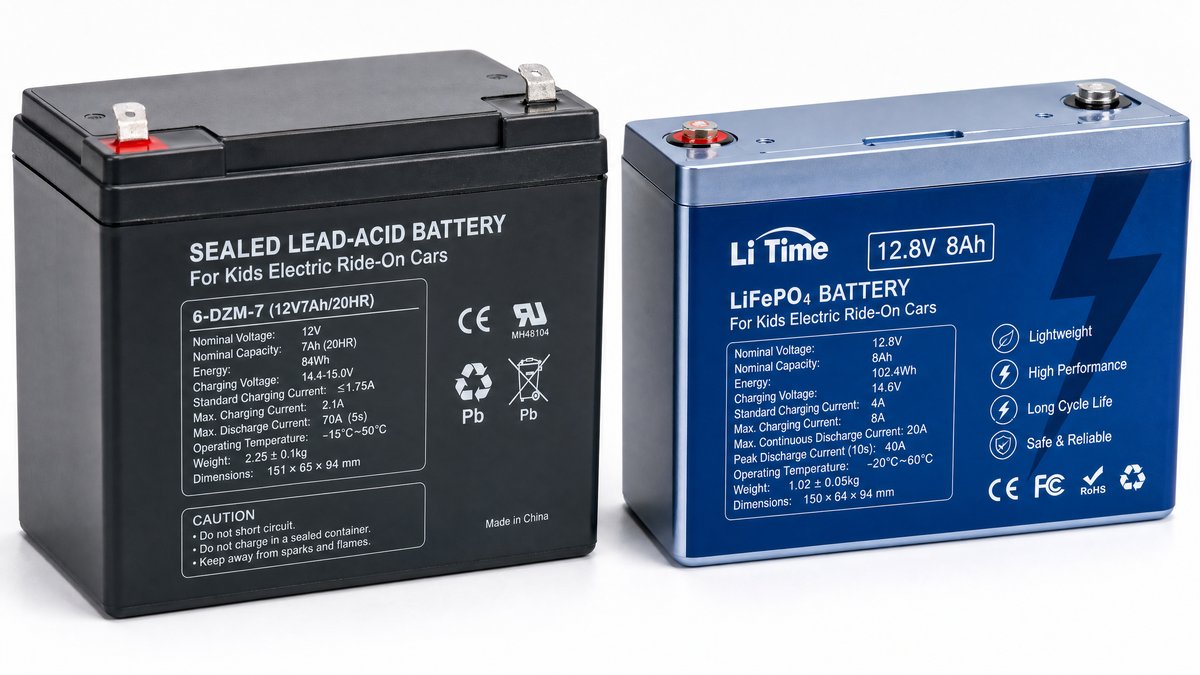
When evaluating outdoor surfaces for motorized ride-on cars, buyers must consider how terrain interaction affects mechanical subassemblies, including gearboxes, drive motors, steering linkages, and electrical systems. Unlike traditional non-motorized bicycles or push cars, electric ride-on vehicles rely on battery power and electric motors to generate torque. The physical resistance offered by the ground directly determines current draw from the battery and thermal load on the motor windings.
Smooth, rigid surfaces such as sealed concrete or asphalt present minimal rolling resistance. This allows the vehicle's electric motor to operate within its designed efficiency curve, preserving battery charge and reducing strain on the internal plastic or metal gearboxes. Conversely, loose, soft, or irregular surfaces such as fine gravel, deep sand, or thick turf introduce high rolling resistance. When a vehicle encounters high resistance, the motor draws higher electrical current to maintain motion. If the resistance exceeds the motor and gearbox design thresholds—such as attempting to climb a steep, unpaved incline—the system may experience thermal overload, reduced battery lifespan, or accelerated gear wear.
Wholesale distributors and retail merchants benefit from educating buyers on these mechanical interactions. Providing clear guidance regarding appropriate operating terrain minimizes premature warranty claims, enhances customer satisfaction, and ensures that end-users select models suited to their specific residential or recreational geography. Request a wholesale quote to discuss vehicle specifications, motor configurations, and bulk procurement options tailored to your retail market.
Common Outdoor Terrains: A Comparative Analysis
Different outdoor environments offer distinct operational advantages and challenges. A rigorous evaluation requires examining how each surface category interacts with standard plastic wheels, rubber EVA tires, and various suspension systems across different seasonal conditions and regional climates.
| Surface Type | Traction Quality | Tire Wear Impact | Motor & Battery Load | Recommended Operating Context |
|---|---|---|---|---|
| Poured Concrete | High / Consistent | Moderate to High | Low (Minimal Resistance) | Driveways, paved courtyards, controlled play areas |
| Asphalt | High / Dependable | High (Abrasive Friction) | Low to Moderate | Residential streets (supervised), smooth pathways |
| Interlocking Pavers | Moderate to High | Moderate | Low | Patios, landscaped walkways, suburban driveways |
| Short Cut Turf / Grass | Moderate | Low | Moderate to High | Backyards, parks, manicured lawns |
| Fine Gravel / Dirt | Low to Moderate | Variable / Scuffing | High | Unpaved paths, rural driveways, uneven terrain |
Poured Concrete and Smooth Pavement
Poured concrete represents one of the most reliable surfaces for initial skill development and consistent vehicle operation. Its smooth, planar profile ensures uniform tire contact, minimizing steering jitter and vibration transmitted to the steering column and chassis. However, concrete surfaces can be highly abrasive, leading to accelerated tread wear on standard rigid plastic wheels. Vehicles equipped with upgraded EVA foam or rubber-treaded tires generally exhibit better grip and quieter operation on concrete while distributing friction more evenly across the contact patch.
Asphalt and Sealed Pathways
Asphalt shares many operational characteristics with concrete, offering excellent traction under dry conditions. Nevertheless, dark asphalt absorbs solar radiation rapidly, raising surface temperatures during peak summer months. Elevated surface temperatures can soften certain plastic components or tire compounds, increasing wear rates during prolonged exposure. Furthermore, wet asphalt can become unexpectedly slick, reducing braking efficiency and cornering stability. Operators must exercise caution after rainfall or lawn irrigation, as stopping distances increase significantly on wet paved surfaces.
Interlocking Pavers and Brick Walkways
Interlocking pavers provide an aesthetic and functional option for residential patios and community pathways. While solid and supportive, paver installations feature numerous mortar joints, bevels, and edge transitions. If pavers shift or settle over time, uneven lips can form, creating sudden jarring impacts for vehicles lacking adequate suspension systems. Models featuring spring suspension or pneumatic-style wheels absorb these minor discrepancies more effectively, protecting the internal chassis and maintaining smooth directional control.
Turf, Lawns, and Natural Grass
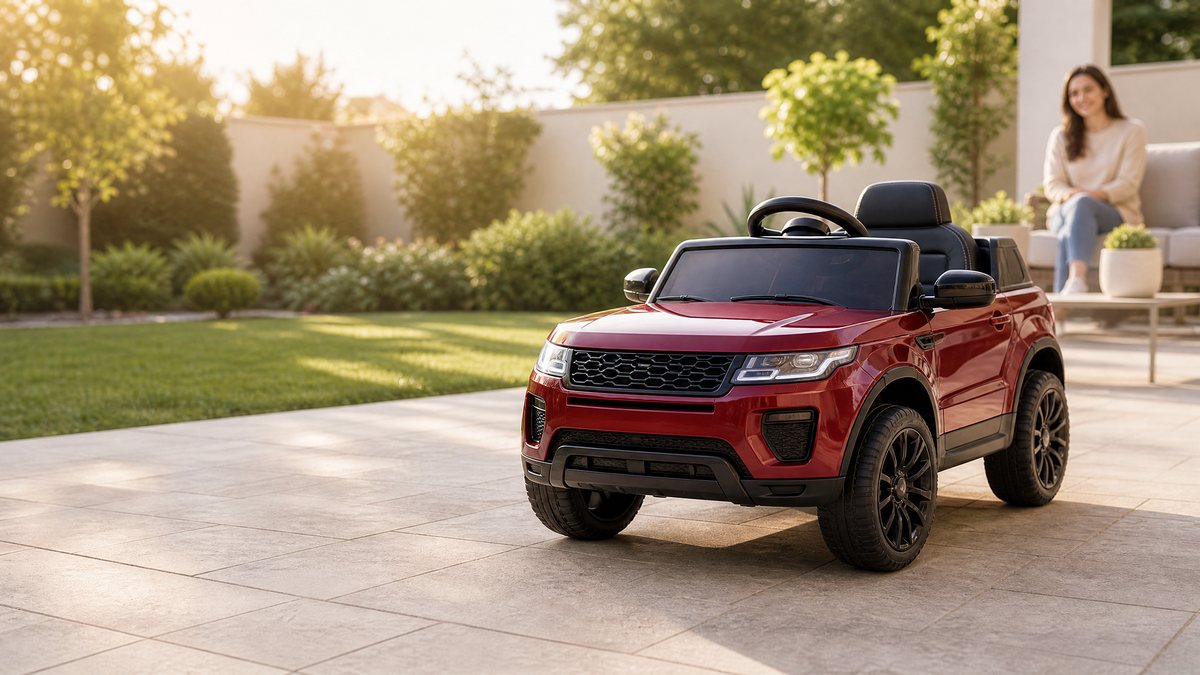
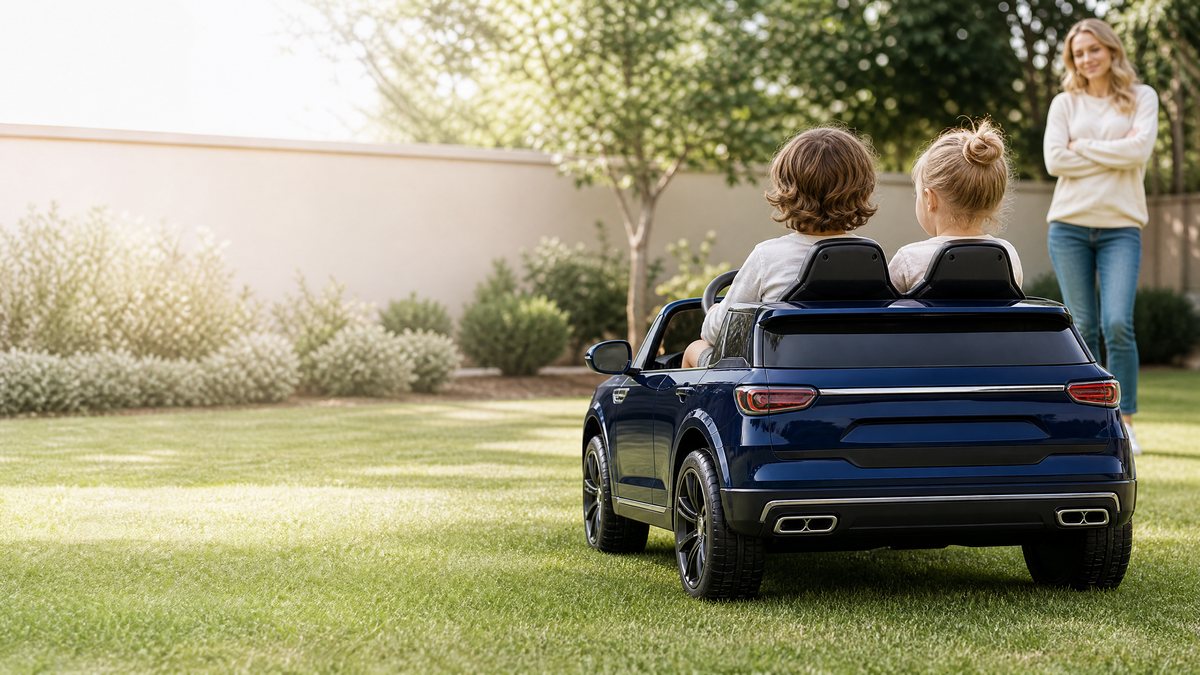
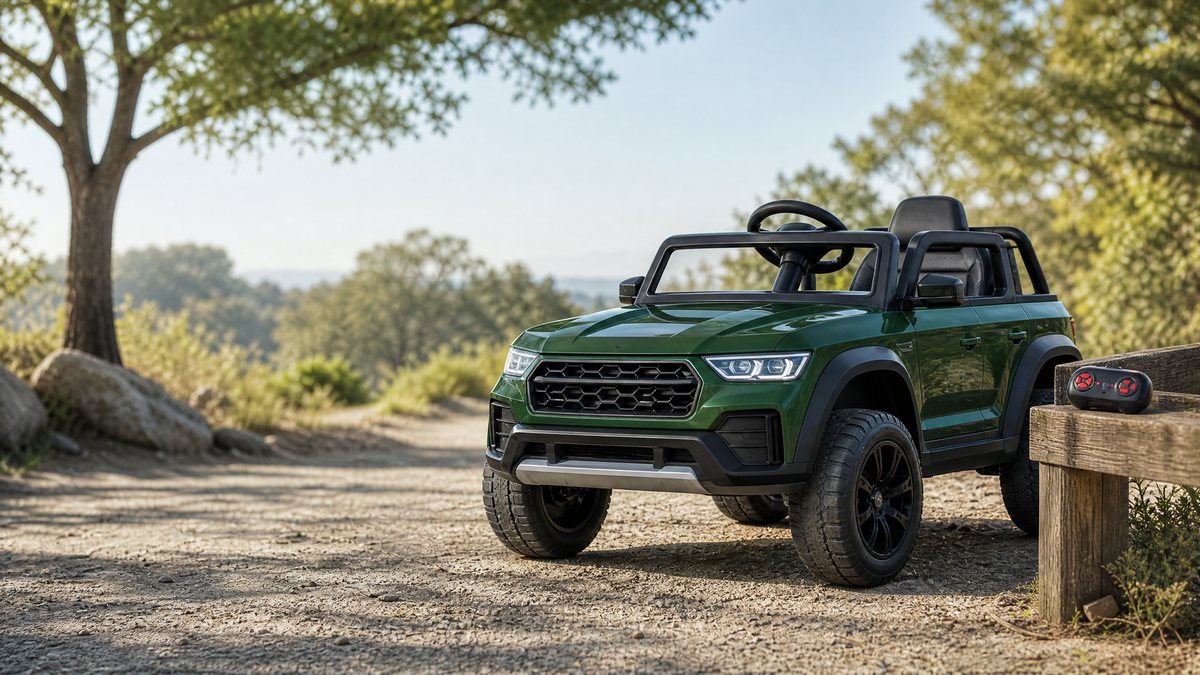
Grass surfaces introduce variable rolling resistance depending on turf height, soil moisture density, and root structure density. Manicured, short-cut residential lawns offer manageable resistance for higher-powered models or dual-motor configurations. However, thick, damp, or overgrown grass significantly increases mechanical load. Parents and supervisors should verify that vehicle specifications explicitly support turf operation before allowing prolonged use on lawns, as excessive drag can overheat thermal fuses or prematurely drain battery packs.
Tire Material and Surface Compatibility
The interface between the vehicle and the ground is mediated entirely by the tires. Modern ride-on cars utilize various wheel constructions, ranging from injection-molded hard plastic to advanced EVA (Ethylene-Vinyl Acetate) foam and pneumatic rubber tires. Understanding how these materials interact with specific outdoor surfaces is essential for maximizing performance, reducing noise, and extending vehicle durability.
Hard plastic wheels are lightweight and cost-effective, performing adequately on indoor flooring and smooth outdoor concrete. However, on abrasive surfaces like asphalt or gravel, hard plastic wheels generate substantial noise, vibrate noticeably, and wear down quickly. They also exhibit reduced traction on smooth wet pavement or loose dirt, increasing the likelihood of wheel spin upon initial acceleration.
EVA foam tires represent a significant technological upgrade in the children's ride-on vehicle sector. EVA foam provides a cushioned, resilient tread that compresses slightly upon contact with surface irregularities, improving grip across diverse terrains such as pavers, short grass, and packed soil. The inherent elasticity of EVA foam absorbs high-frequency vibrations, protecting the vehicle's electrical connections, battery housing, and steering linkages from fatigue.
When advising customers, retail partners should emphasize that tire selection must match the primary operating environment. For households with mixed terrain, such as concrete driveways transitioning to backyard lawns, vehicles equipped with high-traction EVA tires or enhanced tread patterns provide superior versatility and long-term satisfaction.
Evaluating Commercial and Residential Play Spaces
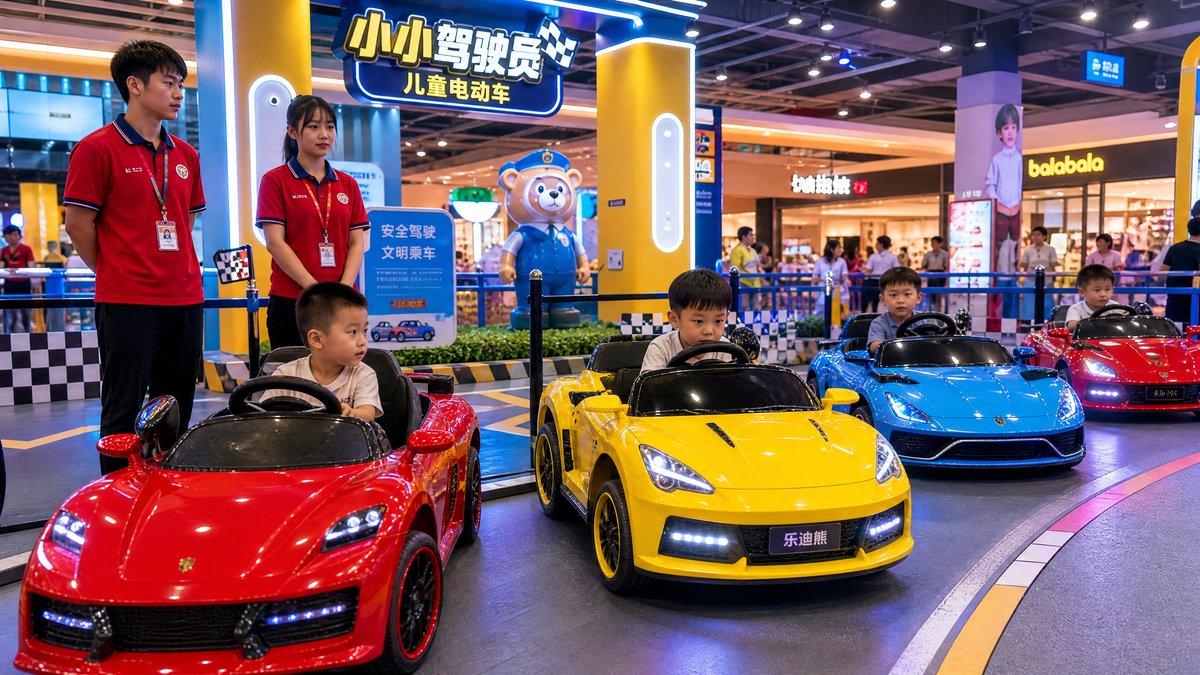
Beyond individual suburban driveways, ride-on cars are increasingly deployed in commercial recreational zones, daycare facilities, resort play areas, and community parks. Designing or selecting spaces for group motorized play requires careful consideration of perimeter safety, sightlines, and surface uniformity.
Commercial operators must ensure that play zones are completely enclosed or bounded by protective barriers to prevent vehicles from wandering into public roadways or parking lots. Surface selection in commercial settings must prioritize slip resistance under varied weather conditions and low maintenance overhead. Brushed concrete or specialized acrylic-coated sports surfaces provide exceptional durability and predictable handling for fleet deployments. Furthermore, facility managers should establish regular inspection routines to clear surfaces of debris, sharp stones, or fallen branches that could puncture tires or deflect steering components.
Managing Surface Hazards, Weather, and Safety Protocols
Outdoor operation inherently exposes riders and vehicles to environmental variables that require vigilant oversight. Safety must remain the absolute priority for parents, guardians, and commercial operators supervising motorized play.
Environmental and Weather Considerations
Operation should be restricted during adverse weather events, including heavy rain, snow, standing water, and high humidity. Water ingress can compromise electrical connectors, switches, battery terminals, and motor housings. Even if a vehicle features splash-resistant electronics, submerged puddles can exceed safe wading depths, leading to short circuits or permanent controller damage. Furthermore, wet surfaces drastically reduce traction, compromising steering control and braking response.
Physical Obstacles and Gradient Limits
Uneven terrain, exposed tree roots, deep potholes, and steep inclines present tipping hazards. Manufacturers establish specific operational guidelines in user manuals regarding maximum safe gradient angles and obstacle clearance. Operators must never attempt to navigate steep slopes or embankments that exceed the vehicle's rated climbing capacity. Adult supervision is mandatory at all times to ensure children steer clear of hazardous drop-offs, swimming pools, roadways, and driveways shared with active vehicular traffic.
Emergency Response and Inspection Protocols
If a vehicle exhibits unusual behavior—such as burning odors, smoke, excessive heat around the battery compartment, strange mechanical grinding, sluggish acceleration, or sudden electrical failure—operation must cease immediately. Supervisors must power down the unit, disconnect the battery where safely accessible without tools, move children away from the vehicle, and contact the manufacturer or a qualified service technician. Never attempt unauthorized internal electrical modifications, rewiring, or structural alterations.
Verification Framework for Retailers and Fleet Operators
Commercial buyers, rental operators, and retail merchants require systematic frameworks to evaluate ride-on car suitability for specific outdoor deployment sites. Implementing a structured verification checklist ensures compliance with safety standards and minimizes operational risks across commercial installations.
1. Terrain Audit: Assess the primary operating environment for surface smoothness, grade percentage, abrasive qualities, and debris presence (e.g., loose stones, glass, sticks).
2. Vehicle Specification Review: Cross-reference vehicle nameplate ratings, motor voltage, and drive configurations (e.g., dual-motor vs. quad-motor) with the evaluated terrain resistance.
3. Tire and Suspension Matching: Verify whether factory-installed wheels (plastic vs. EVA foam) and suspension systems provide adequate cushioning and grip for the target surface.
4. Supervisory Control Assessment: Ensure that remote-control override functions, parental speed limiters, and braking systems operate correctly within the designated outdoor space.
5. Documentation and Compliance Check: Confirm that all operating manuals, safety warnings, and manufacturer guidelines are provided to the end-user or operational staff.
Retailers seeking to curate durable, high-performance inventory for diverse geographical markets can partner with established manufacturers. Request a wholesale quote to explore compliant, rigorously tested ride-on vehicle collections suited for global retail distribution.
Frequently Asked Questions
Can kids ride-on cars be operated on gravel or dirt paths?
Vehicles can operate on packed dirt or fine gravel, but these surfaces increase rolling resistance and accelerate tire and motor wear. Higher-powered models with EVA tires handle loose terrain better than basic single-motor plastic-wheel cars, but supervision is necessary to avoid getting stuck or overheating motors.
How do different outdoor surfaces affect battery run time?
Smooth, rigid surfaces like concrete and asphalt minimize electrical load, allowing the battery to deliver optimal operational run time. Soft or resistive surfaces like thick grass, sand, or steep inclines draw higher current, reducing overall battery duration per charge cycle.
Are pneumatic or EVA tires better for outdoor use?
EVA foam tires provide excellent puncture resistance, vibration absorption, and reliable traction across concrete, pavers, and turf without requiring air maintenance. Selection depends on specific model availability and user preference as outlined in the manufacturer's manual.
What should be done if the ride-on car stalls on an incline or rough patch?
If the vehicle stalls due to excessive terrain resistance, the operator must immediately release the accelerator pedal and stop the vehicle. Forcing a stalled motor can damage internal gears or trigger thermal protection circuits. Move the vehicle to a flat, level surface before resuming supervised operation.
Conclusion
Selecting the appropriate outdoor surface for kids ride-on cars is vital for preserving vehicle longevity, ensuring efficient battery performance, and maintaining a safe recreational environment. By understanding the mechanical interactions between motor power, tire construction, and terrain resistance, buyers, retailers, and parents can make informed choices. Adherence to manufacturer guidelines, continuous adult supervision, and proactive surface assessment guarantee that children enjoy safe, reliable, and engaging outdoor play experiences.
Request a wholesale quote to discuss bulk partnership opportunities, vehicle specifications, and global logistics support.
Official References
- United States Consumer Product Safety Commission (CPSC): General Toy Safety Education and Playground Safety Guidelines.
- ASTM International: Standard Consumer Safety Specification for Toy Safety (ASTM F963 relevant sections on electric-powered ride-on toys).
- Manufacturer Operational Manuals: Specific nameplate ratings, battery maintenance instructions, and terrain limitation specifications provided with certified ride-on vehicles. Note: General educational standards do not replace specific manufacturer documentation and safety certifications.
Official references
Explore these external resources for current regulatory and trade guidance. Confirm requirements with the relevant authority before placing an order.
Ready to Start?
Factory-Direct · CE & ASTM Certified · MOQ from 50 Units
Our export team works with buyers in 60+ countries. Get a quote within 24 hours.
KR
Written by KidsRideCar
China's leading kids electric ride-on car manufacturer. 500,000+ units shipped annually to 60+ countries. CE, ASTM & EN71 certified.