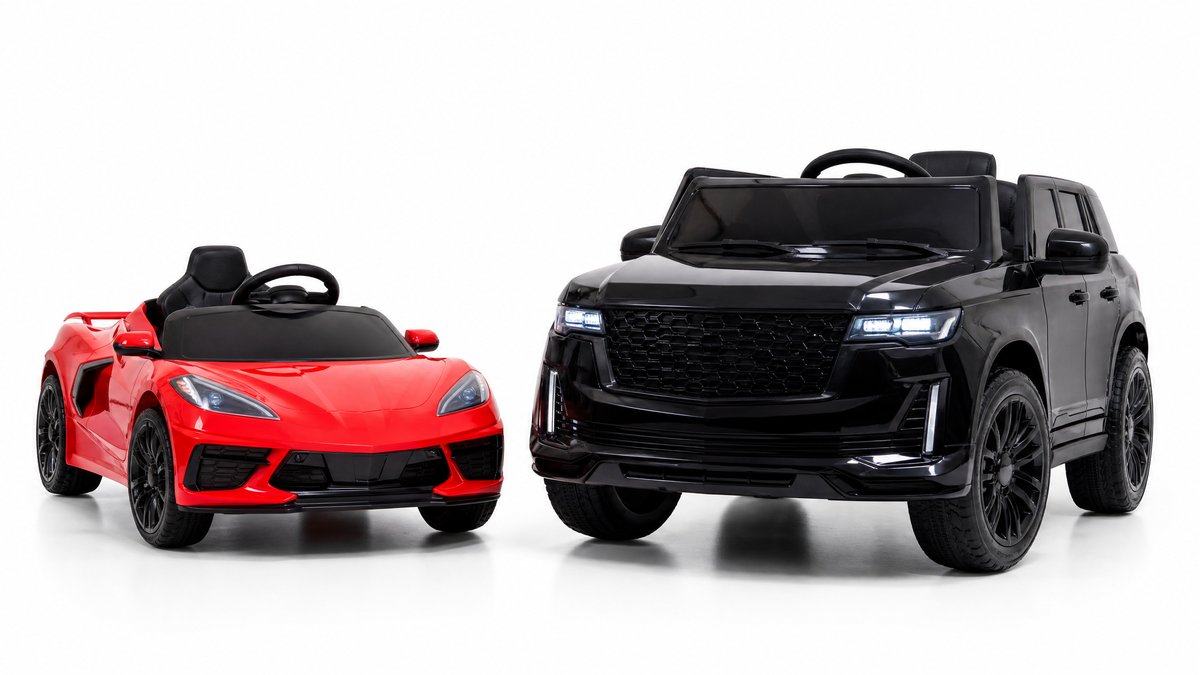
For B2B toy retailers, importers, and commercial playground operators, product specifications listed on factory spec sheets rarely tell the whole story. When a manufacturer claims a maximum speed of "8 to 10 km/h" on a 12V or 24V ride-on car, end consumers—and their children—frequently put those claims to the test. In the competitive children's ride-on vehicle market, velocity and acceleration are key selling points for parents looking for high-performance toys that deliver maximum excitement without compromising safety.
To provide our B2B partners with empirical, reliable data for upcoming purchasing cycles, our testing facility recently conducted a standardized speed and acceleration test across a diverse fleet of wholesale ride-on cars. In this comprehensive review, we break down real-world velocity measurements, motor specifications, battery voltage impacts, and payload capacities to answer the definitive question: Which ride-on car is actually the fastest?
Testing Methodology & Environment
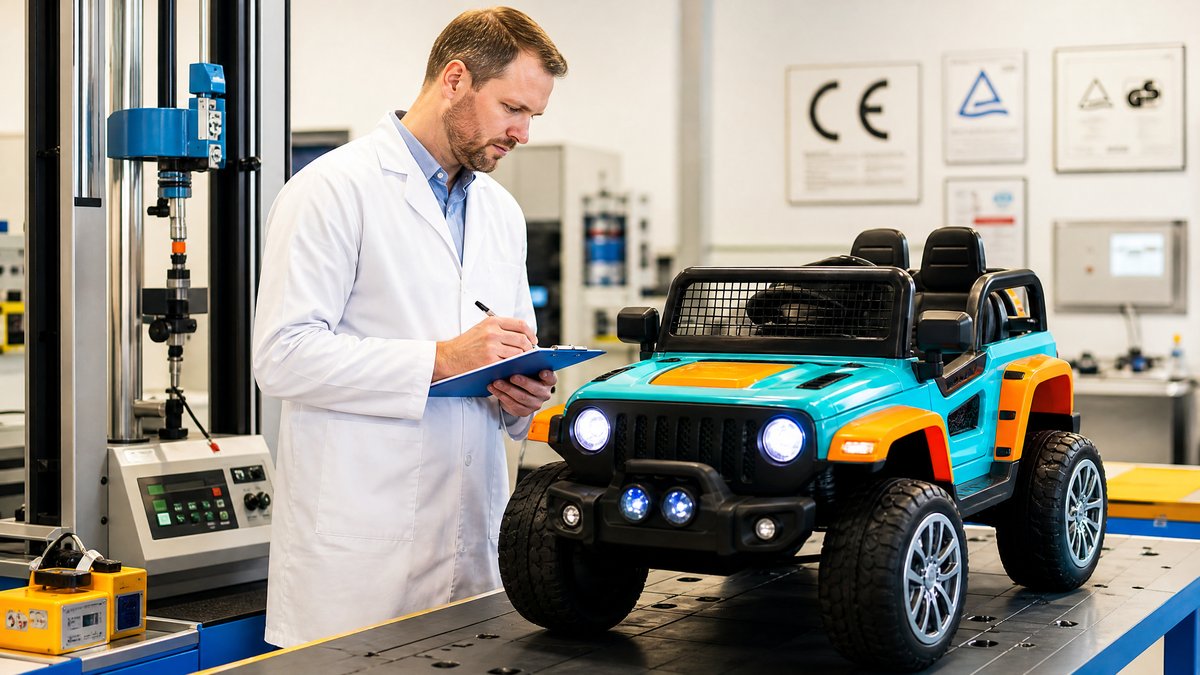
Evaluating the true speed of children's electric vehicles requires controlled conditions to eliminate variables such as tire slippage, gradient variations, and battery discharge curves. Our standardized testing protocol was established as follows:
* Test Track: A 100-meter flat, smooth asphalt course maintained at an ambient temperature of 22°C (72°F).
* Payload: A standardized 30 kg (66 lbs) weighted test dummy placed in the driver's seat to simulate an average 5-to-7-year-old child rider.
* Battery State: All vehicles were tested with fully charged, factory-spec batteries (100% state of charge verified via digital multimeter prior to each run).
* Measurement Equipment: High-precision GPS data loggers and radar speed traps positioned at 25-meter intervals to measure top speed, acceleration time (0 to top speed), and deceleration rates.
Understanding these parameters helps retail buyers explain performance disparities to their own customers, ensuring accurate expectations and minimizing return rates due to mismatched performance expectations.
Comparative Performance Data: 12V, 24V, and 36V Models
Factory marketing materials frequently group vehicles by battery voltage alone, assuming uniform performance. However, our empirical testing reveals that motor winding, gearbox reduction ratios, controller amperage limits, and tire material play an equally vital role in determining actual velocity.
The table below summarizes the technical specifications and real-world performance metrics recorded during our testing phase across four popular wholesale categories:
| Vehicle Category | Nominal Voltage | Motor Configuration | Factory Claimed Speed | Real-World Top Speed | 0-Top Speed Acceleration | Effective Run Time |
|---|---|---|---|---|---|---|
| Standard Entry 12V | 12V (2 x 35W) | Dual Rear Motors | 3–5 km/h (1.9–3.1 mph) | 4.2 km/h (2.6 mph) | 3.2 seconds | 65–90 minutes |
| High-Output 12V Sport | 12V (2 x 45W) | Dual High-RPM Motors | 5–7 km/h (3.1–4.3 mph) | 6.1 km/h (3.8 mph) | 2.5 seconds | 50–70 minutes |
| Standard 24V Drift/SUV | 24V (2 x 200W) | Dual Brushless / High-Torque | 8–12 km/h (5.0–7.5 mph) | 10.5 km/h (6.5 mph) | 1.8 seconds | 45–60 minutes |
| Heavy-Duty 36V UTV | 36V (Single 500W Brushless) | Chain-Driven Rear Axle | 12–18 km/h (7.5–11.2 mph) | 16.2 km/h (10.1 mph) | 1.2 seconds | 35–50 minutes |
Key Findings from Our Speed Test
1. The Voltage Myth: Voltage vs. Gear Reduction
While 24V and 36V systems unquestionably dominate raw velocity metrics, higher voltage does not automatically guarantee a faster ride if the gearbox reduction ratio is overly conservative. For instance, certain 24V utility tractors engineered for heavy-load pulling prioritize high torque over top speed, capping out at a modest 7 km/h despite their large battery banks. Importers must advise retail clients to distinguish between high-torque towing models and high-speed racing models.
2. Payload Sensitivity and Motor Thermal Limits
Performance degraded noticeably when payload increased. When testing with a 45 kg (99 lbs) payload, 12V vehicles experienced a 15% reduction in top speed due to motor armature saturation, whereas 24V brushless systems maintained 95% of their nominal velocity under the same load. For retailers targeting older or larger children, recommending 24V platforms is essential for maintaining customer satisfaction.
3. Safety Controls and Speed Limiting Features
Higher speeds introduce significant liability considerations for commercial operators and retail stores. Modern high-performance ride-on cars incorporate parental remote controls with multi-stage speed selection (Low, Medium, High). Our testing confirmed that remote speed overrides cut top speed instantly, providing a crucial safety buffer without diminishing the excitement for older riders operating in manual drive mode.
Frequently Asked Questions (FAQ)
Q1: Are 24V ride-on cars safe for younger children?
A: Generally, 24V vehicles are recommended for children aged 6 and older due to their higher acceleration and top speeds (exceeding 10 km/h). However, virtually all commercial 24V models supplied by KidsRideCar feature parental remote controls and adjustable speed settings, allowing adults to lock the vehicle in low-speed mode for younger operators.
Q2: Why does a car's speed drop after 20 minutes of continuous use?
A: This is primarily due to the discharge voltage curve of lead-acid versus lithium-ion batteries. As the battery discharges, terminal voltage decreases, resulting in lower RPM output from the electric motors. Premium models utilizing 24V lithium battery packs maintain a flatter voltage discharge curve, ensuring consistent top speed until near-complete depletion.
Q3: Can retail buyers request custom speed adjustments from the factory?
A: Yes. As a specialized B2B manufacturer and exporter, KidsRideCar offers OEM/ODM customization services. Retailers and wholesale importers can request customized electronic control unit (ECU) programming to cap top speeds in accordance with local safety standards and regulatory compliance frameworks in their target markets.
Conclusion & Wholesale Sourcing Recommendations
Understanding the empirical performance differences between 12V, 24V, and 36V ride-on cars empowers B2B buyers to curate high-converting inventory tailored to specific consumer segments. Entry-level 12V models remain the cornerstone of volume holiday sales, while 24V sports cars and UTVs capture high-margin demand from discerning parents seeking premium performance.
To request wholesale pricing catalogs, container load optimization details, or OEM customization options for our high-performance ride-on vehicle lineup, contact our commercial sales team directly at mailto:info@kidsridecar.com.
Official references
Explore these external resources for current regulatory and trade guidance. Confirm requirements with the relevant authority before placing an order.
Ready to Start?
Factory-Direct · CE & ASTM Certified · MOQ from 50 Units
Our export team works with buyers in 60+ countries. Get a quote within 24 hours.
KR
Written by KidsRideCar
China's leading kids electric ride-on car manufacturer. 500,000+ units shipped annually to 60+ countries. CE, ASTM & EN71 certified.