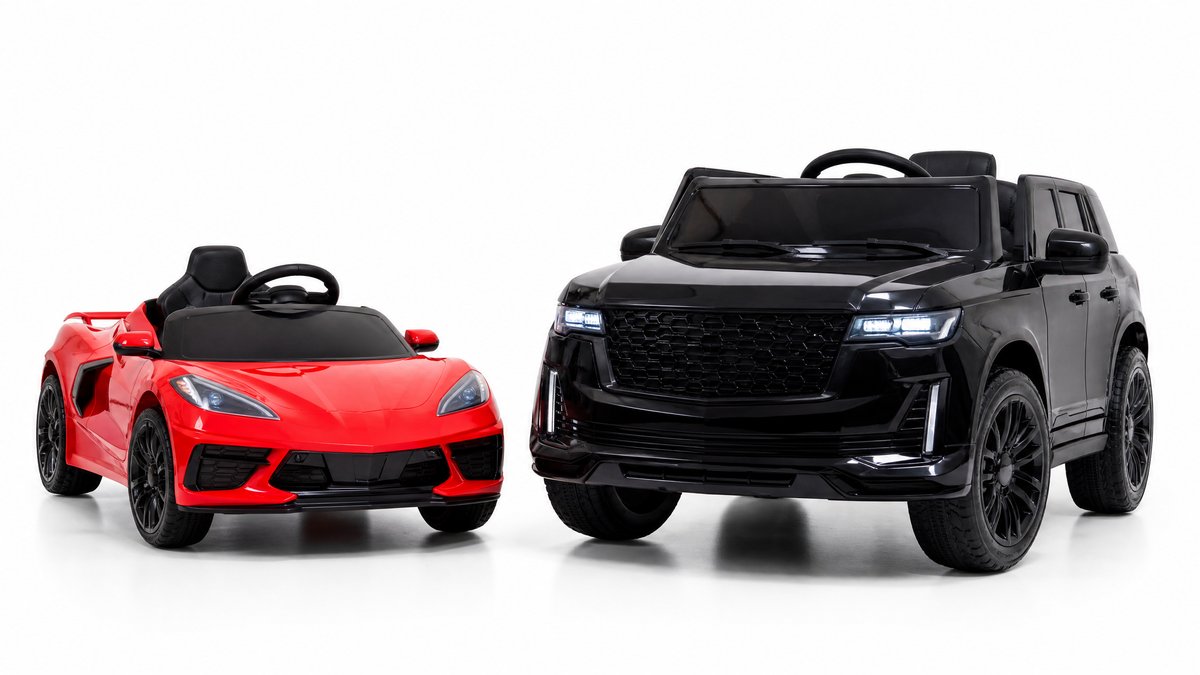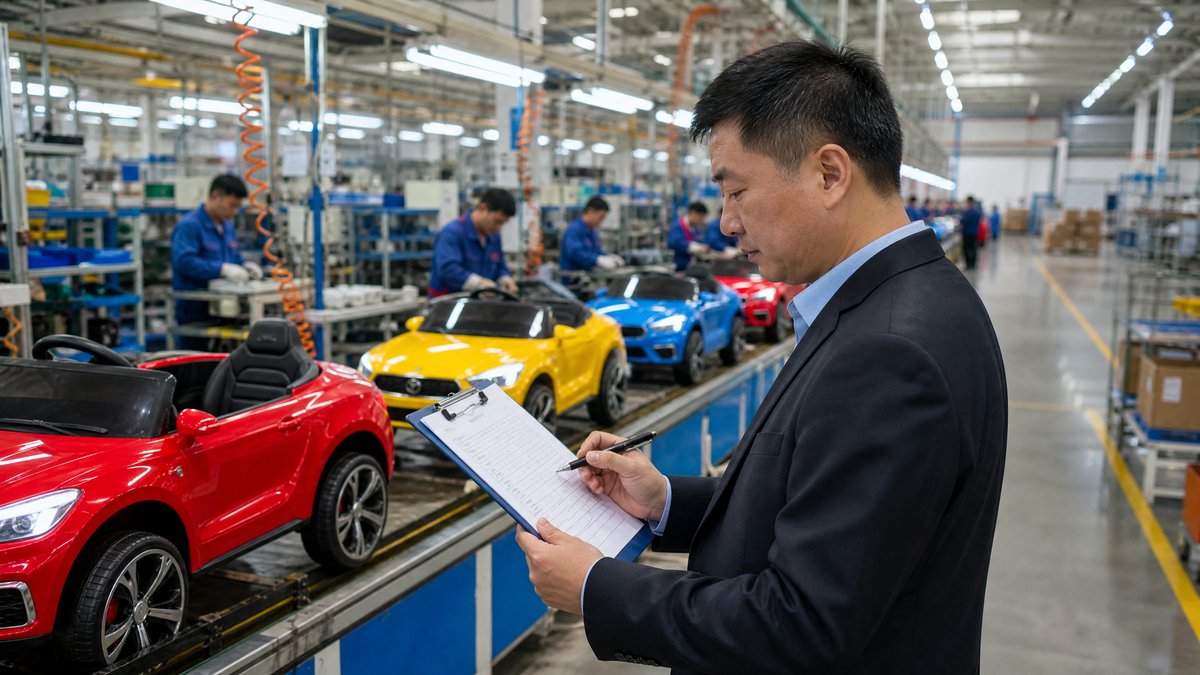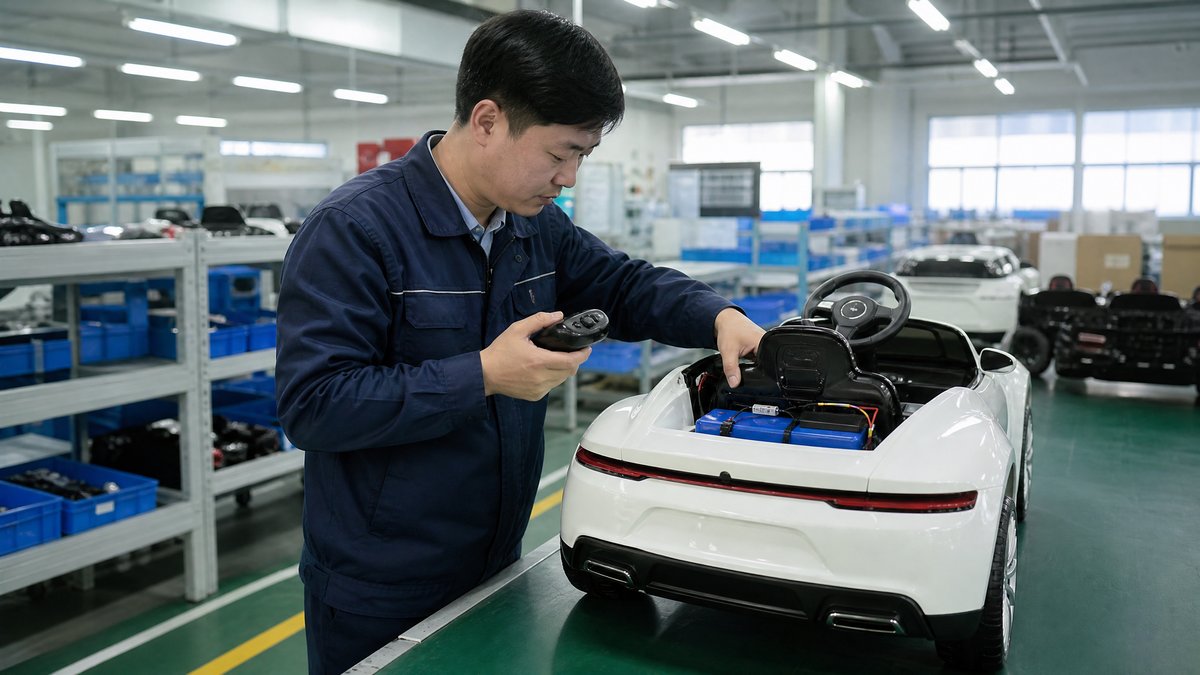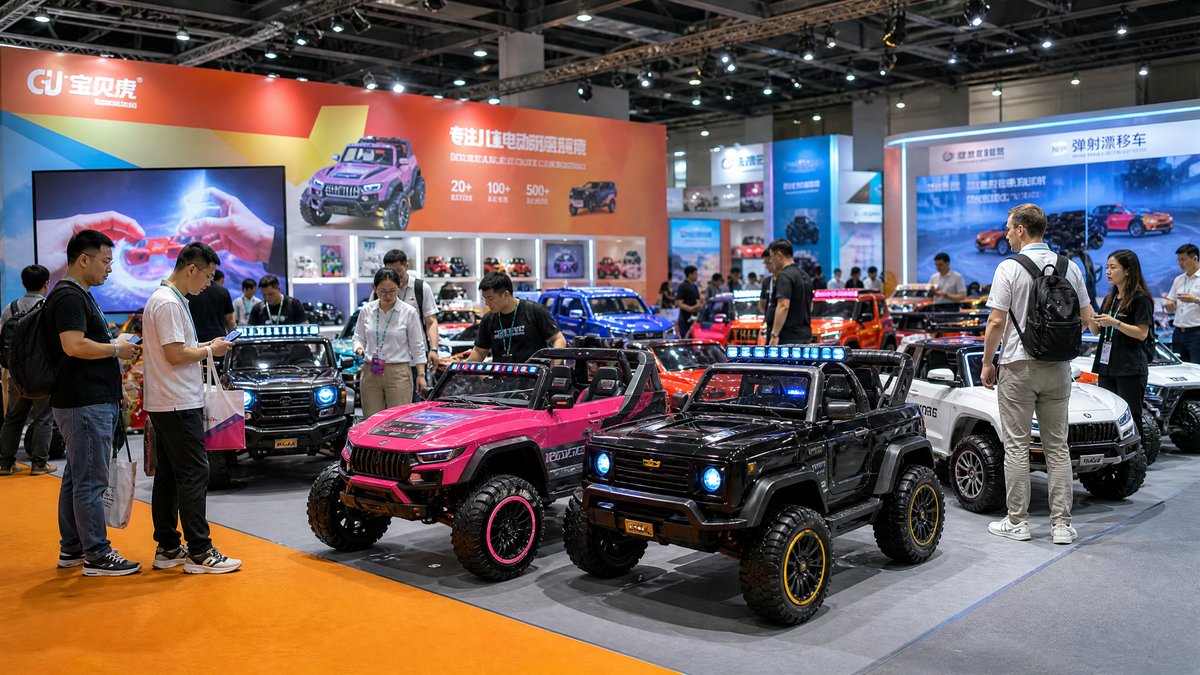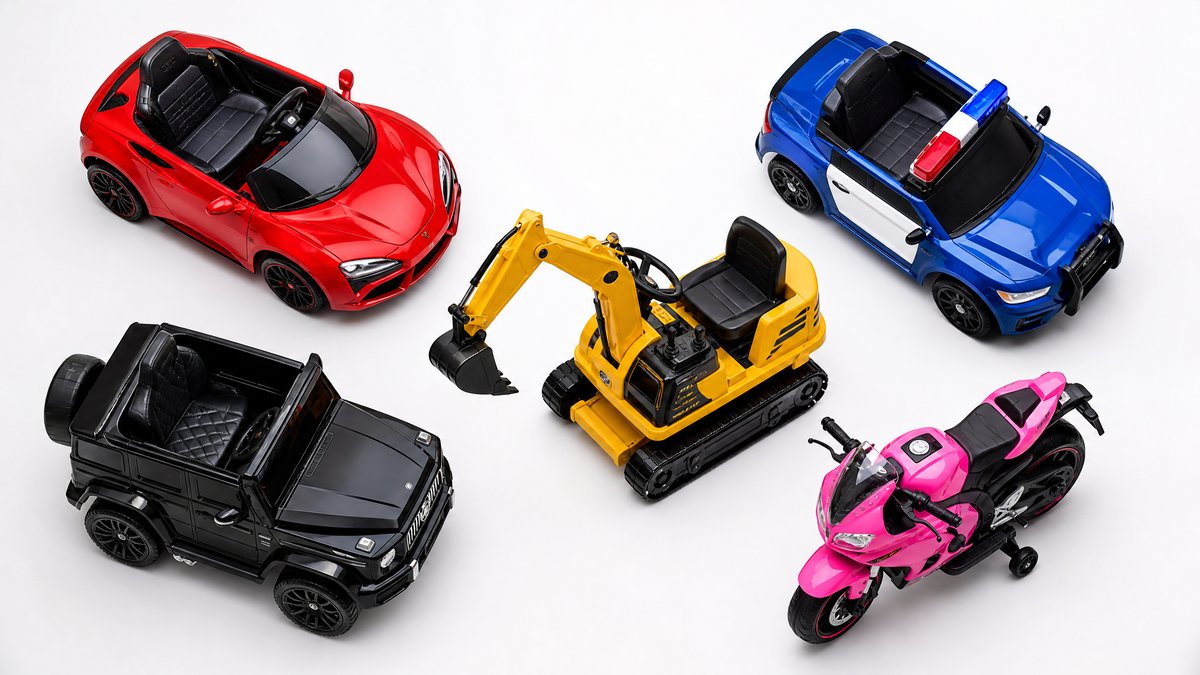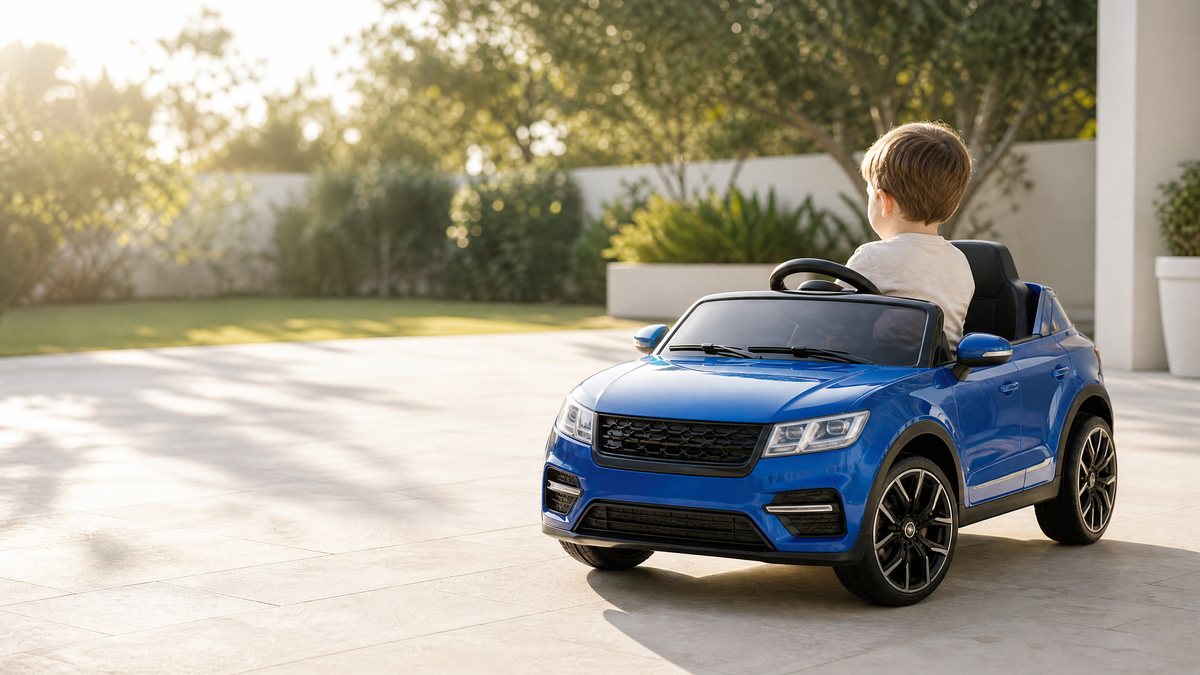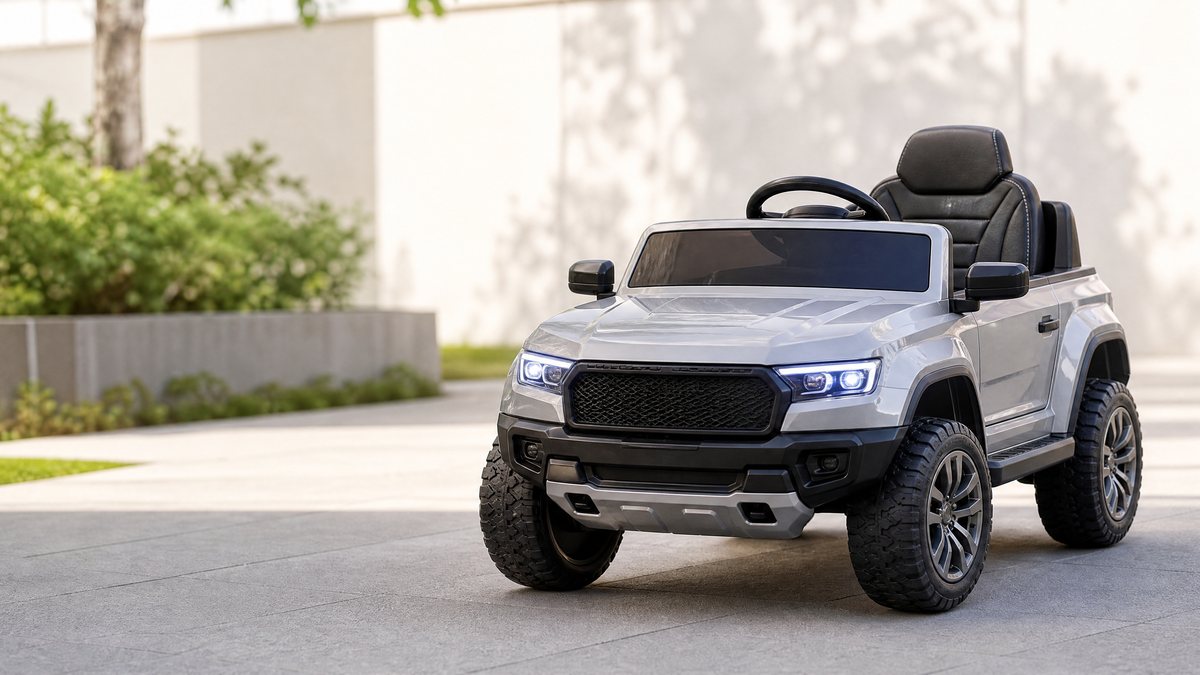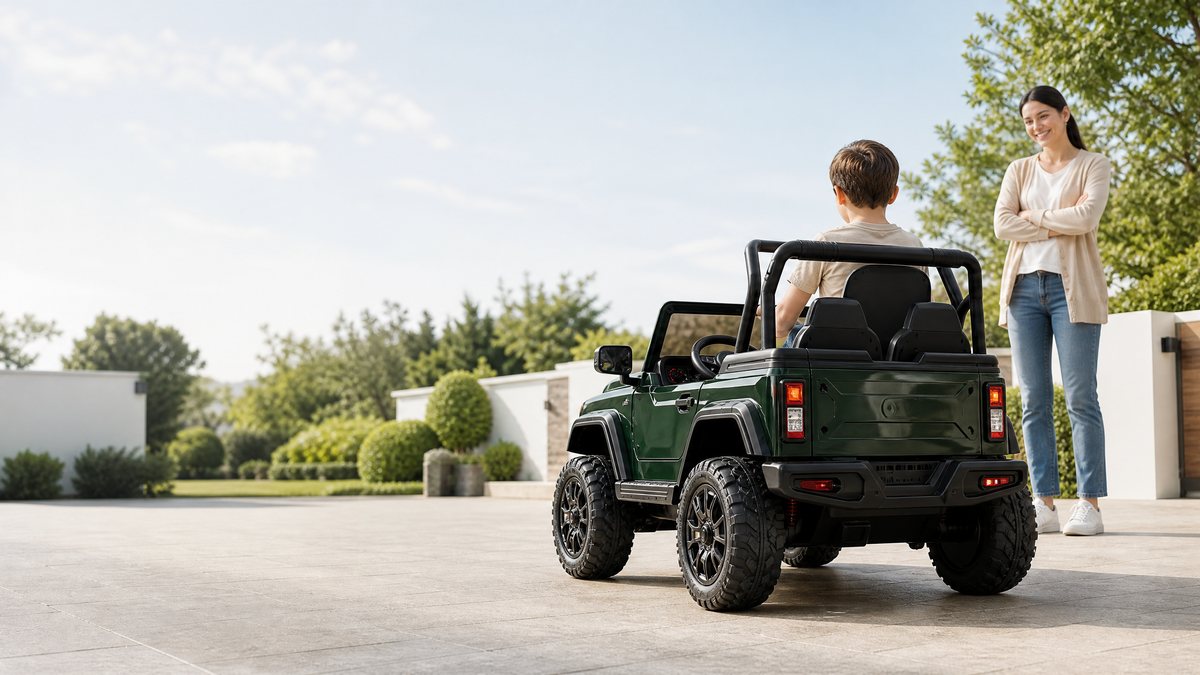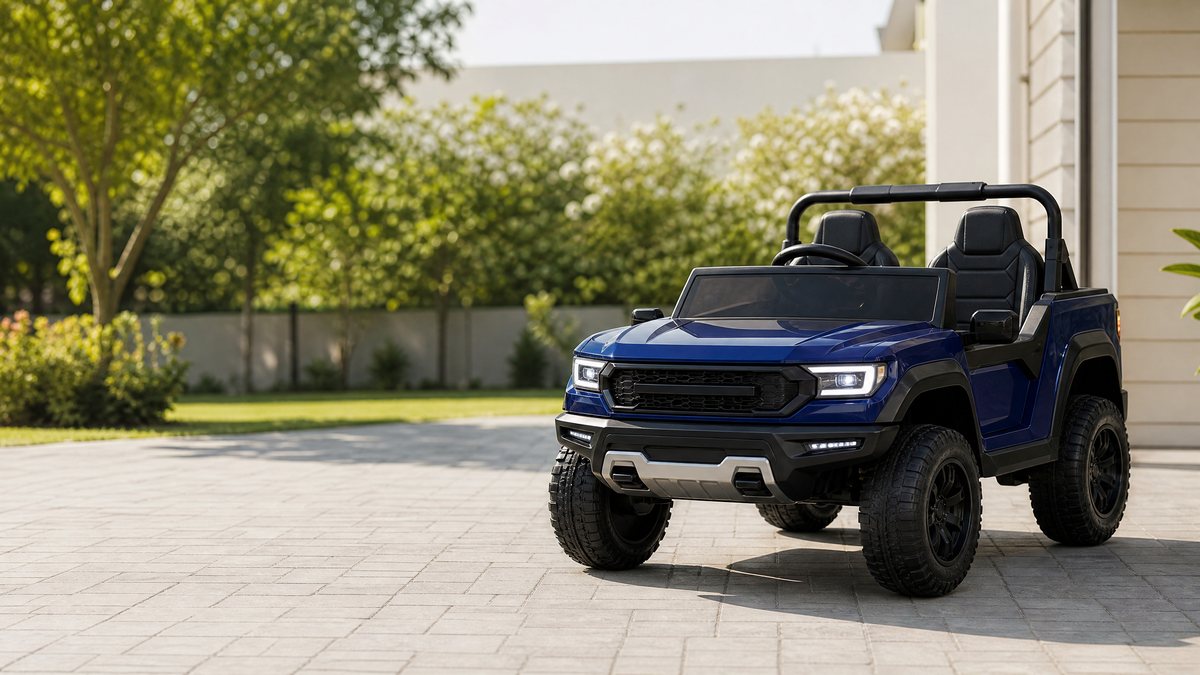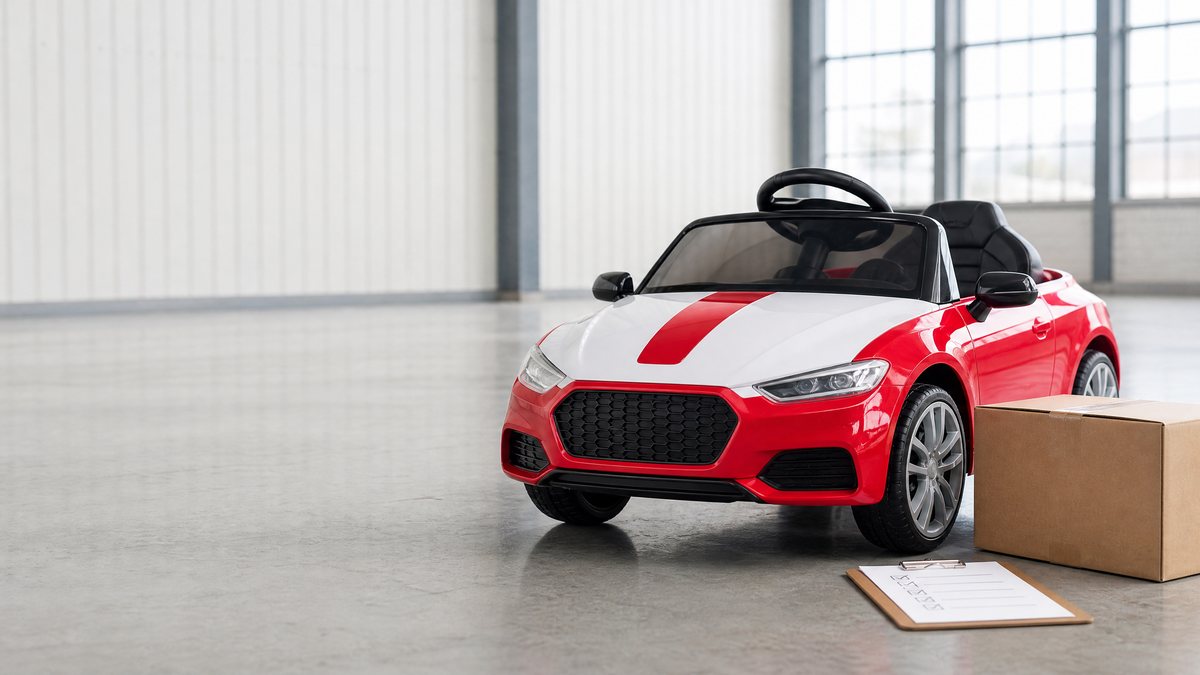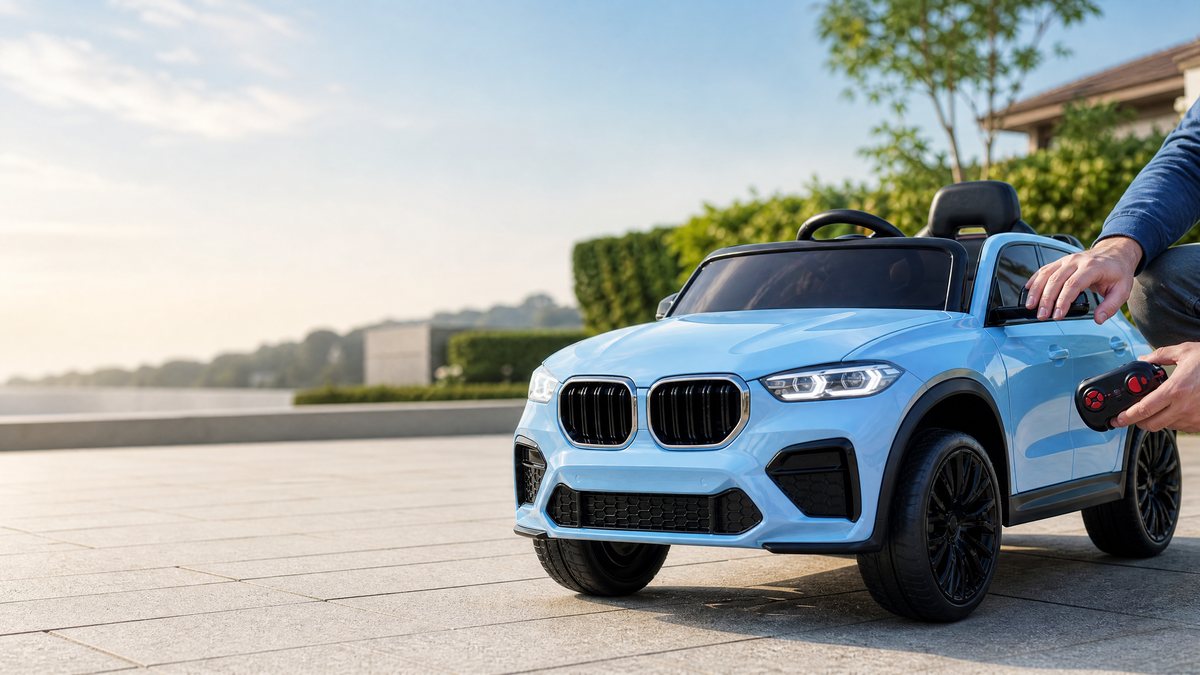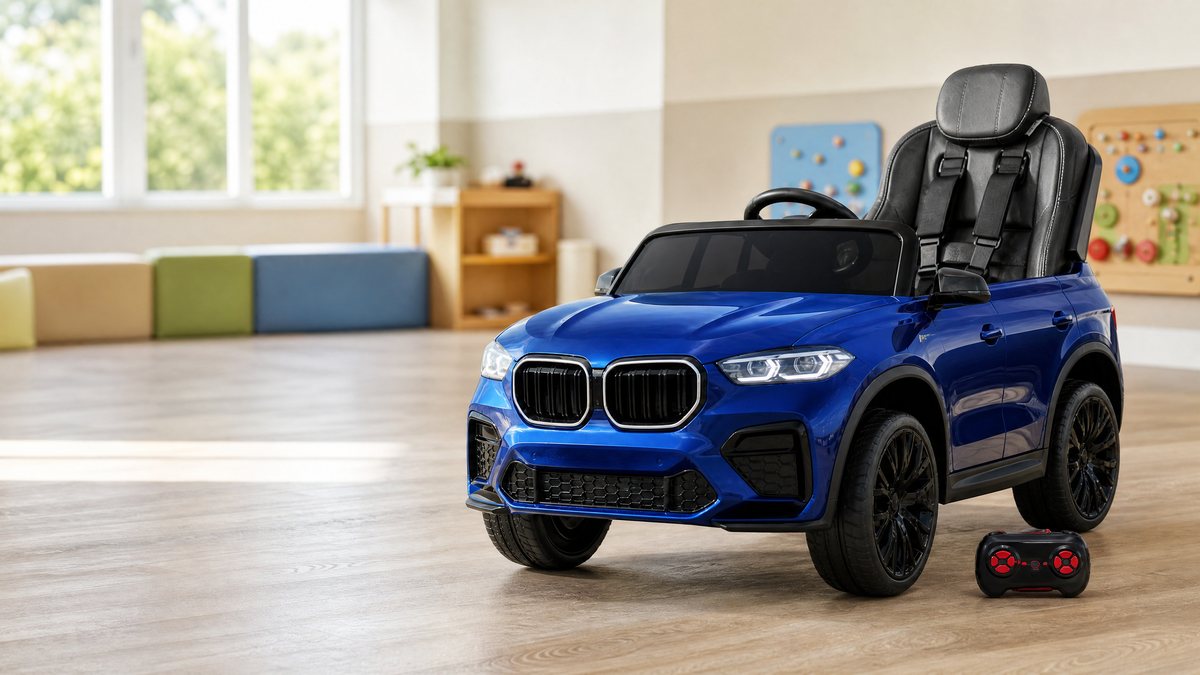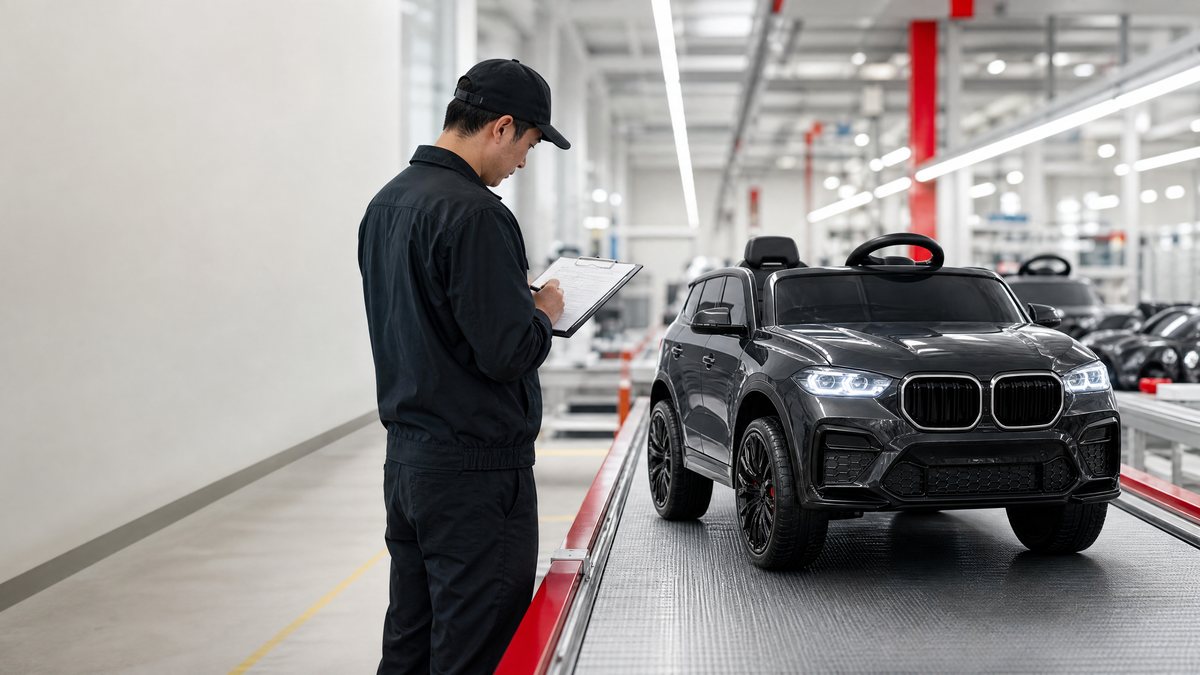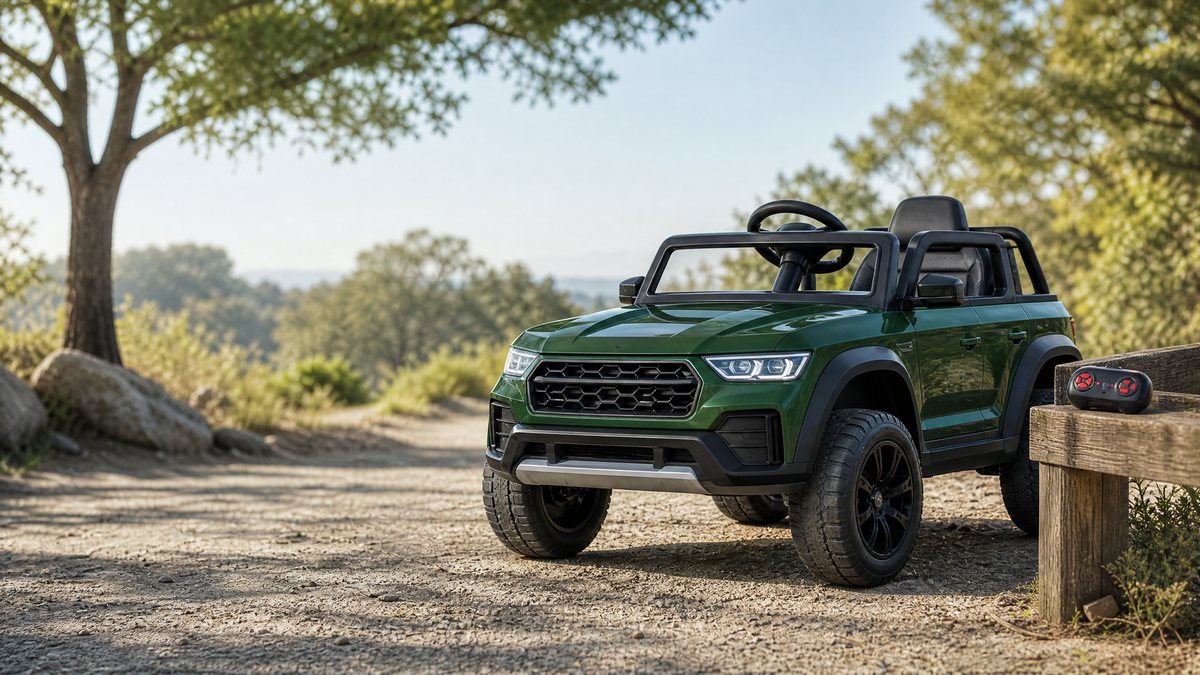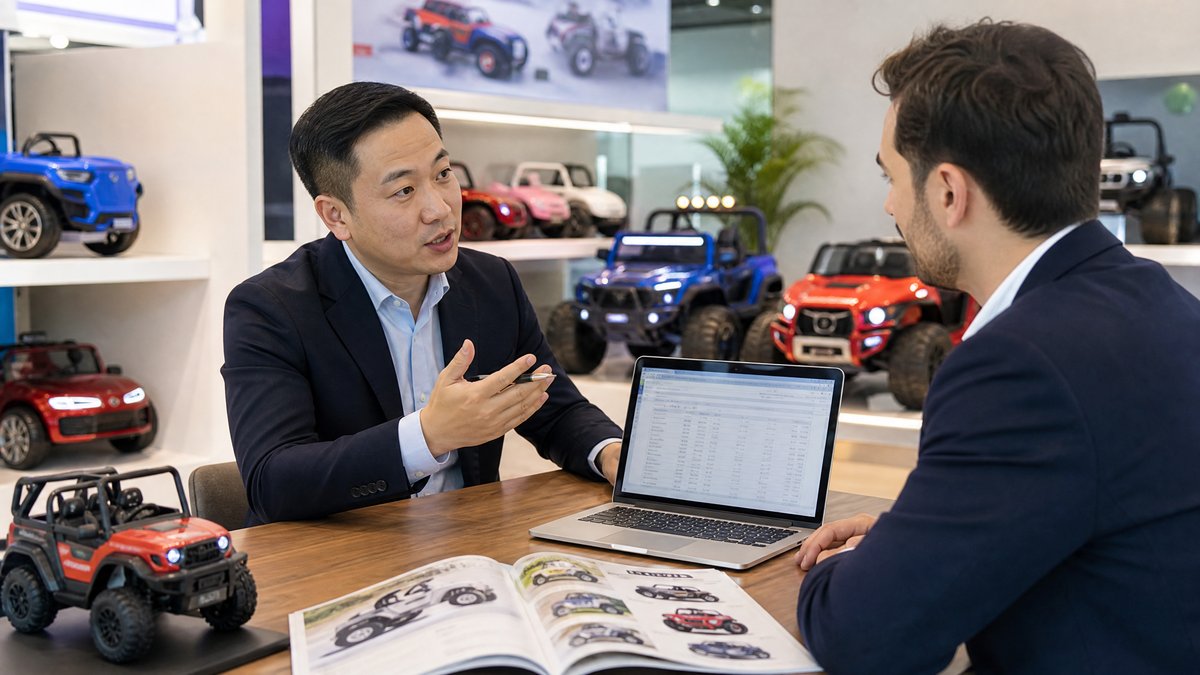
When evaluating electric ride-on vehicles for commercial retail distribution, wholesale import portfolios, fleet deployment in family entertainment centers, or domestic family recreation, total vehicle weight is frequently underestimated as a core operational parameter. While heavy-duty models often boast robust aesthetic styling, oversized decorative elements, and extensive feature matrices, lightweight ride-on cars present distinct, measurable operational advantages across supply chain logistics, daily handling, domestic storage, and routine asset management. Understanding the structural, mechanical, and practical trade-offs associated with vehicle mass allows professional buyers, retail distributors, and caregivers to make informed purchasing decisions that align with their specific operational environments, logistical constraints, and safety guidelines across all deployment scenarios.
This comprehensive guide examines why lightweight ride-on cars are consistently easier to manage across every stage of their lifecycle. By analyzing critical factors such as freight economics, spatial footprint, manual maneuverability, battery-to-weight efficiency ratios, electronic feature integration, and maintenance accessibility, we provide a structured evaluation framework for B2B procurement professionals and retail consumers alike. All observations, recommendations, and operational guidelines presented herein are intended to complement and operate strictly within the bounds of manufacturer-provided user manuals, technical specification nameplates, and official safety documentation.
1. Supply Chain Logistics and Freight Economics in Wholesale and Retail
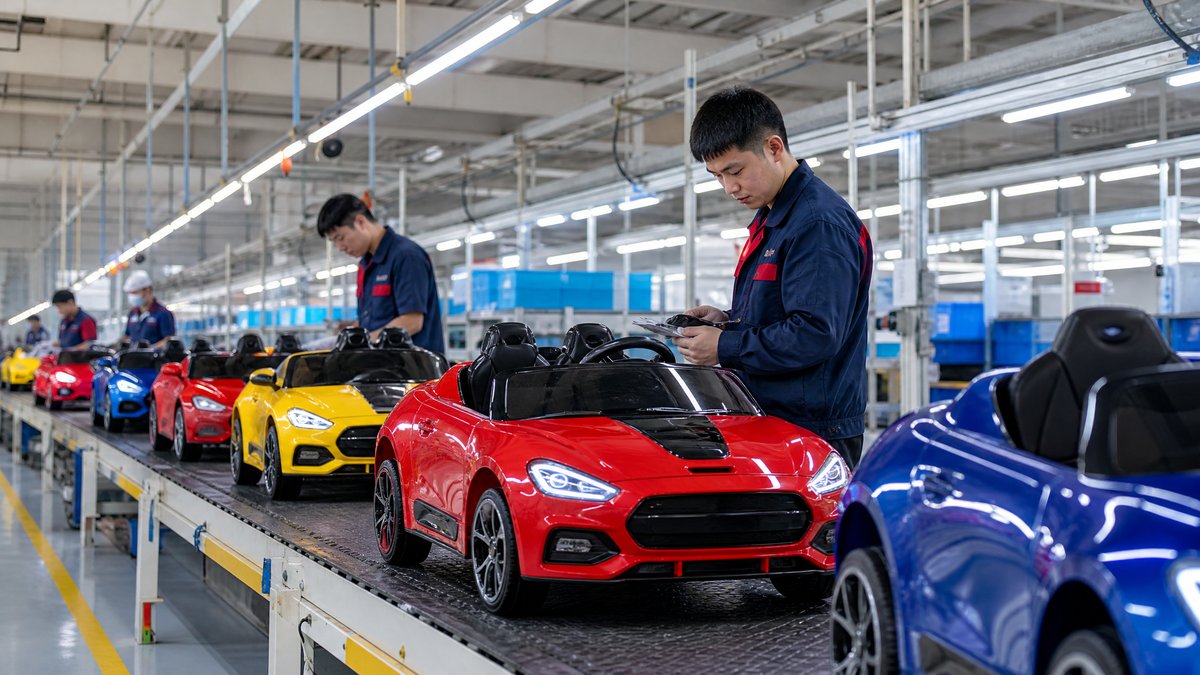
For B2B distributors, global importers, and retail store operators, product weight directly governs freight economics, warehousing efficiency, inventory turnover speed, and store handling overhead. Heavy ride-on vehicles impose disproportionate shipping surcharges, demand reinforced warehouse racking systems, and require greater physical exertion from logistics personnel during unboxing, assembly, palletizing, and showroom floor rearrangement. Furthermore, heavy master cartons increase occupational injury risks during manual loading and unloading dock operations across international transit hubs and fulfillment warehouses.
Lightweight ride-on cars fundamentally streamline supply chain touchpoints. Reduced gross weight per unit translates directly into optimized container loading capacities, lower per-unit freight overhead, and safer manual handling conditions for warehouse staff. Retail store employees can reposition display models effortlessly without risking retail floor damage, packaging tearing, or physical strain. Furthermore, when shipping direct-to-consumer (D2C) or fulfilling regional e-commerce orders, lighter master cartons significantly reduce courier handling risks, decrease dimensional and overweight shipping surcharges, and minimize the statistical likelihood of drop-damage or impact fractures during transit across last-mile delivery networks. Importers benefit from lower landed costs per SKU, enhancing profit margins across competitive retail channels and minimizing inventory holding costs.
Comprehensive Supply Chain and Warehousing Comparison
| Operational Dimension | Lightweight Ride-On Cars | Heavy-Duty Ride-On Cars |
|---|---|---|
| Container Loading Density | High unit count per ISO shipping container and pallet | Lower volumetric efficiency due to excess structural mass |
| Warehouse Handling Overhead | Easily managed via single-person stacking and sorting | Frequently mandates two-person lifts or mechanical hand trucks |
| Showroom Merchandising | Rapid reconfiguration, rotation, and display staging | Labor-intensive repositioning across multi-zone retail floors |
| Direct-to-Consumer Freight | Lower risk of courier weight penalties and surcharges | Higher incidence of freight adjustments and damage claims |
| Reverse Logistics & Returns | Streamlined return shipping and repackaging workflows | Complex, high-cost return logistics and restocking labor |
2. Daily Maneuverability and Domestic Storage Practicalities
Beyond commercial supply chains and retail distribution centers, end-users face continuous daily logistical challenges regarding where and how to store, transport, and manage electric ride-on vehicles. Modern suburban homes, apartments, multi-story dwellings, and urban townhouses impose strict spatial limitations. A vehicle that requires multiple adults to hoist into a compact trunk, navigate narrow hallways, or carry up flights of stairs quickly transforms from a source of recreation into an impractical domestic burden.
Lightweight models dramatically simplify everyday mobility and storage logistics. Parents and caregivers can effortlessly lift the vehicle into the trunk of a standard sedan or crossover for park outings, family gatherings, or holiday travel. In domestic settings, storing the vehicle in a garage corner, apartment closet, mudroom, or designated playroom requires minimal clearance. When children finish playing, the ease of guiding, rolling, or lifting the car back to its designated storage location encourages consistent tidiness and reduces the likelihood of the toy being left exposed to outdoor weather elements, sprinkler systems, or residential driveway traffic zones.
Additionally, manual maneuverability when the battery is depleted or when navigating tight indoor corridors is significantly improved. If a vehicle must be pushed, steered, or repositioned manually without electrical power, lower overall mass prevents physical fatigue for supervising adults and avoids scuffing indoor flooring. In scenarios where children transition from stroller use to independent steering and pedal operation, lightweight frames provide responsive control feedback that supports motor skill development under close parental supervision.
For commercial businesses seeking tailored inventory mixes or bulk procurement strategies, exploring specific configuration options is essential. Request a wholesale quote.
3. Structural Integrity, Material Engineering, and Efficiency Ratios
A persistent misconception in vehicle procurement and consumer purchasing is that heavier automatically equates to superior quality, safety, or structural durability. In children's electric ride-on cars, true structural integrity is determined by advanced material engineering, optimized chassis geometry, and precision-molded reinforcement rather than raw physical mass. Leading manufacturers achieve durable, impact-resistant frames by utilizing high-grade polymer composites and engineered tubular bracing that provide exceptional strength-to-weight ratios, ensuring long-term resilience under normal operational use and consistent mechanical performance.
Excessive weight in poorly optimized vehicles frequently stems from redundant metallic framing, unnecessarily thick decorative body panels, or oversized lead-acid battery configurations that offer diminishing returns in operational performance. By adopting advanced lightweight materials and efficient electrical architectures, manufacturers deliver agile vehicles that maximize energy efficiency. A lighter chassis places significantly less continuous mechanical stress on steering linkages, front axle pivots, wheel hubs, and suspension components during acceleration, cornering, and braking. Furthermore, optimizing vehicle weight distribution enhances steering responsiveness and overall stability across diverse recreational surfaces.
Furthermore, power-to-weight efficiency plays a critical role in overall operational responsiveness. When vehicle mass is minimized, the onboard power system experiences reduced electrical and mechanical draw. This efficiency supports consistent operational responsiveness across varying terrain types while reducing thermal stress on drive motors and control circuit boards. Buyers must evaluate vehicles based on rated nameplates, manufacturer written instructions, and certified specifications rather than subjective perceptions of weight.
4. Feature Integration and Electronic Control Systems
Modern electric ride-on cars often feature sophisticated electronic enhancements, including 2.4G parental remote controls, soft-start acceleration modules, integrated Bluetooth audio systems, LED lighting packages, and multi-speed limiters. When these advanced features are integrated into a lightweight platform, the overall electrical and mechanical synergy is optimized across all operational parameters.
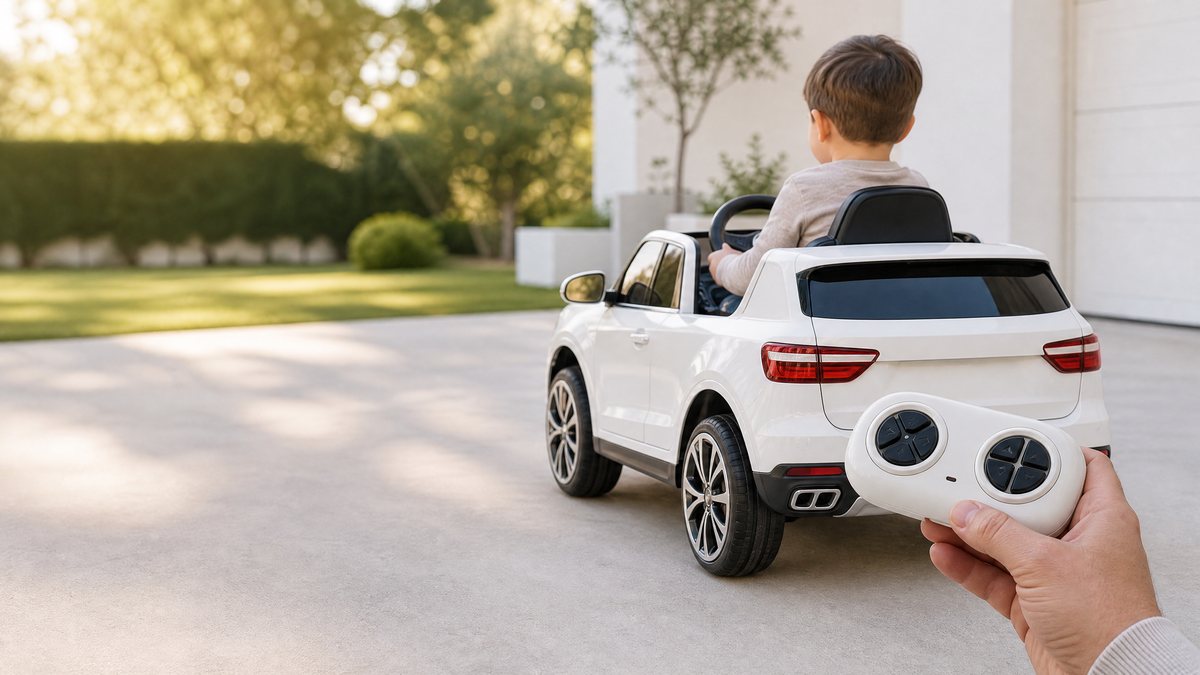
For instance, when equipped on specific models, soft-start technology regulates power delivery to prevent abrupt jerking during initial acceleration. In a lightweight chassis, this gradual power application results in smoother transitions, protecting drivetrain gears from shock loading. Similarly, parental remote override systems operate with heightened precision when vehicle mass is controlled, allowing supervising adults to command directional changes and emergency stops with immediate mechanical response.
Buyers must verify feature availability on a model-by-model basis, as specifications vary across production batches and product tiers. Under no circumstances should users attempt unauthorized electrical modifications, circuit rewiring, or control box bypassing. All feature assessments must rely strictly on manufacturer documentation and official product nameplates.
5. Maintenance, Servicing, and Component Accessibility
Maintenance operations, routine technical inspections, and minor component servicing are inevitable aspects of owning or managing a fleet of electric ride-on vehicles. Whether conducting seasonal pre-checks in a retail service center or addressing customer support inquiries, ease of physical handling directly simplifies service workflows and reduces labor overhead significantly.
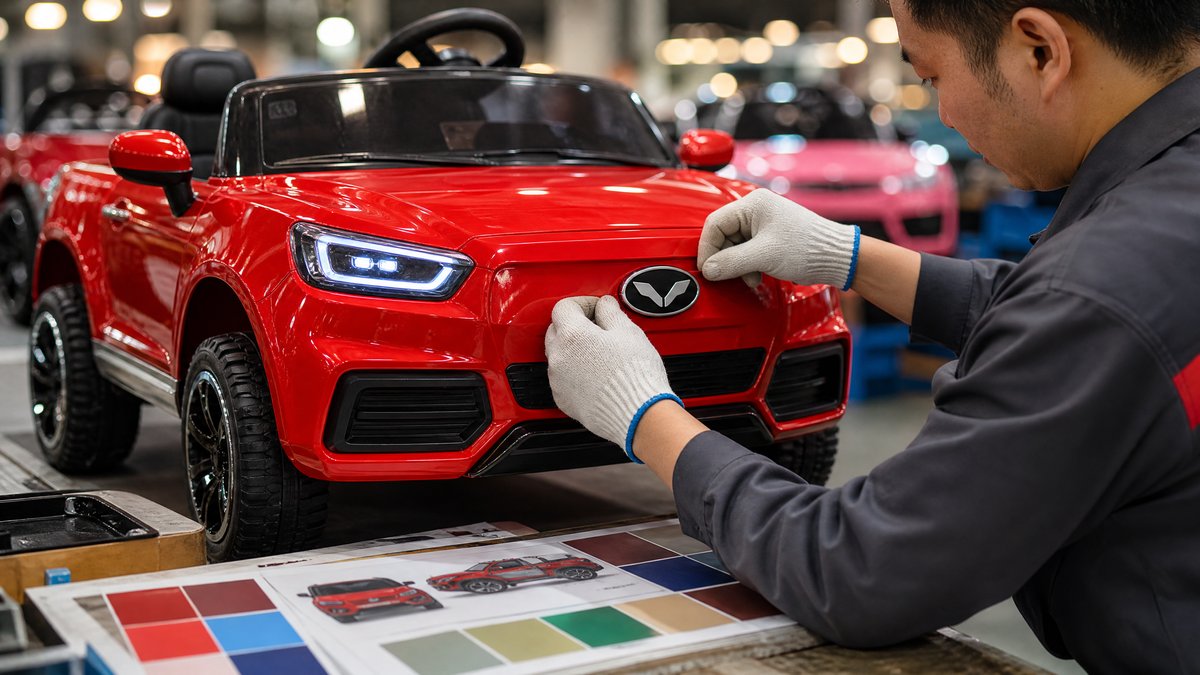
When technicians, retail service personnel, or parents need to inspect internal wiring harnesses, steering gearboxes, drive motors, or pedal assemblies, accessing the chassis of a lightweight vehicle is inherently safer and less cumbersome. Tilting, inverting, or elevating a lightweight car requires minimal physical effort, sharply reducing the risk of accidental drops, back strain, or pinched fingers. Service technicians can execute comprehensive diagnostic checks and part replacements rapidly, whether operating in a dedicated repair facility or conducting on-site fleet maintenance for amusement parks, resorts, or rental kiosks.
It is vital to adhere strictly to established safety protocols during any maintenance, inspection, or troubleshooting procedure. Operators must never attempt unauthorized structural modifications, bypass internal electrical circuit breakers, or tamper with battery terminals. If unusual odors, smoke, excessive heat, fluid leaks, water ingress, exposed wiring, damaged charging plugs, abnormal braking responses, or persistent electrical failures occur, all vehicle operations must cease immediately. Power must be turned off, children kept at a safe distance, and the issue reported to the manufacturer or qualified technical personnel.
6. Buyer Evaluation Framework and Pre-Purchase Inspection
Selecting the appropriate ride-on car requires a systematic evaluation framework that weighs vehicle weight against intended use cases, storage capabilities, transport frequency, and operator demographics. Buyers should never rely solely on marketing descriptions, promotional imagery, or superficial aesthetic appeal; instead, they must conduct a rigorous review of technical specification sheets and official manufacturer documentation.
Pre-Purchase Weight and Usability Checklist
1. Assess Storage Constraints: Measure available storage spaces, garage clearances, and doorway widths before purchasing inventory or selecting domestic storage locations.
2. Evaluate Transport Frequency: Determine whether the vehicle will frequently be transported in passenger vehicles, requiring single-person lifting capability without ergonomic risk.
3. Review Technical Specifications: Inspect official manufacturer specification sheets for exact net vehicle weight, battery specifications, and rated payload limits.
4. Confirm Supervisory Requirements: Ensure that supervising adults can comfortably manage, lift, and maneuver the vehicle under all operating conditions and weather scenarios.
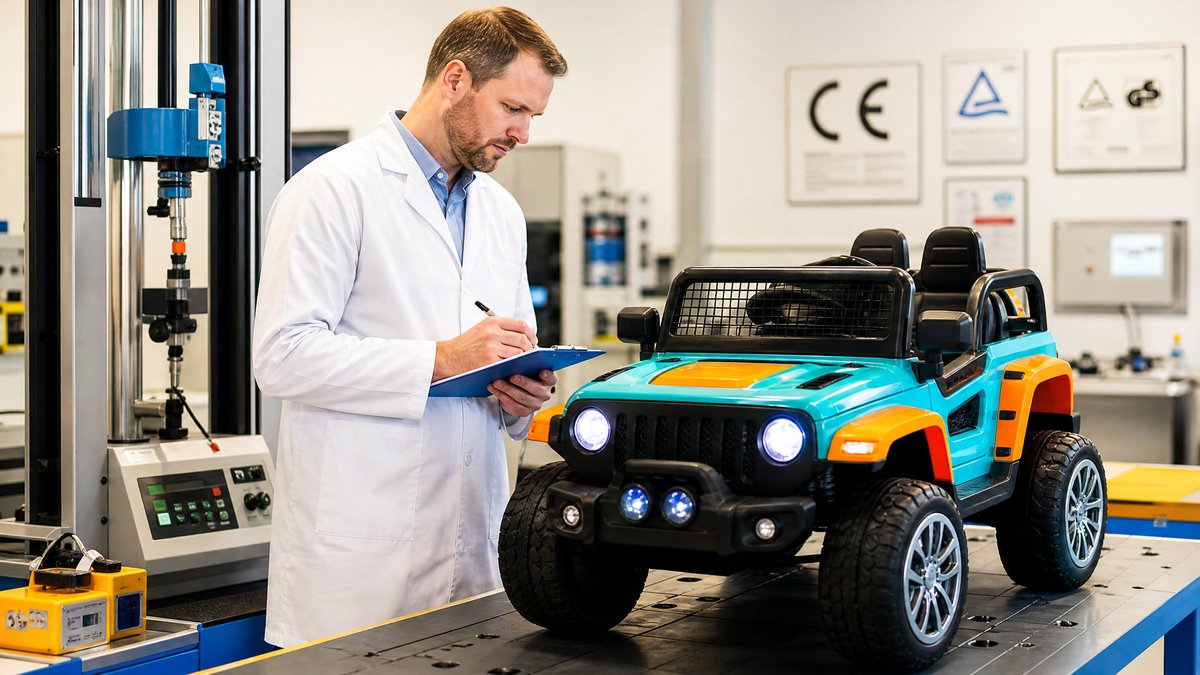
5. Verify Compliance Documentation: Check that the product holds recognized safety certifications as stated by official manufacturer documentation and nameplate markings.
By systematically applying these evaluation criteria, commercial buyers, retail importers, and individual consumers can select models that deliver long-term satisfaction without introducing unnecessary logistical friction, handling burdens, or unexpected operational costs throughout the product lifecycle.
Conclusion
Lightweight ride-on cars offer a compelling balance of logistical efficiency, daily manageability, and structural durability. By reducing transport overhead, simplifying warehousing and retail handling, and easing domestic storage and mobility, lightweight designs address the practical pain points frequently encountered with heavier alternatives. Whether outfitting a commercial rental fleet or selecting a recreational vehicle for domestic enjoyment, prioritizing weight management alongside safety and quality ensures a superior operational experience across the entire product lifecycle.
For businesses looking to expand their inventory with well-engineered, manageable ride-on vehicle solutions, professional consultation and wholesale catalogs are readily available. Request a wholesale quote.
Frequently Asked Questions
Are lightweight ride-on cars less durable than heavier models?
Durability is determined by material engineering, chassis design, and manufacturing quality rather than sheer physical weight. Modern lightweight models utilize high-impact composites and reinforced frameworks that provide exceptional structural integrity while eliminating unnecessary mass.
How does vehicle weight affect battery life and operational runtime?
A lighter vehicle places less mechanical and electrical load on the drive motors and power system during acceleration and movement. This improved efficiency supports balanced energy utilization across operating sessions, though exact runtime depends heavily on terrain, payload, and battery capacity specified by the manufacturer.
What precautions should be taken when transporting a ride-on car?
Always follow the manufacturer's user manual regarding designated lifting points, weight distribution, and transport orientation. Ensure the power is switched off, loose accessories are secured, and lifting is performed with proper ergonomic posture to prevent personal strain or damage to vehicle body panels.
Can lightweight ride-on cars be used outdoors on uneven terrain?
Outdoor usage suitability depends entirely on the specific model's wheel design, tire material, ground clearance, and suspension specifications as detailed in the manufacturer documentation. Adult supervision is mandatory at all times, and vehicles must be operated on safe, level surfaces away from vehicular traffic, steep slopes, and water hazards.
Official References
1. Consumer Product Safety Commission (CPSC): General Toy Safety Education and Consumer Guidance Frameworks.
2. International Consumer Product Safety Standards: Electrical and Mechanical Safety Guidelines for Ride-On Toys.
3. Manufacturer Technical Specifications and Operator Manuals for Lightweight Electric Ride-On Vehicles.
Official references
Explore these external resources for current regulatory and trade guidance. Confirm requirements with the relevant authority before placing an order.
Ready to Start?
Factory-Direct · CE & ASTM Certified · MOQ from 50 Units
Our export team works with buyers in 60+ countries. Get a quote within 24 hours.
KR
Written by KidsRideCar
China's leading kids electric ride-on car manufacturer. 500,000+ units shipped annually to 60+ countries. CE, ASTM & EN71 certified.