Introduction
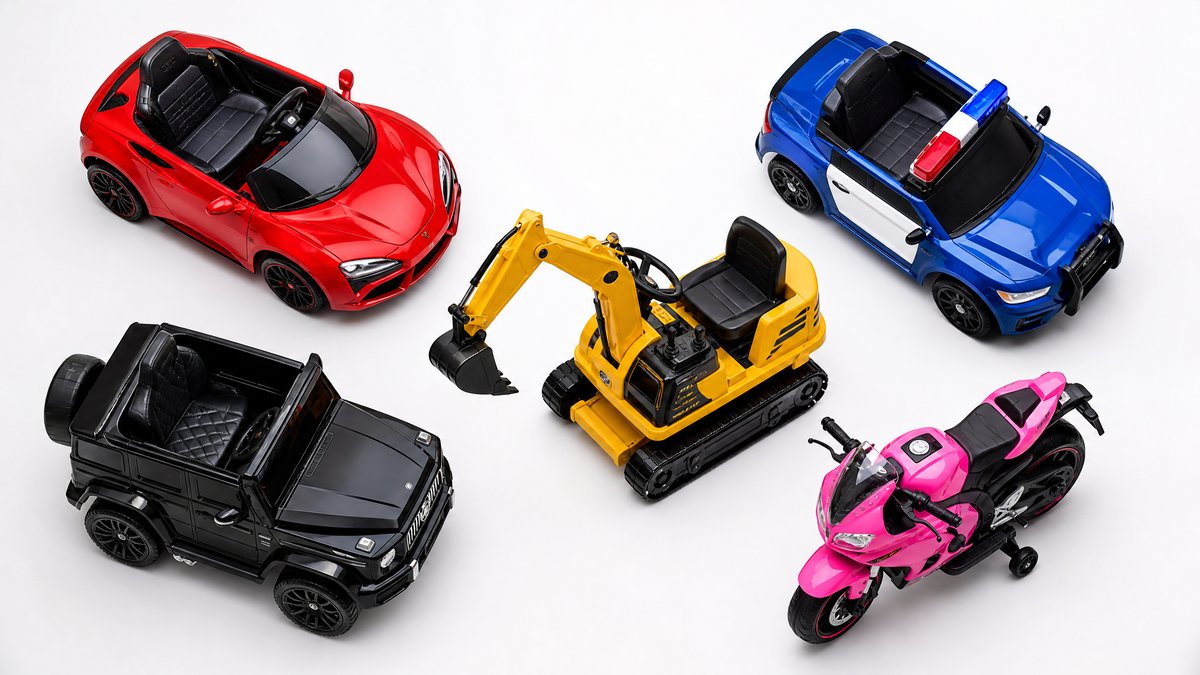
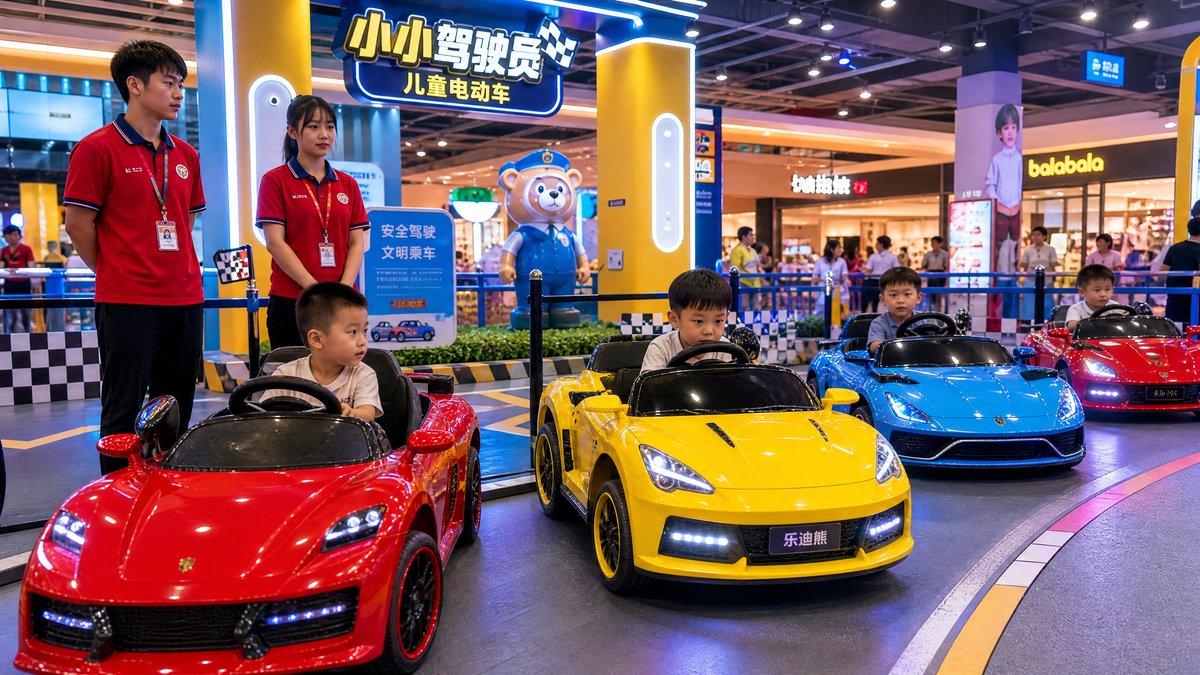
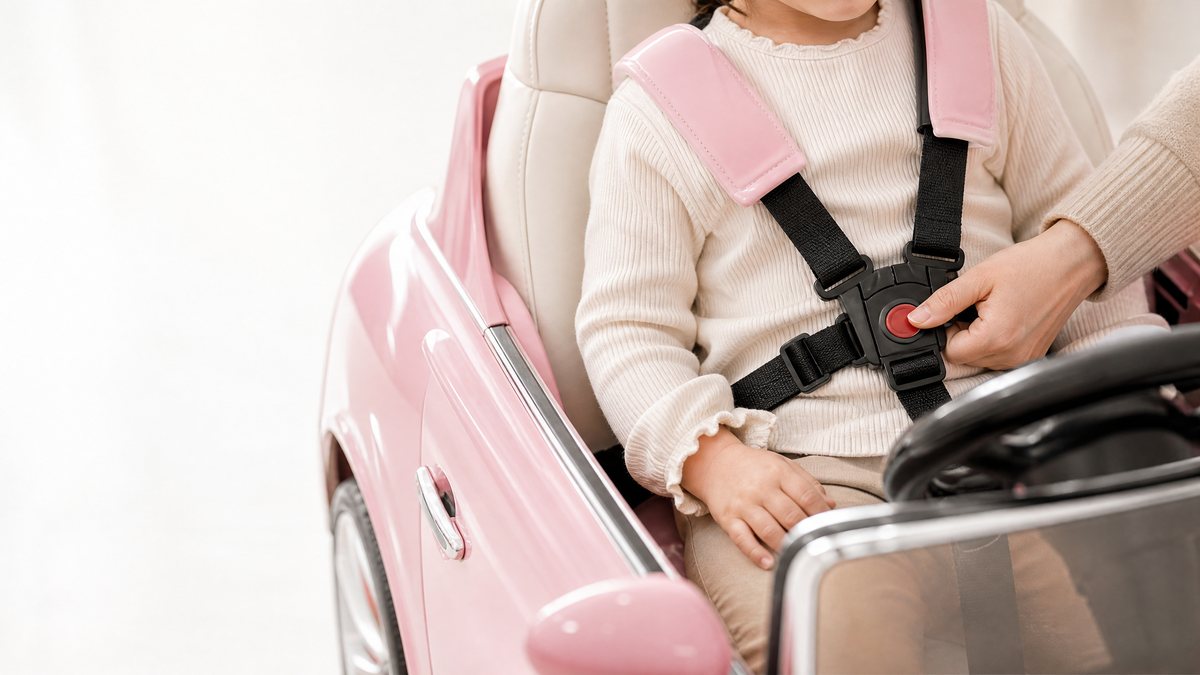
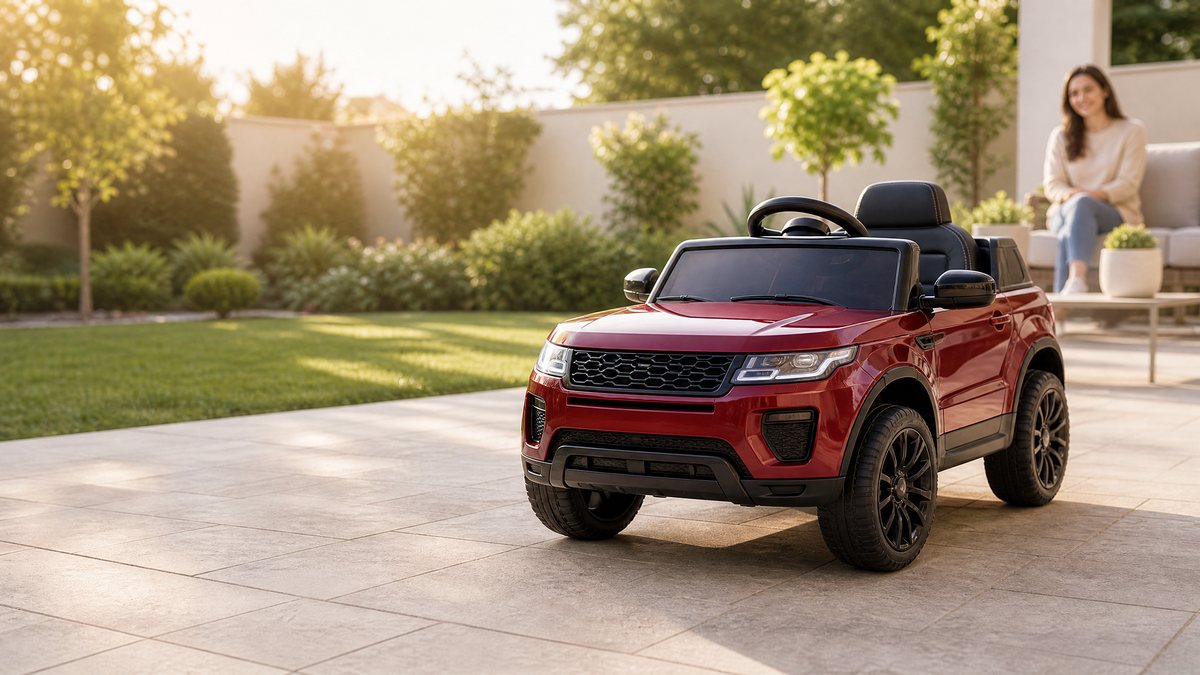
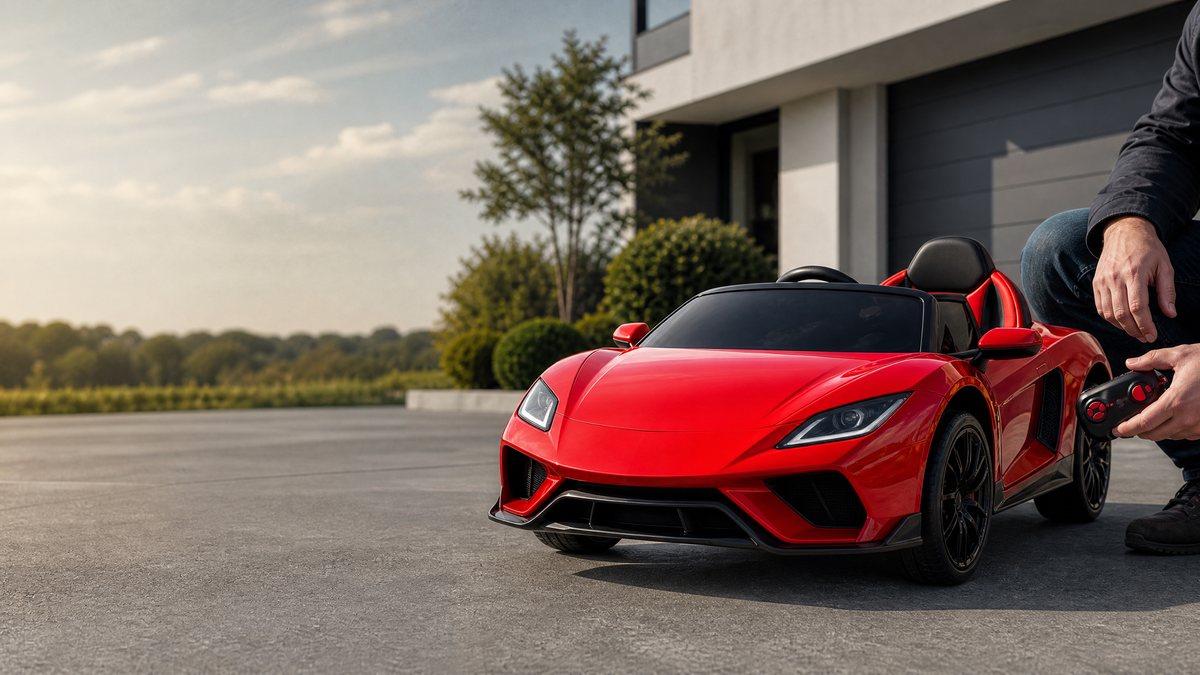
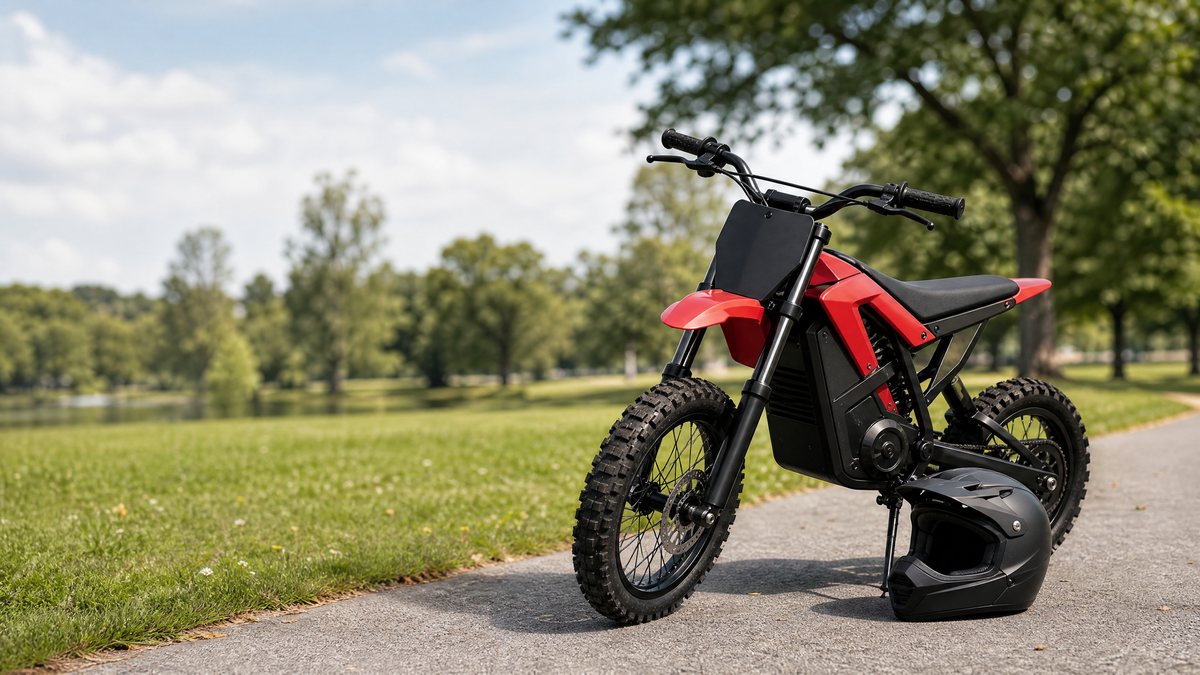
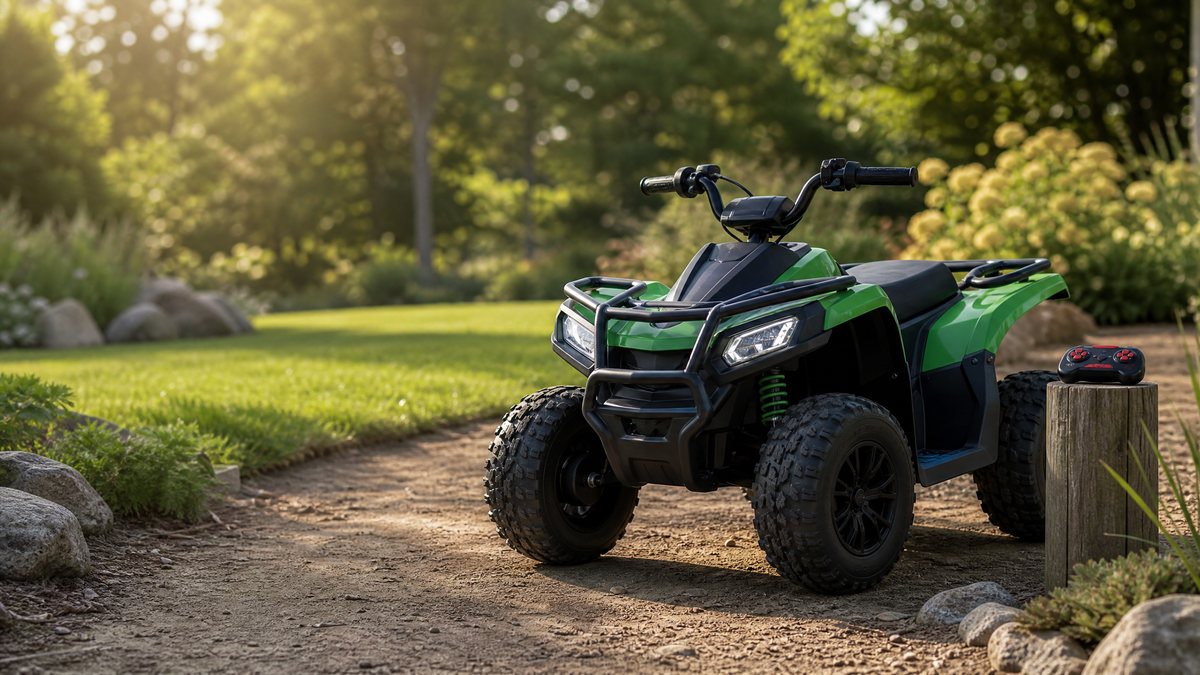
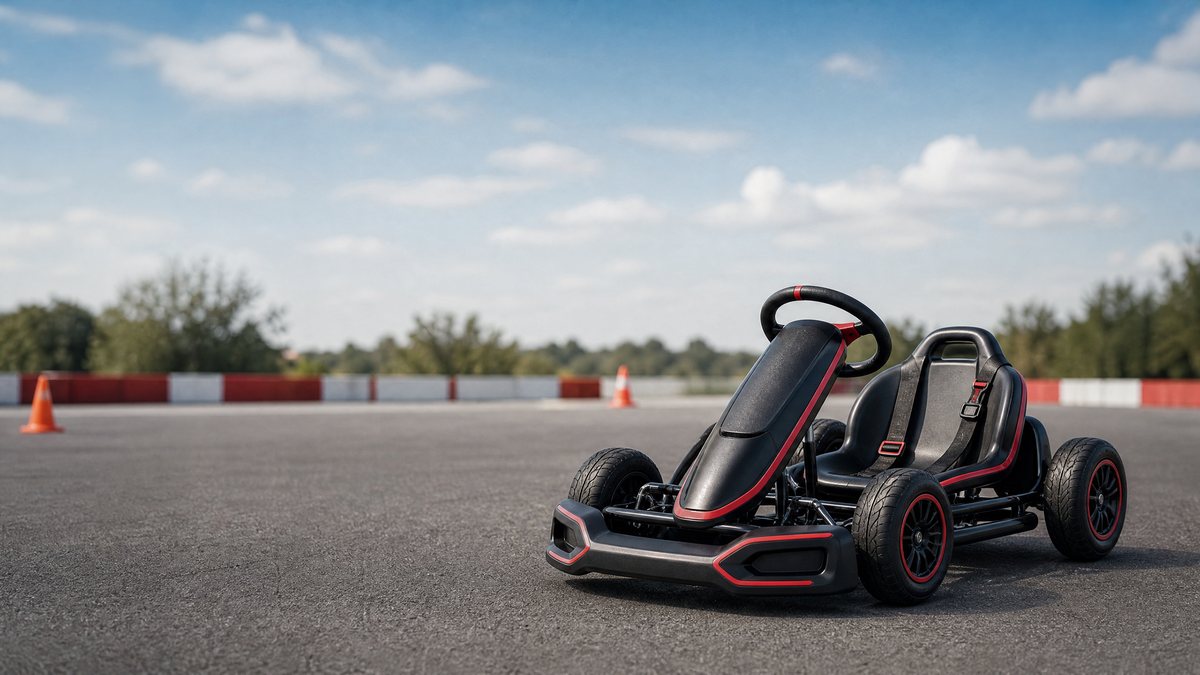
Outdoor recreation plays a fundamental role in childhood development, social interaction, and family bonding. In recent years, motorized and pedal-powered ride-on vehicles have established themselves as staple assets in residential neighborhoods, public parks, and family entertainment venues. For global toy distributors, retail buyers, and conscientious parents, understanding how to integrate ride-on cars into outdoor family activities safely and effectively is essential. Ride-on cars offer much more than solitary entertainment; when utilized within structured outdoor environments, they serve as dynamic catalysts for cooperative play, motor skill refinement, and shared family experiences across diverse communities.
However, maximizing the enjoyment and utility of ride-on vehicles requires adherence to established safety frameworks, environmental assessments, and methodical operational practices. Unlike standard outdoor toys, motorized ride-on cars combine mechanical propulsion, electrical circuitry, and spatial dynamics that demand attentive adult supervision and proactive maintenance. This comprehensive guide examines how B2B importers, retail partners, and families can approach outdoor ride-on car usage with confidence, emphasizing structured play activities, environmental safety checks, and rigorous pre-operation verification protocols.
As consumer expectations evolve toward enriching, screen-free outdoor activities, commercial buyers must provide clear, professional documentation and usage guidelines alongside their product offerings. By establishing standardized frameworks for outdoor family fun, retailers and manufacturers can foster long-term customer trust, minimize operational risks, and elevate the overall ownership experience. Furthermore, understanding the interplay between vehicle specifications, terrain types, and user capabilities ensures that every outdoor session is both exhilarating and entirely secure. Retailers who supply comprehensive operational guides along with their vehicle inventories consistently report higher customer satisfaction and reduced post-purchase inquiries across all global markets.
The Value of Outdoor Play and Ride-On Vehicle Integration
The modern landscape of child development increasingly emphasizes the importance of unstructured and structured outdoor play. Engaging with physical environments helps children develop spatial awareness, balance, and gross motor coordination. Ride-on cars introduce an interactive dimension to outdoor play, allowing children to navigate real-world topography, practice steering mechanics, and engage in role-playing scenarios that stimulate cognitive growth, imagination, and independence.
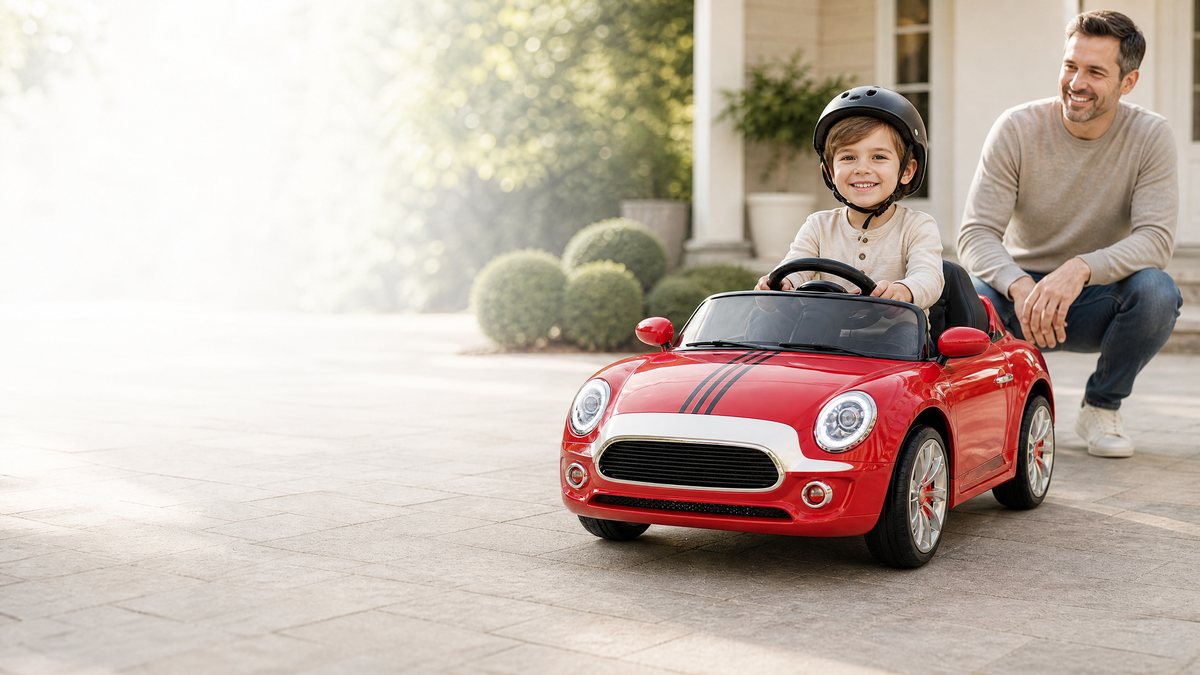
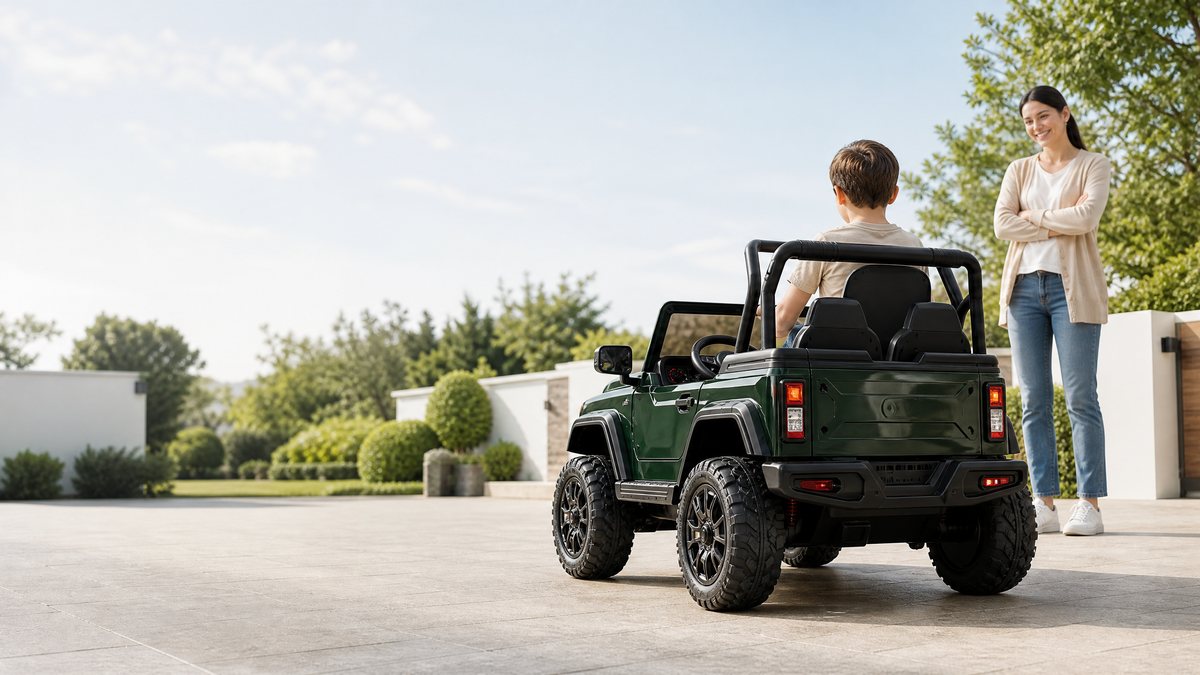
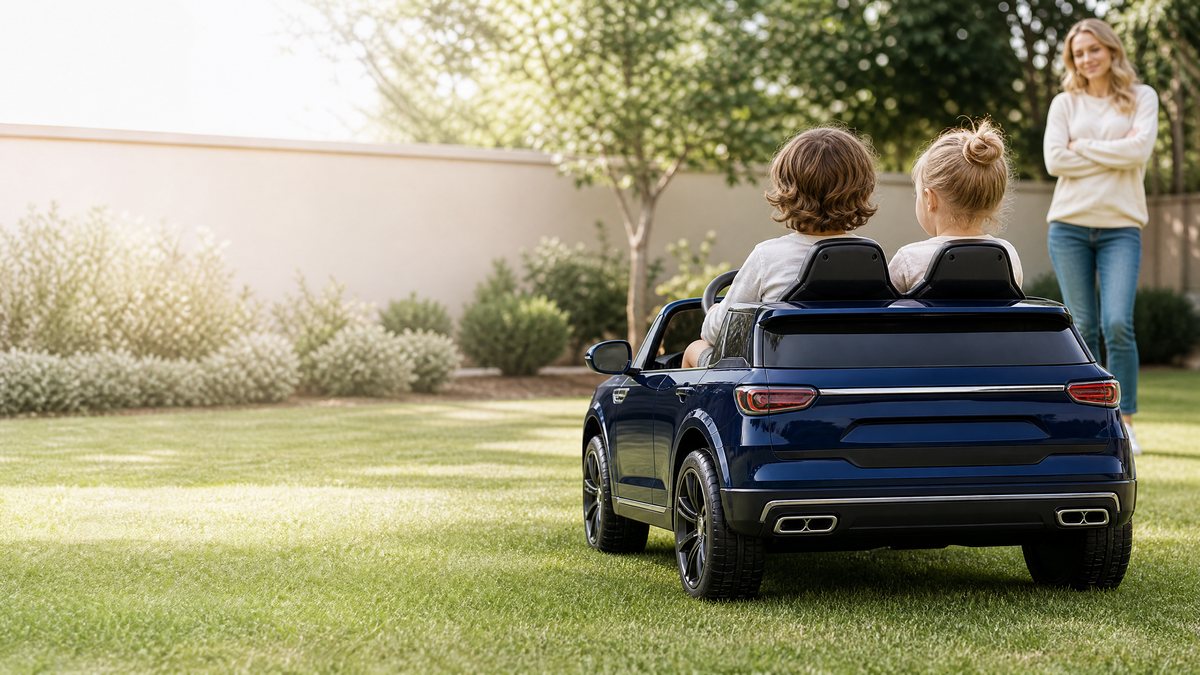
When integrated into family activities, ride-on cars facilitate collaborative engagement between parents and children. Whether participating in supervised neighborhood expeditions, family park outings, or backyard obstacle courses, children benefit from the guided interaction provided by adult supervisors. Parents can use these opportunities to introduce basic traffic awareness, directional concepts, and social sharing rules in a controlled, supportive setting. For international wholesalers and retail brands, highlighting these developmental and relational benefits in product collateral enhances market appeal and positions ride-on cars as premium lifestyle investments rather than temporary novelties.
Furthermore, outdoor family activities centered around ride-on vehicles encourage active lifestyles for all participants. Parents frequently walk alongside or actively participate in setting up play environments, turning a simple driving activity into a wholesome physical exercise session. Establishing routine outdoor play habits contributes positively to cardiovascular health, vitamin D absorption, and mental well-being for both children and caregivers. Engaging in these activities together also strengthens emotional bonds, creating lasting childhood memories built around shared outdoor adventures and cooperative family fun. When children observe their parents actively engaged in organizing and supervising outdoor play, they develop a lifelong appreciation for active recreation and healthy lifestyle habits.
Selecting the Right Environment and Preparing the Outdoor Space
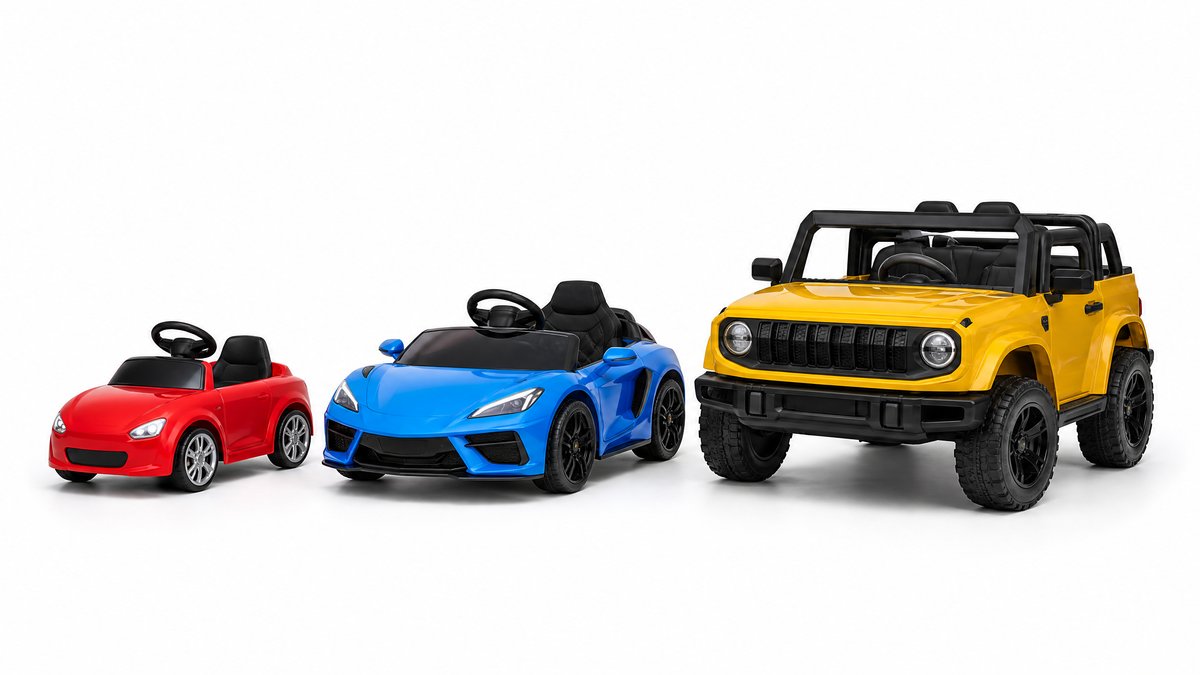
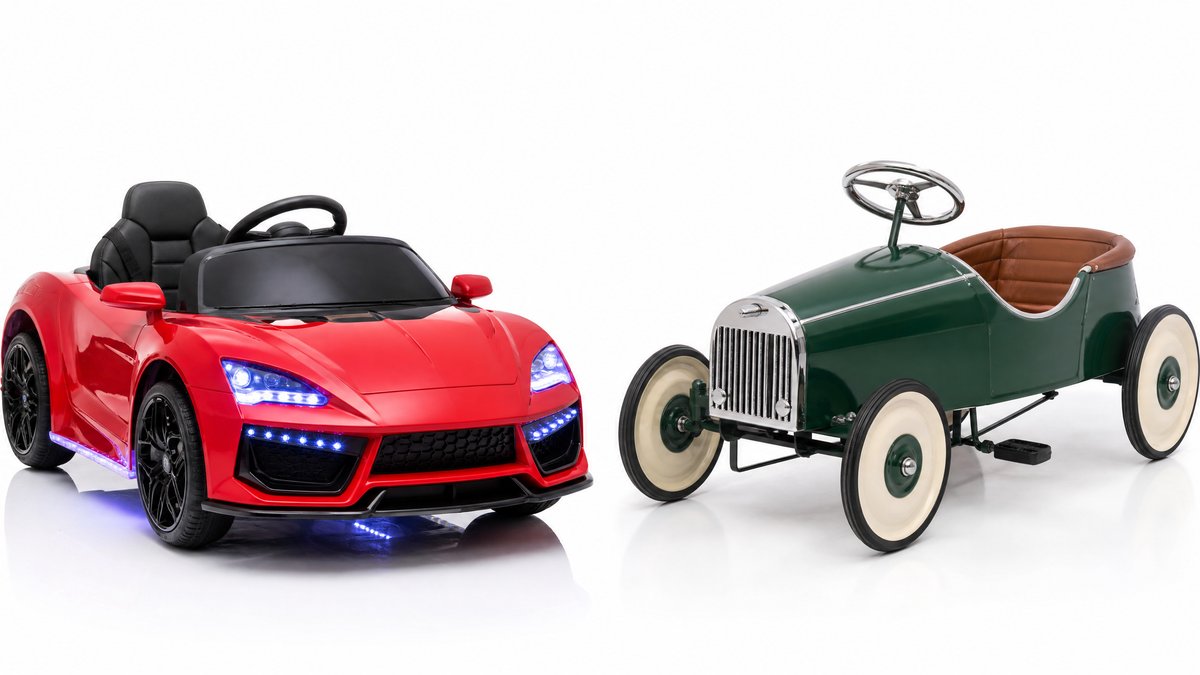
Before operating any ride-on vehicle, the selection and preparation of the outdoor environment are paramount. Different models—ranging from lightweight push cars to advanced 12V and 24V motorized vehicles—exhibit varying performance characteristics depending on surface composition, incline, and weather conditions.
Terrain Assessment and Surface Compatibility
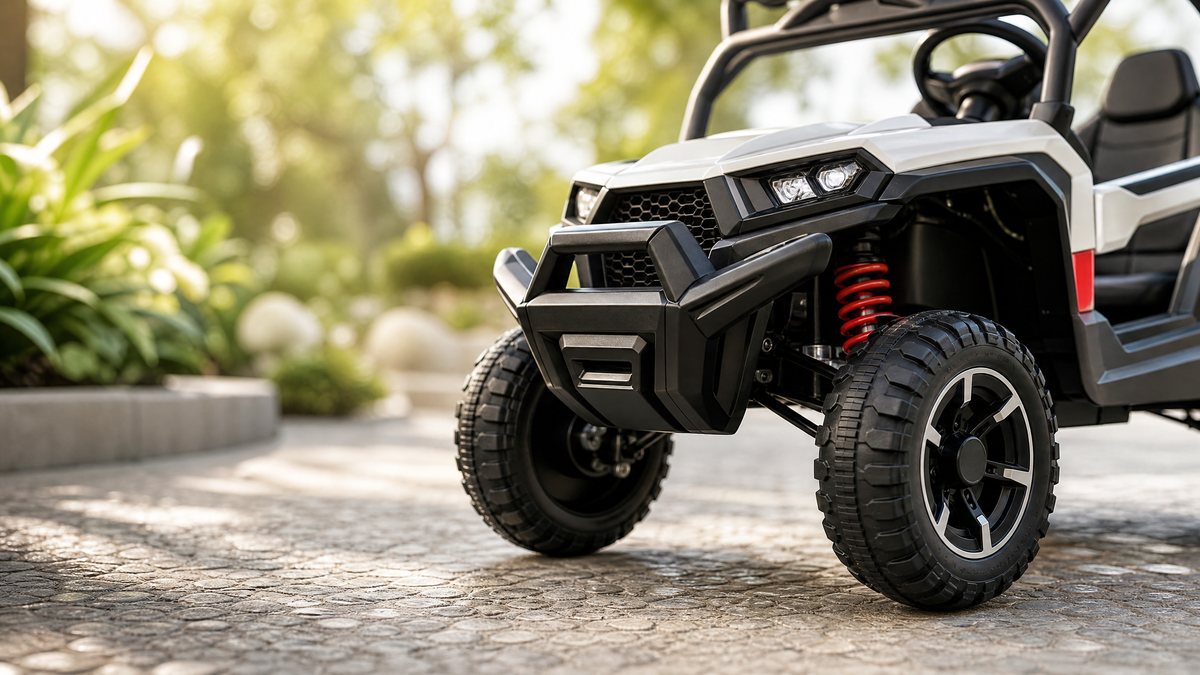
Evaluating surface stability is a critical first step in ensuring safe and enjoyable operation. Standard ride-on cars equipped with plastic wheels perform best on smooth, flat surfaces such as asphalt driveways, paved park paths, and concrete patios. Conversely, models featuring enhanced traction systems—such as EVA foam tires or specialized dual-motor configurations (if equipped on specific models)—may offer improved grip on compacted gravel or short lawn surfaces, provided manufacturer specifications support such usage.
Operators must strictly avoid operating ride-on cars on steep inclines, uneven muddy terrain, loose sand, or near bodies of water. Even if a vehicle features powerful motors or advanced suspension systems, manufacturer rating plates and user manuals outline strict limitations regarding maximum grade angles and acceptable terrain types. Ignoring these specifications can lead to traction loss, motor overheating, or unexpected rollover risks. Retailers must communicate these operational boundaries clearly to ensure consumer safety and product durability across all market segments.
Establishing Safe Play Boundaries
Creating a clearly defined operating boundary is essential for accident prevention. Supervisors should select open areas away from vehicular traffic, public roadways, and parking lots. Establishing visible markers, such as cones or designated perimeter lines in a large backyard or cul-de-sac, helps children understand their authorized driving zone.
Additionally, environmental factors such as weather and lighting must be continuously evaluated. Ride-on cars should never be operated during heavy rain, thunderstorms, or in low-visibility conditions after dusk. Moisture intrusion can compromise electrical components, while poor lighting obscures potential ground hazards like potholes, debris, or low-hanging branches. Retailers should educate buyers on these environmental prerequisites to prevent misuse and ensure long-term product reliability.
Pre-Operation Inspection and Equipment Verification Framework
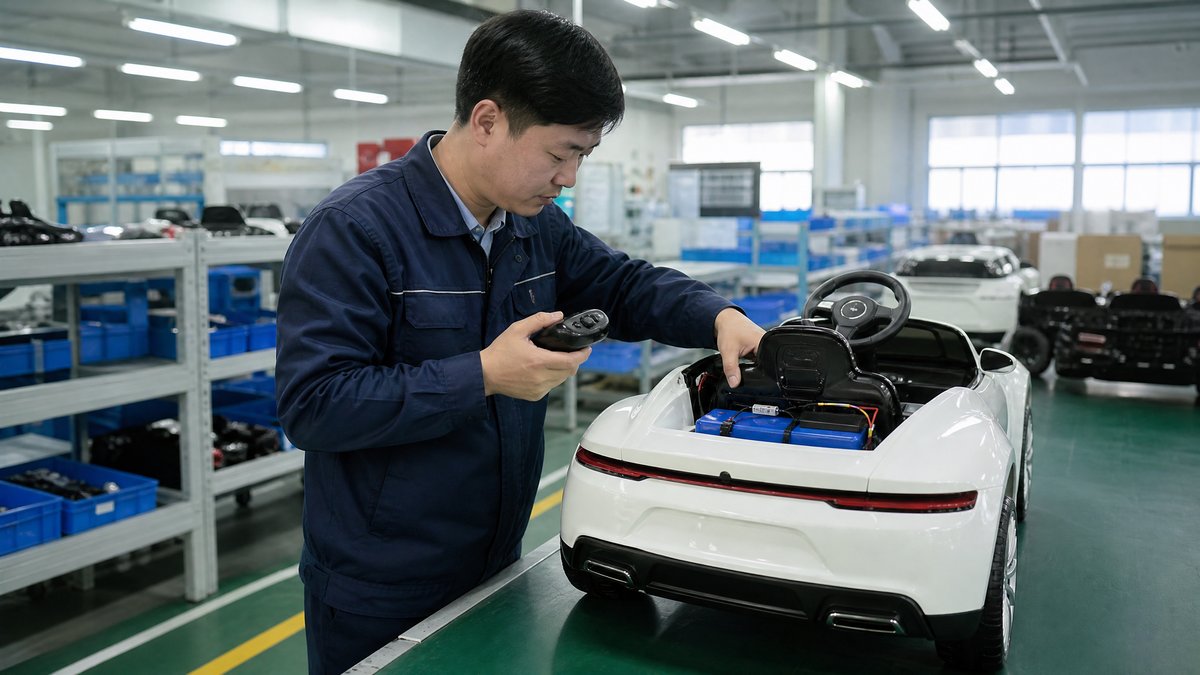
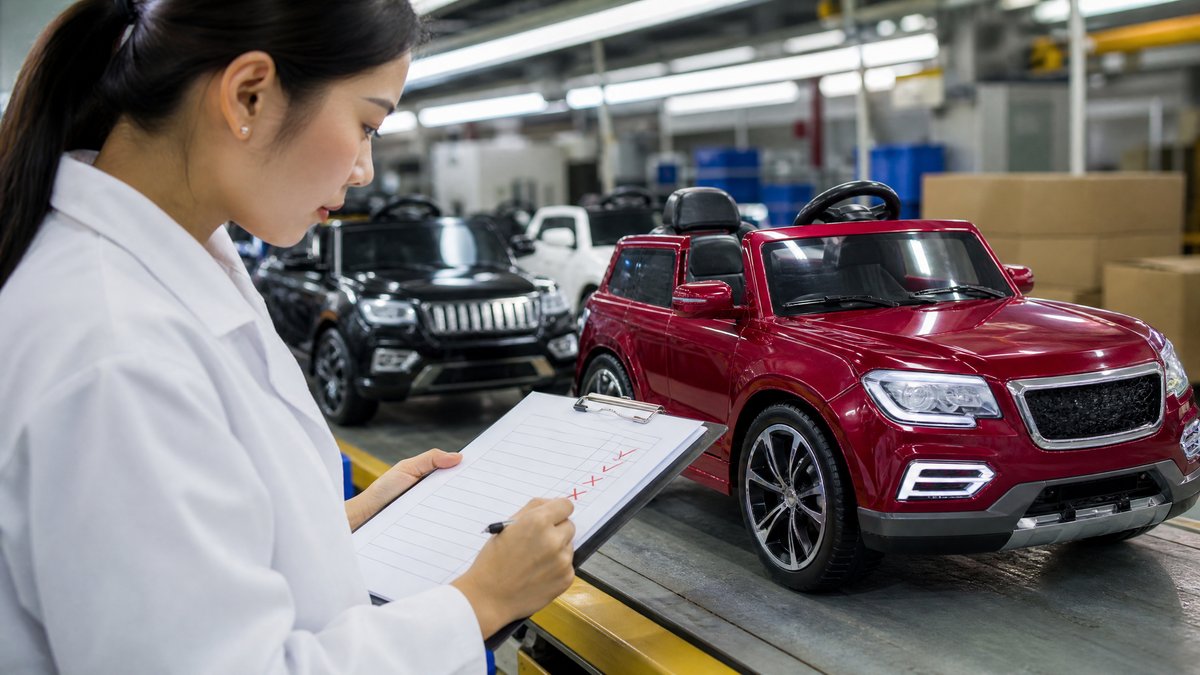
To guarantee safety and operational longevity, a systematic pre-ride verification checklist should be completed before every outdoor session. Retailers and distributors are encouraged to provide standardized inspection guides to end-users, promoting proactive maintenance habits.
| Inspection Category | Key Verification Items | Action Required in Case of Anomaly |
|---|---|---|
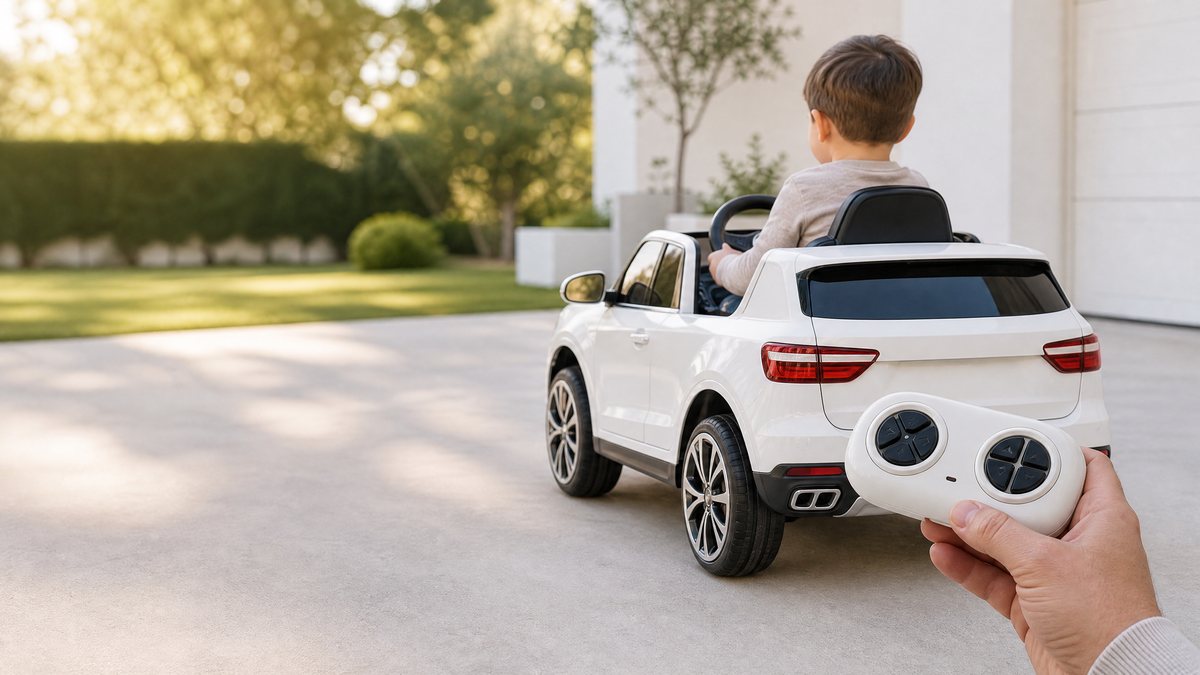
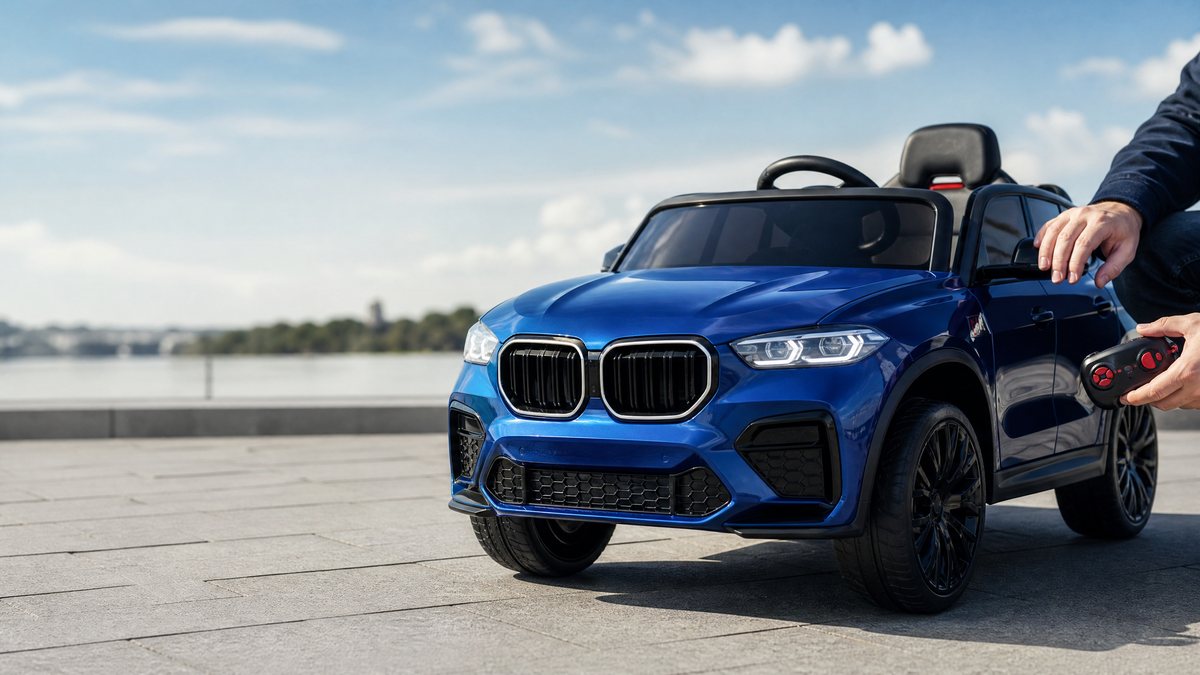
| Electrical System | Check wiring harness, charging port, dashboard indicators, and remote control sync (if equipped). | If exposed wiring, abnormal smell, smoke, or heating is detected, immediately power off, disconnect battery, and contact qualified support. |
| Steering & Wheels | Inspect steering linkage alignment, wheel fastening nuts, and tire tread integrity (EVA or plastic). | Tighten loose fasteners; replace worn or cracked wheels using manufacturer-approved replacement parts only. |
| Braking & Drive | Verify responsiveness of electronic brake systems, pedal activation, and soft-start mechanisms (if equipped). | Cease operation immediately if braking delay or motor stutter occurs; inspect for obstruction or circuit faults. |
| Chassis & Body | Check structural integrity of body panels, seating attachment points, and door latches (if equipped). | Ensure all structural bolts are secure; never modify or drill into the chassis frame or internal enclosures. |
As outlined in the framework above, systematic verification ensures that potential mechanical or electrical issues are identified before children begin play. All maintenance and replacement procedures must strictly follow the vehicle's official user manual.
Request a wholesale quote
Maximizing Engagement: Structured Activities and Family Bonding
Transforming a standard ride-on car session into an engaging family experience involves creativity, structured planning, and active participation. Rather than unstructured wandering, parents can introduce engaging games and learning challenges that maintain children's interest and enhance skill acquisition.
One popular approach is the creation of a simulated miniature driving course in a spacious backyard or community park. Using harmless markers, cones, or chalk lines, families can map out roads, intersections, pedestrian crossings, and parking bays. This setup allows children to practice directional signaling, stopping at designated lines, and navigating turns. When parents act as traffic controllers or pedestrians, the activity fosters interactive role-playing and reinforces basic safety concepts in an enjoyable format.
Another engaging activity is organizing family treasure hunts or delivery missions. Children can drive their ride-on cars to designated checkpoints to collect lightweight items or deliver toy packages to family members. This purposeful driving adds an element of objective-driven play, encouraging children to plan routes, manage speed, and coordinate their movements with others.
For commercial partners and retail buyers, offering accessory kits or educational course guides alongside ride-on vehicles provides exceptional added value, helping end-users unlock the full developmental and recreational potential of their purchases. Furthermore, group play sessions encourage social sharing, patience, and communication among children sharing vehicles under adult supervision.
Maintenance, Storage, and Off-Season Care
Ensuring the long-term durability of ride-on cars requires consistent post-operation maintenance and proper storage practices. Environmental exposure to dust, moisture, and extreme temperatures can accelerate wear and tear on mechanical and electrical components.
Following each outdoor session, the vehicle should be wiped down with a clean, dry or slightly damp cloth to remove dirt, grass clippings, and debris. Special attention should be paid to wheel assemblies and steering joints to prevent particulate buildup. If the vehicle has been exposed to damp grass or light moisture, ensure it is thoroughly dried before being moved into storage.
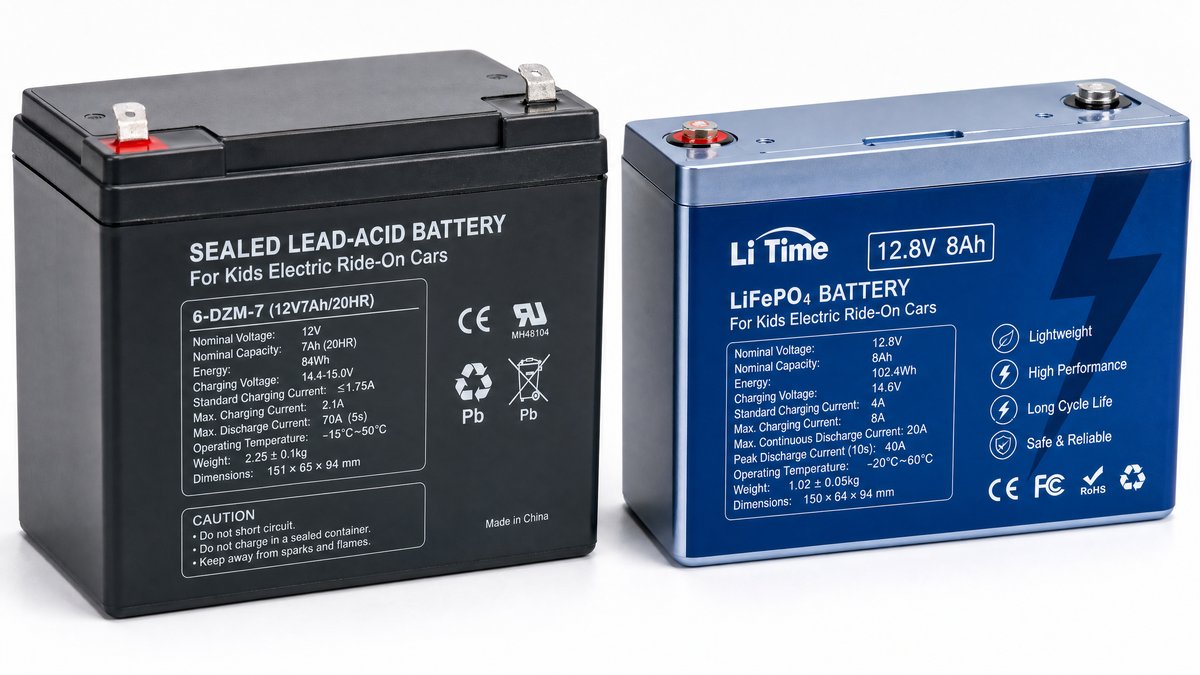
Battery care is a vital aspect of maintenance. Whether the vehicle utilizes a standard 6V, 12V, or 24V rechargeable system, batteries should be charged in accordance with manufacturer instructions. Never leave batteries connected to chargers indefinitely beyond recommended charging windows, and store batteries in a temperature-controlled environment during extended periods of disuse.
If any abnormality is detected—such as persistent electrical failure, damaged charging plugs, or unusual mechanical noises—users must immediately stop operating the vehicle, disconnect power sources, and consult the manufacturer or an authorized service technician. Unauthorized disassembly or modification of internal battery compartments, motors, or wiring harnesses is strictly prohibited. Retailers play a key role by communicating these maintenance guidelines clearly in product packaging and digital manuals.
Frequently Asked Questions
1. What is the recommended age range for operating ride-on cars outdoors?
Appropriate age ranges vary significantly depending on the specific model's dimensions, weight capacity, motor power, and complexity. Manufacturers specify exact age and weight limits on product rating plates and user manuals. Supervisors must always evaluate a child's physical coordination, maturity, and ability to follow instructions before allowing operation.
2. Can ride-on cars be used on public roads or sidewalks shared with vehicles?
No. Ride-on cars must never be operated on public streets, roadways, driveways connected to active traffic, or public sidewalks where regular vehicular or bicycle traffic occurs. Operation should be restricted to private property, controlled residential areas, designated park paths, or supervised enclosed spaces away from traffic.
3. How should batteries be maintained during winter or extended storage?
During extended periods of non-use, batteries should be fully charged, disconnected from the vehicle's electrical harness, and stored in a cool, dry, frost-free environment. Periodic recharge cycles should be performed according to the manufacturer's manual to prevent deep discharge and prolong battery lifespan.
4. What steps should be taken if the vehicle experiences an electrical or mechanical malfunction?
If users notice abnormal smells, smoke, excessive heat, unusual noises, unresponsive controls, or damaged wiring, they must immediately turn off the vehicle, disconnect the power source, keep children away, and contact the manufacturer or a qualified service professional. Never attempt unauthorized repairs or modify internal electrical circuits.
Conclusion
Ride-on cars offer exceptional opportunities for outdoor family fun, active recreation, and developmental engagement. By approaching their selection, preparation, and operation with diligence and adherence to safety protocols, families can enjoy countless hours of enriching outdoor play. For global distributors and retail partners, providing transparent guidance, comprehensive pre-ride verification frameworks, and robust safety education is paramount to building enduring customer satisfaction and fostering long-term brand loyalty. Through continuous collaboration and commitment to safety, the outdoor ride-on vehicle category continues to thrive across international markets.
Request a wholesale quote
Official References
1. United States Consumer Product Safety Commission (CPSC) - General Toy Safety Education and Playground Safety Guidelines. (Note: Official CPSC publications provide general educational guidance on toy safety and supervision but do not replace specific manufacturer instructions, warning labels, or model-specific user manuals).
2. International Consumer Product Safety Standards - General Mechanical and Electrical Safety Requirements for Children's Ride-On Toys.
3. KidsRideCar Quality Assurance and Compliance Documentation - Standardized Pre-Operation Inspection and Maintenance Protocols.
Official references
Explore these external resources for current regulatory and trade guidance. Confirm requirements with the relevant authority before placing an order.
Ready to Start?
Factory-Direct · CE & ASTM Certified · MOQ from 50 Units
Our export team works with buyers in 60+ countries. Get a quote within 24 hours.
KR
Written by KidsRideCar
China's leading kids electric ride-on car manufacturer. 500,000+ units shipped annually to 60+ countries. CE, ASTM & EN71 certified.