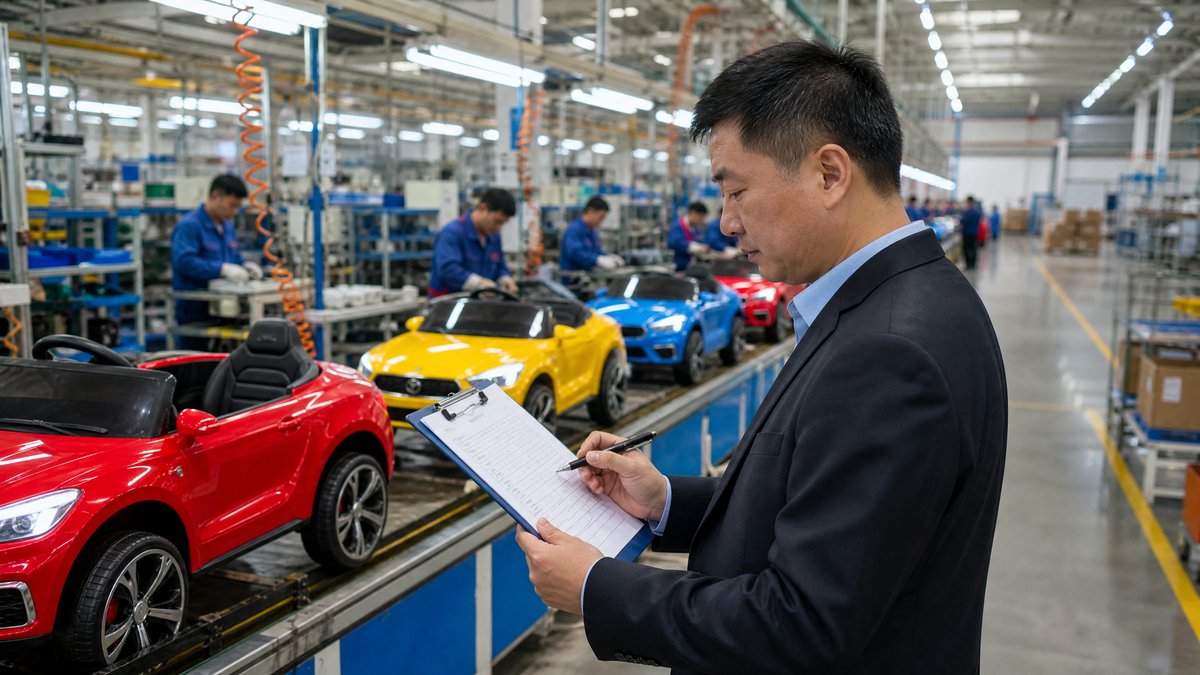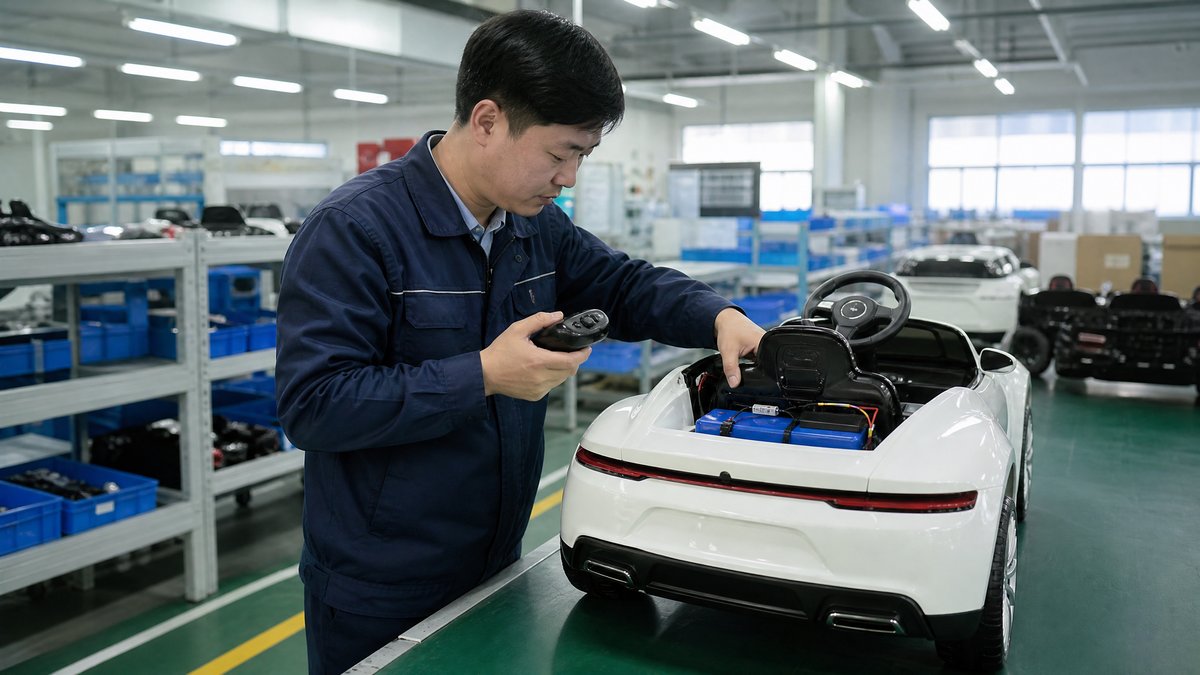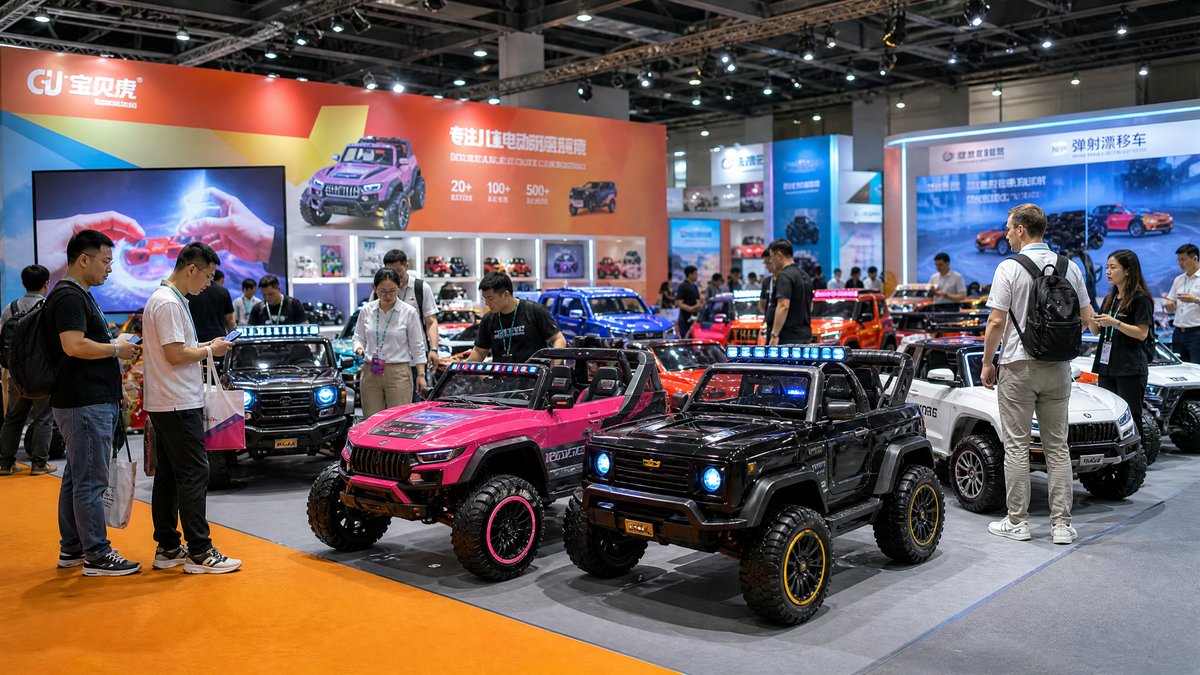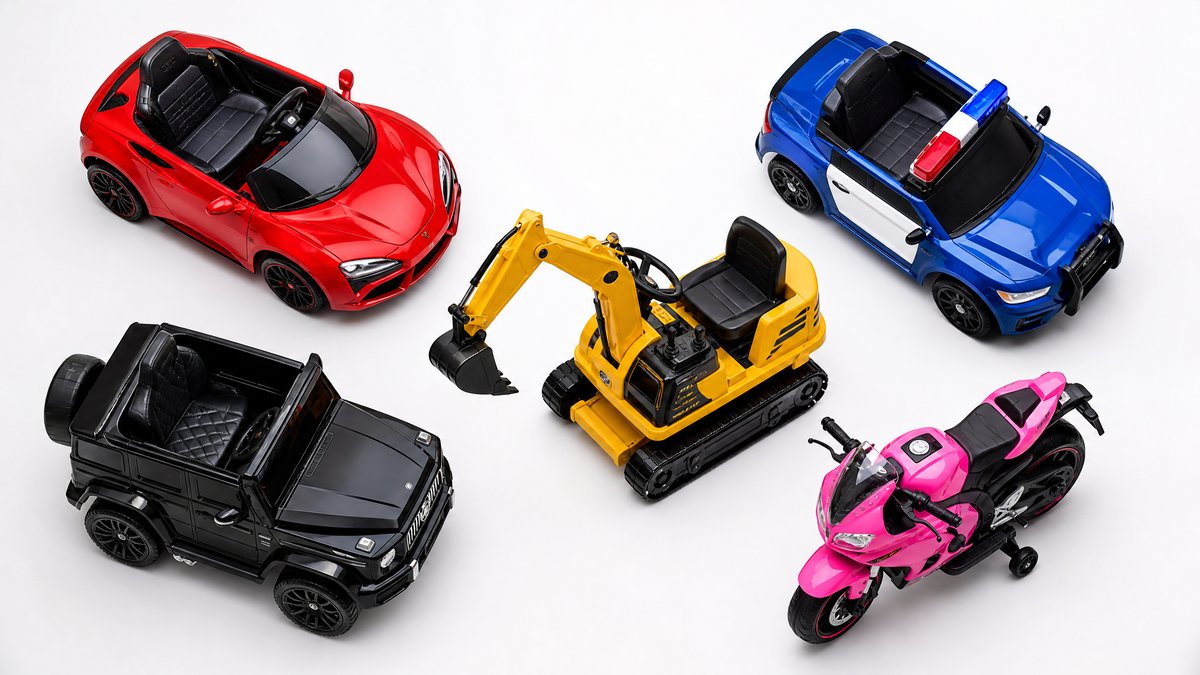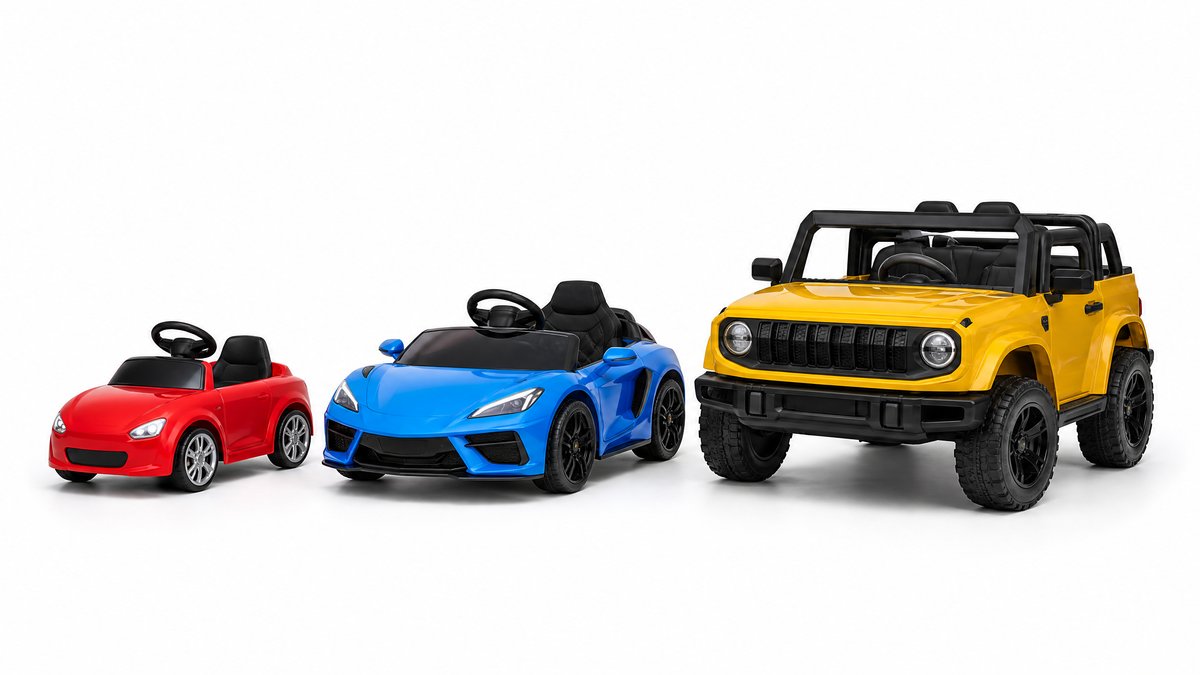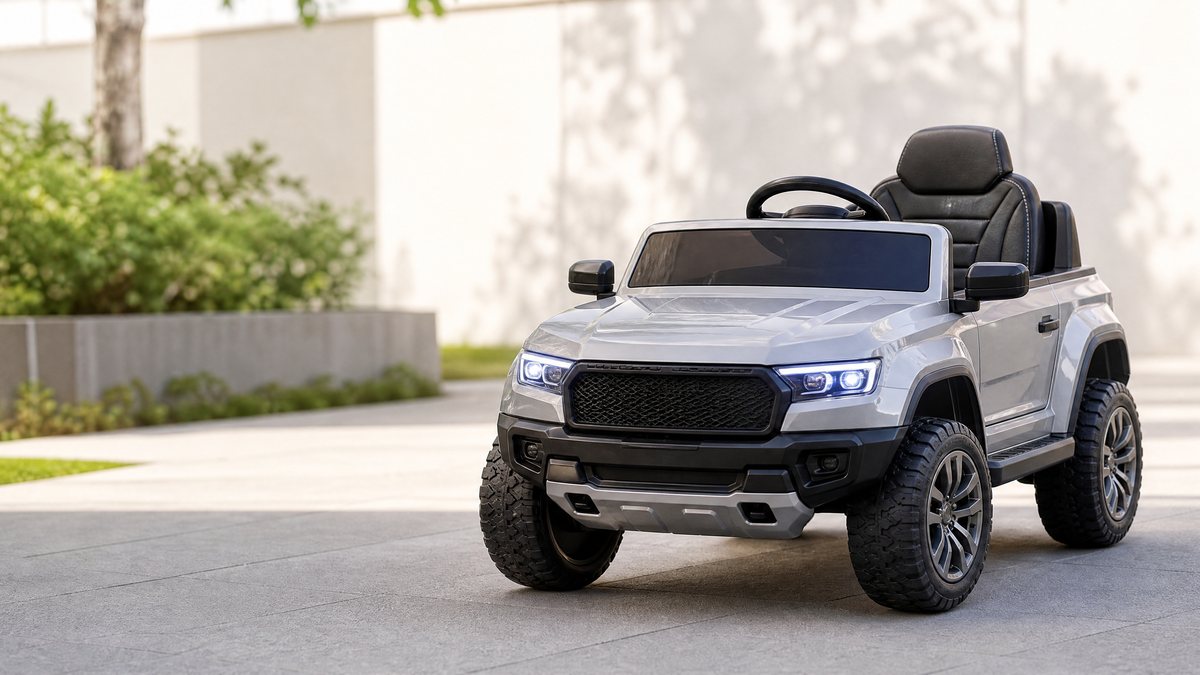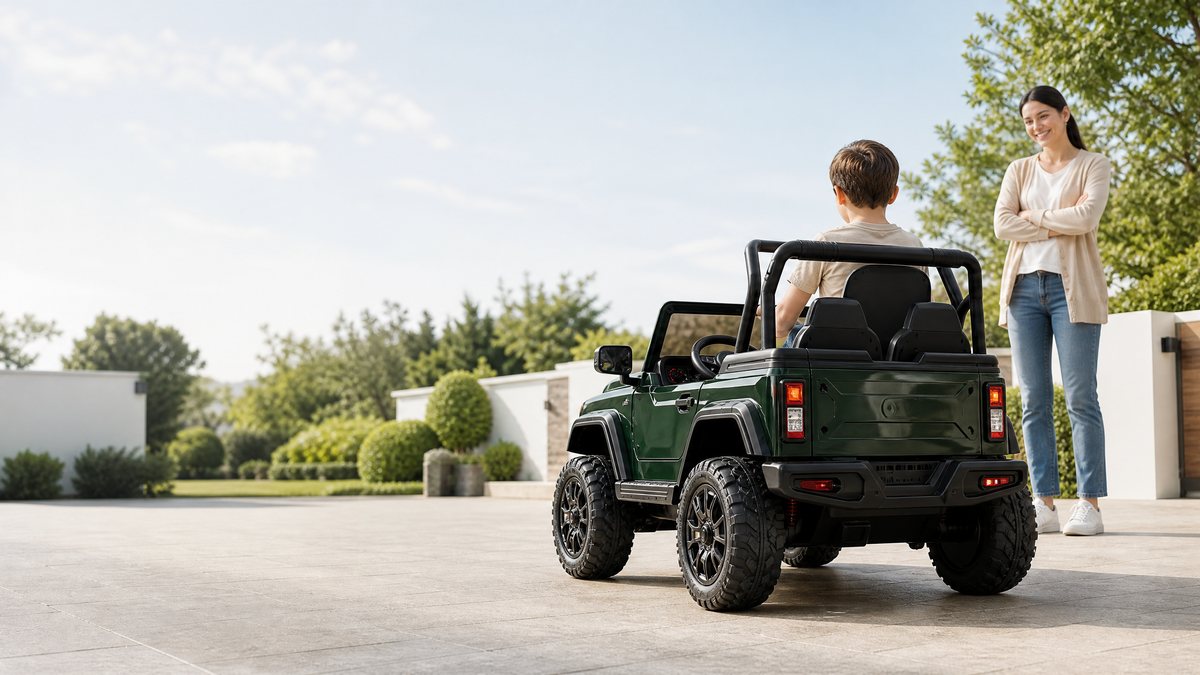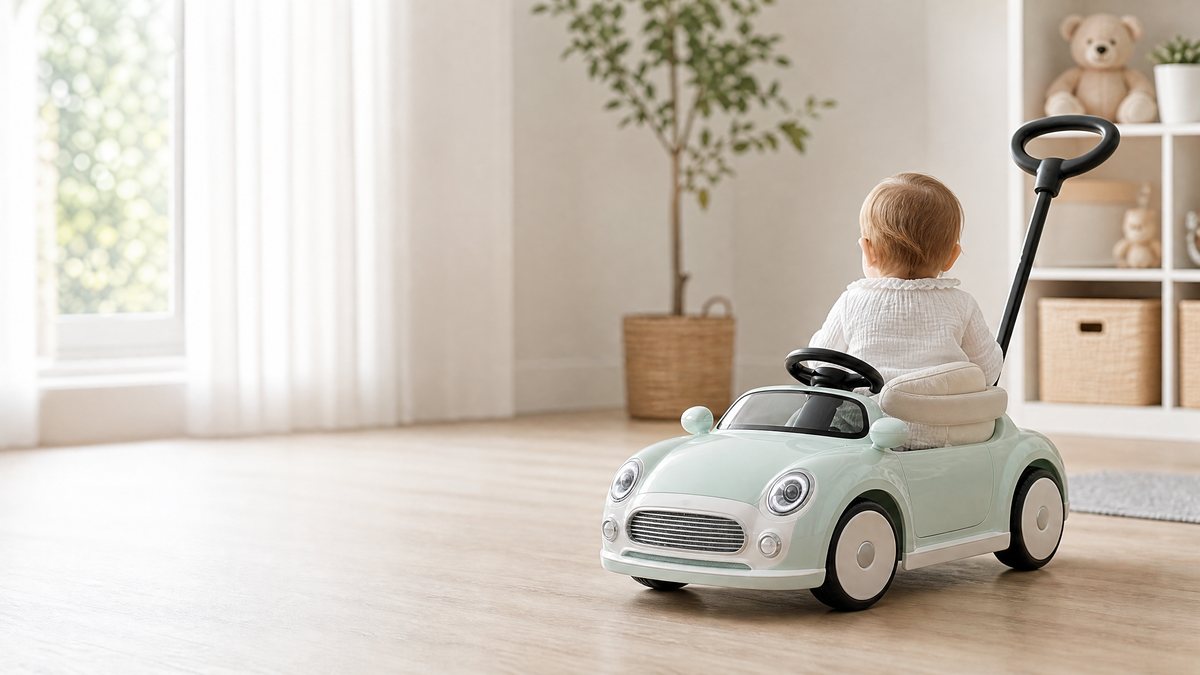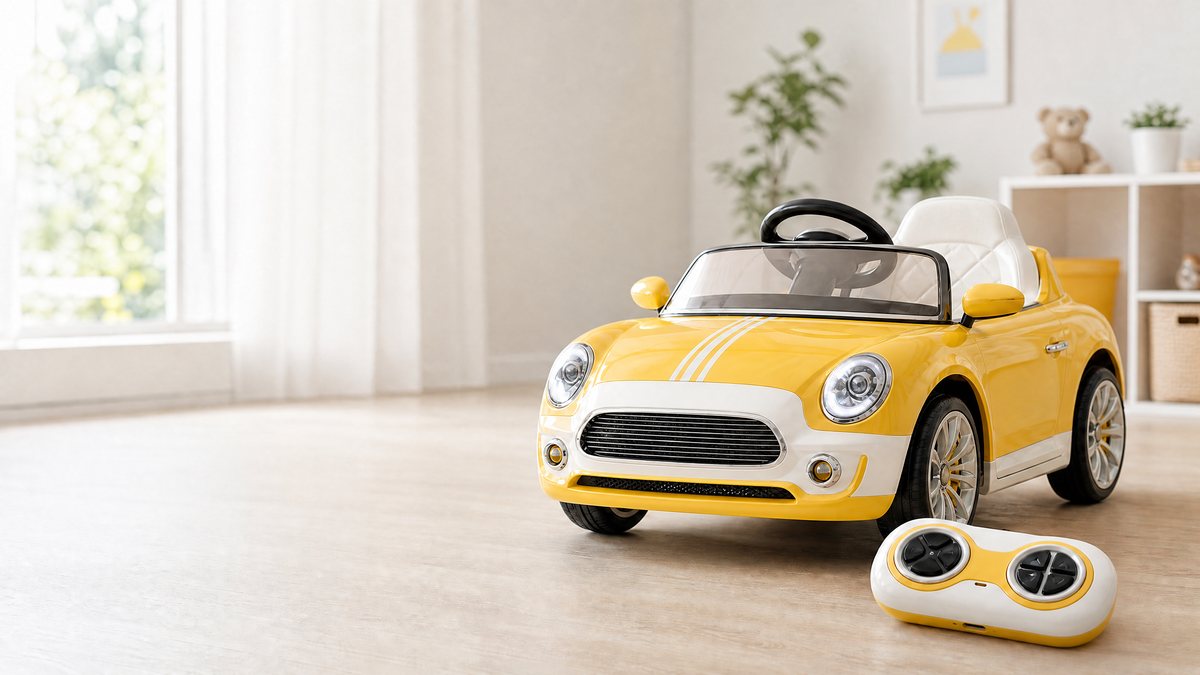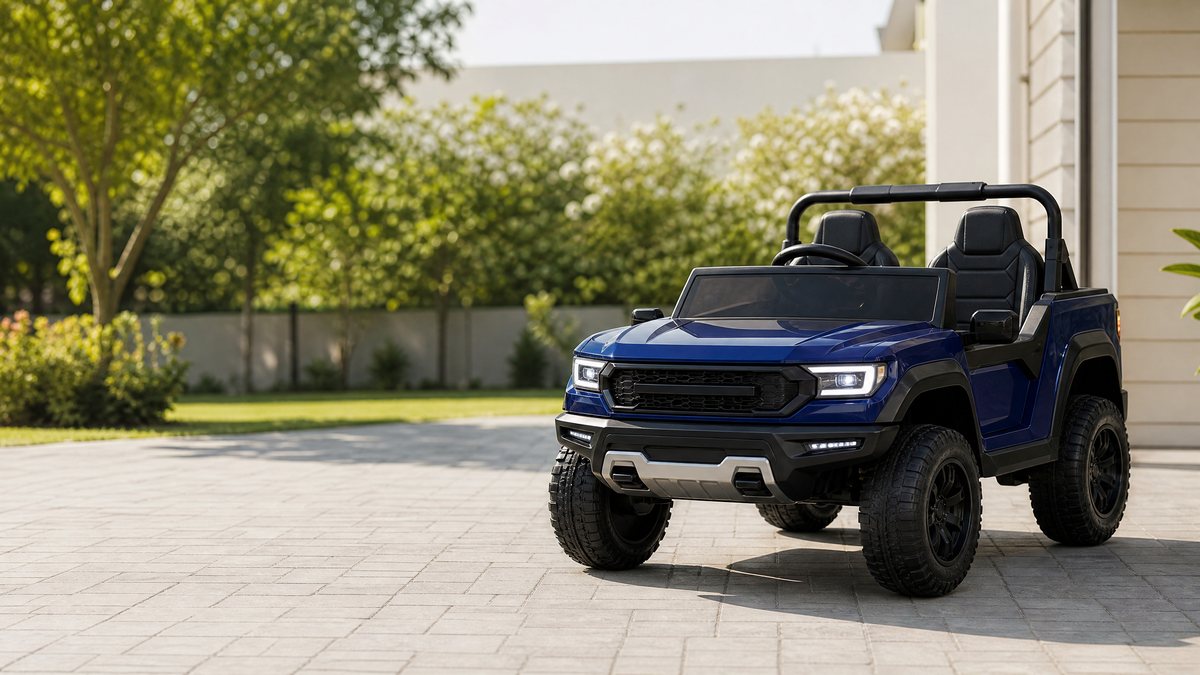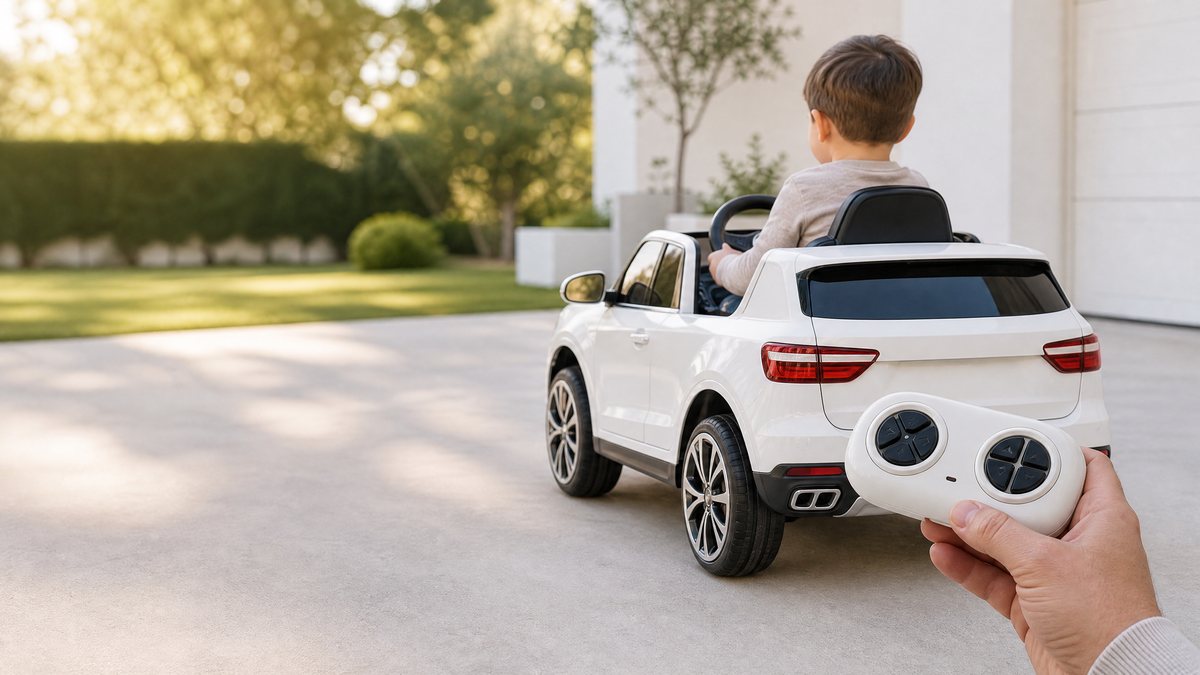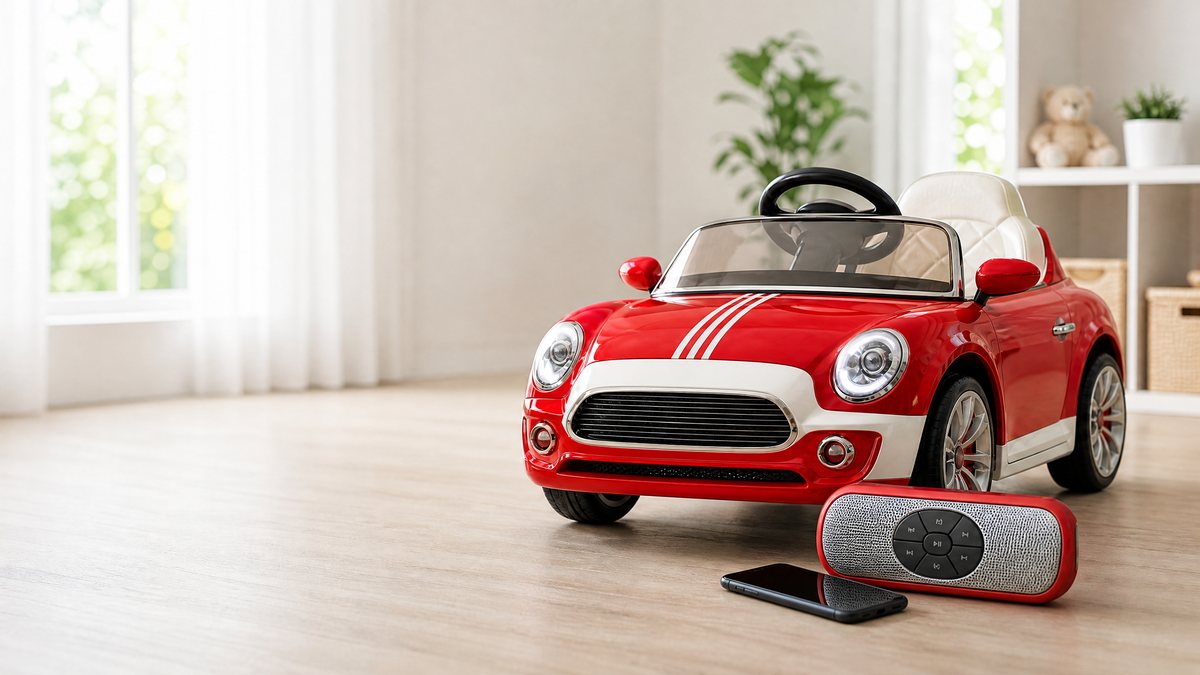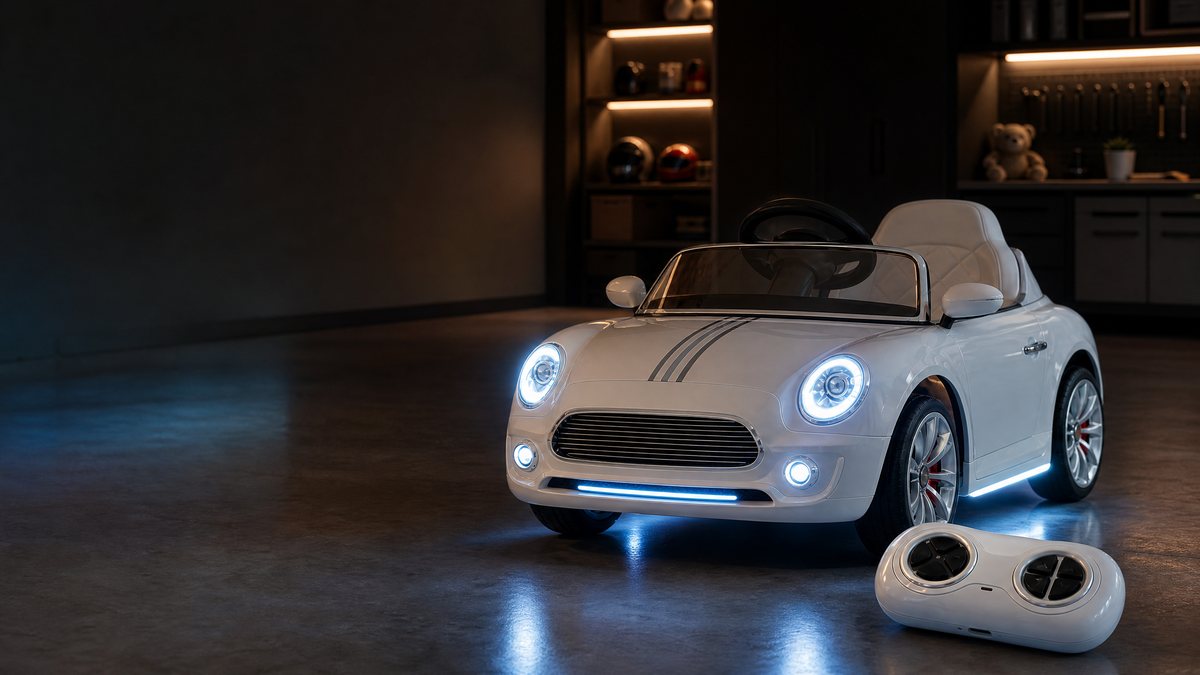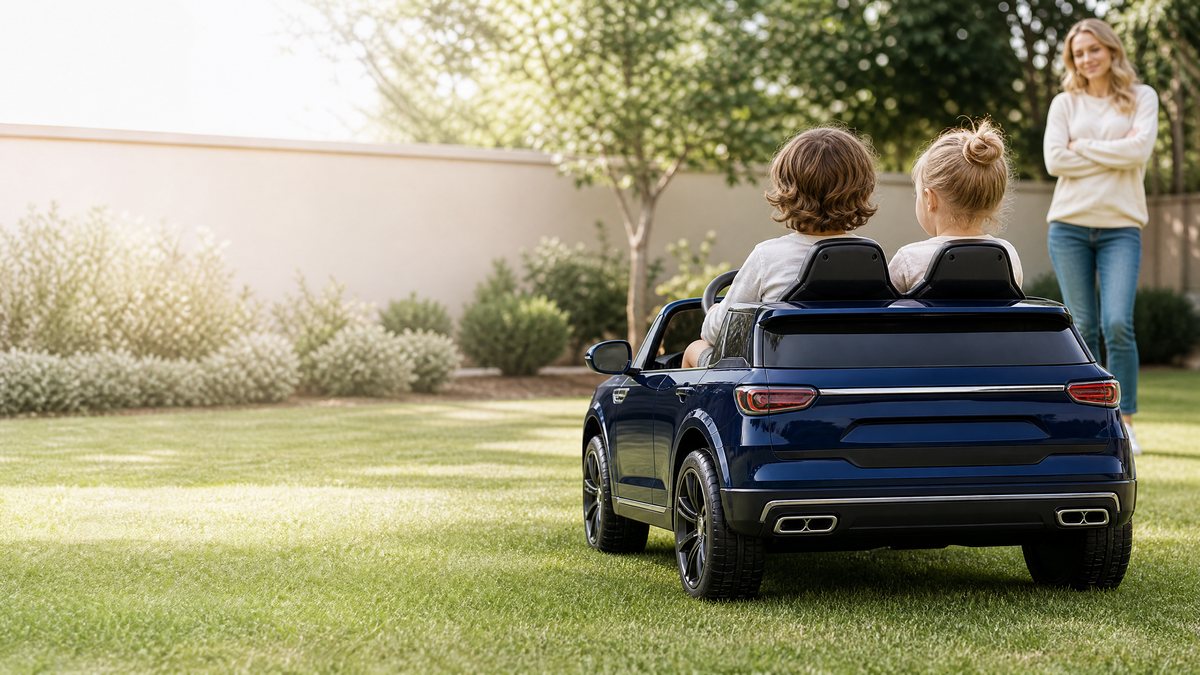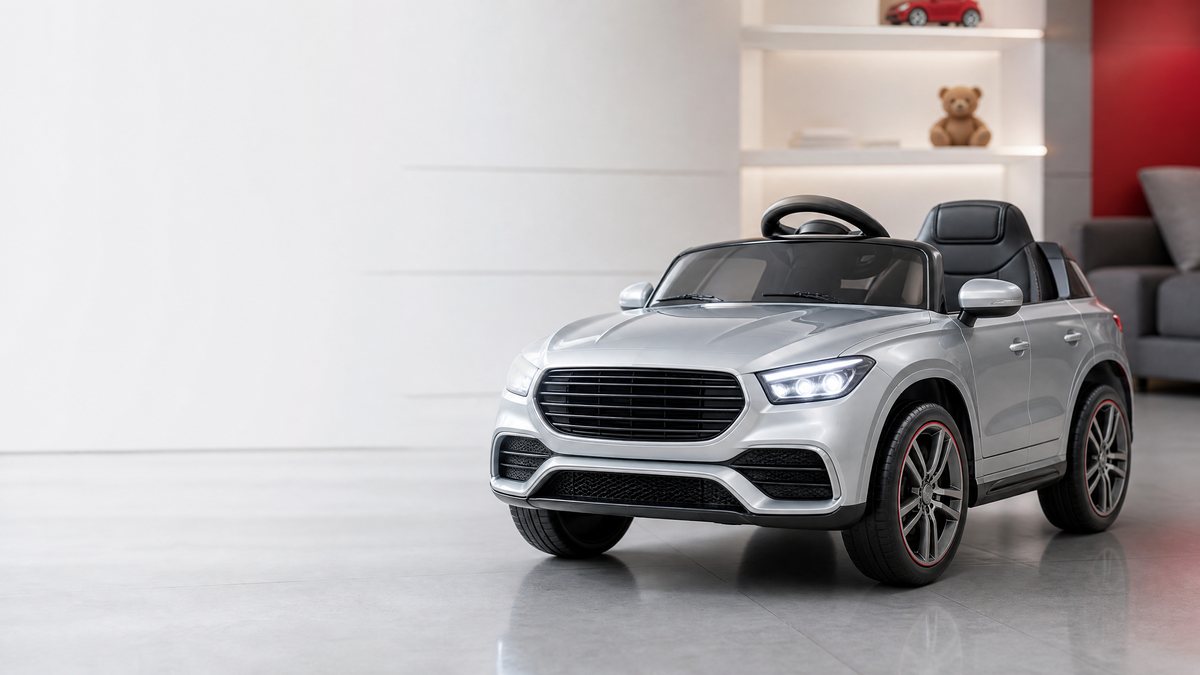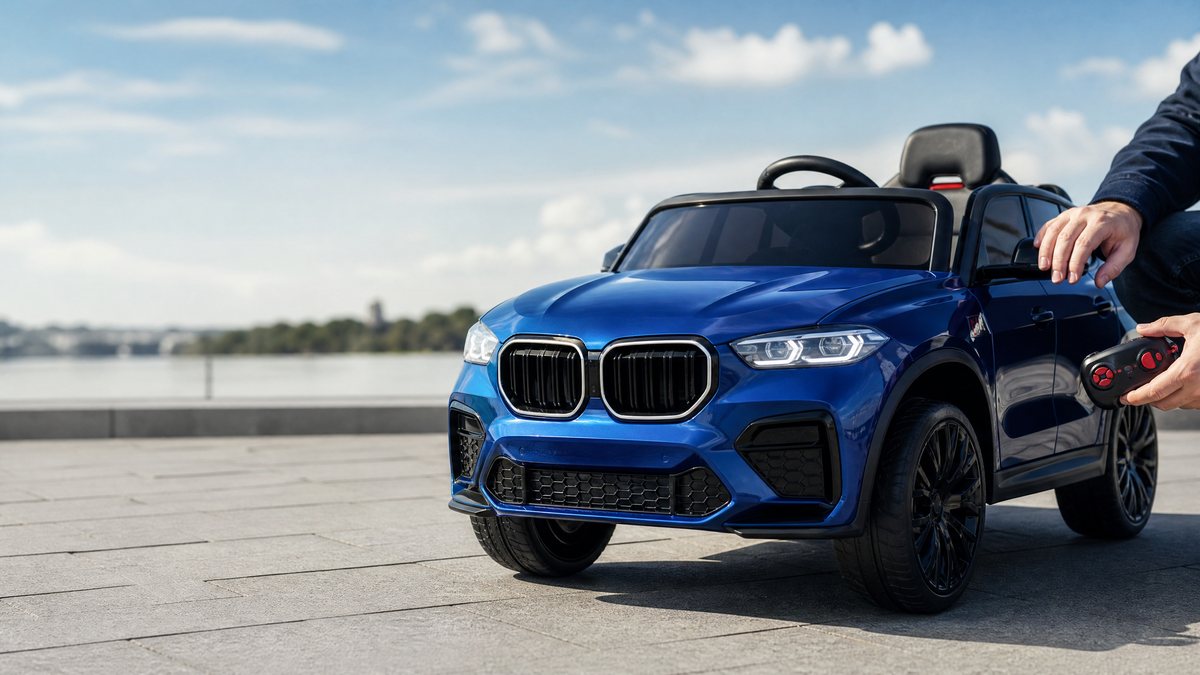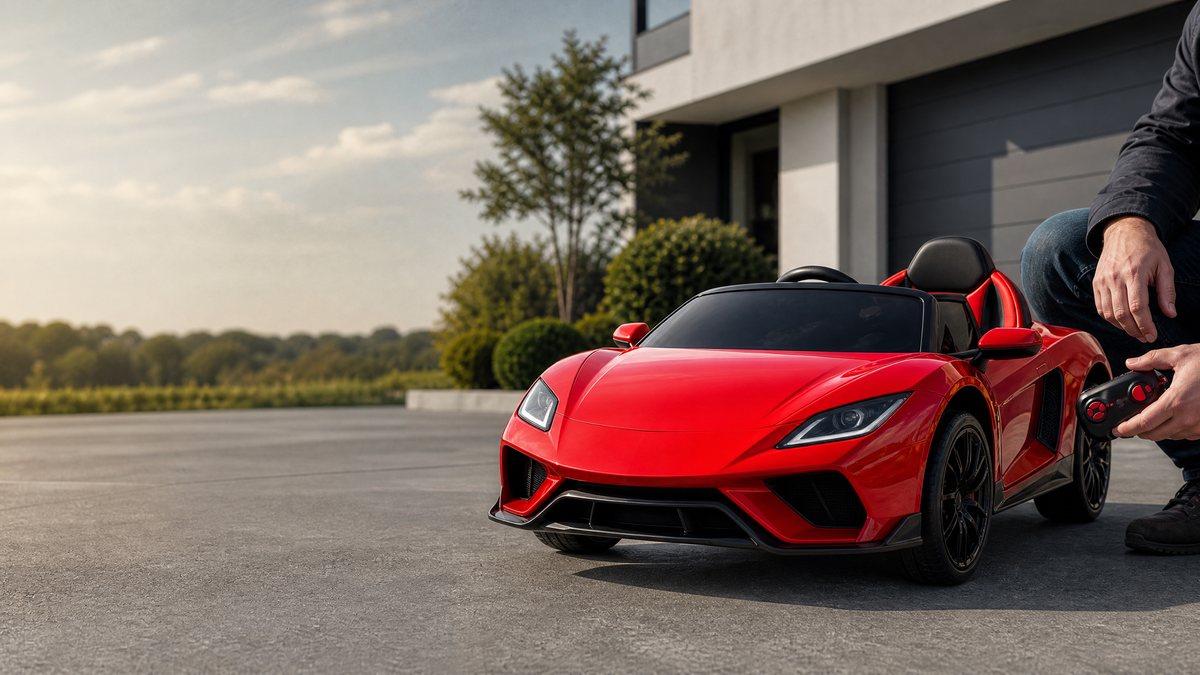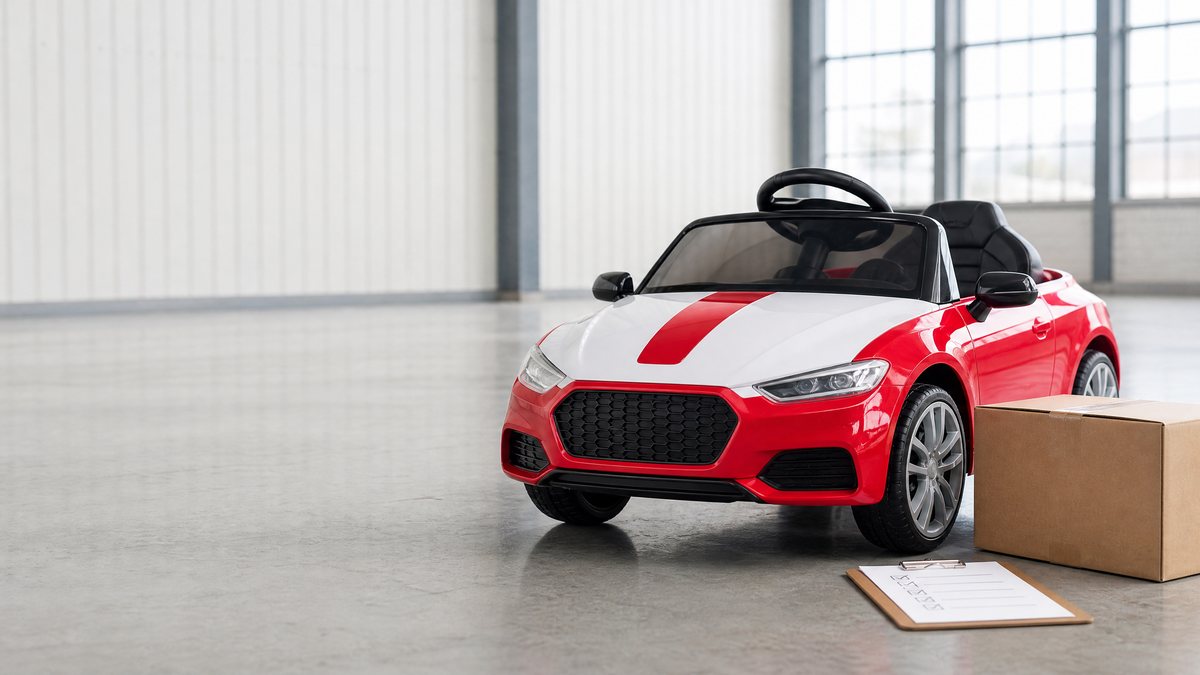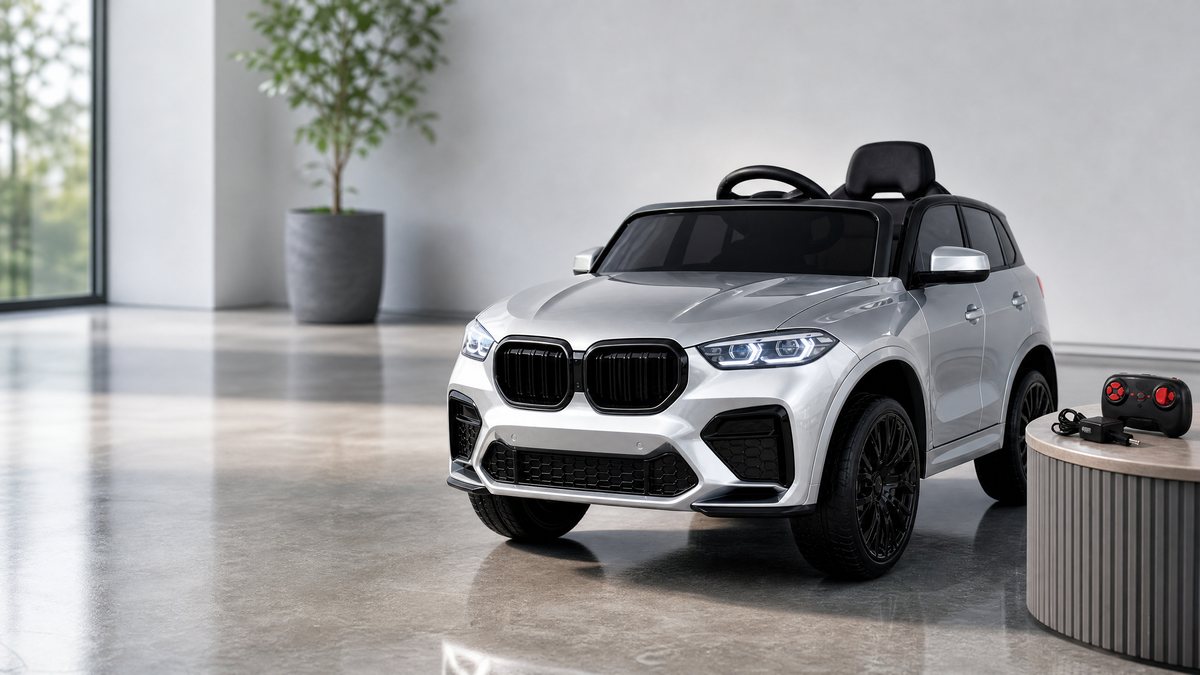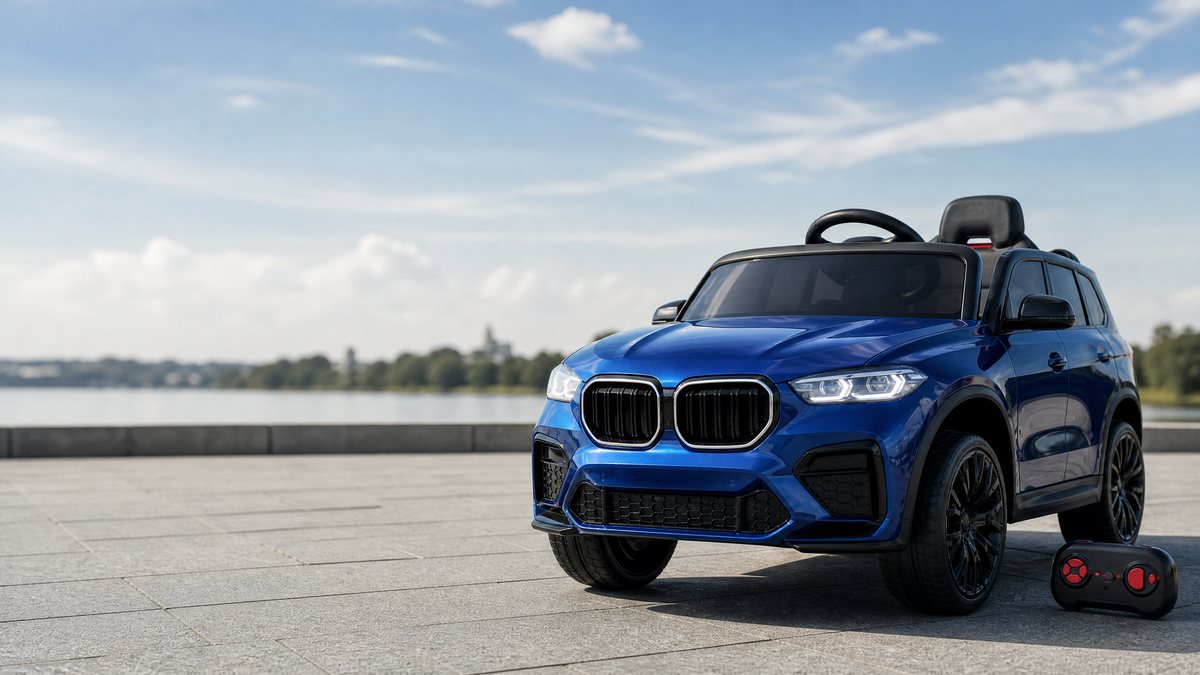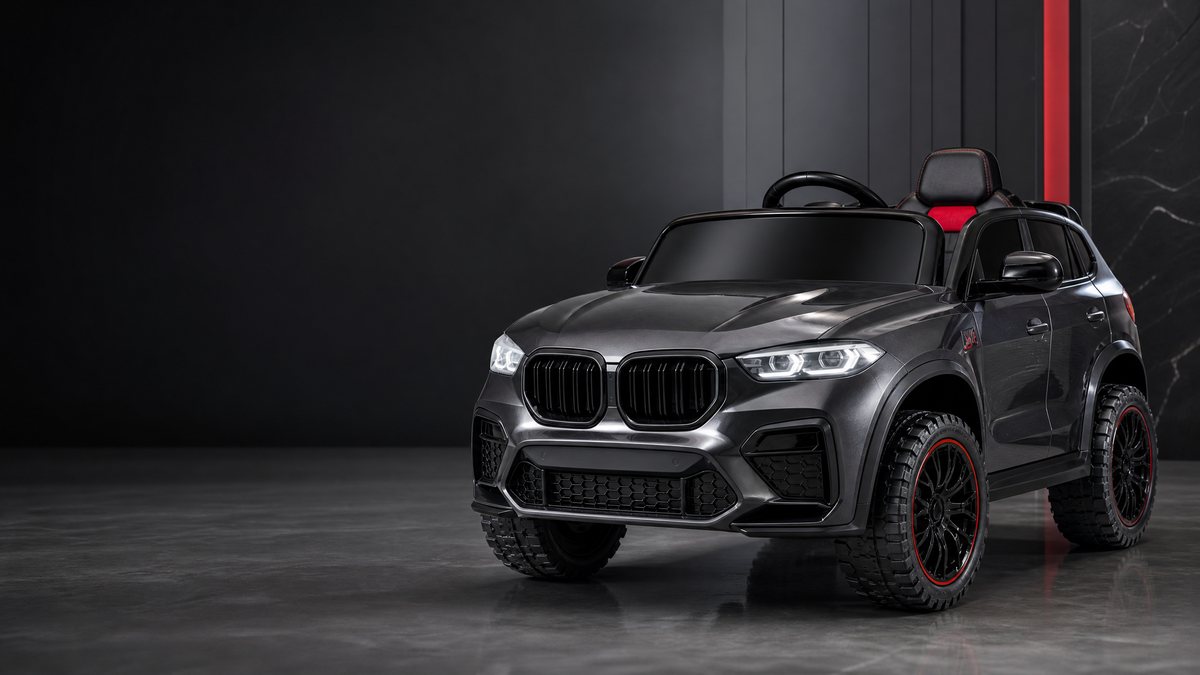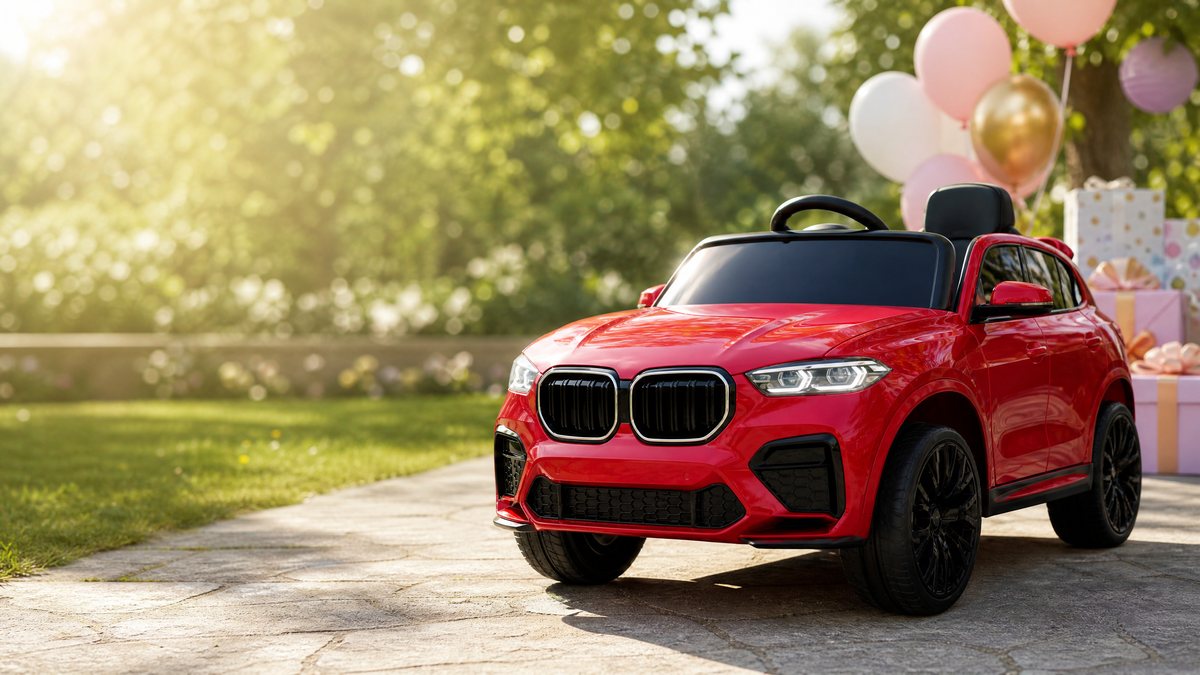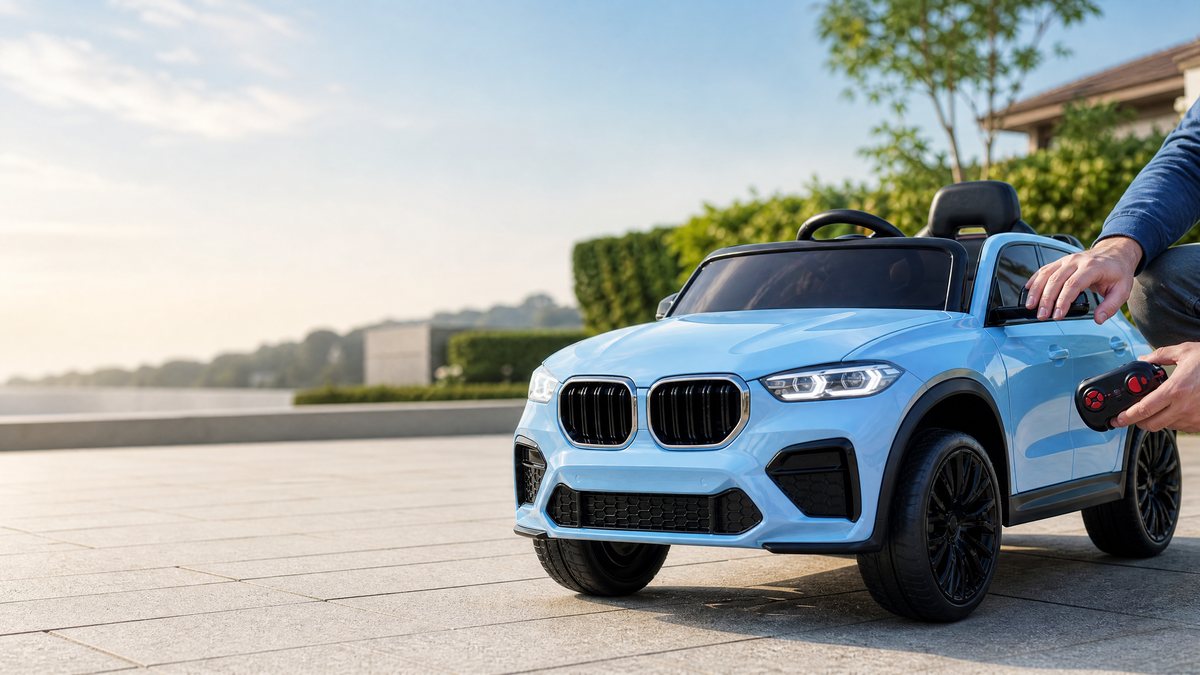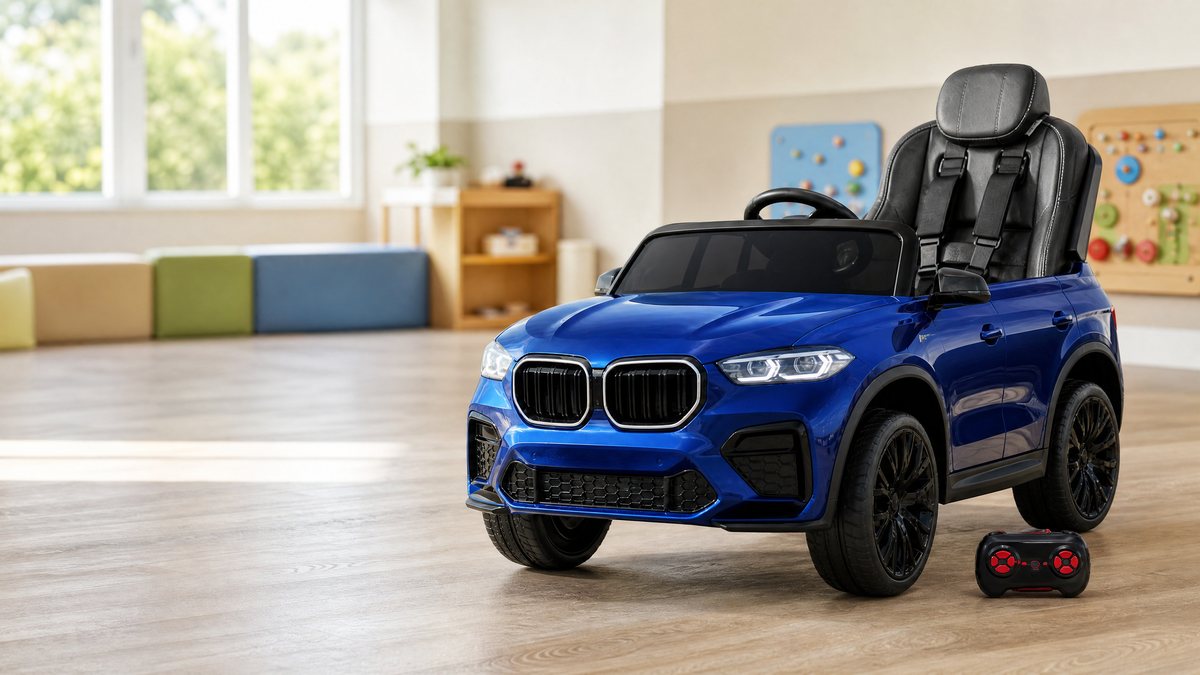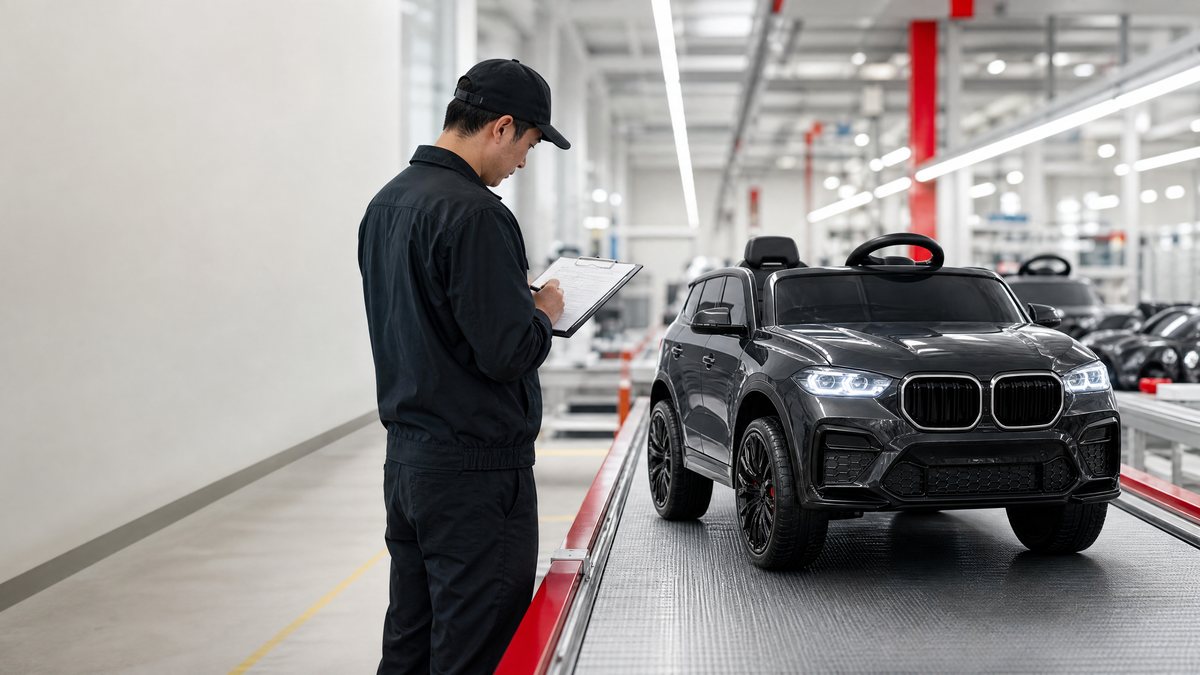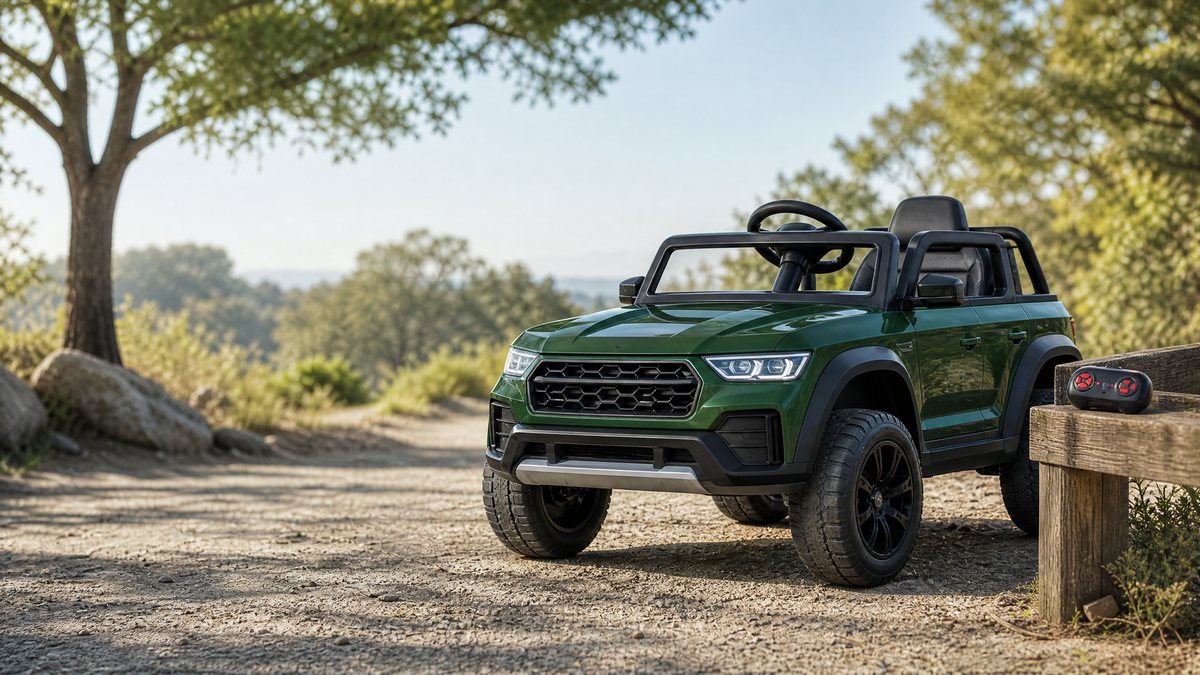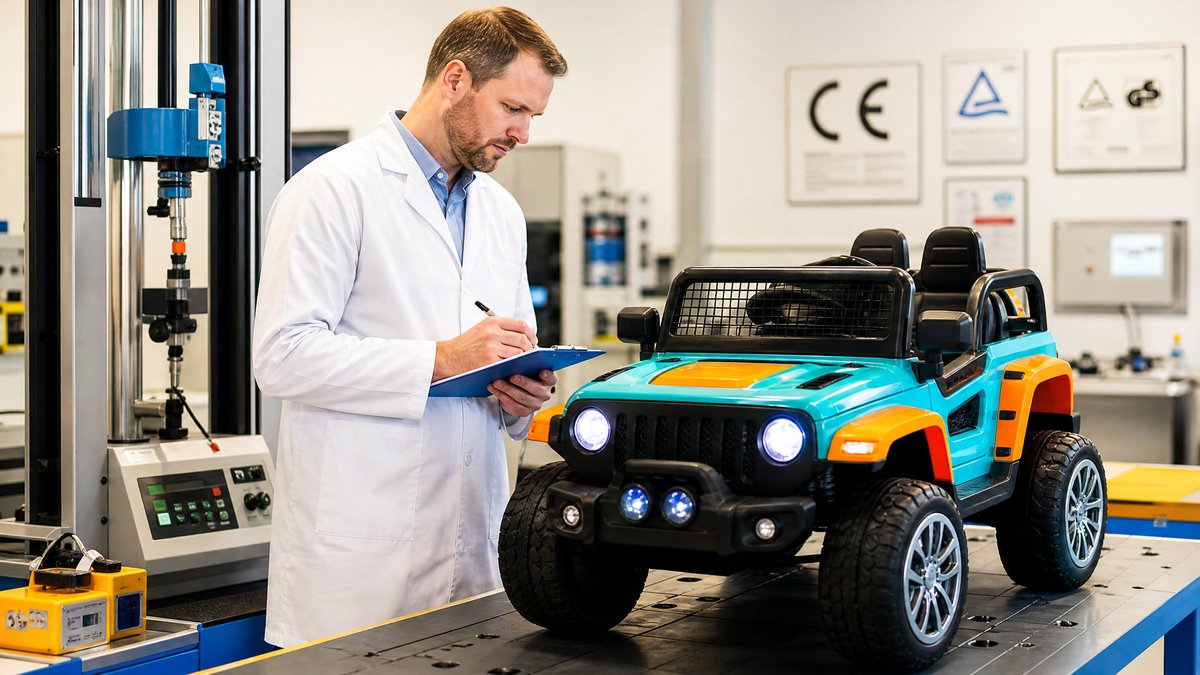
As global toy safety standards evolve and consumer expectations shift toward premium aesthetics, children's electric ride-on cars have transformed from simple plastic push-along toys into sophisticated miniature electric vehicles. Modern ride-on cars feature realistic dashboard displays, MP3/Bluetooth sound systems, independent suspension, and—most notably—advanced LED lighting packages. For international toy retailers, importers, and B2B distributors, evaluating the quality, durability, and visual impact of these LED lighting systems is a critical part of product selection and quality assurance.
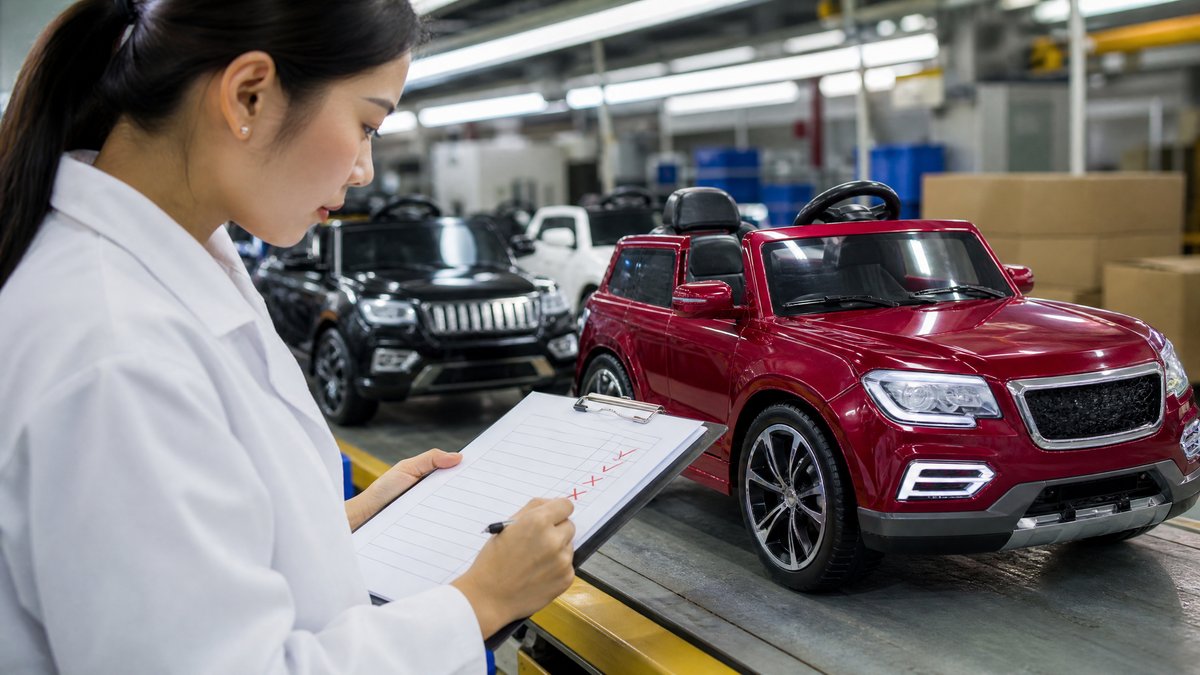
At KidsRideCar, our technical team conducted a rigorous photometric and durability test across twenty different 12V and 24V ride-on car models sourced from various manufacturing lines. This article breaks down our testing methodology, photometric measurements, power consumption analysis, and strategic recommendations for B2B buyers looking to stock high-selling inventory that catches the eye of modern parents and children alike.
The Evolution of Ride-On Car Lighting: From Decals to High-Intensity LEDs
Historically, children's ride-on vehicles relied on static plastic reflectors or simple incandescent bulbs powered by low-capacity battery circuits. While functional, incandescent bulbs generated excessive heat, drained batteries rapidly, and were prone to filament failure under minor vibrations.
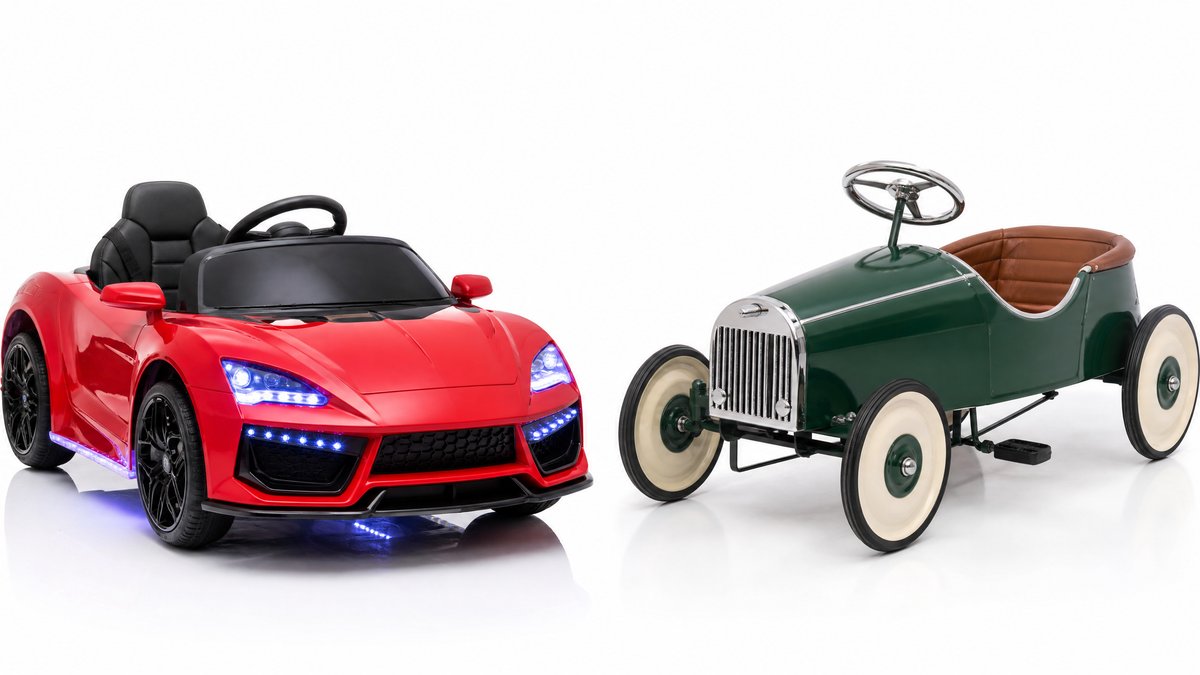
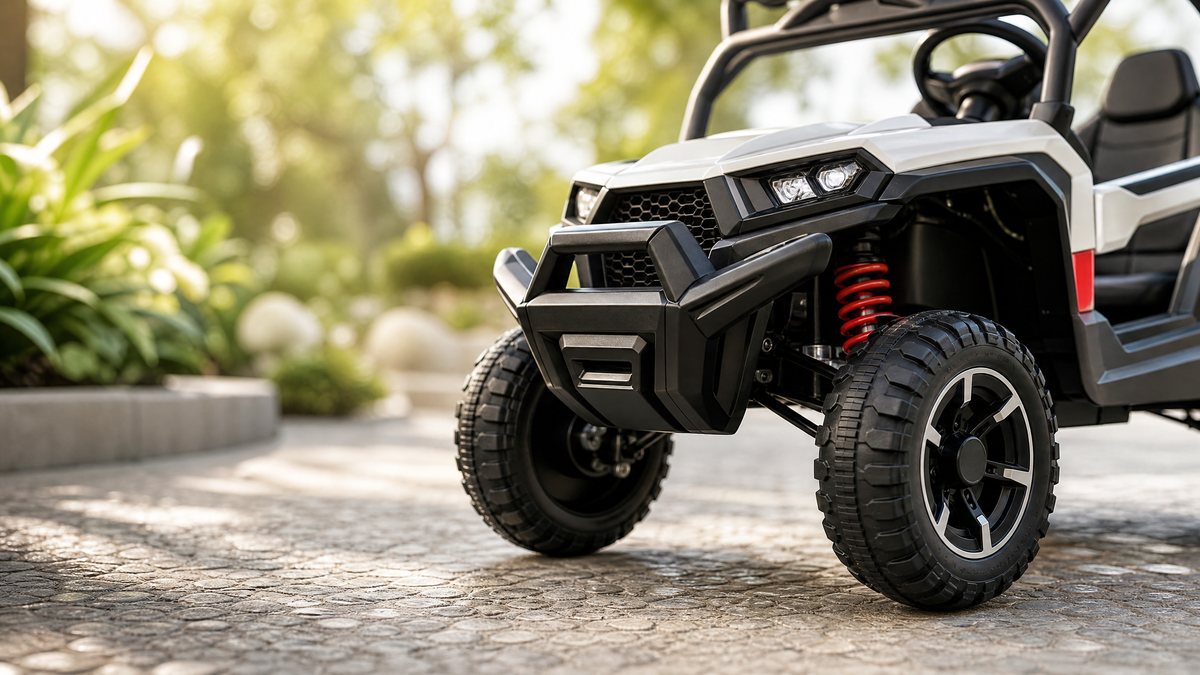
The transition to Surface-Mounted Device (SMD) and Chip-On-Board (COB) LEDs revolutionized the industry. Modern ride-on car headlights, fog lamps, taillights, and roll-bar light bars now mimic full-scale automotive lighting arrays. Beyond aesthetic appeal, these lighting systems serve vital functional purposes:
* Enhanced Twilight Visibility: Allowing children to safely navigate driveways and neighborhood paths during dusk.
* Retail Showroom Appeal: Striking illumination immediately captures consumer attention on retail showroom floors and in e-commerce video unboxings.
* Perceived Product Value: High-brightness, multi-mode LED setups signal superior manufacturing quality, justifying higher retail price points.
However, manufacturing quality varies drastically across the supply chain. Low-tier suppliers often utilize dim, poorly soldered LED clusters that fail after minimal outdoor exposure, while premium manufacturers integrate regulated circuit boards with stable voltage outputs.
Photometric Testing Methodology
To establish objective benchmarks, our engineering laboratory evaluated twenty ride-on car samples under standardized darkroom conditions. We measured performance across three primary parameters:
1. Illuminance (Lux at 1 Meter): Measured using a calibrated digital lux meter positioned exactly 1.0 meter in front of the vehicle's primary headlight assembly.
2. Beam Spread & Uniformity: Evaluated for hot spots, peripheral scatter, and glare control to ensure safety and realism.
3. Current Draw (Amperes): Measured via digital multimeters to determine the impact of continuous lighting operation on total battery run time.
Comparative LED Performance Test Data
The table below summarizes the average test results across three distinct market tiers of ride-on cars evaluated in our facility.
| Vehicle Tier & Voltage | Headlight Lux (1m) | Taillight Brightness | Power Draw (A) | Thermal Stability (45 min) | Estimated Run Time Impact |
|---|---|---|---|---|---|
| Budget Tier (6V / Basic 12V) | 18 - 35 Lux | Low (Red Plastic Reflector + Single LED) | 0.15A - 0.30A | Minor thermal drift (<5°C rise) | Negligible (<3%) |
| Mid-Range Tier (Standard 12V) | 65 - 110 Lux | Moderate (Dual LED Cluster) | 0.40A - 0.75A | Stable (5°C - 10°C rise) | Moderate (5% - 8%) |
| Premium Tier (High-Power 24V) | 180 - 250+ Lux | High (Full LED Strip + Brake Effect) | 0.90A - 1.40A | Regulated (Aluminum sink / driver) | Noticeable (10% - 15%) |
As demonstrated by the data, premium 24V models equipped with dedicated LED driver circuits deliver up to seven times the illumination output of entry-level budget toys. Furthermore, higher-end models incorporate realistic startup animations, functional turn signals, and multi-stage switchgear that significantly enhances the end-user experience.
Key Observations and Engineering Insights
1. Beam Pattern Quality and Focus
Budget models frequently utilize bare LEDs mounted behind unpolished frosted lenses, resulting in scattered light with weak center intensity. In contrast, mid-to-high-tier models feature precision-molded polycarbonate reflectors that project a focused, automotive-grade beam pattern. For wholesale buyers, inspecting the lens molding quality is essential to prevent customer complaints regarding "dim headlights."
2. Electrical Integration and Battery Drain
A common concern among retail partners is whether intensive LED lighting systems deplete the primary propulsion battery. Our tests indicate that even high-output 24V lighting arrays draw roughly 1.2 Amperes, which represents a fraction of the 10A–15A total current draw under motor load. However, cheap direct-wire setups without current-limiting resistors can experience LED burnout during battery charging surges. We strongly advise B2B partners to source vehicles featuring integrated voltage regulators.
3. Weatherproofing and IP Ratings
Children frequently operate ride-on cars outdoors on damp grass or after light rain. During our stress tests, budget light assemblies frequently suffered from internal condensation due to unsealed housing joints. Premium models utilize ultrasonic welding and rubber gasket seals, achieving basic moisture resistance that drastically reduces return rates (RMAs) for retail distributors.
Implications for B2B Importers and Retailers
When curating inventory for upcoming retail seasons, B2B buyers should look beyond surface aesthetics and incorporate lighting specifications into their procurement checklists:
* Request Photometric Reports: Ask your manufacturing partners for factory test data regarding lumen output and color temperature (optimal range is 5500K-6500K for crisp white daylight appearance).
* Prioritize Multi-Functional Switches: Vehicles featuring independent light switches (allowing parents or children to turn off lights to conserve battery) experience higher customer satisfaction ratings.
* Verify Compliance Standards: Ensure that electrical components comply with regional safety directives such as CE, RoHS, and EN71 to streamline customs clearance.
Frequently Asked Questions (FAQ)
1. Do LED headlights significantly reduce the overall battery run time of a ride-on car?
Generally, no. Modern SMD LEDs are highly energy-efficient. While high-end 24V models with extensive light bars draw slightly more current, the impact on total drive time is typically less than 10%, which is easily offset by the superior visual appeal and play value.
2. What is the difference between budget and premium ride-on car lighting?
Budget models typically use basic single-chip LEDs behind unsealed plastic covers with fixed illumination. Premium models feature multi-cluster arrays, precision reflectors, realistic startup sequences, functional brake lights, and weatherproof housings sealed against moisture and dust.
3. Can replacement LED assemblies be sourced easily for wholesale aftermarket repair?
Yes. Reputable manufacturers on platforms like KidsRideCar design their wiring harnesses with modular plug-and-play connectors, allowing retail service centers to replace damaged headlight modules quickly without soldering.
4. How can B2B buyers verify LED durability prior to bulk ordering?
We recommend requesting physical pre-production samples to conduct thermal stress and vibration tests. Inspect the wiring gauge, verify the presence of current-limiting resistors, and check whether the housing is ultrasonically sealed against moisture ingress.
Conclusion
The lighting system of a children's electric ride-on car is no longer an afterthought; it is a primary product differentiator that influences retail purchasing decisions and brand reputation. By investing in models equipped with high-efficiency, well-regulated, and durable LED packages, wholesale distributors and retail partners can secure a competitive edge in the bustling children's mobility market.
To explore our full catalog of rigorously tested 12V and 24V ride-on cars equipped with premium LED lighting packages, or to request customized wholesale quotations, contact our trade desk directly at info@kidsridecar.com.
Official references
Explore these external resources for current regulatory and trade guidance. Confirm requirements with the relevant authority before placing an order.
Ready to Start?
Factory-Direct · CE & ASTM Certified · MOQ from 50 Units
Our export team works with buyers in 60+ countries. Get a quote within 24 hours.
KR
Written by KidsRideCar
China's leading kids electric ride-on car manufacturer. 500,000+ units shipped annually to 60+ countries. CE, ASTM & EN71 certified.