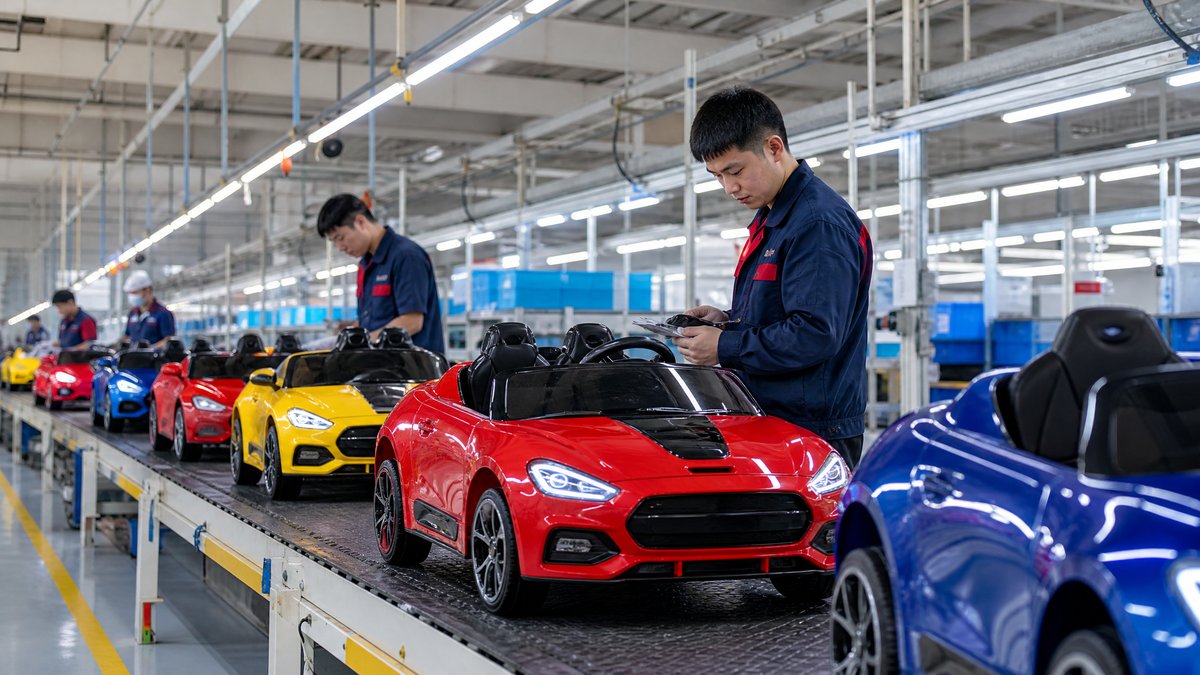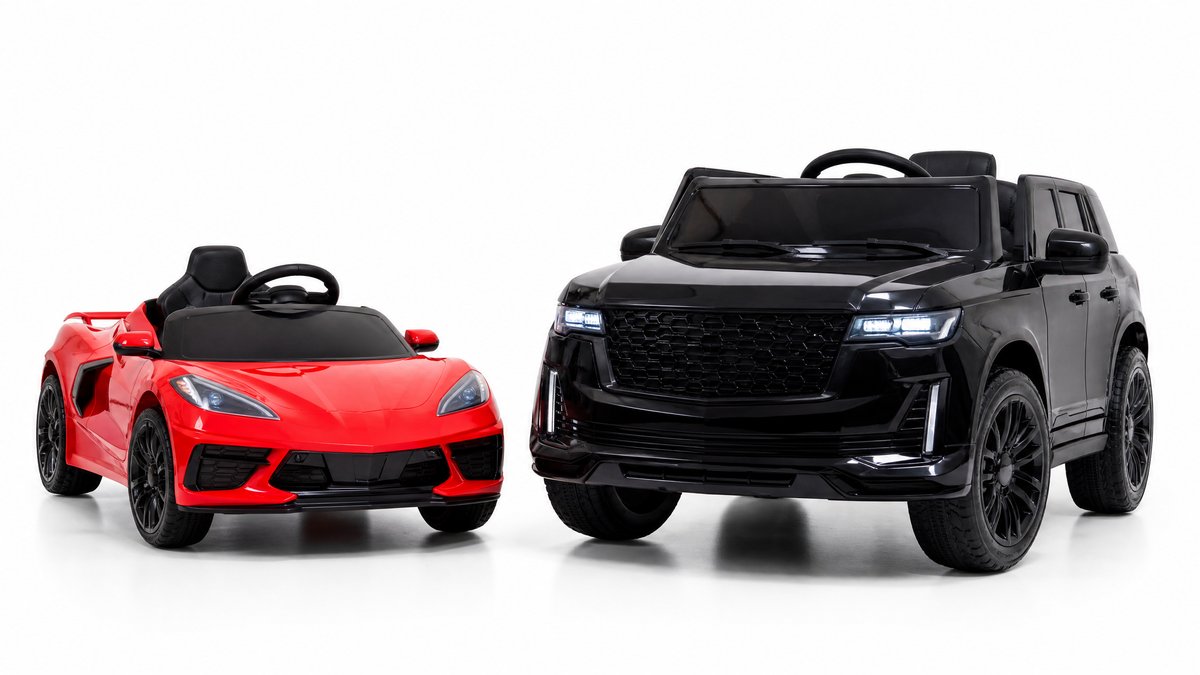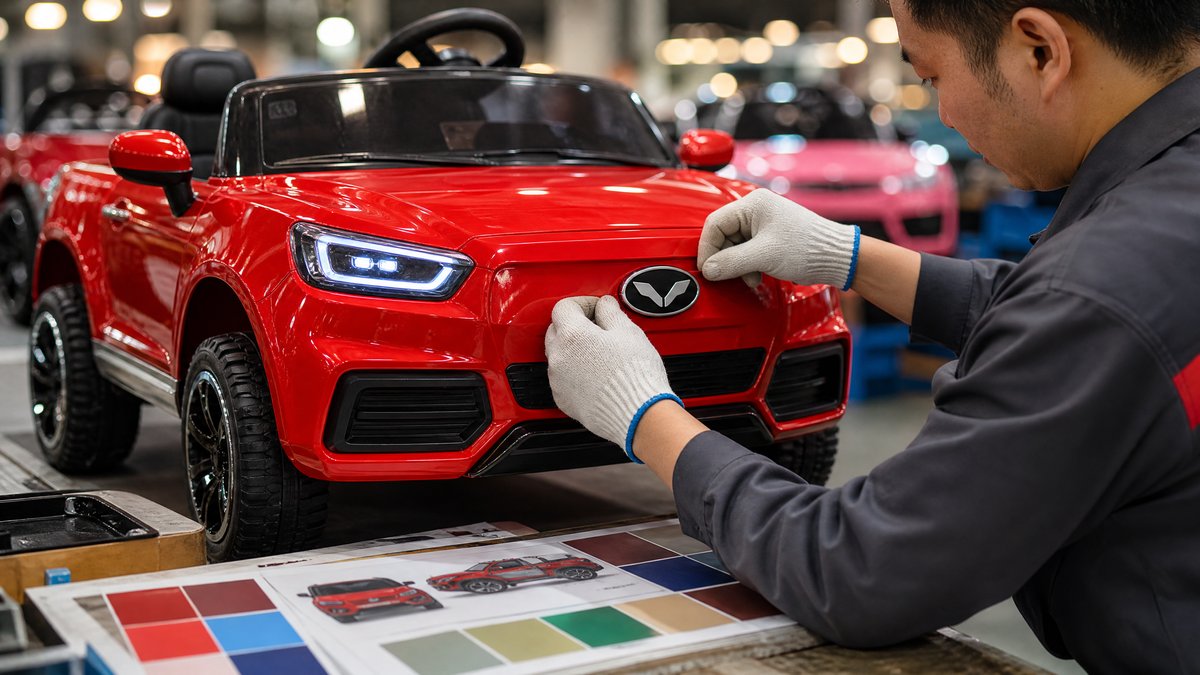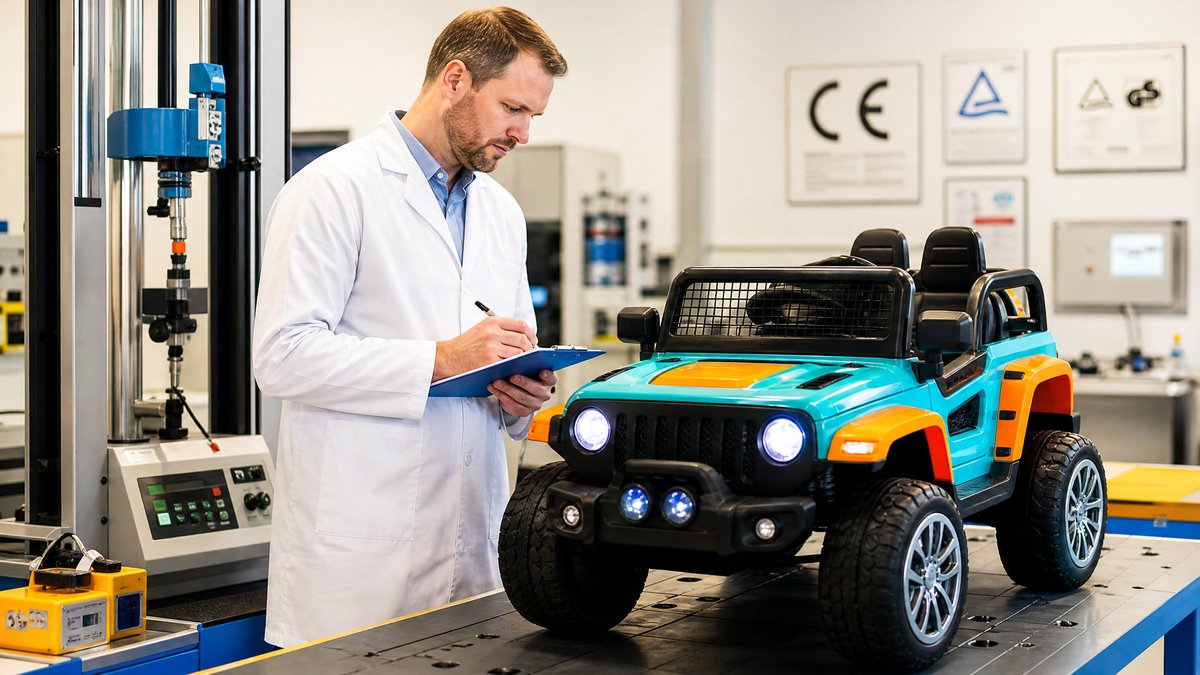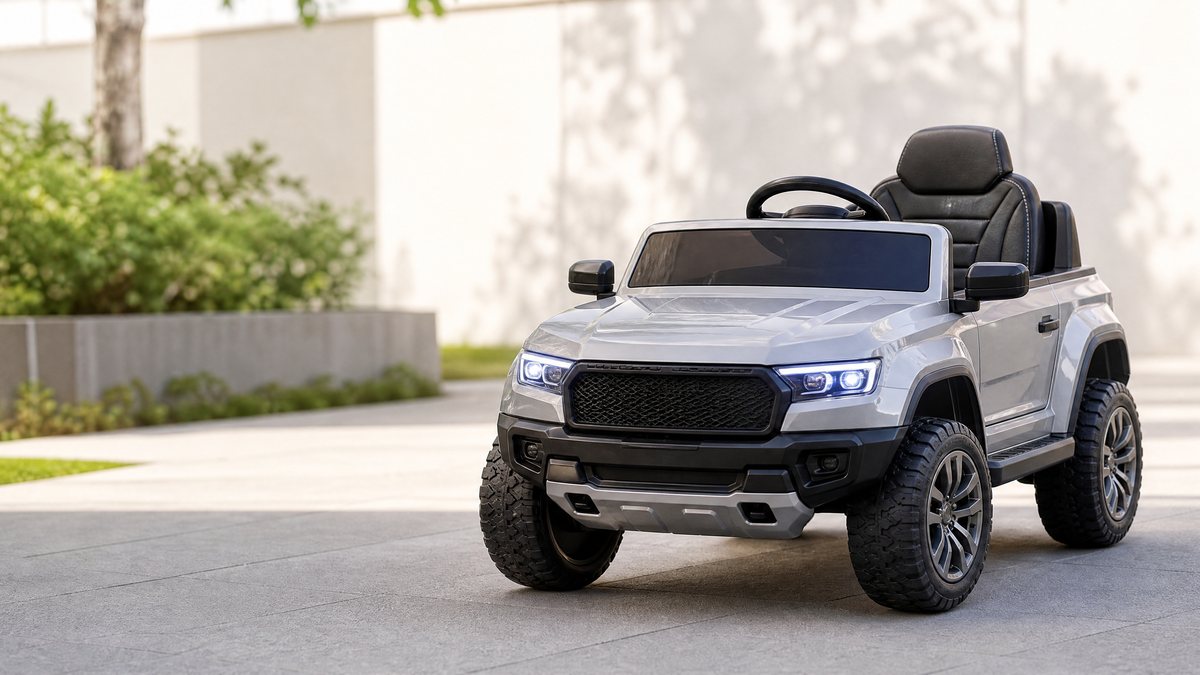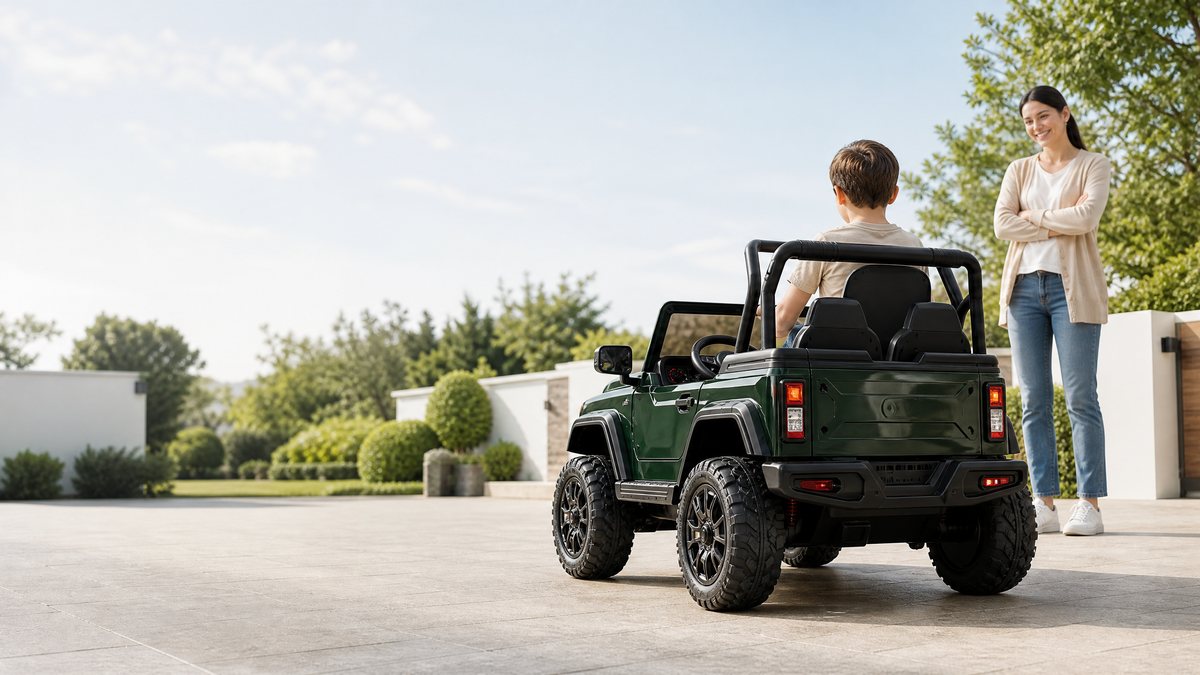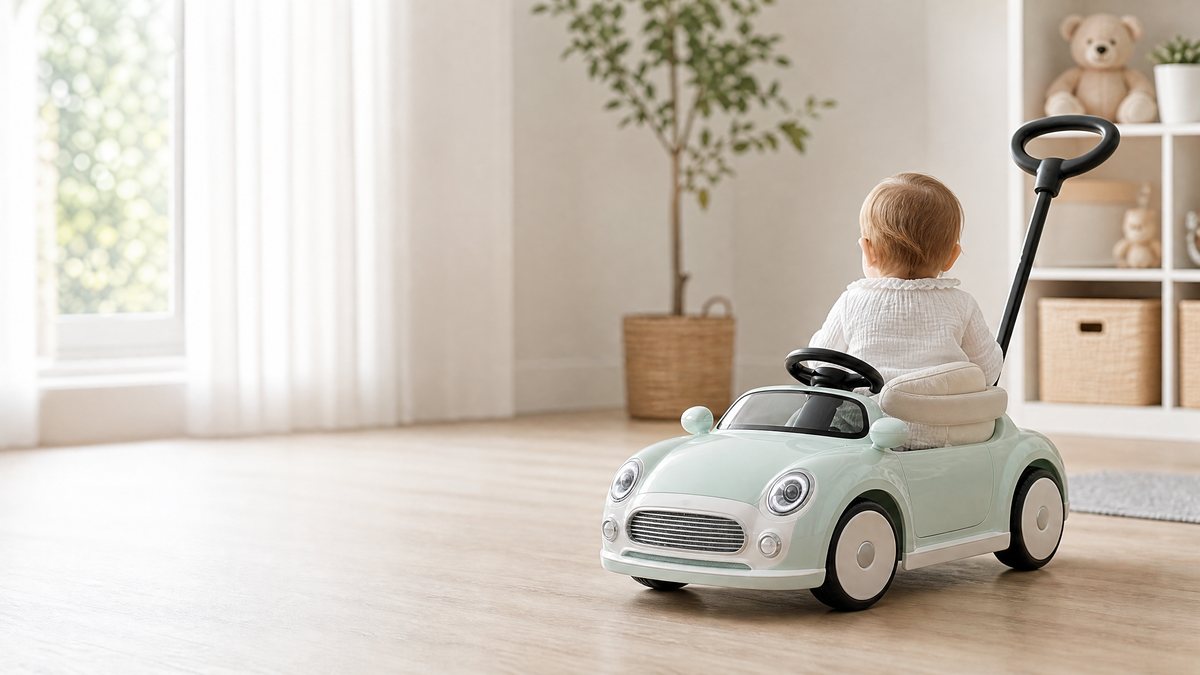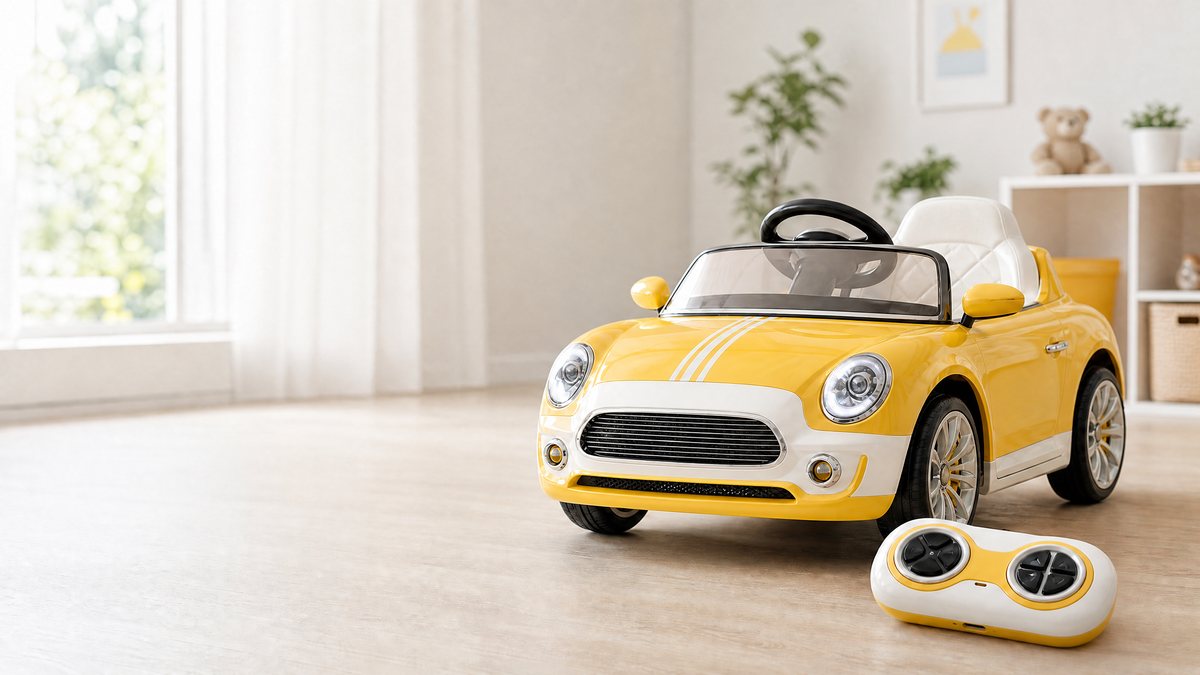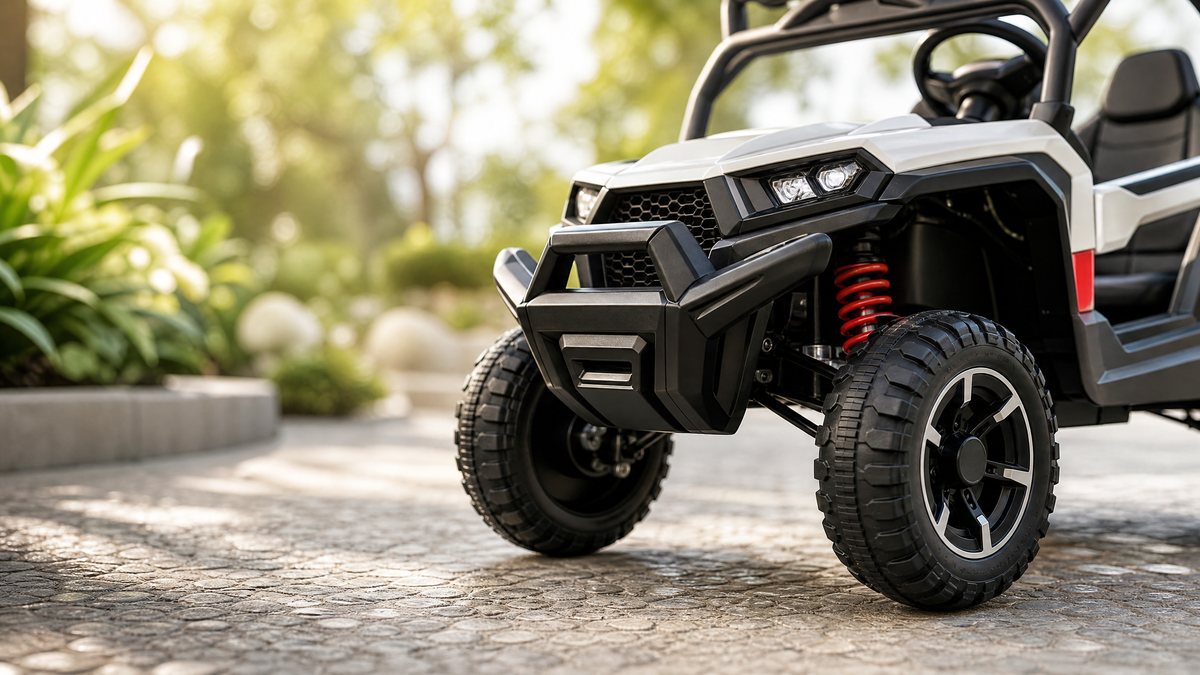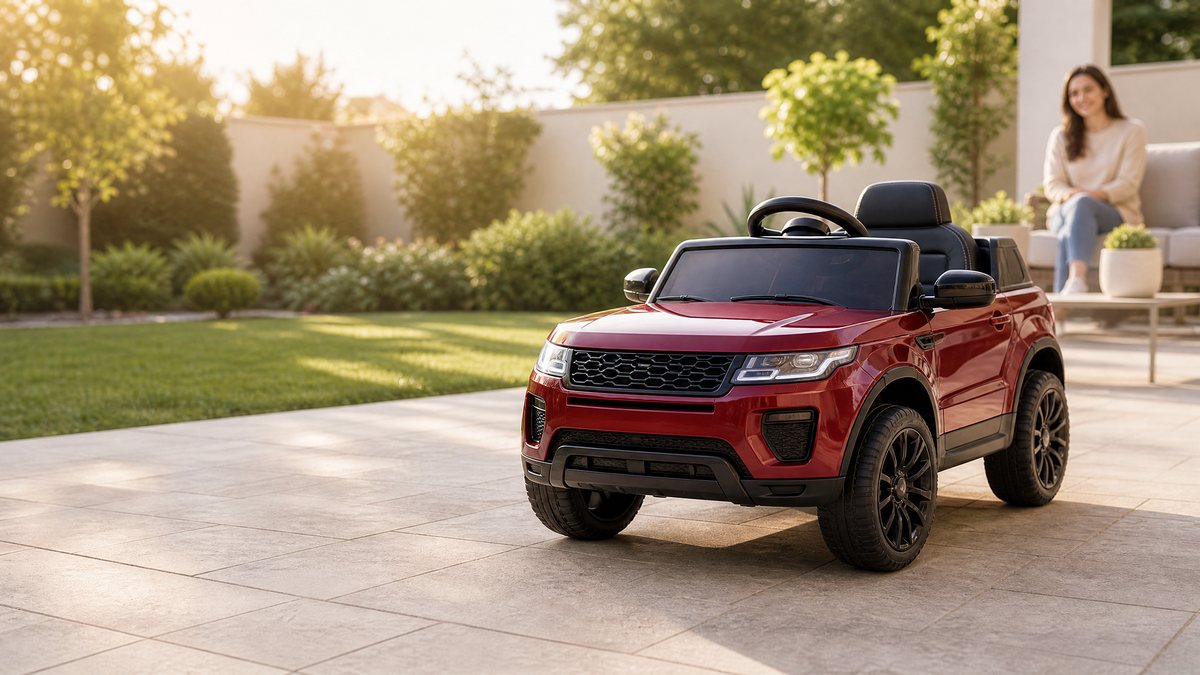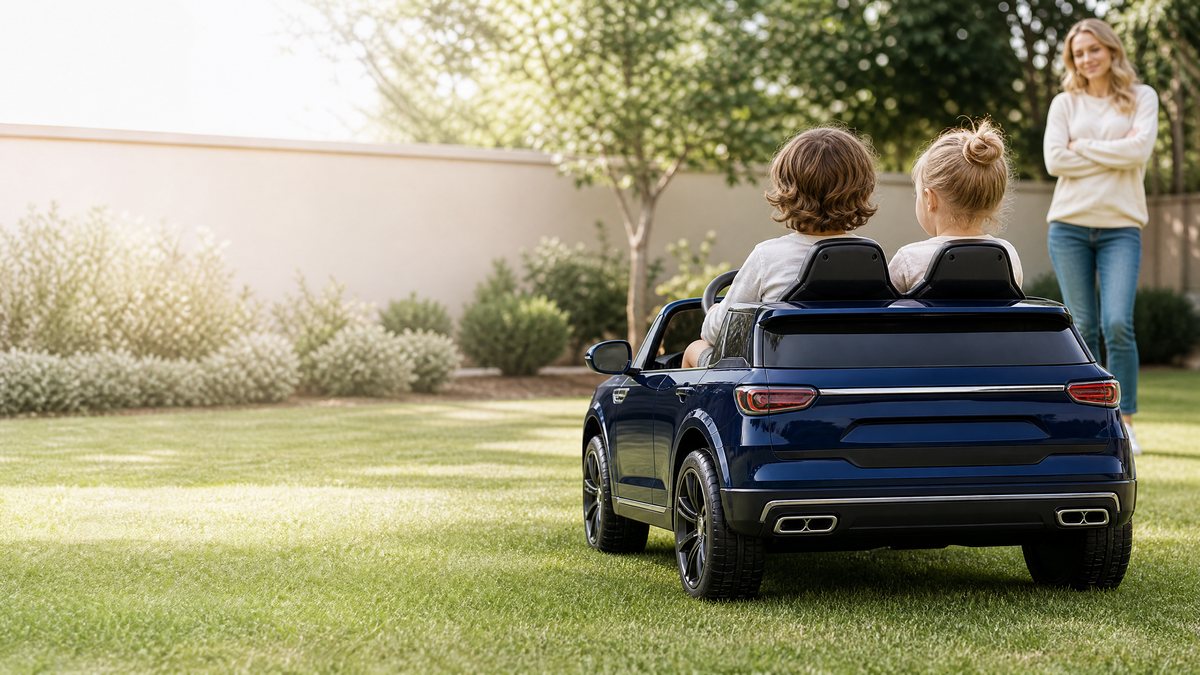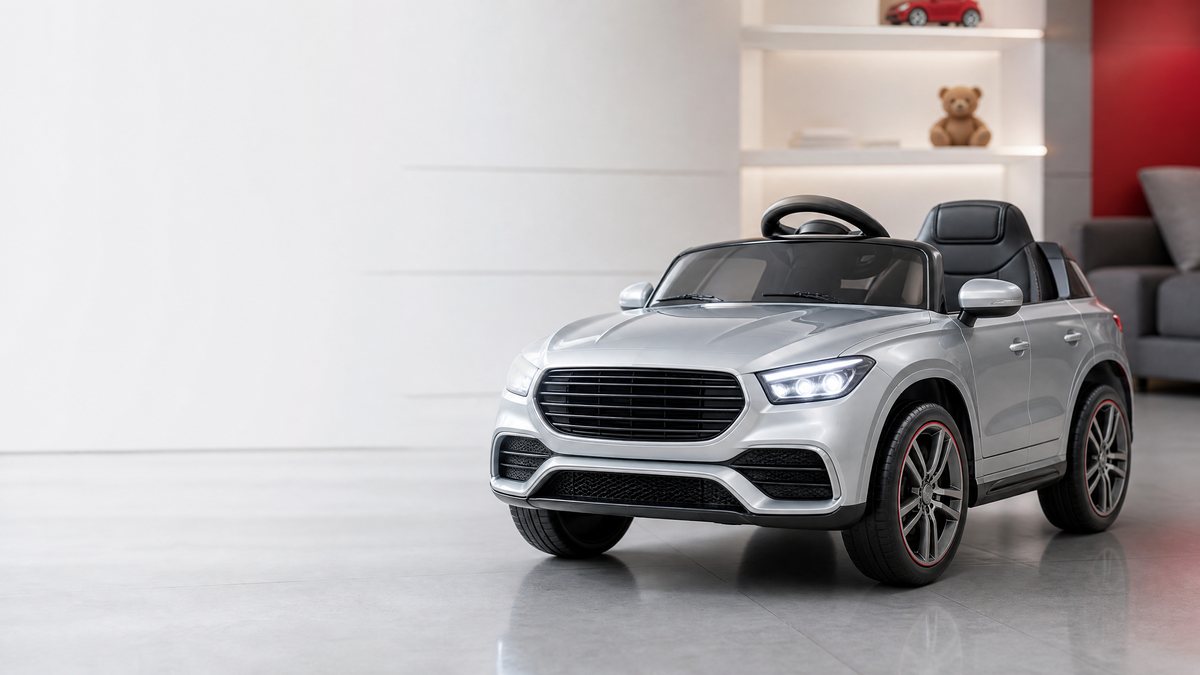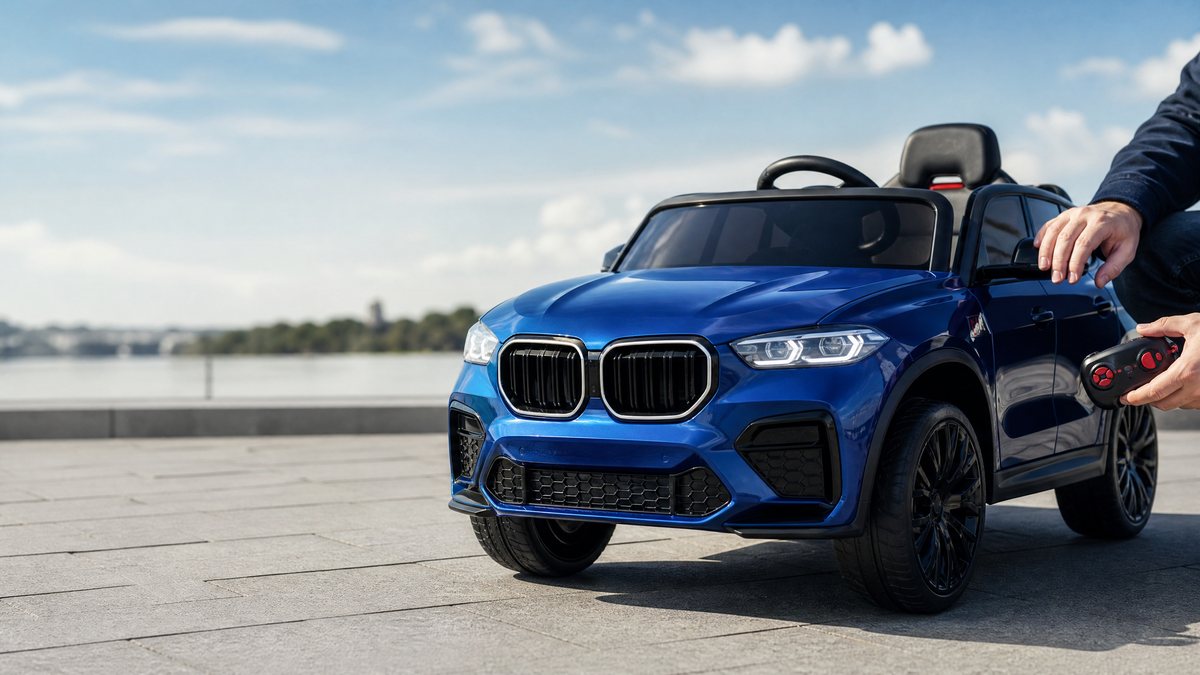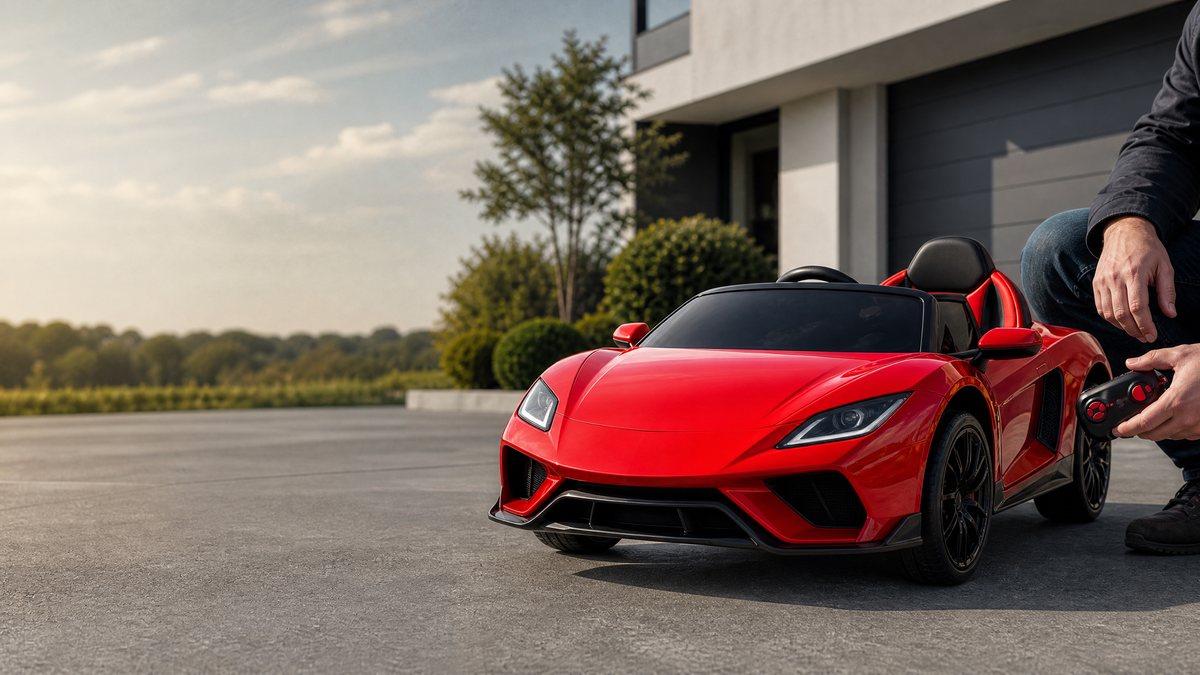
When global toy distributors, retail buyers, and discerning parents evaluate children's electric ride-on cars, the conversation frequently centers on motor voltage, battery capacity, and cosmetic styling. However, one of the most critical physical components determining vehicle performance, riding comfort, noise levels, and long-term durability is the tire material. For decades, traditional ride-on vehicles utilized hard plastic wheels that produced excessive noise and cracked easily, or heavy pneumatic rubber tires borrowed from adult bicycles. Today, Ethylene-Vinyl Acetate (EVA) foam tires have emerged as the industry standard for high-quality children's ride-on vehicles.
Understanding why EVA tires are increasingly preferred over traditional rubber and hard plastic wheels requires a deep dive into material science, manufacturing efficiency, battery economics, and practical end-user experience. This comprehensive guide examines the technical properties, performance metrics, and commercial advantages of EVA foam tires, providing wholesale buyers and retail partners with objective criteria for vehicle specification.
The Evolution of Ride-On Car Wheels: Plastic, Rubber, and EVA Foam
To appreciate the advantages of EVA tires, it is essential to examine the three primary wheel materials utilized across the ride-on vehicle industry:
1. Hard Plastic Wheels: Found primarily in budget or entry-level ride-on toys. While inexpensive to manufacture, hard plastic offers zero shock absorption, creates loud rattling noises on hard flooring or pavement, wears down rapidly upon abrasive asphalt contact, and provides minimal traction.
2. Traditional Rubber Tires: Pneumatic (air-filled) or solid rubber tires offer exceptional grip and authenticity mimicking real automobiles. However, pneumatic rubber tires introduce significant weight, require air pressure maintenance, carry puncture risks, and demand higher rotational torque from the ride-on vehicle's electric motors.
3. EVA Foam Tires: Ethylene-Vinyl Acetate is an elastomeric polymer that produces rubber-like softness and flexibility combined with cellular foam structure. EVA tires are lightweight, puncture-proof, silent on indoor surfaces, highly resilient, and engineered specifically to optimize electric ride-on performance without straining onboard electrical systems.
For B2B importers and retail buyers, balancing cost-effectiveness with perceived product value makes EVA tires the optimal middle ground between cheap plastic and overly complex rubber systems.
Material Science and Manufacturing Superiority of EVA
Ethylene-Vinyl Acetate (EVA) is a copolymer of ethylene and vinyl acetate, combining the clarity and gloss of low-density polyethylene with the elasticity and stress-crack resistance of elastomeric materials. In ride-on car manufacturing, EVA is processed via high-pressure injection molding and thermal cross-linking to create closed-cell foam wheels.
Unlike natural or synthetic rubber, which requires vulcanization, sulfur curing agents, and heavy reinforcing fillers, EVA foam manufacturing produces uniform cellular structures with closed microscopic air pockets. This structural matrix imparts distinct mechanical benefits:
* Inherent Resilience: EVA foam rebounds instantly after compression, preventing flat spots during extended warehouse storage or seasonal retail display.
* Weather and UV Resistance: Unlike natural rubber that degrades, hardens, and cracks when exposed to prolonged sunlight and ozone, EVA polymers maintain their flexibility and tactile softness across wide temperature ranges.
* Zero Chemical Leaching: High-grade EVA materials comply strictly with international toy safety standards regarding phthalates and heavy metal migration, ensuring peace of mind for parents and retail compliance officers.
Weight Optimization and Battery Efficiency in Electric Ride-On Cars
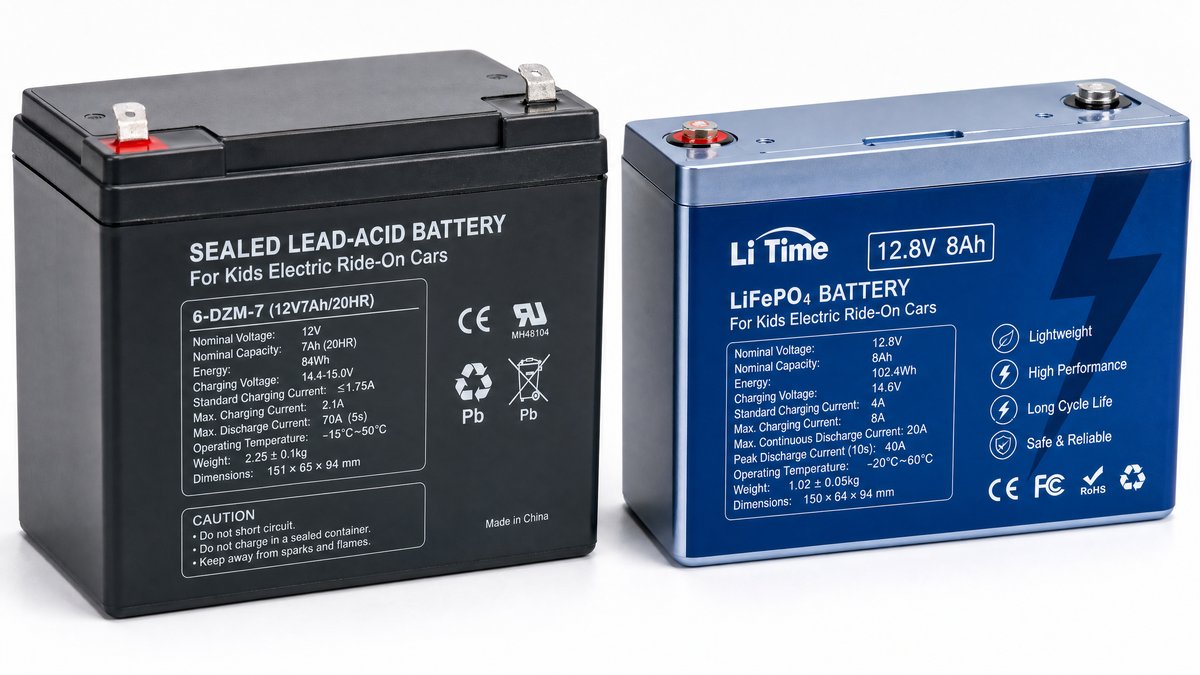
Electric ride-on cars operate on limited battery capacities, typically ranging from 12V to 24V systems powered by sealed lead-acid or lithium-ion batteries. Every gram of rotational weight on the axle directly impacts energy consumption, acceleration smoothness, and overall run time per charge.
Traditional rubber tires, especially pneumatic variants with inner tubes and heavy treads, add considerable dead weight to the vehicle's drive train. This extra mass creates several engineering challenges:
* Higher Starting Torque Demand: Heavier wheels require more electrical current from the control board and motors during initial acceleration, increasing thermal stress on electronic speed controllers (ESCs).
* Reduced Operating Range: Increased rolling resistance and weight drain the battery faster, shortening playtime for children.
* Accelerated Gearbox Wear: The additional inertia places mechanical strain on plastic or metal gearbox gears, potentially leading to premature gear stripping under load.
EVA foam tires possess a cellular structure filled with microscopic air bubbles, making them remarkably lightweight. This reduction in unsprung mass allows ride-on motors to reach operating speed faster, extends battery run times per charge, and reduces thermal fatigue on electrical wiring harnesses. For wholesale procurement managers, specifying EVA tires translates into lower warranty claim rates associated with motor burnout and gearbox failure.
Acoustic Engineering and Sound Dampening Properties
One of the most immediate sensory differences noticeable when comparing ride-on vehicle wheels is acoustic output. Hard plastic wheels rolling across indoor tile, hardwood floors, or outdoor concrete generate a high-frequency rattling and rumbling sound that can be disruptive in residential environments.
Traditional rubber tires reduce noise compared to plastic, but pneumatic rubber tires can still produce humming or slapping sounds on pavement, particularly when rolling under heavy loads or incorrect air pressure.
EVA foam tires excel in acoustic dampening. Because the cellular matrix acts as an internal sound-absorption barrier, rolling noise is reduced to a soft, muffled whisper. For families living in apartments, townhouses, or suburban homes, silent indoor and patio operation is a major selling point. Retailers stocking models equipped with EVA tires frequently highlight this acoustic benefit in marketing materials, as parents highly value quiet toys that do not disrupt household peace.
Traction, Surface Versatility, and Ride Comfort
A common misconception among buyers is that solid rubber inherently provides superior traction compared to EVA foam. While rubber offers high friction coefficients on dry asphalt, EVA foam exhibits unique viscoelastic properties that allow the tire tread to conform smoothly to micro-irregularities on various terrains.
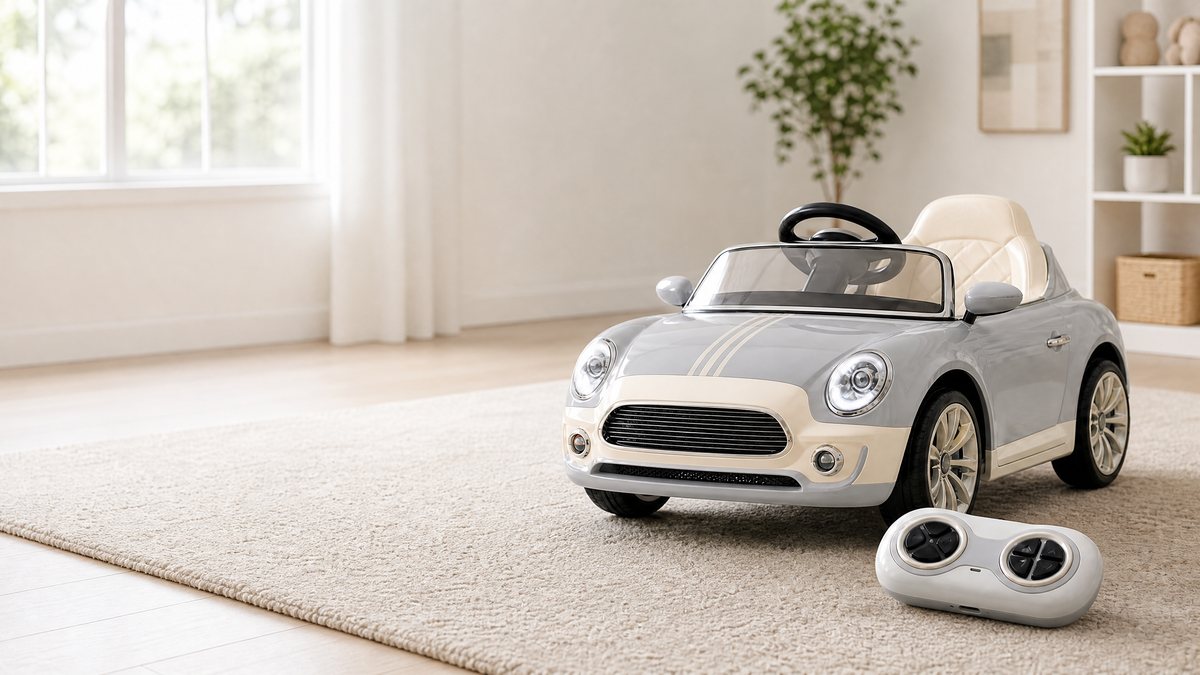
* Indoor Performance: Hard plastic wheels slip and scratch hardwood or tile floors. Rubber can leave scuff marks. EVA tires provide silent, non-marking traction, making them ideal for indoor residential use.
* Outdoor Pavement and Concrete: EVA material absorbs surface vibrations and minor bumps, smoothing out sidewalk cracks and driveway joints without transmitting jarring shocks to the steering column.
* Light Grass and Gravel: While ride-on cars are not designed for extreme off-roading unless equipped with specialized 4WD high-clearance setups, EVA tire treads provide sufficient biting friction for manicured lawns and garden paths when paired with appropriate motor power.
Furthermore, because EVA tires are solid-state foam composites, they eliminate the risk of flat tires caused by thorns, glass shards, or sharp stones. Parents and rental operators appreciate the maintenance-free nature of EVA wheels.
Request a wholesale quote
Commercial Logistics and Retail Inventory Advantages
Beyond direct end-user performance, the choice of tire material has profound implications for B2B logistics, shipping freight, and retail inventory management:
* Freight and Dimensional Weight: EVA tires add significantly less deadweight to shipping cartons compared to solid or pneumatic rubber assemblies, lowering overall shipping container weight and freight costs during global transit.
* Zero Maintenance SKU Simplification: Retailers stocking pneumatic rubber tires must also carry inner tubes, patch kits, and inflation pumps as accessories. EVA tires require zero aftermarket maintenance accessories, streamlining retail inventory SKUs.
* Long-Term Shelf Life: Natural rubber products can dry out, oxidize, and develop micro-cracks when stored in distribution centers for extended periods. EVA closed-cell foam exhibits exceptional chemical stability, retaining its physical integrity and appearance even after years of warehouse storage.
These logistical efficiencies make EVA-equipped ride-on cars highly attractive for international distributors looking to minimize supply chain friction and after-sales service overhead.
Comparative Analysis of Ride-On Tire Materials
To assist procurement teams and retail buyers in making informed sourcing decisions, the following matrix compares the three primary wheel types across key operational metrics. All ratings are based on standard manufacturing benchmarks and general industry testing protocols.
| Performance Metric | Hard Plastic Wheels | Pneumatic / Solid Rubber | EVA Foam Tires |
|---|---|---|---|
| Weight / Density | Very Light | Heavy | Lightweight (Cellular Foam) |
| Puncture Resistance | Immune (Solid) | Susceptible (Pneumatic) | Immune (Solid Foam) |
| Indoor Noise Level | Loud / Rattling | Moderate | Extremely Quiet / Silent |
| Shock Absorption | Poor (Rigid) | Excellent | High (Viscoelastic Foam) |
| Maintenance Needs | None | High (Inflation / Patches) | None (Maintenance-Free) |
| Motor & Gearbox Strain | Low | High (Due to Weight) | Low |
| Commercial Perceived Value | Low / Budget | Premium / Complex | High / Modern Standard |
As demonstrated in the comparison table, EVA foam tires strike an optimal balance between premium ride quality, zero maintenance overhead, and mechanical preservation of the vehicle's drive train.
Manufacturing Precision and Safety Compliance
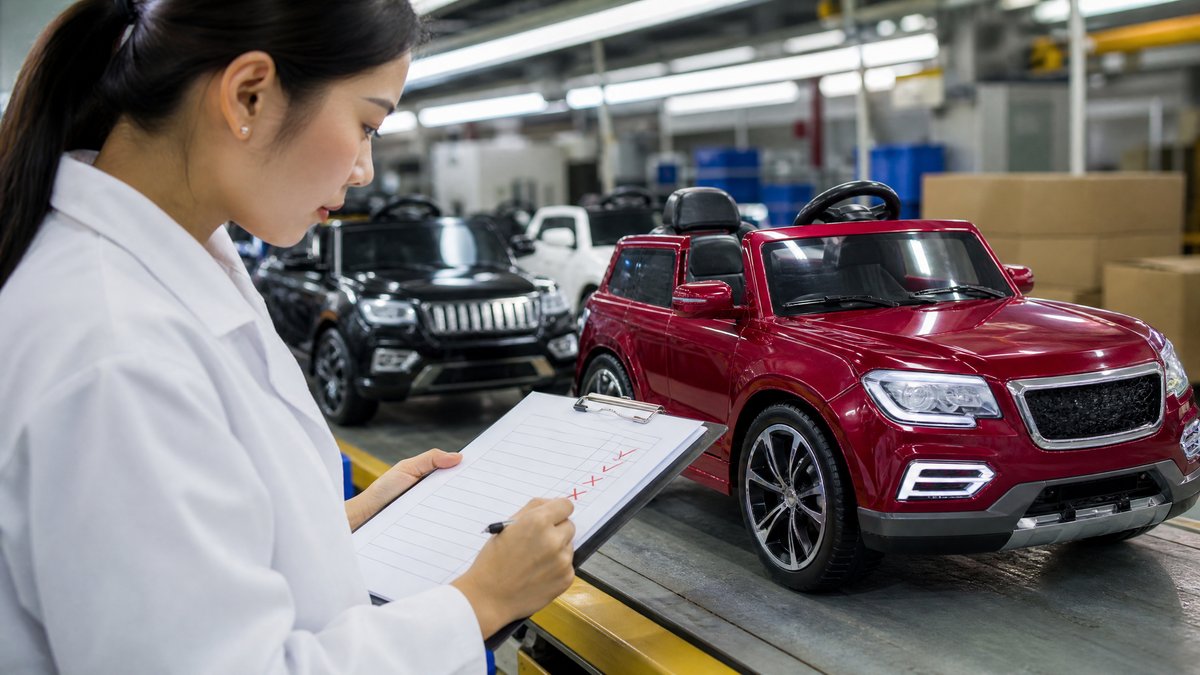
Producing high-grade EVA tires involves precision injection molding and thermal compression processes that ensure uniform density, balanced rotational symmetry, and consistent hardness ratings (typically measured on the Asker C or Shore A durometer scales).
From a manufacturing and safety perspective, quality-controlled EVA production avoids the chemical leaching or unpleasant odors associated with low-grade recycled plastics or vulcanized rubber compounds. When sourcing ride-on cars from certified manufacturers, buyers should verify that component suppliers adhere to international toy safety standards such as EN71, ASTM F963, and CCC certifications.
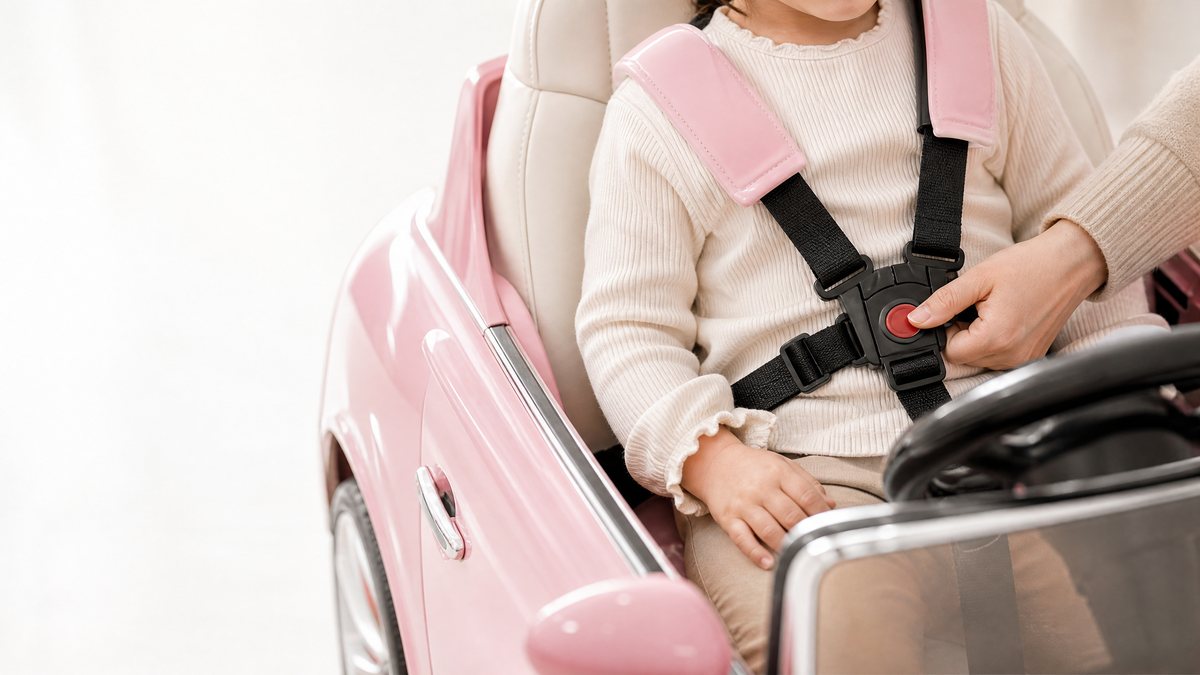
While EVA tires provide superior grip and durability, safe operation of any ride-on vehicle requires strict adherence to manufacturer guidelines. As specified in standard safety education frameworks provided by regulatory bodies like the Consumer Product Safety Commission (CPSC), motorized ride-on toys must always be operated under adult supervision. Parents and supervisors should ensure that children ride on flat, designated surfaces away from public roads, swimming pools, steep inclines, and traffic areas.
Frequently Asked Questions
1. Do EVA tires require any inflation or air pressure maintenance?
No. EVA (Ethylene-Vinyl Acetate) tires are solid foam-based components manufactured with a closed-cell cellular structure. Unlike pneumatic rubber tires, they cannot go flat, do not require air pumps, and are entirely maintenance-free throughout the lifespan of the ride-on vehicle.
2. How do EVA tires handle wet outdoor surfaces or rainy conditions?
Like most smooth-treaded toy vehicle wheels, EVA tires perform best on dry or lightly damp surfaces. In heavy rain or wet conditions, traction on slick pavement or grass can be reduced. It is strongly advised to store ride-on cars indoors and avoid operating motorized vehicles in wet weather, standing water, or muddy terrain to protect internal electrical components.
3. Can damaged or worn EVA tires be easily replaced on a ride-on car?
Yes. Most quality ride-on vehicles feature quick-release axle pins or locking nuts that allow replacement wheels to be installed easily. Wholesale buyers and retail service centers should stock standard replacement EVA wheel sets matching specific axle diameters to support after-sales maintenance for customers.
4. Are EVA tires safe for indoor flooring such as hardwood and tile?
Yes. EVA foam has a soft, non-abrasive surface texture that will not scratch hardwood floors, laminate, or ceramic tile. Furthermore, unlike hard plastic wheels that produce loud rattling sounds, EVA wheels roll quietly indoors, making them exceptionally popular for indoor play spaces and residential living rooms.
Conclusion
Choosing the right wheel material is a pivotal decision for manufacturers, wholesale distributors, and retail brands operating in the children's electric ride-on vehicle market. While traditional rubber tires offer an authentic automotive feel and hard plastic appeals to ultra-budget segments, EVA foam tires represent the ultimate convergence of performance, durability, comfort, and commercial viability.
By offering lightweight construction, puncture-proof reliability, silent indoor operation, and reduced mechanical strain on motors and gearboxes, EVA tires elevate the overall user experience while minimizing after-sales warranty claims. Business partners seeking to elevate their product catalog with modern, high-performance ride-on cars equipped with premium EVA wheels are invited to connect with our manufacturing team.
Request a wholesale quote
Official References
1. U.S. Consumer Product Safety Commission (CPSC): Toy Safety Education and General Guidance on Motorized Ride-On Vehicles for Children. (Note: CPSC educational materials provide general safety awareness and do not replace specific manufacturer operating instructions, model-specific weight limits, or certified safety manuals).
2. ASTM International: ASTM F963 - Standard Consumer Safety Specification for Toy Safety, covering mechanical, physical, and material safety requirements for children's wheeled toys.
3. European Committee for Standardization (CEN): EN 71 Safety of Toys - Part 1: Mechanical and Physical Properties, and Part 3: Migration of Certain Elements in ride-on toy manufacturing components.
Official references
Explore these external resources for current regulatory and trade guidance. Confirm requirements with the relevant authority before placing an order.
Ready to Start?
Factory-Direct · CE & ASTM Certified · MOQ from 50 Units
Our export team works with buyers in 60+ countries. Get a quote within 24 hours.
KR
Written by KidsRideCar
China's leading kids electric ride-on car manufacturer. 500,000+ units shipped annually to 60+ countries. CE, ASTM & EN71 certified.