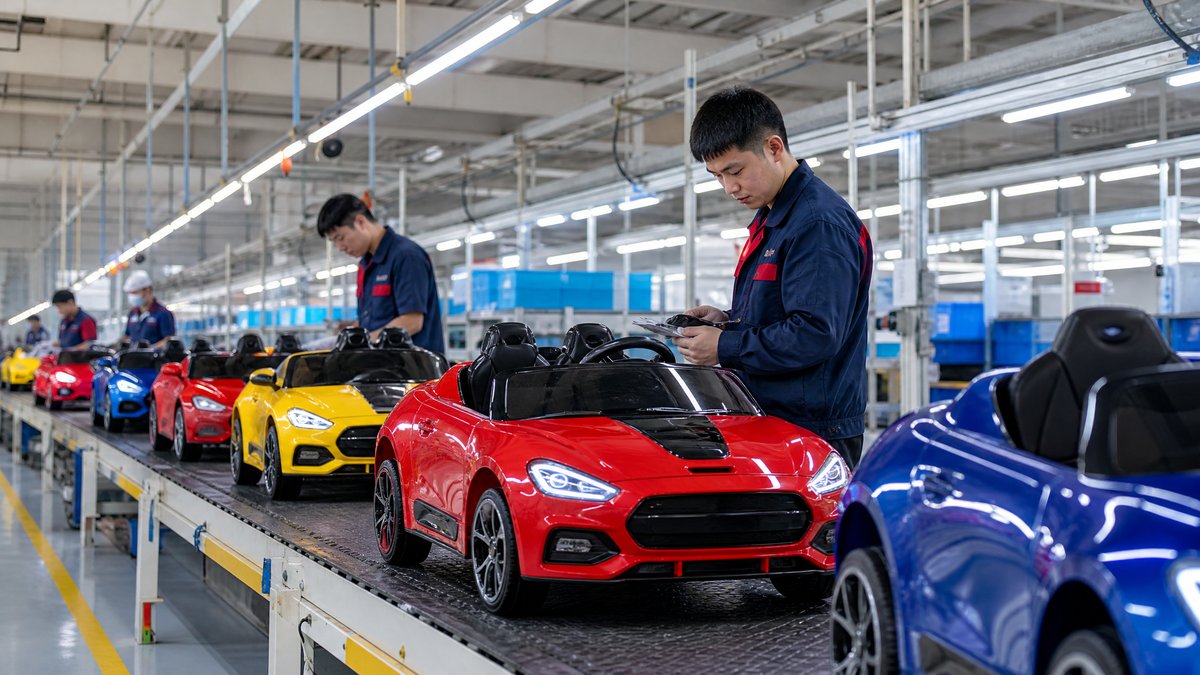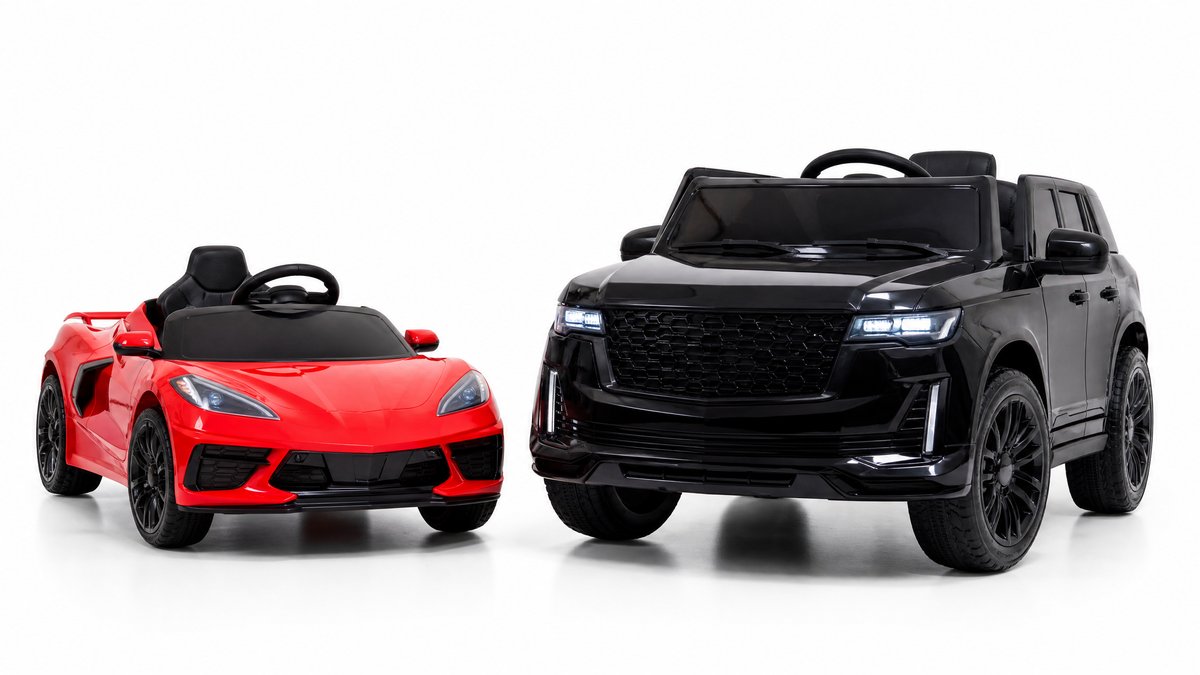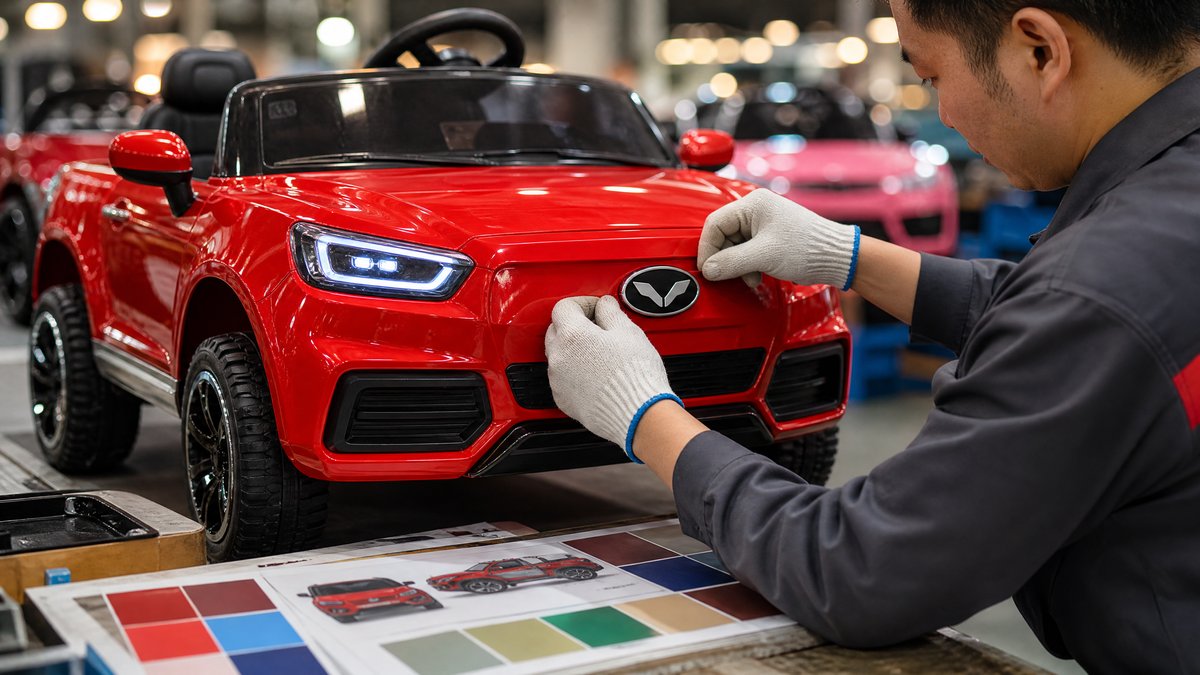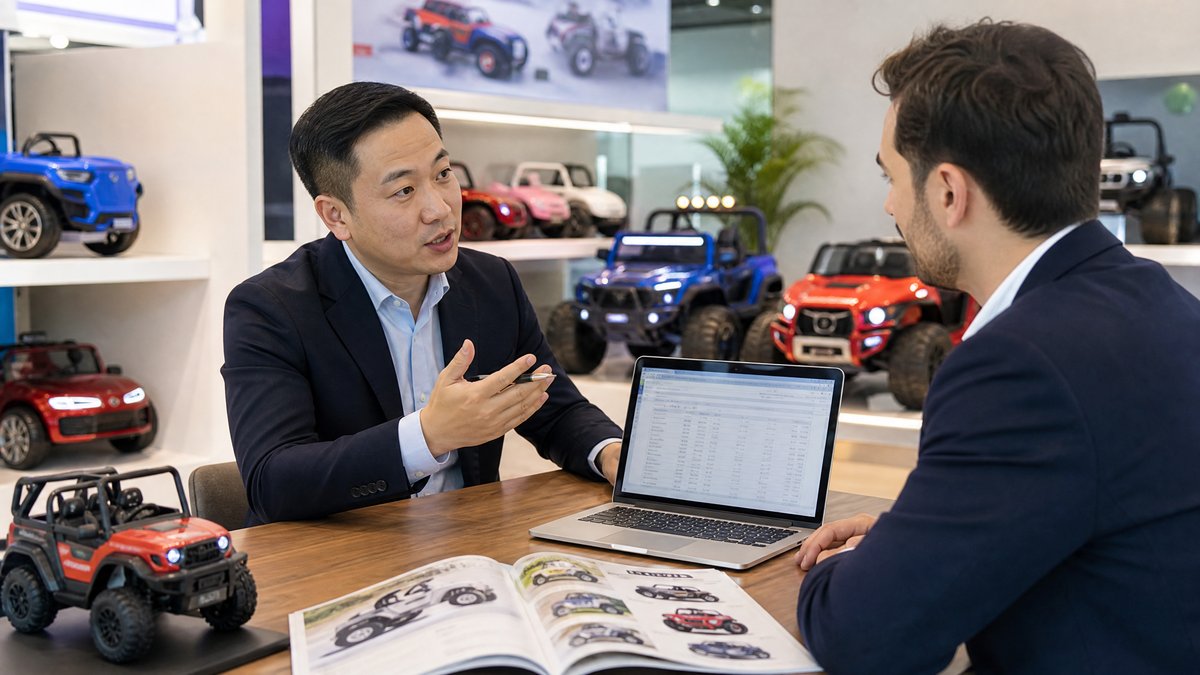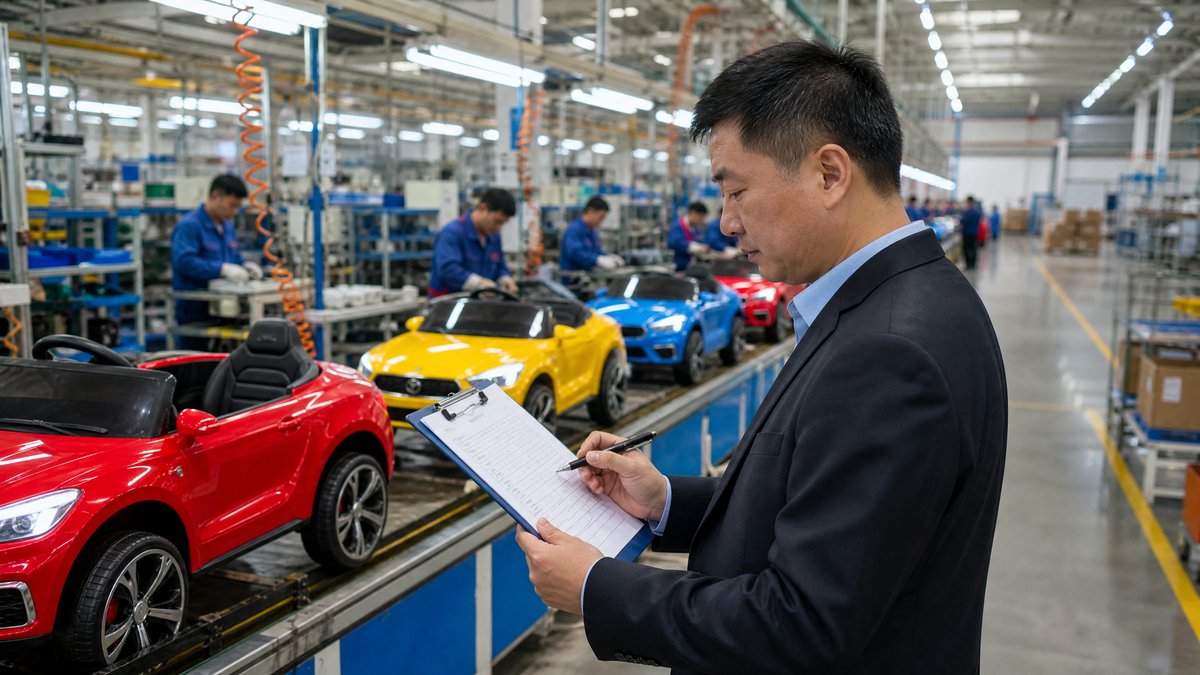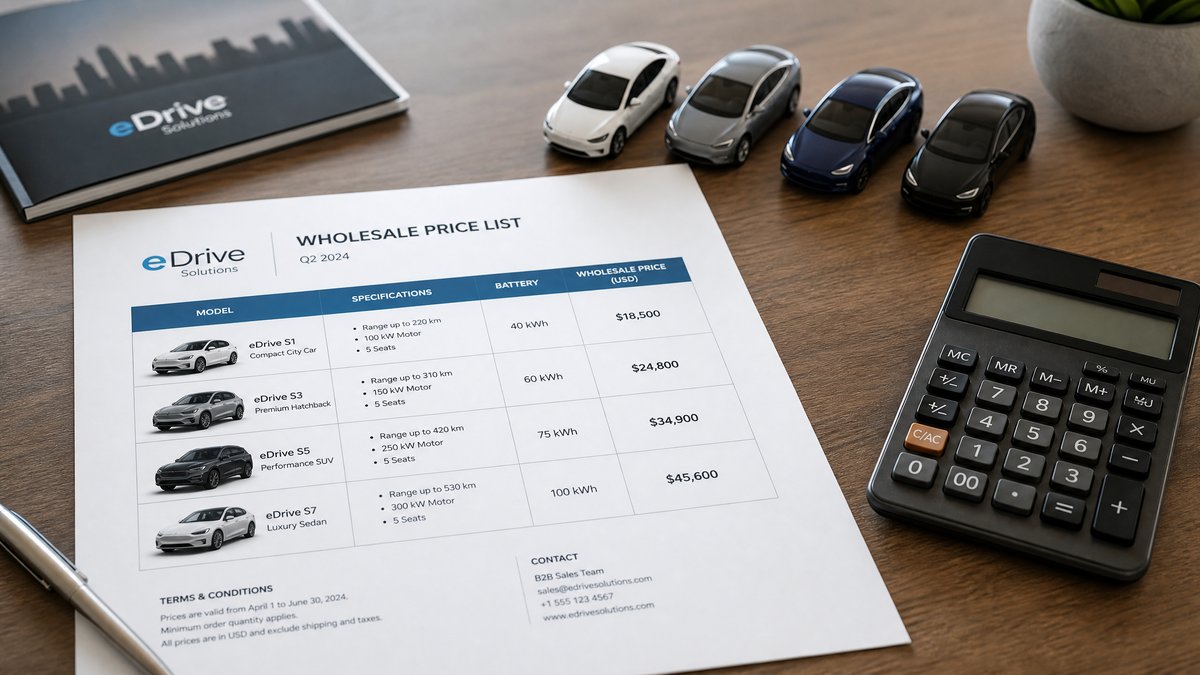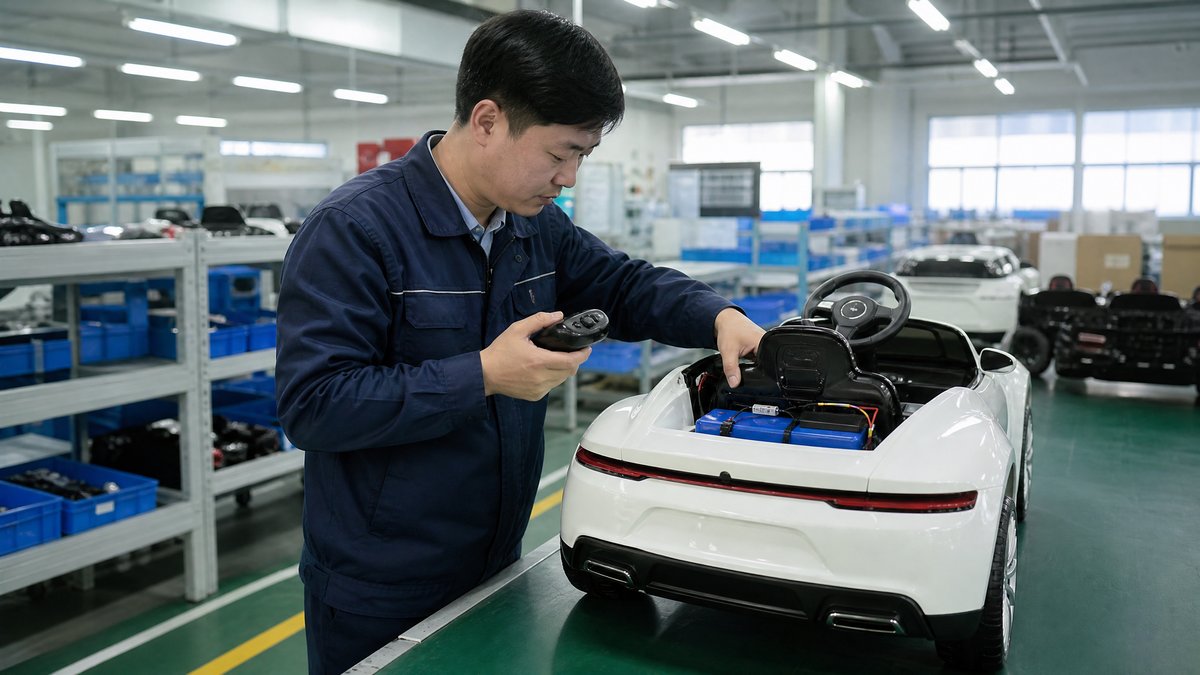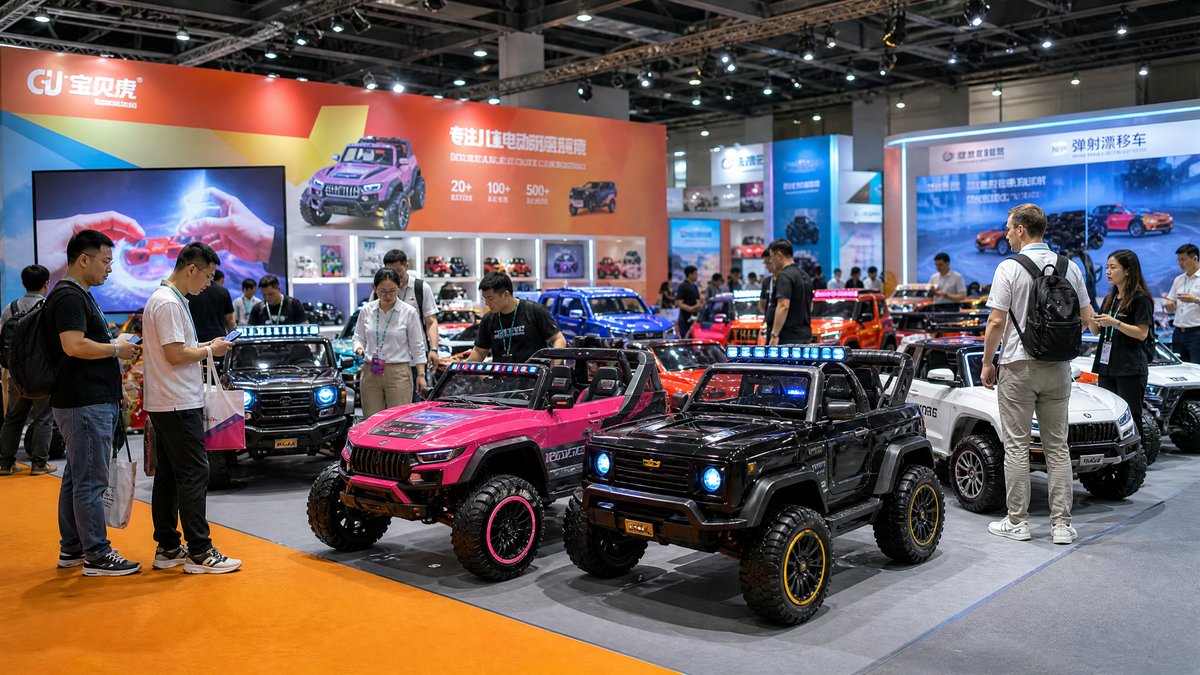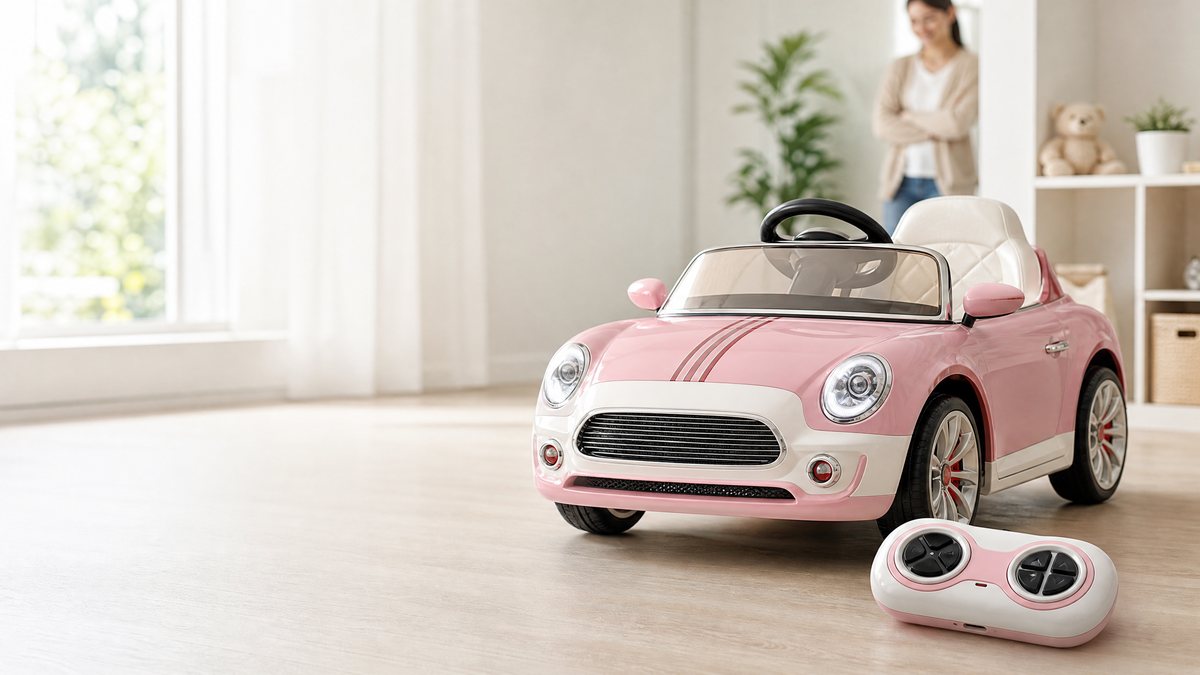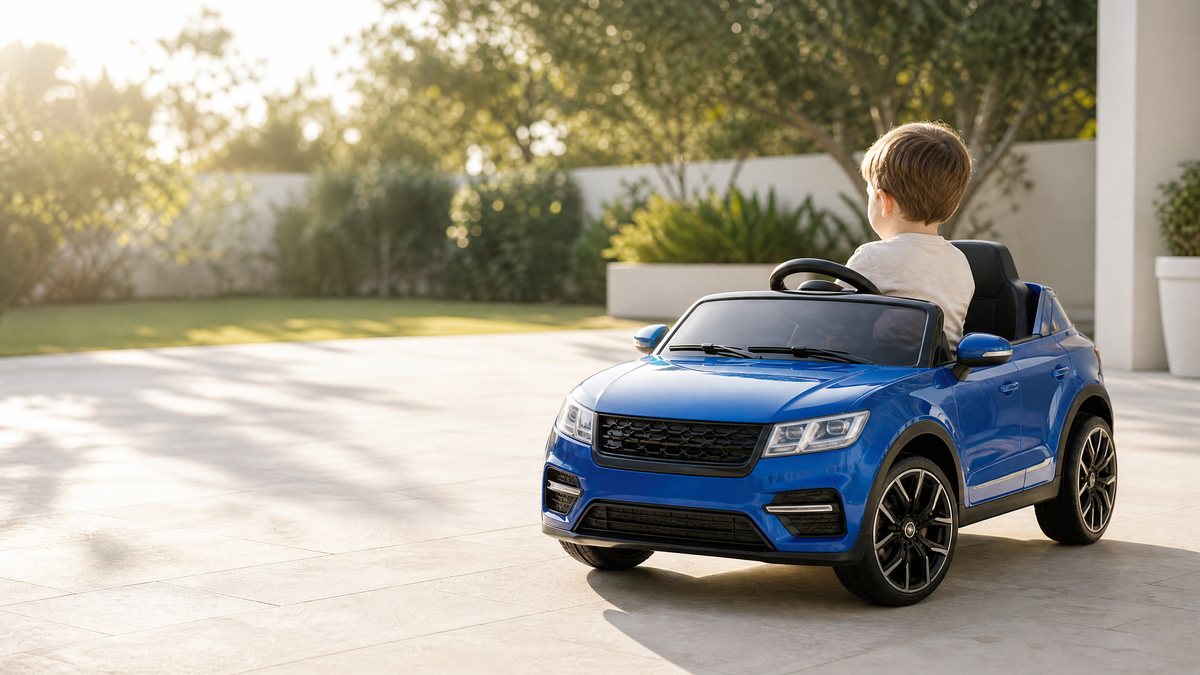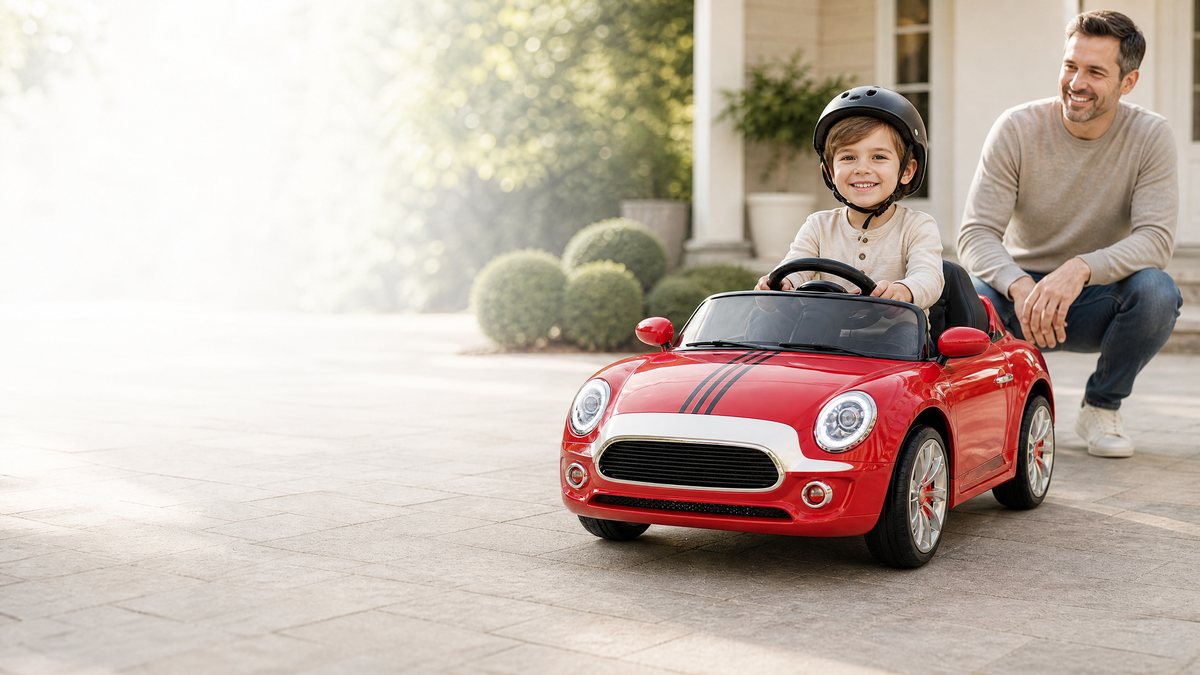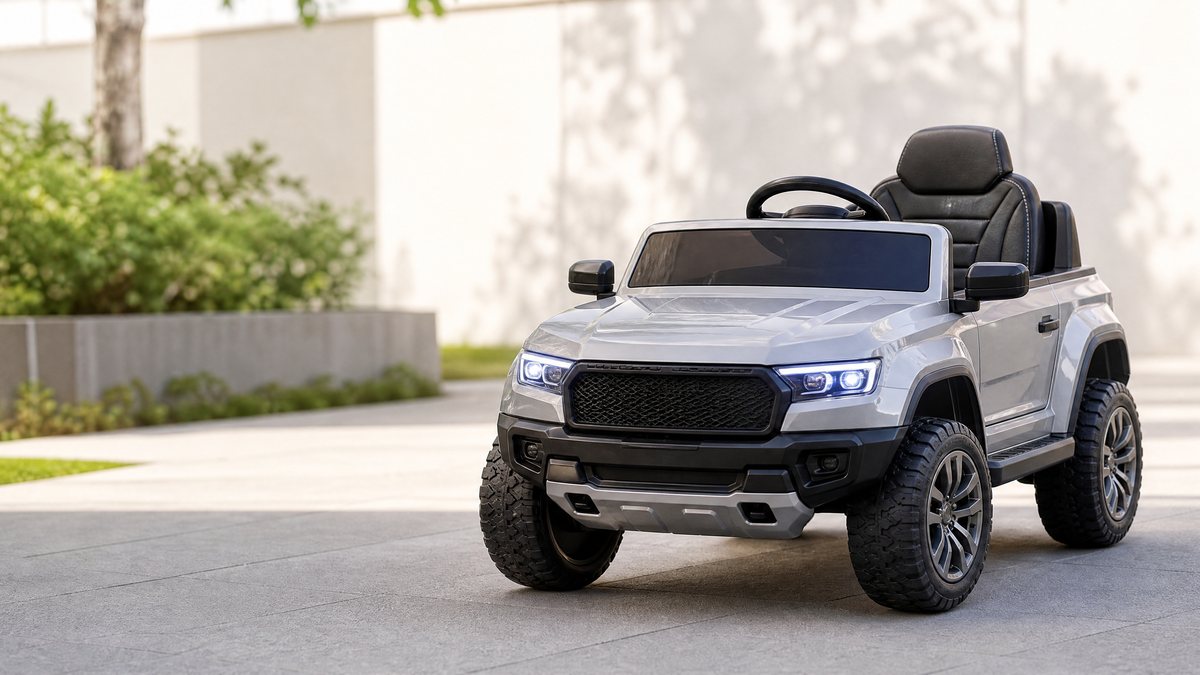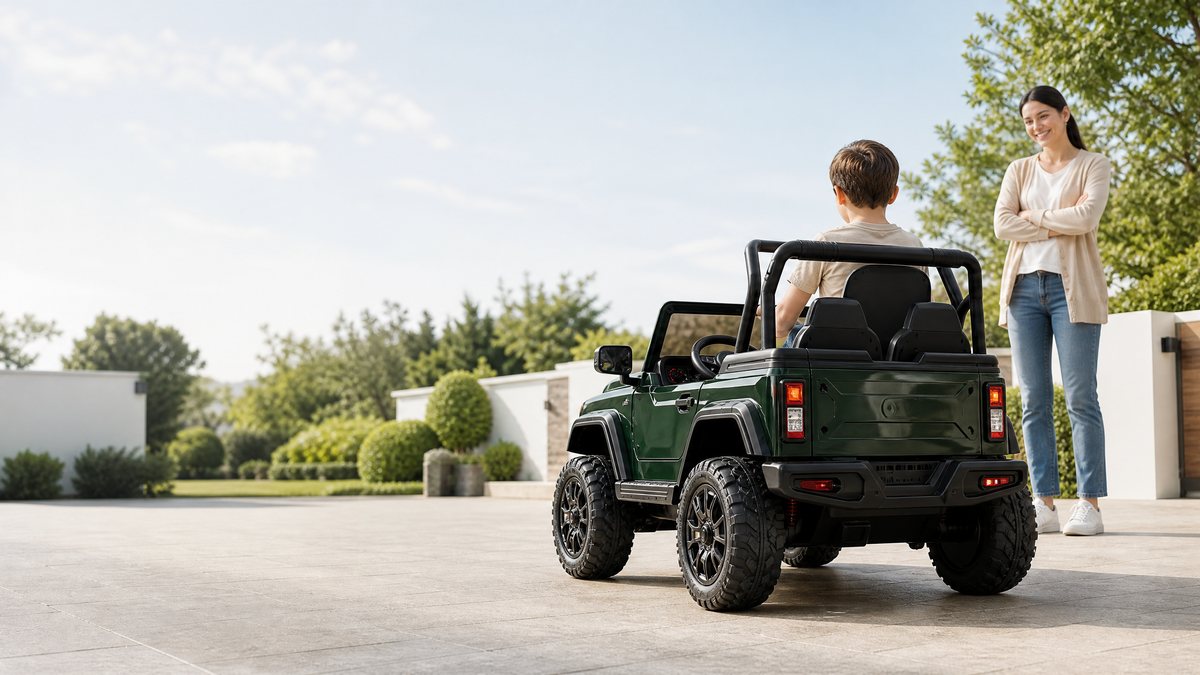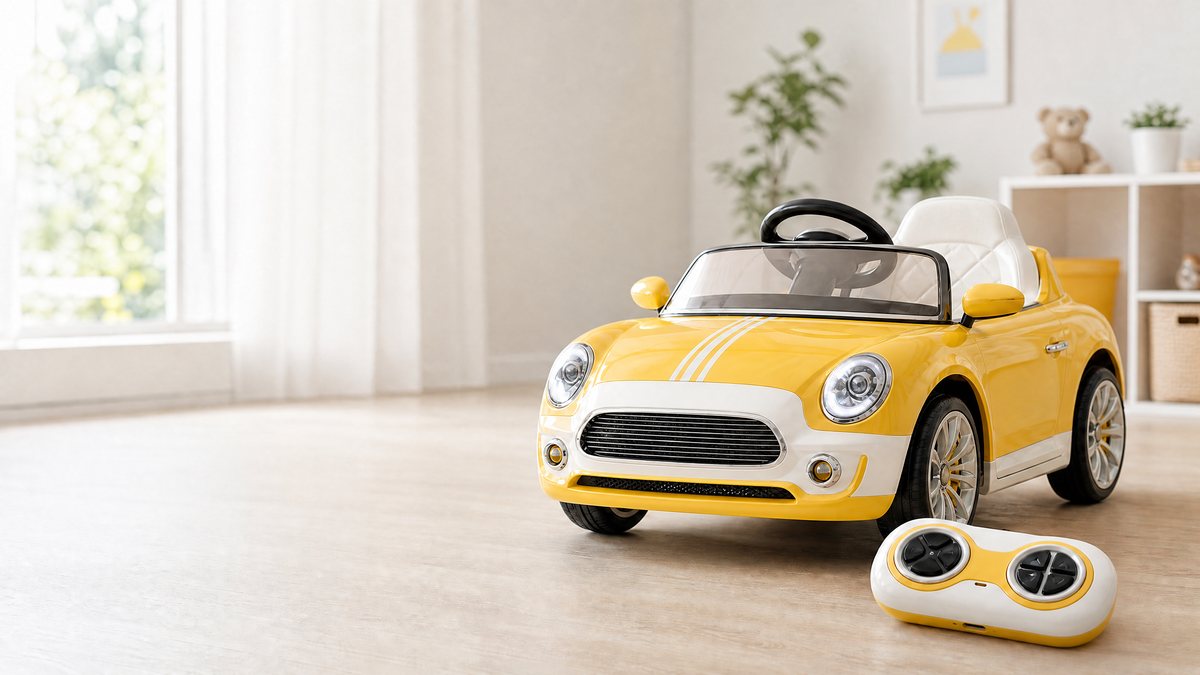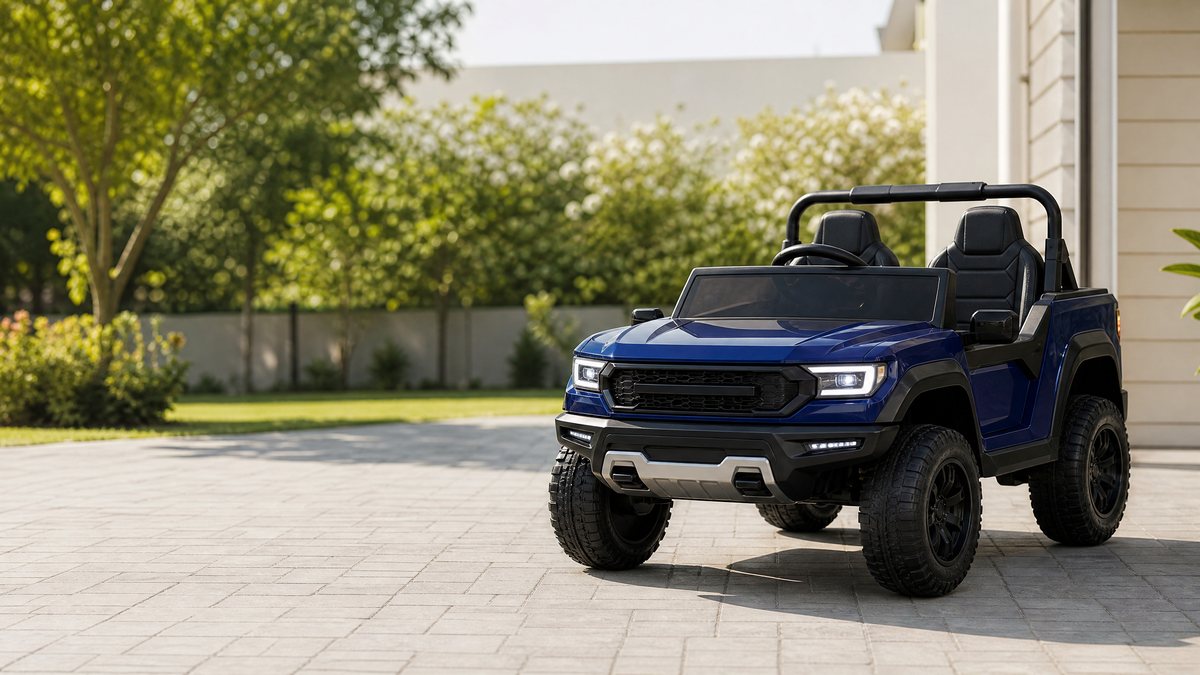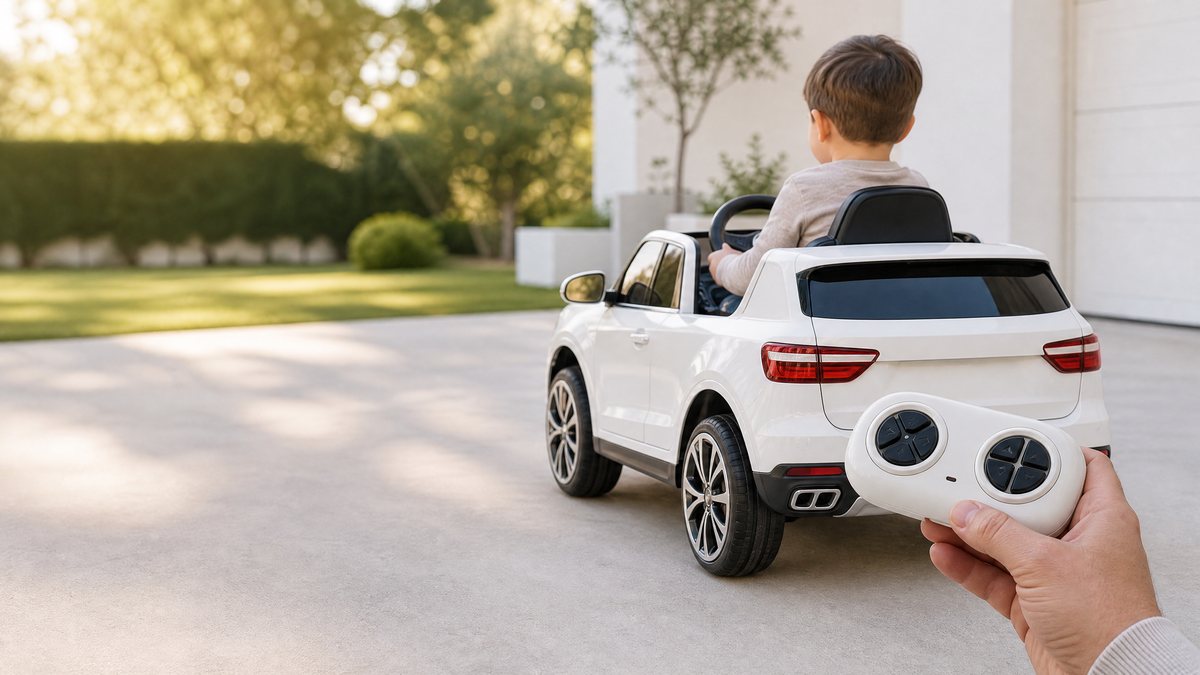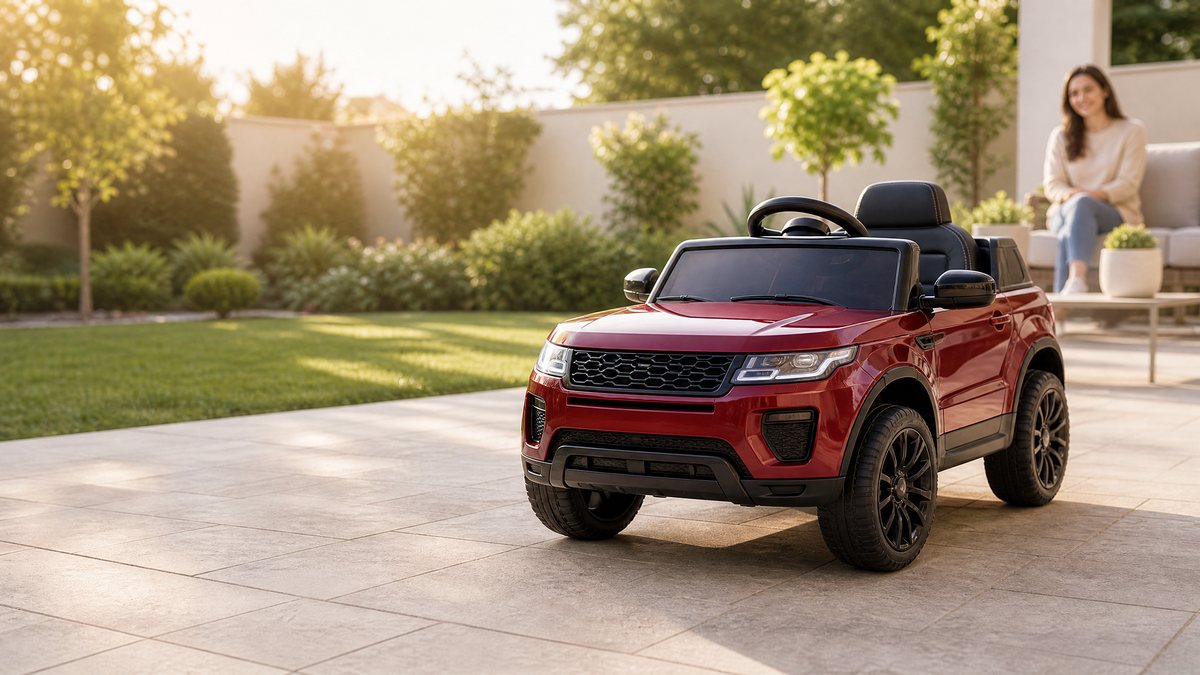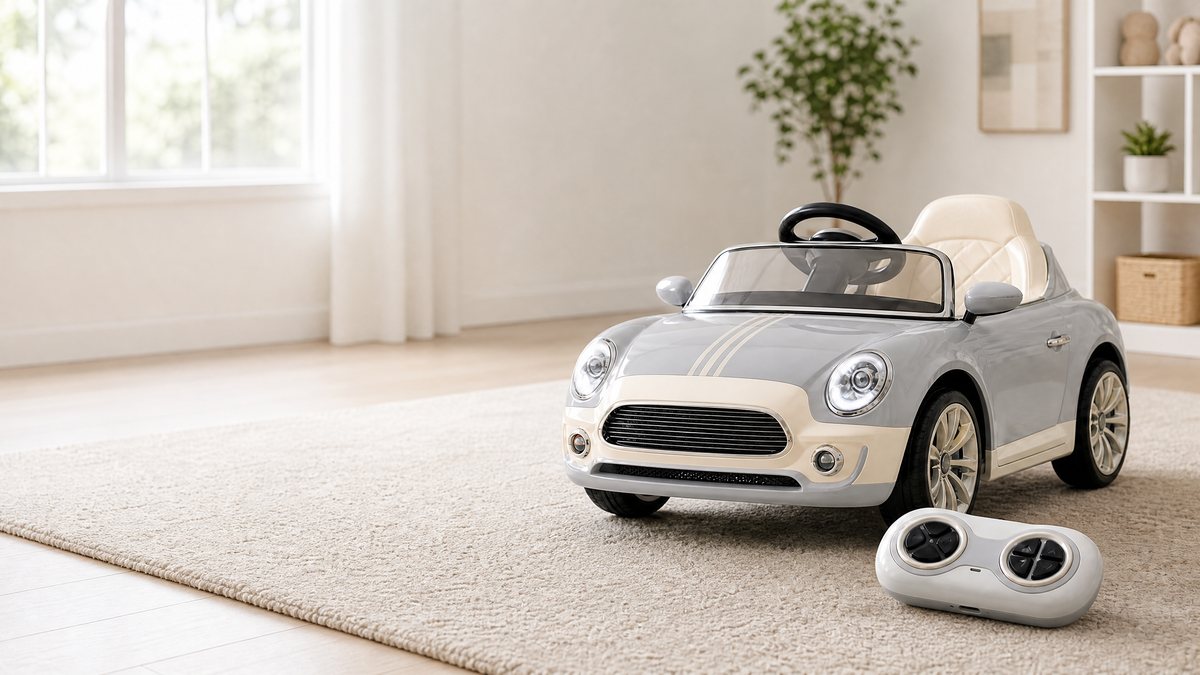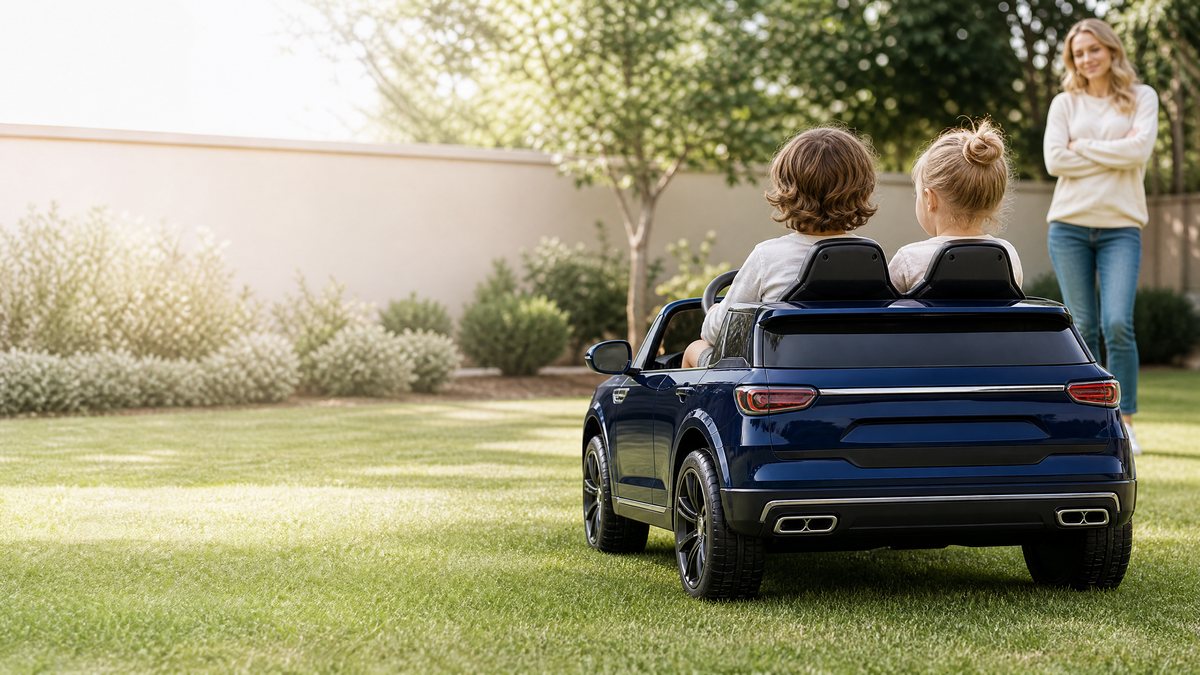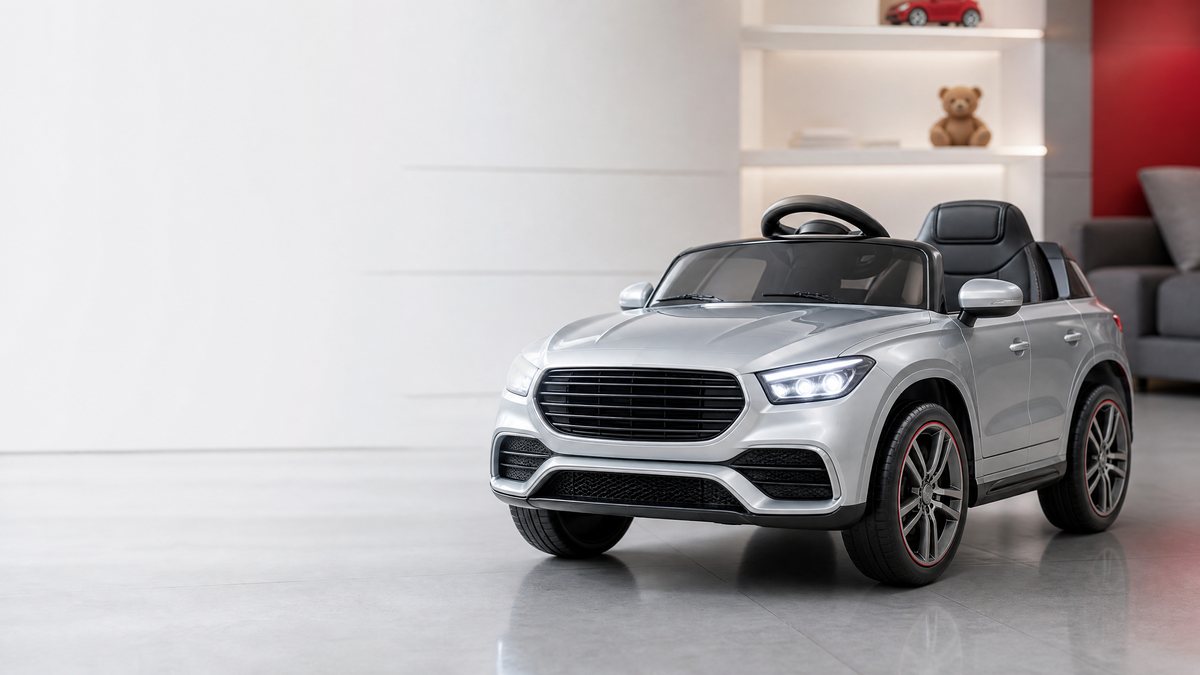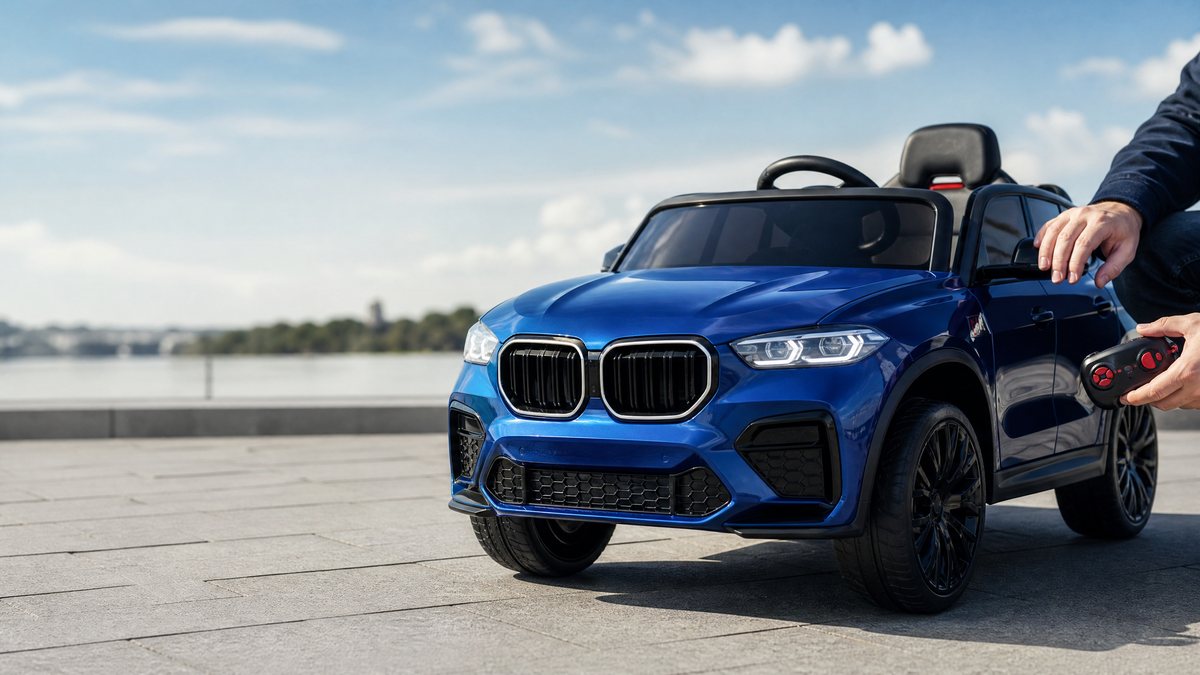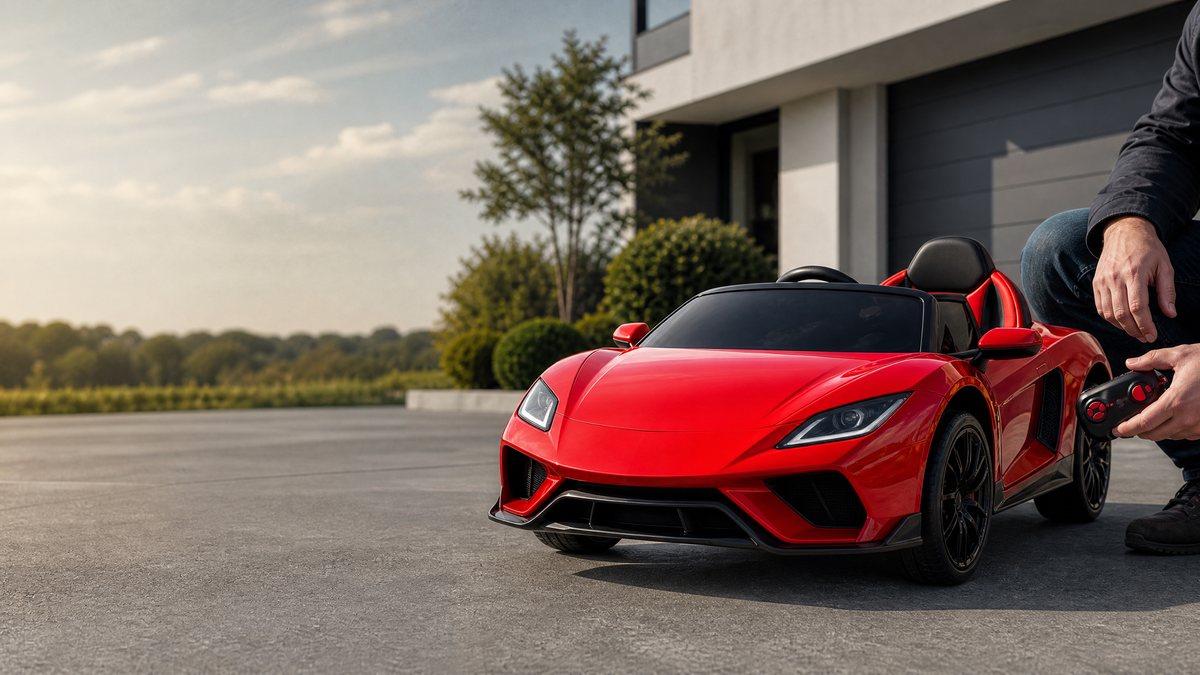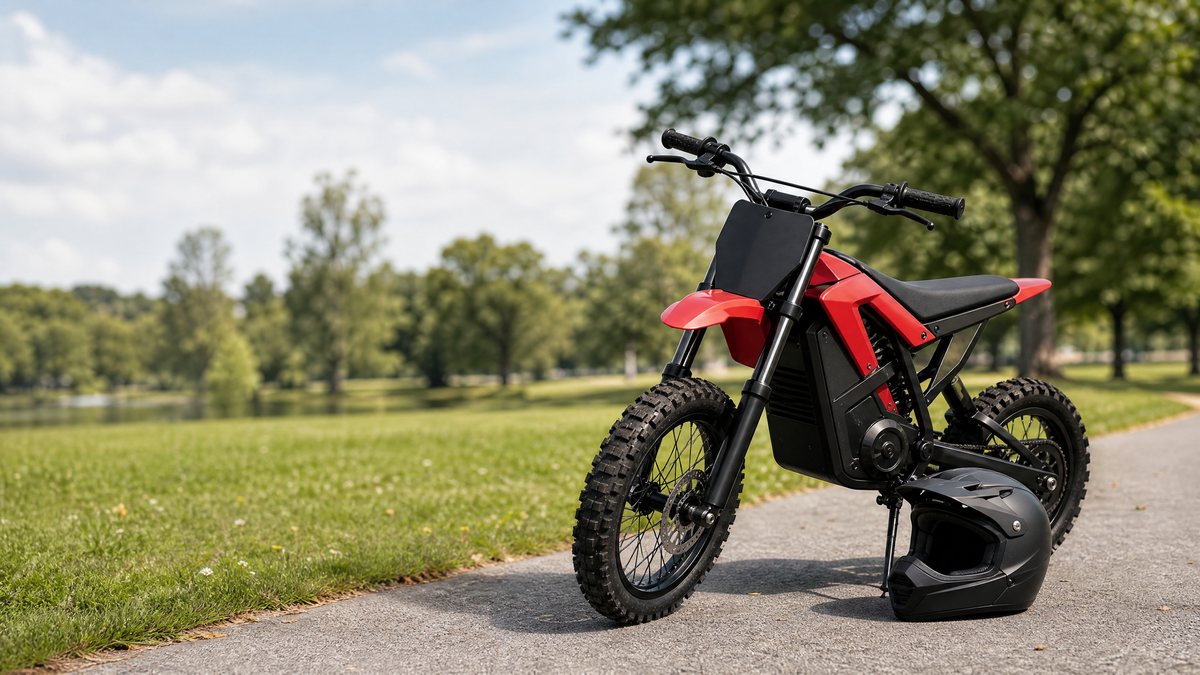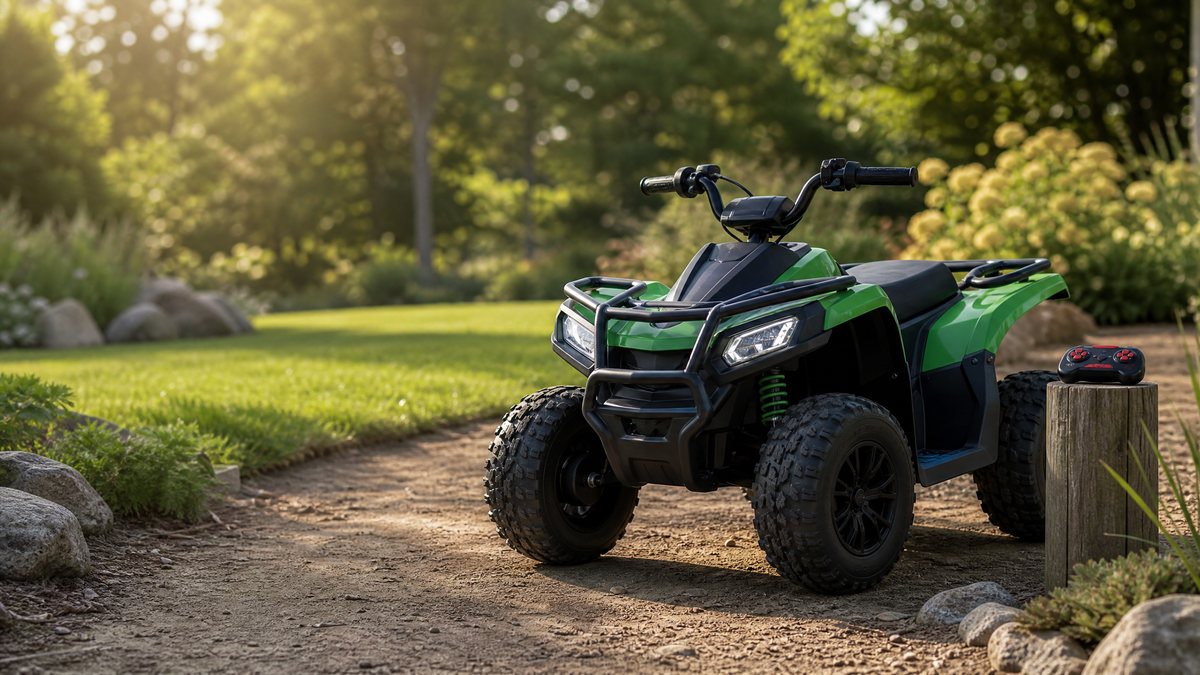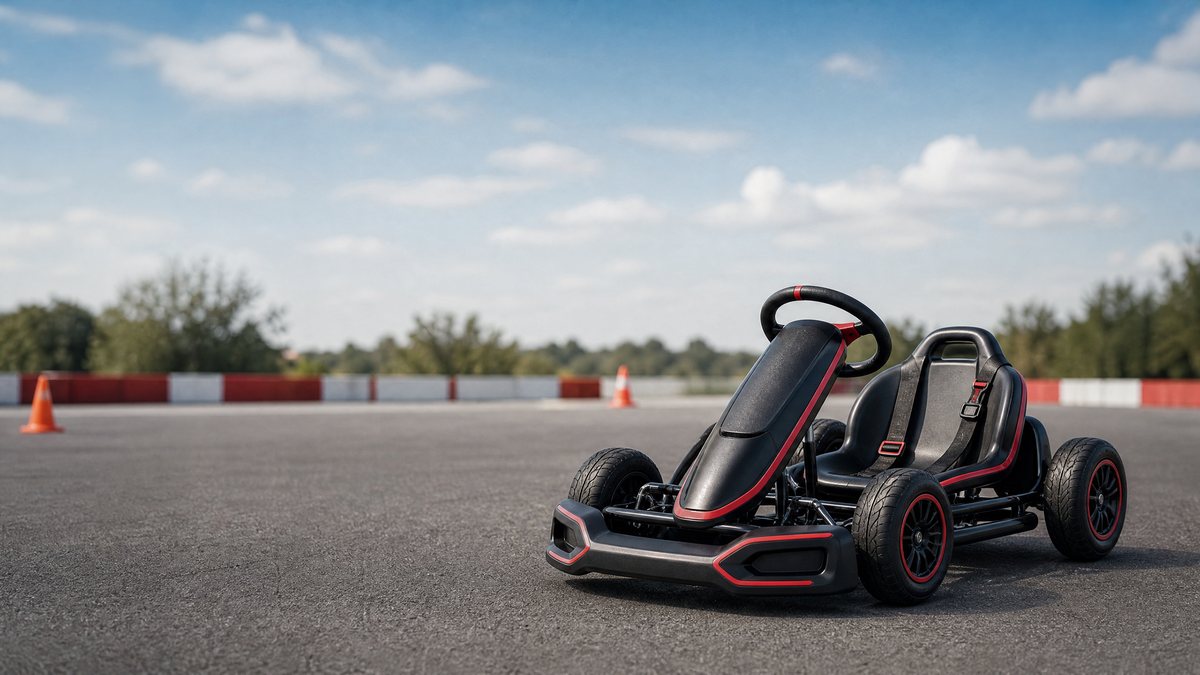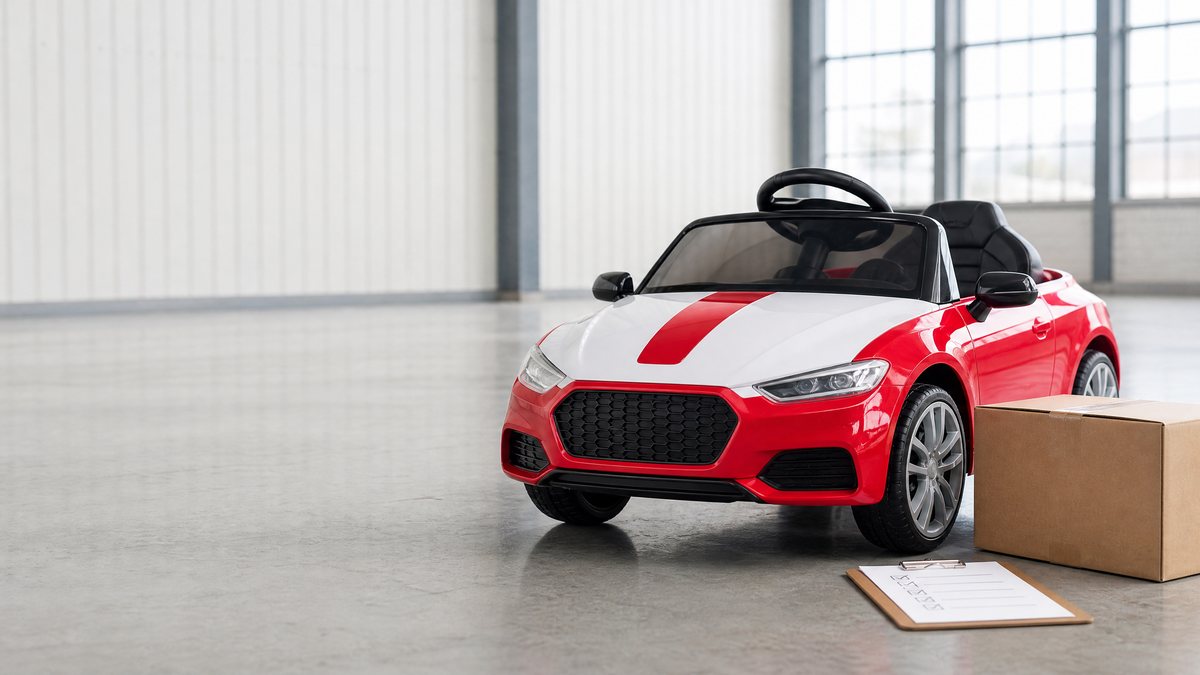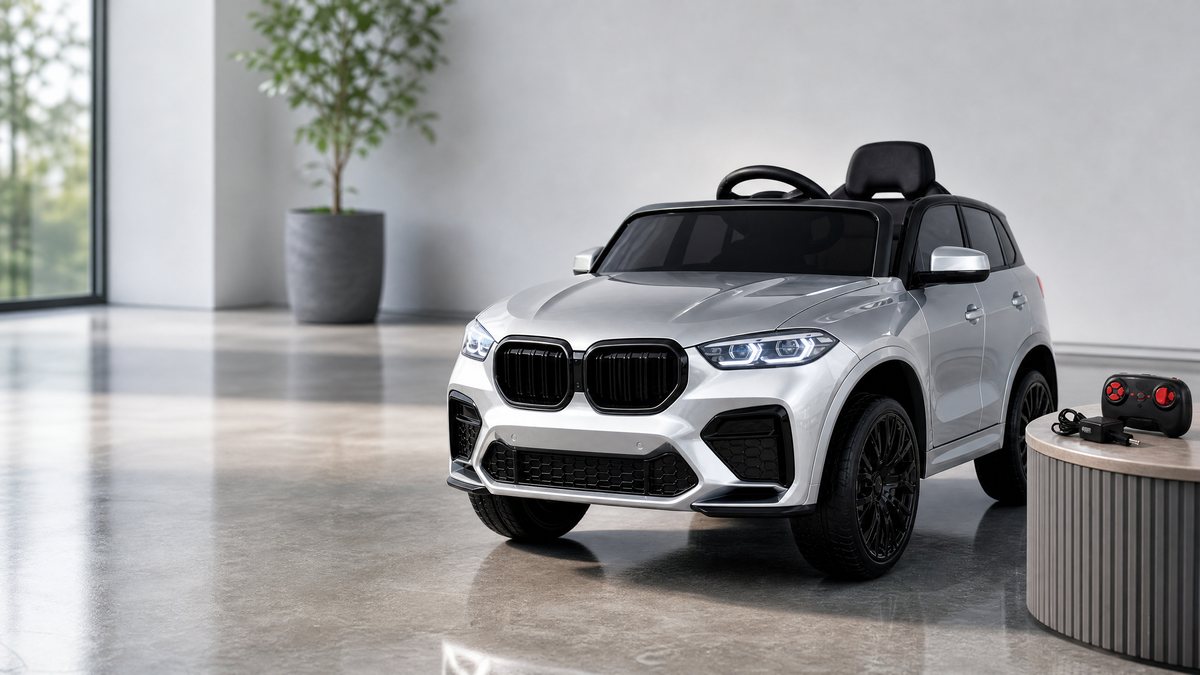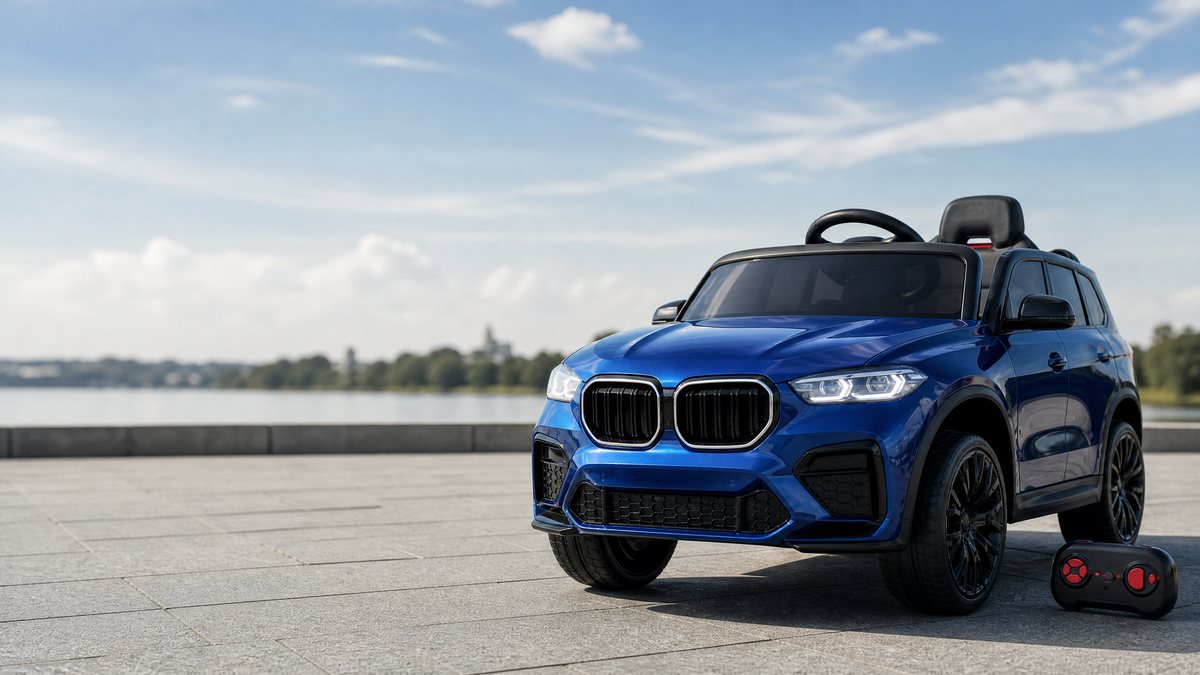
For B2B wholesale distributors, retail store owners, and parents, safety remains paramount. Understanding safety—spanning compliance, pre-purchase verification, operating rules, and adult supervision—is essential. This guide examines safety factors in children's ride-on cars, establishing an evaluation framework for buyers and caregivers.
Understanding the Regulatory Landscape and Baseline Safety Standards
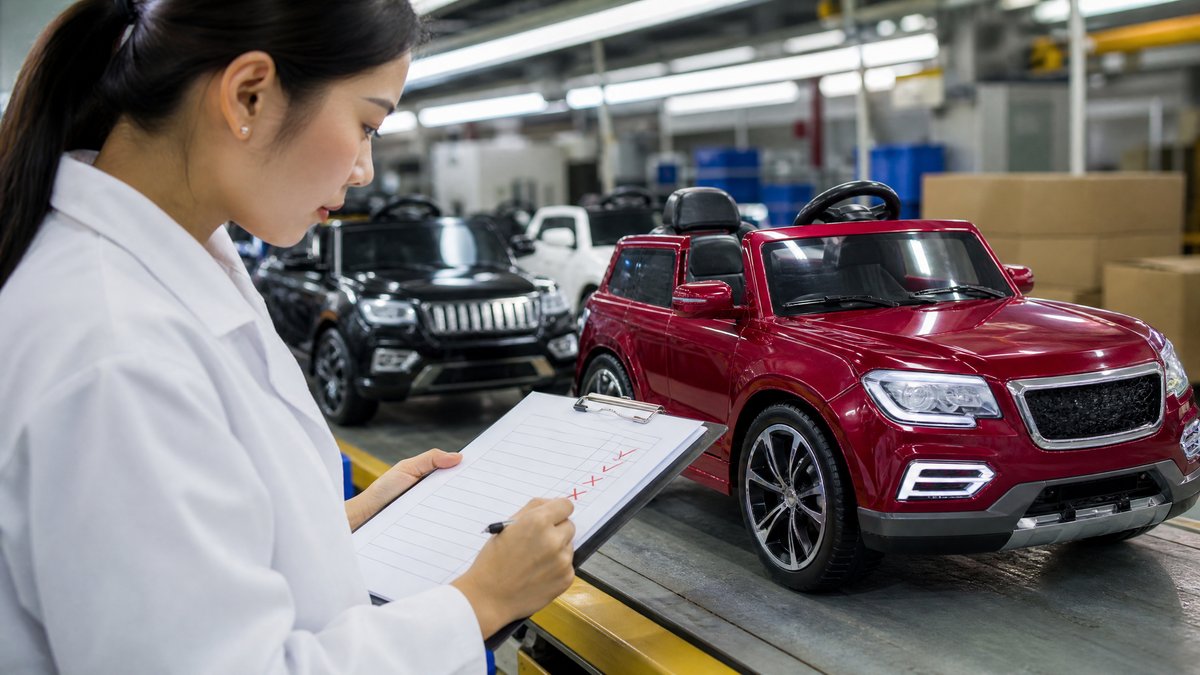
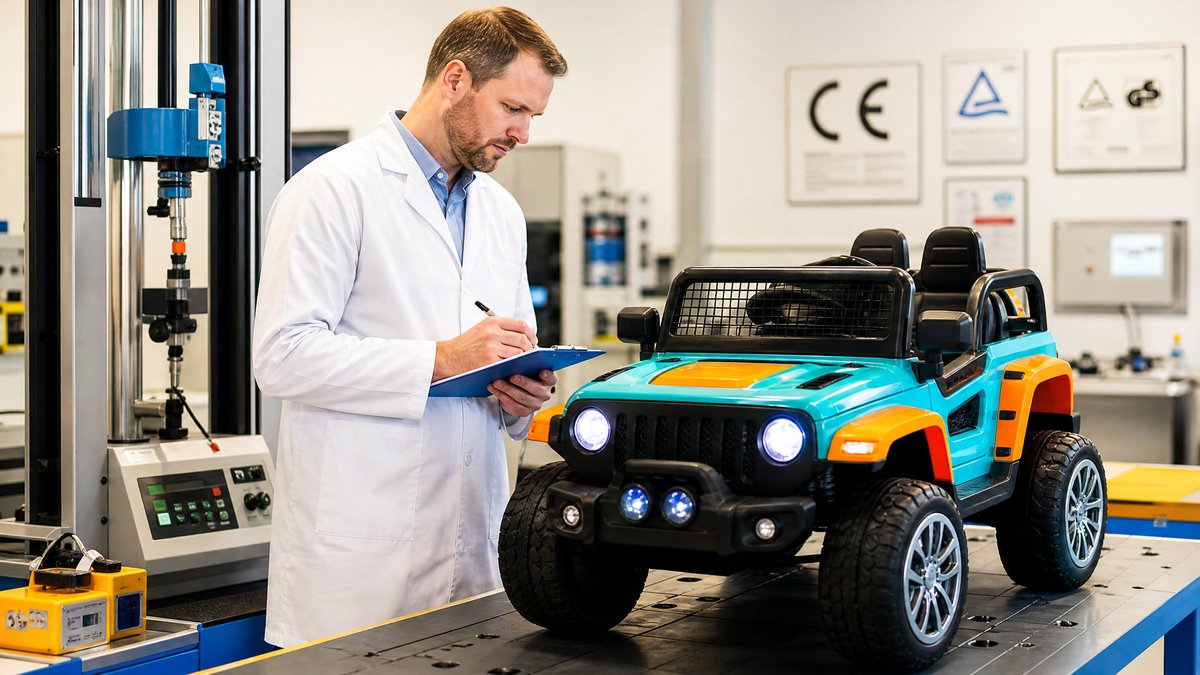
Safety in children's ride-on vehicles begins long before a child sits behind the steering wheel; it is rooted in rigorous engineering, standardized material selection, and compliance with recognized international toy safety standards. Governing bodies such as the Consumer Product Safety Commission (CPSC) in the United States, Health Canada, and standardization agencies enforcing European Standards (such as EN 71, EN 62115, and Electromagnetic Compatibility directives) establish baseline requirements for mechanical integrity, electrical safety, battery containment, and chemical composition (including strict limits on heavy metals, lead content, and phthalates in plastics).
However, B2B wholesale buyers and retail merchants must educate end consumers that regulatory compliance certificates represent baseline manufacturing standards rather than absolute guarantees under every operating condition. References to the Consumer Product Safety Commission (CPSC) denote general toy safety education and regulatory guidance; CPSC general guidelines serve as educational overviews and do not constitute specific product certifications, test reports, or model-specific operating instructions for any individual ride-on car. Standards ensure that materials are non-toxic, small parts are secured against choking hazards, and electrical systems incorporate thermal fuses or circuit breakers where equipped. Yet, ongoing safety depends fundamentally on adherence to the specific manufacturer's instructions, correct mechanical assembly, proper battery maintenance, and uninterrupted adult supervision. Relying solely on compliance badges without verifying structural build quality or following operational guidelines can compromise child safety during everyday use. When evaluating commercial offerings, buyers should always review current product pages, seller terms, and platform policies directly, as business practices, inventory status, and shipping terms fluctuate across online retail environments such as Amazon, Walmart, or Target.
Pre-Purchase Verification Framework: Evaluating Build Quality and Features
When sourcing ride-on cars for retail inventories or selecting a model for domestic use, stakeholders benefit from a structured pre-purchase verification framework. Rather than relying on hyperbolic marketing terms, buyers should systematically evaluate physical construction, electrical specifications, and control systems using objective criteria.
| Evaluation Category | Key Inspection Parameter | Buyer Assessment Guidance |
|---|---|---|
| Structural Integrity | Chassis rigidity, body shell thickness, and load capacity | Verify that the maximum weight capacity stated on the manufacturer nameplate matches or exceeds the intended user profile. Inspect body plastics for uniform thickness, smooth finished edges, and absence of sharp mold flashes. |
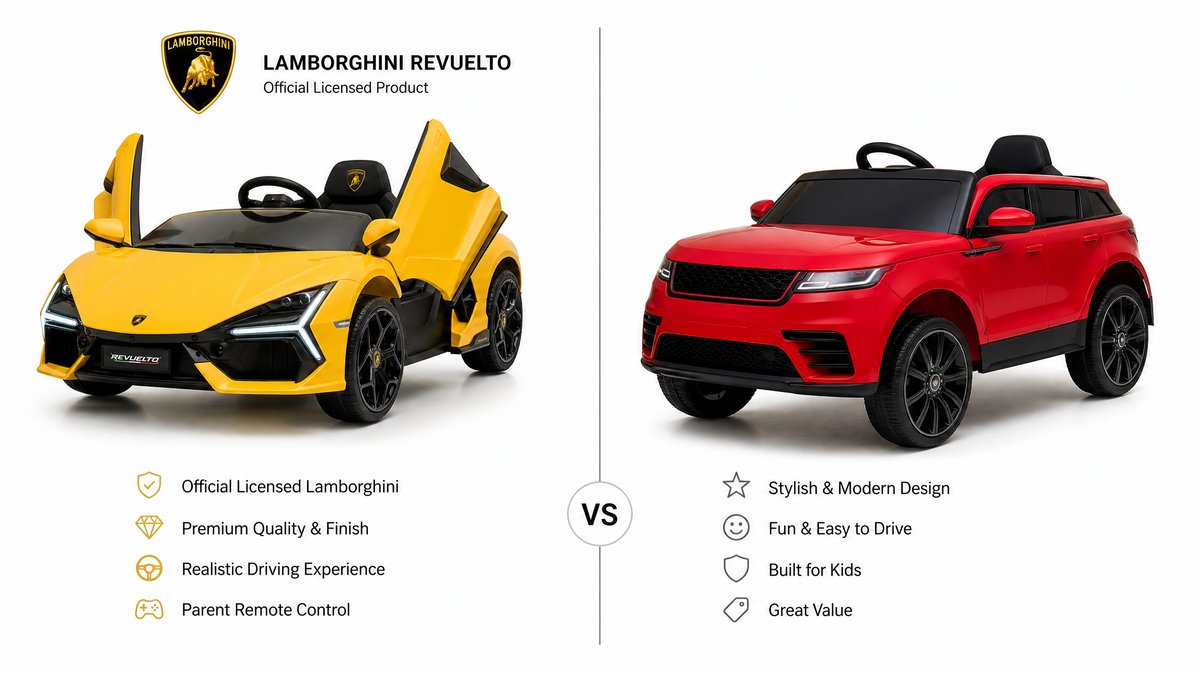
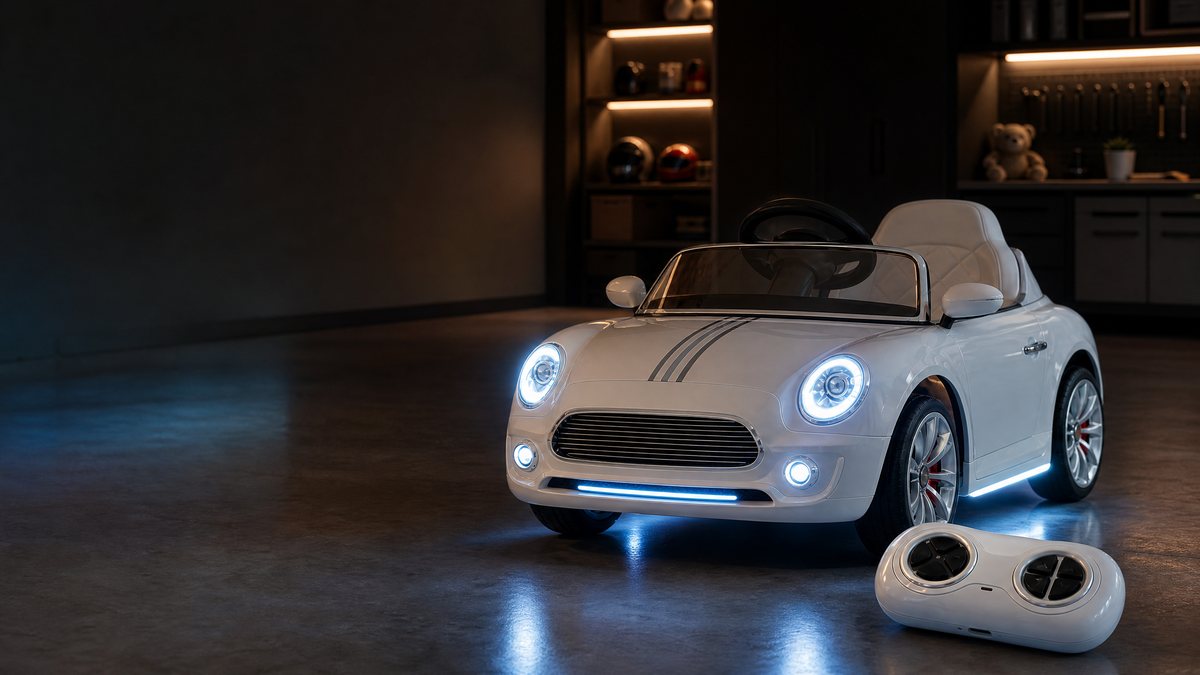
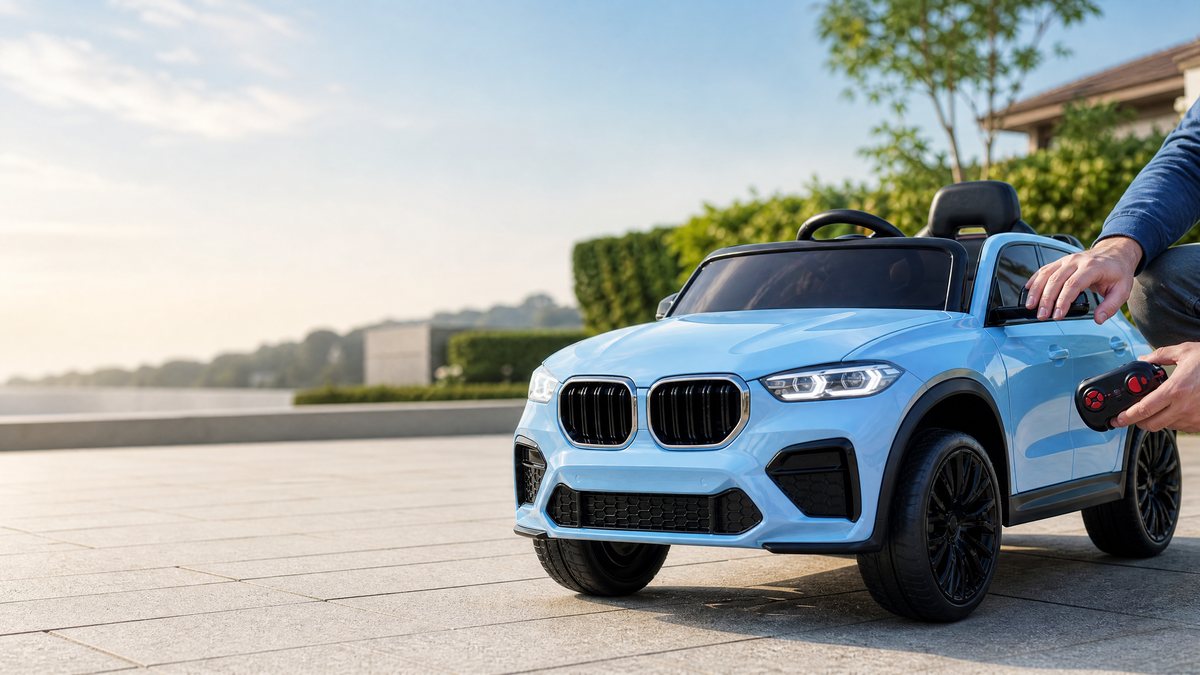
| Control Systems | Parent remote-control priority and steering responsiveness | Ensure that models equipped with parental remote controls feature override capabilities, allowing an adult to instantly take steering and braking control regardless of internal driver input, if equipped. |
| Electrical Protection | Circuit breakers, fuse accessibility, and wiring harness shielding | Check whether the vehicle incorporates resettable circuit breakers or accessible inline fuses to protect against electrical overloads, where equipped according to the manufacturer manual. |
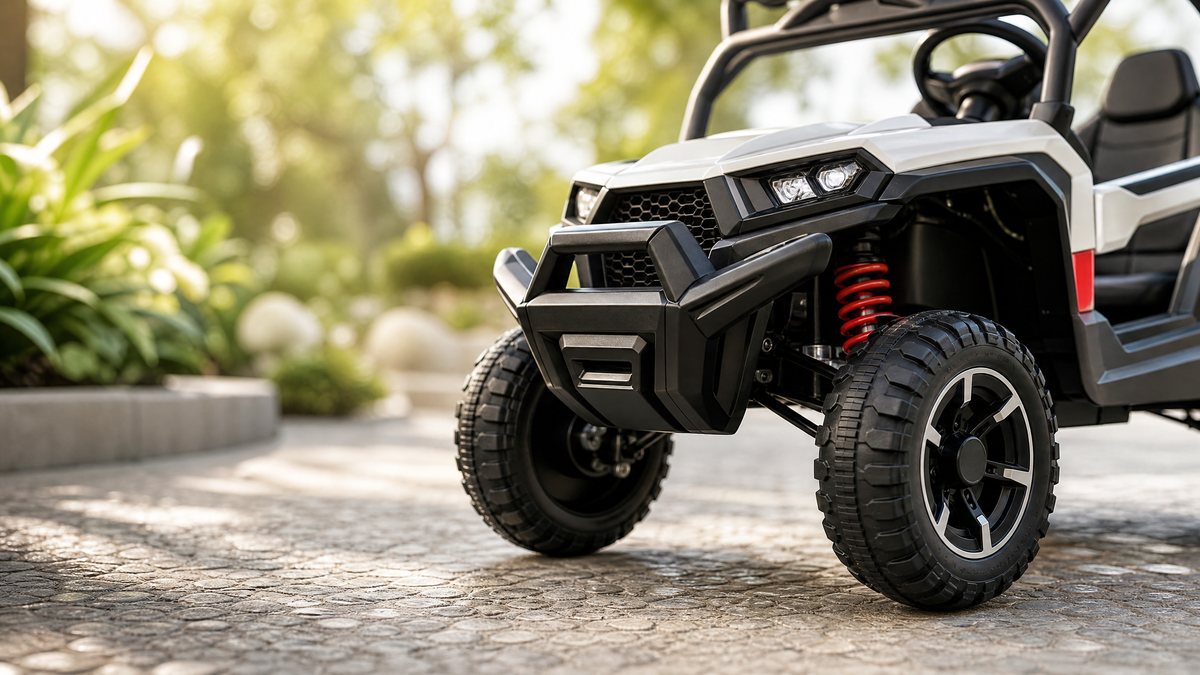
| Mobility & Traction | Wheel construction and tire material options | Assess tire material and tread design. High-quality EVA foam tires or alternative traction bands generally provide superior grip, reduced noise, and improved shock absorption across diverse outdoor surfaces compared to rigid plastic wheels, depending on model specifications. |
Assessing Advanced Electronic and Comfort Features
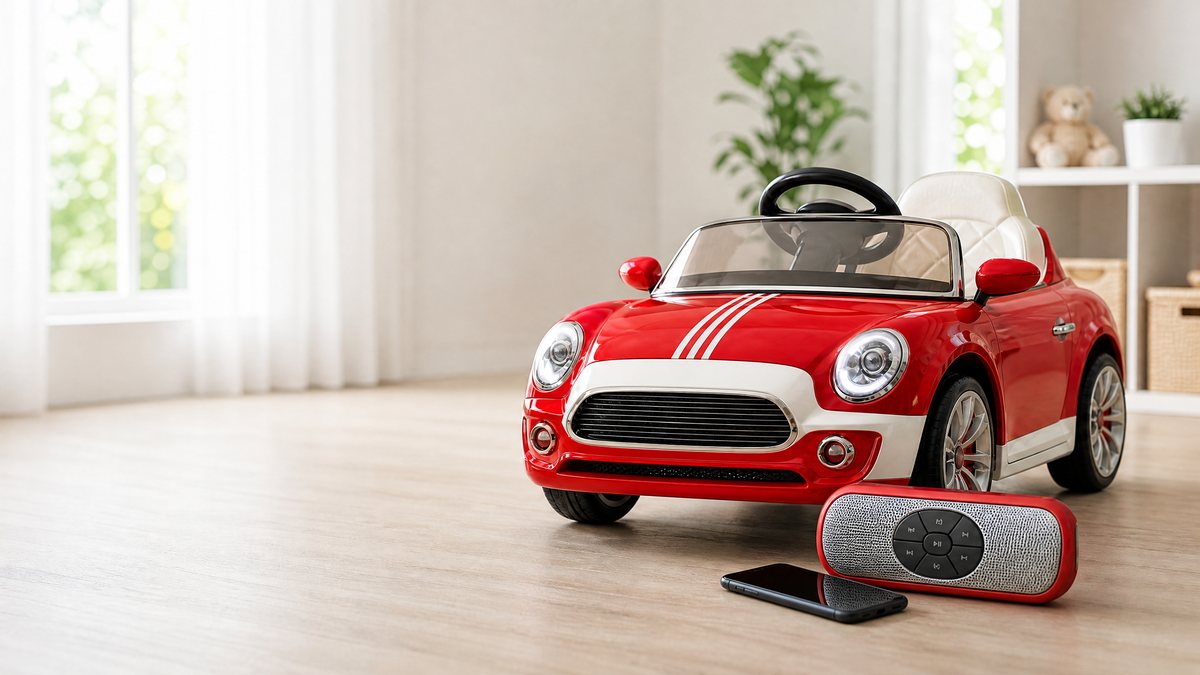
Modern ride-on cars often feature an array of electronic enhancements, such as Bluetooth connectivity, LED headlights, multimedia USB ports, opening doors, simulated horns, and soft-start acceleration programming. While these features enhance realism and play value, B2B buyers and parents must evaluate them through a safety lens:
* Soft-Start Acceleration: If equipped on that specific model, soft-start programming gradually increases motor voltage upon pedal depression, preventing sudden jerks that could startle young children or cause loss of balance. Verify exact acceleration characteristics in the manufacturer's manual.
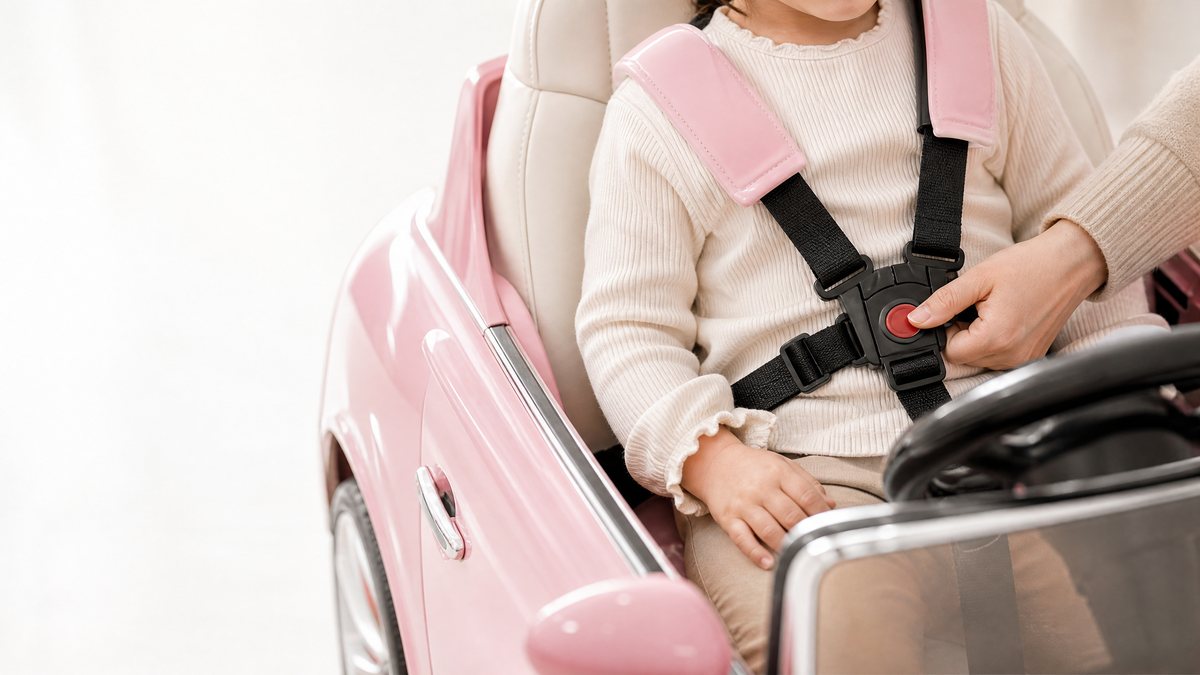
* Locking Doors and Seatbelts: Door latches should feature secondary safety locks to prevent accidental opening during motion. Adjustable seatbelts, where provided by the manufacturer, must be inspected for secure anchorage points; however, consumers must understand that these restraints are designed for positional stability during gentle recreational use rather than high-speed automotive crash protection.
* Braking Mechanisms: Automatic electronic braking, which engages the moment the driver's foot lifts off the accelerator pedal if equipped, provides reliable deceleration on flat surfaces, provided the vehicle is operated strictly within recommended weight and gradient limits defined in the manual.
* Audio Systems: Features such as Bluetooth connectivity or multimedia players operate at controlled volume levels to ensure children remain alert to surrounding environmental sounds and adult verbal cues.
Core Operational Safety Protocols for Supervising Adults
The single most critical determinant of ride-on car safety is active, uninterrupted adult supervision. No electronic safety feature, parental remote control, or structural reinforcement can substitute for vigilant parental or caregiver oversight. Adults must remain in close proximity, maintaining direct visual and auditory contact with the operator at all times during play sessions.
Environmental Assessment and Terrain Restrictions
Operating environment selection directly dictates safety outcomes. Caregivers, retail partners, and commercial operators must strictly evaluate operating surfaces before allowing children to drive:
* Slopes and Inclines: Ride-on vehicles are engineered for specific mechanical tolerances and motor capacities. Operating on steep slopes or excessive gradients can strain motors, deplete batteries rapidly, cause rollback, or lead to lateral tipping. Always consult the manufacturer's manual for maximum recommended grade angles and weight limits.
* Proximity to Hazards: Vehicles must never be operated near public roadways, driveways with vehicular traffic, parking lots, swimming pools, open bodies of water, steep drop-offs, stairs, or construction zones.
* Specialized Venues and Public Spaces: When visiting locations such as gardens, public parks, beaches, campgrounds, theme parks, kindergarten grounds, community parades, or organized outdoor gatherings, operators must verify venue rules and ensure that riding is restricted to permitted, flat, dry, and enclosed pathways. Never permit use on public thoroughfares, commercial walkways, or unauthorized public spaces.
* Surface Weather Conditions: Wet grass, muddy paths, loose gravel, and rain-slicked pavement significantly reduce tire traction and braking efficiency. Operating ride-on cars in heavy rain, standing water, or damp outdoor environments should be strictly avoided to prevent moisture ingress into electrical components and potential short circuits.
Understanding Operational Limits and Preventing Unauthorized Modifications
Every ride-on car model possesses unique operational parameters determined by its motor wattage, battery voltage, gear ratio, and structural design. Adults must never generalize performance metrics across different models. All operational limits must be verified directly against the physical nameplate and the manufacturer's official user manual.
Furthermore, users must avoid attempting unauthorized modifications. Installing aftermarket batteries with higher voltage ratings, rewiring electrical harnesses, modifying motor gears, or altering seating and restraint systems in ways not explicitly authorized in writing by the manufacturer can lead to catastrophic electrical failure, thermal overload, component burnout, battery rupture, or severe injury. All repairs and parts replacements must be performed by qualified personnel using genuine manufacturer-approved components.
Developmental Context, Physical Activity, and Play Transition
Children's ride-on vehicles often serve as engaging tools supporting physical activity, spatial awareness, and confidence building as children transition from infant push toys or strollers toward greater independent play. However, stakeholders must maintain realistic expectations regarding developmental benefits:
* No Medical or Developmental Guarantees: Ride-on cars provide recreational enjoyment and encourage active outdoor play, but they do not guarantee specific therapeutic, sensory, motor-skill development, or medical outcomes. Parents seeking specialized developmental or occupational therapy support should consult qualified pediatric healthcare professionals.
* Individual Readiness and Personal Fit: Children vary widely in their motor coordination, spatial judgment, and emotional maturity. Recommended age brackets provided by manufacturers are broad guidelines; parents and caregivers must assess each child's individual readiness, physical coordination, and cognitive maturity before permitting operation.
* Supervised Motor Skill Practice: Operating a steering wheel, accelerator pedal, and braking system helps children practice hand-eye coordination and spatial orientation under controlled conditions. This activity should always complement, rather than replace, diverse physical activities such as walking, running, and unstructured outdoor play.
Handling Maintenance, Anomalies, and Emergency Safety Protocols
Routine maintenance is vital for preserving the operational safety and longevity of ride-on cars. B2B wholesale distributors and retail sellers should provide end-users with clear inspection guidelines, while parents must perform regular physical checks before each play session.
Routine Inspection Checklist
* Mechanical Fasteners: Inspect all wheel nuts, steering linkage bolts, and axle pins to ensure they remain tightly secured and free from excessive wear.
* Wheels and Steering: Check that wheels rotate freely without binding and that steering response is immediate and precise according to model specifications.
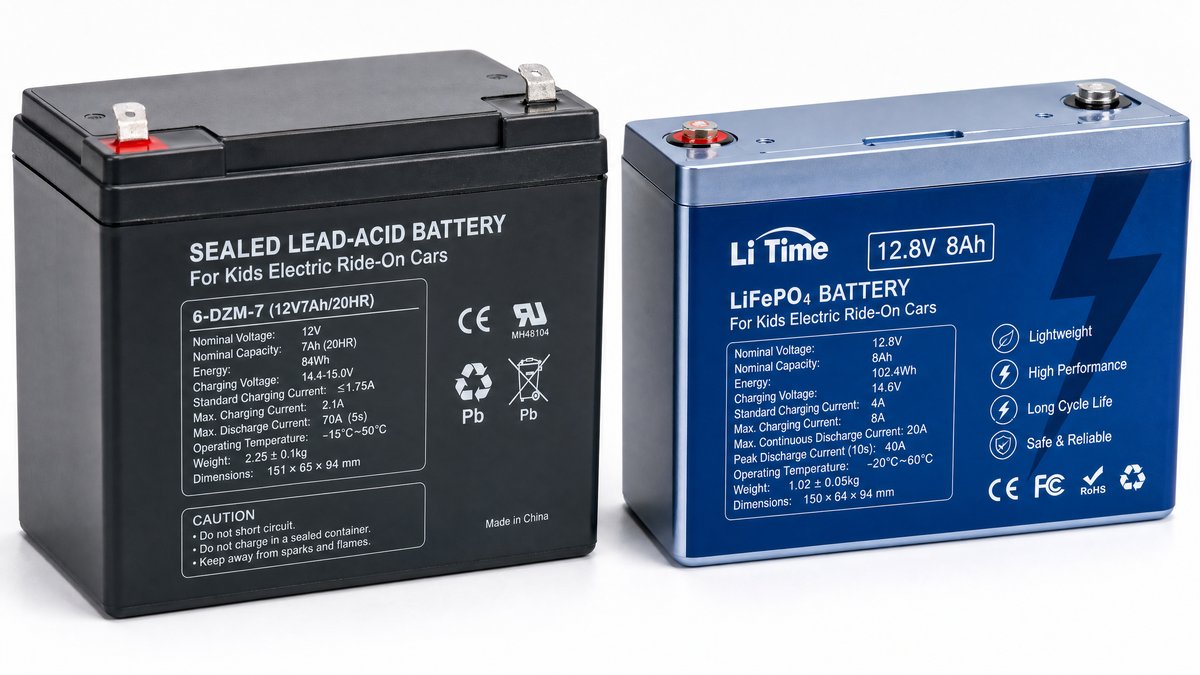
* Charging Infrastructure: Inspect the battery charger, charging port, and power cords for any signs of fraying, cracked insulation, bent pins, or thermal discoloration. Use exclusively the original manufacturer-supplied charger designed for the specific battery pack voltage.
Managing Anomalies and Emergency Protocols
Electrical and mechanical anomalies require immediate, decisive intervention. If at any point during operation or charging a ride-on car exhibits smoke, unusual burning odors, excessive battery or motor overheating, fluid leakage, water immersion, exposed or frayed wiring, damaged charging connectors, erratic steering, abnormal braking behavior, or persistent electrical failure, operators and supervising adults must execute the following safety protocol:
1. Immediate Cessation: Immediately stop operating the vehicle and disconnect any active charging connection.
2. Power Shutdown: Turn off the power switch. Do not attempt internal repairs or disassembly.
3. Quarantine and Evacuation: Move all children away from the vehicle to a safe distance. Keep children away from the unit.
4. Professional Consultation: Contact the manufacturer or qualified repair personnel for service guidance. Never resume use until certified safe by a qualified professional.
Additional Considerations for Commercial Fleet Operators and Retailers
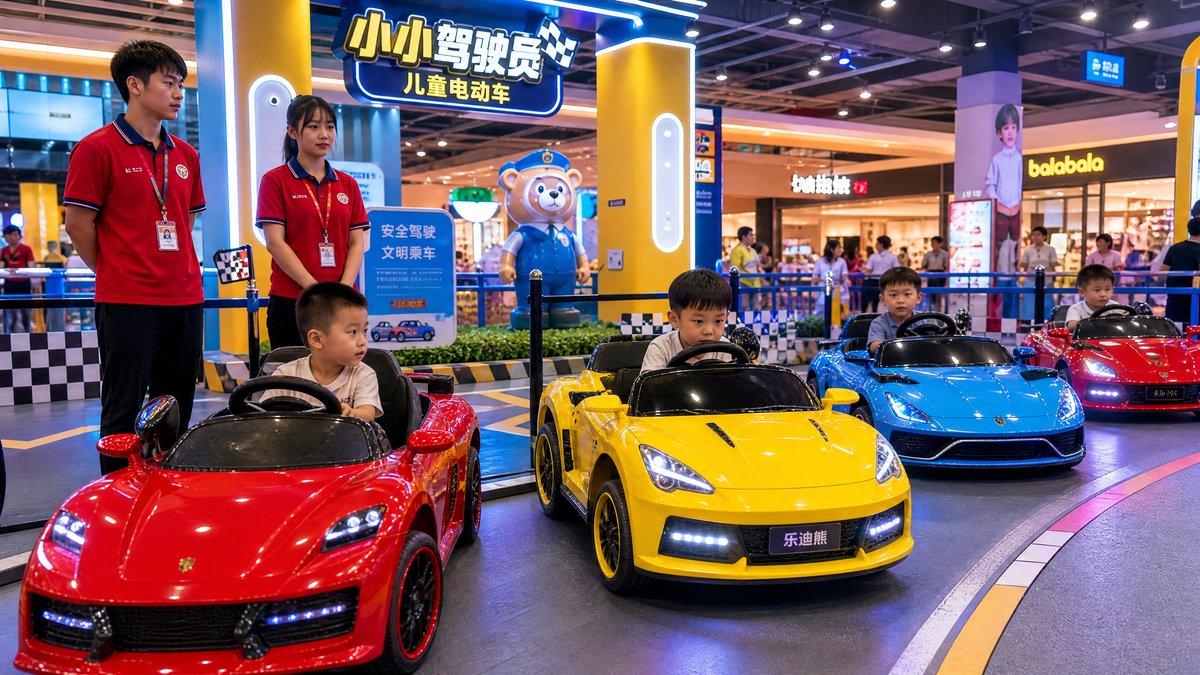
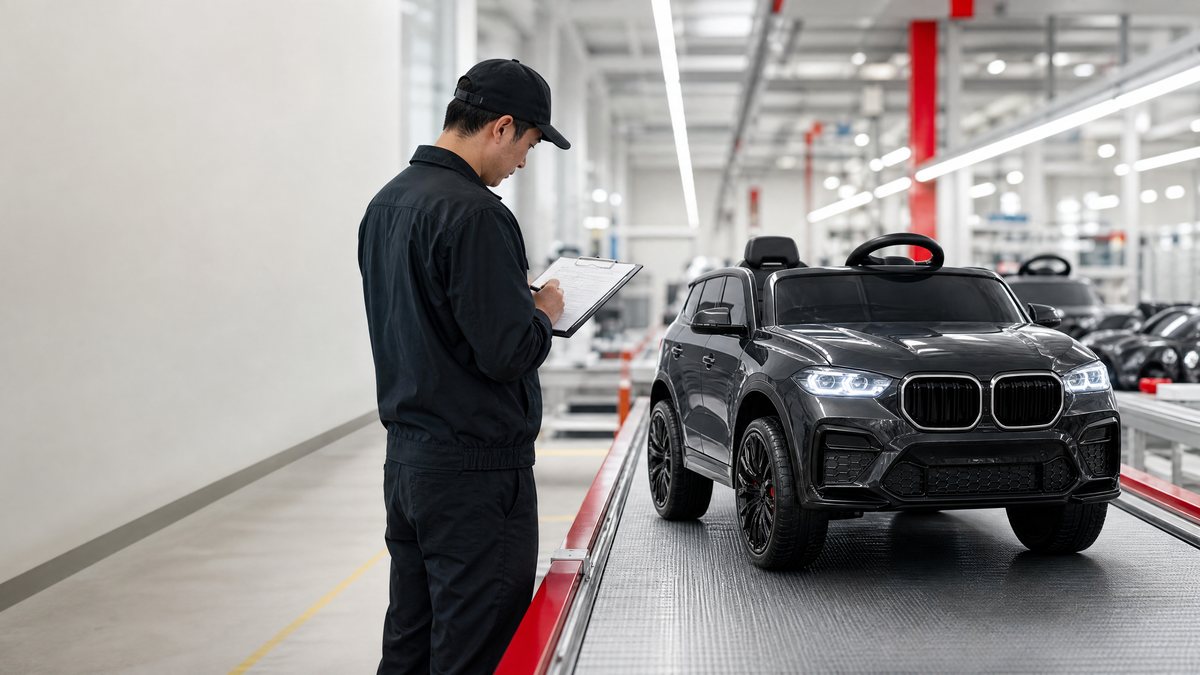
For B2B wholesale buyers, commercial rental operators, and retail merchants, safety compliance extends beyond individual end-user education to encompass inventory quality assurance, point-of-sale transparency, and warranty management. Commercial environments—such as resort rental fleets, family entertainment attractions, and indoor play centers—subject ride-on vehicles to significantly higher frequency of use, varied operator skill levels, and intensive daily charging cycles. Consequently, B2B procurement strategies must prioritize heavy-duty chassis construction, commercial-grade gearboxes, and easily replaceable modular battery packs that meet certified safety standards.
Retailers play a pivotal role in bridging the gap between factory specifications and consumer application. When merchandising ride-on cars, retail partners should provide clear point-of-sale documentation outlining age grading, weight thresholds, charging instructions, and supervision requirements. By establishing transparent communication channels with wholesale suppliers like KidsRideCar, retailers ensure that end customers receive accurate, model-specific guidance rather than generalized assumptions. When evaluating online procurement, pricing, inventory availability, and shipping logistics, buyers should always verify current product pages, seller terms, and platform policies directly across e-commerce channels. This proactive approach not only safeguards child users but also builds long-term brand trust, reduces return rates, and minimizes liability exposure across commercial and domestic channels.
Request a wholesale quote
Frequently Asked Questions (FAQ)
1. What is the most important safety rule when children operate ride-on cars?
Active, uninterrupted adult supervision is the single most important safety rule. Adults must maintain constant visual and physical proximity, ensuring children operate the vehicle in safe, enclosed, hazard-free environments while strictly adhering to the manufacturer's user manual.
2. Can ride-on cars be modified to go faster or carry heavier loads?
No. Never attempt to modify motors, wiring harnesses, or battery voltages to increase speed, nor overload the vehicle beyond the maximum weight capacity specified on the manufacturer's nameplate. Unauthorized modifications can cause electrical fires, thermal overloads, and structural collapse.
3. How should batteries be charged and maintained safely?
Always use the exact charger supplied by the manufacturer. Never overcharge the battery beyond recommended durations, and avoid charging in damp locations or extreme temperatures. If a charging cable, plug, or battery casing shows damage, odor, or overheating, stop charging immediately and consult the manufacturer manual.
4. What should I do if a ride-on car shows signs of smoke, electrical malfunction, or overheating?
Immediately stop operating the vehicle, turn off the power switch, disconnect any charging cables, and keep children away from the area. Contact the manufacturer or qualified service personnel for professional evaluation and repair.
5. Are ride-on cars suitable for use on public roads or commercial parking lots?
No. Ride-on cars must never be operated on public roads, streets, driveways with active vehicle traffic, or commercial parking areas. Operation must be restricted to private, flat, dry, and enclosed surfaces under continuous adult supervision.
Conclusion
Children's ride-on cars offer delightful recreational experiences and support active outdoor play when utilized responsibly. However, safety cannot be left to chance. By prioritizing stringent pre-purchase verification, adhering strictly to environmental and operational guidelines from the manufacturer's manual, maintaining vigilant adult supervision, and knowing how to respond to anomalies, wholesale buyers, retailers, and parents can ensure a secure and enjoyable experience. For commercial fleet operators and retail partners seeking certified, high-quality ride-on vehicles backed by comprehensive documentation, Request a wholesale quote to connect with our expert team today.
Official References
1. Consumer Product Safety Commission (CPSC). General Toy Safety Education and Regulatory Guidance. Available from official CPSC educational resources regarding toy mechanical and electrical safety standards. Note: CPSC general guidelines serve as educational overviews and do not replace specific manufacturer instructions, nameplate specifications, or model-certified user manuals.
2. ASTM International. Standard Consumer Safety Specification for Toy Safety (ASTM F963). Overview of mechanical, chemical, and electrical safety performance requirements for children's toys, providing baseline engineering standards.
3. European Committee for Standardization (CEN). European Standard for Toy Safety (EN 71 and EN 62115 for Electric Toys). Guidelines covering electrical safety, battery compartment design, and mechanical hazard prevention for electric ride-on toys.
Official references
Explore these external resources for current regulatory and trade guidance. Confirm requirements with the relevant authority before placing an order.
Ready to Start?
Factory-Direct · CE & ASTM Certified · MOQ from 50 Units
Our export team works with buyers in 60+ countries. Get a quote within 24 hours.
KR
Written by KidsRideCar
China's leading kids electric ride-on car manufacturer. 500,000+ units shipped annually to 60+ countries. CE, ASTM & EN71 certified.