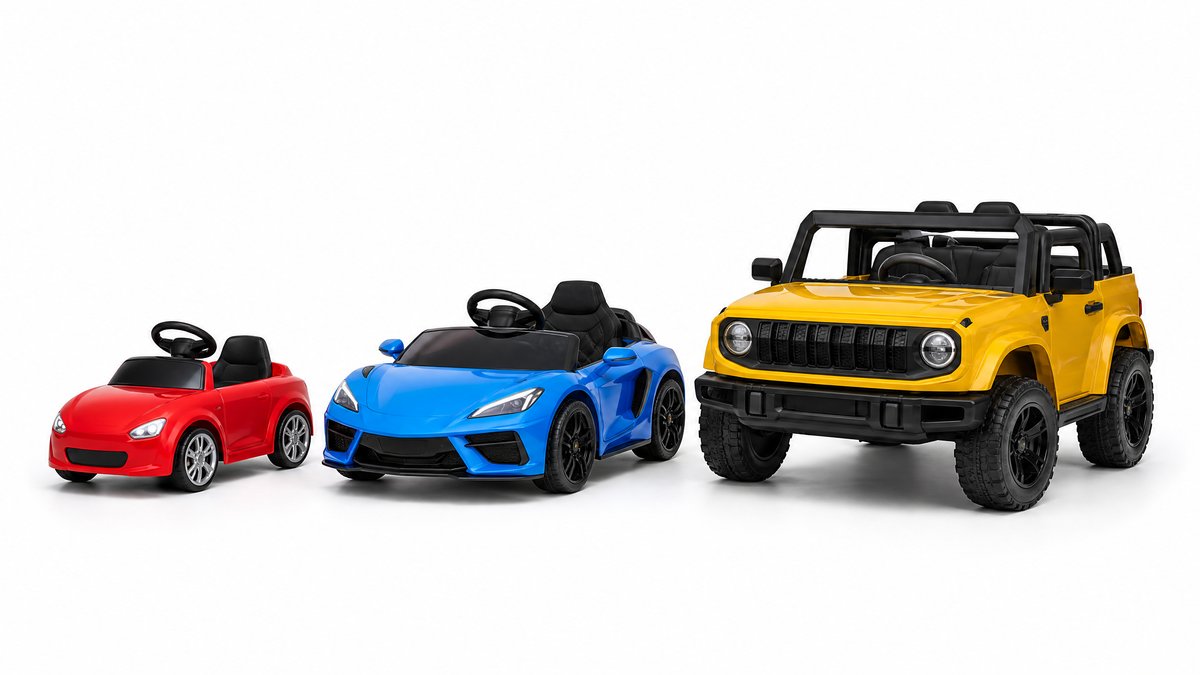
When parents and toy retailers evaluate children's electric ride-on cars, performance metrics like motor wattage, battery voltage, and top speed often dominate the conversation. However, for young drivers spending extended periods cruising down sidewalks, backyards, or park pathways, one factor ultimately dictates whether the vehicle becomes a cherished favorite or gathers dust in the garage: seat comfort.
Evaluating seat comfort in ride-on cars goes far beyond simply asking whether a seat feels soft to the touch. It requires a systematic, transparent evaluation of ergonomics, materials, sizing geometry, and structural integration. Because real-world comfort varies widely depending on specific model engineering, correct vehicle assembly, riding terrain, and the individual child's age, height, and posture, prospective buyers benefit from a structured analytical framework rather than unverified marketing claims.
This comprehensive buying guide and evaluation framework explores every dimension of ride-on car seat comfort. By examining ergonomic principles, material choices, safety restraint integration, and practical inspection checklists, parents and B2B procurement professionals can make informed, safety-conscious decisions.
The Core Elements of Ride-On Car Seating Architecture
To understand what makes a ride-on car seat truly comfortable and suitable for growing children, we must break down its foundational components. Unlike adult vehicles or bicycle saddles, children's electric vehicles require a delicate balance between supportive rigidity, child-friendly cushioning, and weather-resistant durability.
1. Ergonomic Geometry and Posture Support
Ergonomics in children's toys is frequently overlooked, yet it plays a vital role in preventing fatigue and encouraging proper posture. A well-designed seat features a contoured backrest that mirrors the natural curve of a child's spine.
* Backrest Height and Angle: A supportive backrest should extend high enough to support the mid-back and, in larger two-seater models, the shoulders. An overly upright or completely vertical backrest can cause lower back strain during longer outdoor sessions, while an excessively reclined angle makes it difficult for younger children to reach the steering wheel comfortably.
* Seat Depth and Width: If a seat is too deep, shorter children will slouch forward, straining their lumbar region and placing unnecessary pressure on the backs of their knees. Conversely, if the seat is too narrow, it restricts movement and causes discomfort during turning maneuvers.
2. Surface Materials: Hard Plastic vs. Padded Upholstery
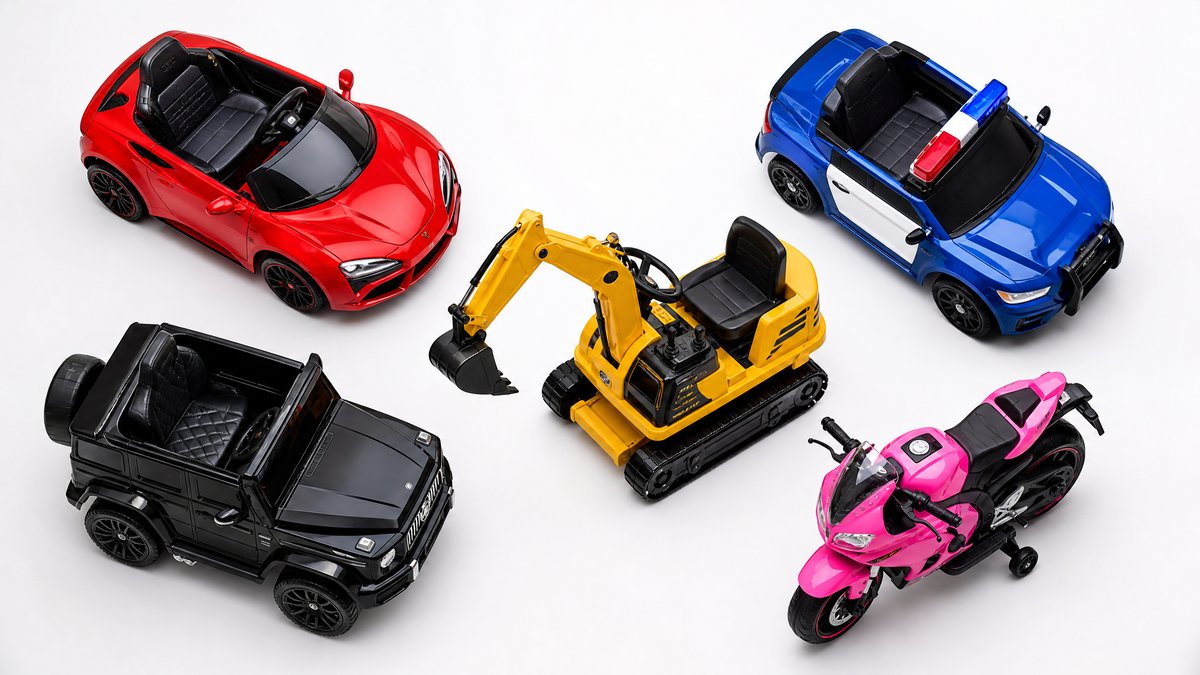
Manufacturers typically utilize one of two primary seating constructions: molded injection-plastic or padded synthetic leather (often referred to as faux leather or PU leather) over foam inserts.
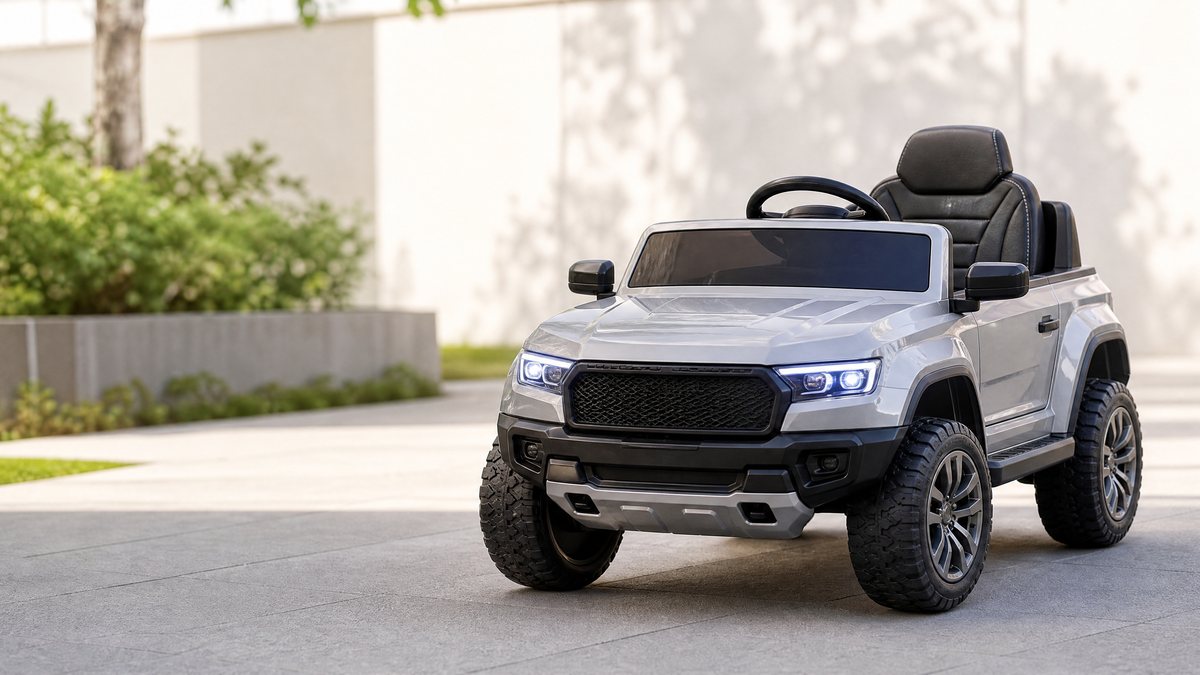
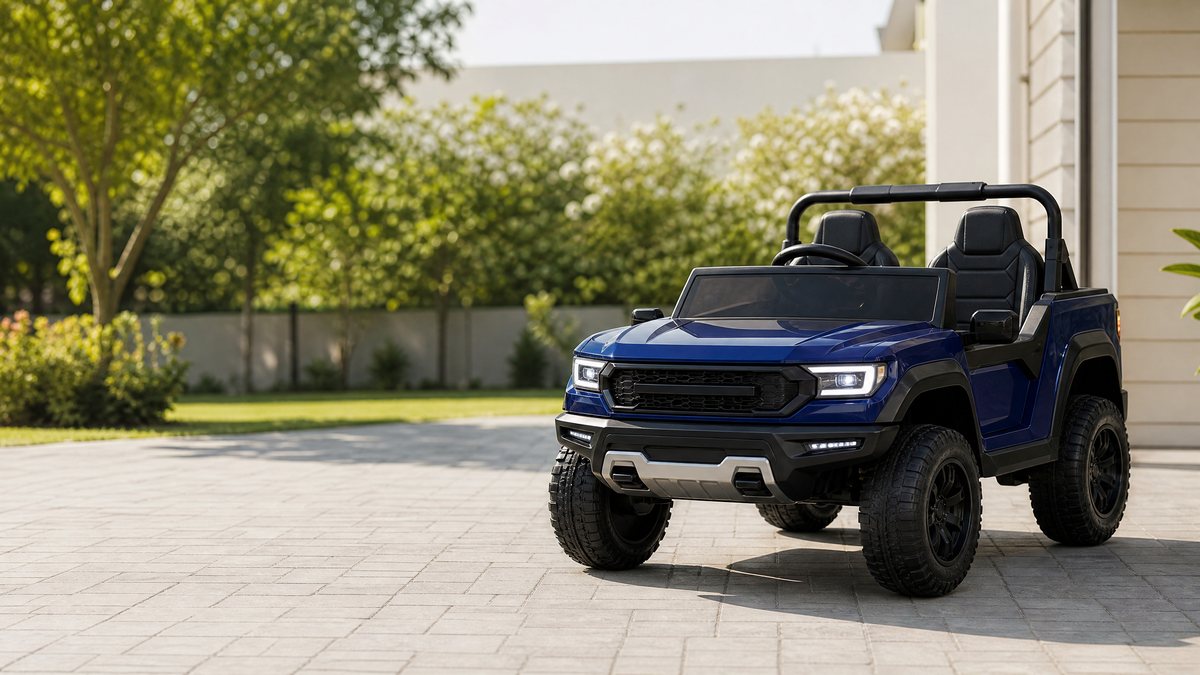
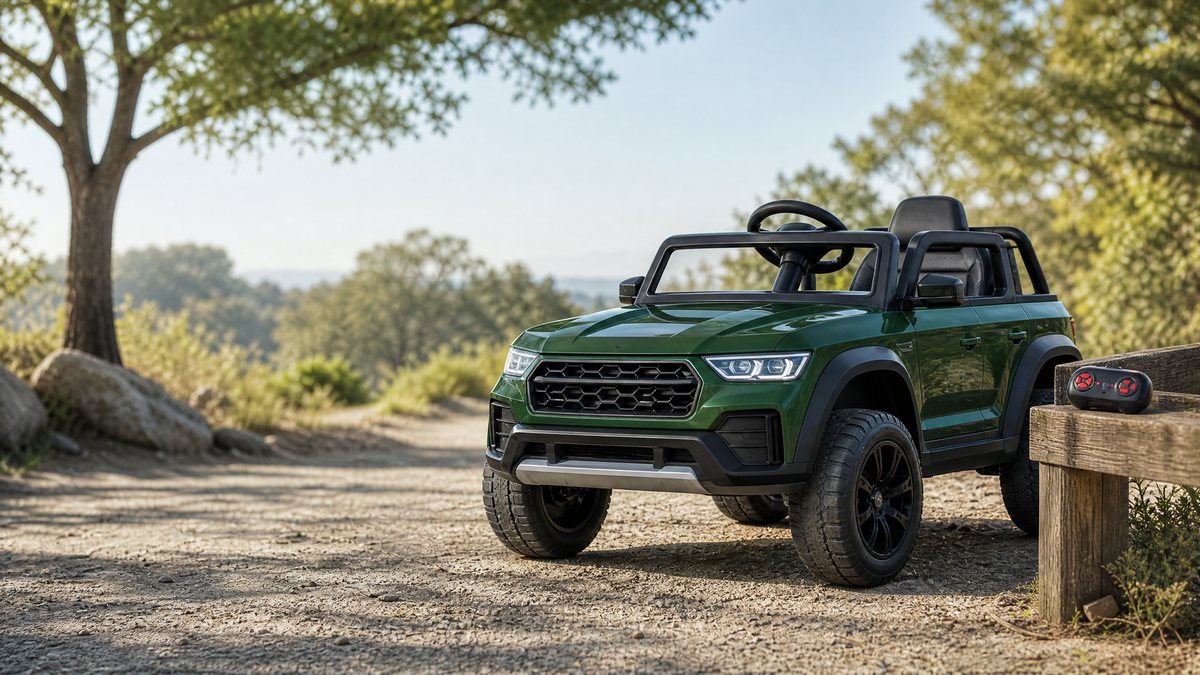
* Molded Plastic Seats: Common in entry-level and rugged utility-style ride-on trucks, injection-molded plastic is exceptionally durable, weather-resistant, and effortless to clean with a damp cloth. While some parents worry about firmness, high-grade textured plastic distributes weight evenly when paired with appropriate child apparel.
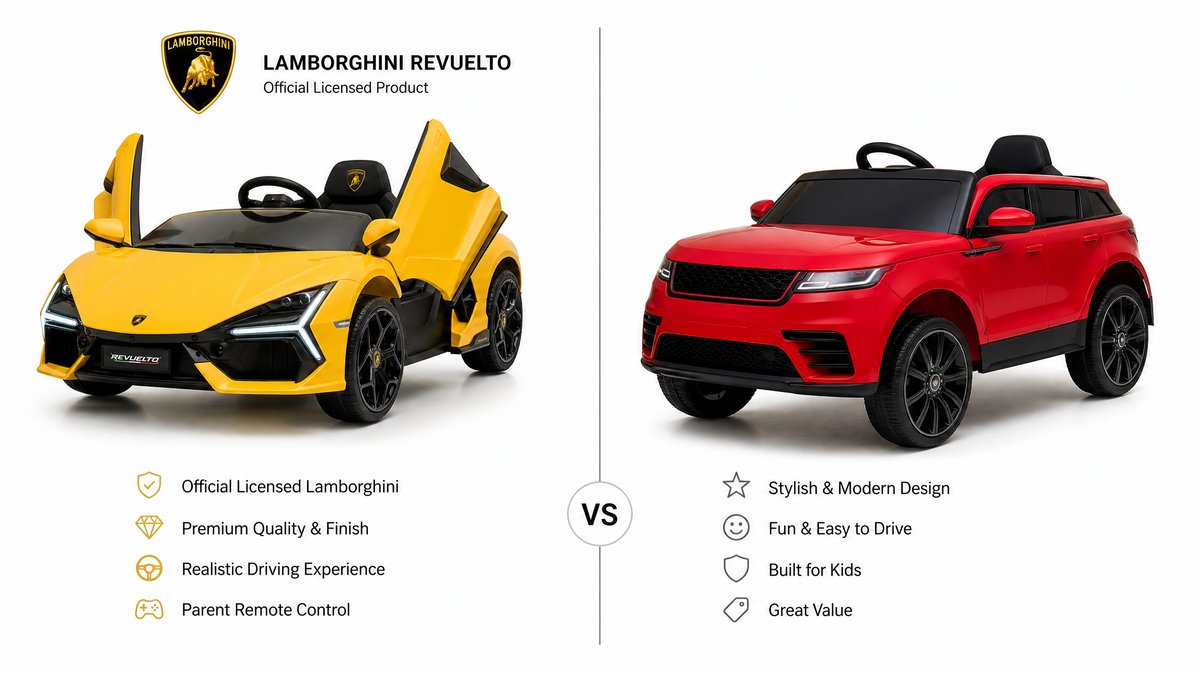
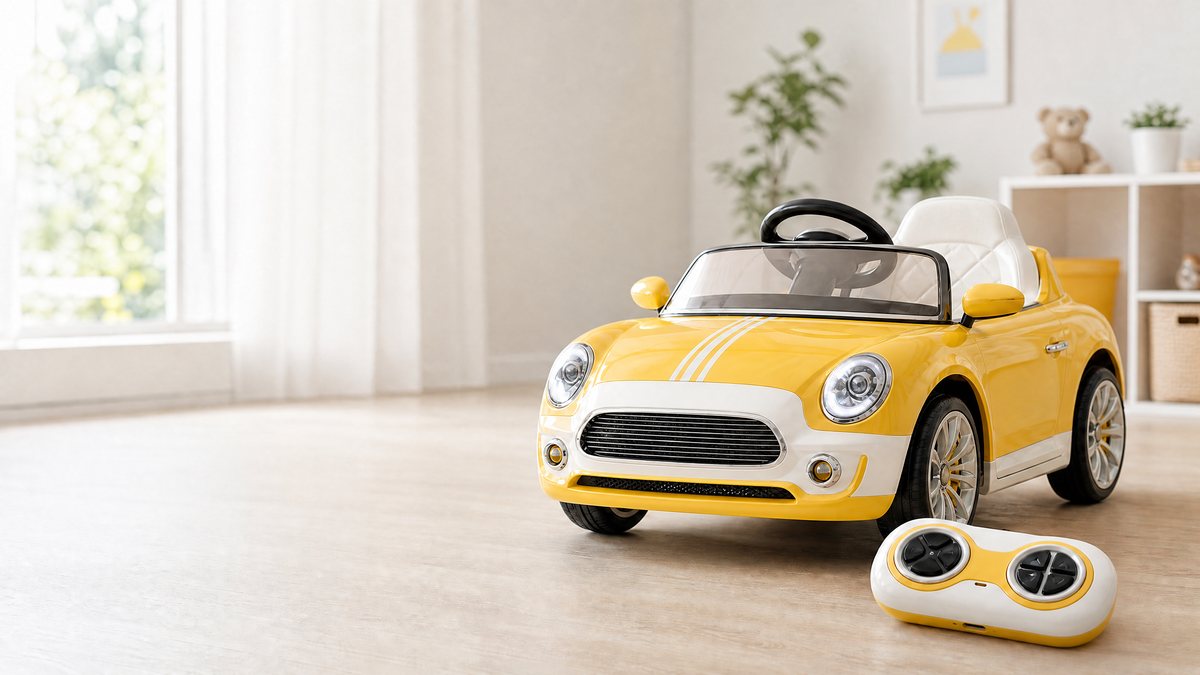
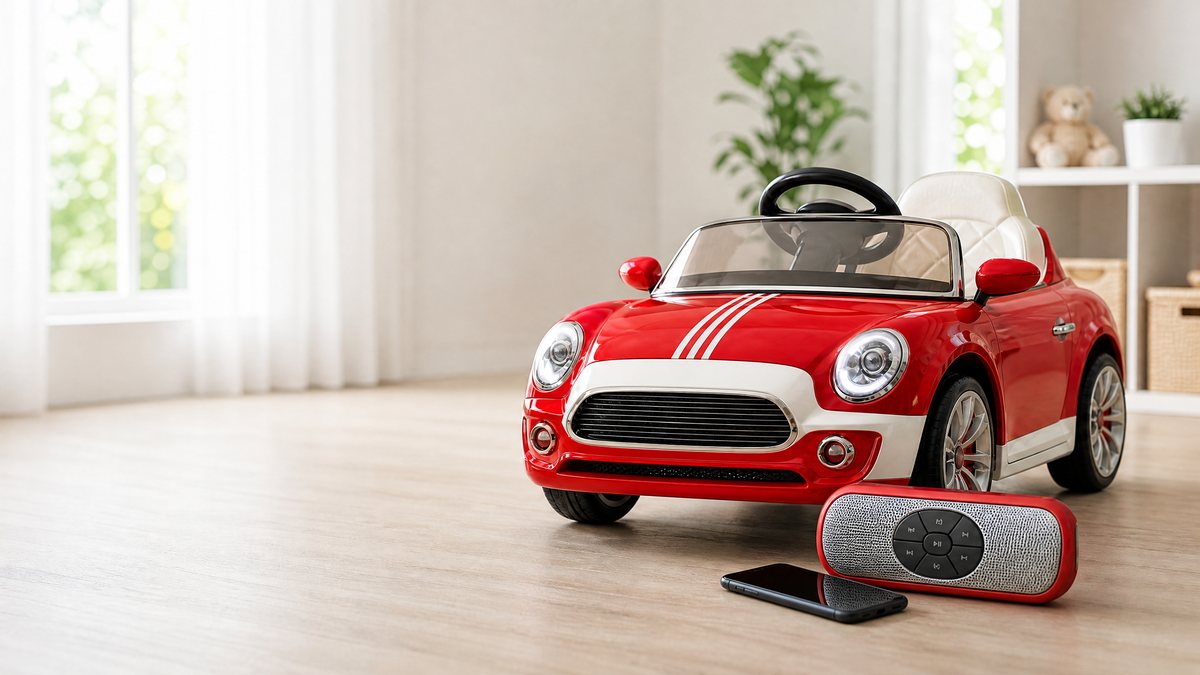
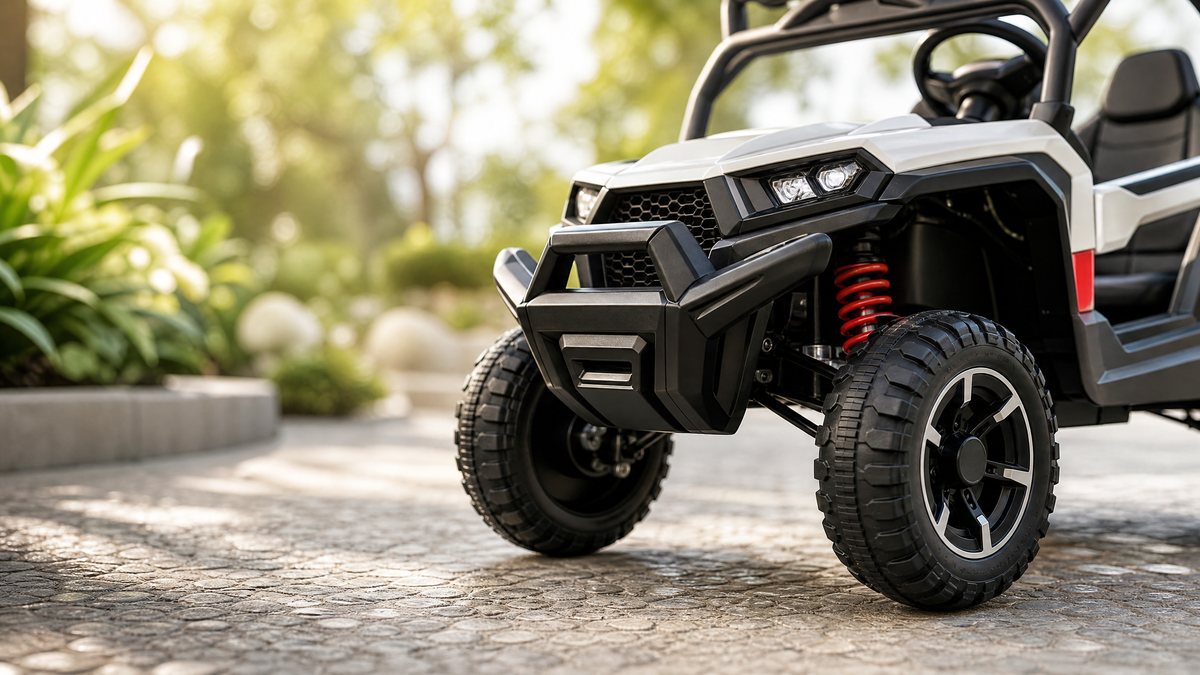
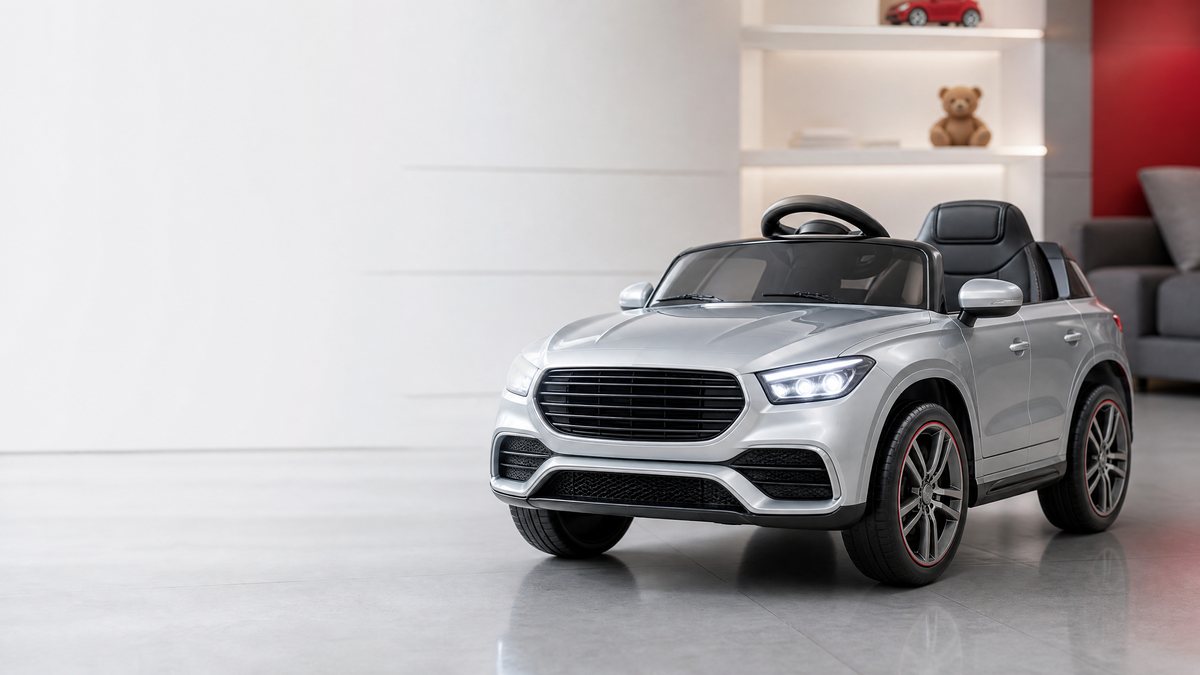
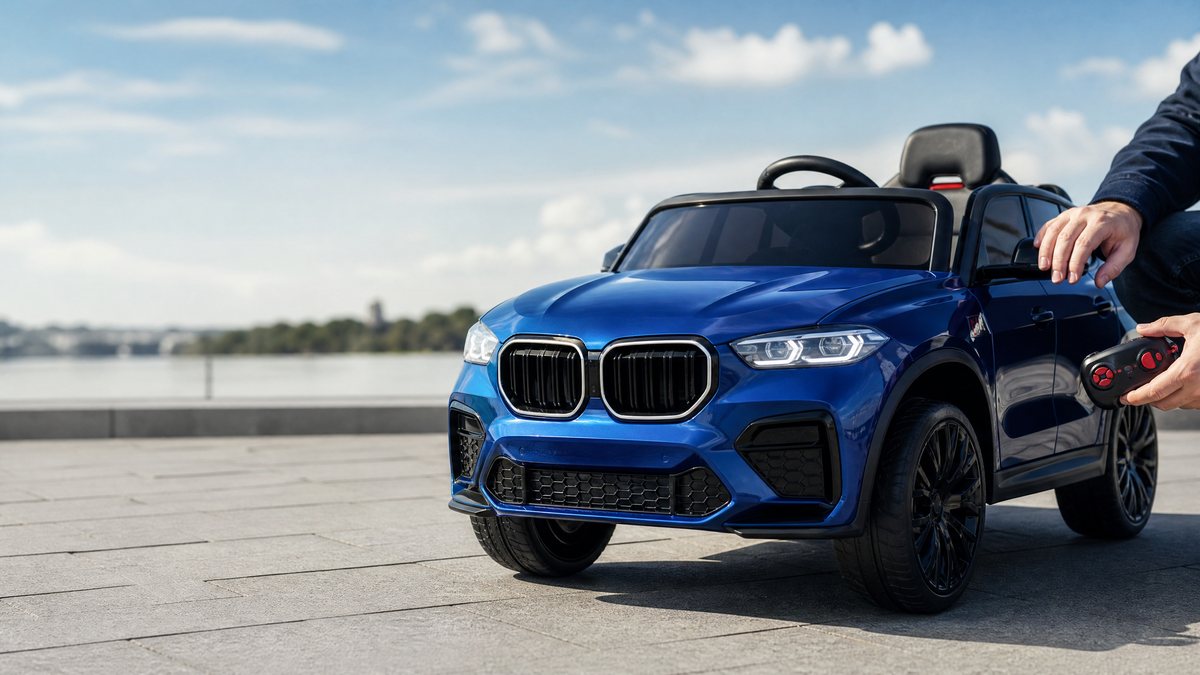
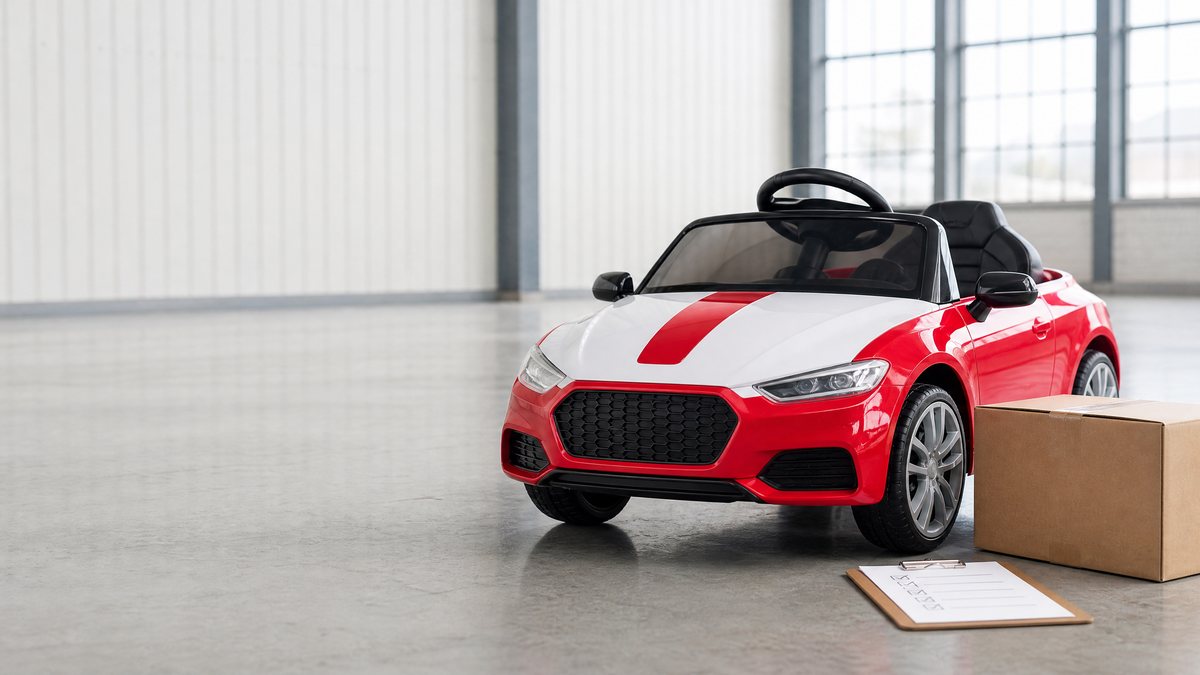
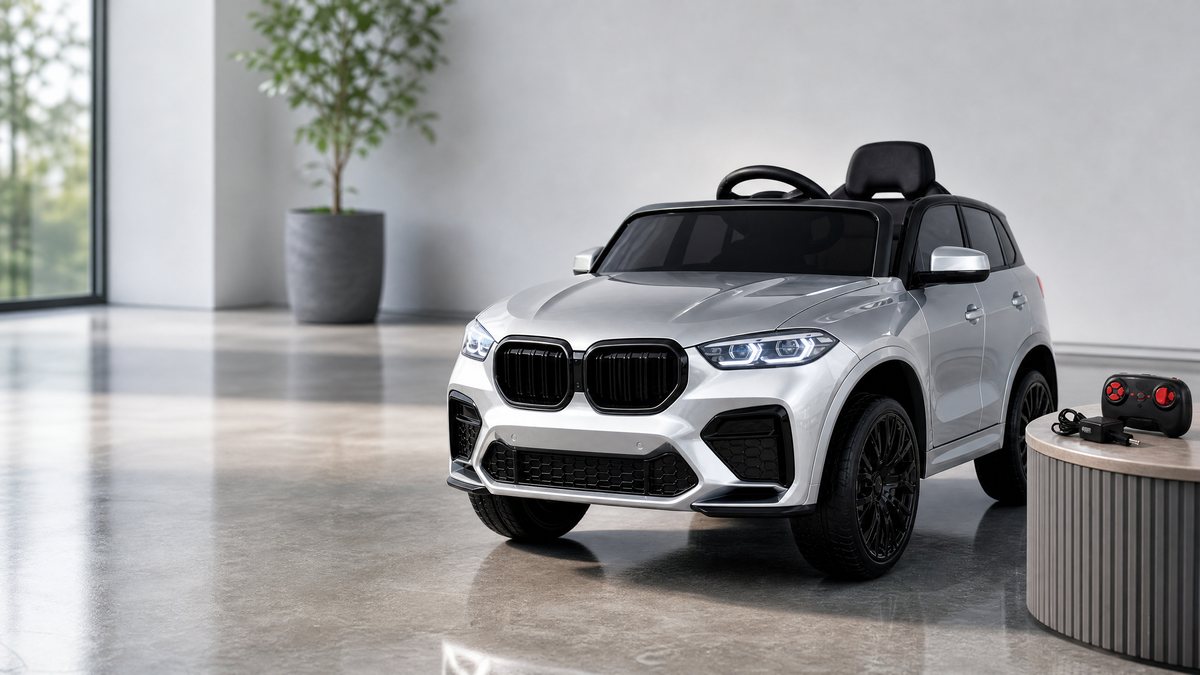
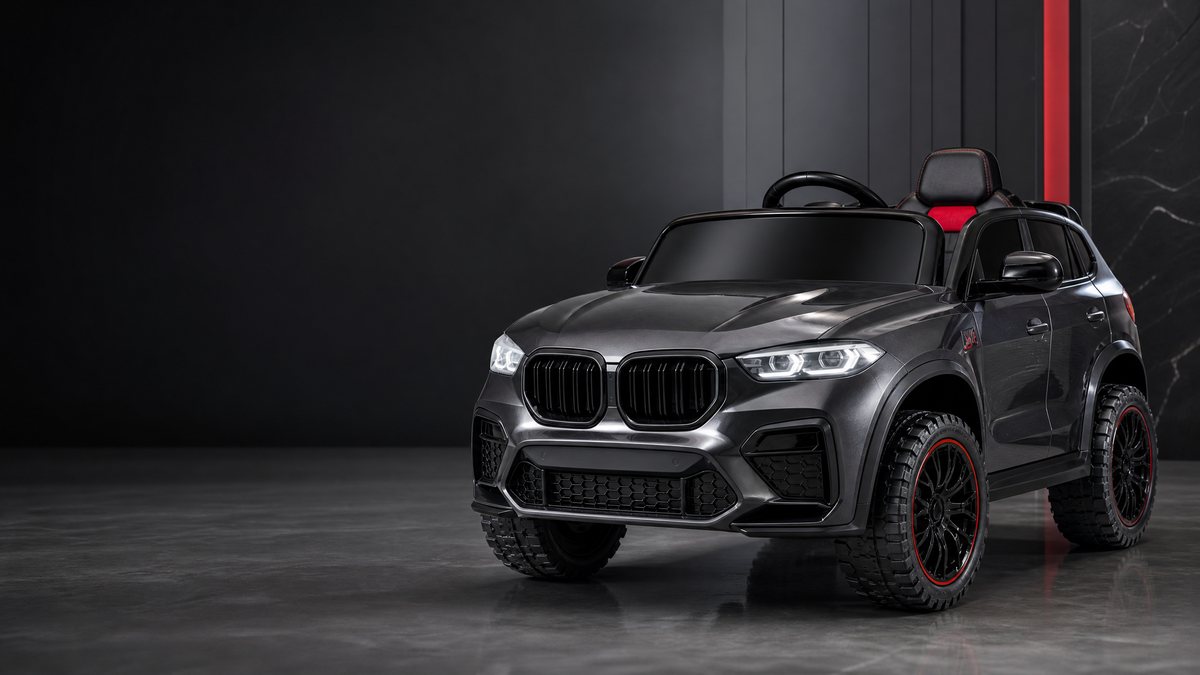
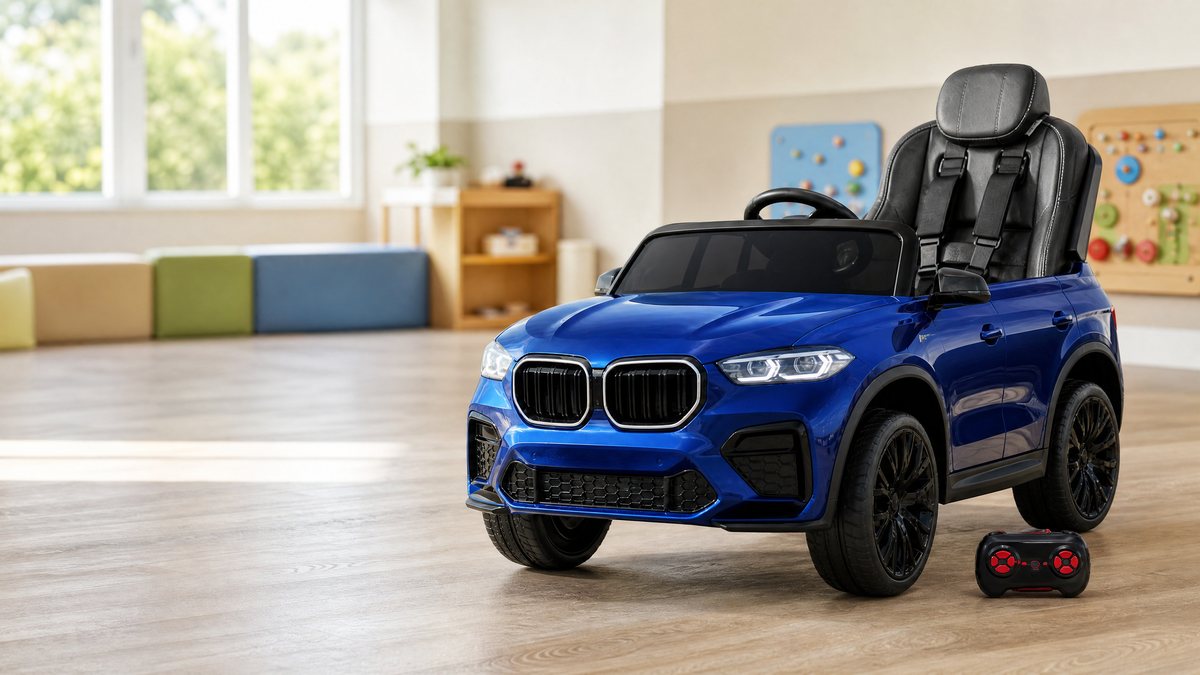
* Padded Leather-Style Seats: Frequently featured in luxury licensed replicas (such as miniature Mercedes, BMW, or Audi models), padded seats offer a plush tactile experience. They provide additional vibration absorption when driving over minor bumps or sidewalk cracks. However, buyers must consider maintenance: padded surfaces require prompt cleaning to prevent staining and must be stored away from prolonged standing water.
3. Sizing and Cabin Spaciousness
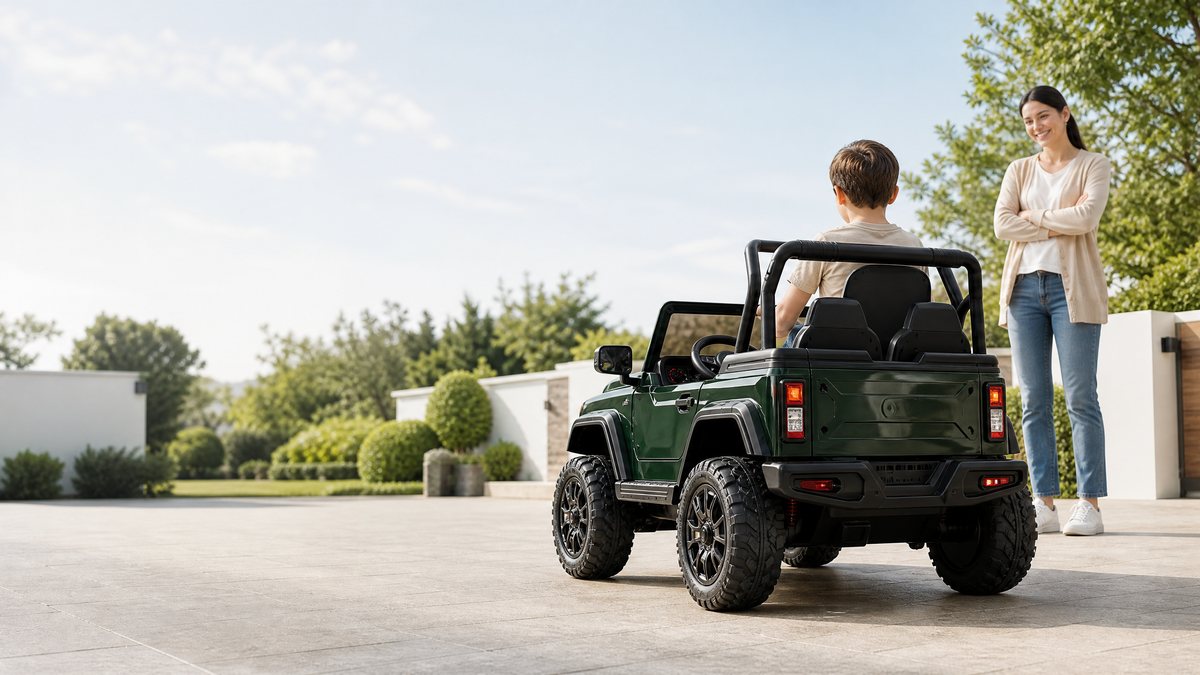
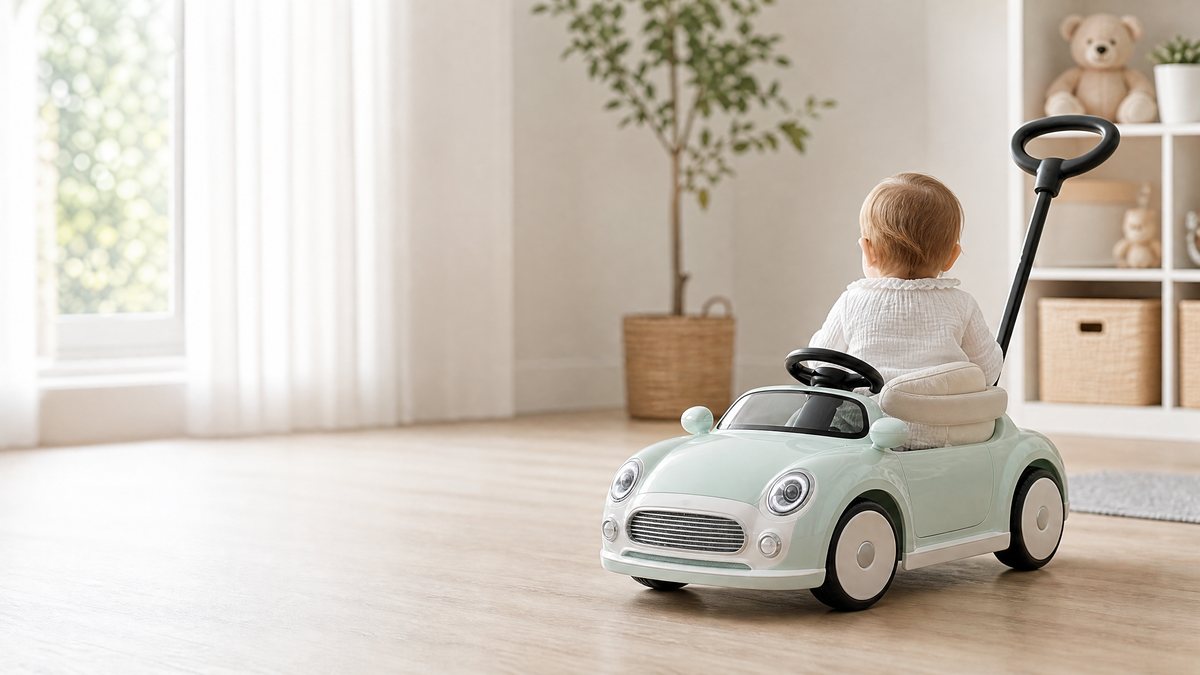
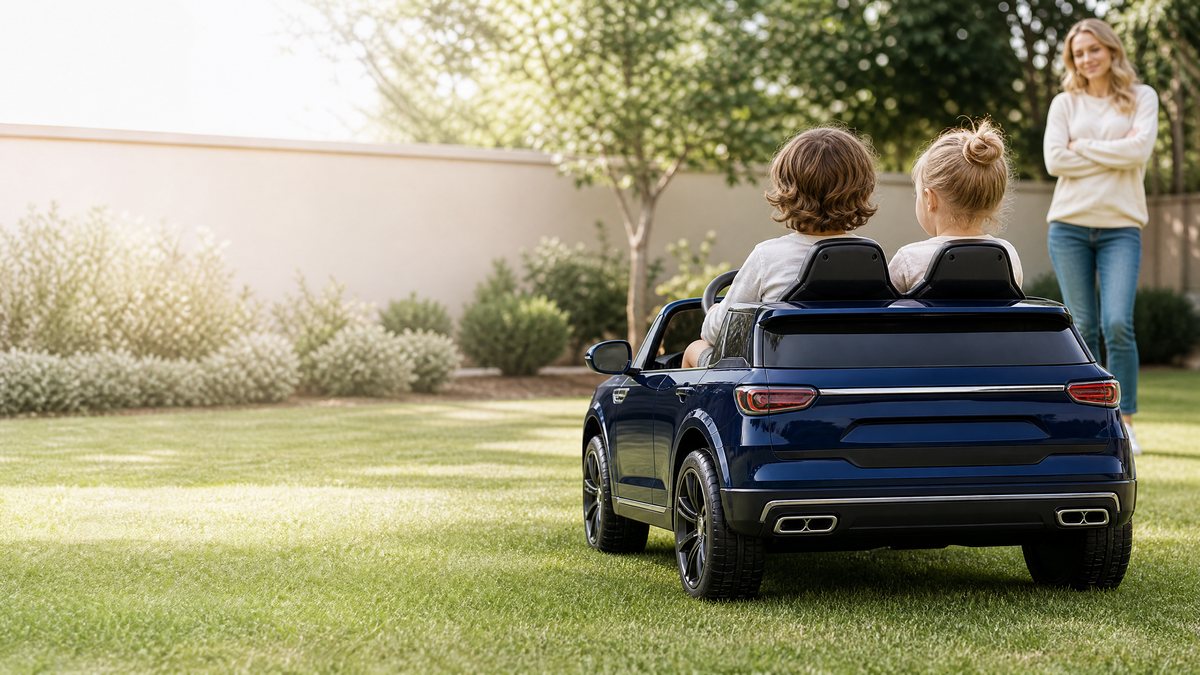
Comfort is inherently tied to spatial freedom. Single-seater vehicles provide a snug, centralized driving experience ideal for younger toddlers, whereas two-seater configurations offer broader bench seating or dual bucket seats. When assessing cabin space, buyers should examine legroom relative to the accelerator pedal placement, ensuring children can extend their legs naturally without cramping.
Comparative Evaluation Framework
To assist parents and B2B wholesale buyers in comparing seating options across different ride-on vehicle classes, the following decision matrix outlines key evaluation criteria, advantages, and maintenance considerations.
| Seating Construction | Target Vehicle Class | Ergonomic Support | Durability & Weather Resistance | Maintenance & Cleaning Effort | Best Suited For |
|---|---|---|---|---|---|
| Molded Hard Plastic | Utility Trucks, Tractors, Budget Cars | Moderate (Rigid contours) | Excellent (High impact and weather tolerance) | Low (Hose down or wipe clean) | Active outdoor use on rugged terrain, frequent outdoor storage |
| Padded PU Leather | Luxury Licensed Replicas, Premium Sedans | High (Plush cushioning and lumbar contour) | Good (Resistant to wear, vulnerable to sharp punctures) | Moderate (Requires mild soap wipe, dry storage) | Paved driveways, smooth sidewalks, style-conscious buyers |
| Adjustable Bucket Seats | Growing Children, Multi-Age Households | High (Customizable distance and recline) | Very Good (Reinforced plastic frame with padded inserts) | Low-Moderate (Removable pads for easy washing) | Households with multiple children of varying ages |
*Note: Evaluation results vary significantly depending on model design, correct vehicle assembly, riding terrain, and individual child stature.*
Safety Integration and Operational Best Practices
Comfort cannot be separated from safety. A comfortable ride is one where the child remains secure, stable, and properly restrained during acceleration, steering, and braking.
Seat Belts and Restraint Systems
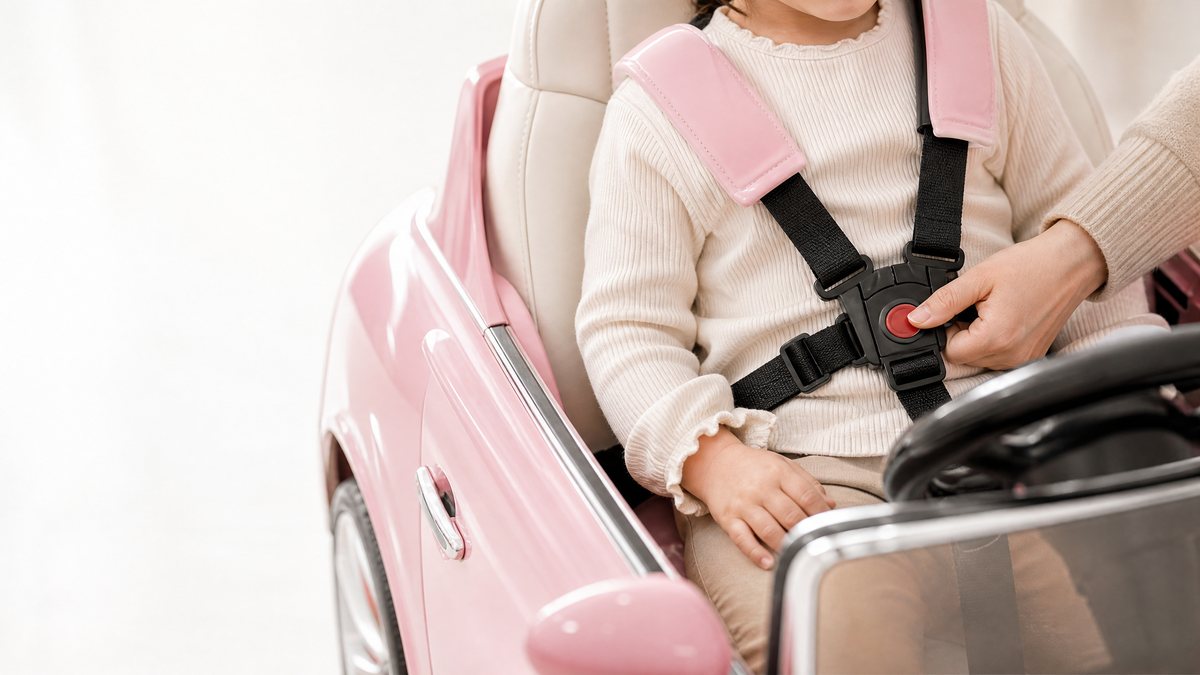
Most modern ride-on cars include lap belts or multi-point harnesses. Parents and caregivers must ensure that seat belts are adjusted snugly across the child's lap and hips without restricting breathing.
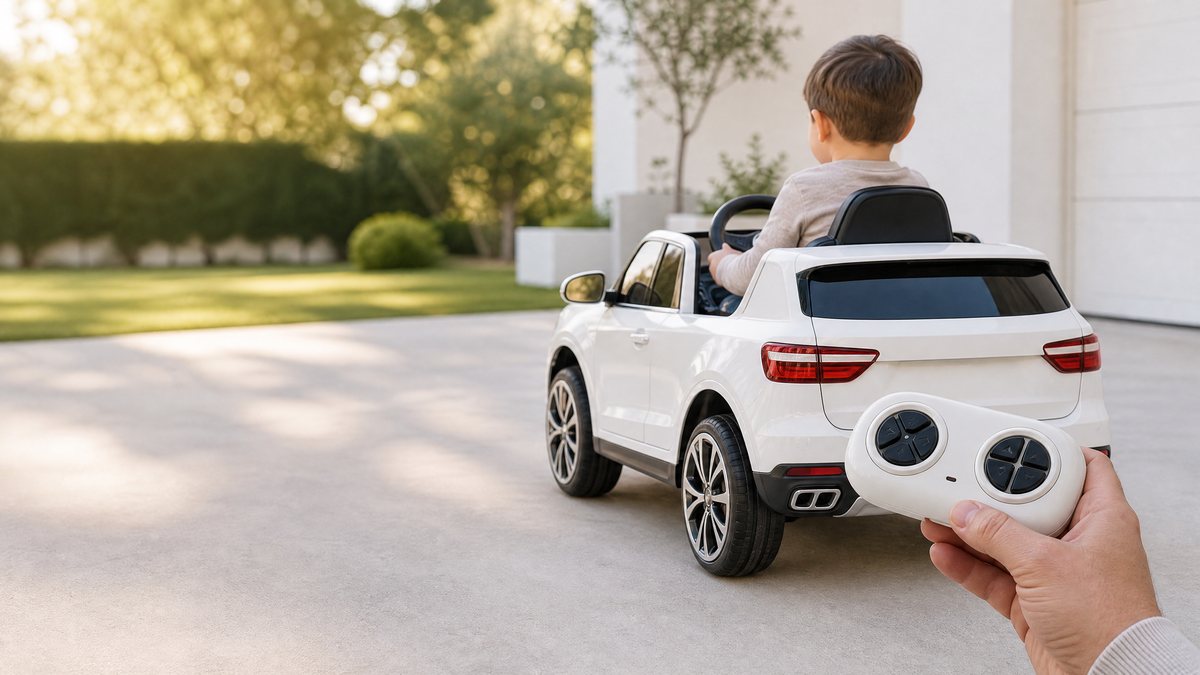
* Strict Adult Supervision: Ride-on cars must always be operated under the direct supervision of a responsible adult.
* Manufacturer Instructions: Always follow the manufacturer's assembly, fitting, and operational guidelines meticulously.
* No Bypassing Safety Measures: Never bypass, alter, or remove factory-installed safety harnesses, interlocks, or speed limitation devices in an attempt to modify performance or comfort.
Terrain, Braking, and Environmental Precautions
The physical comfort experienced by a child inside a ride-on car is heavily influenced by external driving conditions. Driving over gravel, uneven lawns, or unpaved paths transmits vibrations through the chassis and seat.
* Slippery and Icy Surfaces: Never permit children to operate ride-on vehicles on slippery, wet, snow-covered, or icy surfaces. Reduced traction compromises steering response and braking efficacy, increasing the risk of sudden slips that can destabilize the seating position.
* Braking Dynamics: Teach children how the vehicle's electronic or foot-pedal braking system operates. Smooth deceleration prevents abrupt forward pitching, keeping the child securely back against the seatrest.
Practical Buyer Checklist for Assessing Ride-On Car Comfort
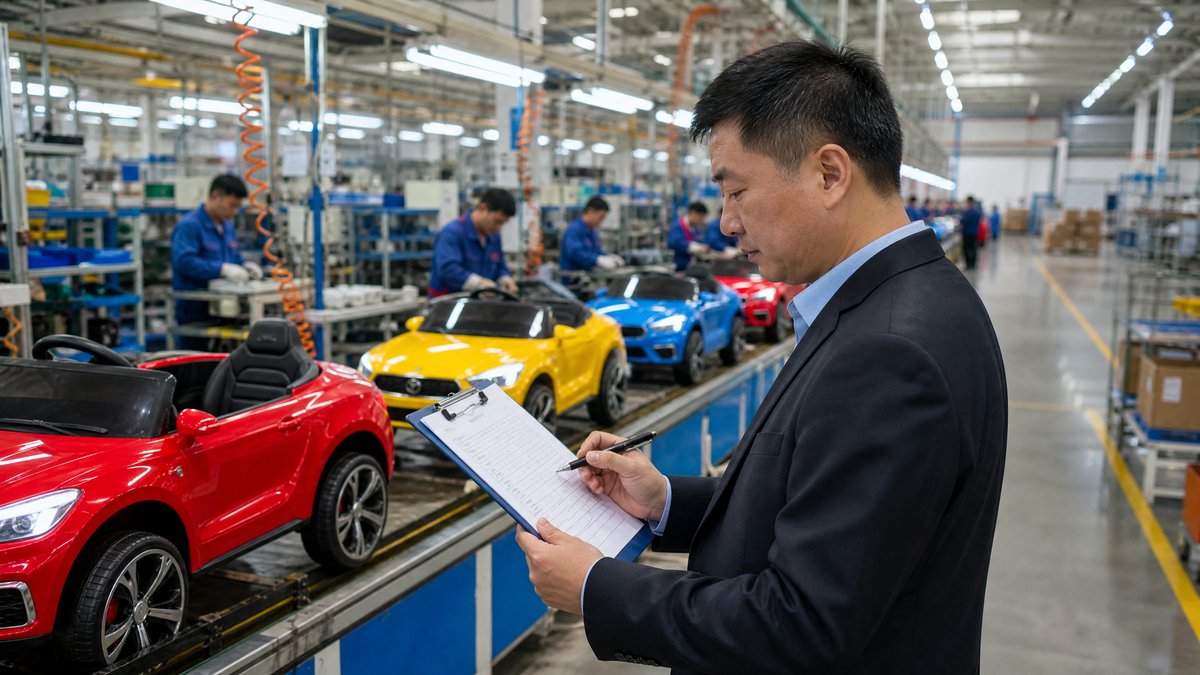
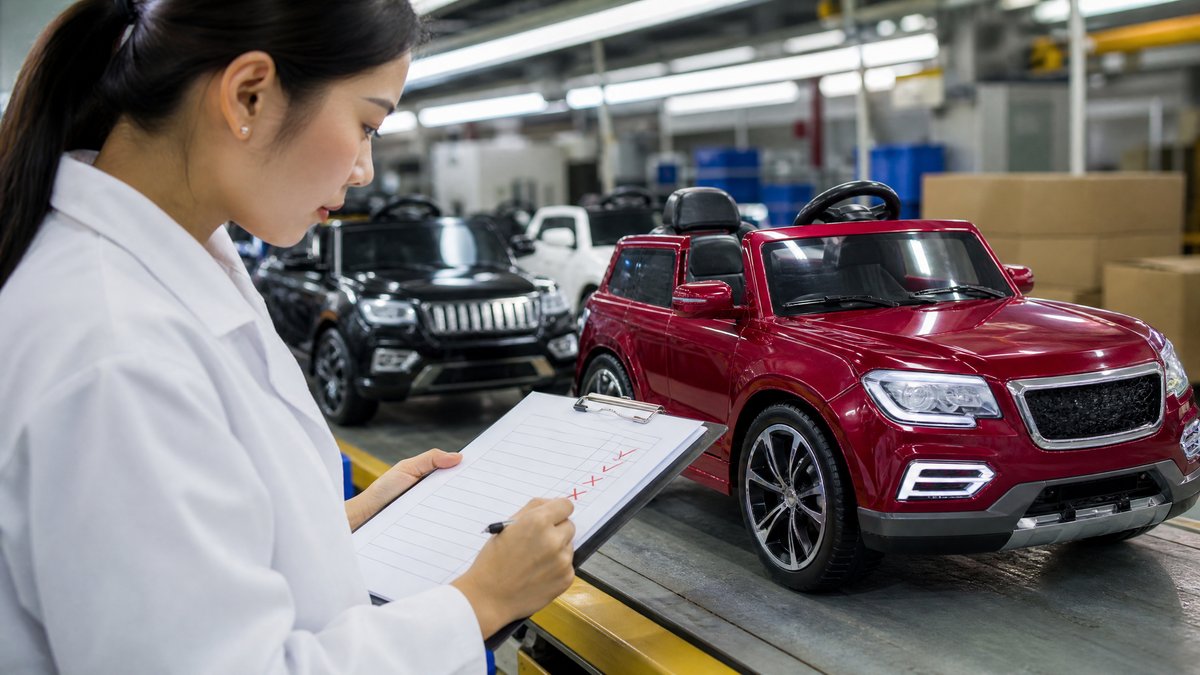
Whether you are an individual parent examining a floor model at a local retail store or a B2B procurement specialist reviewing product specifications and sample units for import, the following practical checklist provides a systematic method for evaluating seat comfort and ergonomics.
1. Inspect Seat Edge Smoothness: Run your hand along the perimeter of the seat shell. Ensure there are no sharp injection-molded burrs or rough seams that could chafe clothing or skin.
2. Evaluate Backrest Support Height: Measure the backrest height relative to the intended age group. Ensure it provides adequate upper-body stability during steering maneuvers.
3. Check Cushion Resilience (If Padded): Press firmly on padded seats to verify foam density. High-resilience foam rebounds quickly and does not bottom out easily under pressure.
4. Examine Harness Anchor Points: Verify that seat belt anchor points are securely bolted directly into the vehicle's reinforced chassis frame rather than flimsy plastic trim.
5. Test Legroom and Pedal Accessibility: Check the distance between the seat back and the foot accelerator pedal to ensure a natural knee bend angle without awkward stretching.
6. Review Cleaning and Maintenance Requirements: Confirm whether seat covers are removable and what cleaning agents are approved by the manufacturer to maintain hygiene.
Maintenance, Charging, and Battery Considerations
Maintaining a ride-on car involves more than keeping the exterior polished; it includes protecting the interior cabin and electrical infrastructure.
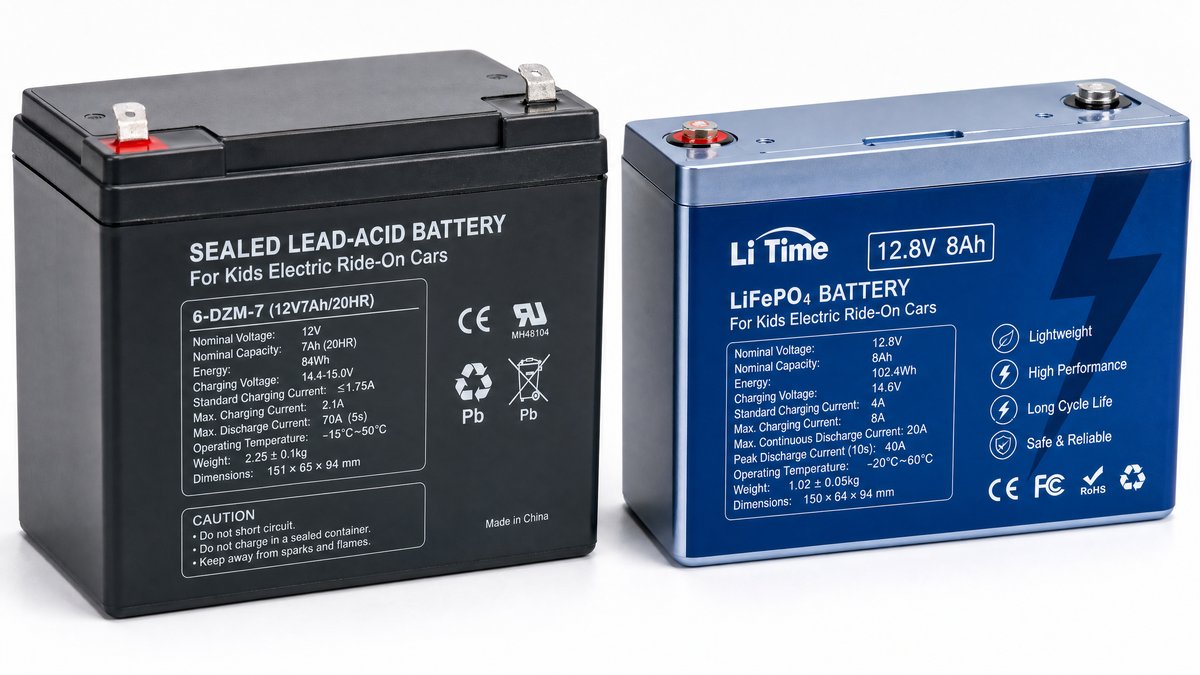
* Battery Charging Safety: Always follow the manufacturer's precise instructions regarding charging times, compatible chargers, and voltage specifications. Never overcharge batteries or leave charging apparatuses unattended for extended periods.
* Battery Replacement: When replacing aged batteries, ensure exact compatibility with the manufacturer's OEM specifications. Never force an incorrect battery size into the compartment beneath or behind the seat.
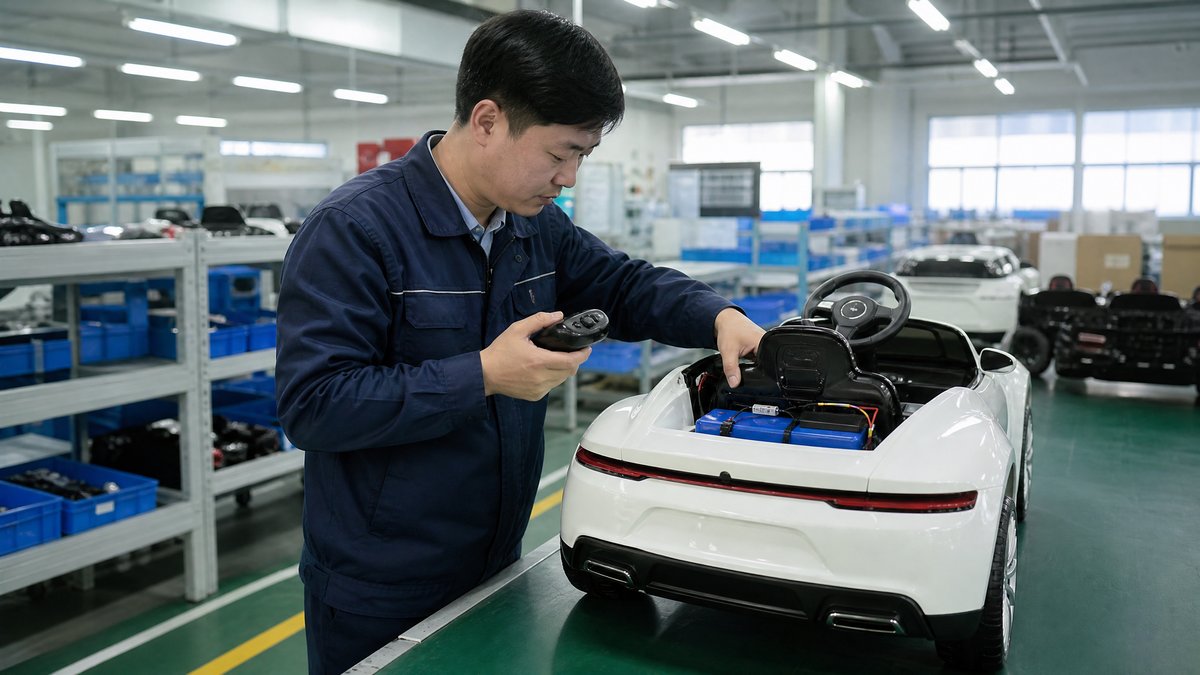
* Protecting Electrical Components: Many ride-on car seats lift off to reveal the main wiring harness, control board, and battery terminals. Ensure that seat retention clips are securely fastened after inspecting internal components to prevent moisture, dust, or debris from entering sensitive electrical areas.
Frequently Asked Questions (FAQ)
1. How do I know if a ride-on car seat is the right size for my child?
Check the manufacturer's recommended age and weight limits, but also evaluate physical dimensions. A properly sized seat allows the child's back to rest flat against the backrest while their feet comfortably reach the accelerator pedal with a natural bend in the knees. If the child's knees hit the steering wheel or they must slide forward to reach the pedal, the vehicle is either too small or lacks adjustable seating features.
2. Are padded leather-style seats better than hard plastic seats?
Neither is universally "better"; each serves different use cases. Padded faux-leather seats offer superior tactile comfort and a luxury aesthetic, making them ideal for smooth indoor floors or paved driveways. Molded hard plastic seats, on the other hand, offer unbeatable durability and weather resistance, making them preferable for rugged outdoor use, farm toys, or all-weather riding.
3. How should seat belts and harnesses be fitted?
Seat belts should be adjusted so they fit low and snug across the child's hips and lap, or across the shoulders if equipped with a multi-point harness. Ensure that the strap is not twisted and that two fingers can comfortably fit between the strap and the child's body. Always enforce strict adult supervision and ensure the child remains seated throughout operation.
4. Can ride-on car seats be upgraded or modified for aftermarket comfort?
While minor non-structural accessories like breathable mesh seat covers can be added, you should never modify, drill into, or replace the primary structural seat assembly with unapproved third-party parts. Altering factory seats can compromise safety restraint anchor points and vehicle stability. Always adhere strictly to manufacturer guidelines.
5. How does driving terrain impact seat comfort?
Rough terrain, such as gravel, unpaved dirt paths, or thick grass, transmits continuous vibrations through the vehicle frame to the seat. Vehicles equipped with spring suspension systems and padded seating absorb these impacts much better than rigid plastic chassis, reducing rider fatigue during longer play sessions.
Conclusion
Evaluating ride-on car seat comfort is an essential step in choosing a safe, enjoyable, and durable electric vehicle for children. By looking past surface-level aesthetics and analyzing ergonomic design, material resilience, proper sizing, and robust safety integration, parents and buyers can make confident choices. Remember that individual experiences will vary depending on model specifications, correct assembly, riding terrain, and child stature. Prioritize strict adult supervision, adhere to all manufacturer instructions, and maintain safety standards to ensure countless hours of safe, comfortable outdoor fun.
B2B Wholesale & Procurement Partnership
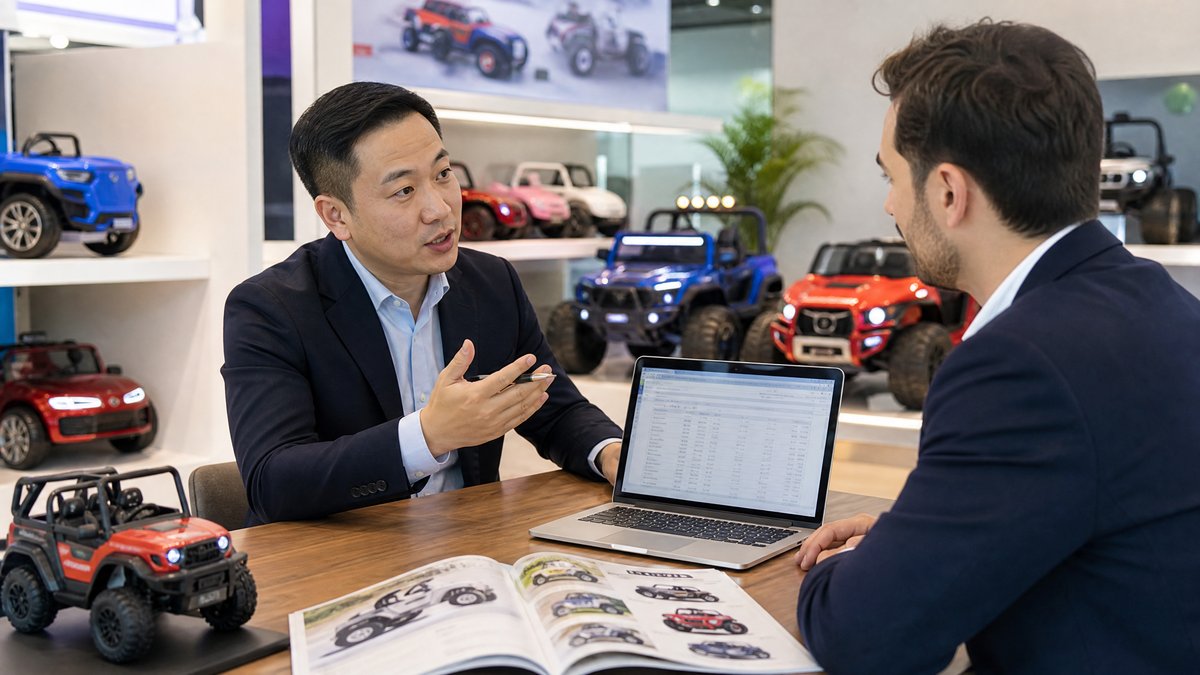
Are you a toy retailer, department store buyer, or regional distributor seeking high-quality, ergonomically designed children's electric ride-on cars? Our manufacturing and supply partners deliver industry-leading ride-on vehicles featuring customizable seating options, rigorous quality control, and compliance with international toy safety standards. Contact our B2B partnership team today to request product catalogs, sample evaluations, and wholesale volume pricing tailored to your retail market.
Official references
Explore these external resources for current regulatory and trade guidance. Confirm requirements with the relevant authority before placing an order.
Ready to Start?
Factory-Direct · CE & ASTM Certified · MOQ from 50 Units
Our export team works with buyers in 60+ countries. Get a quote within 24 hours.
KR
Written by KidsRideCar
China's leading kids electric ride-on car manufacturer. 500,000+ units shipped annually to 60+ countries. CE, ASTM & EN71 certified.