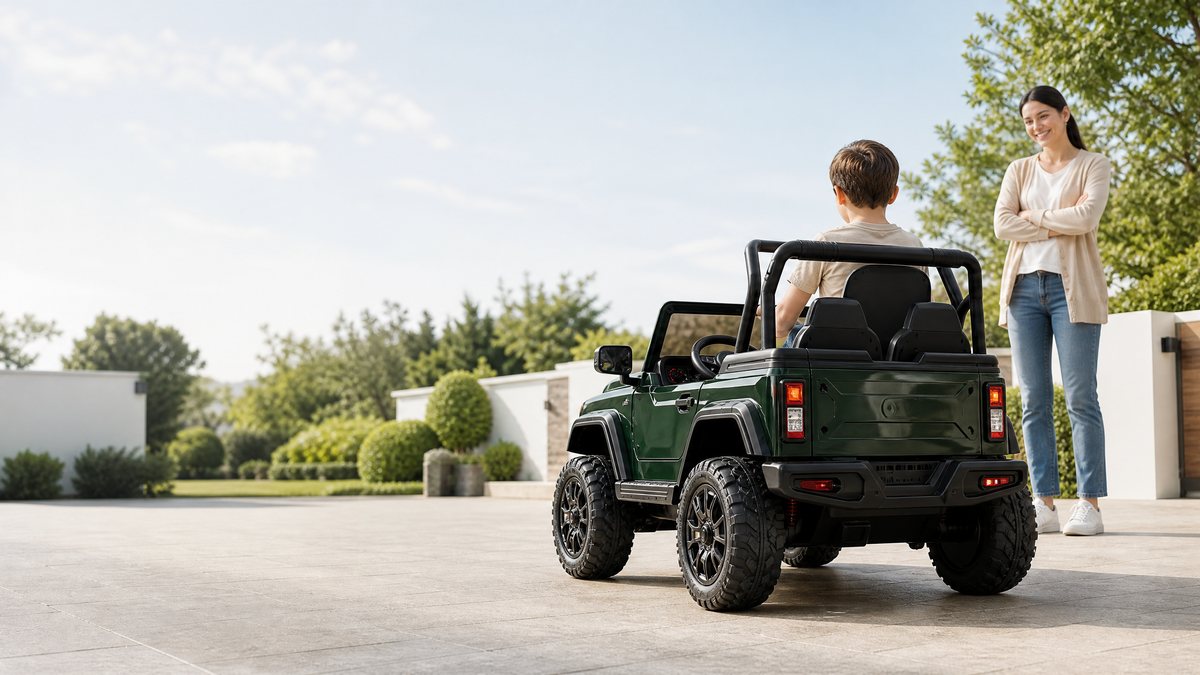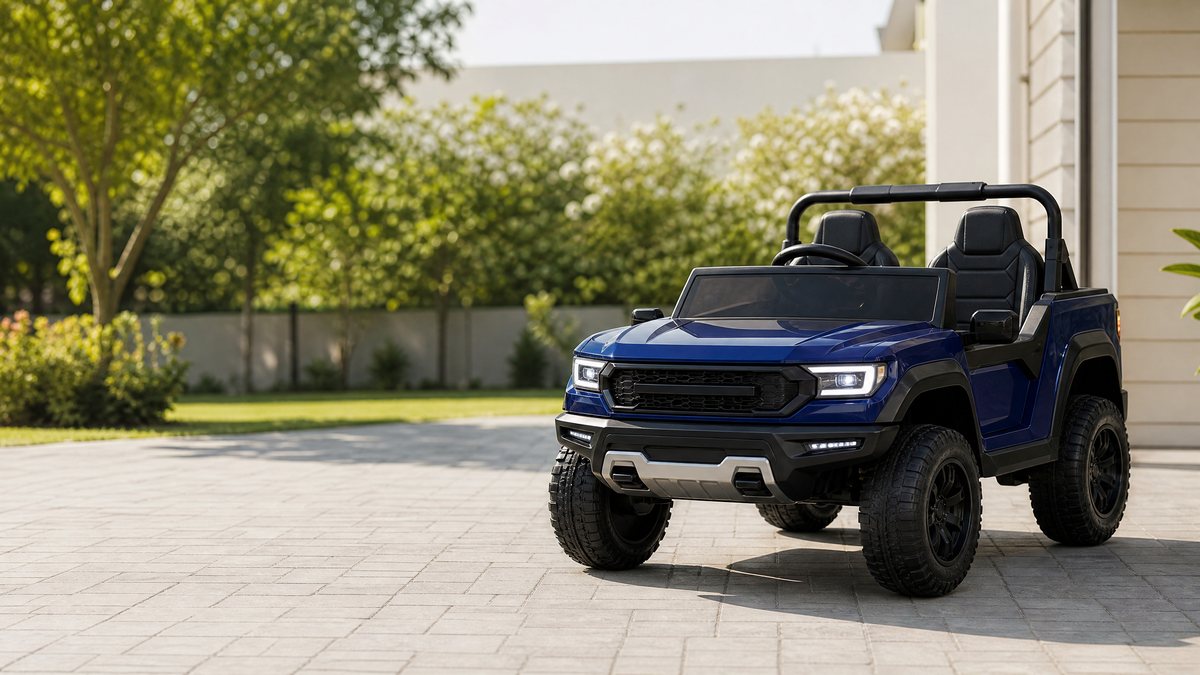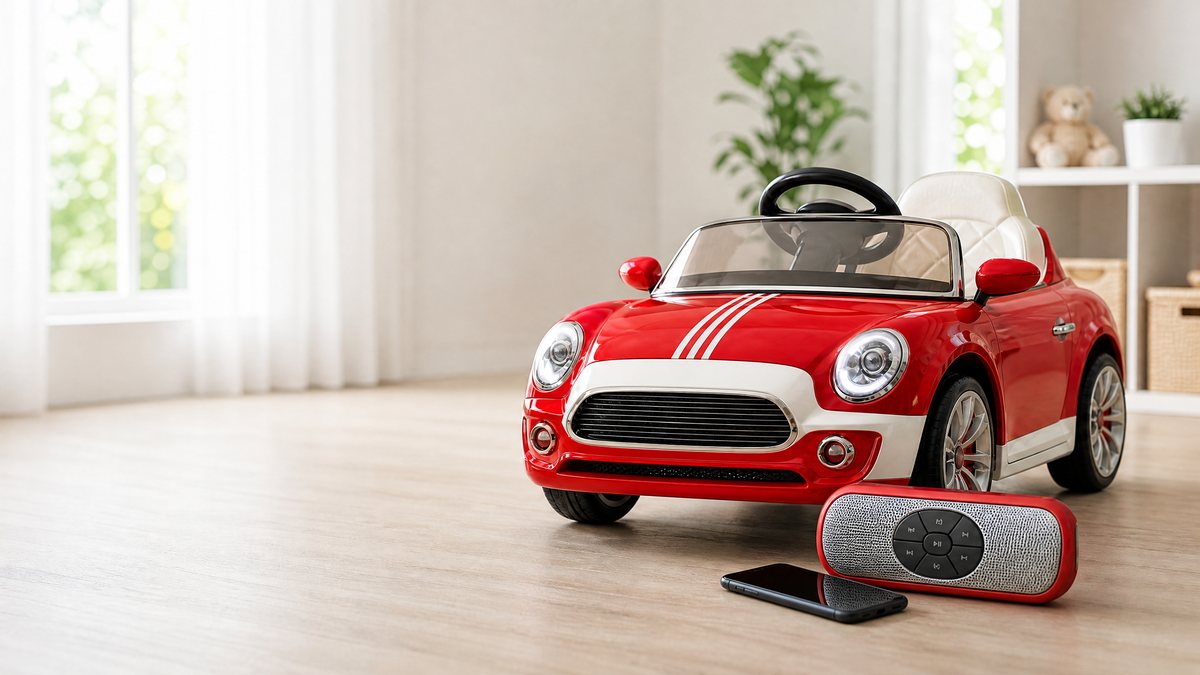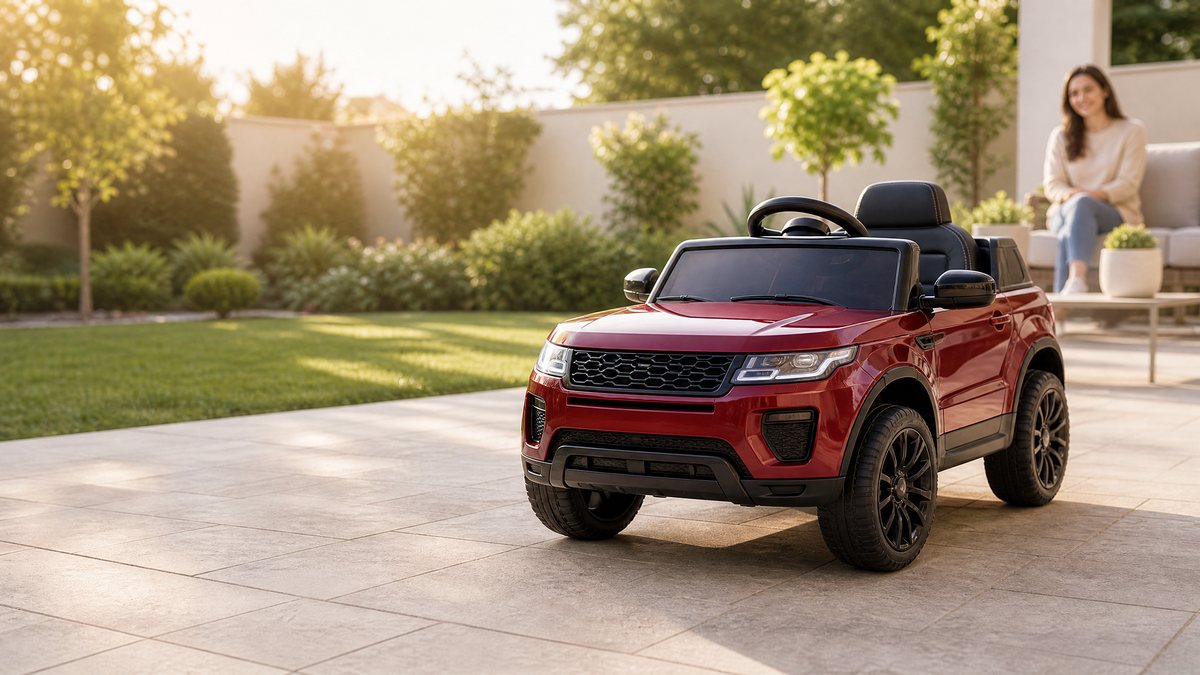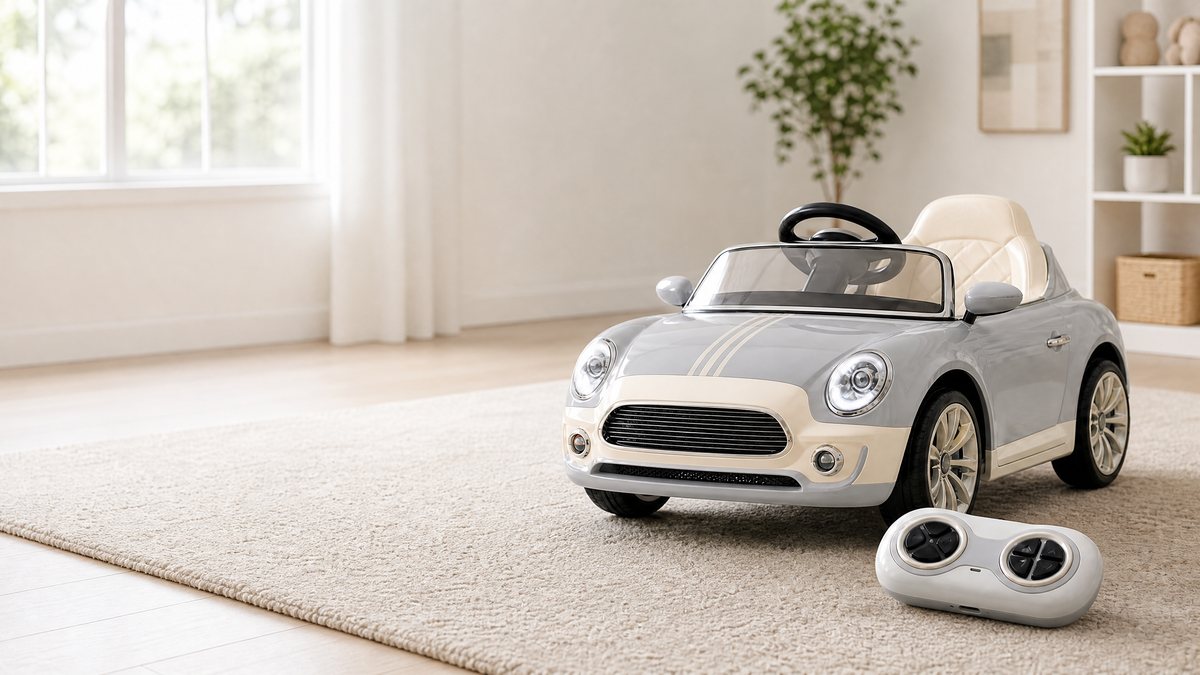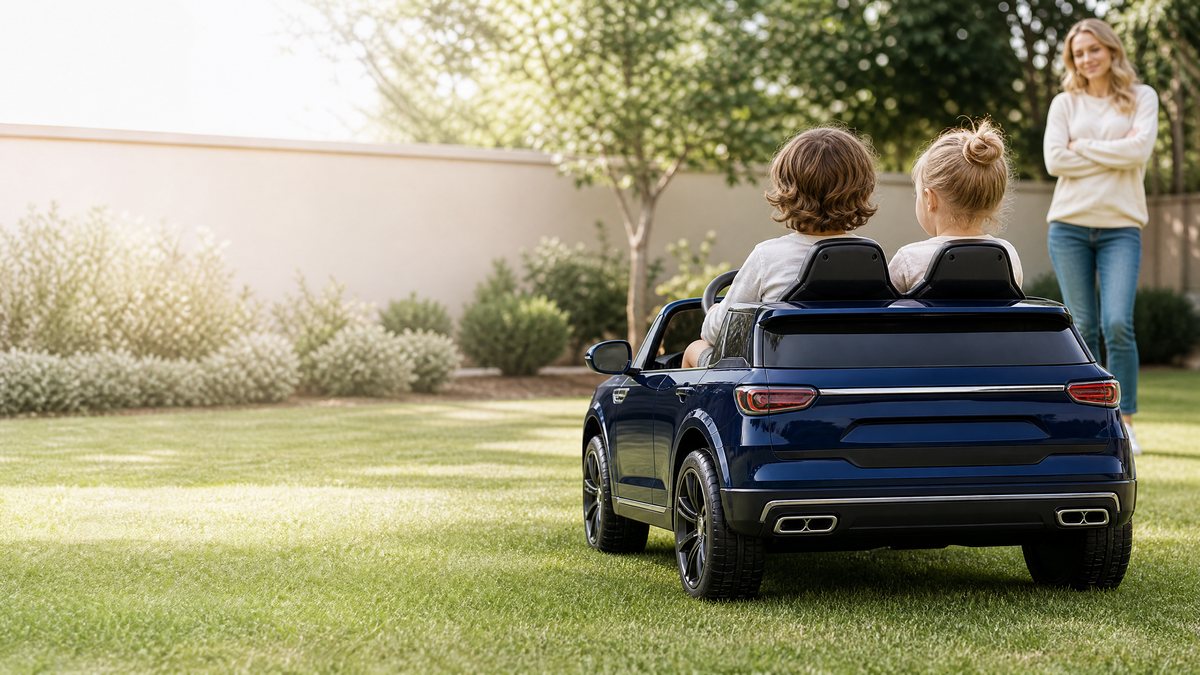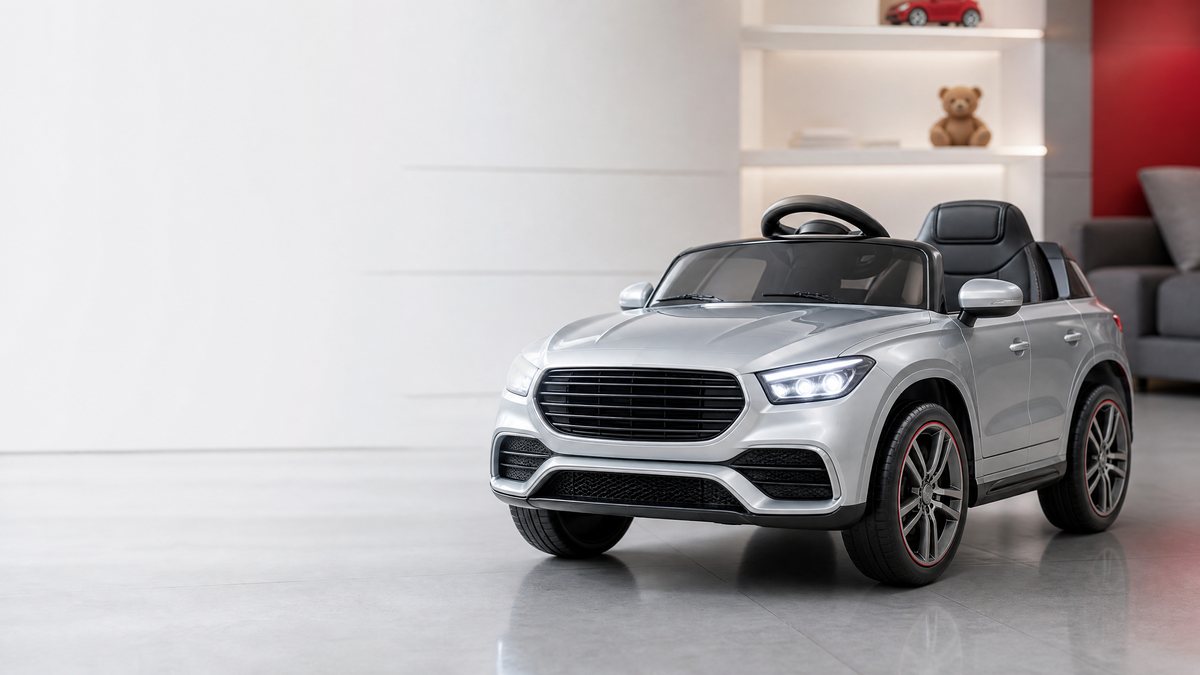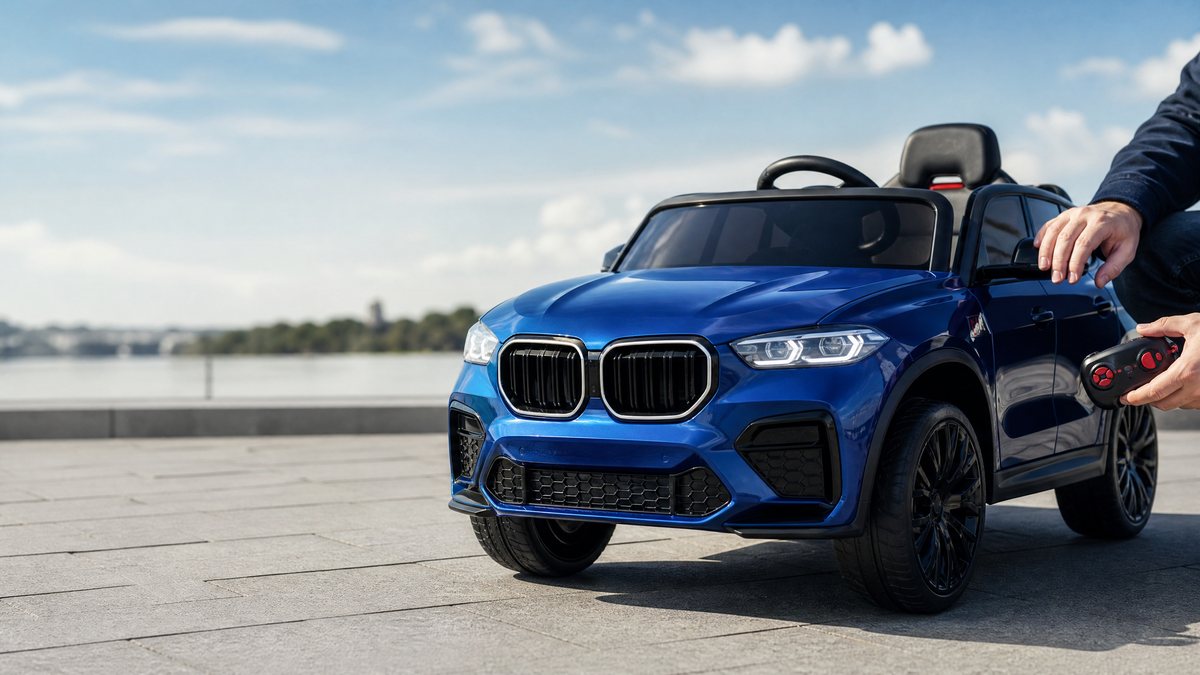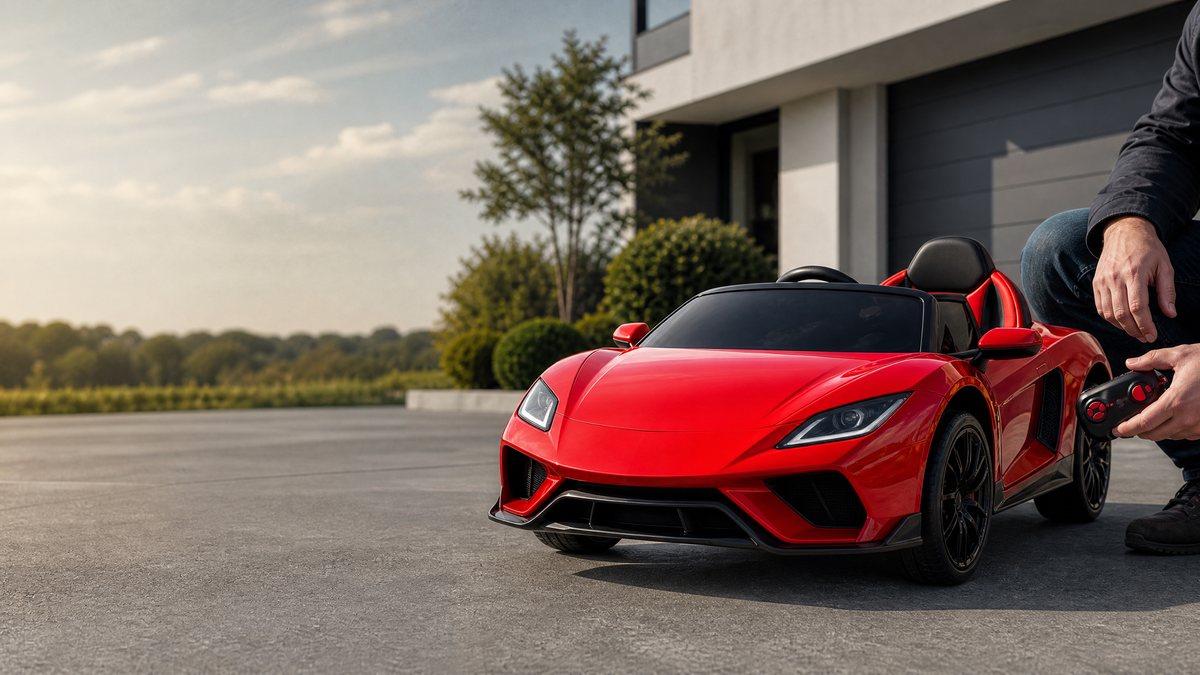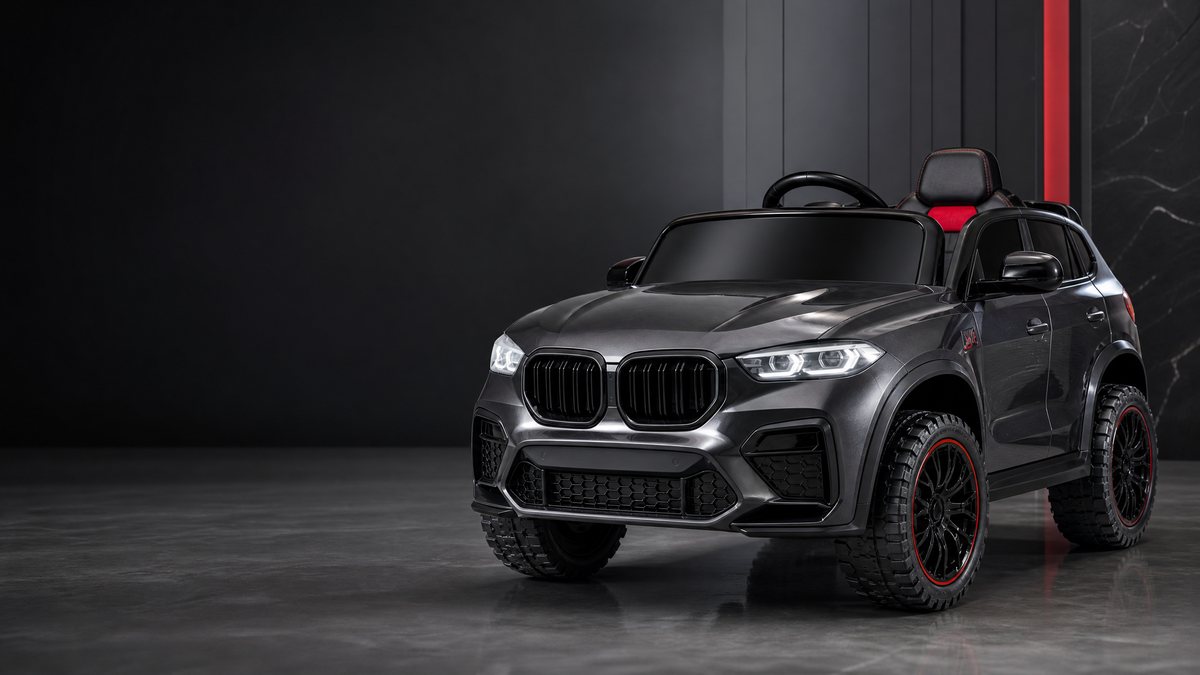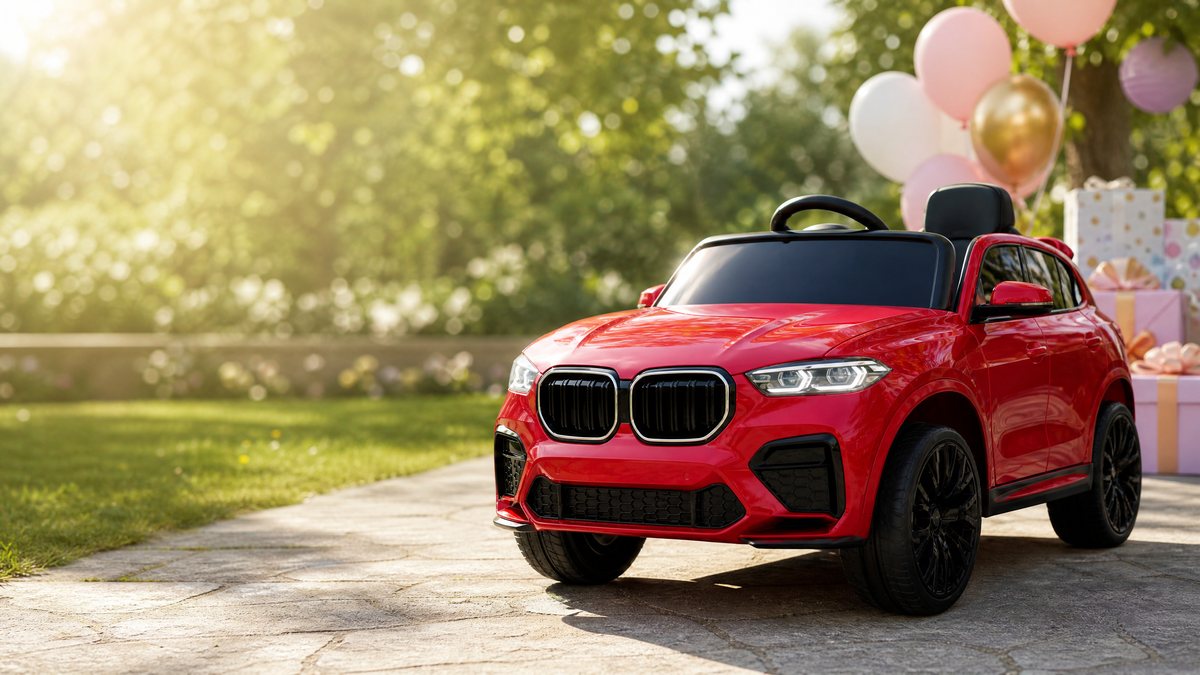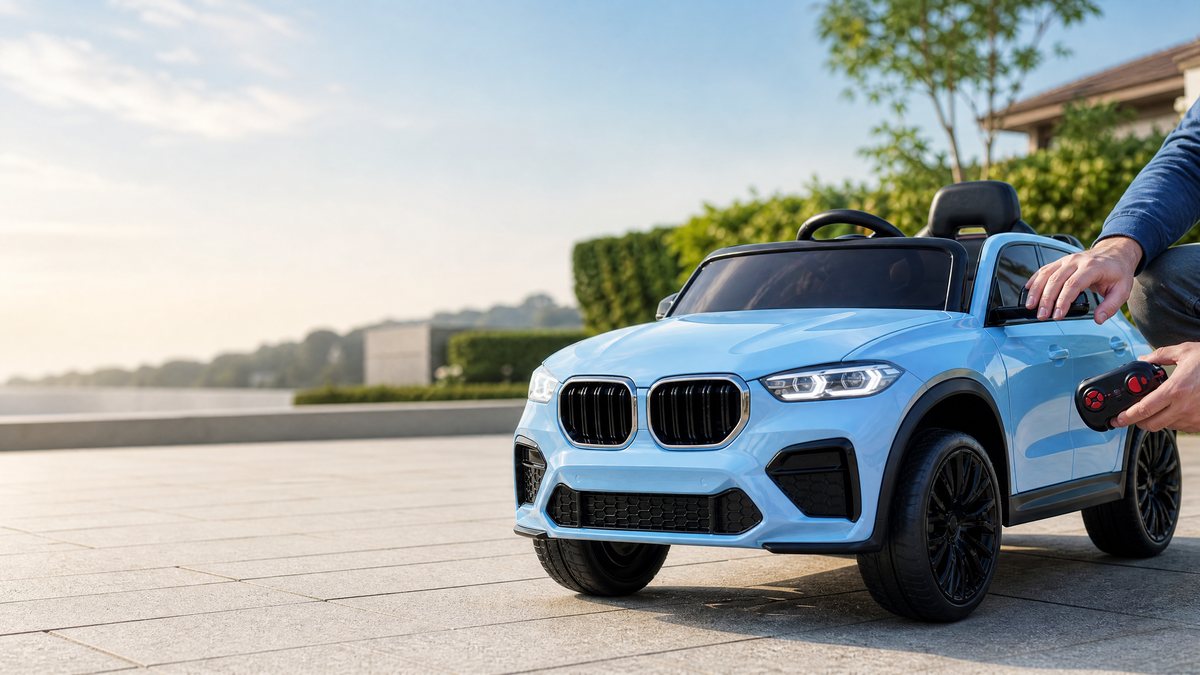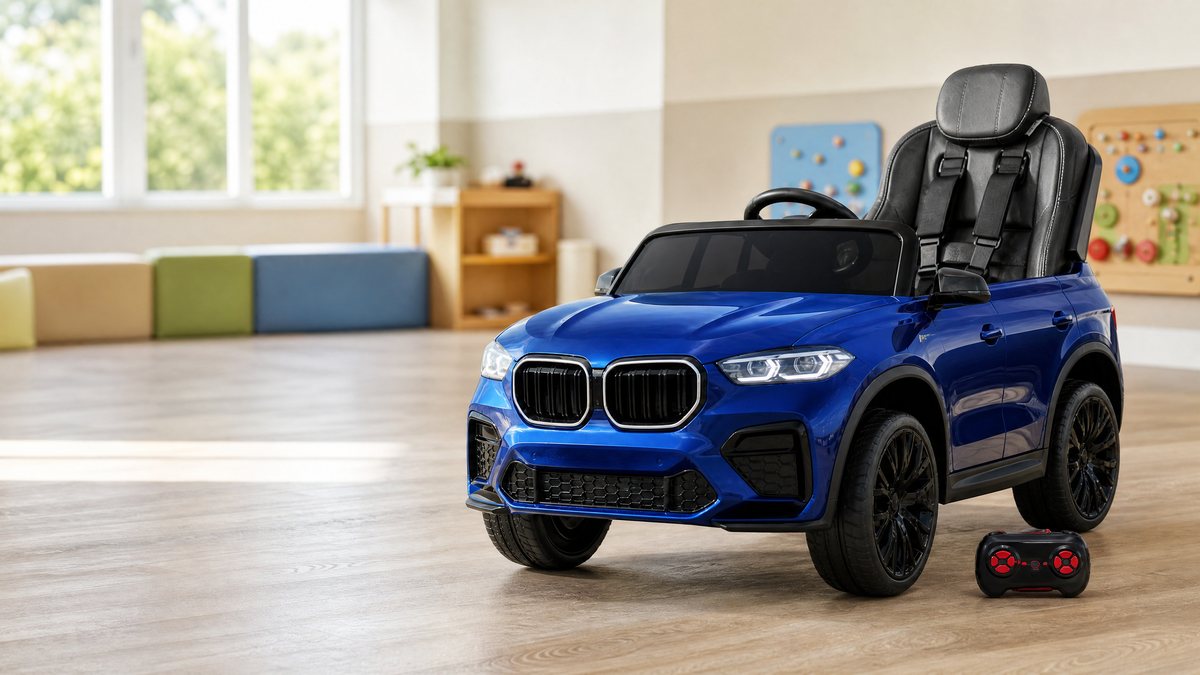
Navigating the market for children's battery-powered vehicles can be challenging for parents and retail buyers alike. Among the various voltage tiers available, 12V ride-on cars represent the industry sweet spot for toddlers aged two to four years old. They offer an ideal balance of manageable speed, realistic features, and sufficient torque to handle light outdoor terrain without overwhelming a young child. Rather than presenting a subjective product review or unverified testing claims, this editorial guide provides a structured framework for evaluating 12V ride-on cars based on engineering specifications, safety compliance, and developmental suitability.
Understanding the 12V Category
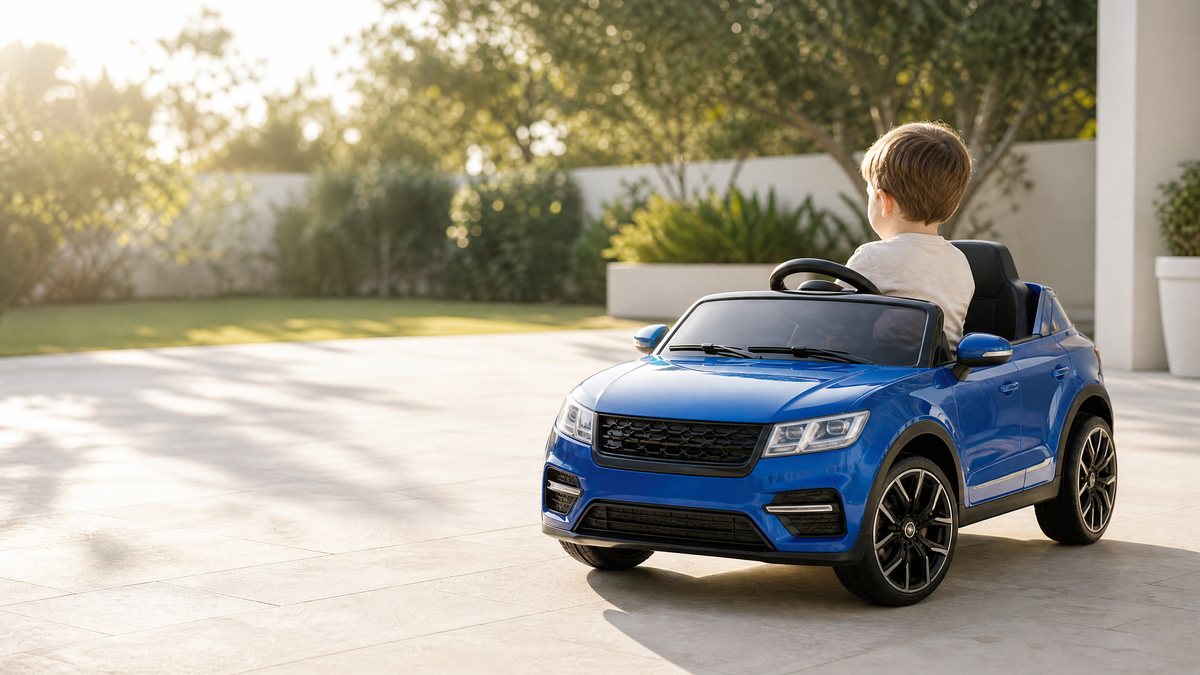
A standard 12V ride-on car typically utilizes either a single 12V battery paired with one or two drive motors, or a dual-motor setup that delivers power to both rear wheels. Operating at speeds generally ranging from 2.5 to 5 miles per hour (approx. 4 to 8 kilometers per hour), these vehicles provide an engaging driving experience while allowing parents to maintain walking control.
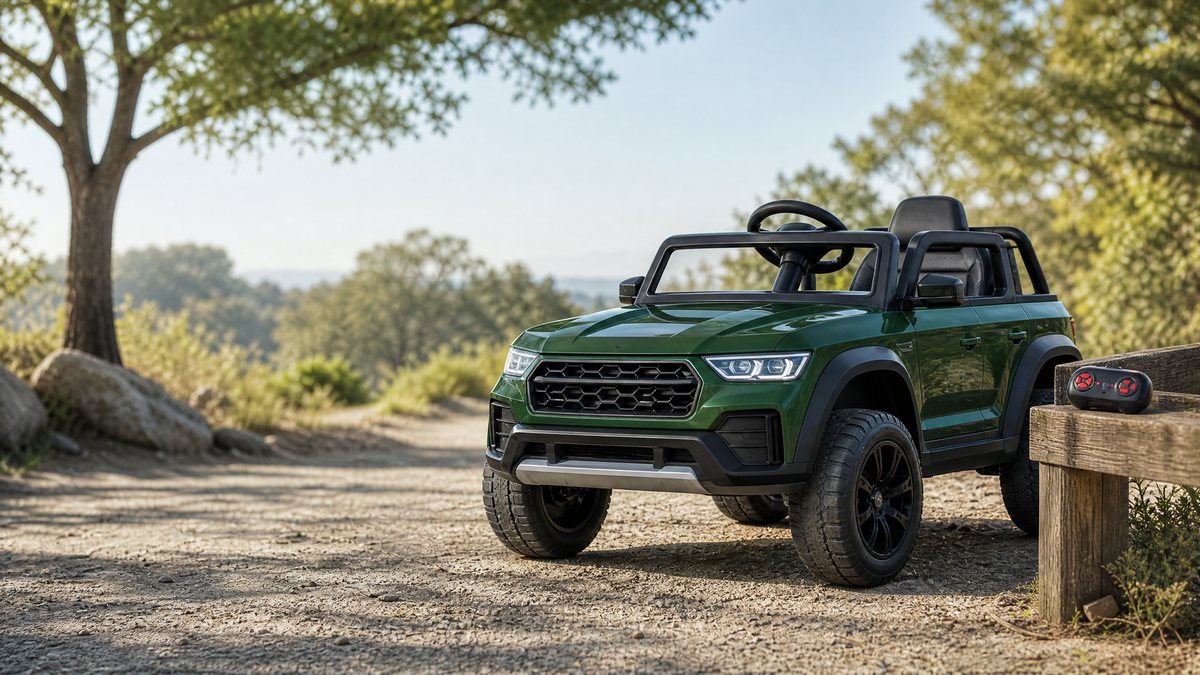
Unlike 6V models, which often struggle on grass or slight inclines, 12V systems provide the necessary torque for varied outdoor surfaces such as short lawn, packed dirt, and asphalt. However, they remain appropriately throttled for toddlers who are still developing hand-eye coordination and spatial awareness.
Core Evaluation Criteria
Motor Power and Drive Configuration
The propulsion system is the heart of any ride-on vehicle. When assessing options, buyers should examine whether the car features a single-drive or dual-drive motor configuration. Dual motors distribute torque more evenly, improving traction on uneven surfaces and extending the lifespan of the gearboxes. Furthermore, look for models equipped with slow-start or soft-start acceleration programming. This feature prevents sudden jerks when the child depresses the accelerator pedal, protecting the toddler's neck and posture from abrupt acceleration jolts.
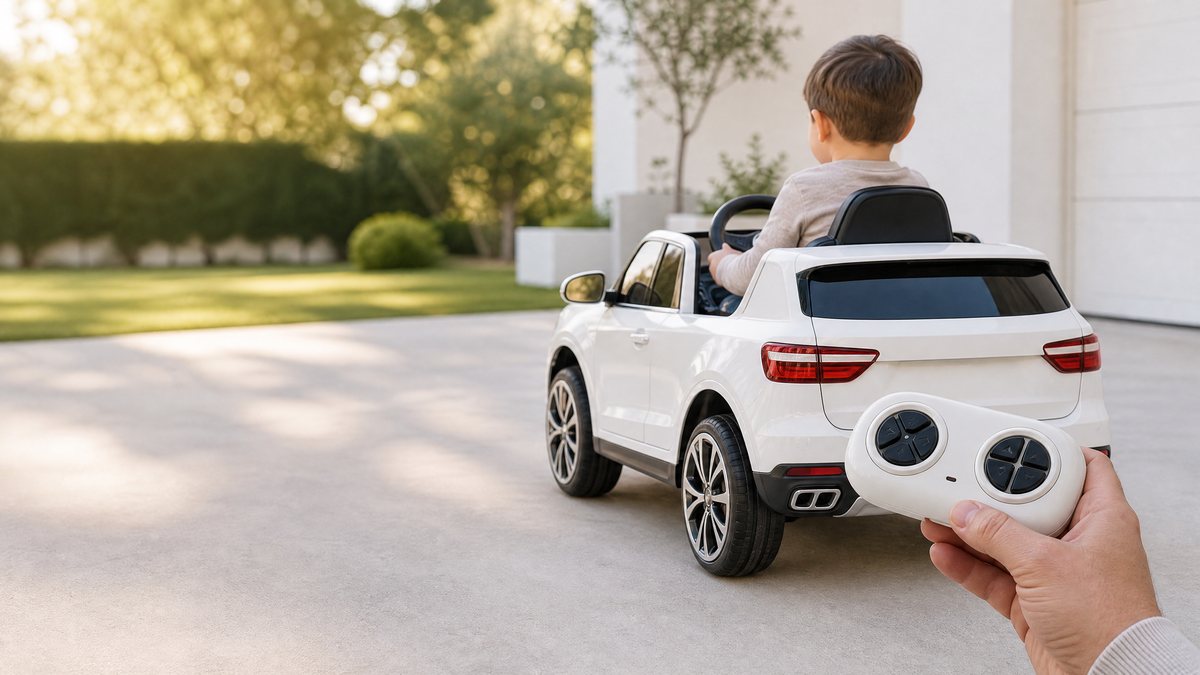
Parental Remote Control Override
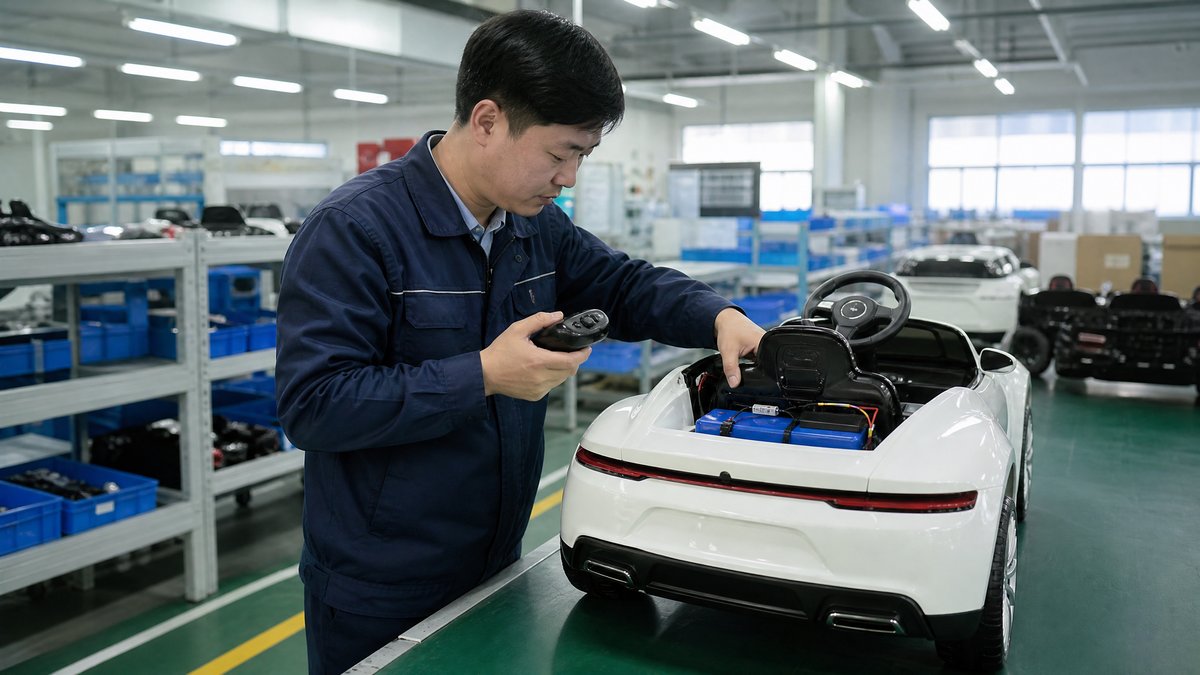
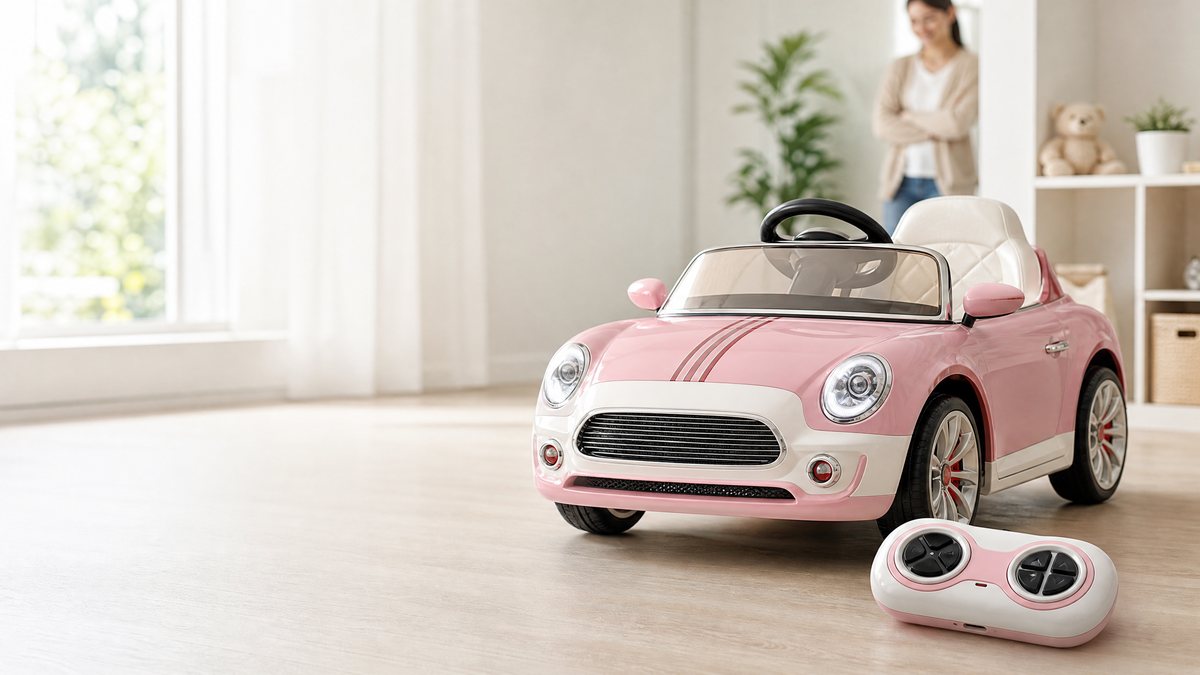
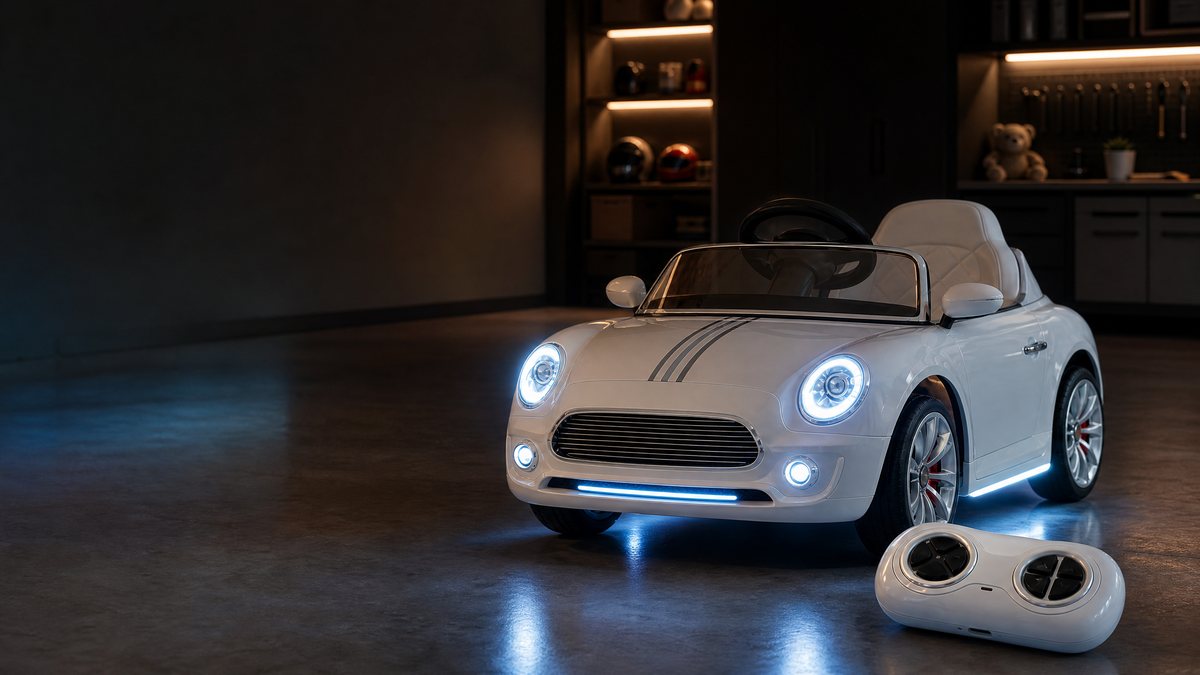
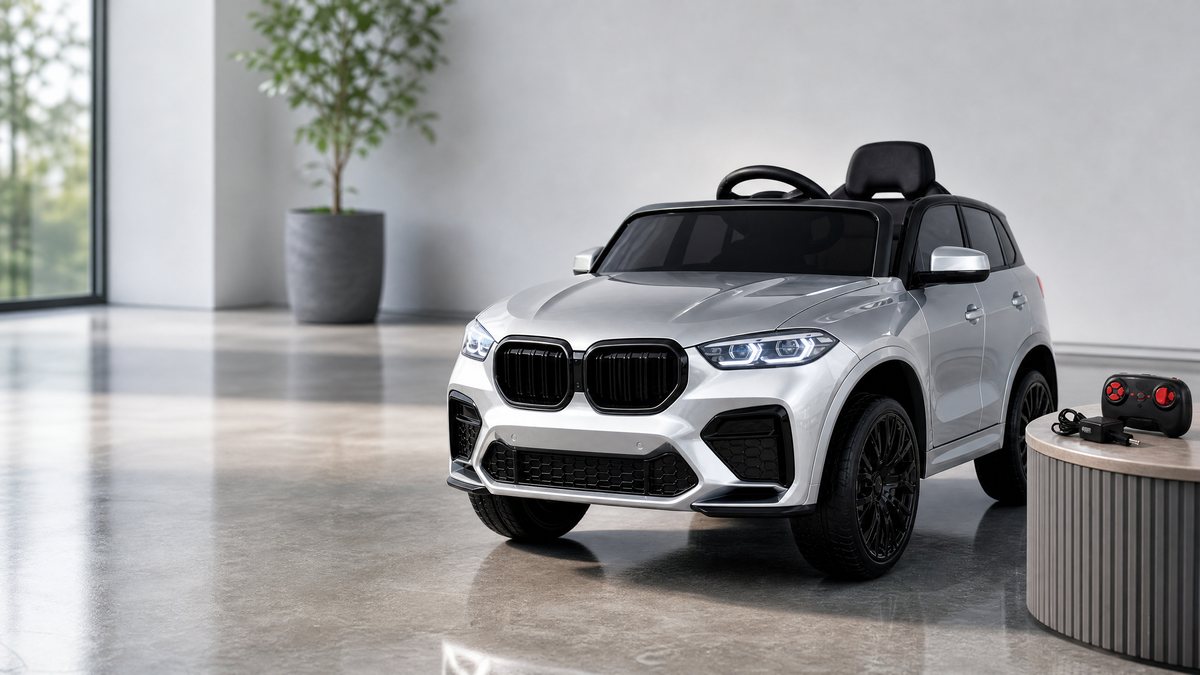
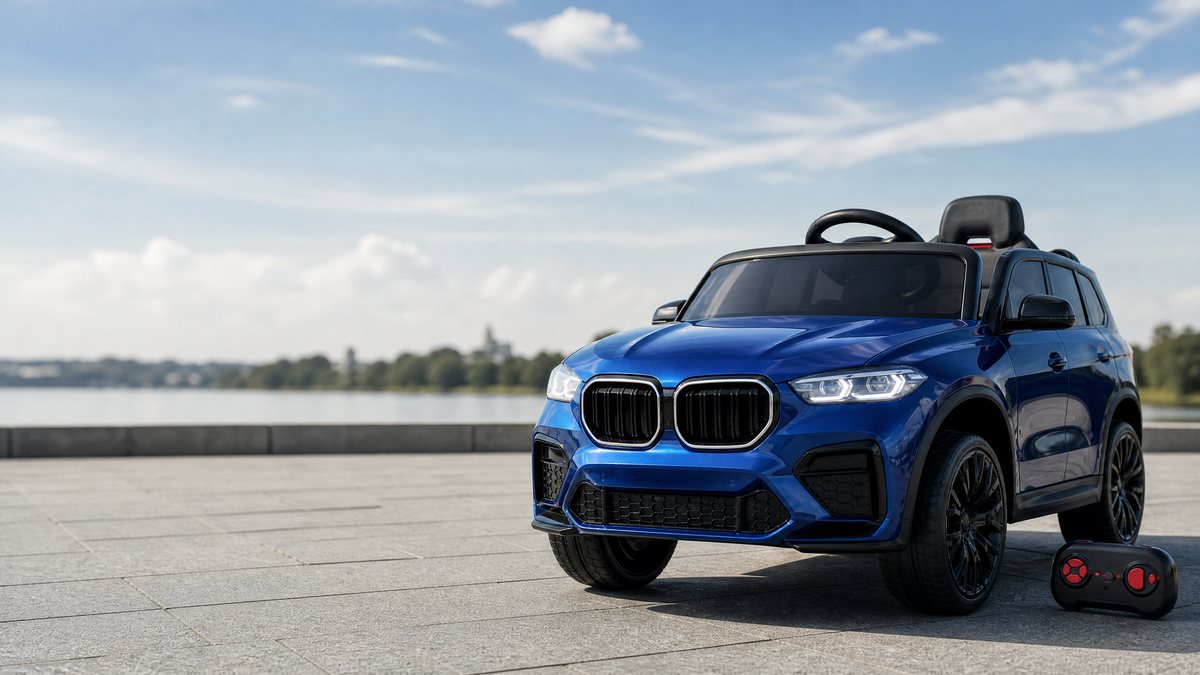
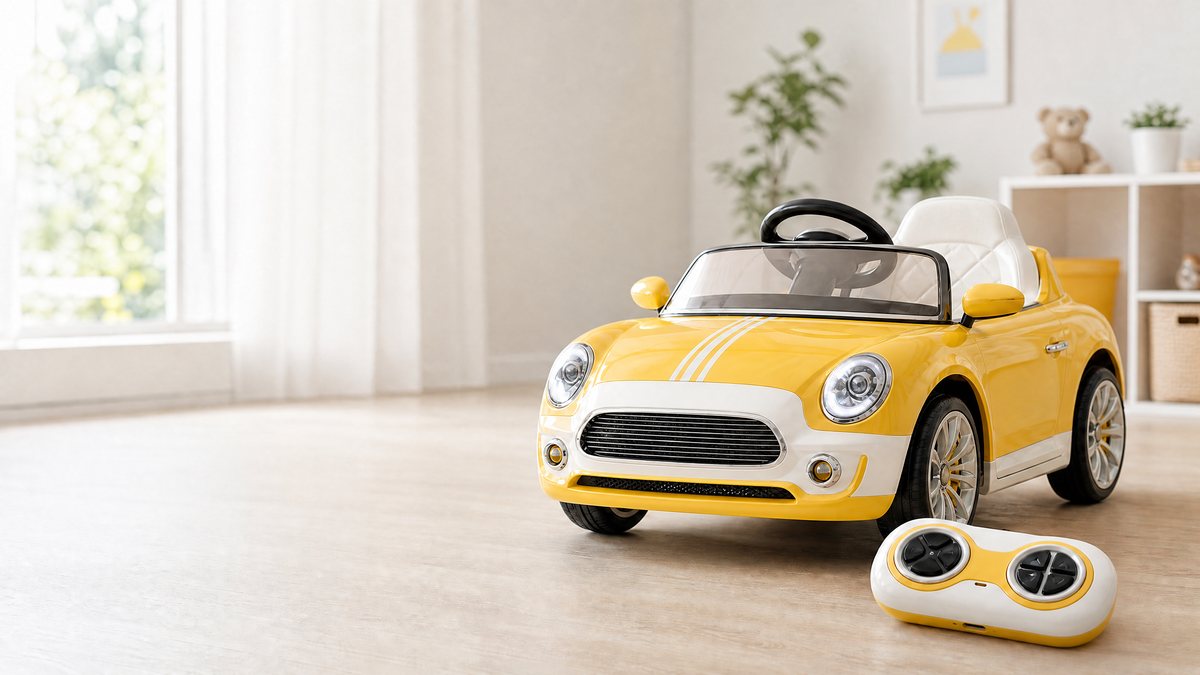
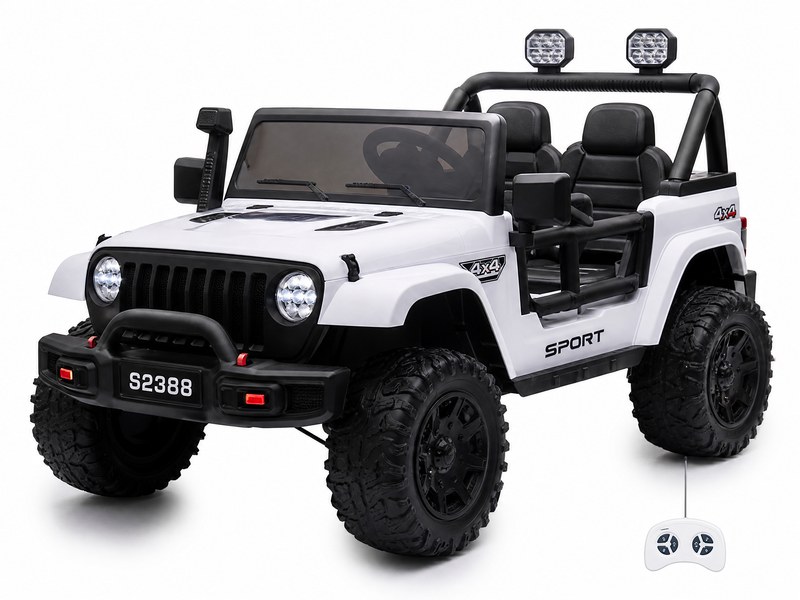
Safety governance in the toy industry heavily emphasizes active adult intervention. For toddlers, a reliable 2.4GHz parental remote control is non-negotiable. A high-quality remote control should feature an emergency stop button, directional overrides (forward, reverse, left, right), and speed tier selection. The 2.4GHz frequency ensures zero interference from other electronic devices, allowing parents to instantly halt or steer the vehicle if the toddler approaches obstacles or hazards.
Build Quality, Materials, and Suspension
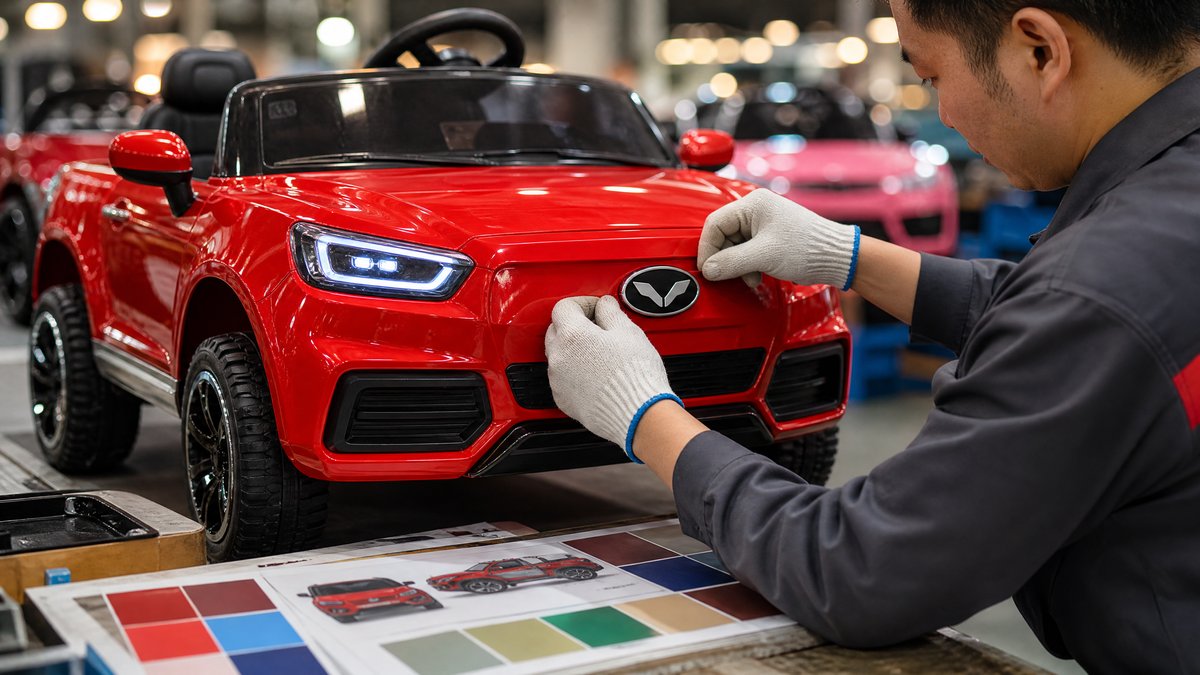
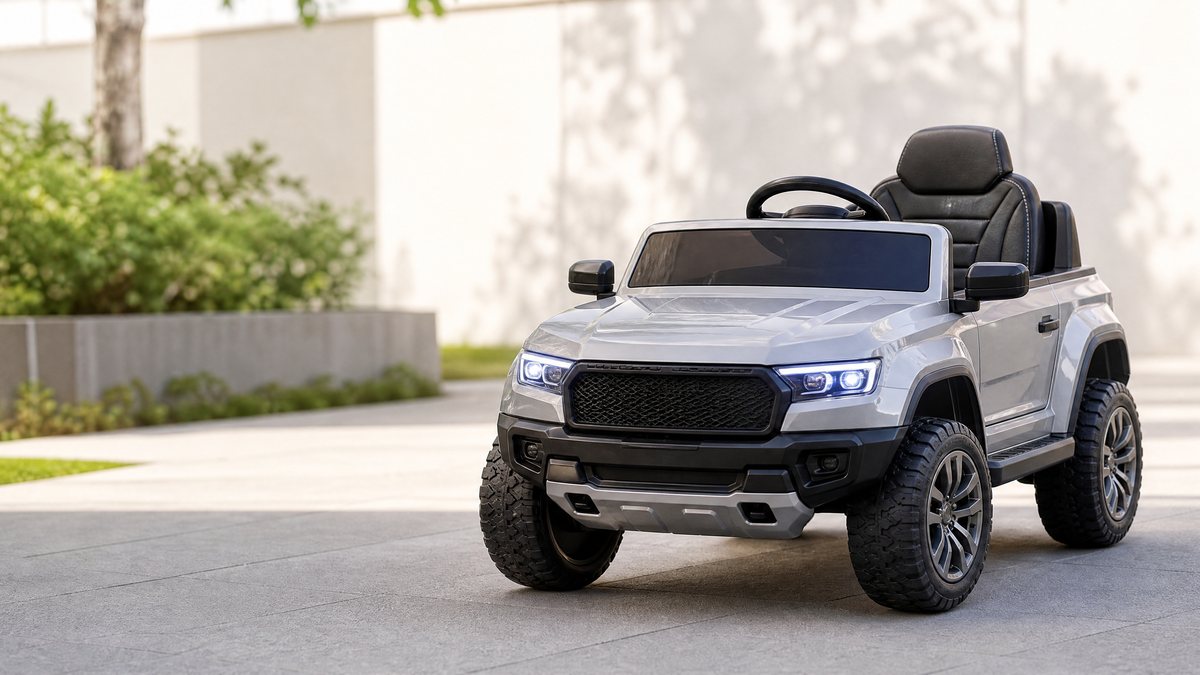
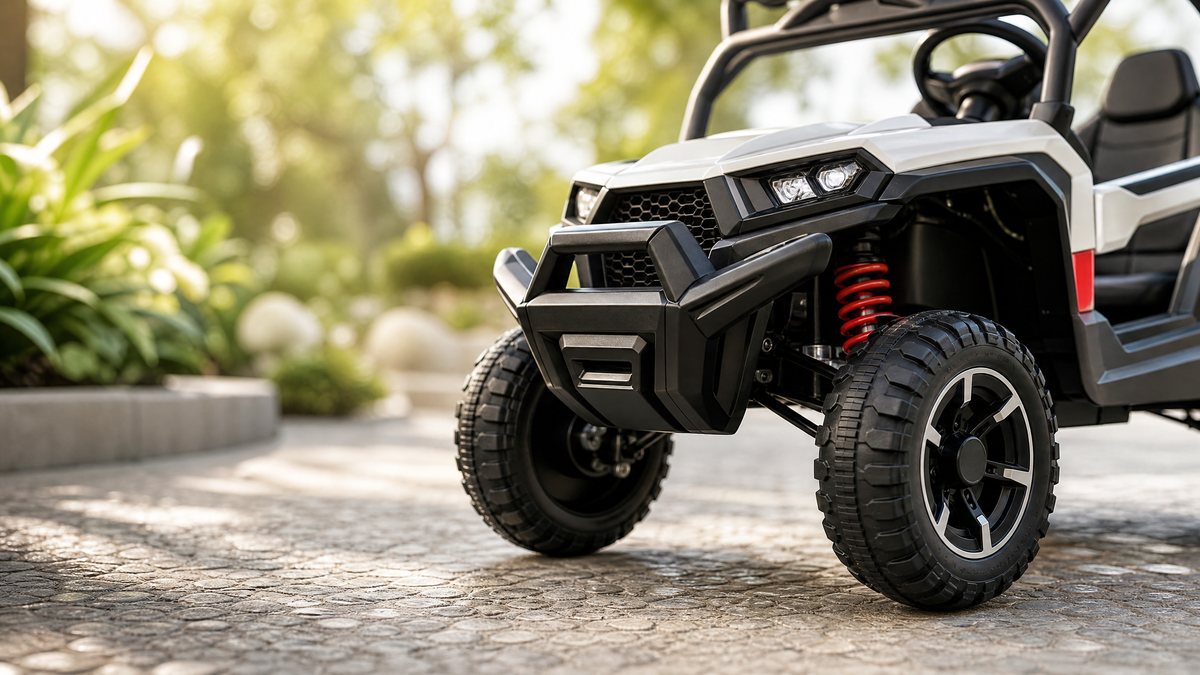
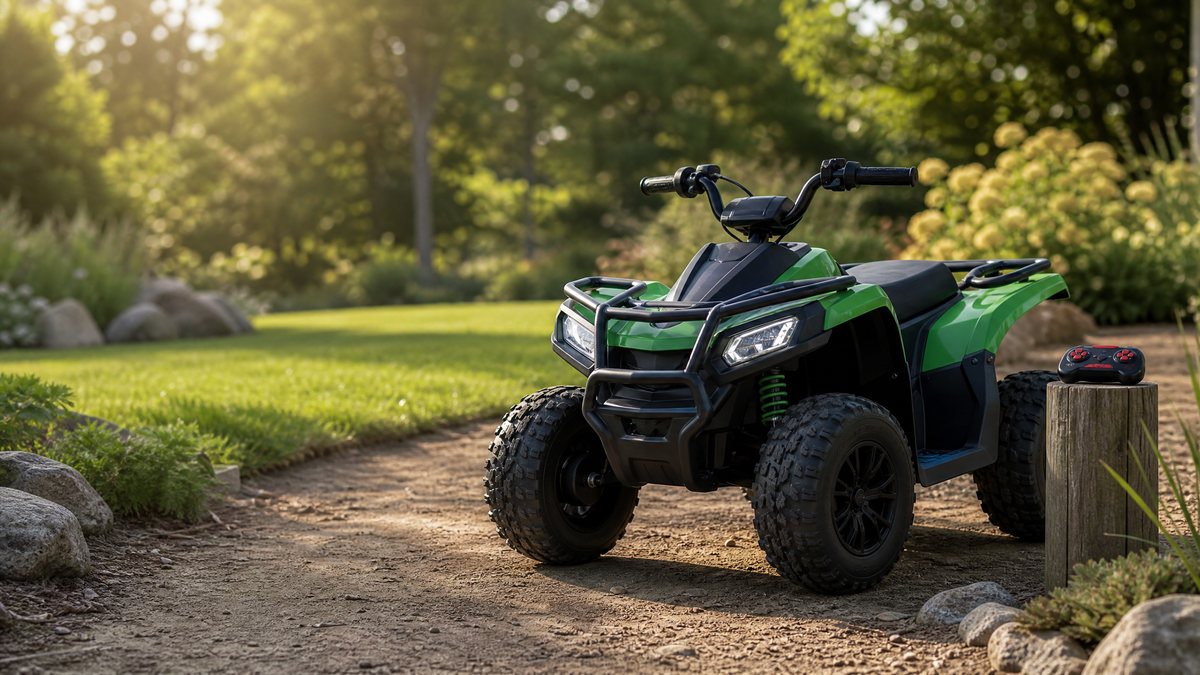
Durability depends on high-impact polyethylene or polypropylene bodies molded over a reinforced steel frame. Look for UV-resistant plastics that prevent fading and brittleness when stored outdoors or in garages. Additionally, a spring suspension system on the rear axle significantly improves ride comfort by absorbing shocks from bumps and cracks in pavement. Wheel construction also matters: rubber-striped or EVA foam tires offer superior grip and quieter operation compared to hard plastic molded wheels.
Battery Specifications and Charging Protocols
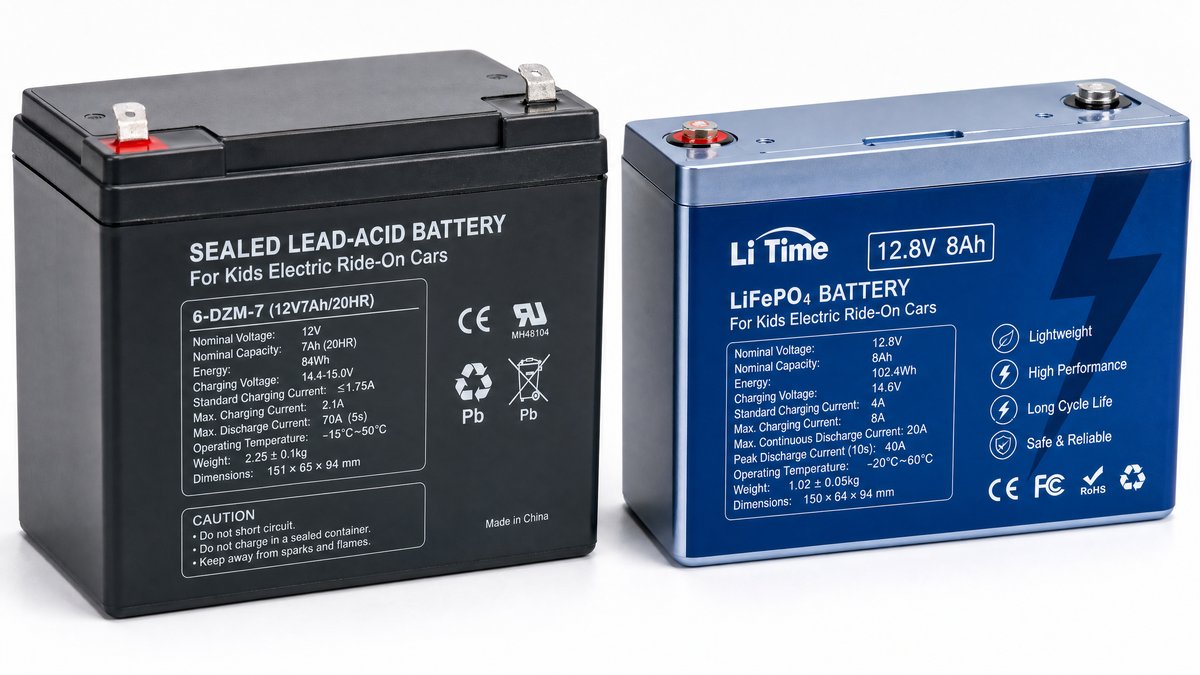
Battery longevity dictates the duration of outdoor play. Most 12V ride-on cars utilize sealed lead-acid (SLA) batteries, though some premium models incorporate modular lithium-ion packs. A standard SLA 12V 7Ah battery typically provides between 60 to 90 minutes of continuous operational time under normal load conditions. Buyers should verify whether the charger includes overcharge protection and automatic shut-off to prolong battery life.
Comparative Analysis of 12V Ride-On Car Tiers
Essential Buyer Checklist
Before finalizing a purchase or stocking inventory, buyers should verify the following parameters against safety and usability standards:
- Age and Weight Verification: Ensure the vehicle is rated for children aged 2-4 and supports a weight capacity comfortably above the child's current weight (typically 65 to 75 lbs maximum load).
- Safety Certifications: Confirm compliance with recognized toy safety standards such as ASTM F963 (United States) or EN71 (European Union), ensuring non-toxic paints and phthalate-free plastics.
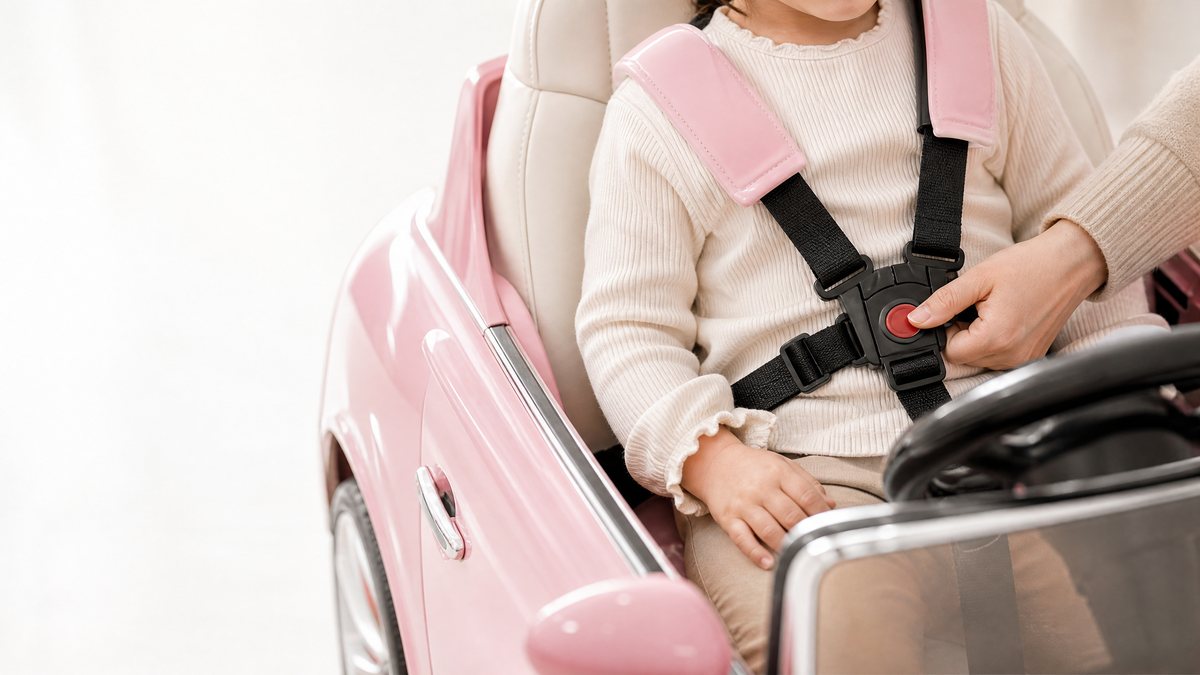
- Harness and Seating: Check for an adjustable 3-point or 5-point seat belt to secure the toddler safely within the seat enclosure.
- Door Latches: Ensure doors feature functional safety locks that prevent accidental opening while the vehicle is in motion.
- Warranty and Spare Parts: Verify that the manufacturer or vendor provides access to replacement batteries, chargers, and replacement gearboxes.
Commercial and B2B Sourcing Considerations
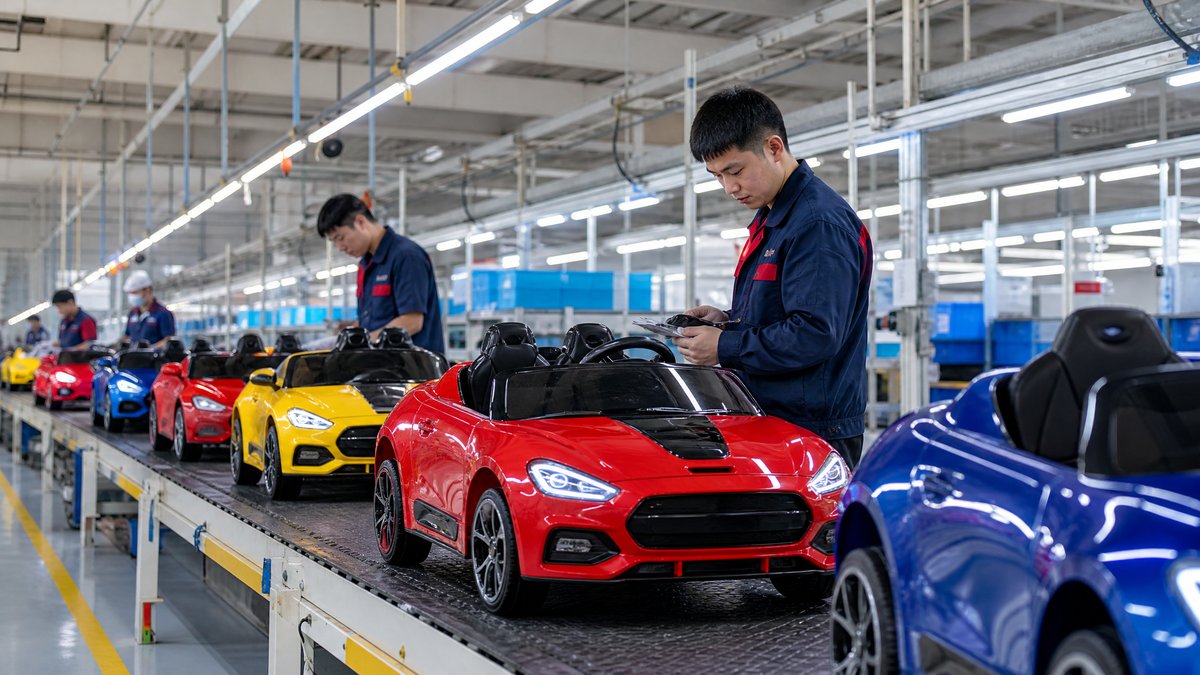
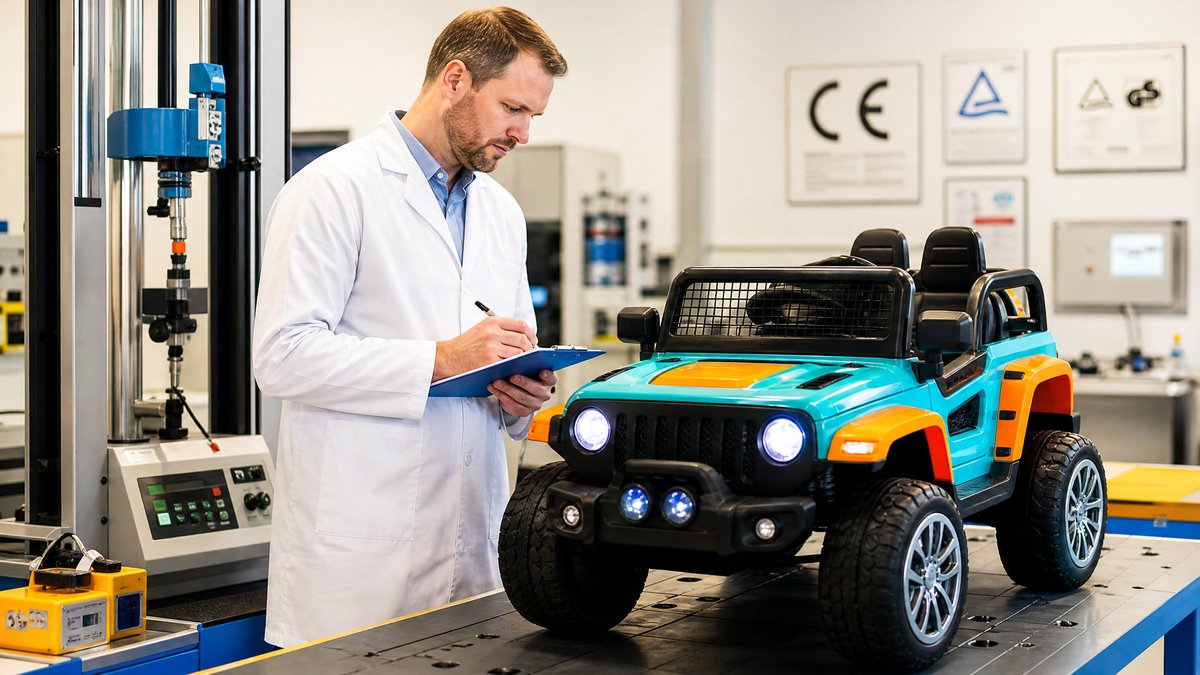
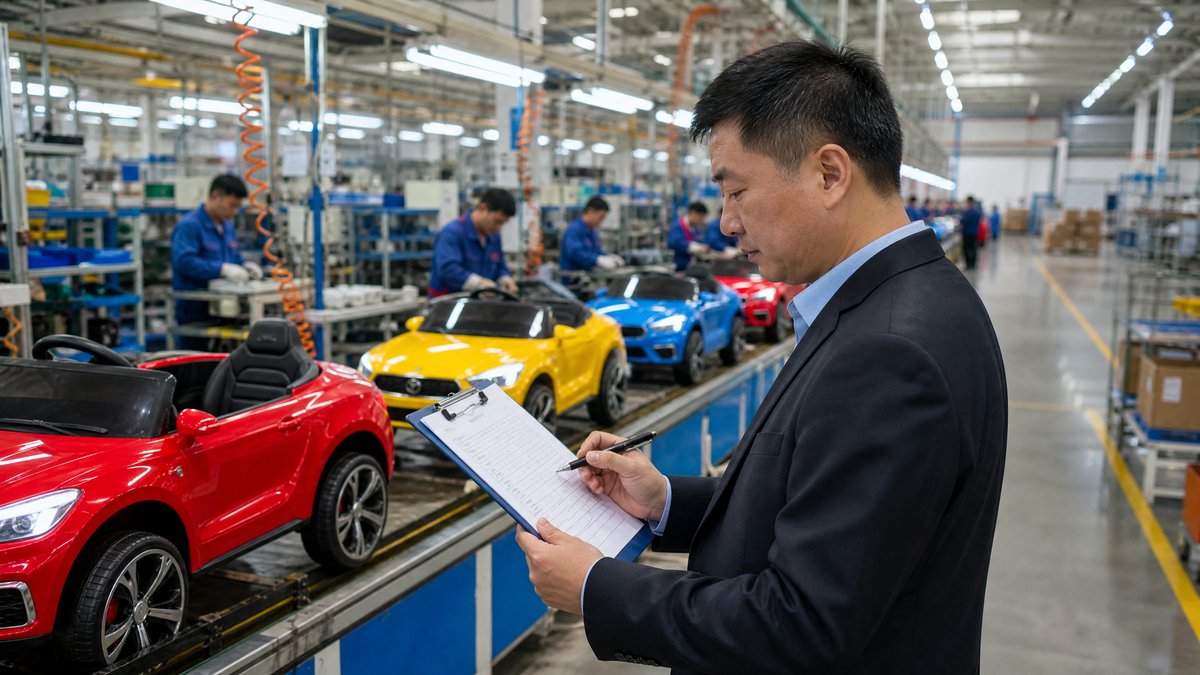
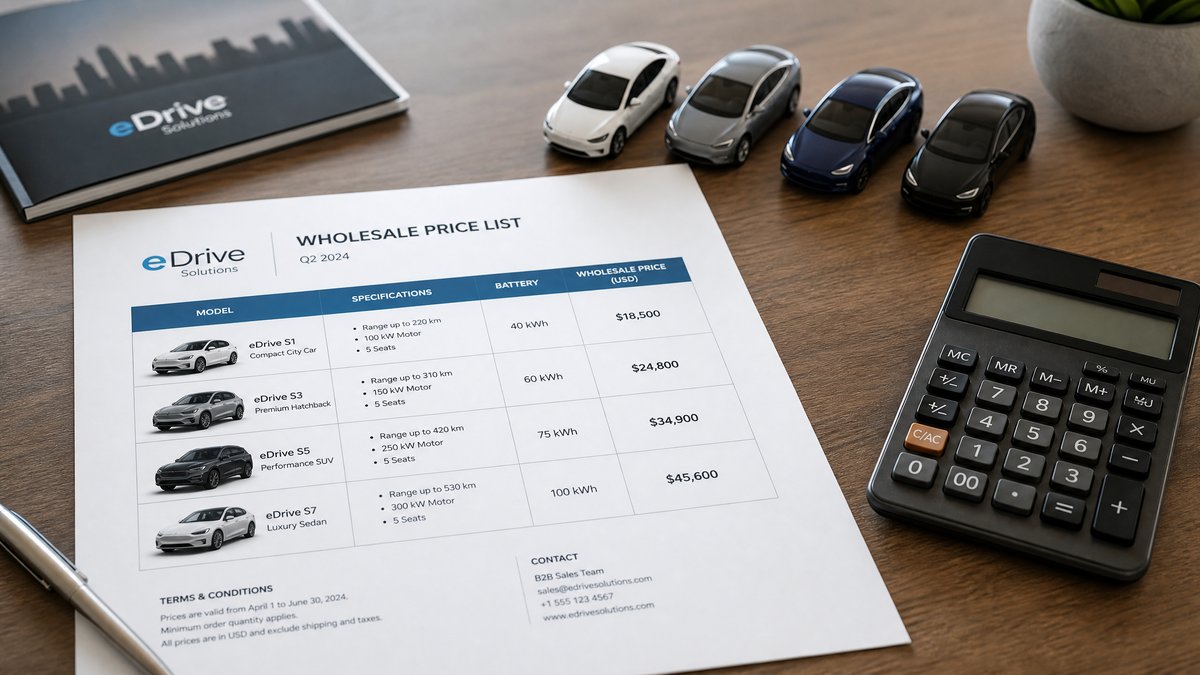
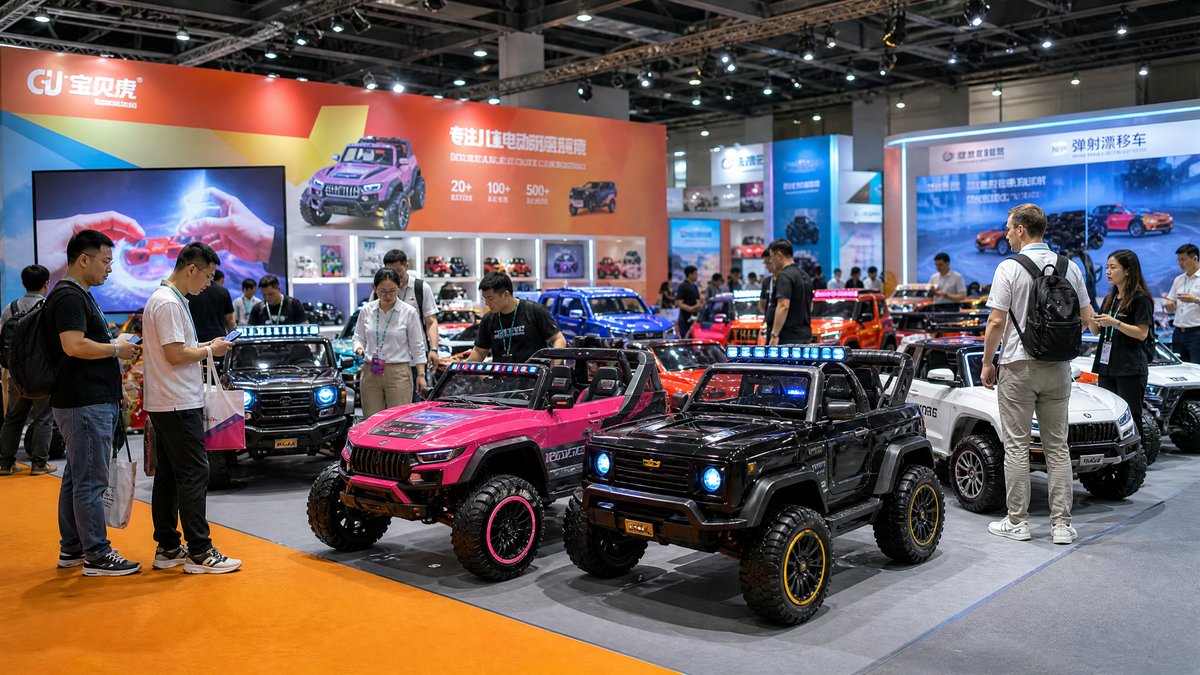
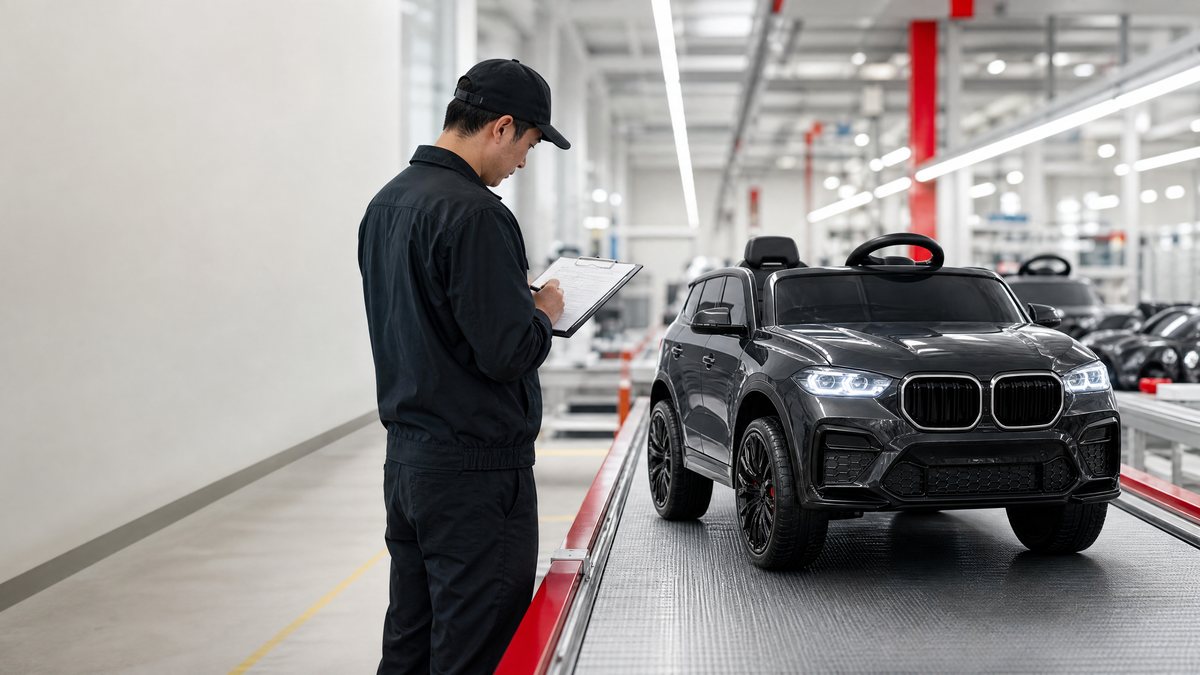
For commercial buyers, toy retailers, and amusement operators sourcing 12V ride-on cars in wholesale quantities, supply chain due diligence is paramount. Importers must request full compliance documentation, including Test Reports verifying heavy metal thresholds, electrical safety certificates for chargers, and drop-test documentation for structural integrity. Packaging optimization is another critical factor; container load calculations should account for knock-down (KD) assembly configurations to minimize freight volume and unit shipping costs. Establishing direct communication channels with ISO-certified manufacturing partners ensures consistent quality control and reliable spare parts availability for after-sales support.
Frequently Asked Questions
Are 12V ride-on cars safe for two-year-olds?
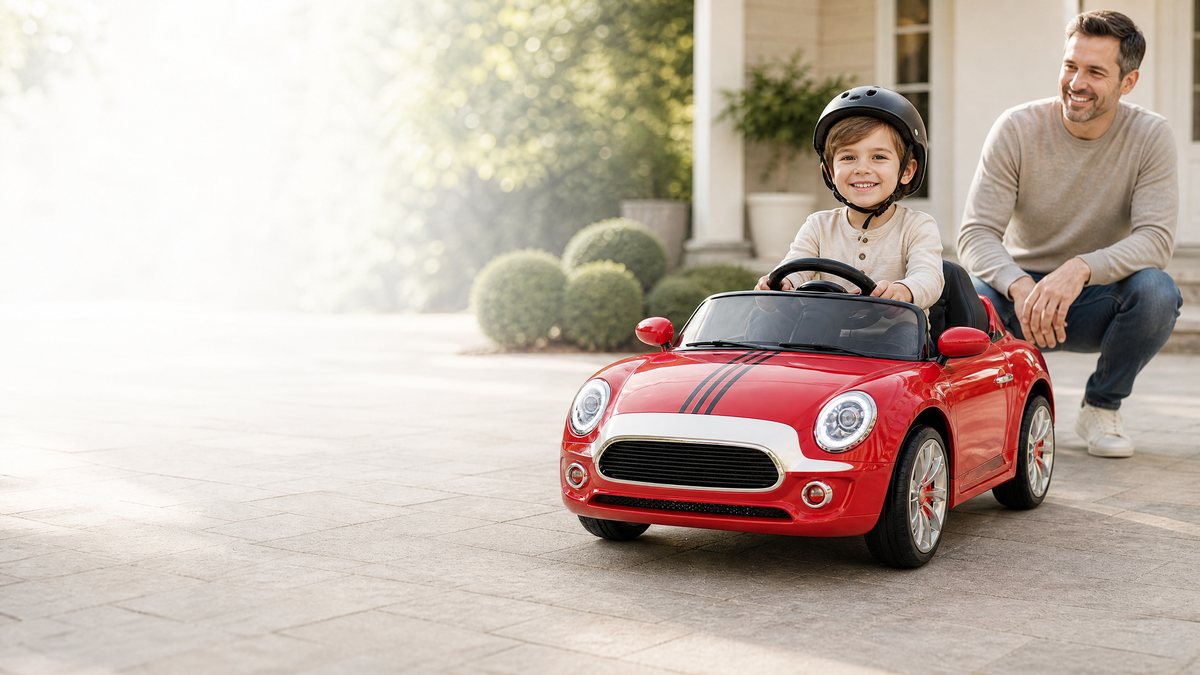
Yes, provided they are operated under constant adult supervision and utilize the parental remote control override. Two-year-olds often lack the reaction time required to navigate sudden obstacles independently, making remote supervision essential.
How long does a 12V battery last before needing a recharge?
Under normal operating conditions on mixed terrain, a standard 12V 7Ah battery provides approximately 60 to 90 minutes of continuous drive time. Charging cycles typically require 8 to 12 hours for a full recharge.
What is the difference between 6V, 12V, and 24V ride-on cars?
6V models are designed for very young toddlers (ages 1-2) on flat indoor surfaces, offering low speeds (approx. 1.5-2 mph). 12V models cater to ages 2-4, offering 2.5-5 mph and outdoor capability. 24V models are built for older children (ages 6+) and feature higher speeds and rugged off-road performance.
Can parents take complete control of the vehicle during operation?
Yes. Modern 12V ride-on cars equipped with 2.4GHz remote control systems feature an override function that gives parental steering and braking priority over the child's foot pedal inputs.
Conclusion and Sourcing Inquiries
Selecting the appropriate 12V ride-on car requires balancing safety mechanisms, structural durability, and the child's developmental stage. For wholesale inquiries, bulk catalog requests, or technical specifications regarding commercial toy distribution, please reach out to our editorial and commercial team at Contact our sourcing team via email.
References
1. ASTM International. ASTM F963-17: Standard Consumer Safety Specification for Toy Safety. West Conshohocken, PA.
2. US Consumer Product Safety Commission (CPSC). Safety Standard for Ride-On Toys and Consumer Electrical Compliance Guidelines. Washington, D.C.
3. European Committee for Standardization (CEN). EN 71-1: Safety of Toys - Mechanical and Physical Properties. Brussels, Belgium.
Understanding the 12V Category
A standard 12V ride-on car typically utilizes either a single 12V battery paired with one or two drive motors, or a dual-motor setup that delivers power to both rear wheels. Operating at speeds generally ranging from 2.5 to 5 miles per hour (approx. 4 to 8 kilometers per hour), these vehicles provide an engaging driving experience while allowing parents to maintain walking control.
Unlike 6V models, which often struggle on grass or slight inclines, 12V systems provide the necessary torque for varied outdoor surfaces such as short lawn, packed dirt, and asphalt. However, they remain appropriately throttled for toddlers who are still developing hand-eye coordination and spatial awareness.
Core Evaluation Criteria
Motor Power and Drive Configuration
The propulsion system is the heart of any ride-on vehicle. When assessing options, buyers should examine whether the car features a single-drive or dual-drive motor configuration. Dual motors distribute torque more evenly, improving traction on uneven surfaces and extending the lifespan of the gearboxes. Furthermore, look for models equipped with slow-start or soft-start acceleration programming. This feature prevents sudden jerks when the child depresses the accelerator pedal, protecting the toddler's neck and posture from abrupt acceleration jolts.
Parental Remote Control Override
Safety governance in the toy industry heavily emphasizes active adult intervention. For toddlers, a reliable 2.4GHz parental remote control is non-negotiable. A high-quality remote control should feature an emergency stop button, directional overrides (forward, reverse, left, right), and speed tier selection. The 2.4GHz frequency ensures zero interference from other electronic devices, allowing parents to instantly halt or steer the vehicle if the toddler approaches obstacles or hazards.
Build Quality, Materials, and Suspension
Durability depends on high-impact polyethylene or polypropylene bodies molded over a reinforced steel frame. Look for UV-resistant plastics that prevent fading and brittleness when stored outdoors or in garages. Additionally, a spring suspension system on the rear axle significantly improves ride comfort by absorbing shocks from bumps and cracks in pavement. Wheel construction also matters: rubber-striped or EVA foam tires offer superior grip and quieter operation compared to hard plastic molded wheels.
Battery Specifications and Charging Protocols
Battery longevity dictates the duration of outdoor play. Most 12V ride-on cars utilize sealed lead-acid (SLA) batteries, though some premium models incorporate modular lithium-ion packs. A standard SLA 12V 7Ah battery typically provides between 60 to 90 minutes of continuous operational time under normal load conditions. Buyers should verify whether the charger includes overcharge protection and automatic shut-off to prolong battery life.
Comparative Analysis of 12V Ride-On Car Tiers
| Tier & Category | Typical Motor Spec | Primary Control Features | Best Suited For | Key Considerations |
|---|---|---|---|---|
| Entry-Level Standard | Single 12V Motor | Basic Foot Pedal & Simple Remote | Smooth indoor flooring, flat driveways | Limited hill-climbing ability; basic plastic wheels |
| Mid-Tier All-Terrain | Dual 12V Motors (35W each) | 2.4GHz Full Remote Override, Soft Start | Lawns, gravel paths, moderate slopes | Better traction, heavier chassis weight |
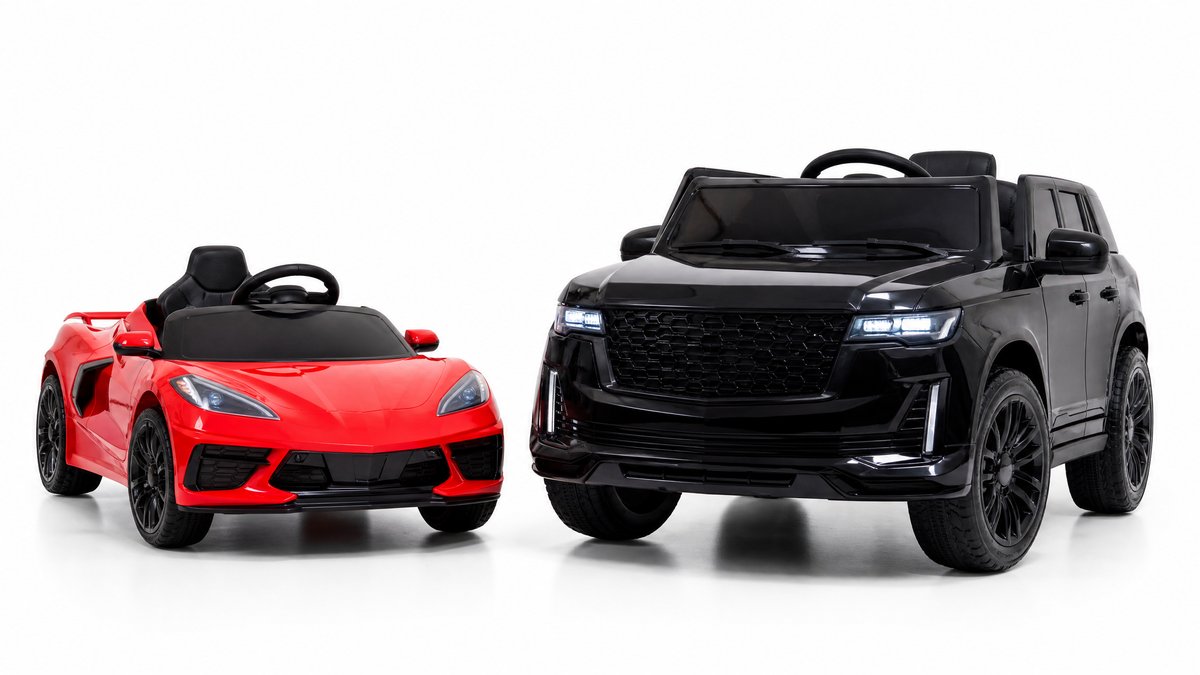
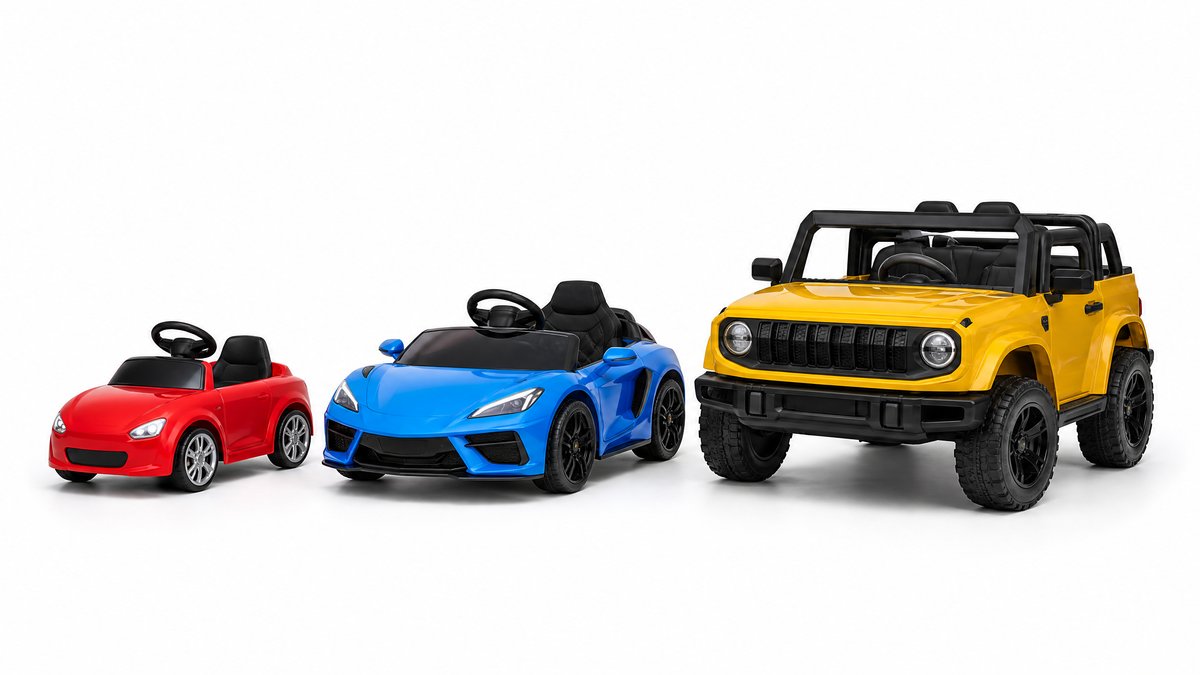
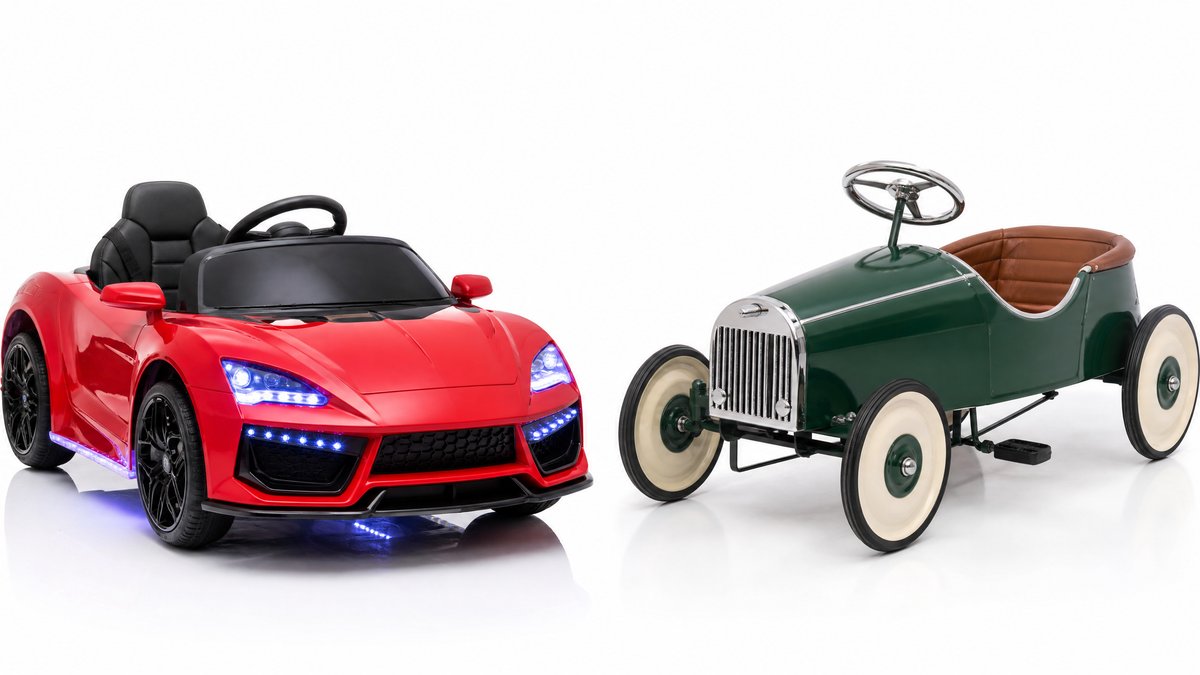
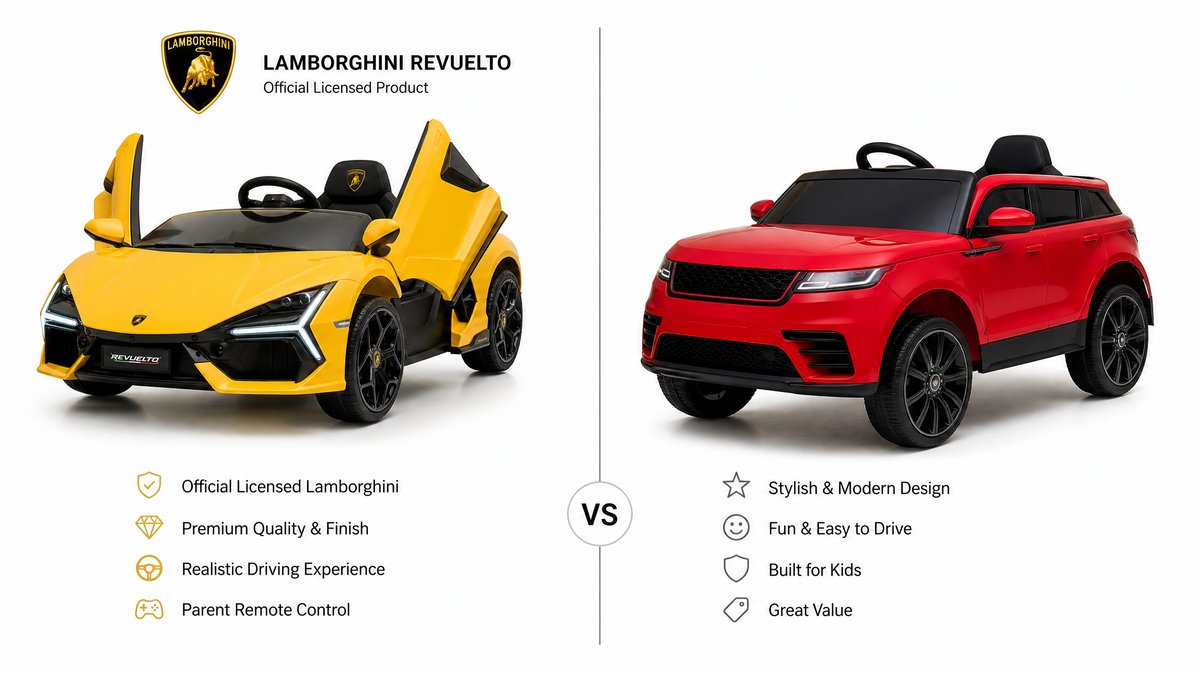
| Luxury Licensed Replica | Dual Motors + Upgraded Gearbox | Multi-Speed Remote, EVA Foam Tires, LED Lights | Collectors, premium gift buyers | Higher price point, complex assembly |
Essential Buyer Checklist
Before finalizing a purchase or stocking inventory, buyers should verify the following parameters against safety and usability standards:
- Age and Weight Verification: Ensure the vehicle is rated for children aged 2-4 and supports a weight capacity comfortably above the child's current weight (typically 65 to 75 lbs maximum load).
- Safety Certifications: Confirm compliance with recognized toy safety standards such as ASTM F963 (United States) or EN71 (European Union), ensuring non-toxic paints and phthalate-free plastics.
- Harness and Seating: Check for an adjustable 3-point or 5-point seat belt to secure the toddler safely within the seat enclosure.
- Door Latches: Ensure doors feature functional safety locks that prevent accidental opening while the vehicle is in motion.
- Warranty and Spare Parts: Verify that the manufacturer or vendor provides access to replacement batteries, chargers, and replacement gearboxes.
Commercial and B2B Sourcing Considerations
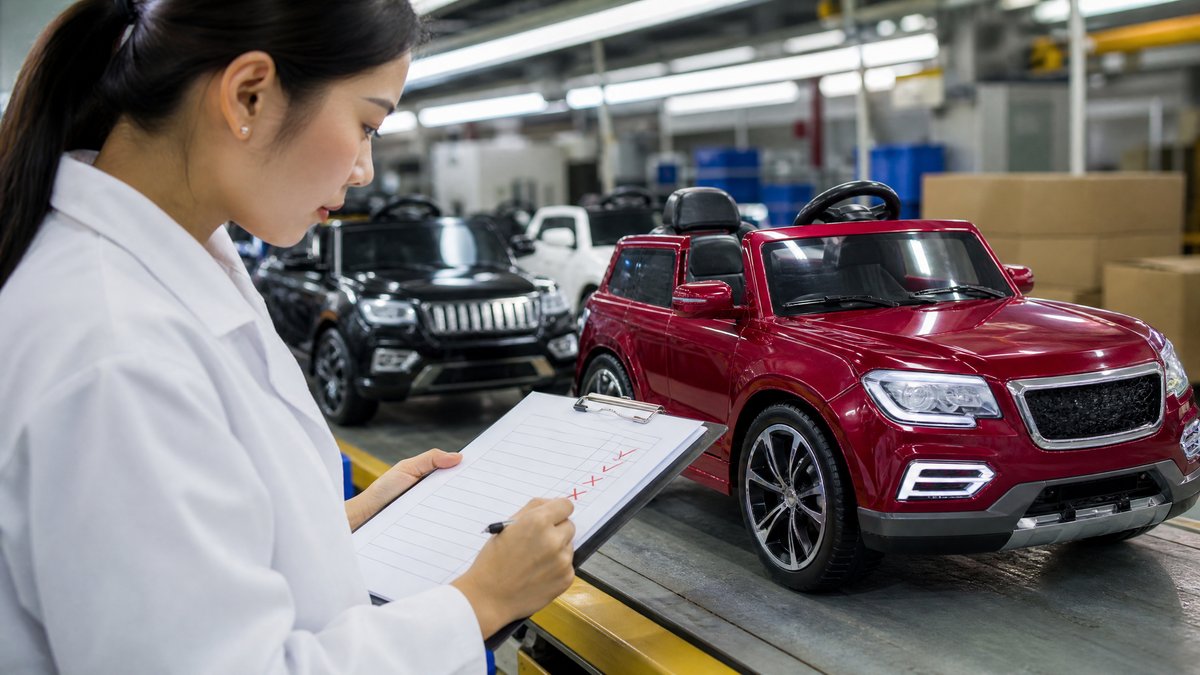
For commercial buyers, toy retailers, and amusement operators sourcing 12V ride-on cars in wholesale quantities, supply chain due diligence is paramount. Importers must request full compliance documentation, including Test Reports verifying heavy metal thresholds, electrical safety certificates for chargers, and drop-test documentation for structural integrity. Packaging optimization is another critical factor; container load calculations should account for knock-down (KD) assembly configurations to minimize freight volume and unit shipping costs. Establishing direct communication channels with ISO-certified manufacturing partners ensures consistent quality control and reliable spare parts availability for after-sales support.
Frequently Asked Questions
Are 12V ride-on cars safe for two-year-olds?
Yes, provided they are operated under constant adult supervision and utilize the parental remote control override. Two-year-olds often lack the reaction time required to navigate sudden obstacles independently, making remote supervision essential.
How long does a 12V battery last before needing a recharge?
Under normal operating conditions on mixed terrain, a standard 12V 7Ah battery provides approximately 60 to 90 minutes of continuous drive time. Charging cycles typically require 8 to 12 hours for a full recharge.
What is the difference between 6V, 12V, and 24V ride-on cars?
6V models are designed for very young toddlers (ages 1-2) on flat indoor surfaces, offering low speeds (approx. 1.5-2 mph). 12V models cater to ages 2-4, offering 2.5-5 mph and outdoor capability. 24V models are built for older children (ages 6+) and feature higher speeds and rugged off-road performance.
Can parents take complete control of the vehicle during operation?
Yes. Modern 12V ride-on cars equipped with 2.4GHz remote control systems feature an override function that gives parental steering and braking priority over the child's foot pedal inputs.
Conclusion and Sourcing Inquiries
Selecting the appropriate 12V ride-on car requires balancing safety mechanisms, structural durability, and the child's developmental stage. For wholesale inquiries, bulk catalog requests, or technical specifications regarding commercial toy distribution, please reach out to our editorial and commercial team at Contact our sourcing team via email.
References
1. ASTM International. ASTM F963-17: Standard Consumer Safety Specification for Toy Safety. West Conshohocken, PA.
2. US Consumer Product Safety Commission (CPSC). Safety Standard for Ride-On Toys and Consumer Electrical Compliance Guidelines. Washington, D.C.
3. European Committee for Standardization (CEN). EN 71-1: Safety of Toys - Mechanical and Physical Properties. Brussels, Belgium.
Explore matching models
View product details for this guide
Compare current specifications, age guidance and available options before requesting a quote.
Official references
Explore these external resources for current regulatory and trade guidance. Confirm requirements with the relevant authority before placing an order.
Ready to Start?
Factory-Direct · CE & ASTM Certified · MOQ from 50 Units
Our export team works with buyers in 60+ countries. Get a quote within 24 hours.
KR
Written by KidsRideCar
China's leading kids electric ride-on car manufacturer. 500,000+ units shipped annually to 60+ countries. CE, ASTM & EN71 certified.