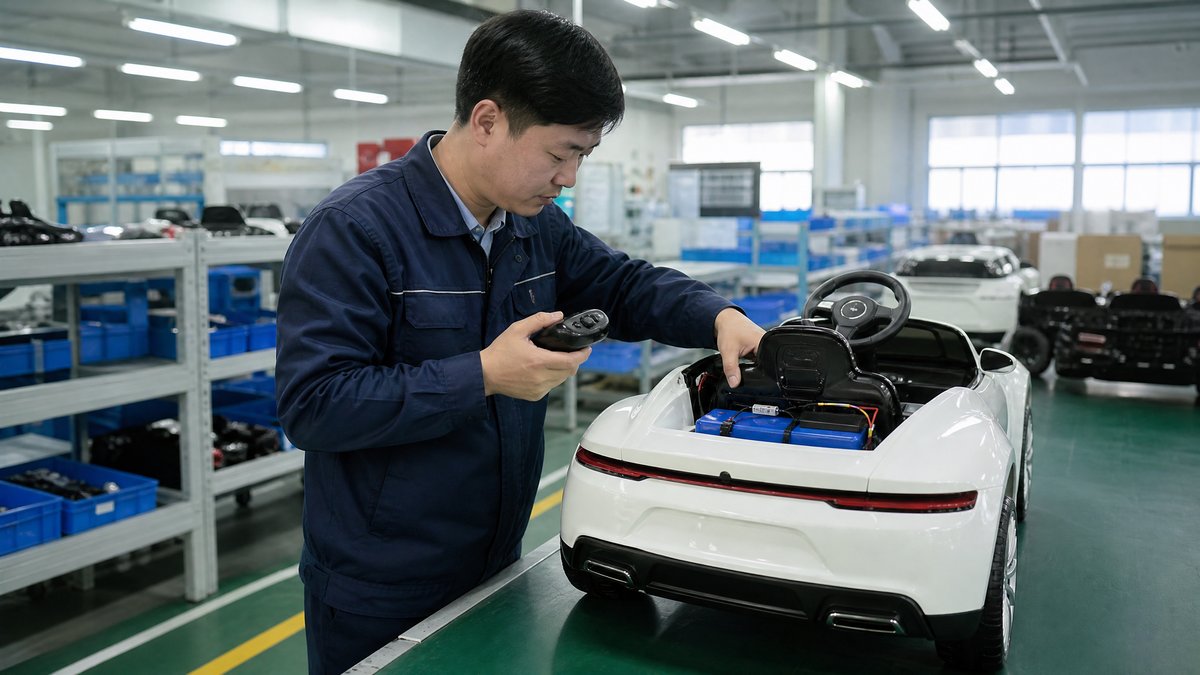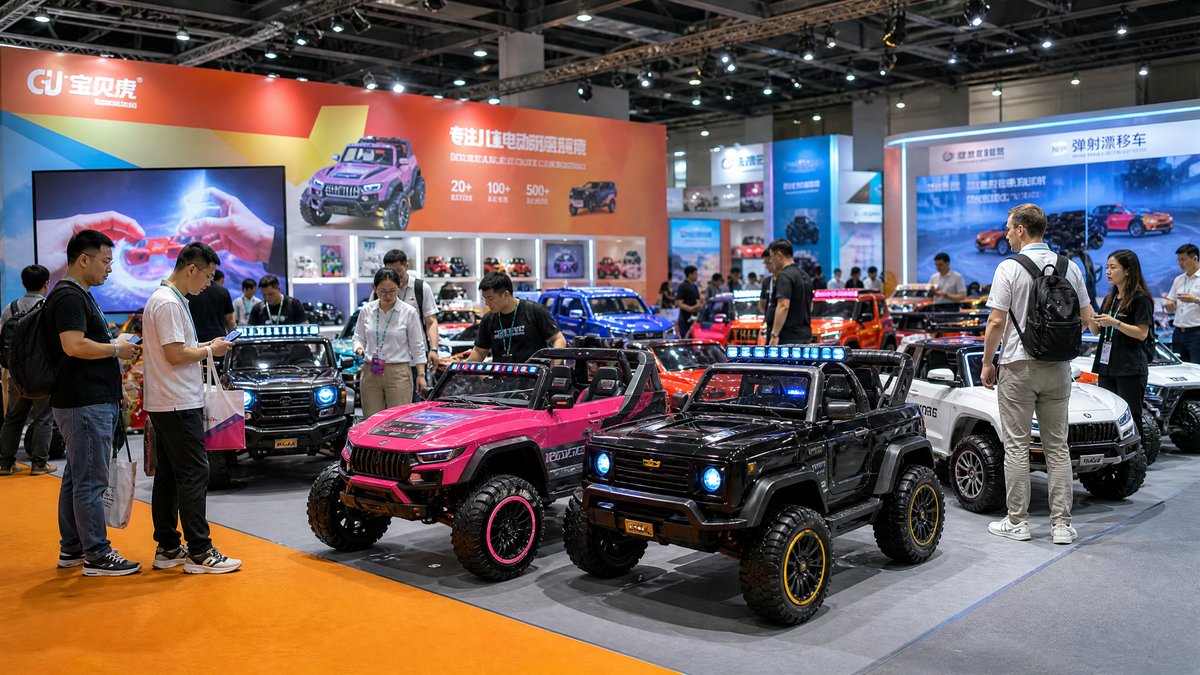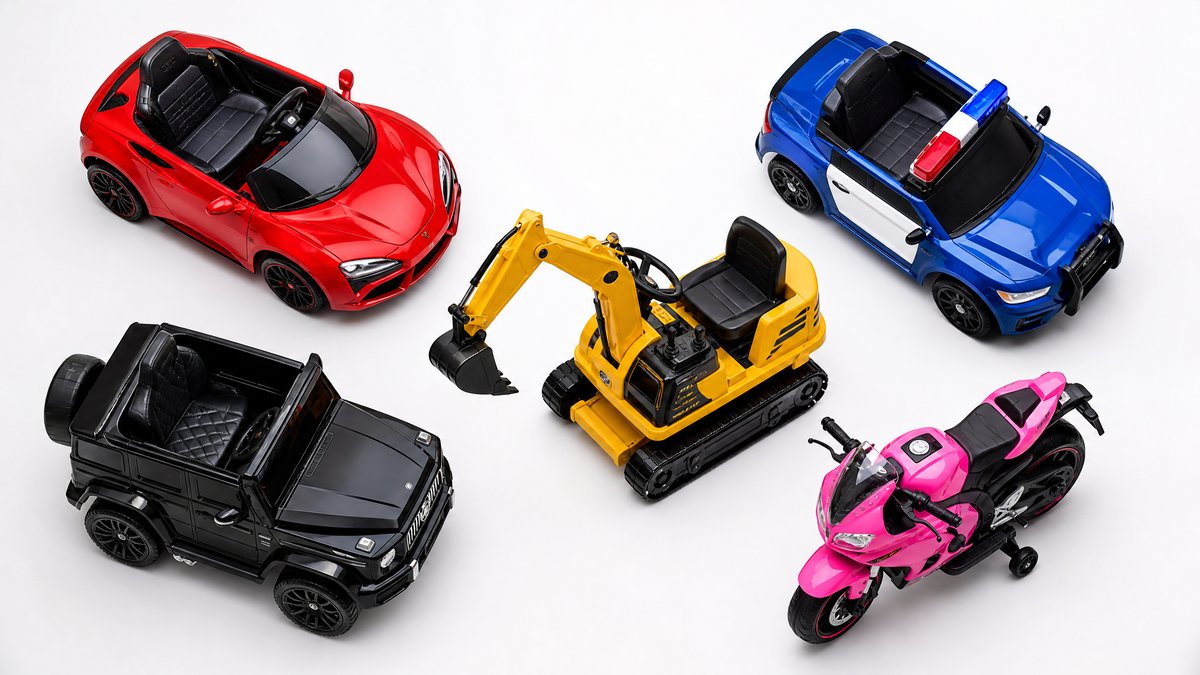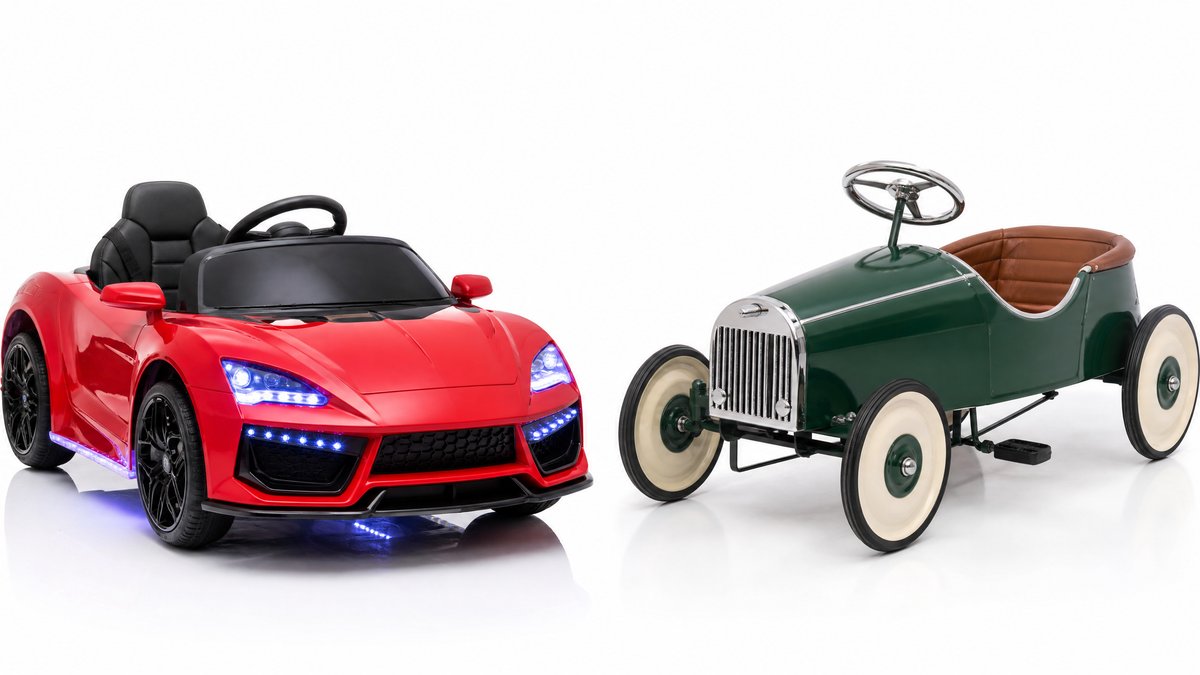
The global market for children's electric ride-on cars has expanded rapidly over the past decade, driven by e-commerce platforms, cross-border wholesale marketplaces, and specialized direct-to-consumer storefronts. While this digital expansion offers immense convenience and variety for both B2B wholesale buyers and retail consumers, it has also introduced significant challenges. Among the most pressing issues facing procurement managers, retail buyers, and parents alike is the proliferation of counterfeit, misrepresented, or substandard ride-on vehicles. Spotting a fake or low-quality product online requires a systematic, analytical approach that looks past polished marketing imagery and examines core technical specifications, regulatory transparency, seller accountability, and structural documentation.
Evaluating ride-on cars in a digital environment where physical inspection is impossible prior to purchase demands rigorous due diligence. Substandard and counterfeit vehicles not only result in poor durability and customer dissatisfaction but also present severe safety hazards related to electrical wiring, battery management, structural integrity, and mechanical braking systems. Whether you are a commercial importer looking to safeguard your retail inventory or an individual buyer seeking a safe, reliable toy vehicle, understanding how to identify low-quality offerings is essential. This comprehensive guide outlines the critical red flags, verification frameworks, and evaluation methodologies necessary to navigate online marketplaces with confidence and precision.
Understanding the Landscape of Online Ride-On Car Markets
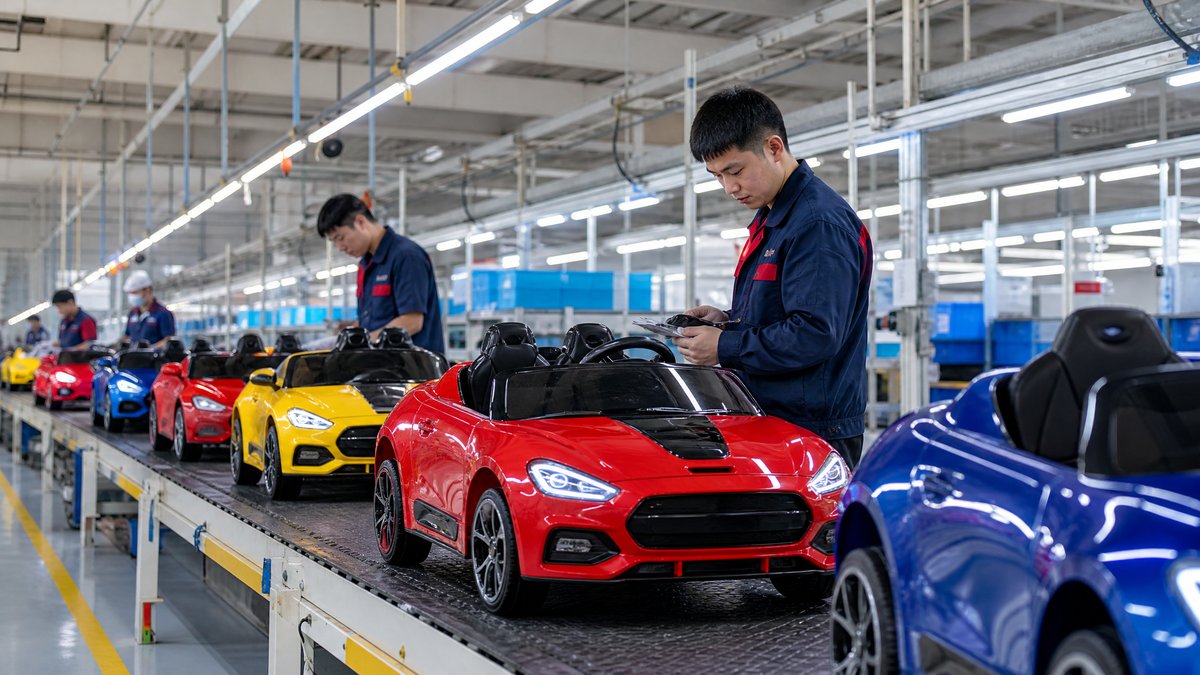
The online ecosystem for ride-on vehicles spans multiple tiers, ranging from authorized manufacturer web portals and established B2B wholesale networks to open marketplace aggregators and independent drop-shipping storefronts. In this diverse ecosystem, the distinction between authentic, high-quality production models and cheap, unauthorized replicas or inferior substitutes can be subtle. Authentic manufacturers invest heavily in engineering, raw material sourcing, safety compliance testing, and quality control protocols. Conversely, low-quality operators often cut corners by utilizing recycled plastics, unbranded electric motors, undersized batteries without proper thermal fuses, and lax assembly standards.
When browsing online catalogs, buyers frequently encounter listings that feature exaggerated performance metrics, stolen manufacturer photographs, and ambiguous technical descriptions. To protect business reputation and consumer safety, stakeholders must move beyond surface-level aesthetics. A thorough evaluation involves analyzing how sellers present product data, whether they provide verifiable compliance documentation, and how transparent they are regarding manufacturing standards. By establishing a structured evaluation protocol, buyers can filter out unreliable suppliers and substandard inventory before financial transactions occur.
Red Flag #1: Suspiciously Low Pricing and Vague Specifications
One of the most immediate indicators of a low-quality or potentially counterfeit ride-on car online is pricing that deviates significantly below standard market baselines. Manufacturing a durable ride-on vehicle involves tangible costs: high-grade virgin polypropylene or ABS plastic, certified rechargeable battery packs, robust gearboxes, electric drive motors, and necessary safety control boards. When a listing offers a ride-on vehicle at a fraction of the average market price, it almost invariably signals severe compromises in material quality and internal component integrity.
Equally concerning is the presence of vague or contradictory technical specifications. Substandard listings often avoid detailing the exact battery voltage, amp-hour capacity, motor wattage, and gearbox configuration. Instead, they rely on hyperbolic marketing buzzwords such as "super fast," "heavy duty," or "ultra battery" without providing measurable, verifiable parameters. When evaluating online listings, professional buyers must insist on precise technical data sheets. If a seller cannot provide clear information regarding the vehicle's electrical system, drive configuration, and structural materials, it is a strong indication of substandard manufacturing practices.
Furthermore, discrepancies in listed dimensions and weight capacities should raise immediate concerns. A legitimate ride-on car manufacturer publishes exact net weight, gross weight, overall dimensions, and maximum recommended load limits based on structural engineering assessments. Vague specifications not only make accurate comparison impossible but also conceal structural weaknesses that could compromise vehicle stability and user safety during operation.
Red Flag #2: Missing Manufacturer Documentation and Compliance Transparency
In the regulated toy and children's vehicle industry, documentation is as important as physical construction. Authentic ride-on cars distributed through professional channels are accompanied by comprehensive user manuals, technical documentation and assembly instructions, and compliance conformity statements. When evaluating products online, the total absence of downloadable user manuals, safety notices, or technical datasheets is a critical warning sign.
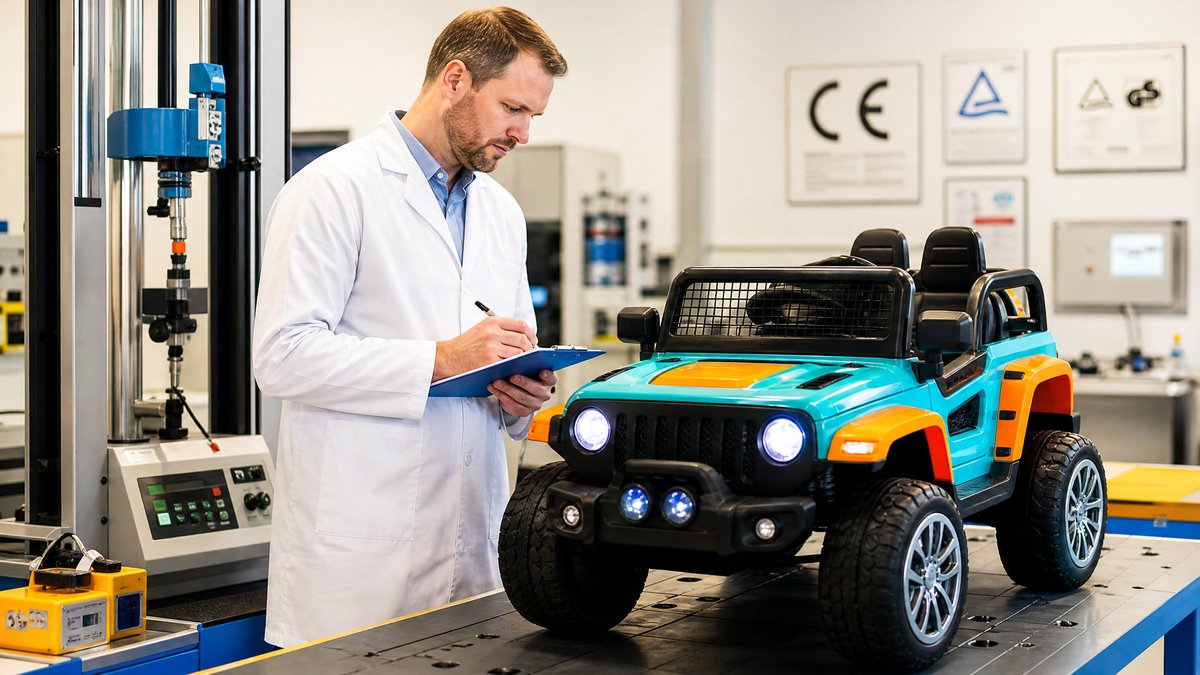
Low-quality and counterfeit products frequently lack proper documentation because they bypass standard quality assurance testing and regulatory verification procedures. Retailers and wholesale buyers should always verify whether a product listing references recognizable safety education standards and general toy safety frameworks. While specific certifications vary by jurisdiction, reputable manufacturers maintain transparent records of conformity, raw material safety datasheets, and electrical component testing reports.
When reviewing online product pages, check for the availability of official documentation tabs or customer support resources. A trustworthy supplier will readily provide instructional content and compliance overviews upon request. If a seller exhibits hesitation or provides generic, poorly translated documents riddled with technical errors, it suggests that the product may lack necessary quality controls and proper manufacturing oversight.
For commercial partners seeking dependable inventory sources, direct engagement with established manufacturers is paramount. You can Request a wholesale quote to discuss verified product lines, specification sheets, and compliance documentation directly with our commercial team.
Red Flag #3: Generic Imagery, Stock Photos, and Inconsistent Branding
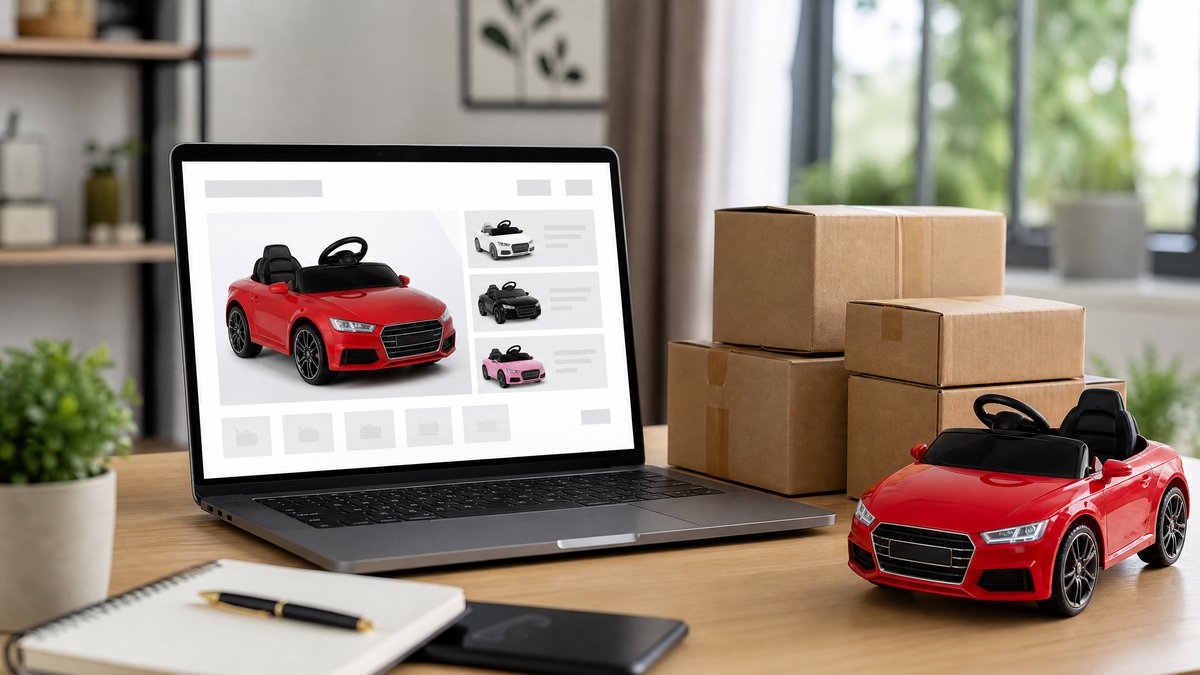
Visual presentation on e-commerce platforms can reveal a great deal about the authenticity and quality of a ride-on car. Substandard sellers and counterfeiters frequently utilize stolen product imagery, low-resolution stock photos, or digitally manipulated renders sourced from major brand websites. In some cases, a single online listing will feature conflicting images showing different body styles, wheel designs, or dashboard layouts across various product photos.
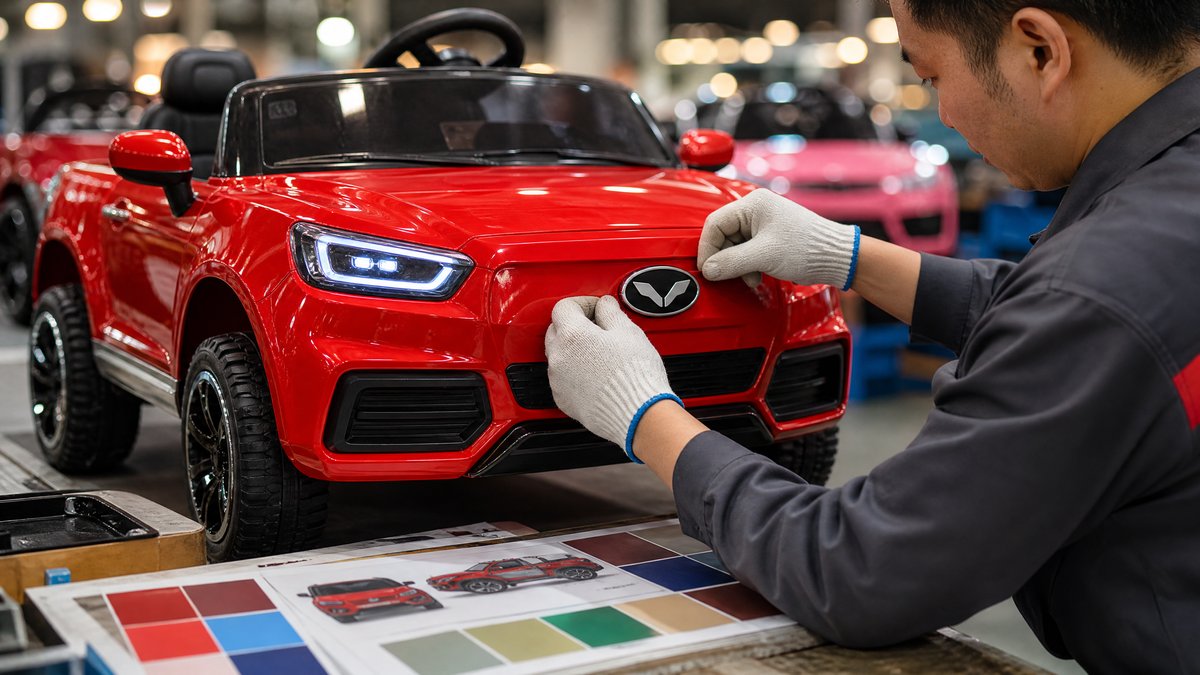
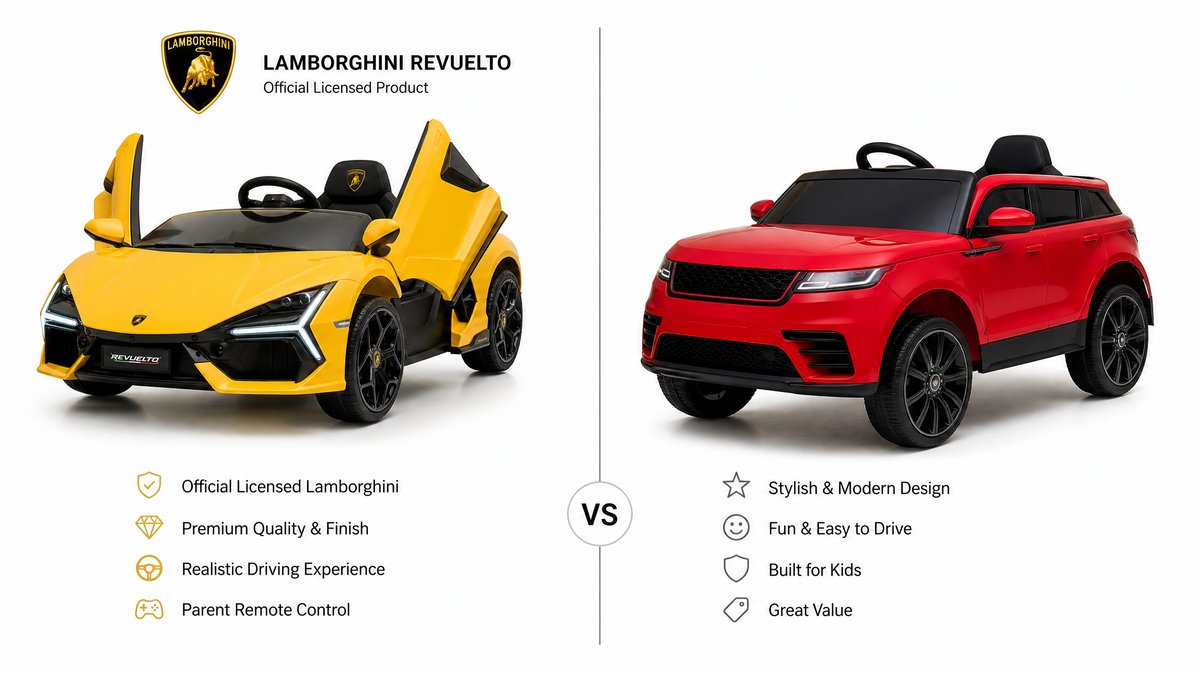
Inconsistent branding is another telltale sign of low-quality online listings. Authentic ride-on cars feature consistent brand insignia, standardized model nomenclature, and clearly molded manufacturer logos on the chassis, steering wheel, and packaging. Counterfeit or generic white-label vehicles often display blurred emblems, misspelled branding elements, or completely absent manufacturer identification.
Buyers should conduct reverse image searches on product photographs to determine if the visuals originate from authorized manufacturer catalogs or unauthorized third-party vendors. If the imagery appears fragmented, mismatched, or heavily filtered to obscure construction details, caution is strongly advised. Insisting on high-resolution, unedited video demonstrations or factory inspection photos can help bridge the gap between digital representation and physical reality.
Comparative Overview of Verifiable Quality Indicators
To assist procurement professionals and retail buyers in distinguishing between high-quality production standards and substandard online listings, the following comparative table outlines key evaluation criteria across critical vehicle domains.
| Evaluation Domain | High-Quality Verifiable Standard | Substandard or Counterfeit Indicator |
|---|---|---|
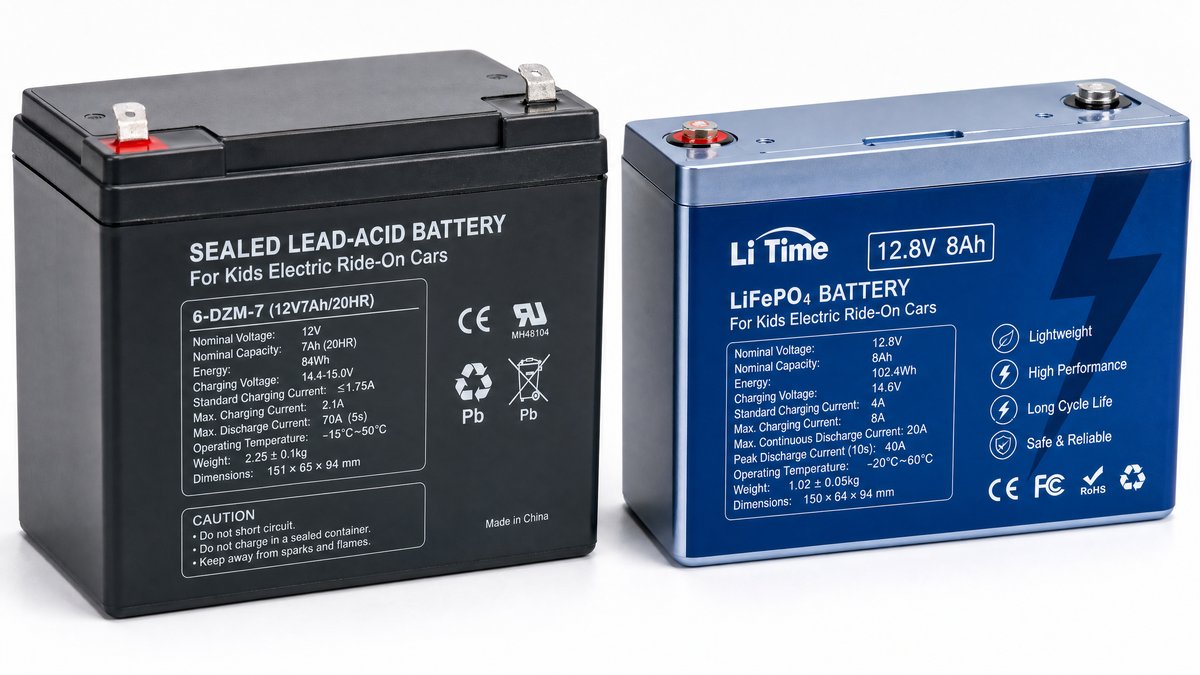
| Electrical System | Detailed voltage, amp-hour rating, integrated thermal fuse protection, and standardized charging ports. | Vague power descriptions ("super battery"), unbranded chargers, and missing thermal cut-off protection. |
| Body & Chassis Materials | High-grade virgin polypropylene or ABS plastic, uniform thickness, smooth molded edges, and robust frame support. | Brittle recycled plastics, uneven wall thickness, visible surface imperfections, and flimsy structural joints. |
| Documentation & Manuals | Comprehensive user manuals, clear assembly guides, explicit safety warnings, and contact channels. | Complete lack of documentation, poorly translated instruction sheets, or missing safety notices. |
| Seller Accountability | Transparent corporate identity, verified business registration, accessible support, and clear policies. | Anonymous storefronts, shifting contact details, vague warranty claims, and no verifiable physical address. |
| Drive & Wheel Configuration | Engineered gearboxes, verified motor specifications, and durable material wheels (such as EVA tread). | Unmarked generic motors, noisy low-grade gearboxes, and hard plastic wheels prone to cracking or slipping. |
This structural comparison underscores the necessity of looking beyond surface appearances. By systematically auditing online listings against these verifiable benchmarks, buyers can effectively filter out low-quality inventory and protect their operations from substandard manufacturing risks.
Red Flag #4: Vague Warranty Terms, Missing Support Channels, and Anonymous Sellers
The credibility of an online seller is inextricably linked to their post-purchase support structure, warranty clarity, and business transparency. Substandard and fraudulent sellers often operate through ephemeral online storefronts that feature generic contact forms, unmonitored email addresses, and a complete absence of verifiable physical business addresses or telephone numbers. When a dispute arises or technical assistance is required, these anonymous entities frequently become unresponsive.
Warranty terms offered by questionable online sellers are often characterized by ambiguous language, excessively restrictive clauses, or unrealistic promises that lack practical backing. Legitimate manufacturers provide transparent, well-defined warranty scopes that outline specific coverage periods for electrical and mechanical components while clearly stating operational responsibilities and maintenance requirements.
Furthermore, buyers should investigate the availability of replacement parts. High-quality ride-on car programs are supported by accessible inventories of spare parts, including replacement batteries, chargers, switches, and gearboxes. Substandard suppliers treat vehicles as disposable items, offering zero after-sales support or spare parts availability. Ensuring that a supplier maintains dedicated customer support and technical assistance channels is a vital safeguard when sourcing ride-on vehicles through digital platforms.
A Structured Pre-Purchase Verification Framework
Navigating online marketplaces successfully requires adopting a rigorous, multi-step pre-purchase verification framework. Rather than relying on promotional text or impulse buying, stakeholders should implement a standardized audit procedure for every online listing under consideration. This framework serves as a reliable shield against counterfeit products, misrepresented features, and substandard manufacturing.
The first step in the verification framework is source authentication. Confirm the legal identity, business registration, and operational history of the online seller or manufacturer. Review independent business verification registries, trade references, and professional network profiles. The second step is technical specification cross-examination. Request formal specification sheets, verify electrical and structural parameters against industry norms, and confirm that all safety notices and operational guidelines are clearly documented.
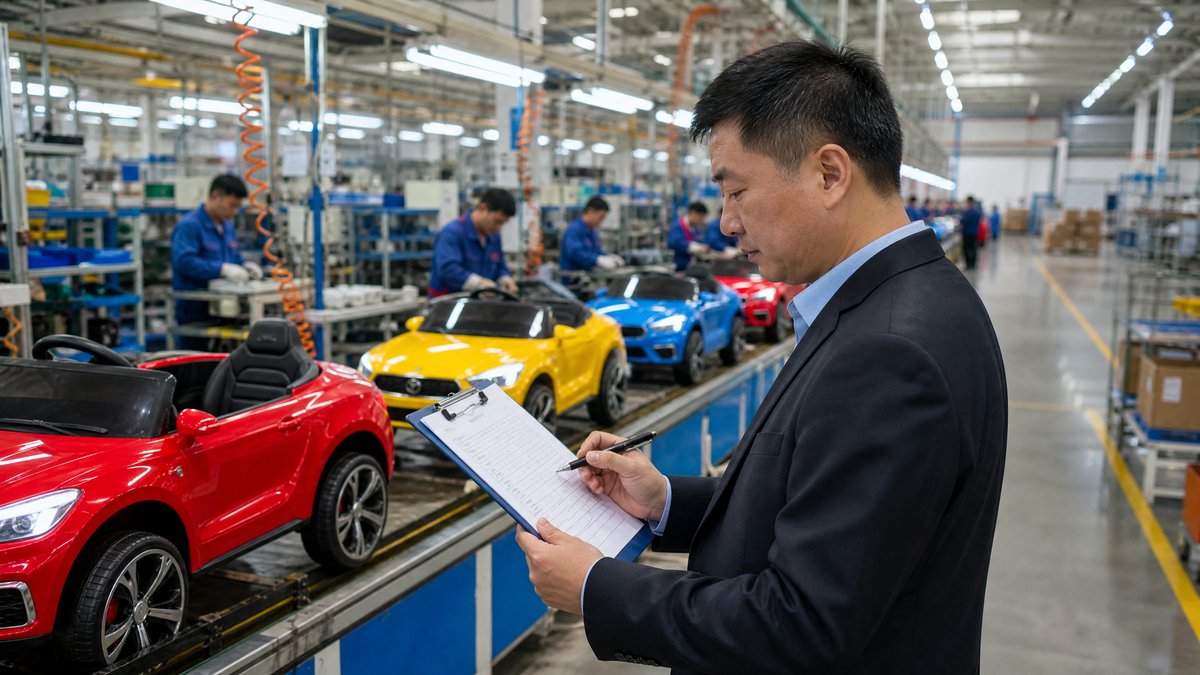
The third step involves sample evaluation and documentation review. Whenever possible, request a physical or digital product sample, detailed factory inspection reports, and high-resolution multimedia documentation of the vehicle's internal components, gearbox assembly, and wiring harnesses. By establishing this disciplined, step-by-step verification methodology, buyers can eliminate ambiguity, mitigate financial and operational risks, and ensure that every ride-on vehicle acquired meets uncompromising standards of quality and reliability.
Frequently Asked Questions
What are the most common signs of a counterfeit ride-on car online?
Common signs include suspiciously low pricing, vague technical specifications, stolen or inconsistent product imagery, missing manufacturer branding, and the complete absence of user manuals or safety documentation. Authentic products feature transparent electrical ratings, robust material descriptions, and verifiable manufacturer identities.
How can I verify the electrical safety of a ride-on car listed online?
Always request detailed specification sheets outlining the battery voltage, charger specifications, and presence of thermal protection fuses. Ensure the listing references standard toy safety education guidelines and that the seller provides clear instructions regarding proper charging protocols and adult supervision.
Why do some online sellers offer ride-on cars at a fraction of market price?
Extremely low pricing typically reflects severe compromises in manufacturing quality, including the use of brittle recycled plastics, unbranded low-grade motors, undersized batteries without safety fuses, and the total absence of quality control testing or customer support infrastructure.
What should I do if an online purchase turns out to be a substandard product?
If a vehicle exhibits persistent functional failures, unusual electrical odors, damaged wiring, or structural defects, immediately cease operation and charging, turn off the vehicle, keep children away, and contact the seller or qualified repair personnel. For commercial buyers, review your procurement agreement and engage the supplier's support channel for resolution.
Conclusion
Spotting fake or low-quality ride-on cars in the digital marketplace demands eternal vigilance, analytical rigor, and adherence to structured verification frameworks. By understanding the critical red flags—ranging from suspiciously low pricing and vague technical data to stolen imagery and anonymous sellers—procurement managers, retail buyers, and consumers can protect themselves against substandard manufacturing. Emphasizing documentation transparency, material integrity, and seller accountability ensures that every ride-on vehicle acquired meets the highest standards of safety, durability, and performance. As the online marketplace continues to evolve, maintaining a commitment to thorough due diligence remains the most effective strategy for identifying authentic, high-quality ride-on cars. For commercial entities ready to establish secure, verified supply chains for electric ride-on vehicles, you can Request a wholesale quote to connect with our commercial representatives.
Official References
1. U.S. Consumer Product Safety Commission (CPSC) - General Toy Safety Education and Regulatory Guidance. (Reference framework for toy safety principles, noting that specific vehicle manuals and manufacturer instructions must always take precedence).
2. International Consumer Protection and Enforcement Network (ICEN) - Guidance on Online Marketplace Verification and Consumer Due Diligence Standards.
3. Industry Toy Safety and Electrical Compliance Standards Overview - Guidelines for Evaluating Low-Voltage Children's Electric Vehicles and Battery Management Systems.
Official references
Explore these external resources for current regulatory and trade guidance. Confirm requirements with the relevant authority before placing an order.
Ready to Start?
Factory-Direct · CE & ASTM Certified · MOQ from 50 Units
Our export team works with buyers in 60+ countries. Get a quote within 24 hours.
KR
Written by KidsRideCar
China's leading kids electric ride-on car manufacturer. 500,000+ units shipped annually to 60+ countries. CE, ASTM & EN71 certified.