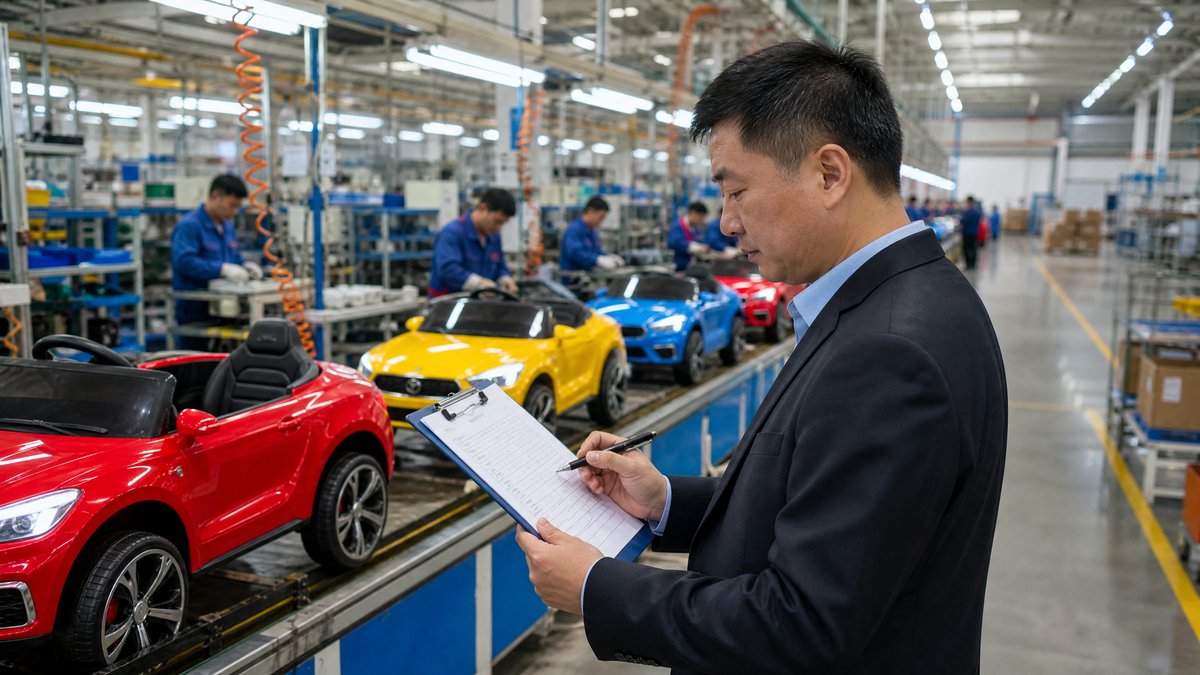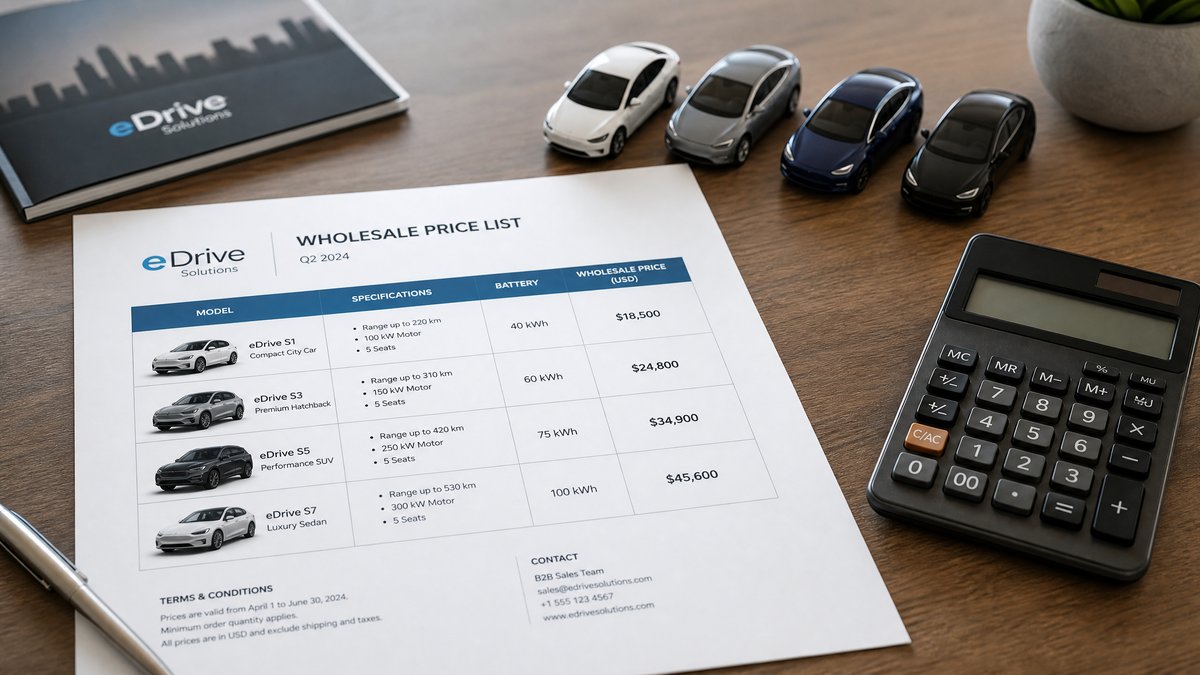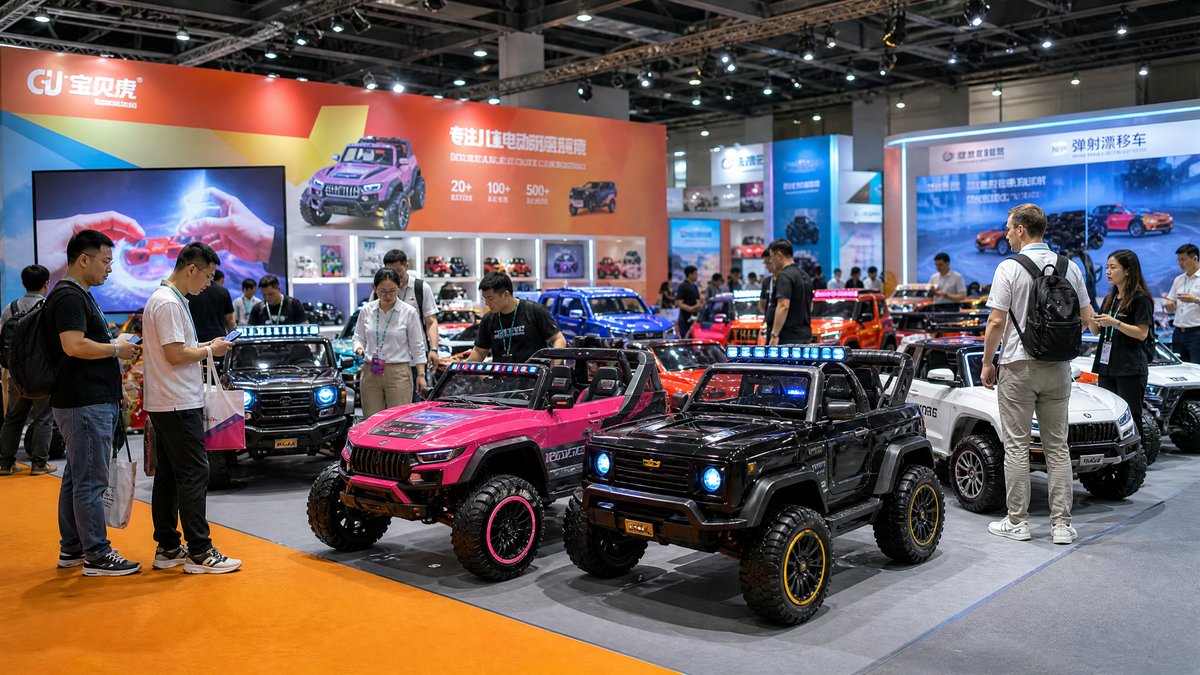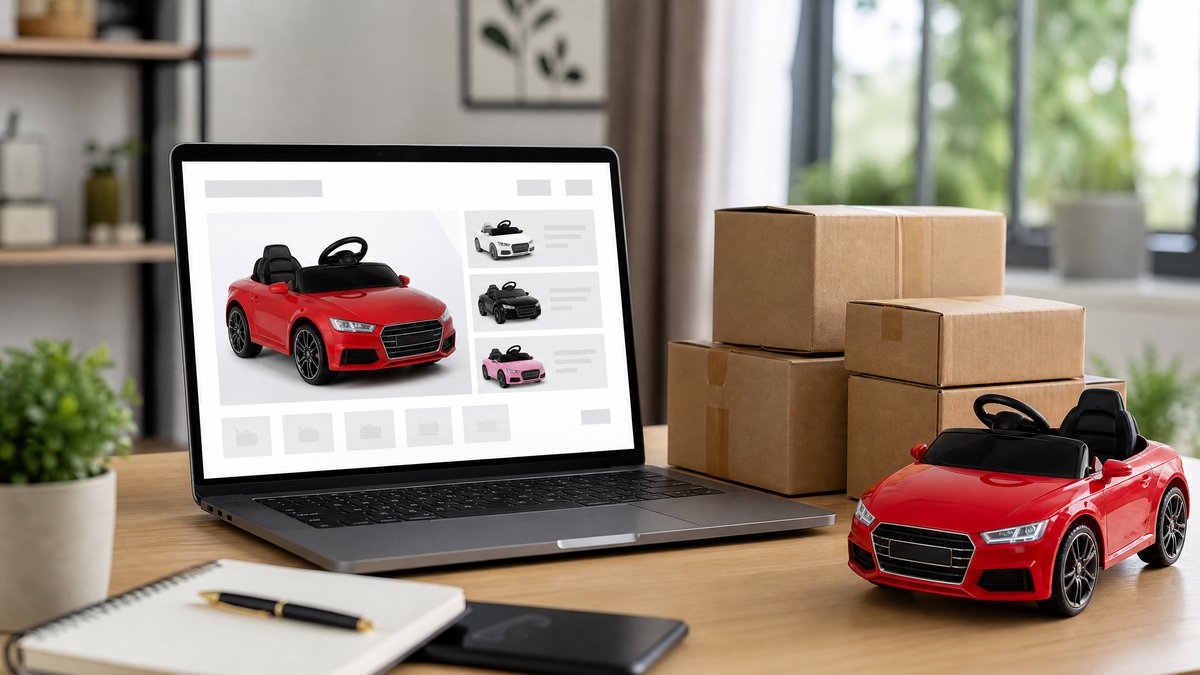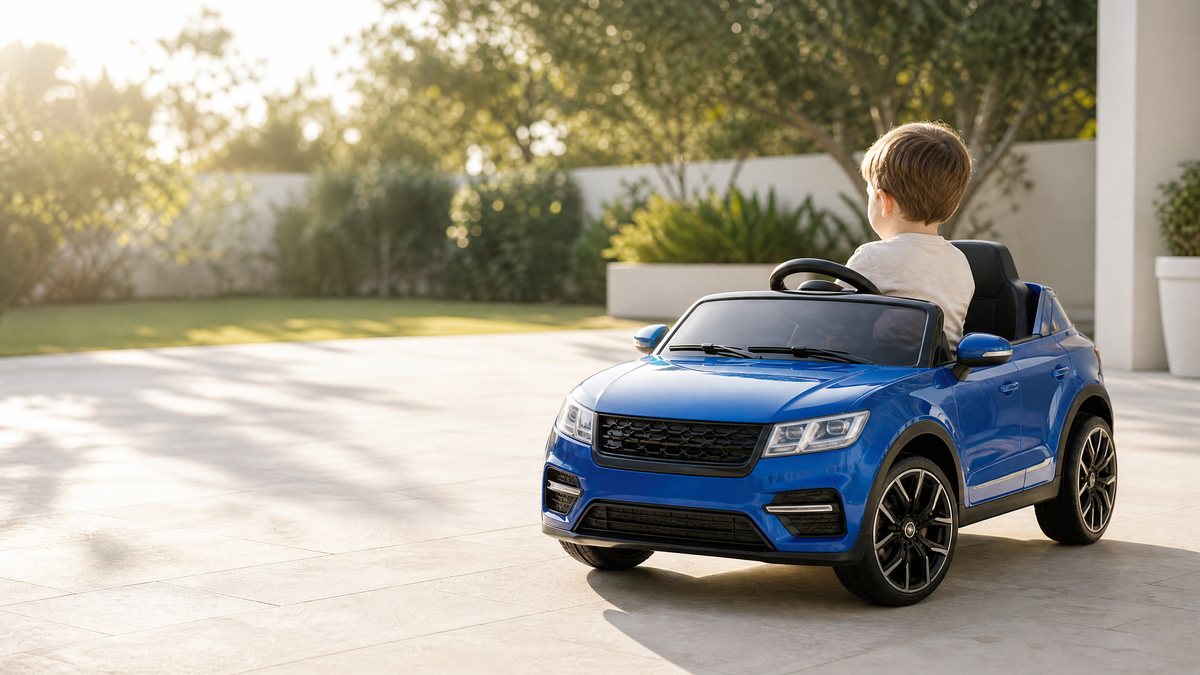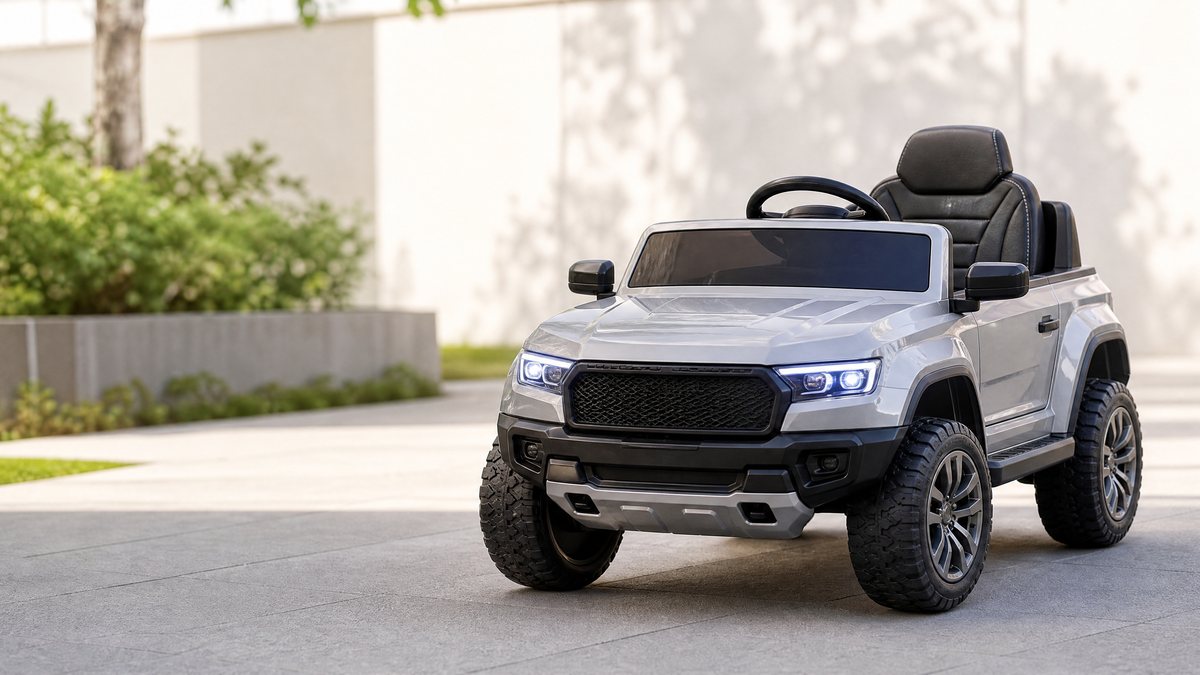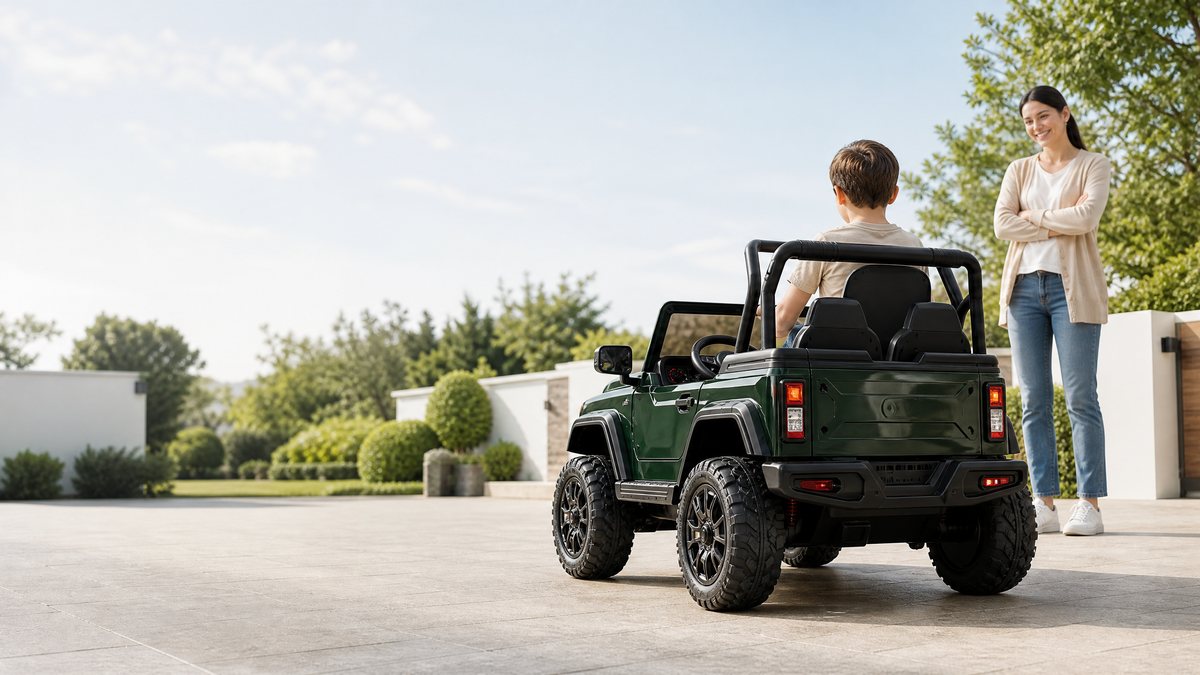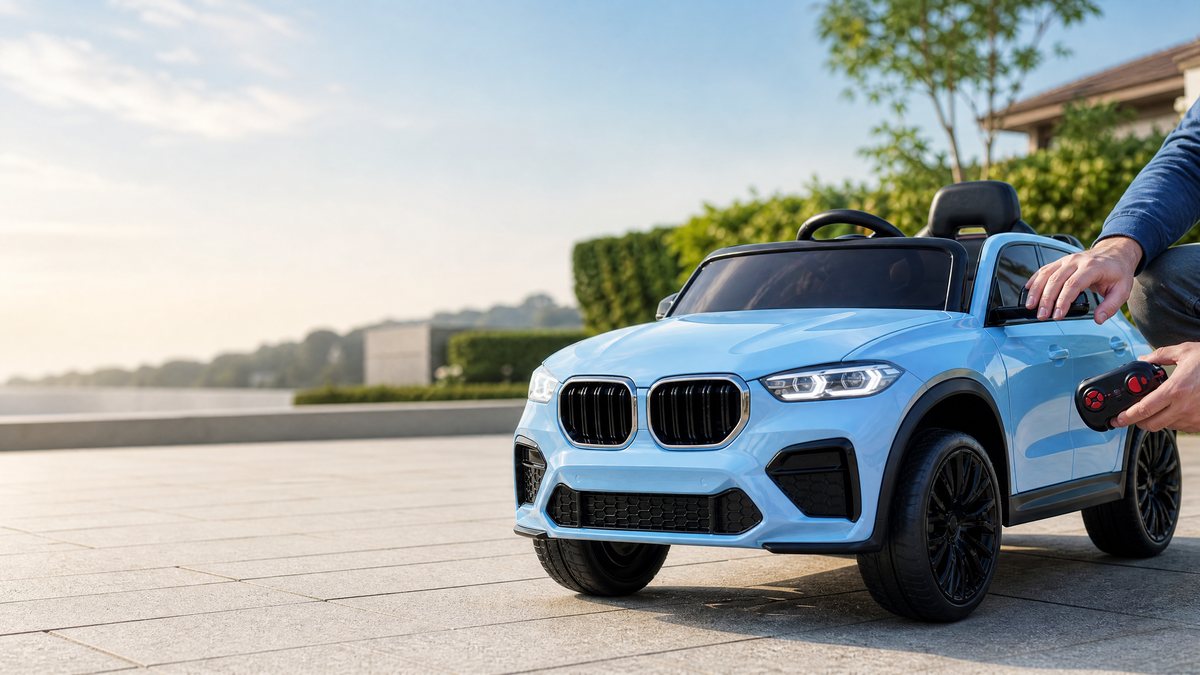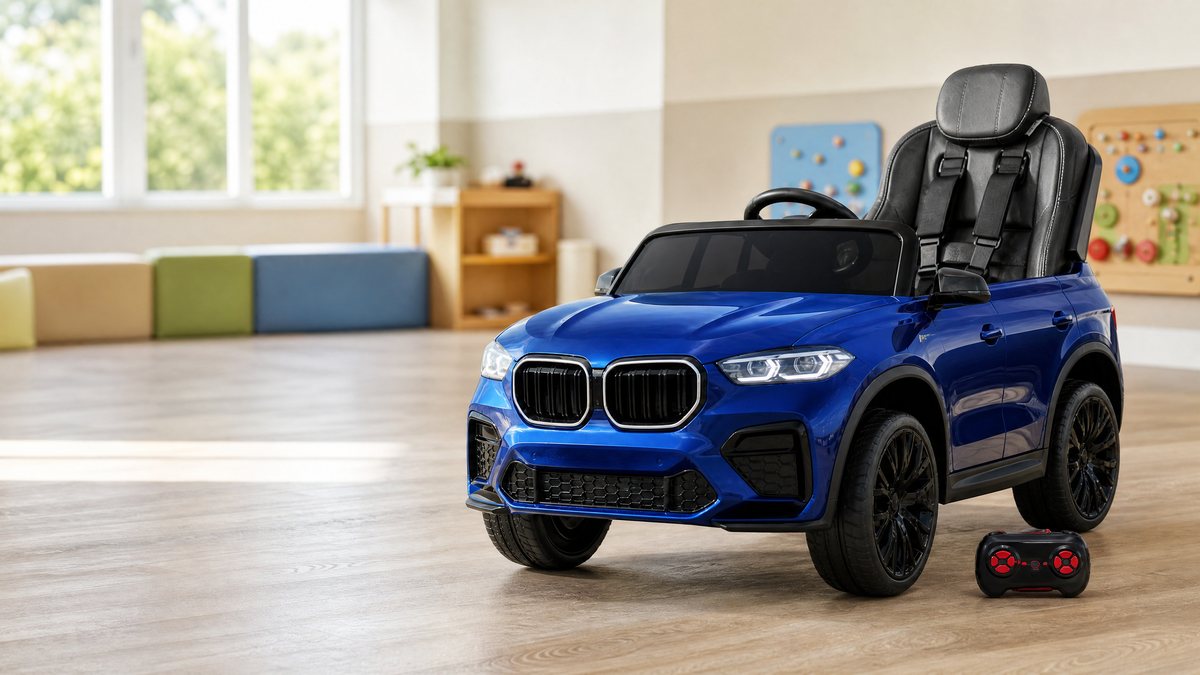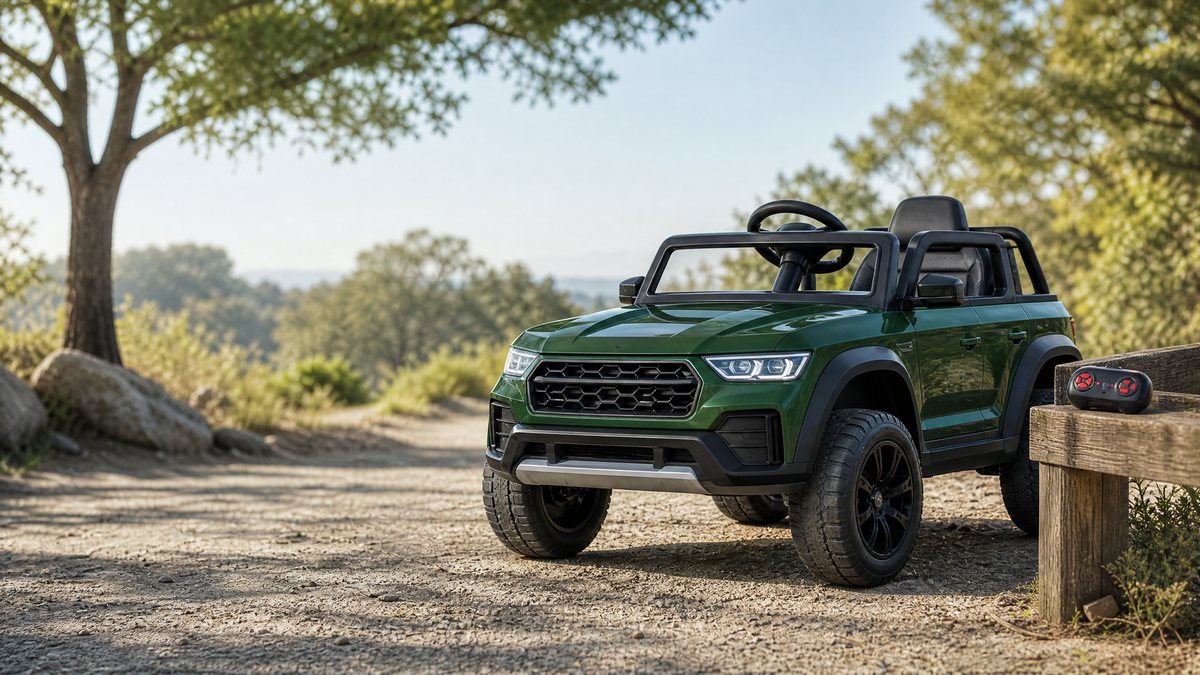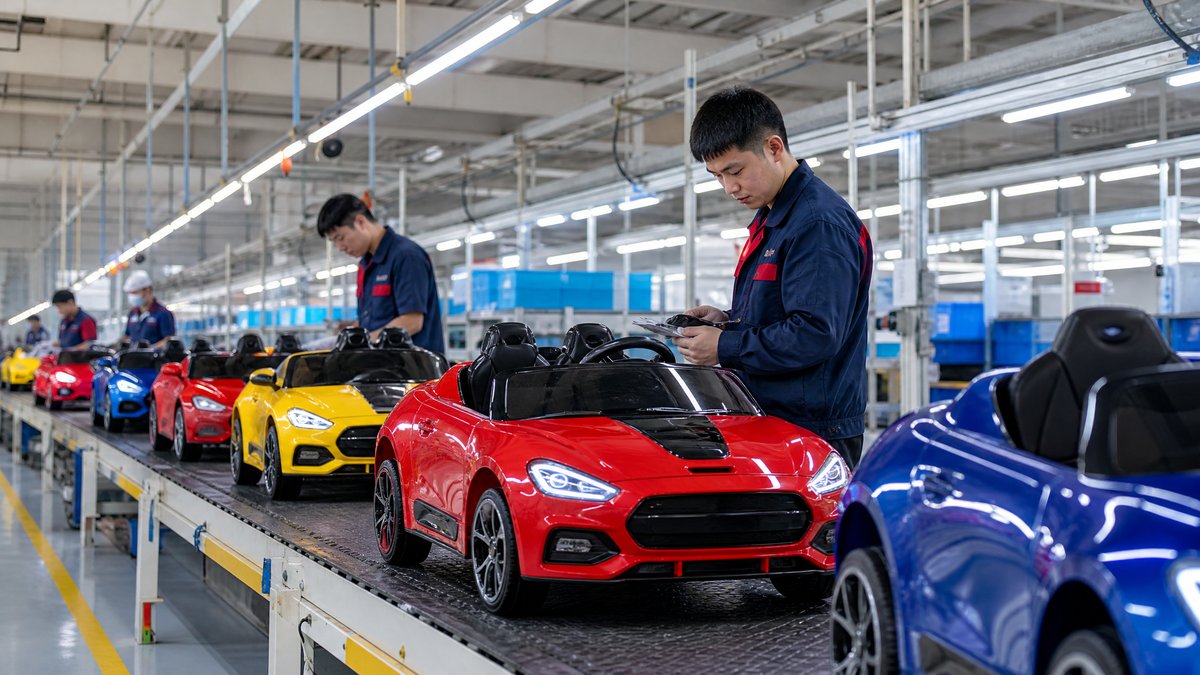
For B2B importers, distributors, and retail chain buyers in the ride-on toy industry, receiving a shipment of kids' electric vehicles is only half the battle. Whether you supply independent toy boutiques, regional e-commerce platforms, or big-box department stores, the post-factory lifecycle of a ride-on car—from port arrival to end-user unboxing—hinges entirely on assembly clarity and quality preparation.
When B2B buyers source electric ride-on cars from manufacturing hubs in China, understanding the exact scope of factory-provided assembly instructions is critical. While Chinese manufacturing partners have drastically improved their documentation quality over the last decade, gaps still exist between factory-floor expectations and Western consumer standards. Knowing what factories provide and what you need to add can mean the difference between a thriving retail product line and a logistical nightmare of customer returns, safety complaints, and negative reviews.
The B2B Reality of Ride-On Car Packaging and Assembly
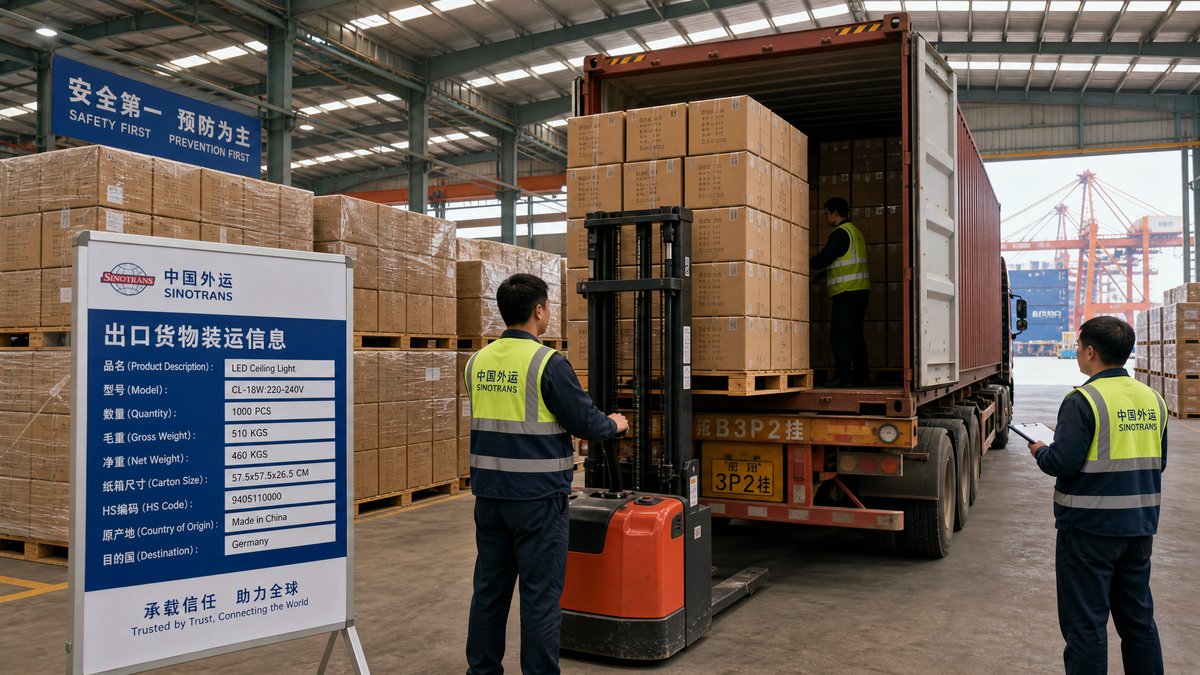
In international wholesale trade, kids' electric cars are almost universally shipped in SKD (Semi-Knocked Down) or CKD (Completely Knocked Down) configurations. To optimize container space and lower ocean freight costs per unit, manufacturers pack the heavy injection-molded chassis, wheels, steering assembly, seats, and electronics into a single, high-density corrugated master carton.
Because of this space-saving necessity, the end-user or regional distributor must perform final assembly. However, the definition of "end-user" varies wildly across different B2B channels:
* Direct-to-Consumer (D2C) E-Commerce: The box ships directly to a parent who expects intuitive, quick home assembly within 30 to 45 minutes.
* Brick-and-Mortar Retailers: The retailer or distributor's local warehouse often assembles the display models or pre-assembles units so they are ready for immediate store pickup.
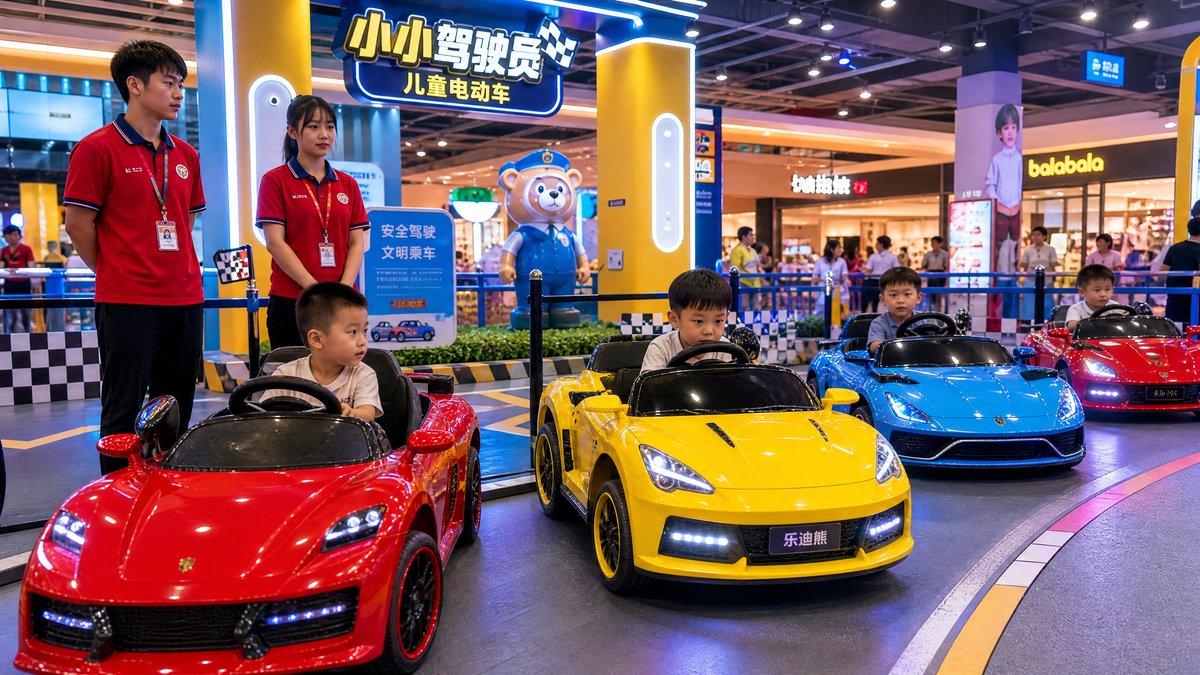
* Commercial / Rental Fleets: Amusement parks, party rental operators, and family entertainment centers require heavy-duty mechanical reinforcement during assembly to withstand high-frequency commercial use.
Evaluating what your manufacturing partner supplies versus what your local operation must supplement is a core competency for modern toy importers.
What Ride-On Car Factories Typically Provide
Reputable Original Equipment Manufacturers (OEMs) and Original Design Manufacturers (ODMs) understand that clear documentation protects both their brand and yours. When you source standard or custom electric ride-on cars, a professional factory will provide several standard assembly collateral components.
1. Printed Manuals and Diagrams
Standard factory documentation generally includes a multi-page printed instruction booklet (often in bilingual English-Chinese or multilingual formats depending on your target market). These manuals typically cover:
* Parts Inventory Checklist: An itemized list of every screw, washer, motor gearbox, wheel, and body panel.
* Exploded View Diagrams: Visual schematics showing how the chassis connects to the steering column, axles, and drive motors.
* Step-by-Step Sequence: Standard sequencing starting from wheel axle mounting, steering wheel attachment, windshield installation, seat securing, and final battery connection.
2. Basic Toolkits
To assist with assembly, factories bundle a basic starter toolkit inside the master carton. These usually consist of:
* A rudimentary stamped-steel multi-wrench or open-end wrench.
* A cheap screwdriver (Phillips and flathead combination).
* Sometimes cable ties or small retaining cotter pins.
3. Pre-Installed Sub-Assemblies
To minimize consumer assembly frustration, modern factories pre-assemble complex core components before boxing. This typically includes:
* The Main Chassis and Wiring Harness: The central electronic control unit (ECU), motherboard, pedal switch, and dashboard wiring are already soldered and connected.
* Gearbox and Drive Motors: The rear-axle drive motors and gearboxes are generally pre-mounted to the rear axle housing.
* Steering Gearbox: For remote-control enabled models (2.4G RC), the steering servo motor is pre-aligned and secured inside the engine bay.
The Gaps: What Factories Often Leave Out
Despite improvements in factory output, B2B importers frequently encounter recurring documentation and hardware gaps. Relying solely on raw factory instructions can lead to high consumer error rates and increased warranty claims.
| Feature / Item | Factory Standard Provision | B2B Distributor / Retailer Gap | Recommended Addition / Action |
|---|---|---|---|
| Language & Tone | Basic translated English with technical jargon or grammatical quirks. | Can confuse Western consumers, leading to improper installation. | Rewrite/localize manual with clear, professional English and safety callouts. |
| Assembly Tools | Stamped metal wrenches and flimsy screwdrivers that bend easily. | High user frustration; stripped screws; loose wheel retention. | Include heavy-duty steel tools or advise use of professional socket wrenches. |
| Battery Preparation | Dry-charged or partial-charge state; loose terminal connector. | Consumers often fail to connect the inline fuse/terminal, assuming the car is dead upon unboxing. | Add a prominent neon warning slip: *"STOP: Connect the battery terminal under the seat before charging!"* |
| Hardware Security | Standard split washers and locking nuts. | Vibration from outdoor terrain loosens wheels and steering columns over time. | Apply thread-locking fluid (Loctite) on critical steering and axle bolts during pre-assembly. |
| Digital Integration | Static paper manuals only. | Paper manuals get lost or damaged in transit. | Provide a QR code linking to an official HD video assembly walkthrough. |
What Importers and Distributors Need to Add
To elevate your product offering, protect your profit margins, and build brand equity, B2B distributors should implement a value-added preparation protocol before goods reach the end consumer.
1. Localized Compliance and Safety Inserts
Export markets such as the European Union (CE, EN71, EN62115) and North America (ASTM F963, CPSIA) have rigorous safety standards. Factory manuals sometimes lack specific regional safety warnings, maximum weight capacity cautions, or charging safety best practices.
* Action: Insert a localized compliance slip that clearly states age grading (e.g., 3-8 years), maximum weight limits (e.g., 30 kg / 66 lbs), and mandatory adult supervision notices.
2. Enhanced Battery Activation Protocols
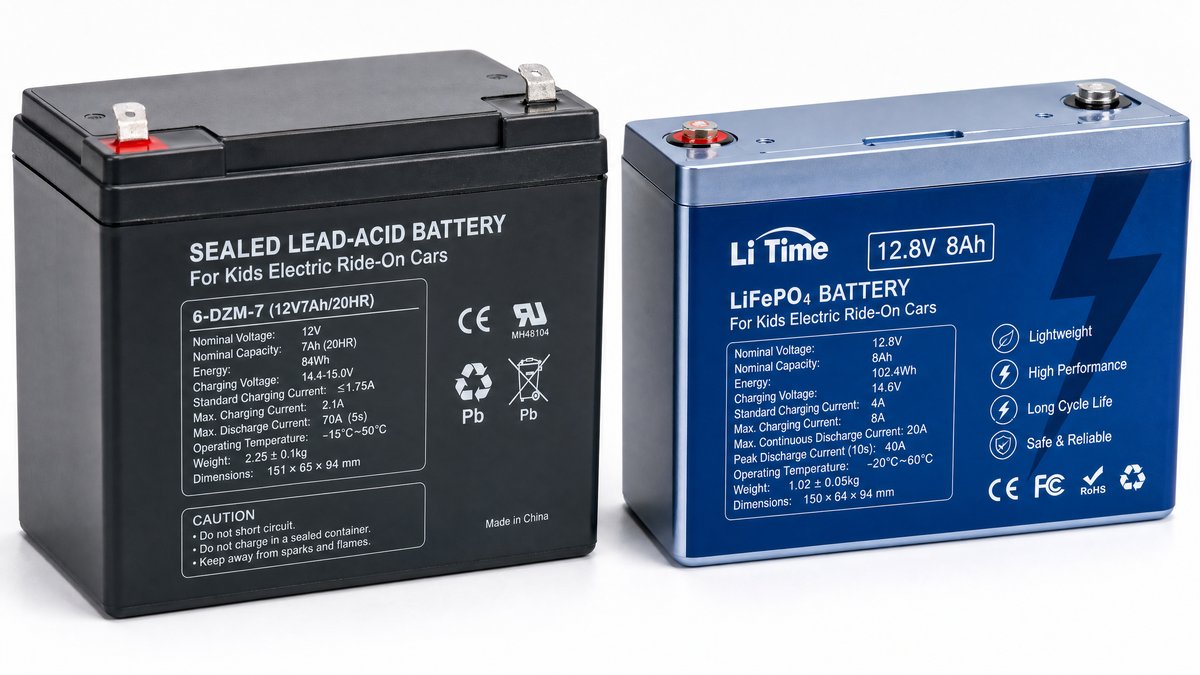
Lithium-ion and heavy-duty 12V/24V lead-acid batteries are the heart of electric ride-on cars. Factory instructions often assume the user knows how to properly condition and charge lead-acid batteries.
* Action: Create a standalone battery care flyer. Emphasize that the first charge must last 8–12 hours, and instruct seasonal users on trickle-charging during winter storage to prevent sulfation and premature battery death.
3. Digital Video Walkthroughs (QR Code Integration)
Modern parents and retail store associates prefer visual learning over dense paper diagrams.
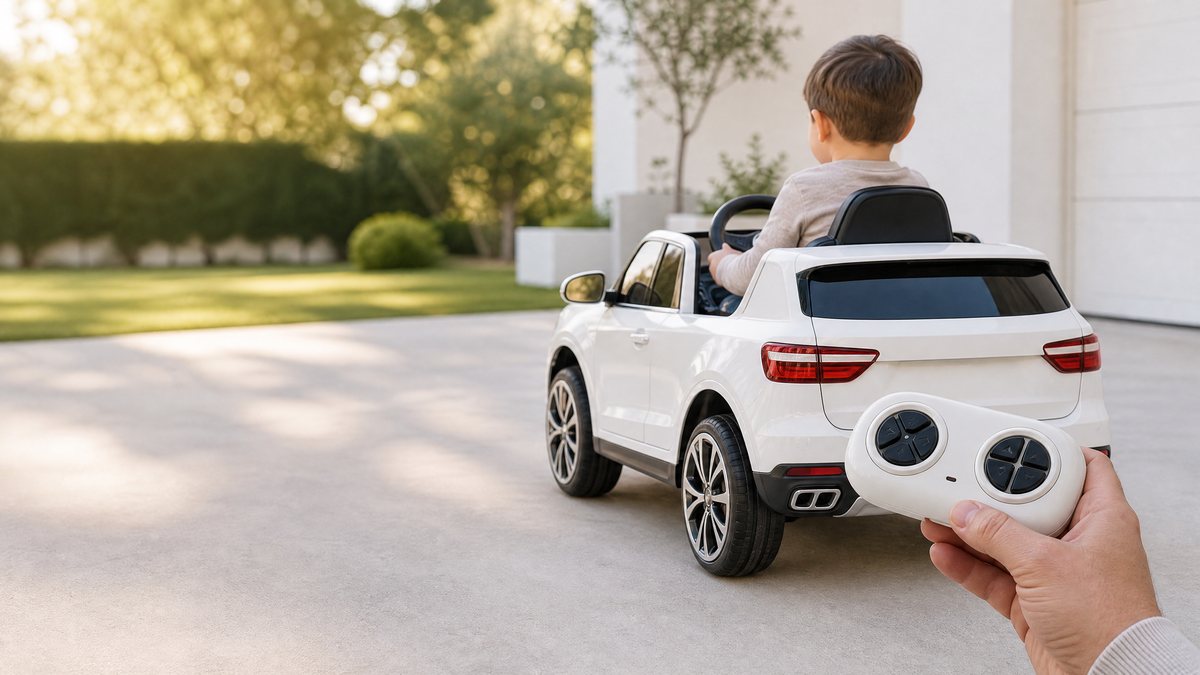
* Action: Produce a 3-to-5 minute professional assembly video highlighting tricky steps—such as snapping on EVA foam tires, aligning the steering rod pin, and syncing the 2.4G Bluetooth parental remote control. Print this QR code prominently on the outer carton lid and the front page of the manual.
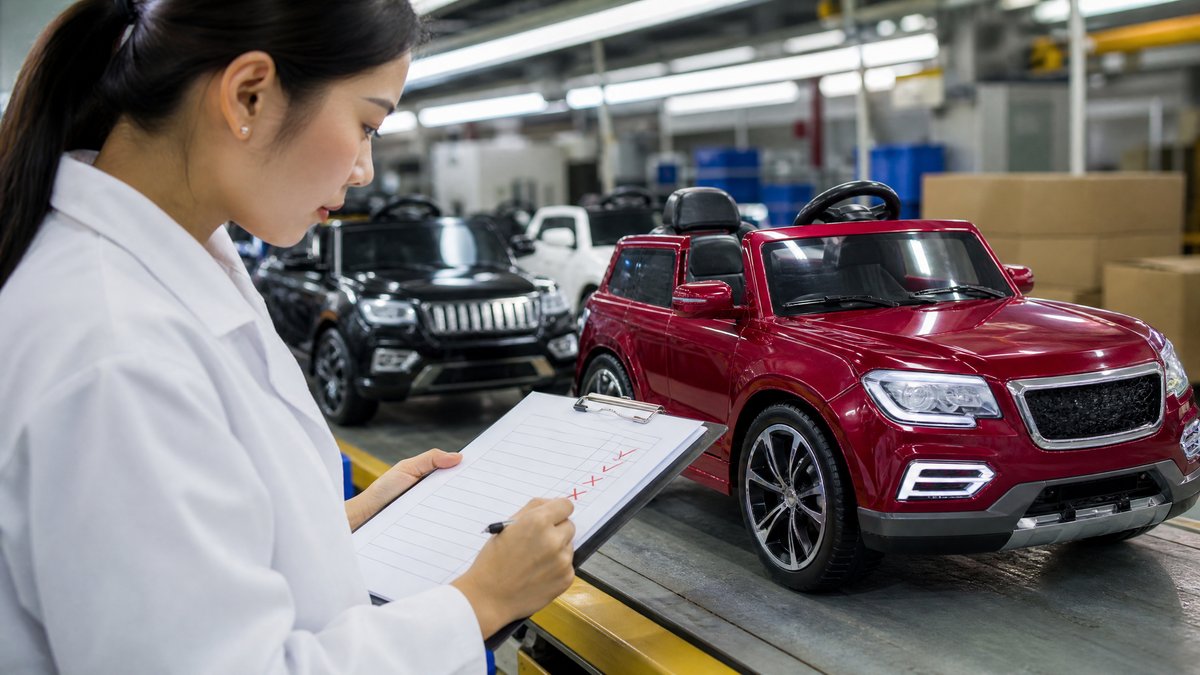
4. Quality Control (QC) Pre-Inspections at Warehouse
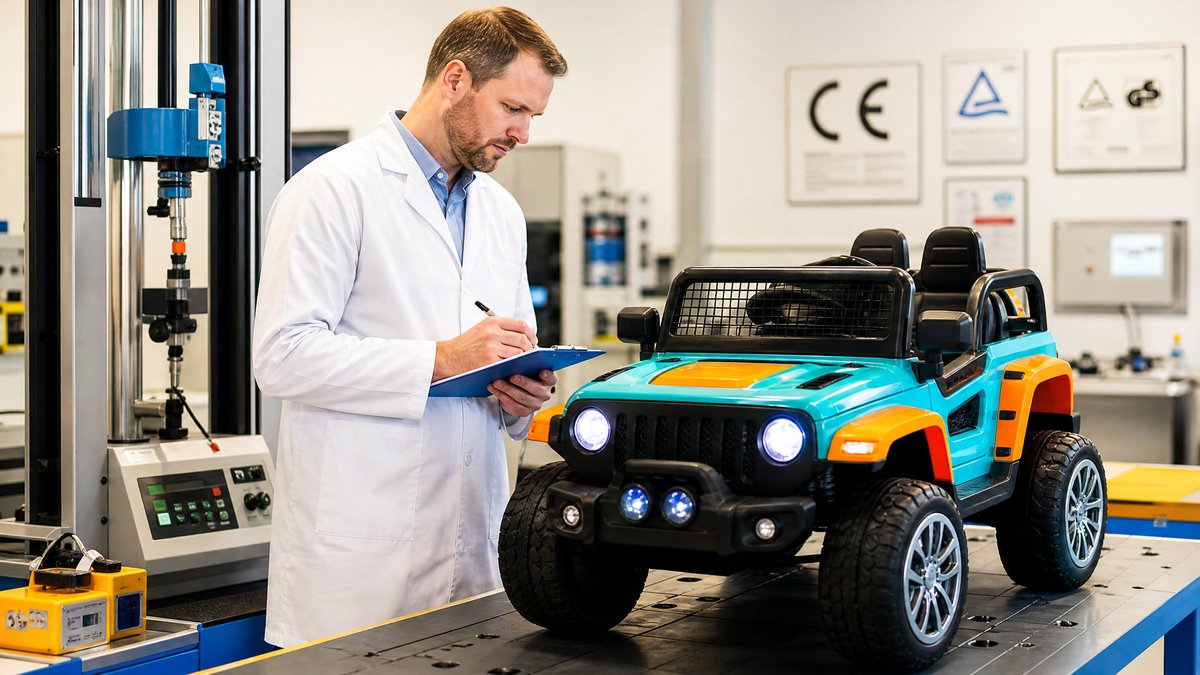
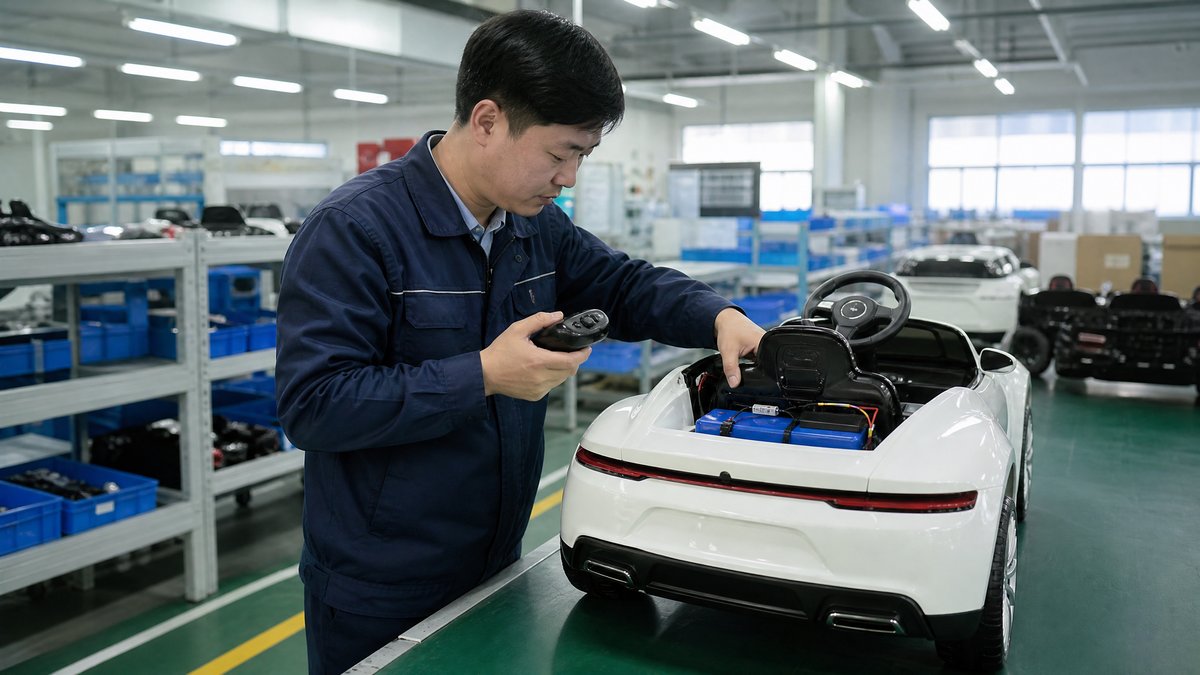
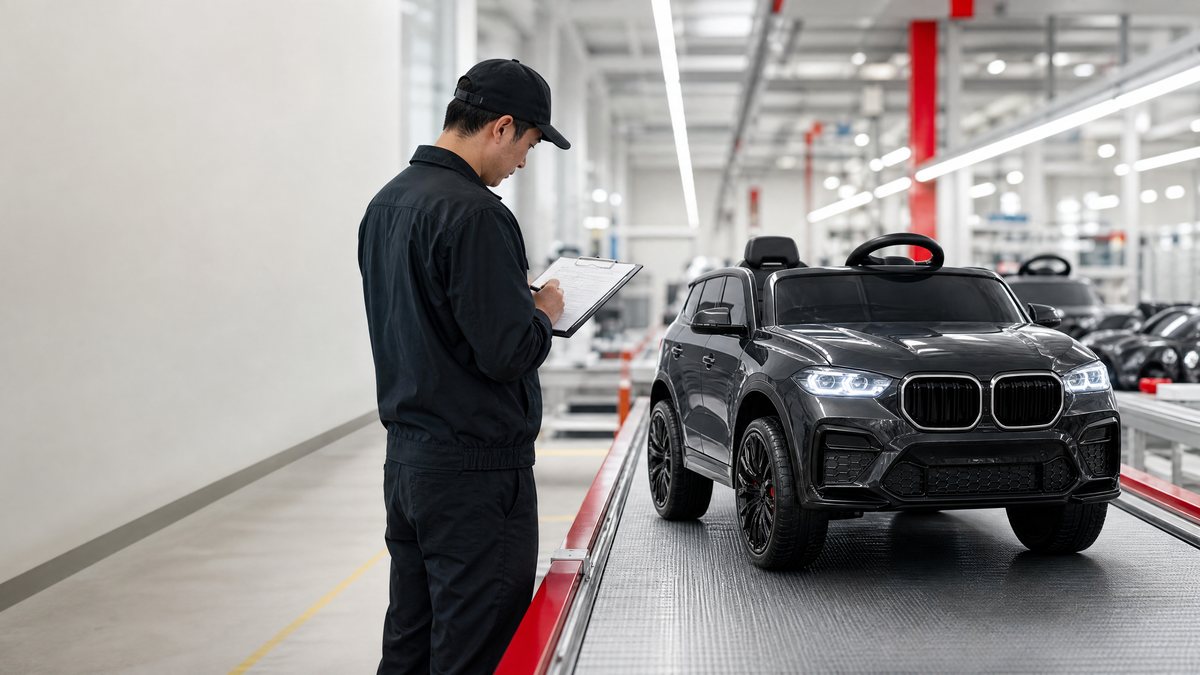
Never assume factory assembly instructions are foolproof. Before shipping units to retail partners or end consumers, progressive B2B wholesalers conduct random AQL (Acceptable Quality Limit) inspections at their regional warehouse. Testing a sample unit ensures that wire harnesses haven't shaken loose during ocean transit and that remote controllers pair seamlessly with the vehicle motherboard.
Frequently Asked Questions (FAQ)
Q1: Do factories provide custom-branded assembly manuals for OEM/ODM orders?
A: Yes. If you meet minimum order quantities (MOQs) for OEM/ODM customization, professional manufacturers can incorporate your company logo, brand color scheme, customer support hotline, and localized web address directly into the manual layout.
Q2: What is the primary cause of customer support tickets regarding ride-on car assembly?
A: The most common support ticket is "the car has no power." This is almost always caused by the customer forgetting to plug in the battery terminal under the seat or hood. Adding an unboxing warning label drastically reduces these unnecessary support calls.
Q3: Should wholesale distributors pre-assemble ride-on cars for retail partners?
A: It depends on the sales channel. For B2B brick-and-mortar retail display, pre-assembly is essential. For e-commerce drop-shipping, shipping in the original factory SKD carton with reinforced corner protectors and an added quick-start guide is the standard and most cost-effective approach.
Q4: How can importers verify that factory assembly instructions comply with local laws?
A: Importers should review the manual draft during the pre-production sample (PPS) phase. Ensure that all mandatory certification marks (CE, FCC, ASTM) and safety hazard warnings match the legal requirements of your destination market before mass printing begins.
Conclusion
Assembly instructions represent the critical bridge between factory production and end-user satisfaction. While Chinese manufacturing partners provide the foundational framework—including parts checklists, wiring harnesses, and basic diagrams—relying on raw factory output without local enhancement can expose your business to avoidable returns and warranty claims.
By supplementing factory instructions with localized safety inserts, robust digital QR code video guides, and clear battery activation warnings, B2B importers can elevate product quality, protect their brand reputation, and ensure smooth distribution across global markets.
*Are you looking for a reliable manufacturing partner that provides comprehensive documentation, rigorous quality control, and full OEM/ODM support for kids' electric ride-on cars? Contact our export team today at mailto:info@kidsridecar.com to request our latest catalog and sample assembly guidelines.*
Official references
Explore these external resources for current regulatory and trade guidance. Confirm requirements with the relevant authority before placing an order.
Ready to Start?
Factory-Direct · CE & ASTM Certified · MOQ from 50 Units
Our export team works with buyers in 60+ countries. Get a quote within 24 hours.
KR
Written by KidsRideCar
China's leading kids electric ride-on car manufacturer. 500,000+ units shipped annually to 60+ countries. CE, ASTM & EN71 certified.