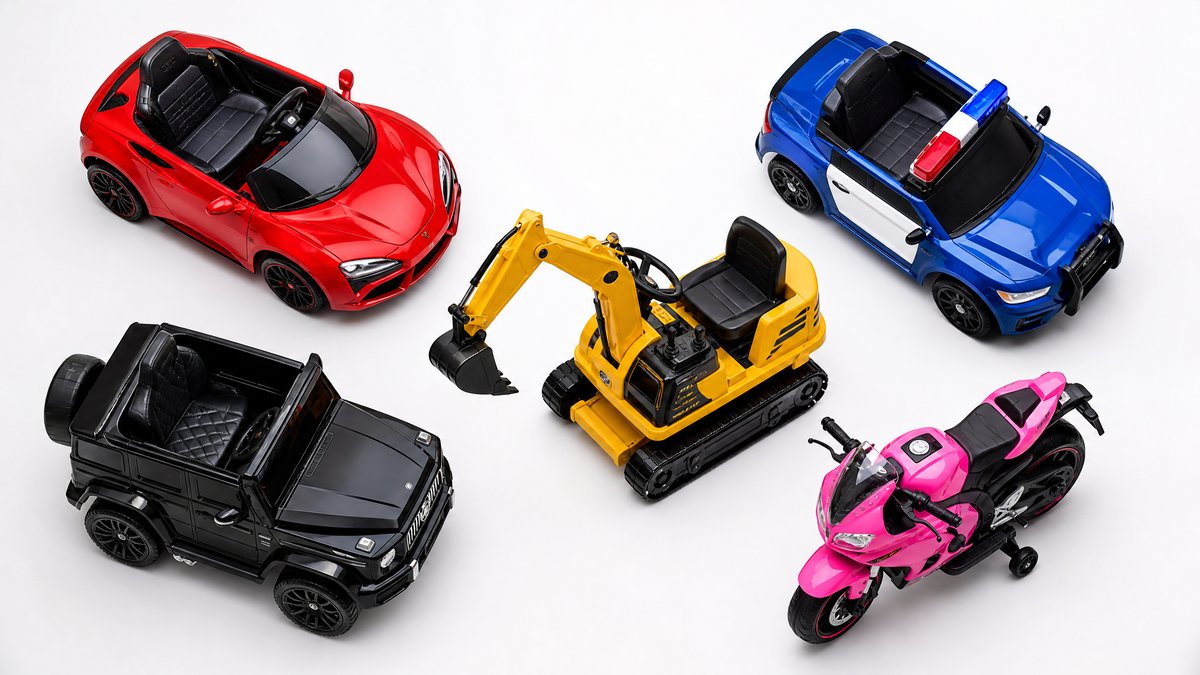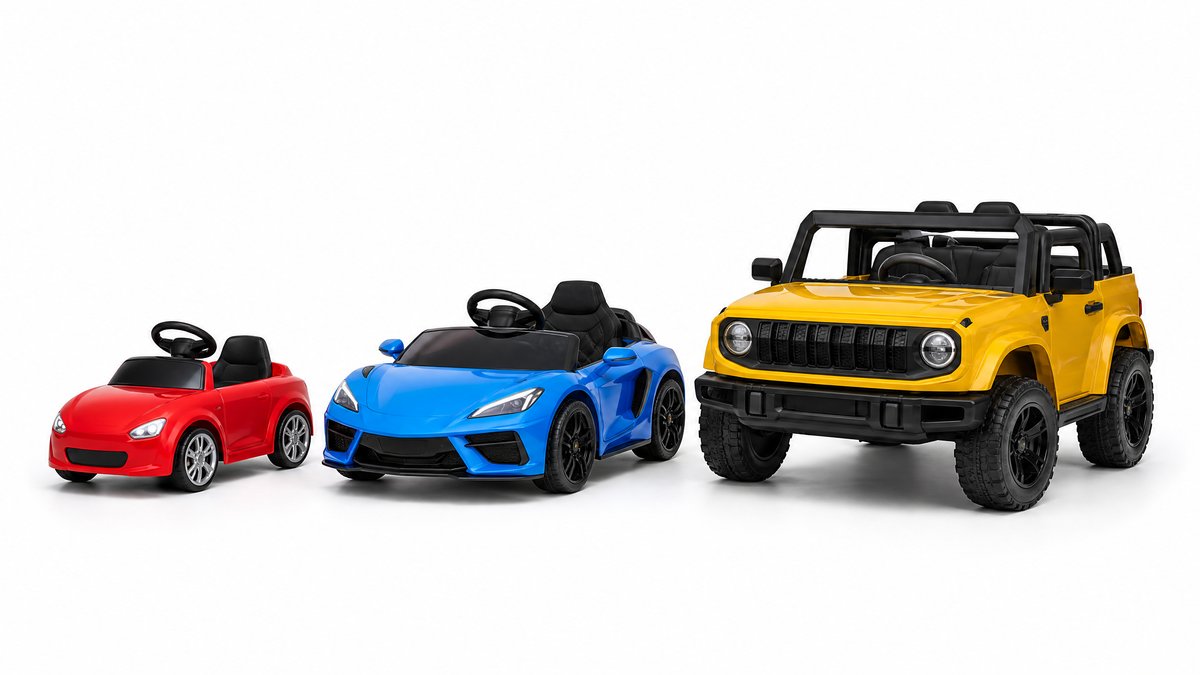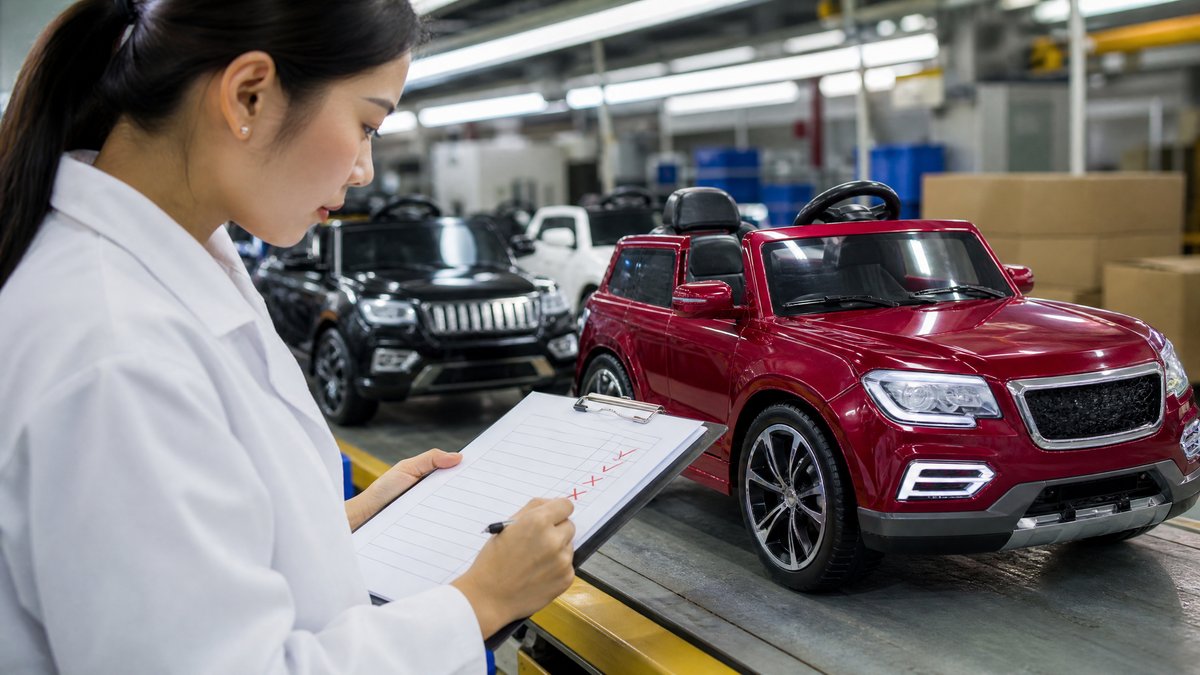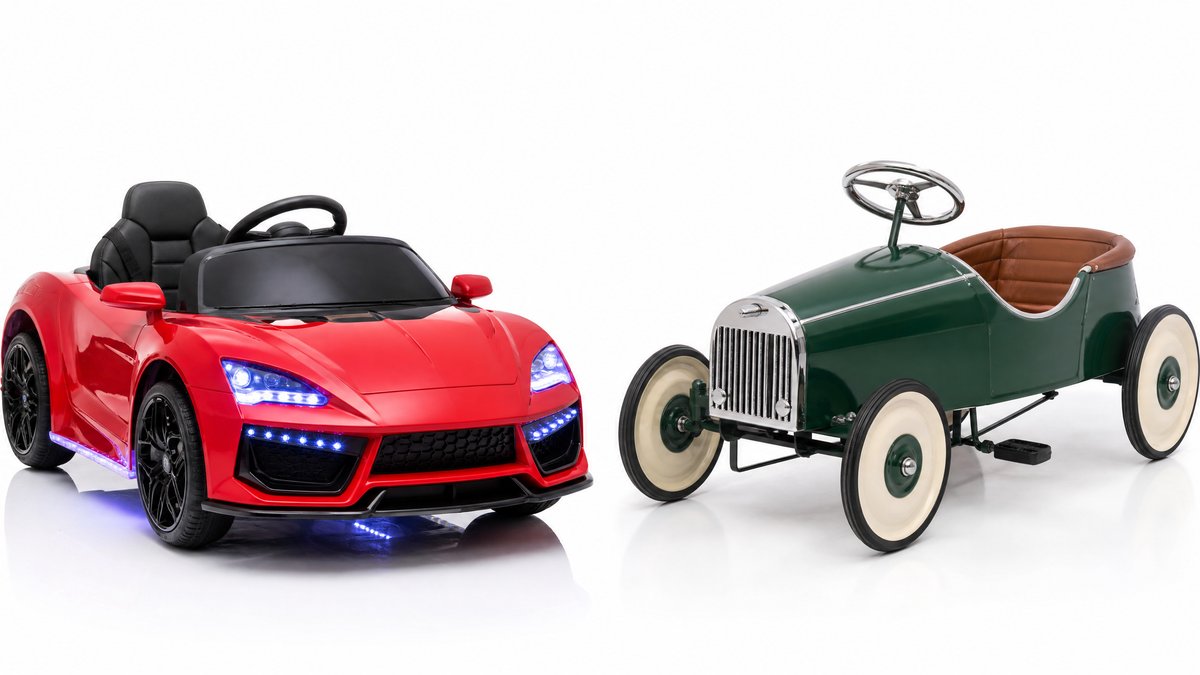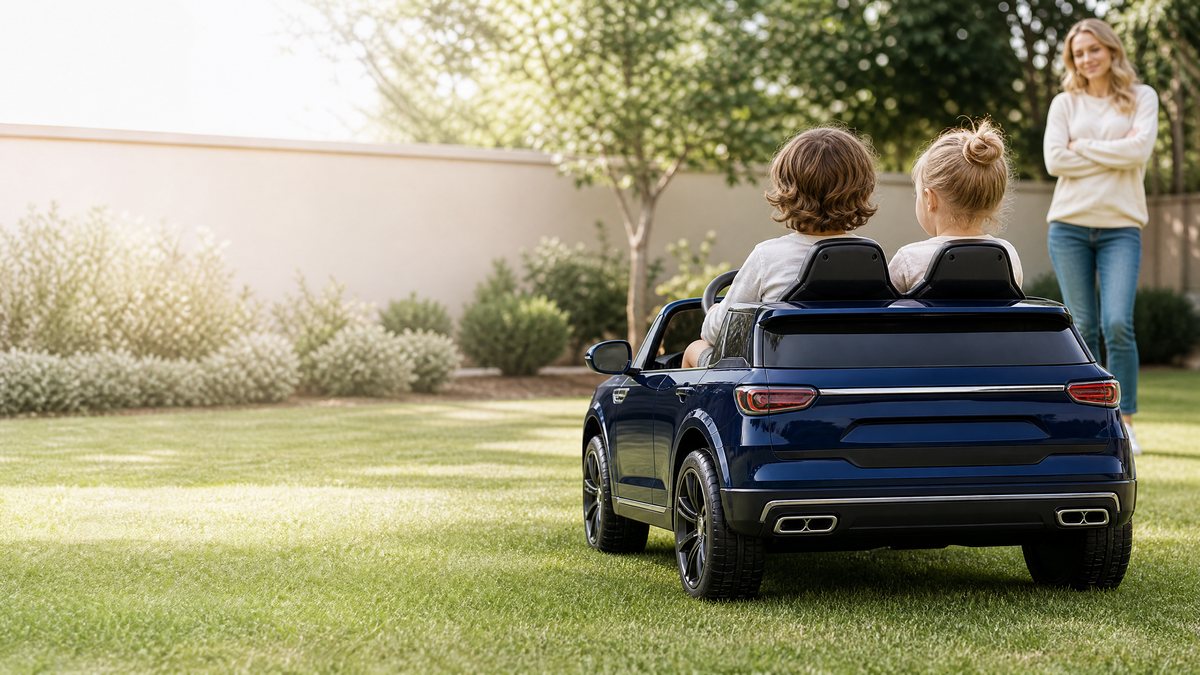
Introduction
Navigating the market for children's battery-powered vehicles can be both exciting and overwhelming for parents, retail buyers, and B2B distributors alike. With options ranging from simple plastic push-along toys to fully motorized, licensed luxury replica supercars equipped with parental remote controls, the pricing spectrum spans a wide financial landscape. When asking the fundamental question—how much should I spend on a kids ride-on car?—buyers must weigh upfront costs against long-term durability, safety compliance, age appropriateness, and intended usage scenarios.
In this comprehensive pricing and purchasing guide, we explore the primary factors that dictate ride-on vehicle costs across different market tiers. Whether you are a retail consumer looking for the ideal birthday gift or a commercial wholesale distributor evaluating inventory for upcoming retail seasons, understanding what drives manufacturing costs, material quality, and feature integration is essential. Furthermore, we will review critical maintenance boundaries, safety considerations referencing general educational guidelines such as the CPSC toy safety framework, and practical decision-making frameworks to ensure your investment delivers lasting value.
Understanding the Pricing Spectrum of Kids' Ride-On Cars
The market pricing for children's ride-on cars is generally segmented into distinct financial tiers, each catering to specific consumer expectations, manufacturing complexities, and performance capabilities. To make an informed purchasing decision, it is vital to analyze what each tier represents and how regional market conditions, manufacturing materials, and regulatory compliance standards influence the final price tag.
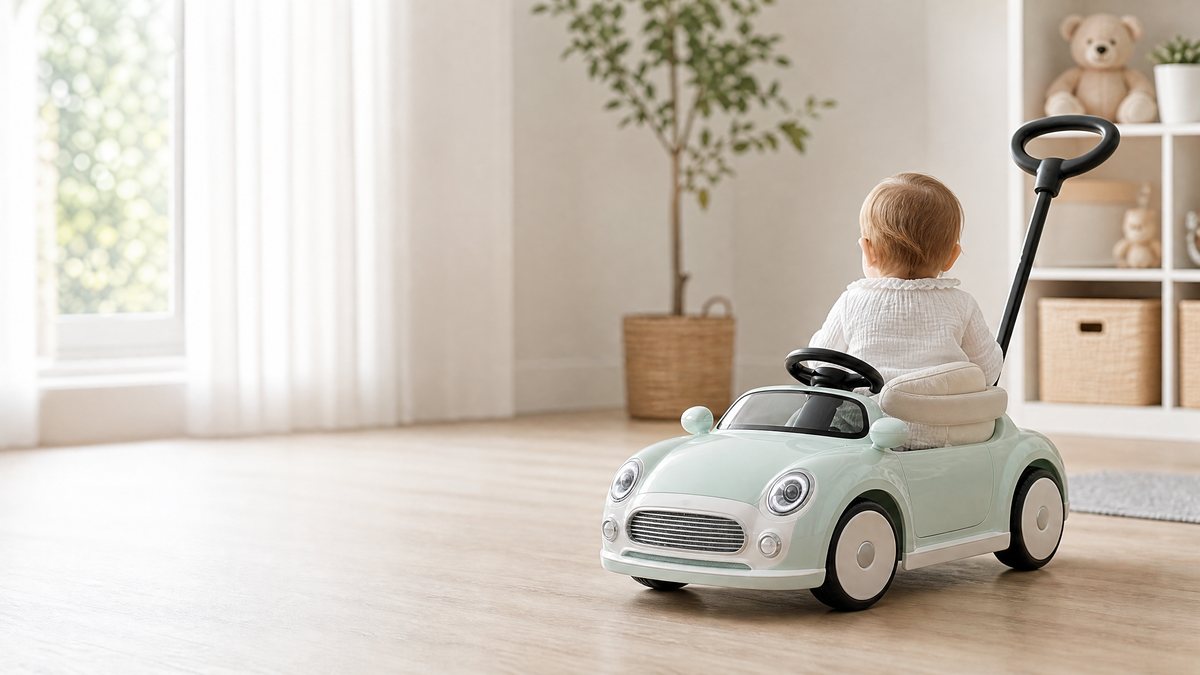
At the entry-level tier, ride-on cars are typically designed for younger toddlers and feature simplified electrical systems, lower-voltage batteries (such as 6V configurations), and lightweight plastic construction. These models focus on fundamental motor skill development and basic mobility. However, pricing at this level varies by model, region, and seller; buyers must carefully check the exact product manual, listing specifications, and written terms before purchasing. While budget-friendly, entry-level vehicles may lack advanced suspension systems, multi-speed gearboxes, or complex multimedia dashboards.
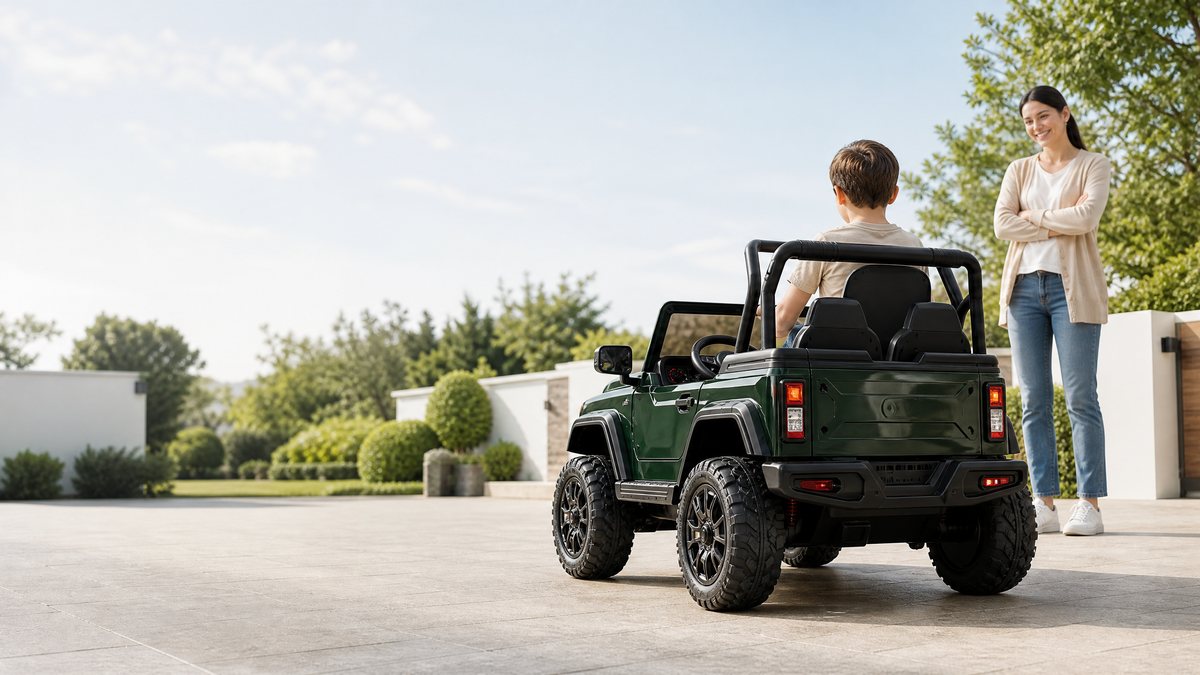
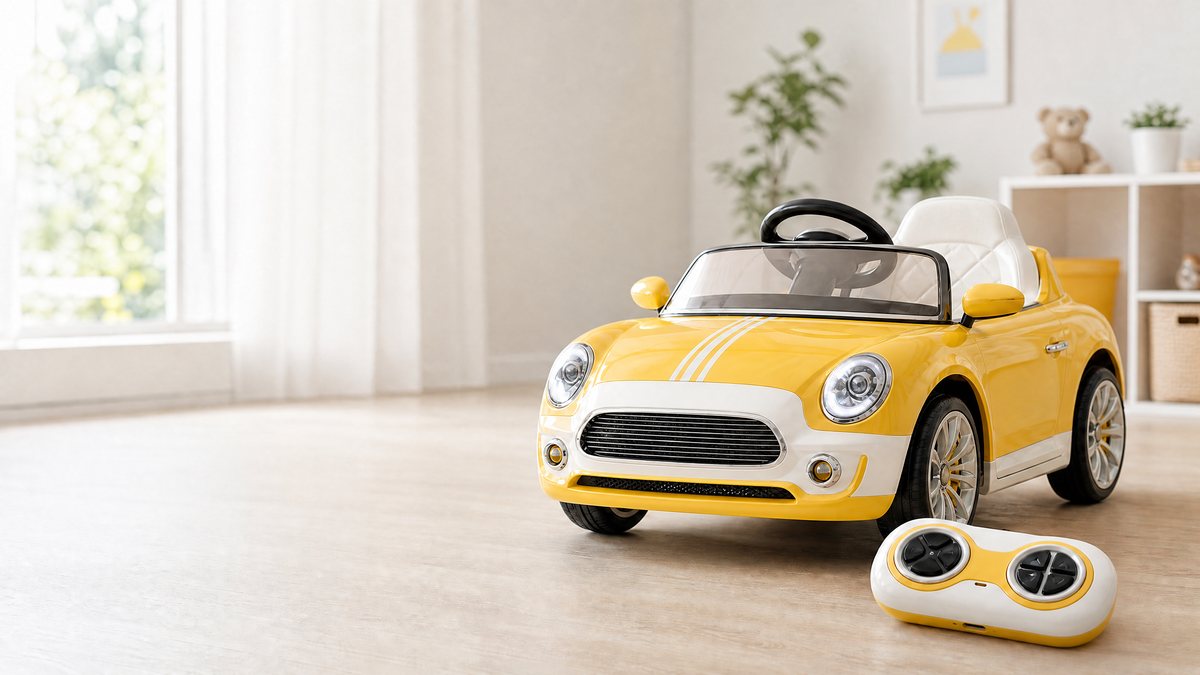
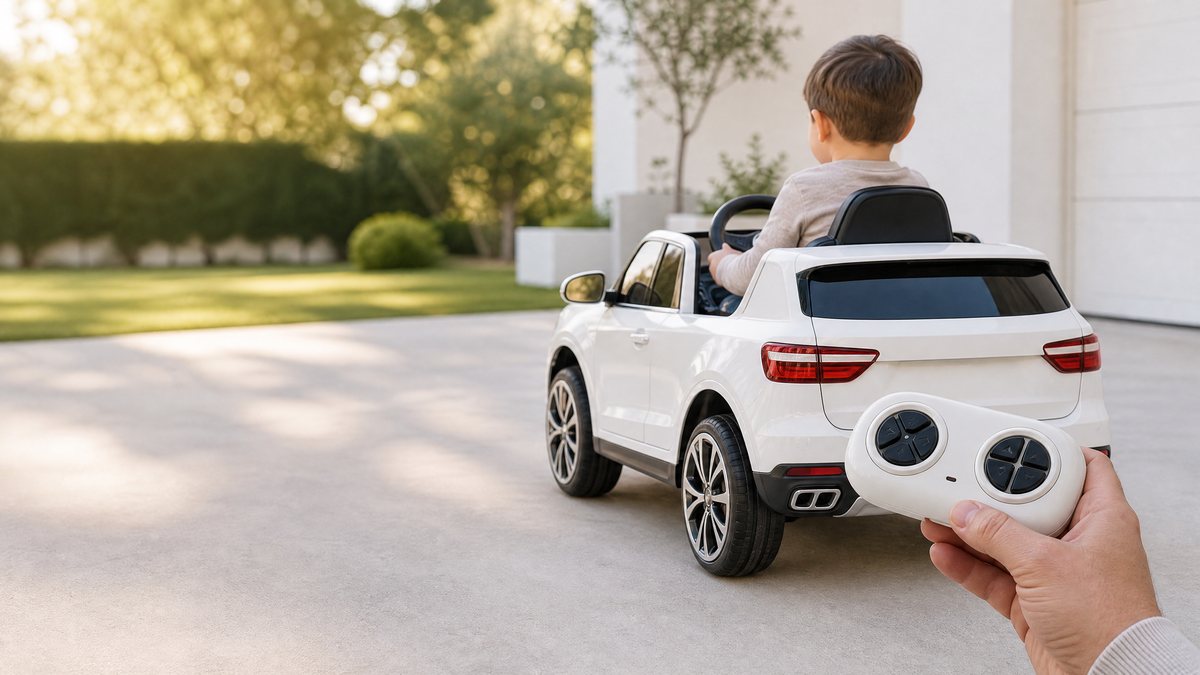
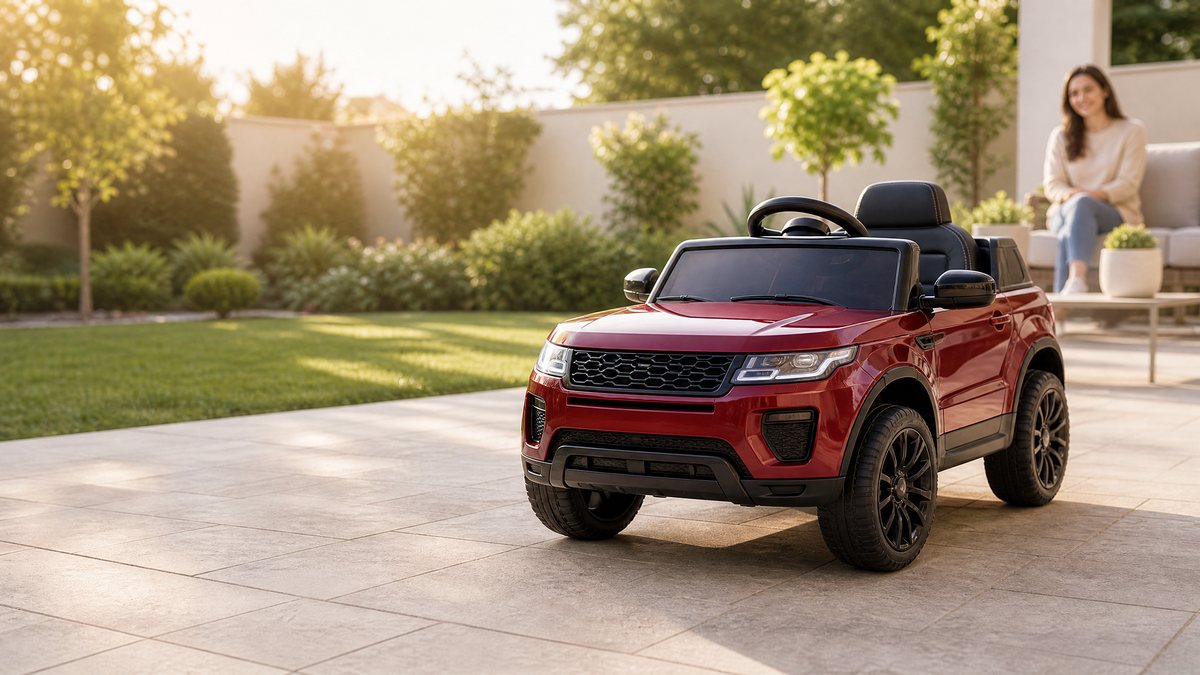
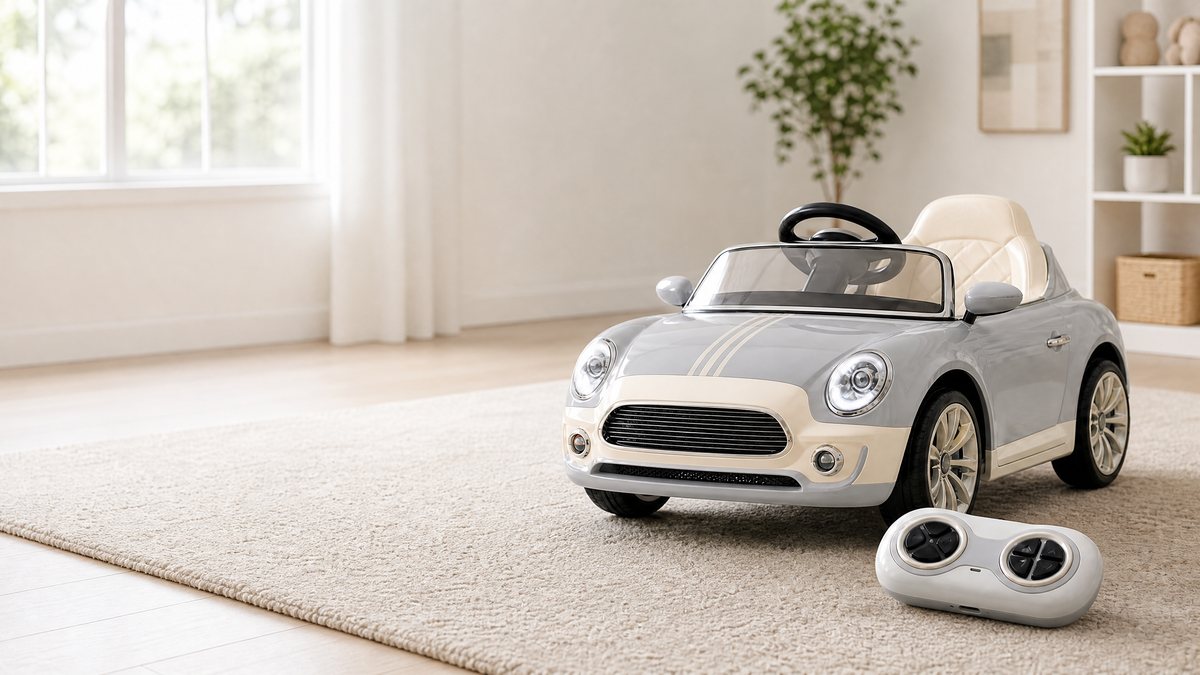
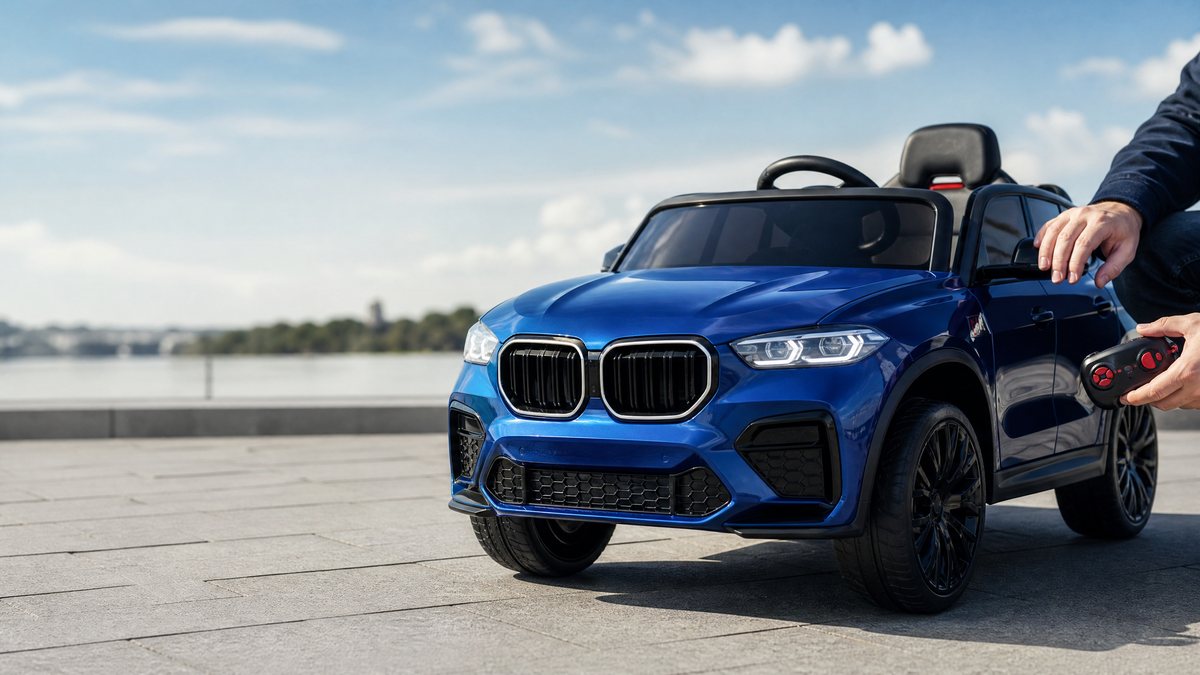
Moving into the mid-tier segment, consumers encounter 12V systems, enhanced traction wheels, functional LED lighting, and basic parental remote control capabilities. This tier represents the sweet spot for many families and retail buyers seeking a balance between robust construction and moderate cost. Nevertheless, exact performance metrics, run times, and warranty coverage vary by model, region, and seller; check the exact manual, listing, and written terms.
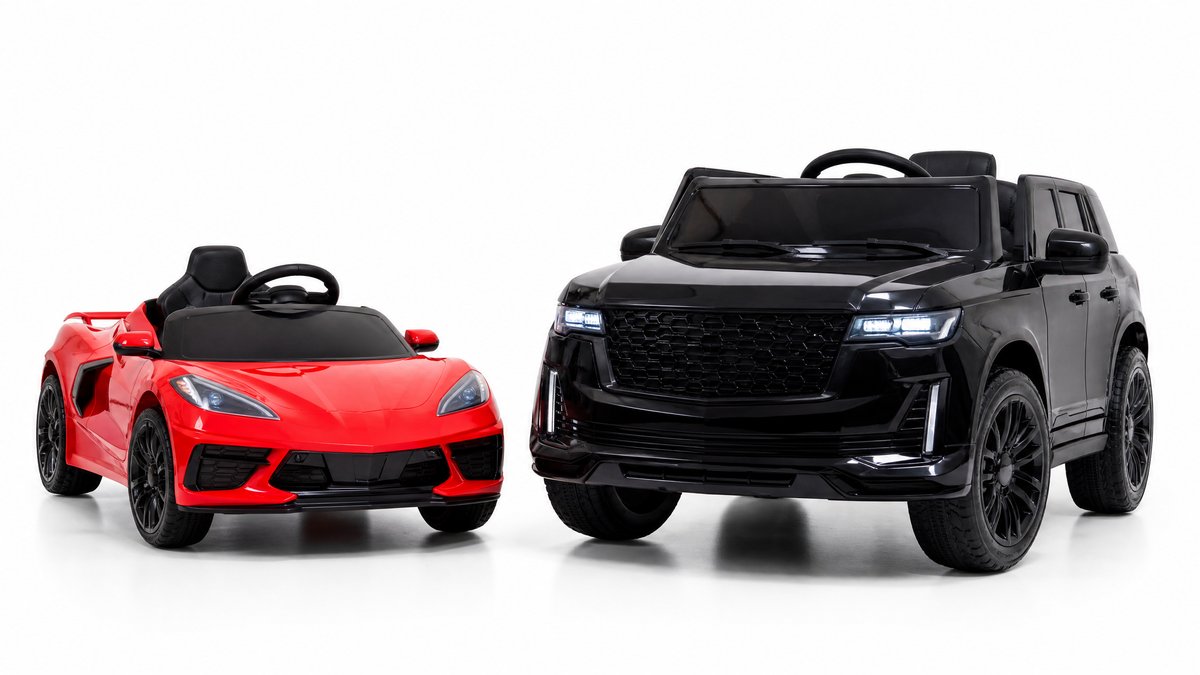
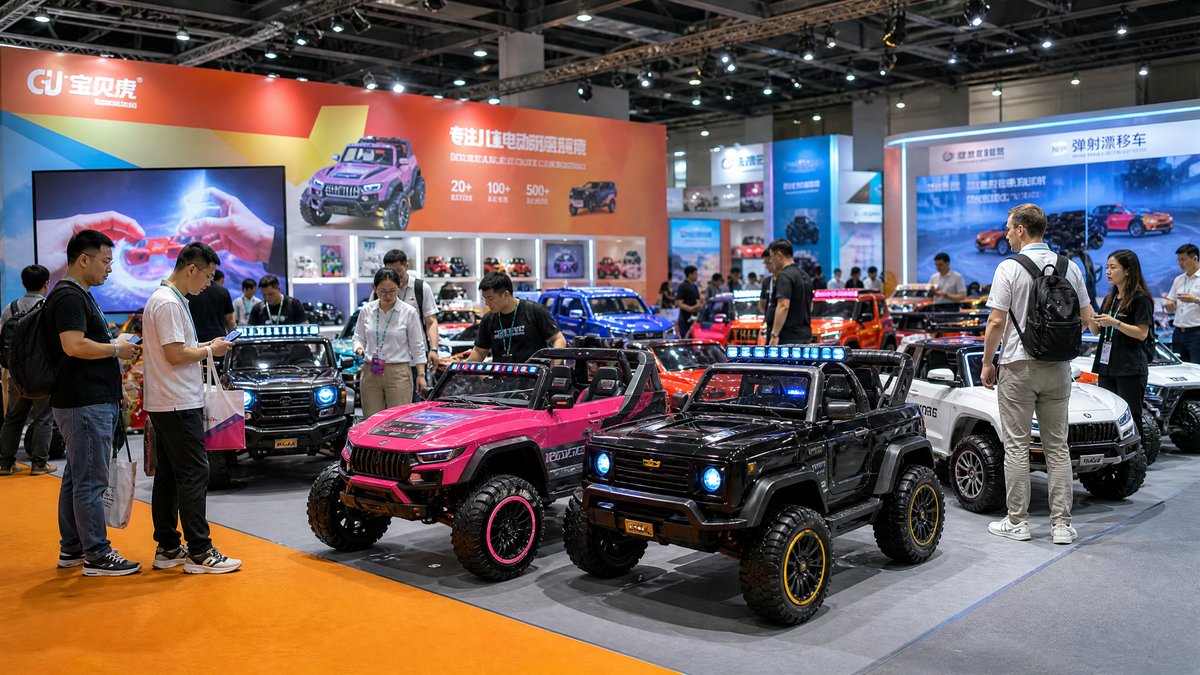
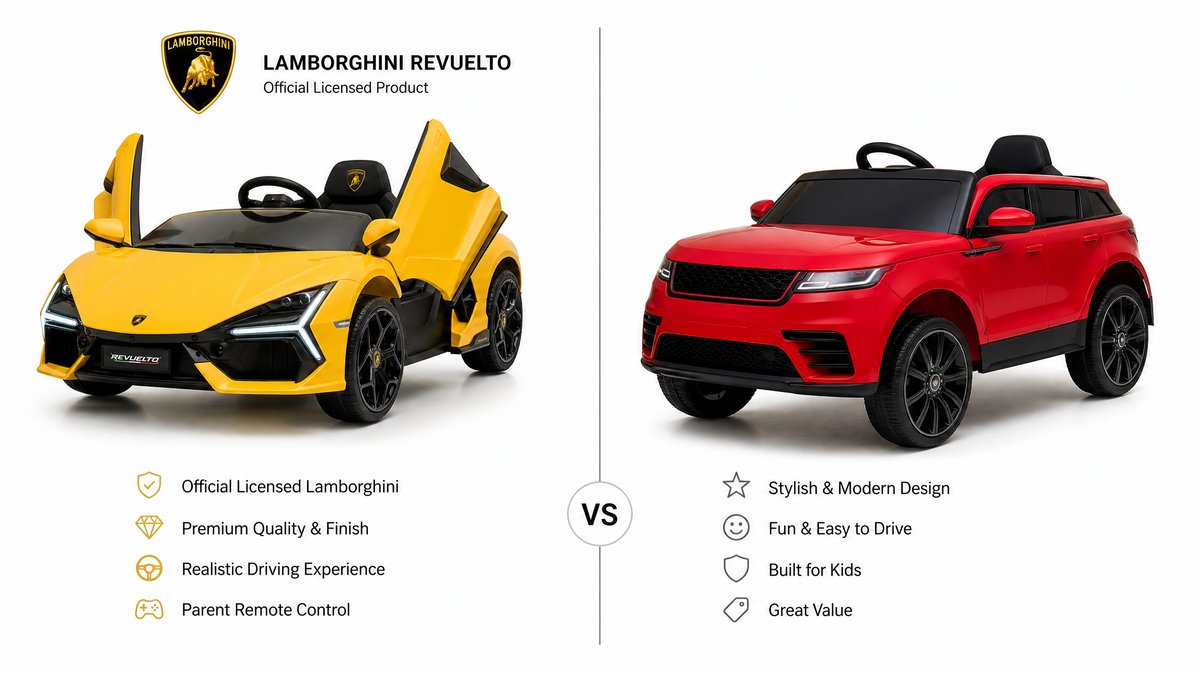
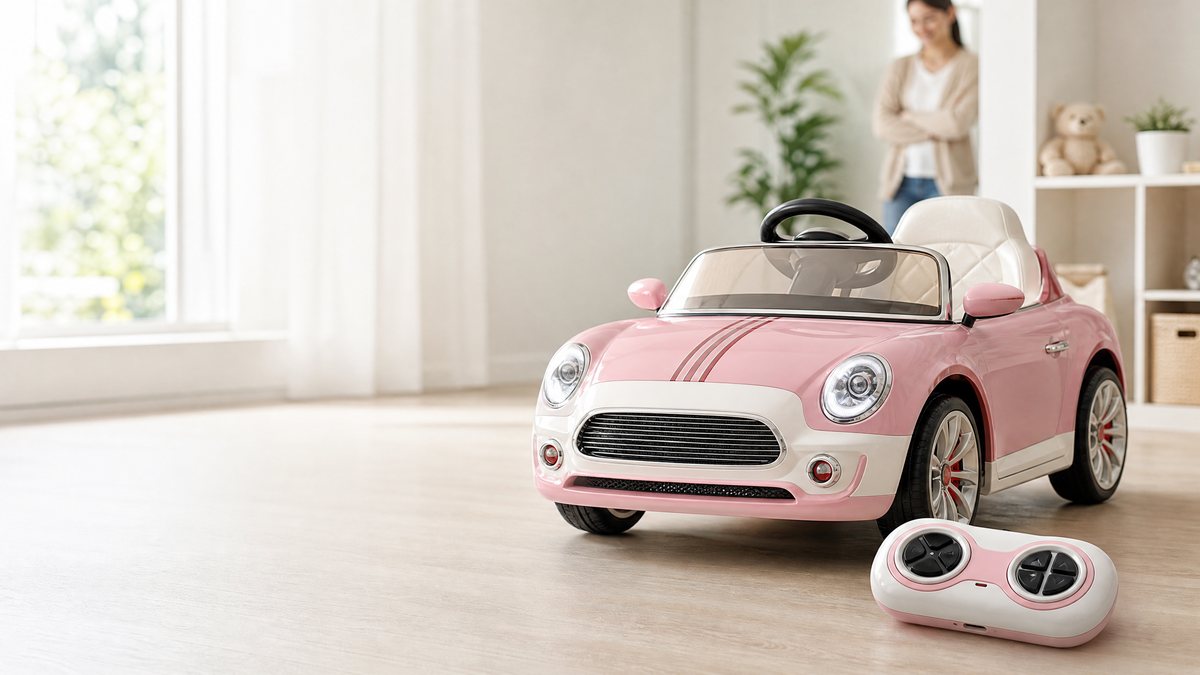
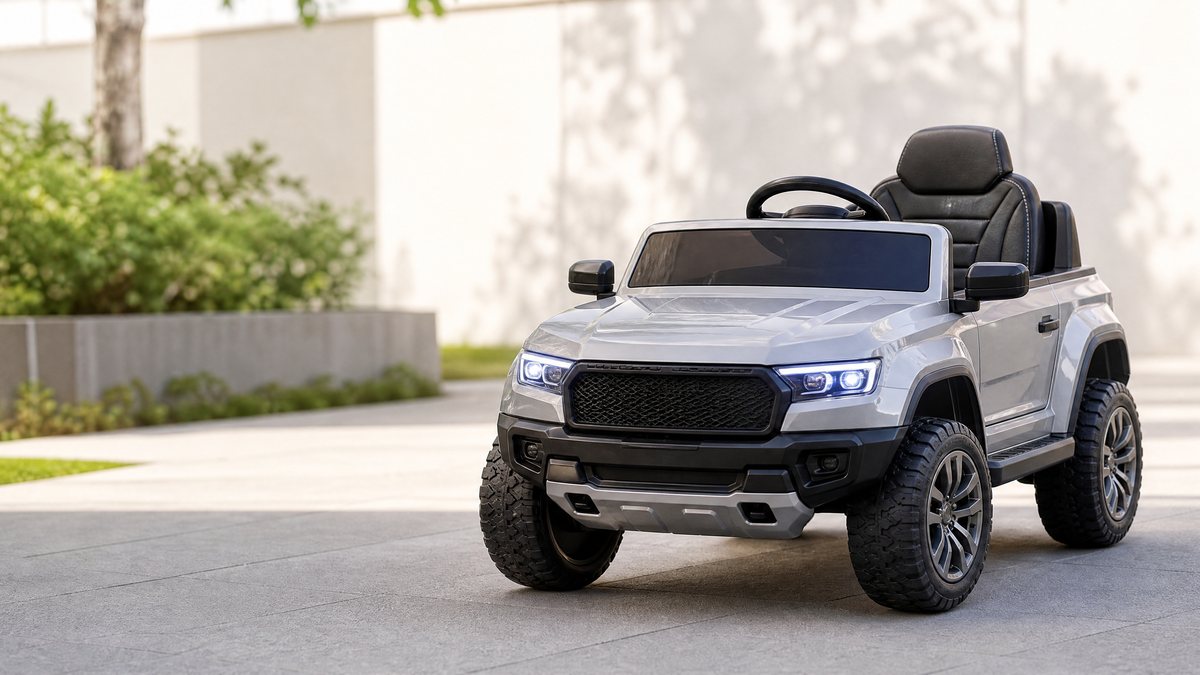
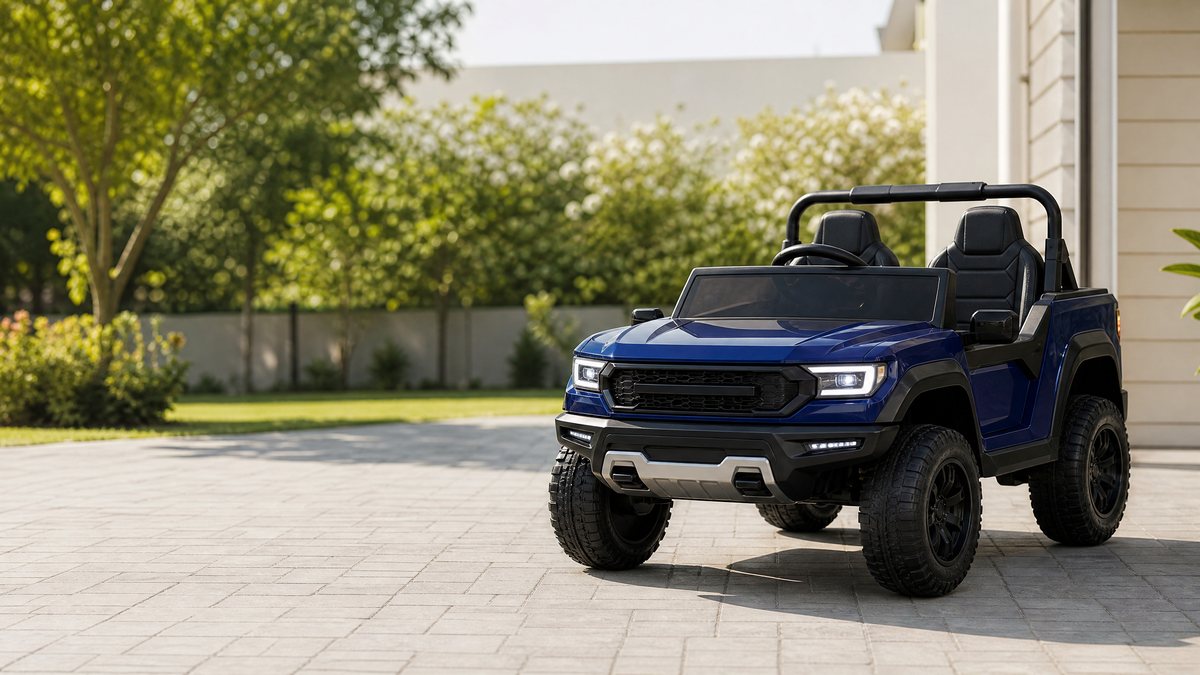
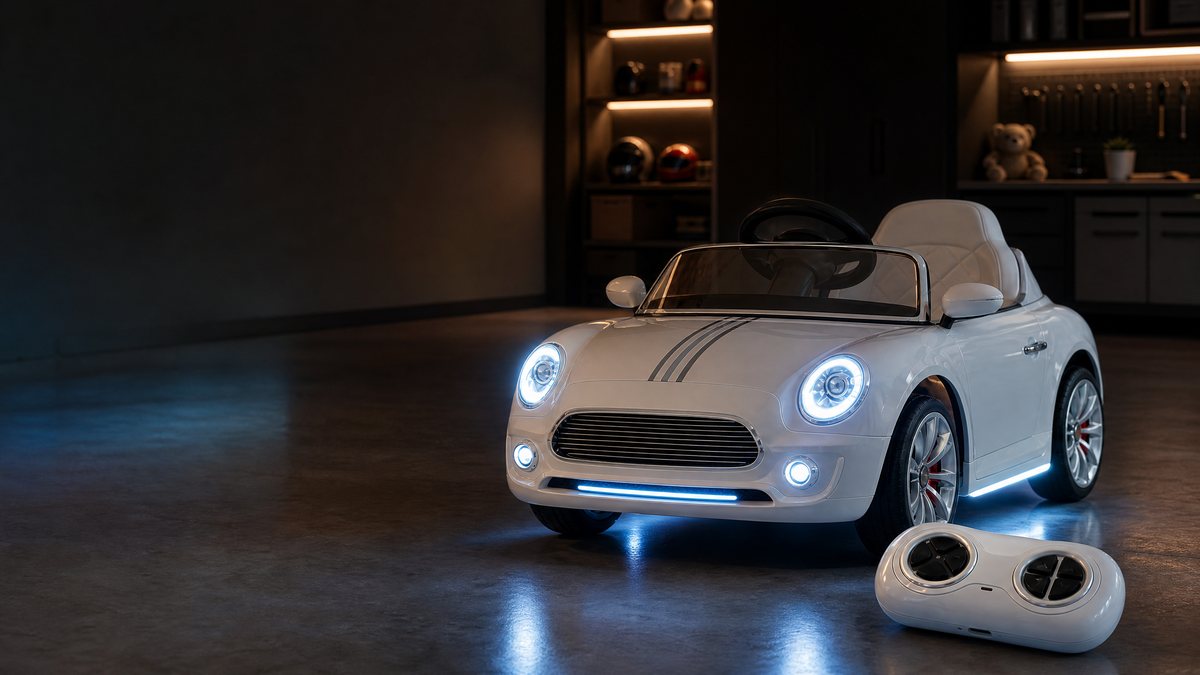
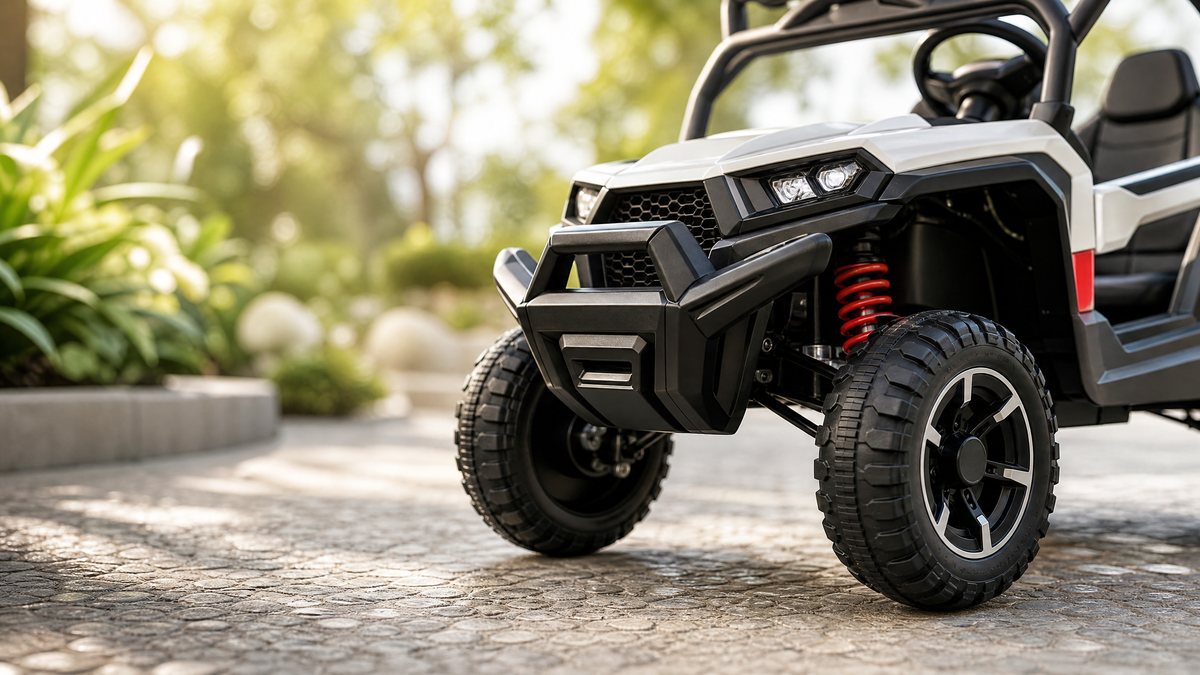
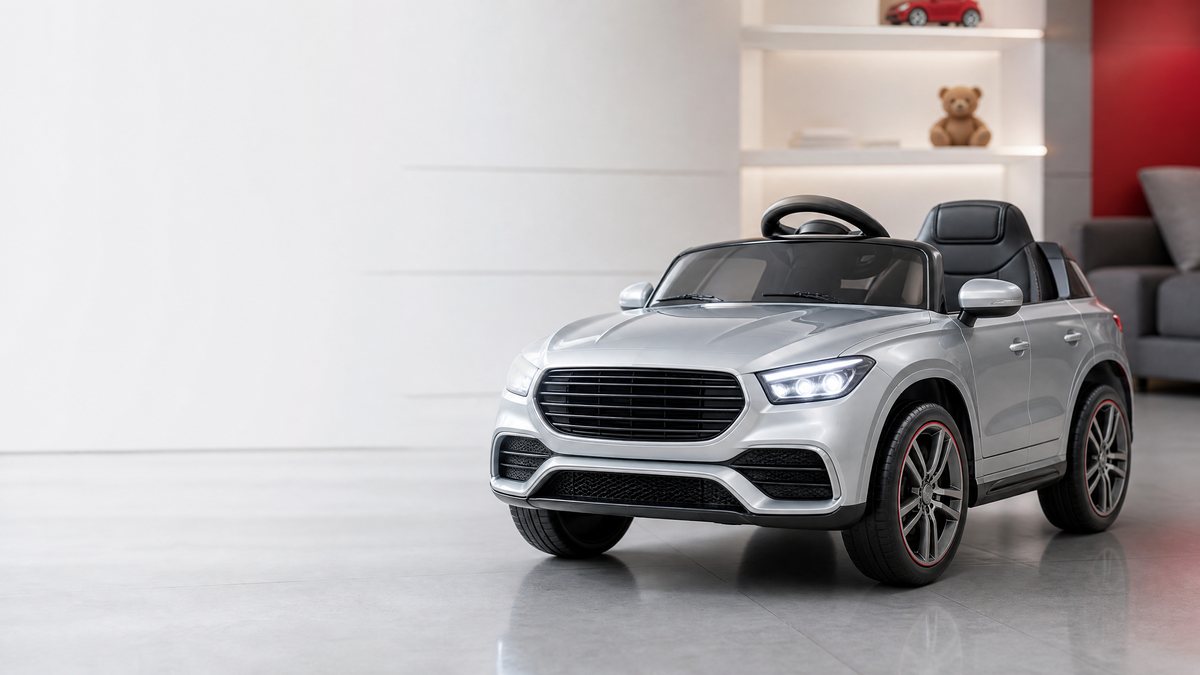
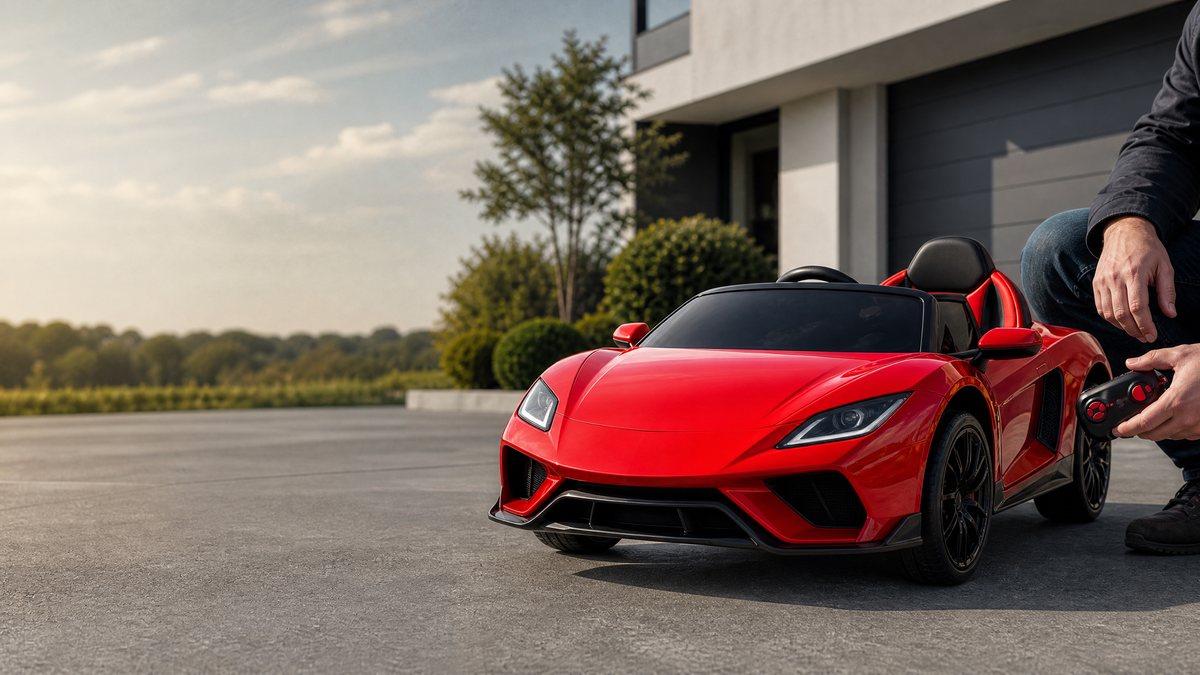
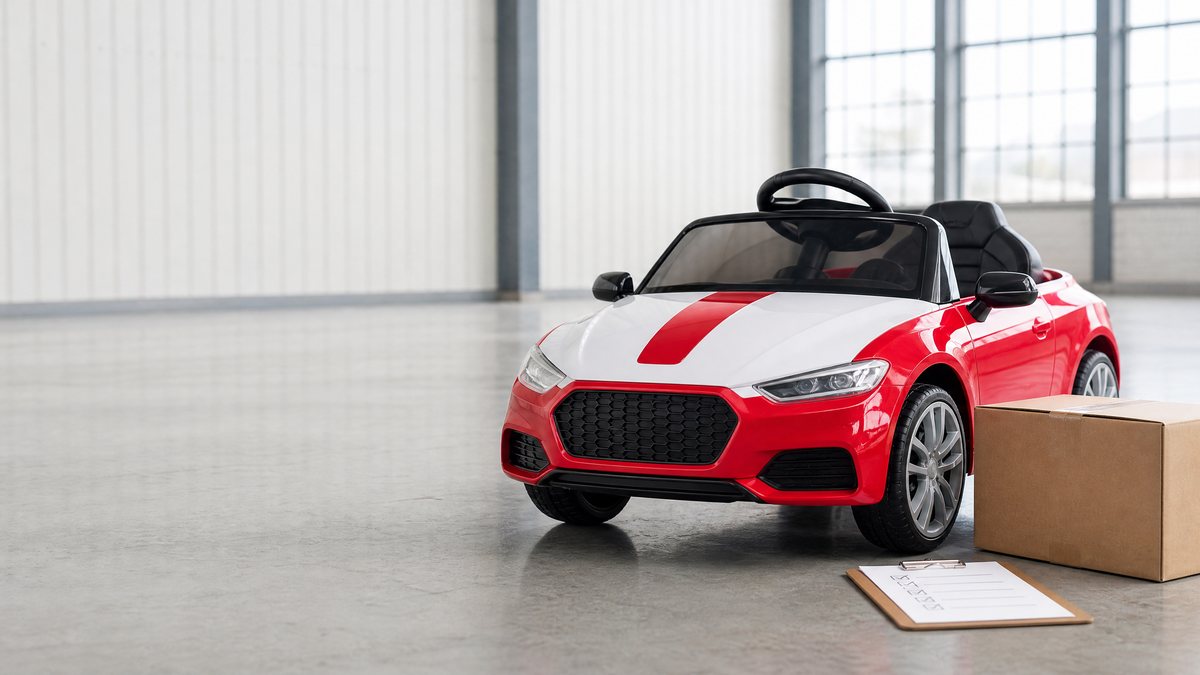
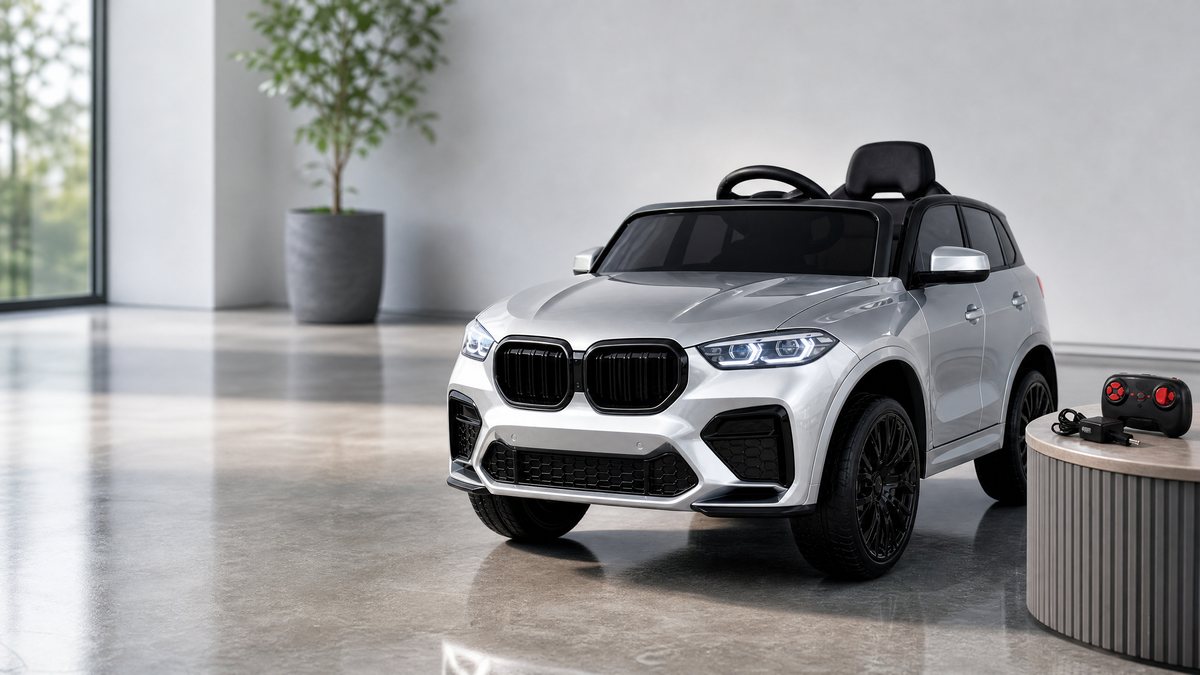
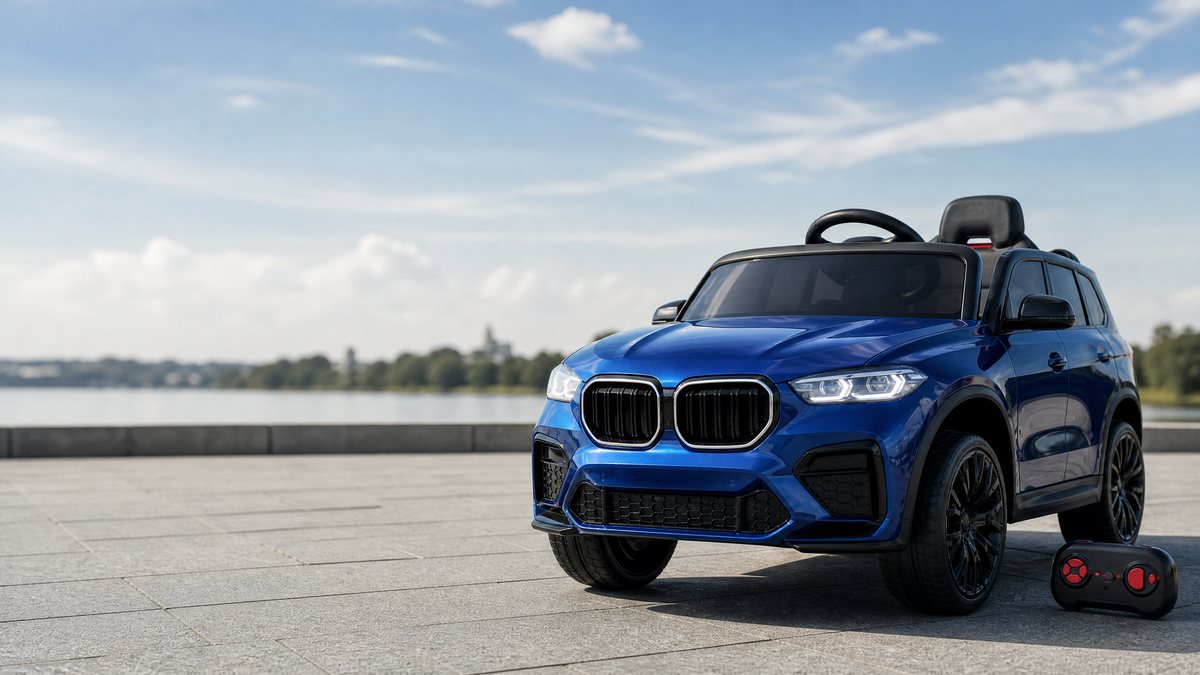
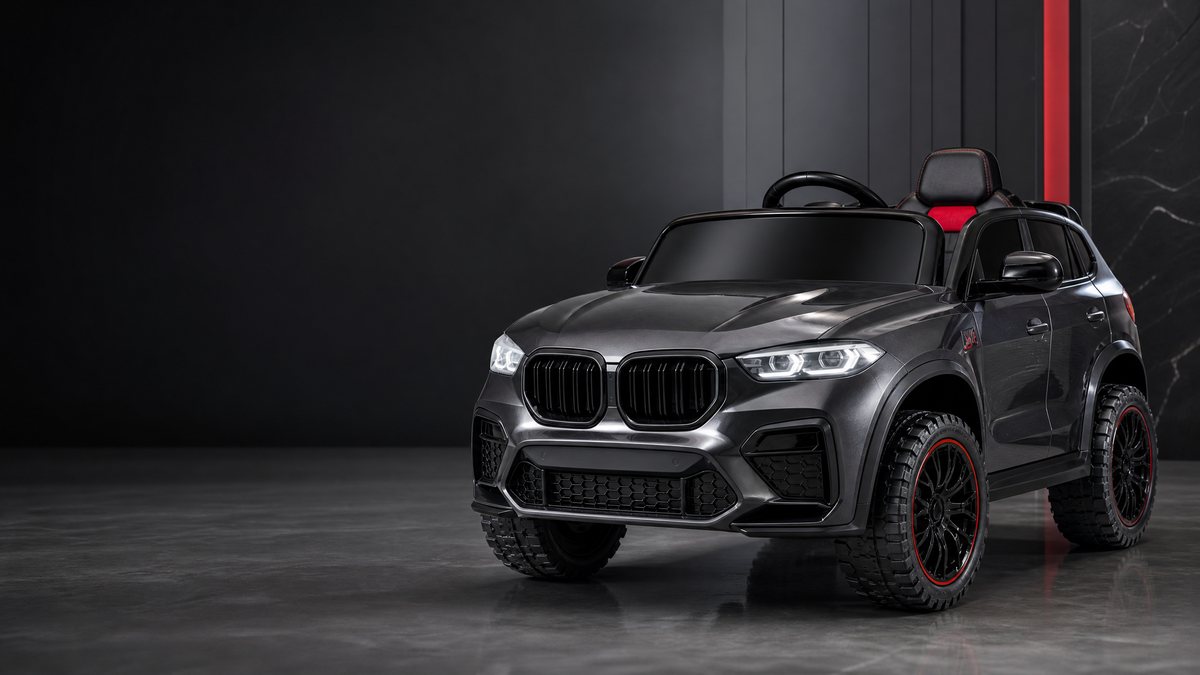
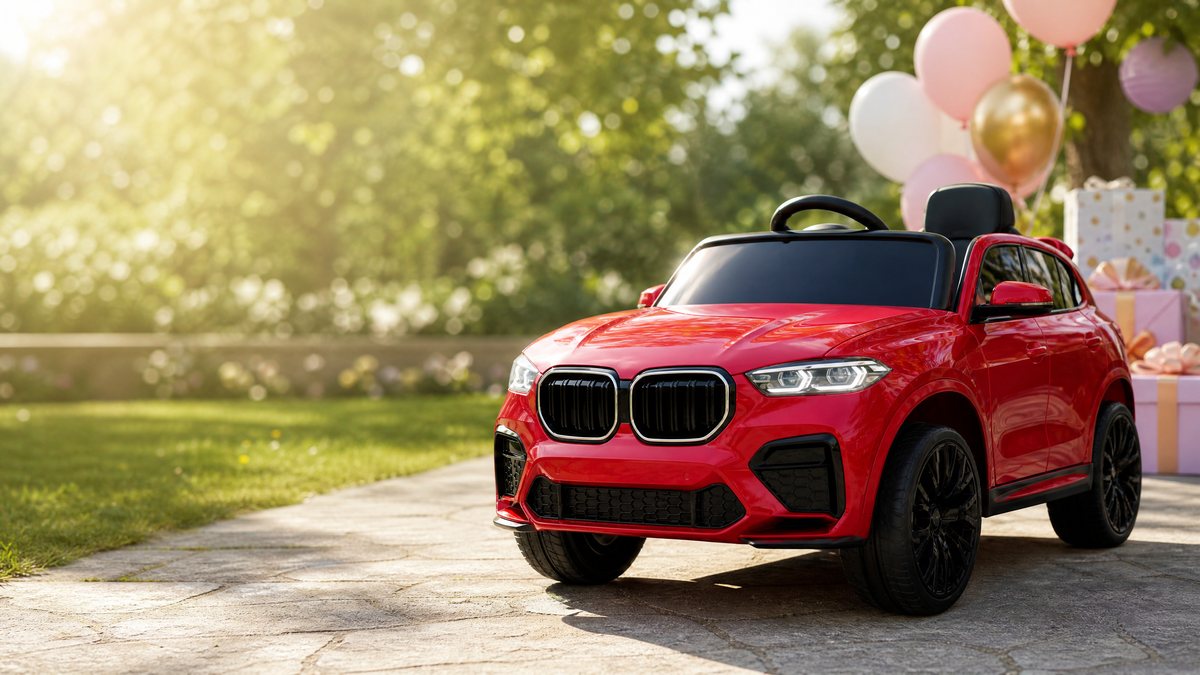
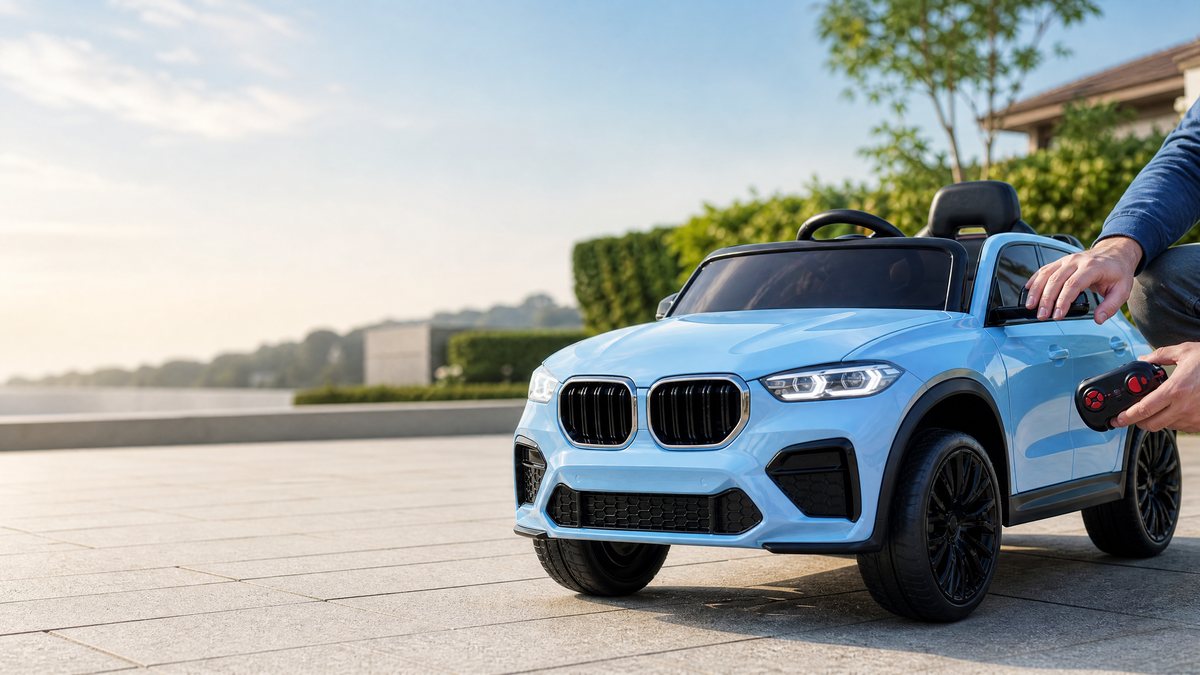
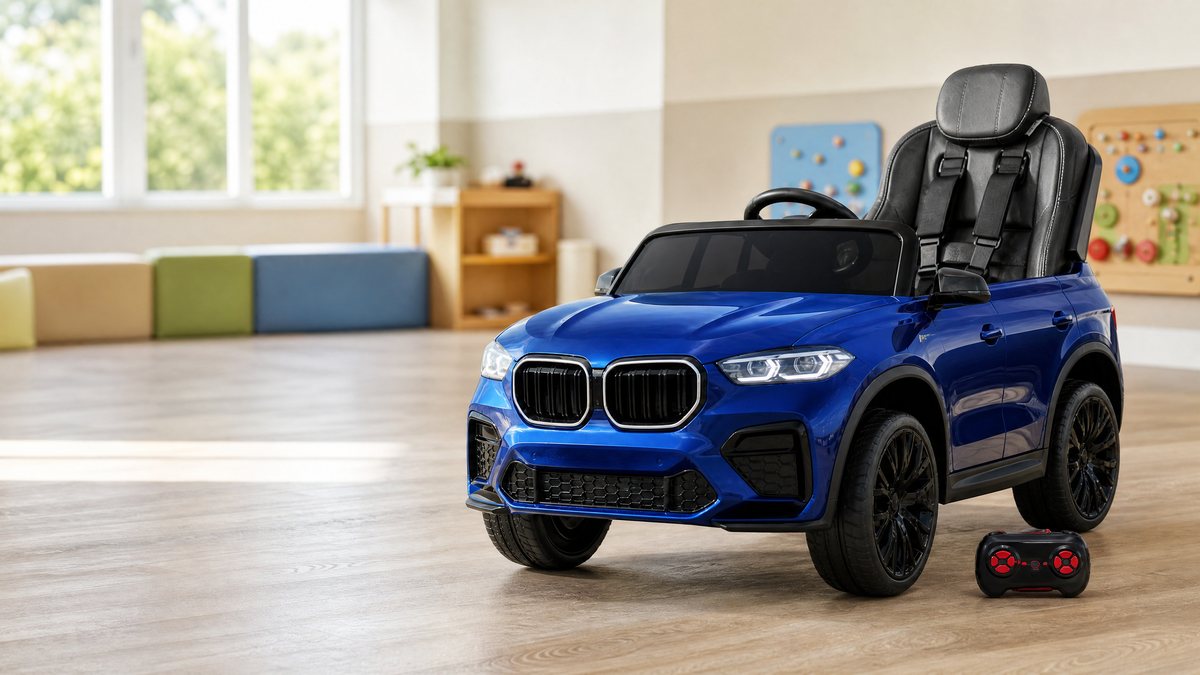
At the premium end of the market, prices rise significantly due to official automotive licensing agreements (such as replicas of Mercedes-Benz, BMW, Audi, or Lamborghini), higher-voltage systems (24V or dual-battery configurations), EVA foam tires, leather-style upholstered seats, and sophisticated digital sound systems. Whether investing in a premium model for personal use or stocking high-end inventory for wholesale distribution, buyers must recognize that premium pricing reflects brand royalties, complex assembly, and advanced electronic components, all of which vary by model, region, and seller; check the exact manual, listing, and written terms.
Entry-Level vs. Mid-Tier vs. Premium Licensed Models: What You Actually Get
To better visualize how financial investment correlates with physical features and operational capabilities, the comparison table below outlines the core differences across the three primary market tiers.
| Feature Category | Entry-Level (Budget Tier) | Mid-Tier (Standard Family Tier) | Premium (Licensed & Luxury Tier) |
|---|---|---|---|
| Typical Voltage & Power | 6V Single Motor | 12V Dual Motors | 24V or Dual 12V High-Output Motors |
| Control Options | Direct foot pedal & steering wheel | Foot pedal + 2.4G Parental Remote | Advanced 2.4G Remote with Emergency Brake & Speed Tuning |
| Tire & Wheel Material | Hard molded plastic | Plastic with rubber center traction strip | EVA solid foam rubber tires for quiet grip |
| Seating & Comfort | Basic molded plastic bench | Standard contoured plastic seat | Upgraded faux leather or padded upholstered seat |
| Licensing & Aesthetics | Generic styling or basic shapes | Semi-custom stylized designs | Officially licensed brand badges & accurate body kits |
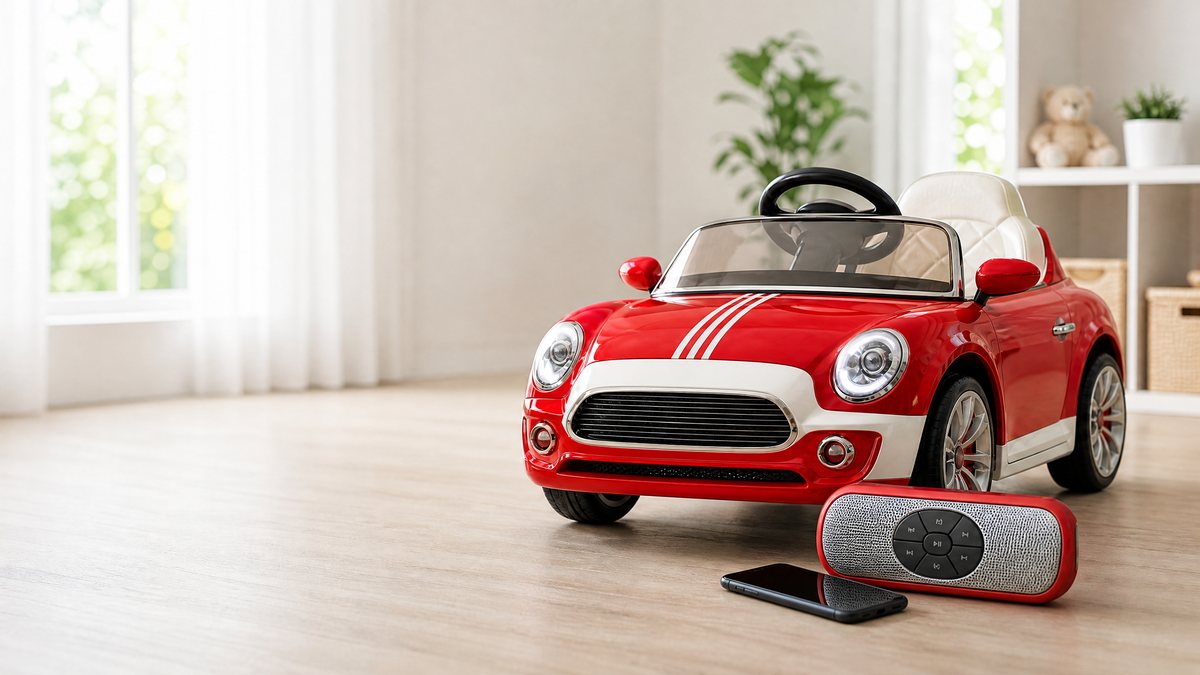
| Entertainment Features | Simple built-in horn or melody | MP3/USB/AUX audio playback | Bluetooth connectivity, digital display, pre-loaded stories |
| Price & Value Dynamics | Lowest upfront cost; basic utility | Moderate cost; balanced durability | Higher upfront cost; premium aesthetics & power |
As demonstrated in the comparison table, upgrading from an entry-level unit to a mid-tier or premium model introduces substantial enhancements in power delivery, safety oversight via remote controls, and rider comfort. However, prospective buyers and wholesale partners should note that specific feature availability, maximum weight capacities, and battery specifications vary by model, region, and seller; always check the exact manual, listing, and written terms.
Key Cost Drivers: Battery Voltage, Materials, and Features
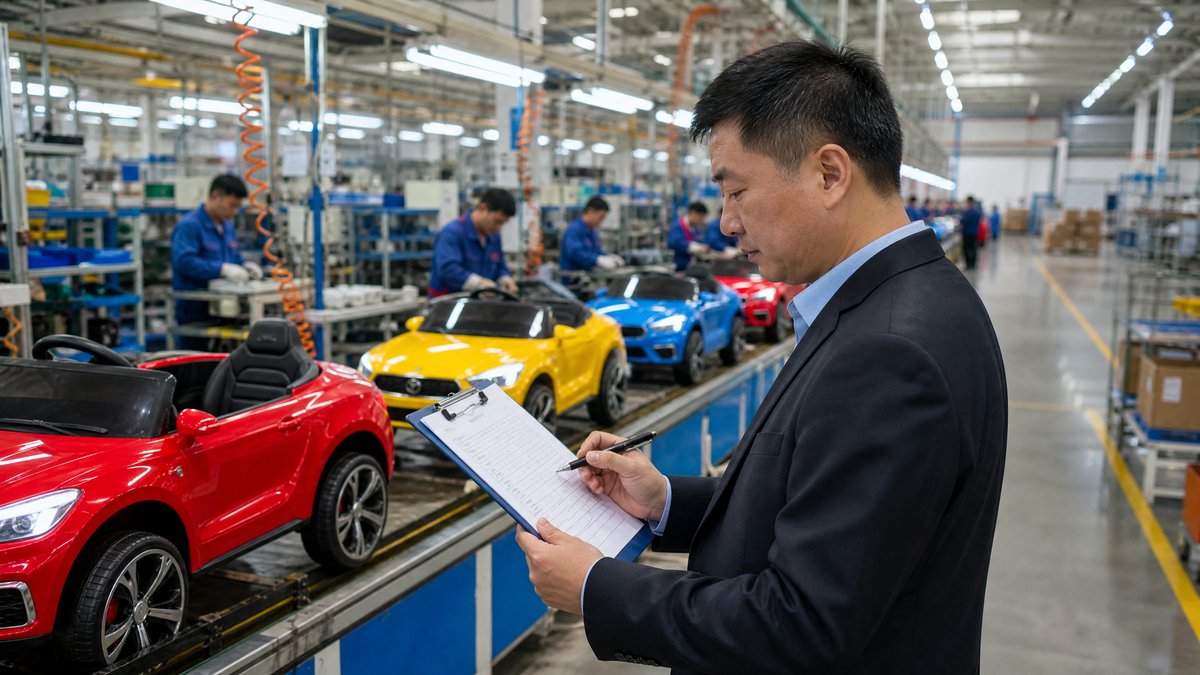
When evaluating the cost of a children's ride-on vehicle, understanding the underlying manufacturing components that drive up or reduce expenses is crucial. Price is rarely arbitrary; it reflects tangible investments in engineering, safety testing, raw materials, and electronic sophistication.
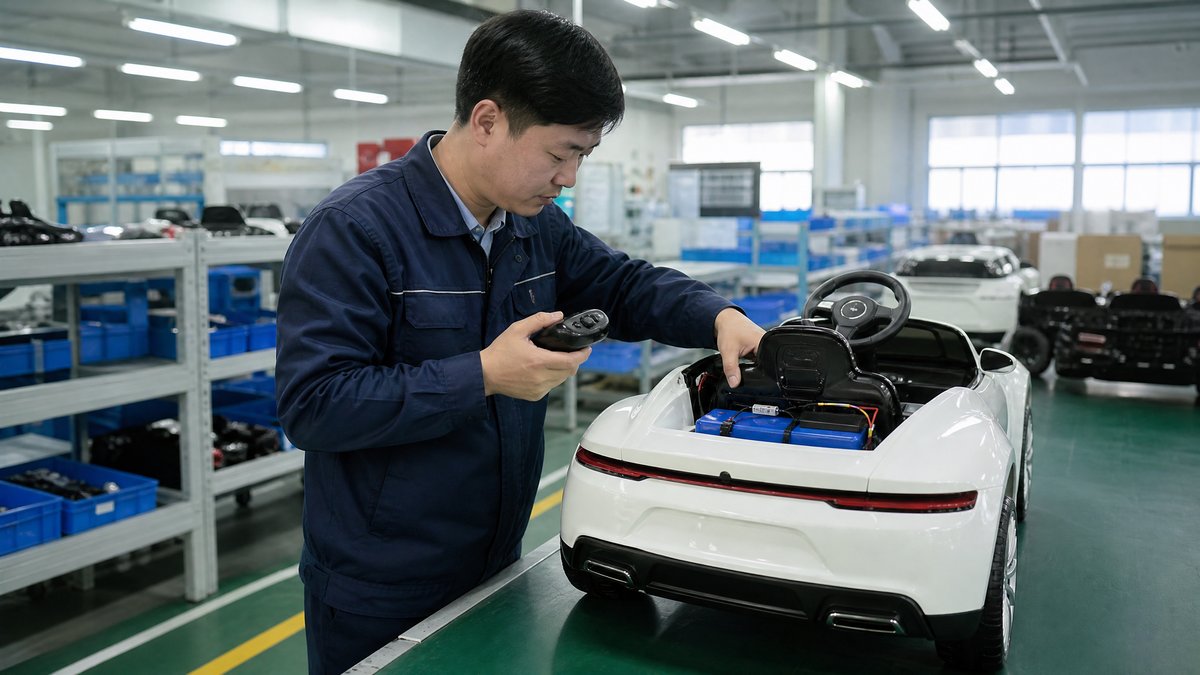
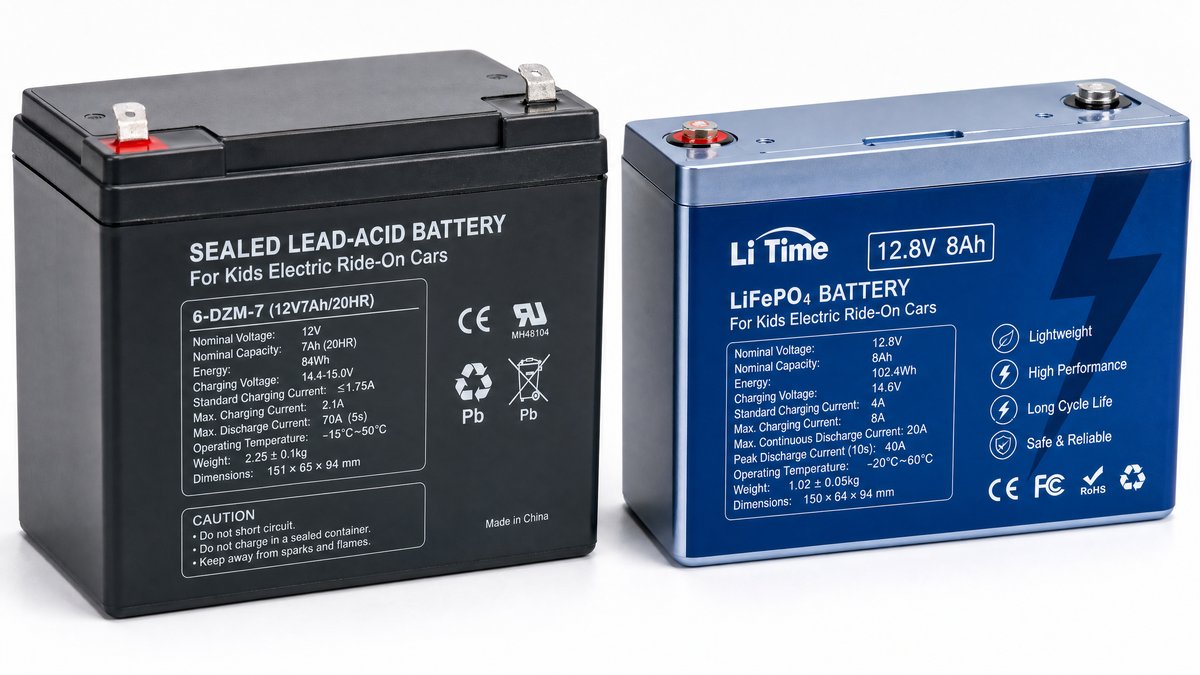
Battery technology and electrical architecture represent one of the most significant cost determinants. A standard 6V system utilizes smaller motors and basic charging units, making it economical to produce but limited in speed and terrain adaptability. In contrast, 12V and 24V systems require robust wiring harnesses, higher-capacity rechargeable lead-acid or lithium-ion cells, and sophisticated speed controllers. While higher voltage increases manufacturing costs and retail pricing, it generally provides enhanced torque and consistent performance across varying outdoor surfaces. However, battery longevity, charging cycles, and replacement costs vary by model, region, and seller; check the exact manual, listing, and written terms.
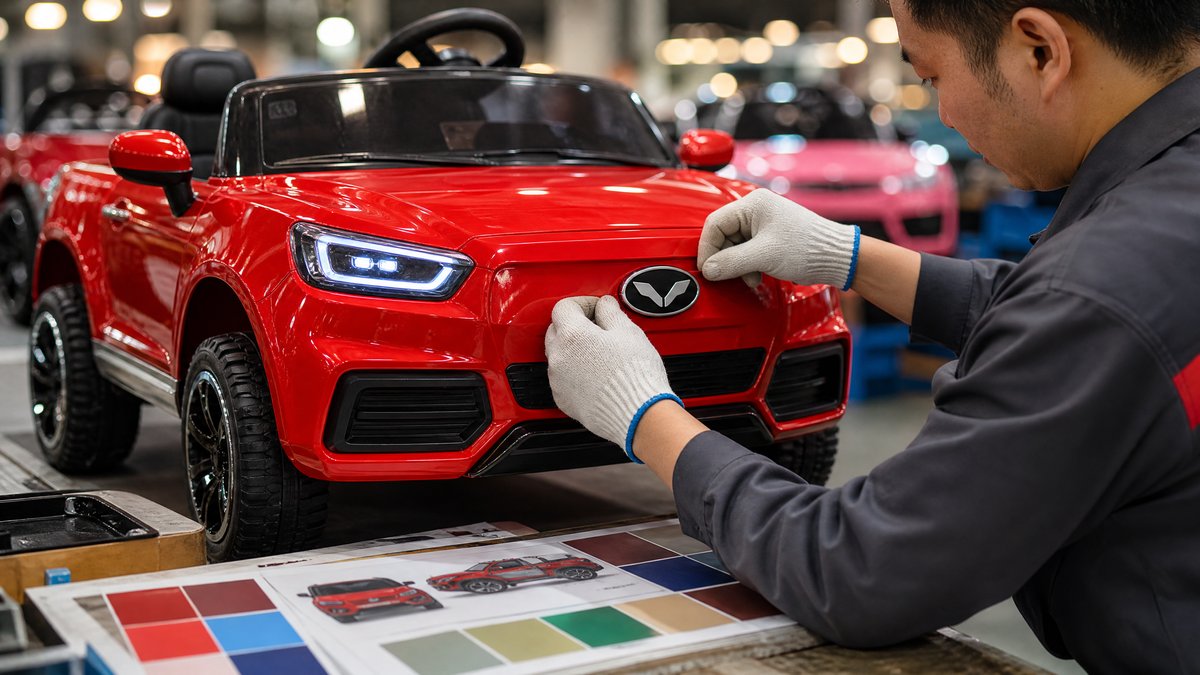
Body materials and structural integrity also heavily influence pricing. High-grade, UV-resistant polypropylene injection-molded plastics offer superior impact resistance and color retention compared to recycled or thin-gauge plastics. Furthermore, wheels made from EVA foam rubber cost more to manufacture than solid plastic wheels, but they dramatically reduce road noise, improve traction, and eliminate the risk of flat tires.
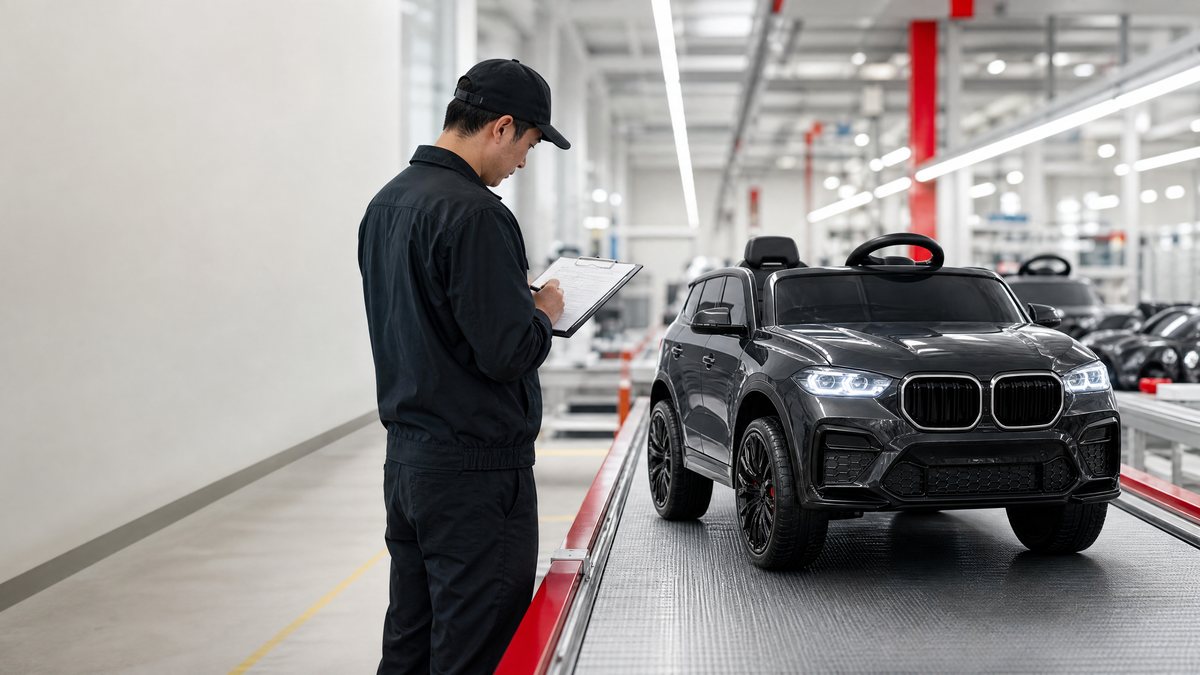
Additional features such as independent spring suspension, soft-start acceleration modules, and multi-channel parental remote controls add layers of electronic complexity. While these additions elevate the cost, they contribute significantly to operational smoothness and safety oversight. For B2B buyers and retail importers, assessing these structural and electrical cost drivers ensures that procurement budgets align with target customer expectations and quality standards.
Evaluating Long-Term Value and Wholesale Investment Considerations
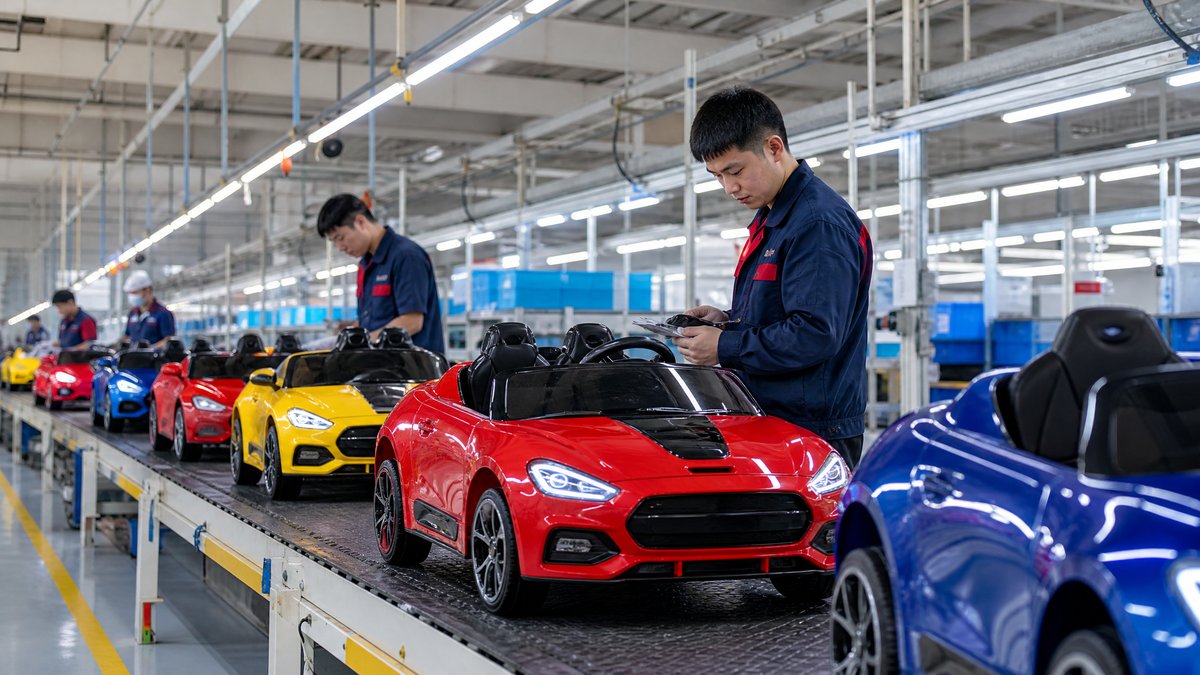
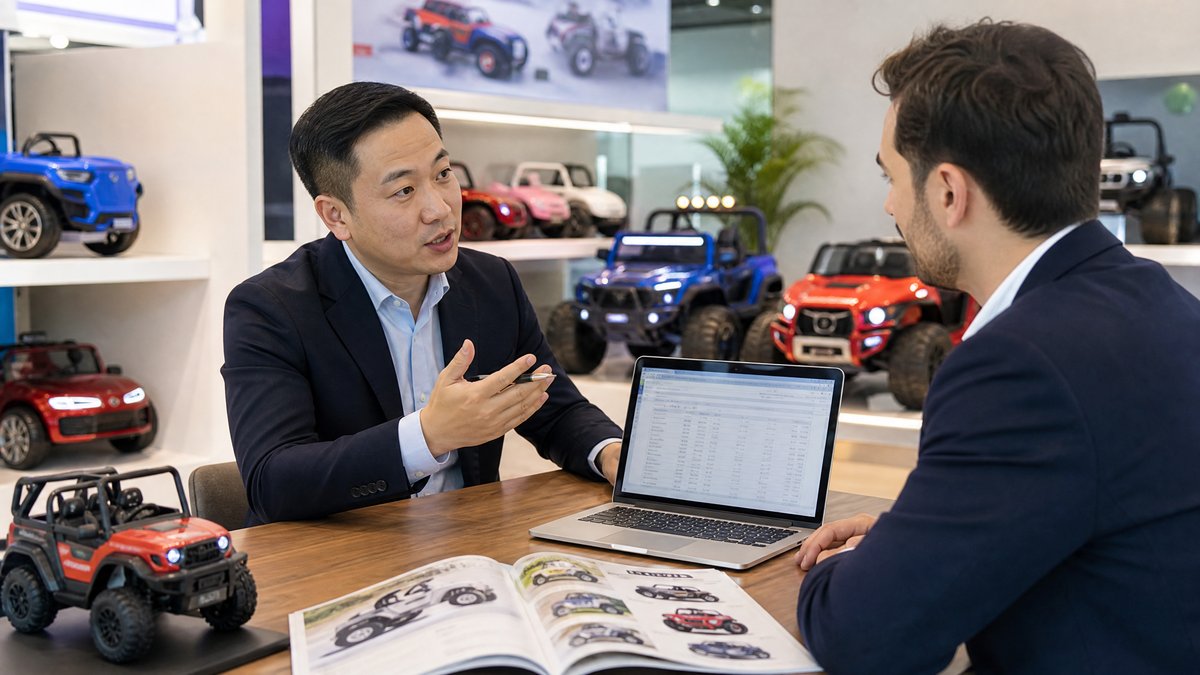
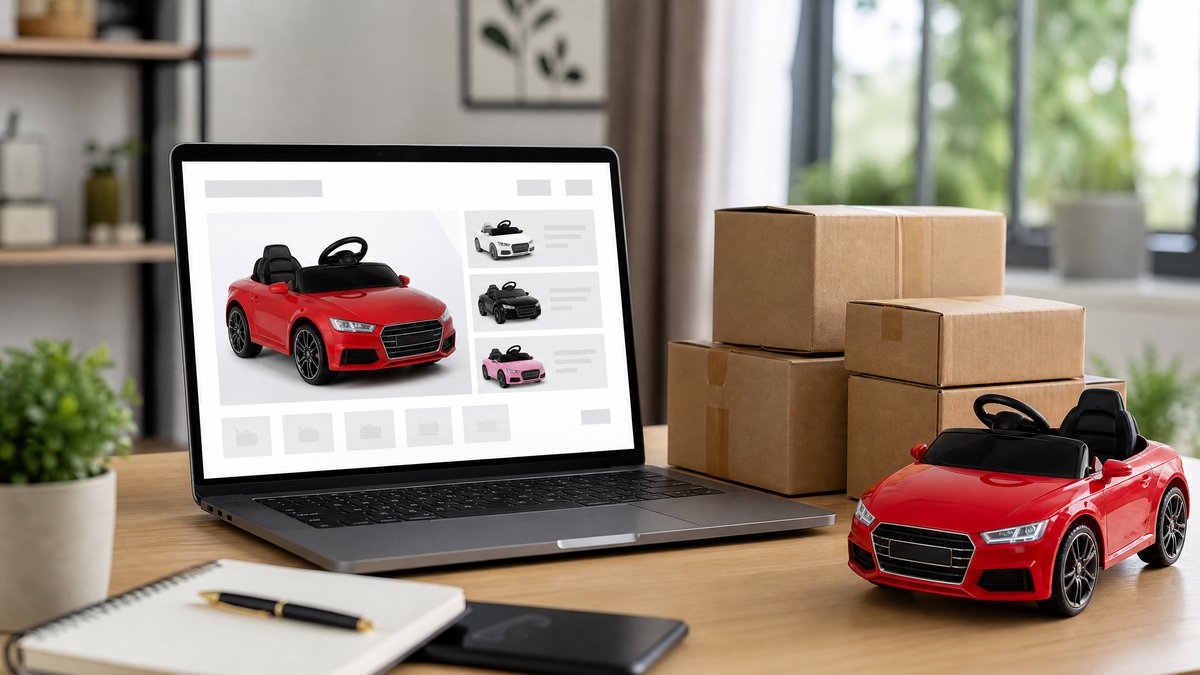
For B2B buyers, distributors, and commercial retail partners, determining how much to spend on inventory procurement involves analyzing market demand, shipping logistics, storage overhead, and after-sales support requirements. Investing in a diverse product catalog that spans entry-level, mid-tier, and premium licensed models allows businesses to capture multiple consumer segments.
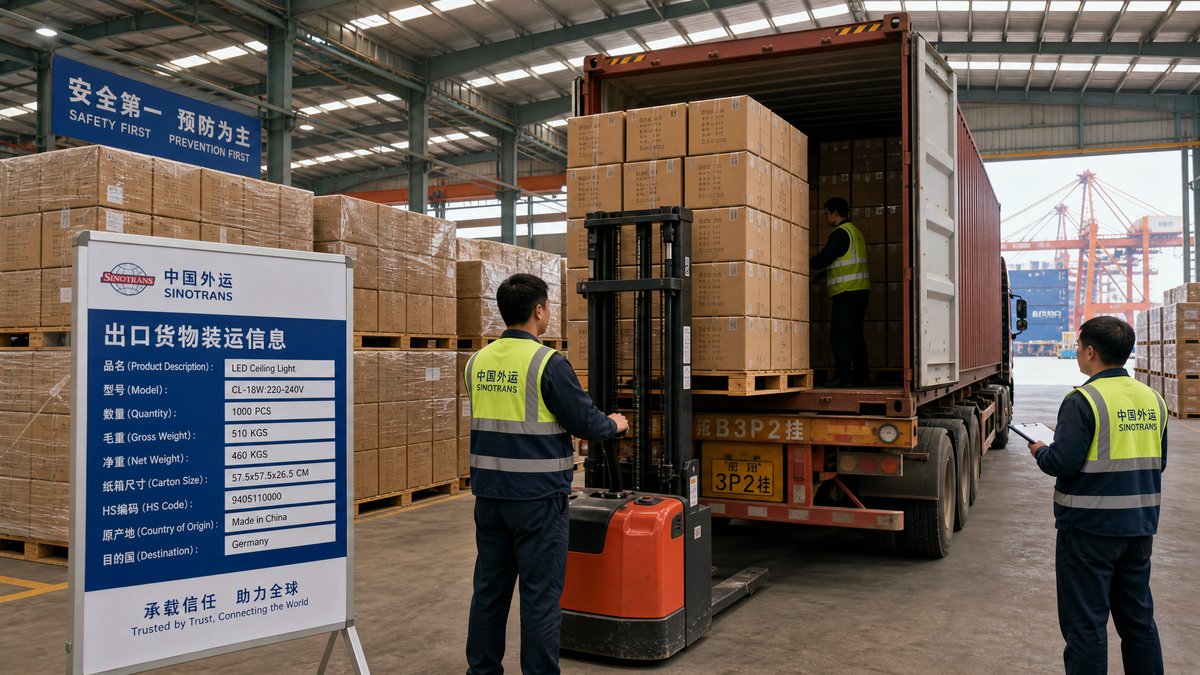
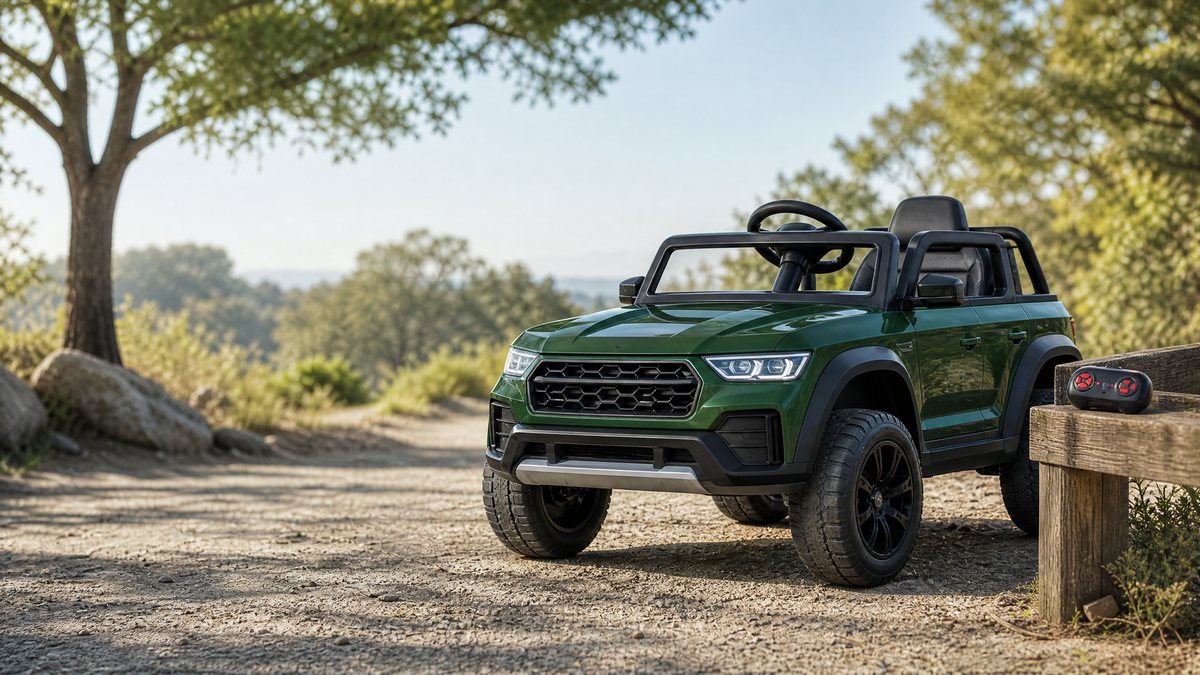
When structuring wholesale orders or evaluating retail pricing strategies, stakeholders must account for freight volume, packaging dimensions, and regional compliance certifications. Double-seat models, licensed supercars, and heavy-duty utility tractors require larger shipping containers and specialized warehousing, which influences landed costs. Furthermore, policies regarding replacement parts availability, warranty fulfillment, and return handling vary by model, region, and seller; check the exact manual, listing, and written terms.
Retailers should also consider the seasonal nature of ride-on car sales. Spring and holiday gift-giving periods drive peak demand, making timely procurement and strategic inventory allocation vital for maximizing profitability. By partnering with reputable manufacturers and maintaining transparent communication regarding product specifications, businesses can protect their brand reputation while offering end consumers exceptional value.
If you are a commercial distributor, retail chain owner, or bulk buyer seeking customized catalog pricing and container shipping details for your upcoming retail season, we invite you to connect with our commercial team. Request a wholesale quote today to discuss volume discounts, OEM/ODM customization options, and freight schedules tailored to your target market.
Safety Standards, Compliance, and Operational Disclaimers
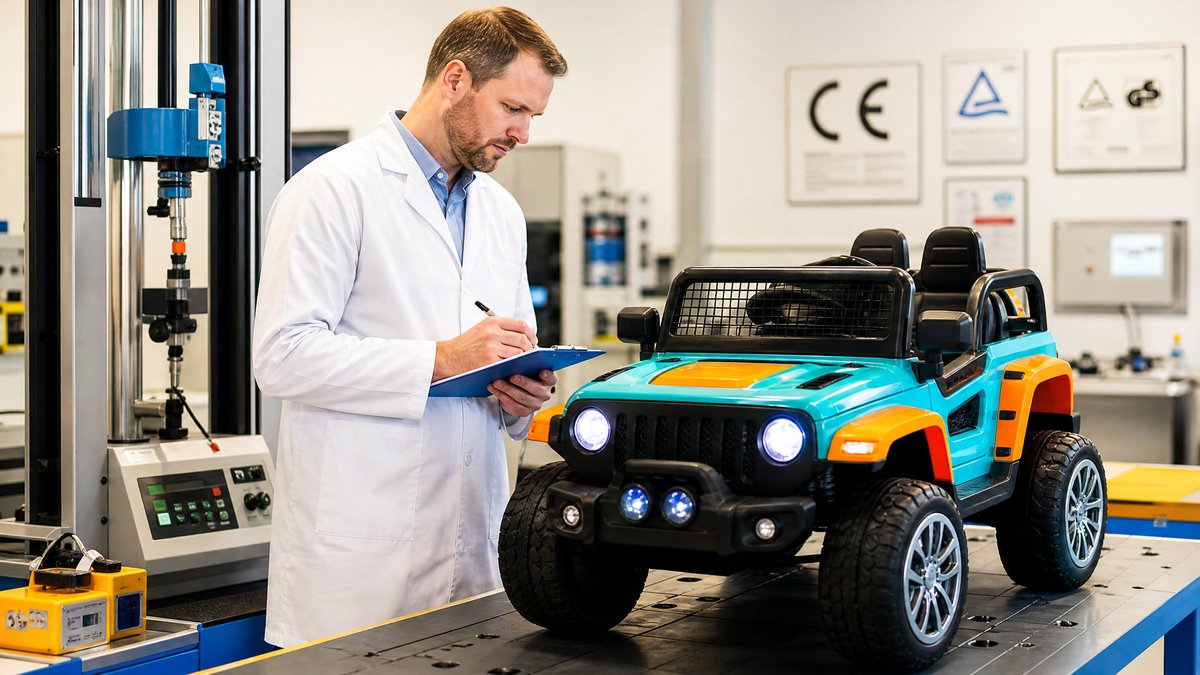
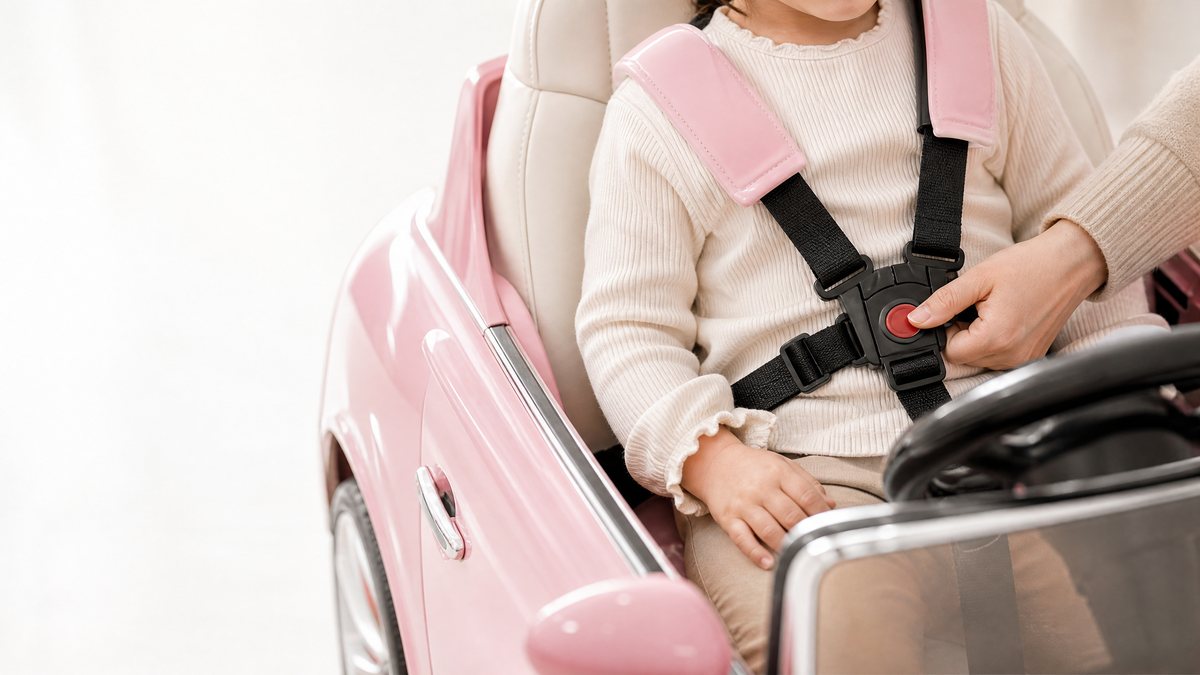
Regardless of how much is spent on a kids' ride-on car, safety compliance and proper adult supervision remain paramount. Regulatory bodies such as the Consumer Product Safety Commission (CPSC) provide general toy safety education, emphasizing that toys must comply with mechanical, physical, and chemical standards. It is important to note that general resources like CPSC educational summaries serve as broad guidance and do not replace the specific model manuals, warnings, and safety instructions provided by the manufacturer.
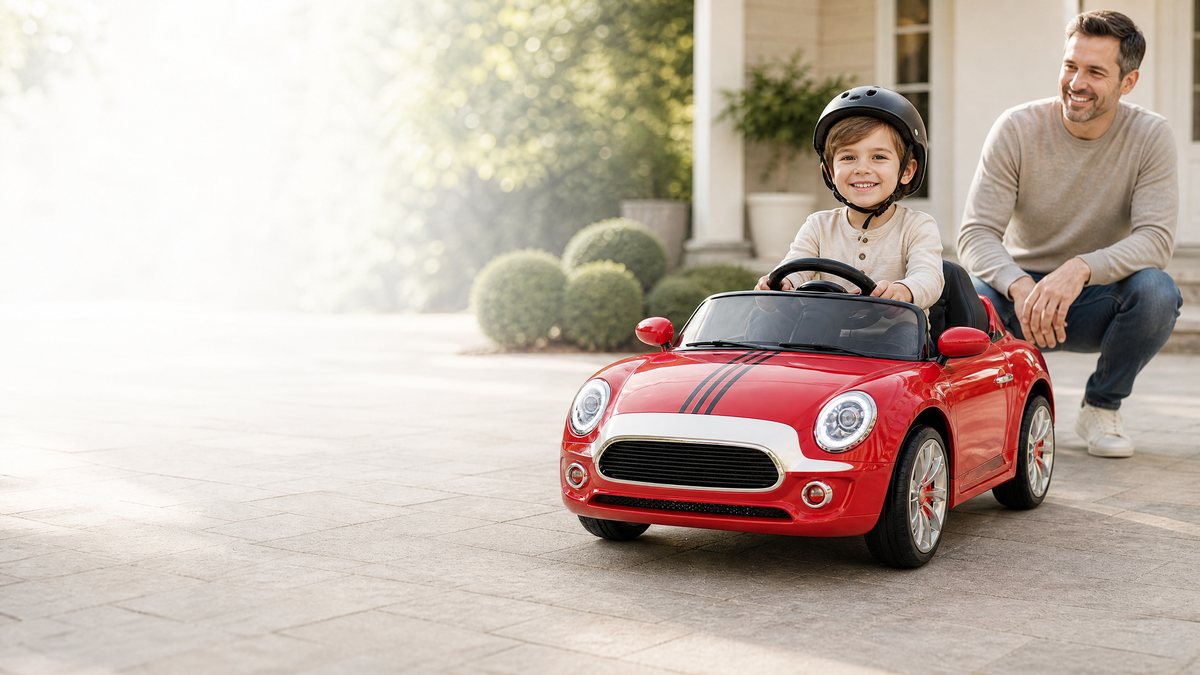
Parents and operators must strictly adhere to recommended age grading, maximum weight limits, and helmet usage guidelines. However, specific age suitability, weight thresholds, and assembly requirements vary by model, region, and seller; check the exact manual, listing, and written terms.
To ensure safe operation and longevity, users must observe essential maintenance and emergency protocols:
- Never attempt internal electrical repairs, terminal modifications, wiring harness alterations, control board tampering, or multimeter testing without professional authorization.
- If you notice strange odors, overheating, smoke, water ingress, damaged cables, or persistent mechanical failure, immediately stop using and charging the vehicle, turn off the power switch, keep children away from the unit, and contact the manufacturer or qualified service personnel.
- Ensure that vehicle assembly, battery charging routines, and initial safety inspections are conducted entirely by responsible adults.
Frequently Asked Questions
1. How much should I expect to spend on a reliable mid-tier kids ride-on car?
A reliable mid-tier ride-on car typically ranges from moderate consumer pricing levels, offering 12V dual motors, a parental remote control, and rubber traction strips. However, exact pricing, feature inclusions, and warranty terms vary by model, region, and seller; always check the exact manual, listing, and written terms.
2. Are officially licensed ride-on cars worth the higher price tag?
Officially licensed models feature authentic badges, accurate body styling, and premium components modeled after real luxury vehicles like Mercedes-Benz or BMW. Whether the aesthetic and structural upgrade justifies the higher cost depends on buyer preference, but licensing royalties, premium materials, and brand value vary by model, region, and seller; check the exact manual, listing, and written terms.
3. Can I upgrade the battery or motor on a budget ride-on car to increase speed?
No. Never attempt to modify, upgrade, or alter the internal electrical system, battery voltage, or motor wiring of a ride-on car. Unauthorized modifications can cause severe overheating, electrical failure, or fire hazards. Always operate the vehicle strictly in accordance with factory specifications, and check the exact manual, listing, and written terms.
4. What should I do if the ride-on car exhibits unusual odors, smoke, or electrical sparking?
If you observe strange odors, smoke, overheating, water damage, frayed cables, or persistent electrical sparking, immediately stop using and charging the vehicle, power off the unit, move children away from the area, and contact the manufacturer or a qualified service technician for professional inspection.
5. How do B2B wholesale buyers determine the best price points for retail inventory?
B2B buyers evaluate wholesale pricing by analyzing landed costs, freight logistics, seasonal demand curves, and target consumer demographics. Diversifying inventory across entry-level, mid-tier, and premium licensed models allows businesses to serve varied market segments effectively. For tailored bulk purchasing inquiries and volume pricing structures, you can Request a wholesale quote to connect directly with our commercial team.
Conclusion
Determining how much to spend on a kids' ride-on car involves balancing upfront budgetary constraints with long-term expectations for durability, safety features, and entertainment value. Whether purchasing a simple entry-level model for casual toddler use or investing in a feature-rich, licensed luxury vehicle for an enthusiast child, understanding the underlying cost drivers ensures a satisfying ownership experience.
For B2B distributors and retail partners, curating a balanced inventory portfolio that addresses multiple pricing tiers is key to capturing diverse consumer demand. Always prioritize safety compliance, adhere strictly to manufacturer instructions, and consult official product documentation for specific operational guidelines. To explore our complete catalog of certified children's ride-on vehicles and discuss commercial partnership opportunities, please Request a wholesale quote today. For general educational insights on toy safety, refer to resources provided by the CPSC general toy safety education framework, keeping in mind that official model manuals take precedence over general educational summaries.
Official references
Explore these external resources for current regulatory and trade guidance. Confirm requirements with the relevant authority before placing an order.
Ready to Start?
Factory-Direct · CE & ASTM Certified · MOQ from 50 Units
Our export team works with buyers in 60+ countries. Get a quote within 24 hours.
KR
Written by KidsRideCar
China's leading kids electric ride-on car manufacturer. 500,000+ units shipped annually to 60+ countries. CE, ASTM & EN71 certified.