Introduction
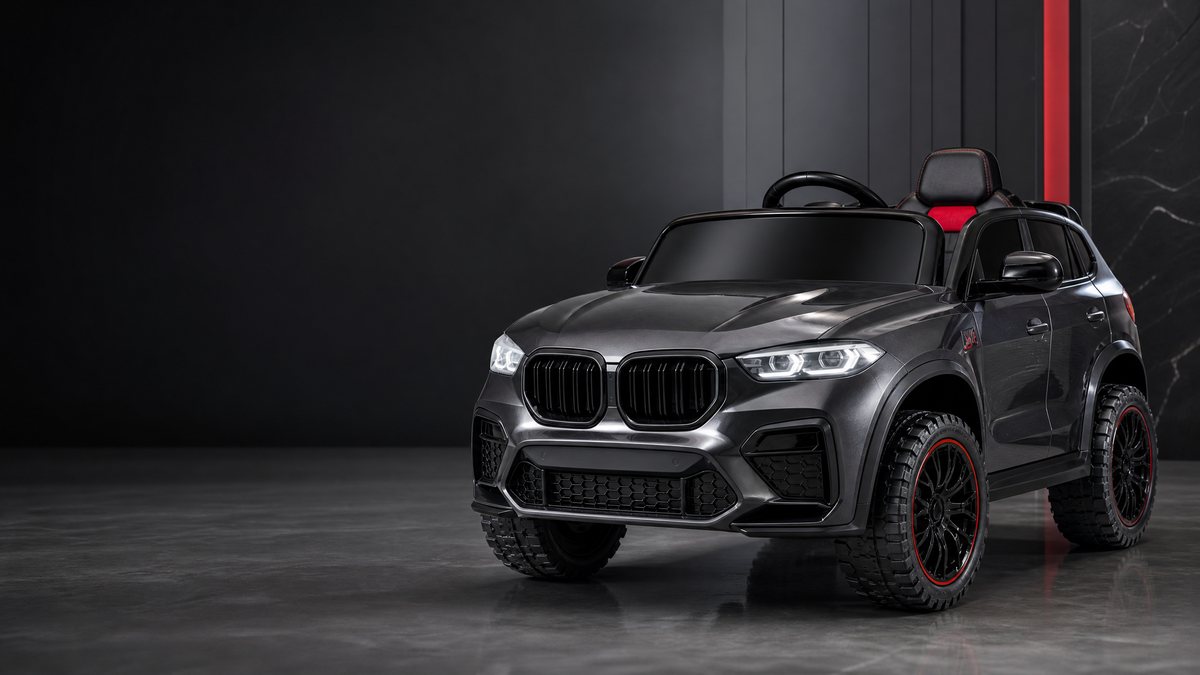
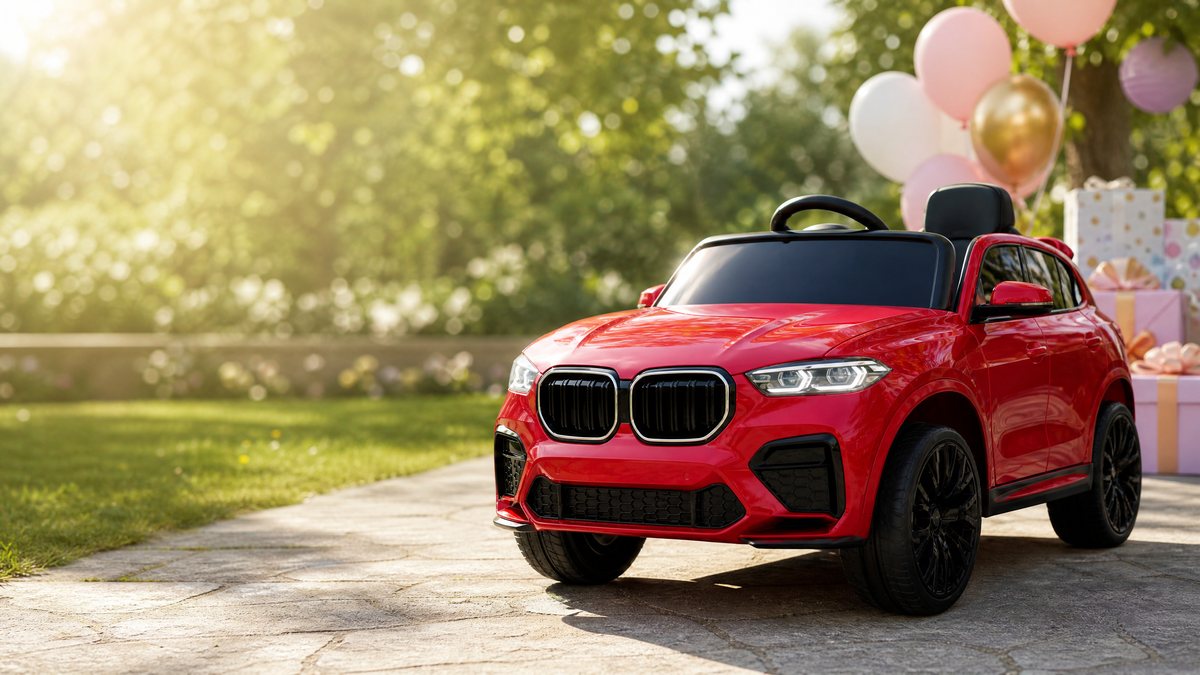
Five-year-old children represent a distinct developmental milestone in active play and motor skill acquisition. At this stage, children possess refined spatial awareness, hand-eye coordination, and directional control, allowing them to transition smoothly from basic six-volt toddler cruisers to more sophisticated twelve-volt and twenty-four-volt ride-on vehicles. Choosing the optimal vehicle requires balancing physical growth metrics, terrain adaptability, and safety features.
This guide provides a transparent decision framework for parents and retail buyers seeking to evaluate ride-on cars for five-year-olds without relying on unverified claims or subjective testing. By examining objective specifications such as voltage tiers, seating dimensions, drivetrain configurations, and safety compliance, stakeholders can make informed purchasing and inventory decisions.
Developmental Readiness and Sizing Metrics
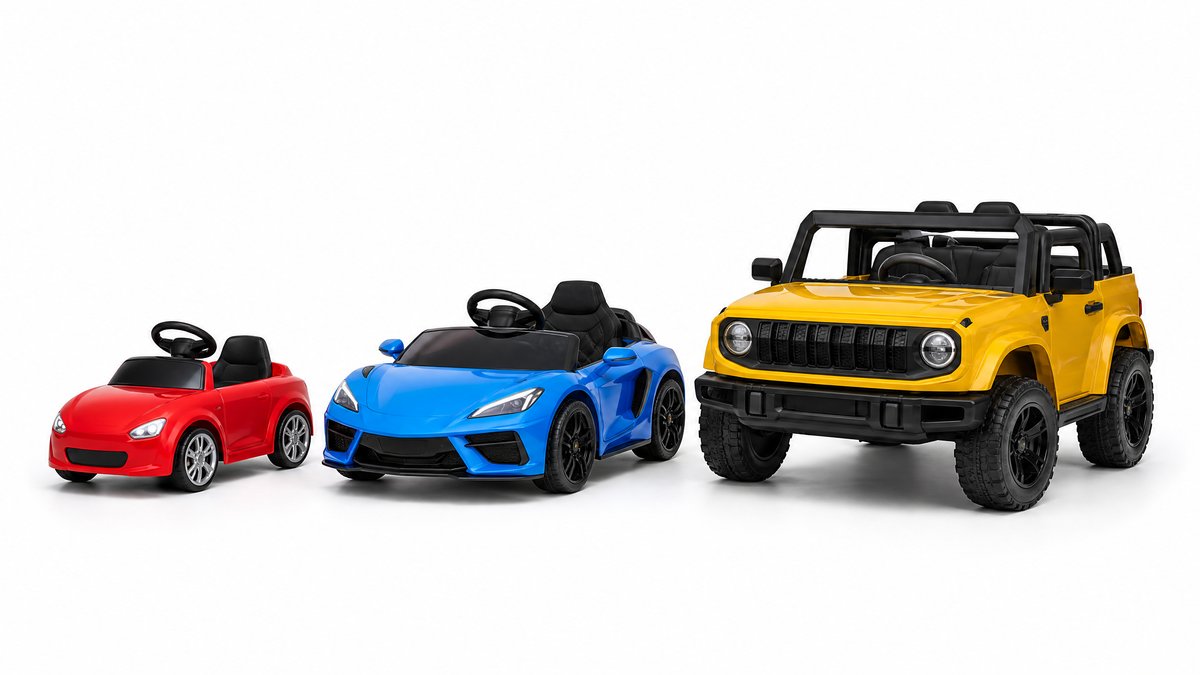
Evaluating a ride-on car for a five-year-old begins with understanding physical growth parameters. While chronological age provides a general benchmark, children's physical stature varies significantly. At age five, children typically average between 42 and 45 inches in height with proportional leg lengths and torso heights.
When reviewing manufacturer specifications, buyers should prioritize internal cabin dimensions over exterior vehicle size. Key metrics include:
- Legroom (Backrest to Accelerator Pedal Distance): Must accommodate extended knee angles without cramping.
- Seat Width: Crucial for single versus two-seater configurations, ensuring adequate lateral support.
- Maximum Weight Capacity: Most vehicles targeted at five-year-olds support between 30 kg and 50 kg (approx. 66 to 110 lbs). Verifying that the child's weight falls well within this threshold ensures motor longevity and prevents premature mechanical strain.
Age labeling provided by manufacturers serves strictly as preliminary guidance. Adult supervision, individual physical stature, and developmental maturity always take precedence when determining operational suitability.
Core Technical Specifications: Voltage, Drivetrain, and Speed
The mechanical architecture of a ride-on car dictates its performance across different environments. For five-year-olds, power systems generally fall into two primary voltage categories, accompanied by varying drivetrain setups.
12-Volt vs. 24-Volt Systems
- 12-Volt Systems: Representing the standard tier for this age group, 12V systems typically deliver moderate acceleration and top speeds ranging from 2.5 to 3.5 mph. They are well-suited for smooth concrete, asphalt, and short manicured lawns. They provide a predictable driving experience for children who are becoming accustomed to steering and pedal control.
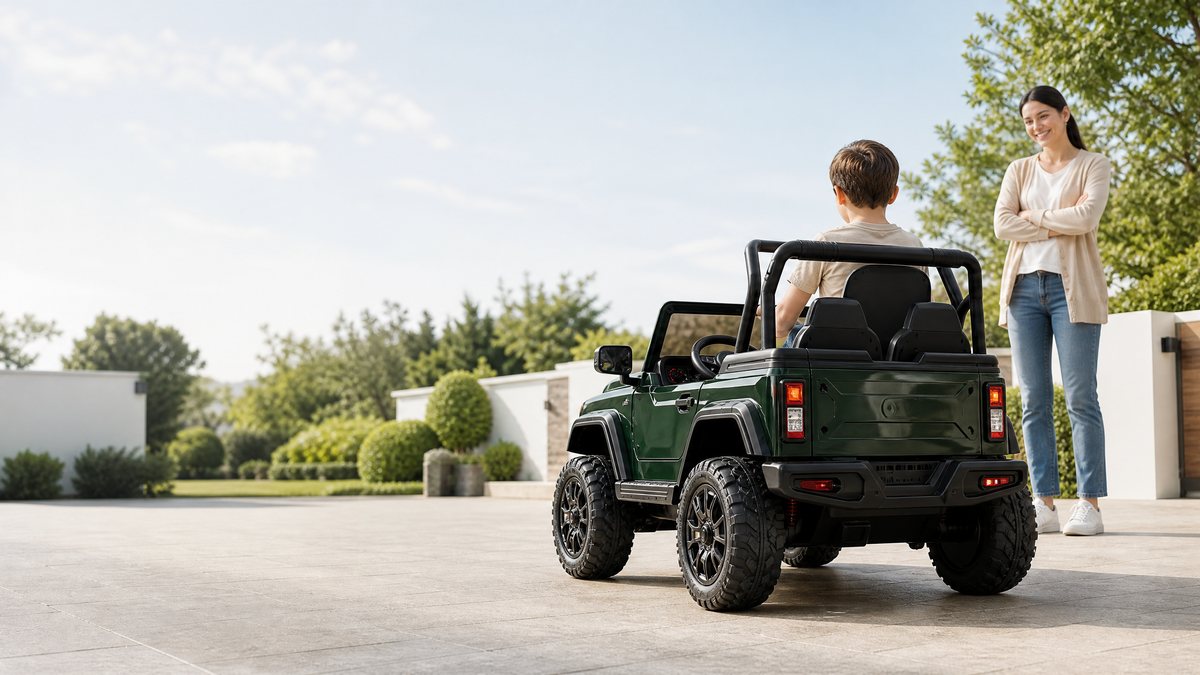
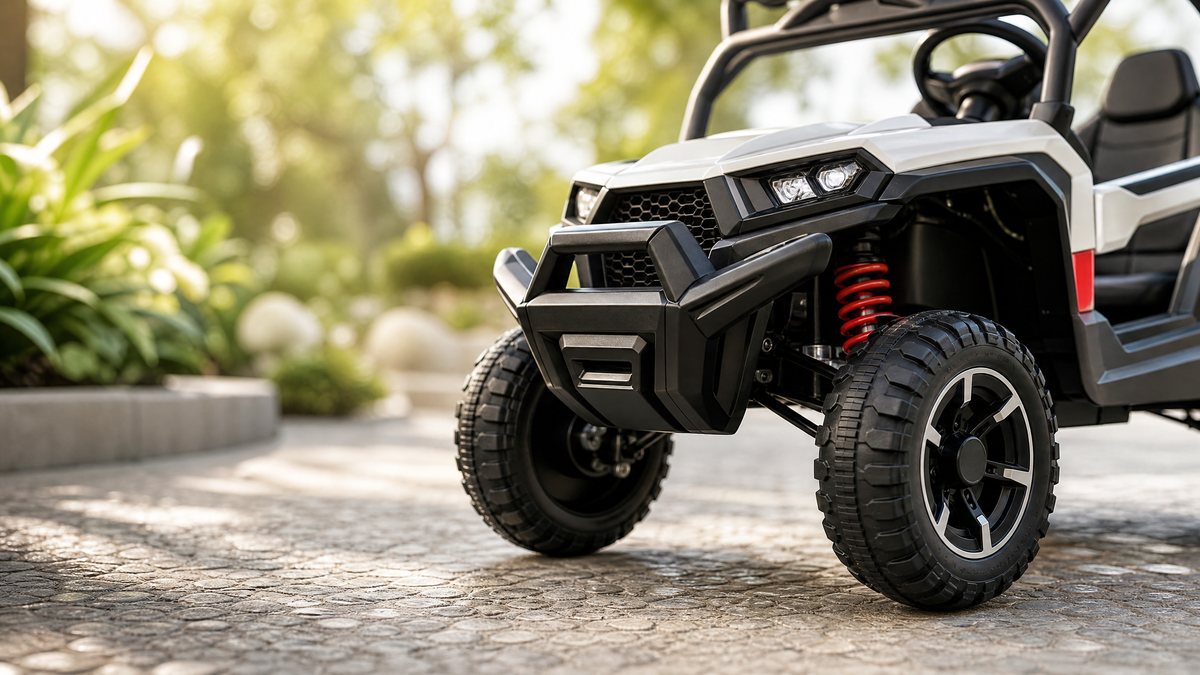
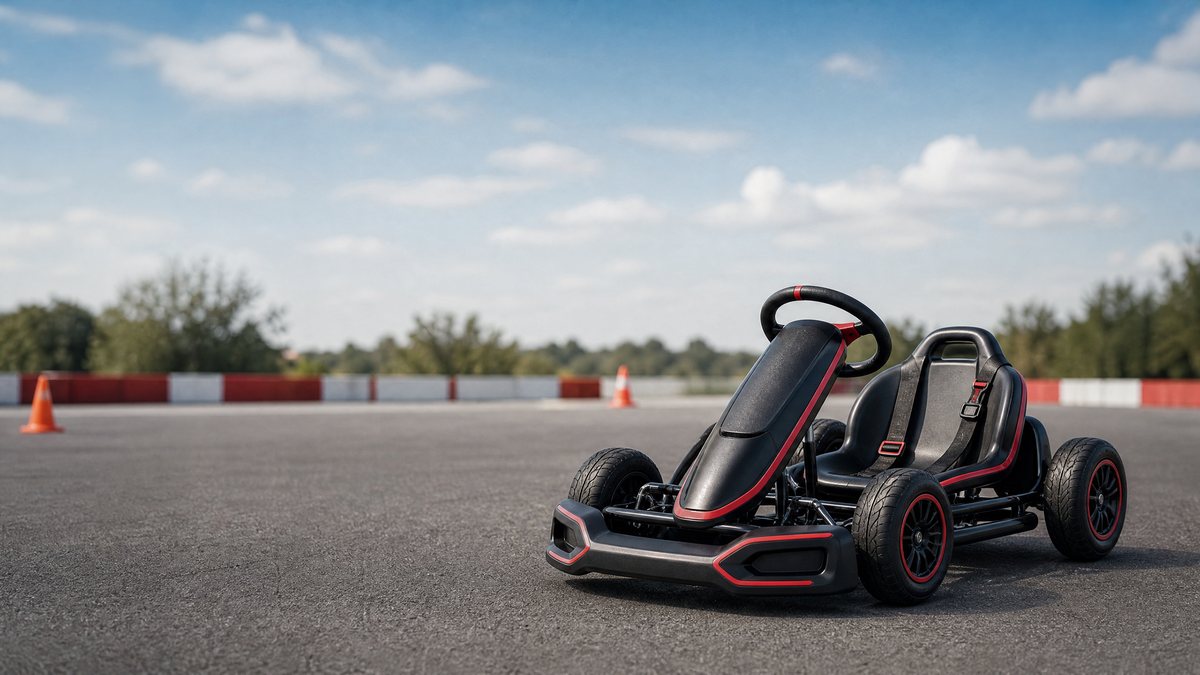
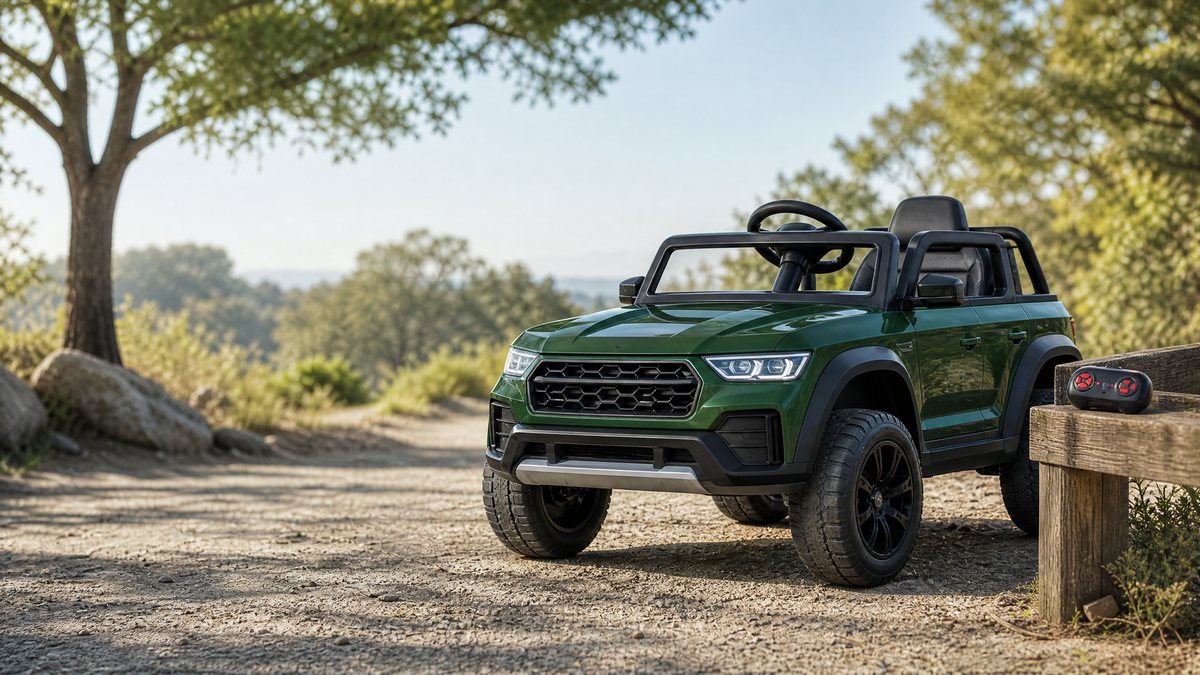
- 24-Volt Systems: Engineered for older or larger children, 24V systems offer higher torque output, improved hill-climbing capability, and top speeds reaching 4 to 6 mph. These systems are often paired with larger chassis designs, such as multi-terrain utility vehicles (UTVs) and rugged off-road buggies, making them appropriate for varied outdoor terrains like gravel paths and moderate slopes.
Drivetrain Configurations
- Single-Motor Setup: Typically found in lightweight entry-level sports cars. Power is directed to one rear wheel, which may result in traction slip on uneven surfaces.
- Dual-Motor Setup: Standard for most mid-tier 12V cars and SUVs, driving both rear wheels to improve traction and turning stability.
- Four-Wheel Drive (4WD) Setup: Common in heavy-duty 24V UTVs and trucks. Independent motors on each wheel maximize grip across loose gravel, grass, and inclines, distributing mechanical load evenly across the powertrain.
Comparison of Ride-On Categories for Five-Year-Olds
| Vehicle Category | Typical Voltage | Weight Capacity | Terrain Suitability | Primary Control Features |
|---|---|---|---|---|
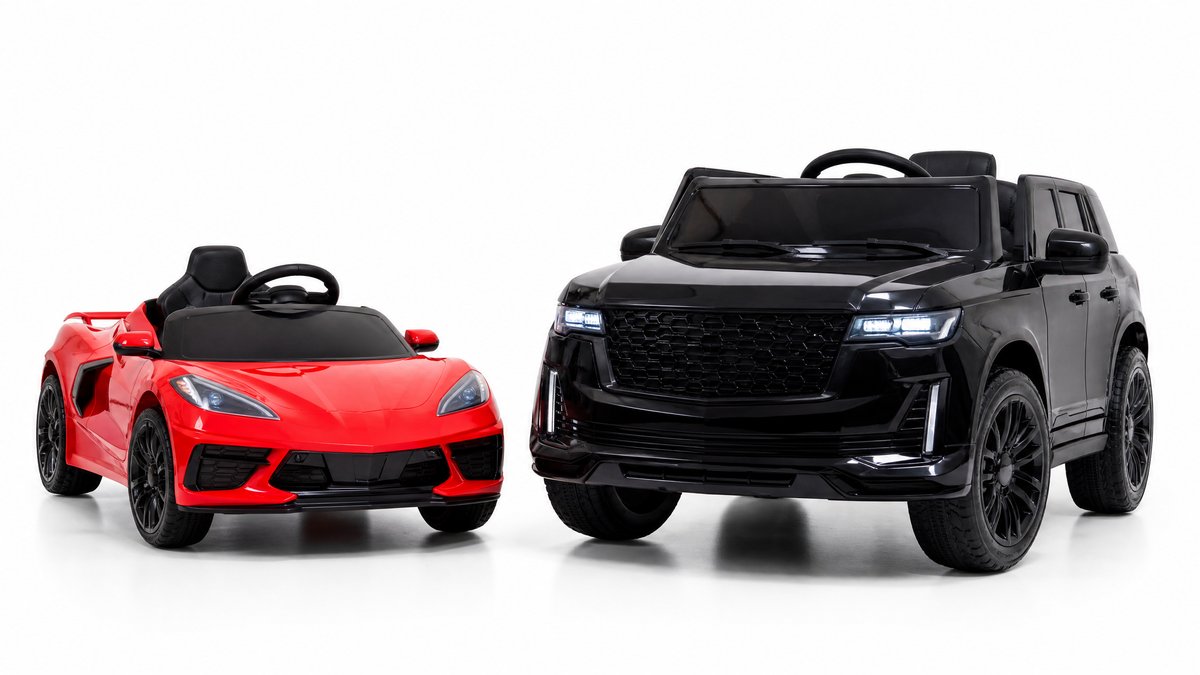
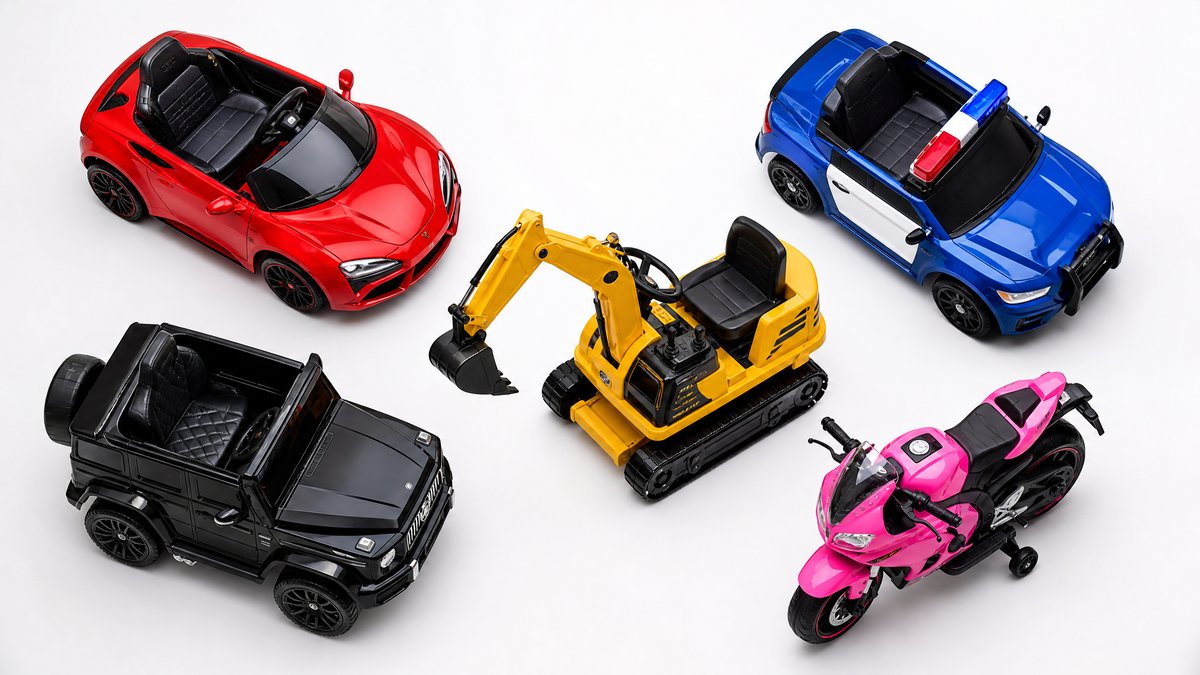
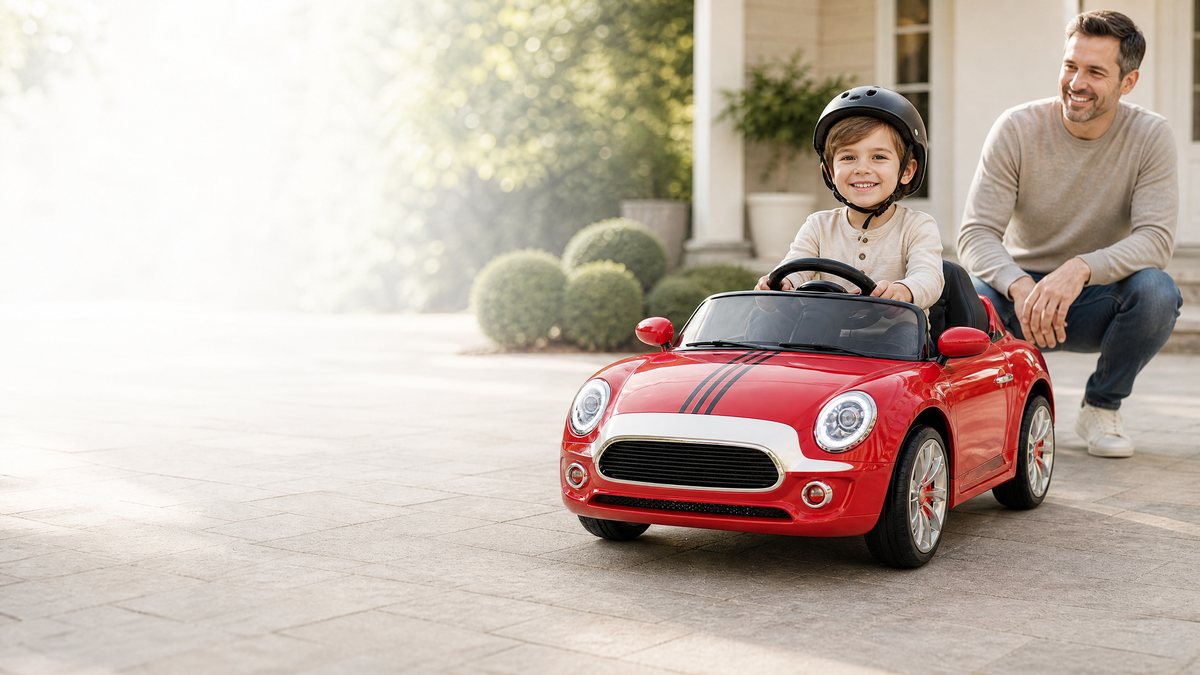
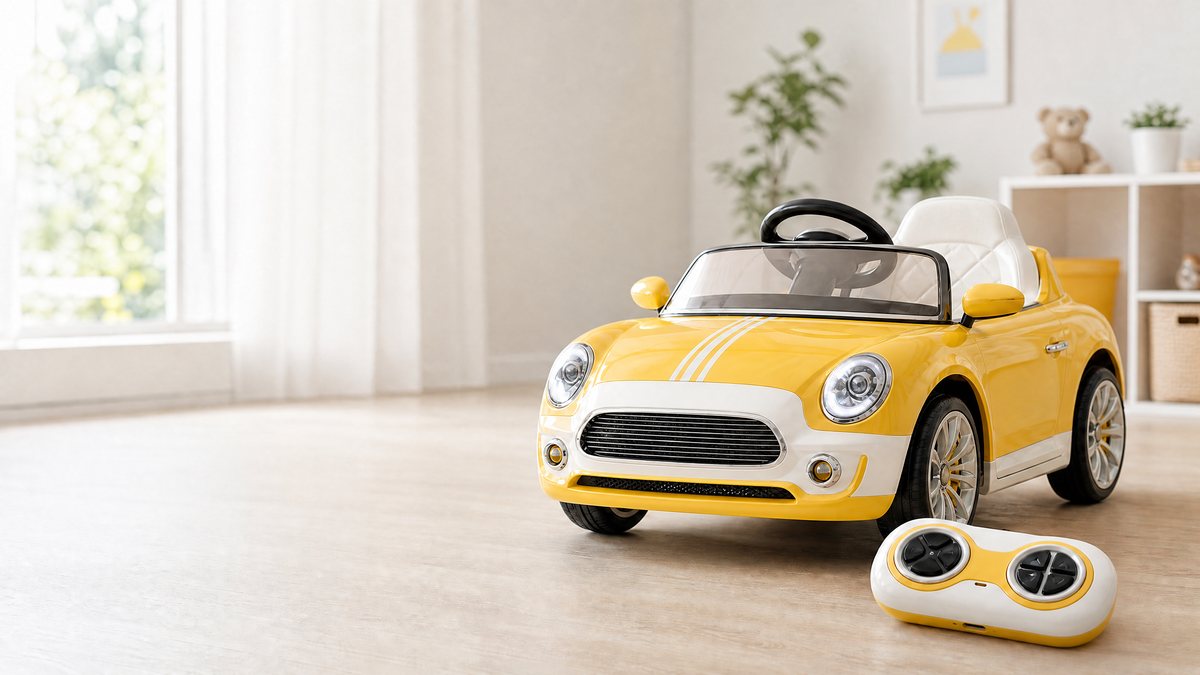
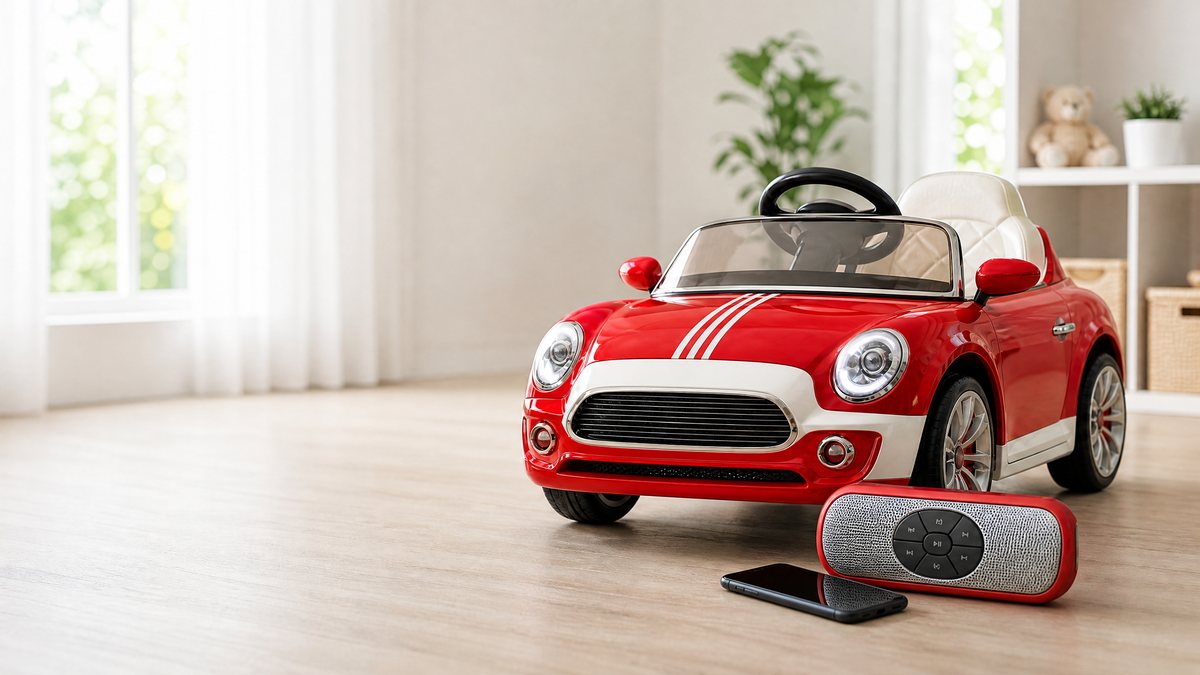
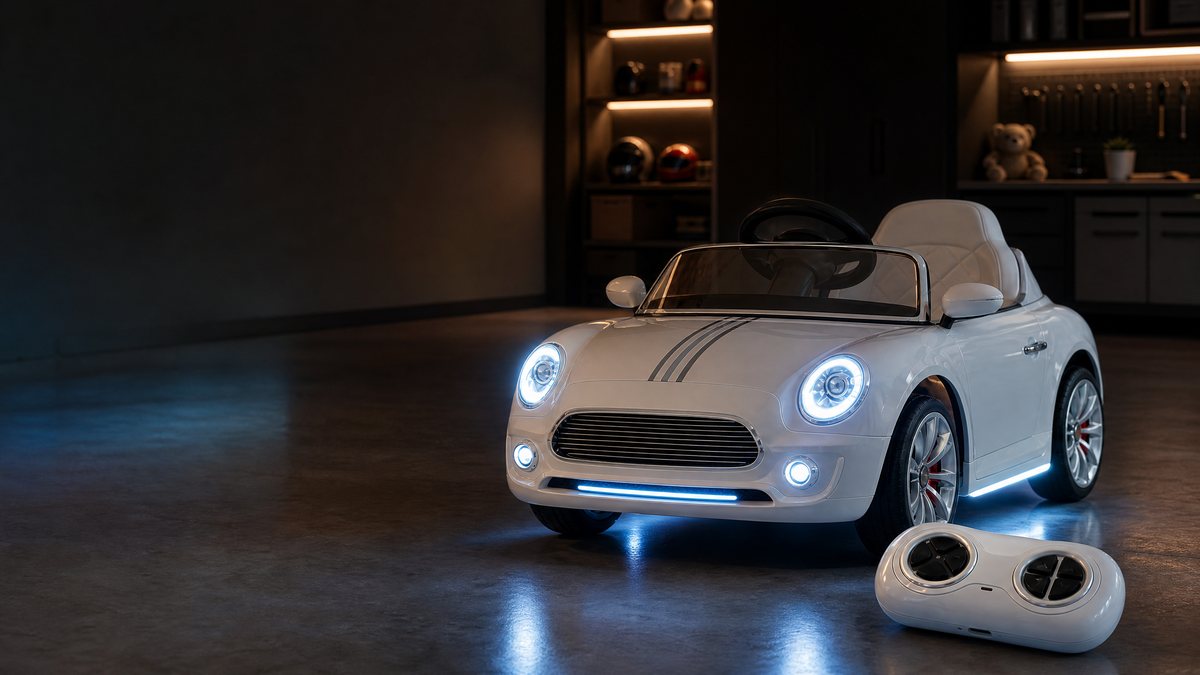
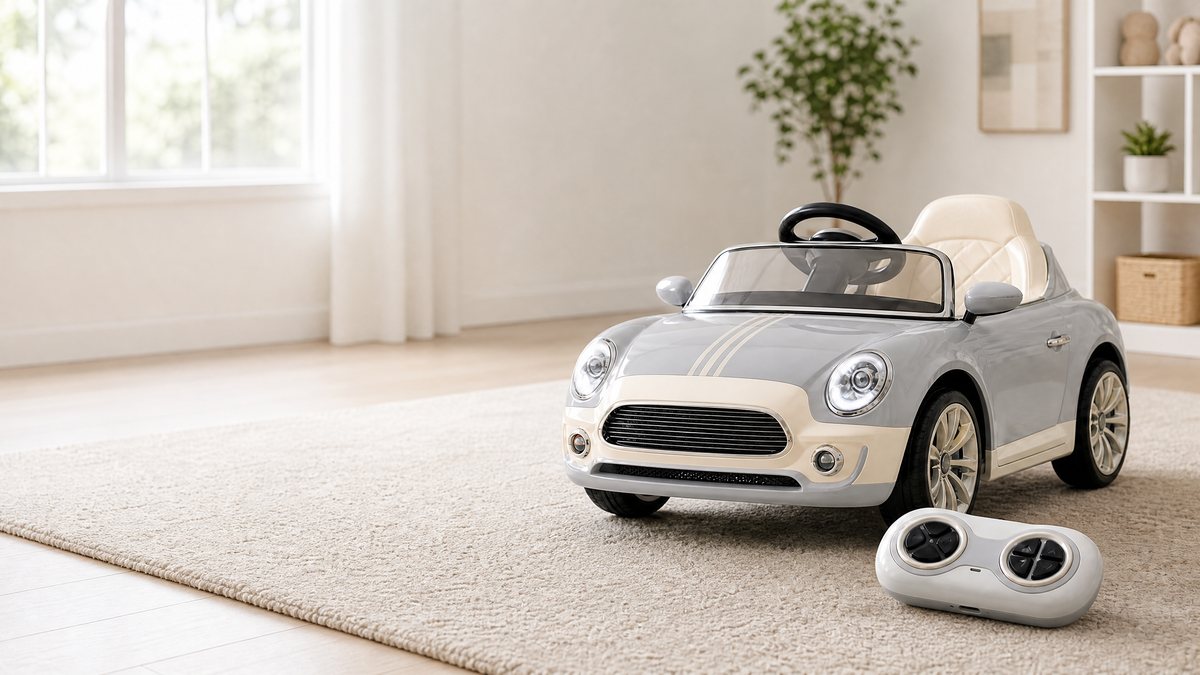
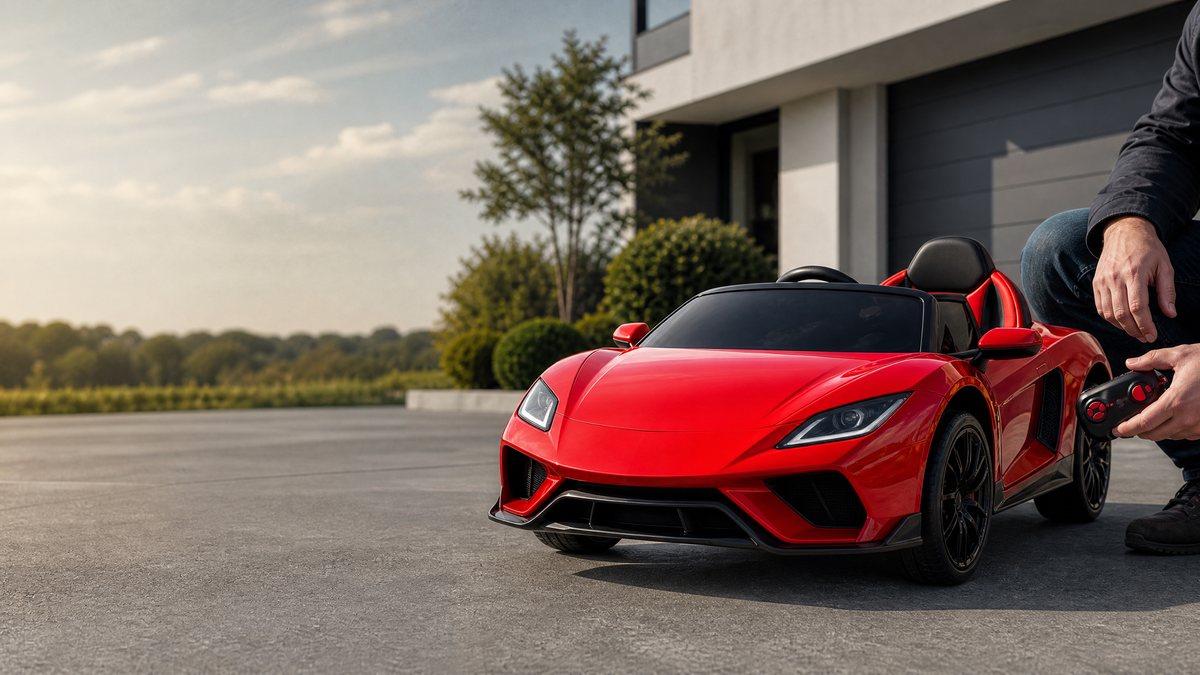
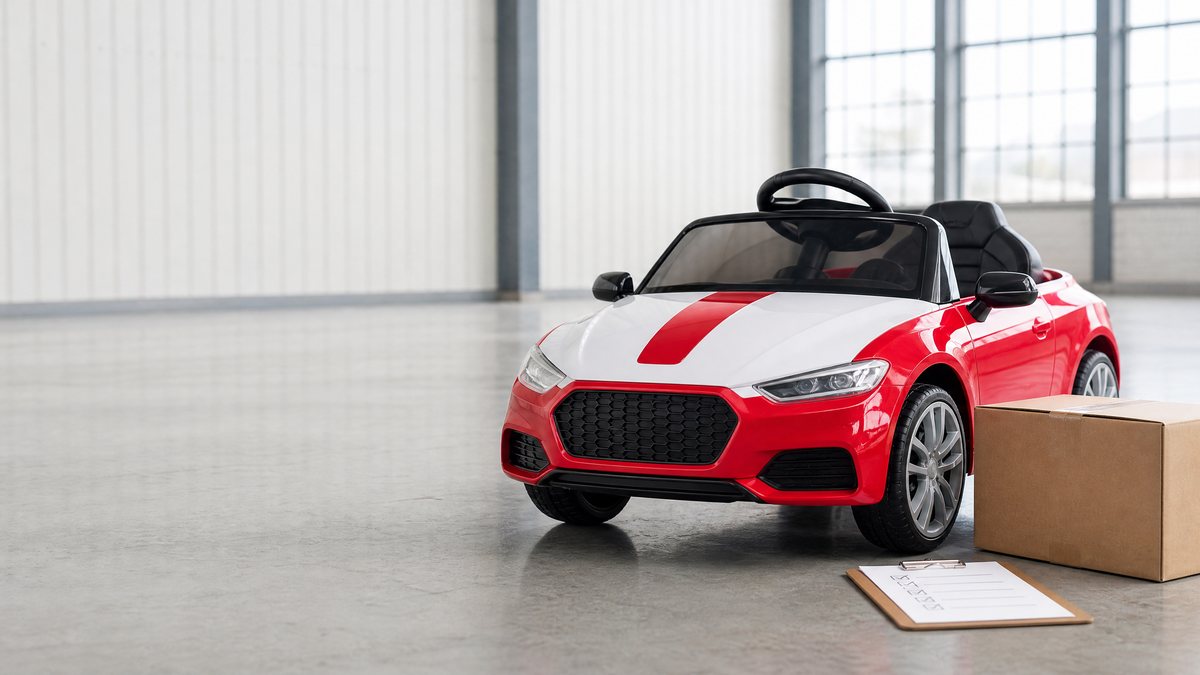
| Entry-Level Sports Cars | 12V (Single/Dual Motor) | Up to 30 kg (66 lbs) | Pavement, smooth concrete, indoor floors | Foot pedal, basic steering, optional parental remote |
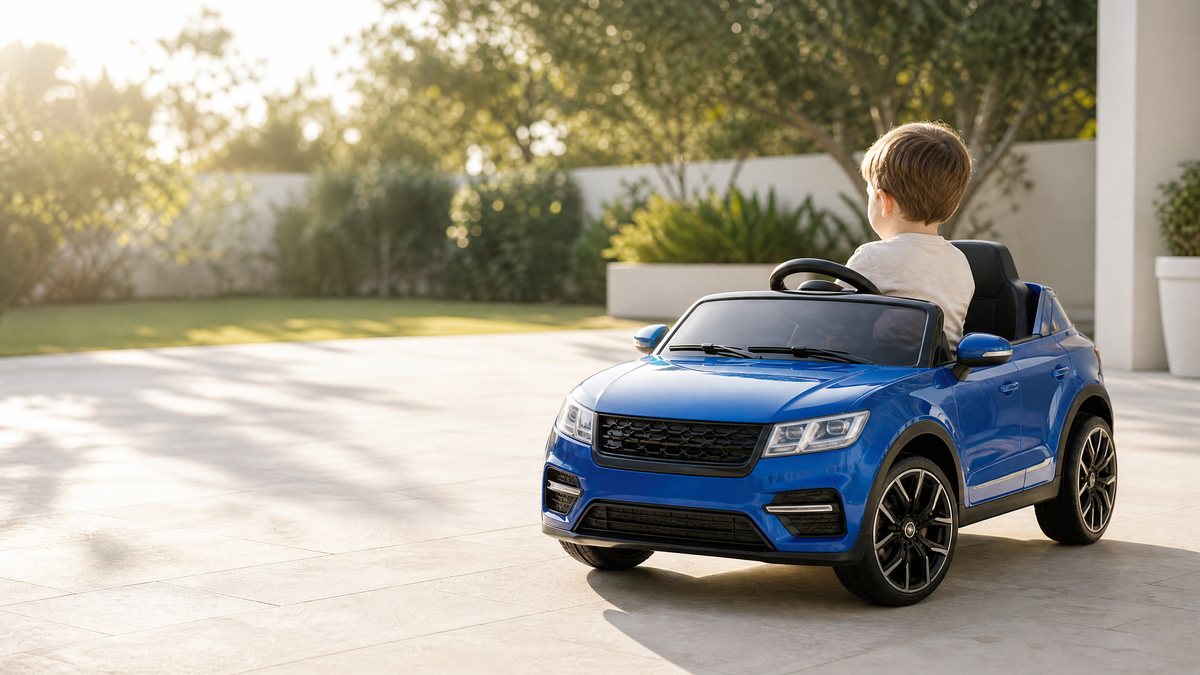
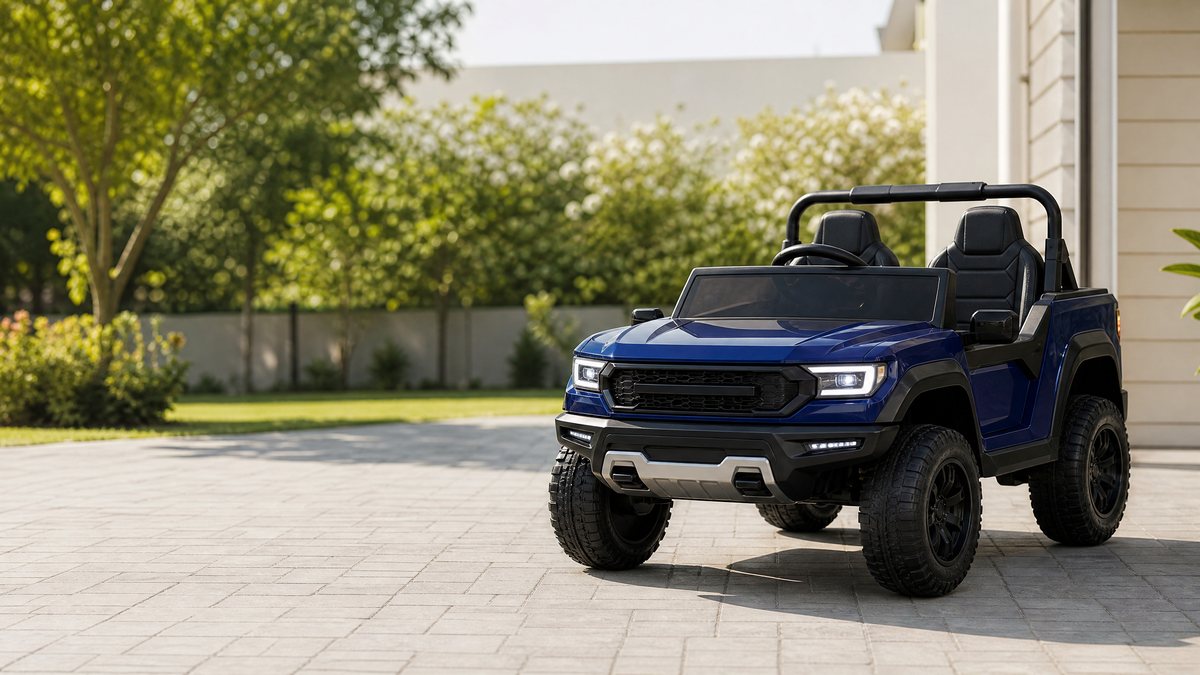
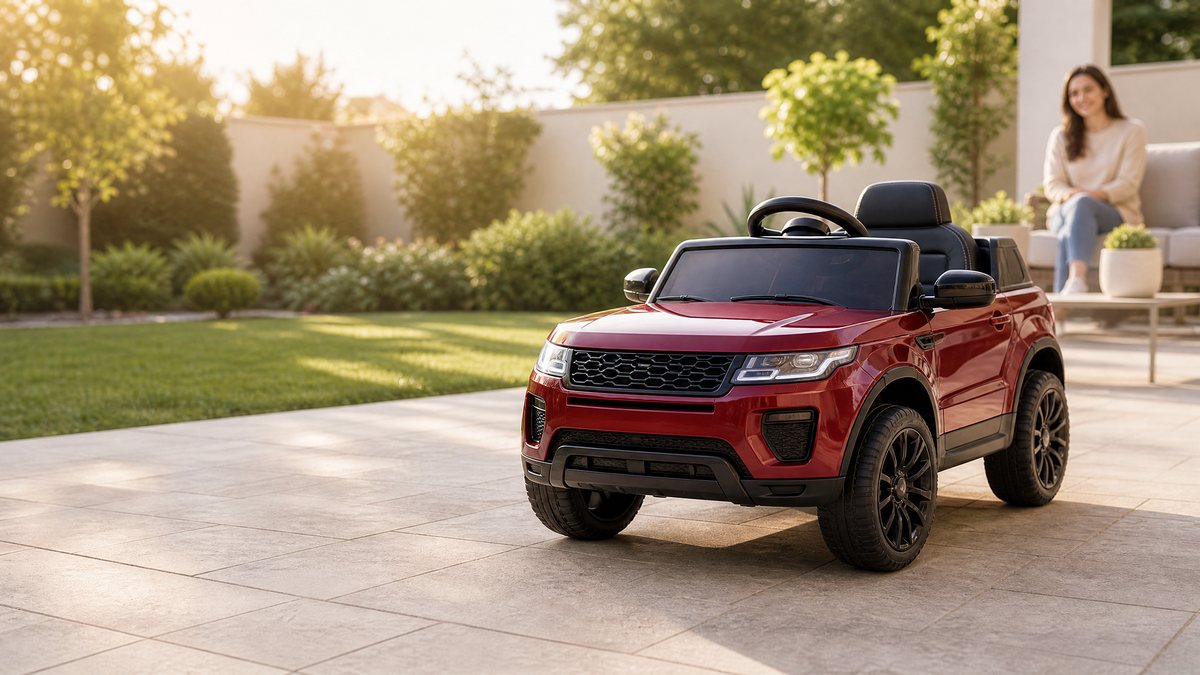
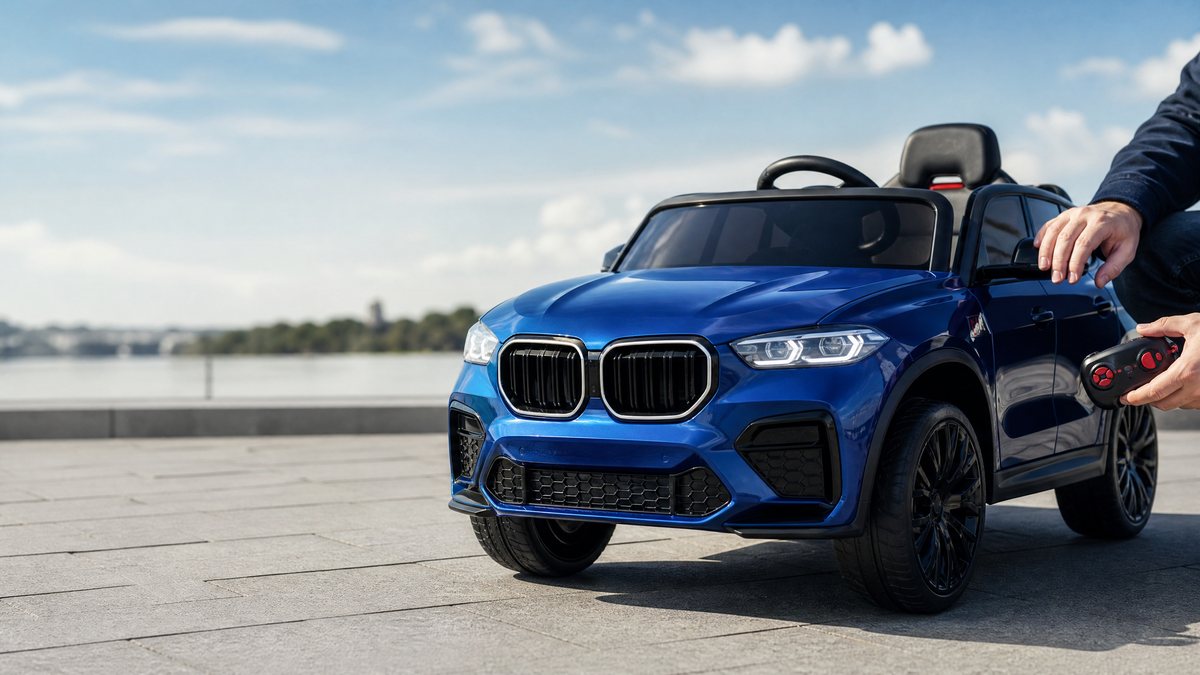
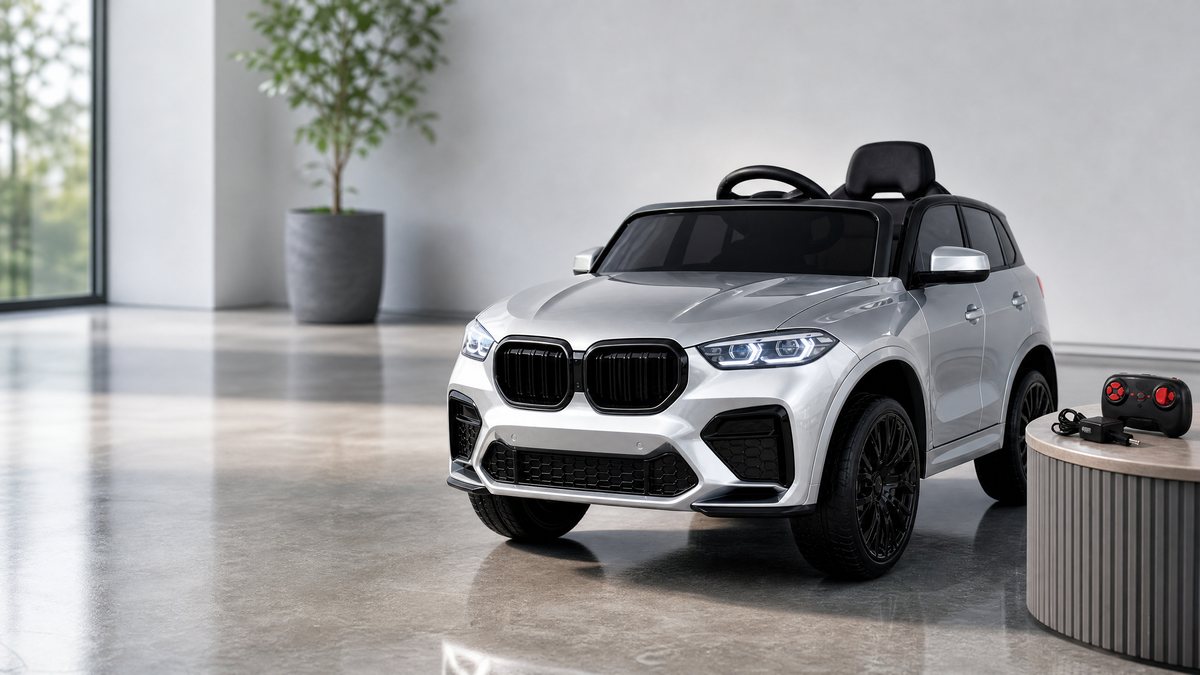
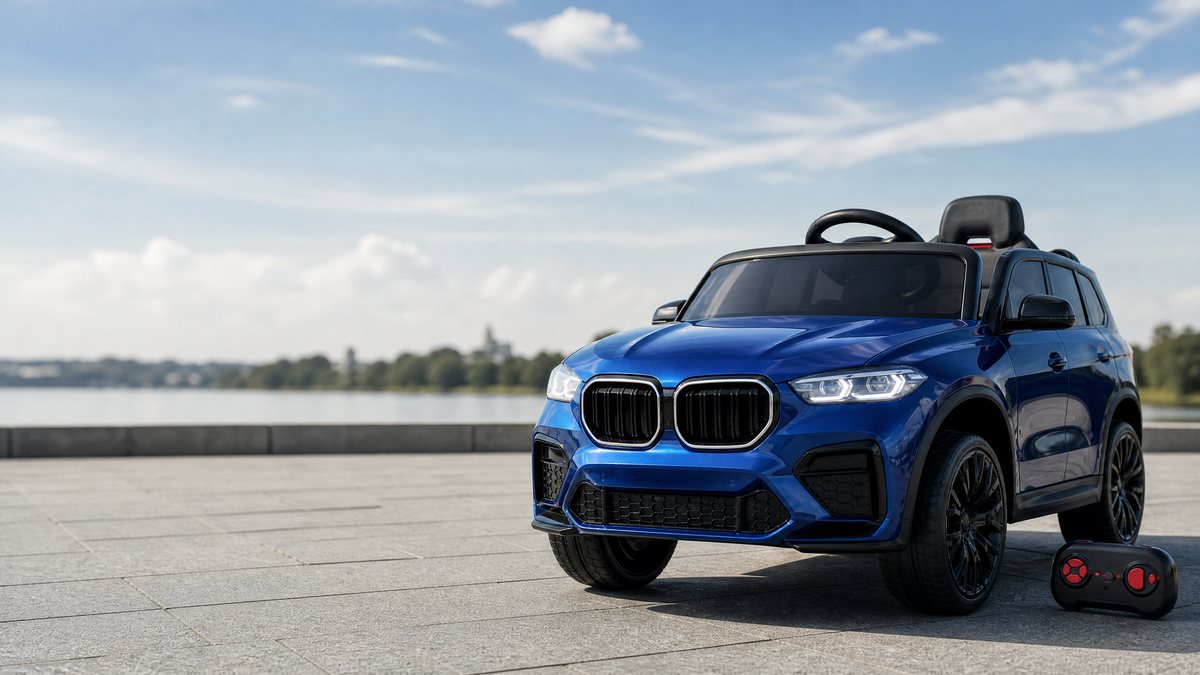
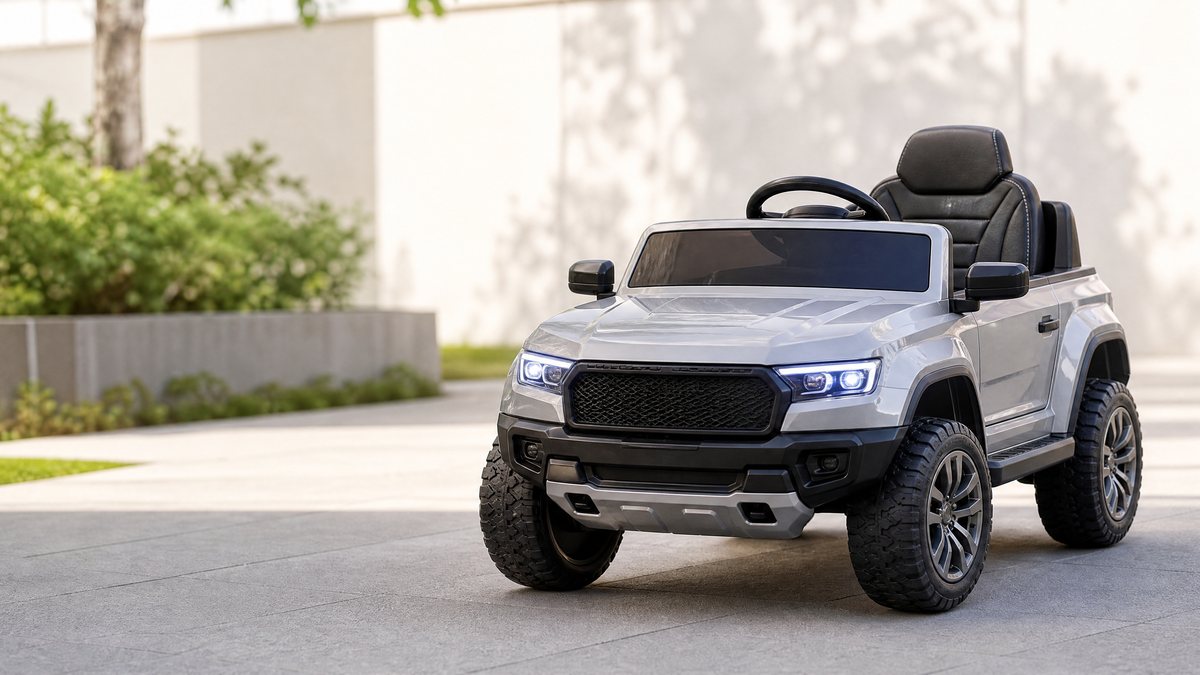
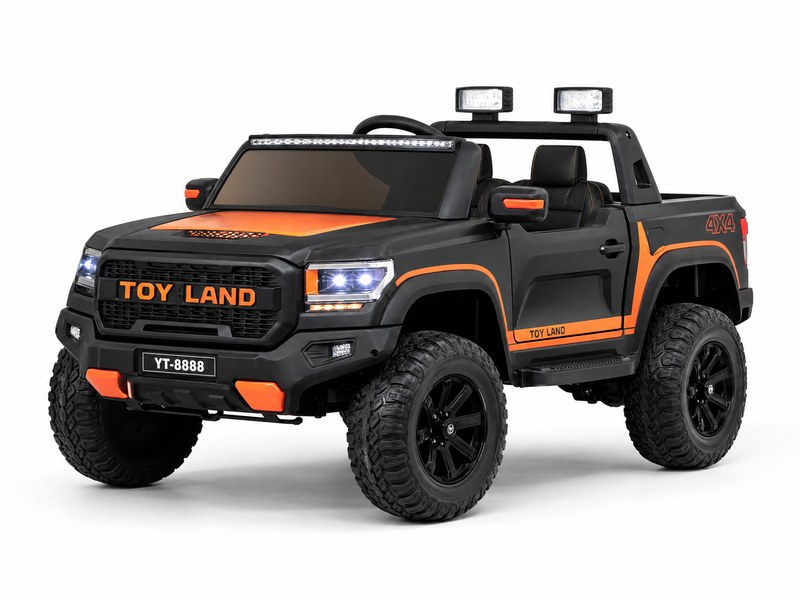
| Rugged SUVs & Trucks | 12V / 24V (Dual/Quad Motor) | Up to 40 kg (88 lbs) | Asphalt, grass, light gravel, gentle slopes | Spring suspension, LED lights, 2.4G parental remote |
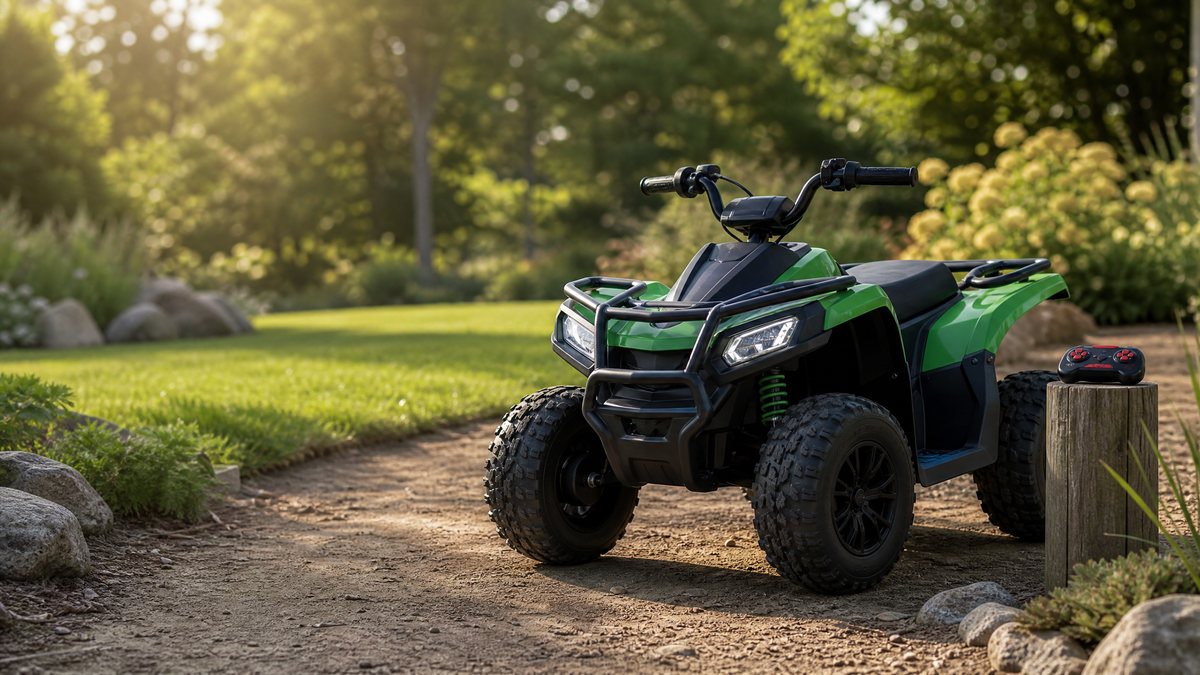
| High-Performance UTVs | 24V (Quad Motor) | Up to 50 kg (110 lbs) | Off-road paths, grass, gravel, moderate inclines | Upgraded seating, multi-speed transmission, dual braking |
Safety, Ergonomics, and Control Framework
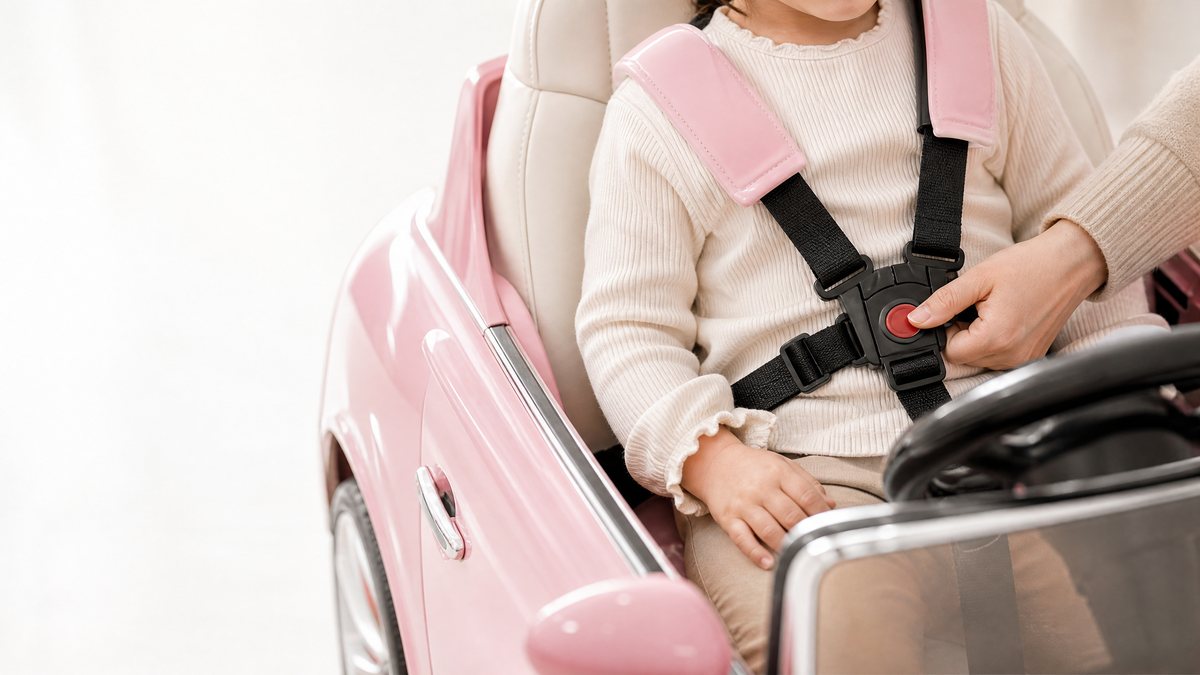
Safety is paramount when operating motorized ride-on toys. Importers, retailers, and parents must verify that vehicles incorporate robust protective engineering.
Parental Control and Override Systems
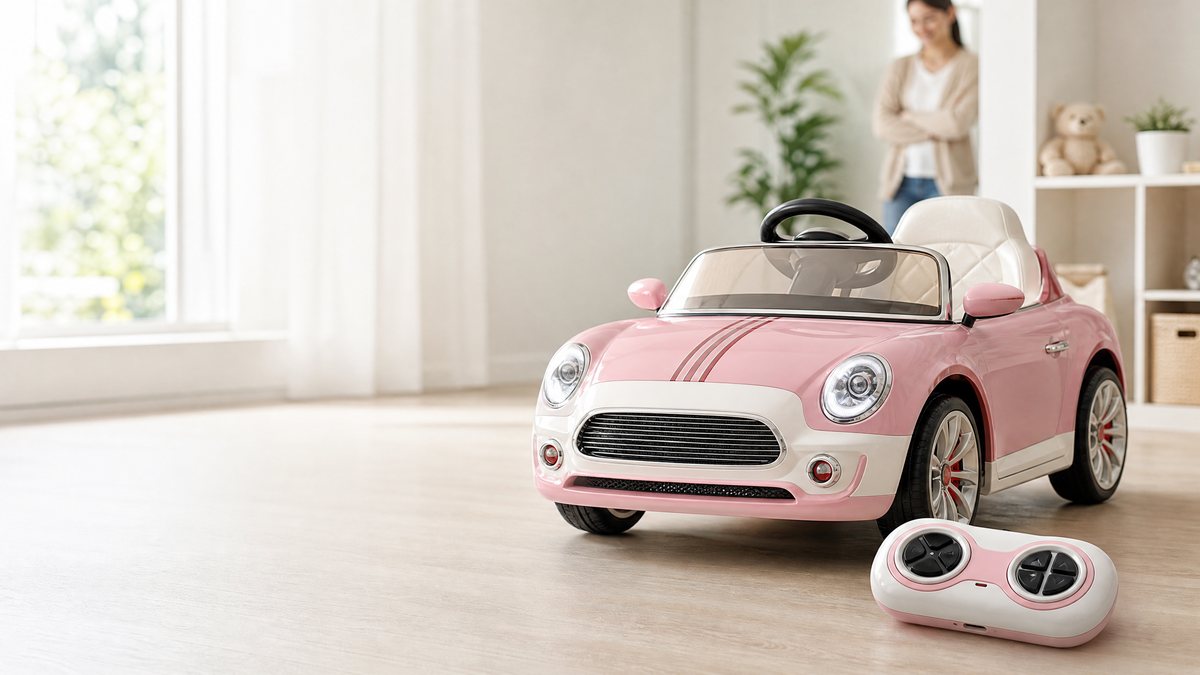
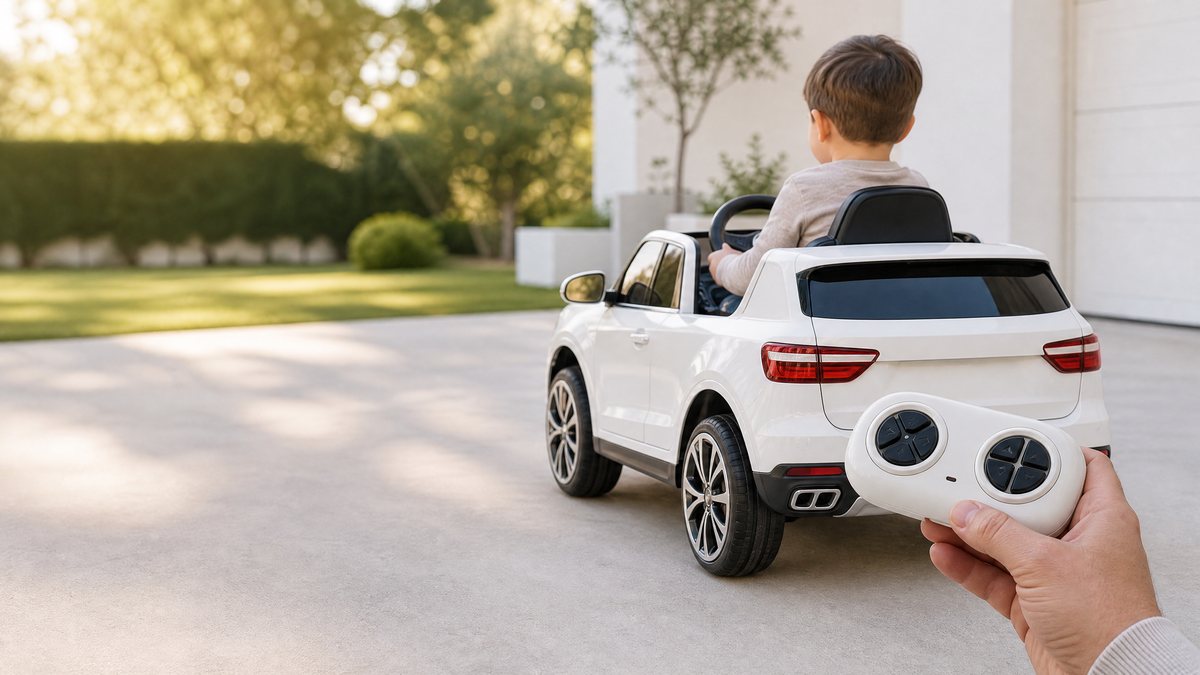
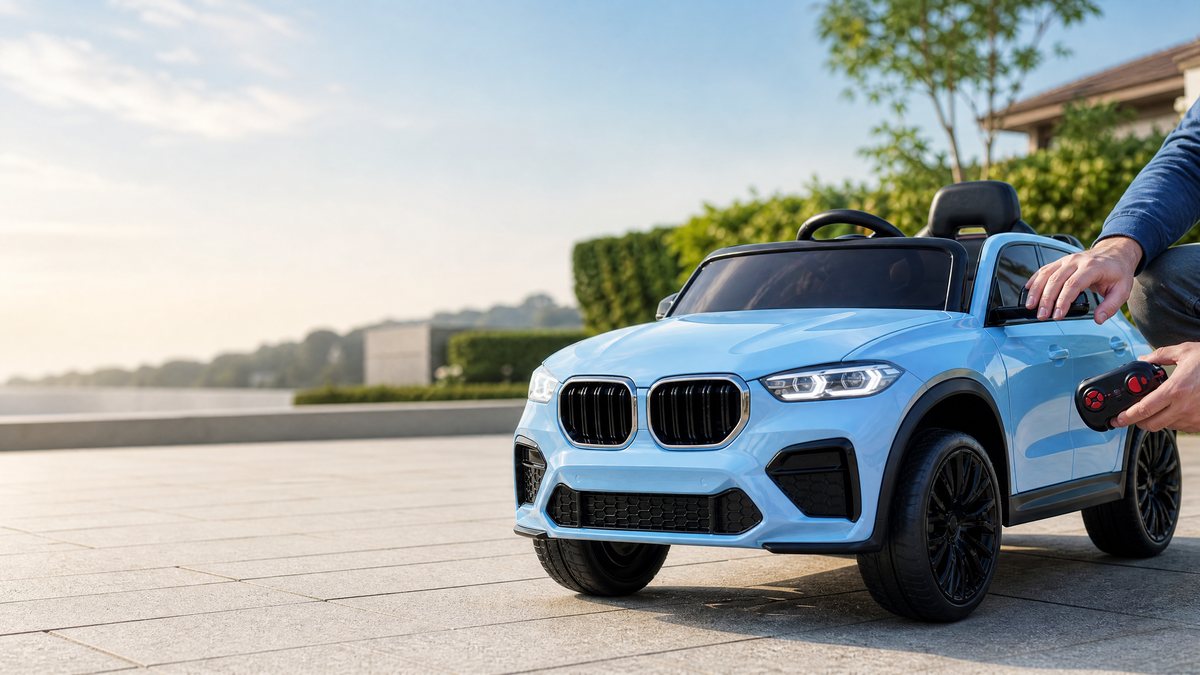
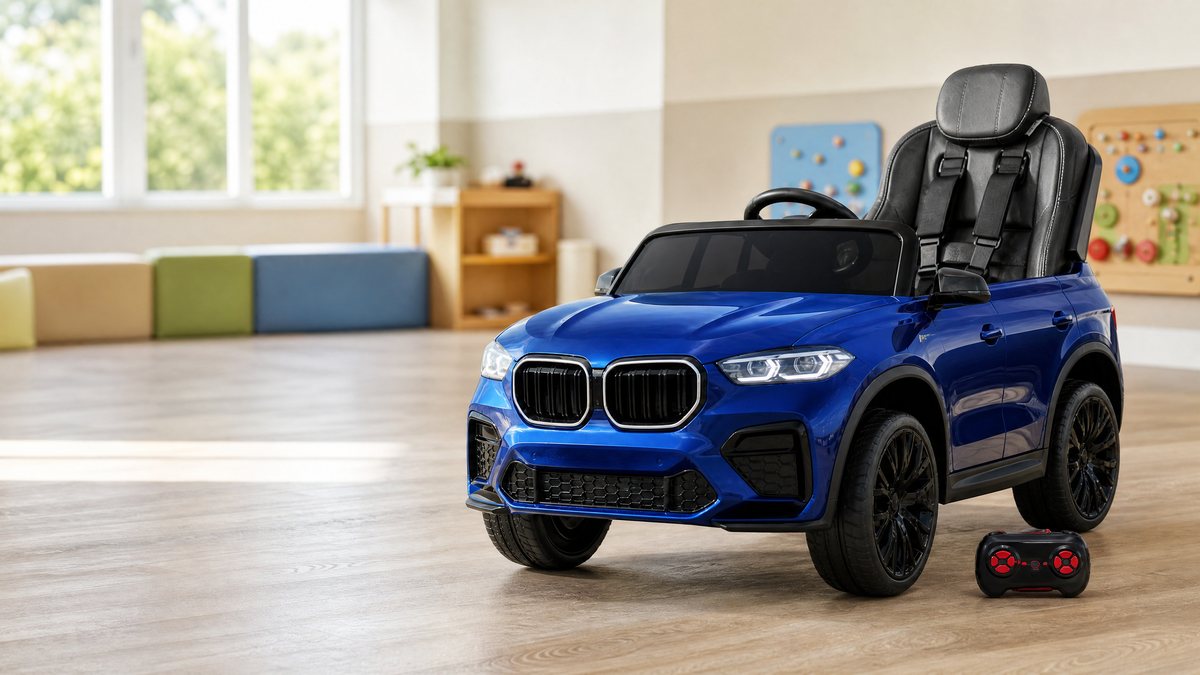
Modern ride-on vehicles designed for five-year-olds frequently include 2.4G Bluetooth parental remote controls. These remotes allow supervising adults to override steering inputs, adjust speed tiers, or engage an immediate emergency stop function. This feature is particularly valuable as children learn to master directional judgment.
Braking Mechanisms
Reliable deceleration systems prevent accidental collisions. Most vehicles utilize spring-return accelerator pedals that automatically engage the motor brake when released. Advanced models may feature supplemental electronic or mechanical braking support.
Standards Compliance
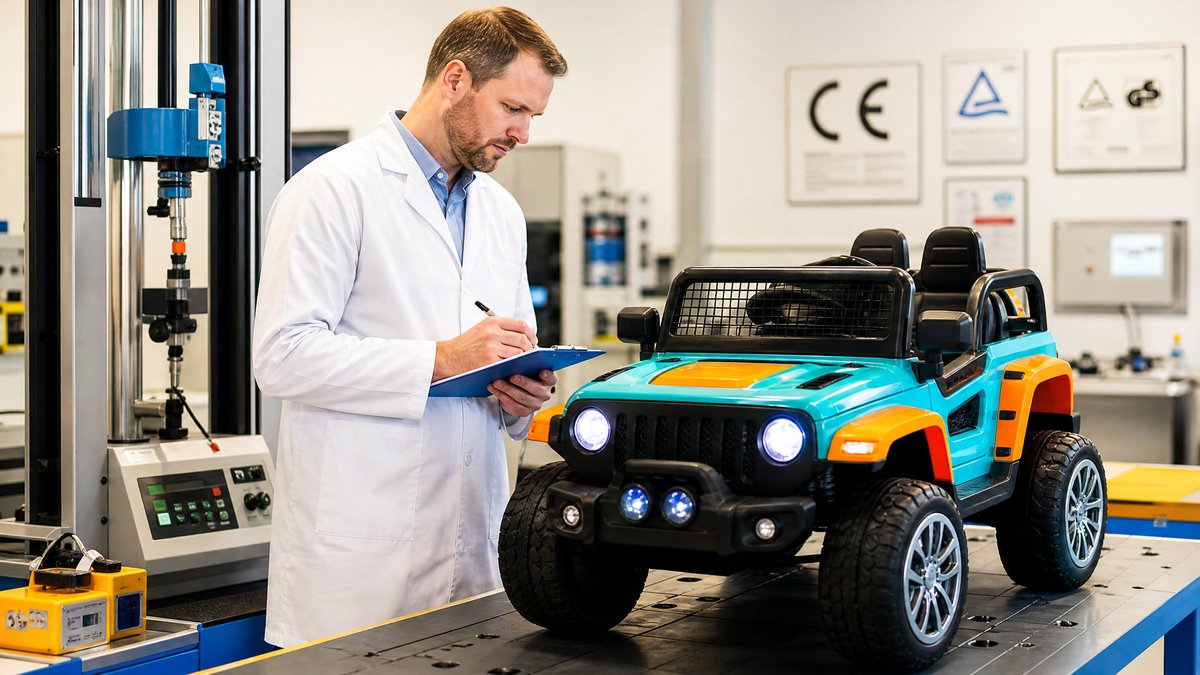
Vehicles should comply with recognized international toy safety standards, ensuring non-toxic material composition, electrical circuit protection, and mechanical pinch-point safeguards. Key benchmarks include ASTM F963 standards in North America [1] and EN71 safety directives in Europe [2], alongside general product safety guidelines issued by regulatory bodies such as the Consumer Product Safety Commission (CPSC) [3].
For Retailers and Importers: Sourcing Considerations
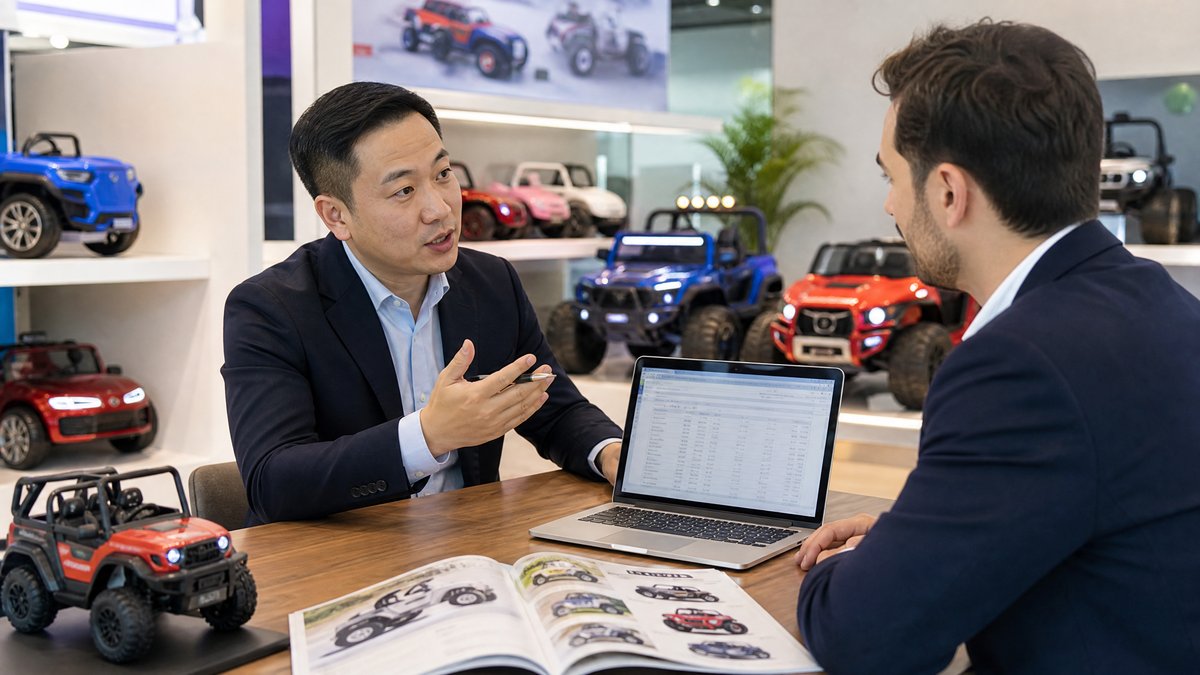
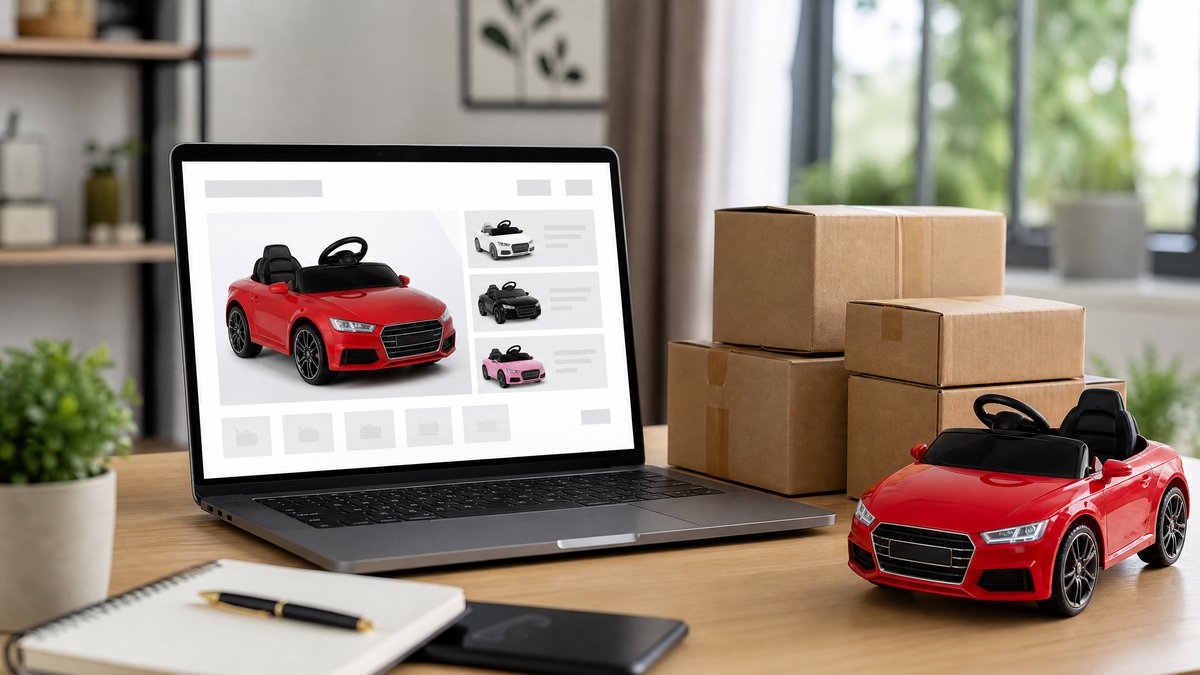
B2B buyers and retail store owners stocking inventory for five-year-old consumers must evaluate several commercial and logistical factors:
- SKU Diversity: Balancing sleek, high-turnover sports car models with durable, higher-margin multi-terrain UTVs to cater to varying regional climates and consumer preferences.
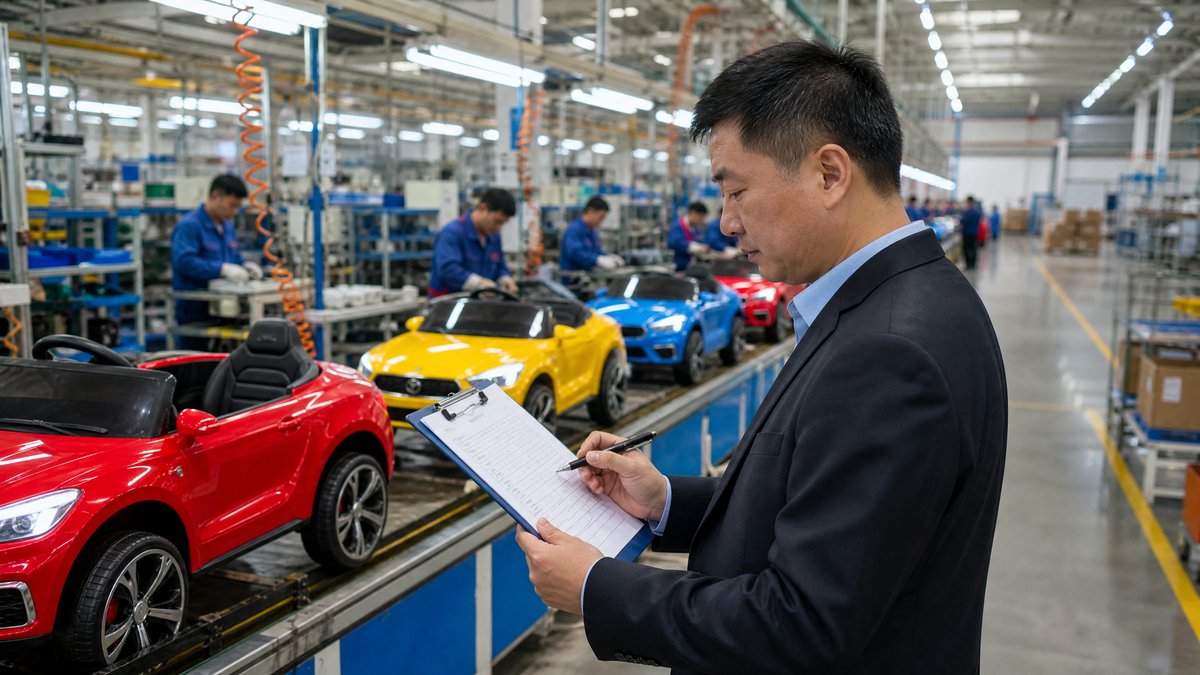
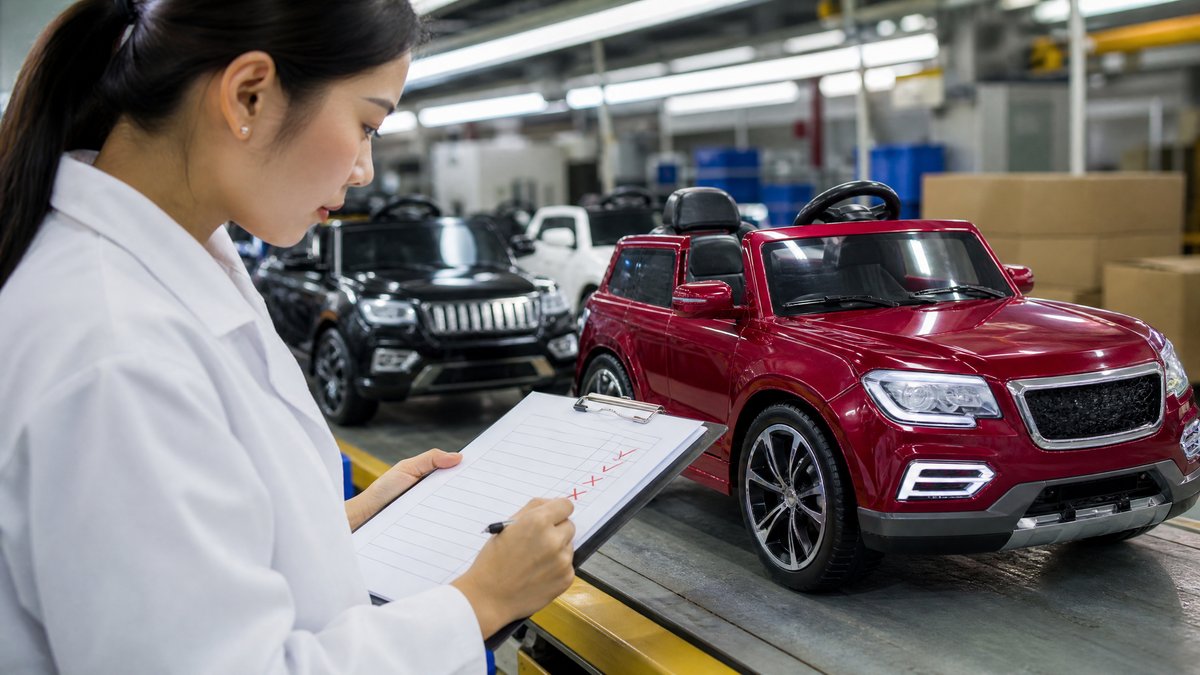
- Documentation Verification: Ensuring suppliers provide complete compliance test reports, electrical certification documentation (CE, RoHS, FCC), and clear user manuals.
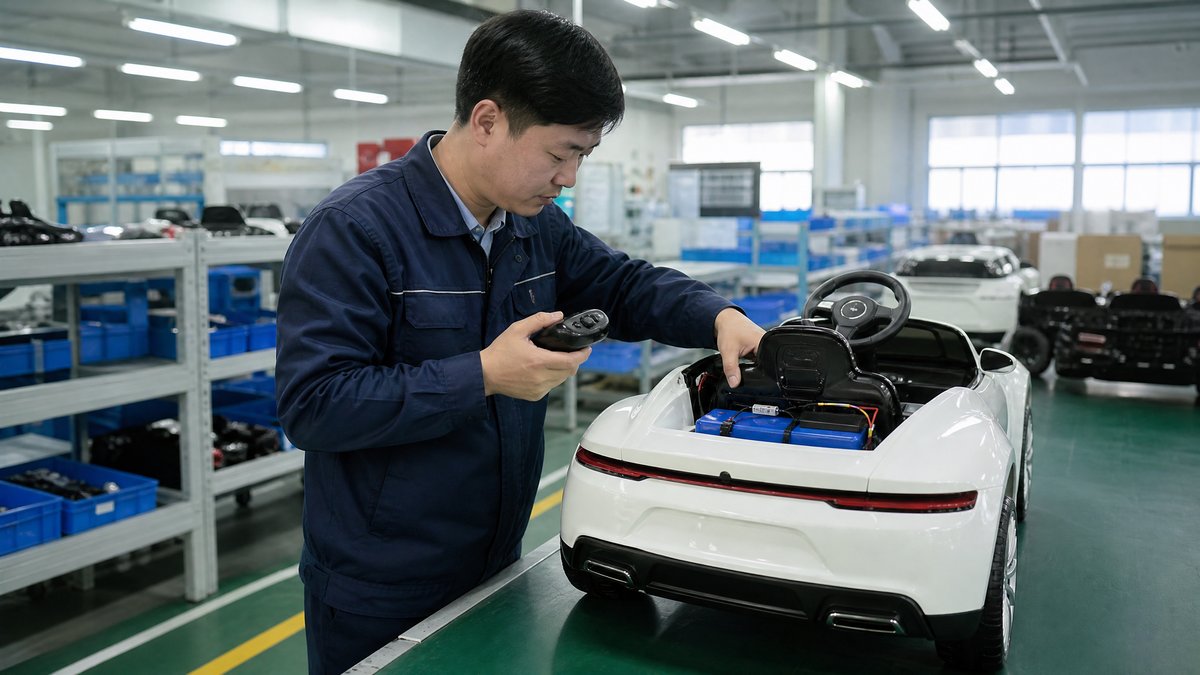
- Spare Parts Availability: Securing reliable access to replacement components—such as battery packs, gearboxes, and remote transmitters—to support after-sales customer service and warranty fulfillment.
Frequently Asked Questions
How long do ride-on batteries typically last on a single charge?
Standard lead-acid and lithium battery packs generally provide between 45 to 90 minutes of continuous operational use, depending on terrain roughness, vehicle load weight, and motor usage intensity. Full recharge cycles typically require 8 to 12 hours.
Can a 5-year-old comfortably fit in a standard 12V ride-on car?
Fit depends entirely on the specific interior cabin dimensions rather than generalized age labels. While average 5-year-olds fit well in standard 12V cars, taller children or those in heavier percentiles often require extended chassis designs or 24V utility vehicles with greater legroom.
What is the difference between lead-acid and lithium-ion batteries?
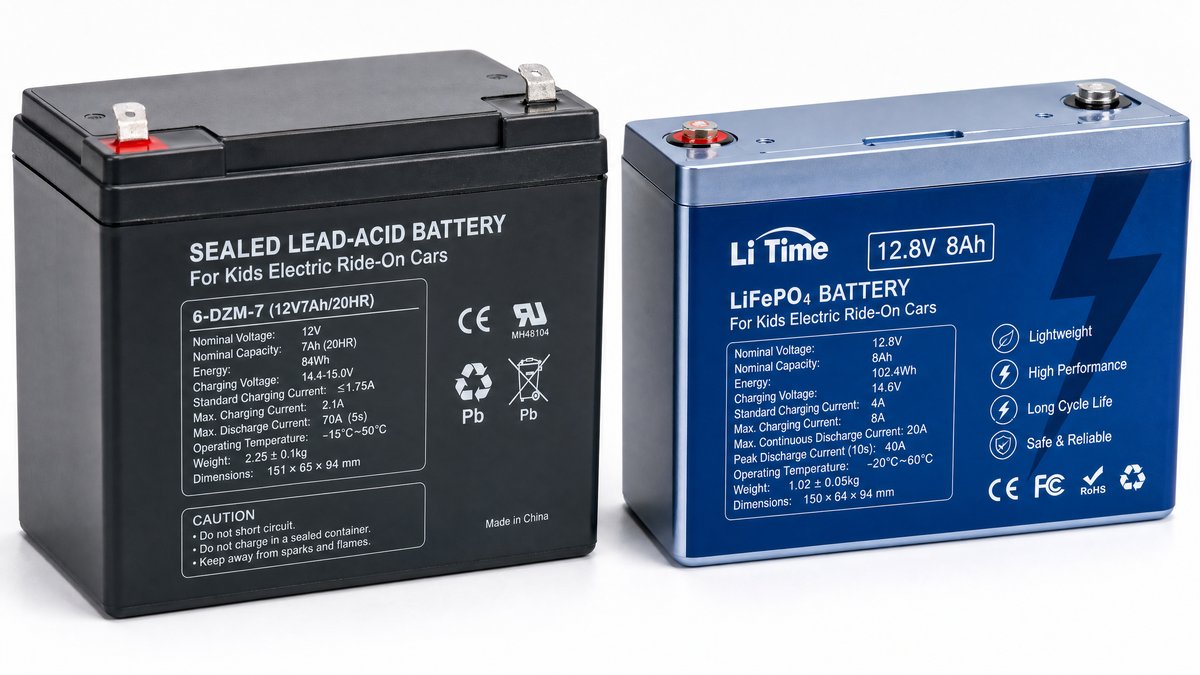
Traditional sealed lead-acid (SLA) batteries are cost-effective and standard in most entry-to-mid tier vehicles. Lithium-ion batteries offer lighter weight, faster charge recovery, and longer lifespan, though they are typically reserved for premium or high-performance models.
Is adult supervision required even if the vehicle has a remote control?
Yes. Parental remote controls and safety features serve as assistive tools rather than substitutes for active adult supervision. Children should always operate ride-on vehicles under direct oversight in safe, controlled environments away from traffic, bodies of water, and steep drop-offs.
How should ride-on cars be stored during off-seasons?
Vehicles should be stored in dry, temperature-controlled environments protected from extreme cold and moisture. Batteries should be fully charged prior to storage and recharged every 30 to 60 days to prevent deep discharge degradation.
Conclusion
Selecting the best ride-on car for a five-year-old involves a careful assessment of physical growth metrics, power requirements, terrain conditions, and safety compliance. By prioritizing interior cabin dimensions, appropriate voltage tiers, and robust parental control systems, buyers ensure both an engaging recreational experience and long-term product reliability.
For retail businesses and wholesale importers seeking to expand their catalog with compliant, high-demand ride-on vehicles, connecting directly with experienced manufacturers is the most effective path forward. Request a wholesale quote to discuss product specifications, minimum order quantities, and custom packaging options.
References
[1] ASTM International. (ASTM F963) Standard Consumer Safety Specification for Toy Safety. West Conshohocken, PA.
[2] European Committee for Standardization. (EN 71) Safety of Toys — Part 1: Mechanical and Physical Properties.
[3] U.S. Consumer Product Safety Commission (CPSC). General Toy Safety Guidelines and Compliance Requirements for Motorized Ride-On Toys.
Explore matching models
View product details for this guide
Compare current specifications, age guidance and available options before requesting a quote.
Official references
Explore these external resources for current regulatory and trade guidance. Confirm requirements with the relevant authority before placing an order.
Ready to Start?
Factory-Direct · CE & ASTM Certified · MOQ from 50 Units
Our export team works with buyers in 60+ countries. Get a quote within 24 hours.
KR
Written by KidsRideCar
China's leading kids electric ride-on car manufacturer. 500,000+ units shipped annually to 60+ countries. CE, ASTM & EN71 certified.