Introduction
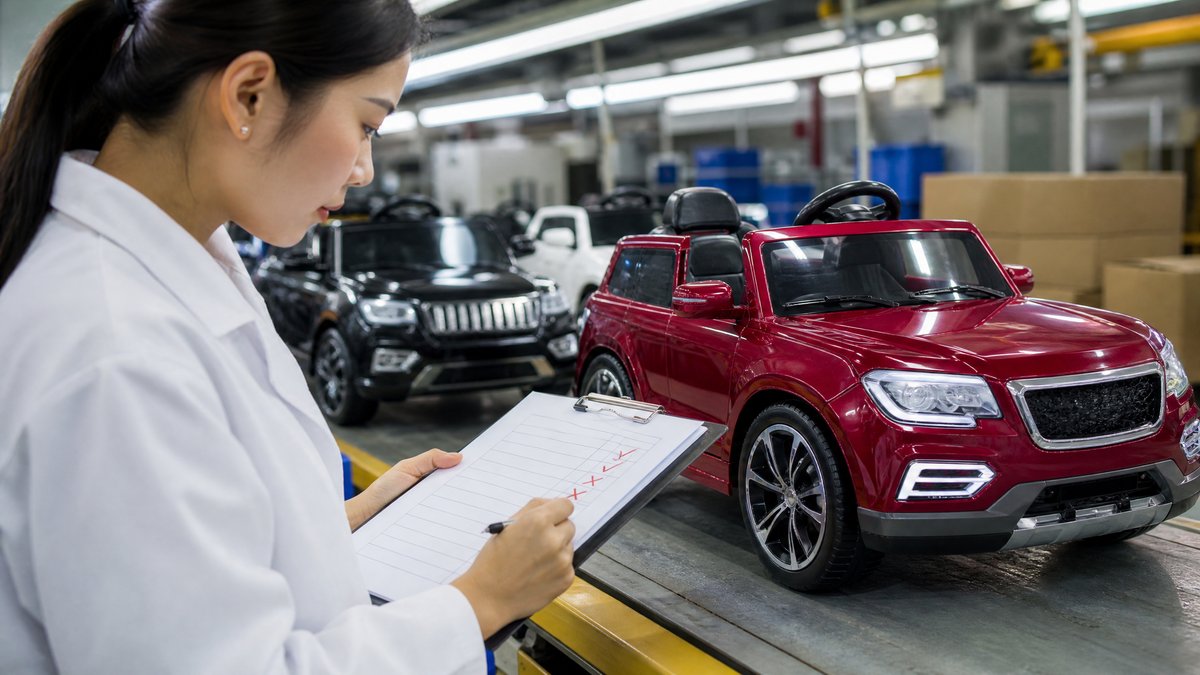
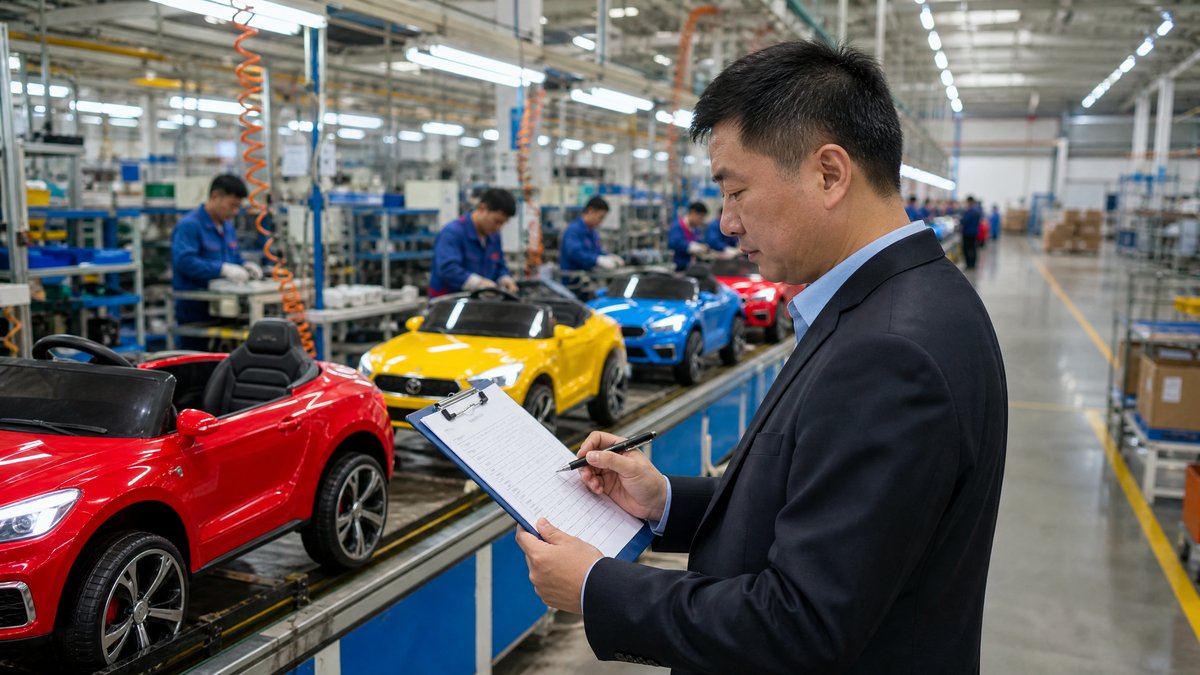
Pre-shipment quality inspection is one of the most effective risk management tools available to importers of kids electric ride-on cars. A $300–500 inspection conducted before goods leave the factory can prevent a $30,000 shipment of defective products from reaching your warehouse — or worse, your customers.
Yet many first-time importers skip this step, either because they trust the factory's own quality control or because they are not sure how to organize an inspection. This guide explains the inspection process, what to check, how to use third-party inspection services, and how to interpret results.
Why Factory Self-Inspection Is Not Enough
Every reputable factory has an internal quality control process. But factory QC has an inherent conflict of interest: the factory's incentive is to ship on time and get paid, not to flag problems that might delay shipment or require rework.
Independent pre-shipment inspection by a third party — conducted when 80–100% of production is complete — provides an objective assessment of product quality before you release payment and authorize shipment.
AQL Sampling: How Many Units to Inspect
Acceptable Quality Level (AQL) sampling is the international standard for determining how many units to inspect from a production batch. The most commonly used AQL levels for consumer goods are:
| AQL Level | Defect Tolerance | Typical Use |
|---|---|---|
| AQL 1.0 | Very low | Safety-critical components |
| AQL 2.5 | Low | General consumer goods (standard) |
| AQL 4.0 | Moderate | Low-risk items, accessories |
For kids electric ride-on cars, AQL 2.5 is the standard for general quality checks. For safety-related items (battery, charger, wiring), AQL 1.0 is recommended.
The sample size depends on the batch size. For a batch of 200 units at AQL 2.5 (General Inspection Level II), the standard sample size is 32 units. If more than 2 units in the sample have major defects, the batch fails.
What to Check: Inspection Criteria for Electric Ride-On Cars
A comprehensive pre-shipment inspection for kids electric ride-on cars should cover:
Appearance and finish
- Paint quality: no runs, drips, bubbles, or uneven coverage
- Panel gaps: consistent gaps between body panels
- Chrome/metallic trim: no peeling, bubbling, or discoloration
- Decals and stickers: correct position, no bubbles or lifting edges
- Seat upholstery: no tears, loose stitching, or incorrect color
Mechanical function
- All wheels rotate freely and are correctly aligned
- Steering operates smoothly through full range of motion
- Pedal/foot switch engages and disengages cleanly
- Doors open and close correctly (if applicable)
- Trunk/hood opens and closes correctly (if applicable)
Electrical function
- Battery charges fully from 0% (test with a depleted battery)
- Forward and reverse functions operate correctly
- Speed selector (if present) switches between speeds correctly
- Horn, lights, and music functions operate correctly
- Remote control (if included) operates all functions at specified range
Safety checks
- No sharp edges or protrusions accessible to children
- Battery compartment is secure and child-resistant
- Charger connector is correct polarity and secure fit
- Wiring is routed away from moving parts
- Seat belt (if included) latches and unlatches correctly
Packaging and labeling
- Correct model number and barcode on packaging
- All accessories present (charger, remote, keys, screws)
- Assembly instructions included and in correct language
- Warning labels present and correctly positioned
- Carton condition: no crushing, moisture damage, or tears
Third-Party Inspection Services
The major third-party inspection companies operating in China include SGS, Intertek, Bureau Veritas (BV), and QIMA. Each offers pre-shipment inspection services with 24–48 hour booking lead times in most manufacturing regions.
Typical cost: $250–400 per inspection day, with most ride-on car inspections completable in one day for batches up to 300 units.
When booking an inspection, provide the inspector with:
- Product specifications and approved sample photos
- Inspection checklist (the criteria listed above)
- AQL level and defect classification (critical/major/minor)
- Packaging and labeling requirements
How to Classify Defects
Defects are classified into three categories:
Critical defects: Safety hazards or regulatory non-compliance. Any critical defect = automatic batch failure. Examples: exposed wiring, sharp edges accessible to children, incorrect battery voltage, missing safety labels.
Major defects: Functional failures or significant appearance issues that would cause customer returns. Examples: motor not functioning, remote control range below specification, significant paint defects visible from 1 meter.
Minor defects: Cosmetic issues that do not affect function. Examples: small paint scuff in non-visible area, minor misalignment of a decal.
FAQ
Can I conduct my own inspection remotely via video call?
Video inspection is possible and some buyers use it for smaller orders. However, it is less reliable than an in-person inspection — the inspector controls what you see, and tactile checks (sharp edges, panel gaps, wiring security) cannot be done remotely.
What happens if the batch fails inspection?
You have several options: require the factory to rework defective units and re-inspect, negotiate a price reduction to account for the defect rate, or reject the shipment. The right choice depends on the nature and severity of the defects.
Should I inspect every order, or just the first few?
For a new supplier, inspect every order for the first 3–5 shipments. Once you have established a track record of consistent quality, you can reduce to random inspection (e.g., every third shipment) while maintaining the right to inspect any shipment.
Conclusion
Pre-shipment inspection is not a sign of distrust — it is a standard business practice that protects both buyer and seller. Factories that produce quality products welcome inspection because it confirms their work. Factories that resist inspection are worth treating with caution.
For buyers sourcing kids electric ride-on cars from China, a well-structured inspection program is one of the most cost-effective investments you can make in supply chain reliability.
*Want to discuss quality standards for your order? Contact us and we will walk you through our QC process.*
Official references
Explore these external resources for current regulatory and trade guidance. Confirm requirements with the relevant authority before placing an order.
Ready to Start?
Factory-Direct · CE & ASTM Certified · MOQ from 50 Units
Our export team works with buyers in 60+ countries. Get a quote within 24 hours.
KR
Written by KidsRideCar
China's leading kids electric ride-on car manufacturer. 500,000+ units shipped annually to 60+ countries. CE, ASTM & EN71 certified.