Introduction
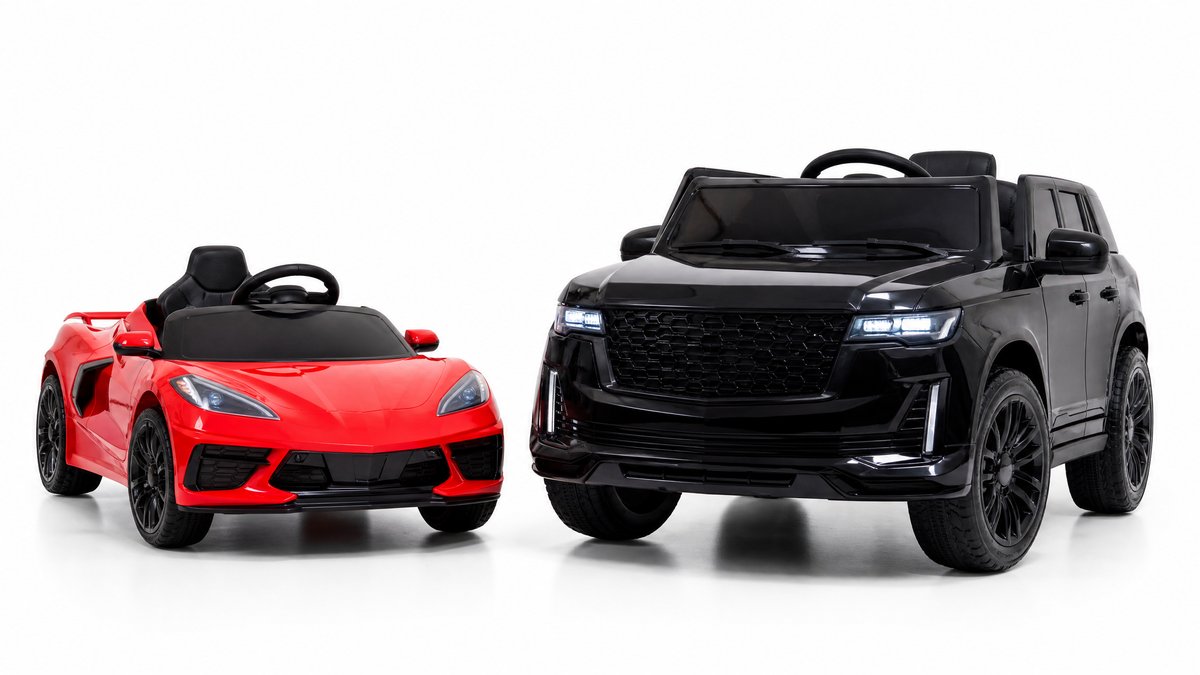
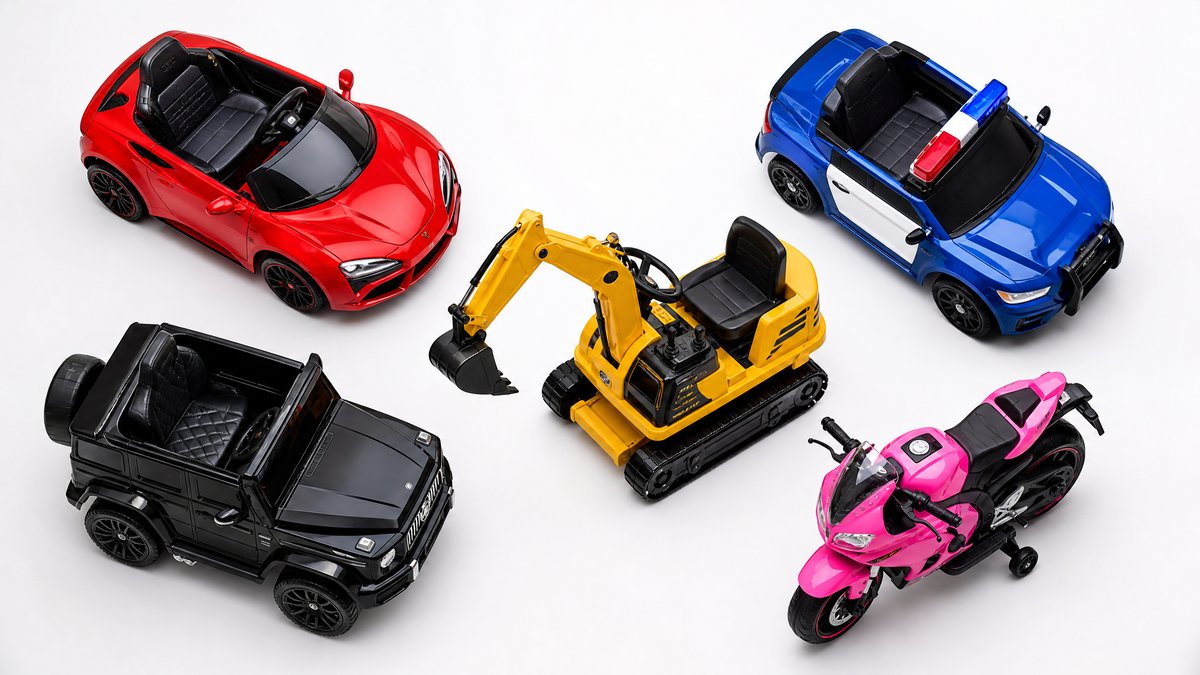
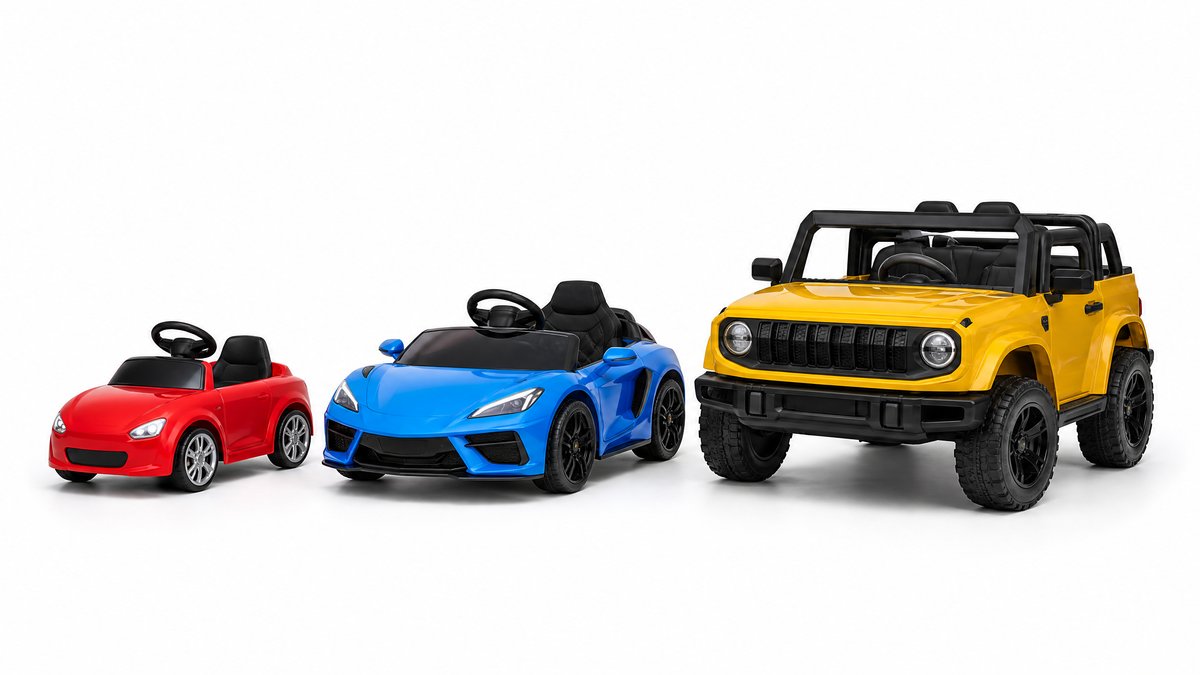
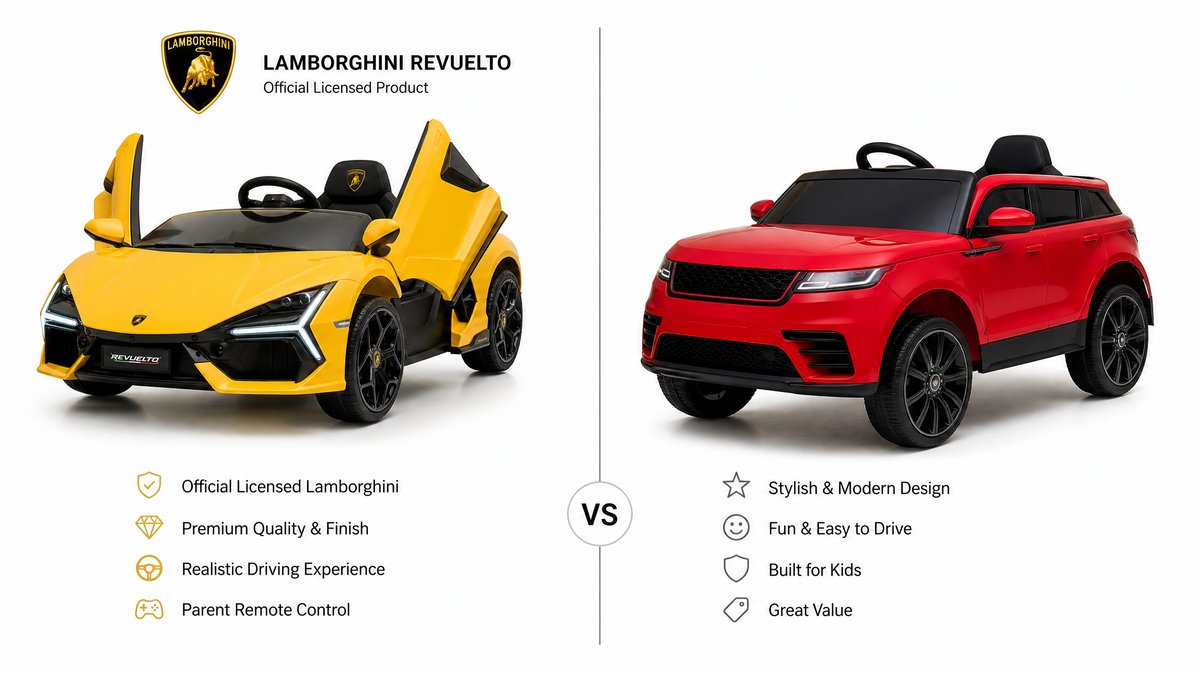
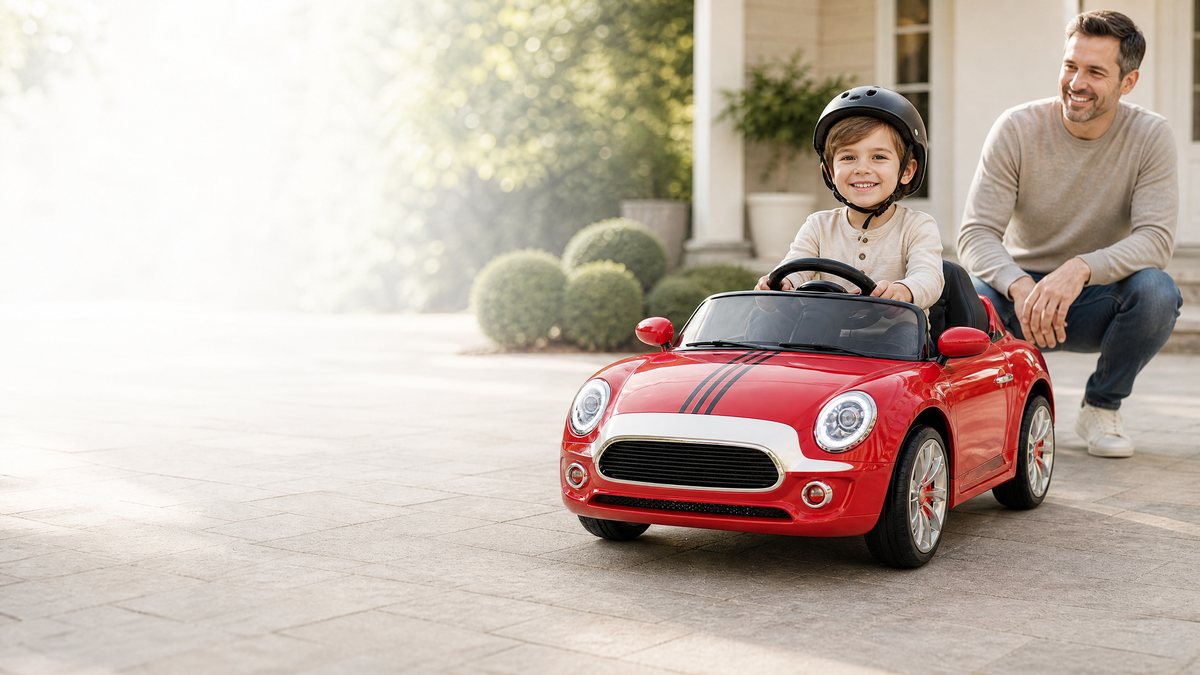
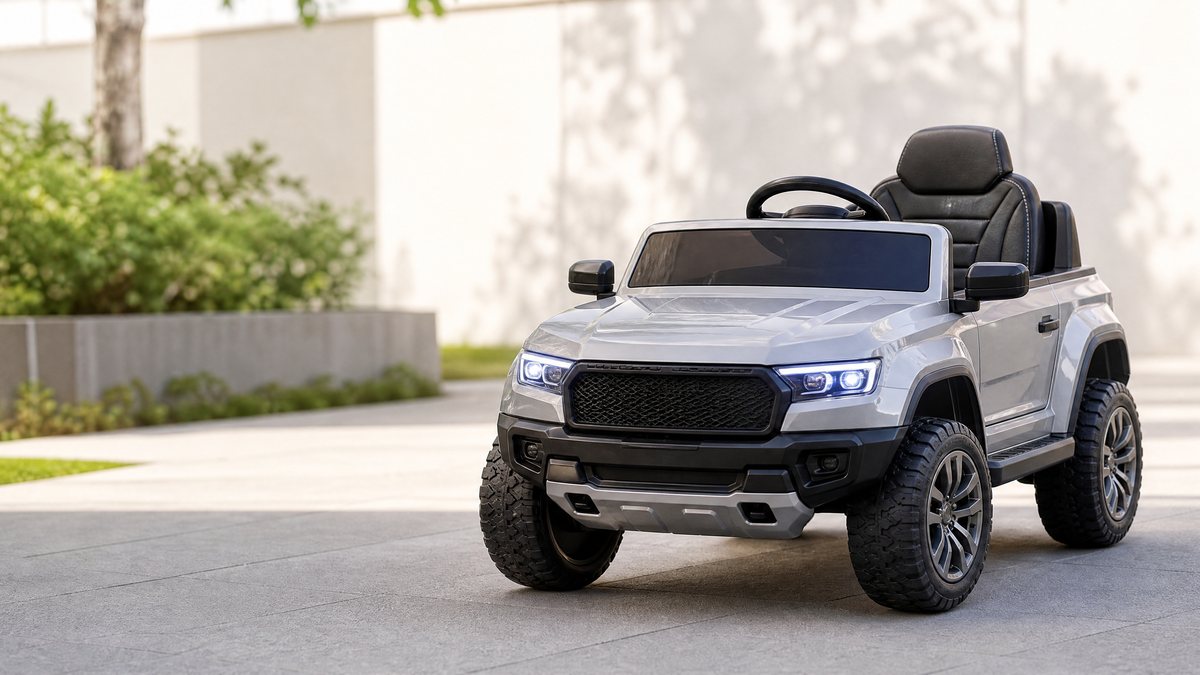
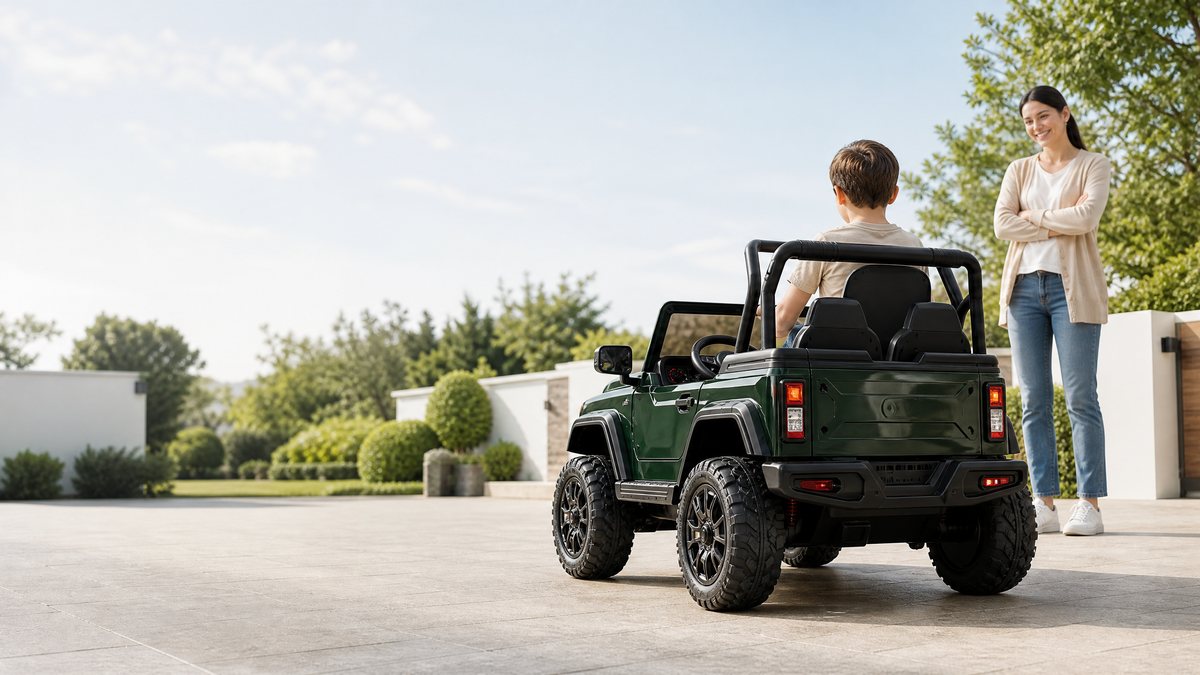
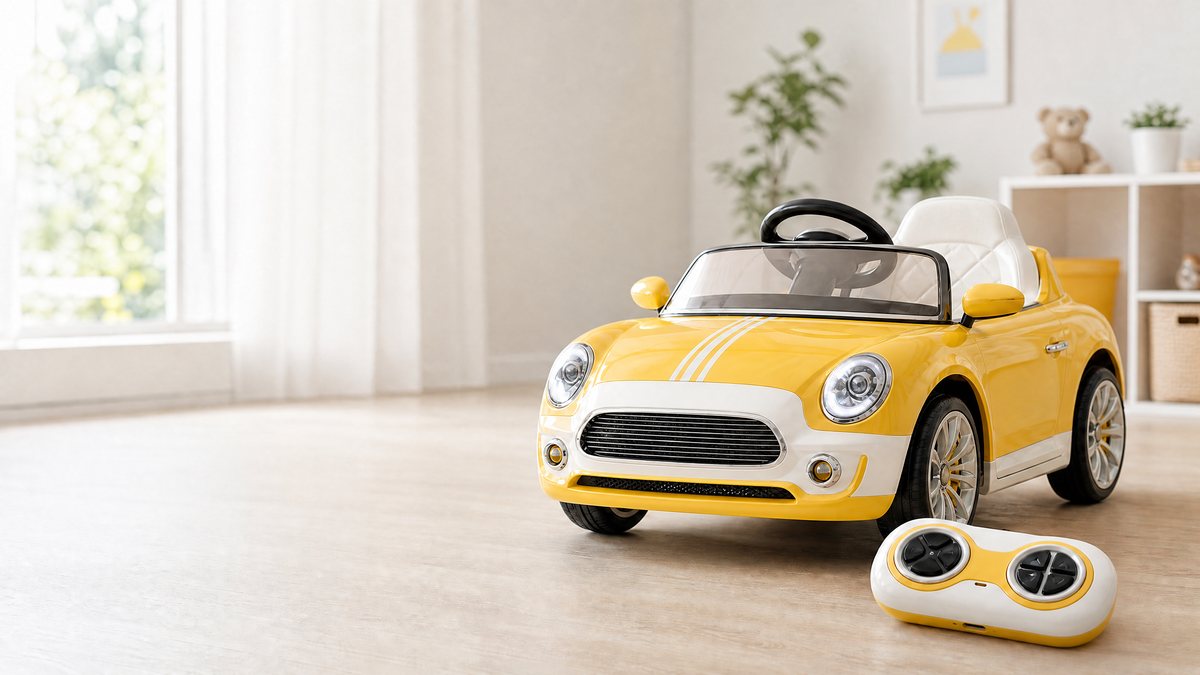
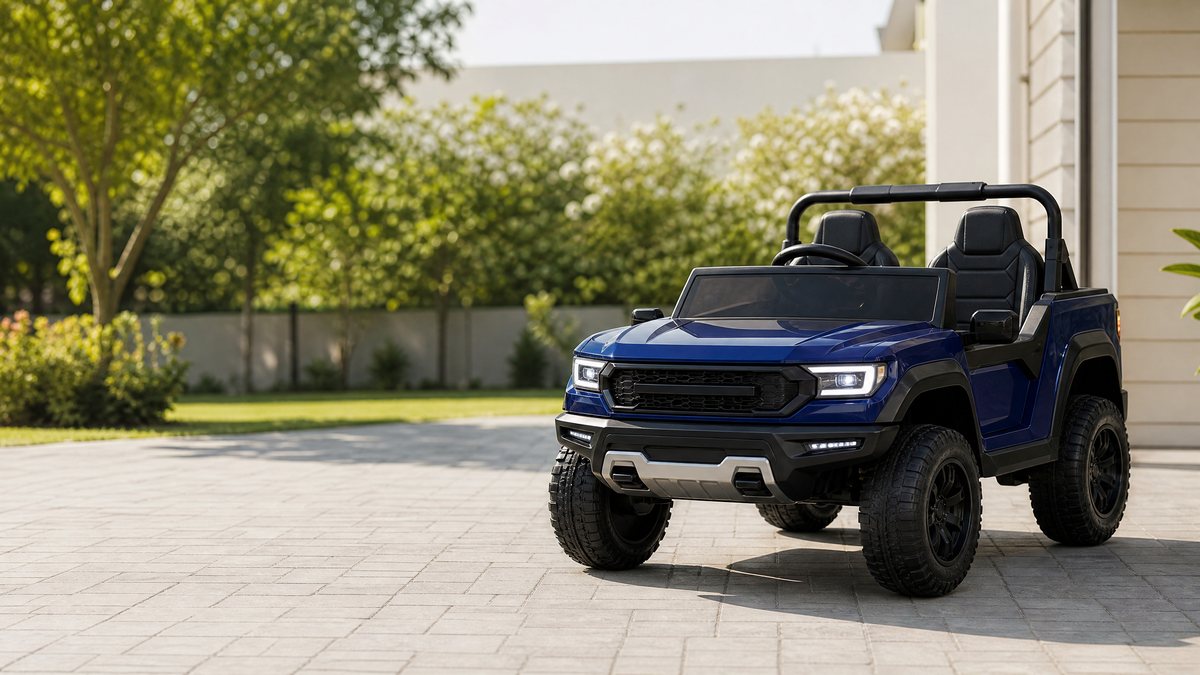
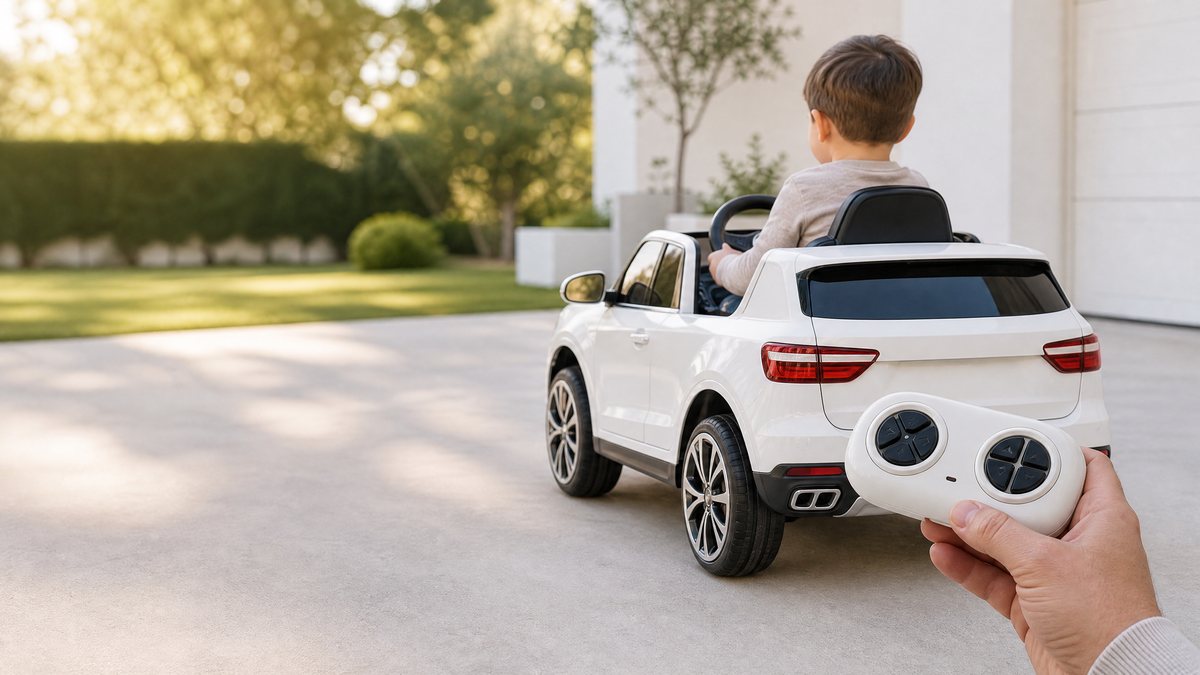
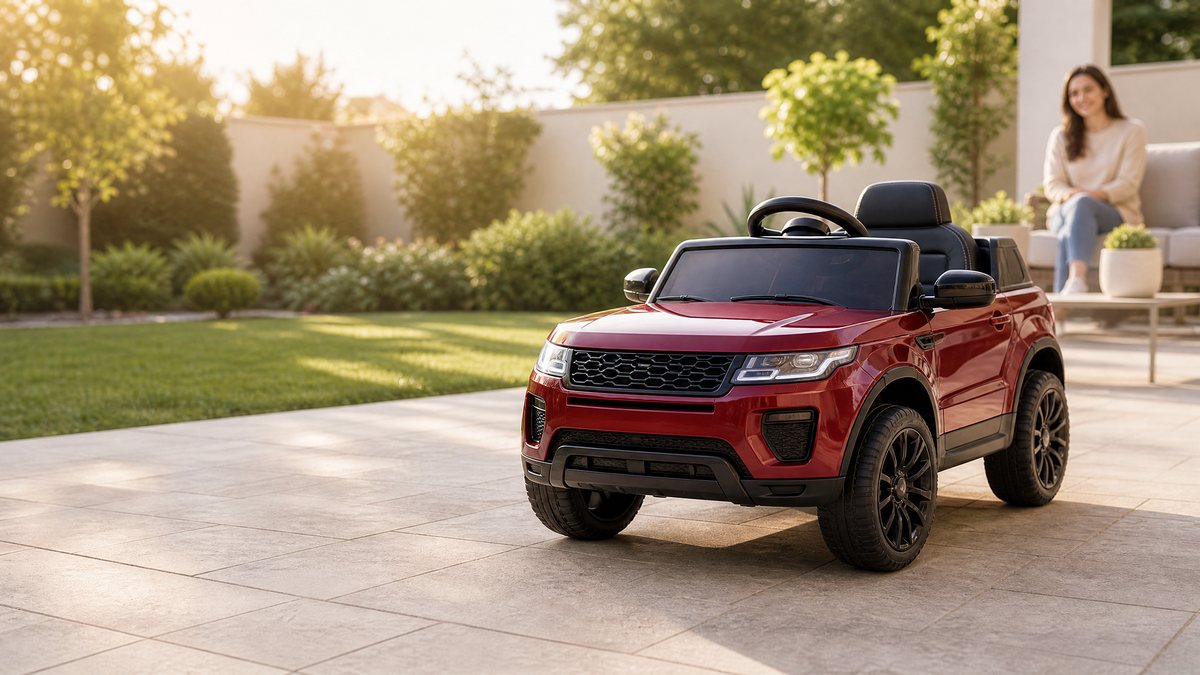
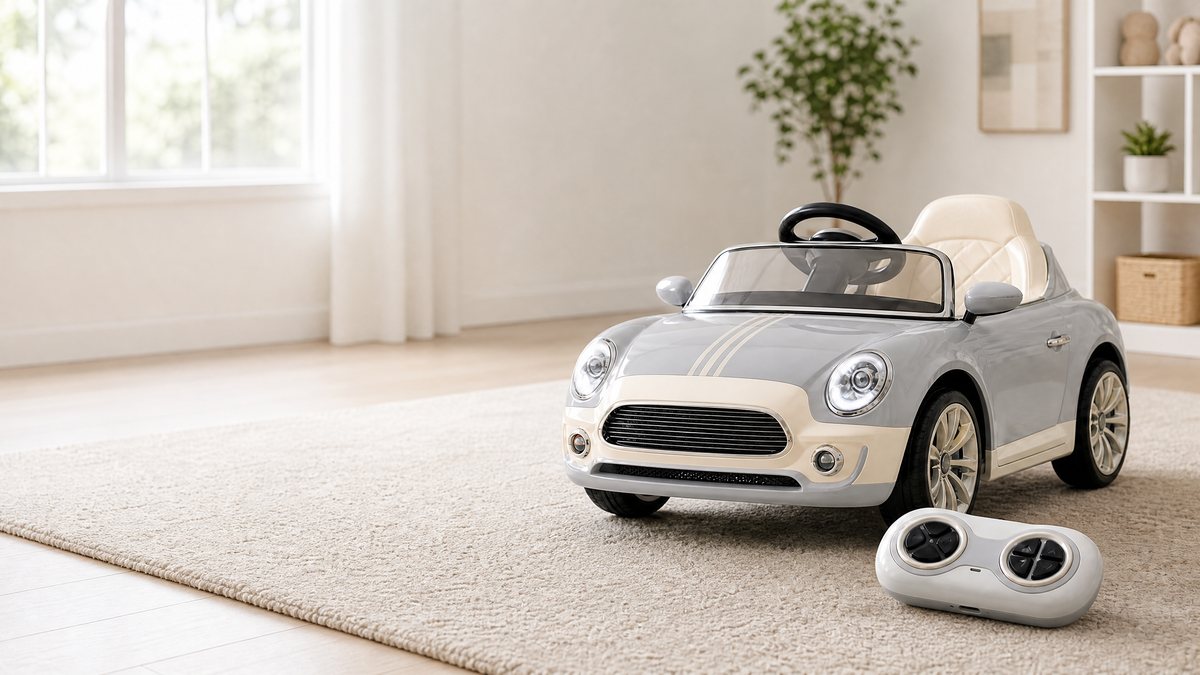
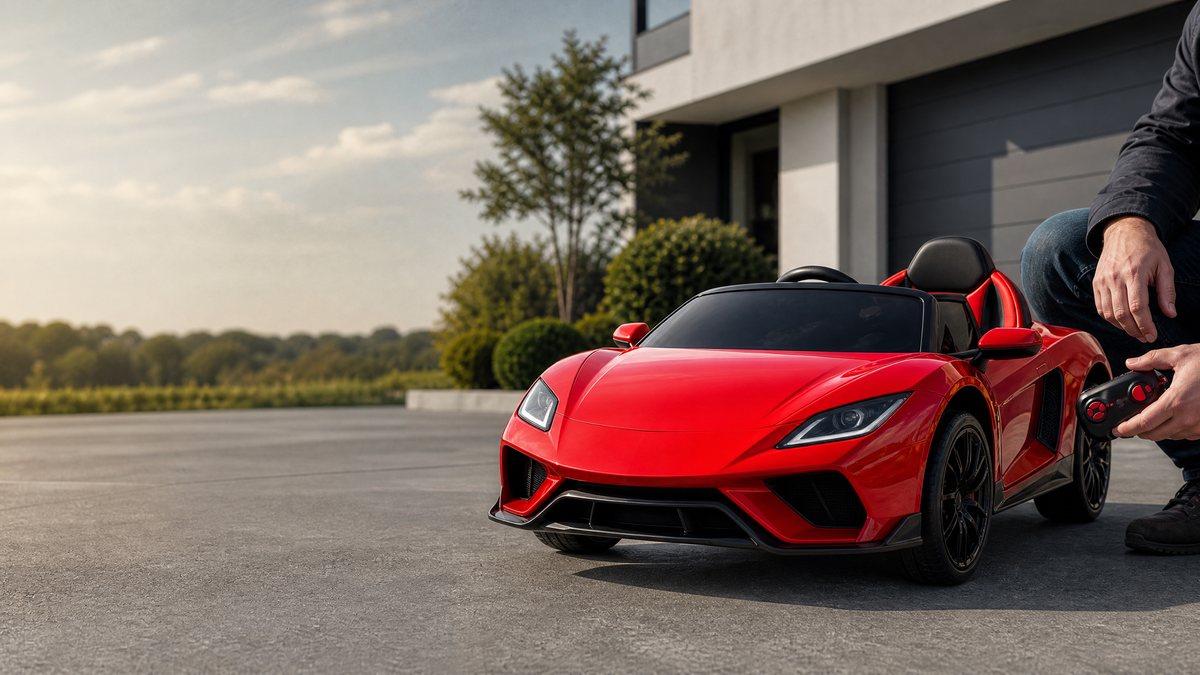
The evolution of children's electric ride-on cars has transformed simple backyard playthings into sophisticated, highly detailed miniature replicas of full-sized automobiles. Among the many design elements that capture a young driver's imagination, functional opening doors stand out as one of the most engaging and immersive features available in modern toy manufacturing. Beyond mere visual aesthetics, doors that swing open and latch securely bridge the gap between static plastic toys and lifelike driving experiences. For wholesale distributors, retail store owners, and parents alike, understanding why opening doors matter provides valuable insight into product appeal, consumer demand, and overall play value in the contemporary global toy market today.
When children encounter a ride-on vehicle equipped with working doors, their interaction changes fundamentally. Instead of being lifted into a seat or awkwardly climbing over a static plastic side panel, young drivers engage in an authentic ritual of entry and exit. This tactile engagement stimulates cognitive development, encourages independence, and elevates the emotional connection a child forms with their vehicle. This article examines the mechanical, developmental, and commercial aspects of opening doors on ride-on cars, offering a comprehensive guide for industry professionals, retail buyers, and safety-conscious caregivers seeking to understand modern toy design trends and evolving consumer expectations.
The Evolution of Realism in Modern Ride-On Car Design
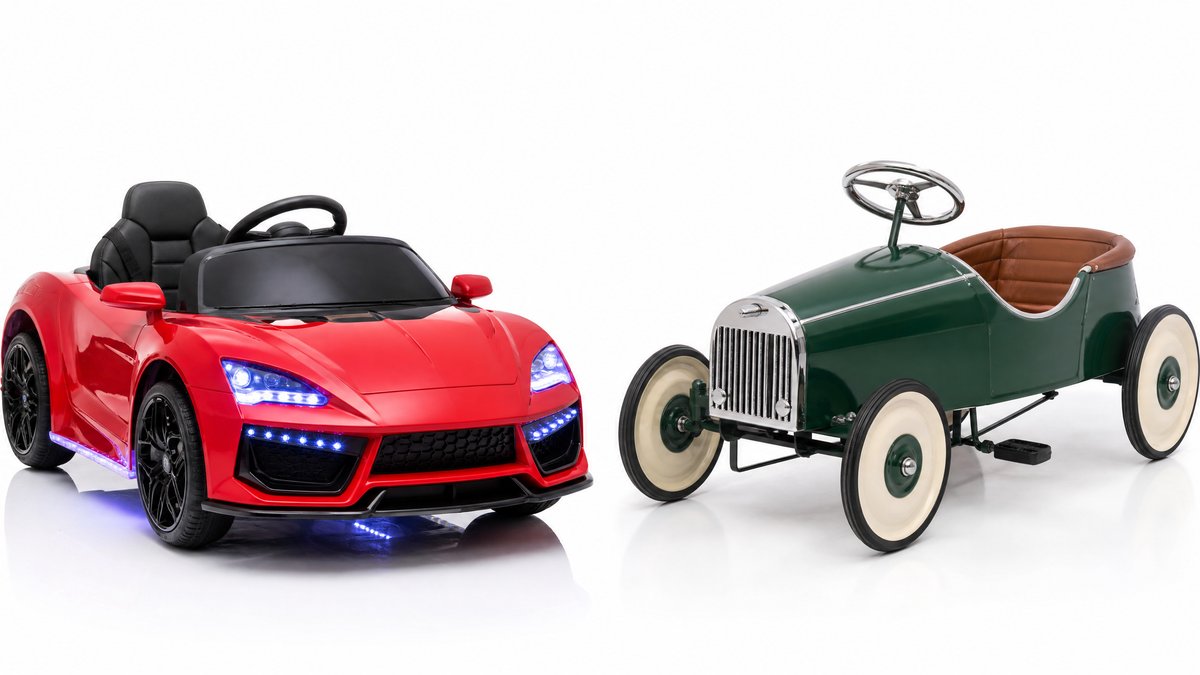
The design philosophy of children's ride-on vehicles has shifted dramatically over the past decade. Early generations of ride-on cars relied on open-top tubs and molded solid frames where entry required stepping directly over the side panels. While structurally durable, these traditional designs lacked the visceral authenticity that modern consumers expect. The incorporation of functional opening doors represents a significant milestone in manufacturing realism and industrial design excellence.
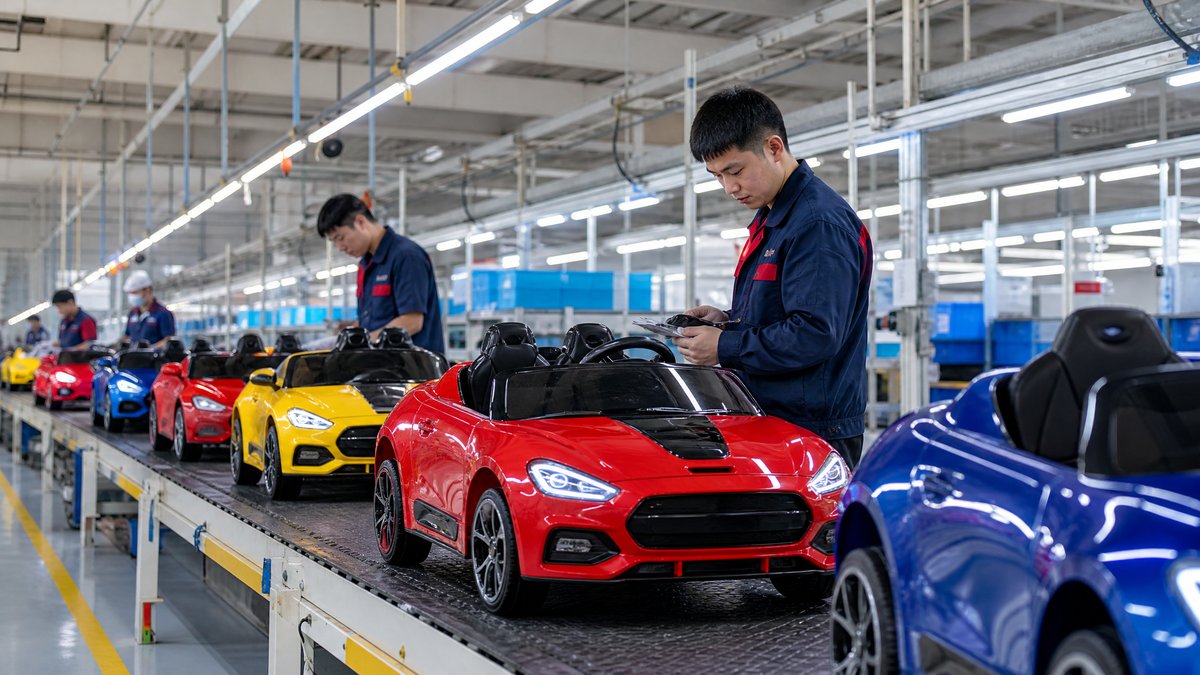
Manufacturers achieve this realism by engineering precision hinges, secure latches, and reinforced door jambs that mimic full-sized automotive counterparts. When evaluating these designs, industrial designers focus on several critical parameters to ensure longevity and safety during active use:
* Hinge Durability and Stress Distribution: Hinges must withstand repeated mechanical stress, as children frequently lean on open doors or pull them beyond their intended range of motion during enthusiastic play sessions.
* Latch Security and Audible Feedback: Reliable locking mechanisms ensure that doors remain firmly closed during operation, preventing accidental swinging while the vehicle is in motion while offering a satisfying tactile click upon closure.
* Proportional Scaling and Alignment: Doors must align seamlessly with the main body shell, maintaining aerodynamic and aesthetic harmony without creating sharp edges or mechanical pinch hazards.
By bridging the visual gap between adult automobiles and children's toys, opening doors create an immediate sense of ownership and pride for the young driver, fostering longer engagement times and superior retail reception across global markets.
Materials Engineering and Structural Integrity in Door Design
The structural longevity of opening doors depends heavily on advanced materials engineering. Unlike static body panels that distribute weight evenly across a single molded shell, doors introduce movable joints that act as stress concentration points requiring careful reinforcement and rigorous structural testing.
Manufacturers typically utilize high-impact polypropylene (PP) or acrylonitrile butadiene styrene (ABS) resins to mold door panels. These materials offer high tensile strength, impact resistance, and UV stability for outdoor play environments. Additionally, interior steel or reinforced nylon hinge pins are frequently integrated to prevent sagging over thousands of opening and closing cycles.
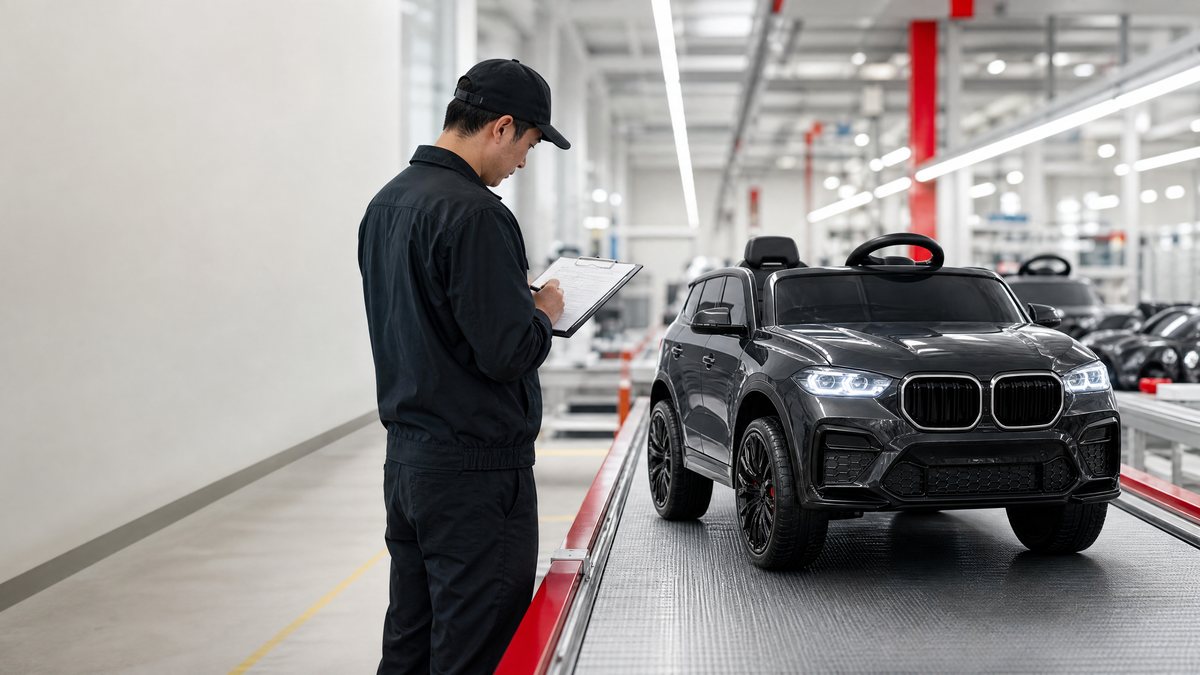
For wholesale buyers evaluating product samples, inspecting the door jamb reinforcement is a reliable indicator of overall manufacturing quality. Vehicles equipped with double-walled door frames and metal-backed hinge mountings consistently demonstrate lower return rates and higher customer satisfaction scores in competitive retail markets.
Developmental and Cognitive Benefits of Interactive Doors
Play is the primary vehicle through which young children explore the physical world. Features that require physical manipulation, such as opening and closing doors, offer substantial developmental advantages across multiple cognitive and motor domains.
Fine Motor Skill Refinement and Hand-Eye Coordination
Operating a door latch requires precise hand-eye coordination and finger dexterity. Whether manipulating a push-button release, sliding a mechanical bolt, or engaging a magnetic catch, children exercise small muscle groups in their hands and wrists. These repetitive, goal-oriented actions reinforce neural pathways associated with fine motor control, preparing young learners for everyday tasks like buttoning shirts, tying shoes, and manipulating writing instruments.
Imaginative Role-Play, Spatial Awareness, and Independence
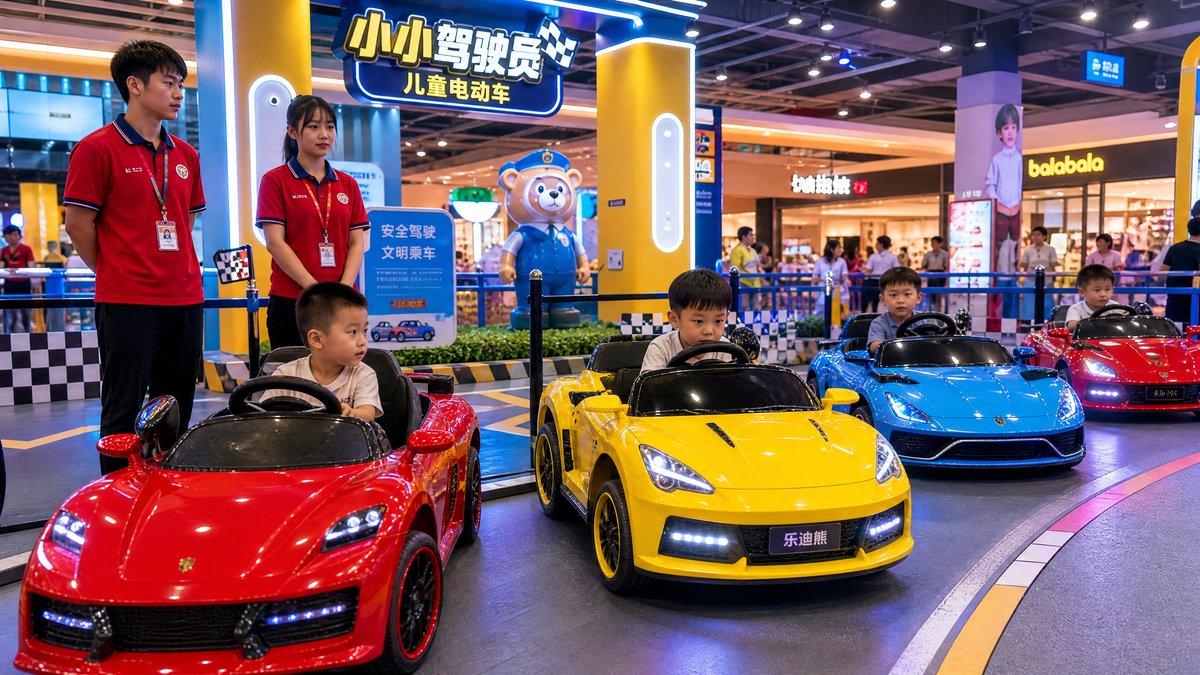
Role-play is essential for social and emotional growth during early childhood. When a child approaches a ride-on car, pulls the door handle, swings the panel open, slides into the bucket seat, and clicks the door shut, they are enacting a complete narrative sequence. They are no longer simply riding a toy; they are commuting, embarking on an outdoor adventure, or operating a professional vehicle. This sequence fosters self-reliance, as children can enter and exit the vehicle entirely unassisted, boosting their self-confidence and autonomy. Furthermore, maneuvering through a door opening enhances spatial awareness, teaching children how to judge bodily clearances relative to physical boundaries.
Evaluating Opening Doors: A Comparison Framework for B2B Buyers and Retailers
For B2B buyers and retail merchants, assessing the quality of opening doors is crucial when curating a product catalog. Different manufacturing approaches offer varying degrees of durability, safety, and user satisfaction. The comparison table below outlines the primary door closure systems found in contemporary ride-on vehicles, serving as an objective evaluation framework for wholesale procurement.
| Door Mechanism Type | Primary Engineering Features | Durability & Maintenance | Ideal Target Demographic | Sourcing & Retail Considerations |
|---|---|---|---|---|
| Mechanical Latch & Handle | Spring-loaded or physical hook mechanism requiring deliberate handle pull. | High structural longevity; simple replacement parts if latch wears. | Toddlers and older children (Ages 3-8) | Excellent for rugged outdoor use; clear customer instructions recommended. |
| Magnetic Snap Closure | Strong embedded rare-earth magnets holding doors flush against the frame. | Exceptional wear resistance; no moving mechanical parts to jam. | Younger children (Ages 2-5) | Premium aesthetic appeal; lower risk of mechanical breakage during heavy retail handling. |
| Sliding / Gull-Wing Design | Vertical or sliding rail tracks mimicking exotic sports cars. | Moderate complexity; requires clean tracks free of debris. | Older children and enthusiasts (Ages 5-8) | High visual impact in showroom displays; appeals to luxury toy segments. |
| Fixed / Open-Access (Control Group) | Molded solid body with no moving door panels. | Maximum durability; lowest manufacturing cost. | Budget-conscious entry-level markets | Useful for ultra-budget lines, but lower consumer engagement scores. |
Safety Considerations, Supervision, and Structural Integrity
While functional doors enhance the play experience, they also introduce specific safety and structural considerations that buyers, retailers, and parents must keep in mind. Safety is paramount in all children's motorized vehicle applications.
Adult Supervision and Operational Guidelines
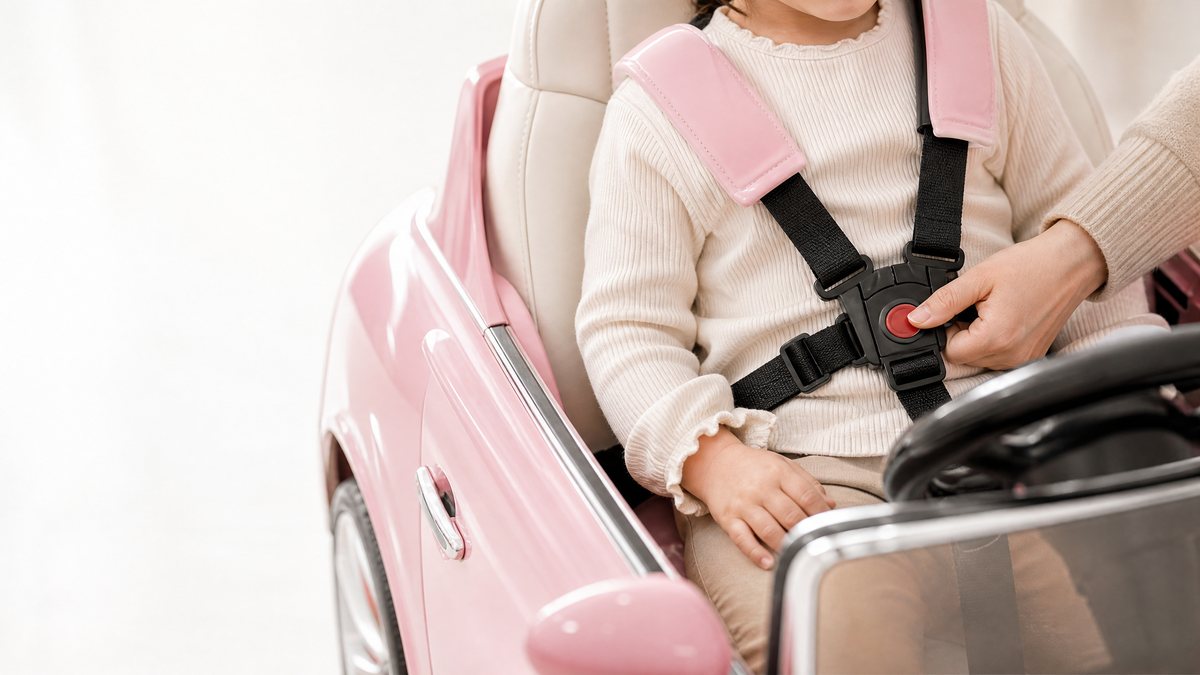
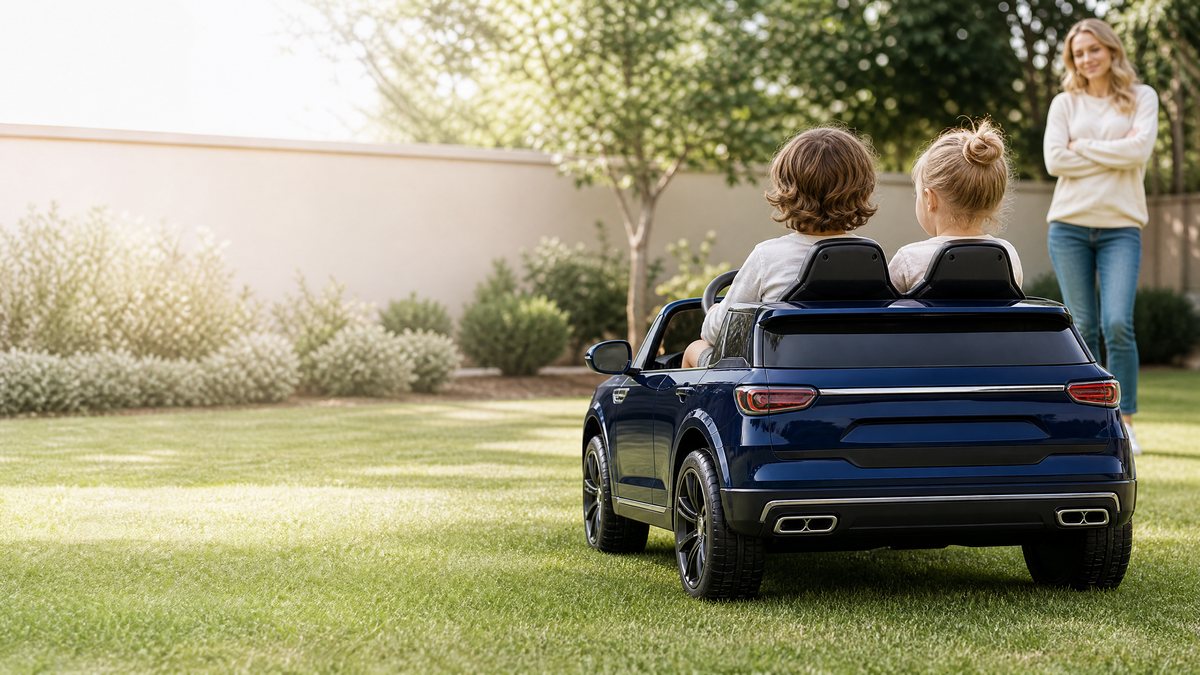
All ride-on vehicles, regardless of their feature set, require continuous adult supervision during operation. Opening doors must be securely latched before the vehicle moves. Children must be instructed never to lean out of open doors while the vehicle is in motion. Parents and caregivers should review the manufacturer's user manual thoroughly to understand the specific locking mechanisms, recommended operating environments, and weight capacity limits.
Pinch Hazards and Structural Limits
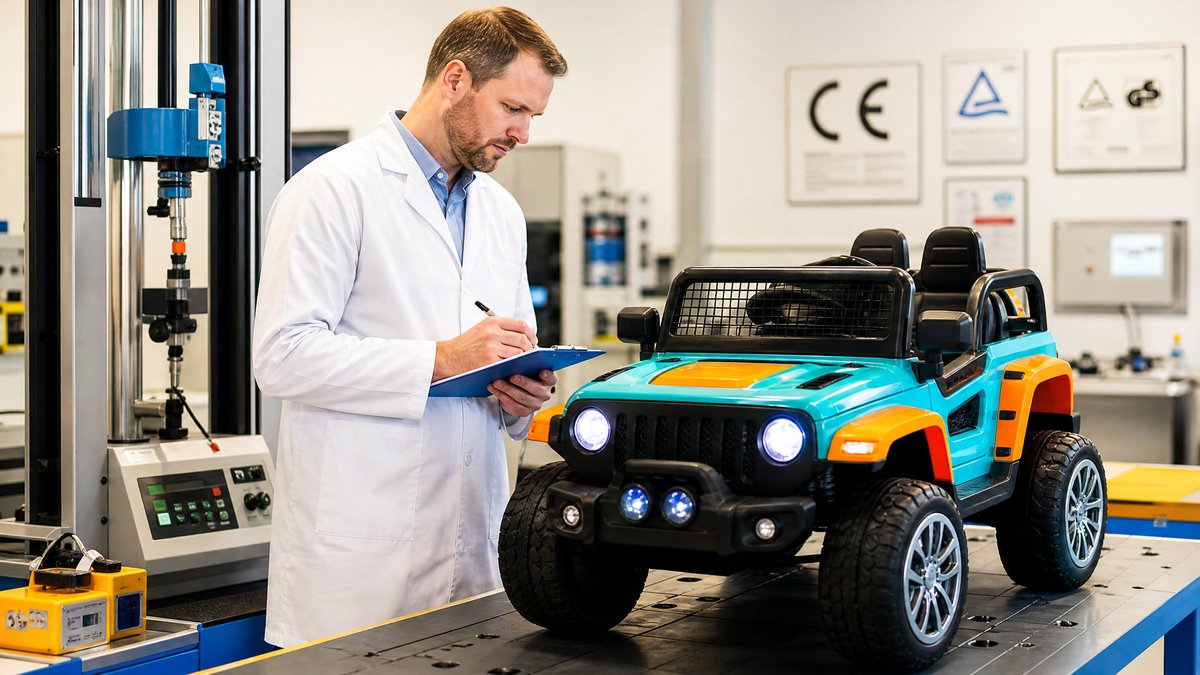
Because doors feature moving joints, reputable manufacturers incorporate rounded edges, clearance gaps, and soft-close dampeners to prevent finger pinching. However, retail buyers should verify that wholesale samples comply with recognized toy safety standards, such as ASTM F963 or EN71 guidelines. Furthermore, users must never apply excessive downward pressure, such as sitting on an open door or using the door as a step, as this can severely compromise hinge alignment and chassis integrity.
Request a wholesale quote
Practical Buying Guide and Merchandising Tips for Retailers
Retailers stocking ride-on cars with opening doors can leverage these features to drive sales and enhance customer satisfaction. Showroom presentation plays a vital role in consumer decision-making.
When displaying models in a retail environment, keeping one door open and one closed immediately highlights the feature to passing shoppers. Store staff should demonstrate how the latch operates, emphasizing the tactile realism that children love. Furthermore, wholesale buyers should inquire about replacement parts availability. Having spare latches and hinges in stock reassures retail partners and end consumers of long-term product support.
When reviewing supplier specifications, verify that the door frame reinforcement matches the overall build quality of the vehicle chassis. A heavy-duty polypropylene or EVA-reinforced body provides the structural rigidity necessary to support frequent door operation over years of active play. Retailers should also emphasize in marketing materials that features like opening doors are designed to encourage independent play while maintaining rigorous safety compliance.
Consumer Trends and Market Demand for Interactive Toy Features
In today's global toy market, consumer preferences have shifted decidedly toward products that offer high interactivity and educational value. Parents and gift-givers increasingly look beyond basic remote-controlled movement, seeking vehicles that replicate real-world driving mechanics. Functional opening doors serve as a primary differentiator on retail showroom floors and e-commerce product pages.
Market research indicates that products featuring realistic moving components enjoy higher conversion rates and stronger consumer reviews. For B2B importers and wholesale distributors, stocking models with well-designed doors aligns with consumer demand for premium features without requiring exponential cost increases. Manufacturers have optimized production techniques to incorporate these elements efficiently, ensuring that retail price points remain accessible while delivering exceptional perceived value.
Frequently Asked Questions (FAQ)
1. Are ride-on cars with opening doors suitable for younger toddlers?
Models featuring magnetic or easy-release mechanical latches are generally suitable for children aged three and older, provided there is constant adult supervision. Younger toddlers may require assistance entering and exiting until they develop the necessary motor coordination and spatial awareness.
2. What should I do if a door latch becomes misaligned or loose?
If a door mechanism shows signs of looseness, consult the manufacturer's user manual immediately. Inspect the hinge screws and alignment brackets. Never attempt unauthorized structural modifications, bypass locking mechanisms, or use unapproved adhesives. Contact the manufacturer or qualified supplier support for recommended replacement components.
3. How do opening doors affect the overall durability of a ride-on car?
When engineered with high-impact resins and reinforced steel hinge pins, opening doors do not compromise structural durability. However, they do introduce moving parts that require basic periodic inspection to ensure smooth latching and structural integrity over time.
4. What are the key factors wholesale buyers should check when sourcing door-equipped models?
Wholesale buyers should request sample units to test the smoothness of the hinge action, the security of the latch mechanism under vibration, and the presence of safety clearances to prevent finger pinching. Compliance documentation, spare parts availability, and clear user manuals are essential evaluation criteria.
5. Do opening doors require any special maintenance or lubrication?
In most cases, residential ride-on car doors require minimal maintenance. If the hinge mechanism stiffness increases over time, consult the manufacturer's guidelines before applying any lubricant to ensure compatibility with plastic and resin components.
Conclusion
Functional opening doors represent a perfect synthesis of engineering precision and child-centric design. By transforming the simple act of entering a vehicle into an engaging, tactile ritual, these features elevate the play value, cognitive development, and emotional satisfaction associated with electric ride-on cars. For B2B buyers, retail merchants, and safety-conscious parents alike, choosing models equipped with robust, well-engineered door systems guarantees long-lasting customer satisfaction, reduced return rates, and truly joyful play experiences for young drivers everywhere.
Request a wholesale quote
Official References
1. U.S. Consumer Product Safety Commission (CPSC) - Toy Safety Education and General Guidelines. Note: Official CPSC publications provide general educational frameworks and do not replace specific vehicle manufacturer manuals, rating plates, or certified safety instructions.
2. International Toy Research Association - Studies on Tactile Interaction and Child Development in Motorized Play Vehicles.
3. ASTM International - Standard Consumer Safety Specification for Toy Safety (ASTM F963 compliance overviews for structural moving parts and pinch-point prevention).
Official references
Explore these external resources for current regulatory and trade guidance. Confirm requirements with the relevant authority before placing an order.
Ready to Start?
Factory-Direct · CE & ASTM Certified · MOQ from 50 Units
Our export team works with buyers in 60+ countries. Get a quote within 24 hours.
KR
Written by KidsRideCar
China's leading kids electric ride-on car manufacturer. 500,000+ units shipped annually to 60+ countries. CE, ASTM & EN71 certified.