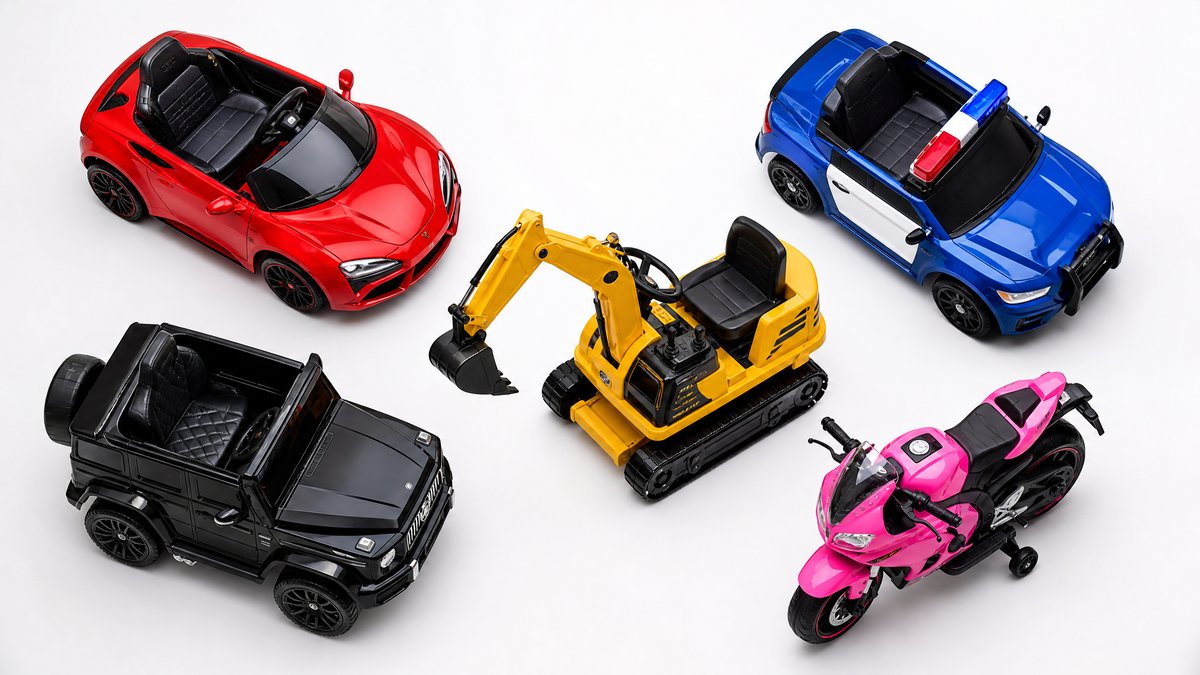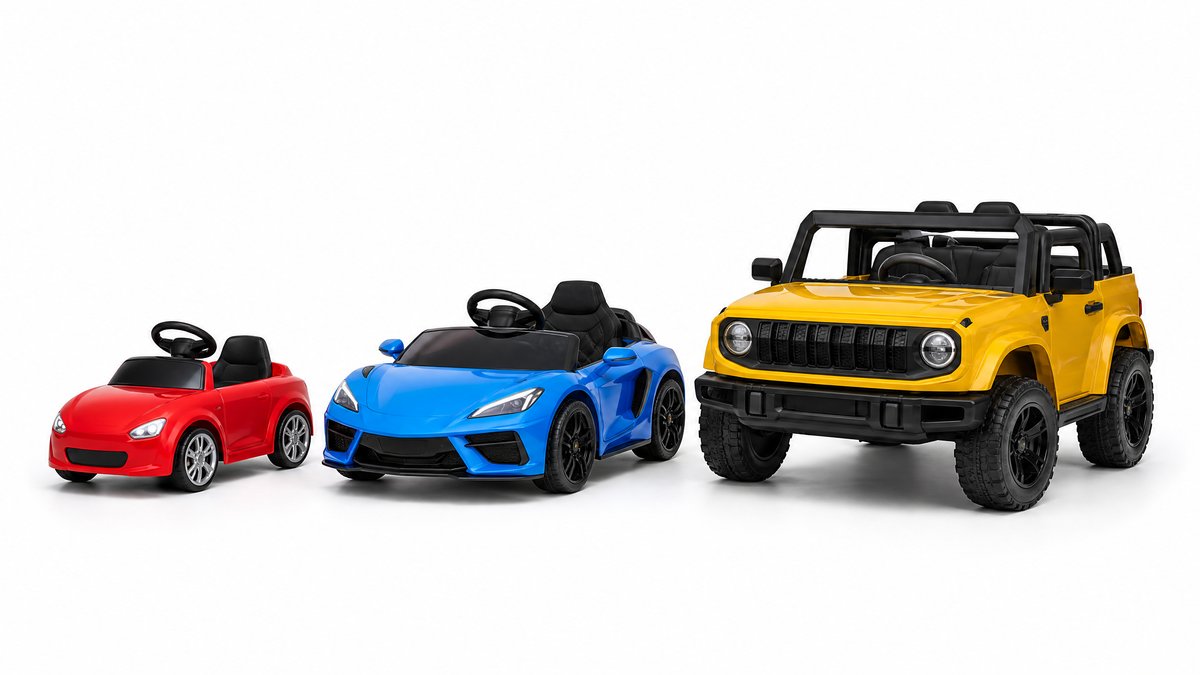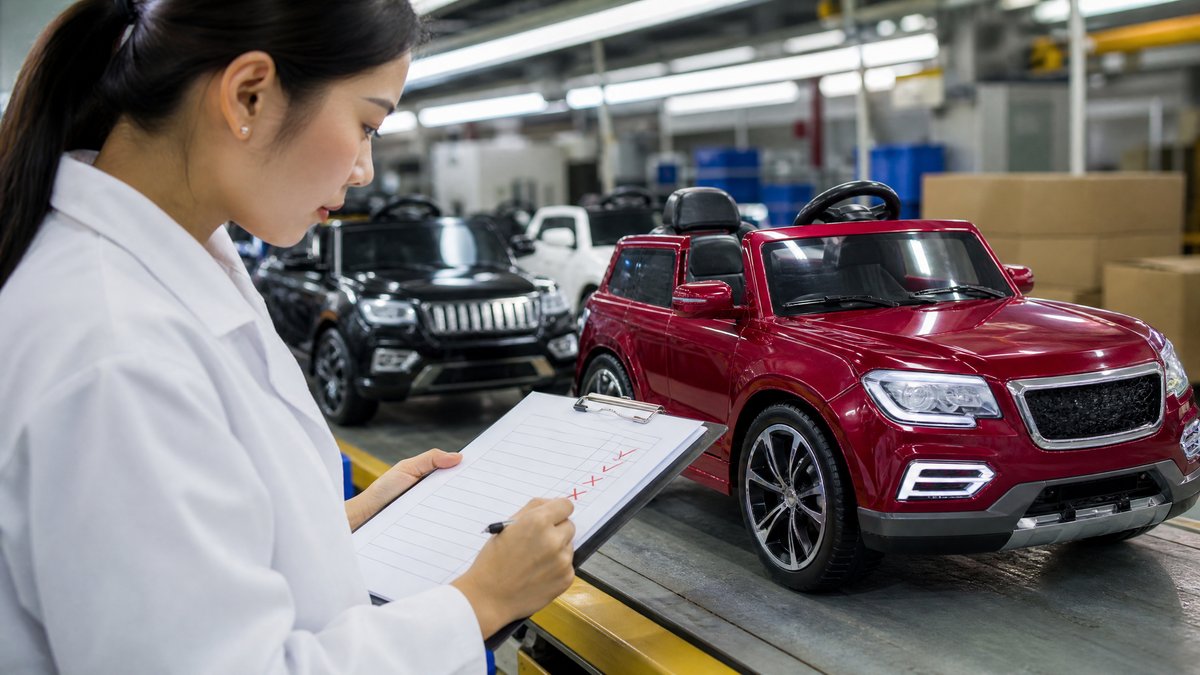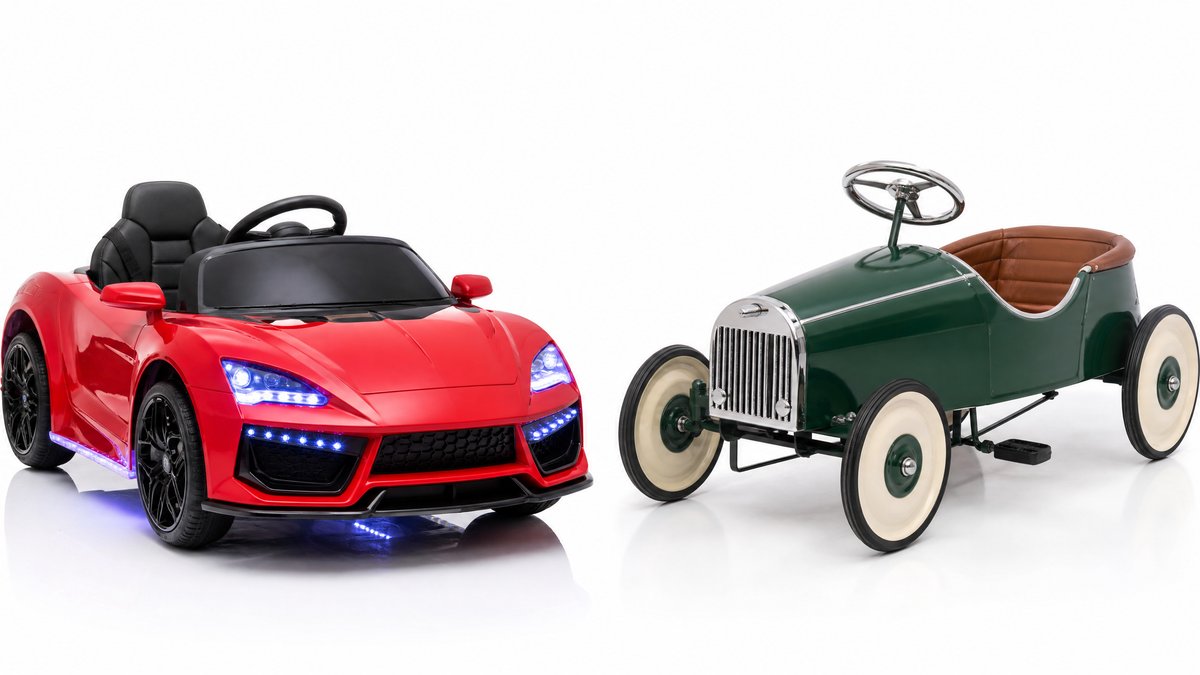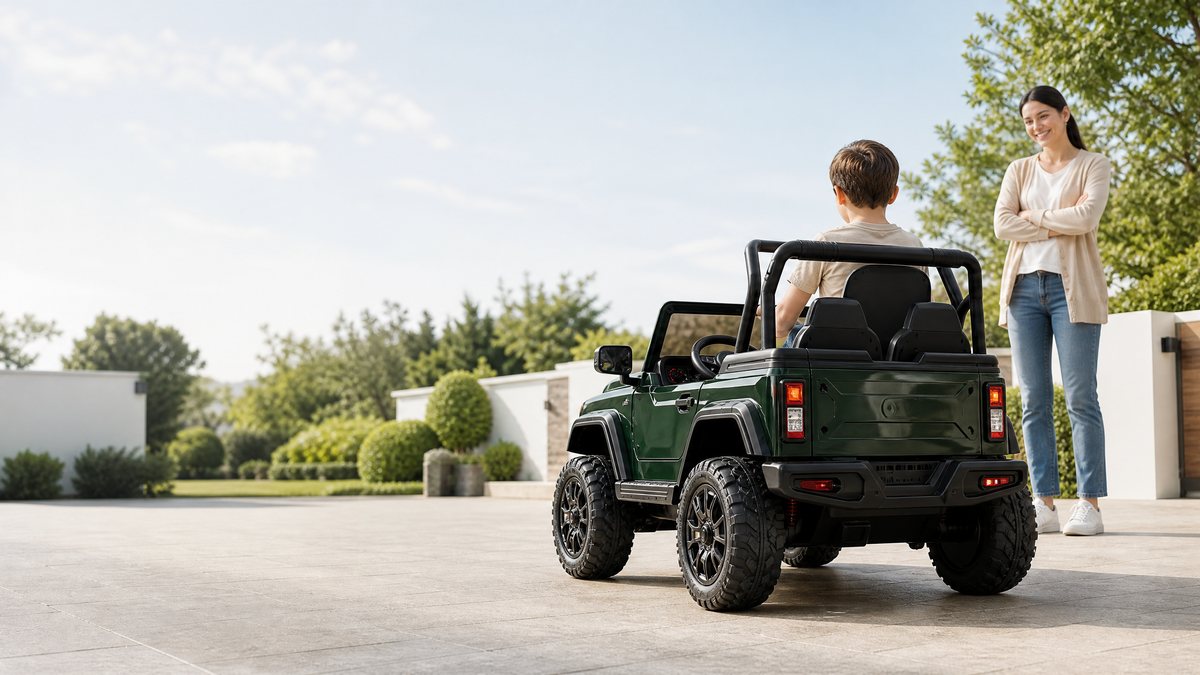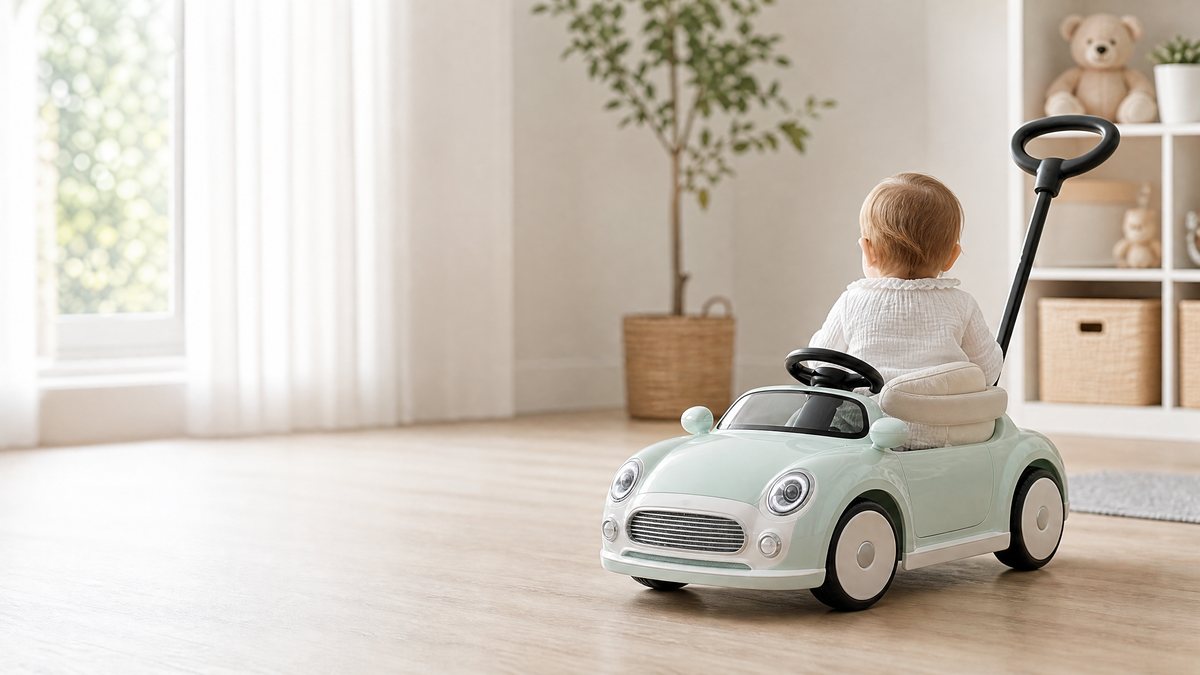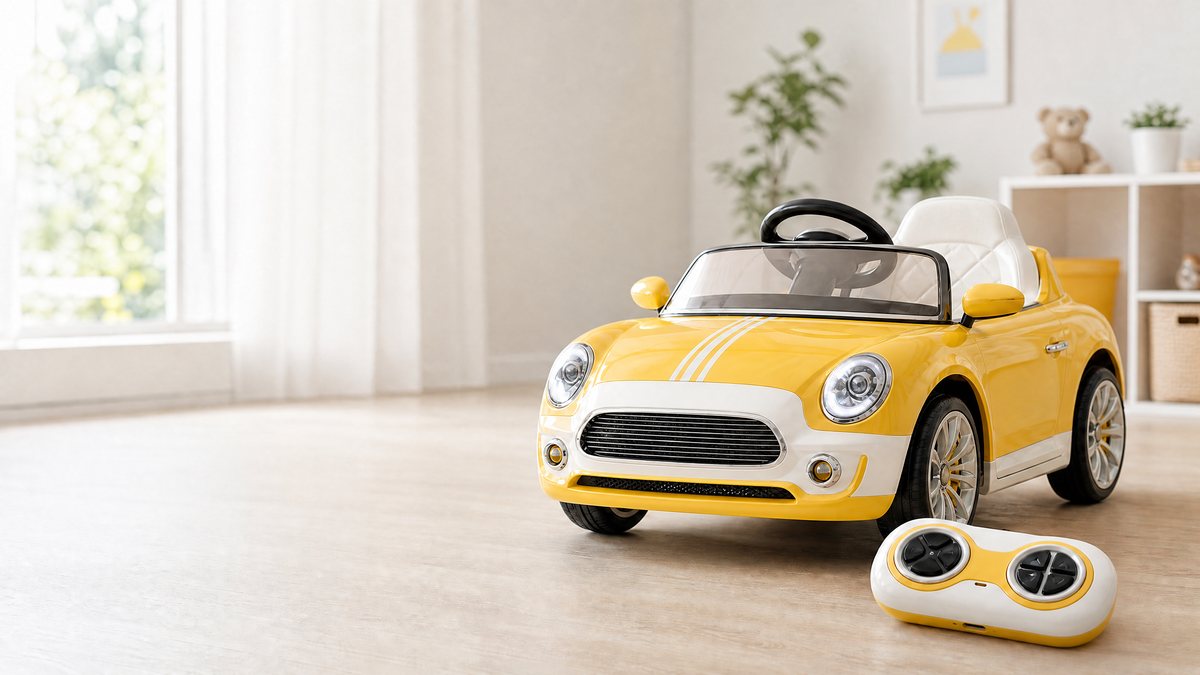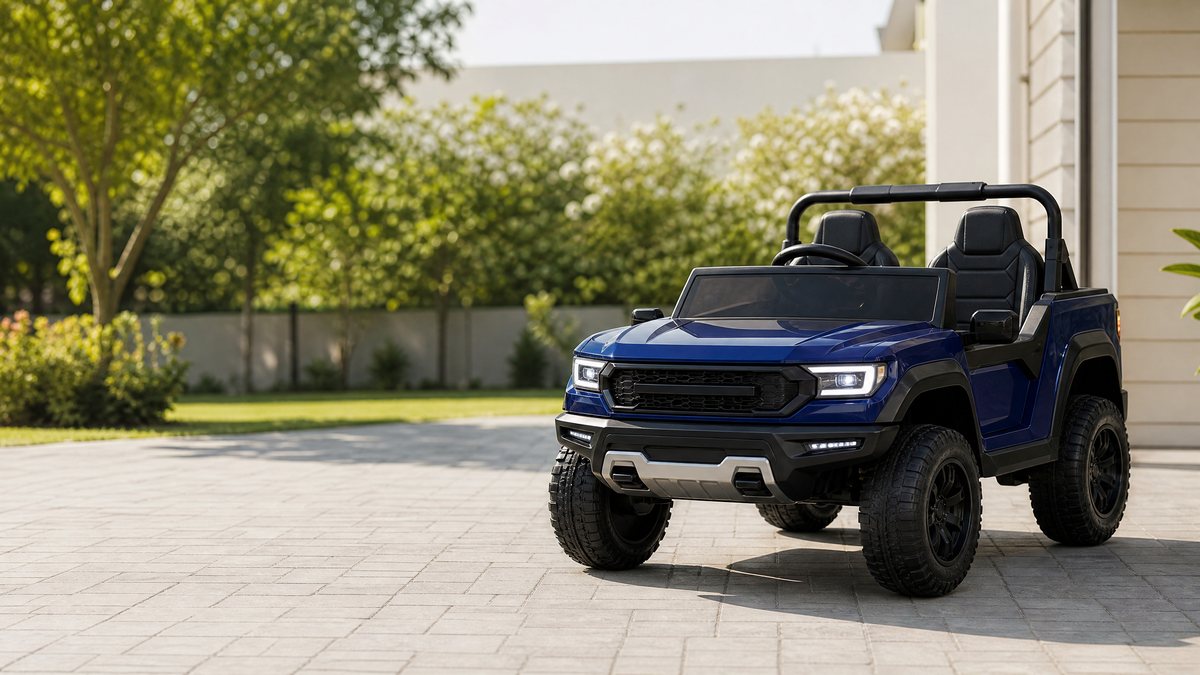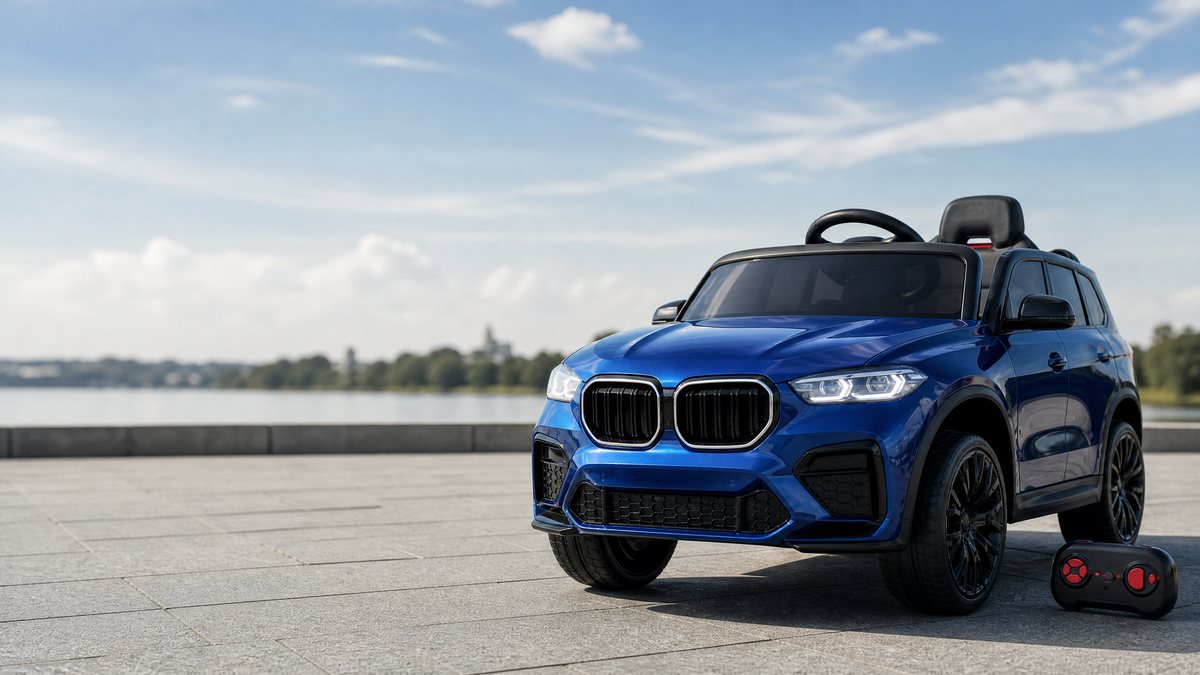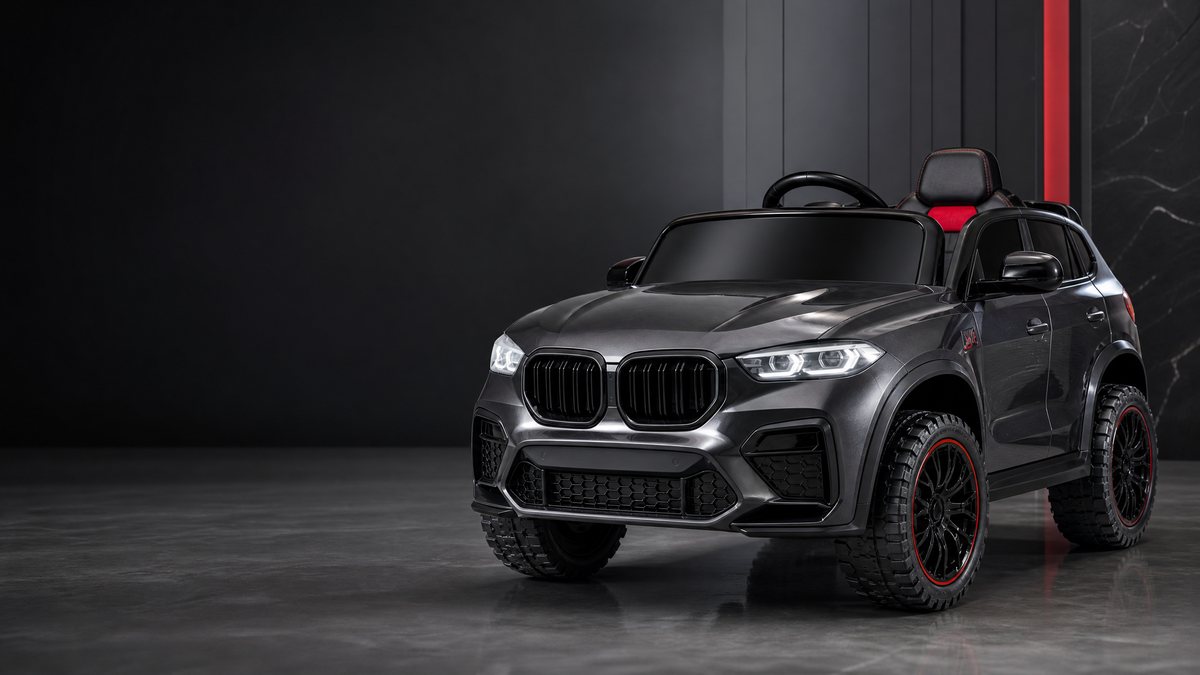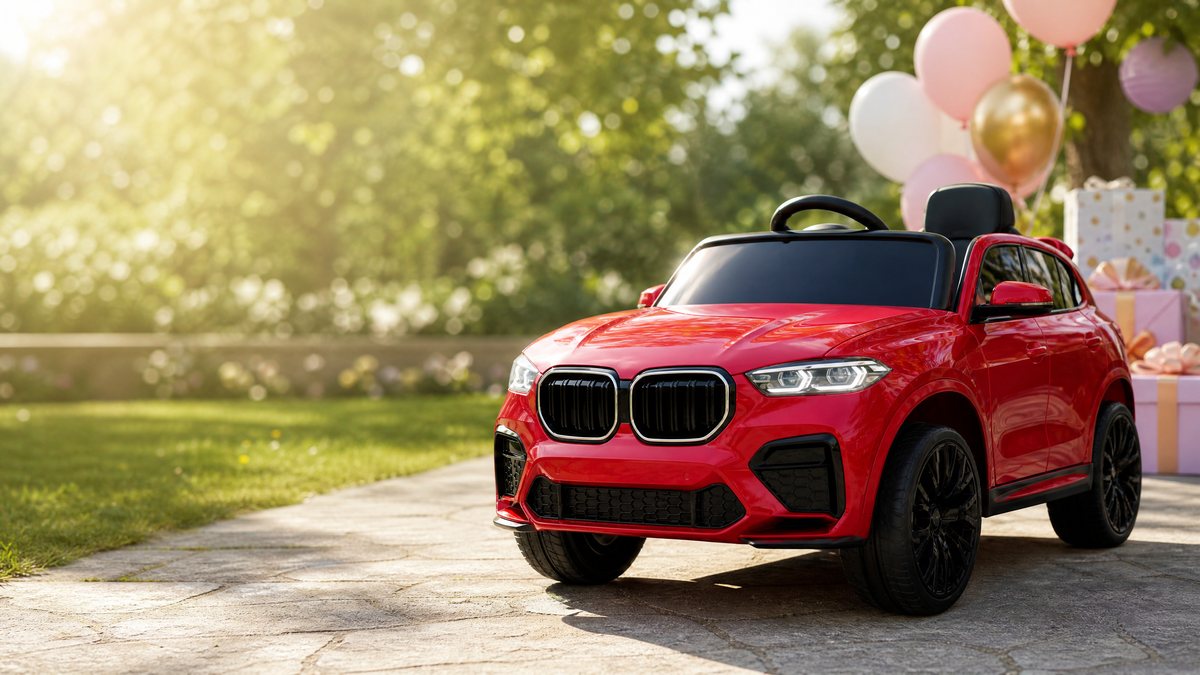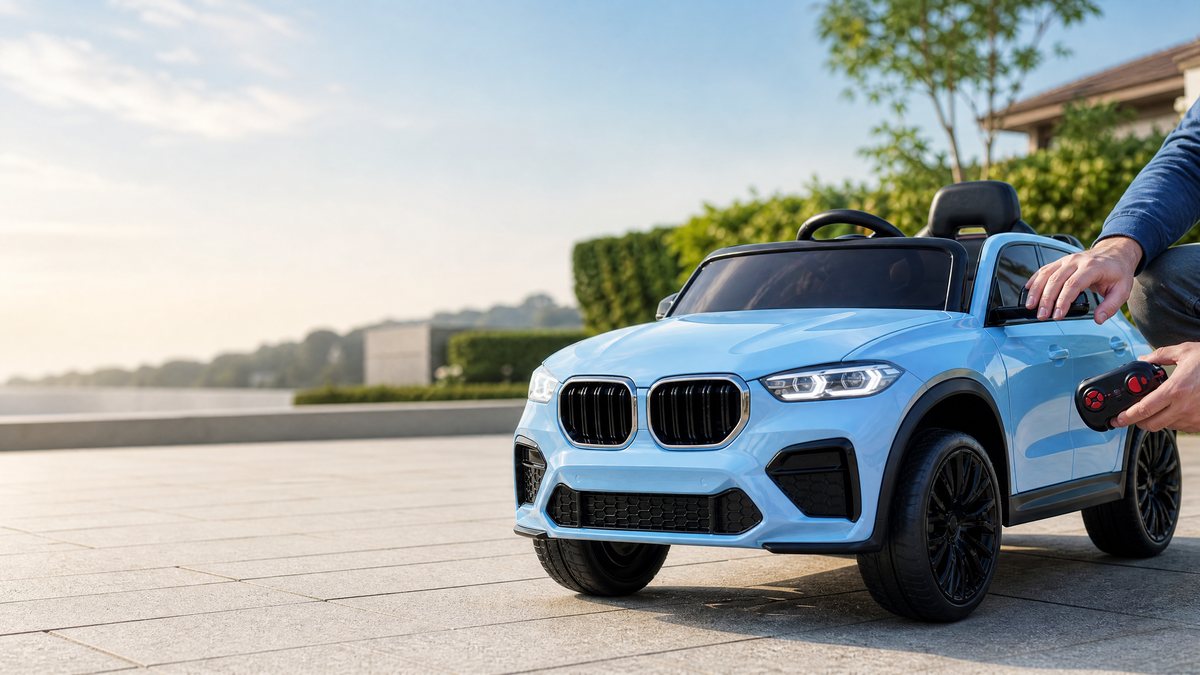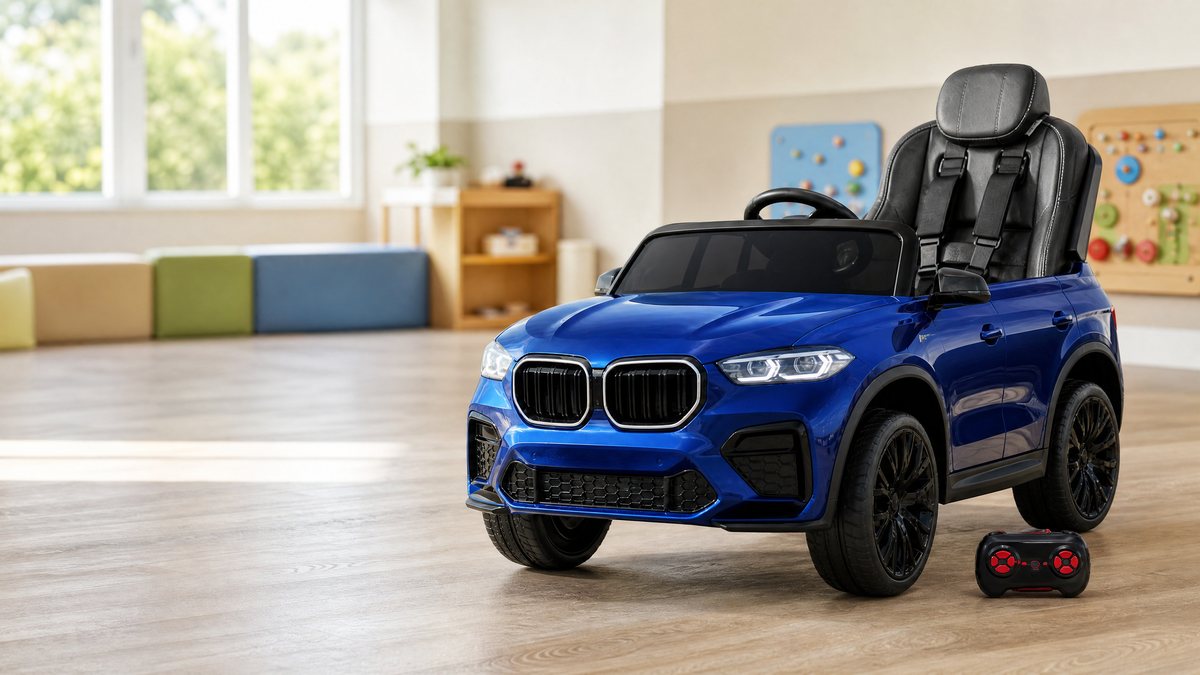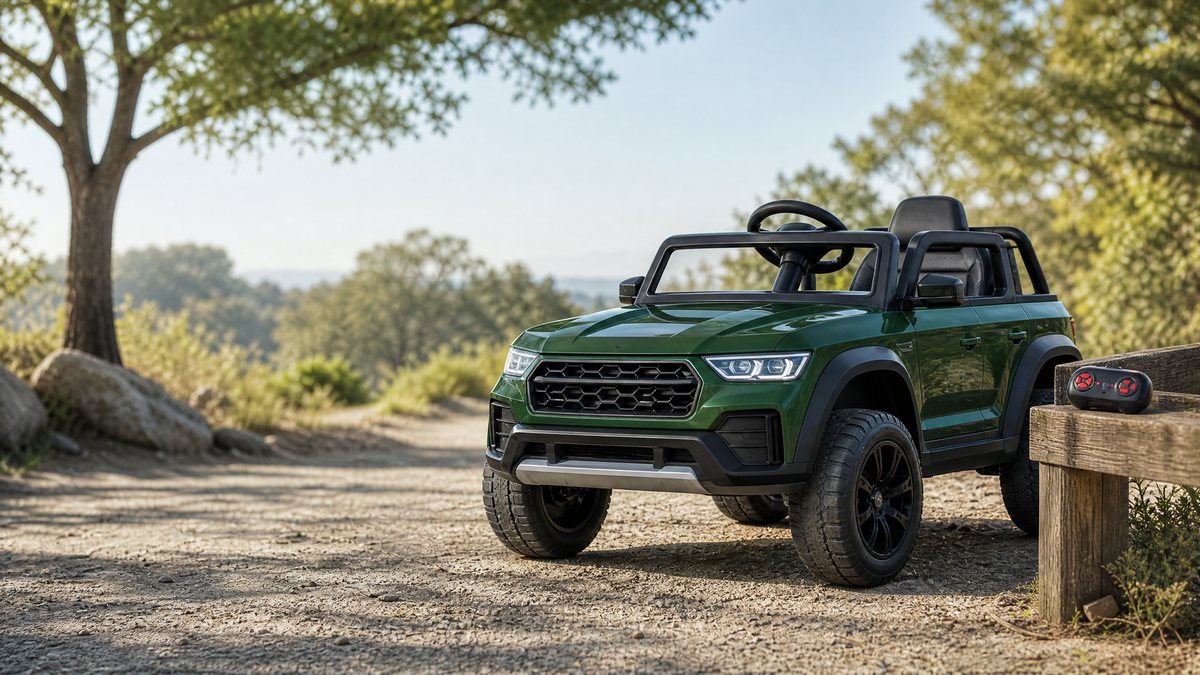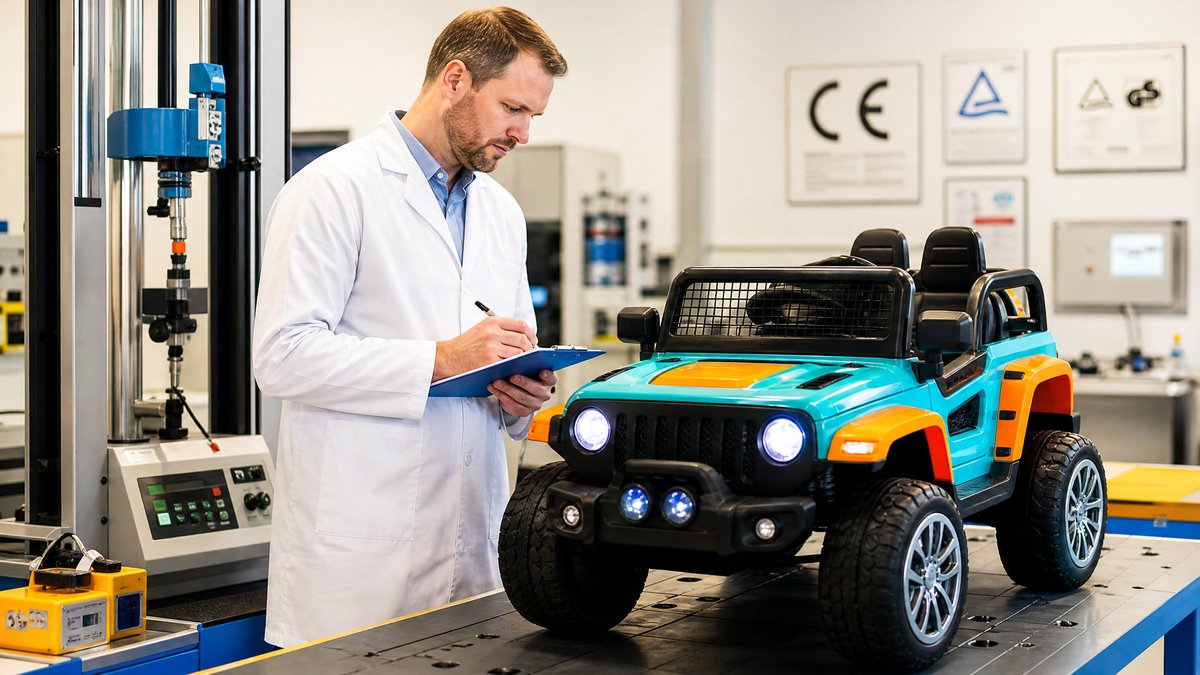
Selecting an electric ride-on vehicle for a child is a decision that involves balancing entertainment value with developmental appropriateness and safety. While manufacturers provide age recommendations as a general safety baseline, these figures are often broad and do not account for the significant variance in individual child development. For both parents and B2B buyers—including toy retailers, procurement specialists, and distributors—the most effective way to ensure a positive and safe experience is to match the vehicle's features to the child's demonstrated skill level. This approach moves beyond chronological age and focuses on the physical, cognitive, and emotional readiness of the young driver.
In the global toy market, particularly within the battery-operated vehicle sector, the alignment of product capabilities with user proficiency is a cornerstone of responsible retail and consumer safety. A child who is physically large for their age but lacks the coordination to manage a multi-motor system may find themselves in a situation they cannot control. Conversely, a child with advanced motor skills might find a basic entry-level model unengaging. This guide provides a professional framework for assessing these variables, ensuring that every ride-on car serves as a tool for growth and joy rather than a source of frustration or risk.
The Philosophy of Skill-Based Selection
The transition from a passive passenger to an active driver is a major milestone in early childhood. Unlike static toys, electric ride-on cars require a combination of spatial awareness, reaction time, and physical strength. By adopting a skill-based selection philosophy, stakeholders can prioritize the child's actual capabilities over arbitrary age brackets. This methodology is particularly important for B2B entities that must advise their clients on the best products for their specific customer demographics.
Skill-based selection acknowledges that motor development is non-linear. Some children may excel in gross motor skills, such as steering and pedaling, while others may demonstrate higher cognitive readiness in understanding safety boundaries. A comprehensive assessment considers these factors in tandem. When a vehicle is correctly matched to a child's skill level, it provides just enough challenge to encourage development without overwhelming the driver's ability to operate the vehicle safely according to the manufacturer's manual.
Developmental Milestones: Physical, Cognitive, and Emotional
To accurately assess a child's readiness for various ride-on features, it is helpful to break down development into three primary categories. These milestones serve as the "starting point" mentioned in safety guidelines, with the understanding that every child progresses at their own pace.
Physical Readiness and Motor Coordination
Physical readiness involves the strength and coordination required to interact with the vehicle's controls. This includes the ability to maintain an upright seated position, the leg strength to engage a foot pedal, and the arm strength to turn a steering wheel. Parents should observe how the child interacts with non-powered toys, such as tricycles or balance bikes. If a child struggles to understand the mechanics of steering on a manual toy, they may require a ride-on vehicle equipped with assistive features like a parental remote control.
Cognitive Awareness and Spatial Reasoning
Cognitive milestones are perhaps more critical for safety than physical ones. Spatial reasoning allows a child to judge distances and avoid obstacles. It also involves understanding the concept of "stop" and "go." Before moving to independent driving, a child should demonstrate that they can respond to verbal commands and understand the consequences of their actions within the driving environment. For example, do they understand that letting go of the pedal or pressing a brake button will bring the vehicle to a halt?
Emotional Maturity and Instruction Following
Emotional maturity refers to a child's ability to stay focused and follow established safety rules. A ride-on car is a motorized vehicle, and even at low speeds, it requires a level of discipline. A child who is easily distracted or prone to ignoring parental boundaries may not be ready for a vehicle with higher performance capabilities or manual-only controls. Emotional readiness also includes the child's temperament; a cautious child may benefit from a slow-start motor that prevents sudden jolts.
Request a wholesale quote
Assessing Driver Readiness: Practical Observation
Before a child begins operating an electric ride-on car, a series of visual and documentation-based checks should be performed. These checks are designed to confirm that the child and the vehicle are a suitable match without requiring any technical disassembly.
1. Review the Product Manual: The manufacturer's manual is the definitive source for age and weight limits. These should be treated as the absolute starting point for any assessment.
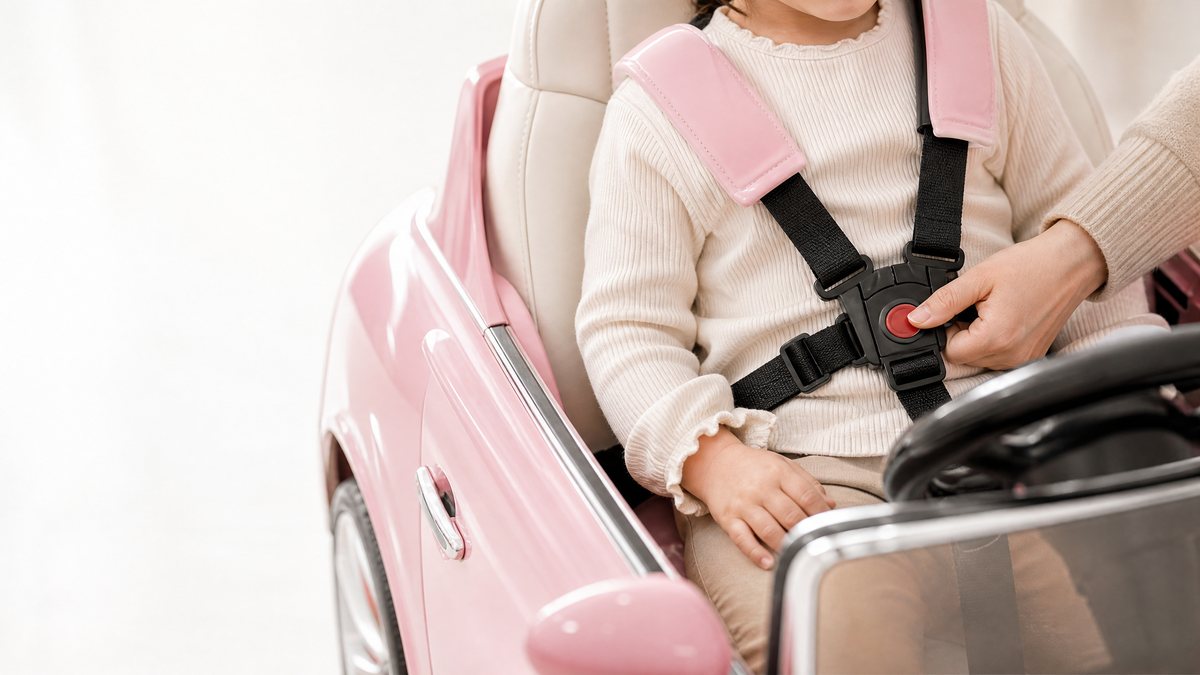
2. Visual Size Check: With the child seated in the vehicle (while powered off), ensure they can comfortably reach all controls. Their feet should reach the pedals without stretching, and their hands should have a full range of motion on the steering wheel.
3. Documentation Verification: Confirm that all safety labels and warning stickers are present and legible. These labels provide critical information on safe operation and environmental restrictions.
4. Behavioral Observation: Observe the child's interaction with the vehicle's interface. Do they show interest in the controls? Do they follow simple instructions regarding the vehicle's use?
Vehicle Features as Developmental Tools
Modern ride-on cars come equipped with a variety of features designed to assist or challenge the driver. Understanding these features in a model-neutral way allows for better selection based on proficiency.
Assistive Features for Beginners
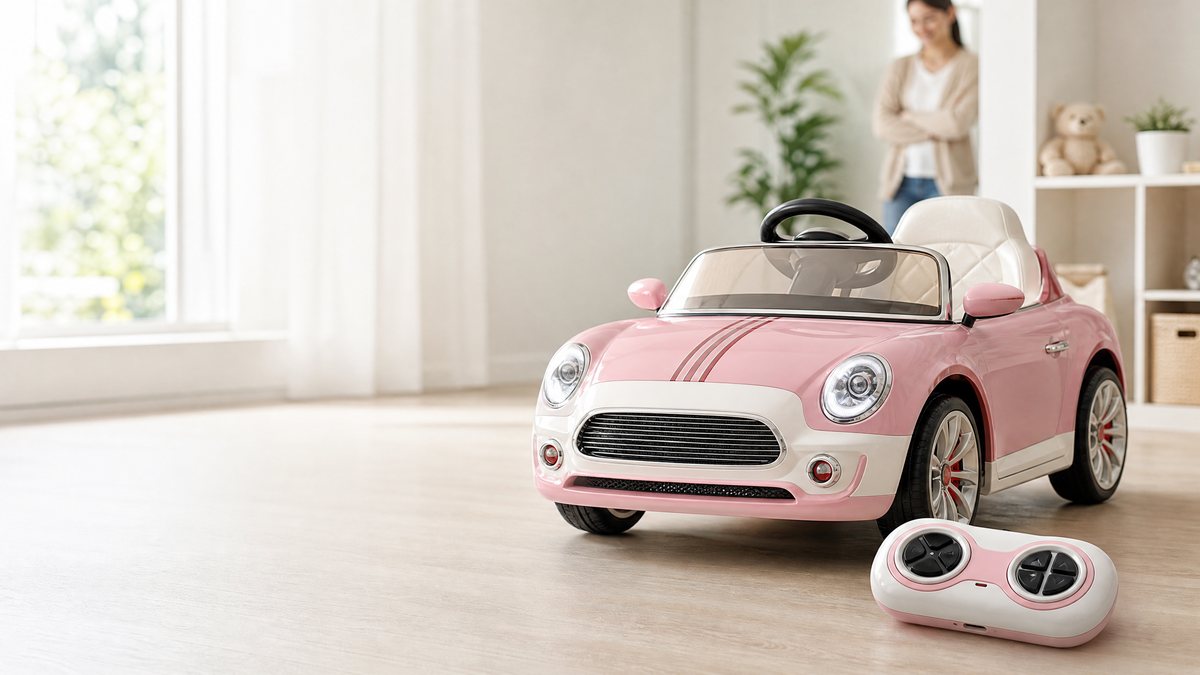
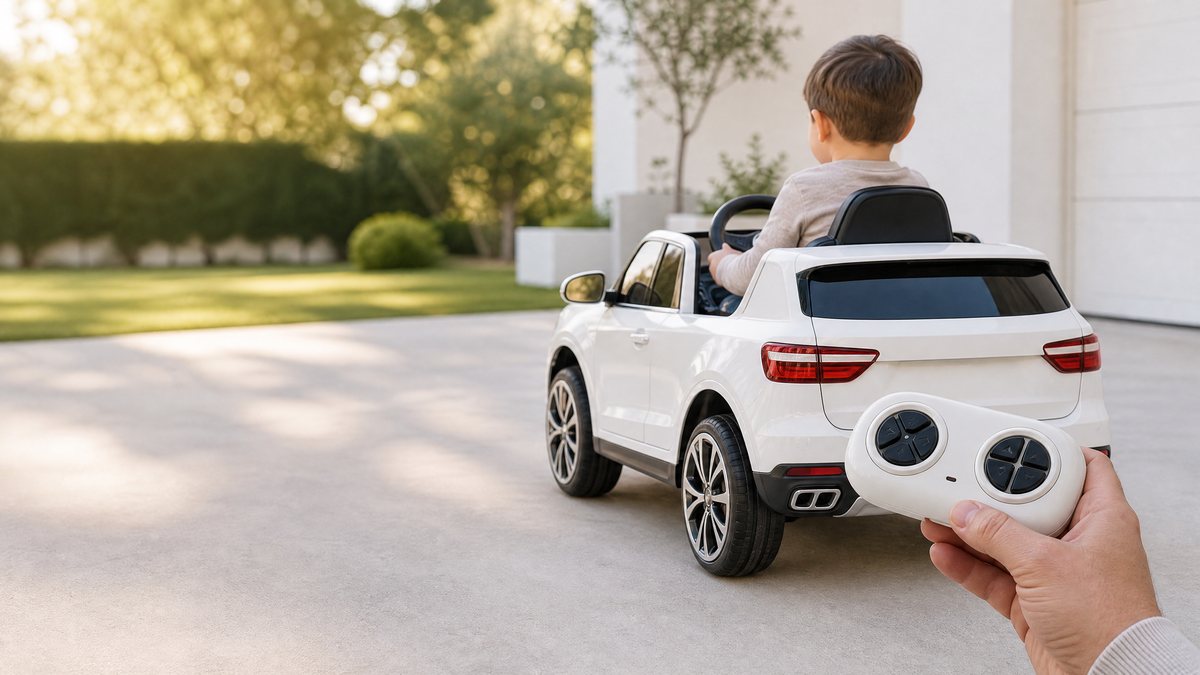
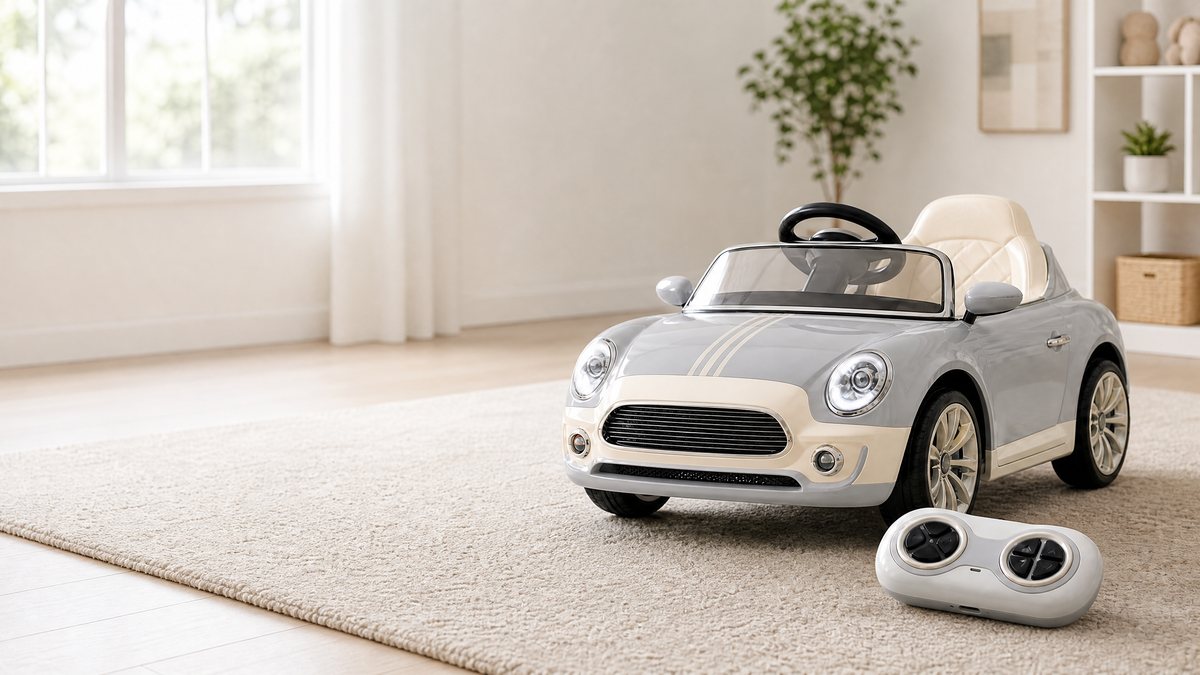
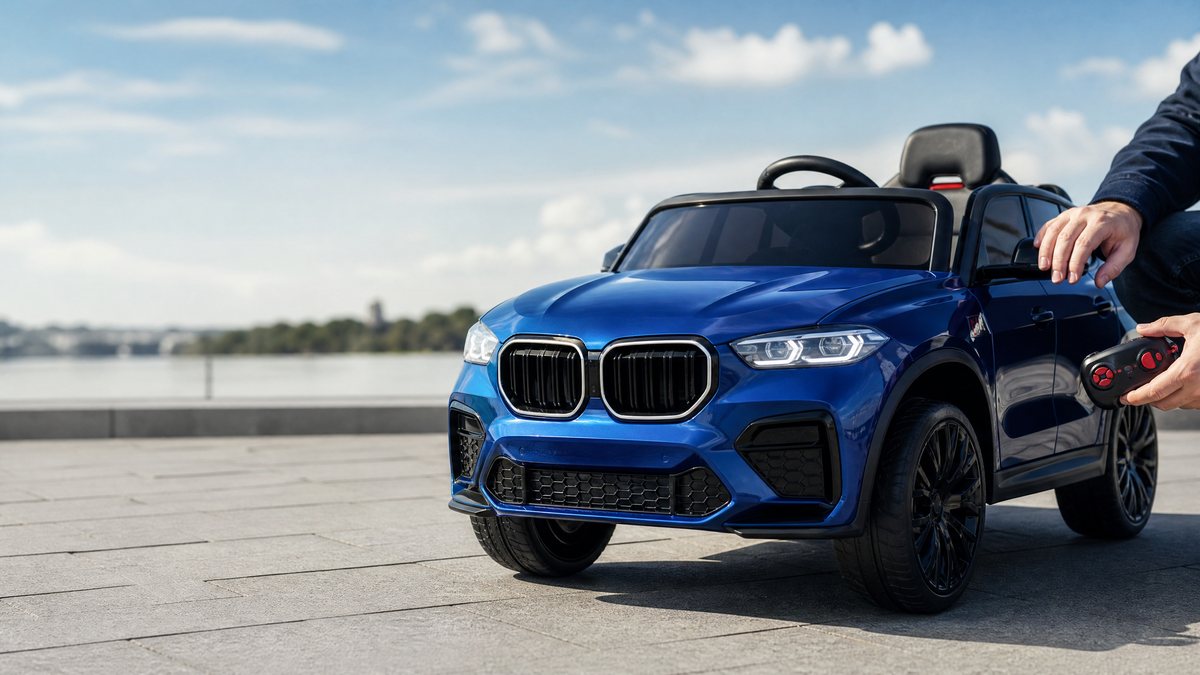
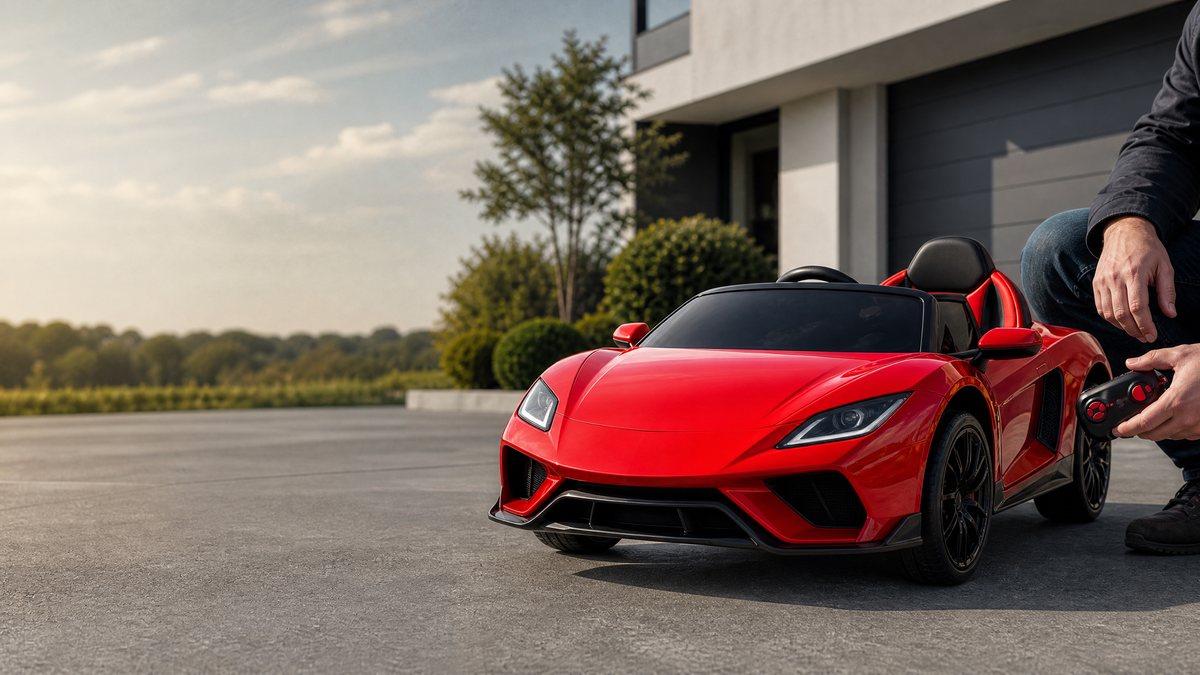
For children who are just beginning their driving journey, assistive features are paramount. The most common is the parental remote control. This allows an adult to maintain primary control over the vehicle's direction and speed, which is essential for children who have not yet mastered steering. Another key feature is soft-start technology, which ensures the motor engages gradually, preventing the sudden acceleration that can startle a novice driver.
Progression Features for Intermediate Drivers
As a child gains confidence, they move into an intermediate phase. Vehicles suitable for this level often feature dual control modes, where the child can use the pedal and wheel, but the parent retains override capability via the remote. Variable speed settings (often controlled by a switch accessible only to the parent) allow for a gradual increase in performance as the child's reaction times improve.
Authentic Controls for Advanced Drivers
Advanced drivers—those who have demonstrated consistent control and adherence to safety rules—may be ready for vehicles that more closely mimic real-world driving. This includes features like functional steering systems, reverse gears, and manual braking. At this stage, the focus shifts from assistance to refinement, helping the child develop more sophisticated motor skills and spatial reasoning.
Environmental Safety and Terrain Assessment
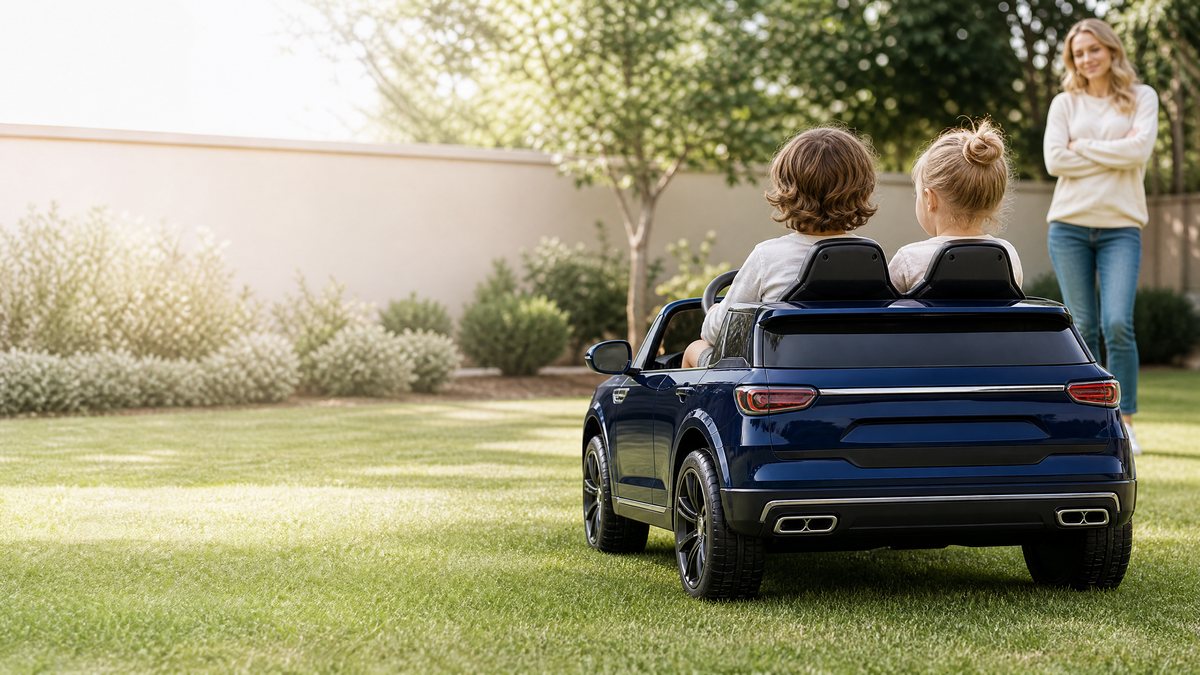
The environment in which a ride-on car is operated is as significant as the vehicle itself. A child's skill level can vary depending on the terrain. A driver who is confident on a flat, paved driveway may become a beginner again when faced with the resistance of a lawn or the unpredictability of a gravel path.
Visual Checks of the Driving Area
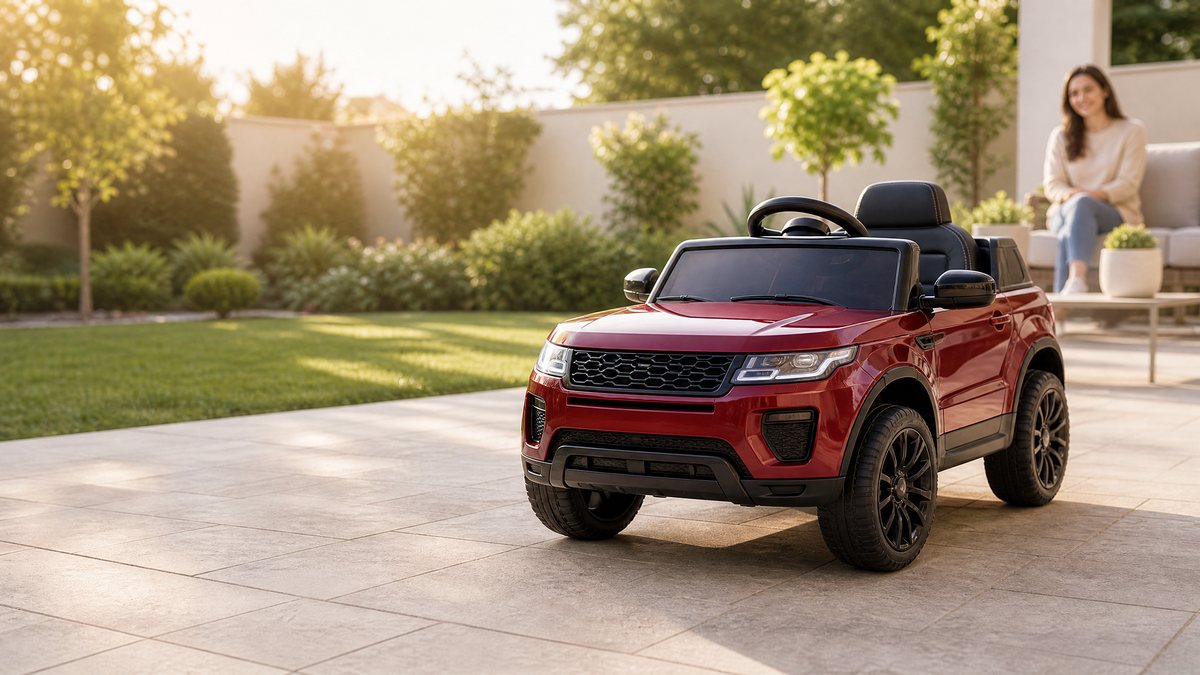
Before each use, the supervising adult should perform a visual sweep of the driving area. This area should be level, stable, and enclosed, away from public traffic. Ensure there are no swimming pools, drop-offs, or fragile objects in the vicinity. Refer to the manual to confirm which surfaces are recommended. Using a vehicle on prohibited surfaces can lead to motor strain.
Terrain and Traction
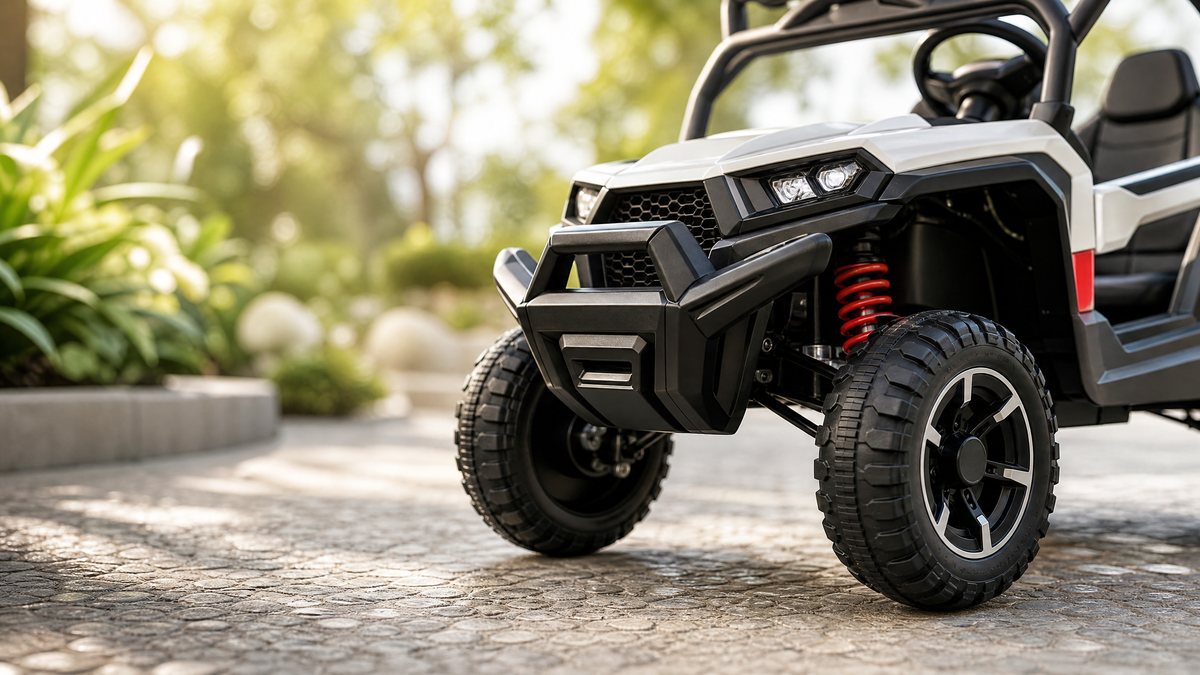
While some models are designed with more robust wheels, all toy vehicles have limitations. Parents and B2B buyers should be cautious of claims regarding universal terrain performance. The best practice is to observe the vehicle's behavior on a specific surface. If the motor sounds strained or if the vehicle is struggling to maintain a steady pace, the terrain is likely too challenging for that specific model.
The Training and Familiarization Process
A ride-on car should not be a "turn on and go" experience for a new driver. A structured familiarization process ensures that the child understands the vehicle before they begin driving independently.
Step 1: The "Dry Run"
With the vehicle powered off, let the child sit in the seat and practice using the controls. Explain what each button and pedal does. Establish the most important rule: "When I say stop, you must stop."
Step 2: Assisted Operation
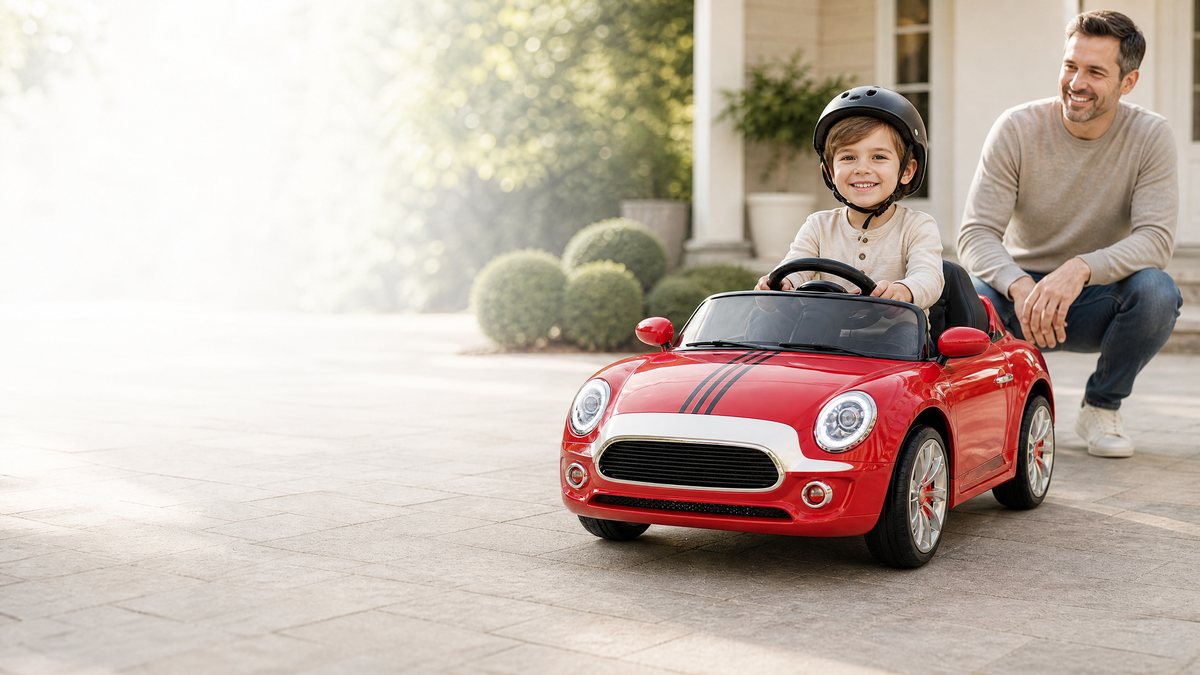
Use the parental remote control to move the vehicle at its lowest speed while the child keeps their hands on the wheel. This helps them get used to the sensation of movement and the way the steering wheel responds to turns.
Step 3: Gradual Independence
Once the child demonstrates an understanding of the controls and follows verbal cues, allow them to use the foot pedal while you maintain steering control via the remote. Gradually decrease your intervention as their skills improve.
Maintenance and Safety Monitoring: Low-Risk Checks
To ensure the longevity and safety of a ride-on vehicle, regular monitoring is required. These checks should always be non-invasive and focus on visual and operational observations.
| Component | Visual/Operational Check | Action on Discrepancy |
|---|---|---|
| Body and Chassis | Check for visible cracks, sharp edges, or loose external parts. | Stop use if structural integrity is compromised. |
| Wheels and Axles | Ensure wheels are securely attached and rotate freely. | Consult manual for tightening instructions. |
| Electrical System | Observe for any signs of overheating or unusual smells. | Stop use, turn the vehicle off using its normal external control, and follow the model manual. |
| Controls | Confirm that the pedal, steering wheel, and remote respond as expected. | Refer to troubleshooting section of the manual. |
| Labels and Manual | Ensure all safety documentation remains legible and accessible. | Contact manufacturer for replacement labels. |
It is crucial to emphasize that users should never attempt to inspect or repair internal components such as wiring, motor housings, or controller boards. If a vehicle requires more than basic external maintenance as described in the manual, it should be serviced by a professional.
Longevity and the "Upgrade" Decision
As a child grows and their skills evolve, there will come a time when their current vehicle is no longer appropriate. This decision should be based on a combination of physical size and demonstrated proficiency.
Signs a Child has Outgrown a Vehicle
- Physical Size: If the child's legs are cramped or their head exceeds the height of the seatback (refer to the manual's specific limits).
- Weight Limits: Exceeding the weight limit can lead to poor performance and increased wear on the motor.
- Skill Mastery: If the child can navigate the most complex paths allowed in their environment with ease.
When upgrading, B2B buyers and parents should again refer to the skill-based selection criteria. Moving to a more powerful model should only happen when the child has fully mastered their current vehicle and the new model is used in accordance with all safety guidelines.
Request a wholesale quote
Frequently Asked Questions
1. Are age labels on the box the only thing I should consider?
No. Age labels are a general starting point. You must also consider the child's actual motor skills, coordination, and whether they meet the weight and height requirements specified in the manual.
2. Is a parental remote control always included?
Remote control availability is model-dependent. For younger children or those just starting out, it is a highly recommended feature for safety and training purposes. Always check the product specifications.
3. What should I do if the vehicle starts to feel hot?
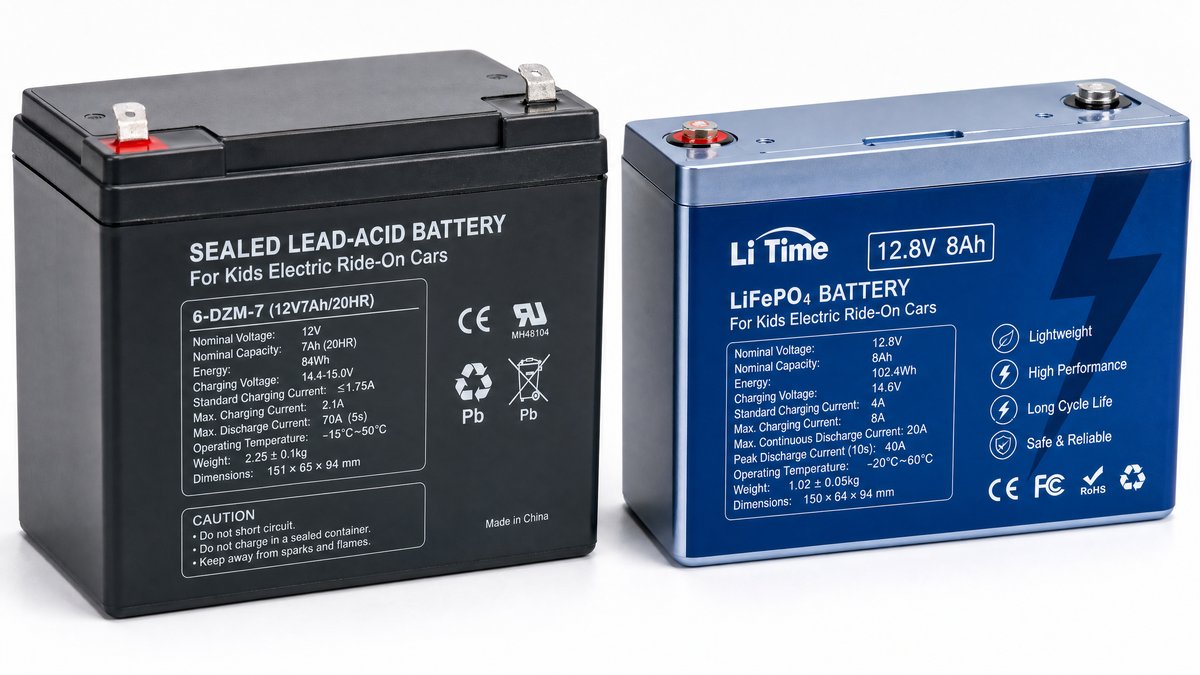
If any part of the vehicle, particularly the battery area, feels excessively hot to the touch or emits an unusual smell, stop use immediately. Turn the vehicle off using its normal external control, follow the model manual, and contact the manufacturer for support.
4. Can I use the car on any type of grass or dirt?
You should only use the vehicle on terrains explicitly permitted in the product manual. Even "all-terrain" models have limits. Using a vehicle on thick grass can strain the motor and lead to failure.
5. Is it safe to modify the car to make it go faster?
No. You should never attempt to modify the wiring, battery, or motor to increase performance. Such modifications void the warranty and create significant safety risks for the child.
6. How often should I check the vehicle's condition?
A quick visual check should be performed before every use. A more thorough review of the wheels, body, and labels should be done periodically as part of regular maintenance, as outlined in the manufacturer's instructions.
Conclusion
Choosing the right ride-on car is a process that rewards patience and careful observation. By prioritizing a child's skill level and developmental milestones, parents and B2B buyers can ensure that these vehicles provide a safe and enriching experience. Whether it is selecting a first vehicle with a parental remote or moving up to a more advanced model with manual controls, the key is to stay within the boundaries set by the manufacturer and maintain active adult supervision at all times.
For the professional B2B partner, providing this depth of information is about fostering a culture of safety and responsibility. By guiding customers through a skill-based selection process, you build long-term trust and ensure that the products you supply remain a beloved part of a child's development for years to come. Always remember that the manual is your best resource for specific model information, and safety should always be the primary driver of any selection.
Official references
Explore these external resources for current regulatory and trade guidance. Confirm requirements with the relevant authority before placing an order.
Ready to Start?
Factory-Direct · CE & ASTM Certified · MOQ from 50 Units
Our export team works with buyers in 60+ countries. Get a quote within 24 hours.
KR
Written by KidsRideCar
China's leading kids electric ride-on car manufacturer. 500,000+ units shipped annually to 60+ countries. CE, ASTM & EN71 certified.