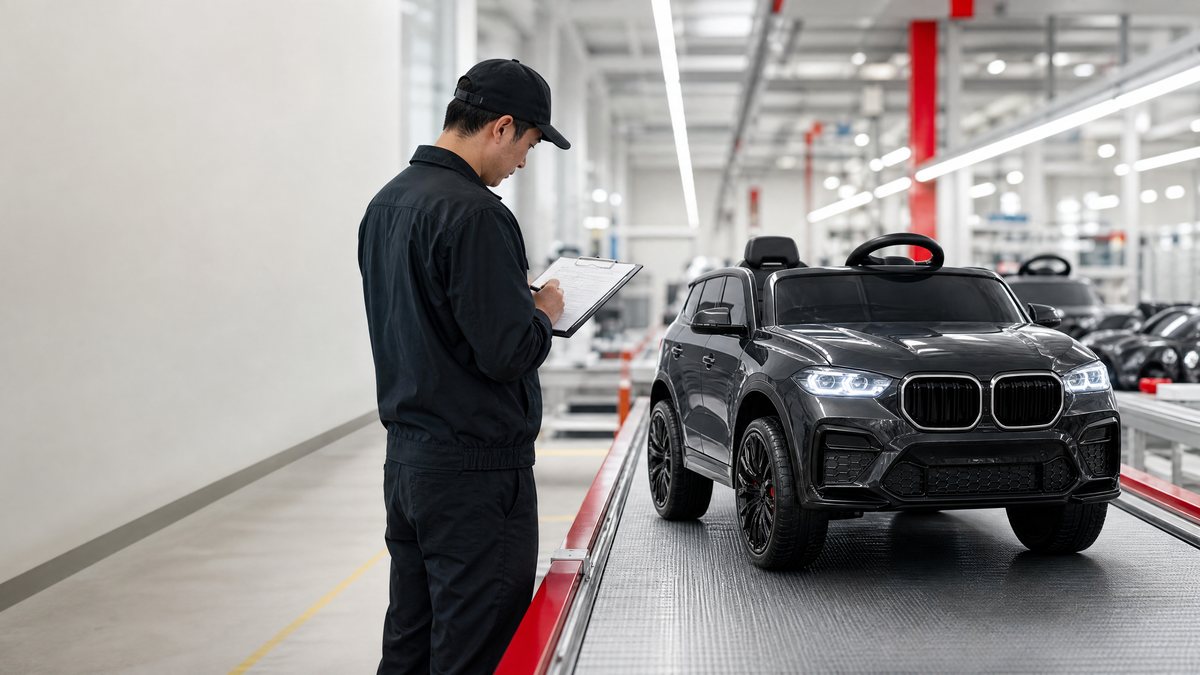
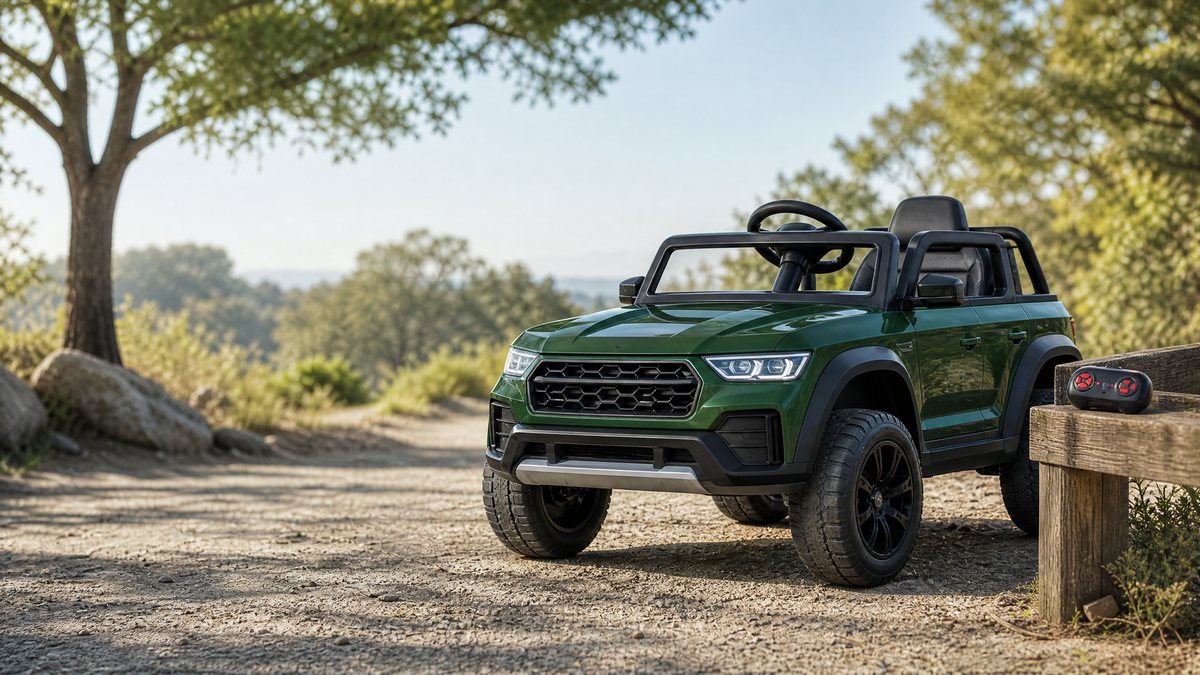
As winter arrives and temperatures drop below freezing, many parents and commercial fleet operators wonder how children's electric ride-on cars perform in cold weather conditions. When evaluating ride-on toy performance during winter months, it is essential to understand that actual operational results vary significantly depending on the specific vehicle model, build quality, assembly precision, outdoor terrain, battery chemistry, and individual usage patterns. This article provides a comprehensive evaluation framework and technical buying guide for assessing electric ride-on cars in cold climates, without claiming absolute universal performance metrics or simulated field test scores.
Operating electric vehicles in sub-freezing environments introduces unique physical and chemical challenges. From battery discharge rates to plastic material rigidity and tire traction on snow or ice, winter conditions test every component of a motorized toy. By reviewing structured evaluation criteria, adhering strictly to manufacturer instructions, and prioritizing continuous adult supervision, operators can make informed decisions regarding seasonal use and storage.
Understanding Cold Weather Physics and Ride-On Mechanical Systems
When ambient temperatures drop, materials undergo physical changes that impact mechanical operation. Most children's electric ride-on cars feature injection-molded plastic bodies, thermoplastic wheels, and enclosed DC electric motors housed within gearbox assemblies.
Material Rigidity and Thermal Contraction
Plastics such as polypropylene (PP) and polyethylene (PE), commonly used in ride-on chassis and body panels, become stiffer and more brittle as temperatures fall. While standard recreational use rarely induces extreme stress, impacts against frozen ground, curbs, or hard snowbanks can increase the likelihood of cracking or joint separation. Evaluating a model's structural durability involves checking wall thickness, reinforcement ribs, and hardware fastening points rather than relying on generalized assumptions.
Gearbox and Lubrication Dynamics
Internal gearboxes rely on grease and lubrication to reduce friction between nylon or metal gears. In freezing conditions, standard greases can thicken or solidify, increasing mechanical resistance and putting additional load on the electric motors and control boards. When assessing a vehicle for colder climates, verifying whether the manufacturer recommends low-temperature gear lubrication or inspecting gearbox sealing against moisture intrusion is paramount.
Battery Chemistry Dynamics in Low Temperatures
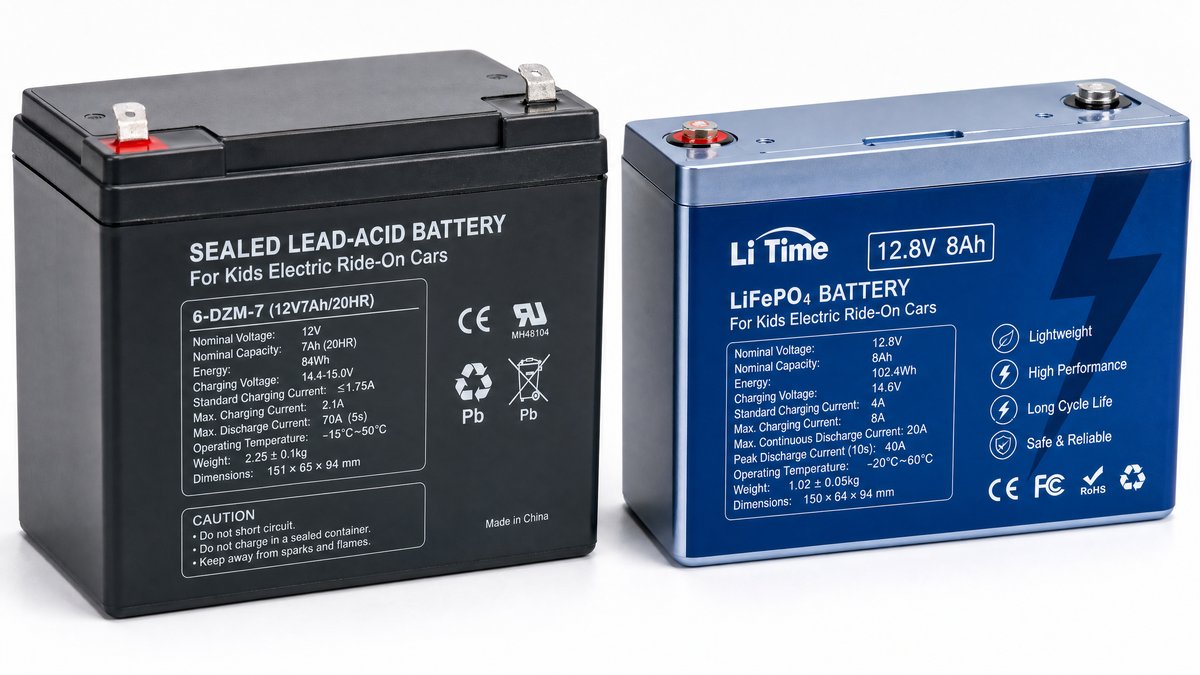
The power source is arguably the most affected subsystem in any electric vehicle during winter. Whether equipped with Sealed Lead-Acid (SLA) batteries or Lithium-ion packs, cold temperatures temporarily suppress electrochemical reaction rates.
Sealed Lead-Acid (SLA) vs. Lithium-Ion Behavior
* Sealed Lead-Acid (SLA): Highly common in standard ride-on cars due to cost-effectiveness and weight stability. In cold weather, internal resistance increases sharply, leading to a noticeable reduction in runtime and peak power delivery. A battery that provides an hour of operation at room temperature may deliver significantly less runtime when operated outdoors near freezing.
* Lithium-Ion Packs: Found in higher-end models, lithium cells maintain better voltage stability under moderate cold, but charging them below freezing can cause permanent internal damage (lithium plating).
Charging and Storage Protocols
Manufacturer guidelines must be strictly followed regarding battery maintenance during winter:
1. Acclimatization: Never charge a battery immediately after bringing it in from sub-freezing outdoor temperatures. Allow the battery to warm up to room temperature for several hours before connecting it to a charger.
2. Indoor Storage: If the vehicle is not in regular use during winter, remove the battery and store it in a temperature-controlled, dry indoor environment. Recharge periodically according to the manufacturer schedule to prevent deep discharge sulfation or cell degradation.
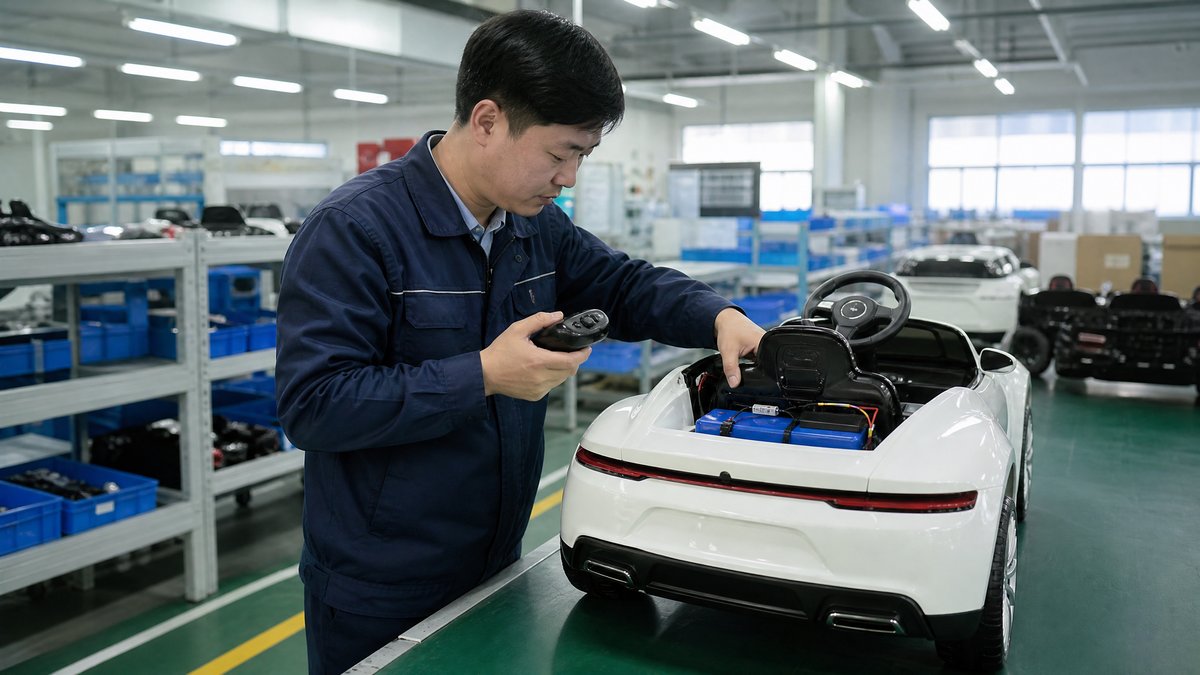
3. No Safety Workarounds: Never attempt to bypass built-in Battery Management Systems (BMS) or thermal cutoffs. Always use the original manufacturer-certified charging equipment.
Traction, Surface Friction, and Braking Dynamics
Winter weather transforms ordinary outdoor riding surfaces into potential hazards. Snow, packed ice, frost, and frozen mud dramatically alter the friction coefficient between vehicle tires and the ground.
Surface Friction Analysis
Plastic wheels and smooth rubber-band tires offer limited grip on dry pavement, but on ice or packed snow, traction approaches near-zero levels. Rear-wheel drive configurations common in ride-on cars can experience severe wheel spin, loss of steering control, and unexpected sliding on slopes or inclines.
Braking Limitations and Safety Requirements
Most electric ride-on cars utilize regenerative braking through the throttle pedal or simple motor cutout switches. On slippery surfaces, these braking mechanisms cannot overcome the lack of traction, meaning stopping distances increase substantialy.
* Constant Adult Supervision: Children operating ride-on vehicles in winter must be closely supervised at all times by a responsible adult.
* Controlled Environments: Restrict riding to flat, clear, enclosed, and familiar surfaces free from vehicle traffic, steep grades, bodies of water, or frozen obstacles.
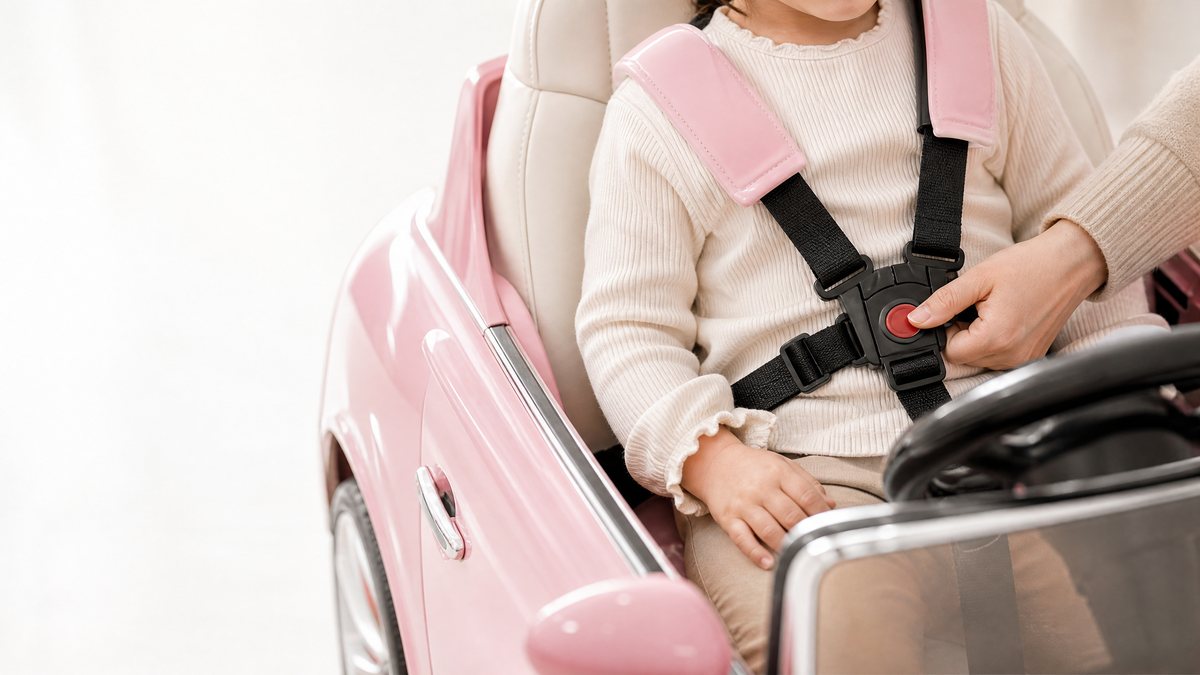
* Seatbelts and Protective Gear: Always ensure the equipped lap belt or restraint system is properly fastened, and that the child wears certified protective helmets and appropriate cold-weather gear that does not impair visibility or movement.
Winter Operating Conditions and Risk Management
To assist buyers and parents in evaluating whether winter operation is suitable for their specific situation, the following decision table outlines common operational scenarios, associated technical risks, and recommended mitigation actions.
| Operating Scenario | Environmental Factor | Potential Risk | Recommended Action & Mitigation |
|---|---|---|---|
| Outdoor Yard / Lawn | Frozen grass, uneven mud, occasional frost | Loss of steering traction, motor overload on frozen ruts | Restrict use to dry, flat days; inspect terrain before riding; limit continuous runtime. |
| Paved Driveway | Black ice, damp concrete, sub-freezing air | Extended braking distance, wheel slip on inclines | Verify absolute absence of ice; ensure constant supervision; avoid sloped driveways entirely. |
| Covered Patio / Porch | Protected from precipitation, cold ambient temp | Mild battery capacity reduction, stiff plastics | Allow normal warm-up; check tire condition; store indoors immediately after use. |
| Deep Winter Storage | Unheated garage or shed, prolonged freeze | Battery sulfation, moisture corrosion, plastic embrittlement | Remove battery for indoor storage; clean and dry vehicle thoroughly; cover securely. |
Practical Checklist for Winter Operation and Storage
When preparing an electric ride-on car for winter conditions or transitioning to seasonal storage, following a structured checklist ensures safety and longevity. This checklist is designed to guide routine maintenance without relying on unverified numerical thresholds.
- [ ] Pre-Ride Inspection: Verify that all steering linkages, wheel nuts, and structural fasteners are tight and unaffected by thermal contraction or vibration loosening.
- [ ] Battery Health Check: Inspect battery terminals for corrosion, ensure secure wiring connections, and confirm voltage levels before operation.
- [ ] Tire and Traction Review: Examine wheel treads for wear or cracks; ensure wheels are free of ice buildup that could lock motors.
- [ ] Brake and Throttle Responsiveness: Test accelerator pedal return and motor cut-off function in a stationary, safe position before allowing a child to board.
- [ ] Post-Use Cleaning: Wipe away slush, salt, mud, or moisture immediately after outdoor use to prevent electrical corrosion and mechanical seizing.
- [ ] Correct Storage Environment: Store the vehicle in a dry, sheltered location away from direct exposure to snowstorms, freezing rain, and extreme temperature fluctuations.
Frequently Asked Questions (FAQ)
Will operating my child's ride-on car in the cold permanently ruin the battery?
Cold temperatures temporarily reduce available battery capacity and runtime, but they do not automatically ruin a healthy battery if proper maintenance is observed. However, allowing a lead-acid battery to sit in a fully discharged state in freezing weather will cause irreversible sulfation. Always store batteries indoors and maintain adequate charge levels during winter.
Can I charge the ride-on car battery while it is stored in an unheated garage?
It is strongly recommended to bring the battery or vehicle into a temperature-controlled indoor space (above 10°C / 50°F) for several hours before charging. Charging batteries in sub-freezing temperatures can damage internal cell structures, particularly in lithium systems, and significantly reduce charging efficiency for lead-acid cells.
Are plastic tires safe on winter surfaces?
Standard plastic wheels provide very little traction on snow or ice. Even rubber-strip tires struggle on frozen surfaces. Parents must evaluate the riding surface carefully and restrict operation to dry, clear, level areas while maintaining constant supervision to prevent sliding or loss of control.
How should I store the vehicle if it will not be used for several months?
Clean the vehicle thoroughly to remove dirt and moisture, disconnect the battery terminals (or unplug the main wiring harness to prevent parasitic drain), charge the battery to approximately 50–70% capacity, and store both the vehicle and battery in a dry, climate-stable indoor area.
Conclusion
Evaluating electric ride-on cars for winter use requires a balanced understanding of battery chemistry, material properties, and environmental friction. While children can enjoy outdoor play during cooler months, sub-freezing temperatures demand heightened vigilance, rigorous adherence to manufacturer instructions, and continuous adult supervision. By focusing on proper maintenance, safe operating boundaries, and proactive indoor storage, operators can maximize vehicle longevity and ensure a safe experience.
B2B Commercial & Wholesale Advisory
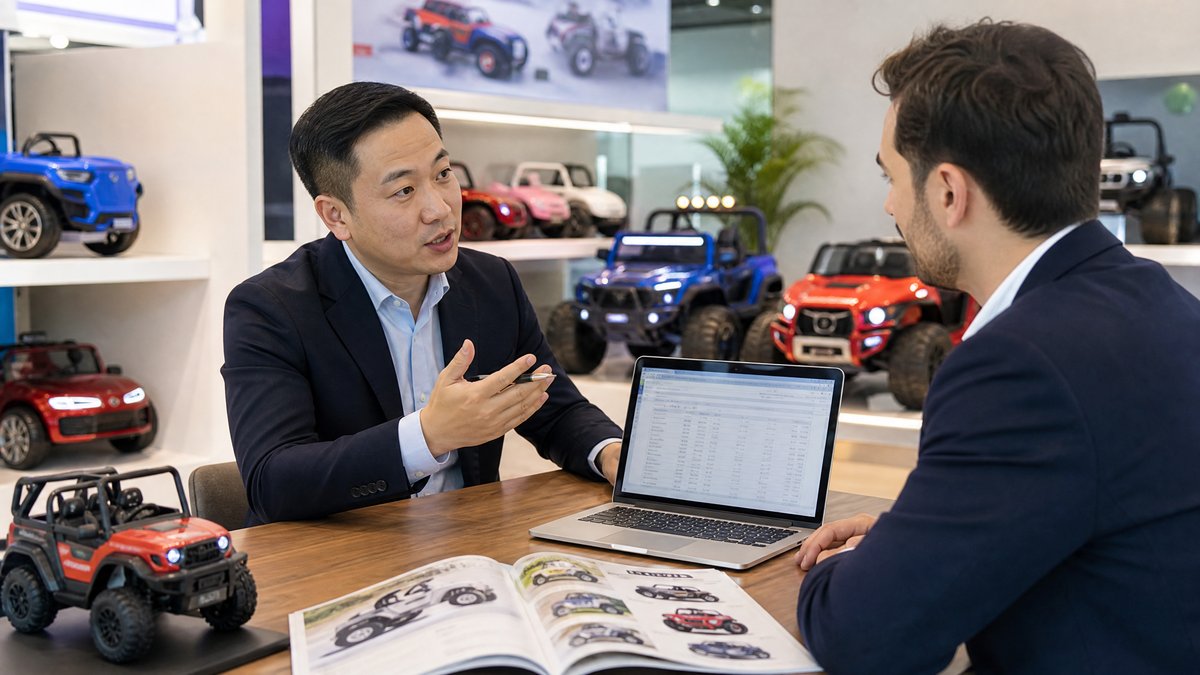
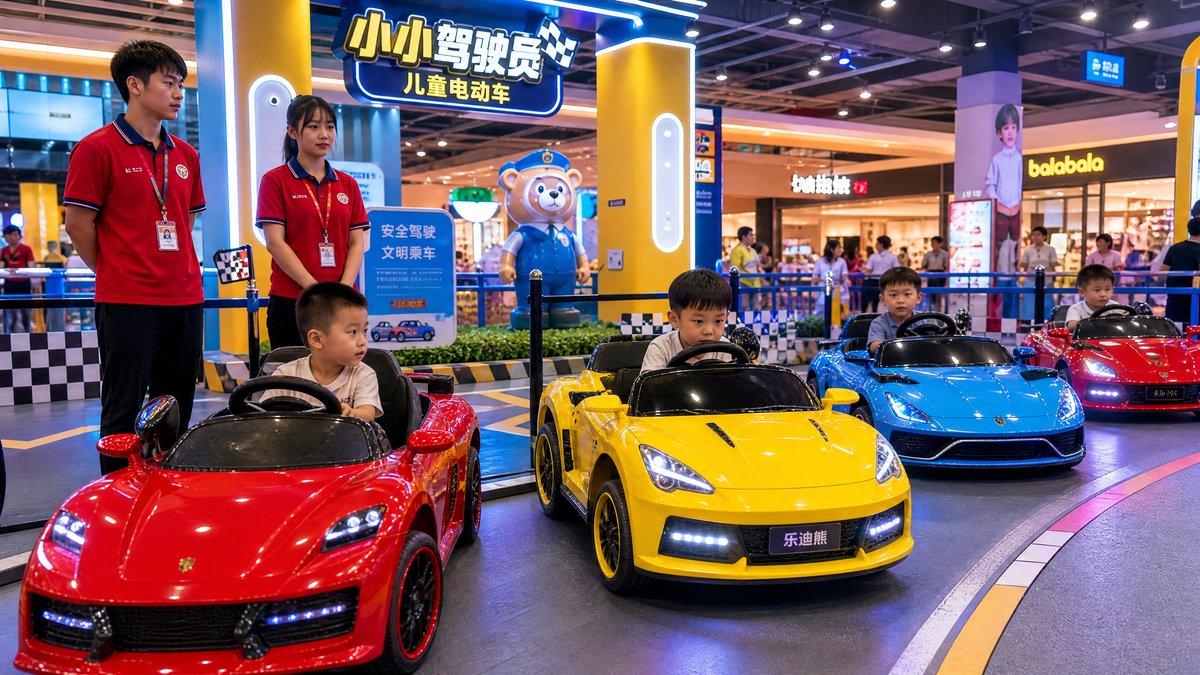
For commercial fleet operators, amusement park owners, rental businesses, and retail distributors managing electric ride-on vehicle inventories through winter seasons, proper asset management is critical to minimizing maintenance overhead. Sourcing models with robust wiring harnesses, sealed electronic control units (ECUs), and easily removable battery compartments streamlines seasonal winterizing and indoor fleet rotation. When supplying ride-on products to end-users in cold-weather regions, providing clear, translated winter maintenance guidelines and certified safety documentation enhances customer satisfaction and reduces warranty claims. To discuss commercial bulk orders, winter-ready specifications, or wholesale partnership opportunities, contact our commercial support team today.
Official references
Explore these external resources for current regulatory and trade guidance. Confirm requirements with the relevant authority before placing an order.
Ready to Start?
Factory-Direct · CE & ASTM Certified · MOQ from 50 Units
Our export team works with buyers in 60+ countries. Get a quote within 24 hours.
KR
Written by KidsRideCar
China's leading kids electric ride-on car manufacturer. 500,000+ units shipped annually to 60+ countries. CE, ASTM & EN71 certified.