Introduction
In the dynamic world of childhood development, physical growth occurs at a staggering pace. Parents and guardians frequently observe how quickly toddlers transition from tentative walkers into active explorers. Alongside this rapid development comes the challenge of acquiring toys and recreational equipment that keep pace with changing statures and expanding motor skills. Traditional battery-powered ride-on cars have long been staple gifts; however, a common frustration among families and retail buyers is the remarkably short lifespan of these vehicles. A standard single-stage ride-on car purchased for a two-year-old child often becomes physically cramped or structurally restrictive by the time the child reaches four or five years of age. This reality has sparked widespread interest across consumer markets and commercial retail sectors regarding a central question: Is there a ride-on car that grows with my child?
Addressing this question requires examining modern vehicle engineering, multi-stage structural adaptability, developmental ergonomics, and B2B wholesale procurement dynamics. Unlike traditional fixed-frame electric cars, contemporary manufacturers increasingly design modular, convertible, and adjustable vehicles intended to accommodate children across multiple developmental phases. Whether transitioning from parent-guided push mechanisms to independent battery-powered driving or adjusting seating configurations to suit longer legs, these adaptable models represent a significant shift in toy design philosophy. Furthermore, understanding vehicle adaptability involves recognizing that exact specifications, weight capacities, and feature availability vary by model, region, and seller; check the exact manual, listing, and written terms before making purchasing or wholesale stocking decisions.
For B2B buyers, distributors, and toy store operators, stocking vehicles with multi-stage adaptability presents distinct market opportunities and inventory management considerations. Modern parents increasingly seek durable, long-lasting investments rather than single-season toys. Consequently, analyzing how ride-on vehicles achieve structural longevity provides critical insights for commercial purchasing strategies. Throughout this article, we will explore core developmental challenges, evaluate mechanical adaptation strategies, examine comparative vehicle categories, outline B2B wholesale considerations, and review essential safety and maintenance guidelines to ensure secure, enjoyable operation.
The Core Challenge: Developmental Milestones vs. Traditional Ride-On Limitations
To understand the appeal and engineering behind growth-adapted ride-on cars, one must first examine early childhood physiological trajectories. During the first half-decade of life, children experience exponential gains in height, weight, core strength, coordination, and spatial awareness. A toddler at twenty-four months exhibits vastly different ergonomic needs, reaction times, and leg lengths compared to a preschooler at sixty months. Traditional ride-on vehicles are typically engineered with fixed wheelbases, non-adjustable seating positions, and rigid steering columns optimized for a narrow age bracket. When a child outgrows these parameters, the vehicle experiences ergonomic obsolescence, forcing families to discard items long before mechanical components fail.
This rapid obsolescence carries economic and environmental implications. For individual households, repeatedly purchasing new ride-on toys every twelve to eighteen months represents a cumulative financial strain. For commercial retail markets and wholesale distributors, meeting consumer demand for sustainable, long-cycle products has become paramount. Parents actively seek versatile alternatives offering extended usability. However, it is vital to maintain realistic expectations. While marketing materials highlight long-term usability, actual growth adaptation capacity varies by model, region, and seller; check the exact manual, listing, and written terms to verify whether a specific vehicle aligns with a child's developmental trajectory.
Moreover, developmental alignment goes beyond physical sizing. Cognitive and motor skill progression dictates how a child interacts with a vehicle. Younger toddlers require secure containment, lower speeds, and external parental control options, whereas older children demand greater autonomy and higher mobility thresholds. Traditional fixed-stage vehicles force a stark choice between restricted early-stage utility and advanced late-stage capability. Bridging this gap requires innovative engineering paradigms integrating modular conversion features into a single foundational chassis.
Multi-Stage Adaptability Design Mechanisms in Modern Ride-On Vehicles
Modern engineering approaches to vehicle adaptability rely on several structural mechanisms allowing a single ride-on car to transition across multiple growth phases. One prevalent mechanism is the modular conversion framework. In a modular setup, the vehicle is designed with removable or reconfigurable components—such as detachable push handles, adjustable footrests, removable safety guardrails, and convertible steering locks. During early toddlerhood, the vehicle functions as a parent-guided push car, allowing caregivers to maintain directional control while the child builds foundational balance and familiarity.
As the child matures and develops sufficient lower-body strength and coordination, caregivers can systematically remove auxiliary attachments. The push handle is detached, safety enclosures are unclipped, and footrests convert into active foot-operated floorboards or internal pedal assemblies, depending on whether the model relies on manual propulsion or battery power. Furthermore, adjustable seating systems—featuring multi-position sliding seat brackets or removable backrests—allow interior cabin space to expand incrementally. This structural flexibility ensures legroom increases proportionally with height, mitigating cramped postures.
Despite these advanced designs, buyers and operators must exercise careful diligence. Unless specific models have written manufacturer statements confirming adaptability milestones, claims regarding universal age spans must be scrutinized. All structural adjustments, weight thresholds, and conversion capabilities vary by model, region, and seller; check the exact manual, listing, and written terms before assuming a vehicle will accommodate a child through a specific age. Furthermore, assembly requirements for convertible models often involve precise mechanical locking pins and regular structural inspections.
| Vehicle Category | Primary Age Range | Adaptability Mechanism | Target Consumer / B2B Market Fit |
|---|---|---|---|
| Fixed-Stage Electric Cars | 3 to 6 Years | None (Fixed wheelbase and seat) | Budget-conscious seasonal retail; single-season buyers. |
| Convertible Push-to-Drive | 1 to 5 Years | Removable push handles, guardrails, and footrests | High demand in family retail; bridges toddler stroller and electric car phases. |
| Modular Multi-Mode Vehicles | 1.5 to 6+ Years | Adjustable seat positions, modular steering, multi-power options | Premium wholesale inventory; appeals to sustainability-focused buyers. |
| Balance & Pedal Hybrids | 2 to 6 Years | Interchangeable wheel modules and pedal crank attachments | Niche specialty markets focusing on active motor skill development. |
Comparative Evaluation of Growth-Capable Ride-On Categories
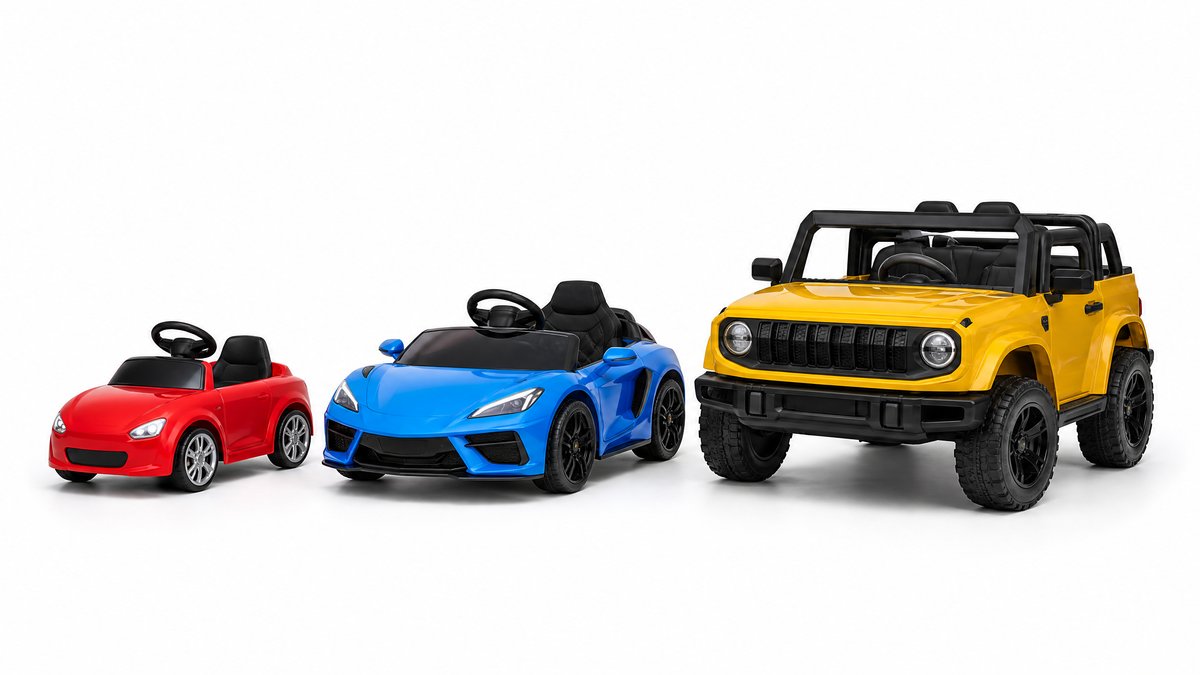
The comparative table above outlines four primary ride-on vehicle categories available in the global marketplace, highlighting how structural design dictates adaptability and market suitability. Fixed-stage electric cars represent the traditional paradigm: straightforward, dedicated battery-powered vehicles designed for a narrow preschool window. While they offer robust electrical feature sets and immediate recreational appeal, their lack of structural elasticity limits lifespan. Conversely, convertible push-to-drive models and modular multi-mode vehicles explicitly address growth by incorporating interchangeable hardware evolving alongside the child.
For wholesale buyers and retail store owners, curating inventory including adaptable ride-on categories requires balancing manufacturing costs against consumer price sensitivity. Modular and convertible units typically involve higher initial production complexity, requiring robust fasteners, high-grade plastics, and reliable locking mechanisms. However, these vehicles command higher retail value and attract parents seeking long-term value. Retailers must carefully evaluate product documentation, ensuring SKU descriptions accurately reflect precise conversion steps, thereby reducing customer support friction and return rates.
When analyzing market trends, consumer preference steadily shifts toward versatile, multi-functional recreational goods. Yet, wholesale buyers must remain cautious against over-promising. No single vehicle can indefinitely accommodate an unlimited range of physical sizes or developmental stages. Every convertible or modular design operates within strict engineering tolerances. It is essential to communicate clearly to end-users that vehicle longevity varies by model, region, and seller; check the exact manual, listing, and written terms to understand true operational boundaries.
B2B Procurement and Retail Strategy: Sourcing Adaptable Ride-Ons
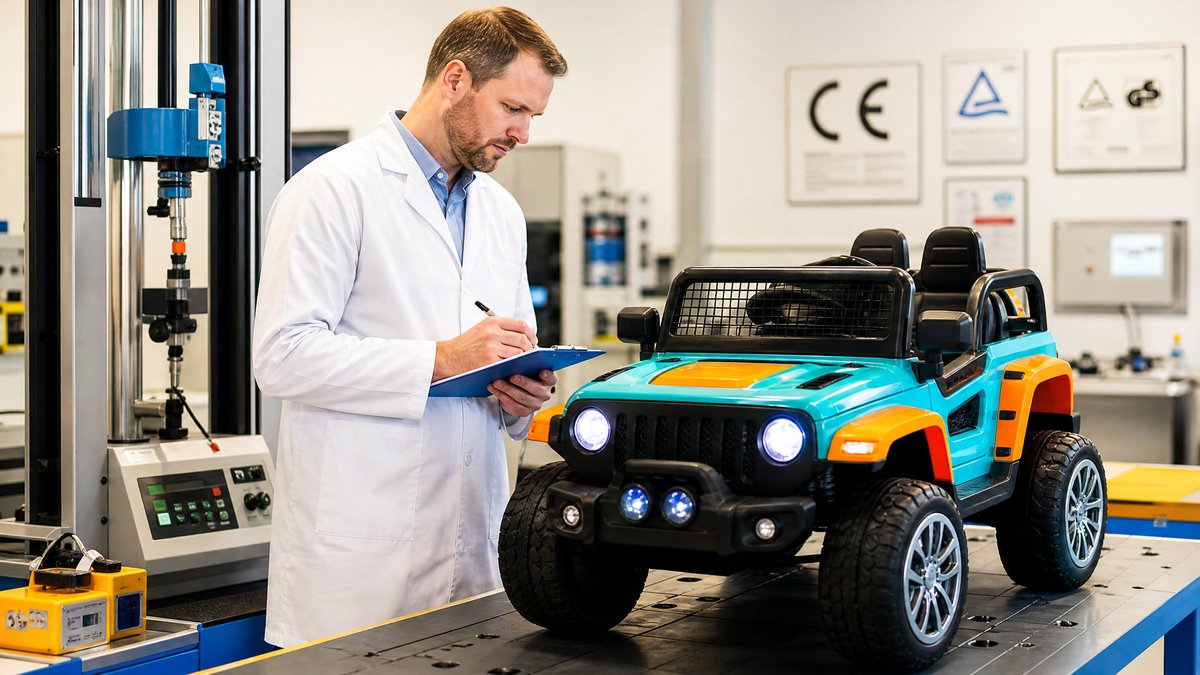
Navigating wholesale procurement of growth-capable ride-on cars demands a strategic approach to supplier vetting, quality control, and product differentiation. B2B buyers must examine underlying mechanical architecture rather than superficial aesthetic appeal. Key sourcing criteria include quick-release joint durability, stress-bearing chassis reinforcement, fastening hardware quality, and assembly documentation clarity. When suppliers provide comprehensive technical data sheets and detailed assembly manuals, retail partners build higher consumer trust and minimize post-purchase complications.
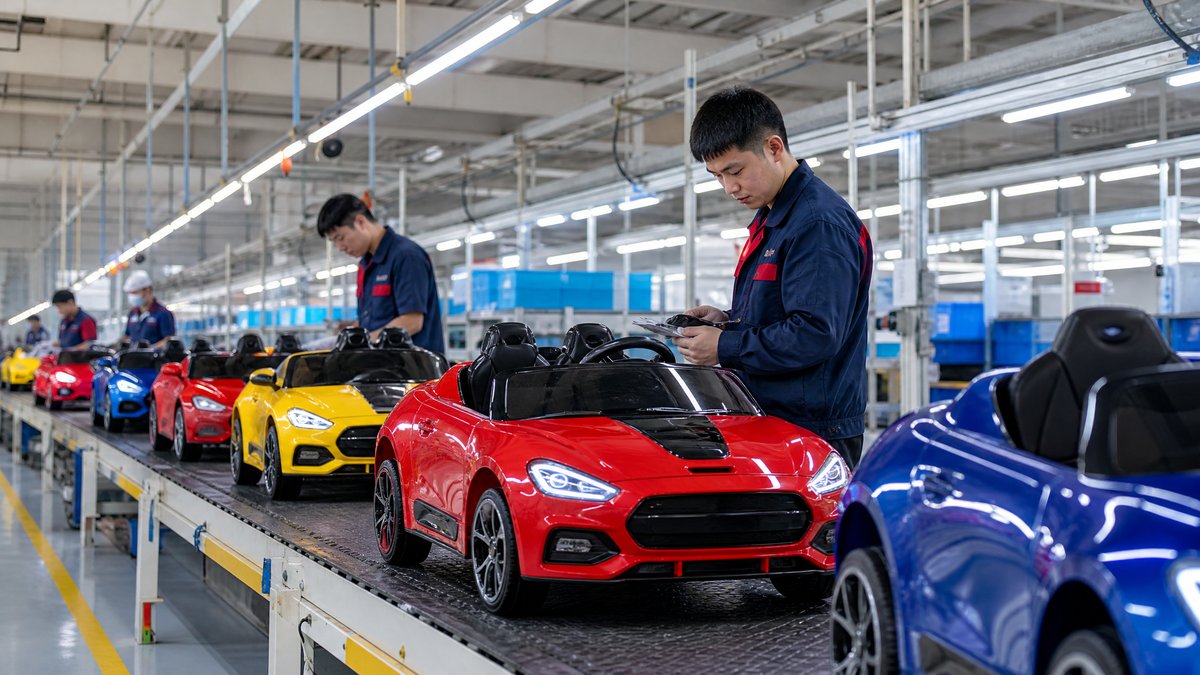
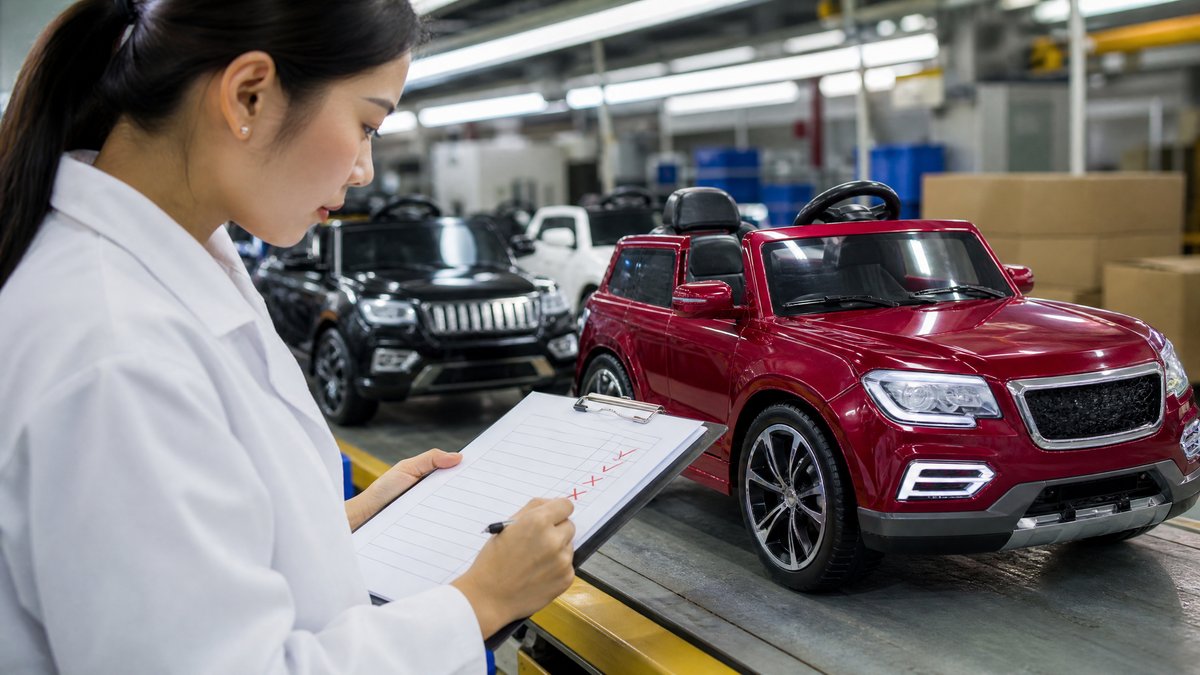
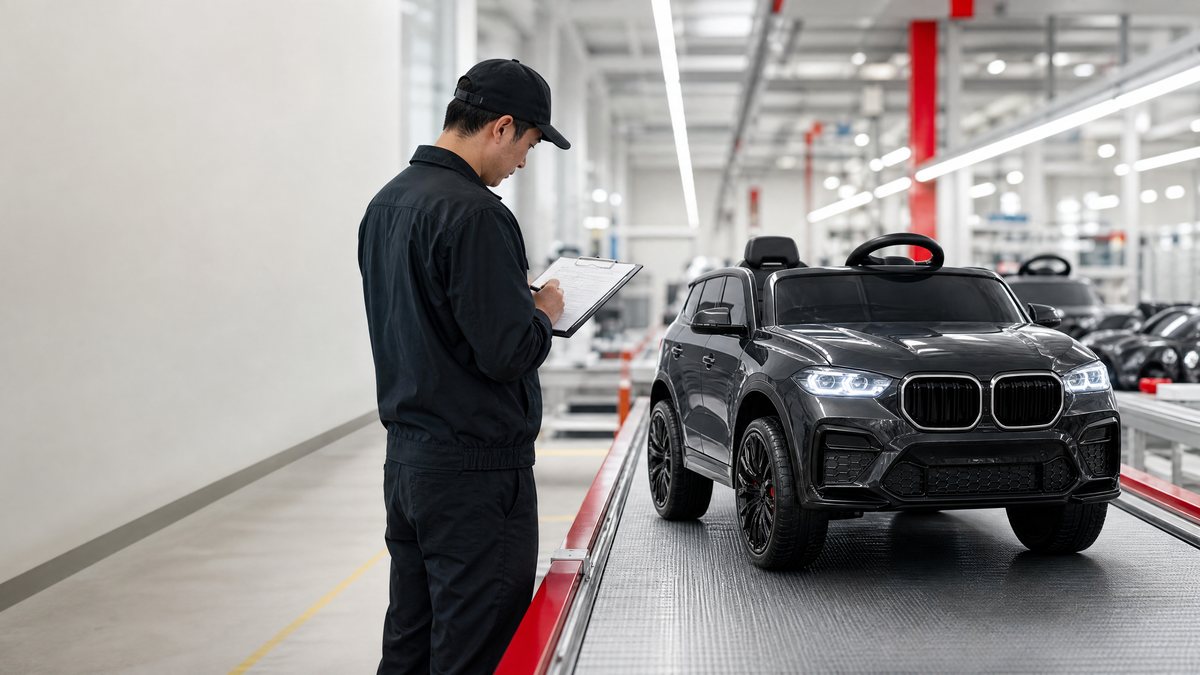
Inventory planning for adaptable ride-on cars also involves careful SKU management. Because convertible models feature multiple detachable components, packaging design must ensure all auxiliary parts—such as push rods, canopy frames, adjustable footrests, and hardware kits—are securely contained and cataloged within master cartons. Missing components during unboxing severely damage retail brand reputation and increase logistical overhead for wholesale distributors. Sourcing partners implementing stringent pre-shipment inspection protocols and robust drop-test packaging standards are invaluable assets.
Furthermore, retail marketing strategies should emphasize transparency and practical education. Rather than relying on vague superlatives, B2B buyers and retail storefronts should provide detailed sizing guides, clear weight limit disclosures, and step-by-step conversion tutorials. Empowering parents with accurate information regarding how vehicles adapt across developmental stages fosters long-term brand loyalty. For commercial partners seeking to expand catalogs with reliable, high-demand inventory, engaging directly with experienced manufacturers is the most effective pathway.
Request a wholesale quote
Safety, Supervision, and Maintenance Best Practices for Growing Vehicles
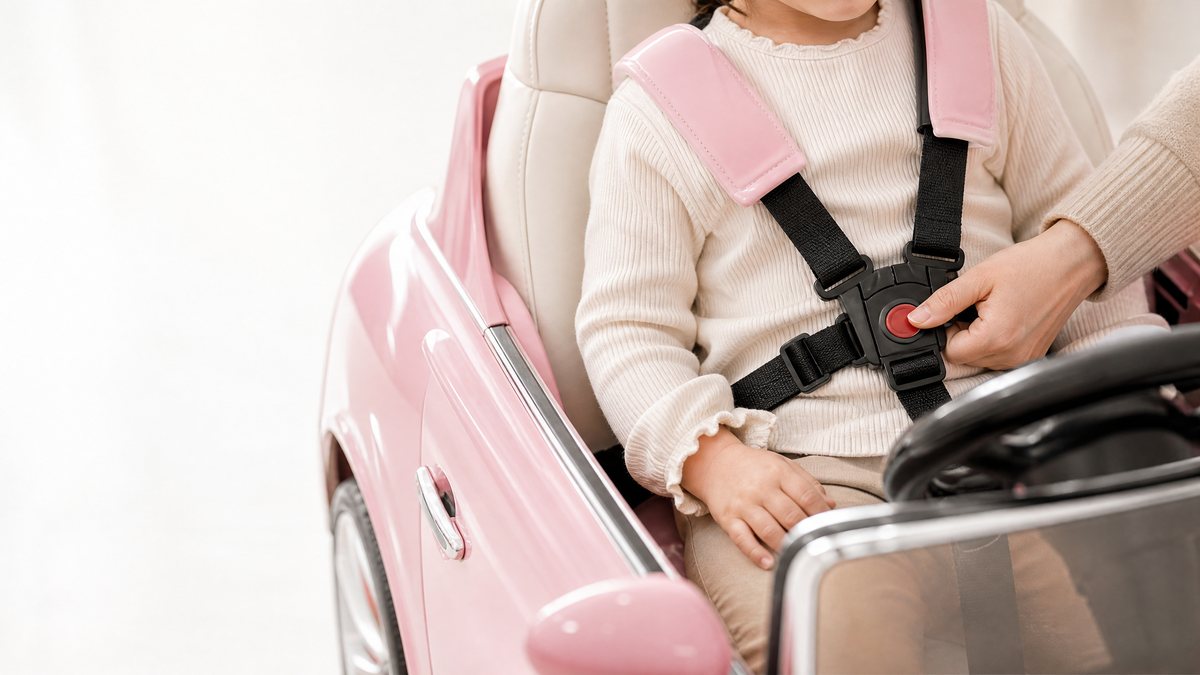
As ride-on vehicles transition across developmental stages and accommodate growing children, adhering to rigorous safety and maintenance protocols is paramount. Active adult supervision is mandatory during all operational phases, particularly when younger toddlers utilize parent-guided push configurations or transition to independent steering. Caregivers must ensure children wear properly fitted safety gear, operate vehicles on flat, stable surfaces away from public roadways, traffic, and swimming pools, and strictly respect maximum weight and height boundaries.
Vehicle maintenance requirements scale with structural complexity. Convertible and modular ride-on cars feature numerous mechanical joints, locking pins, and adjustable fasteners undergoing continuous mechanical stress during use. Routine inspections must be conducted by adults to verify structural locks, steering linkages, wheel mountings, and seat brackets remain tightly secured. Regular cleaning and debris removal from moving parts prevent premature wear and maintain smooth mechanical transitions.
Equally critical is observing strict safety boundaries regarding electrical and mechanical components. DO NOT attempt internal electrical repairs, modifications, terminal or wiring harness adjustments, control board operations, multimeter testing, or battery and motor upgrades. Unauthorized modifications introduce severe safety hazards, including electrical short circuits or thermal events. If a vehicle exhibits strange odors, overheating, smoking, water ingress, cable damage, or continuous mechanical failure, operators must immediately stop using and charging the vehicle, power it down, keep children away, and contact the manufacturer or qualified service personnel.
Frequently Asked Questions
How do convertible ride-on cars transition across different age groups?
Convertible ride-on cars typically utilize modular structural designs featuring removable push handles, detachable safety guardrails, adjustable footrests, and multi-position seating. In early stages, caregivers guide the vehicle while the child is securely enclosed. As the child grows and develops coordination, auxiliary components are removed, converting the unit into an independent pedal or battery-powered car. Note that specific conversion steps and age suitability vary by model, region, and seller; check the exact manual, listing, and written terms.
Are multi-stage ride-on cars suitable for commercial retail inventory?
Yes, multi-stage and convertible ride-on cars represent a rapidly expanding segment in the B2B toy and recreational vehicle market. Modern consumers increasingly prioritize durability and long-term utility over single-season items. Retailers benefit from stocking versatile SKUs appealing to broader age demographics, provided product listings and packaging clearly communicate assembly requirements and operational limits.
What weight and height limits apply to growing ride-on models?
Weight and height capacities vary significantly depending on structural chassis design, material composition, and motor or drivetrain specifications of each individual vehicle. Buyers and parents must never assume universal limits; every model has specific engineering thresholds. Always consult manufacturer official product manuals, packaging specifications, and written terms to verify precise load-bearing limits.
How should retailers handle assembly and adjustment inquiries from buyers?
Retailers and wholesale distributors should maintain clear, accessible documentation, including digital assembly guides, FAQ sheets, and customer support channels. Because modular vehicles involve multiple adjustable parts, providing transparent guidance reduces return rates and enhances customer satisfaction. Unless specific written statements are provided by the manufacturer, retailers should avoid making absolute performance or longevity promises.
Conclusion
The search for a ride-on car that grows with a child reflects broader consumer demand for smart, adaptable, and economically sustainable recreational products. While traditional fixed-frame vehicles offer immediate enjoyment, multi-stage convertible and modular models provide enhanced longevity by bridging the gap between toddler push-cars and independent electric vehicles. By understanding underlying structural mechanisms, evaluating comparative categories, and implementing robust B2B procurement and safety strategies, parents and commercial buyers can make informed, confident decisions.
Navigating the children's vehicle market requires balancing enthusiasm for innovative designs with strict adherence to safety guidelines, maintenance protocols, and realistic operational boundaries. Remember that all developmental adaptability, weight capacities, and feature sets vary by model, region, and seller; always check the exact manual, listing, and written terms. For commercial partners seeking to source high-quality, adaptable ride-on inventory, reaching out for professional wholesale support is the ideal next step.
Request a wholesale quote
*Disclaimer: CPSC general toy safety education serves as a general educational resource and does not replace specific model manuals, manufacturer instructions, or certified safety guidelines.*
Official references
Explore these external resources for current regulatory and trade guidance. Confirm requirements with the relevant authority before placing an order.
Ready to Start?
Factory-Direct · CE & ASTM Certified · MOQ from 50 Units
Our export team works with buyers in 60+ countries. Get a quote within 24 hours.
KR
Written by KidsRideCar
China's leading kids electric ride-on car manufacturer. 500,000+ units shipped annually to 60+ countries. CE, ASTM & EN71 certified.