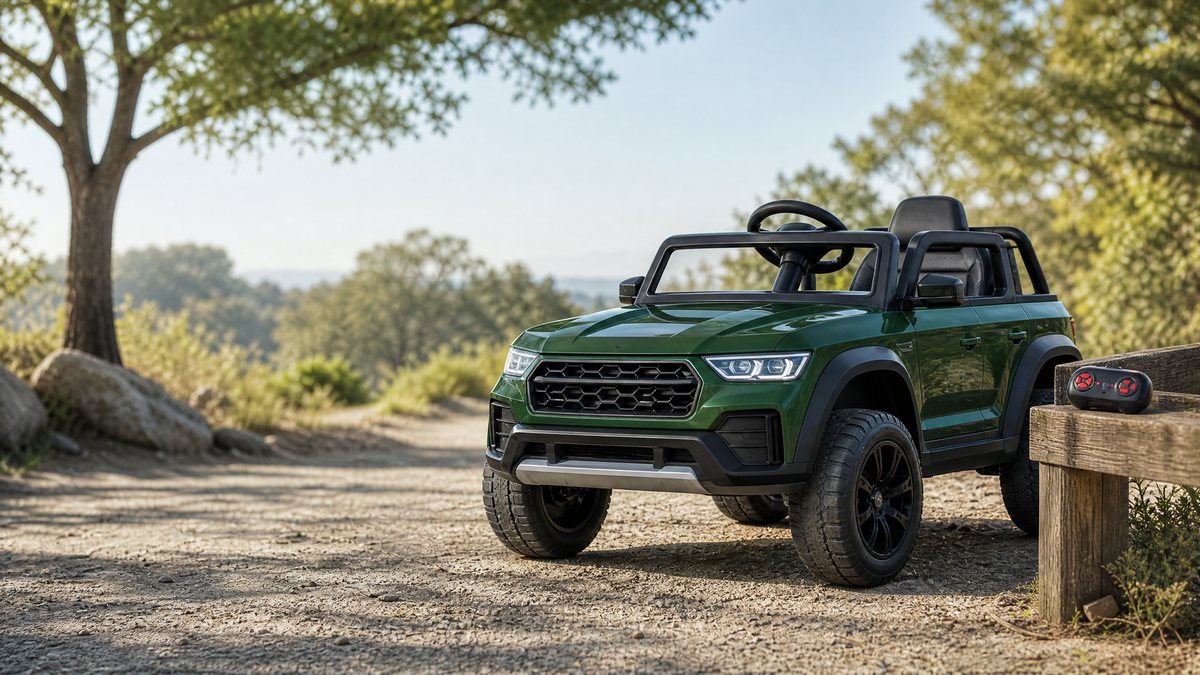
When commercial buyers, retail store owners, and discerning parents evaluate children's electric ride-on vehicles, one of the most fundamental technical specifications encountered is electrical voltage. Specifically, the distinction between 6-volt (6V) and 12-volt (12V) systems forms the cornerstone of product differentiation in the modern ride-on car market today. Understanding these differences goes far beyond a simple numerical comparison or surface-level marketing term; it involves analyzing how electrical architecture influences vehicle dynamics, physical dimensions, target user profiles, terrain versatility, battery management, electrical safety compliance, and commercial inventory planning across international distribution networks and regional retail markets.
In this comprehensive guide, we examine the structural, electrical, and operational disparities between 6V and 12V ride-on cars in exhaustive detail. By establishing a transparent evaluation framework and adhering strictly to manufacturer documentation, safety protocols, and technical specifications, B2B purchasers and retail strategists can curate product assortments that meet diverse market demands while prioritizing absolute safety, operational reliability, and long-term customer satisfaction across global retail channels and distribution networks. When evaluating any platform or retail channel, buyers should always check current product pages, seller terms, and platform policies directly rather than relying on generalized assumptions or unverified claims.
Understanding Voltage Foundations in Children's Electric Vehicles
At its core, electrical voltage represents the electric potential difference between two points in an electrical circuit. In the context of children's battery-powered ride-on cars, voltage dictates the electrical pressure supplied to the drive system, influencing rotational speed, torque output capability, acceleration curves, energy efficiency, thermal performance, and overall electrical system design parameters as specified in official product documentation.
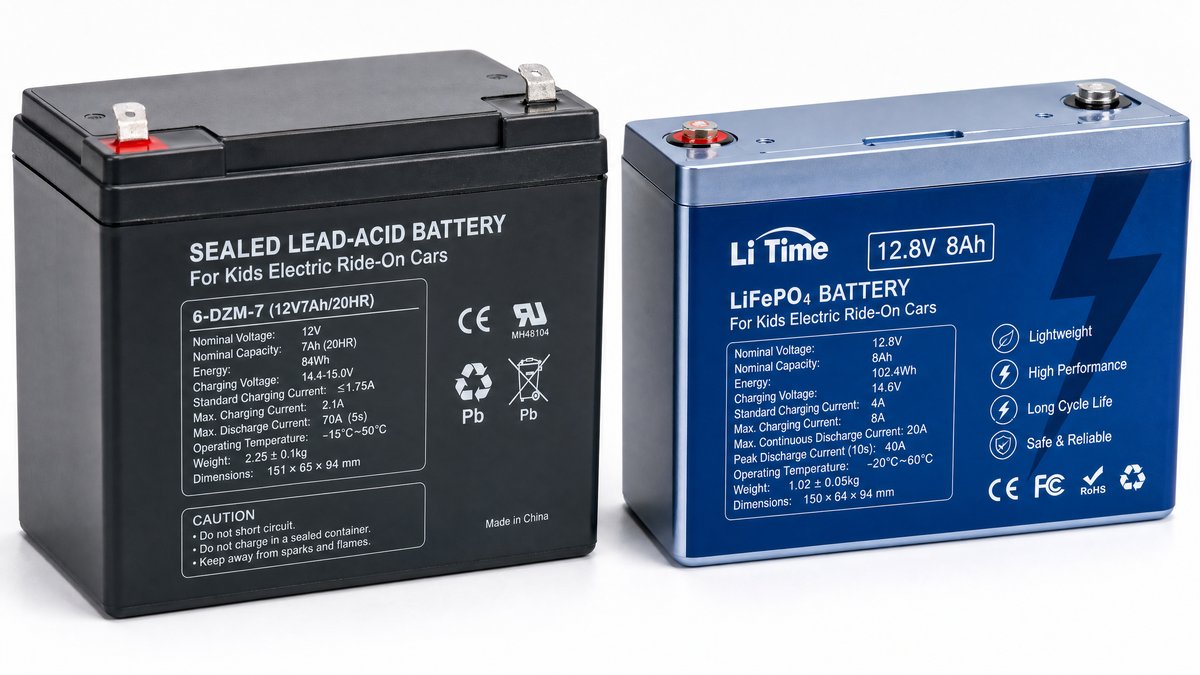
A 6V ride-on vehicle typically utilizes a 6-volt rechargeable battery coupled with a single drive motor configuration (if equipped). This setup is purposefully engineered for simplicity, lightweight construction, and controlled, predictable operation. Because the electrical output is modest, these vehicles are generally designed for younger children experiencing their first powered driving toys. The limited electrical potential naturally restricts maximum output, creating a controlled environment where toddlers can develop basic steering coordination, spatial awareness, and pedal-response familiarity under close adult supervision.
Conversely, a 12V ride-on vehicle employs a higher-capacity battery system (if equipped) to achieve a 12-volt output. These systems frequently power dual-motor configurations or larger single-motor arrangements designed for increased torque delivery. The elevated electrical potential allows for more robust performance metrics, accommodating slightly larger vehicle chassis, heavier structural components, and enhanced feature sets such as functional lighting arrays, sound modules, multimedia interfaces, and multi-speed selectors as outlined in specific manufacturer documentation and model specifications.
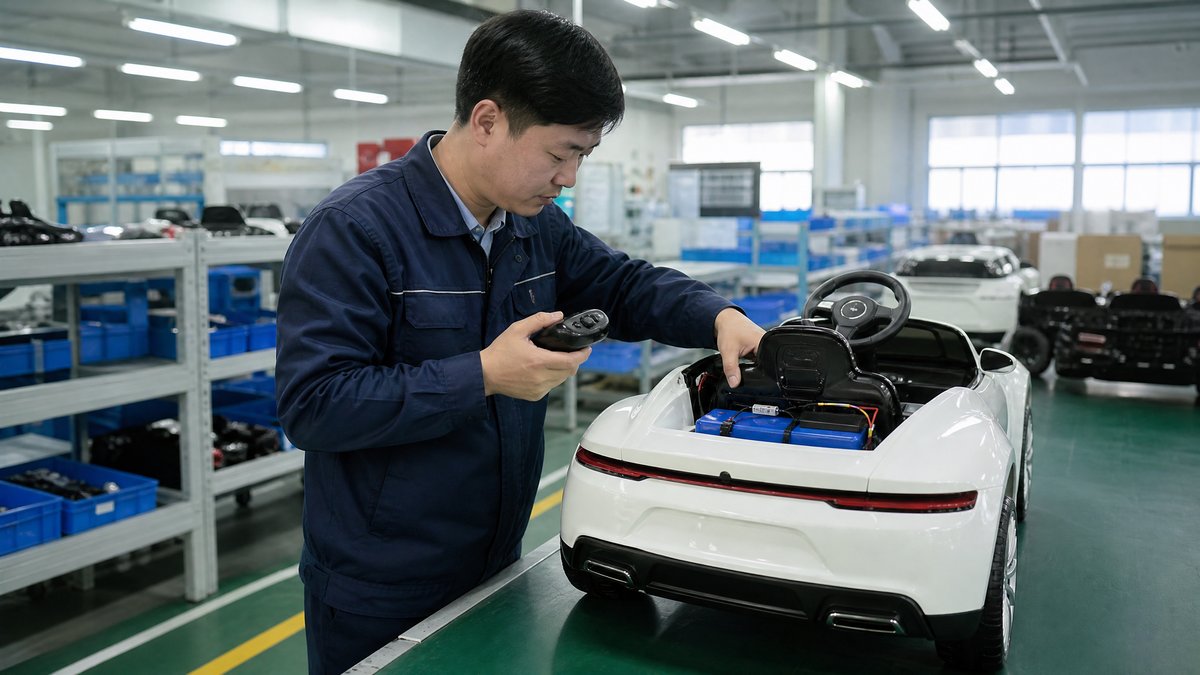
Furthermore, electrical wiring, connectors, and switchgear must be proportionately matched to the voltage tier. Wholesalers must verify that manufacturing partners maintain rigorous electrical compliance standards across all supplied components. All specifications, features, and operational ranges may vary by model and must be confirmed directly in the official user manual.
Comparative Technical Analysis: 6V vs. 12V Systems
To facilitate effective commercial sourcing and clear consumer communication, stakeholders must evaluate how technical variances translate into physical and functional attributes. The following comparison matrix outlines the structural and operational characteristics distinguishing 6V and 12V ride-on architectures.
| Technical Parameter | 6V Ride-On Cars (If Equipped) | 12V Ride-On Cars (If Equipped) |
|---|---|---|
| Nominal Electrical Potential | 6 Volts DC (nominal) | 12 Volts DC (nominal) |
| Typical Motor Configuration | Single motor configuration | Dual motor or heavy-duty single motor configuration |
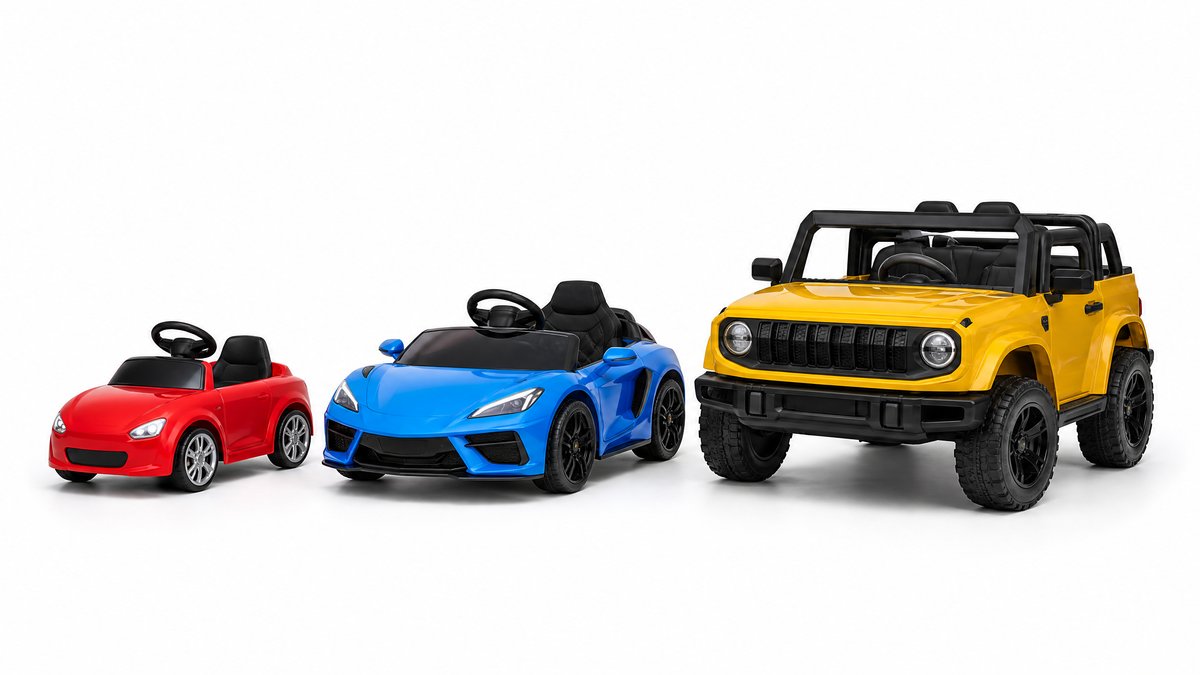
| Chassis Scale & Weight Capacity | Compact frames designed for younger toddlers (per manual) | Moderate to larger chassis accommodating a range of young children (per manual) |
| Terrain Versatility | Smooth indoor flooring, flat paved driveways (per manual) | Paved surfaces, low-grade inclines, moderate outdoor pathways (per manual) |
| Electrical System Features | Basic pedal operation (features vary by model) | Advanced options including soft-start modules, speed selectors, lighting control (per model specs) |
| Primary Target Demographic | Early toddler stage, introductory motorized play | Older toddlers and young children requiring enhanced capability |
Evaluating these parameters requires looking past marketing terminology. Wholesalers and retailers should always cross-reference physical nameplates and official user manuals to verify exact motor specifications, battery type, and charger compatibility for each specific SKU.
Operational Performance, Terrain Suitability, and User Profiles
The operational disparities between 6V and 12V configurations directly influence where and how these vehicles can be utilized. Buyers must align product specifications with the intended operating environment and user capabilities.
6V Operational Characteristics
Vehicles powered by 6V systems are optimized for controlled, low-impact environments. Their drive trains deliver gentle acceleration and steady, measured movement. Consequently, they perform best on smooth, level indoor surfaces such as hardwood floors, tiled playrooms, and flat, paved outdoor patios or sidewalks (as detailed in the product manual). Due to their restricted torque output, 6V cars are not designed to navigate gravel, thick grass, or uneven terrain. Attempting to operate a 6V vehicle on steep inclines or unpaved ground may result in stalled motors, thermal tripping, or accelerated battery discharge.
From a user profile perspective, 6V cars suit younger children who are transitioning from non-motorized push toys. The gentle operational dynamics allow supervising adults to maintain easy pacing alongside the vehicle, fostering early confidence in steering mechanics without overwhelming the child with complex multi-speed controls or sudden acceleration shocks.
12V Operational Characteristics
12V systems provide expanded operational capabilities through increased electrical output and dual-motor traction (if equipped). The presence of drive motors distributes torque across wheels, improving traction on smooth asphalt, concrete, and tightly packed outdoor surfaces. Depending on the specific manufacturer's engineering and nominal rating, 12V models may accommodate gentle outdoor gradients as specified in the official user handbook.
However, commercial buyers must note that 12V systems do not convert a toy into an all-terrain vehicle. Excessive loads, deep mud, loose sand, or steep slopes exceed the design parameters of standard consumer ride-on cars. Operating outside specified environmental guidelines can lead to thermal overload, premature wear on mechanical components, or battery degradation. Proper matching of terrain to vehicle specification is essential for ensuring longevity and customer satisfaction. Users must always verify permitted surfaces and local operating rules before use.
Safety Protocols, Electrical Integrity, and Operational Guidelines
Electrical safety is paramount when dealing with consumer battery-powered products. Whether sourcing 6V or 12V inventory, adherence to rigorous safety standards and manufacturer instructions is non-negotiable for importers, distributors, and end-users.
Adult supervision is mandatory during all phases of operation. Children must never operate electric ride-on cars near public roadways, swimming pools, bodies of water, steep staircases, sloped driveways, or unpermitted commercial areas. Operating manuals provide explicit guidance on weight limitations, helmet usage, and boundary settings that must be strictly observed by parents and caregivers at all times.
Request a wholesale quote
Critical Electrical Safety and Maintenance Rules
* Professional Service Only: Never attempt any internal mechanical or electrical repairs, modifications, or component replacements. All servicing must be referred to the manufacturer or qualified service personnel.
* Charging Protocols: Batteries must be charged exclusively by responsible adults following the charging duration guidelines outlined in the specific product manual. Always use the exact manufacturer-supplied charging adapter matching the specific nominal voltage rating. Overcharging or using uncertified aftermarket chargers can damage battery cells and compromise structural safety.
* Immediate Cessation Conditions: If users observe any abnormal burning odor, smoke, excessive heat coming from the battery compartment or charger, liquid leakage, water ingress, exposed electrical wiring, damaged charging plugs, abnormal braking behavior, or persistent mechanical failure, the vehicle must be turned off immediately. Disconnect the charger, move children away from the unit, and contact the manufacturer or qualified service personnel for professional evaluation.
* Routine Exterior Maintenance: Keep the vehicle clean and dry by wiping exterior surfaces with a soft cloth. Store the vehicle indoors in a dry environment away from extreme temperatures and moisture when not in use. Regular pre-operation checks of charging ports, external cables, and wheels help ensure reliable performance and prevent unexpected issues during routine use.
Commercial Selection Framework for Retailers and Wholesalers
For B2B buyers, deciding whether to stock 6V models, 12V models, or a balanced assortment requires analyzing demographic target markets, retail price points, regional regulatory requirements, and seasonal sales patterns. Commercial buyers must also evaluate packaging durability, container load optimization, spare parts availability, and warranty documentation support provided by the manufacturing partner. Furthermore, maintaining clear channels of communication with suppliers ensures that inventory adjustments align with evolving safety standards and consumer expectations across retail markets. Retailers should check current product availability and platform terms directly when planning retail displays or digital catalog listings.
A balanced inventory strategy typically allocates SKU distribution based on end-user age segmentation and regional usage habits. 6V models serve as entry-level products for younger gift-buyers seeking affordable, indoor-friendly options. 12V models cater to established retail segments looking for feature-rich products with enhanced outdoor utility, such as functioning LED headlights (where equipped), realistic dashboard details, and dual-speed capability (where equipped per model).
Wholesalers must also examine documentation completeness. Ensuring that every batch is accompanied by comprehensive compliance certificates, clear multilingual manuals, and robust packaging is essential for mitigating commercial risk. Buyers should request complete technical dossiers and verify that factory quality control procedures align with international toy safety standards. Retail staff should also be trained to explain these technical nuances to end consumers, ensuring that expectations regarding speed, terrain, and battery maintenance are transparently communicated at the point of sale.
Frequently Asked Questions (FAQ)
Can a 6V ride-on car be upgraded to a 12V system by swapping internal components?
No. Upgrading or modifying a 6V vehicle to a 12V system by replacing internal components is strictly prohibited. Factory electrical components, switches, and gearboxes are specifically engineered to match the nominal voltage rating of the original equipment. Altering electrical specifications can cause overheating, component failure, or safety hazards.
How do I verify whether a specific ride-on car model uses a 6V or 12V electrical system?
The definitive source of technical information is the physical rating label (nameplate) affixed to the vehicle chassis and the official user manual supplied by the manufacturer. Never rely on visual appearance alone, as different voltage tiers may utilize similar external body molds. Always inspect the technical data sheet provided in the product documentation.
Are 12V ride-on cars suitable for use on grass and outdoor dirt paths?
Suitability for outdoor terrain depends entirely on the specific manufacturer's design and engineering specifications for that model. While many 12V configurations handle short, manicured lawns or flat paved paths effectively, they are not designed for rough terrain, deep grass, gravel, or steep inclines unless explicitly stated in the official operating manual.
What steps should be taken if a ride-on car exhibits unusual odors, smoke, or operational failure?
If a vehicle exhibits any abnormal burning odor, smoke, excessive heat, liquid leakage, water ingress, exposed wiring, damaged plugs, abnormal braking, or persistent failure, immediately turn off the vehicle, disconnect the charger, remove children from the vicinity, and contact the manufacturer or qualified repair personnel for professional evaluation.
Conclusion
The choice between 6V and 12V ride-on cars involves balancing electrical architecture, physical dimensions, user age suitability, and operational environments. While 6V systems offer simple, controlled indoor operation for younger toddlers, 12V systems provide expanded torque and dual-motor capability for slightly older children navigating paved outdoor spaces (if equipped). By maintaining strict adherence to manufacturer documentation, prioritizing adult supervision, and avoiding unauthorized modifications, commercial buyers and retail customers ensure safe, reliable, and enjoyable operation.
To explore our complete catalog of certified 6V and 12V ride-on vehicles, review bulk purchasing terms, or discuss custom wholesale requirements, reach out to our commercial team today.
Request a wholesale quote
Official References
* U.S. Consumer Product Safety Commission (CPSC) - General Toy Safety Education and Electric Ride-On Safety Guidelines (Note: Official CPSC guidance serves as general educational information and does not constitute product certification or specific model approval for this product).
* International Electrotechnical Commission (IEC) - Safety of Electric Toys Standards and Compliance Frameworks.
* Manufacturer Technical Documentation, Nominal Rating Plates, and User Operation Manuals for Certified Electric Ride-On Vehicles.
Official references
Explore these external resources for current regulatory and trade guidance. Confirm requirements with the relevant authority before placing an order.
Ready to Start?
Factory-Direct · CE & ASTM Certified · MOQ from 50 Units
Our export team works with buyers in 60+ countries. Get a quote within 24 hours.
KR
Written by KidsRideCar
China's leading kids electric ride-on car manufacturer. 500,000+ units shipped annually to 60+ countries. CE, ASTM & EN71 certified.