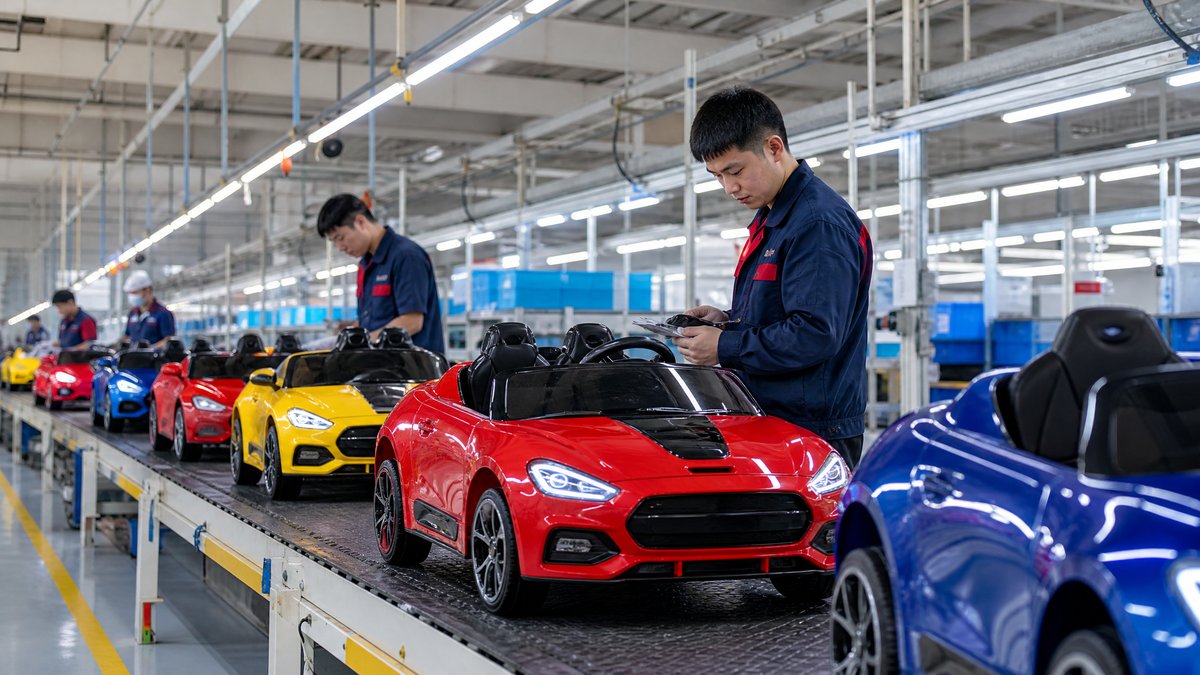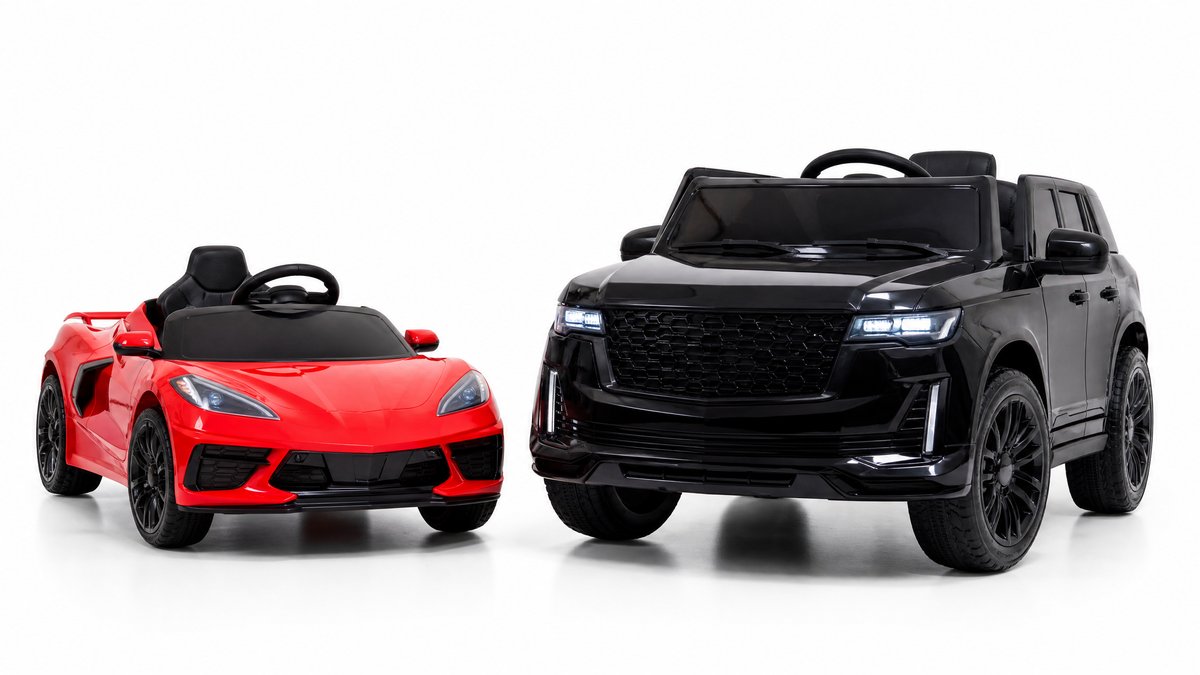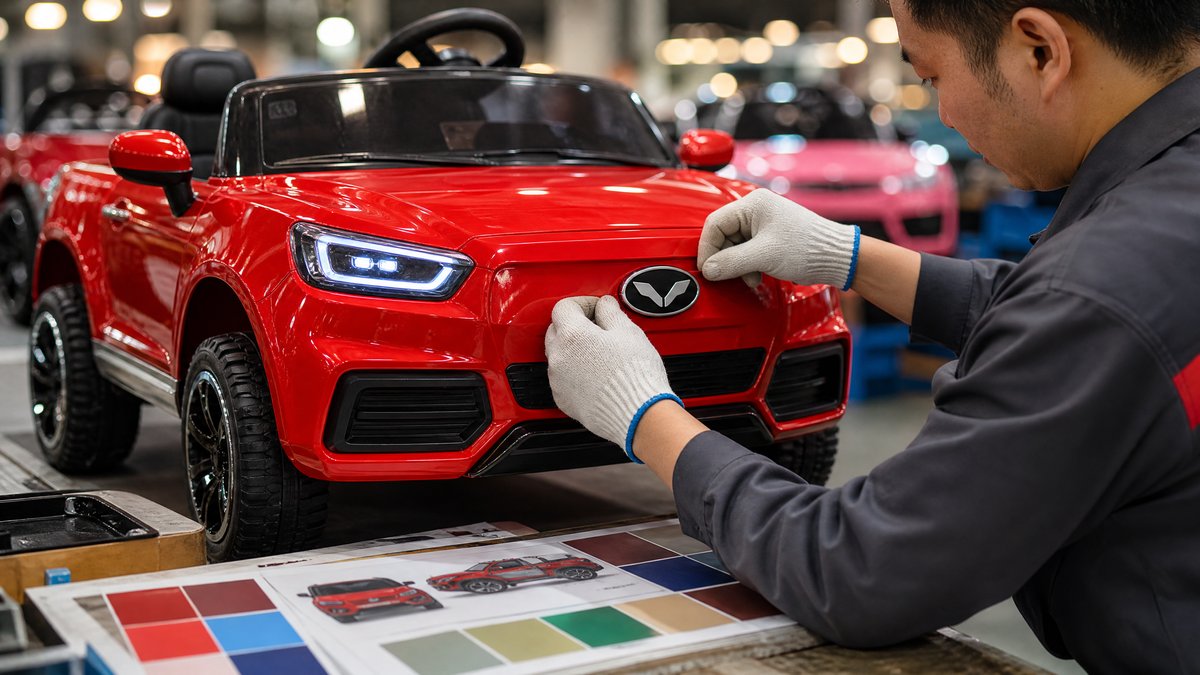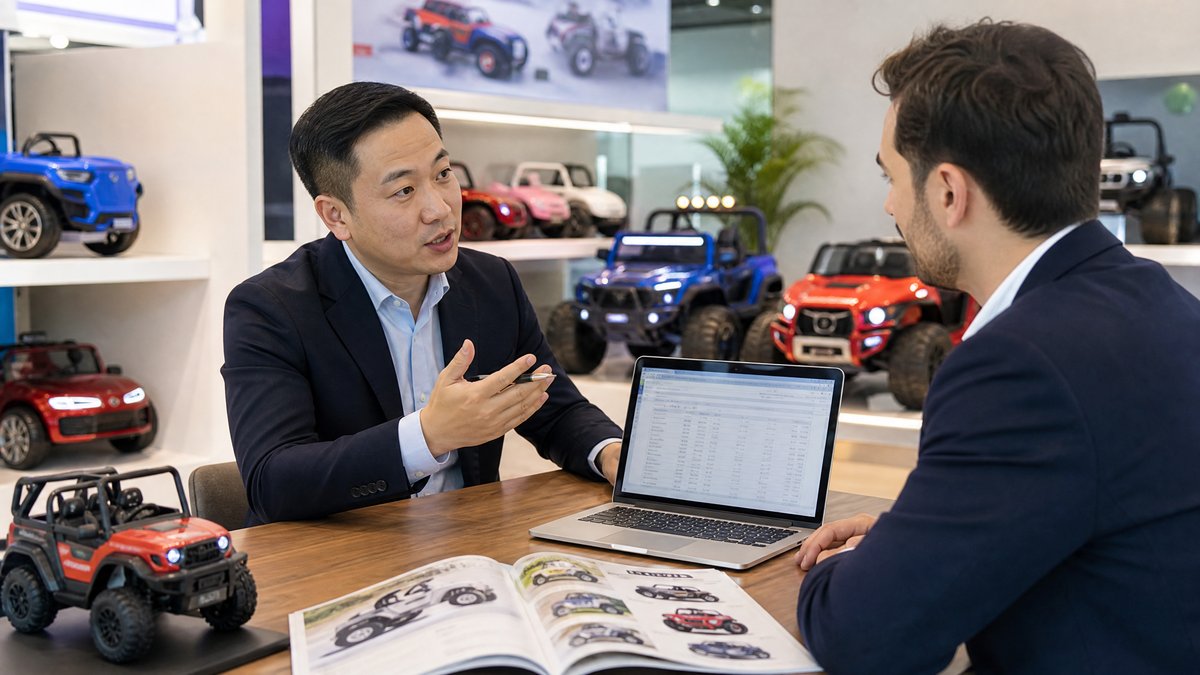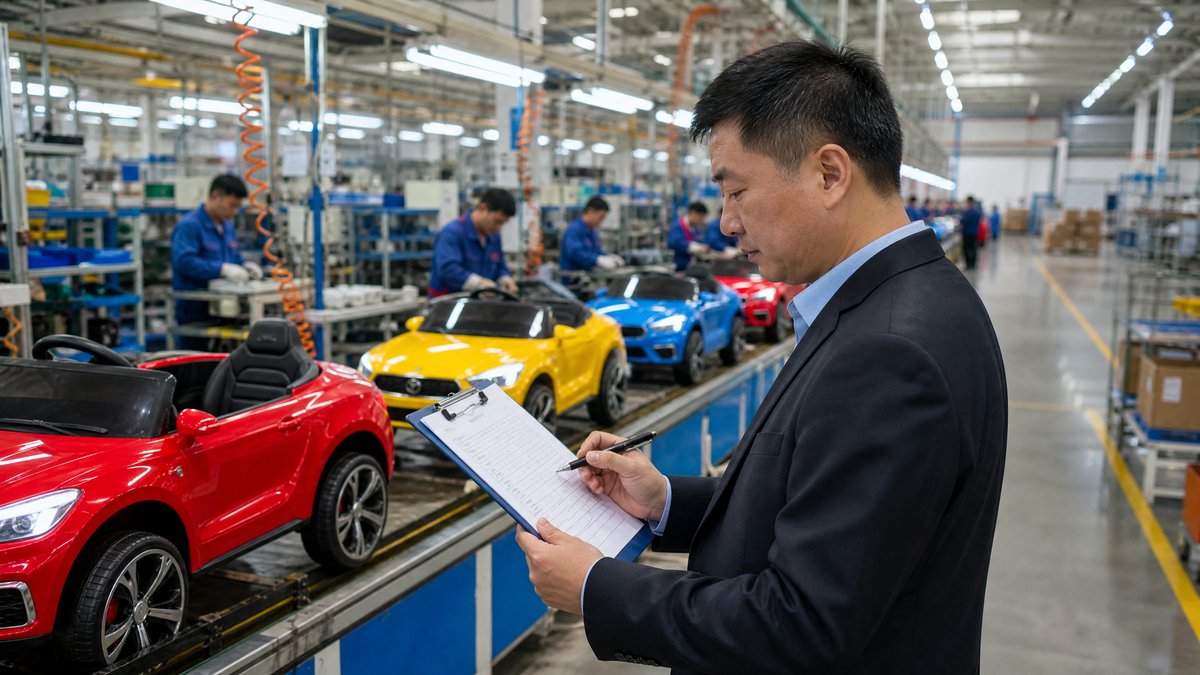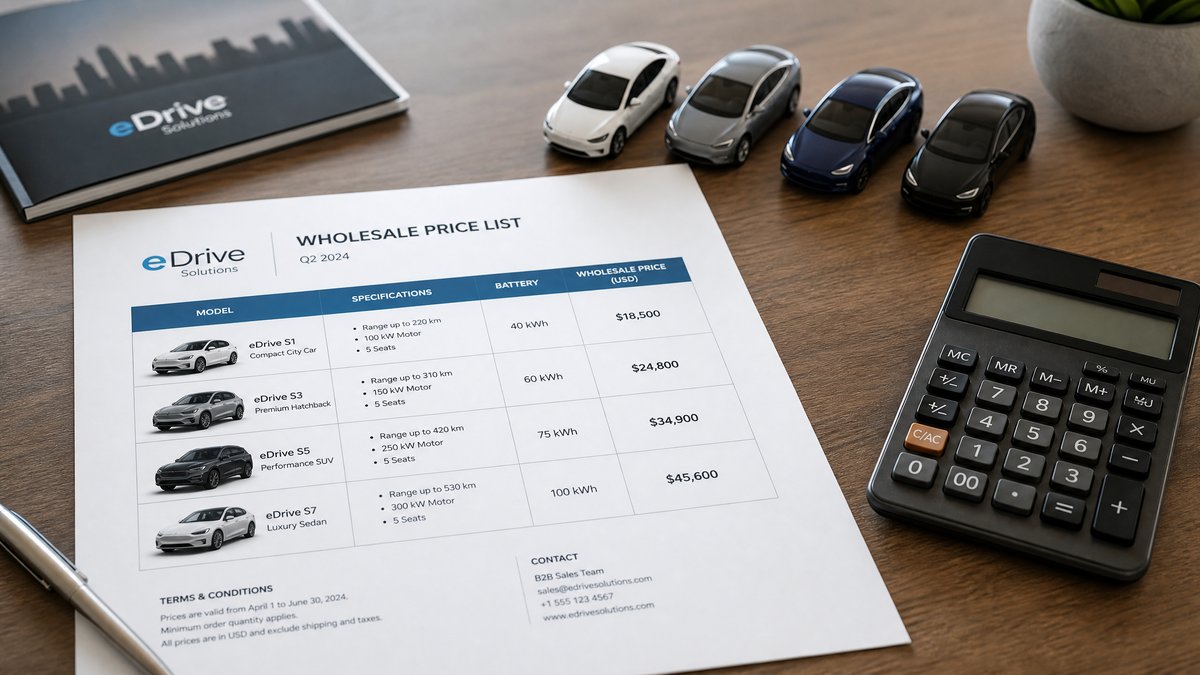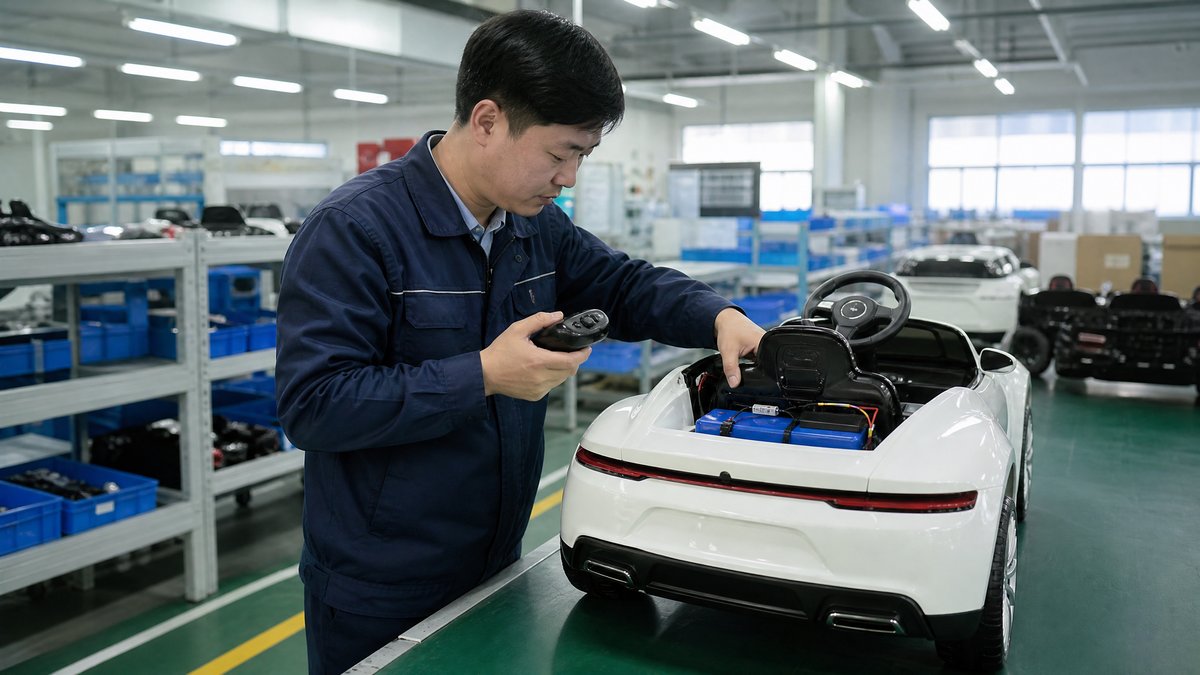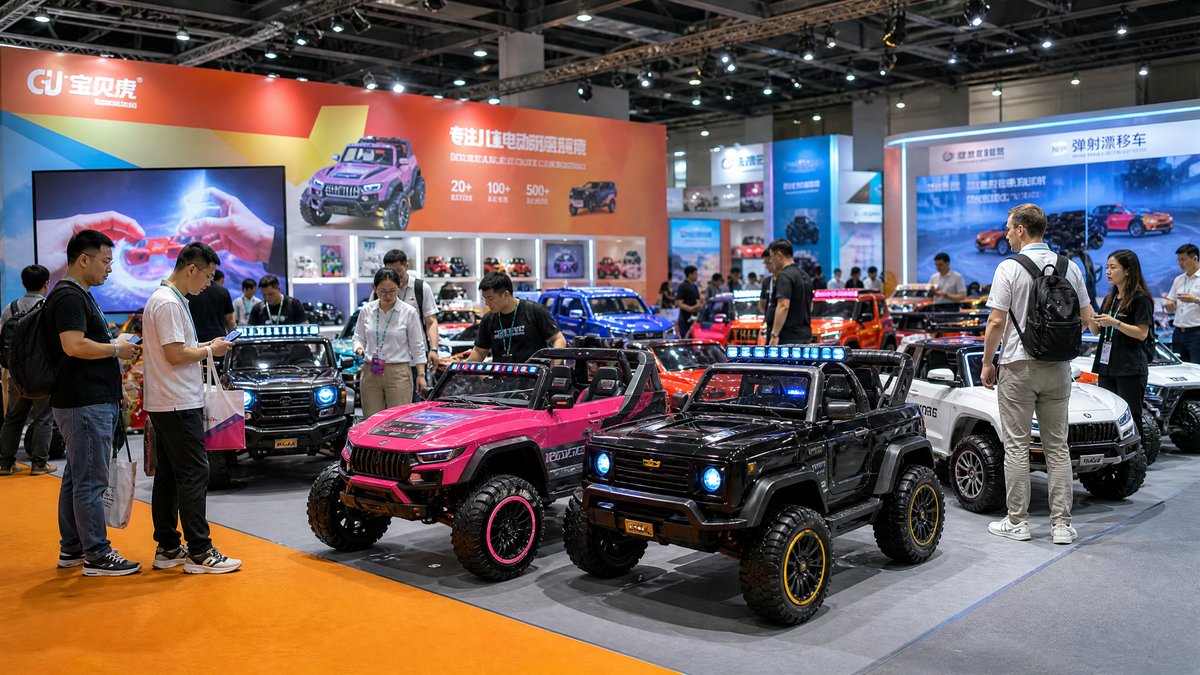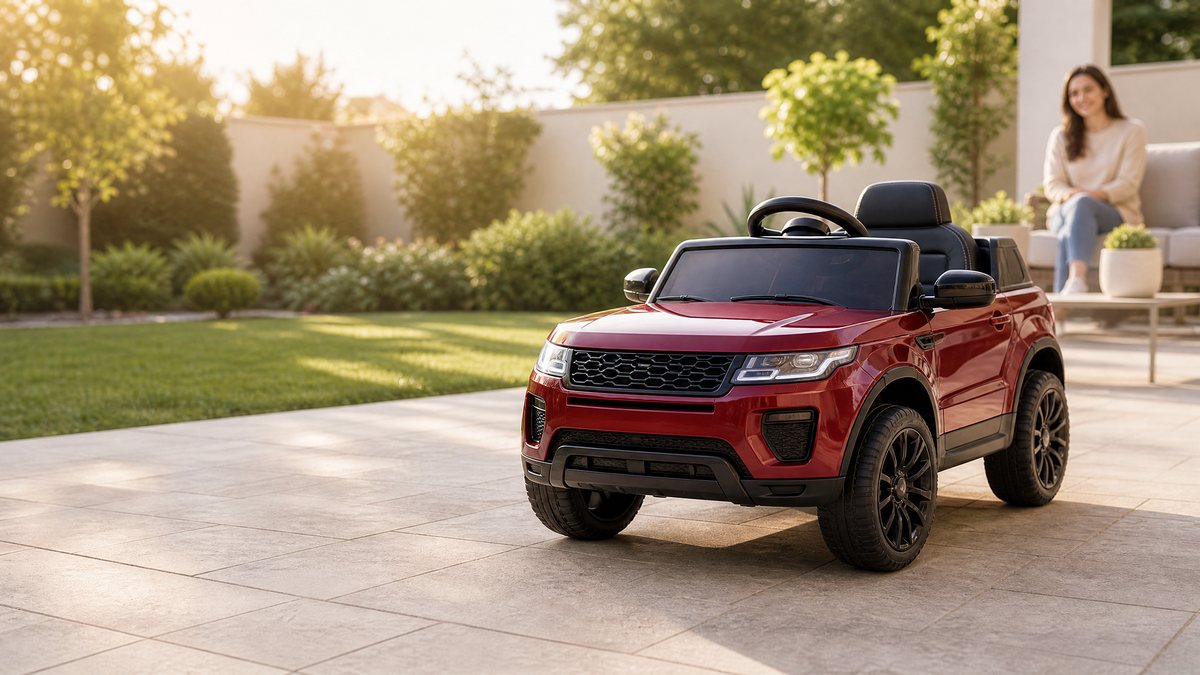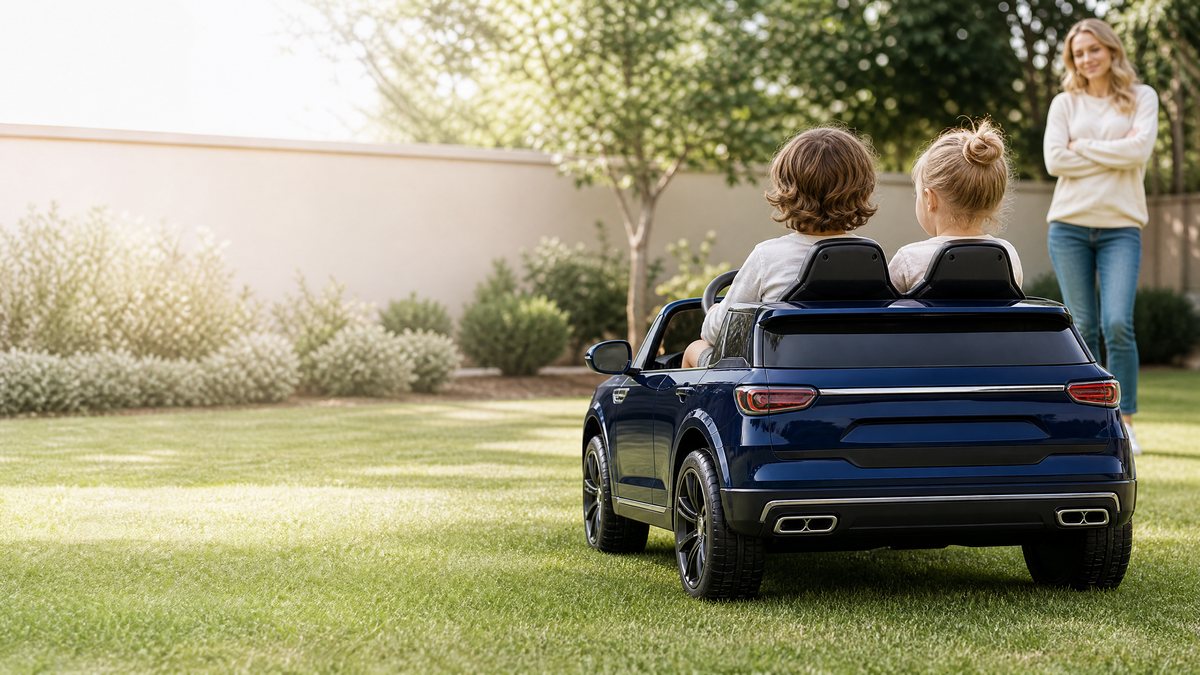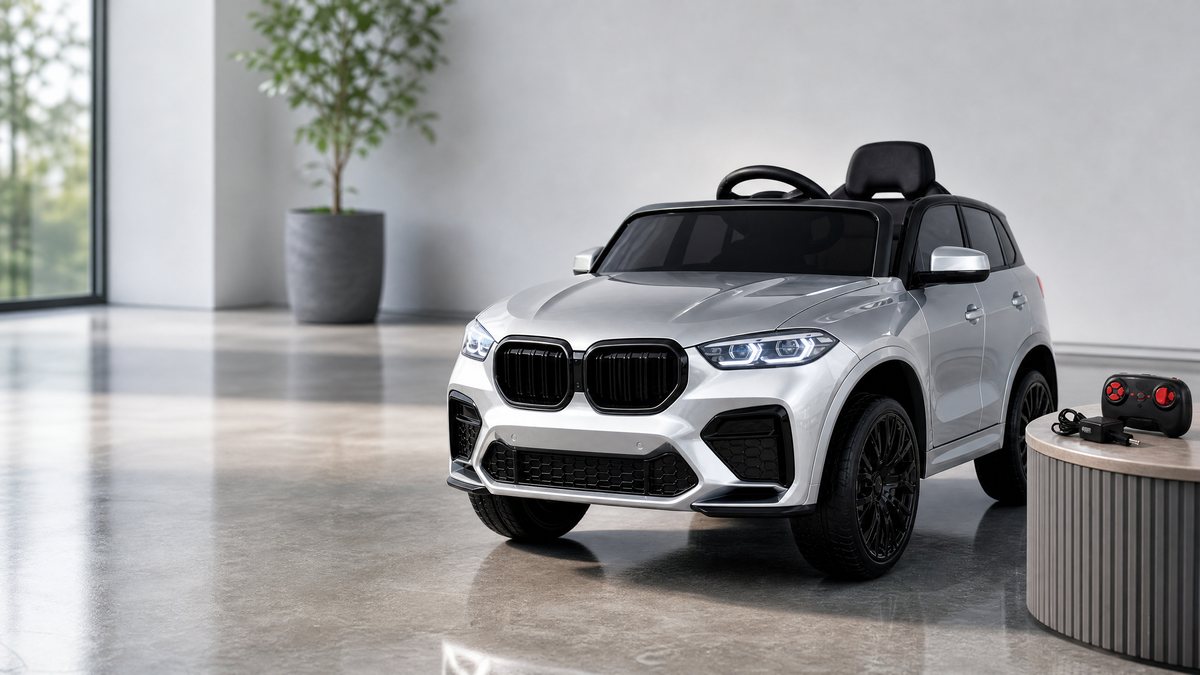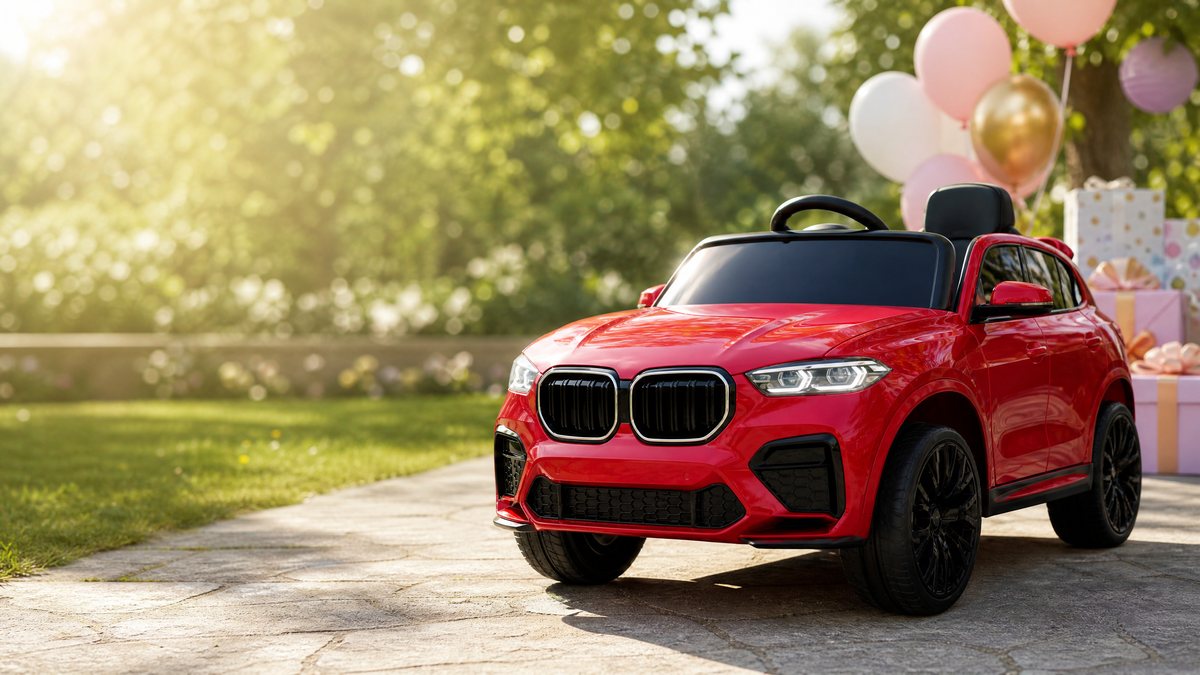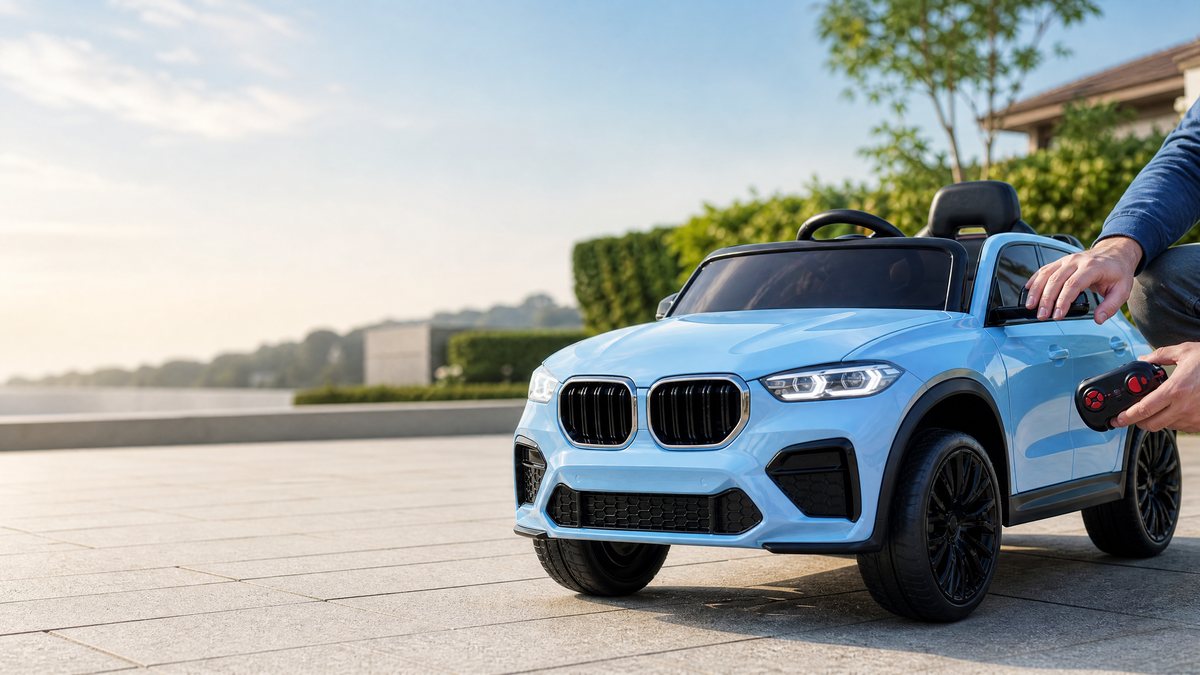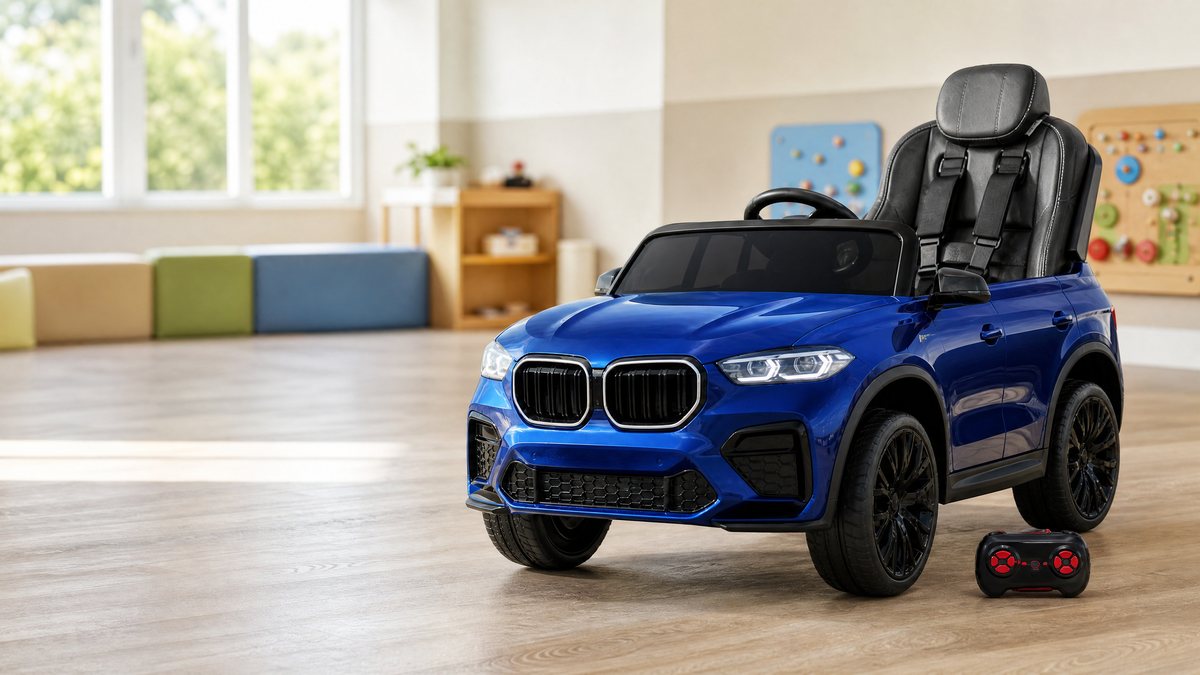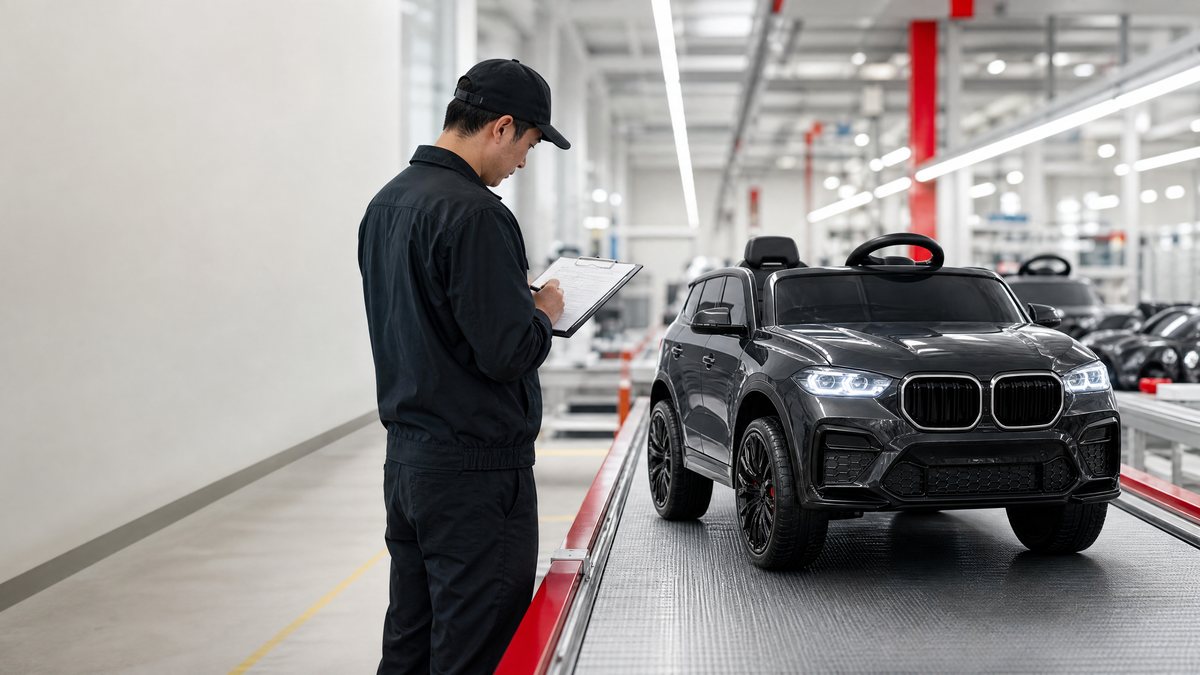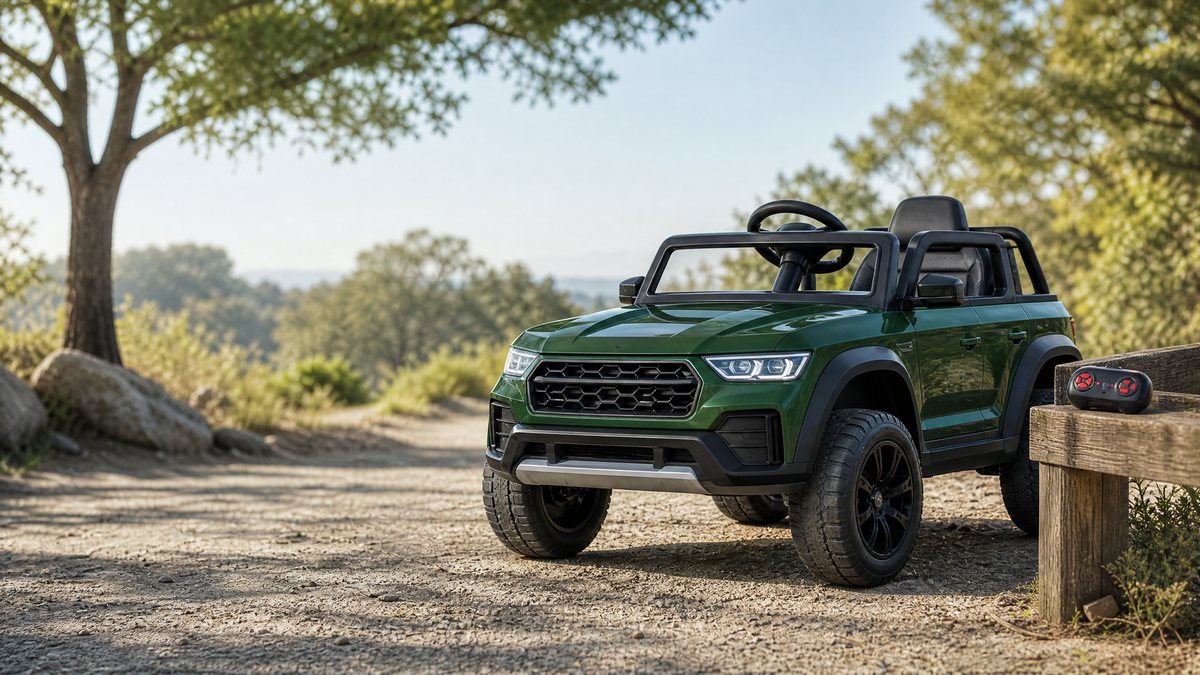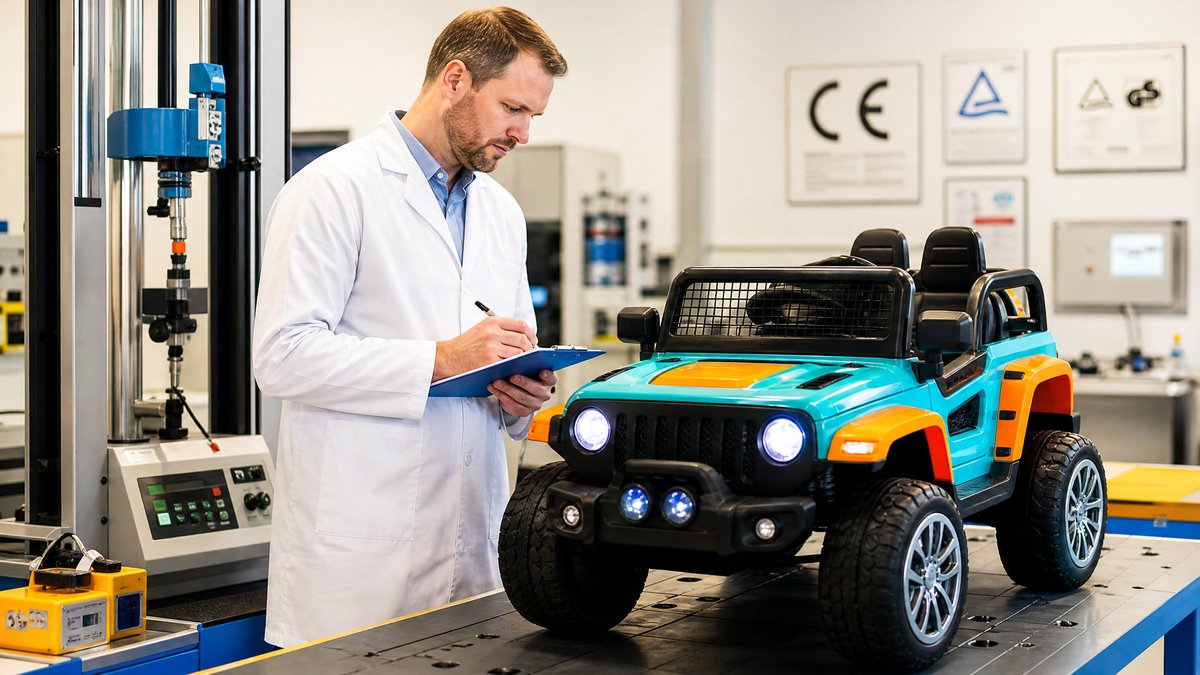
When commercial importers, wholesale distributors, and retail buyers evaluate children electric ride-on vehicles, safety remains the single most critical determinant of product viability, brand reputation, and consumer trust. In an expanding global market, motorized toy vehicles have evolved from simple plastic push-cars into sophisticated battery-powered machines featuring remote control override capabilities and electronic speed controllers. B2B buyers and retail families alike must navigate technical specifications, regulatory requirements, and mechanical components to ensure that every vehicle operates reliably under real-world conditions.
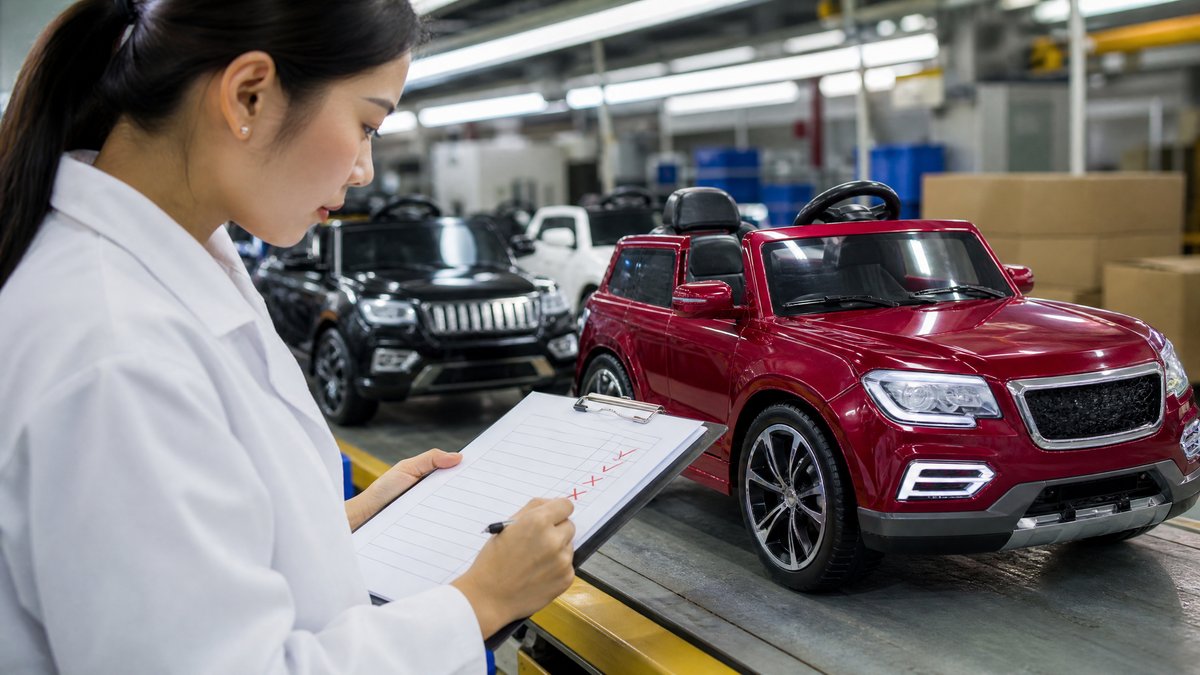
Evaluating what safety features a ride-on car should have requires a systematic approach that looks beyond aesthetic appeal and marketing claims. Safety is an integrated ecosystem encompassing structural integrity, electrical protection mechanisms, movement control systems, and responsible operational protocols. Importers sourcing inventory for diverse international markets must establish robust pre-purchase inspection frameworks, ensuring that every product aligns with rated nameplate data, official user manuals, written manufacturer instructions, and local regulatory standards [1]. Similarly, parents and adult supervisors must understand how these safety systems function to provide adequate oversight, proper maintenance, and hazard mitigation during daily use.
Commercial partners and retail purchasers must always verify current product pages, seller terms, and platform policies directly when procuring inventory or assessing purchasing terms, as platform-specific return periods, business programs, shipping logistics, and seller mechanisms may vary and should never be assumed as rigid, uniform facts across all retail channels. Furthermore, no single sales channel, platform, or brand should be characterized as the cheapest, most reliable, or universally suitable provider without direct verification of current market offerings and service agreements.
This comprehensive guide establishes a transparent evaluation framework for ride-on car safety features. By examining structural engineering, battery management systems, acceleration controls, braking mechanisms, and supervisory responsibilities, this article provides wholesale buyers and retail stakeholders with the analytical depth needed to make informed purchasing and merchandising decisions.
Understanding the Core Architecture of Ride-On Car Safety
The foundation of any ride-on vehicle safety profile begins with its physical construction and structural architecture. Unlike standard consumer goods, ride-on cars must withstand dynamic mechanical stresses, weight variations, and outdoor environmental factors while protecting young riders from potential impact hazards. When assessing structural safety, wholesale procurement teams and retail buyers must examine the quality of chassis materials, body panels, and assembly tolerances. High-grade polypropylene and reinforced ABS plastics are commonly utilized by reputable manufacturers to provide durable yet flexible body shells that absorb minor impacts without splintering or developing sharp edges.
Structural integrity also extends to the design of doors, hoods, and seating compartments. Many modern ride-on cars feature opening doors to facilitate easy entry and exit for young children, if equipped on the specific model. However, unlatched or improperly secured doors can introduce stability and fall risks during operation. Consequently, buyers must examine whether a specific model incorporates positive-locking door latches that prevent accidental opening while the vehicle is in motion. Furthermore, rounded external contours, recessed fasteners, and smooth interior finishes are essential design characteristics that minimize abrasion and impact injuries.
Beyond physical assembly, the overall geometric stability of the vehicle dictates its rollover resistance. Wider wheelbases, low centers of gravity, and balanced weight distributions significantly reduce the likelihood of tipping when navigating gentle slopes or executing tight turns, though actual stability performance may vary by model and terrain conditions. Importers should review manufacturer documentation regarding maximum weight capacities and recommended terrain types. It is vital to recognize that manufacturer specifications and rated nameplates serve as the definitive benchmark for structural limits; no vehicle should ever be overloaded beyond its tested design threshold.
To support wholesale partners in evaluating product batches and establishing clear procurement criteria, our commercial team offers dedicated consultations and detailed technical specifications. Wholesale buyers seeking reliable, high-specification ride-on vehicles for global distribution can partner with established manufacturers committed to rigorous quality assurance. For inquiries regarding wholesale catalogs, technical documentation, and bulk procurement arrangements, please contact our team directly.
Request a wholesale quote
Electrical Protection and Battery Safety Management
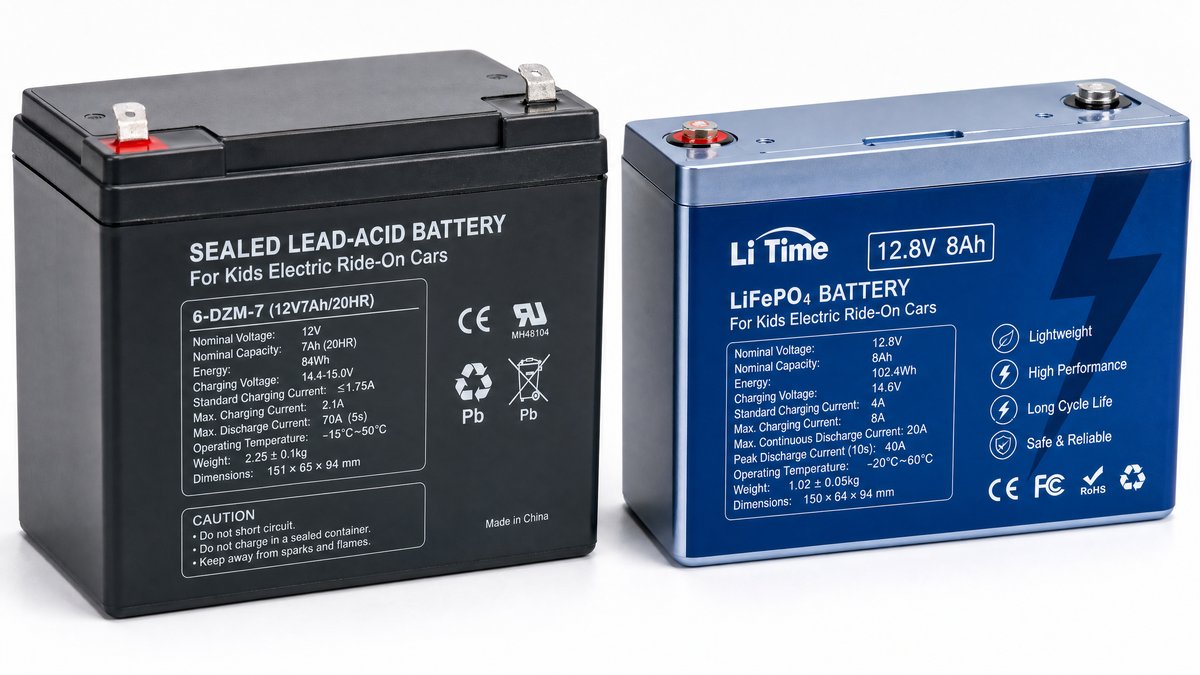
The electrical and power distribution system represents one of the most critical functional areas of any motorized ride-on vehicle. Modern ride-on cars typically operate on various voltage configurations and motor setups—such as 6V, 12V, 24V, or dual-motor systems—powered by rechargeable lead-acid or lithium-ion battery packs, depending on exact build specifications. While these electrical systems deliver necessary torque and operational runtime, they also demand rigorous engineering safeguards to prevent thermal events, short circuits, and electrical failures. B2B buyers must prioritize models that incorporate integrated overcurrent protection devices, such as self-resetting thermal fuses or circuit breakers, which automatically sever power flow in the event of an electrical overload or stalled motor condition, if equipped.
Wiring harness layout and terminal protection are equally paramount. All internal wiring must be securely routed away from moving parts, steering shafts, and sharp metallic edges, shielded within protective convoluted tubing or flame-retardant sleeves. Charging ports must be positioned in accessible yet protected locations, equipped with tight-fitting rubber caps to prevent moisture ingress, dust accumulation, and accidental contact with foreign conductive objects. When evaluating charging accessories, buyers must verify that supplied battery chargers feature certified voltage regulation and automatic trickle-charging cutoffs to prevent overcharging.
It is imperative for both commercial handlers and retail consumers to adhere strictly to manufacturer safety protocols regarding battery maintenance and operation. Under no circumstances should users attempt internal repairs, diagnostics, or component modifications. Specifically, users must never disassemble internal battery housings, touch live battery terminals, measure electrical voltage with multimeters, bypass built-in circuit protection systems, or substitute components with higher-specification parts. Tampering with internal electrical circuitry invalidates compliance certifications and introduces severe safety risks.
If a vehicle exhibits unusual warning signs—such as persistent chemical odors, visible smoke, abnormal overheating during charging or operation, electrolyte leaks, water ingress following heavy rain, exposed wiring, damaged charging plugs, erratic braking behavior, or sudden power loss—the user must immediately cease operation, disconnect the charger, turn off the main power switch, keep children safely away from the unit, and contact the manufacturer or qualified technical personnel for inspection and repair.
Movement Control, Speed Limiting, and Parental Override Systems
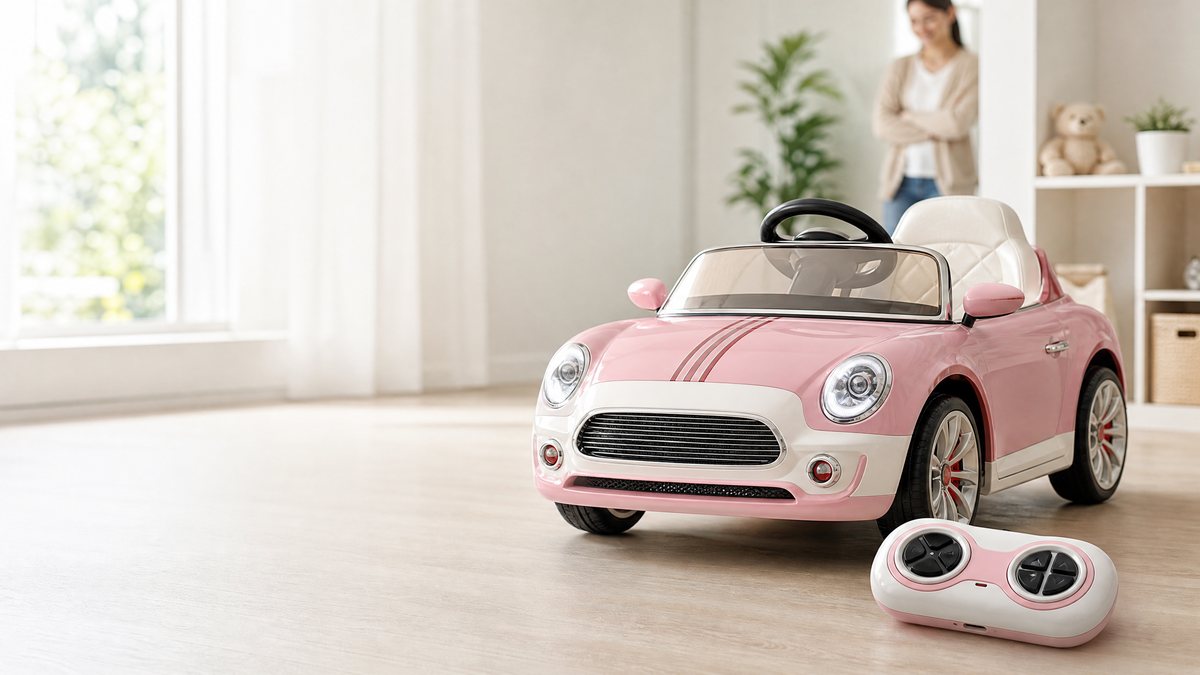
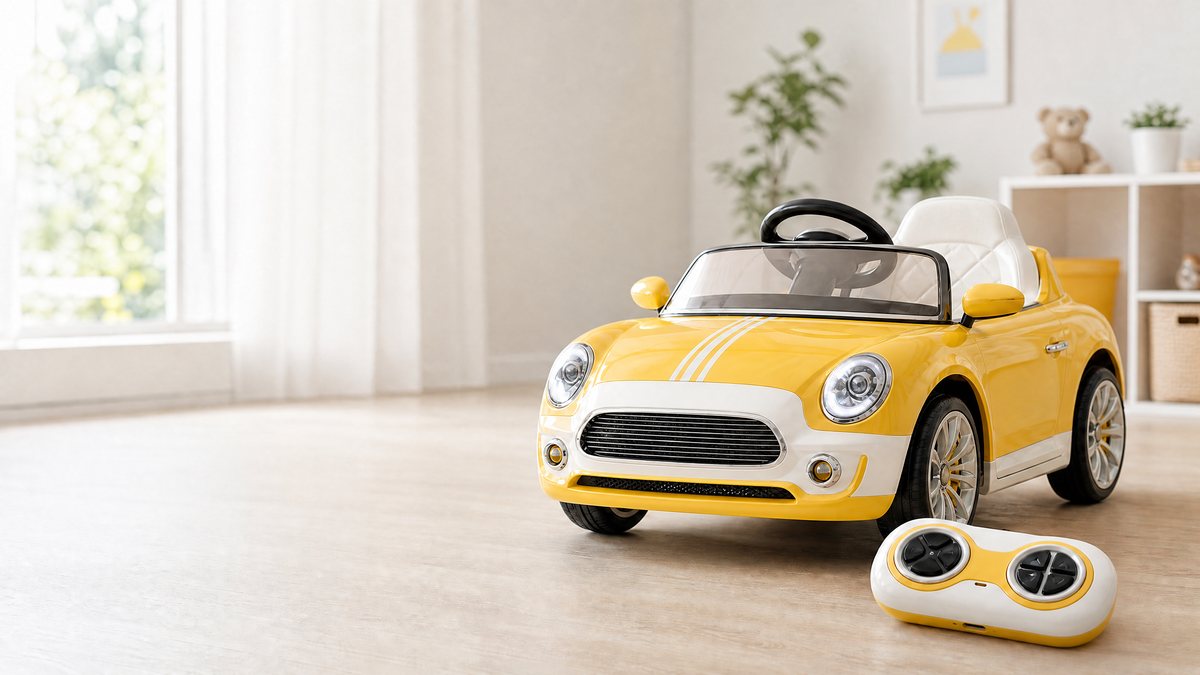
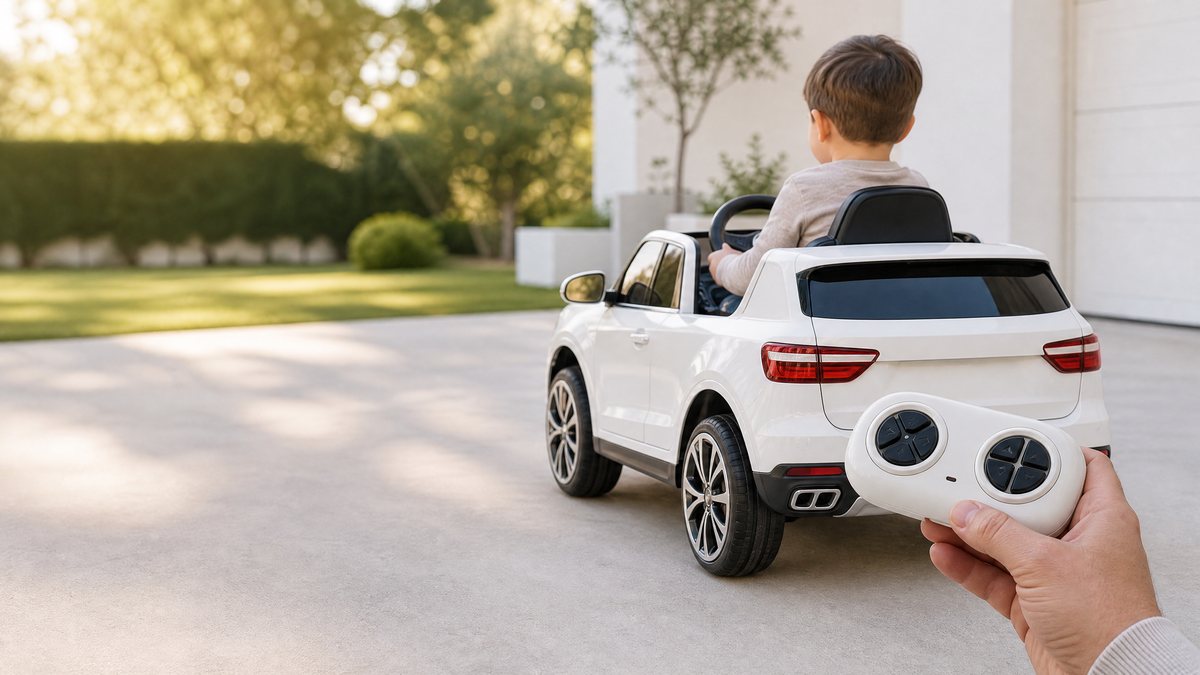
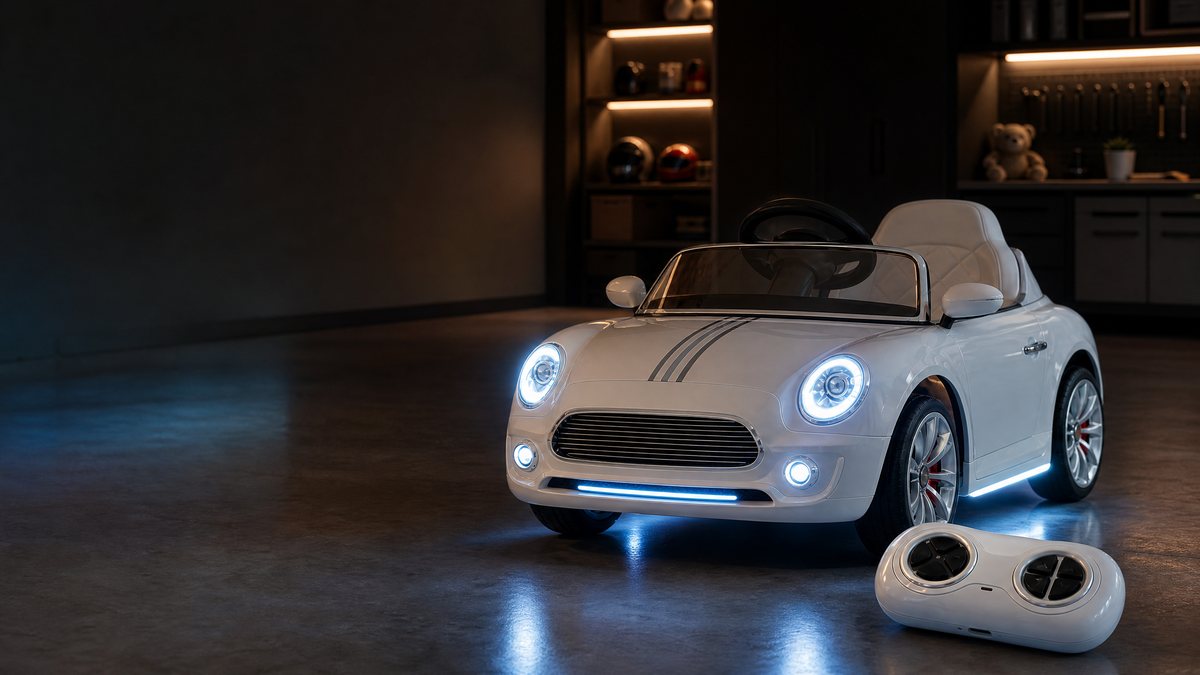
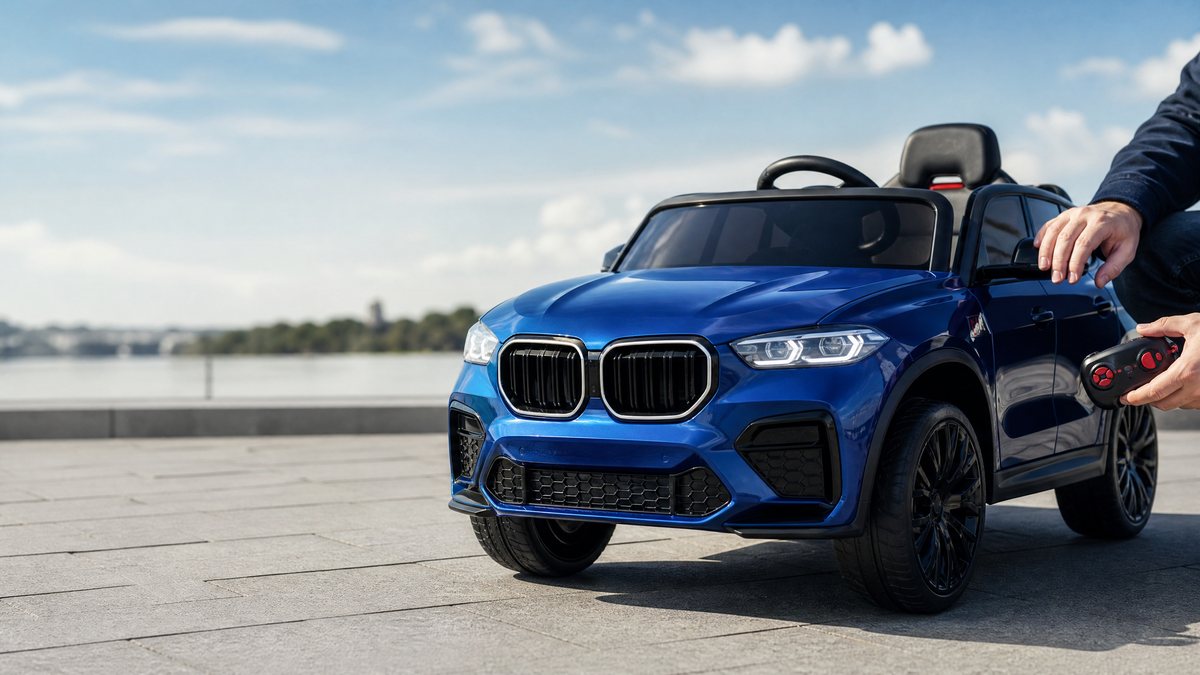
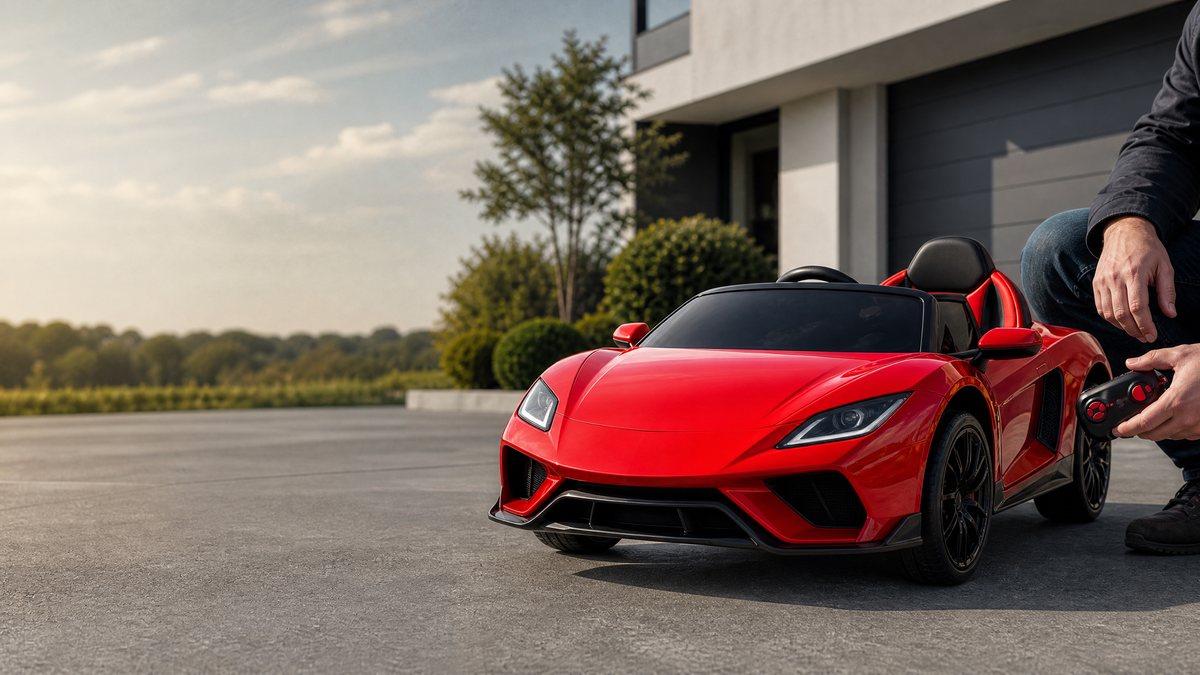
Controlling vehicle momentum and velocity is essential for preventing collisions and ensuring that young operators remain within safe operating parameters. Ride-on cars typically utilize two primary methods of movement control: direct driver pedals and parental remote control transmitters, where equipped. For younger children or beginner drivers, parental remote control capability is an indispensable safety feature. Advanced 2.4G wireless remote transmitters provide adult supervisors with absolute directional override authority, allowing parents to steer, adjust speed levels, and instantly halt the vehicle if an obstruction or hazard appears in its path, depending on model features.
In addition to remote override functionality, high-quality ride-on cars frequently incorporate electronic soft-start acceleration technology, if featured in design specifications. Traditional direct-switch ride-on vehicles often experience an abrupt surge of power upon pedal engagement, causing the vehicle to lurch forward and potentially startling the child or causing neck strain. Soft-start systems utilize programmed microcontrollers to gradually ramp up motor voltage, delivering smooth, progressive acceleration that mimics real automotive behavior and protects internal drivetrain components from excessive mechanical shock.
Speed management is another critical evaluation criterion. Many models offer multi-speed settings or adjustable high/low speed switches managed through the dashboard or parental remote. However, it is important to emphasize that fixed speed limits, maximum operating ranges, battery longevity, and recommended age gradings cannot be generalized across all models; they are strictly determined by specific motor outputs, gear ratios, vehicle weights, and manufacturer design specifications. Buyers must evaluate whether a model provides clear speed selection options and reliable braking mechanisms. Most electric ride-on cars utilize regenerative electronic braking—where releasing the accelerator pedal automatically engages motor resistance to bring the vehicle to a controlled stop. When equipped, secondary foot brakes or remote emergency stop buttons provide redundant stopping security.
| Feature Category | Primary Inspection Focus | B2B Wholesale Procurement Criterion | Retail Consumer Pre-Purchase Check |
|---|---|---|---|
| Structural Integrity | Chassis durability, non-toxic materials, smooth finishes | Verify compliance with regional toy safety standards and material safety datasheets | Inspect for sturdy body construction, lack of sharp burrs, and secure locking door latches |
| Electrical Safeguards | Thermal fuses, wiring harness routing, charging port protection | Confirm presence of automatic circuit breakers and certified voltage-regulated chargers | Check that charging ports have protective rubber seals and wiring is fully enclosed |
| Parental Control | 2.4G remote override, emergency stop, signal stability | Ensure reliable pairing frequency and immediate remote priority response | Test remote responsiveness and verify smooth directional control prior to first use |
| Acceleration & Braking | Soft-start controllers, regenerative motor braking, stop response | Assess smoothness of power delivery and reliability of electronic braking cutoff | Ensure vehicle stops smoothly when accelerator pedal is released or emergency stop is engaged |
| Seating & Restraints | Seat comfort, harness configuration, occupant containment | Check for secure seat mounting points and adjustable restraint straps (if equipped) | Verify that seatbelts (if featured on the specific model) fit snugly and anchor securely |
Seating, Restraints, and Structural Enclosures
Occupant containment inside the cockpit of a ride-on vehicle requires careful attention to seating design, backrest support, and restraint integration. While ride-on cars are designed for supervised recreational use rather than high-speed highway travel, maintaining a stable seating position is vital to prevent slips, slides, and falls during sharp cornering or uneven terrain traversal. When evaluating seating configurations, buyers should examine ergonomic contouring of the seat base and backrest height to ensure adequate support.
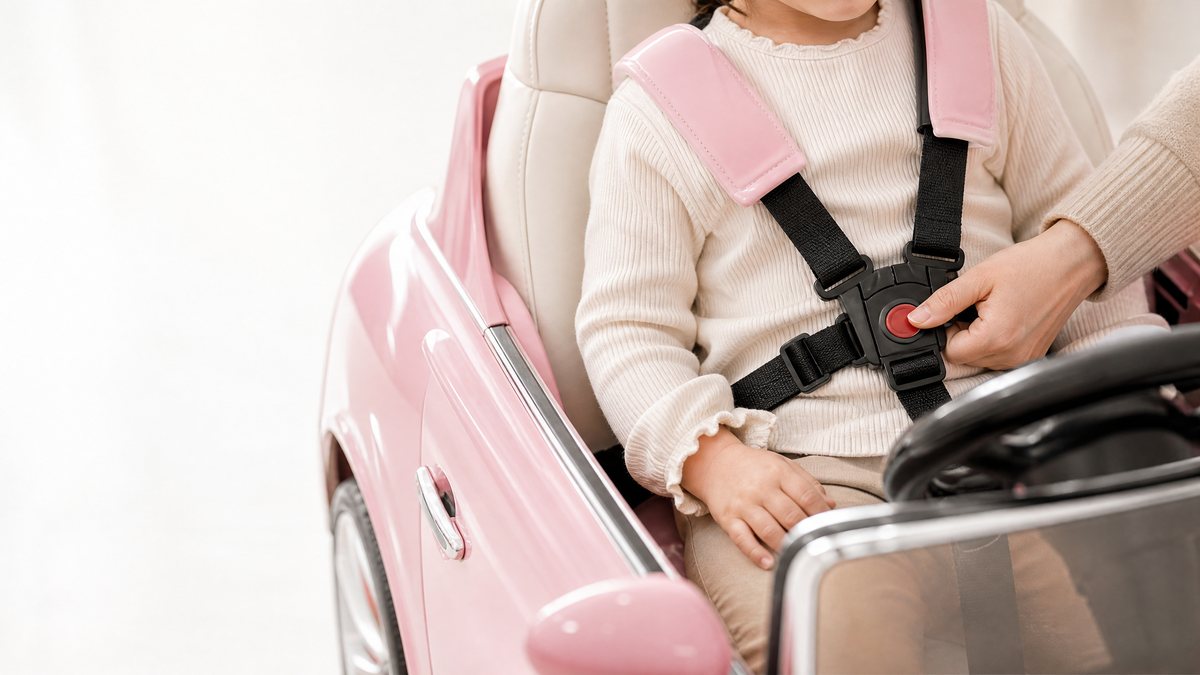
Restraint systems, such as lap belts or multi-point safety harnesses, are common features on many ride-on car models designed for younger children. However, wholesale buyers and retail consumers must evaluate these restraints strictly as supplementary positioning aids rather than certified automotive crash-safety devices. Under no circumstances should unapproved aftermarket modifications, structural seat replacements, or custom harness installations be attempted if they are not explicitly authorized in writing by the vehicle manufacturer. Every restraint mechanism must be securely anchored directly to the vehicle reinforced chassis or seat sub-structure to perform its intended retention function effectively.
Furthermore, cockpit design should prevent limbs from extending outside the vehicle body during operation. High side panels, deep footwells, and enclosed floorboards protect children feet and legs from contacting rotating wheels or external ground obstacles. Importers must review manufacturer specifications to confirm that occupant weight distribution aligns with overall load ratings.
Operating Environments, Site Safety, and Supervisory Protocols
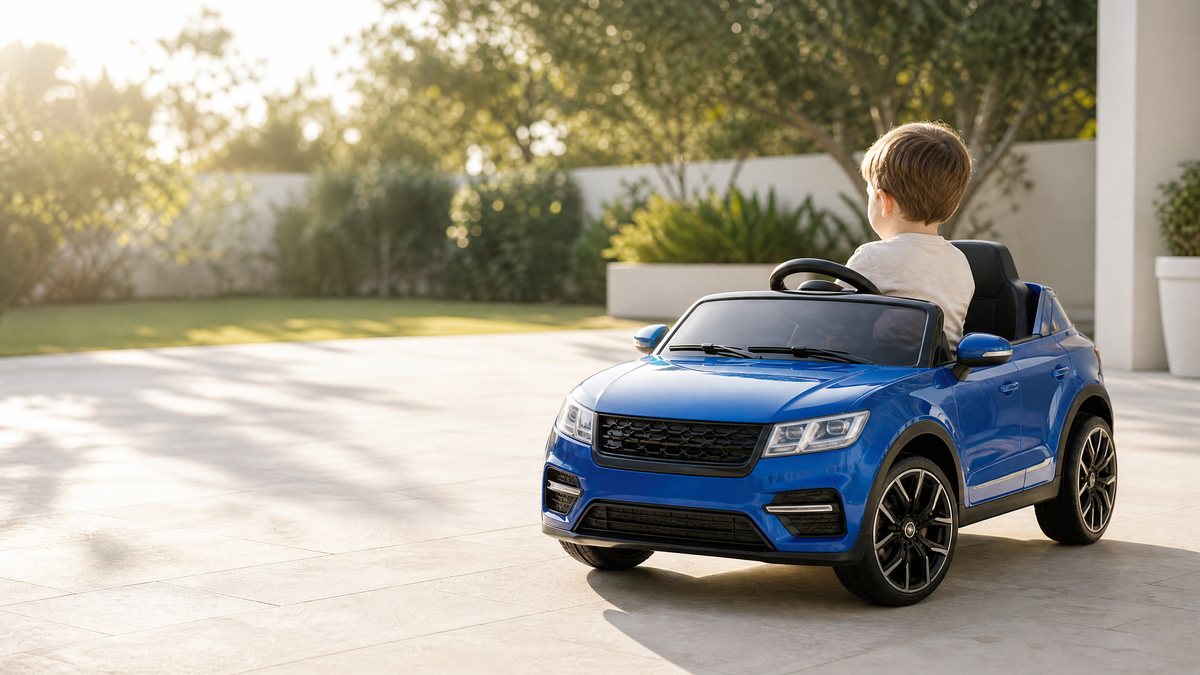
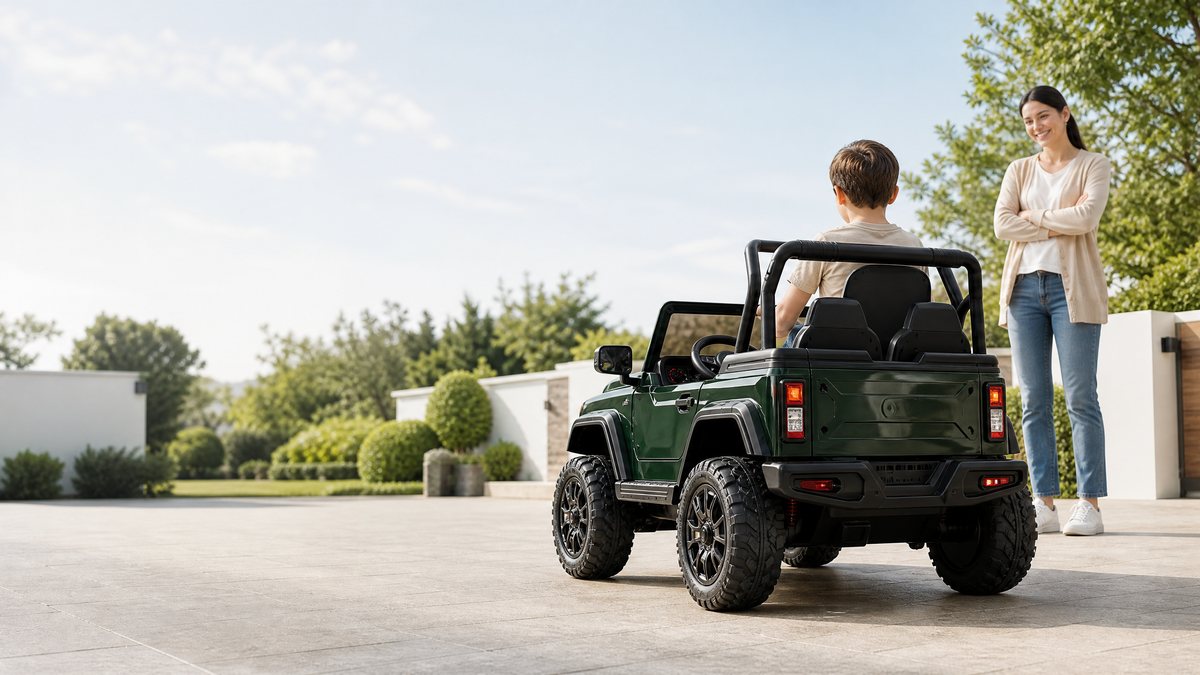
Operating an electric ride-on vehicle requires careful selection of appropriate environments and strict adherence to safety protocols. Ride-on cars must never be operated on public roads, streets, commercial parking lots, or any unauthorized traffic zones. Importers, retailers, and adult supervisors must emphasize that usage is strictly restricted to private, controlled, and permitted areas, such as flat, dry, paved driveways, enclosed private gardens, or designated recreational paths where vehicular traffic is entirely absent.
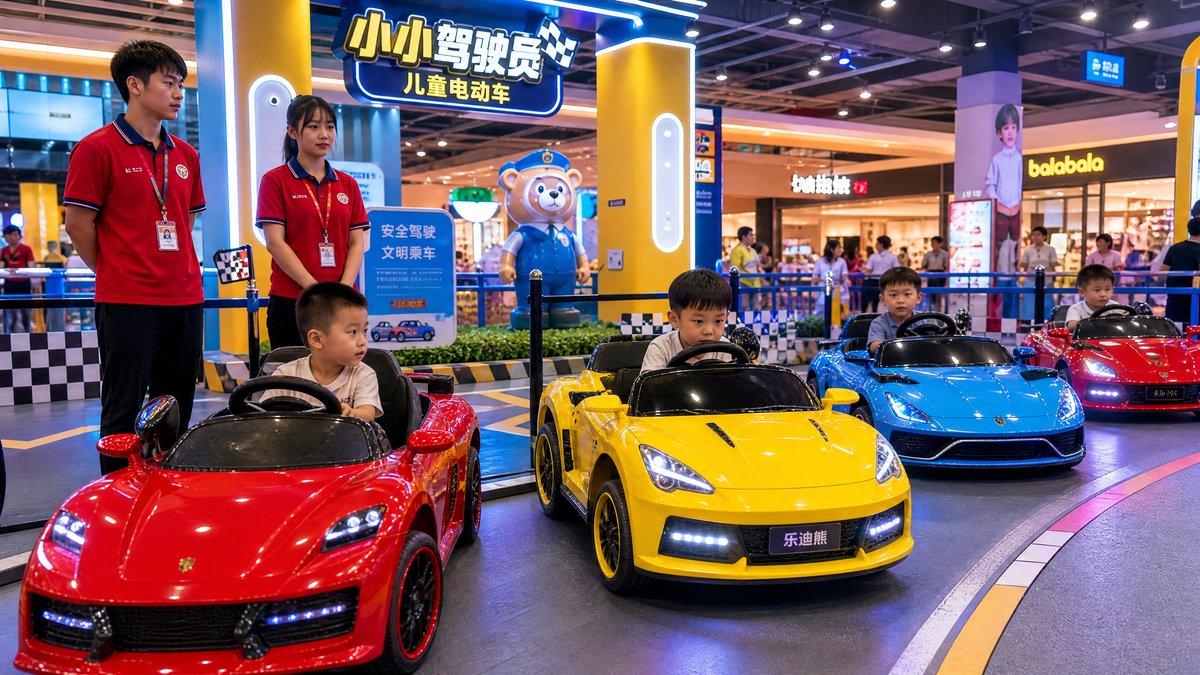
When considering various recreational contexts—such as gardens, parks, private residential yards, or permitted outdoor play areas—adult supervisors must always verify local site rules, ensure riding surfaces are dry, flat, and free of debris, and maintain constant visual oversight. Activities associated with tracks, races, evening or night operations, beaches, parks, parades, camping trips, theme parks, kindergartens, store displays, or private parties require rigorous prior planning, strict site permission, and uninterrupted adult supervision. Nighttime operations should be avoided unless appropriate, manufacturer-approved lighting systems are installed and functioning according to the product manual.
Furthermore, ride-on cars should not be framed as therapeutic medical devices, developmental therapy tools, or guaranteed enhancers of motor skills, sensory processing, confidence, or independence. While recreational toy vehicles can offer engaging play experiences, developmental benefits and physical skill acquisition vary widely among individual children. Adult supervision, personal ergonomic fit, and guidance from relevant educational or medical professionals remain essential. Families transitioning children from strollers to ride-on toys must ensure proper physical adjustment and continuous oversight.
Comprehensive FAQs on Ride-On Car Safety
What should I do if a ride-on car exhibits unusual smoke, odor, or charging failure?
If a ride-on car produces unusual chemical odors, visible smoke, excessive heat during charging or operation, electrolyte leaks, water ingress after wet weather, exposed wiring, damaged charging plugs, erratic braking, or sudden complete power loss, the user must immediately cease all operation. Disconnect the external charger, turn off the main power switch, and ensure that all children are kept safely away from the vehicle. Do not attempt internal repairs, voltage testing, or component disassembly. Contact the manufacturer or qualified authorized service personnel immediately for professional inspection, repair, or component replacement.
How should parents and supervisors monitor children during ride-on car operation?
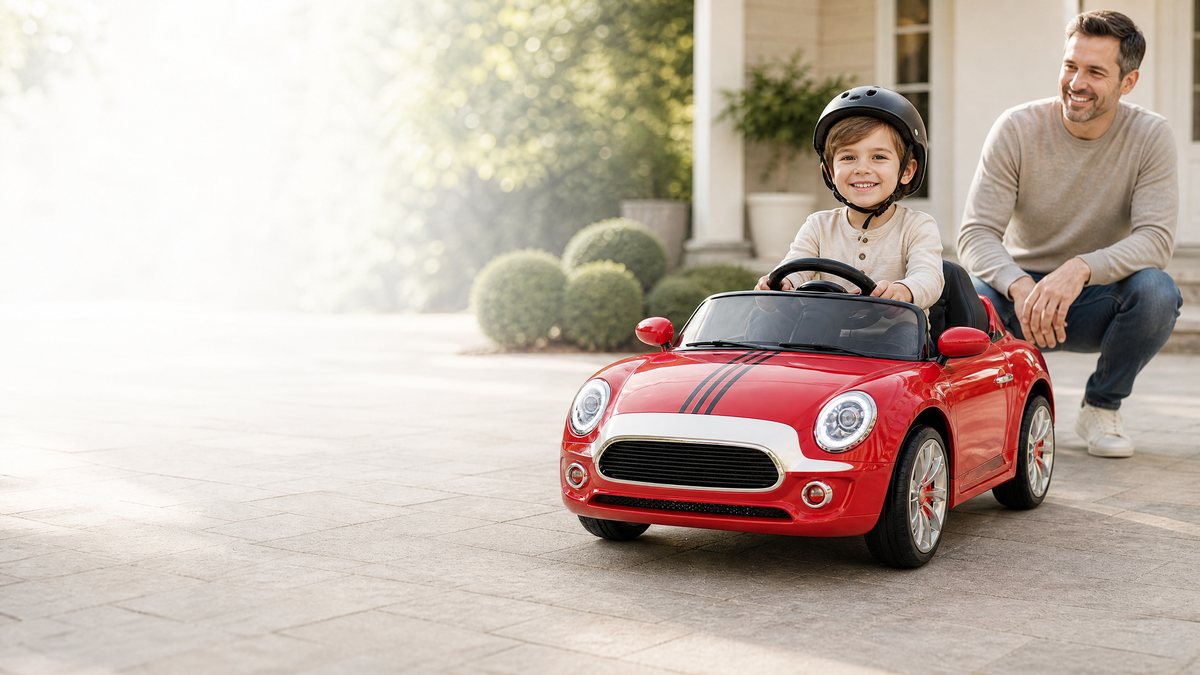
Constant, attentive adult supervision is mandatory whenever a child operates an electric ride-on car. Supervisors must maintain a clear, unobstructed line of sight and remain close enough to intervene instantly. Ride-on cars should only be operated in safe, controlled environments—such as flat, paved private driveways, enclosed yards, or designated pedestrian paths—completely away from public roadways, traffic, swimming pools, steep inclines, uneven terrain, and bodies of water. Adults must ensure that local weather conditions are dry and suitable, strictly avoiding operation in rain, snow, or nighttime darkness unless appropriate, manufacturer-approved lighting systems are installed and functioning.
Are ride-on car speed limits and age gradings universal across all models?
No. Speed limits, operational ranges, maximum weight capacities, and recommended age gradings vary significantly between different models, battery voltages, and motor configurations. Buyers and parents must never assume universal performance metrics. Always consult specific vehicle rated nameplates, official user manuals, and manufacturer written instructions to determine exact speed capabilities, weight limits, and age recommendations tailored to that specific unit.
What documentation should wholesale buyers request to verify manufacturing compliance?
Commercial importers and B2B wholesale buyers should proactively request comprehensive compliance documentation from manufacturers, including certified test reports from accredited laboratories, material safety data sheets (MSDS), electrical certification documents, and complete product user manuals. These documents ensure sourced vehicles meet international toy safety directives and provide transparent risk management data for retail distribution.
Conclusion
Evaluating safety features of an electric ride-on car is a multifaceted responsibility that directly impacts commercial success and consumer satisfaction. From structural integrity and robust electrical protection mechanisms to responsive parental remote overrides, soft-start acceleration, and reliable braking systems, every engineering detail contributes to a secure and enjoyable operating experience. By adhering strictly to manufacturer user manuals, rated nameplates, and continuous adult supervision, stakeholders can effectively mitigate operational risks.
Wholesale buyers seeking reliable, high-specification ride-on vehicles for global distribution can partner with established manufacturers committed to rigorous quality assurance. For inquiries regarding wholesale catalogs, technical specifications, and bulk procurement arrangements, please contact our team directly.
Request a wholesale quote
Official References
1. U.S. Consumer Product Safety Commission (CPSC). *General Toy Safety Education and Compliance Guidance*. Available from official CPSC safety publications and regulatory compliance summaries. Note: General CPSC educational materials and toy safety publications serve as general informational guidance only and do not constitute specific vehicle product certification, testing endorsement, or manufacturer user manual instructions.
2. International Standard for Toy Safety. *Safety of Toys - Part 1: Mechanical and Physical Properties / Electrical Safety Specifications*. Reference standards for motorized ride-on toy construction and electrical insulation requirements.
3. Manufacturer Technical Standards & Rated Nameplate Documentation. *Standard Operating Procedures and Model-Specific User Manuals for Electric Ride-On Vehicles*. Definitive operational limits, charging protocols, and maintenance guidelines provided directly by accredited producers.
Official references
Explore these external resources for current regulatory and trade guidance. Confirm requirements with the relevant authority before placing an order.
Ready to Start?
Factory-Direct · CE & ASTM Certified · MOQ from 50 Units
Our export team works with buyers in 60+ countries. Get a quote within 24 hours.
KR
Written by KidsRideCar
China's leading kids electric ride-on car manufacturer. 500,000+ units shipped annually to 60+ countries. CE, ASTM & EN71 certified.