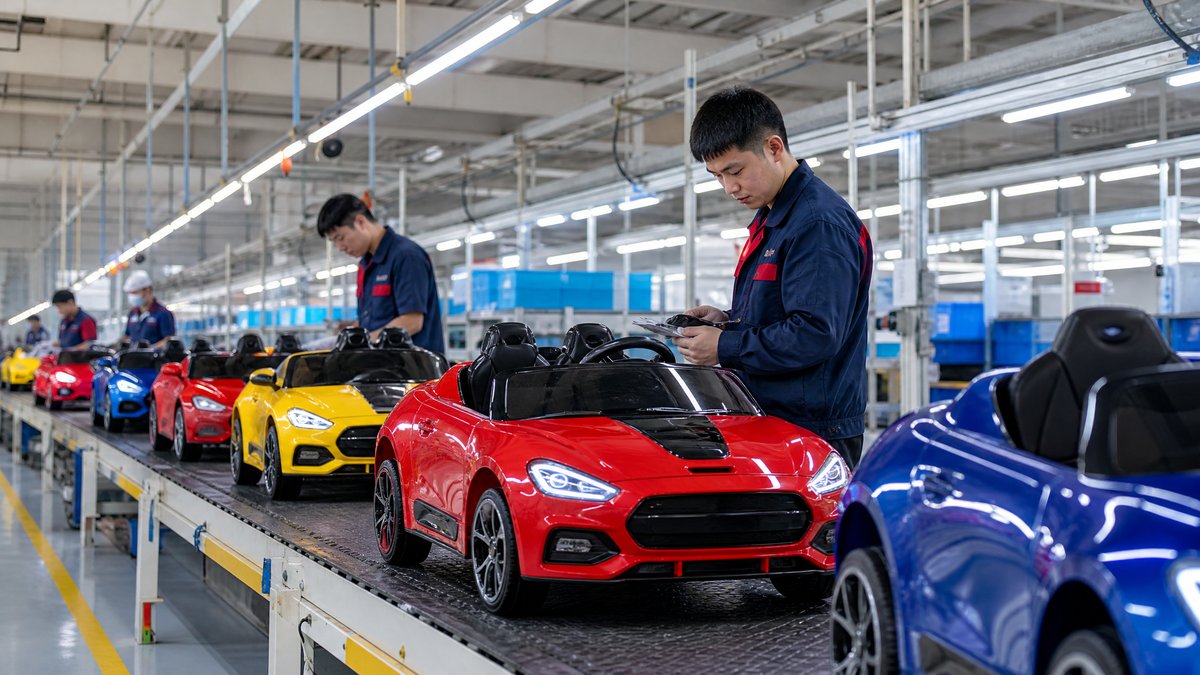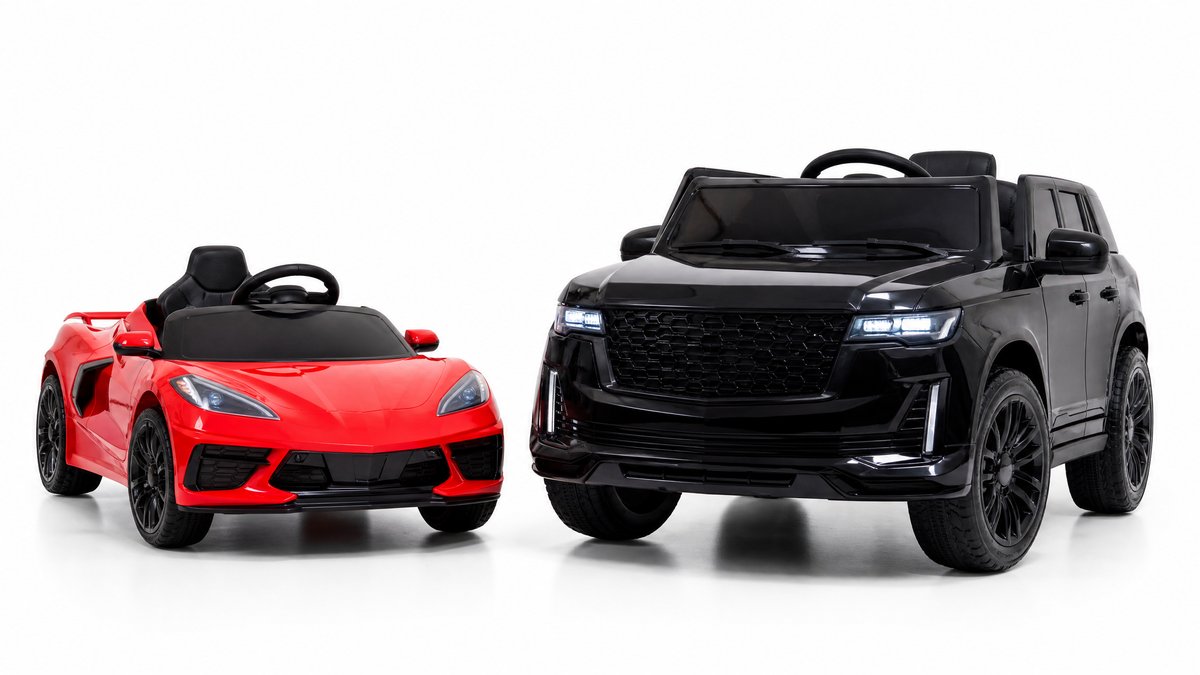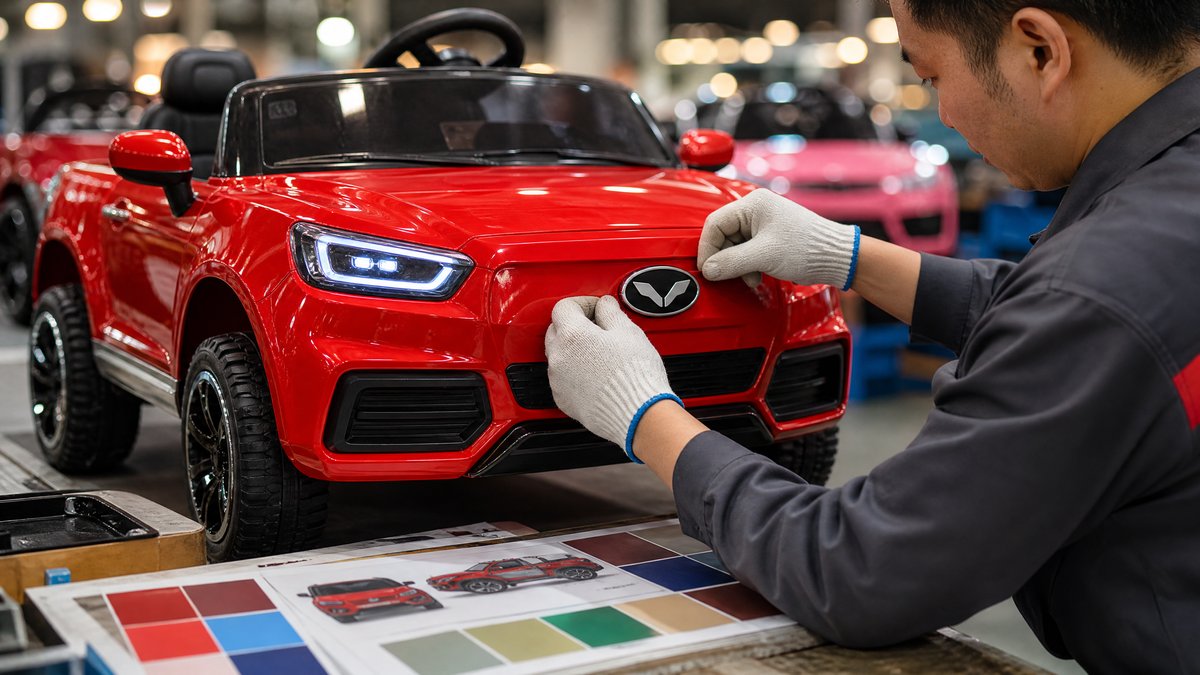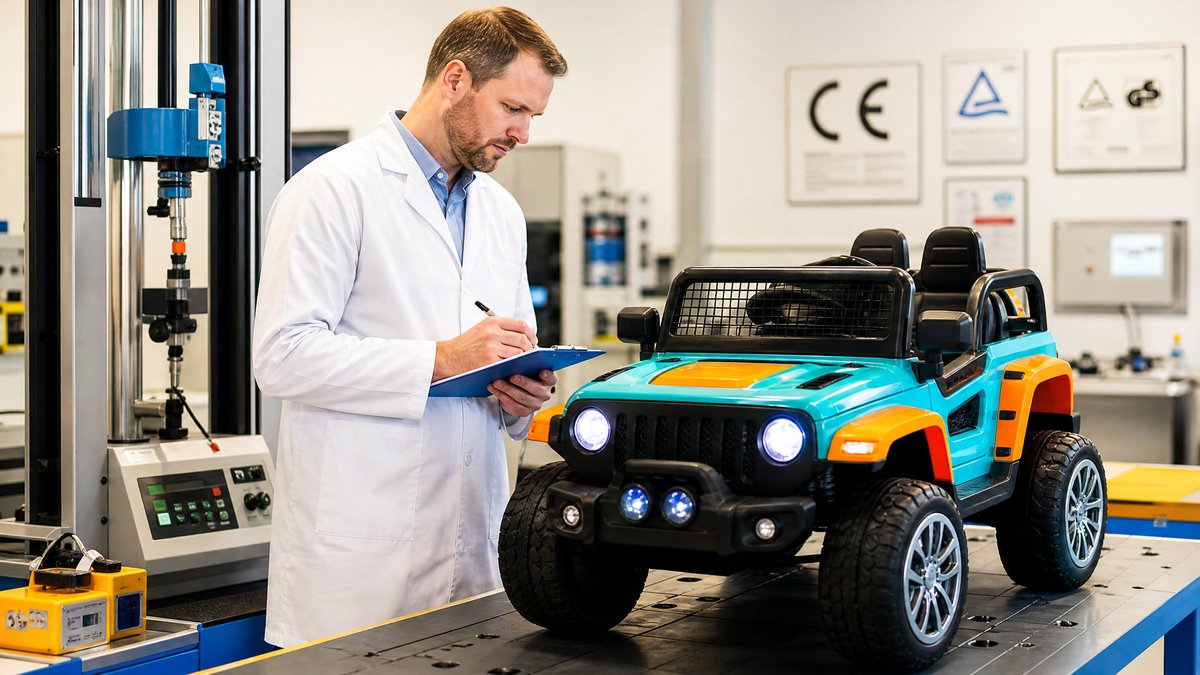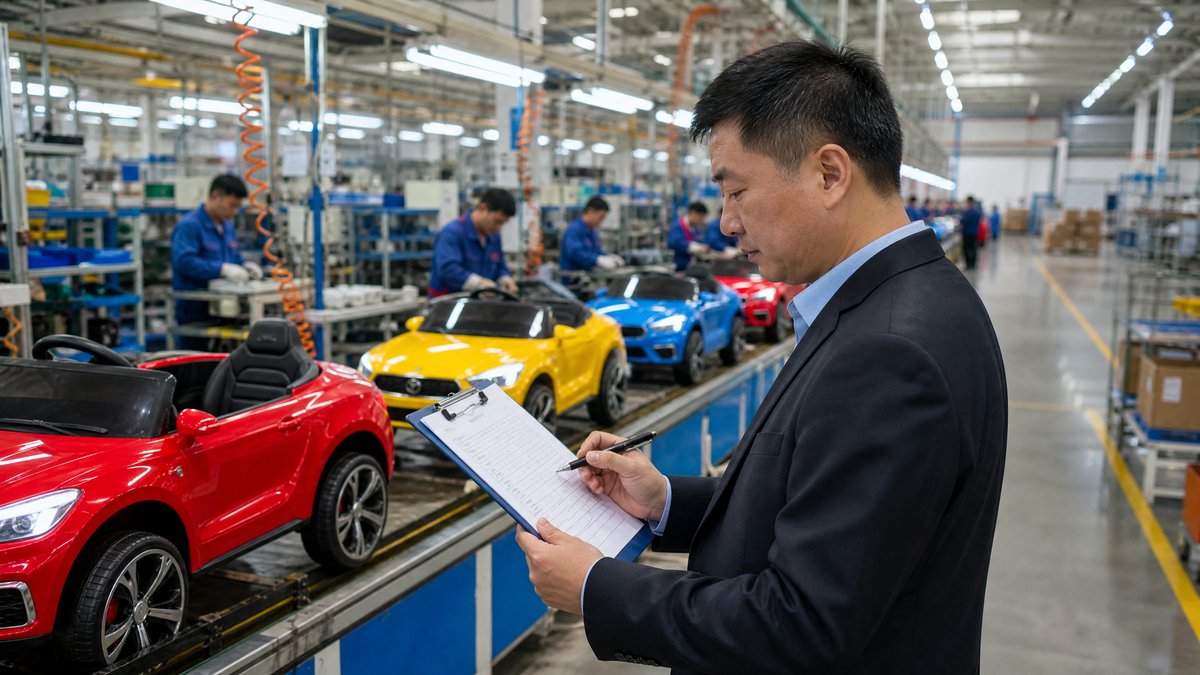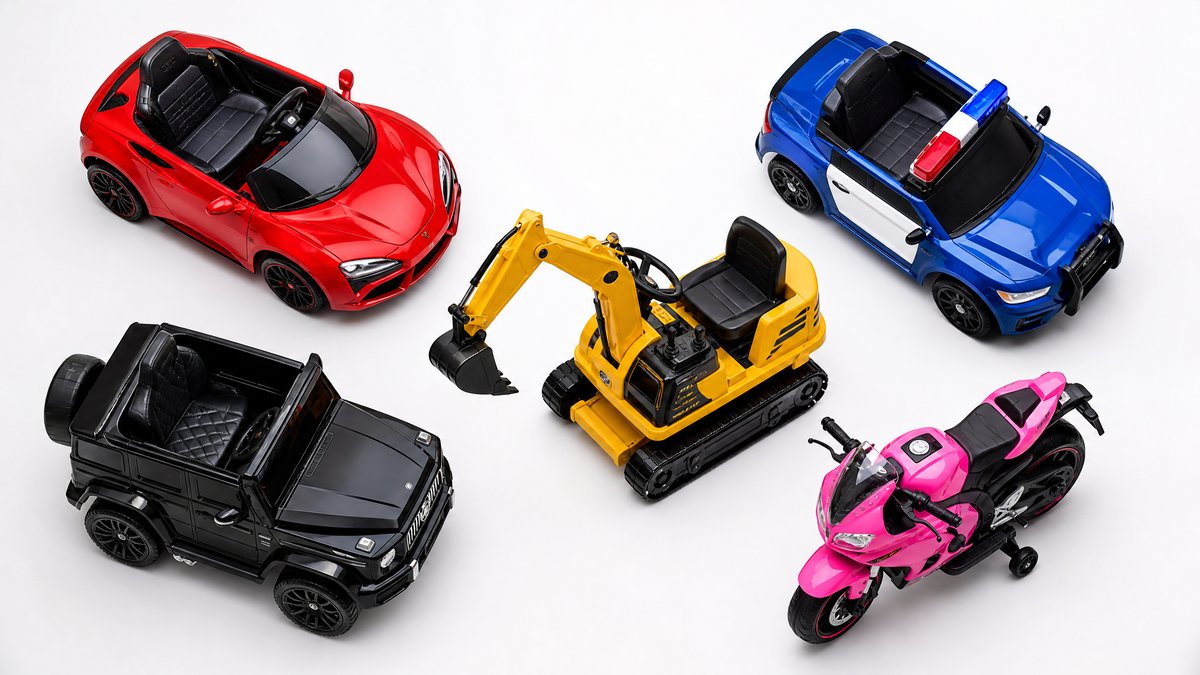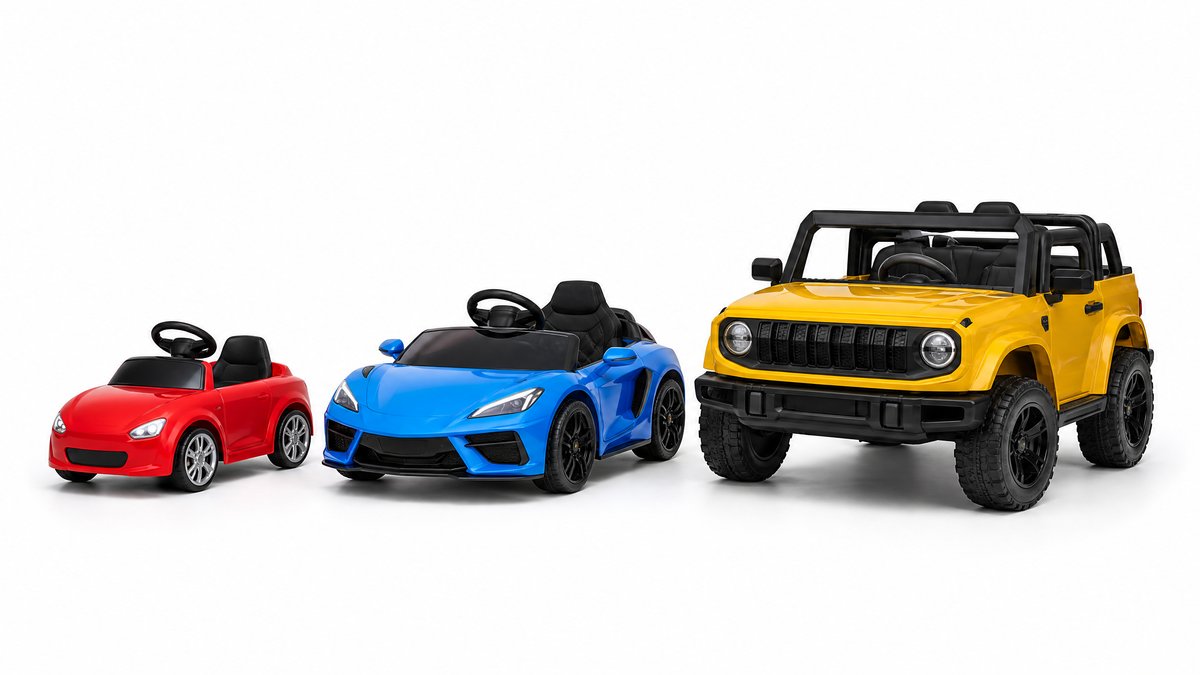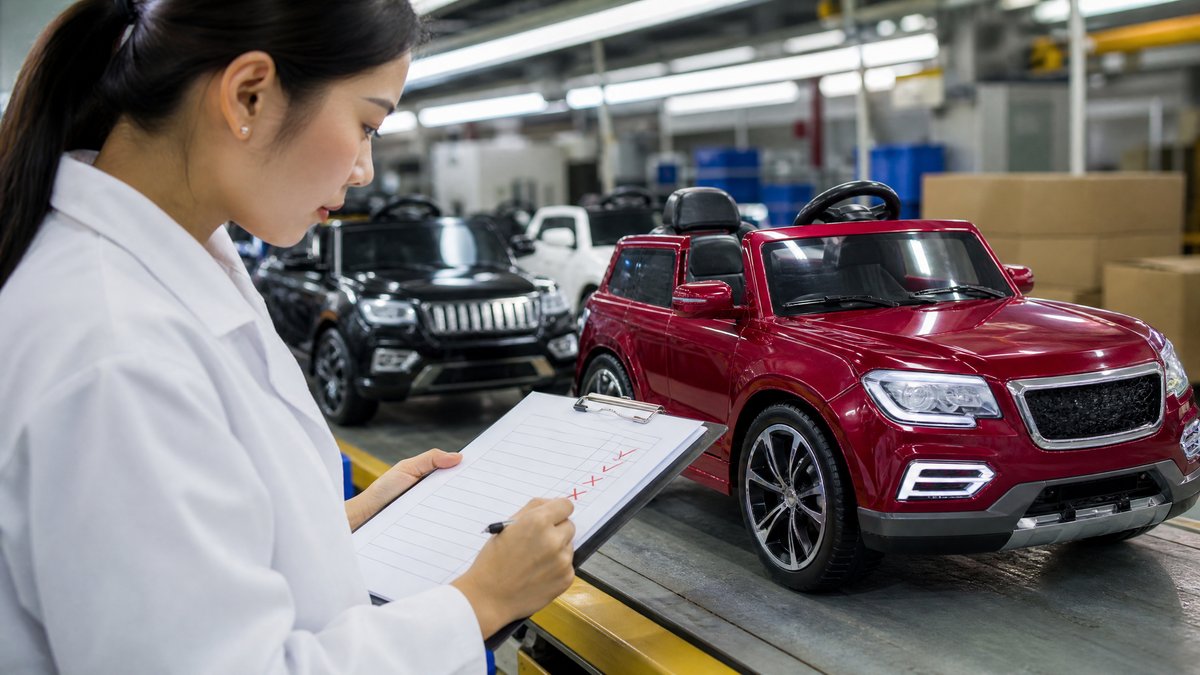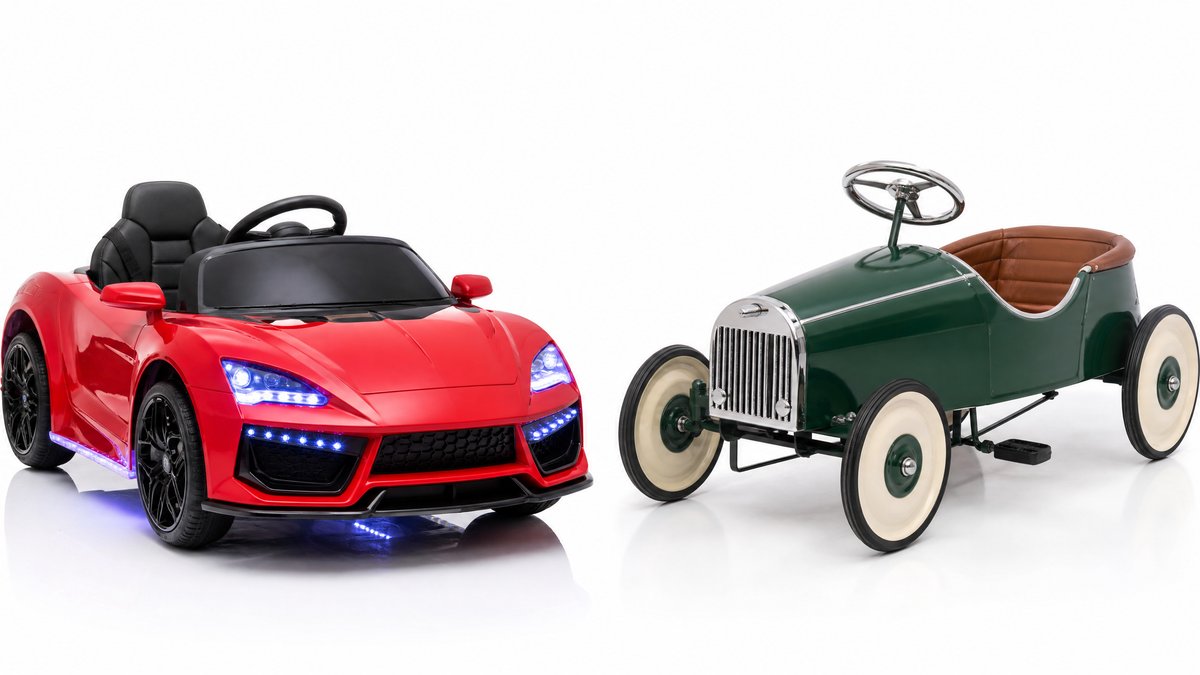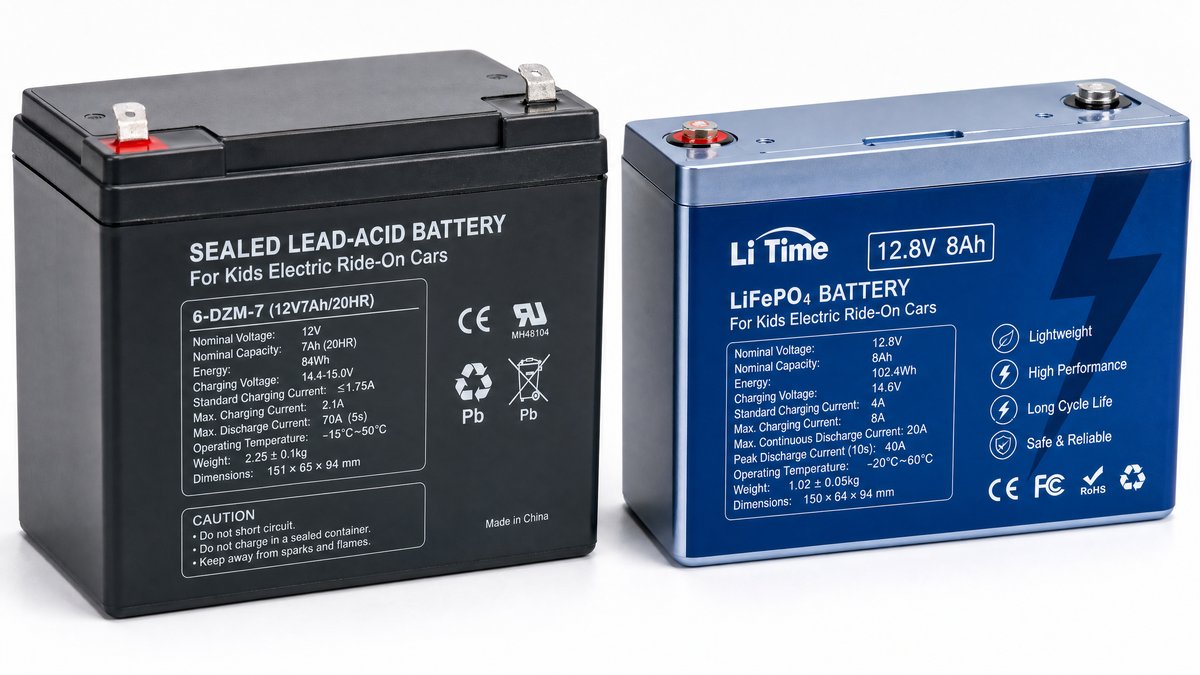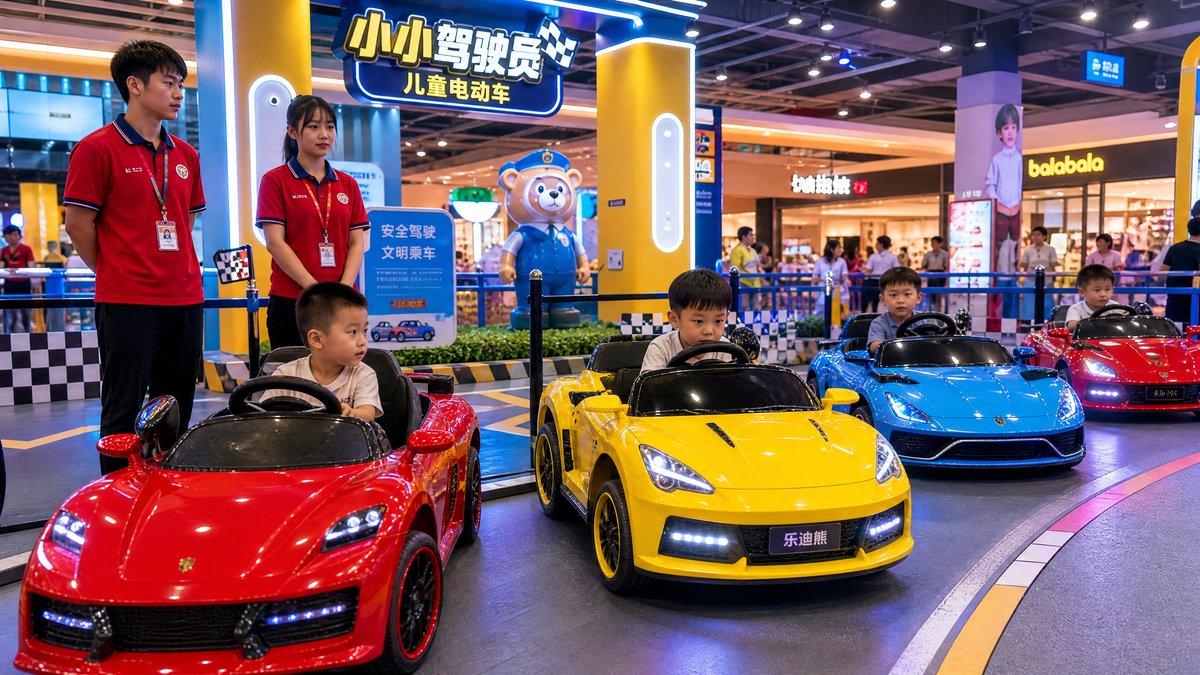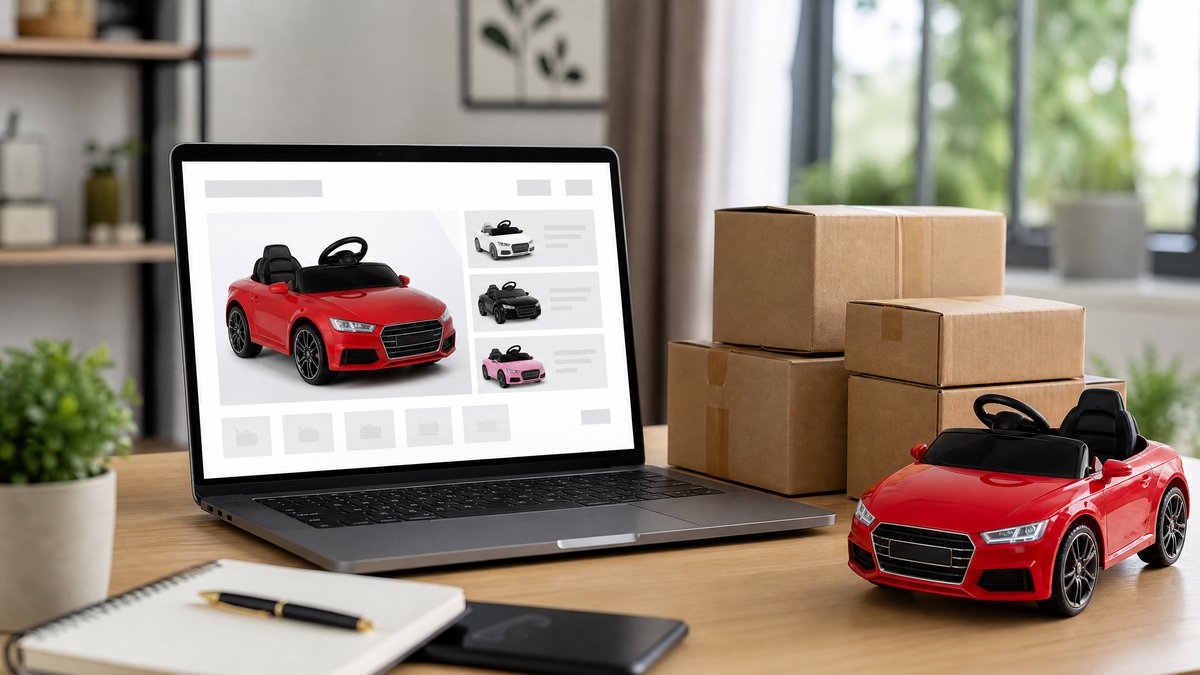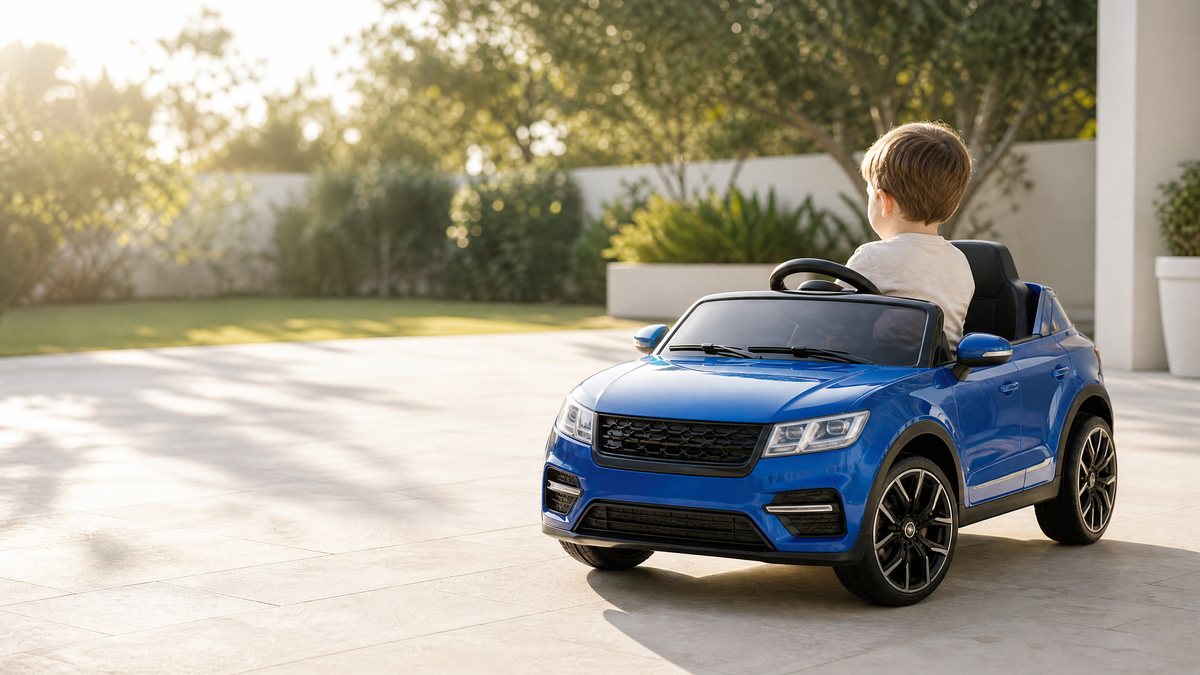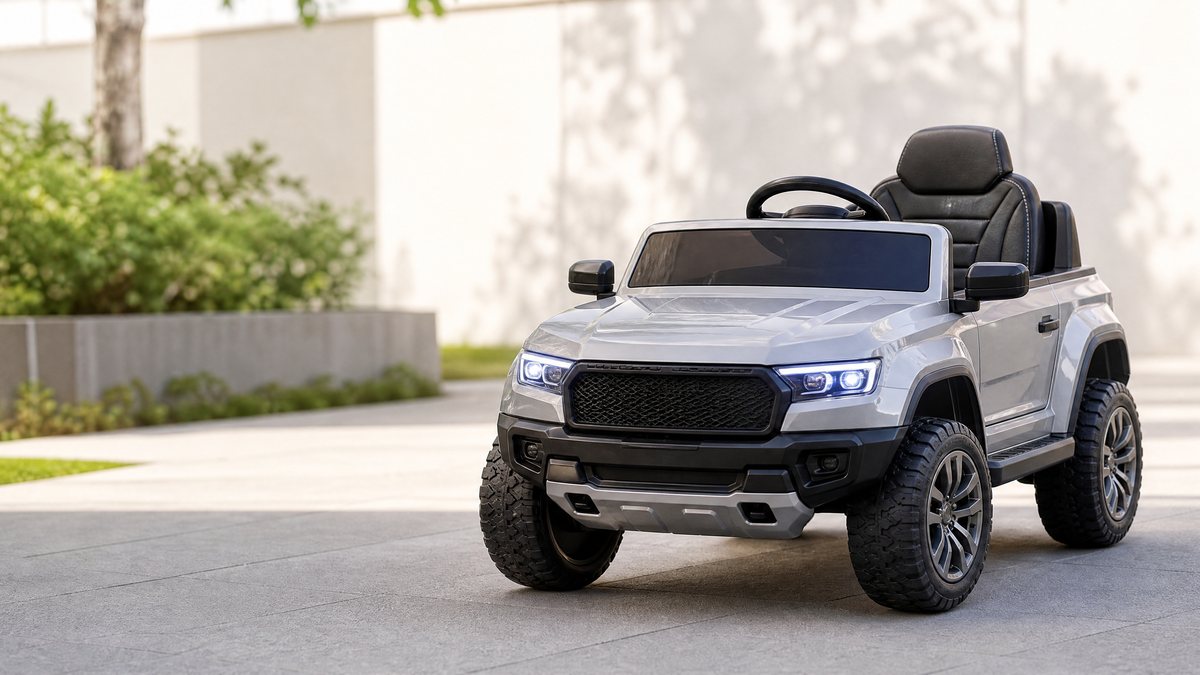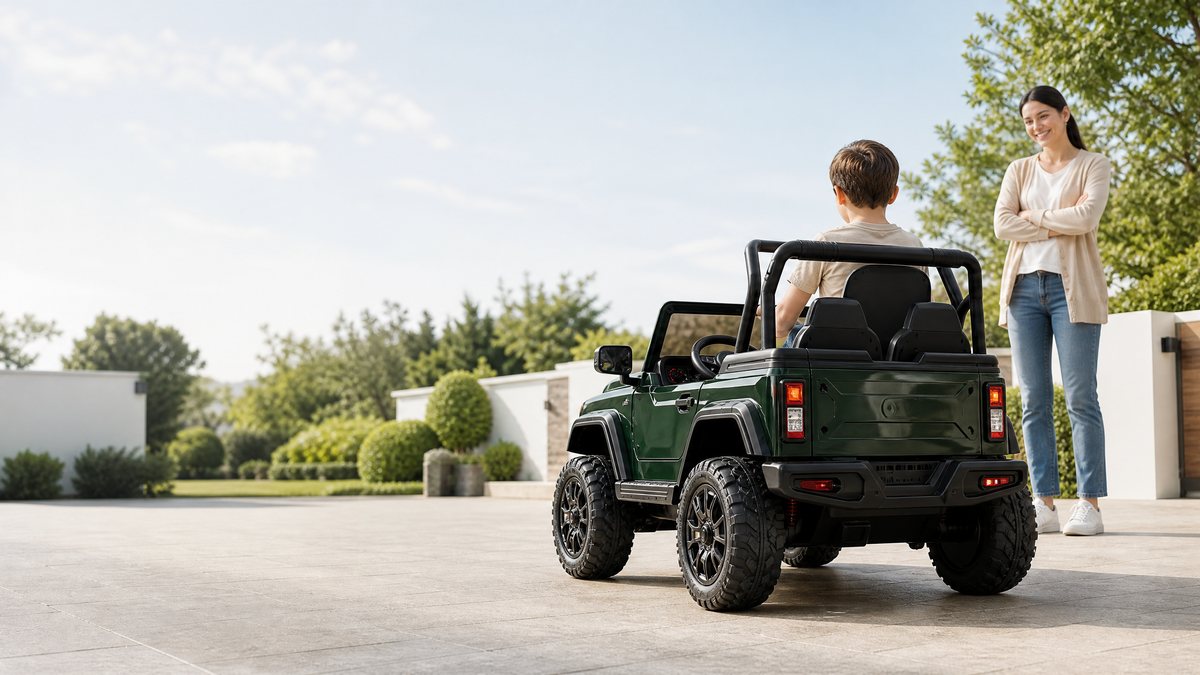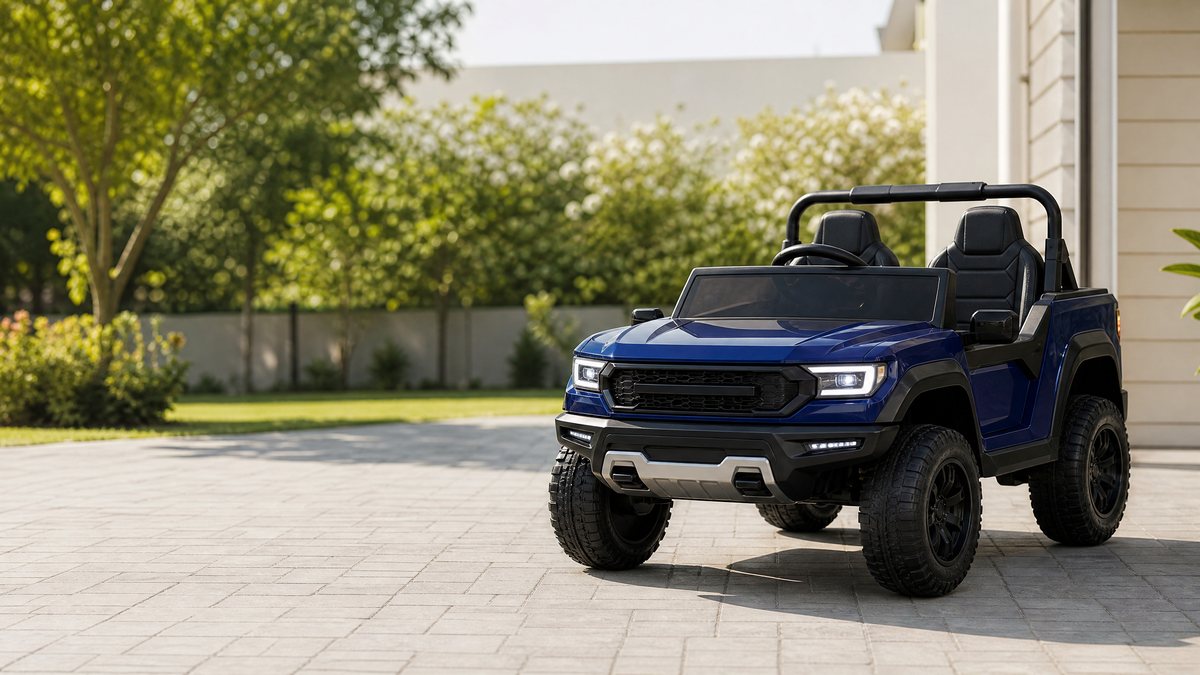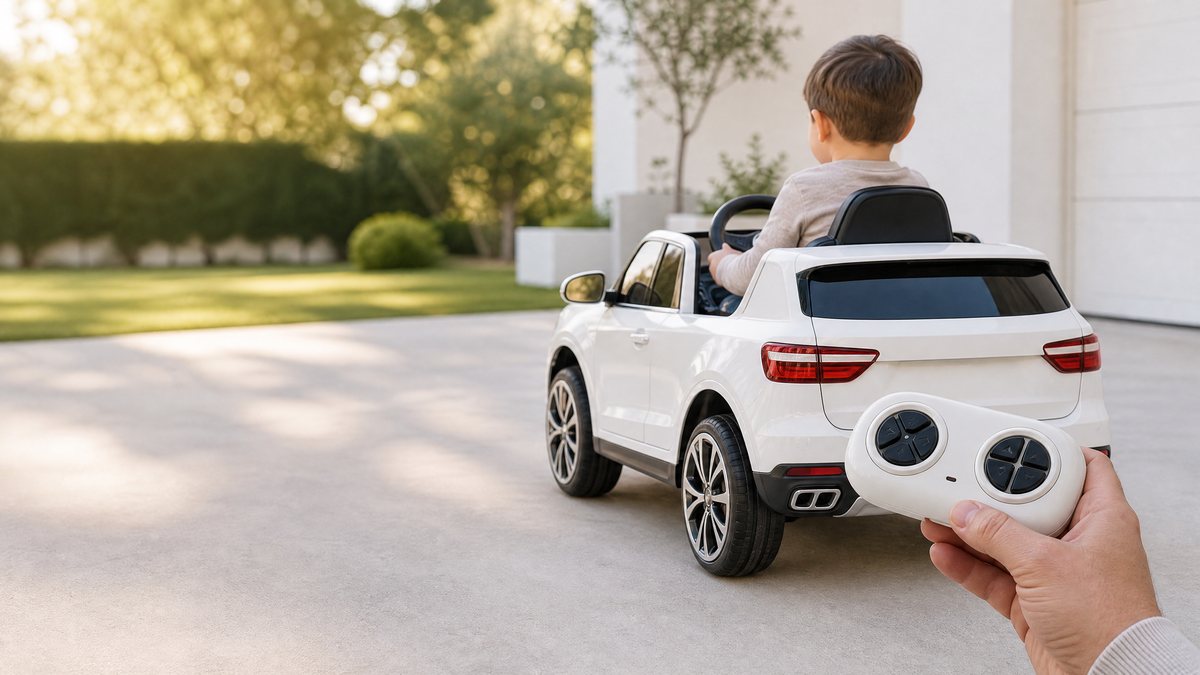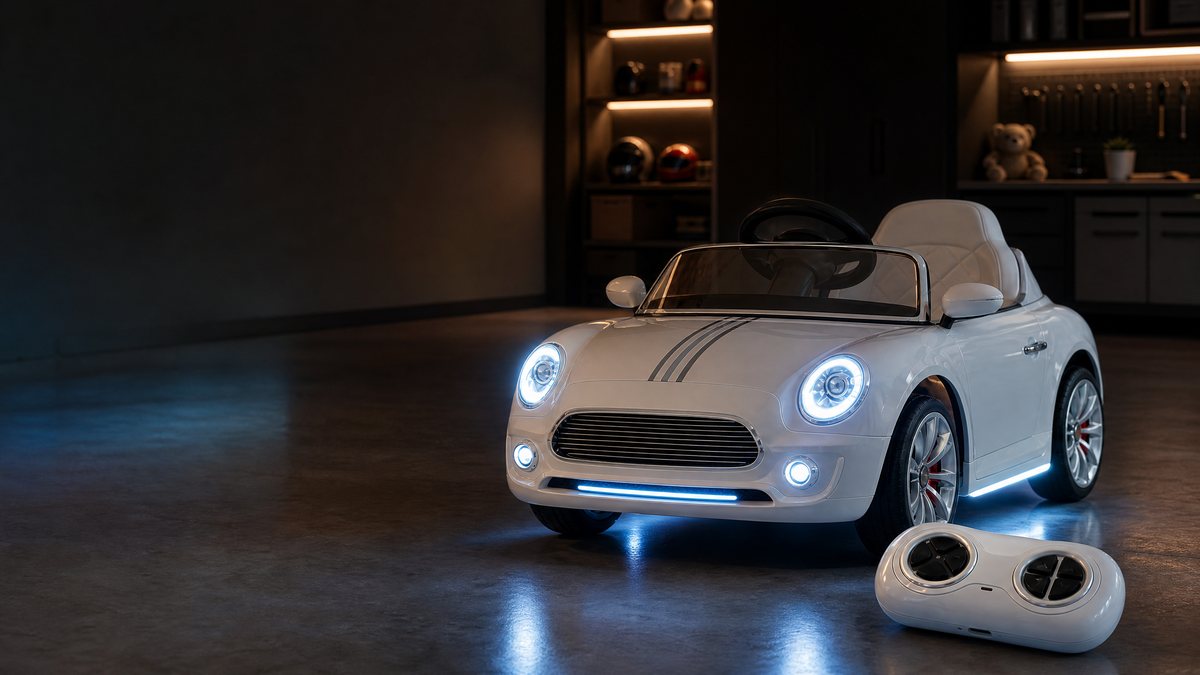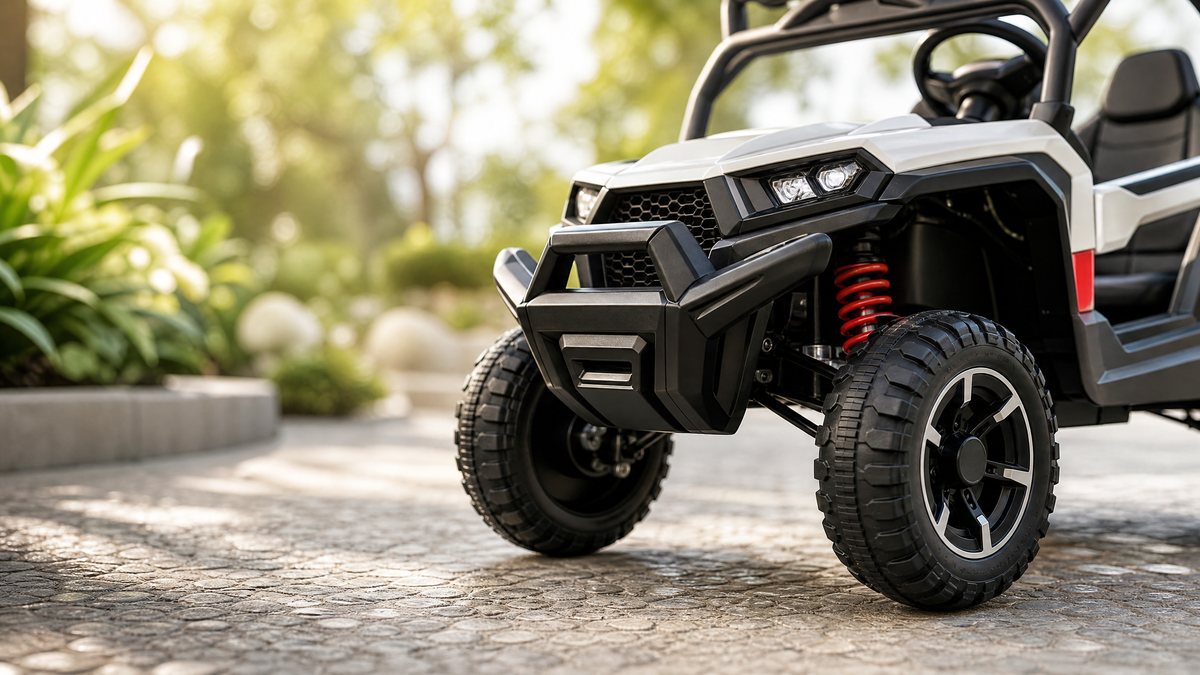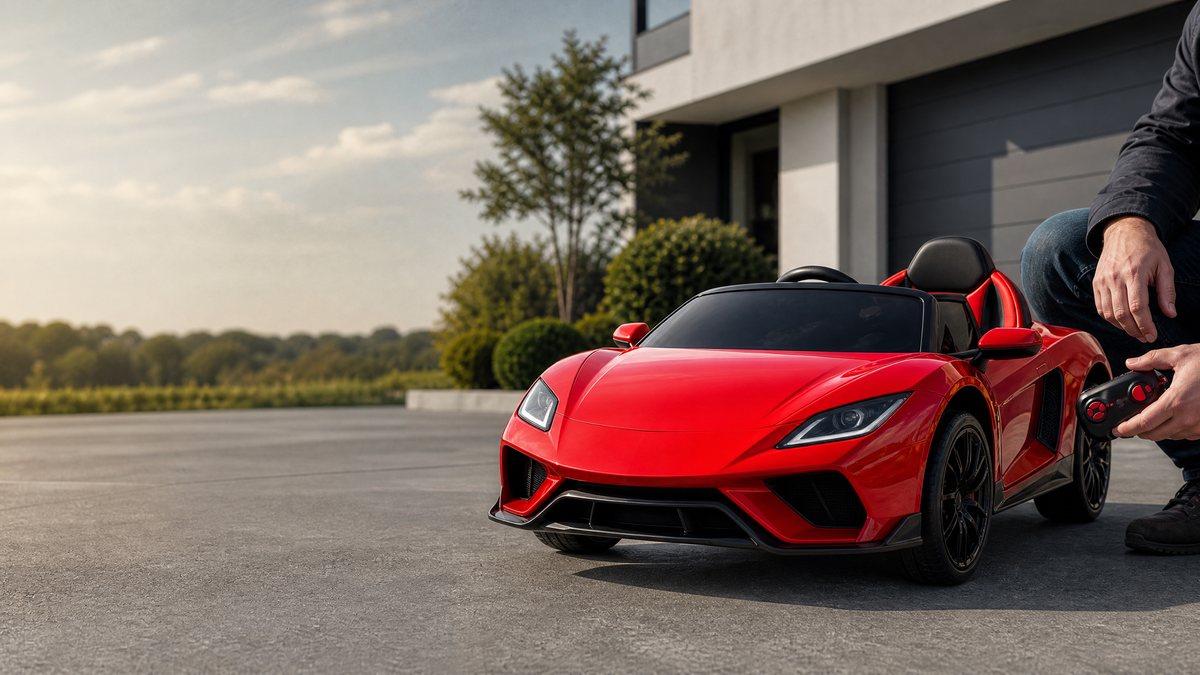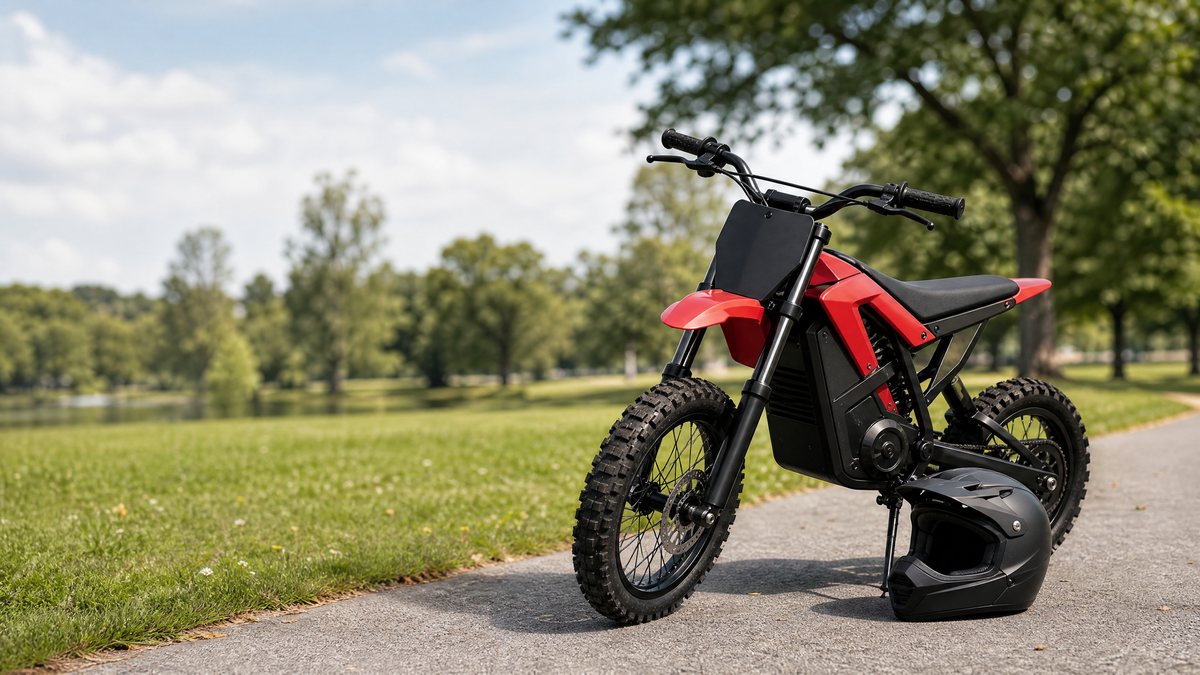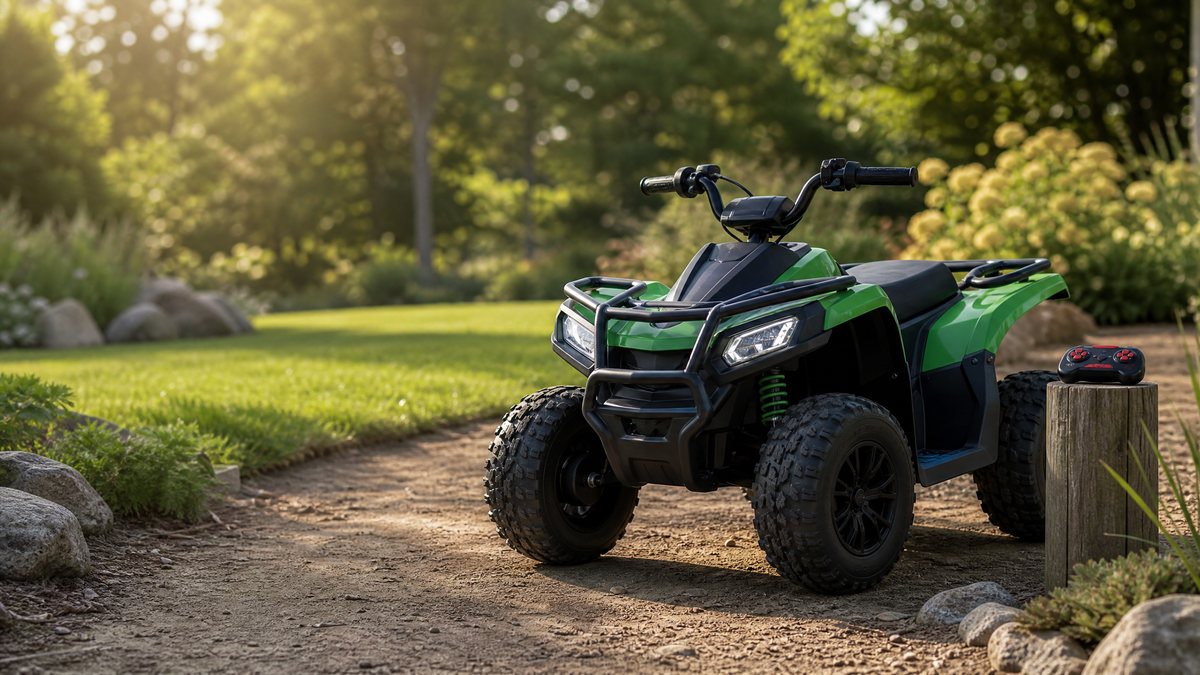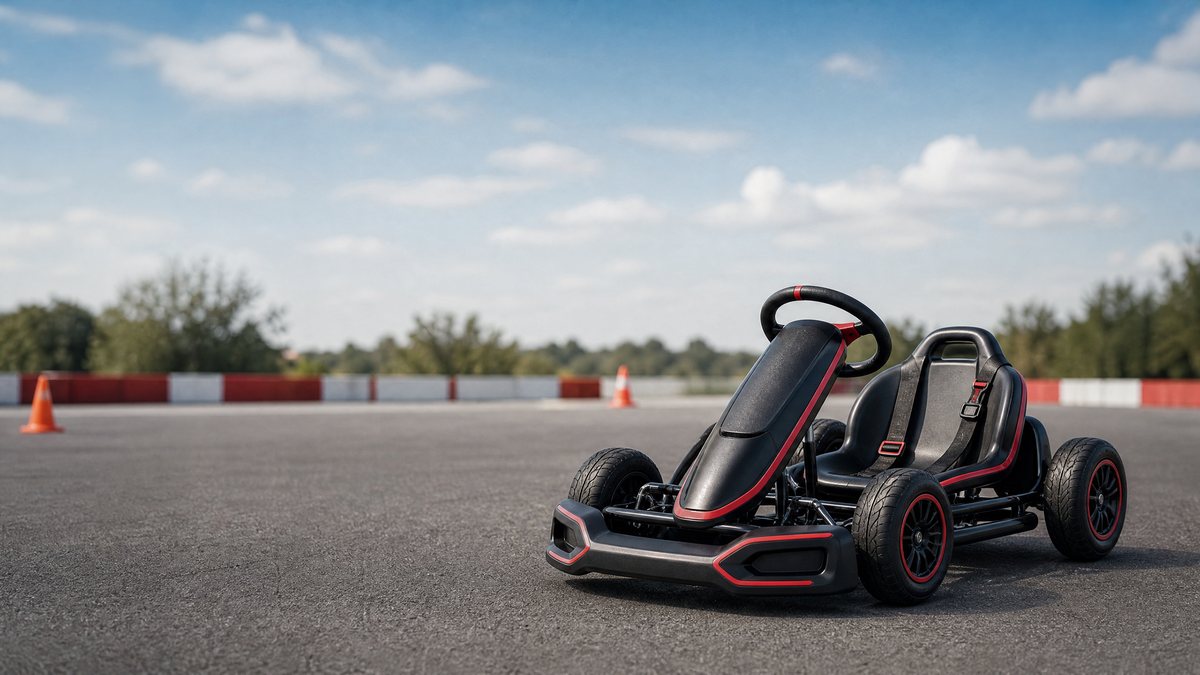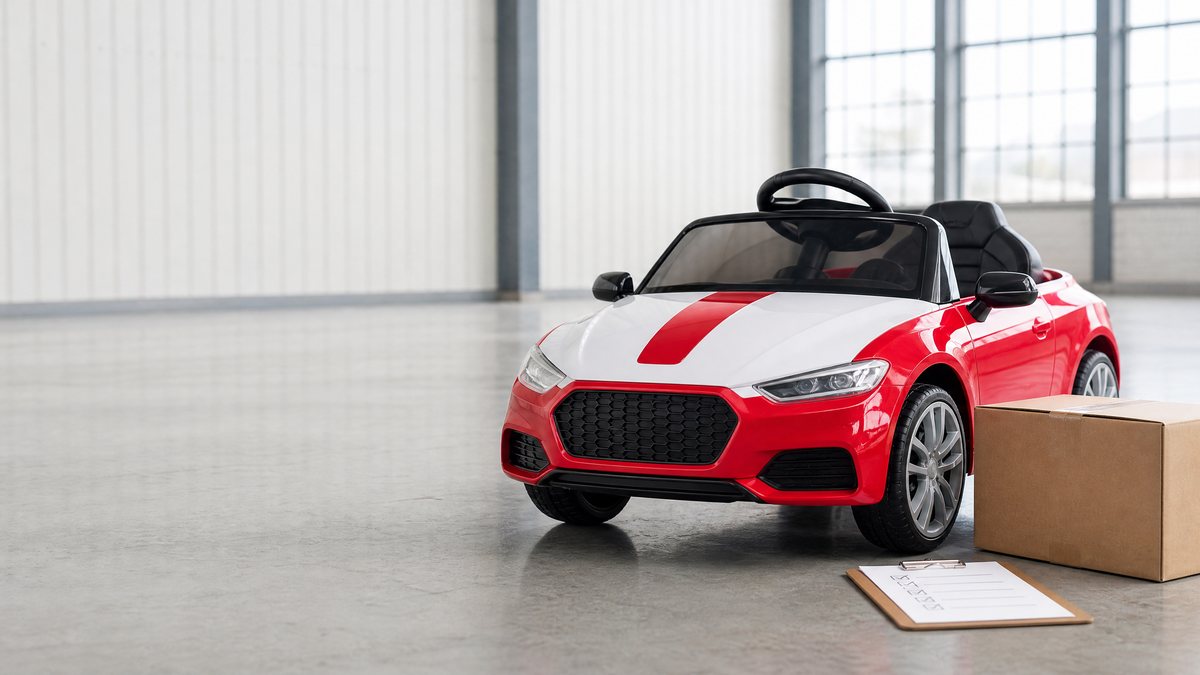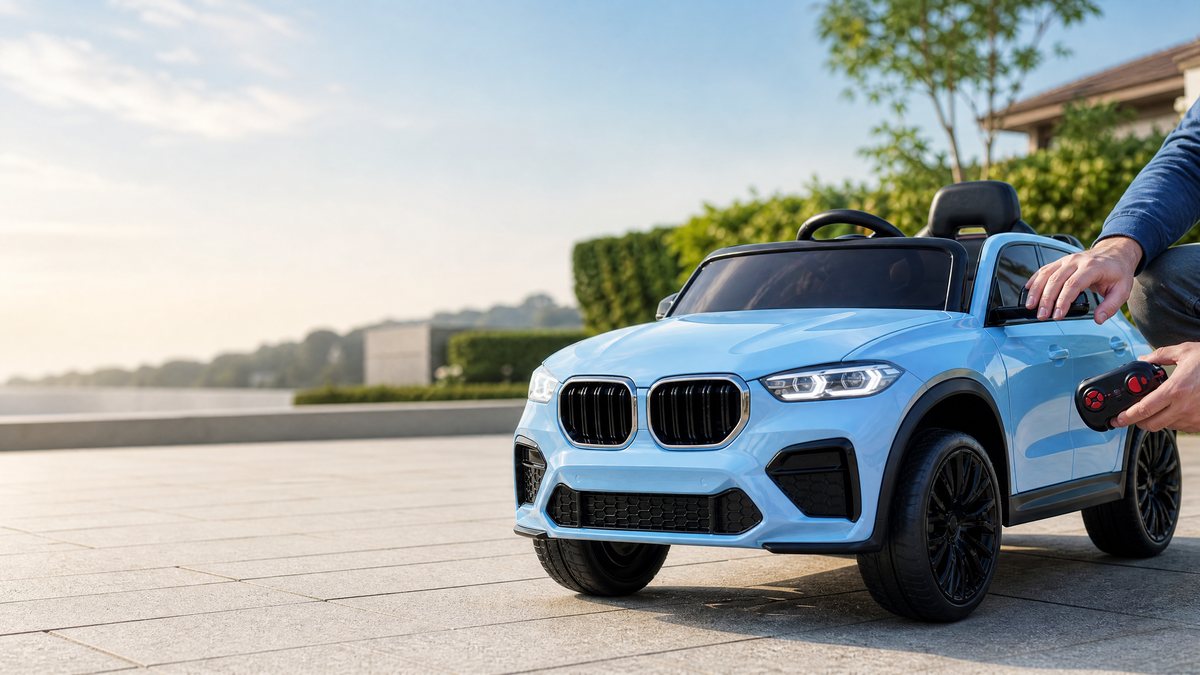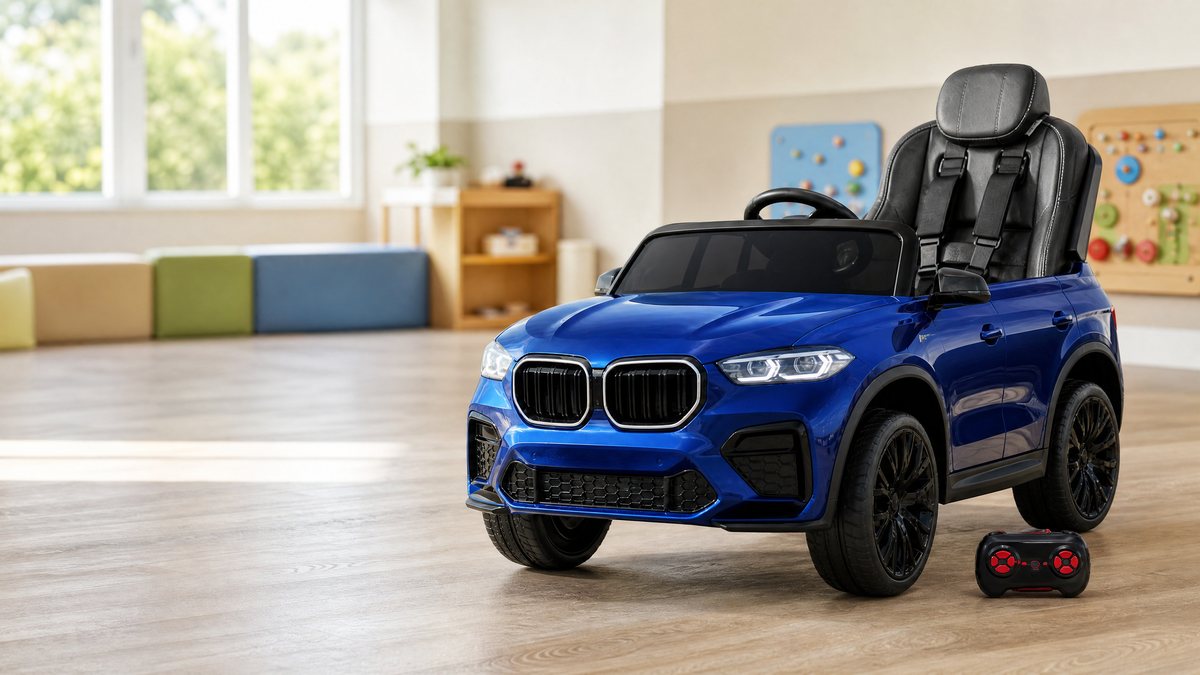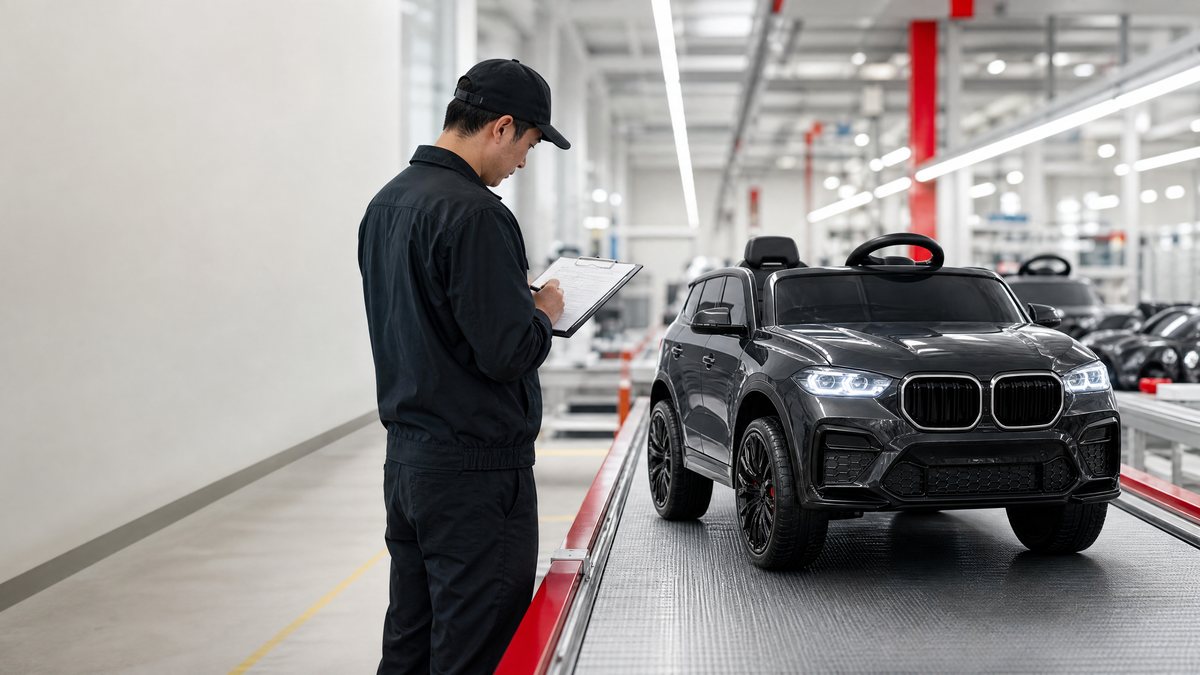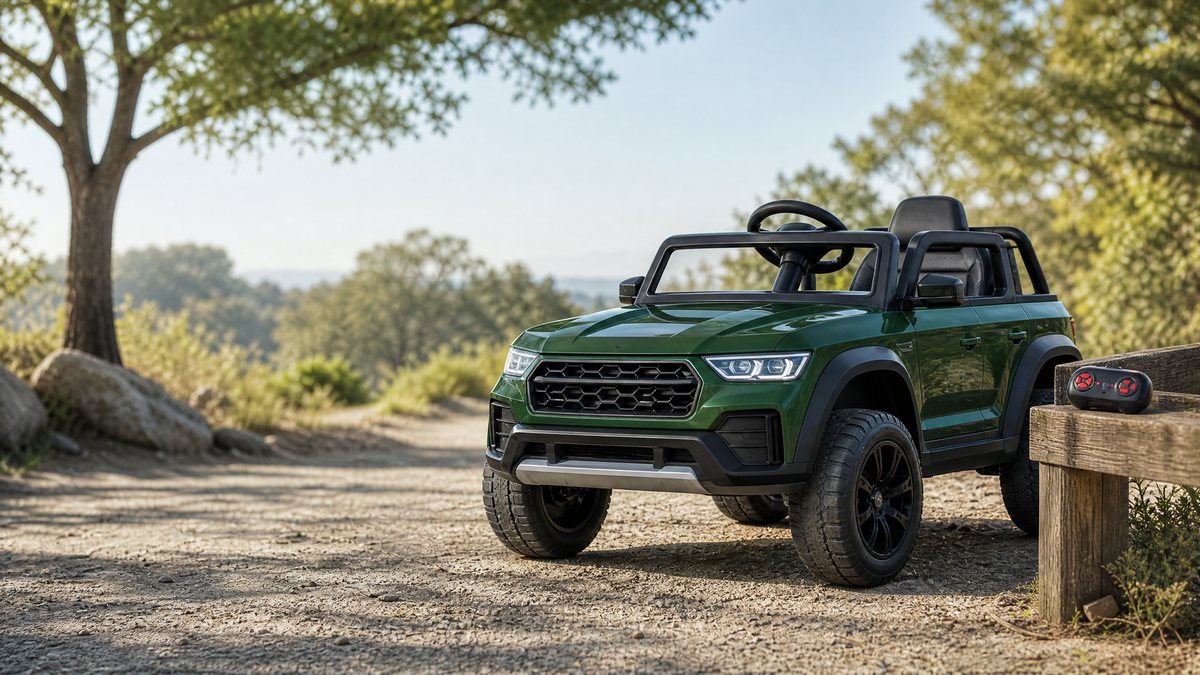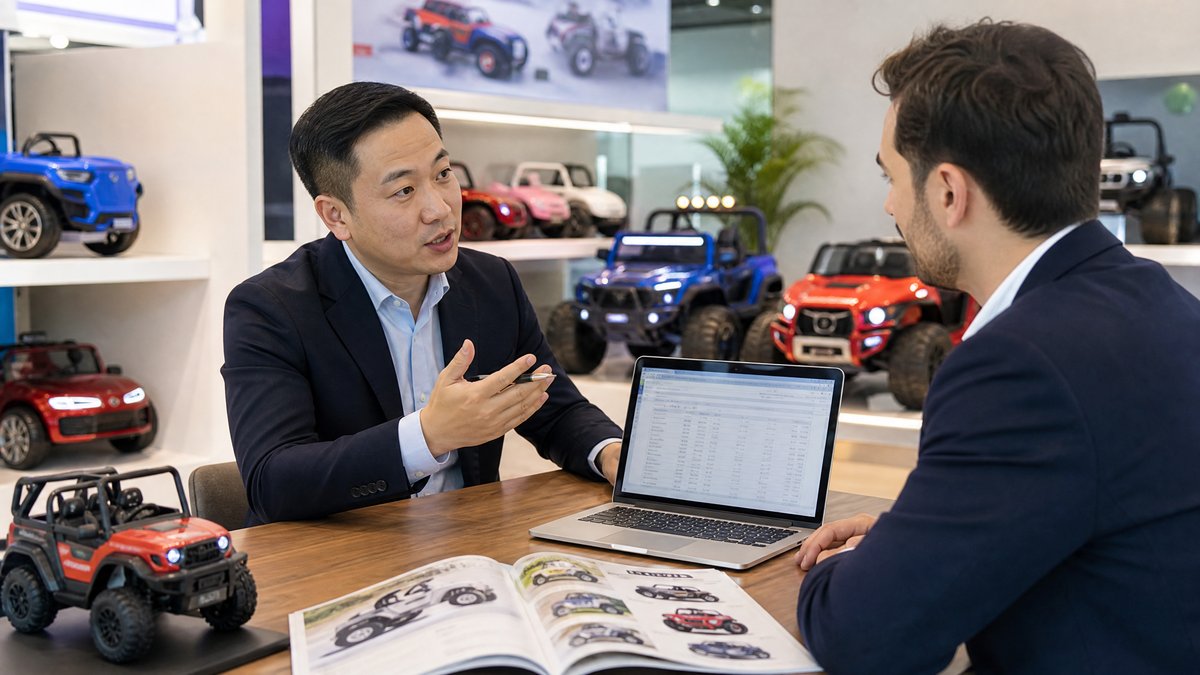
The global market for children's electric ride-on cars has experienced exponential growth over the past decade, transitioning from simple seasonal novelties into sophisticated, high-demand juvenile mobility products equipped with advanced features such as parental remote controls, multi-speed gearboxes, integrated Bluetooth audio systems, and realistic LED lighting arrays. For B2B distributors, wholesale importers, mass-market toy retailers, and commercial amusement facility operators, maintaining end-user satisfaction extends far beyond the initial point of sale. A critical pillar of long-term commercial success, brand reputation, and customer loyalty is robust after-sales support, which inherently involves the availability, sourcing, distribution, and proper maintenance of replacement parts. When components experience normal wear and tear during active outdoor or indoor play—such as drive wheels, battery chargers, steering linkages, foot pedals, or control switches—industry stakeholders and retail consumers frequently ask the fundamental question: can I buy replacement parts for a ride-on car?
The short answer is affirmative, but navigating the procurement and installation of replacement components requires a nuanced understanding of manufacturing standards, global supply chain ecosystems, electrical classifications, and compatibility frameworks. Availability, warranty scopes, and precise specifications vary by model, region, and seller; check the exact manual, listing, and written terms before committing to bulk purchases, retail distribution agreements, or individual repairs. For B2B buyers, retail managers, and commercial fleet operators, establishing a reliable, verified supply chain for replacement parts minimizes operational downtime, reduces product return rates, and reinforces consumer trust. To discuss comprehensive wholesale catalog offerings, bulk component sourcing, and dedicated after-sales support programs, commercial buyers can Request a wholesale quote. Furthermore, understanding regional regulatory frameworks ensures that all imported components meet local electrical safety requirements and consumer protection standards across diverse international markets and distribution channels.
The B2B Landscape of Ride-On Car Components
In the competitive business-to-business toy and juvenile products sector, after-sales service readiness has emerged as a primary differentiator among competing brands and distributors. Retailers and wholesale importers sourcing electric ride-on vehicles must evaluate not only the upfront wholesale unit price and aesthetic appeal of the cars, but also the structural backing provided by the manufacturing partner regarding spare parts availability. Unlike traditional consumer goods or static toys, ride-on cars combine complex mechanical drive systems, intricate electrical circuits, durable injection-molded plastic chassis components, and computerized control units. Consequently, individual components age at varying rates depending on usage frequency, terrain conditions, climatic factors, and operator weight distribution.
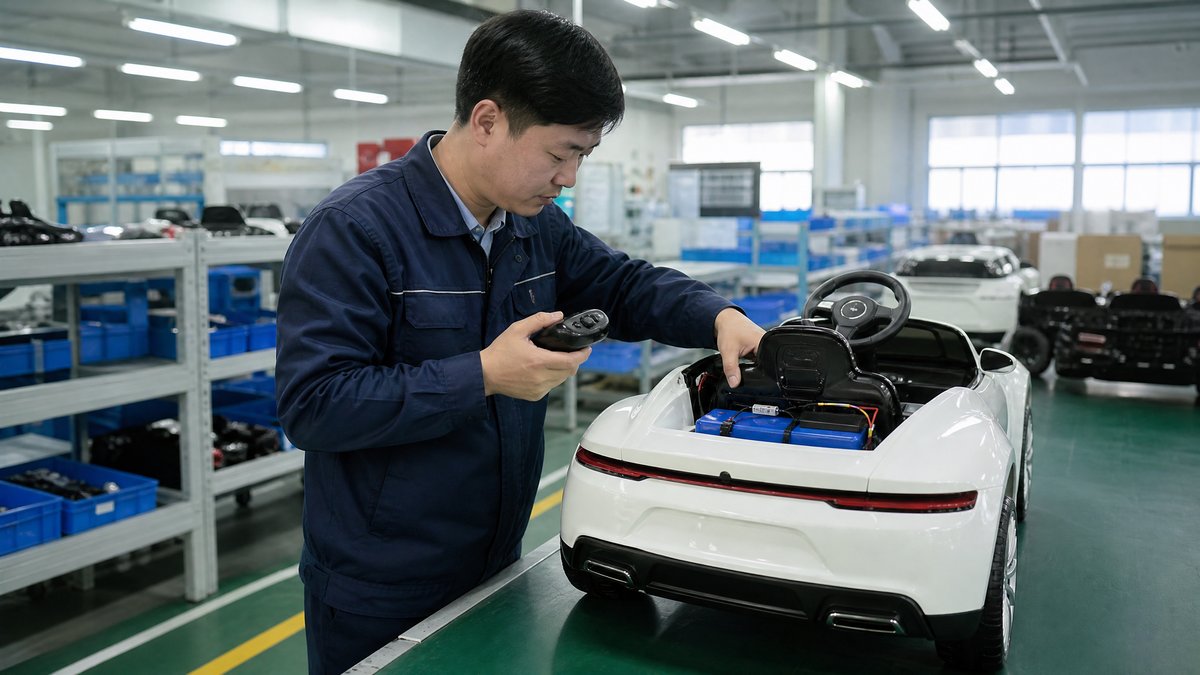
Sourcing replacement parts through established wholesale channels ensures component consistency, structural reliability, and operational safety. However, international industry participants must recognize that parts ecosystems are rarely uniform across different manufacturing plants, brands, and model generations. Availability and compatibility vary by model, region, and seller; check the exact manual, listing, and written terms. Wholesalers who proactively stock high-turnover maintenance items—such as replacement 12V and 24V smart chargers, steering gearboxes, 2.4G remote control handsets, treaded rubber-band drive wheels, and replacement foot accelerator switches—empower their retail networks to resolve minor maintenance issues swiftly. This proactive approach prevents costly whole-unit returns, reduces warranty claims friction, and enhances overall supply chain efficiency across international distribution networks. Furthermore, commercial fleet operators managing rental fleets in amusement parks, family entertainment centers, or resort properties rely heavily on predictable spare parts replenishment schedules to maintain operational continuity and maximize asset utilization across peak operating seasons. Integrating spare parts into scheduled container shipments alongside full vehicle orders also optimizes freight costs and streamlines international logistics management.
Navigating Compatibility and Specification Challenges in Wholesale Procurement
One of the most frequent hurdles encountered by retailers, technical support personnel, and end consumers is ensuring absolute compatibility between a replacement component and the target ride-on vehicle. It is a common misconception among retail buyers that electronic and mechanical parts are universally interchangeable within similar voltage classes or brand families. In reality, subtle engineering variations across production batches can render a replacement part incompatible, inefficient, or potentially hazardous. Voltage ratings (such as 6V, 12V, or 24V systems), gearbox housing dimensions, motor RPM specifications, wiring harness connector pinouts, switch terminal configurations, and physical mounting bracket placements differ significantly across manufacturing batches and model iterations.
When evaluating component replacements, procurement professionals must rely on precise technical documentation, factory parts diagrams, and serial number cross-referencing rather than visual estimation. Variations by model, region, and seller mean that checking the exact manual, listing, and written terms is mandatory before finalizing any procurement order. Mismatched parts can lead to premature mechanical wear, electrical system strain, or functional failure. To illustrate the operational distinctions between sourcing original equipment manufacturer (OEM) parts versus third-party aftermarket alternatives, consider the comparative framework outlined below.
| Evaluation Metric | Original Equipment Manufacturer (OEM) Parts | Third-Party Aftermarket Parts |
|---|---|---|
| Compatibility Assurance | High; engineered specifically for the designated vehicle model, chassis type, and production run. | Variable; requires careful cross-referencing of voltage, physical dimensions, and connector pinouts. |
| Wholesale Availability | Tied directly to manufacturer production schedules, factory lines, and authorized distributor networks. | Often widely distributed through general juvenile accessories suppliers and independent distributors. |
| Compliance & Documentation | Backed by factory testing standards, quality control audits, and model-specific technical documentation. | May lack formal brand-specific testing validation, regulatory labeling, or comprehensive documentation. |
| Cost Structure | Typically higher unit cost reflecting factory authorization, brand compliance, and quality assurance. | Frequently lower unit cost, appealing to budget-conscious bulk buyers and high-volume repair operations. |
| Warranty & Terms | Subject to structured manufacturer warranty scopes (varies by model, region, and seller terms). | Governed by individual seller terms, third-party return policies, and limited distributor guarantees. |
Safety Boundaries, Compliance, and Professional Service Protocols
When addressing maintenance, repair coordination, and parts replacement for children's ride-on vehicles, safety compliance is paramount. B2B operators, retail staff, and consumers must operate strictly within established safety and technical boundaries. It is crucial to emphasize that internal electrical repairs, terminal modifications, wiring harness alterations, internal control board manipulations, multimeter diagnostic testing, unauthorized component modifications, or battery and motor upgrades must never be performed without formal manufacturer authorization and certified technician oversight. Retailers and commercial distributors play a vital educational role by ensuring that end-users receive clear safety warnings and instructions regarding proper component handling and authorized service pathways.
Furthermore, safety standards, regulatory certifications, and testing results vary by model, region, and seller; check the exact manual, listing, and written terms. If a vehicle exhibits any signs of operational abnormality—such as unusual chemical odors, excessive heat dissipation, smoke emission, water ingress, severe cable fraying, or persistent electrical failure—immediate emergency protocols must be enacted. Users and operators must stop using and charging the vehicle immediately, power down the main system switch, keep children safely away from the apparatus, and contact the manufacturer or qualified service personnel. Unless specific model documentation explicitly outlines user-serviceable procedures, assuming component interchangeability or unauthorized modification poses significant safety risks.
Wholesale Sourcing and Inventory Management for Retailers
For B2B distributors and volume retailers, managing inventory for ride-on car replacement parts requires a strategic balance between holding sufficient stock for after-sales support and avoiding capital immobilization in slow-moving inventory items. High-turnover replacement parts typically include exterior aesthetic elements and consumable accessories—such as remote control handsets, battery chargers with regional plug standards, steering wheels, side mirrors, and exterior decal sets. Conversely, core electrical components and gearboxes require careful demand forecasting based on historical sales volumes, seasonal purchasing patterns, and regional climate conditions.
Establishing clear communication channels with manufacturing partners ensures that bulk buyers receive accurate inventory forecasts, lead-time estimates, and timely fulfillment updates. Because lead times and supply chain terms vary by model, region, and seller, checking the exact manual, listing, and written terms is essential during contract negotiations. Retailers who provide transparent after-sales parts catalogs to their dealer networks build long-term loyalty and competitive advantage in the juvenile mobility market. Furthermore, strategic inventory planning helps mitigate seasonal supply chain fluctuations, ensuring continuous parts availability during peak retail periods. Commercial buyers seeking to establish or expand their wholesale parts inventory can Request a wholesale quote.
Frequently Asked Questions
Can I buy replacement parts for any ride-on car model?
Replacement parts availability varies widely depending on the manufacturer, production year, distribution channel, and specific vehicle model. While popular models supported by established manufacturers typically have robust spare parts catalogs, older or discontinued models may have limited availability. Sourcing options vary by model, region, and seller; check the exact manual, listing, and written terms.
Are universal chargers safe to use on all ride-on cars?
Universal or third-party chargers should only be used if their voltage output, amperage rating, and connector type exactly match the specifications required by the vehicle's battery system. Using an improperly matched charger can damage the battery or electrical system. Always check the exact manual, listing, and written terms for manufacturer-recommended charging accessories.
How do wholesale buyers verify part compatibility before bulk ordering?
Wholesale buyers and procurement specialists verify compatibility by cross-referencing factory part numbers, circuit board voltage ratings, physical dimensions, and connector pin configurations against official manufacturer technical sheets. Because specifications vary by model, region, and seller, checking the exact manual, listing, and written terms is mandatory.
What should be done if a ride-on car exhibits electrical smoke or unusual heat?
If a ride-on vehicle exhibits electrical smoke, unusual heat dissipation, odd odors, water ingress, or persistent functional failure, immediate action is required. Stop using and charging the vehicle immediately, power down the unit, keep children away, and contact the manufacturer or qualified service personnel for guidance. Never attempt unauthorized internal electrical repairs.
Conclusion
Navigating the procurement, distribution, and maintenance availability of replacement parts for children's electric ride-on cars is a fundamental responsibility for modern B2B operators, wholesalers, and retail networks. Ensuring long-term customer satisfaction and brand trust requires a systematic approach to inventory management, rigorous compatibility verification, and adherence to strict safety protocols. While replacement components are readily accessible for standard current-generation models through authorized channels, stakeholders must always verify specifications against official documentation, as availability, warranty scopes, and regulatory compliance vary by model, region, and seller; check the exact manual, listing, and written terms. For businesses seeking reliable wholesale partnerships, comprehensive spare parts catalogs, and expert procurement guidance, our team is ready to assist partners in building robust after-sales infrastructure across international markets.
As a general educational resource regarding juvenile product safety, stakeholders may reference the Consumer Product Safety Commission (CPSC) general toy safety education guidelines, noting that such general resources serve as broad educational frameworks and do not replace specific model manuals, manufacturer instructions, or localized safety certifications.
Official references
Explore these external resources for current regulatory and trade guidance. Confirm requirements with the relevant authority before placing an order.
Ready to Start?
Factory-Direct · CE & ASTM Certified · MOQ from 50 Units
Our export team works with buyers in 60+ countries. Get a quote within 24 hours.
KR
Written by KidsRideCar
China's leading kids electric ride-on car manufacturer. 500,000+ units shipped annually to 60+ countries. CE, ASTM & EN71 certified.