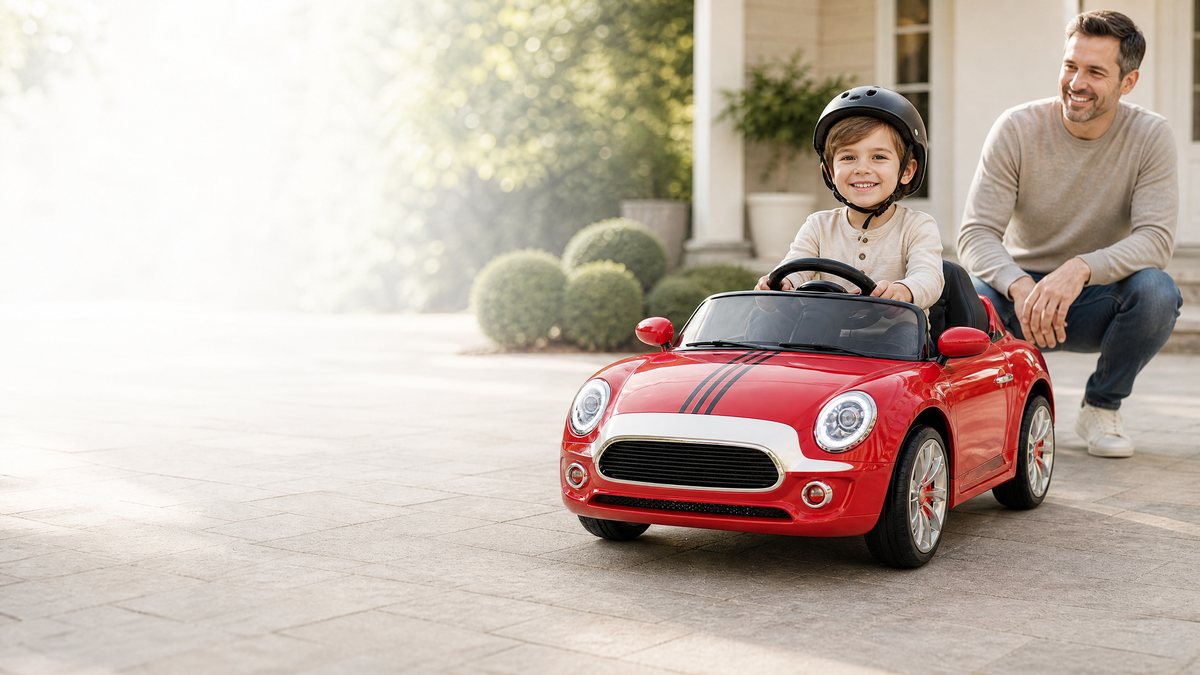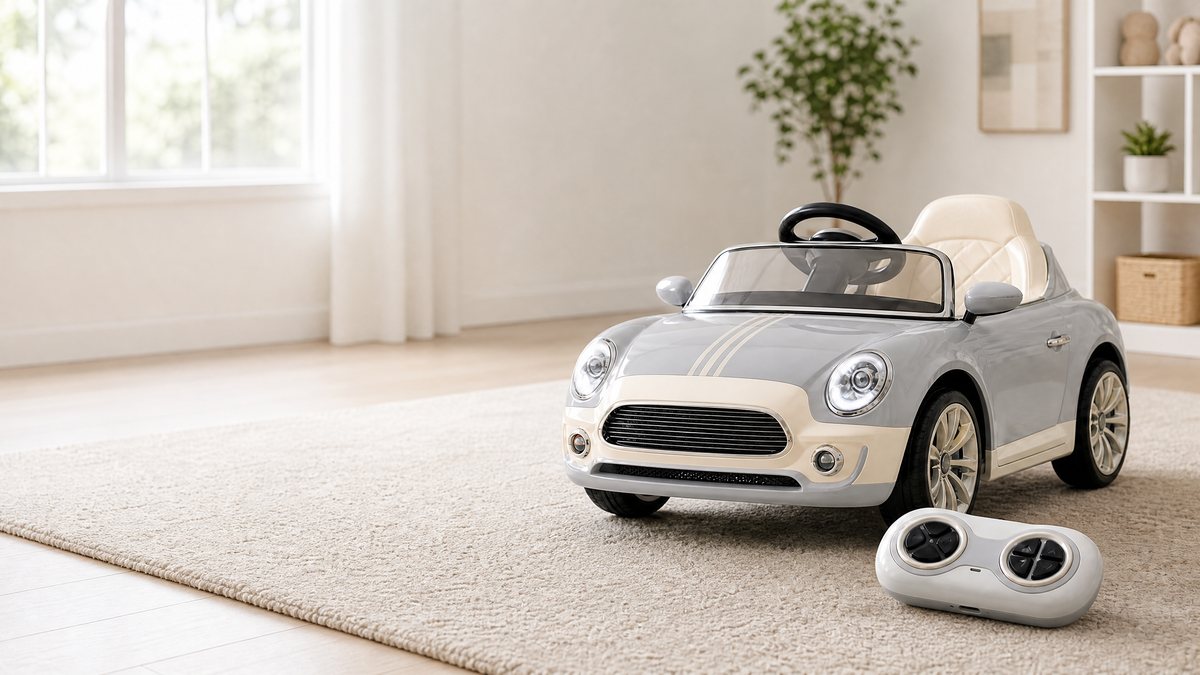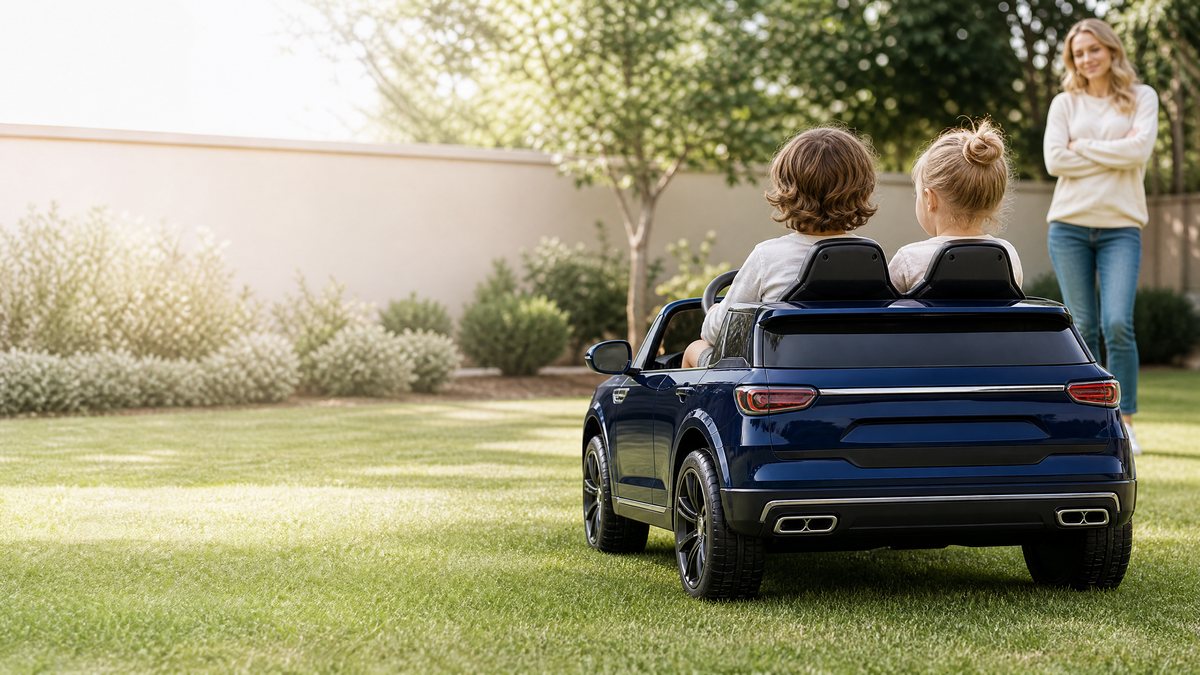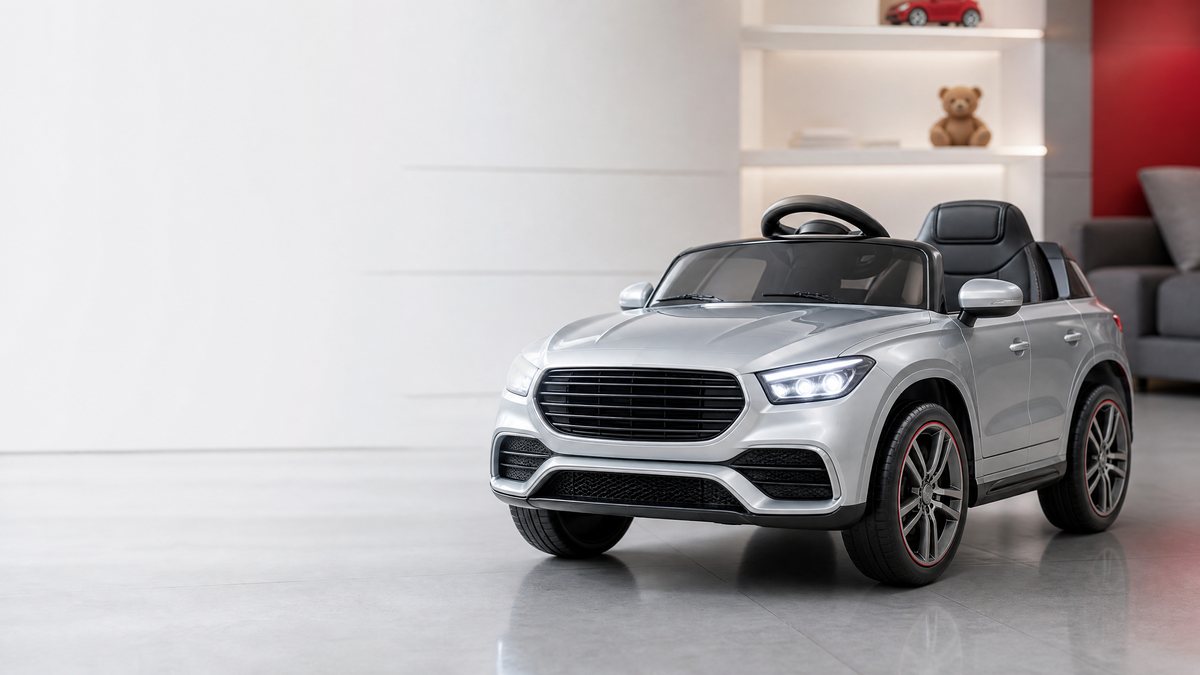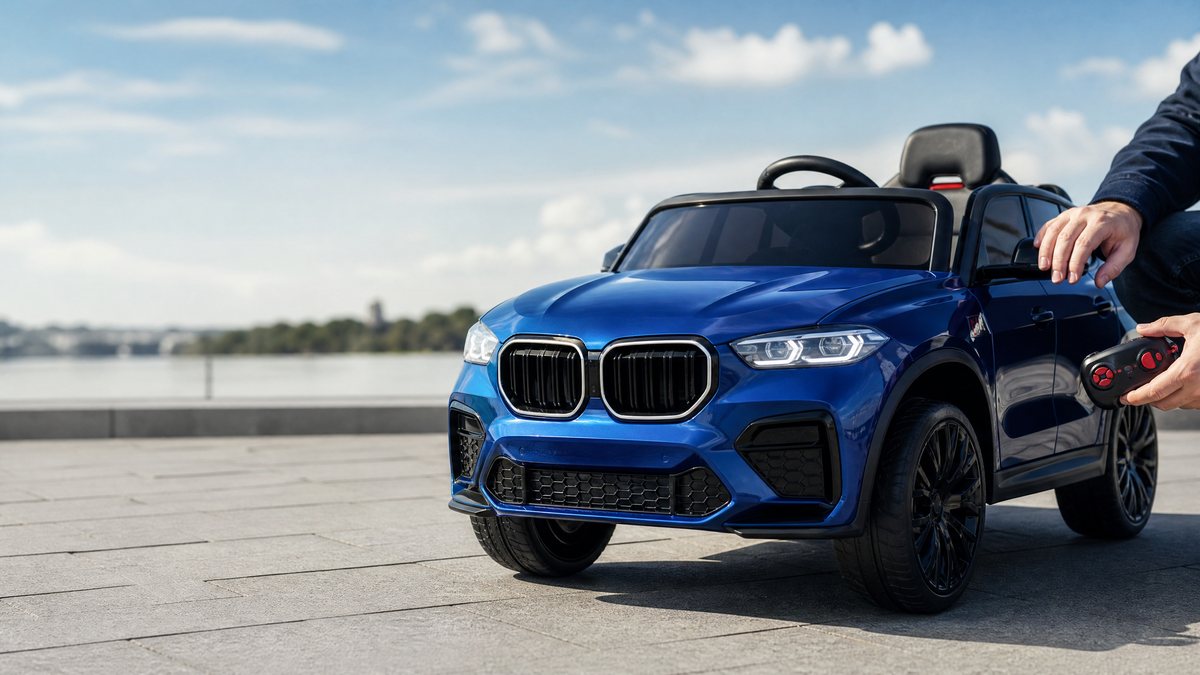
The early childhood years are defined by rapid physical growth, expanding curiosity, and a relentless drive toward independence. For toddlers, the transition from passive observers in a stroller to active participants in their own mobility marks a profound developmental milestone. Traditional strollers are indispensable tools during infancy and early toddlerhood, offering caregivers convenience, security, and reliable containment during errands, walks, and outings. However, as children approach preschool age, many begin to express resistance to being strapped into a stationary seat where they have little to no control over their immediate environment. This natural developmental shift often presents parents and caregivers with a practical challenge: how to facilitate a smooth, safe, and engaging transition away from the stroller while encouraging physical activity and self-reliance.
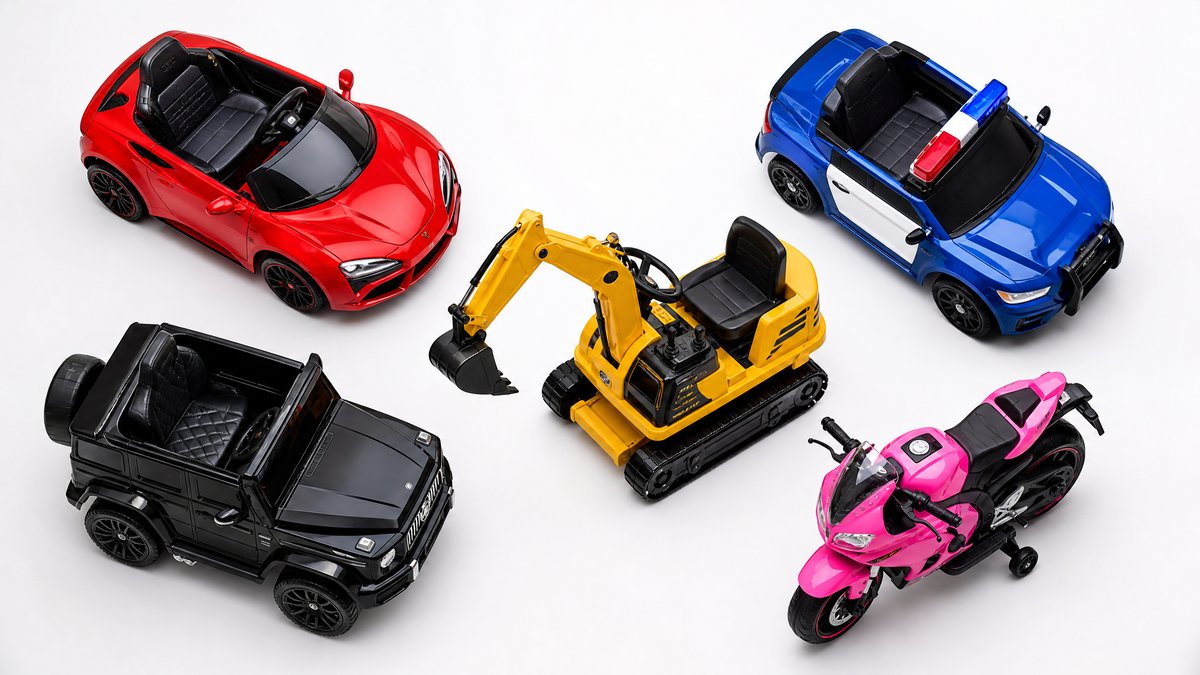
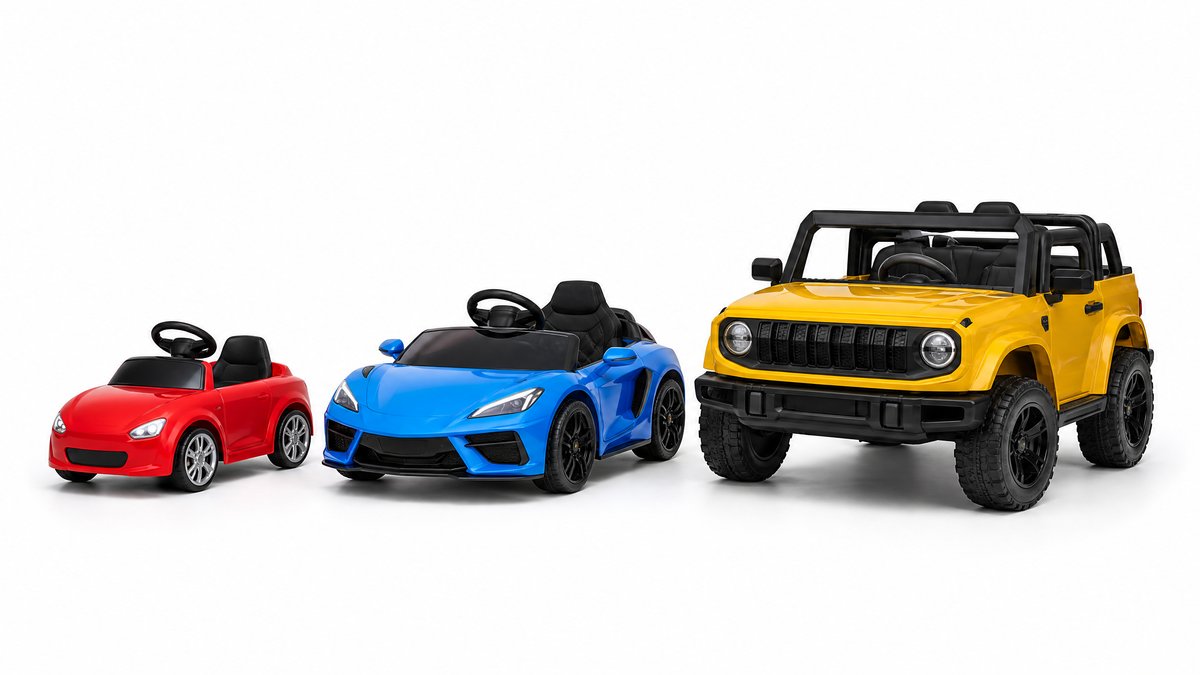
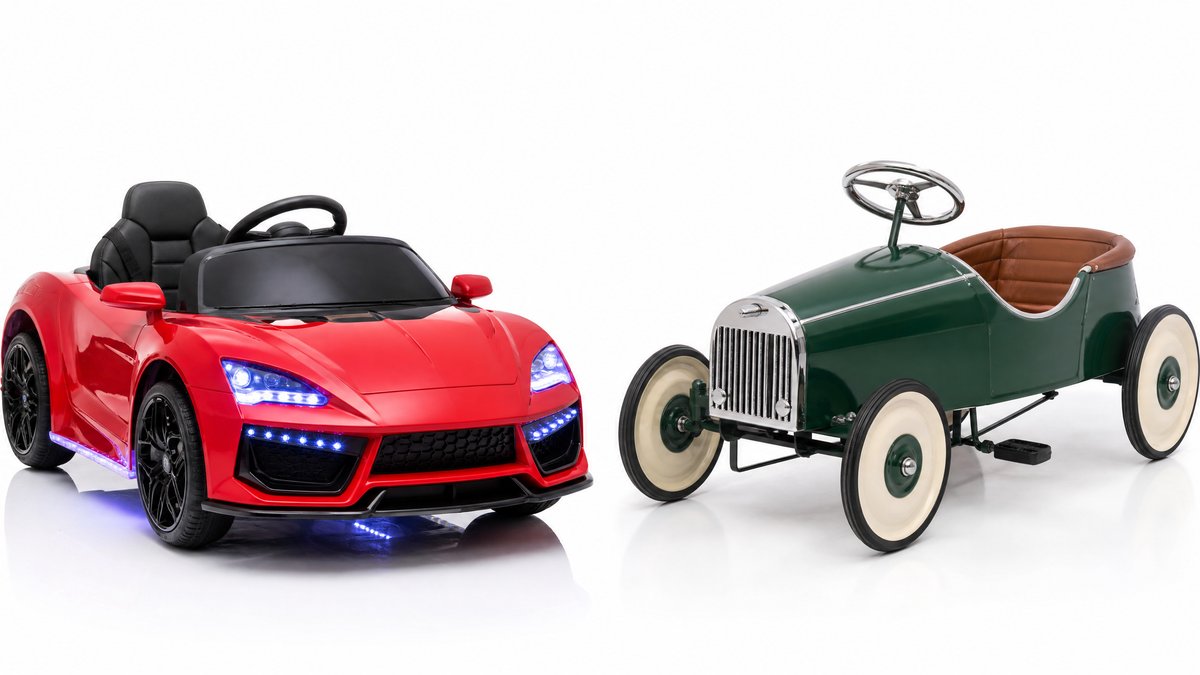
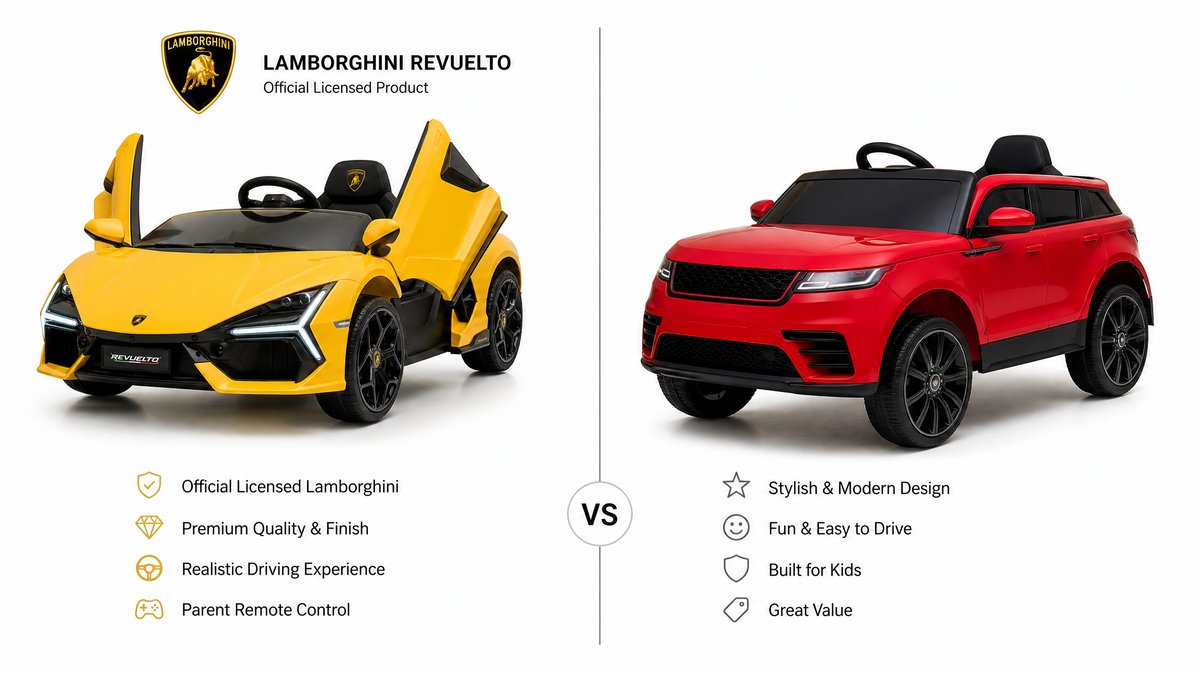
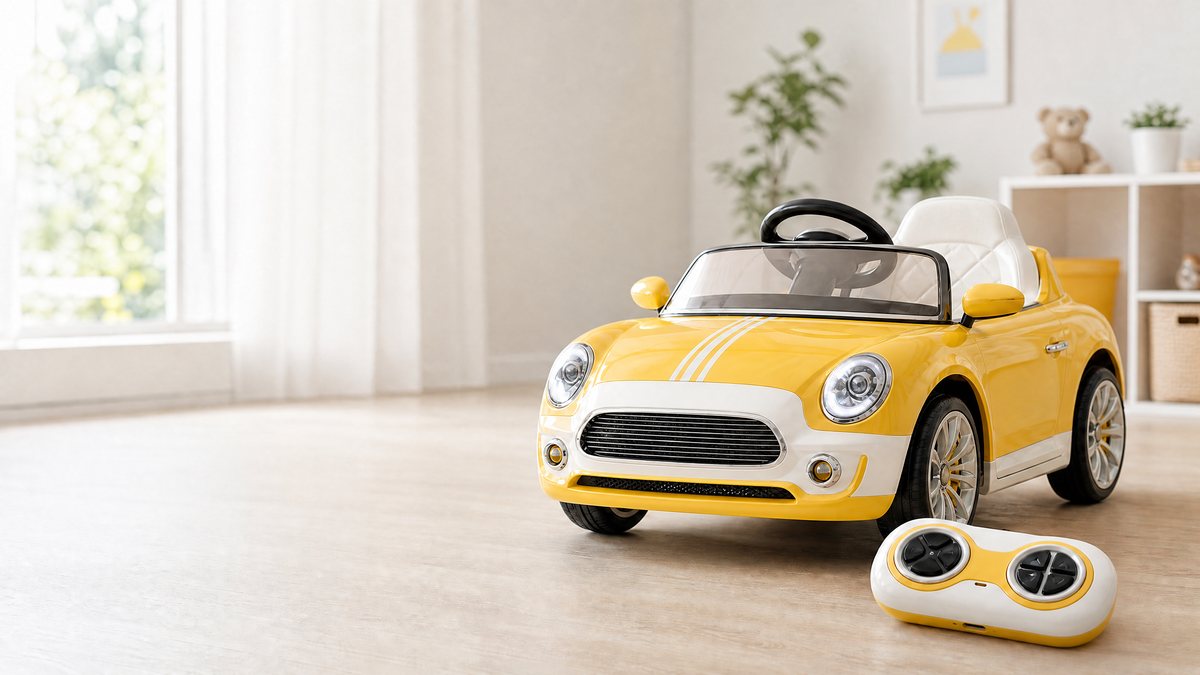
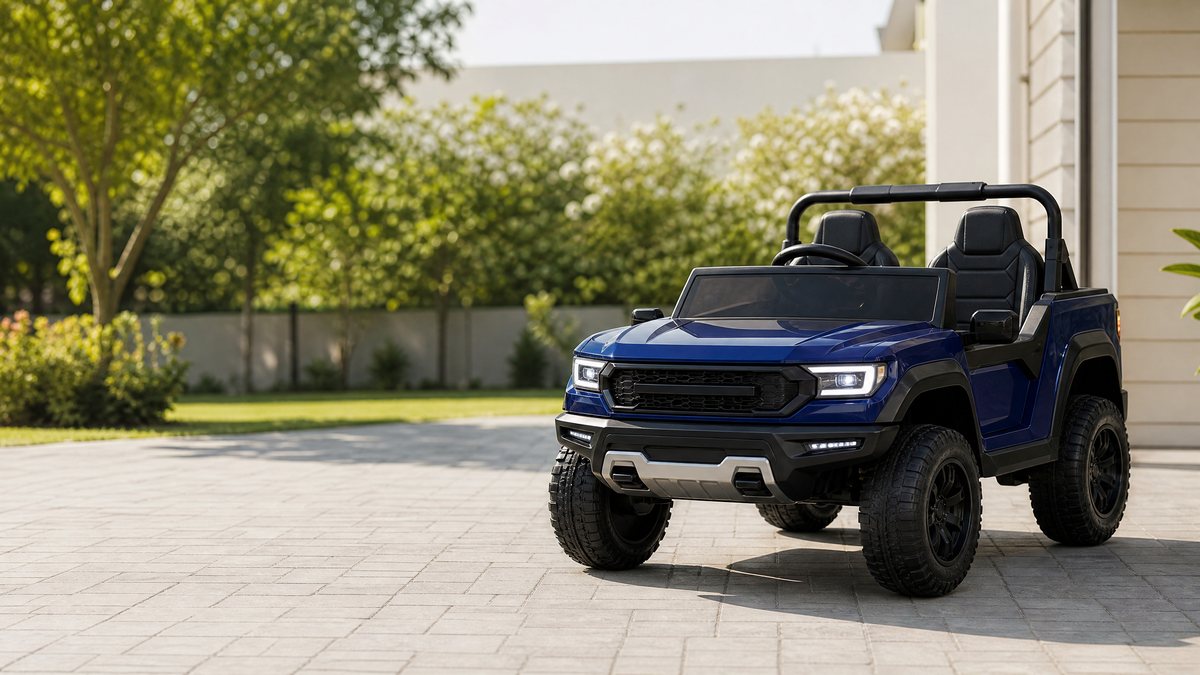
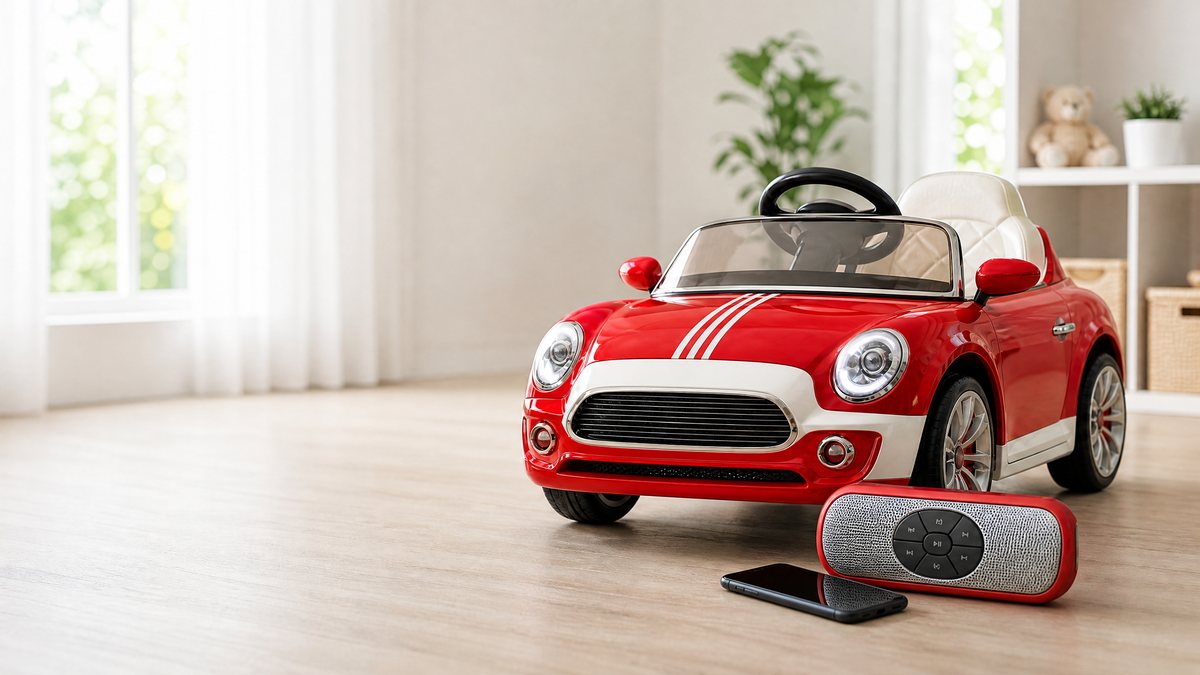
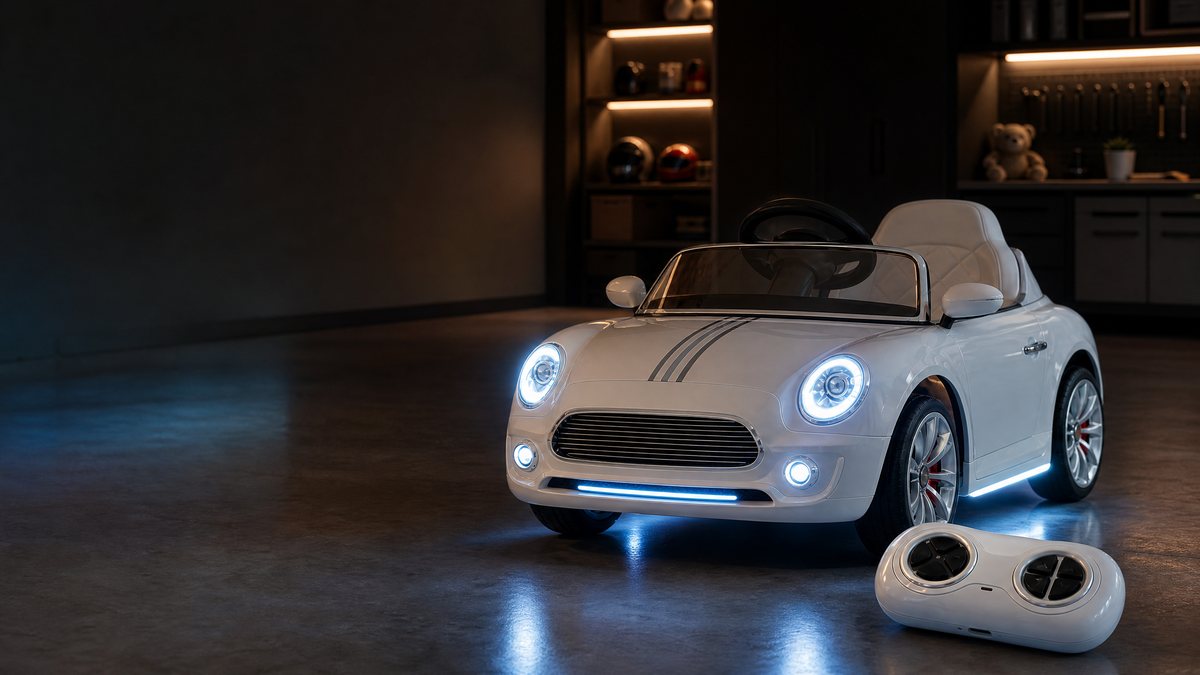
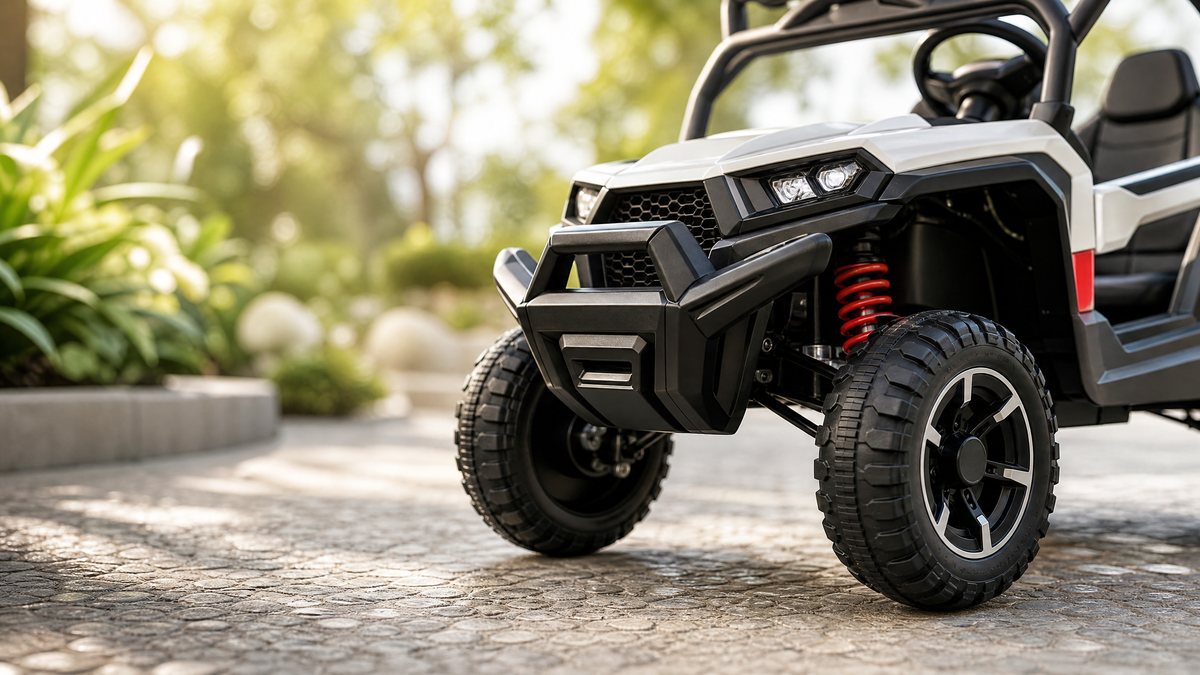
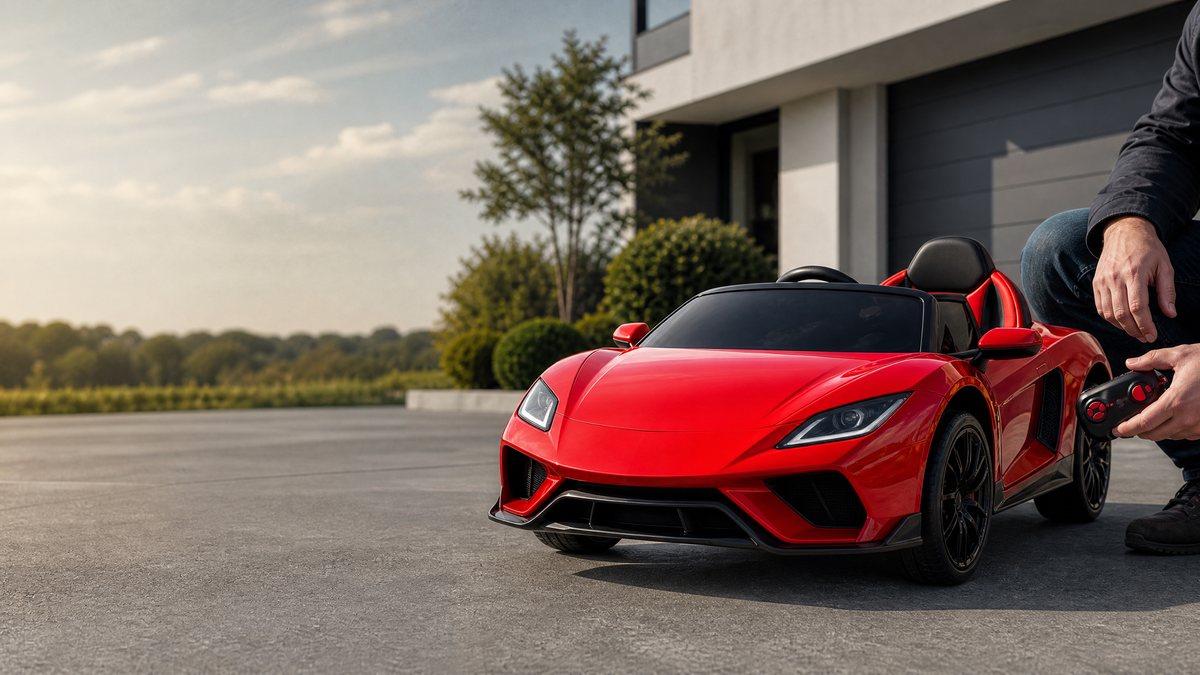
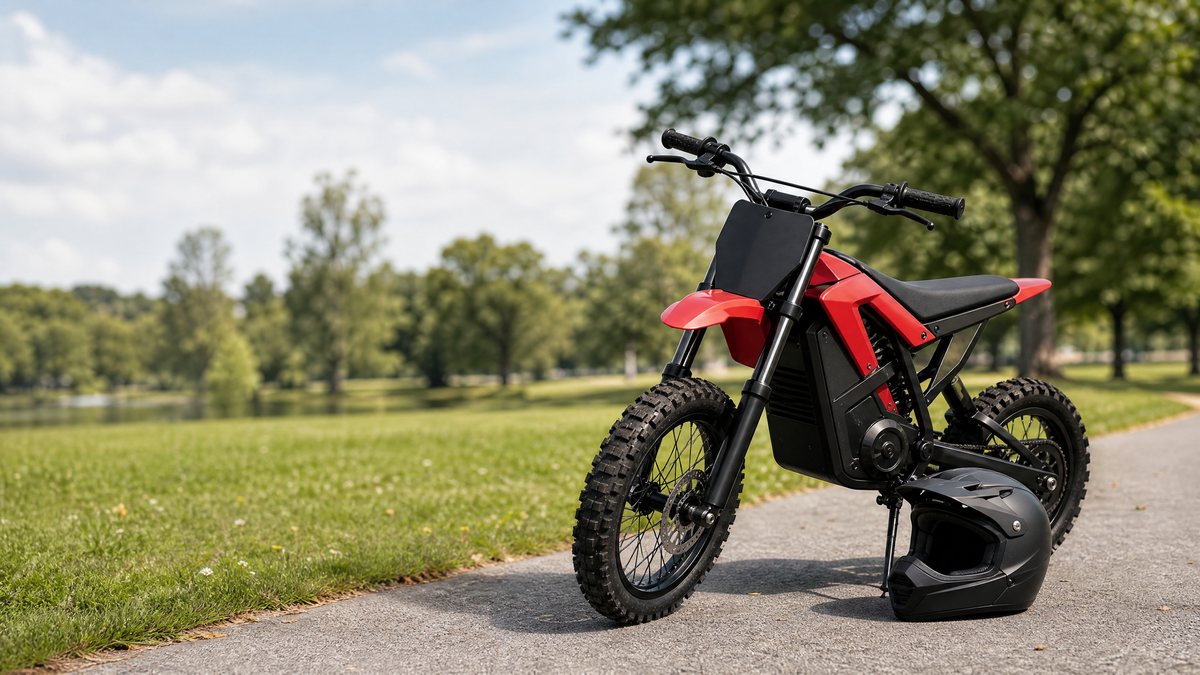
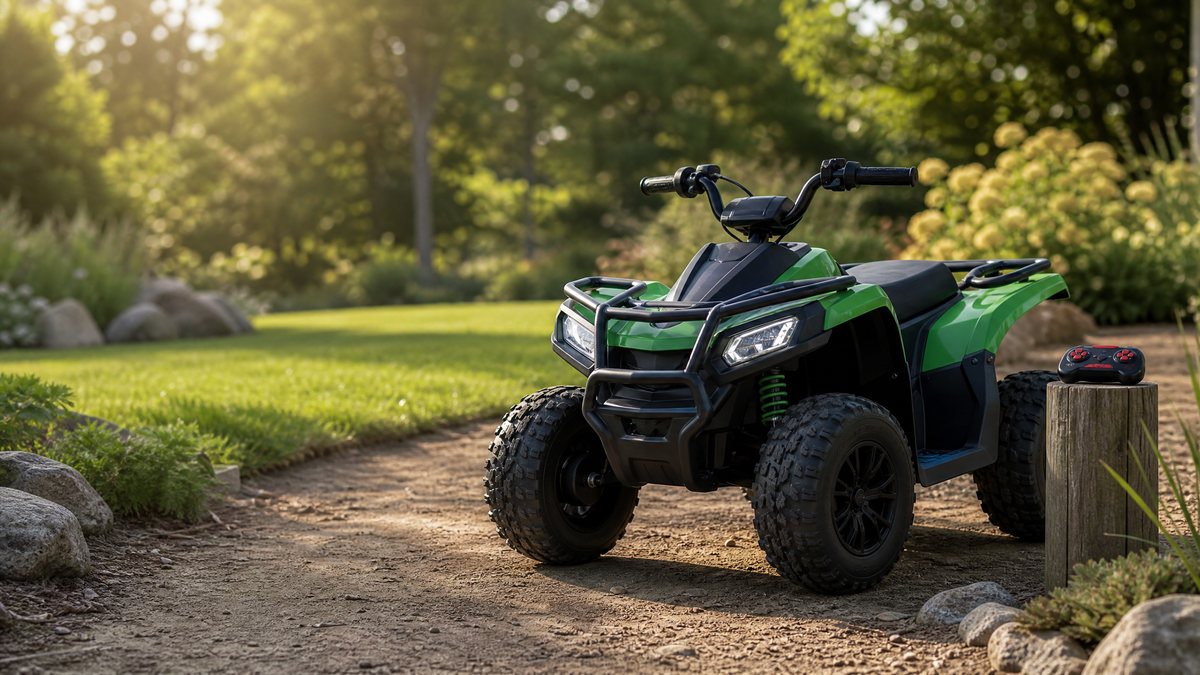
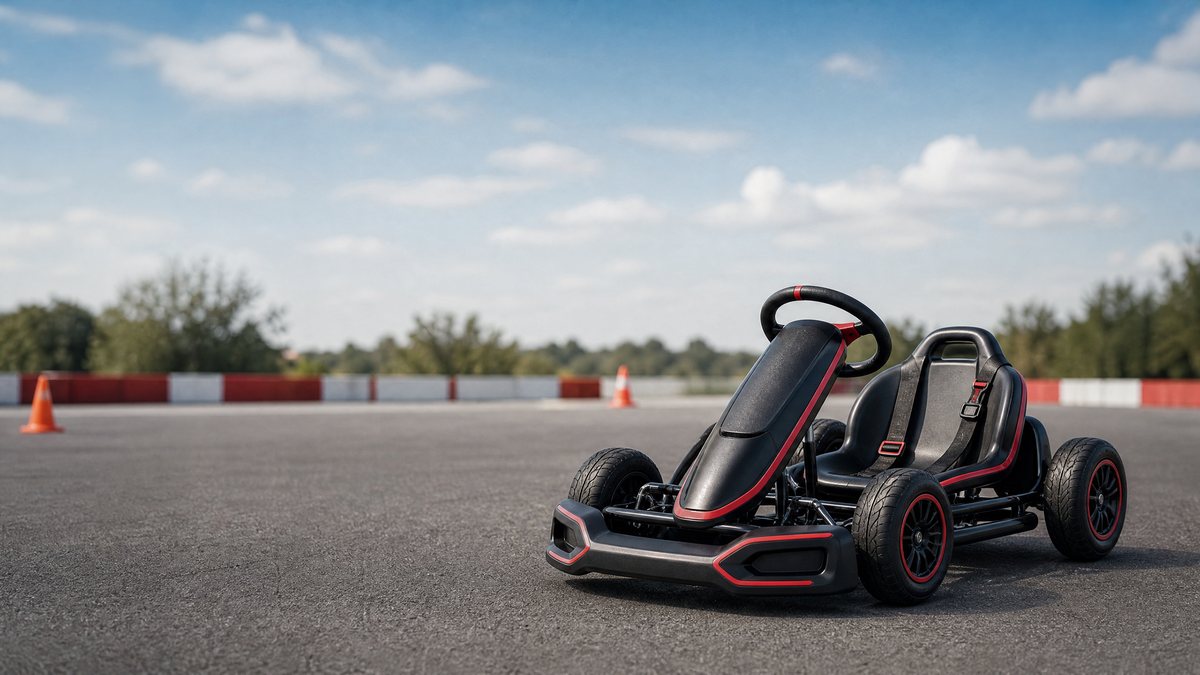
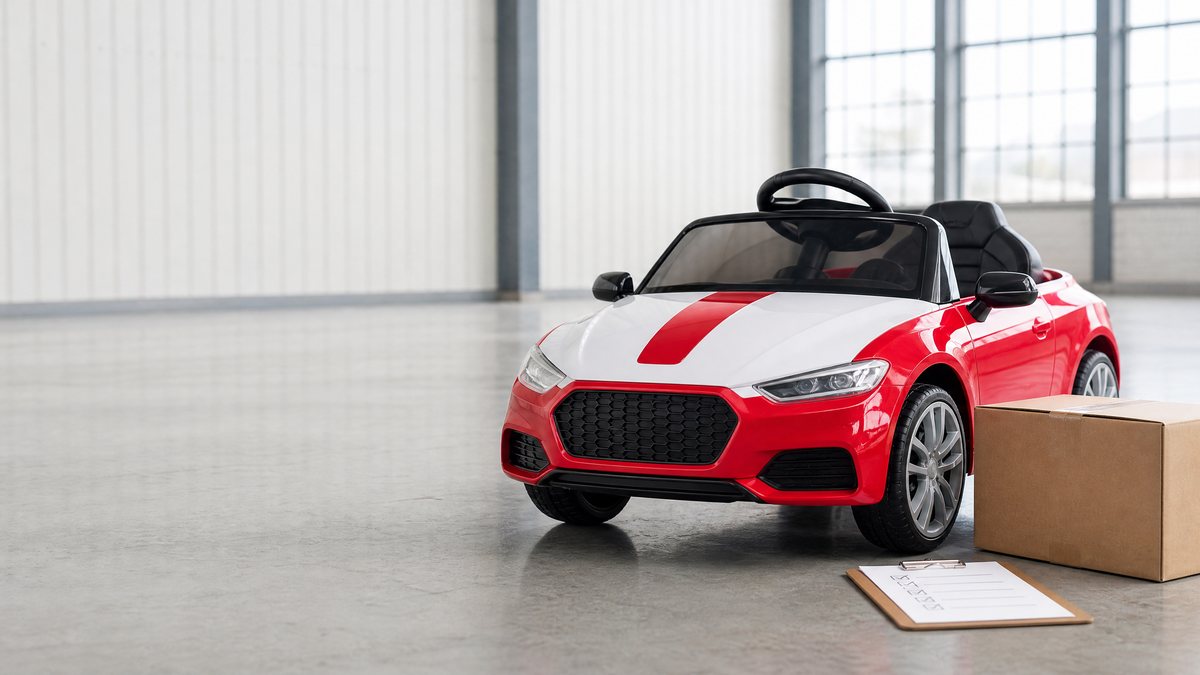
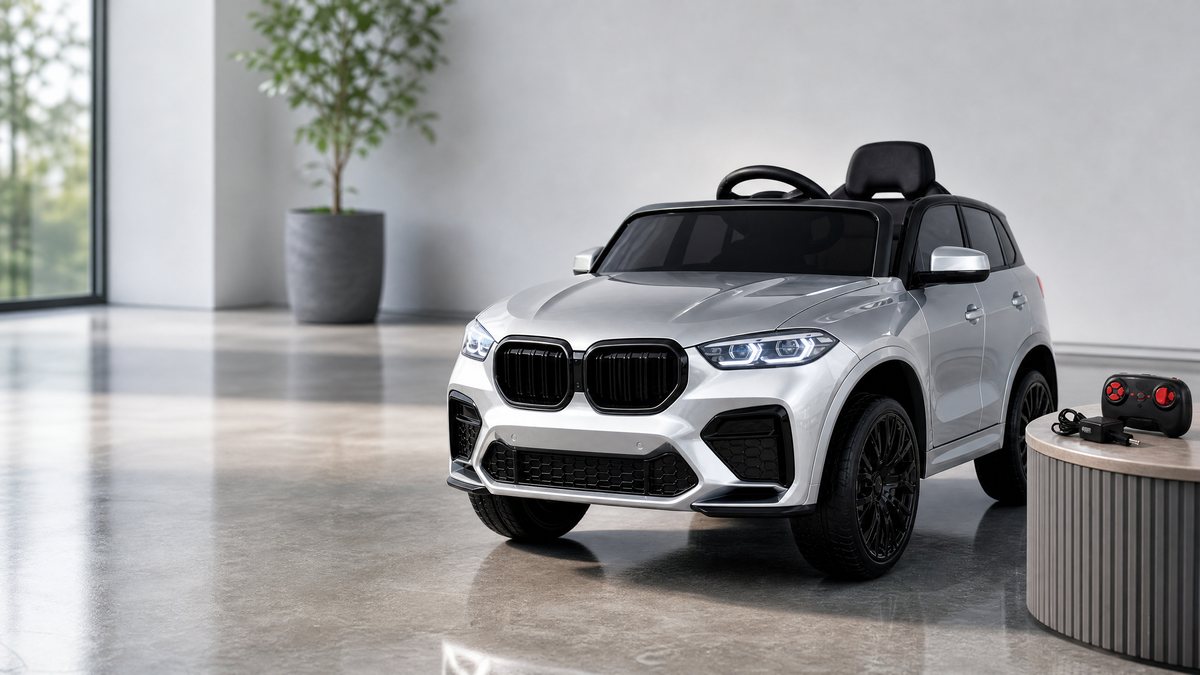
In recent years, ride-on cars—ranging from foot-to-floor push models to advanced motorized electric vehicles equipped with parental remote controls—have emerged as powerful developmental and recreational tools. When integrated thoughtfully into a child's daily routine under attentive adult supervision, ride-on cars serve as an effective bridge between passive stroller dependence and active independent movement. This comprehensive guide explores the developmental dynamics of moving away from strollers, examines the motor and cognitive benefits of ride-on toys, provides a structured comparative analysis, outlines essential safety and operational guidelines, and highlights why B2B retailers and specialty toy distributors should prioritize transition-oriented ride-on inventory.
Understanding Toddler Mobility and the Stroller Plateau
During the second and third years of life, children undergo a fundamental psychological and physiological transformation. Neurologically, toddlers develop an acute awareness of cause and effect, recognizing that their actions can directly influence their surroundings. Physically, their gross motor skills—including core stability, leg strength, and bilateral coordination—advance to a stage where sitting passively in a stroller can feel restrictive and frustrating. Pediatric observation notes that many toddlers exhibit signs of the "stroller plateau," a phase characterized by restlessness, attempts to climb out of harnesses, and a vocal desire to walk or explore on their own terms.
While complete independence on foot is the ultimate goal, young children lack the stamina, impulse control, and safety awareness required for unassisted walking in public spaces, parking lots, or busy sidewalks. Strollers, while safe, do not satisfy the toddler's burgeoning urge for agency and locomotive exploration. This is precisely where ride-on cars provide a balanced compromise. By allowing children to sit comfortably while actively engaging their feet or hands to steer, accelerate, or navigate, ride-on toys satisfy the psychological need for control without exposing them to the physical exhaustion or safety hazards of uncontrolled wandering. Adhering strictly to manufacturer instructions and rated nameplates ensures that caregivers select models appropriate for the child's specific developmental stage and physical dimensions.
Developmental Benefits of Moving from Passive Riding to Active Steering
Transitioning from a stroller to a ride-on car introduces a myriad of developmental stimuli that support a child's growing body and mind. While individual developmental paces vary significantly and ride-on toys should be understood as supportive aids rather than guaranteed therapeutic treatments, structured play with ride-on cars can be part of supervised developmental enrichment.
Gross Motor Skill Enhancement and Muscle Development
Foot-to-floor push cars and motorized ride-ons stimulate different muscle groups essential for early childhood development. Push cars require toddlers to use their legs in a reciprocating motion, pushing against the ground to generate momentum. This action strengthens quadriceps, hamstrings, gluteal muscles, and core stabilizers, laying a solid foundation for running, jumping, and climbing. Conversely, electric ride-on cars featuring foot pedals and steering wheels encourage hand-eye coordination, reaction timing, and fine motor precision as children learn to synchronize foot pressure with steering inputs.
Spatial Awareness and Directional Cognition
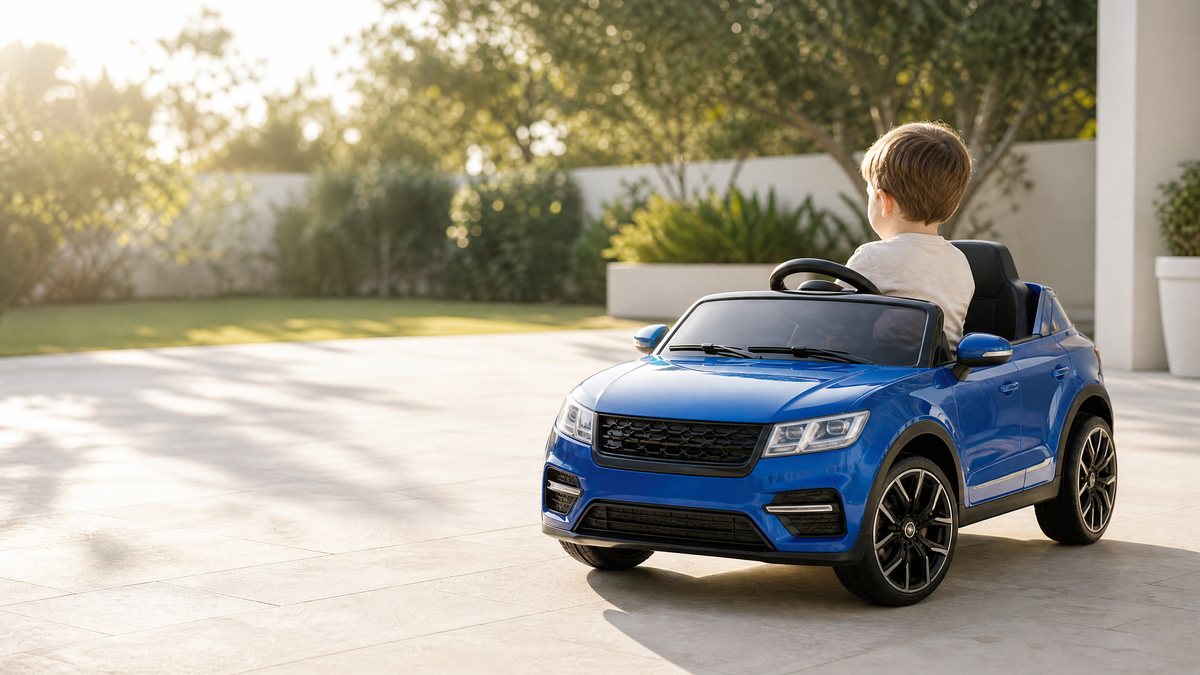
In a stroller, a child's visual field is largely dictated by the person pushing from behind. In a ride-on car, the child assumes the pilot's perspective. Navigating around living room furniture, patio corners, or park pathways requires spatial reasoning, depth perception, and an understanding of spatial boundaries. Children learn concepts of left and right, forward and reverse, and distance calculation through trial and error in controlled, supervised environments.
Fostering Autonomy and Confidence
Independence is built upon small, manageable milestones. Successfully steering a ride-on car along a designated path or mastering the motion of propelling oneself forward instills a deep sense of accomplishment. This boost in confidence can reduce behavioral friction during outings, as children feel respected and empowered rather than passively transported. Caregivers and educators note that children who are given safe opportunities to direct their own movement often display greater problem-solving resilience and self-regulation.
Comparative Analysis: Strollers vs. Push Ride-Ons vs. Motorized Ride-On Cars
To better understand how different mobility tools fit into a child's growth trajectory, it is helpful to compare their core characteristics, parental oversight requirements, and developmental contributions.
| Mobility Category | Primary Purpose & Mode | Child Engagement Level | Motor Skill Focus | Parental Control Level | Recommended Transition Stage |
|---|---|---|---|---|---|
| Traditional Stroller | Passive transportation and containment | Low (passenger) | Minimal (posture maintenance) | Absolute (pushed and steered by adult) | Infancy to early toddlerhood (approx. 6–18 months) |
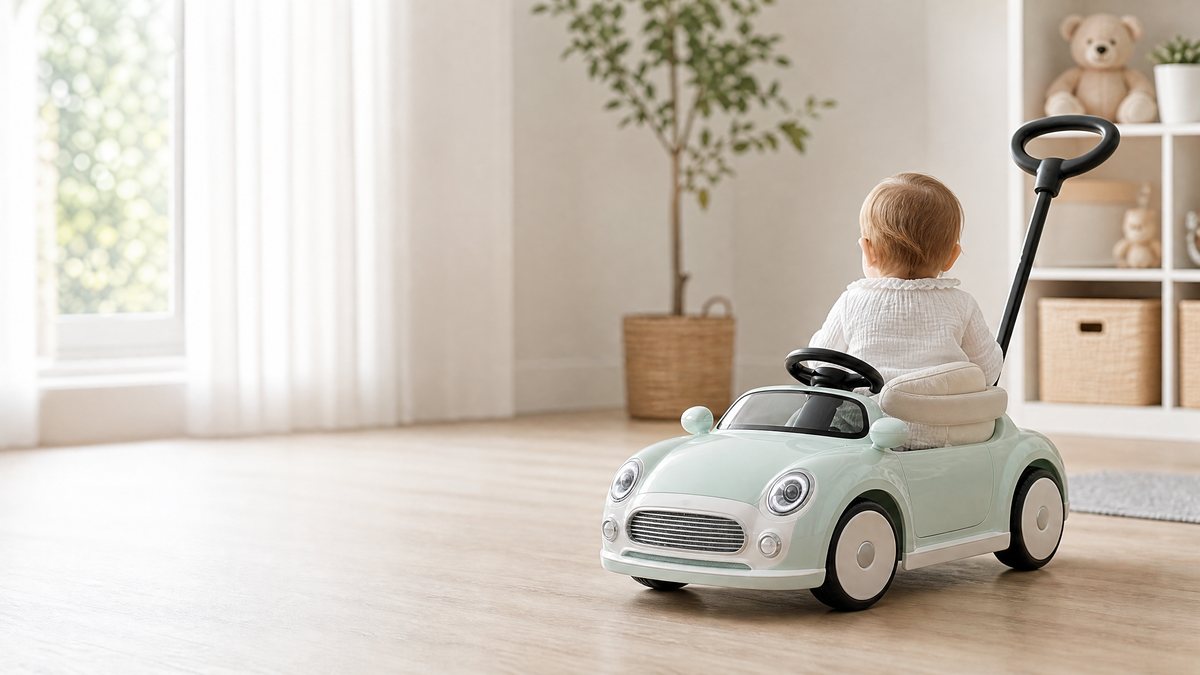
| Foot-to-Floor Push Car | Active play and assisted mobility | Moderate (child propelled) | Lower-body strength, leg drive, balance | High (can include push handles for adult steering) | Early walker / Mid-toddler (approx. 12–36 months) |
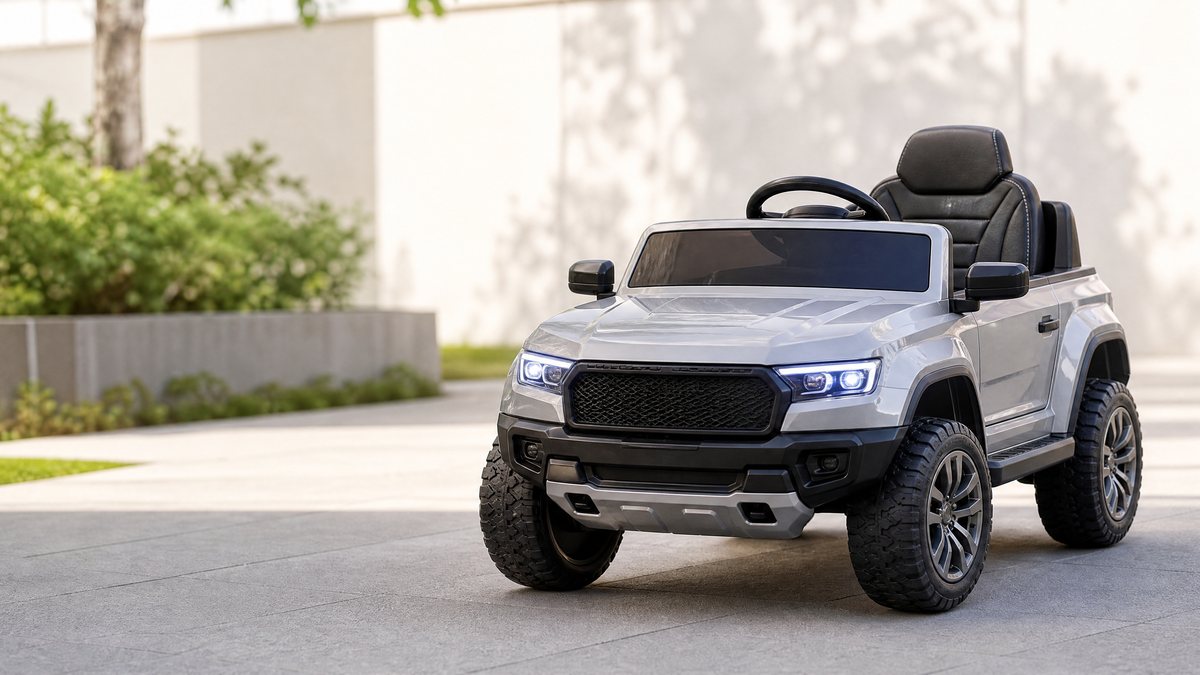
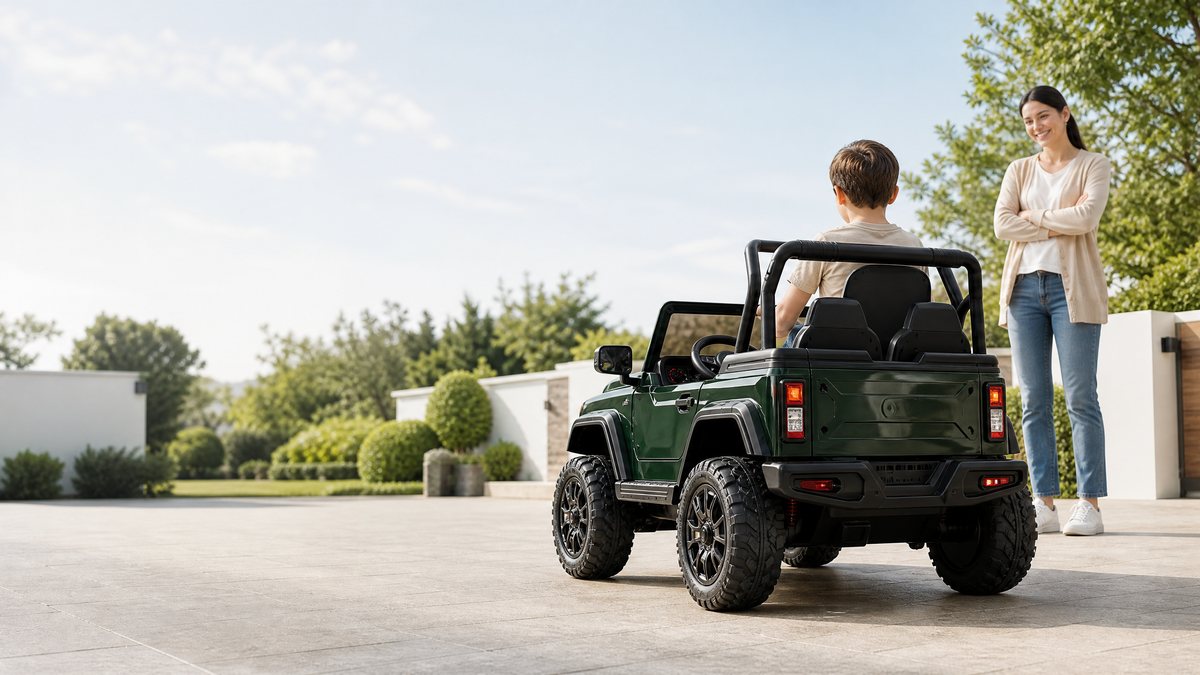
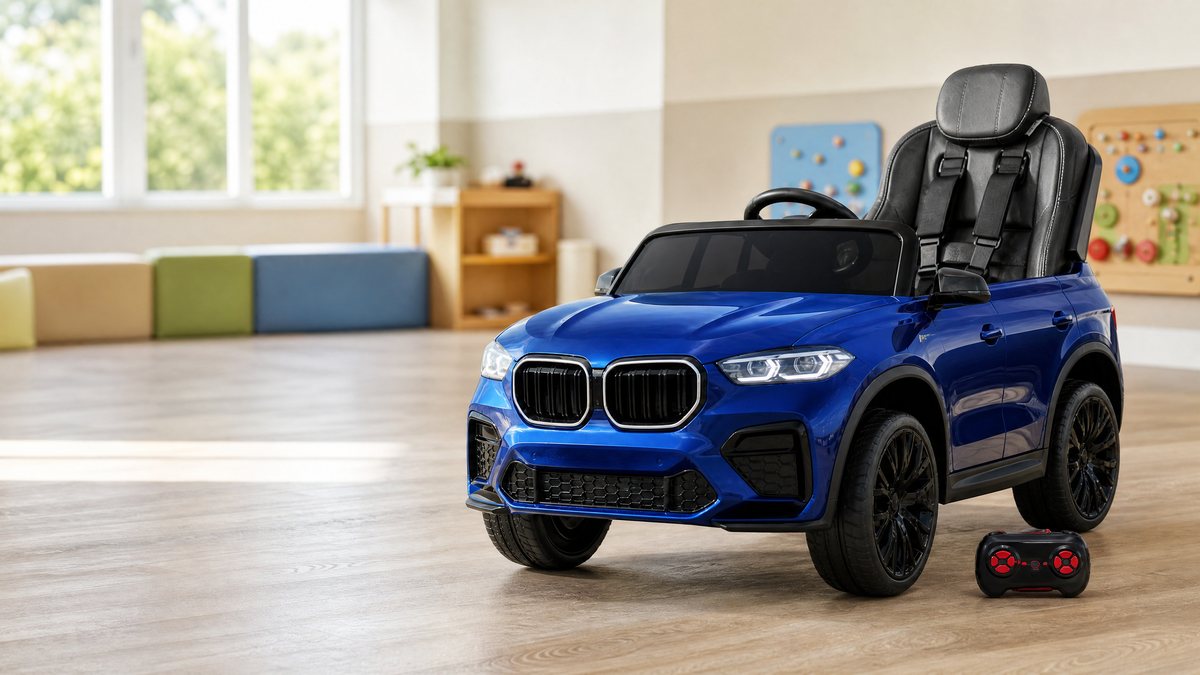
| Motorized Electric Ride-On | Recreational driving and agency exploration | High (active steering and pedal control) | Hand-eye coordination, spatial timing, reflexes | Variable (dual control via foot pedal and 2.4G parental remote) | Late toddler to preschool (approx. 24–60 months) |
As illustrated in the comparison table, each vehicle type serves a distinct phase of early childhood. Strollers prioritize safety and convenience during long excursions where speed and fatigue management are critical. Push cars serve as an active stepping stone, allowing toddlers to use their own leg power while maintaining structural security. Motorized ride-on cars represent the pinnacle of this transition ladder, offering advanced engagement where children make active steering and driving decisions, backed by parental remote override capabilities for safety.
Safety, Supervision, and Manufacturer Guidelines During the Transition
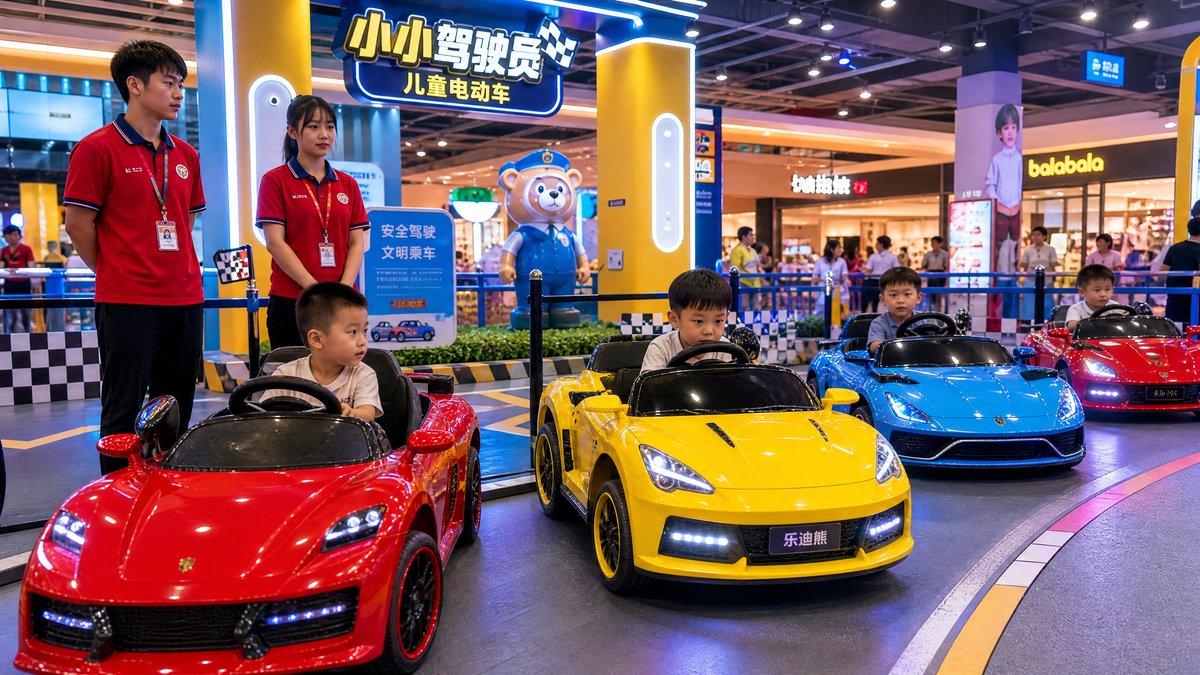
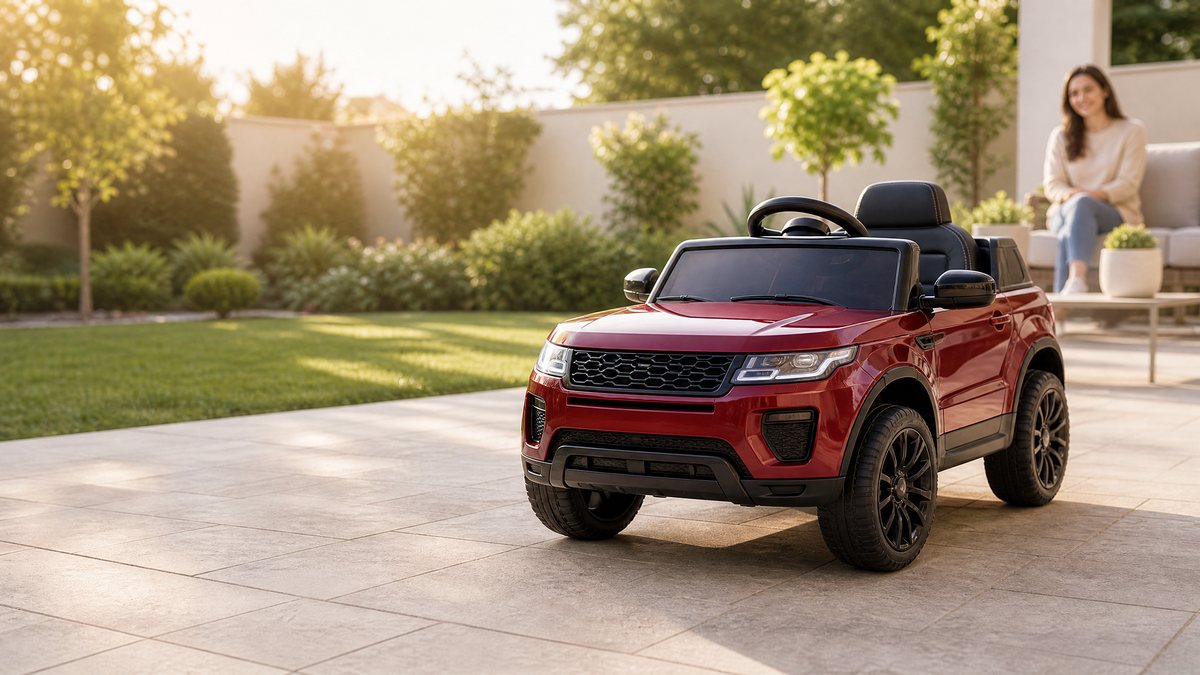
Introducing any new mobility device requires rigorous adherence to safety protocols. While ride-on cars foster independence, they must never replace active adult supervision. Caregivers must evaluate each play environment to ensure it is free from traffic, steep inclines, deep water, sharp drops, and jagged obstacles.
Adhering to Manufacturer Instructions and Rated Specs
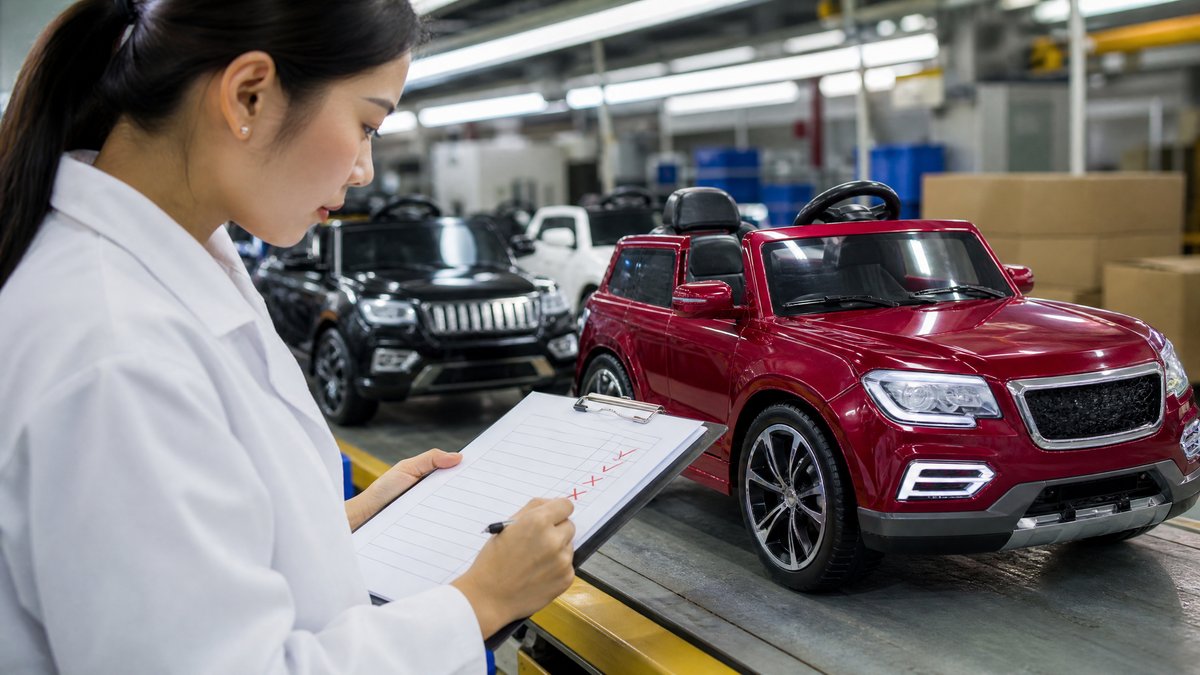
Every ride-on car is engineered with specific weight capacities, age recommendations, and operational limitations defined by its manufacturer. Retailers and parents must consult the official user manual and rated nameplate before initial assembly and use. Never overload a vehicle beyond its specified weight limit, as structural failure or compromised braking performance may occur.
Environmental Restrictions and Operational Boundaries
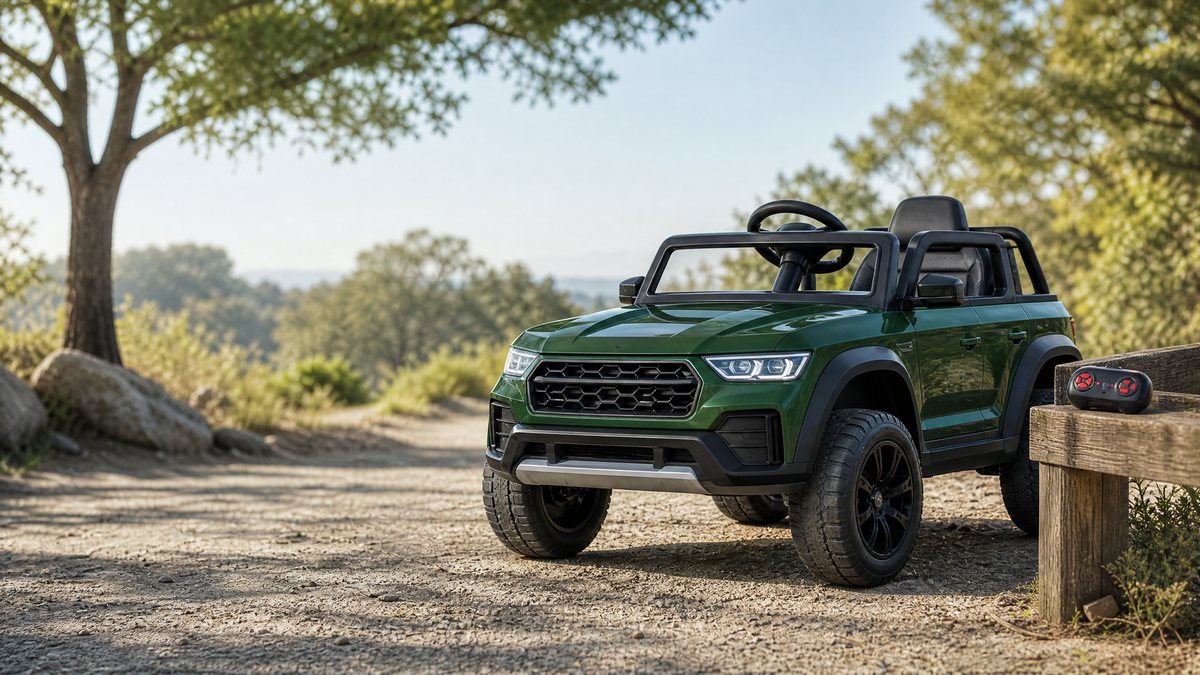
* Flat Surfaces Only: Ride-on cars should be operated exclusively on smooth, flat, paved surfaces such as driveways, sidewalks, or designated park pathways. Avoid grass, gravel, sand, or uneven terrain unless the specific vehicle model is explicitly certified for all-terrain use by the manufacturer.
* Prohibition of Slopes and Hills: Never permit children to ride on or near steep slopes, ramps, loading docks, or stairwells. Gravity can easily overcome the vehicle's braking mechanisms, leading to loss of control.
* Weather and Time Limits: Do not operate ride-on vehicles in rain, snow, or wet conditions, as moisture can damage electrical components or reduce tire traction. Avoid riding at dusk or in low-visibility nighttime environments.
Electrical Safety and Emergency Procedures
For motorized electric ride-ons, strict electrical safety rules apply:
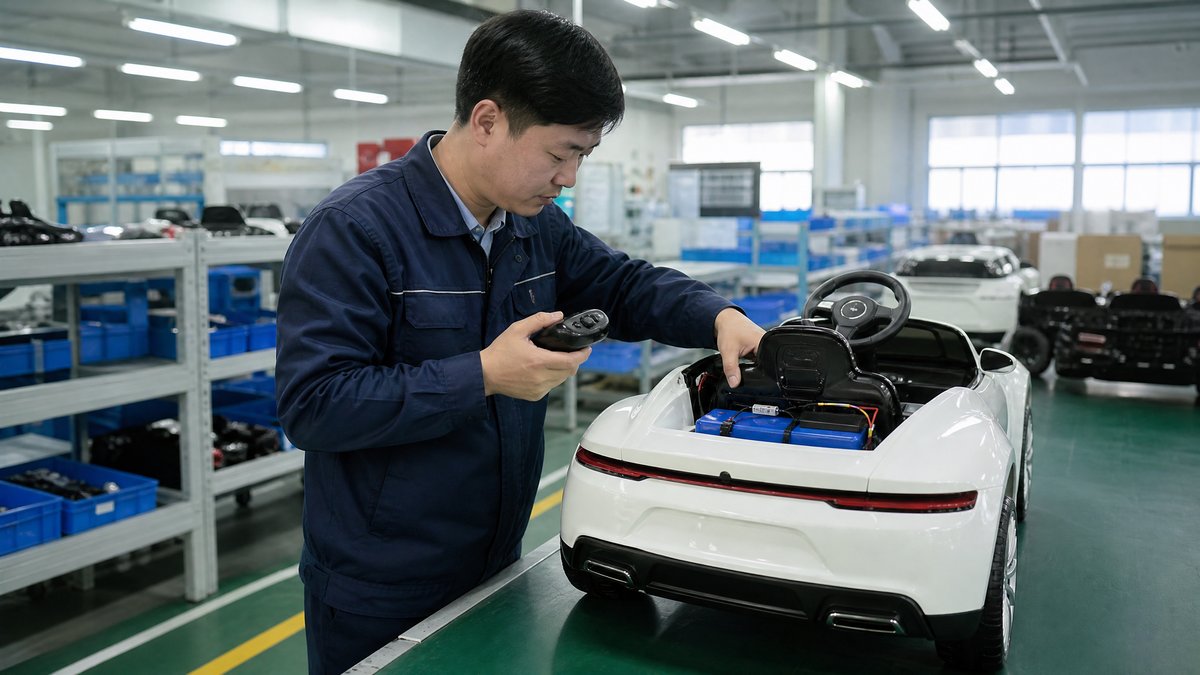
* No Unauthorized Modification: Never attempt to disassemble internal housings, modify wiring harnesses, bypass protective fuses, or upgrade batteries and motors beyond factory specifications. Doing so creates severe fire and shock hazards.
* Battery and Charging Protocols: Only use the manufacturer-supplied charger. Charge batteries in well-ventilated areas away from flammable materials. Never touch exposed battery terminals or allow metal objects to bridge terminals.
* Emergency Response: If you notice any unusual burning odors, smoke, excessive heat, fluid leakage, water ingress, exposed wiring, damaged charging plugs, erratic braking, or persistent mechanical failure, immediately stop using the vehicle, turn off the power switch, remove the child to a safe distance, disconnect the battery if safely possible, and contact the manufacturer or a qualified service technician.
Practical Strategies for Parents and Retailers Facilitating the Transition
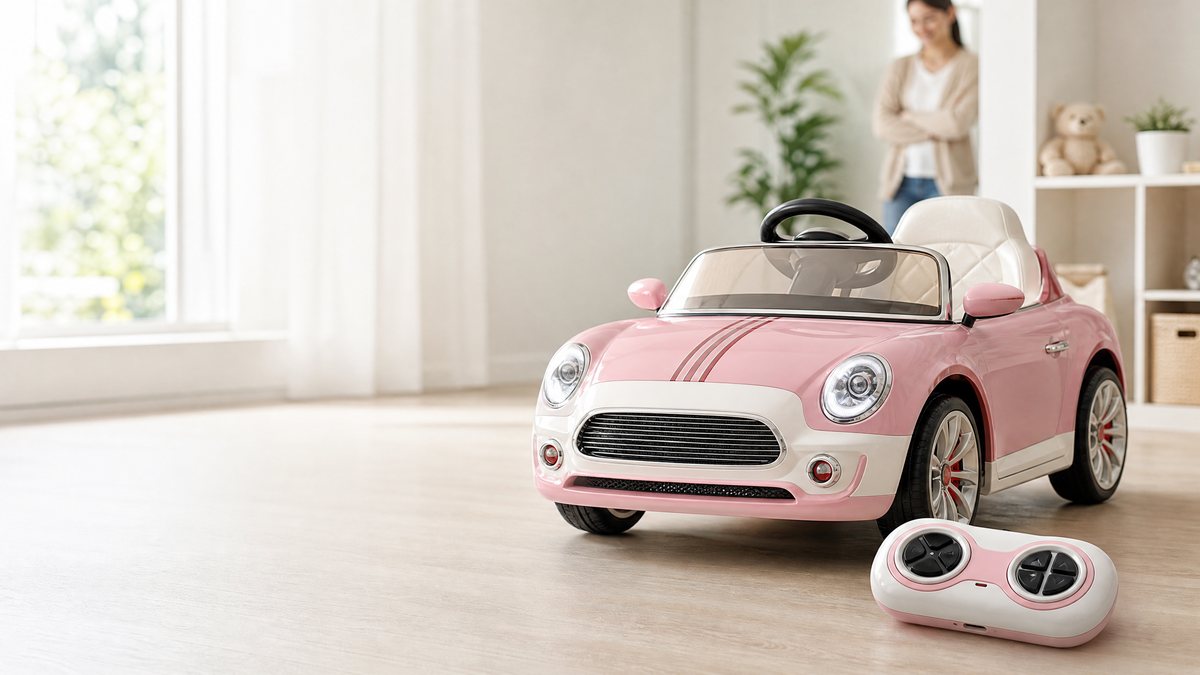
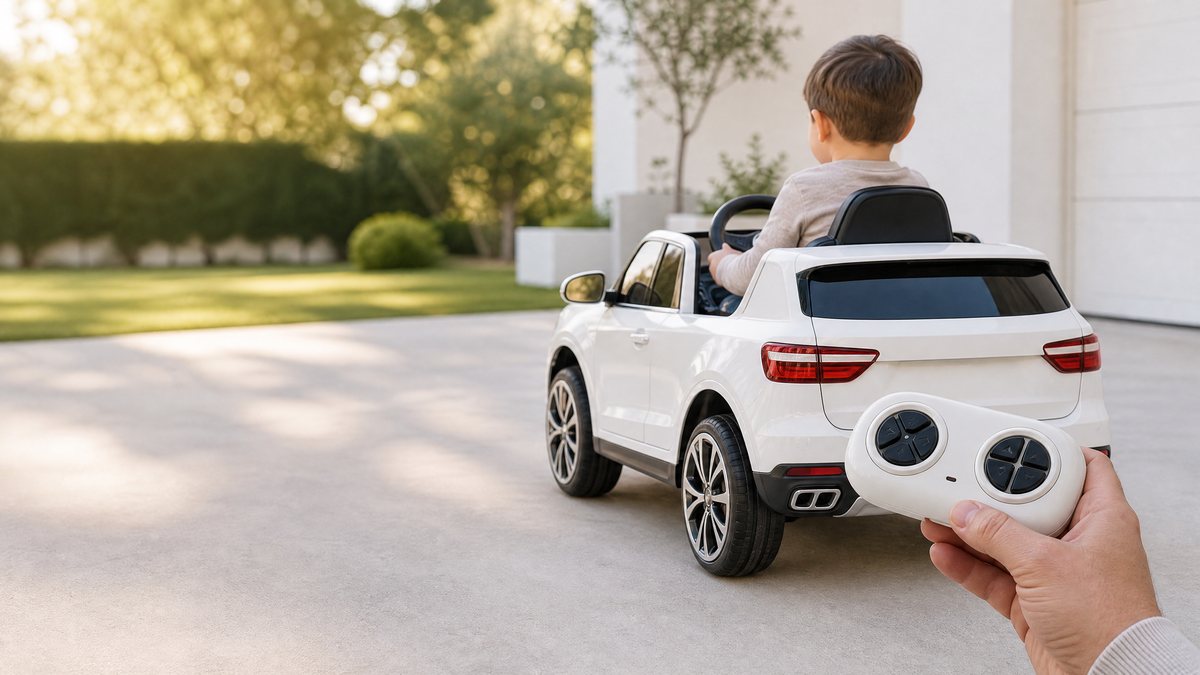
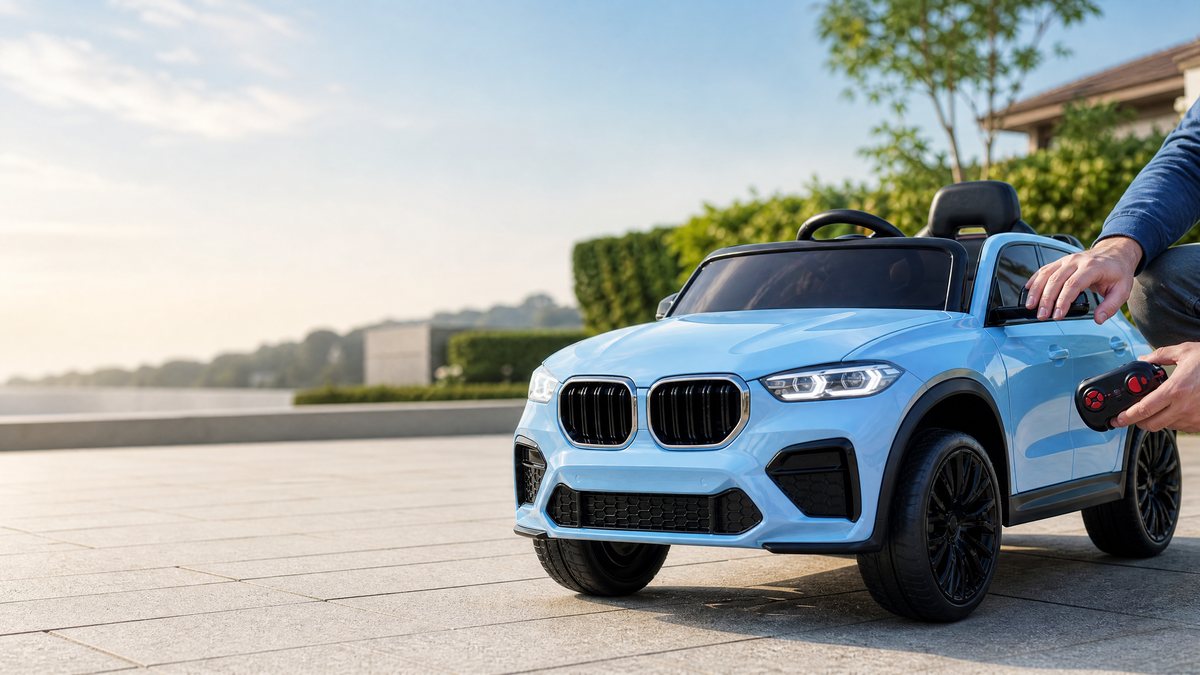
A successful transition from stroller to ride-on car requires patience, gradual exposure, and supportive structuring. For families, introducing the vehicle indoors or in a fenced backyard allows the child to explore the controls without environmental pressure. If using a motorized model, parents should initially utilize the 2.4G parental remote control to manage speed and steering, gradually ceding control to the child as confidence and competence grow.
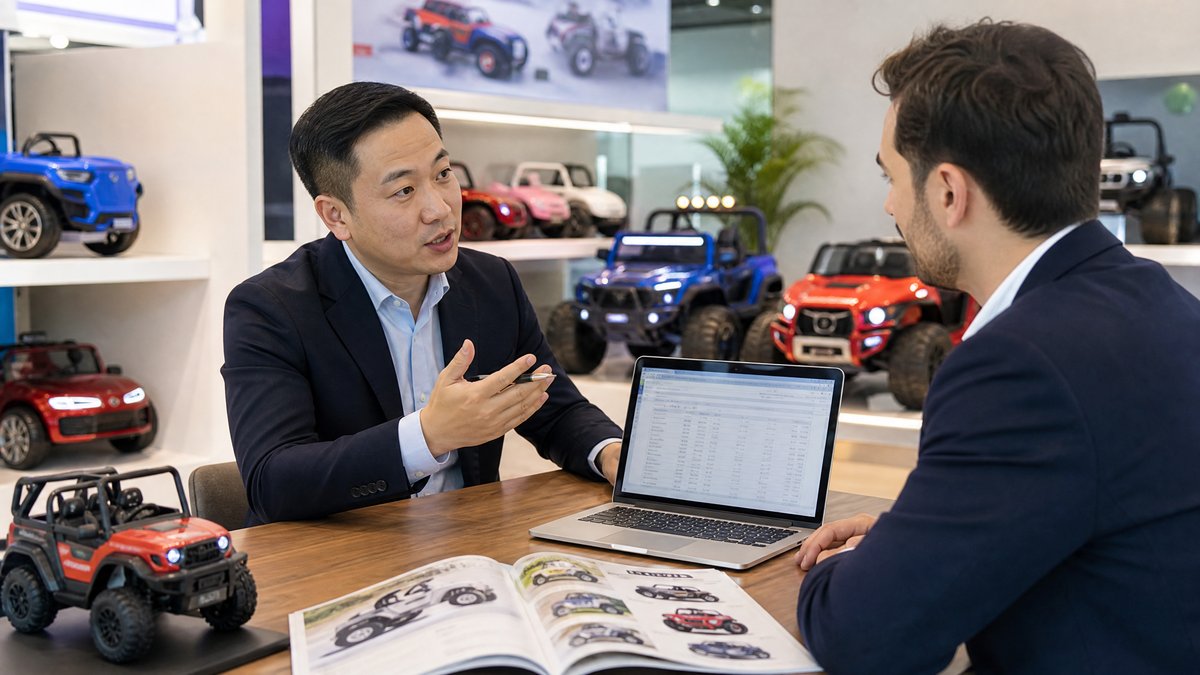
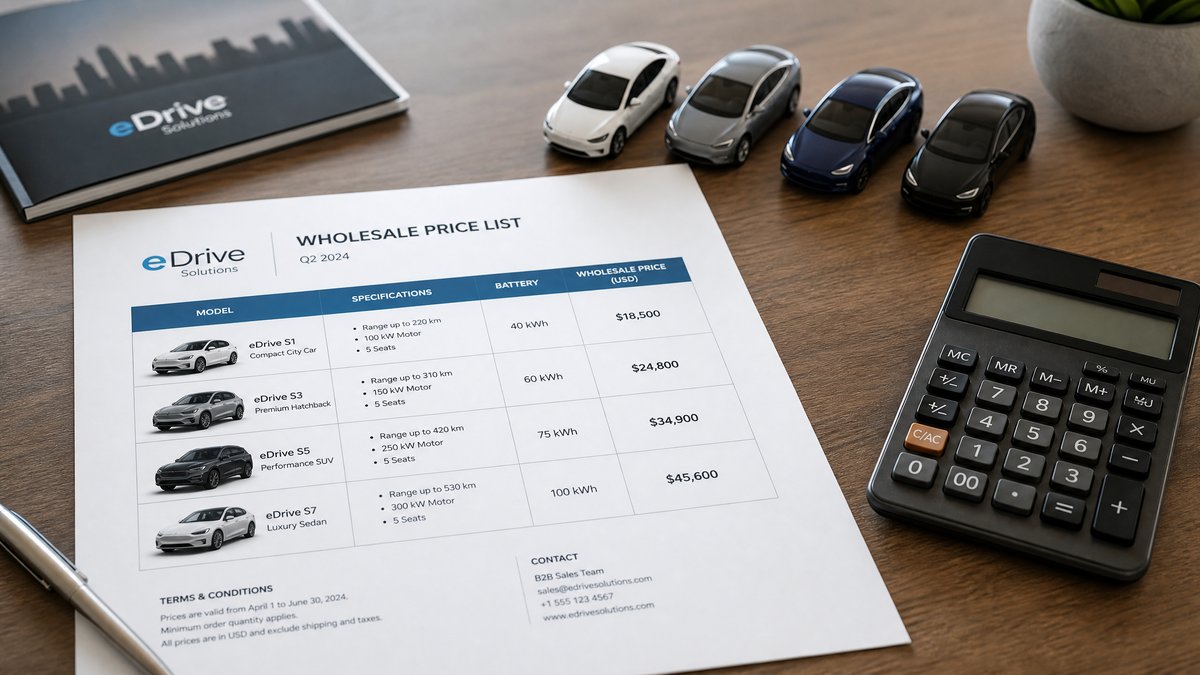
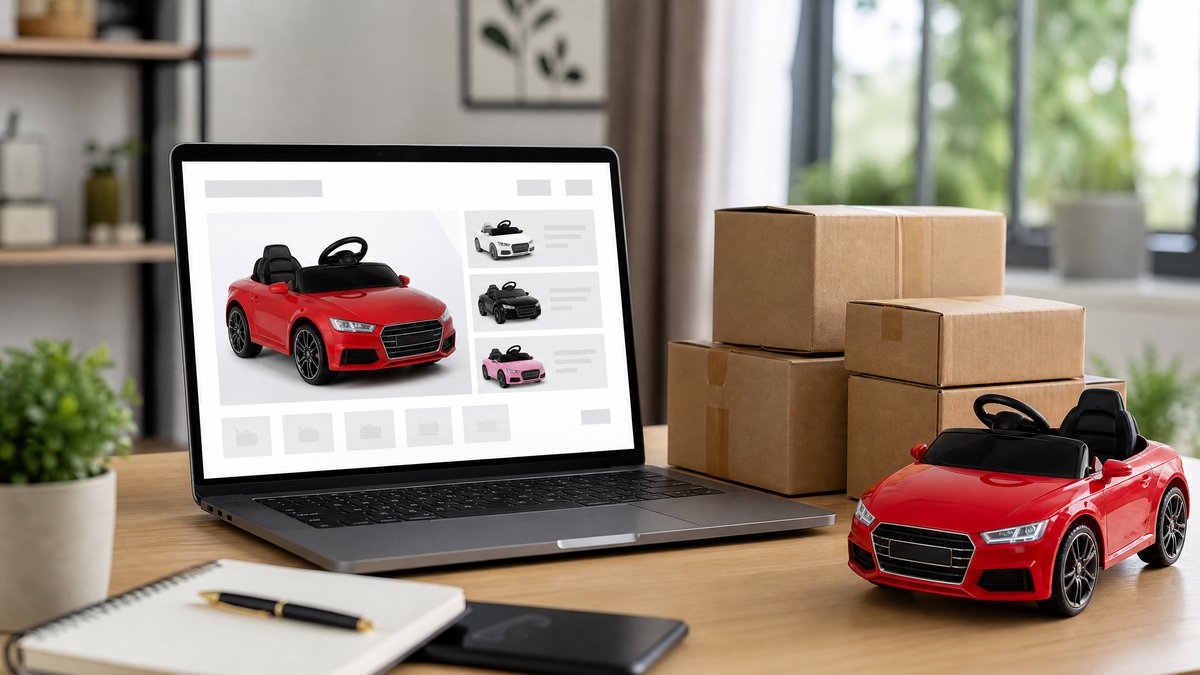
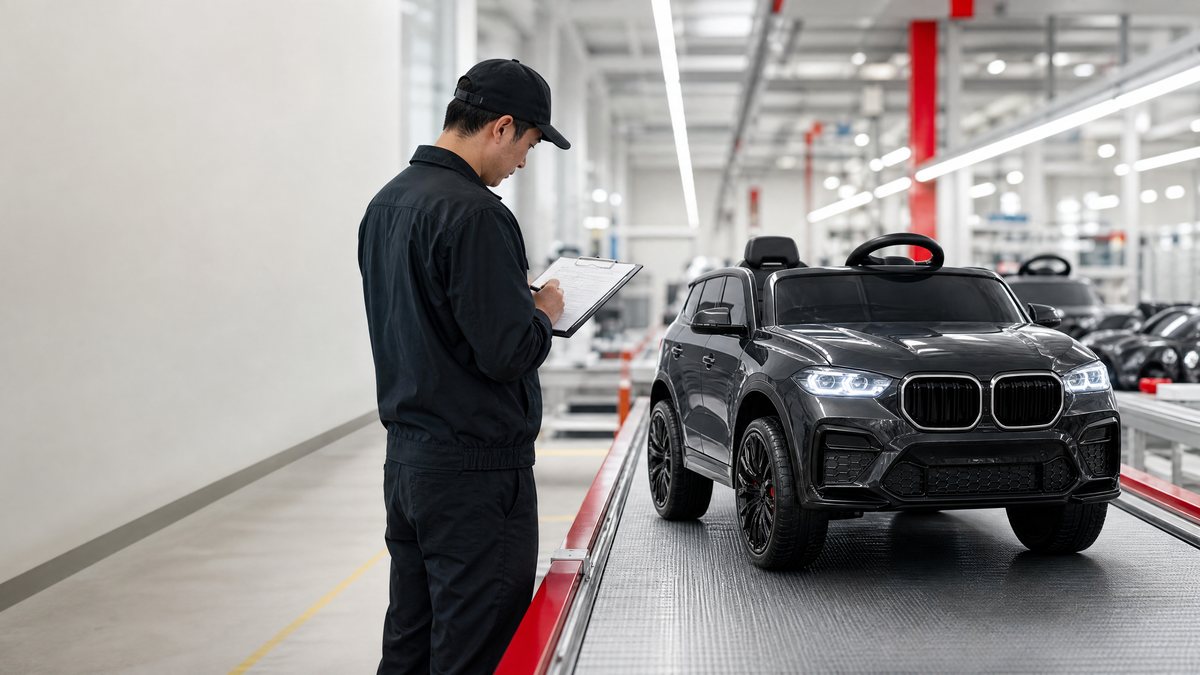
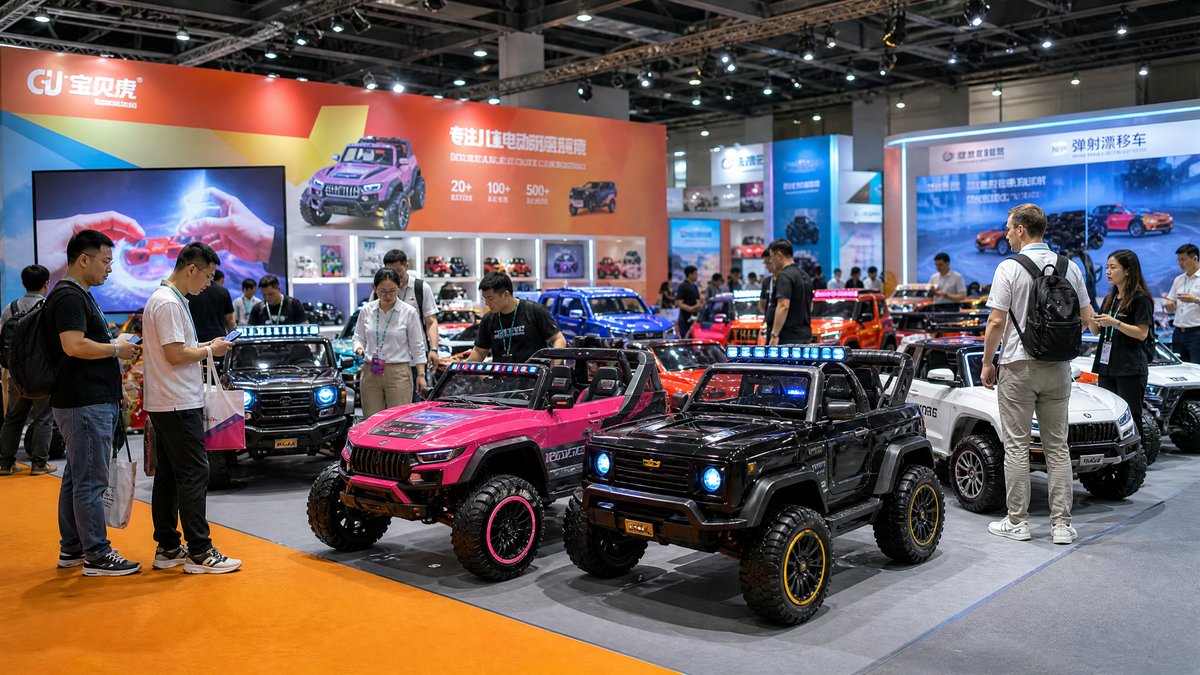
From a commercial perspective, B2B wholesale buyers and specialty toy retailers play a vital role in educating consumers. Stocking a diverse portfolio that bridges passive and active play enables stores to meet parents at every stage of the toddler mobility journey. Emphasizing transparency, clear safety documentation, and robust product manuals builds long-term consumer trust.
Request a wholesale quote
Frequently Asked Questions (FAQ)
1. At what age is it appropriate to introduce a ride-on car as a stroller alternative?
Most children can begin exploring foot-to-floor push cars around 12 to 18 months of age, provided they can walk with assistance or maintain stable seated posture. Motorized electric ride-on cars with parental remote controls are typically suitable for children aged 24 months and older. Always check the specific manufacturer guidelines and weight limits for each model to ensure a proper fit.
2. How do parental remote controls help toddlers who are nervous about steering?
The inclusion of a 2.4G parental remote control allows caregivers to take complete steering and braking command of the vehicle. For children transitioning away from strollers who may feel overwhelmed by operating a foot pedal or steering wheel independently, the remote control provides a reassuring safety net, allowing parents to guide them smoothly while building their confidence.
3. Can ride-on cars completely replace strollers for outdoor excursions?
While ride-on cars are excellent for recreational play, active motor skill development, and short walks in controlled environments, they do not fully replace strollers for long-distance errands or trips where a child may become fatigued and fall asleep. Strollers offer secure containment and rest capabilities that ride-on cars—which require active participation and alertness—cannot provide.
4. What safety checks should be performed before each play session?
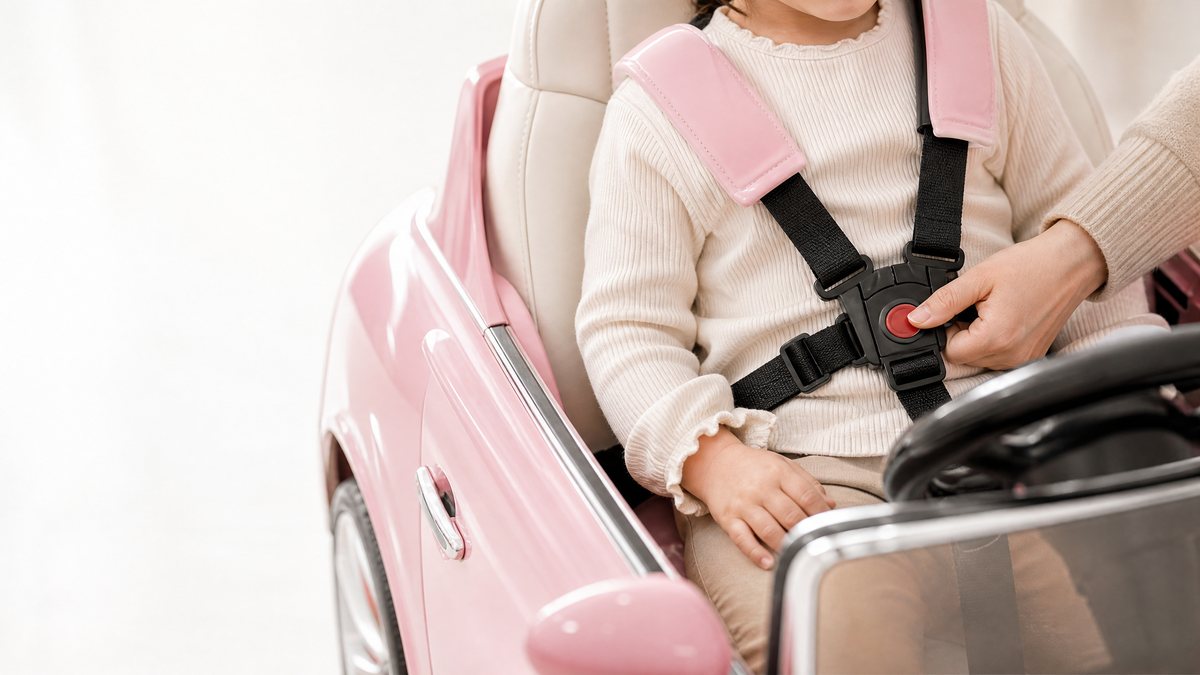
Before allowing a child to operate a ride-on car, caregivers should perform a quick visual and mechanical inspection: check that all wheels and steering linkages are secure, verify that the seatbelt or harness (if equipped) fastens properly, inspect the charging port and cables for any signs of damage, test the foot pedal and remote responsiveness, and ensure the play area is clear of traffic and hazards.
Conclusion
The transition from a stroller to a ride-on car represents an exciting chapter in early childhood development, symbolizing the shift from passive observation to active exploration. By providing children with the tools to steer their own course, ride-on cars foster essential gross motor skills, spatial cognition, and self-confidence. When paired with vigilant adult supervision, adherence to manufacturer instructions, and structured safety practices, these vehicles offer boundless joy and developmental support. For B2B partners and retailers, offering high-quality, certified ride-on options positions your business as a trusted ally in modern parenting and child mobility.
Request a wholesale quote
Official References
1. U.S. Consumer Product Safety Commission (CPSC): Toy Safety Education and General Guidance on Ride-On Toy Supervision. Available via CPSC public safety publications; note that official CPSC guidelines serve as general educational frameworks and do not supersede specific manufacturer instruction manuals or product certifications.
2. ASTM International F963: Standard Consumer Safety Specification for Toy Safety, outlining rigorous mechanical, structural, and electrical safety requirements for children's ride-on toys.
3. Childhood Motor Development Research: General academic insights regarding toddler locomotor transitions, spatial awareness, and the psychological benefits of guided self-directed play.
Official references
Explore these external resources for current regulatory and trade guidance. Confirm requirements with the relevant authority before placing an order.
Ready to Start?
Factory-Direct · CE & ASTM Certified · MOQ from 50 Units
Our export team works with buyers in 60+ countries. Get a quote within 24 hours.
KR
Written by KidsRideCar
China's leading kids electric ride-on car manufacturer. 500,000+ units shipped annually to 60+ countries. CE, ASTM & EN71 certified.