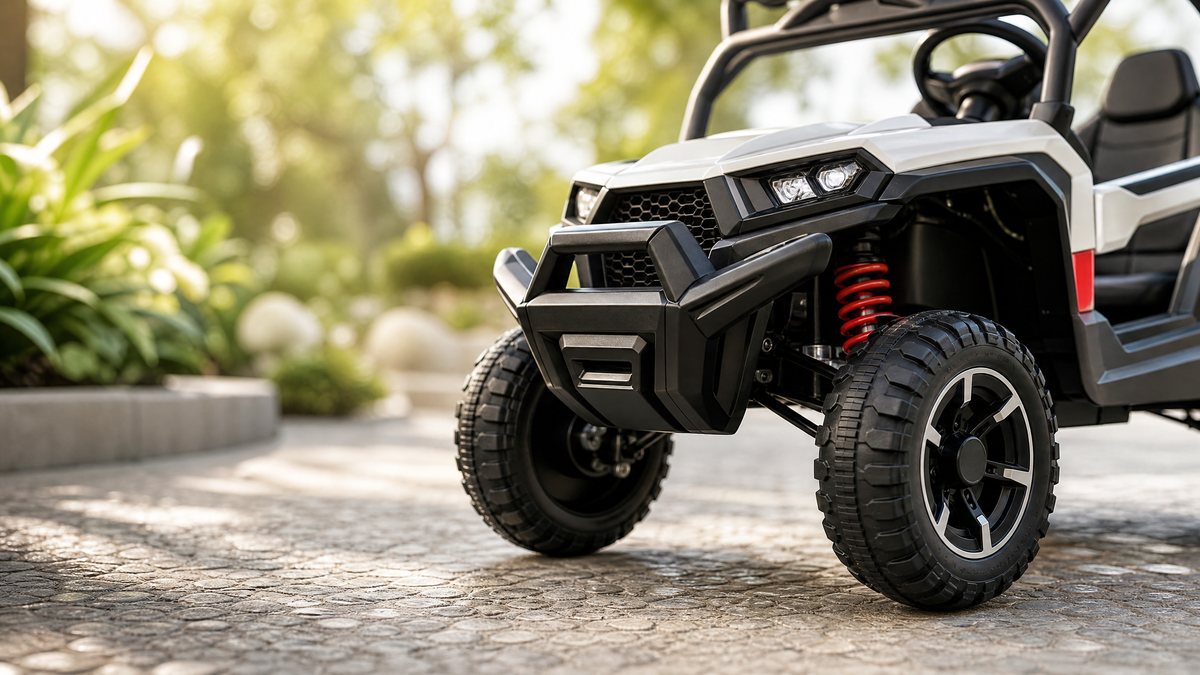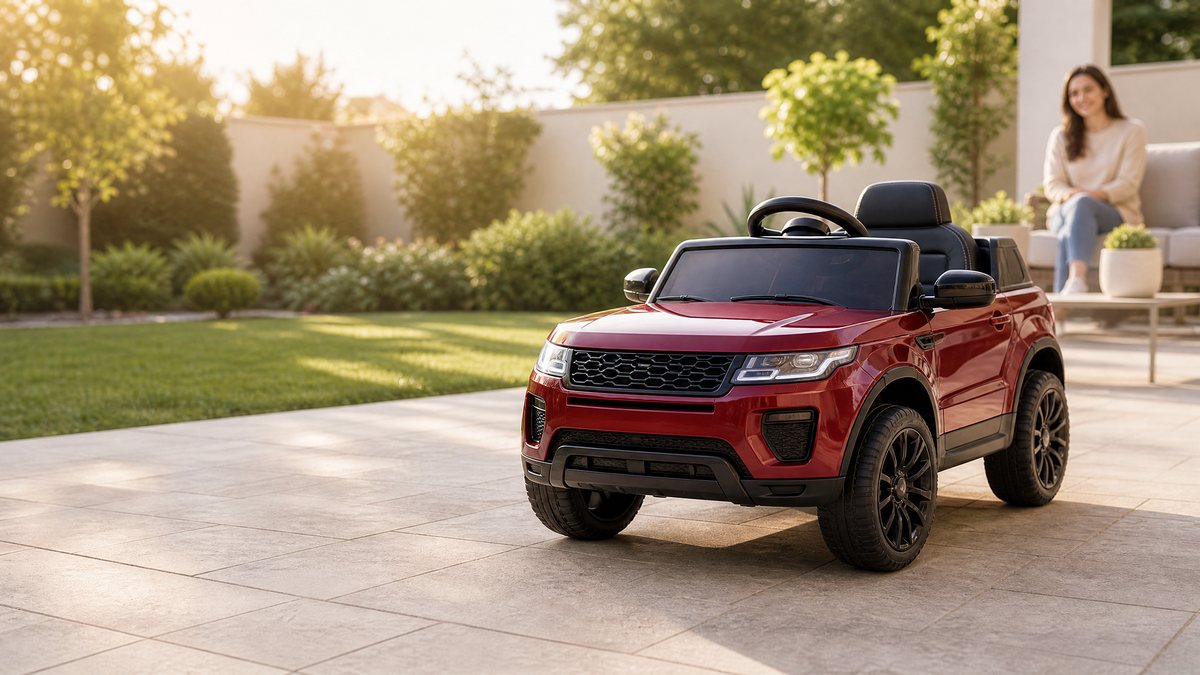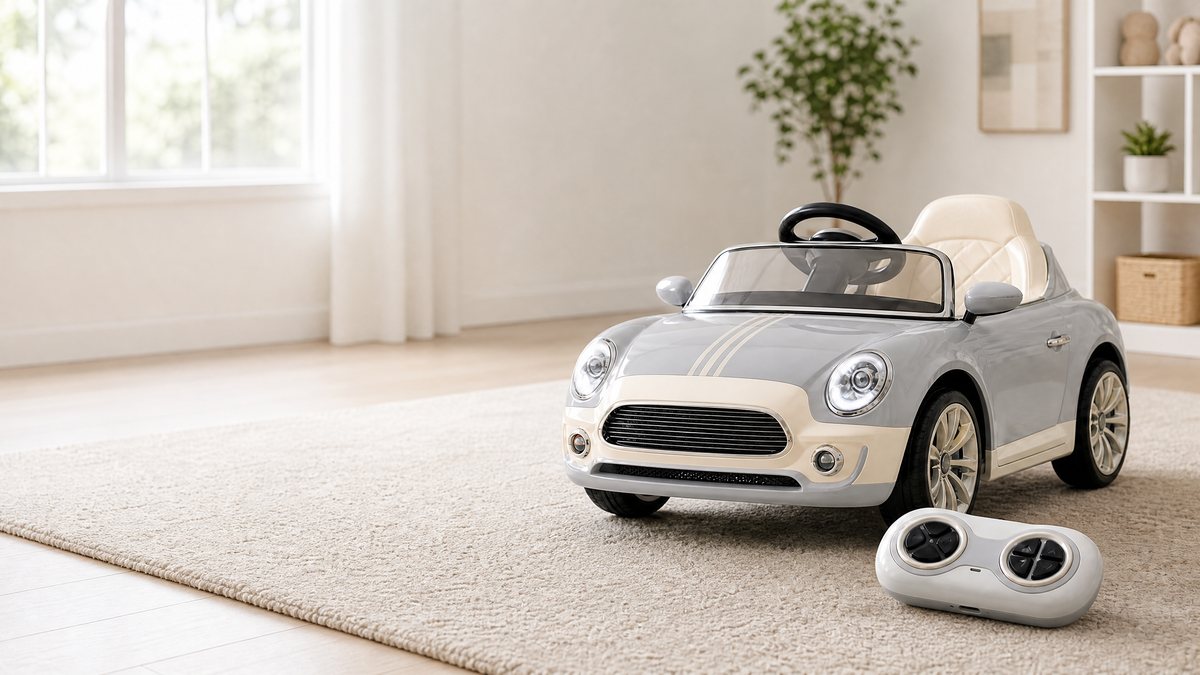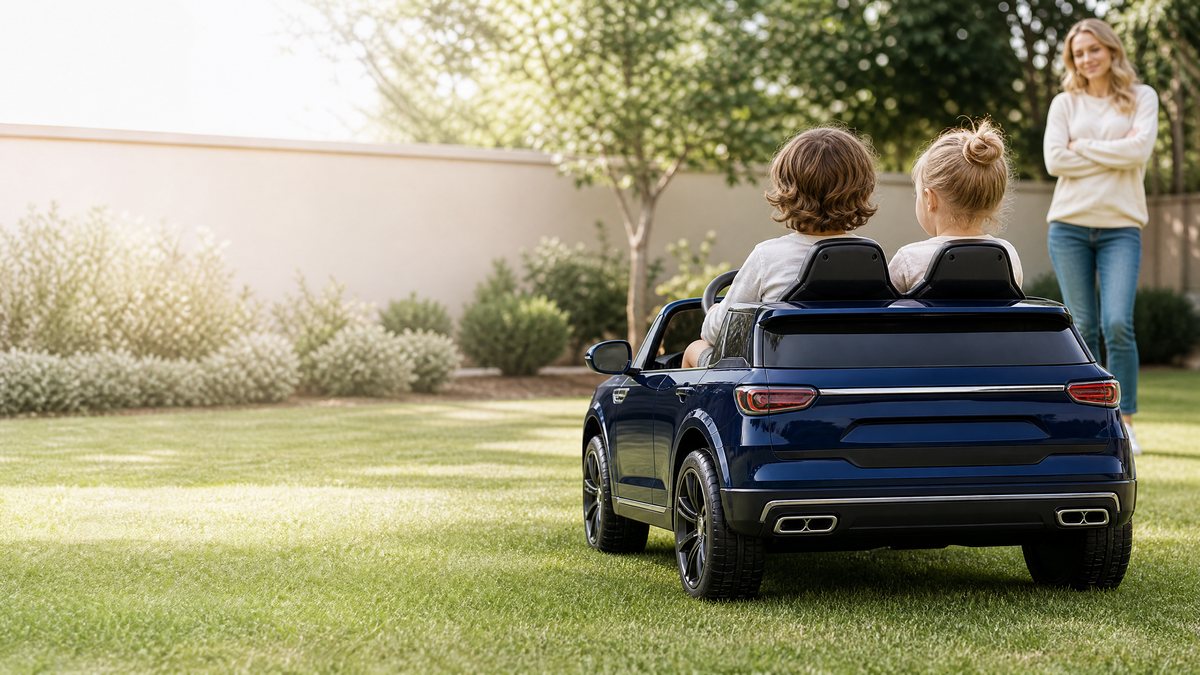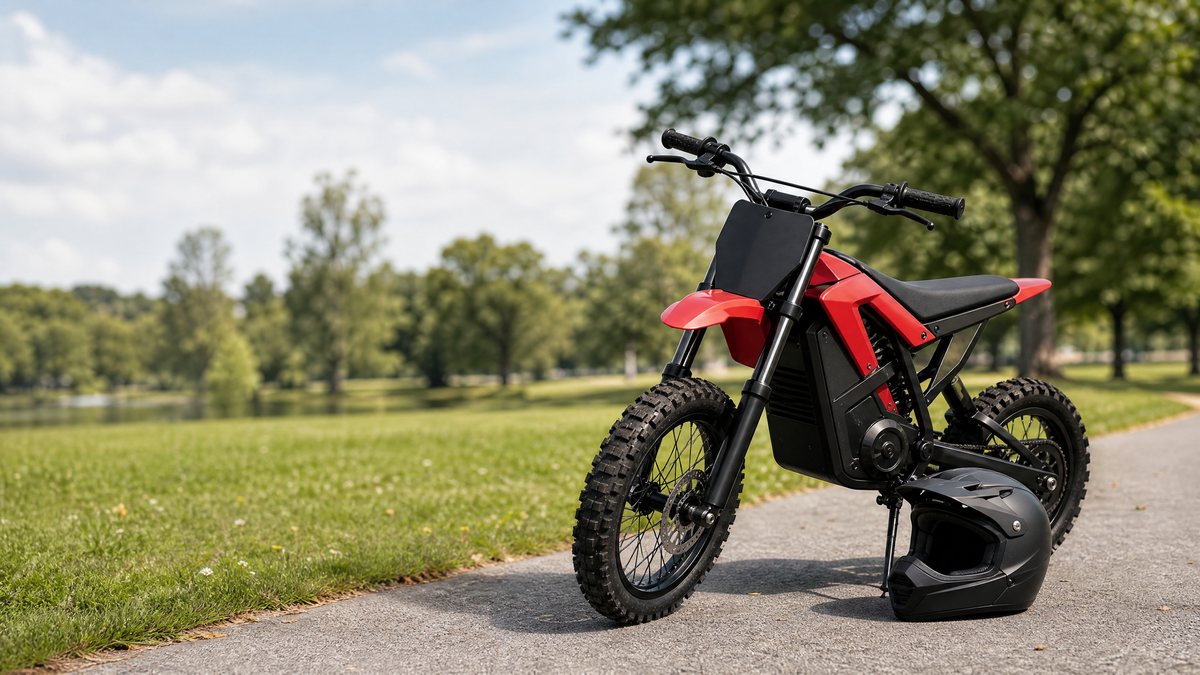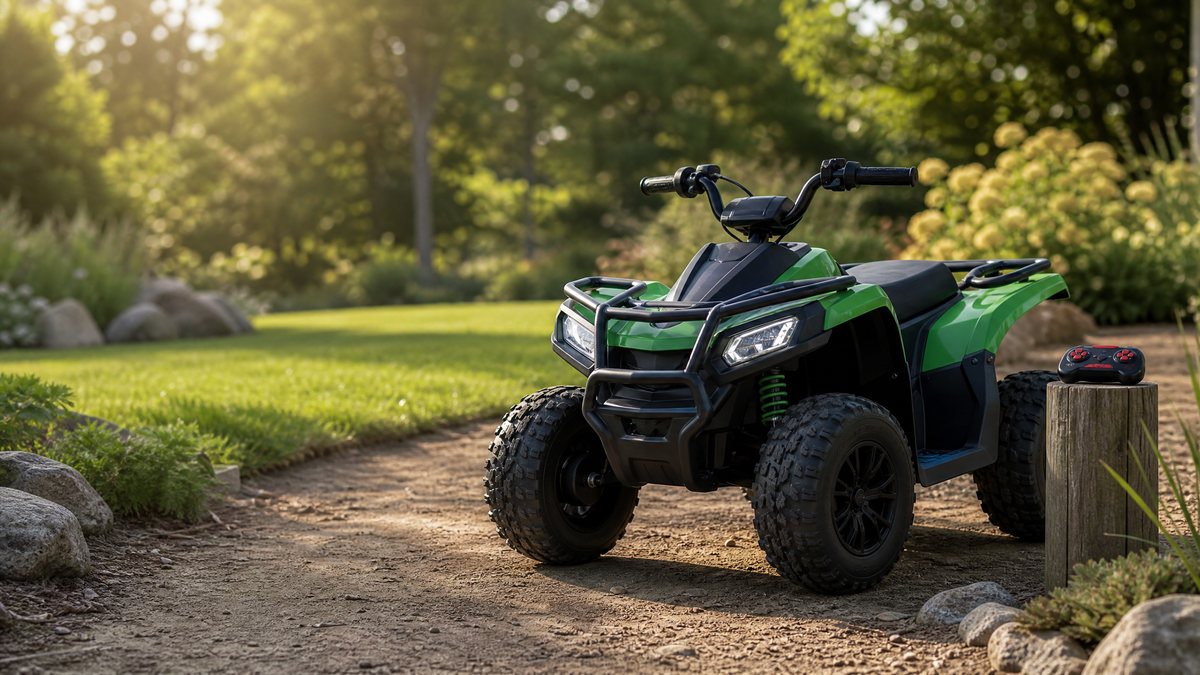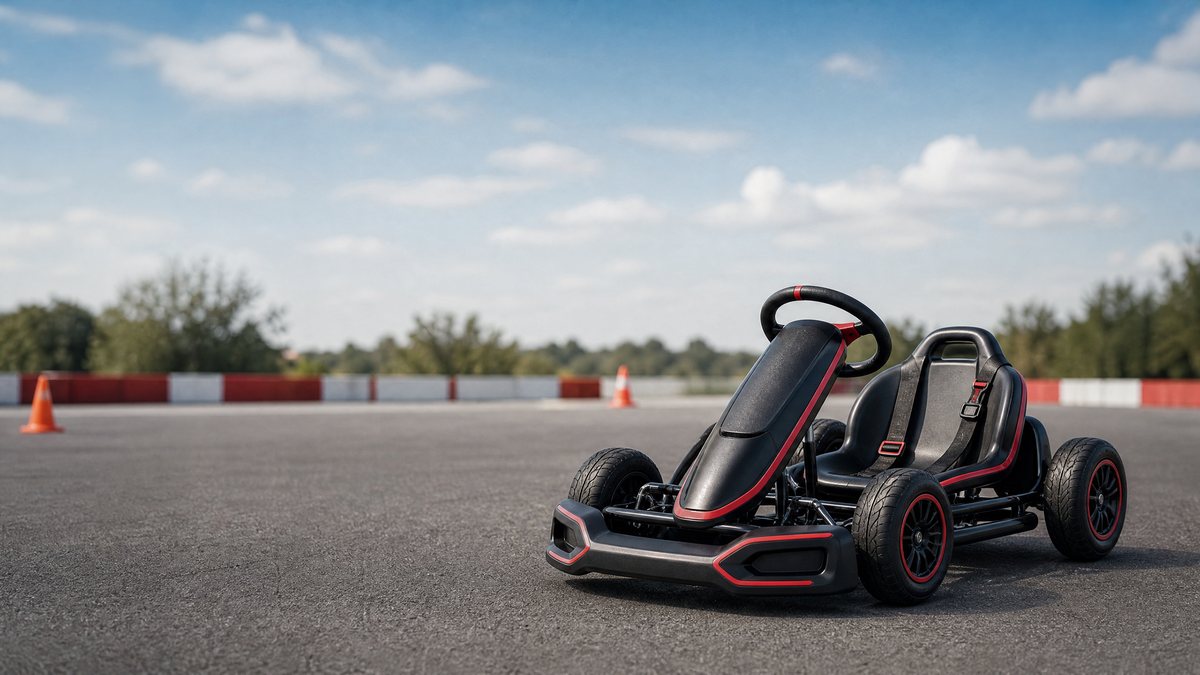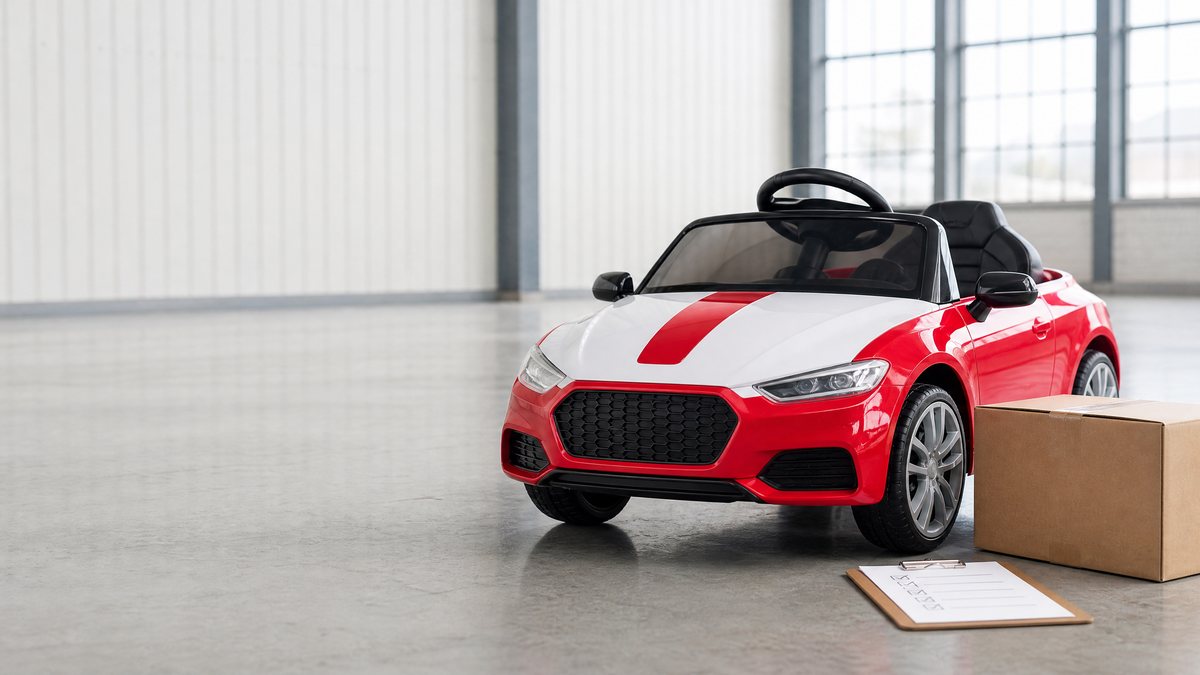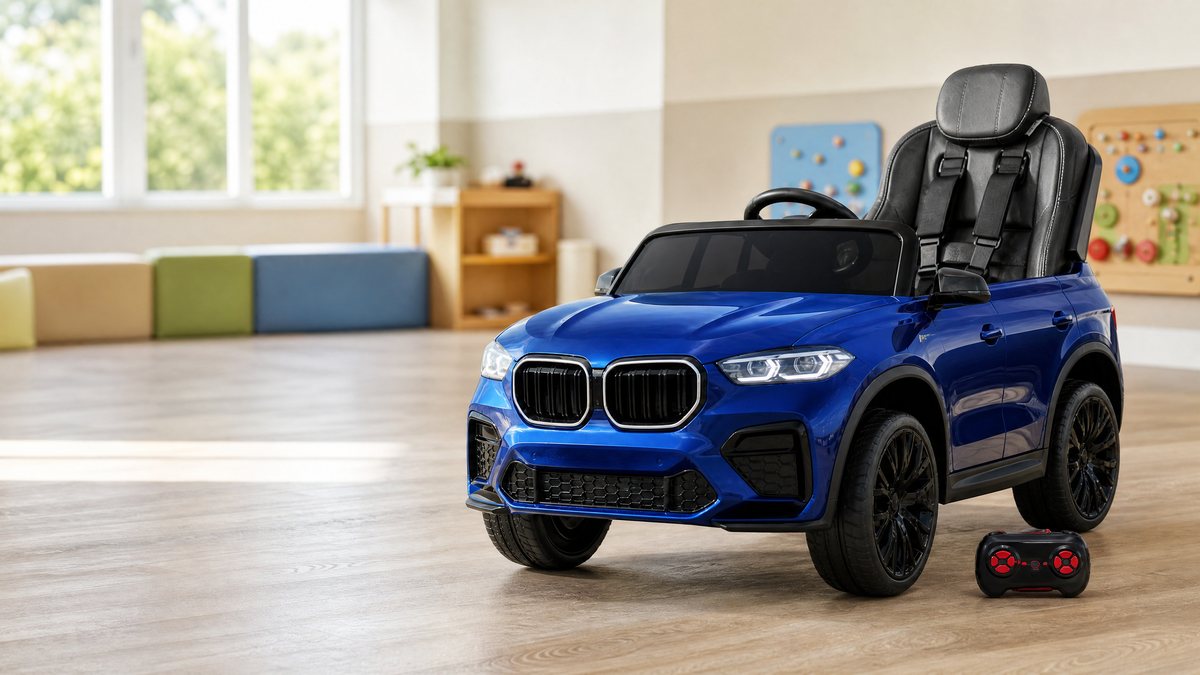
When evaluating children's electric ride-on vehicles for retail distribution, family fleets, or educational play environments, safety remains the paramount consideration for both commercial buyers and conscientious parents. Modern ride-on cars have evolved significantly from basic plastic push-carts into sophisticated battery-powered miniatures equipped with advanced electronics, remote overrides, ergonomic seating, and intricate body styling. Among the various features designed to enhance both user experience and physical security, the integration of lockable doors stands out as a critical innovation. Far more than a cosmetic enhancement designed to mimic full-scale luxury automobiles, a functional lockable door serves multiple mechanical, postural, and supervisory functions that directly contribute to safe operation. This comprehensive analysis explores the engineering principles, behavioral impacts, and commercial implications of lockable doors in children's ride-on cars, providing wholesale buyers, retailers, and end-users with an objective framework for evaluating vehicle safety.
The Evolution of Ride-On Car Design and Structural Containment
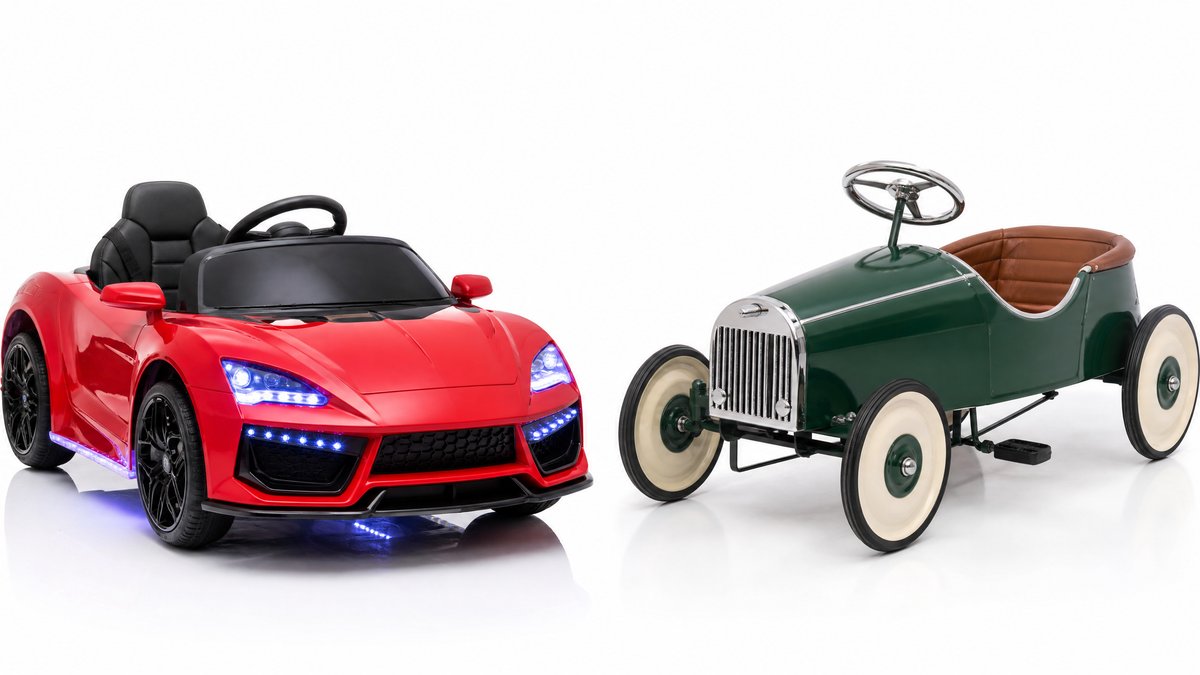
The architecture of children's ride-on vehicles has undergone a profound transformation over the past two decades. Early generations of battery-operated cars frequently featured open-cockpit designs with low sidewalls or entirely removable side barriers, relying solely on lap belts or passive seating to retain the young driver. While these simpler configurations reduced manufacturing costs and simplified vehicle entry, they presented distinct vulnerabilities regarding lateral stability and passenger containment during acceleration, turning, or minor impacts against stationary objects.
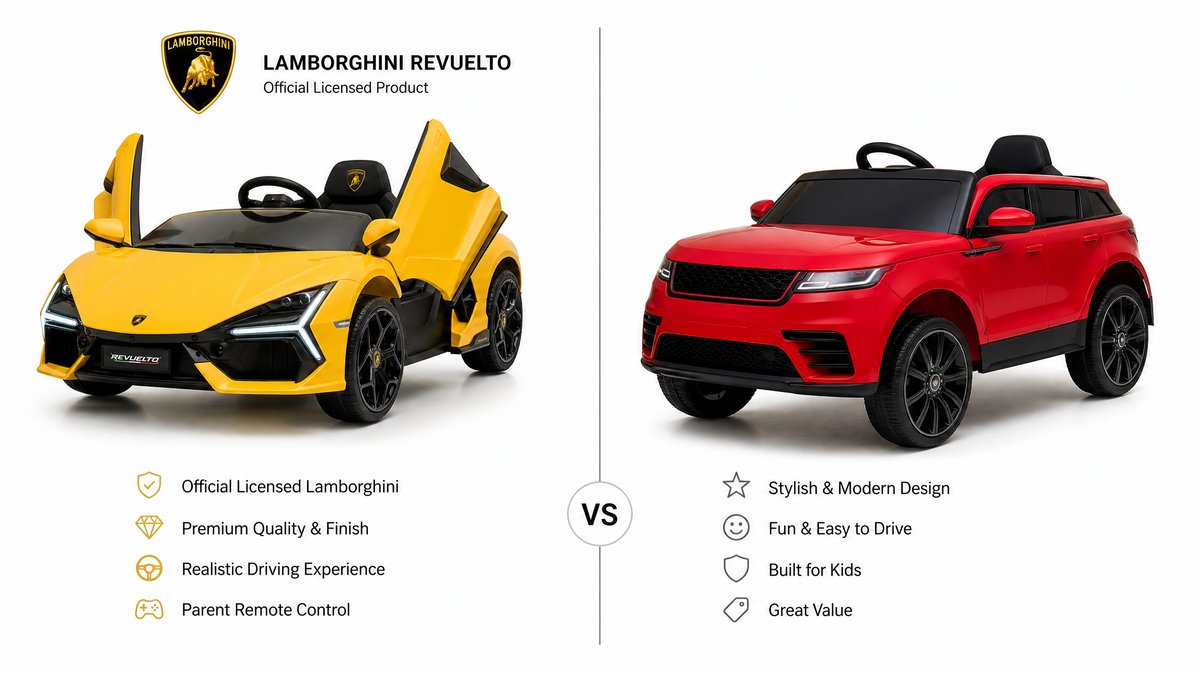
As engineering standards in the toy industry matured, manufacturers began incorporating rigid body shells with integrated door assemblies. However, non-locking or magnetically secured doors could occasionally swing open under centrifugal force during sharp turns or if a child leaned against the interior panel. The introduction of positive-locking mechanisms—ranging from spring-loaded latches to mechanical child-proof deadbolts operated from the exterior or interior—marked a significant milestone in vehicle safety design. By ensuring that the cabin remains securely enclosed during operation, lockable doors create a protective perimeter around the occupant, transforming the cockpit from a simple seating area into a secure containment cell.
Furthermore, structural containment directly influences how a child interacts with the vehicle. When a young driver is seated within a fully enclosed, door-equipped cockpit, the psychological perception of boundaries is heightened. Children are inherently curious and prone to shifting their weight or attempting to look over the side while in motion. A rigid door frame restricts awkward leaning angles, compelling the child to maintain an upright, centered posture. This postural stability is vital for maintaining control, particularly in dual-motor or four-wheel-drive models capable of higher torque outputs.
Mechanical Stability and Accidental Ejection Prevention
The primary physical benefit of a lockable door lies in the mitigation of accidental ejection risks. Young children lack the fully developed vestibular systems and core muscle strength required to counteract sudden lateral forces experienced during sharp steering maneuvers, unexpected braking, or traversal over uneven outdoor terrain such as grass, gravel, or slight inclines. When a vehicle navigates a corner at its operational speed, centrifugal force pushes the occupant toward the outer edge of the cockpit.
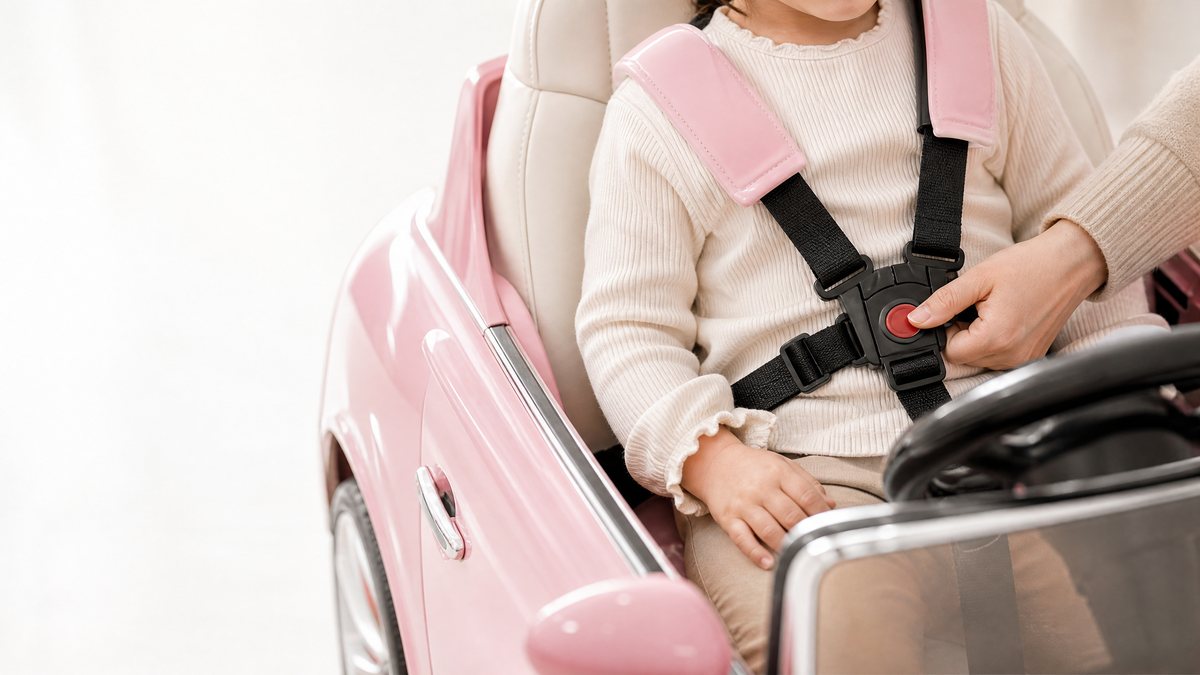
In vehicles lacking secure door latches, an uncontained child may slide against a flimsy barrier, causing the door to burst open and increasing the probability of a fall from the moving vehicle. A robustly engineered lockable door prevents this failure mode by distributing lateral pressure evenly across the vehicle frame. Furthermore, when combined with a certified multi-point restraint harness, the lockable door provides a secondary physical barrier that prevents limbs from protruding outside the vehicle perimeter where they might contact obstacles, curbs, or rotating wheels. It is essential to emphasize, however, that door locks are designed as containment aids rather than structural crash cages, and all vehicle operation must strictly adhere to manufacturer-specified weight limits and operational guidelines.
Analyzing the physics of low-speed electric vehicles reveals that even minor kinetic energy transfers can destabilize an unsecured toddler. When a front wheel strikes a hidden divot or curb edge, the sudden deceleration creates a forward and lateral vector shift. In an open-cockpit configuration, the child's momentum carries them toward the opening. A locked door absorbs a substantial portion of this kinetic transfer, keeping the child securely positioned within the crush-resistant zone of the vehicle's molded plastic chassis.
Behavioral Reinforcement and Supervision Protocols
Beyond pure physics, vehicle design heavily influences user behavior and psychological engagement. Children naturally respond to tactile boundaries; a door that clicks shut and locks into place establishes a clear operational protocol analogous to entering a real automobile. This ritualized startup sequence encourages children to adopt a safety-conscious mindset before the vehicle is set in motion, turning playtime into an structured educational experience regarding vehicular safety rules.
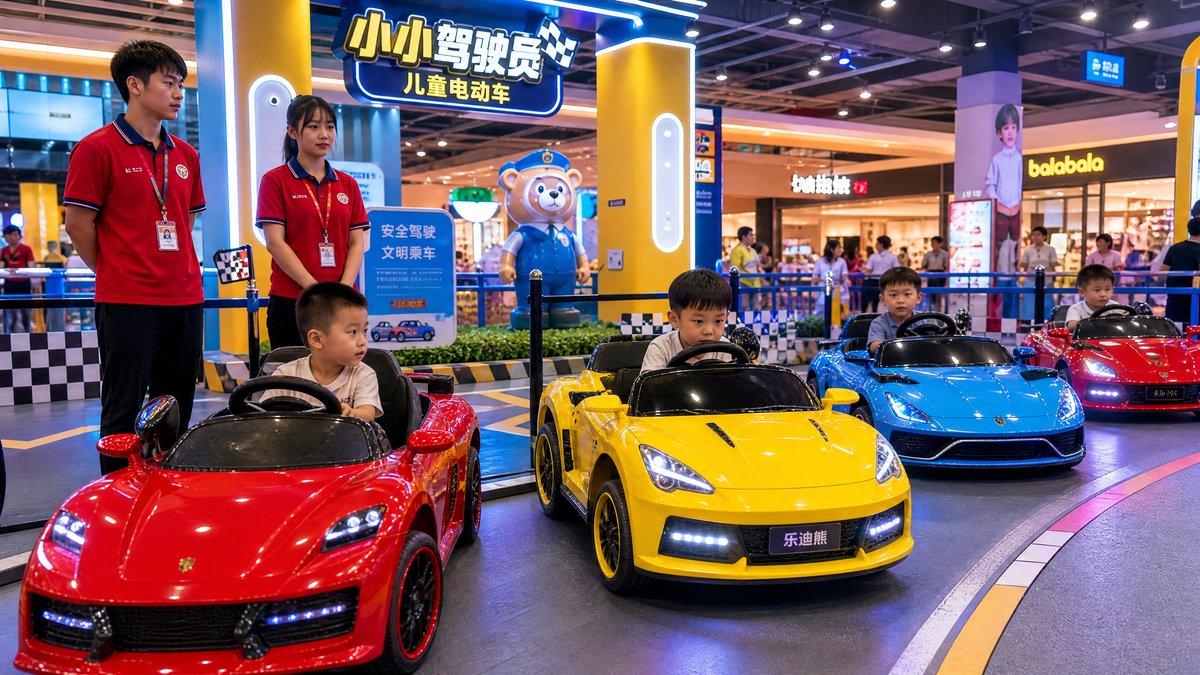
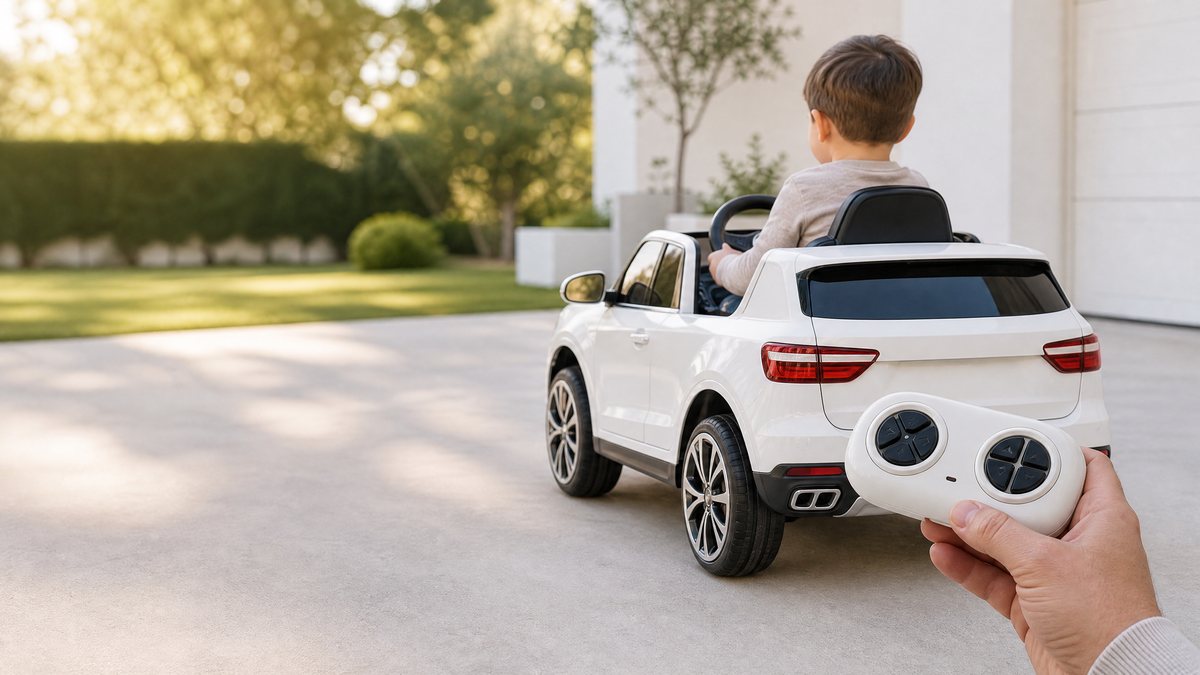
For adult supervisors, lockable doors introduce an additional layer of operational control. In many advanced models, exterior locks or master latches can be engaged by parents, ensuring that young children cannot independently exit the vehicle while operating in areas where immediate containment is necessary. This feature is particularly valuable in semi-public environments such as gated gardens, community parks, or supervised play centers.
Nonetheless, technology must never replace active adult supervision. Supervisors must remain within immediate proximity, utilizing parental remote controls where available, and ensuring that children understand that safety features supplement, but do not replace, attentive oversight. Adults must conduct pre-ride inspections to verify that latches are fully engaged and that no mechanical wear compromises the locking mechanism's integrity.
Comparative Analysis of Open-Cockpit vs. Lockable Door Models
To assist commercial buyers and retail decision-makers in understanding the distinct trade-offs between different vehicle configurations, the following comparative matrix outlines key structural and operational characteristics.
| Feature Category | Open-Cockpit Ride-On Cars | Lockable-Door Ride-On Cars |
|---|---|---|
| Primary Entry Design | Step-over or open side access | Hinged door with mechanical latch |
| Lateral Containment | Relies entirely on seatbelt and body walls | Enhanced by rigid door barrier and positive lock |
| Risk of Accidental Ejection | Moderate to high during sharp cornering | Significantly minimized under normal operating conditions |
| Limb Protection | Minimal barrier against external obstacles | Physical shield restricting accidental limb extension |
| Manufacturing Complexity | Lower component count and simpler assembly | Higher mechanical complexity requiring quality latches |
| Ideal Target Demographic | Older toddlers and supervised controlled environments | Younger children requiring higher containment security |
As demonstrated in the comparison above, vehicles featuring lockable doors offer superior physical containment and peace of mind, making them a preferred tier for premium retail segments and safety-conscious family purchases.
Request a wholesale quote
Retailer and Wholesale Considerations for Safety Features
For B2B importers, distributors, and storefront retailers, stocking ride-on vehicles with advanced safety features such as lockable doors provides a distinct competitive advantage in an increasingly discerning marketplace. Modern consumers are increasingly sophisticated, frequently prioritizing safety certifications, robust construction, and ergonomic enhancements over raw cost savings.
When selecting inventory for wholesale procurement, commercial buyers should evaluate several critical quality indicators regarding door assemblies:
1. Material Integrity: Ensure that door hinges and latches are fabricated from reinforced high-impact polymers or metal alloys capable of withstanding repetitive mechanical stress.
2. Smooth Operation: Latches should operate smoothly without requiring excessive force that could trap small fingers or frustrate young users.
3. Compliance Documentation: Verify that the manufacturer provides complete test reports confirming compliance with relevant international toy safety standards, such as ASTM F963 or EN71.
4. Clear User Manuals: Ensure that all vehicles arrive with comprehensive documentation outlining proper maintenance of moving parts, hinge lubrication, and latch inspection schedules.
Furthermore, wholesale buyers should examine how door mechanisms are marketed to retail end-users. Clear educational signage and product descriptions highlighting the safety benefits of lockable doors help retail customers justify premium price points, translating into higher average order values and stronger profit margins for commercial partners.
Ergonomics, Accessibility, and Child Comfort
While safety is the primary driver behind lockable doors, ergonomics and comfort play vital secondary roles in user satisfaction. A well-designed door must not only lock securely but also provide an accessible aperture for children to enter and exit with minimal strain. High-end ride-on vehicles achieve this by engineering wide-opening hinge angles combined with low step-in thresholds.
When doors are unlocked, they should swing open smoothly, allowing younger children to board the vehicle independently without awkward twisting or stretching. This fosters a sense of autonomy and accomplishment for the child. Once seated, closing the door and hearing a distinct mechanical click provides positive auditory and tactile feedback. Manufacturers must calibrate the latch tension carefully: it must be secure enough to withstand lateral pushes from within, yet gentle enough that a parent can easily release it without straining their wrists.
Regulatory Standards and Testing Protocols for Vehicle Doors
In the global toy and children's mobility market, safety features cannot be treated as optional cosmetic flourishes. Regulatory bodies such as the Consumer Product Safety Commission (CPSC) in the United States and the European Committee for Standardization (CEN) enforce strict guidelines regarding pinch points, entrapment hazards, and structural integrity.
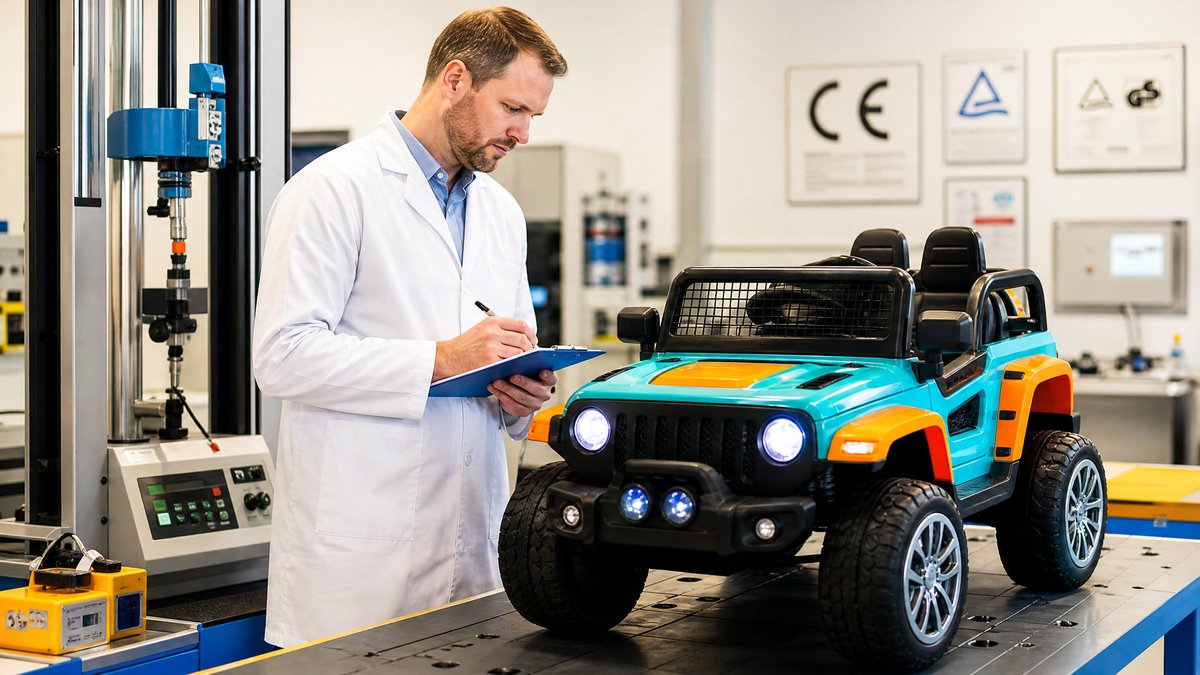
Door assemblies on ride-on cars undergo rigorous testing during certification audits. Engineers test for finger entrapment hazards in hinge gaps, evaluate the shear strength of latches under simulated impact loads, and verify that materials are free from toxic plasticizers or sharp edges. Commercial buyers should always request copies of EN71 or ASTM F963 test certificates from their manufacturing partners to ensure full legal compliance in their target export markets. Relying on uncertified products exposes distributors to severe liability risks and potential border confiscations.
Maintenance and Long-Term Reliability of Locking Mechanisms
Like all mechanical systems subject to outdoor use, dust, moisture, and rough handling, door latches require periodic maintenance to ensure long-term functionality. Retailers should advise end-users to inspect door hinges and locking pins regularly. Accumulated dirt or grass clippings within latch recesses can prevent proper engagement, leading to a false sense of security where the door appears closed but is not truly locked.
Maintenance protocols should be straightforward: cleaning the latch area with a damp cloth, checking hinge screw tightness, and applying manufacturer-approved silicone lubricants if movement becomes stiff. Under no circumstances should users attempt to modify latches, drill unauthorized holes, or force jammed mechanisms with heavy tools, as this can compromise the structural integrity of the plastic body shell.
Frequently Asked Questions
1. Are lockable doors on ride-on cars strong enough to support a child's full weight leaning against them?
No. Lockable doors are engineered to provide lateral containment and prevent accidental falls during normal vehicle operation. They are not structural crash cages or weight-bearing supports. Children should be instructed not to lean heavily against the doors or use them to hoist themselves into or out of the vehicle.
2. Can children accidentally unlock the doors from the inside while the car is moving?
Most high-quality ride-on cars utilize interior latches positioned out of easy accidental reach or require a two-step release motion. However, design specifics vary by manufacturer. Buyers and parents should inspect the specific latch mechanism of each model to ensure it matches the developmental age and dexterity of the intended rider.
3. What maintenance is required for lockable door hinges and latches?
Like all mechanical components on motorized toys, door latches and hinges require periodic inspection. Check for loose screws, misalignment, or accumulation of debris in the latch mechanism. If stiffness occurs, consult the manufacturer's user manual for approved lubricants; never use unverified chemical solvents on plastic components.
4. Do lockable doors eliminate the need for a seatbelt harness?
Absolutely not. A lockable door is a secondary containment barrier and does not replace a multi-point seatbelt or safety harness. Both the seatbelt and the door mechanism must be properly secured before every use to ensure maximum passenger security.
5. What should I do if a door latch mechanism becomes jammed or broken?
If a latch fails to lock or becomes stuck, immediately discontinue use of the vehicle and keep children away. Inspect for foreign debris or broken internal springs. Contact the manufacturer or qualified customer service for replacement parts; never attempt unauthorized DIY modifications that alter safety barriers.
Conclusion
The inclusion of a lockable door on a children's electric ride-on car represents a convergence of thoughtful mechanical engineering, enhanced occupant containment, and responsive parental supervision. While no physical feature can substitute for attentive adult oversight, lockable doors provide a tangible layer of security that minimizes lateral ejection risks and protects against accidental limb contact. For B2B wholesale buyers, retailers, and safety-minded parents, investing in vehicles equipped with robust, certified safety features ensures long-term customer satisfaction and superior product reliability. As the children's mobility market continues to evolve, prioritizing functional safety innovations remains the definitive standard for industry excellence.
Request a wholesale quote
Official References
1. U.S. Consumer Product Safety Commission (CPSC): General Toy Safety Education Guidelines and Consumer Product Recalls Database. Accessible via CPSC Official Website. Note: CPSC general educational resources provide foundational safety principles but do not replace specific vehicle operating instructions or manufacturer certifications.
2. ASTM International: Standard Consumer Safety Specification for Toy Safety (ASTM F963). Establishes requirements for mechanical hazards, structural integrity, and protruding parts in children's products.
3. European Committee for Standardization (CEN): European Standard for Toy Safety (EN 71 Parts 1, 2, and 3), covering mechanical and physical properties, flammability, and migration of certain elements.
Official references
Explore these external resources for current regulatory and trade guidance. Confirm requirements with the relevant authority before placing an order.
Ready to Start?
Factory-Direct · CE & ASTM Certified · MOQ from 50 Units
Our export team works with buyers in 60+ countries. Get a quote within 24 hours.
KR
Written by KidsRideCar
China's leading kids electric ride-on car manufacturer. 500,000+ units shipped annually to 60+ countries. CE, ASTM & EN71 certified.