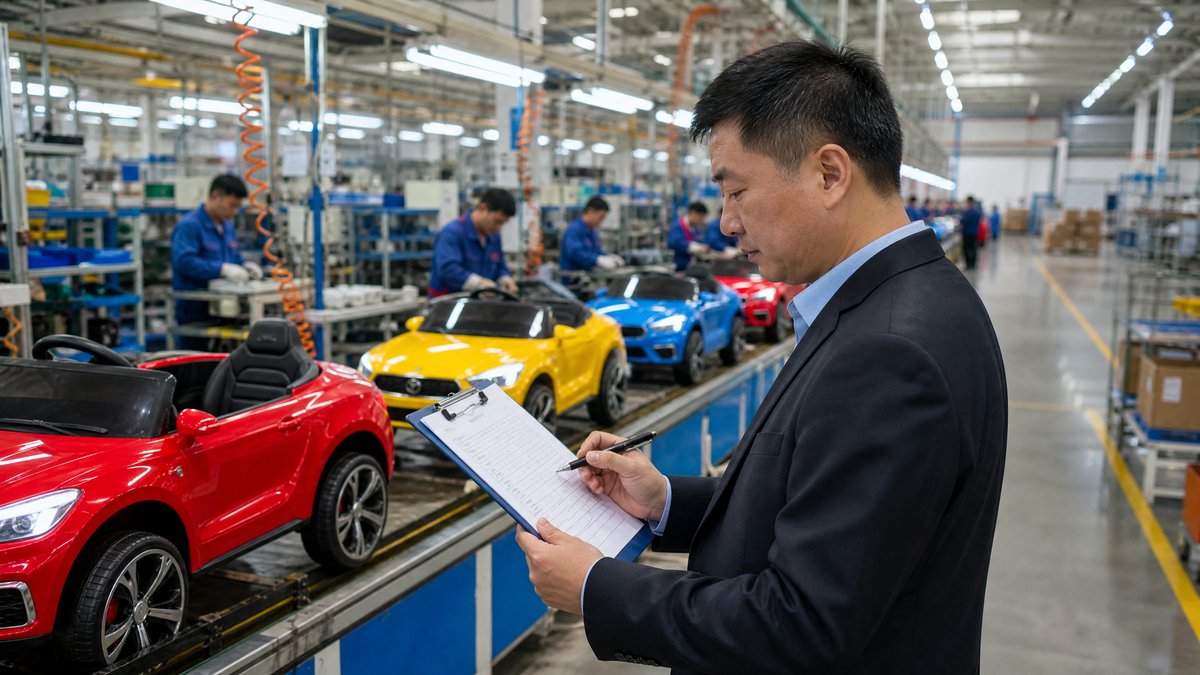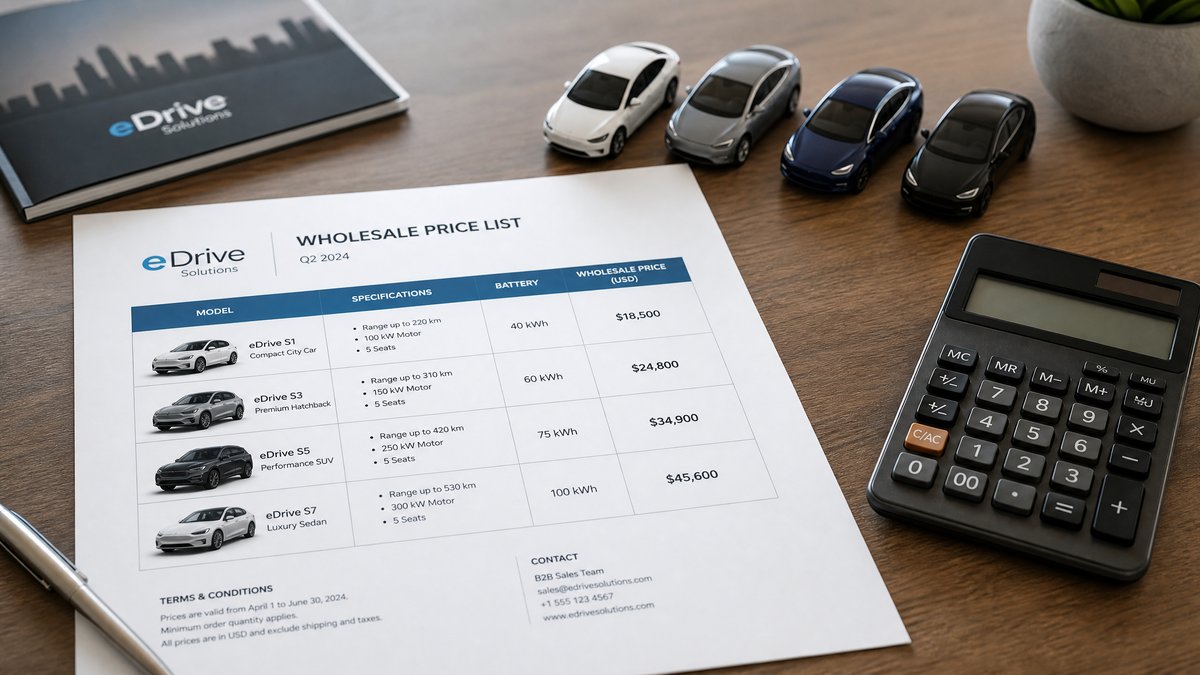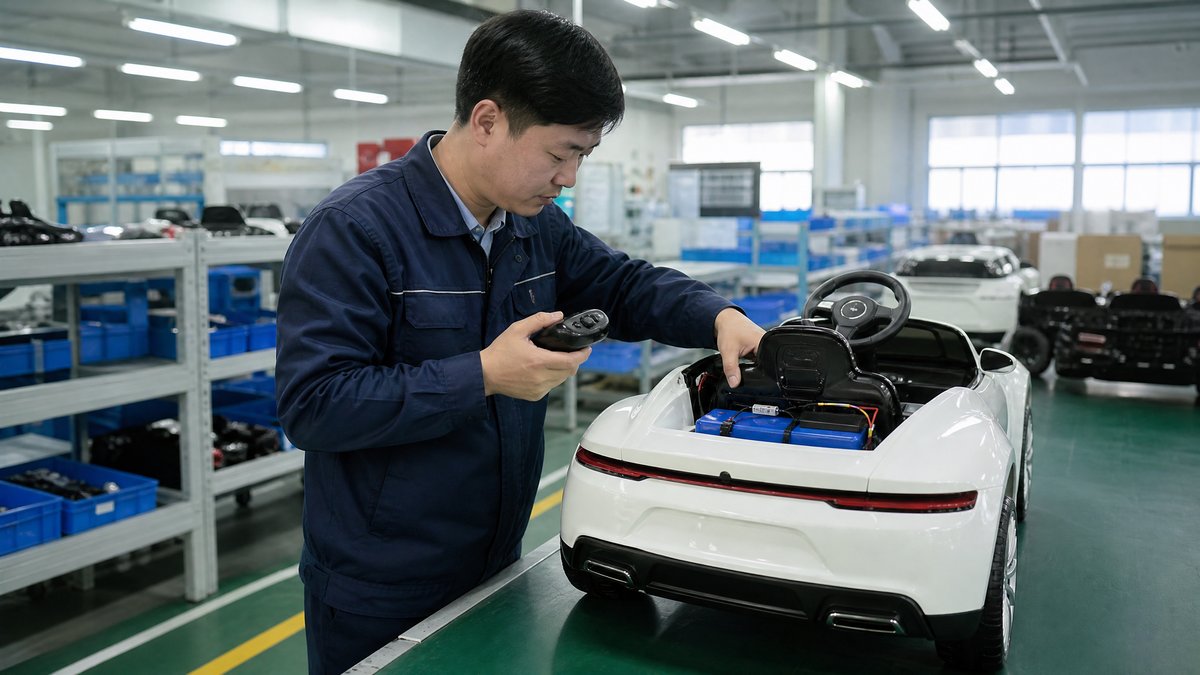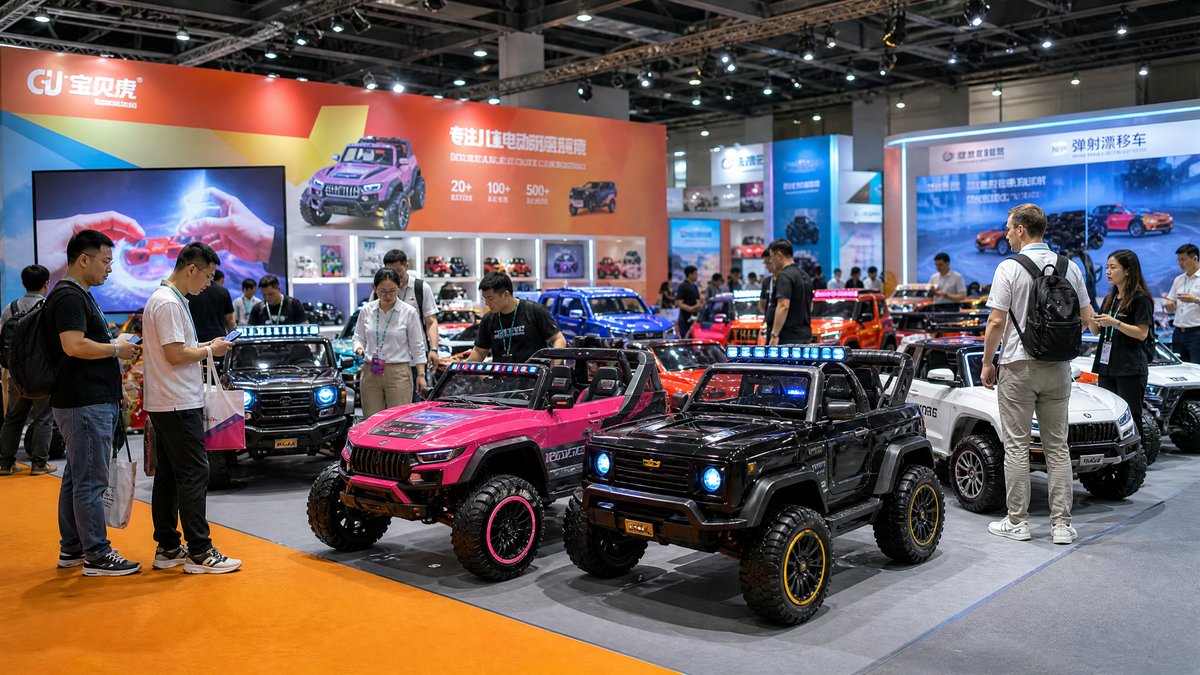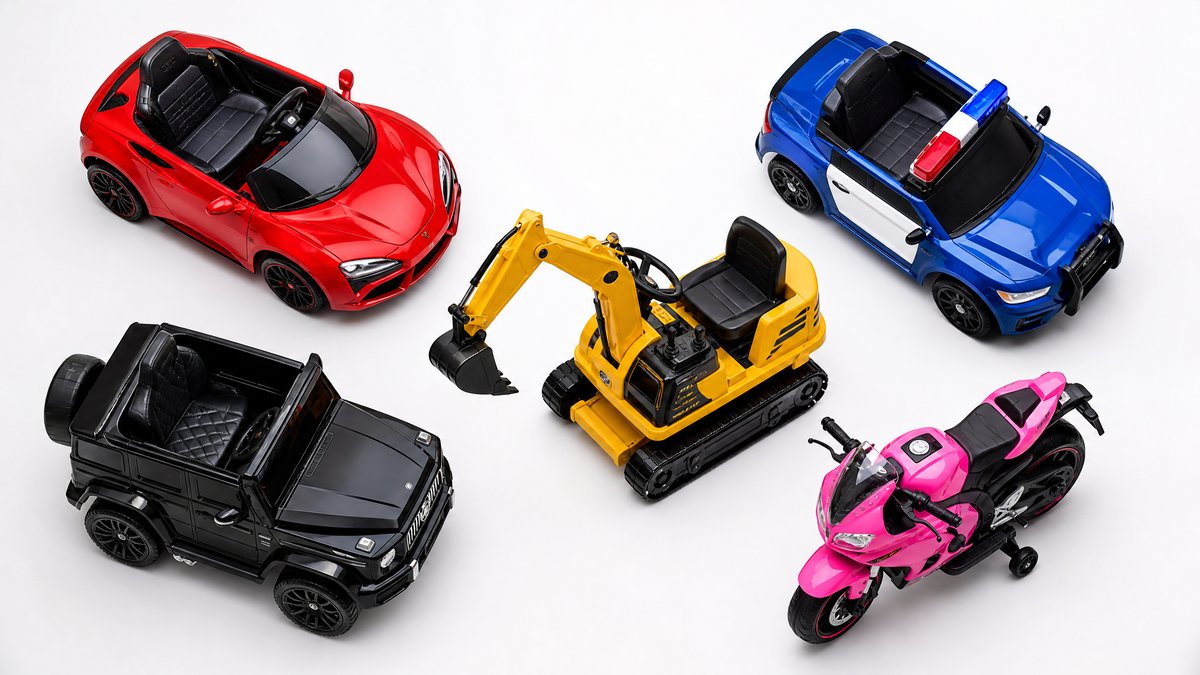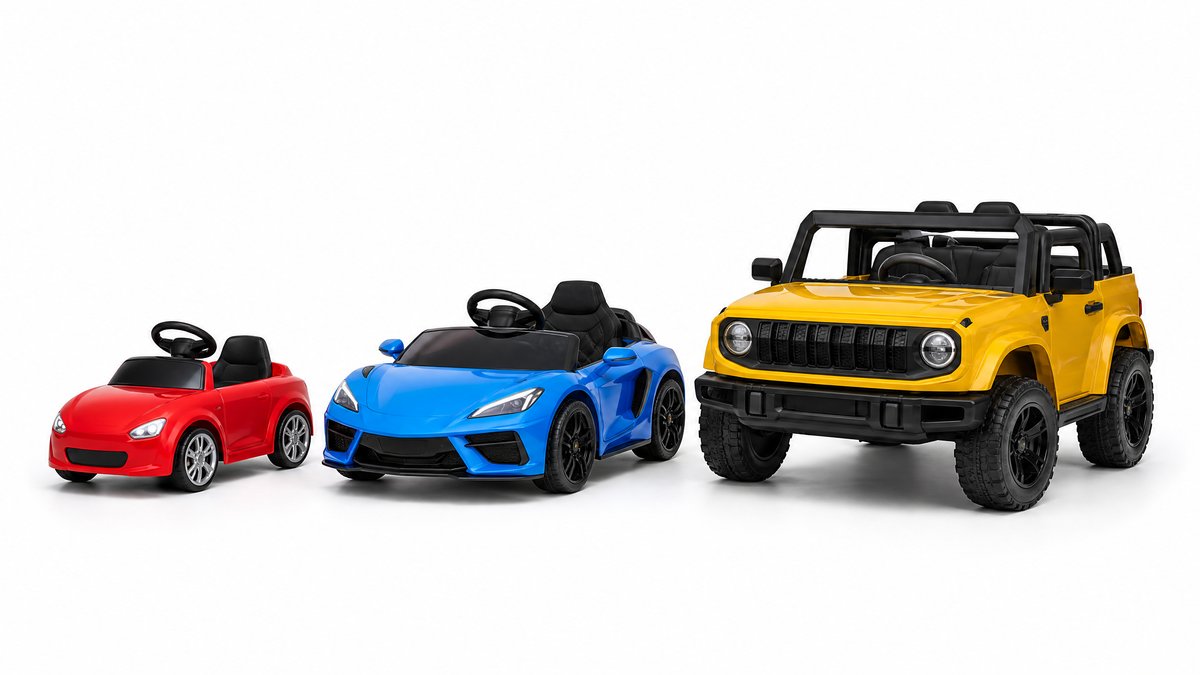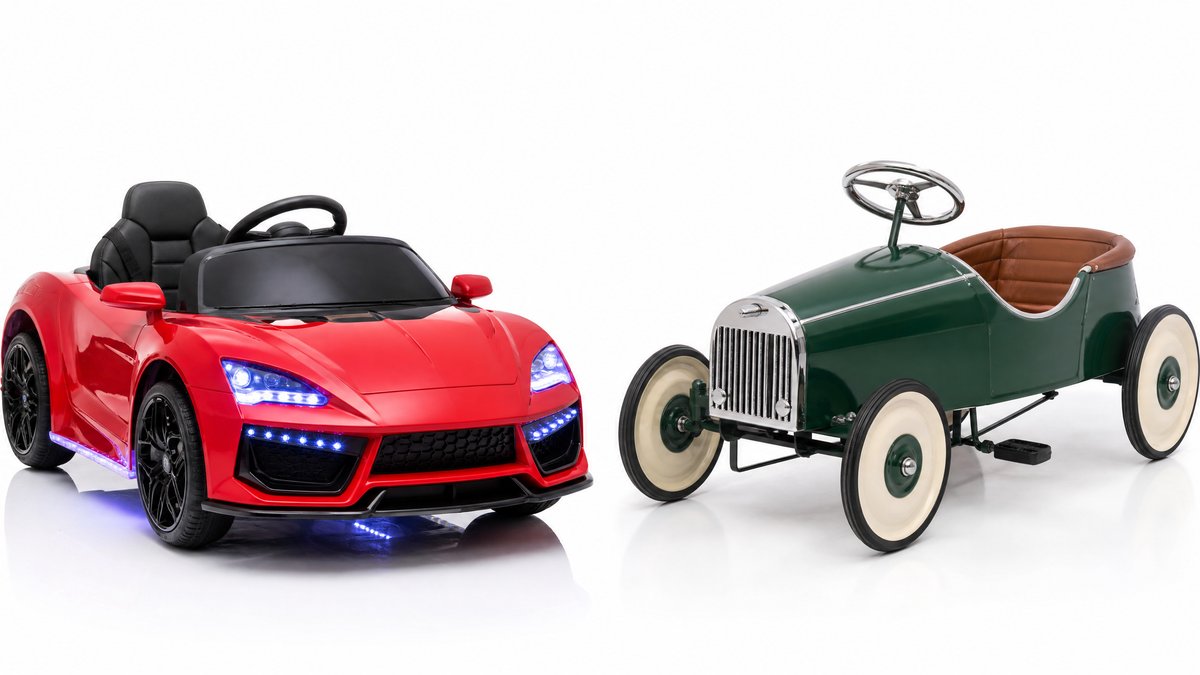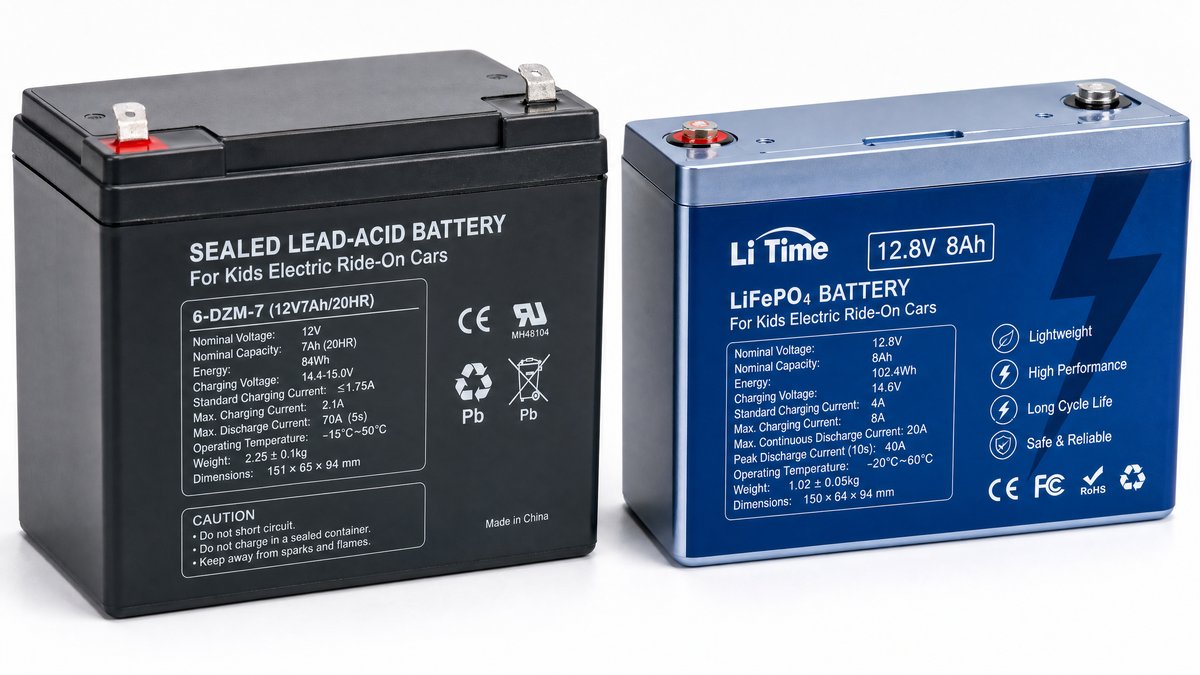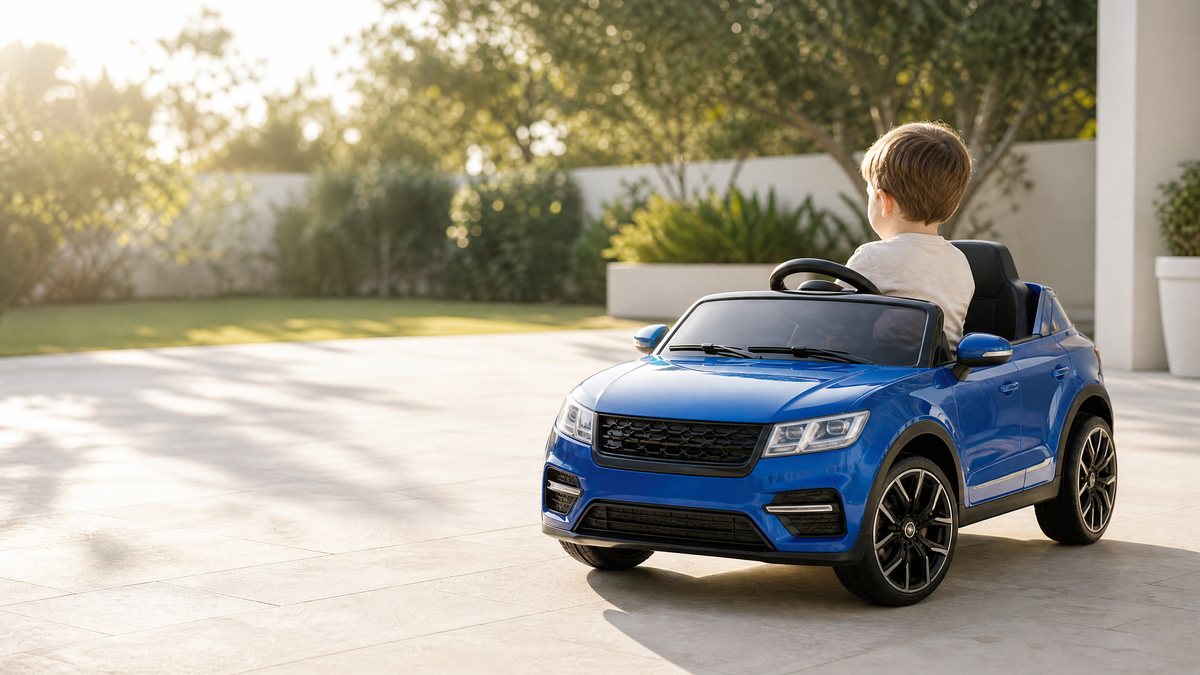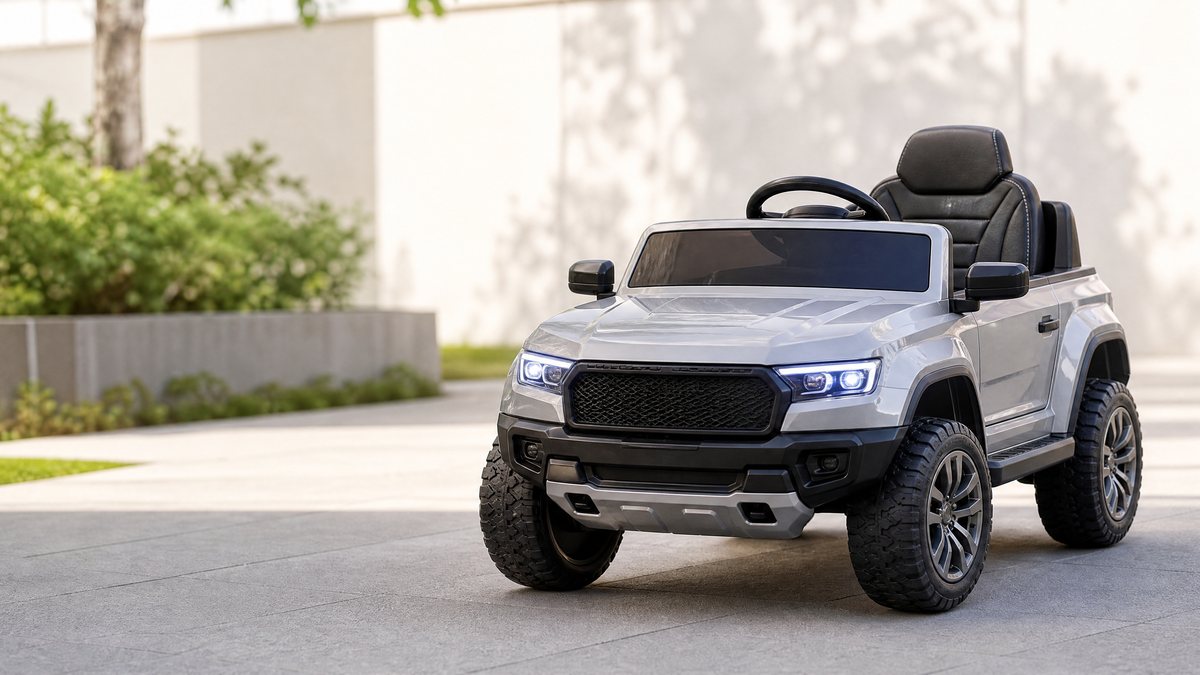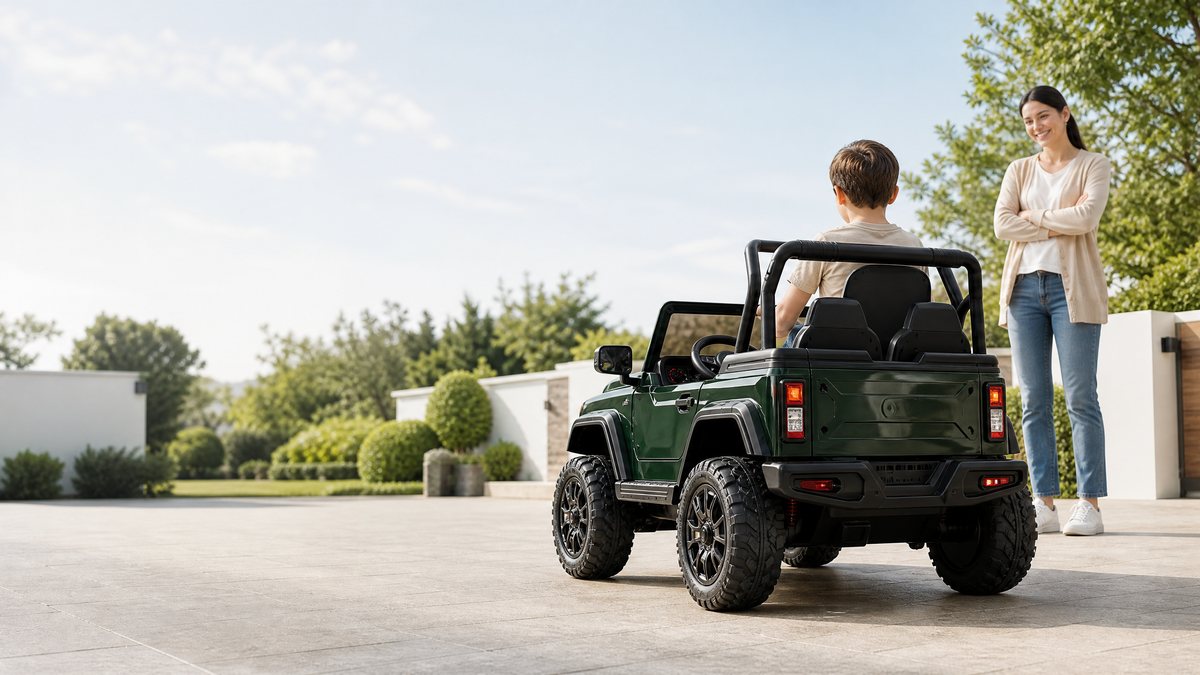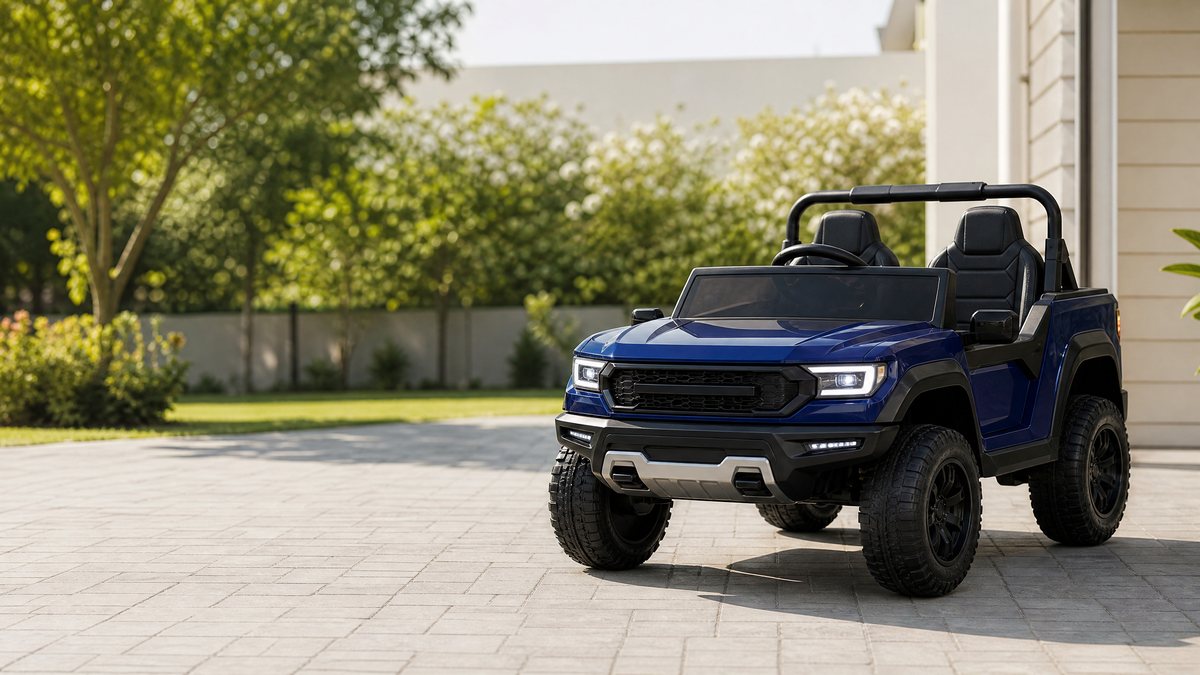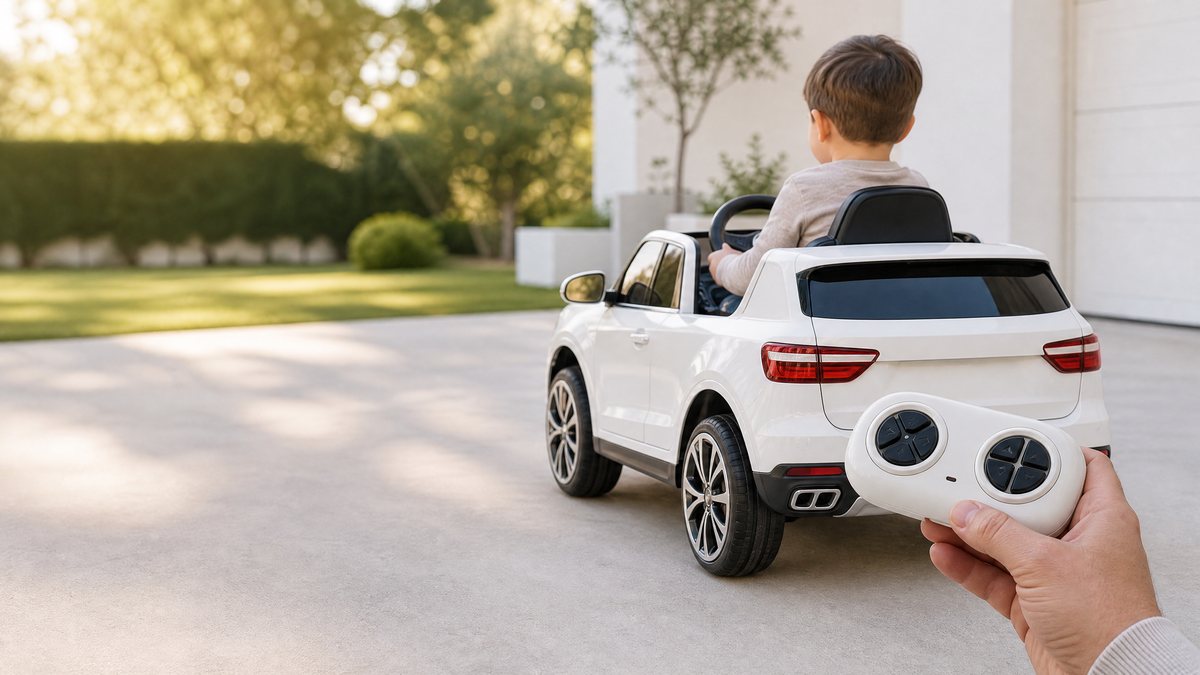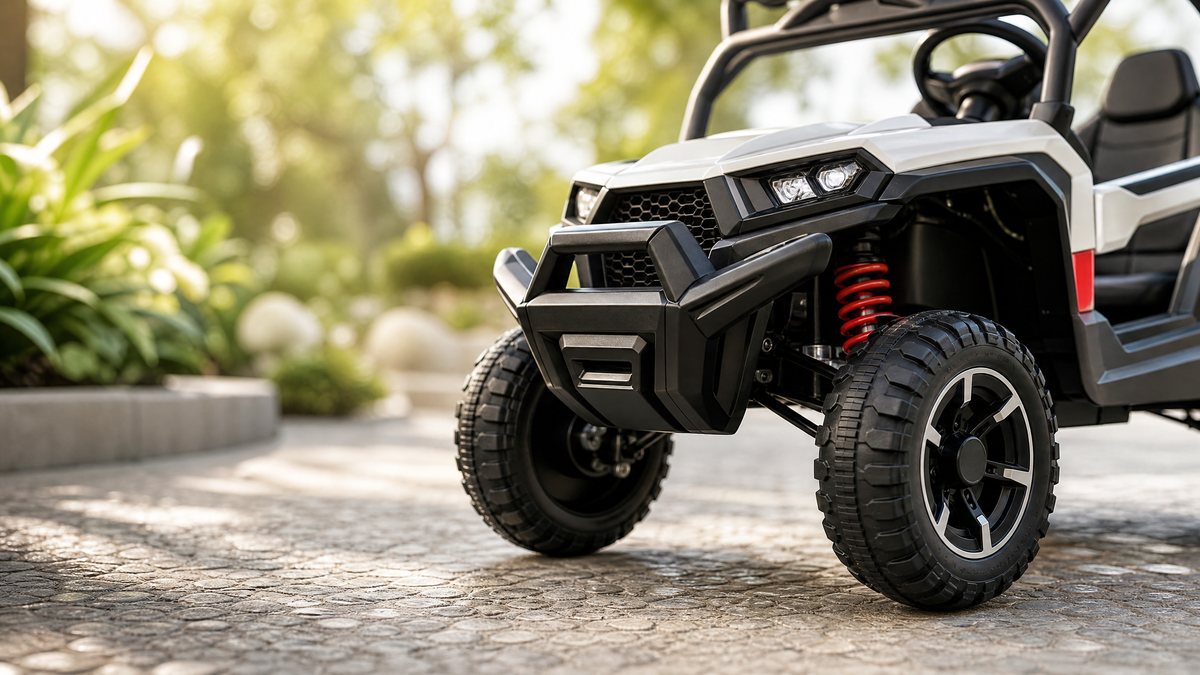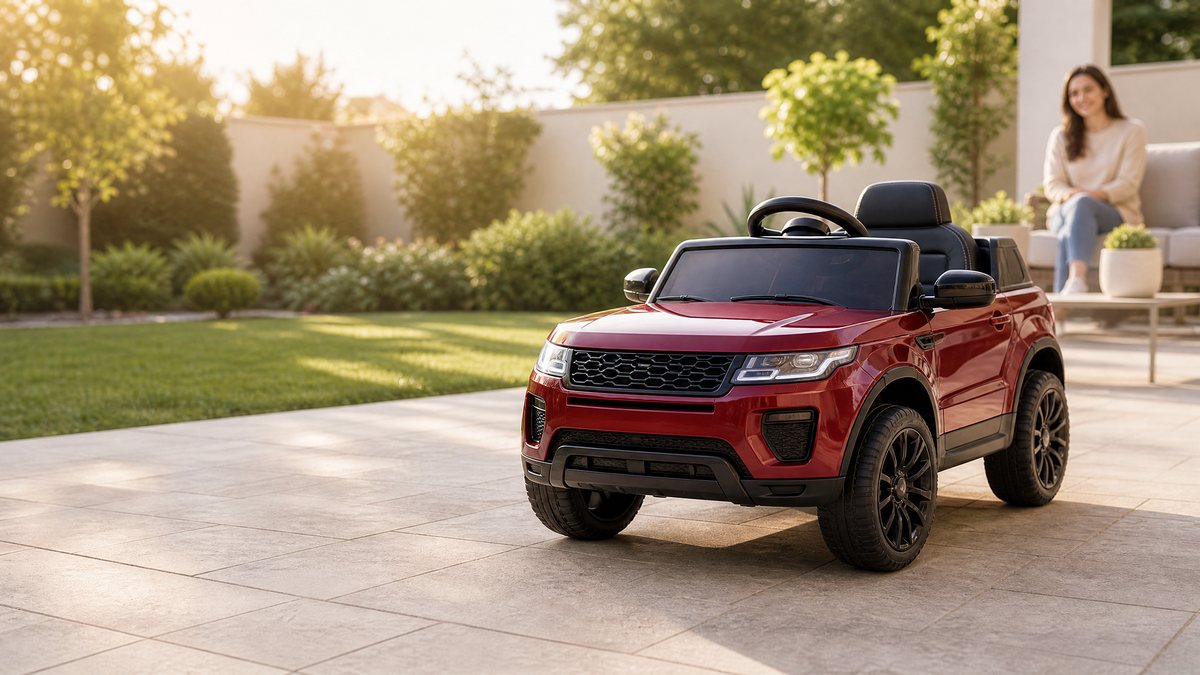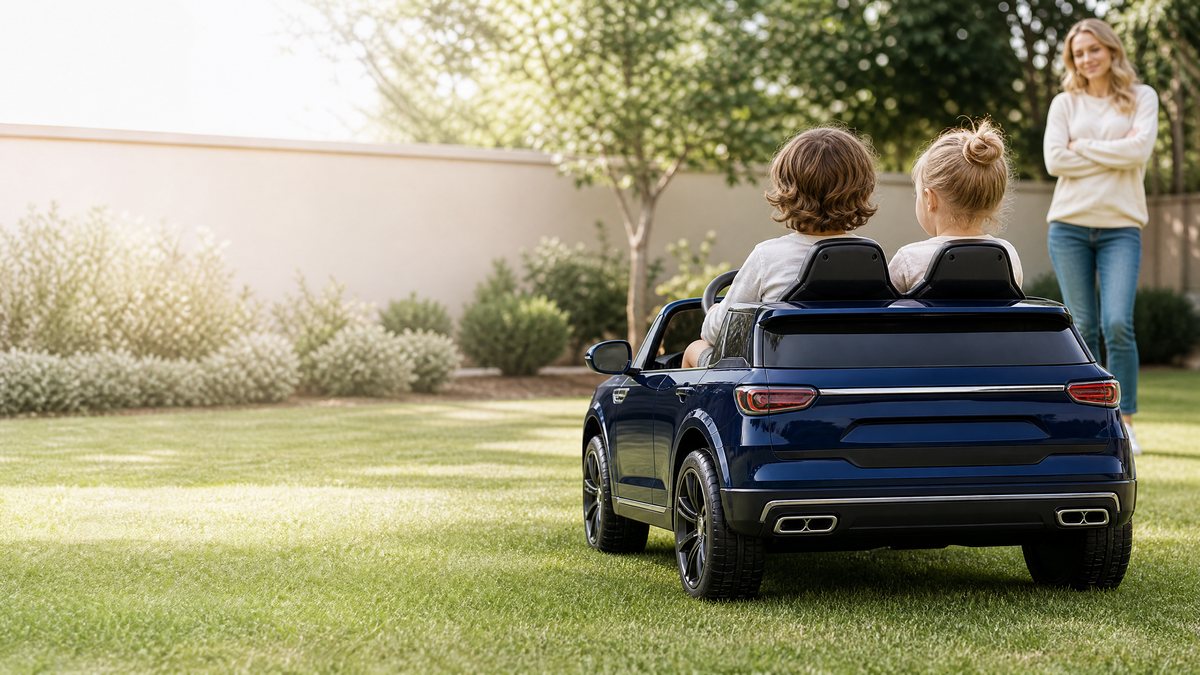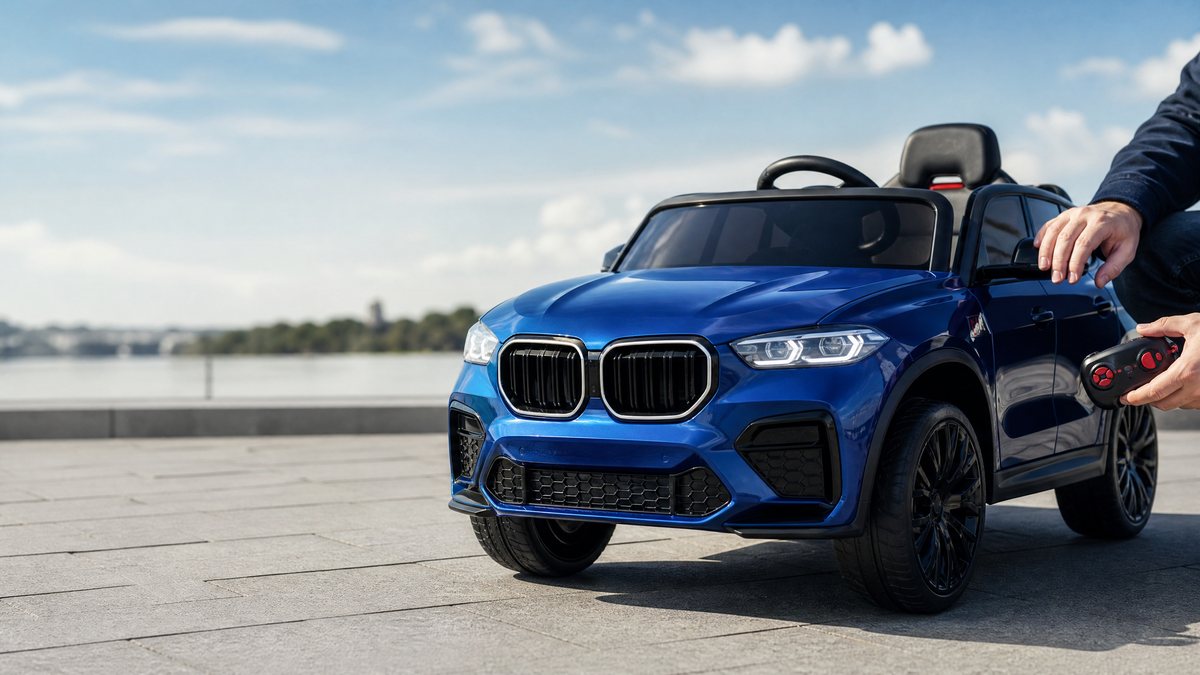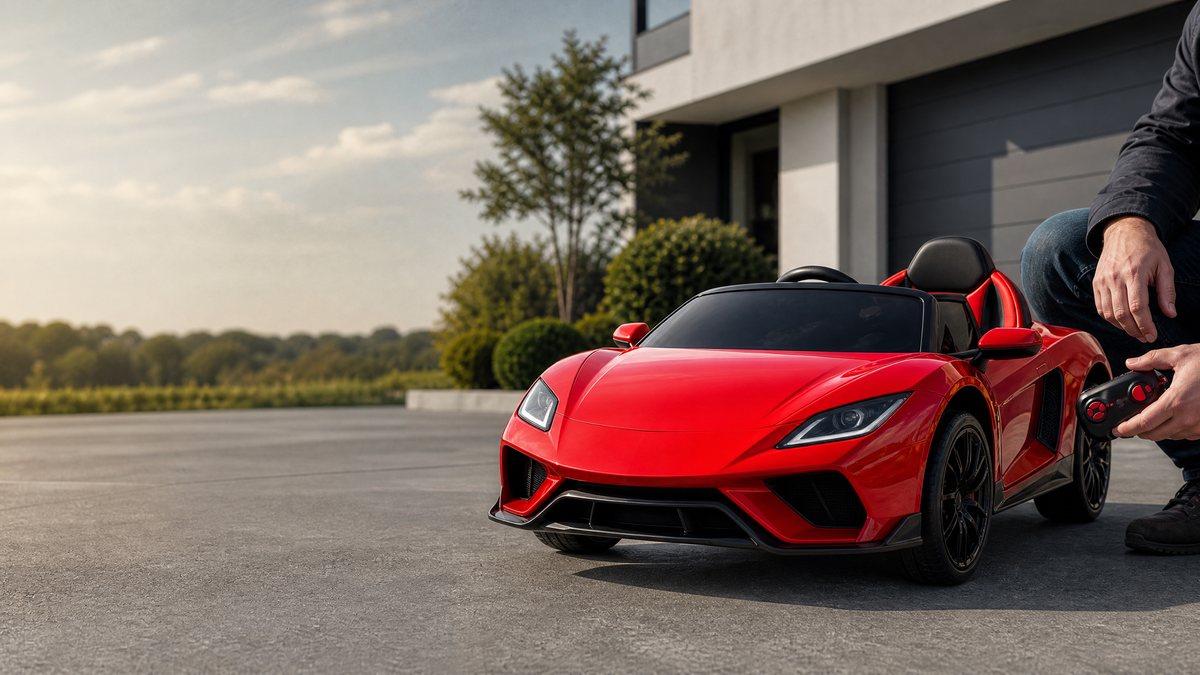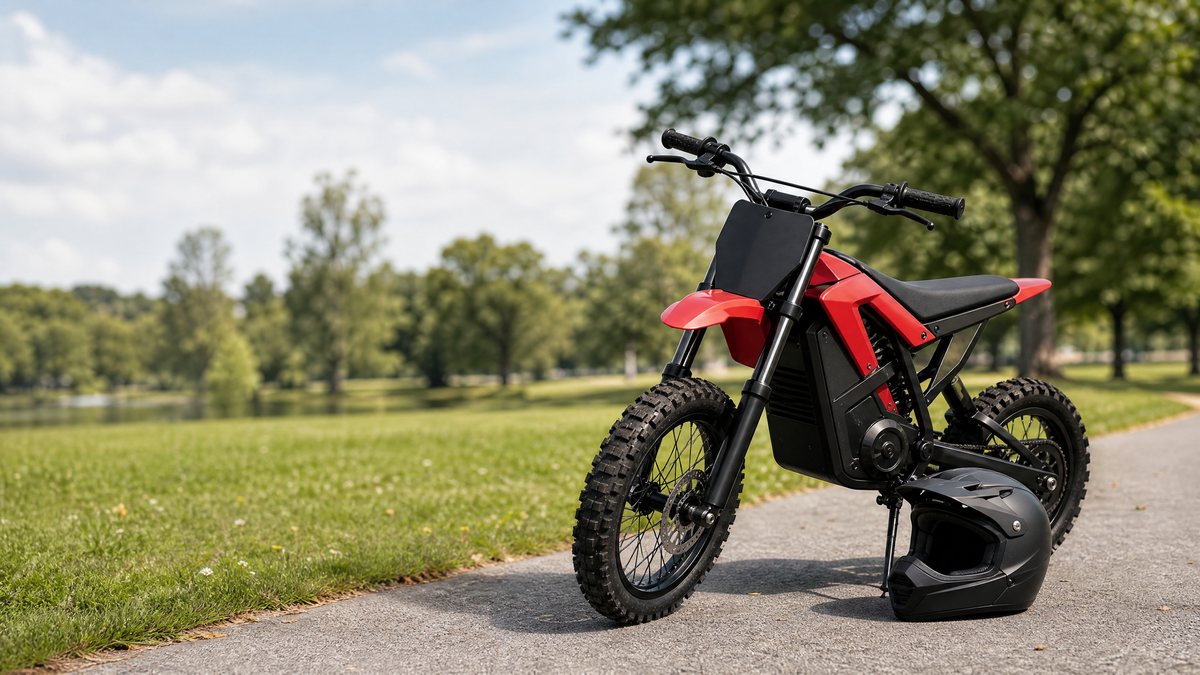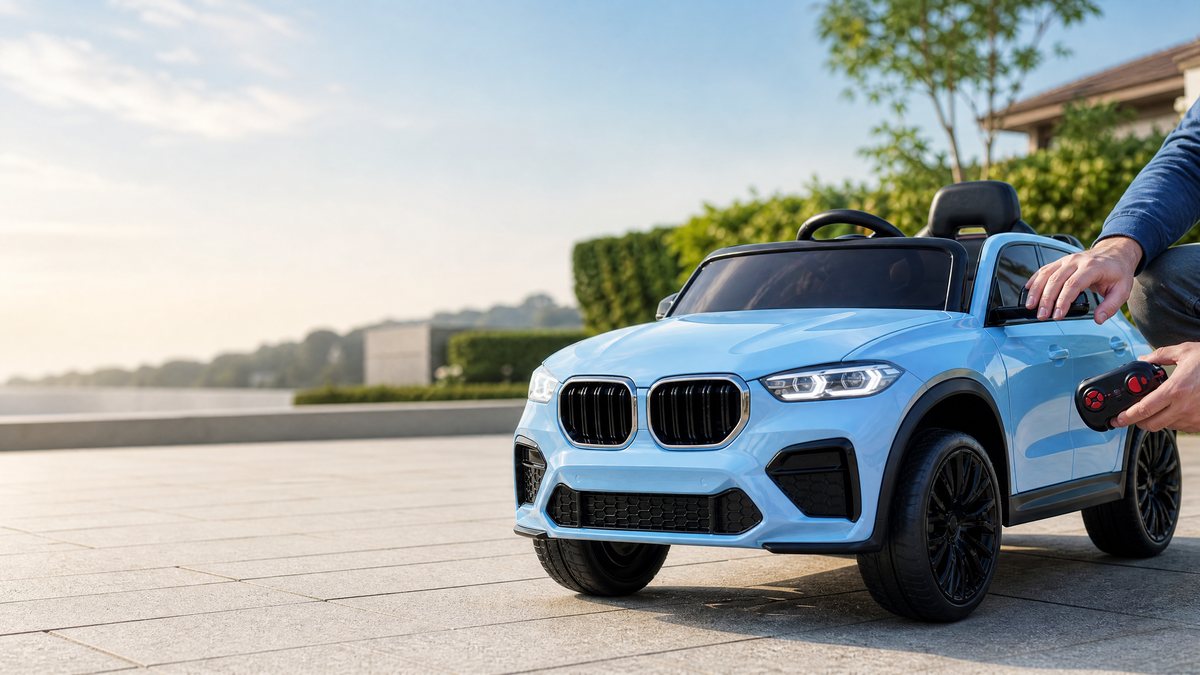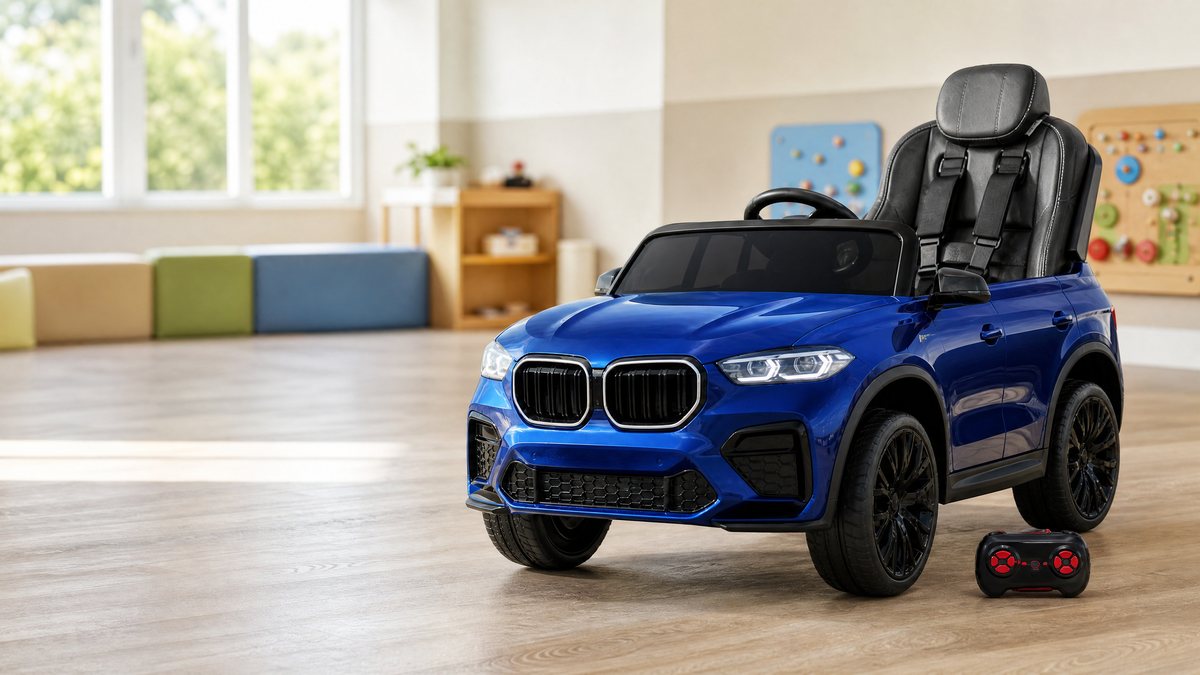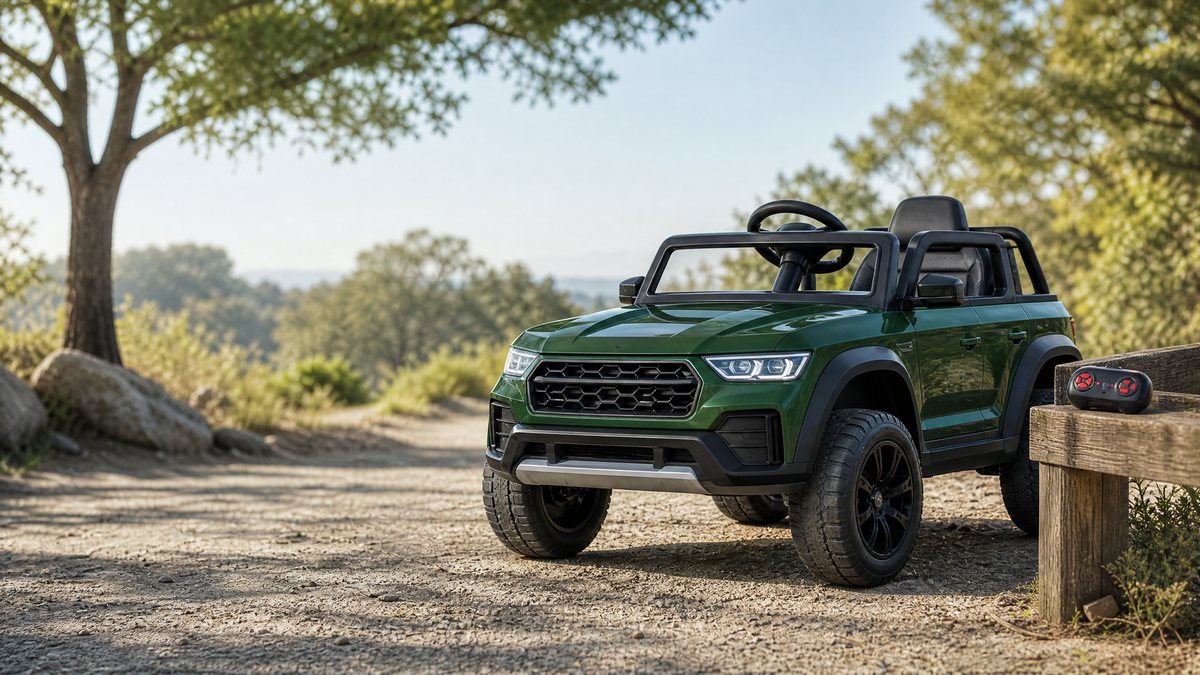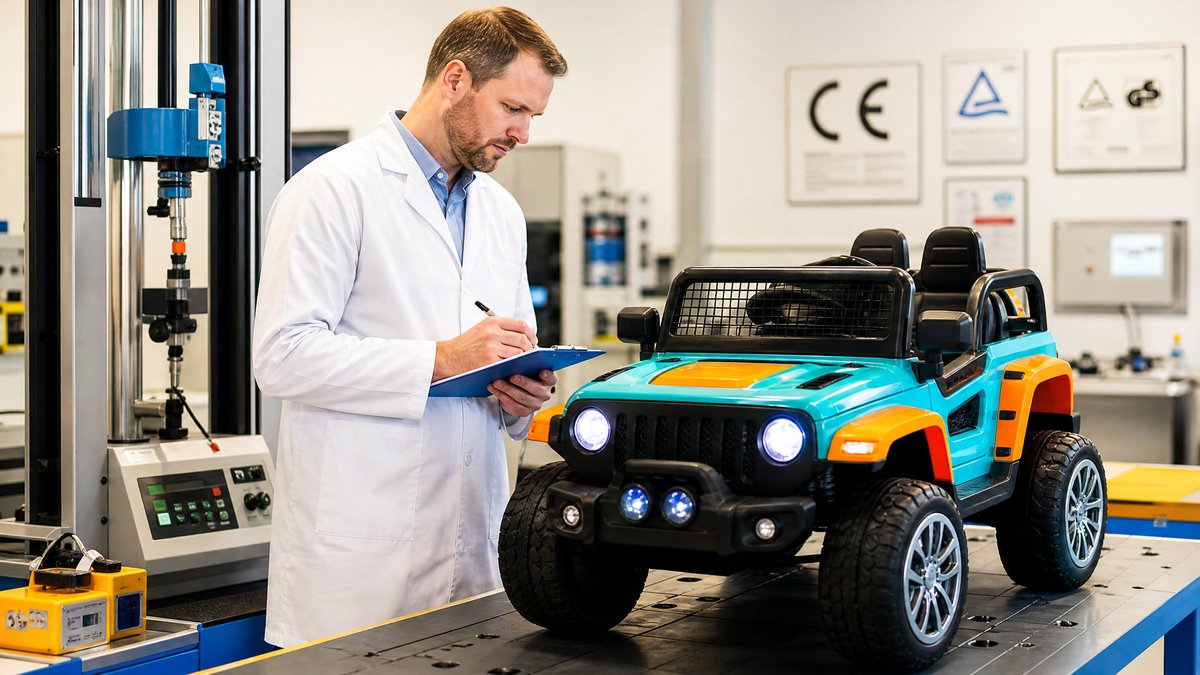
Children's electric ride-on cars are delightful recreational products that combine enjoyable driving experiences with structured engineering designs. When a ride-on vehicle stops unexpectedly during operation, it can cause confusion for young operators and concern for parents, retail staff, or commercial distributors. However, in many operational scenarios, intermittent stopping or sudden power loss is not an arbitrary malfunction or random defect; rather, it often functions as a deliberate operational response or reflects standard user limits designed by manufacturers to protect the vehicle, maintain safe operating conditions, and safeguard the user. For B2B wholesale partners, retail store managers, and customer support departments, establishing a structured, safe, and logical diagnostic framework is essential for handling end-user inquiries, minimizing unnecessary product returns, and upholding rigorous toy safety standards. This comprehensive guide establishes a systematic external diagnostic approach focusing strictly on charge states, operating load parameters, surface operating conditions, and user-accessible settings, while clearly defining the precise boundaries where situations require professional technical escalation or immediate discontinuation of use. All diagnostic procedures, operational limits, and safety conclusions outlined throughout this document remain strictly subject to the specific model's rating plate, user manual, and manufacturer written instructions. Retailers and consumers must always prioritize the official documentation provided directly with each individual product batch to ensure absolute compliance, product longevity, and operational safety.
1. Understanding Standard Operational Limits and Manufacturer Guidelines
Every children's electric ride-on car is manufactured to operate within clearly defined technical and physical boundaries. These parameters are established during the engineering phase and documented in the official user manual and product rating plate. When vehicles stop unexpectedly, it is frequently an indication that operating conditions have exceeded the manufacturer specified limits or that normal operational safeguards have engaged.
* Weight Capacity and Load Parameters: Each ride-on vehicle specifies a strict maximum weight limit on its rating plate and in the user manual. Exceeding this weight threshold places continuous strain on the drive system, causing the vehicle to pause or stop when motor current exceeds normal design expectations. Parents, guardians, and retail partners must verify that operators remain well within these specified weight limits to ensure optimal vehicle longevity and consistent power delivery during all driving sessions.
* Surface and Terrain Compatibility: Ride-on vehicles are engineered for specific operating surfaces, such as smooth, flat, hard pavements. Operating on unapproved rough terrain, steep inclines, deep gravel, or thick grass increases mechanical resistance exponentially, prompting the vehicle to halt as part of its normal operational boundaries and protective design.
* Continuous Usage and Rest Intervals: Extended play sessions without breaks can lead to thermal elevation across mechanical and electrical components. Manufacturers specify recommended operating durations and rest periods to ensure reliable long-term performance and prevent premature wear on drive systems.
Recognizing that these operational boundaries exist to protect the product prevents unnecessary panic and guides users away from unverified or hazardous troubleshooting methods. All performance, maintenance, and safety limits are subject strictly to the specific vehicle's rating plate, user manual, and manufacturer written instructions.
2. Low-Risk External Inspection and Charging Verification Protocols
When troubleshooting power interruptions in electric ride-on vehicles, safety and model neutrality are paramount. Users, retail staff, and B2B support teams must restrict diagnostic activities exclusively to low-risk external observations and standard user-accessible settings. Under no circumstances should users attempt internal dismantling, opening of sealed housings, or invasive electrical testing of any kind.
Recommended Low-Risk External Checks
1. Verify Official Charging Protocols: Confirm that the vehicle has undergone a complete, uninterrupted charge cycle using exclusively the official manufacturer-supplied charger in accordance with the user manual instructions. Avoid uncertified third-party charging devices, improper voltage adapters, or inconsistent power sources that could disrupt energy storage.
2. Confirm External Power and Mode Settings: Check that the external power switch is fully engaged in the correct position and that user-operable mode settings (such as speed switches or parental control toggles) are properly configured according to manual instructions.
3. Inspect for Visible Obstructions and Debris: Carefully examine the exterior around the drive wheels, axles, and steering linkages for visible foreign objects, wrapped debris, or physical impediments that could restrict free movement.
4. Evaluate Usage History against Manual Limits: Review recent operation against the manufacturer specified weight limits, terrain restrictions, and continuous usage durations outlined in the official documentation. Retain purchase records and product model information for reference when communicating with support.
Prohibited Diagnostic Procedures
To prevent personal injury, electrical shock, and permanent product damage, users and retailers must never:
* Perform voltage or multimeter testing on internal components or batteries.
* Touch, check, or manipulate internal battery terminals or wiring connections.
* Inspect, test, or bypass internal fuses, circuit breakers, relays, or control boards.
* Open, dismantle, or inspect interior gearboxes, motor housings, or electronic control unit casings.
* Modify batteries, motors, or wiring harnesses in any manner whatsoever.
3. Managing Environmental Load, Rest Intervals, and Usage Conditions
Environmental factors and operating habits significantly influence the behavior of electric ride-on vehicles. Warm ambient temperatures, extended continuous driving, and heavy loading can cause the vehicle to pause as part of its normal protective design.
Operational Load Management Best Practices
* Adhere to Rest Intervals: If a vehicle has been in continuous operation for an extended period, allow the device to rest in a shaded, well-ventilated area in accordance with the manufacturer's usage recommendations before resuming play.
* Monitor Weight and Passenger Limits: Ensure that only a single rider (or the exact number of passengers specified in the user manual) occupies the vehicle, and verify that the combined weight remains well within the rating plate limits.
* Select Appropriate Terrain: Strictly confine vehicle operation to smooth, flat, and dry surfaces recommended by the manufacturer to prevent excessive motor strain and sudden stopping.
Users should always allow the device to rest and judge performance against manual use limits rather than attempting to force continuous operation under adverse conditions. Environmental humidity, direct sunlight exposure, and ambient temperature extremes should also be factored into daily operational evaluations.
4. Identifying Critical Warning Triggers and Mandatory Stop Procedures
While minor power interruptions can often be resolved through resting or proper charging, certain physical symptoms indicate a serious safety concern that requires immediate action. Retailers, B2B support teams, and end users must be fully trained to recognize these critical warning triggers.
Mandatory Stop and Discontinuation Triggers
If any of the following conditions occur, users must immediately stop use and charging, turn off the vehicle, keep children away, and contact the manufacturer or qualified repair personnel:
* Pungent chemical odors, burning smells, or visible smoke.
* Excessive heat radiating from the vehicle body or seating area.
* Fluid leakage, electrolyte discharge, or visible moisture ingress inside electronic housings.
* Exposed, frayed, or stripped bare cables, or physically damaged charging plugs and ports.
* Abnormal braking response, erratic movement, or sudden repeated stopping without apparent cause.
Strictly Forbidden Emergency Actions
When encountering critical warning triggers, users must never:
* Attempt to disconnect or handle the main battery pack independently.
* Open, disassemble, or tamper with any external or internal casing.
* Attempt to dry internal electronic components or apply unauthorized cleaning agents.
* Bypass protection systems or attempt makeshift electrical repairs.
All safety decisions must prioritize child safety and professional technical intervention above all other considerations.
5. Low-Risk Diagnostic Decision Matrix
To assist retail customer service representatives and parents in assessing stopping issues methodically and safely, the following low-risk decision matrix categorizes common external symptoms, recommended non-invasive checks, and professional escalation thresholds.
| Symptom Description | Probable Operational Context | Recommended Non-Invasive Action | Professional Escalation Threshold |
|---|---|---|---|
| Vehicle stops after extended continuous driving | Normal thermal elevation or extended usage | Turn off power switch; allow vehicle to rest in a shaded area per manual. | If stopping occurs immediately from cold start, contact manufacturer support. |
| Vehicle runs briefly then stops; auxiliary lights work | Incomplete charge cycle or charger mismatch | Charge fully using the official manufacturer-supplied charger only. | Retain product model and order info; contact manufacturer if charging fails. |
| Vehicle moves sluggishly or stops on slight inclines | Weight overload or unapproved rough terrain | Remove excess weight; operate strictly on smooth, flat, approved surfaces. | Contact manufacturer if performance remains degraded on flat ground. |
| Vehicle does not move; wheels restricted by visible debris | Foreign object or physical obstruction | Inspect around drive wheels and exterior linkages; clear visible debris. | Contact authorized service if drivetrain binding persists internally. |
| Vehicle exhibits erratic stopping or remote interference | Parental control or external signal factor | Check the remote and vehicle settings only as described in the user manual. | Contact manufacturer support if model-specific pairing does not resolve the issue. |
Frequently Asked Questions (FAQs)
FAQ 1: Can I replace the stock battery with an upgraded aftermarket battery to prevent the car from stopping?
Answer: Do not fit an aftermarket battery unless the manufacturer has confirmed in writing that it is compatible with the exact model. An unapproved replacement may affect safety, performance, and warranty coverage. Use only the replacement parts and charging equipment specified in the official user manual and rating plate.
FAQ 2: What immediate steps must I take if the ride-on car emits a burning smell or smoke?
Answer: In the event of a burning smell, smoke, unusual heat, or visible damage, you must immediately stop use and charging, turn off the vehicle, keep children away, and contact the manufacturer or qualified repair personnel. Never attempt internal disassembly, battery disconnection, or unauthorized repairs.
FAQ 3: Why does the ride-on car stop operating when driven on grass or gravel, but works fine on smooth pavement?
Answer: Terrain limits vary by model. If the manual restricts the vehicle to particular surfaces, use it only on those approved surfaces. If stopping persists even under the permitted conditions, stop using the vehicle and contact manufacturer support or a qualified repair professional.
FAQ 4: How should retail stores and B2B partners handle customer inquiries regarding intermittent stopping?
Answer: Retailers and wholesale support teams should guide customers through safe, non-invasive external checks, including verifying official charger usage, confirming weight and surface limits, and allowing proper rest intervals. Staff must never instruct customers to perform internal multimeter tests, touch battery terminals, or disassemble components. If issues persist, collect product model and order information to coordinate with manufacturer support.
Conclusion
Intermittent stopping can be associated with charging state, an operating condition outside the model’s permitted limits, an external obstruction, or a condition that needs professional service. A low-risk review should stay limited to the official charger, the user manual’s load and surface guidance, visible exterior obstructions, and the model’s documented operating procedure. If the issue repeats or any warning trigger appears, stop using and charging the vehicle and contact manufacturer support or a qualified repair professional. All operational limits remain subject to the specific model’s rating plate, user manual, and manufacturer written instructions.
Wholesale Partnership & Support
For retail store owners, distributors, and commercial partners seeking detailed technical manuals, spare parts catalogs, or wholesale inventory inquiries, our commercial support team is ready to assist you.
Get in touch with our commercial division today at Request a wholesale quote.
Official References
* Consumer Product Safety Commission (CPSC): CPSC Toy Safety Guidance - Official general toy safety educational materials provided by the CPSC. These educational resources cover general standards for battery-powered toys, ride-on toy stability and weight overload considerations, labeling requirements, and consumer instruction manual guidelines. Note that these generalized educational materials represent broad toy safety concepts and do not constitute specific model certification or replace individual manufacturer operating instructions and rating plates.
Official references
Explore these external resources for current regulatory and trade guidance. Confirm requirements with the relevant authority before placing an order.
Ready to Start?
Factory-Direct · CE & ASTM Certified · MOQ from 50 Units
Our export team works with buyers in 60+ countries. Get a quote within 24 hours.
KR
Written by KidsRideCar
China's leading kids electric ride-on car manufacturer. 500,000+ units shipped annually to 60+ countries. CE, ASTM & EN71 certified.