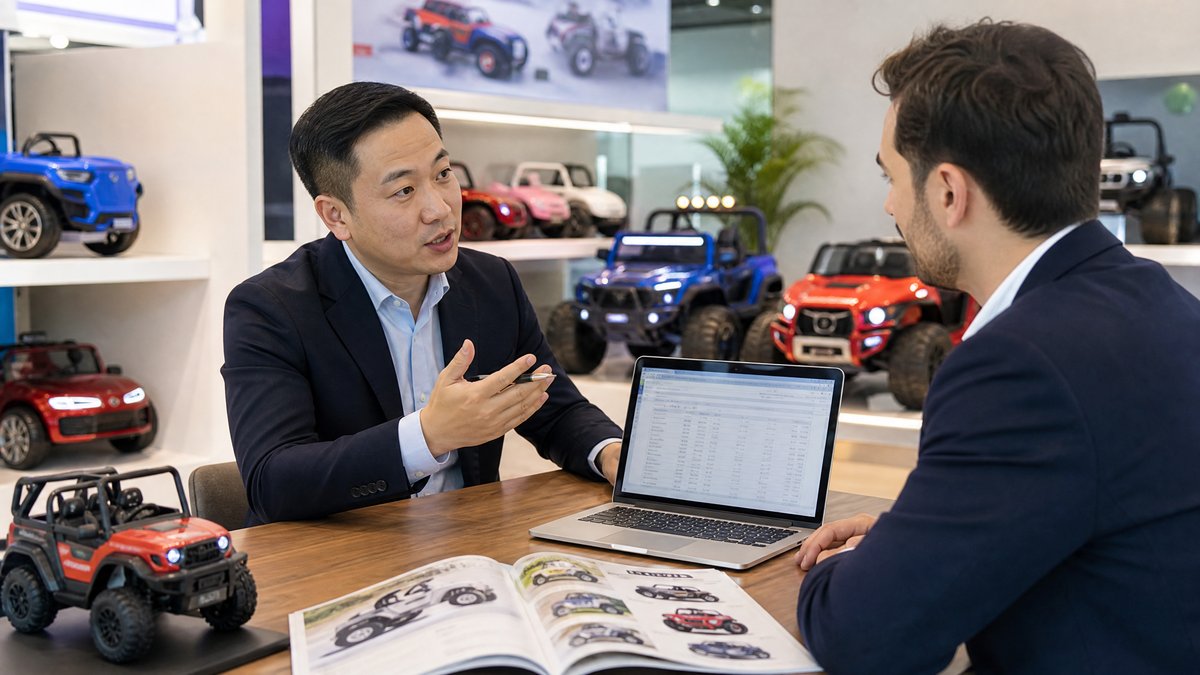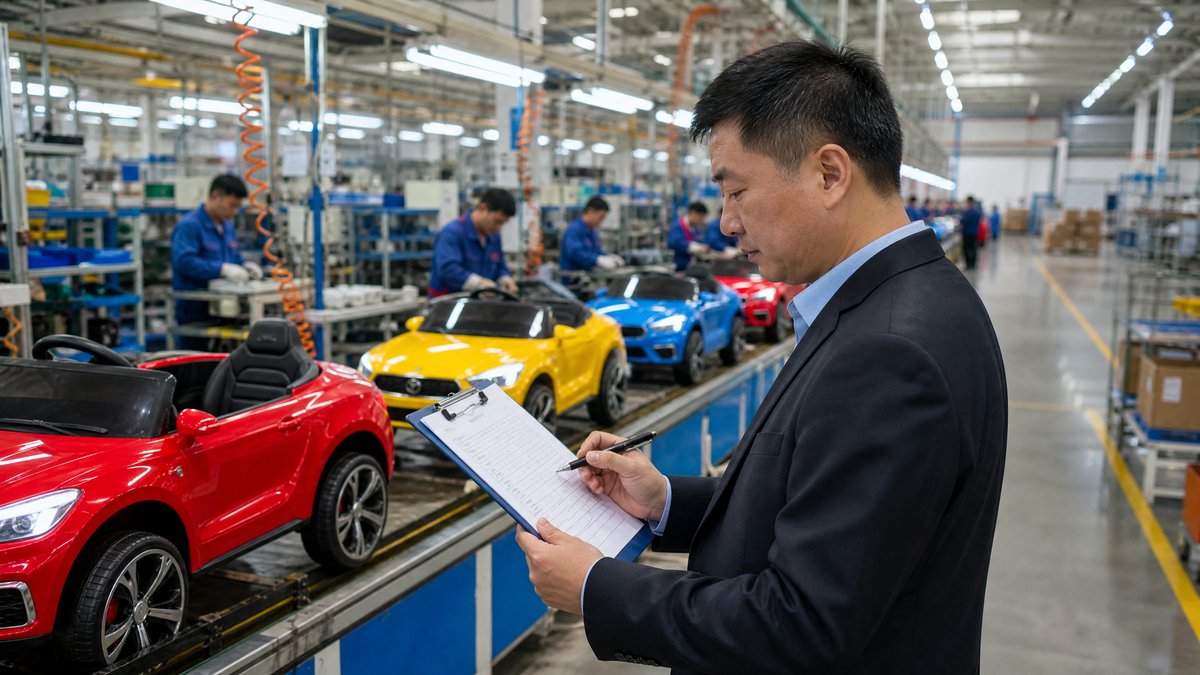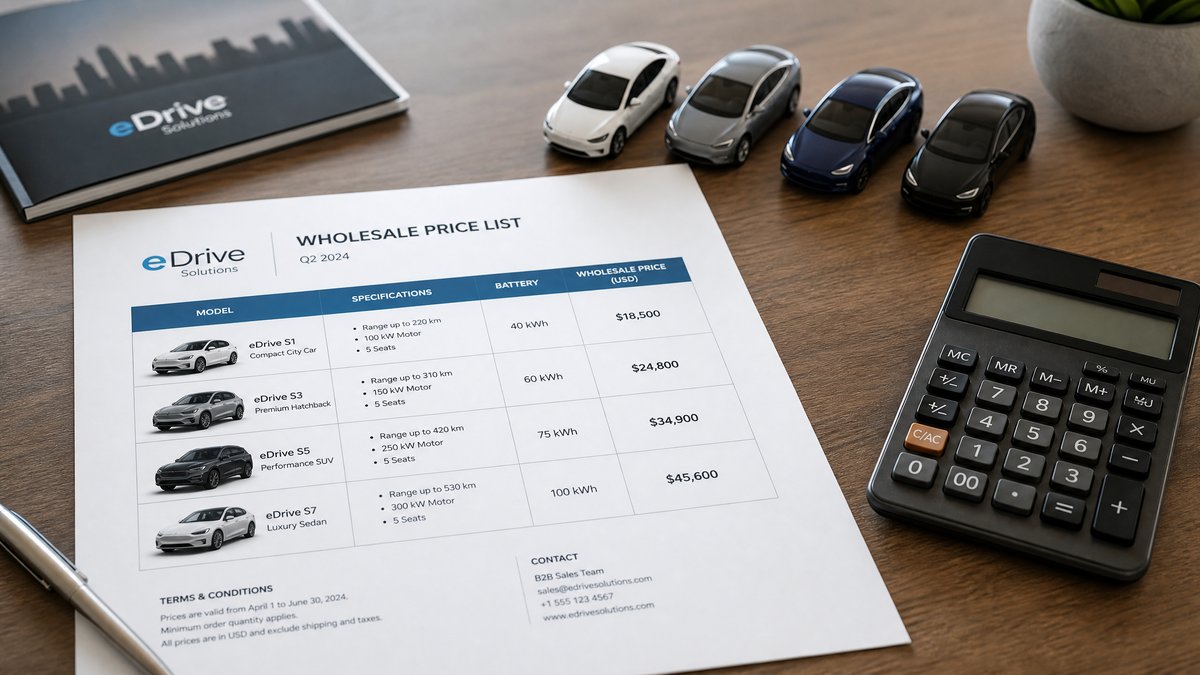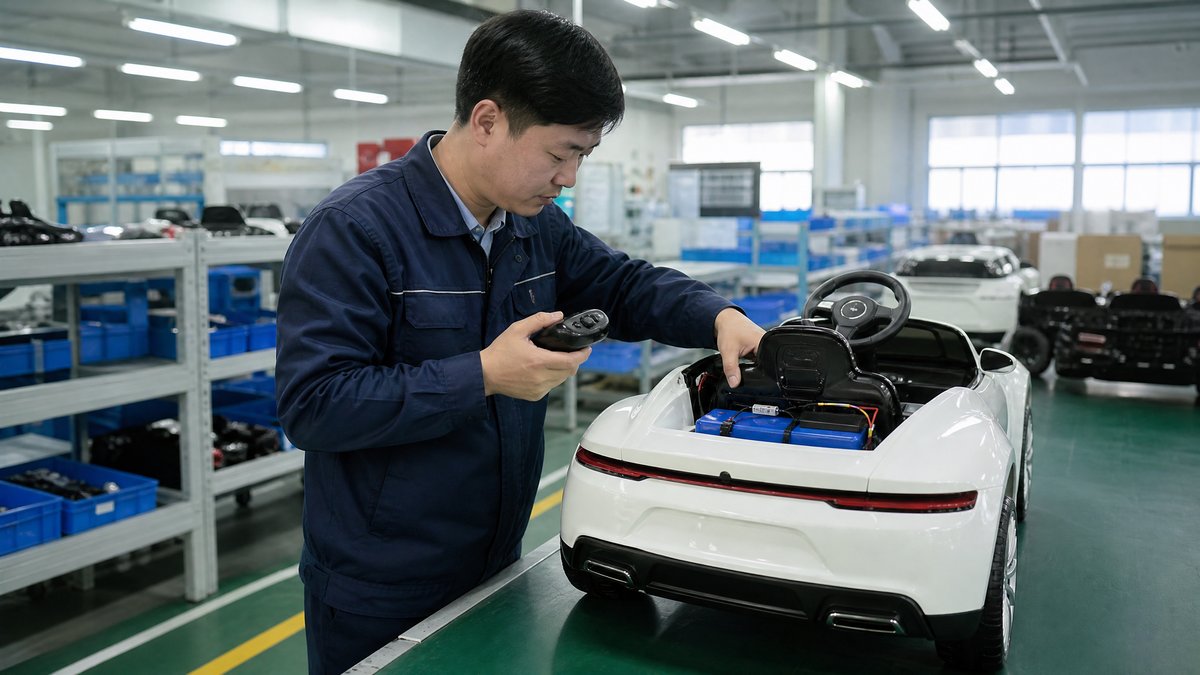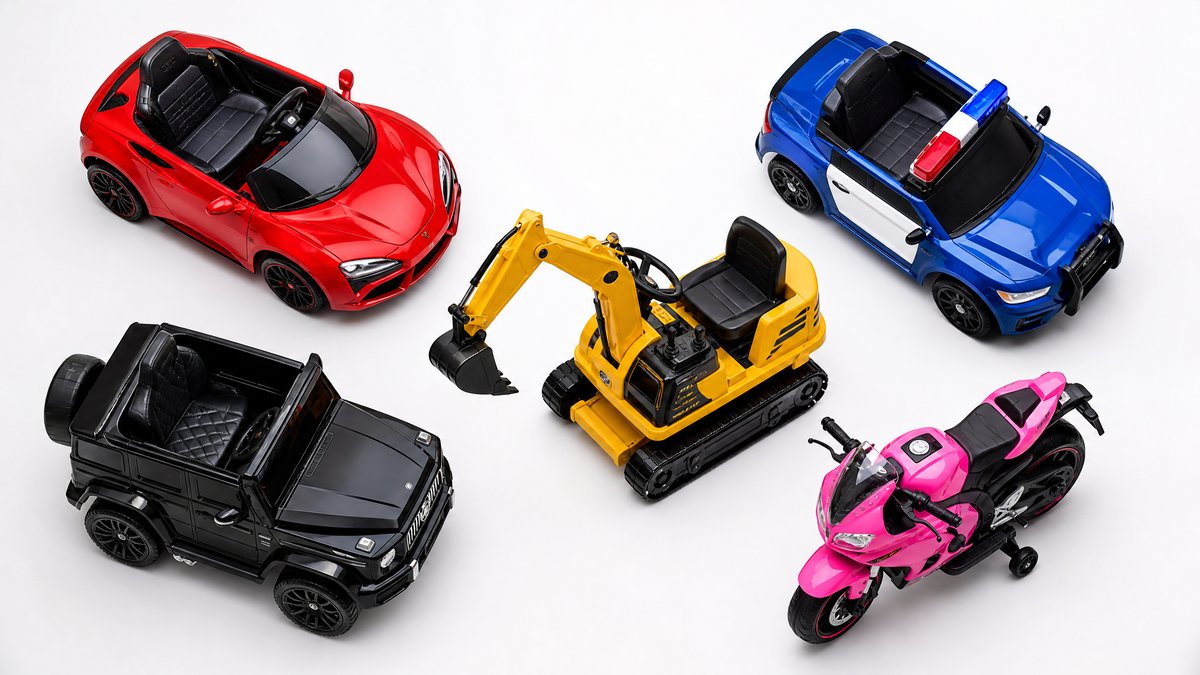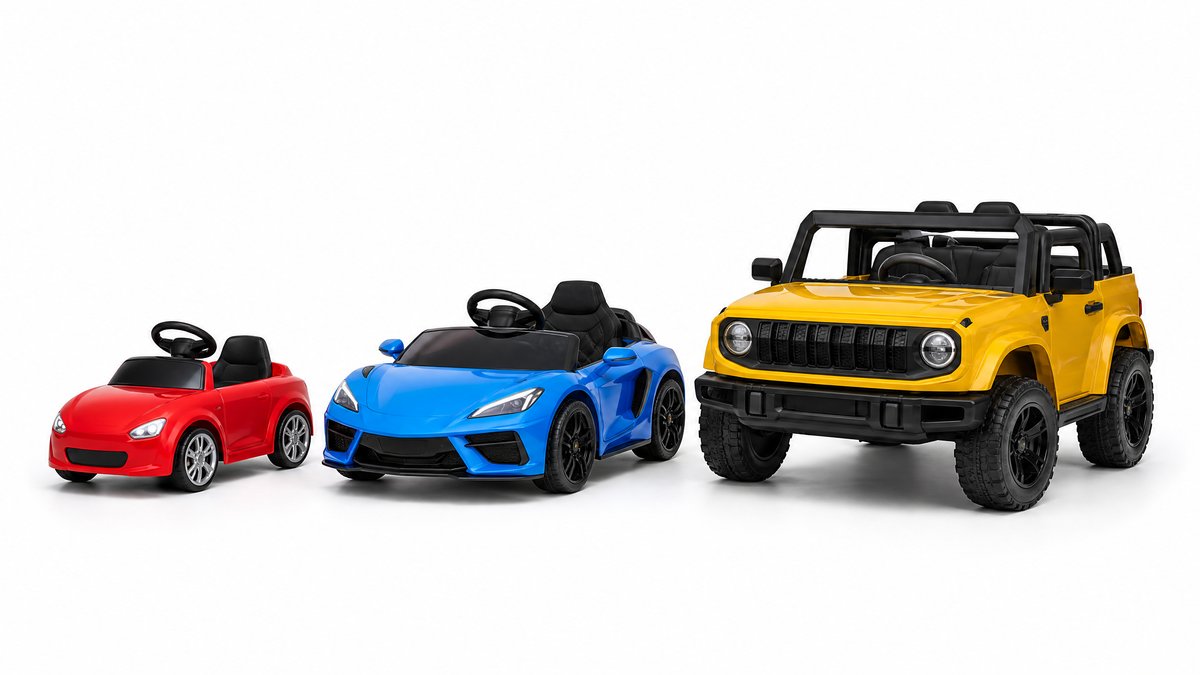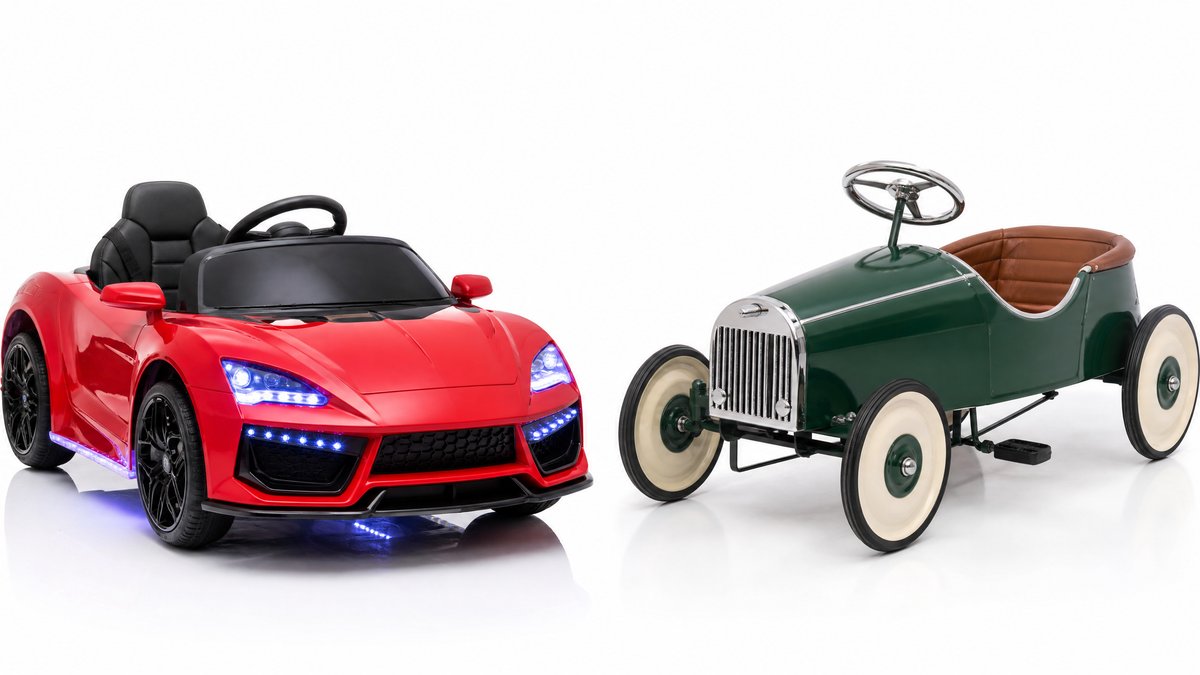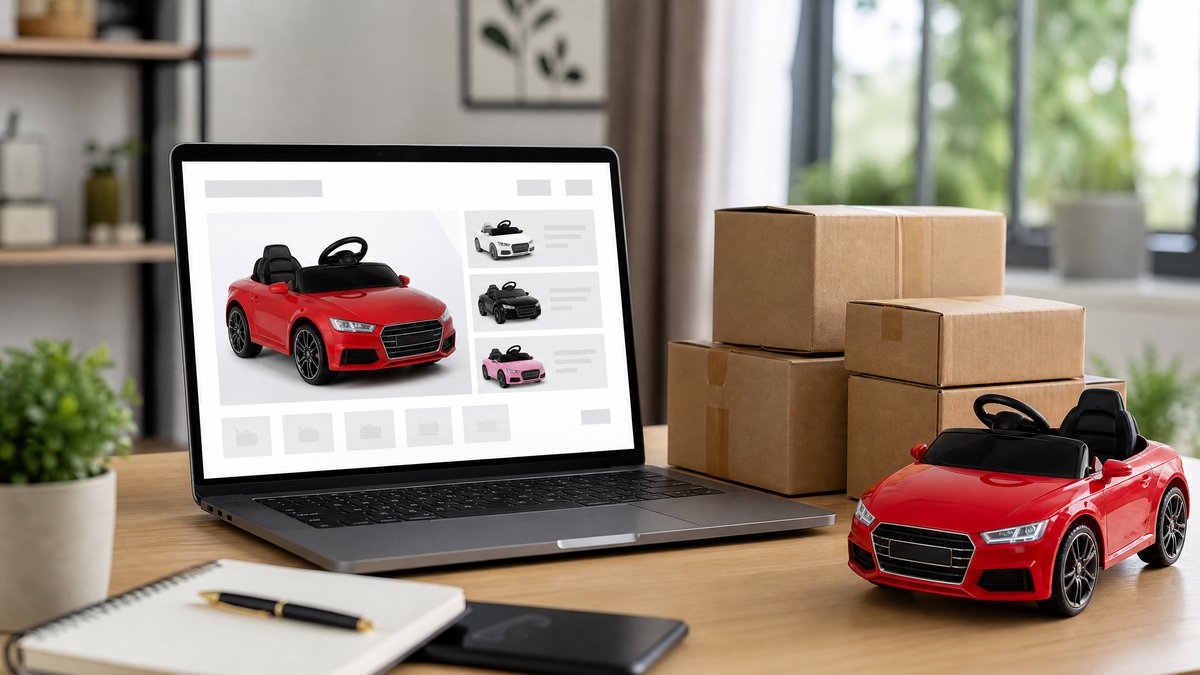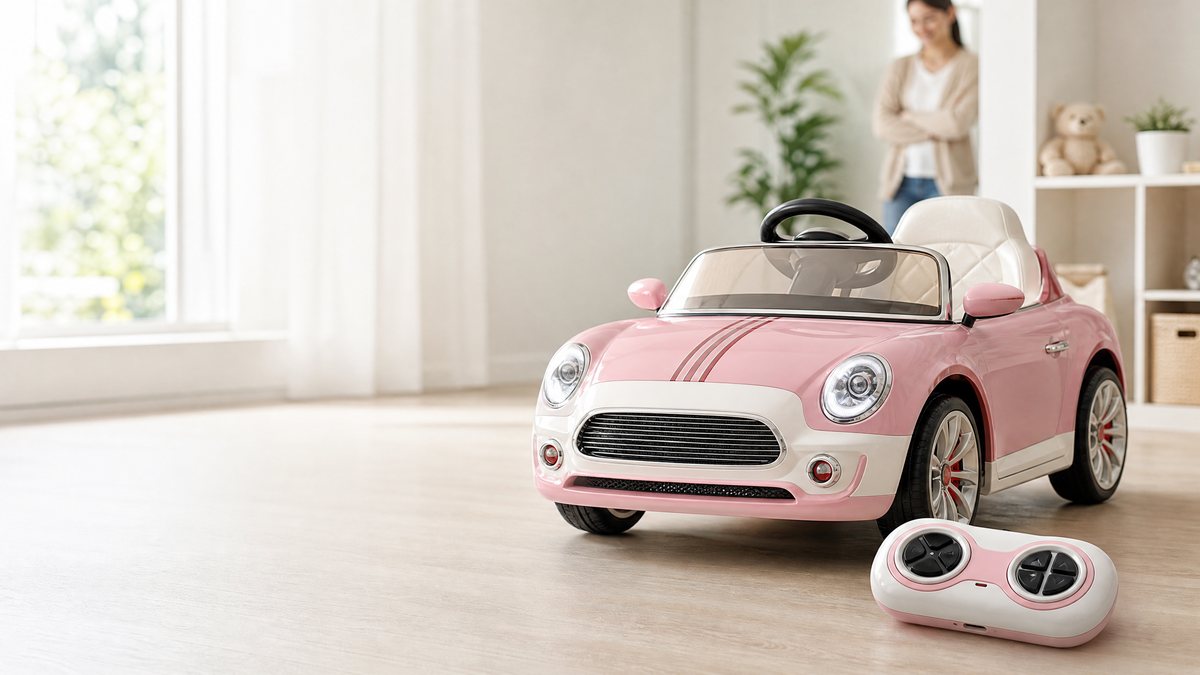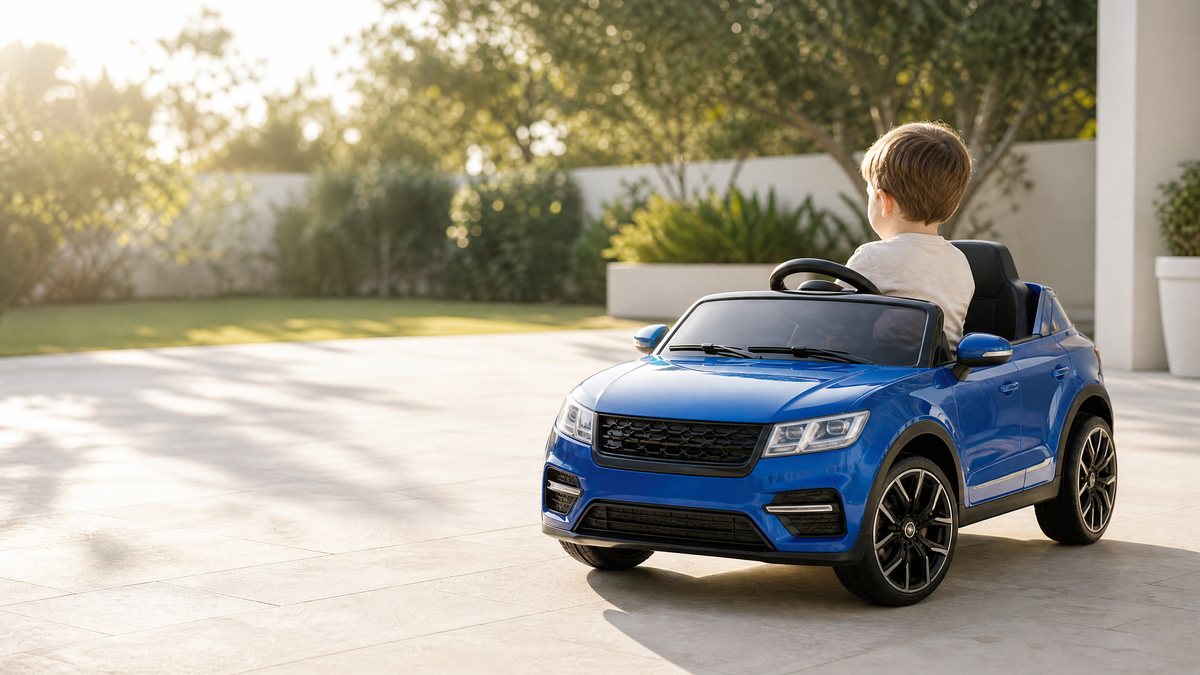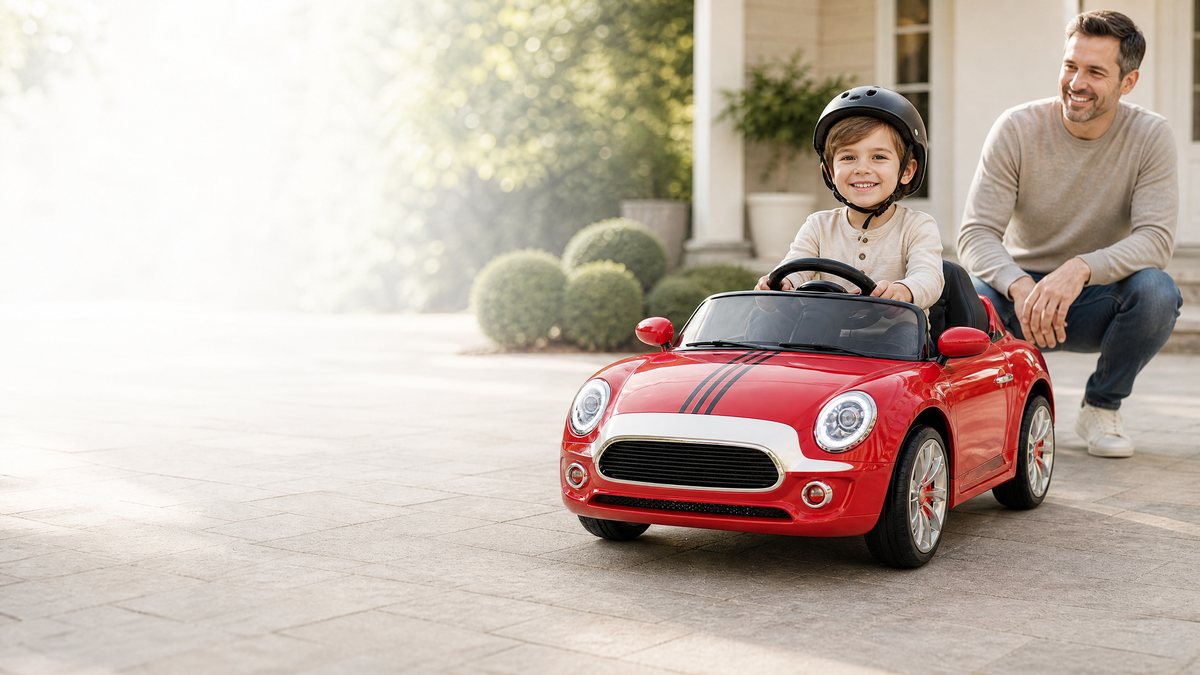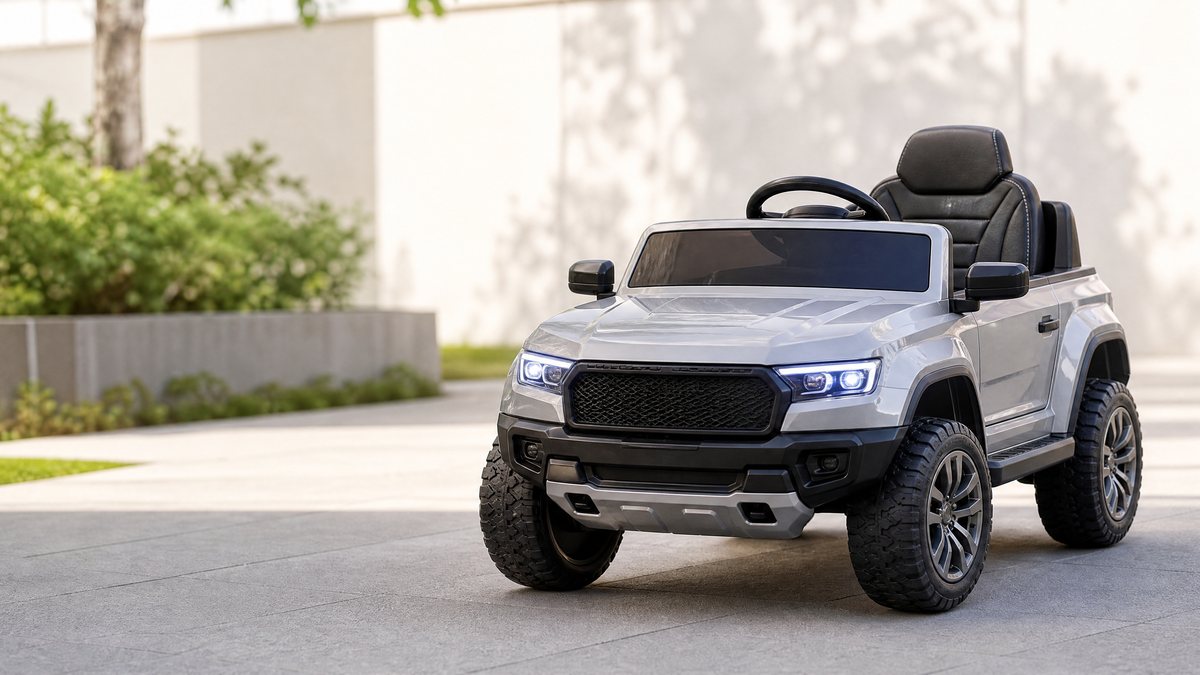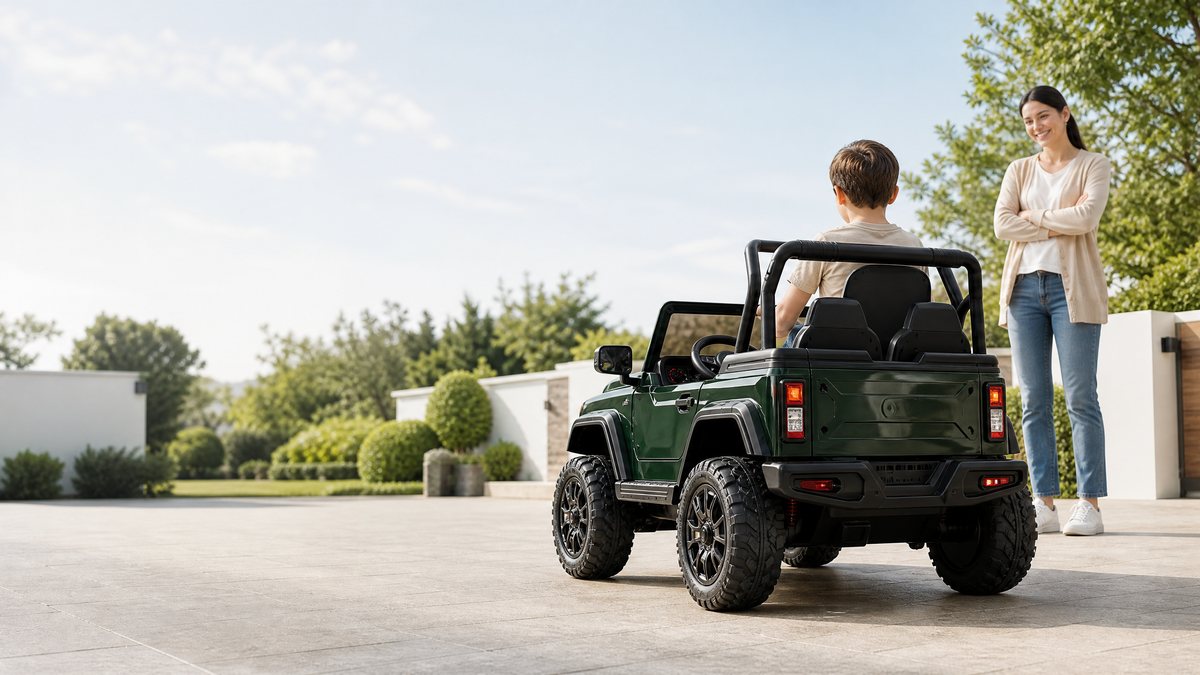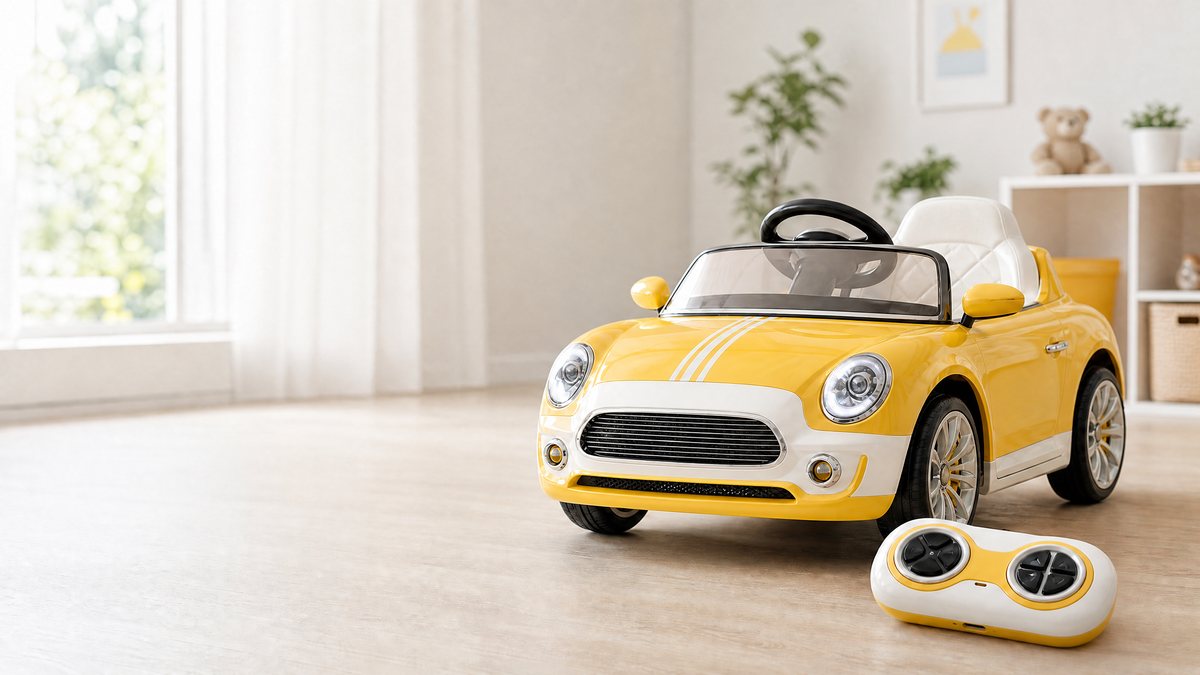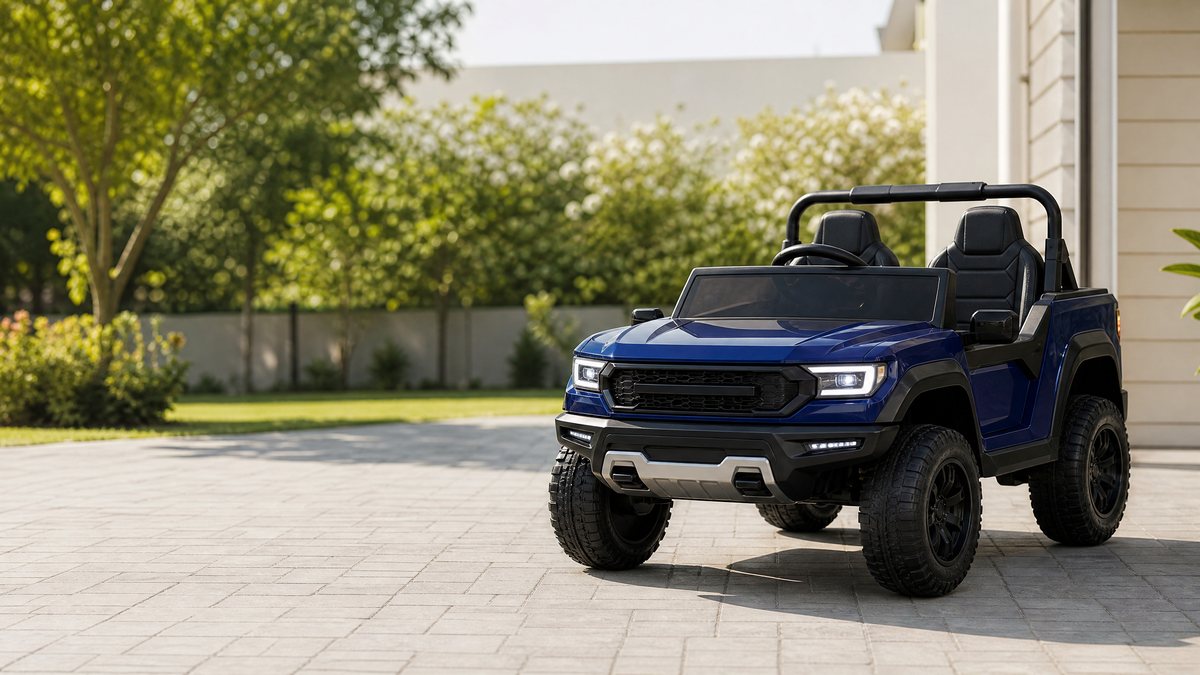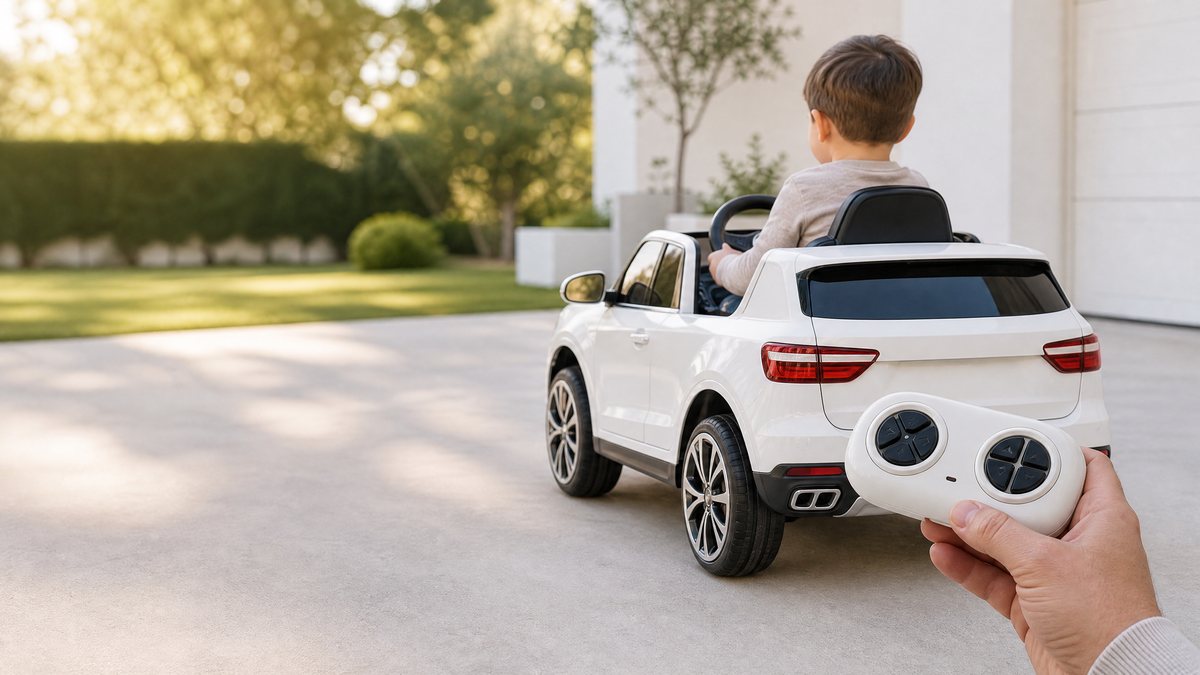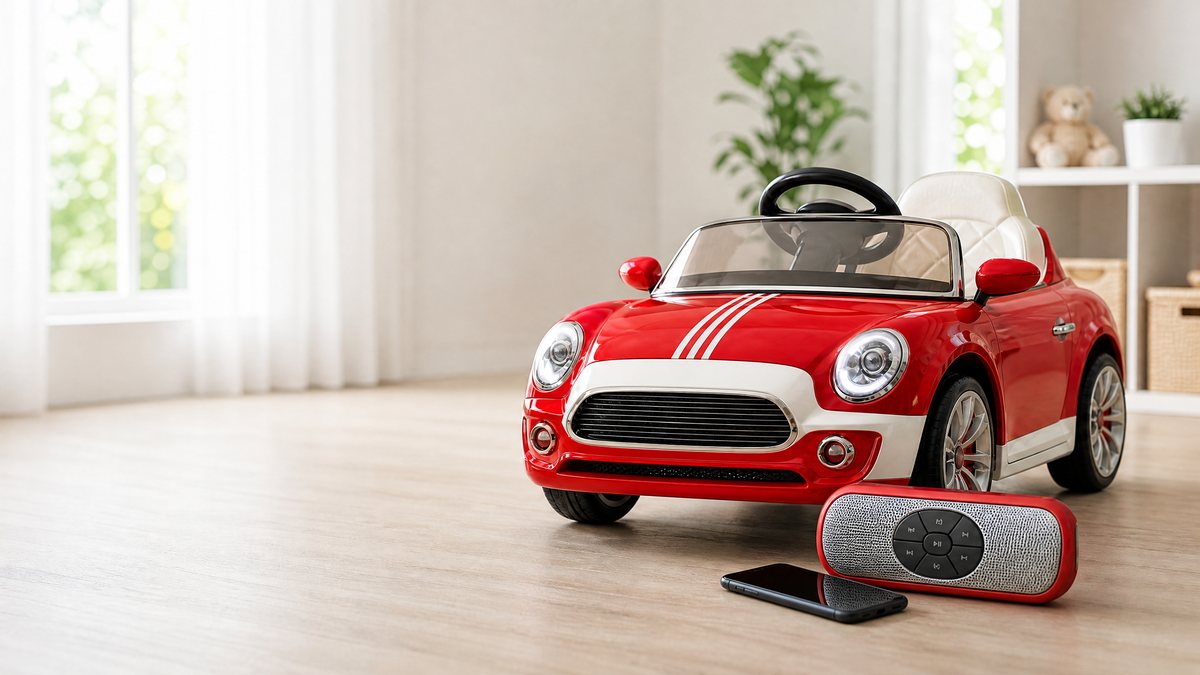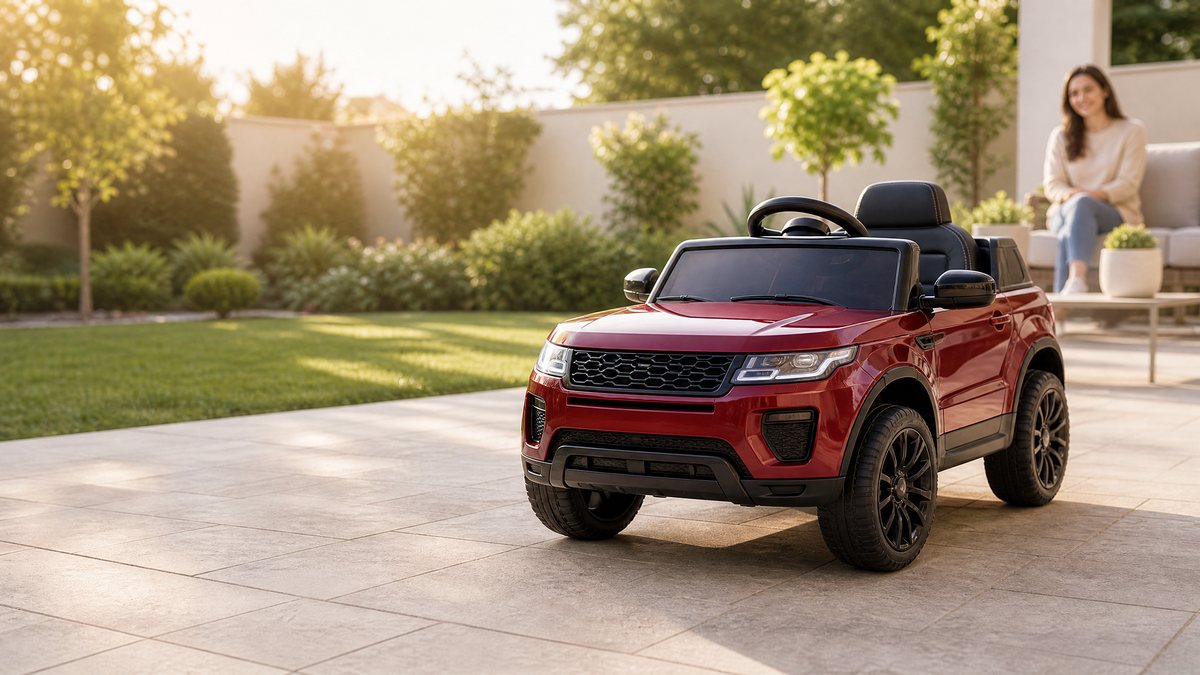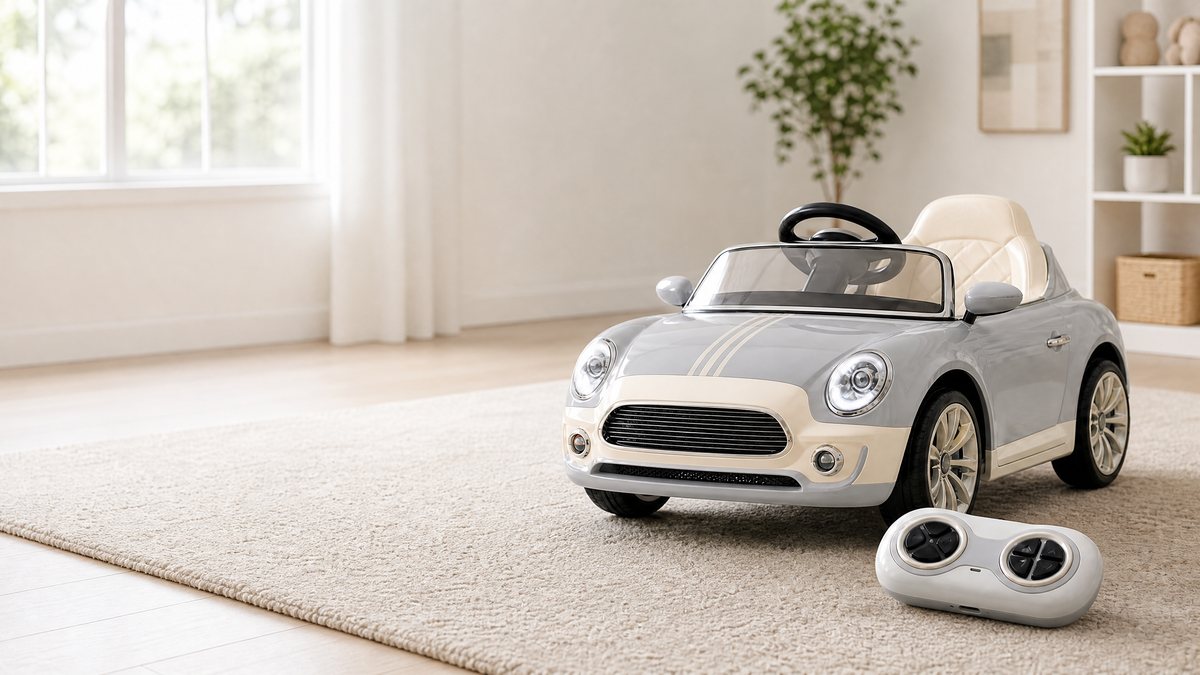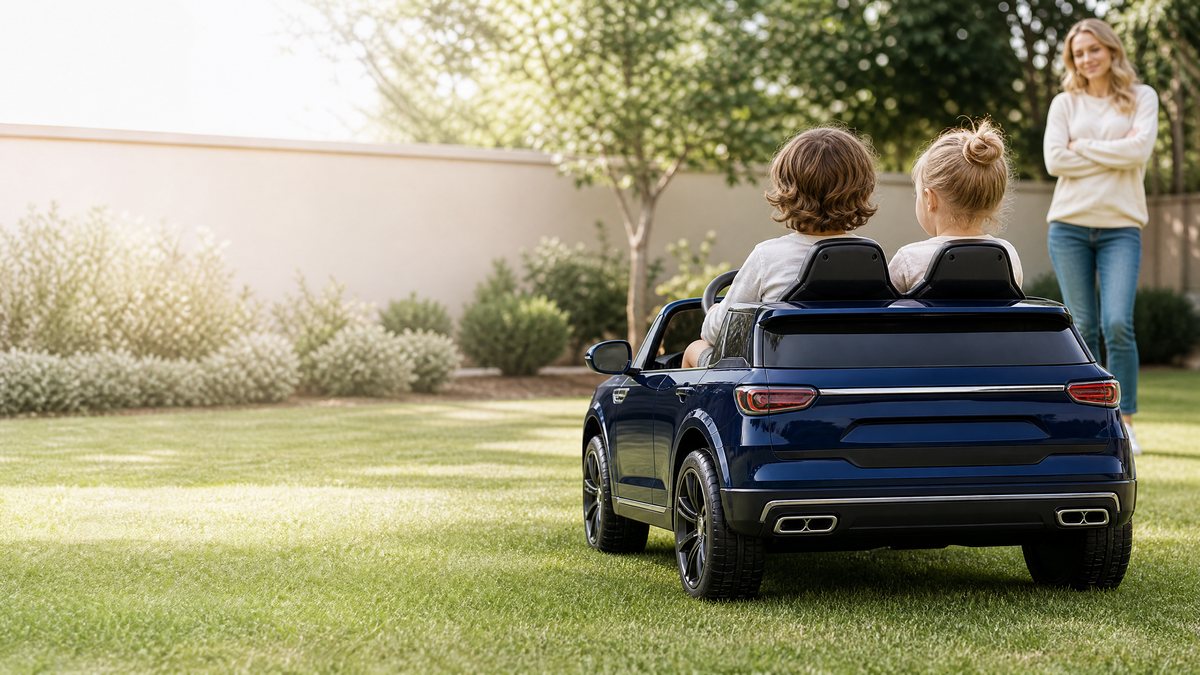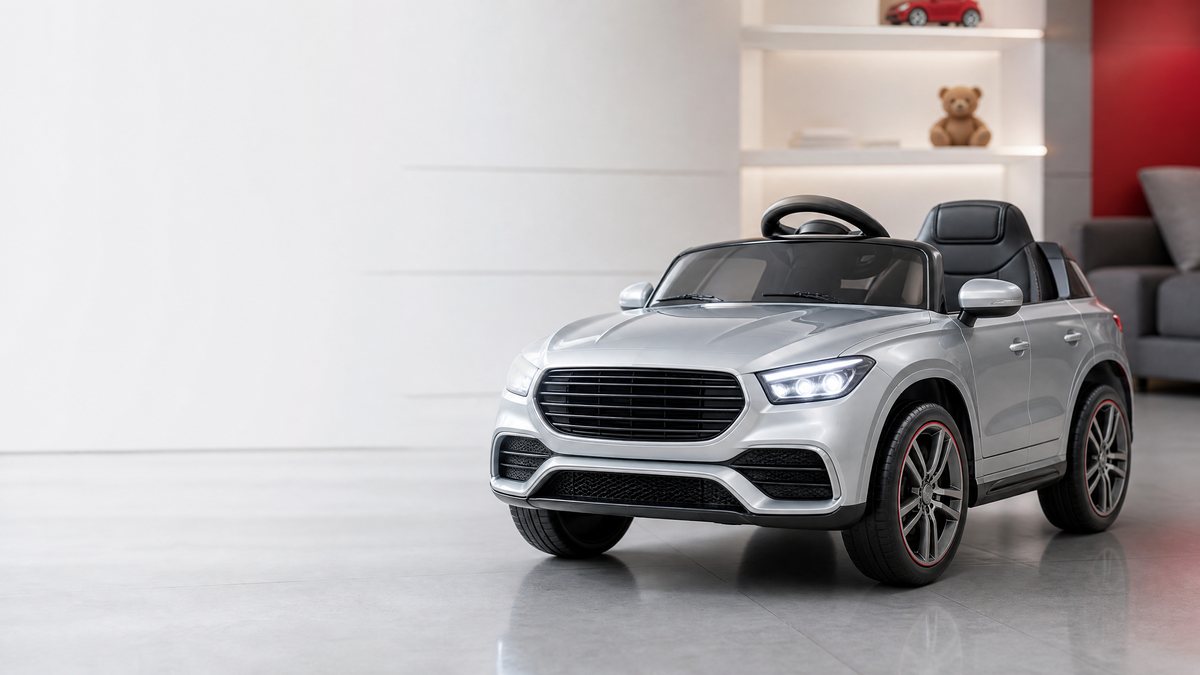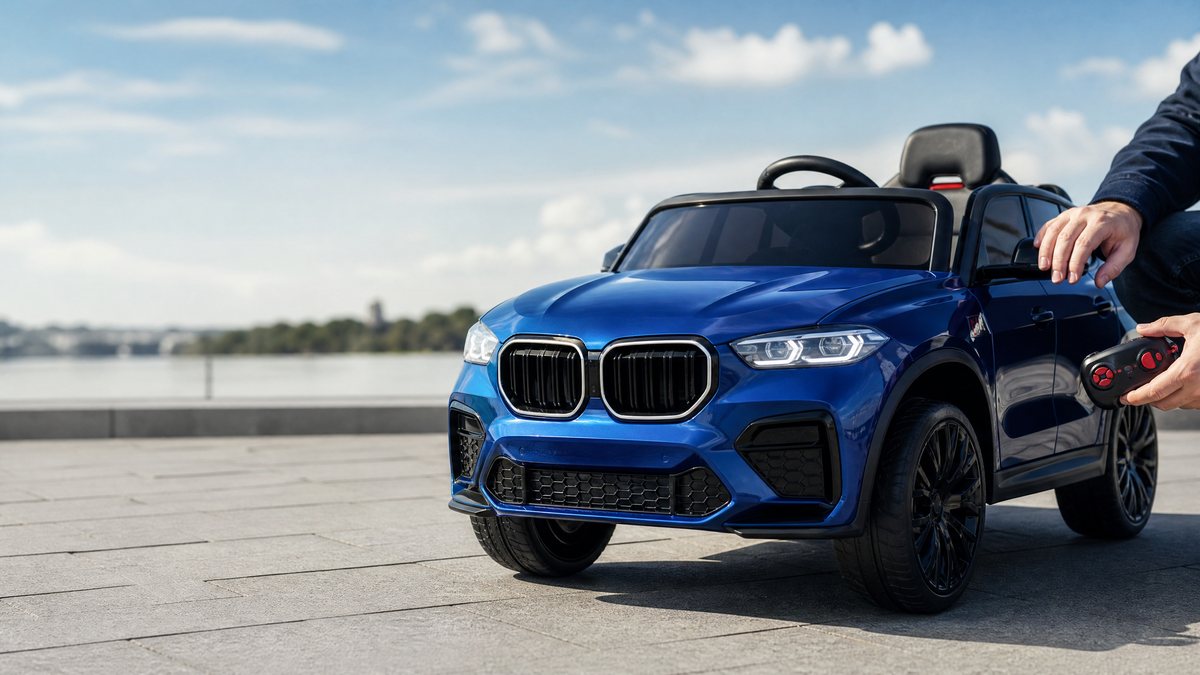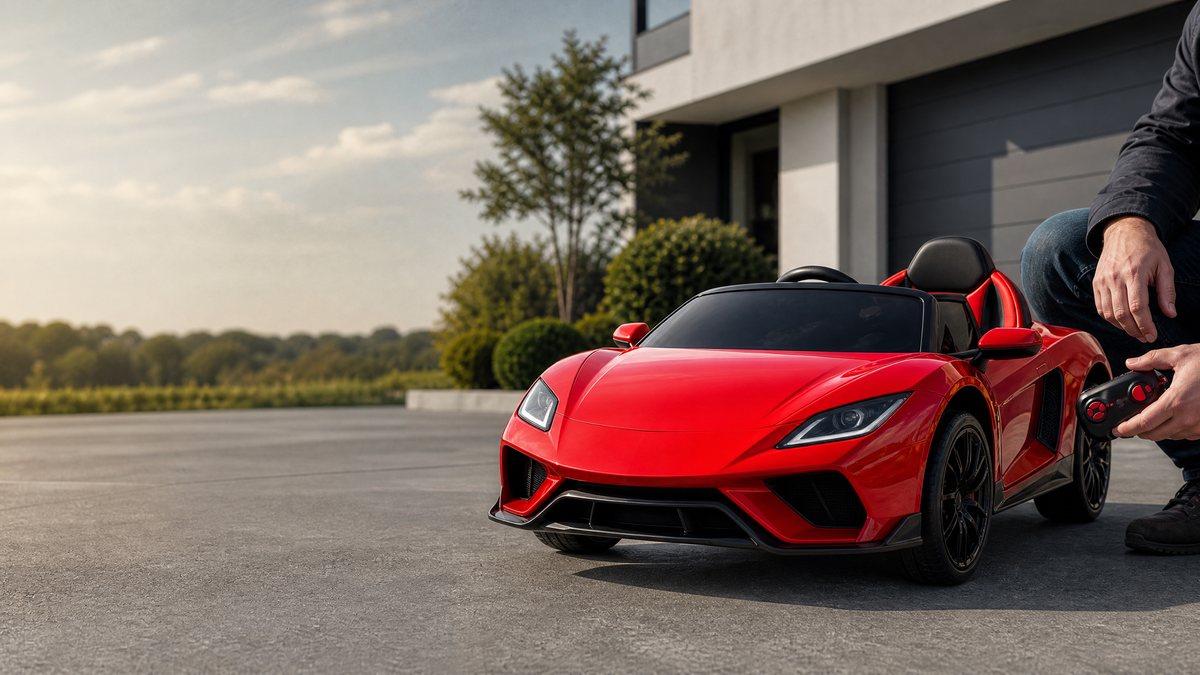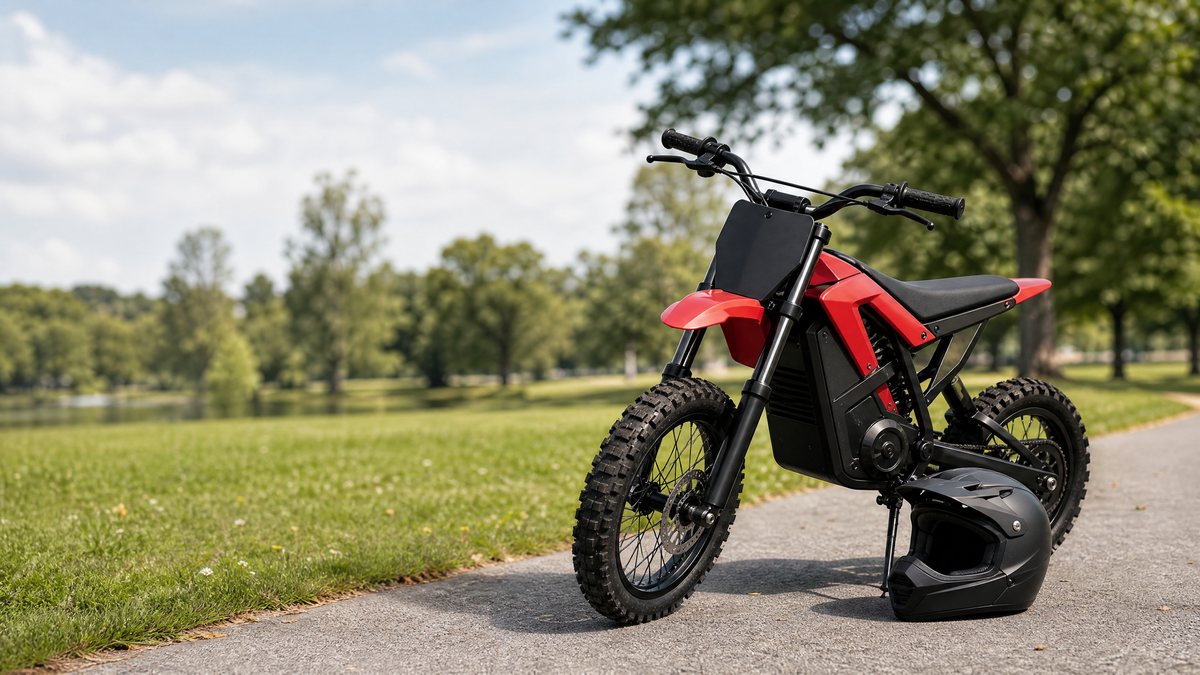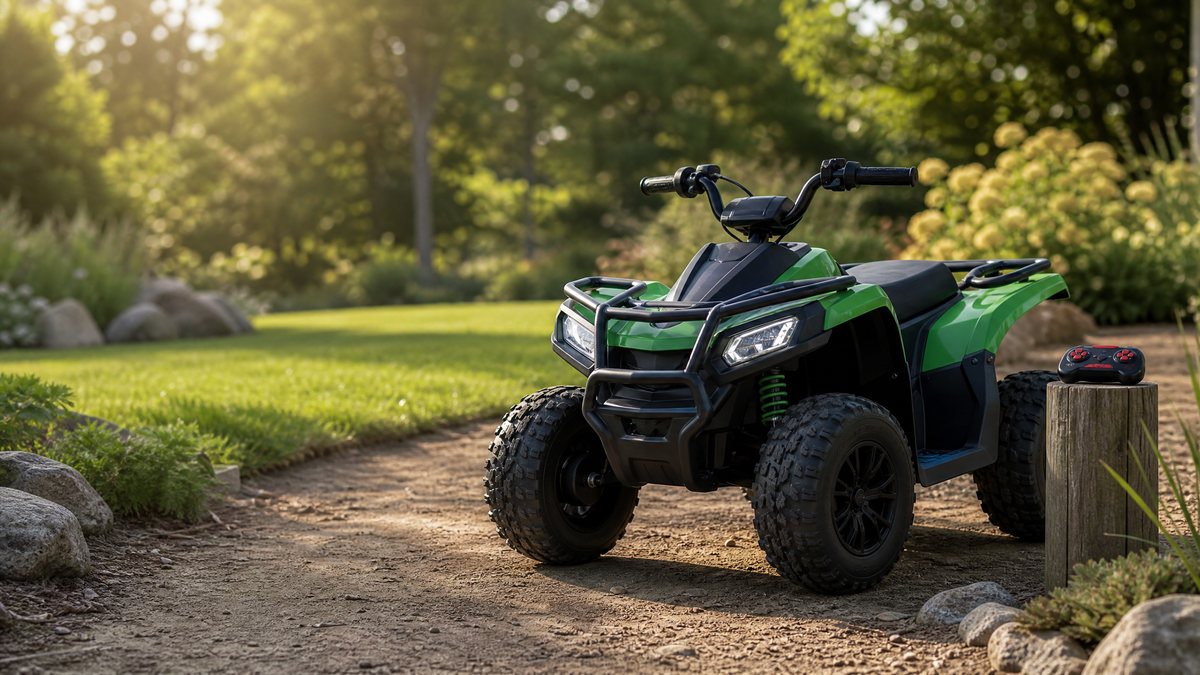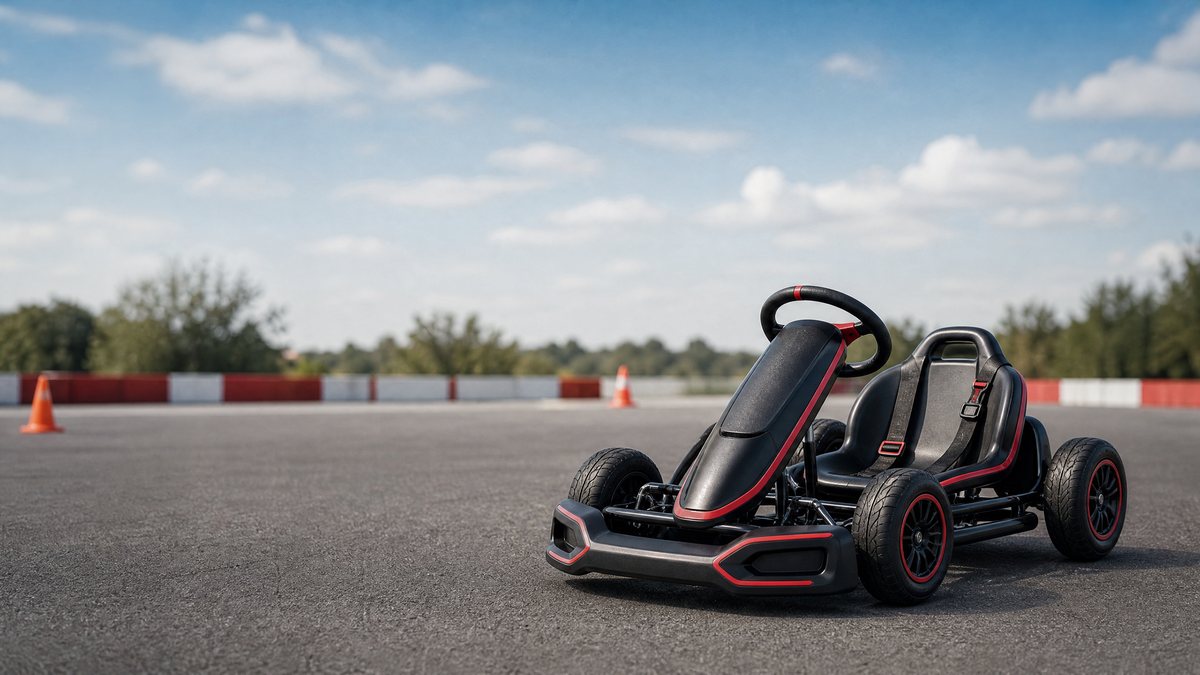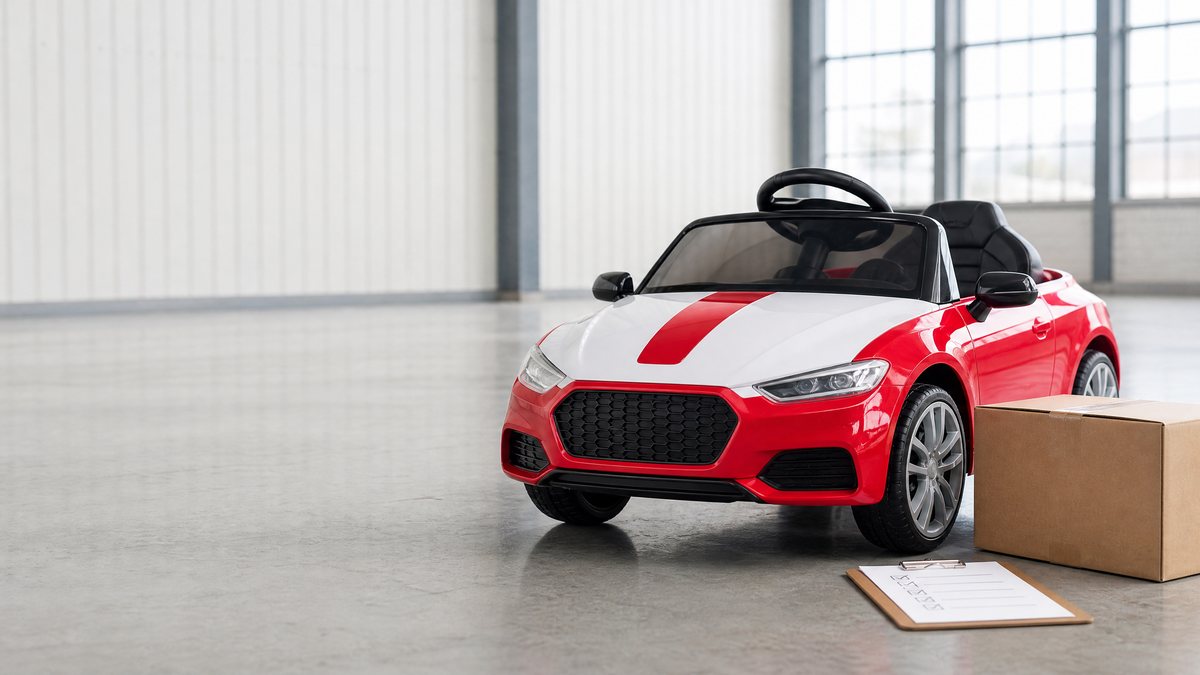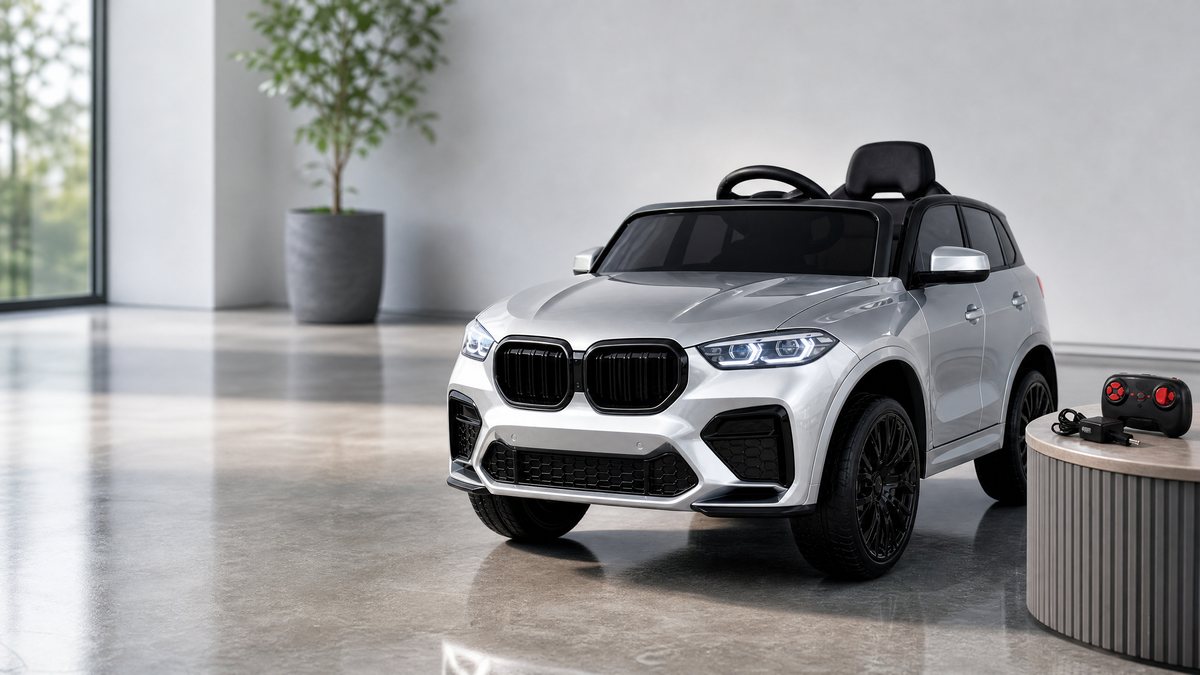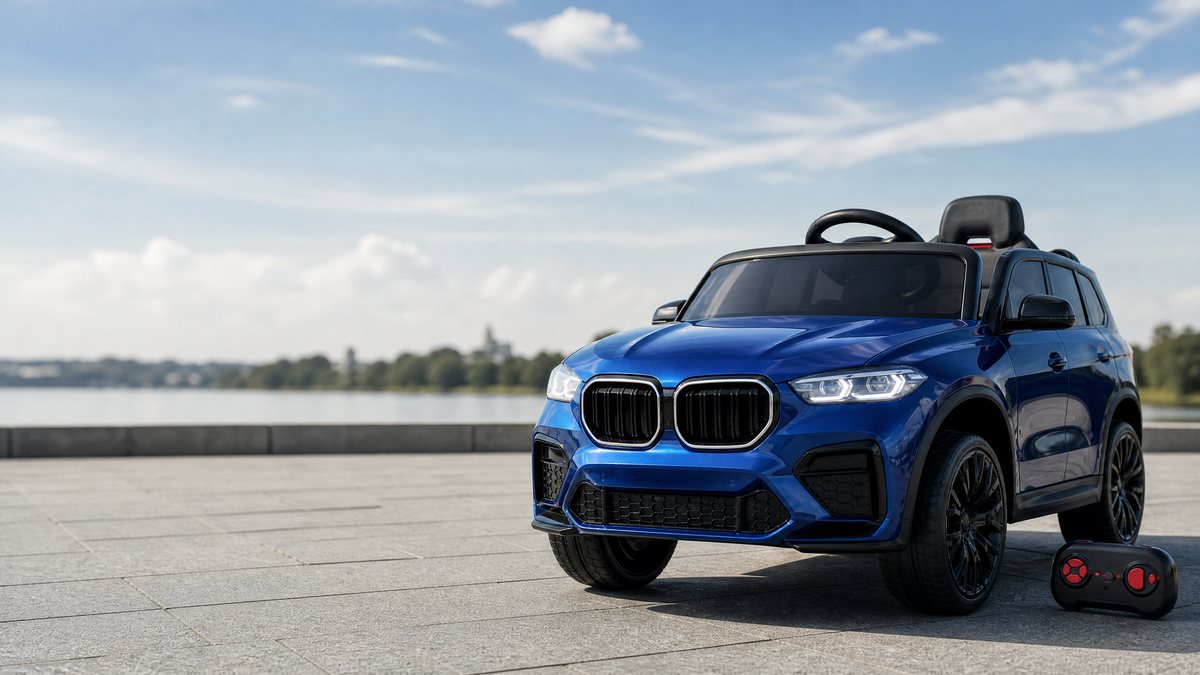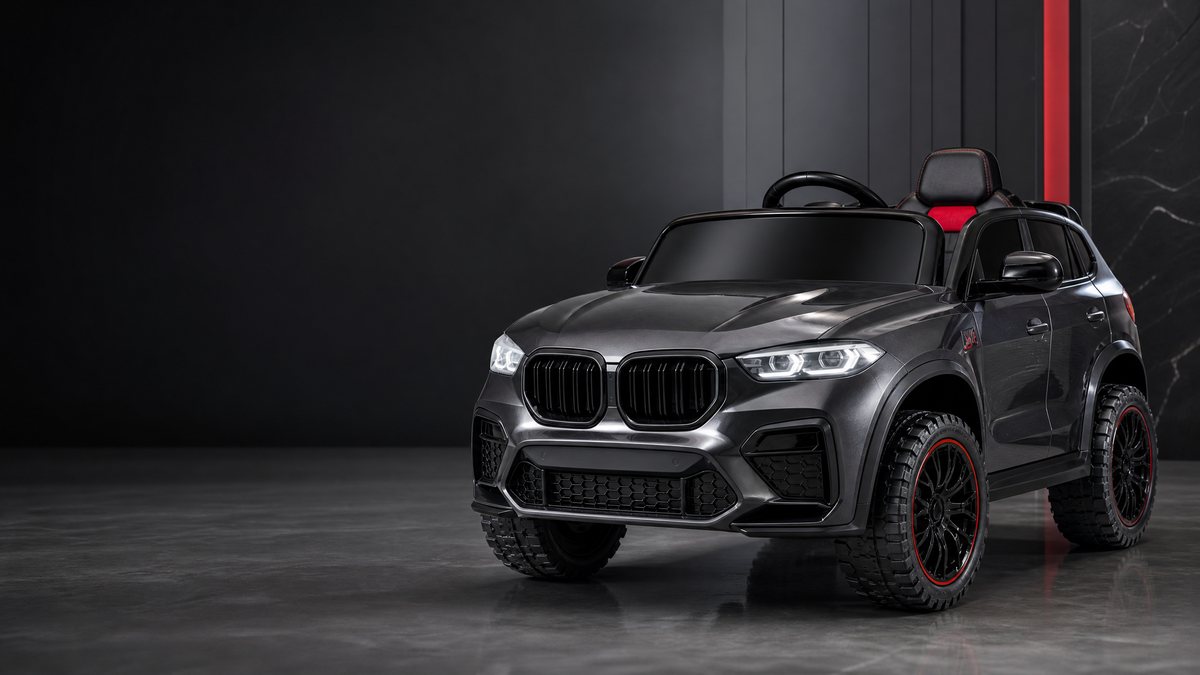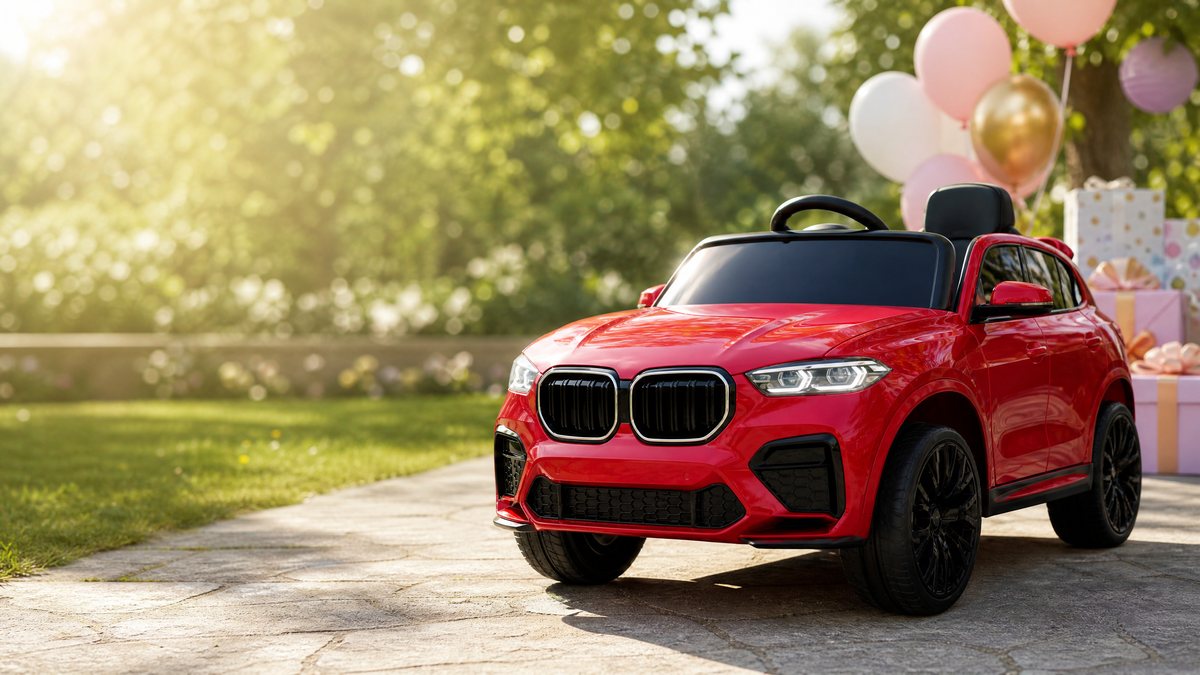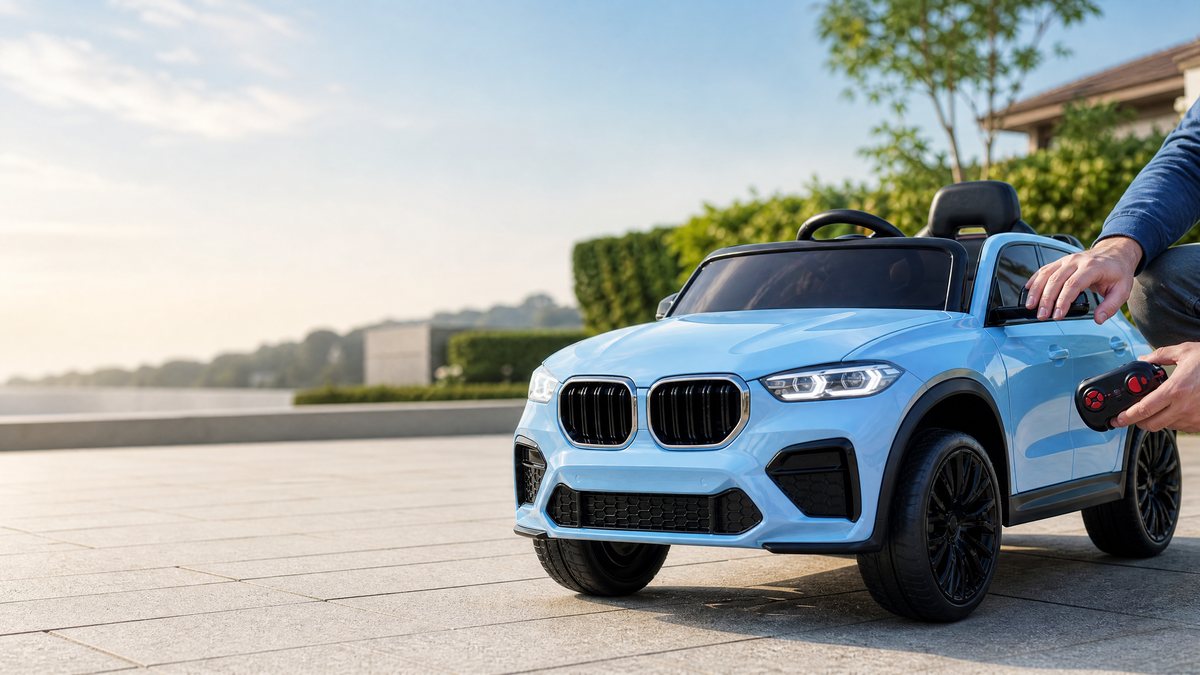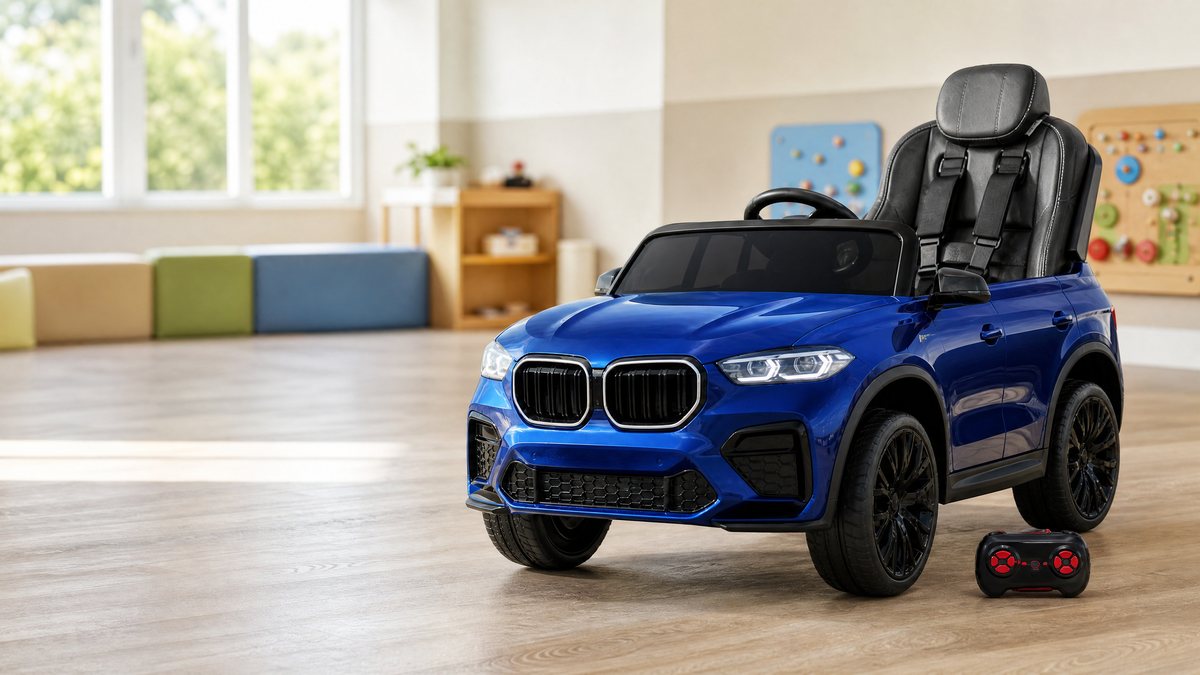
The intersection of modern digital media and children's toy manufacturing has fundamentally transformed how ride-on cars are marketed, showcased, and distributed on a global scale. Over the past decade, family vlogs, toy unboxing channels, educational kids' programs, and specialized vehicle review broadcasts on streaming platforms like YouTube have emerged as powerful, influential drivers of consumer demand and retail purchasing behavior. For B2B wholesale buyers, toy distributors, retail store owners, and brand managers, understanding how ride-on vehicles are featured in digital content provides invaluable insights into evolving consumer preferences, safety messaging, and dynamic product presentation strategies. This comprehensive guide explores the multifaceted dynamics of ride-on cars in children's media content, examining prominent content categories, rigorous product evaluation frameworks, essential safety supervision standards, and strategic wholesale procurement considerations for the modern global toy market.
The Rise of Ride-On Cars in Digital Media and Family Vlogging
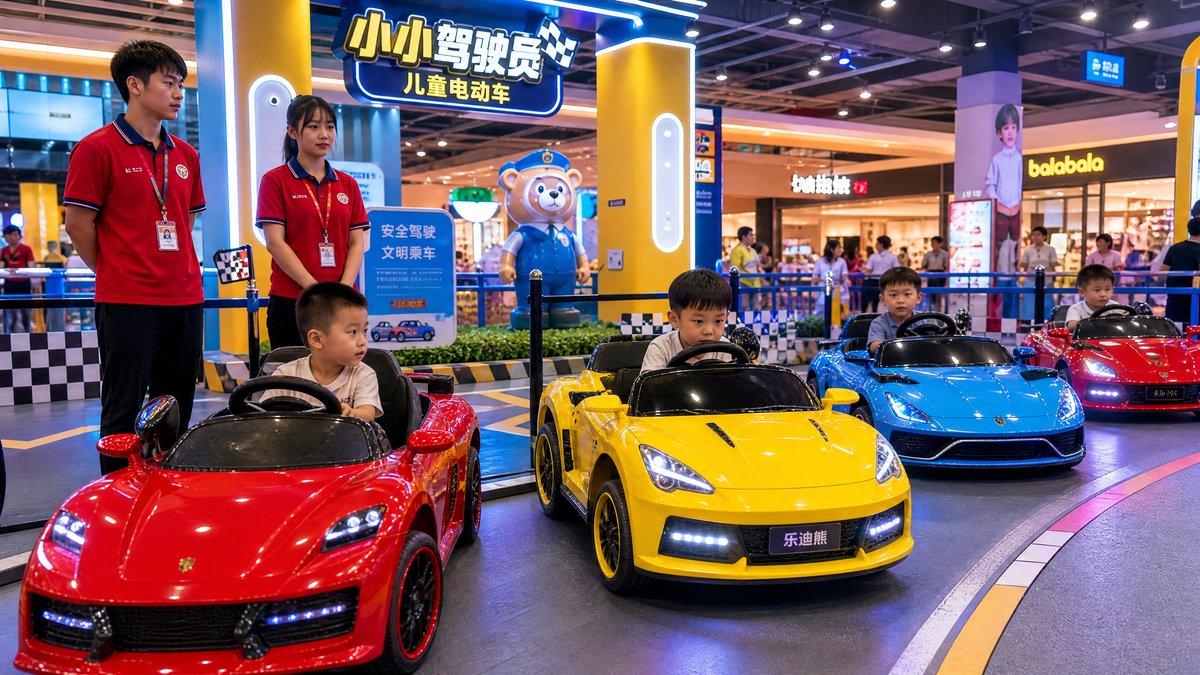
Children's entertainment and recreational product discovery have undergone a definitive shift toward user-generated digital content, family-centric lifestyle vlogging, and interactive toy exploration. In this vibrant digital ecosystem, battery-powered ride-on cars occupy a uniquely prominent and captivating position. Unlike smaller handheld action figures or board games, ride-on vehicles serve as substantial, dynamic centerpieces for video narratives. They combine visual appeal, real-world motion, outdoor exploration, and interactive play elements that instantly capture young audiences' attention and sustain viewer retention across multiple episodes and channel series.
For digital content creators and family influencers, ride-on cars offer versatile production opportunities that resonate deeply with viewers. From elaborate backyard race track setups and miniature neighborhood car washes to dramatic unboxing reveals and remote-controlled driving demonstrations, these vehicles generate exceptionally high engagement metrics. As young viewers watch their peers or favorite online creators interact with realistic mini-SUVs, luxury sports cars, electric motorcycles, and heavy-duty utility trucks, their desire for similar immersive play experiences increases exponentially. Consequently, retail buyers and wholesale distributors must recognize that digital media visibility frequently dictates seasonal demand surges, emerging design trends, and inventory replenishment cycles. Sourcing high-quality, visually striking, and fully certified ride-on vehicles aligns directly with the powerful marketing momentum generated by digital creators worldwide.
Content Categories Featuring Ride-On Vehicles: Unboxing, Reviews, and Scenario Play
Content creators typically categorize ride-on car videos into distinct, specialized production formats, each emphasizing different product attributes, technical features, and viewer engagement strategies. Understanding these formats helps B2B buyers and retail partners identify which vehicle specifications matter most to end consumers, purchasing parents, and media influencers alike.
Unboxing and assembly videos focus heavily on the physical delivery experience, packaging integrity, box contents, component quality, and the initial setup process. These videos highlight the clarity of assembly instructions, wheel attachment mechanisms, steering column connection steps, and battery compartment placement. For wholesale buyers, ensuring that products arrive with clear, professionally translated user manuals and intuitive assembly steps is of paramount importance, as negative unboxing reviews highlighting complicated assembly can significantly impact retail sales and brand reputation.
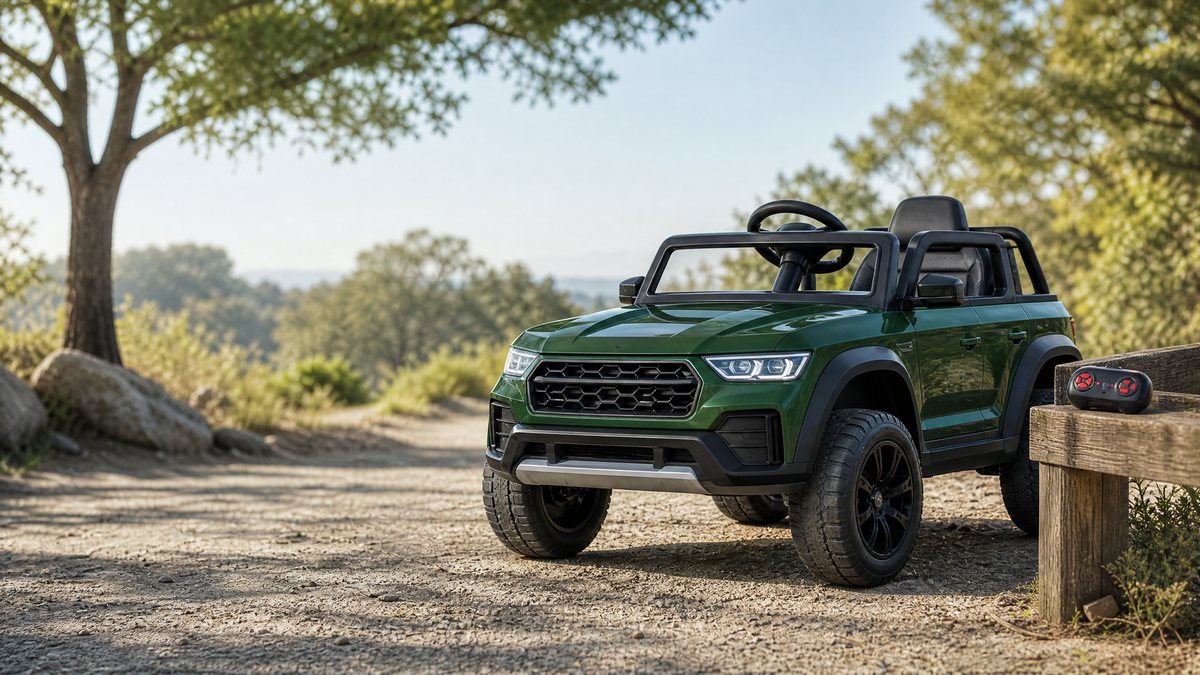
Performance and feature review videos put the spotlight on functional attributes such as working LED headlights, authentic horn and engine sounds, multimedia dashboard options with Bluetooth connectivity, operating speed tiers, and remote control responsiveness. Creators frequently test vehicles on diverse outdoor terrains, demonstrating how ride-on cars handle grass, gravel, pavement, and slight inclines. Meanwhile, imaginative scenario play videos integrate ride-on cars into elaborate themed narratives, such as mock police patrols, neighborhood delivery services, rescue missions, or backyard road trips. These creative scenarios emphasize the vehicle's role in encouraging active, imaginative play under watchful adult supervision.
| Content Format | Primary Focus | Key Buyer & Viewer Interest | Wholesale Sourcing Implication |
|---|---|---|---|
| Unboxing & Assembly | Packaging, parts, initial setup | Clear instructions, sturdy components | Requires comprehensive manuals and secure packaging |
| Feature Demonstrations | Lights, sounds, doors, multimedia | Realistic details, remote control usability | Highlighting adjustable speed settings and parental control options |
| Terrain & Driving Tests | Speed, handling, battery endurance | Smooth movement, stability, traction | Verifying wheel material (e.g., EVA foam) and motor specifications |
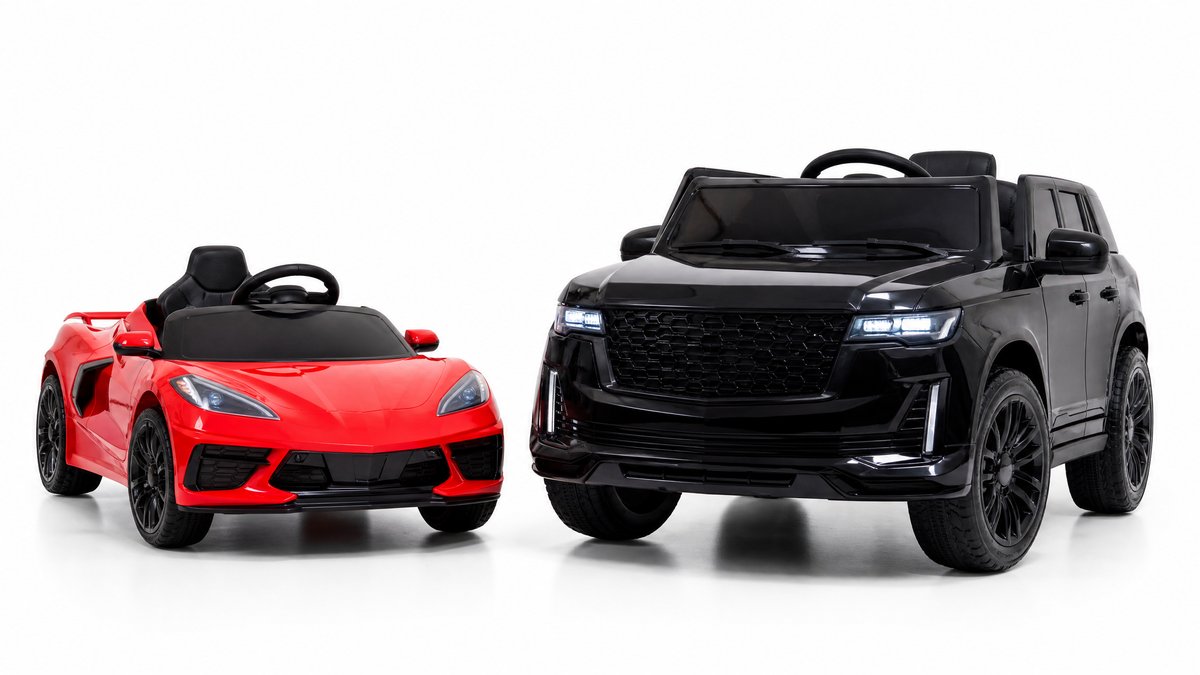
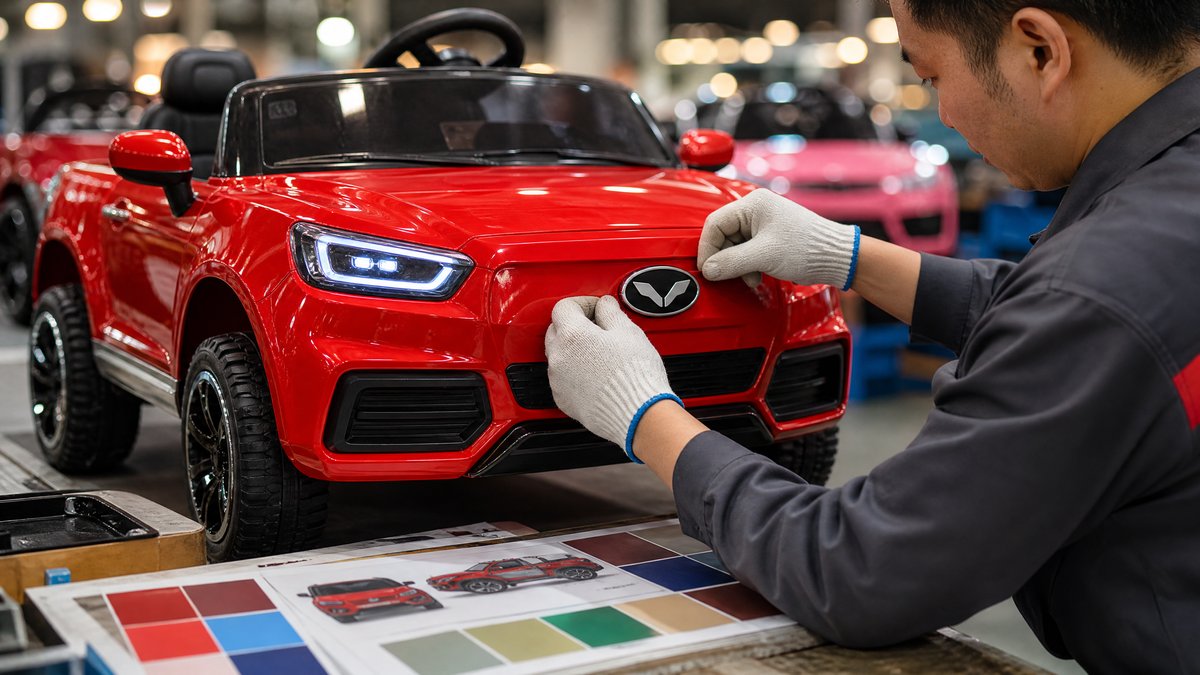
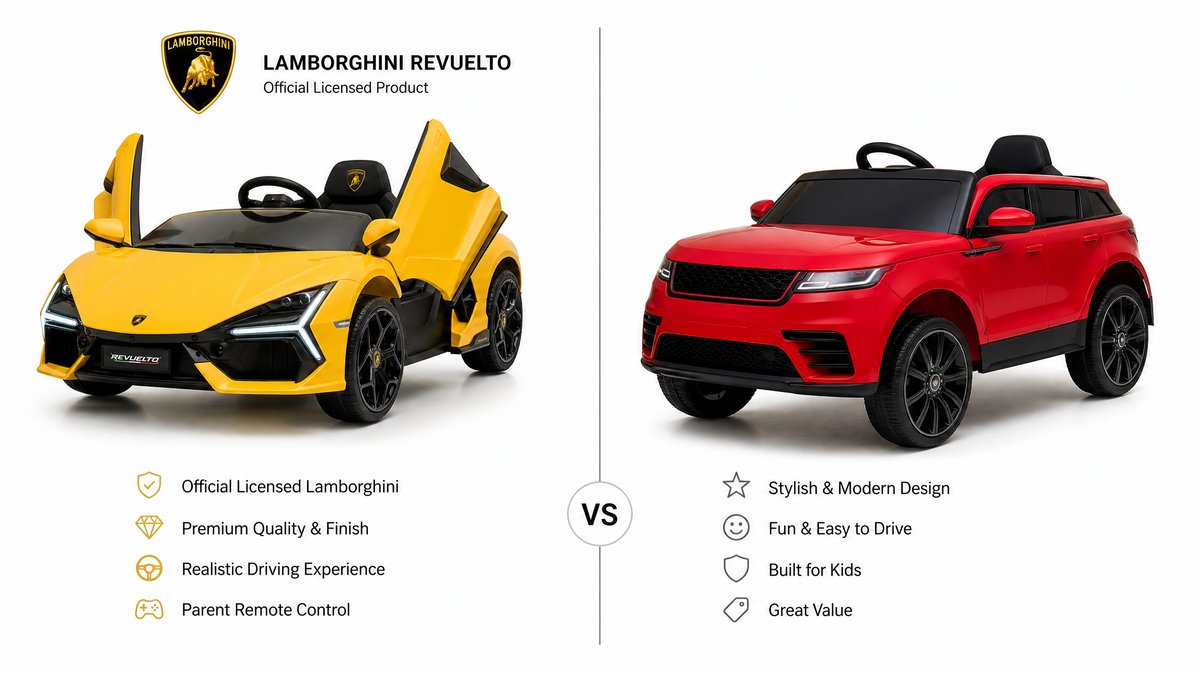
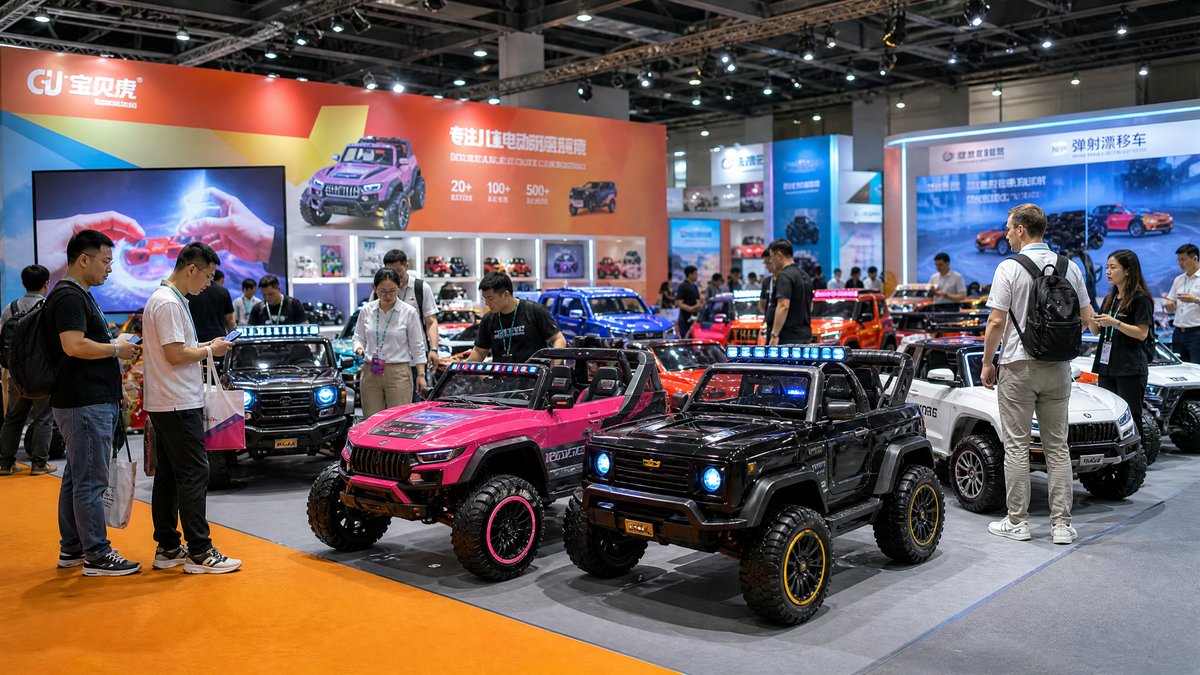
| Imaginative Role-Play | Storytelling, themed scenarios | Versatility, aesthetic appeal, design realism | Sourcing licensed designs, authentic styling, and custom colorways |
Evaluating Product Quality and Safety Standards for Media-Featured Inventory
When ride-on cars gain widespread prominence through viral YouTube videos, brand collaborations, or influencer partnerships, consumer expectations regarding product quality, durability, and safety rise proportionately. Wholesale buyers and retail partners must implement rigorous, structured evaluation frameworks to ensure that the products they source comply fully with international safety standards and regulatory requirements.
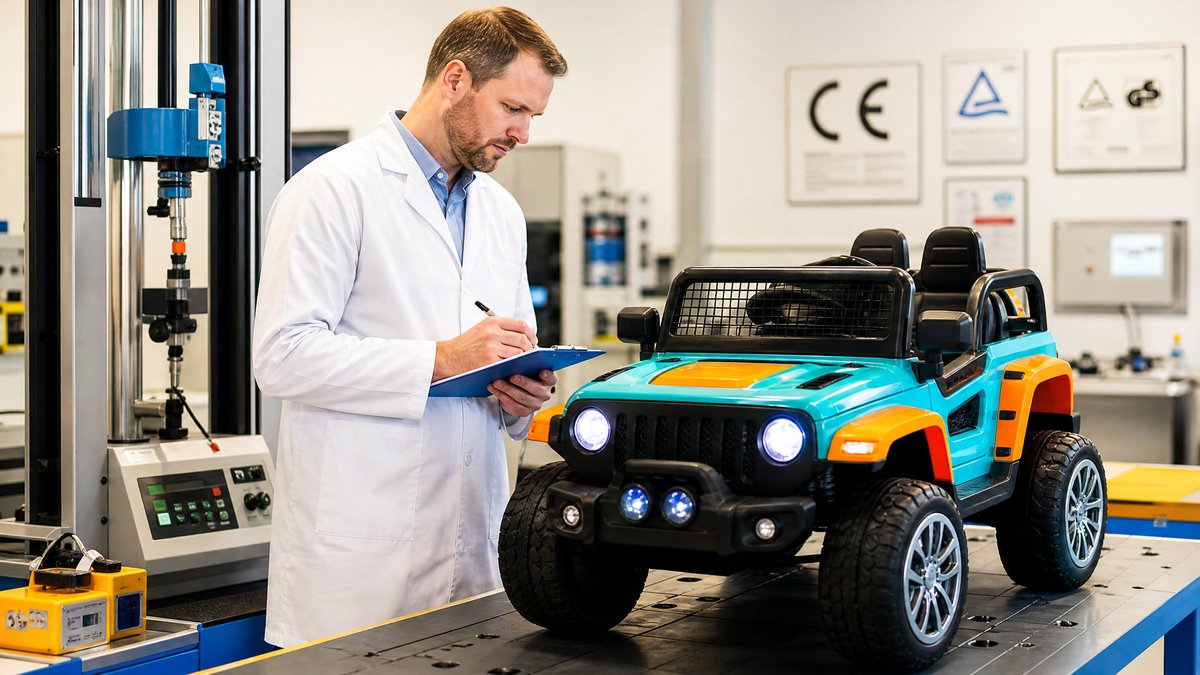
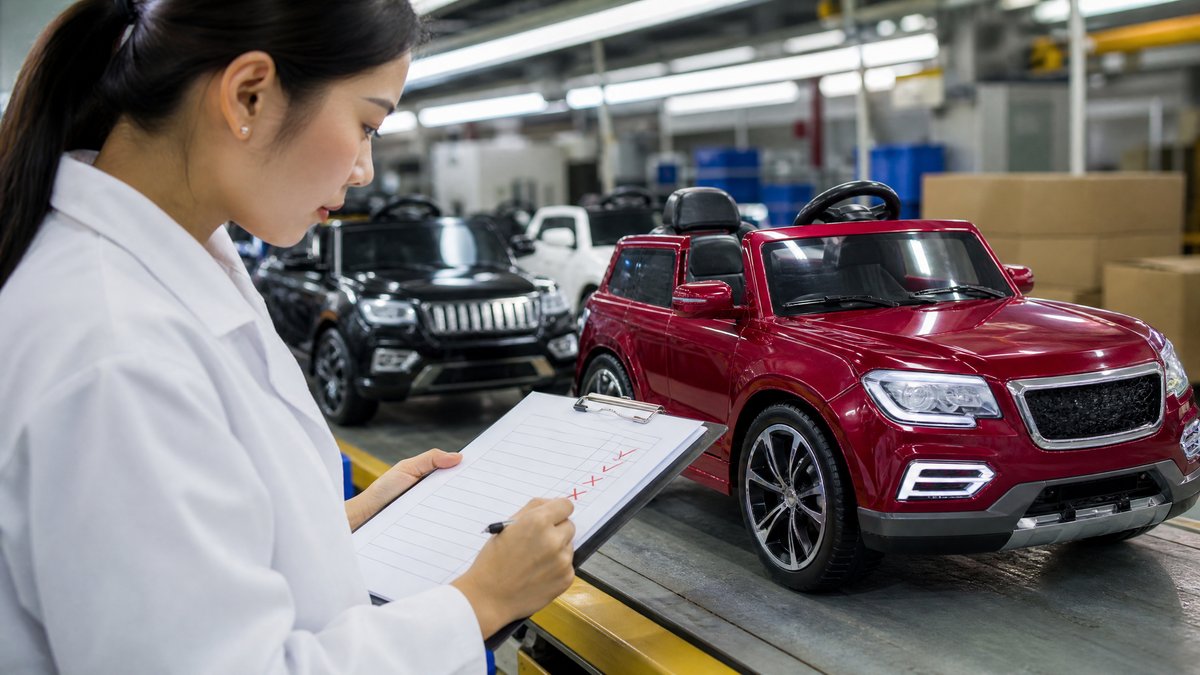
Rather than relying solely on visual aesthetics and glossy finishes seen on screen, professional wholesale buyers must inspect core structural integrity, electrical system documentation, wiring harnesses, and manufacturing certifications. Compliance with recognized international toy safety standards, such as EN71 in Europe or ASTM F963 in North America, is absolute and non-negotiable. These standardized testing protocols evaluate mechanical hazards, sharp edges, pinch points, structural flammability, and soluble heavy metal content in plastics, paints, and protective coatings.
Furthermore, procurement professionals should assess the availability of certified replacement parts, comprehensive warranty terms provided by the manufacturer, and clear compliance documentation. Transparency in supply chain sourcing ensures that retail partners can confidently stock inventory that satisfies rigorous safety regulators, cautious purchasing parents, and discerning consumers influenced by digital media presentations.
Technical Specifications and Buyer Assessment Frameworks
Navigating the vast array of ride-on vehicles available in the global manufacturing market requires a systematic buyer assessment framework. When evaluating models popularized by digital content creators, wholesale buyers must look beyond superficial features and examine core engineering specifications that dictate long-term product reliability and customer satisfaction across diverse markets.
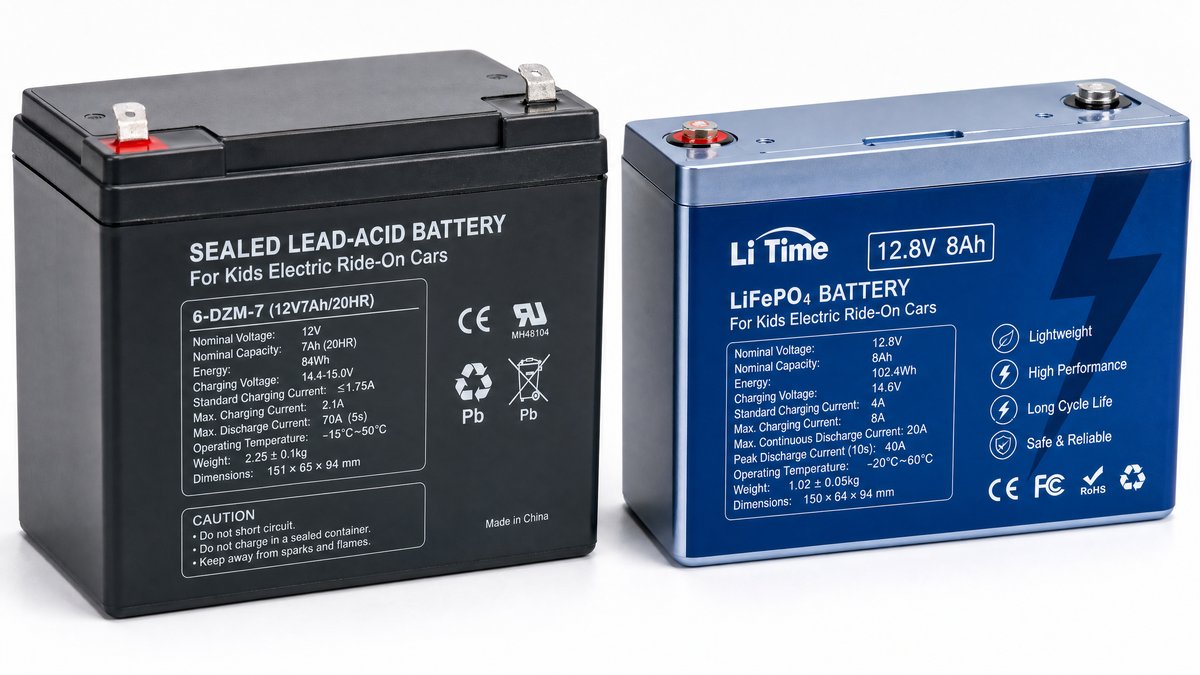
Motor configurations, battery voltages (typically 12V and 24V systems), transmission gearboxes, and suspension systems form the mechanical foundation of any ride-on vehicle. Modern designs often incorporate soft-start technology to prevent jerky acceleration, electronic braking systems, and parental remote override controls. Retailers should evaluate whether these features are standard across model lines or offered as customizable upgrades.
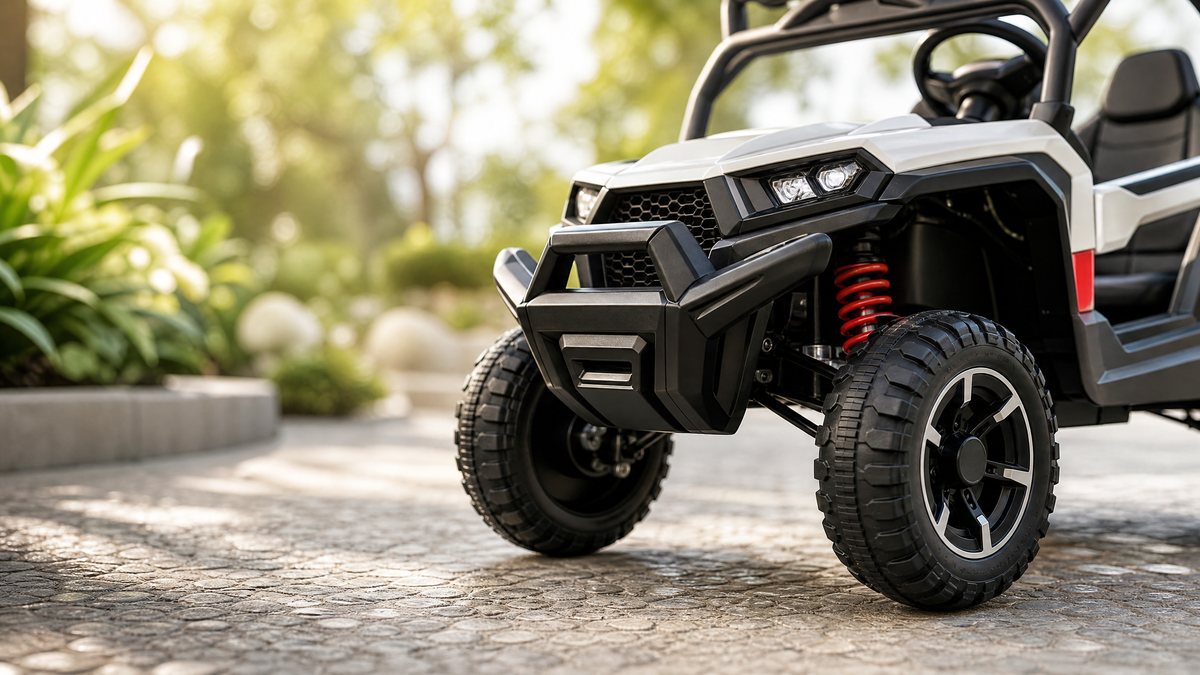
Additionally, material selection plays a critical role in product longevity. High-grade non-toxic plastics, durable EVA foam wheels (which offer superior traction and noise reduction compared to traditional hard plastic wheels), and reinforced steel chassis components ensure that the vehicle withstands regular outdoor use and active play environments. Buyers must verify that all technical specifications align with manufacturer documentation and are backed by proper quality assurance testing.
Supply Chain Integrity and Manufacturing Transparency for Retail Partners
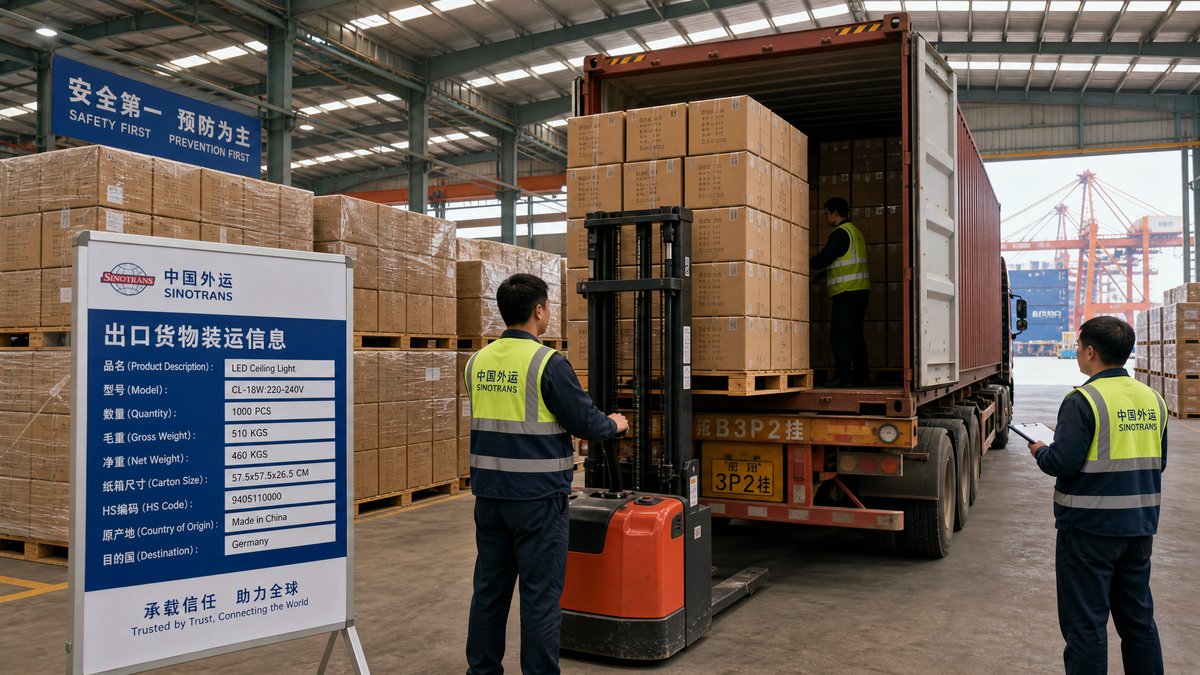
In an era where digital content creation accelerates consumer trends overnight, retail partners and wholesale distributors must forge robust partnerships with trusted manufacturers. Maintaining supply chain integrity ensures that products featured in online videos meet consistent quality benchmarks upon delivery to retail customers across diverse global markets.
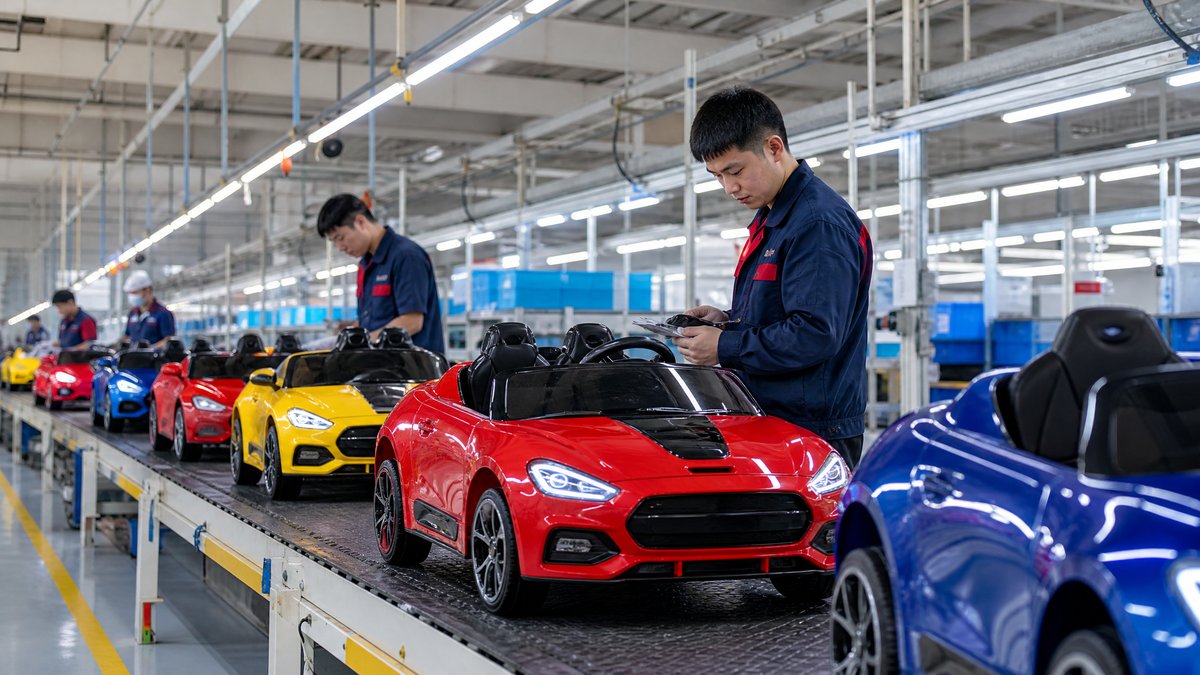
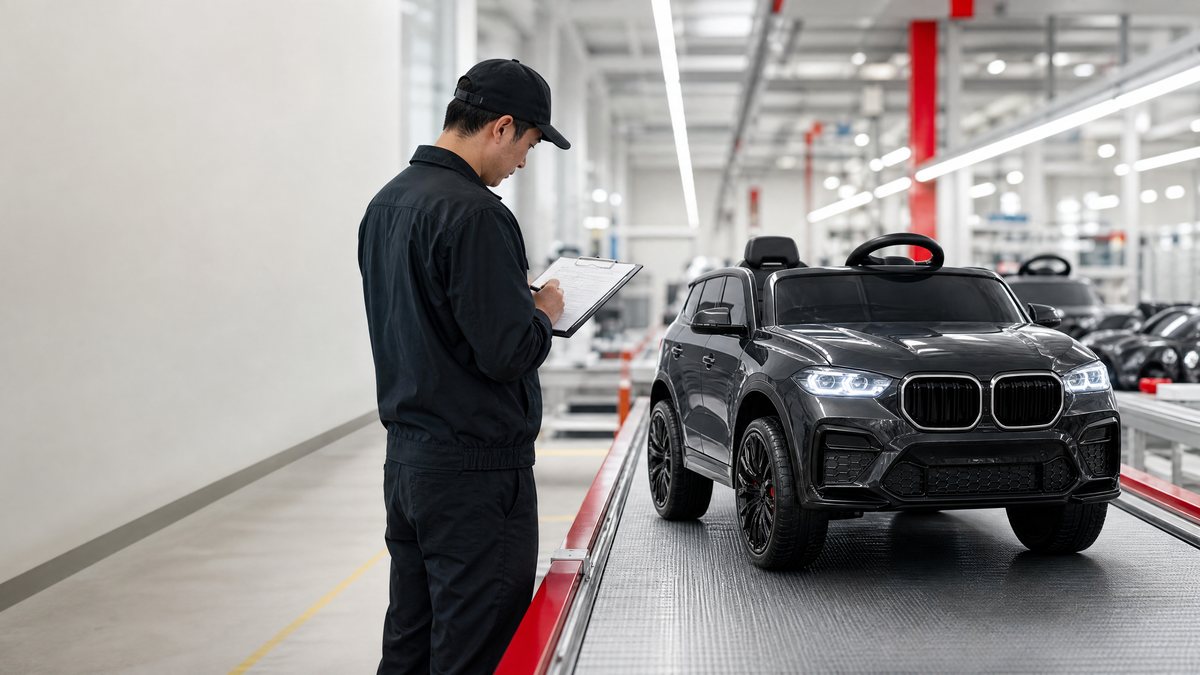
Manufacturing transparency involves verifying factory audits, material sourcing certificates, and rigorous batch testing protocols. Retailers should prioritize suppliers who provide comprehensive product documentation, high-resolution media assets, detailed specification sheets, and accurate compliance certificates to support their own digital marketing, e-commerce listings, and retail showroom displays. This collaborative approach minimizes inventory discrepancies and ensures that end-users receive authentic, safe, and fully certified ride-on vehicles while safeguarding long-term brand trust.
Essential Safety Guidelines and Parental Supervision in Content Production
As ride-on vehicles frequently appear in outdoor videos, backyard obstacle courses, and active play scenarios, reinforcing proper safety protocols is paramount. Whether featured in professional studio productions or family-generated content, safety guidelines must be strictly communicated to end-users and reflected in all product documentation.
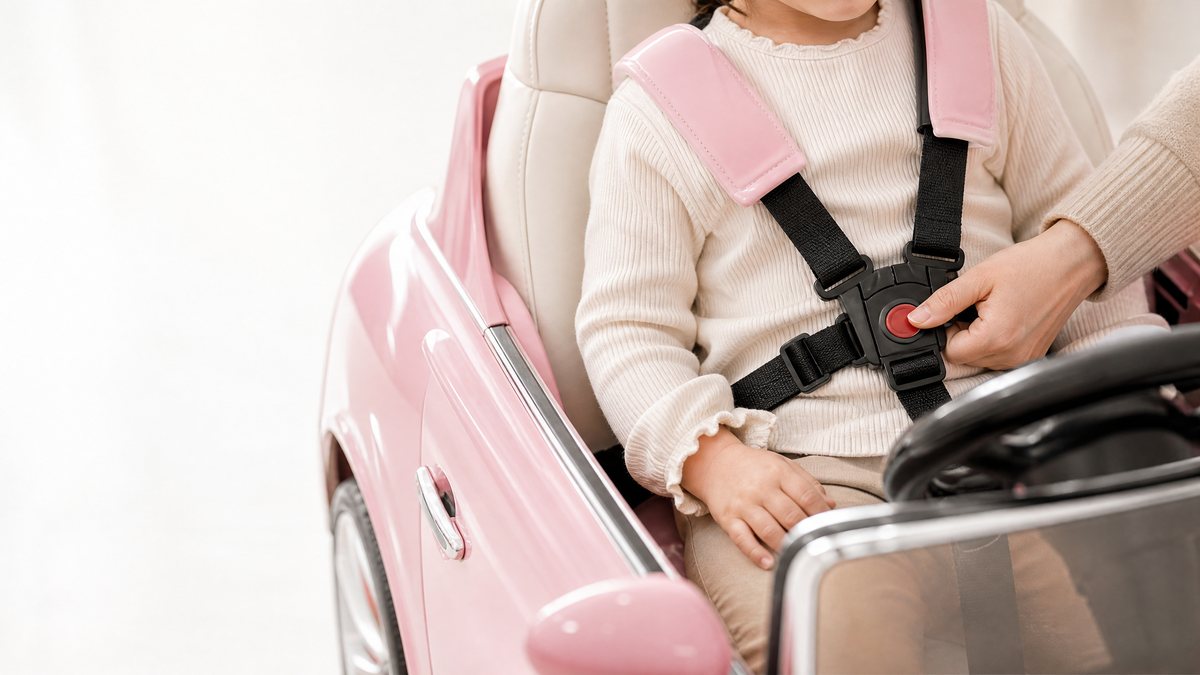
Adult supervision is mandatory during all ride-on car operations. Children must be supervised by a responsible adult at all times, ensuring they operate vehicles in safe, designated areas away from public streets, traffic, swimming pools, steep slopes, bodies of water, and uneven terrain. Content creators and manufacturers alike must emphasize that ride-on toys are designed exclusively for controlled, safe environments.
Users must strictly follow all instructions provided in the manufacturer's official user manual. Under no circumstances should users attempt unauthorized modifications, such as disassembling internal electronic housings, tampering with battery terminals, measuring electrical voltage directly, bypassing internal circuit protection systems, or modifying factory motors and wiring harnesses. Any alteration can compromise electrical safety and mechanical integrity.
If users observe any signs of malfunction—such as unusual odors, smoke, excessive heat, fluid leakage, water ingress, exposed wiring, damaged charging plugs, erratic braking performance, or persistent electrical failures—they must immediately cease operation, disconnect the power source, turn off the vehicle, keep children away from the unit, and contact the manufacturer or qualified service technicians for professional inspection and repair.
For inquiries regarding certified wholesale inventory, safety documentation, and distributor partnerships, you can Request a wholesale quote.
Wholesale Sourcing and Retail Considerations for Trend-Driven Toy Inventories
Sourcing inventory driven by digital media trends requires a balanced strategic approach combining market agility with robust risk management. Wholesale buyers must anticipate seasonal sales spikes—such as holiday shopping seasons, spring promotional periods, and summer outdoor play months—when YouTube viewership and toy demand peak simultaneously.
Collaborating with reliable, experienced manufacturers ensures consistent product availability, stable supply chains, and adherence to strict quality control standards. Retailers should also request comprehensive marketing assets, high-resolution product photography, detailed specification sheets, and accurate compliance certificates to support their own digital marketing, e-commerce listings, and retail showroom displays. By aligning procurement strategies with verified manufacturing capabilities, businesses can successfully capitalize on digital trends while maintaining high standards of customer satisfaction and safety compliance.
Frequently Asked Questions (FAQ)
Q1: How do YouTube trends influence wholesale demand for ride-on cars?
A1: Digital media platforms amplify consumer awareness by showcasing realistic features, unboxing experiences, and outdoor play scenarios. This visibility often creates rapid demand surges for specific vehicle styles, colors, and functionalities, prompting wholesale buyers to align their inventory planning with popular digital trends.
Q2: What safety standards should wholesale buyers verify before sourcing ride-on cars?
A2: Buyers must verify compliance with international toy safety standards such as EN71 and ASTM F963. These standards cover mechanical strength, chemical composition, electrical safety, and flammability, ensuring that products are legally compliant and safe for end consumers.
Q3: Can ride-on cars be modified to increase speed or battery capacity?
A3: No. Users must never attempt unauthorized modifications, electrical bypasses, or component replacements not approved in writing by the manufacturer. Such actions violate warranty terms and create severe safety hazards, including electrical shock and fire risks.
Q4: What actions should be taken if a ride-on car shows signs of electrical malfunction?
A4: If abnormal heat, smoke, strange odors, damaged wiring, or erratic braking occurs, immediately stop using the vehicle, turn off the power, disconnect the battery if safely accessible without opening sealed compartments, keep children away, and contact the manufacturer or qualified service personnel.
Conclusion
The integration of ride-on cars into children's YouTube content highlights the powerful connection between modern digital media and the toy manufacturing industry. For B2B wholesale buyers, retail distributors, and industry professionals, understanding this dynamic opens up strategic opportunities to source trend-aligned inventory. By prioritizing rigorous quality evaluation, strict adherence to safety guidelines, and transparent manufacturing standards, businesses can successfully navigate the evolving toy market while delivering safe, high-quality products to families worldwide.
To explore our complete catalog of certified ride-on vehicles and discuss partnership opportunities, you can Request a wholesale quote.
Official References
1. U.S. Consumer Product Safety Commission (CPSC): Toy Safety Education and Compliance Guidelines (CPSC Document #388). General educational guidance on toy safety standards, mechanical hazards, and supervisory best practices. Note: General CPSC educational documents serve as supplementary compliance references and do not replace specific manufacturer operating instructions, model-specific safety certifications, or local regulatory requirements.
2. International Organization for Standardization (ISO) / European Committee for Standardization (CEN): Safety of Toys Standards (EN71 Series). Technical specifications for mechanical, physical, and electrical safety in children's toys and motorized ride-on vehicles.
3. ASTM International: Standard Consumer Safety Specification for Toy Safety (ASTM F963). Recognized standards for evaluating structural integrity, small parts, and electrical safety in consumer play equipment.
Official references
Explore these external resources for current regulatory and trade guidance. Confirm requirements with the relevant authority before placing an order.
Ready to Start?
Factory-Direct · CE & ASTM Certified · MOQ from 50 Units
Our export team works with buyers in 60+ countries. Get a quote within 24 hours.
KR
Written by KidsRideCar
China's leading kids electric ride-on car manufacturer. 500,000+ units shipped annually to 60+ countries. CE, ASTM & EN71 certified.