Introduction
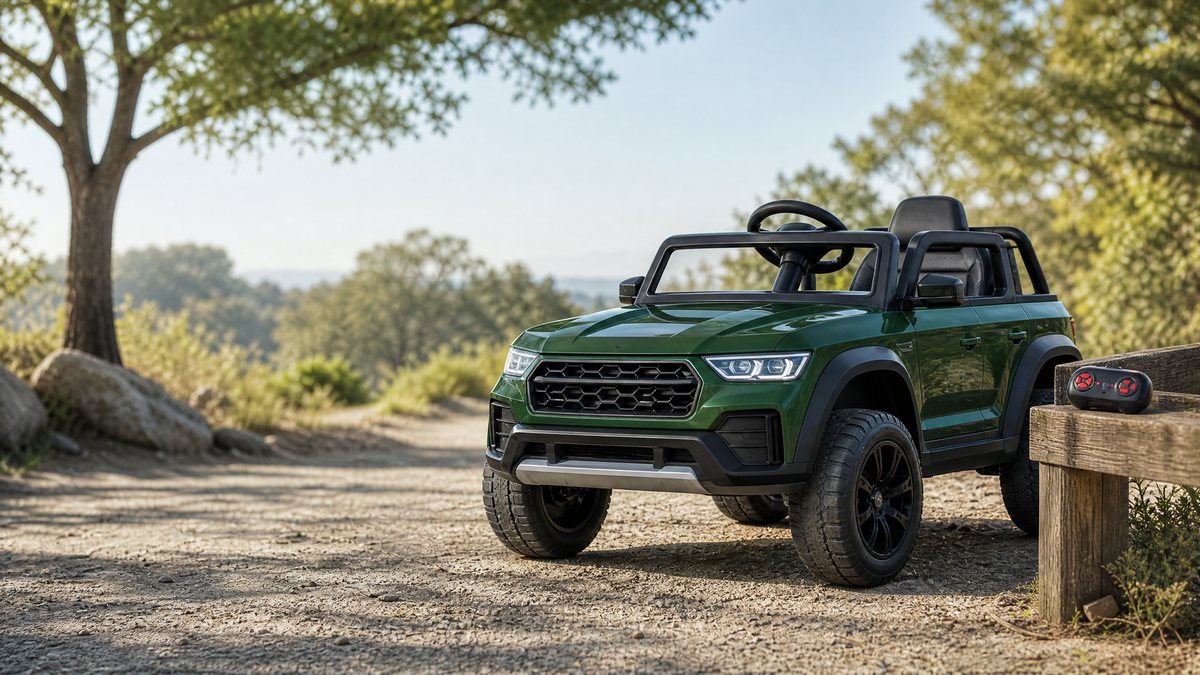
Modern children's ride-on electric vehicles have evolved far beyond simple mechanical propulsion and basic plastic dashboards. Today, premium models incorporate sophisticated electronic infotainment centers, mirroring the connectivity and multimedia experiences found in full-sized automobiles. Among these technological upgrades, Bluetooth music integration has emerged as one of the most sought-after features for both young drivers and discerning buyers.
Whether parents are searching for a birthday gift that encourages immersive play or retail store owners are curating a high-demand inventory of ride-on cars, understanding what constitutes a quality Bluetooth-equipped vehicle is essential. Rather than relying on unverified marketing superlatives, this guide provides a transparent, structured evaluation framework to help you assess audio connectivity, electrical integration, mechanical safety, and overall value when selecting the ideal ride-on car.
The Evolution of Ride-On Entertainment Systems
Early electric ride-on cars typically featured pre-programmed musical loops, mechanical horn sounds, or simple auxiliary (AUX) input jacks requiring physical wired cables. While functional, wired connections proved susceptible to cable wear, port damage, and restricted device placement.
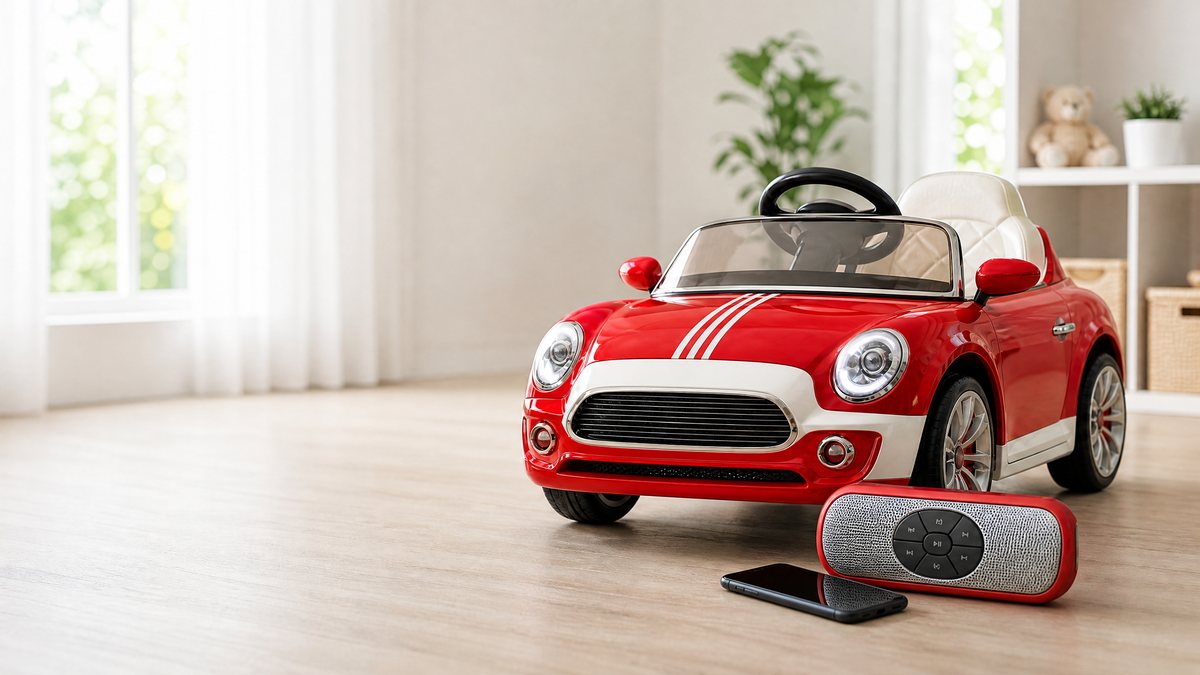
The integration of Bluetooth technology transformed this aspect of children's vehicles by enabling wireless audio streaming from smartphones, tablets, or dedicated media players. Young riders can now enjoy their favorite nursery rhymes, audiobooks, or custom playlists safely while operating their vehicles. However, the presence of Bluetooth connectivity alone does not guarantee a superior product. Buyers must examine how the audio system integrates with the vehicle's primary electrical architecture, speaker quality, volume regulation, and battery management systems.
Key Decision Framework: Evaluating Bluetooth Ride-On Cars
When assessing ride-on cars featuring Bluetooth audio, buyers should evaluate several critical dimensions. A systematic approach ensures that entertainment features do not compromise vehicle safety, electrical stability, or structural integrity.
1. Audio Output Quality and Volume Limiting
A quality ride-on vehicle requires speakers that deliver clear, balanced sound without distortion at higher volume settings. More importantly, children's developing hearing demands careful consideration regarding maximum decibel (dB) output. The best models incorporate built-in volume caps or easy-to-access dashboard volume controls, preventing young riders from accidentally exposing themselves to excessively loud audio while outdoors.
2. Dashboard Interface and Connectivity Stability
Bluetooth pairing should be straightforward, stable, and secure. Look for dashboard designs featuring clearly labeled pairing buttons, reliable wireless range (typically within 5 to 10 meters for parental supervision), and alternative media playback options such as USB ports, TF/MicroSD card slots, or FM radio. Redundancy in media sources ensures that children can enjoy audio even if a Bluetooth-enabled device is unavailable.
3. Electrical Load and Battery Capacity
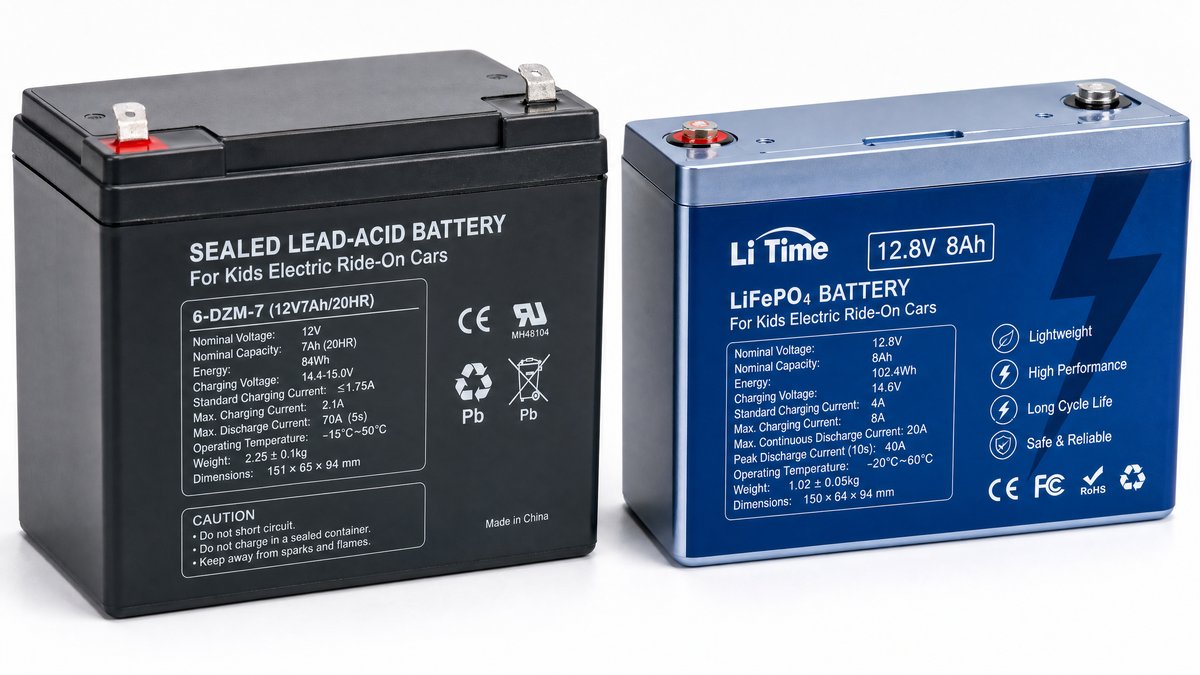
Infotainment systems, LED headlights, dashboard displays, and dual-drive or quad-drive electric motors all draw power from the onboard battery pack. When evaluating a ride-on car, verify the battery voltage (commonly 12V or 24V) and amp-hour (Ah) rating. High-draw multimedia features should be supported by adequate battery capacity to prevent premature voltage drop, which can impact both drive time and motor performance.
4. Build Quality and Safety Compliance
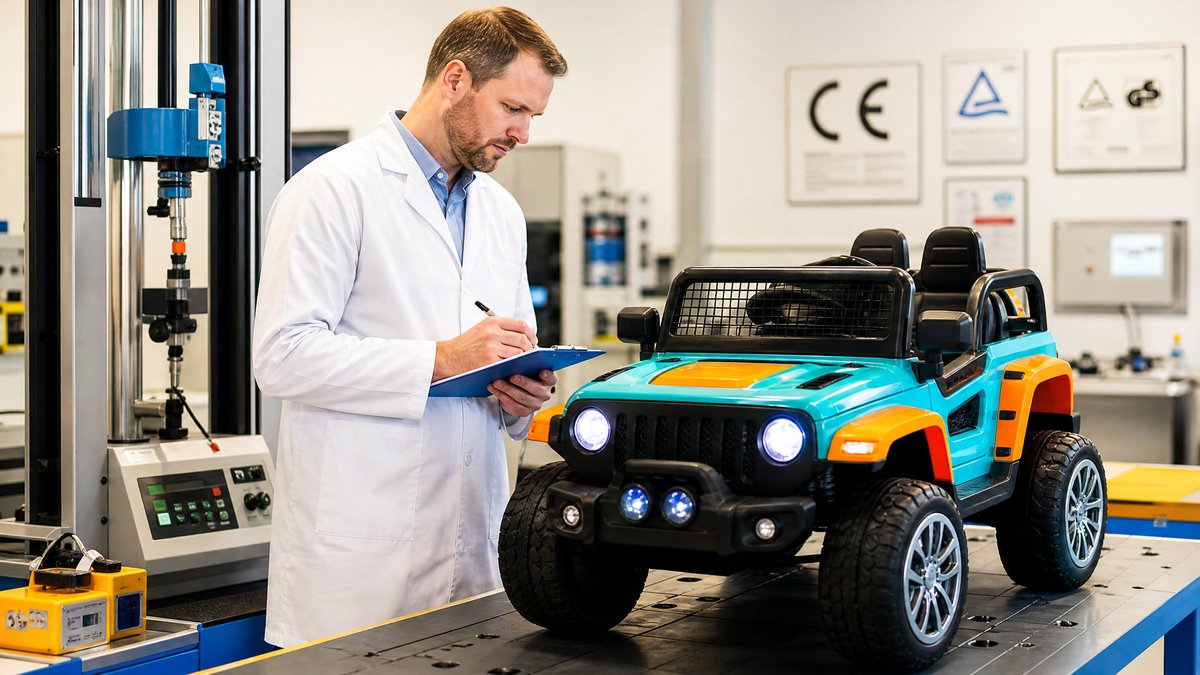
Entertainment features must be housed within robust, weather-resistant dashboard assemblies. Wiring harnesses must be securely enclosed away from child access points. Importers and retail buyers should always confirm that the vehicle complies with recognized toy safety standards, such as ASTM F963 in the United States or EN71 in Europe, ensuring that electrical components meet rigorous safety thresholds [1].
Comparison of Ride-On Entertainment Integration Options
To help retail buyers and parents weigh different configuration options, the table below compares standard audio integration tiers found in the current market.
| Integration Tier | Connectivity Type | Audio Control & Safety | Power Efficiency | Best Suited For |
|---|---|---|---|---|
| Basic Audio | Pre-loaded tunes & Horn button | Fixed volume, no external pairing | Minimal power draw | Budget-friendly entry-level models |
| Standard AUX / USB | Wired 3.5mm jack & USB drive | Basic playback buttons, manual control | Moderate power draw | Simple offline music playback |
| Advanced Bluetooth | Wireless Bluetooth streaming + USB/TF | Dashboard volume limiters, stable pairing | Optimized low-draw chips | Premium consumer models & gift buyers |
| Smart Multimedia Center | Touch screen, Bluetooth + Video/Story playback | Parental override controls, adjustable EQ | Higher power draw (requires 24V systems) | High-end retail showrooms & specialty stores |
Safety and Fit Checklist for Buyers
Before finalizing a purchase or placing a wholesale stocking order, review this practical checklist to verify product suitability:
- [ ] Age and Weight Verification: Confirm that the vehicle's maximum weight capacity and recommended age range match the intended user profile.
- [ ] Electrical Certification: Check that chargers and batteries bear recognized safety certifications (e.g., UL, CE, or equivalent regional marks).
- [ ] Volume Regulation: Verify whether the audio system includes child-safe volume limits or clear manual attenuation controls.
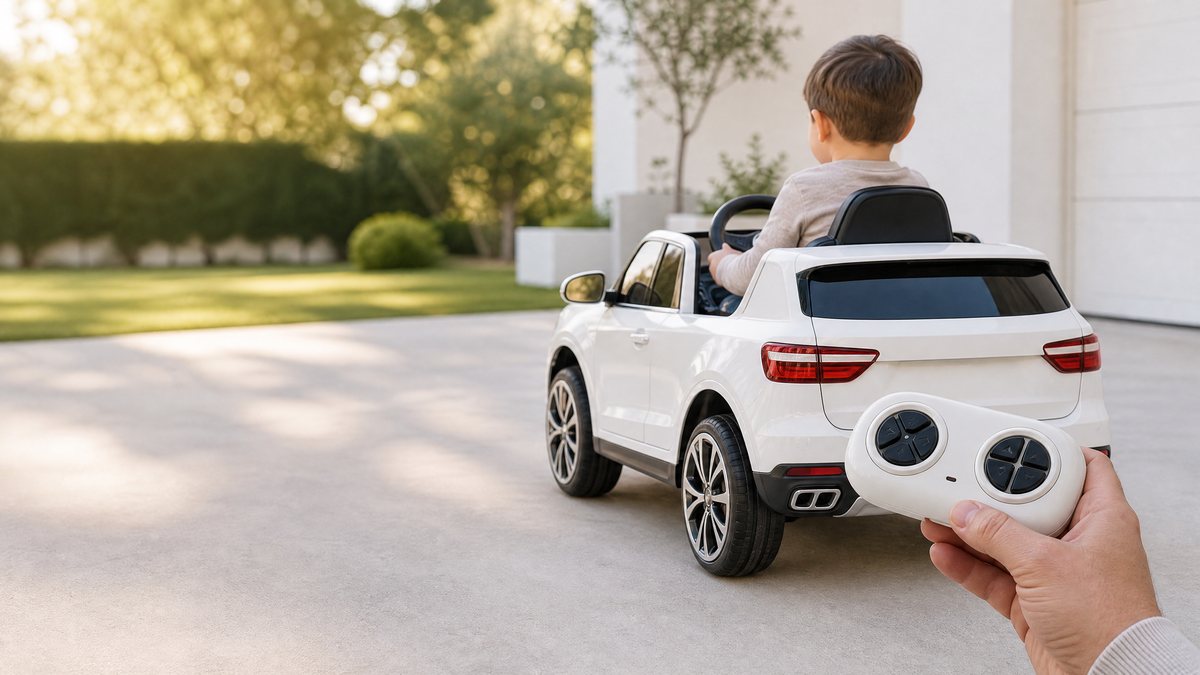
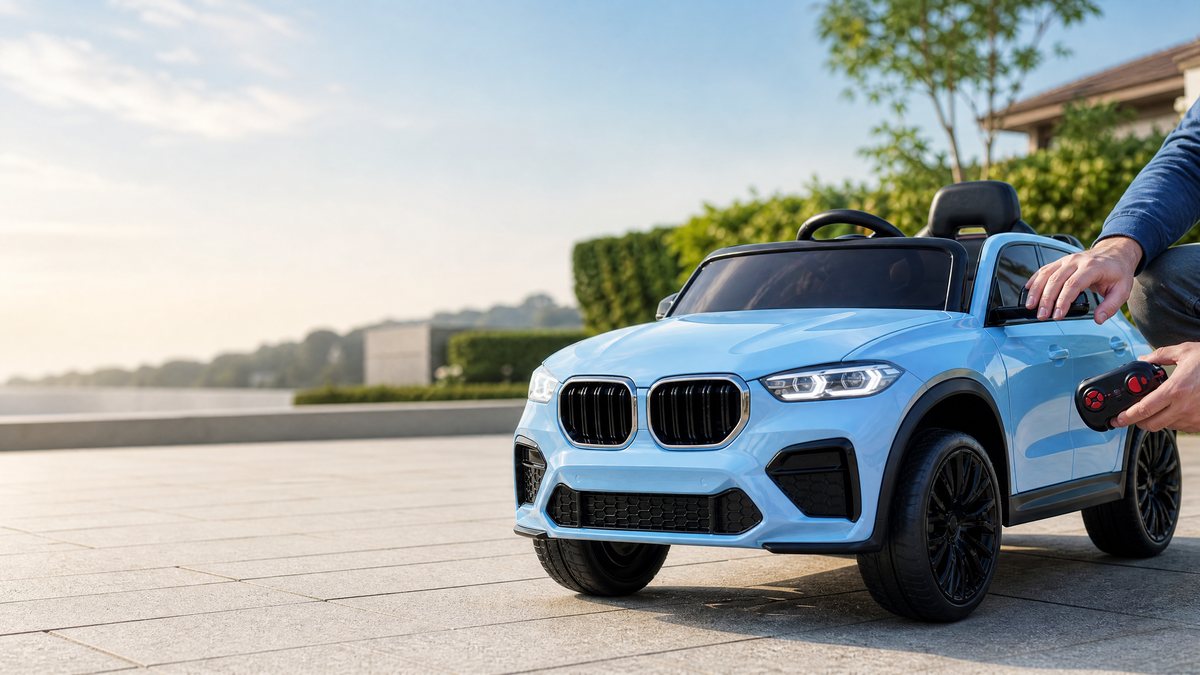
- [ ] Parental Remote Override: Ensure the model includes a 2.4G parental remote control that can override manual steering and throttle inputs when necessary.
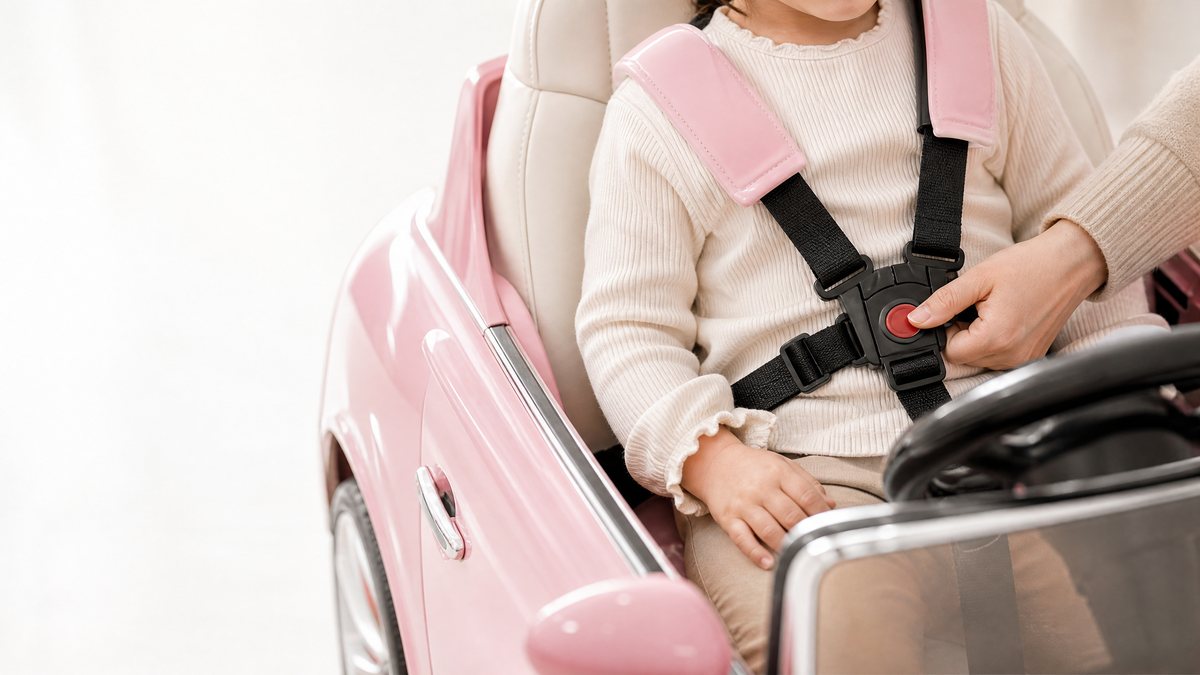
- [ ] Chassis Durability: Inspect frame construction materials, wheel traction design (EVA foam vs. hard plastic), and seatbelt security.
Perspective for Retailers and Importers
For B2B buyers, toy store owners, and ecommerce distributors, stocking ride-on cars with modern infotainment features represents a significant market opportunity. Parents increasingly view Bluetooth connectivity not as a novelty, but as an expected feature that enhances the longevity and engagement value of outdoor toys.
When sourcing these products, importers should request comprehensive technical documentation from manufacturers, including electrical schematic test reports, battery MSDS (Material Safety Data Sheets), and compliance declarations for regional toy safety standards. Ensuring transparent communication regarding factory specifications prevents supply chain delays and protects retail brand reputation.
Frequently Asked Questions (FAQs)
1. Does Bluetooth music playback drain the ride-on car battery quickly?
Bluetooth modules consume relatively little power compared to drive motors and LED lighting systems. However, streaming audio at high volume levels continuously can contribute to overall battery discharge. Selecting models with balanced battery capacity (such as 12V 7Ah or higher) ensures both ample driving time and uninterrupted music playback.
2. Can parents control or override the Bluetooth audio from a distance?
Most standard ride-on car Bluetooth systems are controlled via the vehicle's dashboard rather than the parental remote control. Parents manage audio by supervising volume settings directly on the vehicle before the child begins driving, or by managing the connected source device (smartphone or tablet) kept within reasonable wireless range.
3. Are the speakers on Bluetooth ride-on cars waterproof?
While dashboard assemblies are typically designed to resist light splashes, morning dew, or accidental liquid spills, most ride-on car speakers are not fully waterproof. Users should avoid operating or storing the vehicle in heavy rain or submerging the dashboard console in water to protect internal electronic circuits.
4. What alternative media inputs should be available alongside Bluetooth?
To ensure maximum versatility, reputable manufacturers often include USB flash drive ports, MicroSD (TF) card slots, and occasionally traditional AUX audio ports alongside Bluetooth connectivity. This gives children and parents multiple ways to play audio even if a Bluetooth-enabled smartphone is not present.
5. How do safety standards apply to electronic components in ride-on cars?
Toy safety standards such as ASTM F963 and EN71 govern not only mechanical stability and non-toxic materials, but also electrical safety parameters, including maximum voltage limits, wiring insulation integrity, and thermal protection on charging circuits to prevent overheating [1].
Conclusion
Choosing the best ride-on car with Bluetooth music involves balancing engaging entertainment features with rigorous safety, electrical reliability, and structural durability. By focusing on transparent specifications—such as battery capacity, volume regulation, and certified compliance—parents can provide a delightful and secure driving experience, while retailers can curate a high-performing product line that meets modern consumer expectations.
References
1. U.S. Consumer Product Safety Commission (CPSC) & ASTM International. *Standard Consumer Safety Specification for Toy Safety (ASTM F963).* Guidelines on electrical safety, mechanical integrity, and thermal limits for children's battery-operated toys.
2. International Electrotechnical Commission (IEC). *Safety of household and similar electrical appliances / Electric toys standards.* Technical benchmarks for low-voltage power circuits and wireless module integration.
Request a wholesale quote
Explore matching models
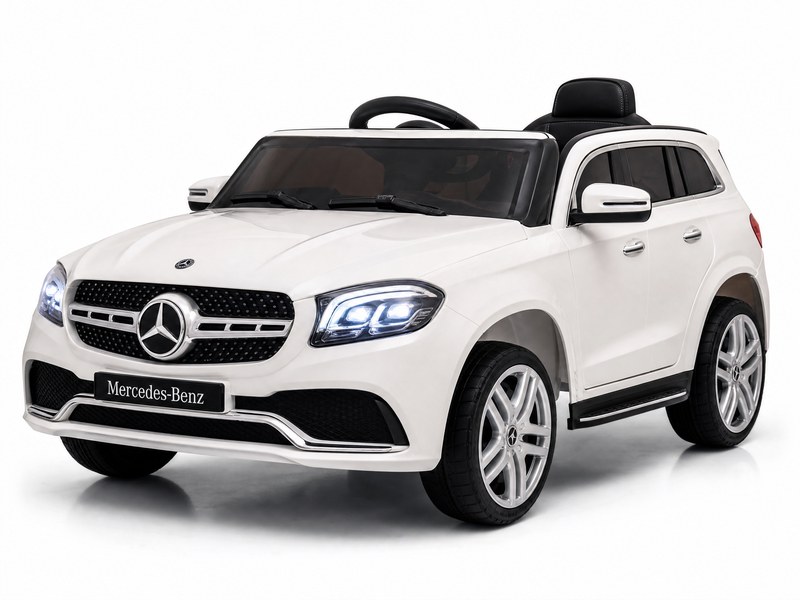
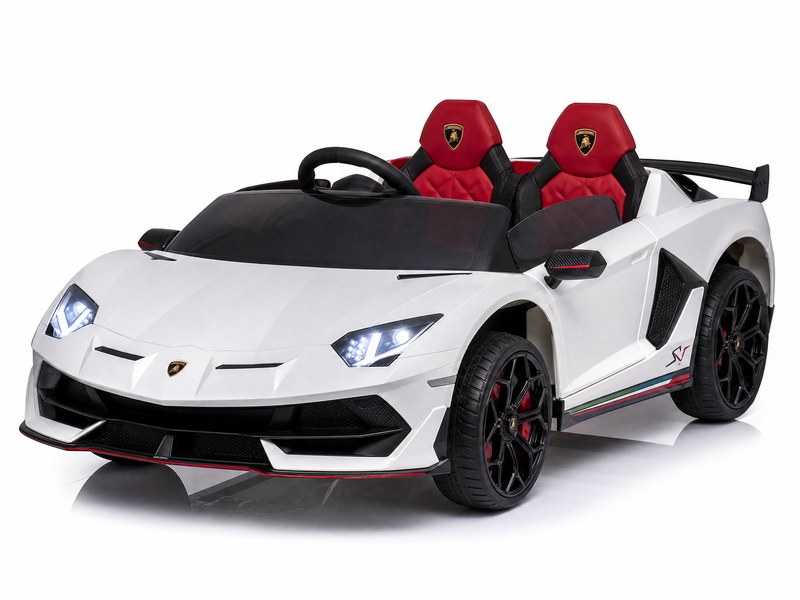
View product details for this guide
Compare current specifications, age guidance and available options before requesting a quote.
Official references
Explore these external resources for current regulatory and trade guidance. Confirm requirements with the relevant authority before placing an order.
Ready to Start?
Factory-Direct · CE & ASTM Certified · MOQ from 50 Units
Our export team works with buyers in 60+ countries. Get a quote within 24 hours.
KR
Written by KidsRideCar
China's leading kids electric ride-on car manufacturer. 500,000+ units shipped annually to 60+ countries. CE, ASTM & EN71 certified.